
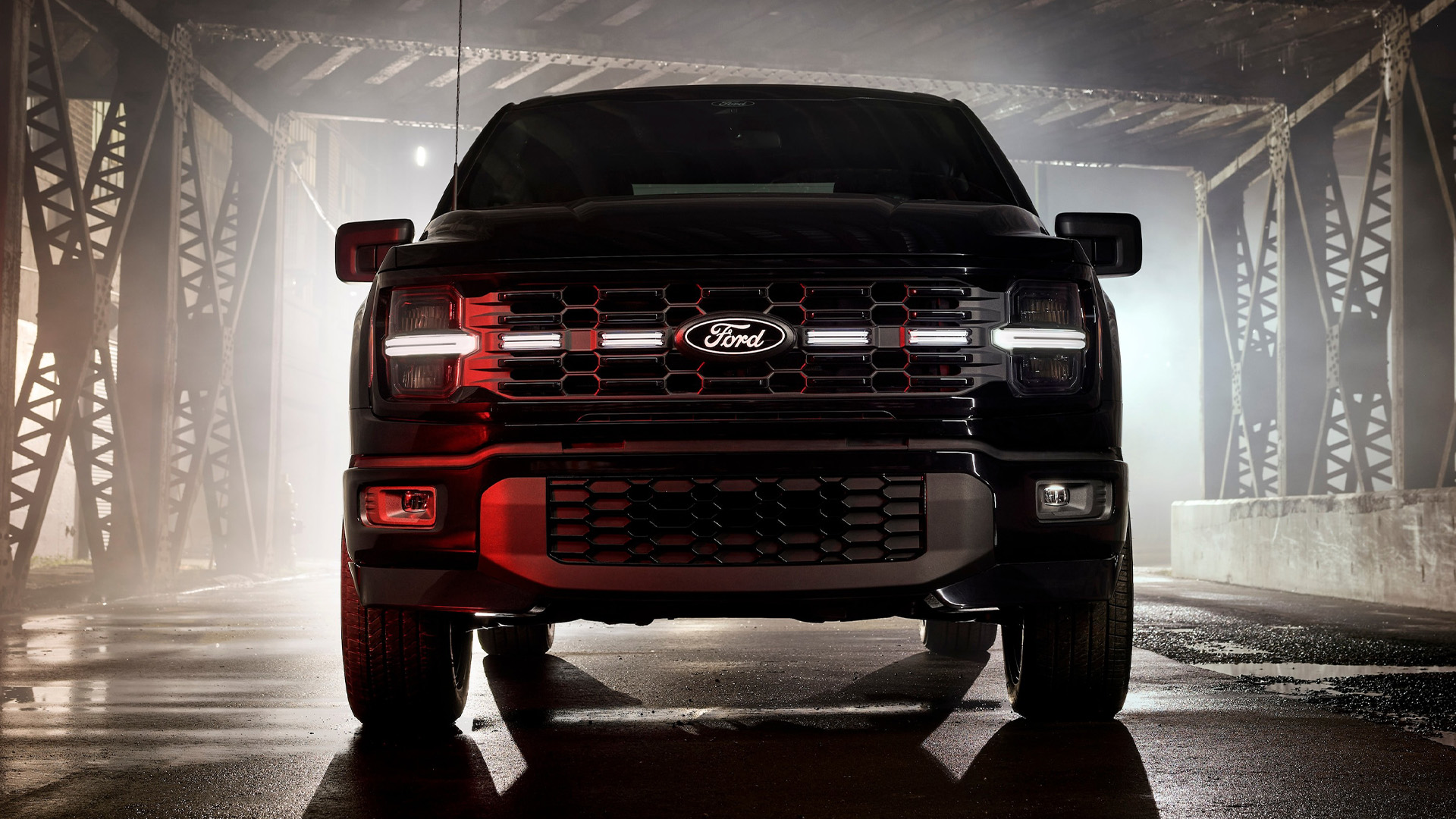
Trucks stopped being simple a long time ago. It’s tough to pin down exactly when the switch occurred, but now, we have electrified pickups and workhorses that can tow a trailer with the driver’s hands off the wheel. Advancement won’t stop here, either, as it looks like the next generation of full-size trucks could get by-wire technology that eliminates the physical connections in their steering and braking systems. Which one will launch first with the new software is yet to be seen, but it could very well be the segment’s reigning king: The Ford F-150.
Much of this info comes from Automotive News, which published a story Thursday morning about supercapacitors. Those are the quickly charging and discharging energy sources that make by-wire systems feasible. AN‘s column points to Clarios, the world’s largest manufacturer of 12-volt automotive batteries, which announced today that it will begin supercapacitor production in Michigan next year.
“With Meadowbrook [in Holland, Michigan] as our assembly site, we are strengthening our U.S. manufacturing capabilities and ensuring a resilient supply chain for our customers,” explained Clarios CEO Mark Wallace. “This step underscores our commitment to localized production and to delivering advanced, high-performance energy storage systems.”
That bit about “localized production” is significant. Ford builds the F-150 at the nearby Dearborn Truck Plant, while General Motors cranks out heavy-duty pickups just two hours down the road at Flint Assembly. AN drew attention to other supplier announcements from ZF and Brembo that could indicate a looming deal with at least one member of Detroit’s Big Three automakers.
I’ll leave the rest of the business discussion alone, though if you’re interested, AN‘s story is worth checking out. Instead, I want to focus on what this could mean for the trucks that hundreds of thousands of Americans buy every year.
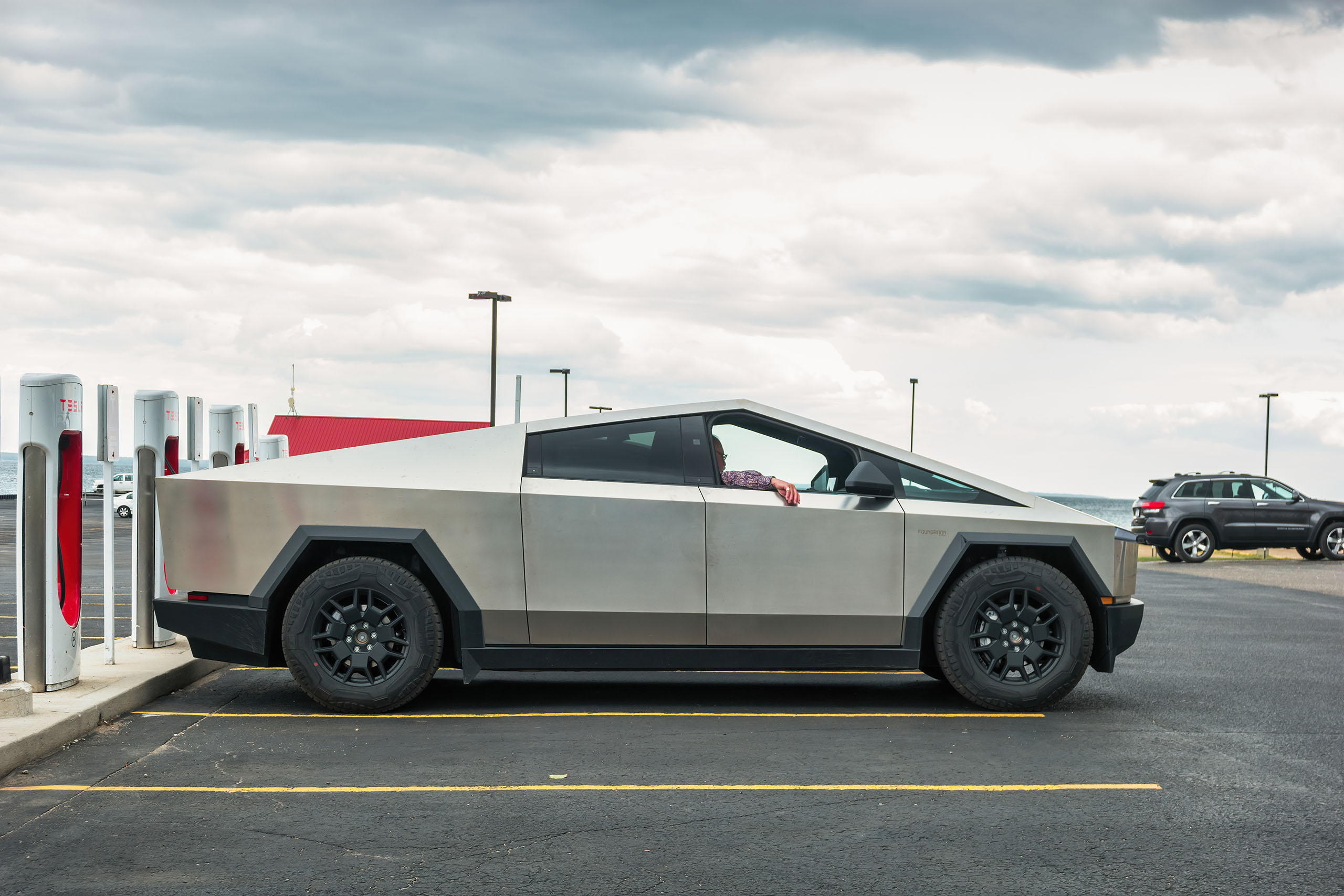
Steer-by-wire and brake-by-wire already exist in the U.S. market today, though the latter is a lot more common. Infiniti was the first to sell a car with steer-by-wire in 2013, and Lexus followed suit several years later with the RZ; however, both of them maintained backup systems with mechanical linkages. It wasn’t until the Tesla Cybertruck reached production that a vehicle was offered in the U.S. with pure steer-by-wire, featuring no physical connection between the steering wheel and the tires.
You can nitpick the Cybertruck to death, but in our testing, the steer-by-wire was a high point. It enables variable steering ratios, so maneuvers in tight spaces don’t require multiple turns of the wheel. (The Cybertruck also has four-wheel steering, which helps.) You can see it in action here:

Tesla Cybertruck Steering
In theory, better handling with reduced driver input sounds like a boon. And as pickups continue growing in size, they need all the help they can get with maneuverability. Whether you’re driving in a tight parking lot or reversing a trailer, less cranking on the steering wheel would be nice. But there’s the baked-in concern that supercapacitors and other crucial electronics might fail. Perhaps peace of mind will be reason enough for truck manufacturers to build in some mechanical redundancy.
While many new truck shoppers would be oblivious to the change if it does indeed happen, those who know could take issue. I don’t know many pickup drivers who are asking for more complexity. It’s doubly concerning when you look at the number of recalls issued every year, regardless of brand.
Some tech advancements in the truck space have proven their worth, while others remain as major pain points for drivers more accustomed to locking hubs and carburetors than 10-speeds and turbochargers. Exactly which category steer-by-wire and brake-by-wire might fit into remains to be seen. We could find out as soon as 2028, when the next F-150 is expected to launch.
Got a tip or question for the author? Contact them directly: caleb@thedrive.com
Loading comments…
Comments couldn’t be loaded. Please refresh the page.