

Jim Farley is the CEO of Ford Motor Company. He’s also a dad. Those two jobs overlap in some surprising ways, which he explained on this week’s episode of the Decoder podcast. When asked about Ford’s decision to lock the Mustang’s ECU so tuners couldn’t easily modify it, Farley used some anecdotal evidence from his home life that’s actually pretty entertaining. It involves his daughter’s boyfriend, a questionably tuned F-150, and a junked cam.
While Farley insists that Ford is in favor of owners getting more performance out of their cars, he implied that it’s hard for automakers to make special provisions for shops that simply don’t have what they need to write safe tunes.
“The aftermarket is a real opportunity, but it’s also a big challenge for us because a lot of people like to write software in the control module that controls the powertrain to get better performance. But what they don’t know, and what the user may not be aware of, is that all the reliability and the quality issues that might come up are very expensive,” Farley explained. “My daughter’s boyfriend is one of these people. He bought a brand new F-150, he’s got a supercharger on it. He recently got a bunch of error codes because he updated the ECU against Ford’s standards, and now he needs thousands of dollars of expensive repairs because the vehicle has started chewing its camshaft. It was great that he could get 650 horsepower out of his EcoBoost F-150. He didn’t think about what he was doing to the reliability of the vehicle, but we have to at Ford.”
Now, we should give Farley the benefit of the doubt. He almost certainly misspoke about the boyfriend supercharging his twin-turbo V6 F-150. That happens, and Farley knows his product.
What’s really important to draw out of this quote is how uninterested Ford is in making exceptions for third parties. Farley argues that shops get carried away rewriting files that affect many other parts of a car’s operation. In turn, the Blue Oval gets the blowback, which explains why it locked down the Mustang ECU.
“All I would say is that it’s a tough problem to solve,” Farley said. “We always want to give customers a chance to tune their vehicles, but we actually know a lot about the reliability of the vehicle. Are we as a brand going to let our quality reputation suffer to give a person the ability to modify the vehicle? I think that’s a hard compromise for us to make.”
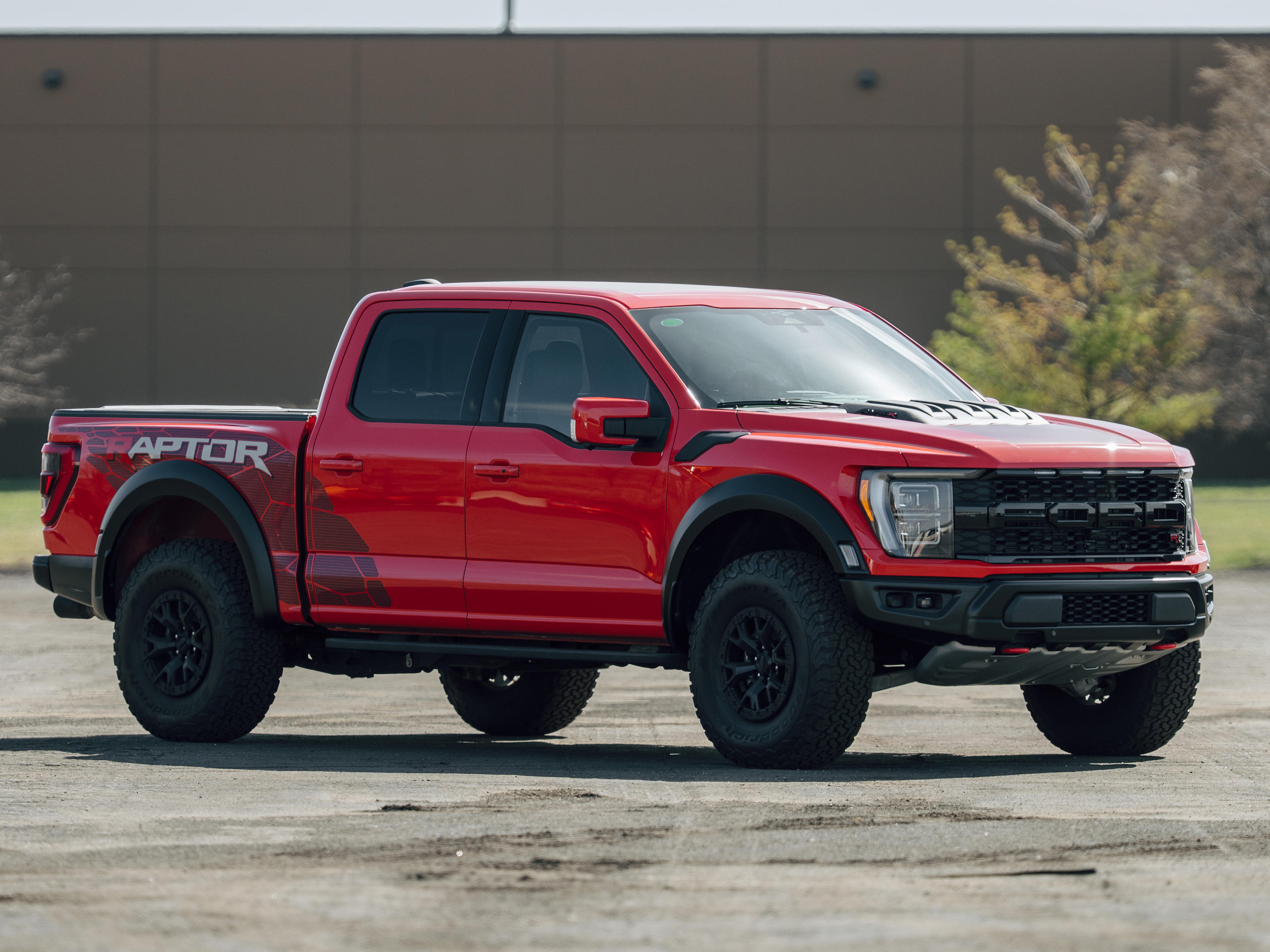
Farley pitched the idea of customers tweaking their vehicles through Ford, effectively turning the automaker into an aftermarket provider. In a way, it already is, given the huge list of accessories and upgrades Ford currently sells. Heck, it even offers a factory tune for the Ranger Raptor and Bronco Raptor that adds 50 horsepower and more than 100 lb-ft of torque.
All this is to say that Ford likely won’t budge on its stance toward third-party tuning. Call it what you want—image protection or corporate greed—but that’s the way it is. Don’t be surprised if others follow suit, like some already have.
Got a tip or question for the author? Contact them directly: caleb@thedrive.com
Loading comments…
Comments couldn’t be loaded. Please refresh the page.