
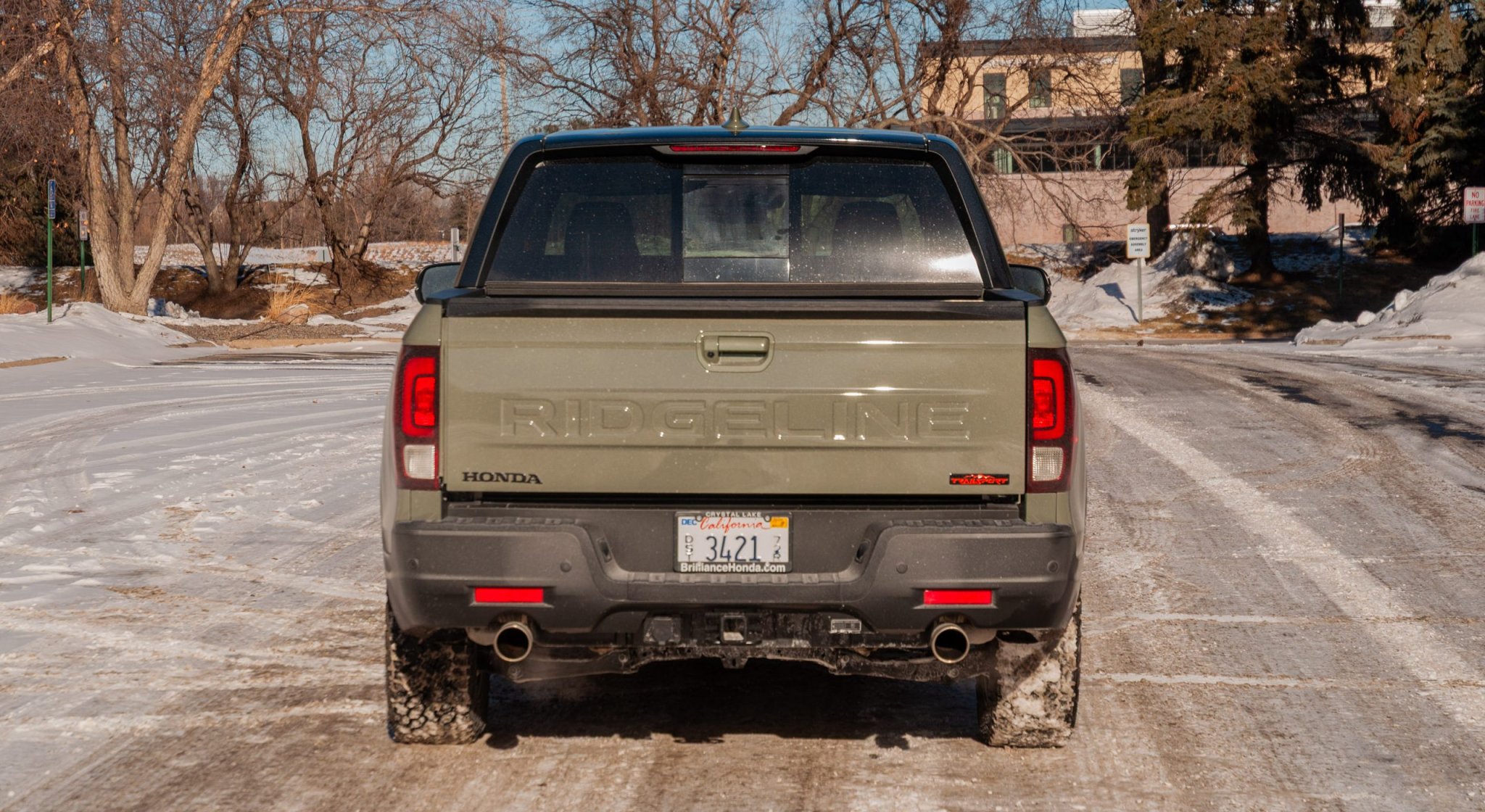
If you’ve ever towed with a pickup, there’s a chance you’ve wanted to tell the truck’s engineering and design team, “You had one job.” I’m talking about frustrating receiver hitch setups, with their safety chain hooks and trailer plug connectors. Trucks are theoretically meant to work, and they are marketed as such (whether consumers use them that way or not is a different story). Yet somehow, most modern pickups have unacceptably poor towing setups. But not Honda.
The Honda Ridgeline might be the best example of the unassuming truck that could. The rear-seat packaging, in-bed underfloor storage, and multi-function tailgate are all well-documented, but what surprised me was the receiver and safety chain hookups for towing.
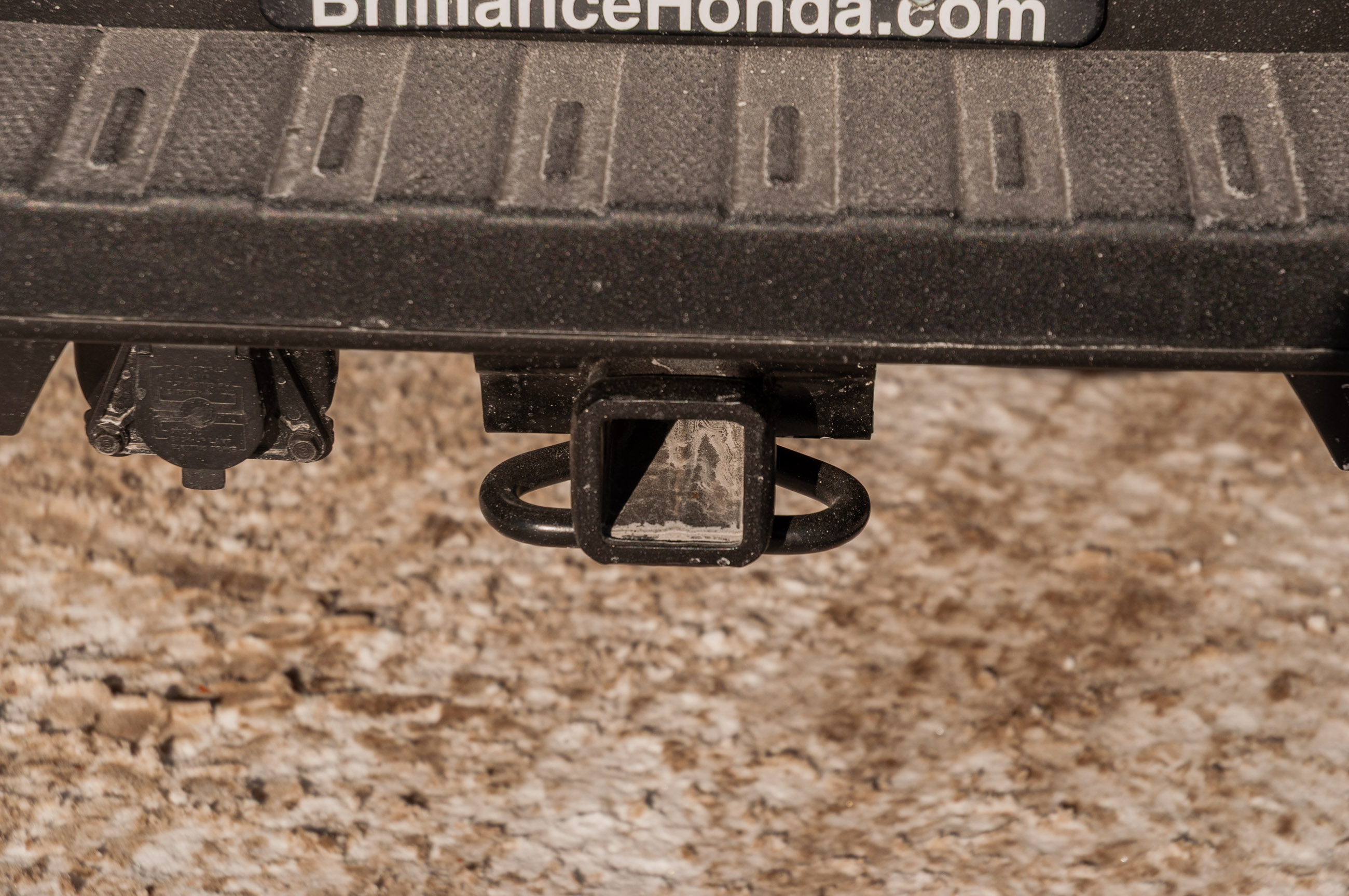
Team Honda nailed this part of the design and engineering brief. The receiver is a normal single-wall affair augmented by large safety-chain hookups that aren’t overly thick, overcomplicated, or confounding in design, and look to be easily compatible with pretty much every type of hookup and emergency brake hook I’ve encountered. The seven-pin light connector is mounted directly next to the receiver, which does make you bend down more than if it were mounted by the license plate, like some trucks, but means the plug cord doesn’t need to reach as far as it will on those other trucks.
This might seem trivial, but let’s take a look at the full-size, light-duty competition for reference. I have receipts.
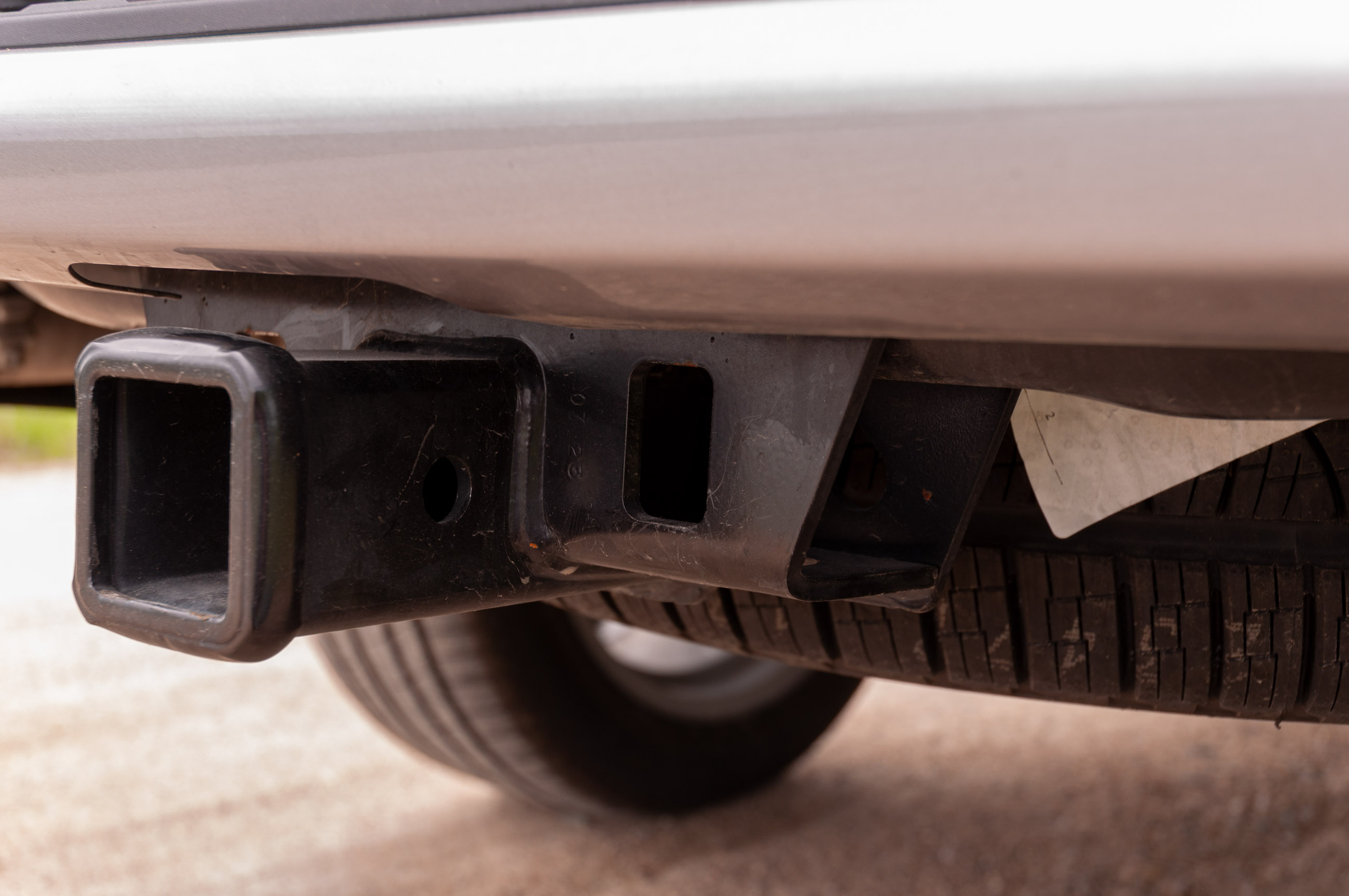
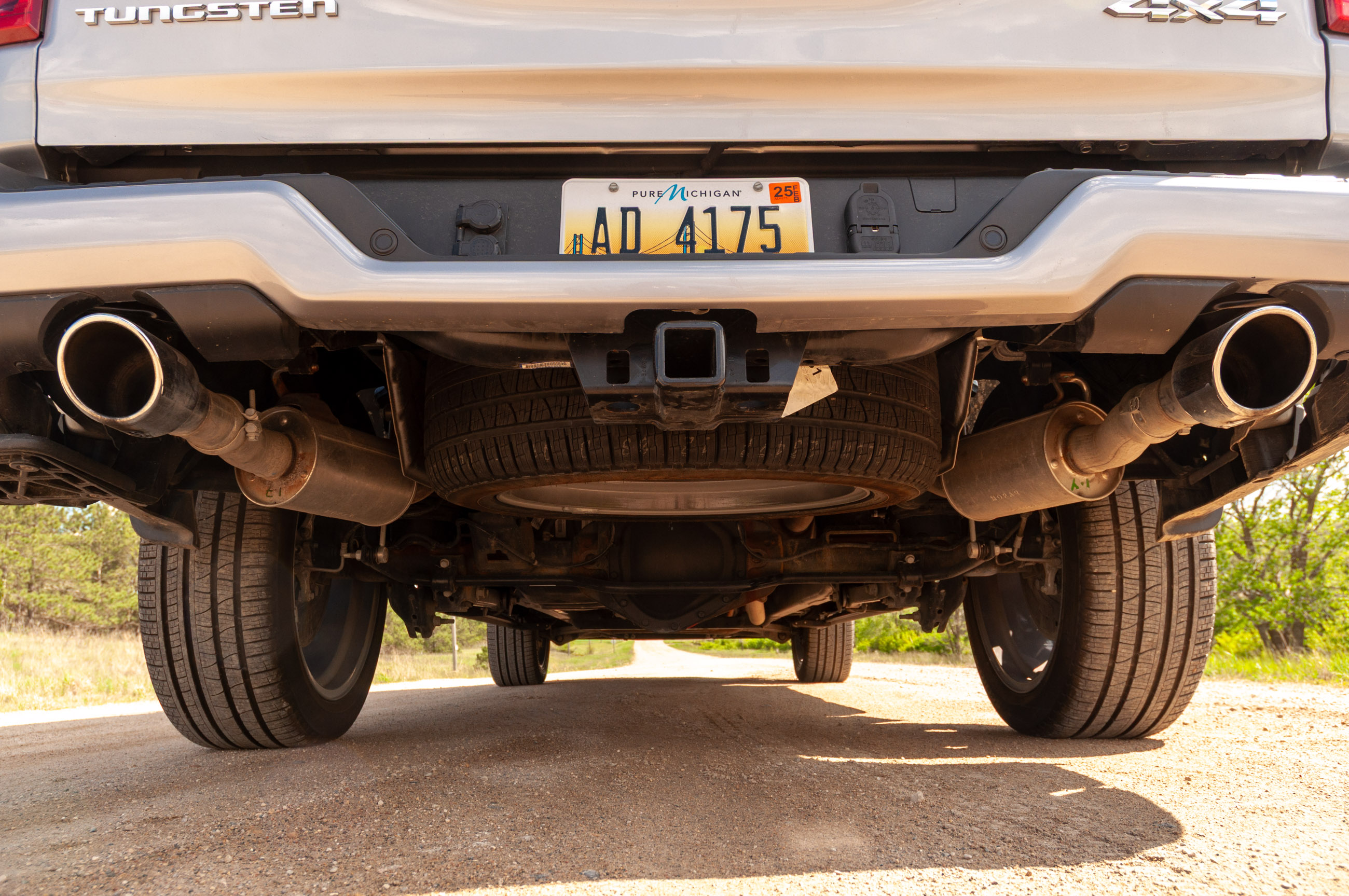
First up on the docket is the current Ram 1500. The receiver itself is fine. The plug outlet is mounted near the license plate, making it a stretch for older trailers with shorter trailer light wiring harnesses (our old deck boat needed an extender to reach). However, the worst part of the design is the safety chain hookups. They seem clever at first glance, with a square hole punched in the rear-facing box wall and a circular opening directly below in the bottom box wall. In theory, you could just clip your safety chains directly through the square hole and down into your circular hole. Smart, but there’s no meaningful way to secure the boat trailer’s smaller emergency brake hook as it won’t reach through both openings.
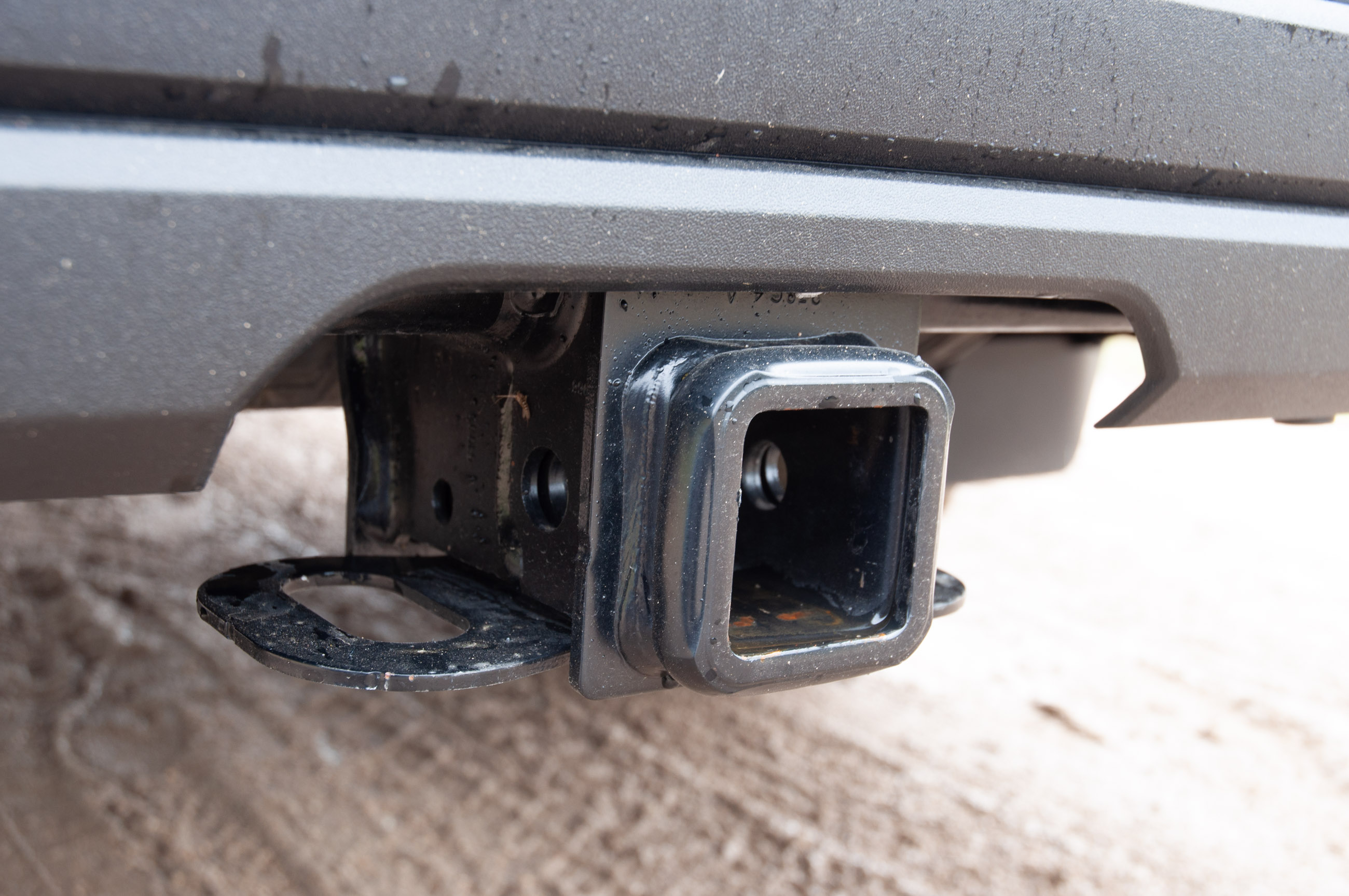
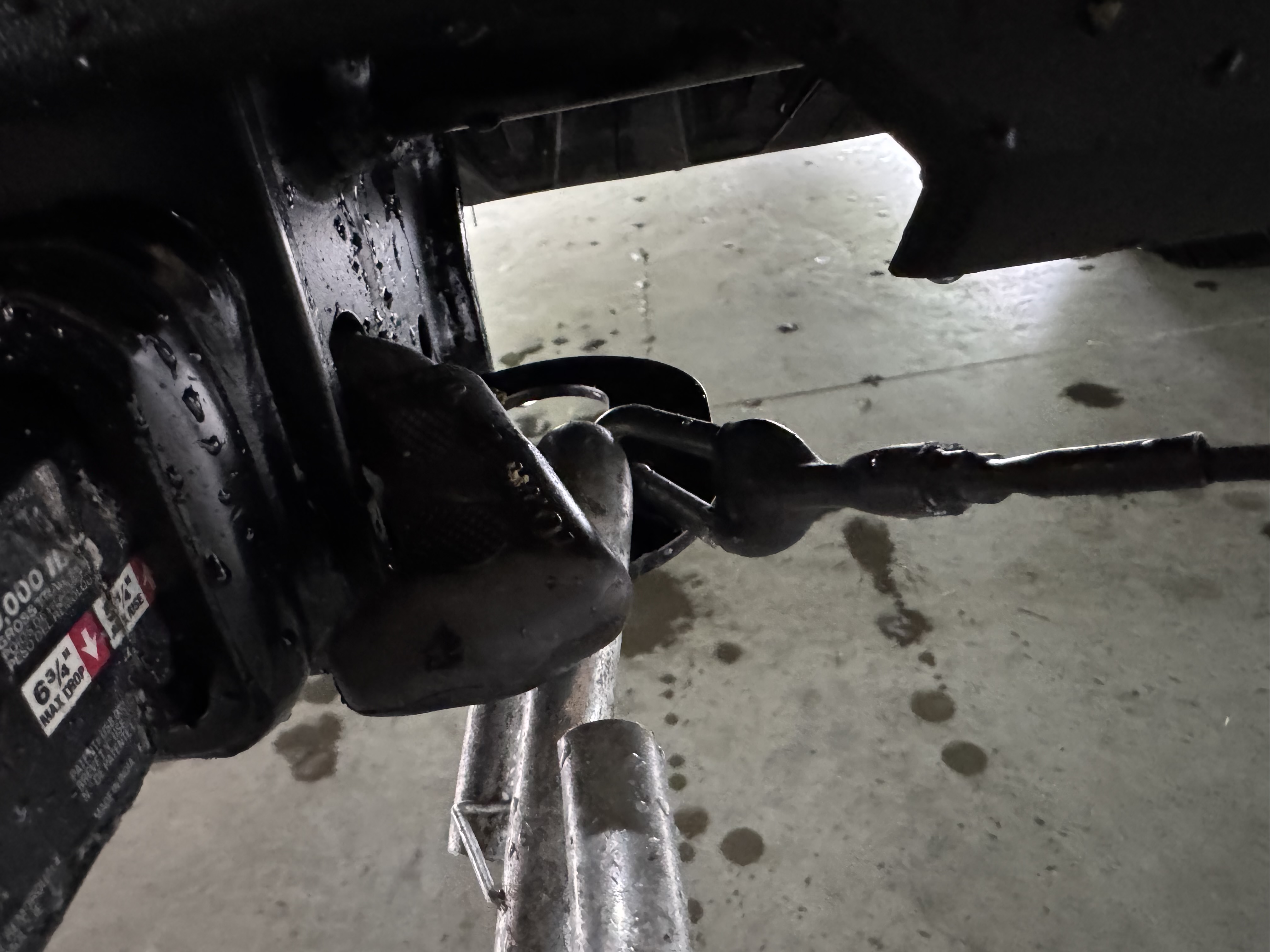
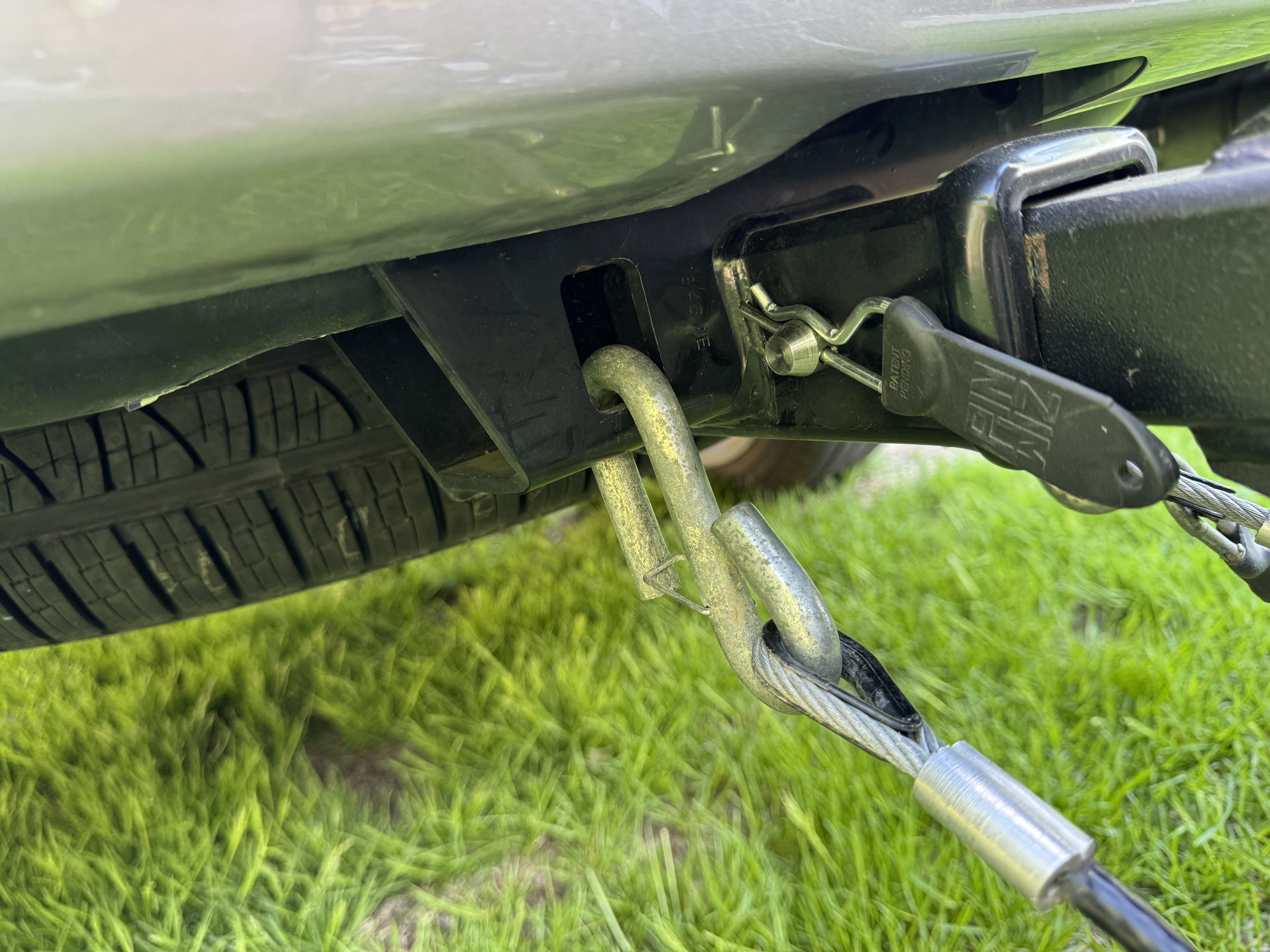
The Toyota Tundra, and basically everything else that shares the TNGA-F platform it rides on, is perhaps the most baffling of the bunch. The receiver is double-walled with an air gap. In reality, that means your 3.5-inch hitch pin that fits in basically every other vehicle’s receiver will not fully clear this receiver, and you’ll need at least a 4-inch hitch pin. That isn’t a big deal if you own a 4-inch hitch pin, but if you don’t, and you grab the 3.5-inch pin you use in every other application, you’ll be in trouble. Ask me how I know. We now own a 4-inch hitch pin.
Toyota engineer Sheldon Brown explained to me that they engineered this double-walled design (with an air gap) for strength, durability, and safety. Ok.
Visually, the safety chain hookups look like an ideal design, but they are too wide for some boats’ emergency brake hook to fully clip around, as evidenced by the right photo above.
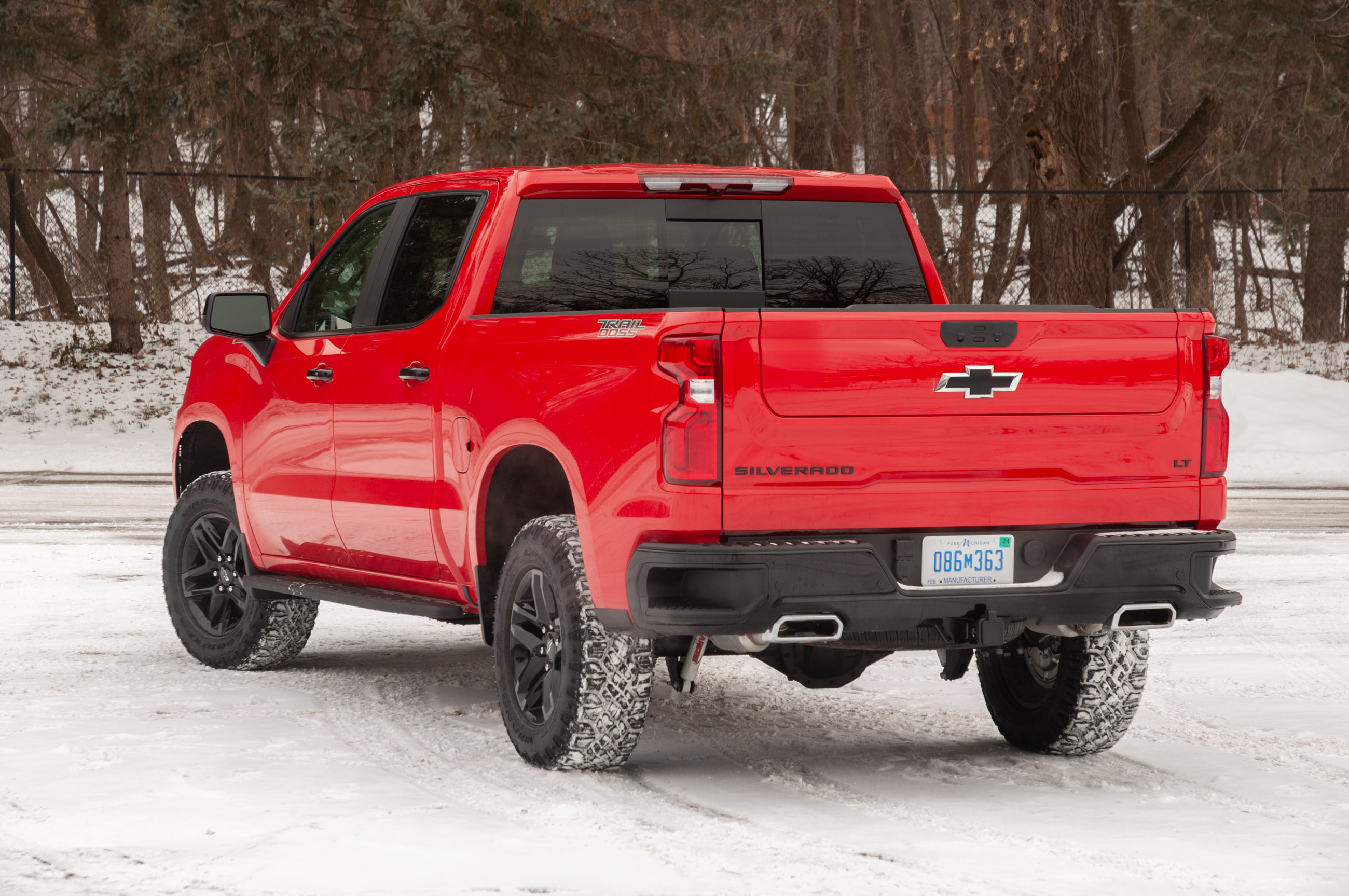
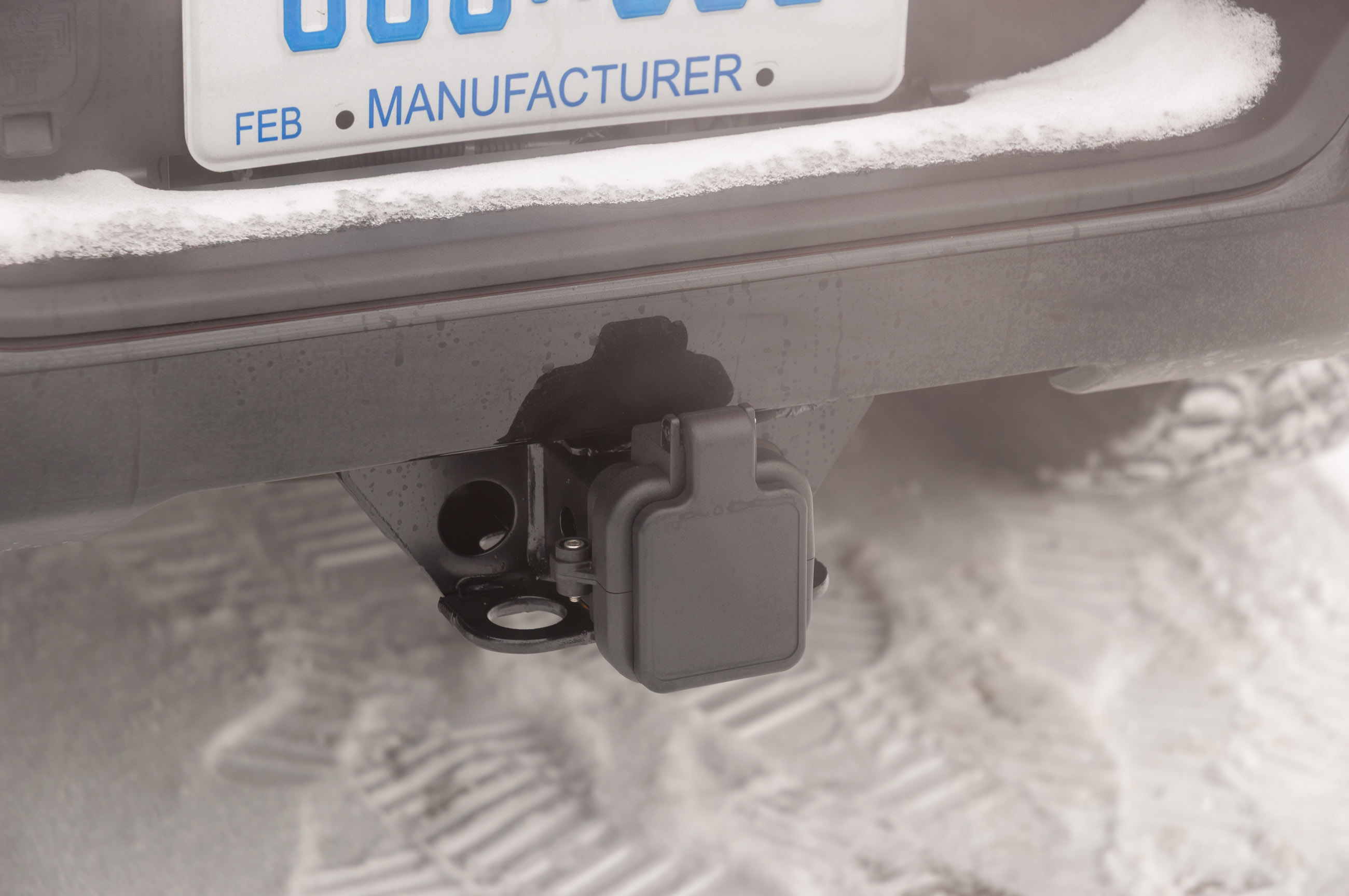
General Motors’ twins—the Chevrolet Silverado 1500 and GMC Sierra 1500—fall somewhere in the middle of all this. The receiver itself is fine, with nothing notable about its design (other than this particular truck had a cover on it at the time). The plug for trailer brakes and lights is mounted up by the license plate in the bumper area, like the other full-sizers at this point, which again is fine, but means you do need a longer cord than some older trailers might have.
The safety chain hookups are circular and right next to the receiver in an area that’s easy to access and view. Most safety chains aren’t going to have an issue, but the holes aren’t particularly large, which means if a trailer has large hooks, it could be tight between the safety chains and emergency brake hookup. The area around the hole isn’t obnoxiously large, so a smaller S-hook for the emergency brake pull hasn’t been an issue in my experience.
Confusingly, there are holes punched into the receiver’s bracket near the bumper. These are absolutely not to be used with trailer safety chains, and a GM spokesperson told The Drive these are there to “create room for the hitch pin.” In theory, this makes sense, but in reality, the extra holes create a bit of confusion as to why they exist.
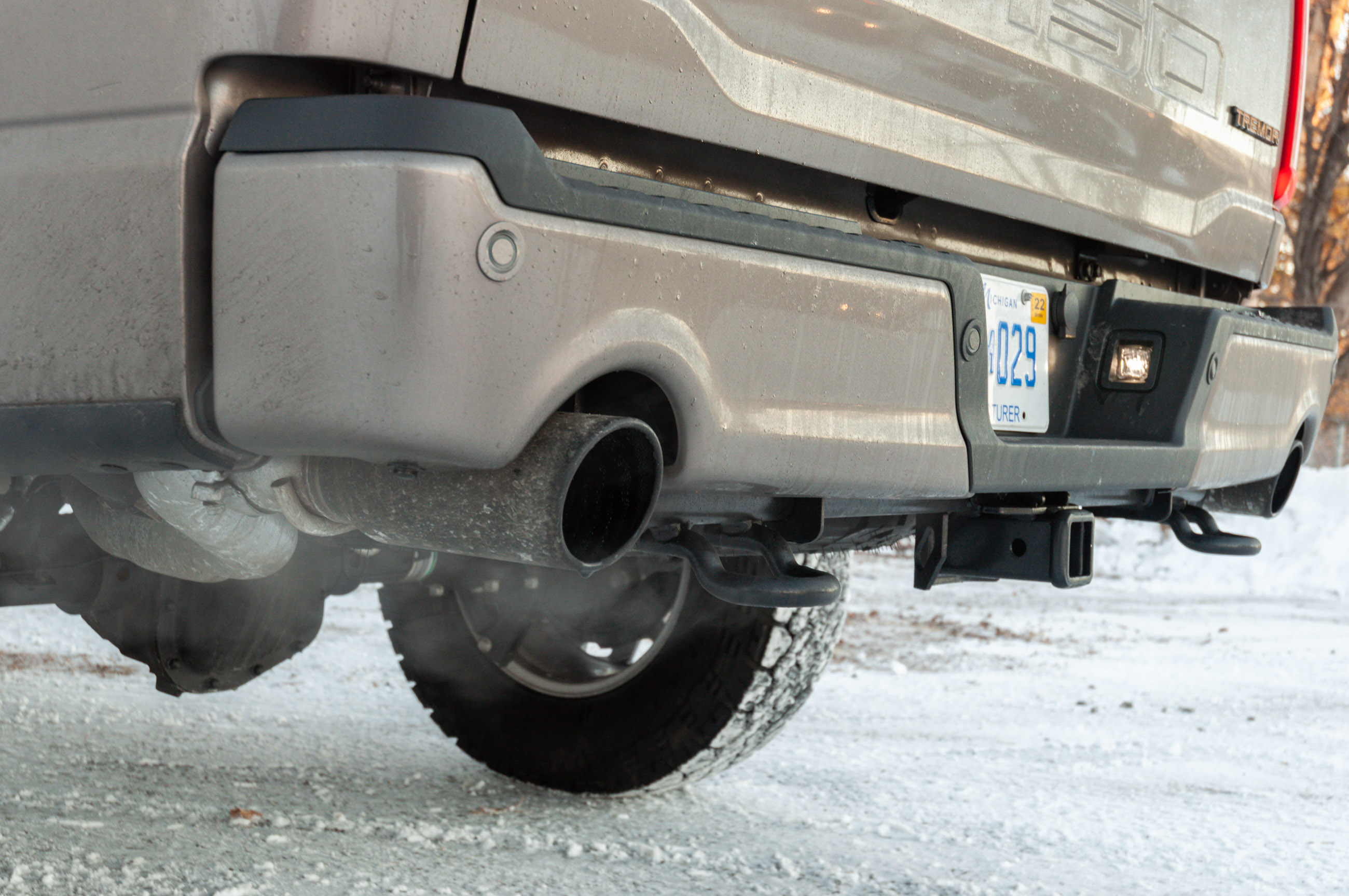
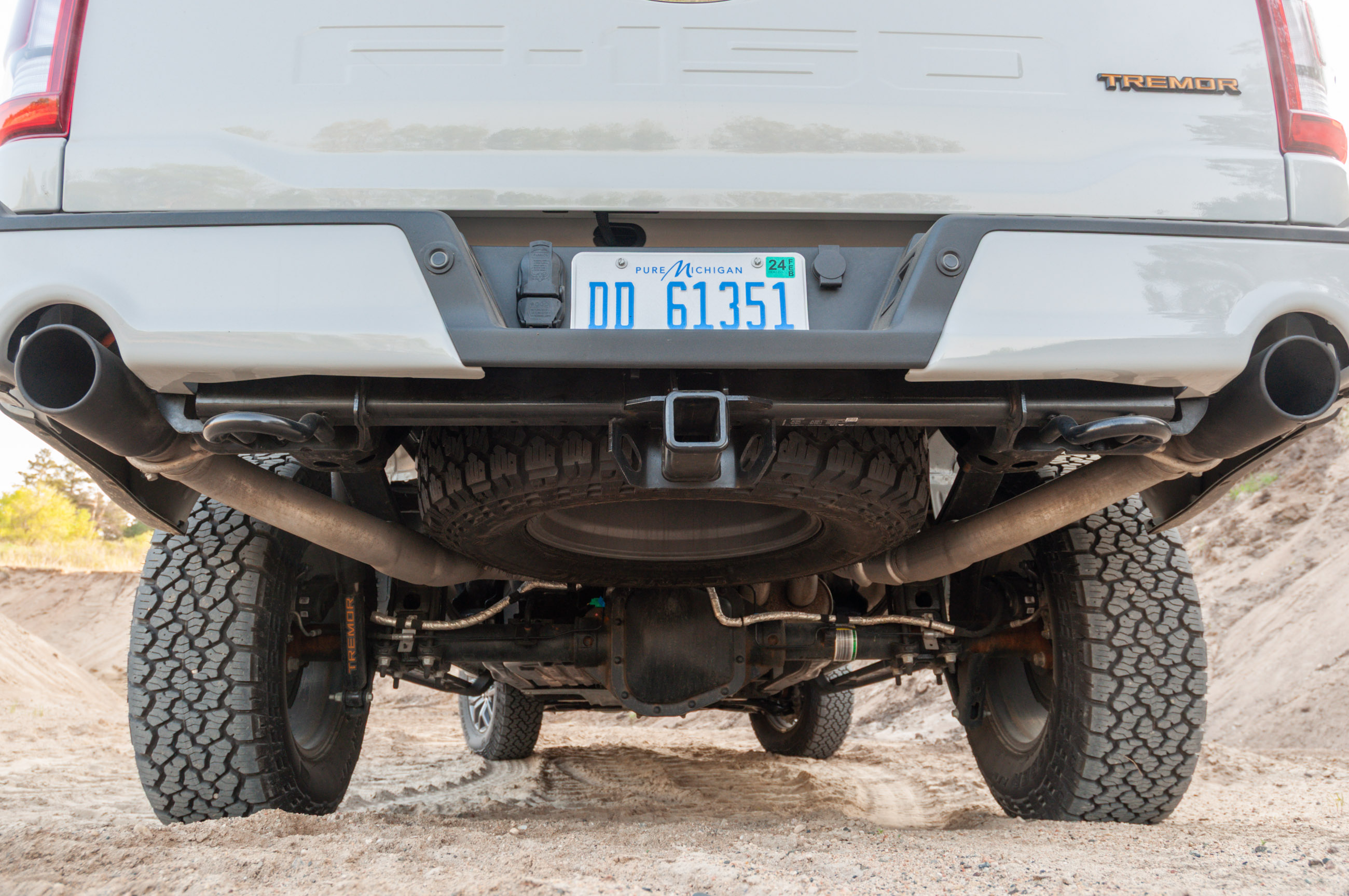
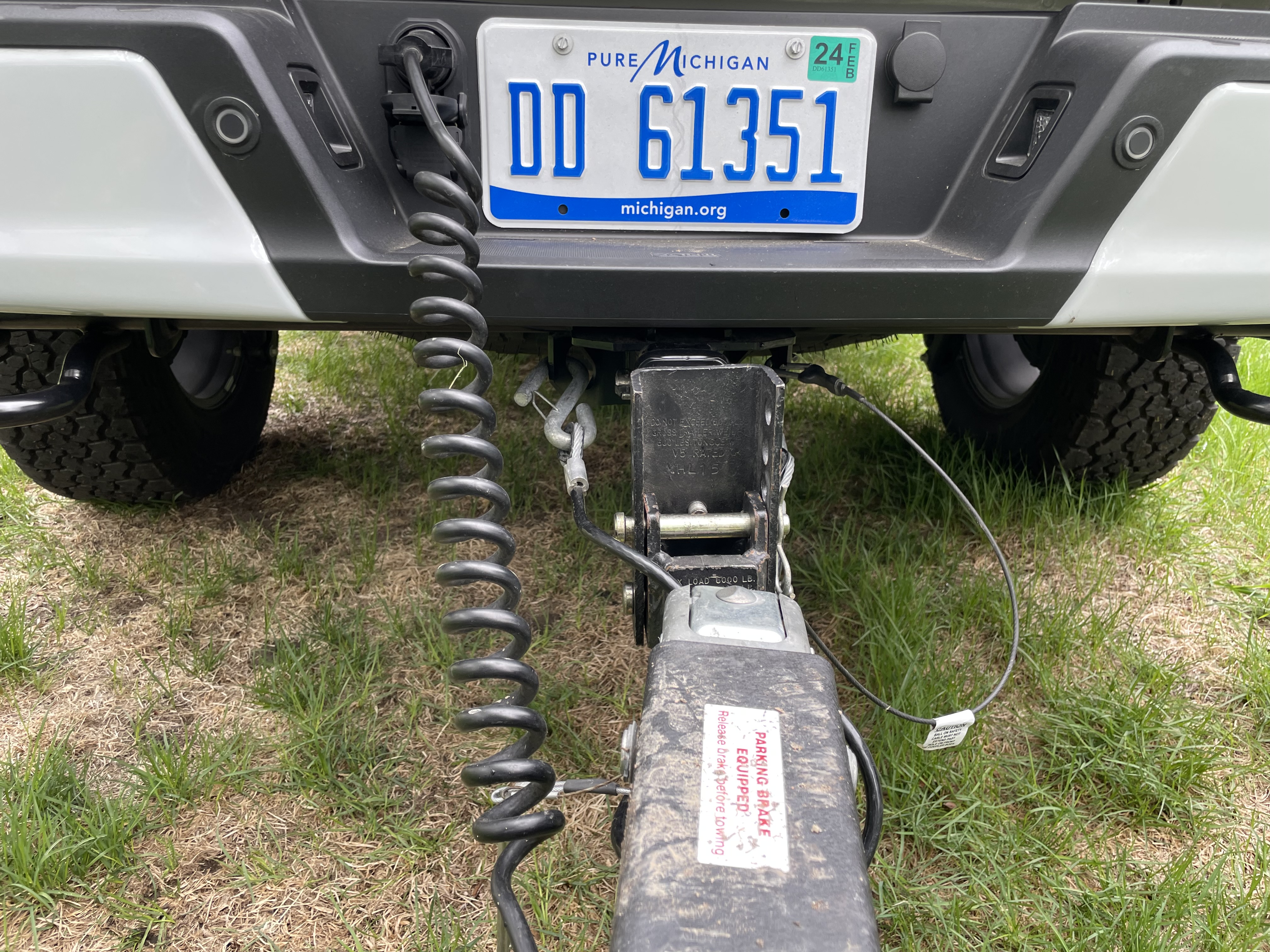
And that brings us to the king of the segment: The Ford F-150. One might think it would inherently have the best towing setup of the bunch, but those people would be wrong. Like the other full-size trucks, the light hookup is near the license plate, which means you need a long enough cord. That’s common at this point in the story. But the safety chain hookups are inset under the bumper and angled. The angling of these makes it easier to clip on, but the fact that they are inset makes it harder to see things. This means you’ll more than likely end up on one knee or crouching down low to hook up the trailer’s chains. Ford is going to say this angled and inset setup provides more space and breathing room around the cotter pin. Probably, but it’s not necessary and makes it harder to see and or hook up those chains.
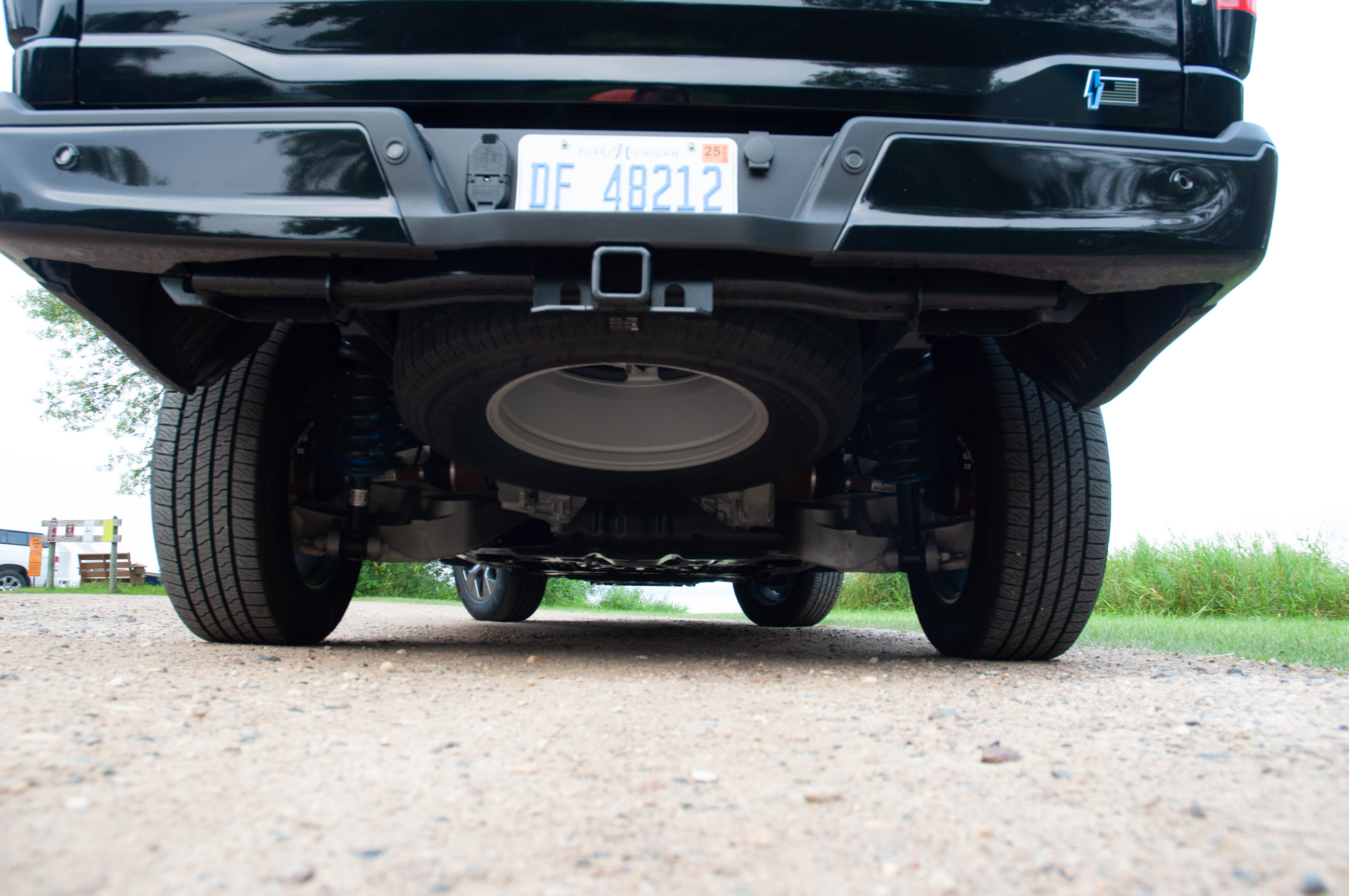
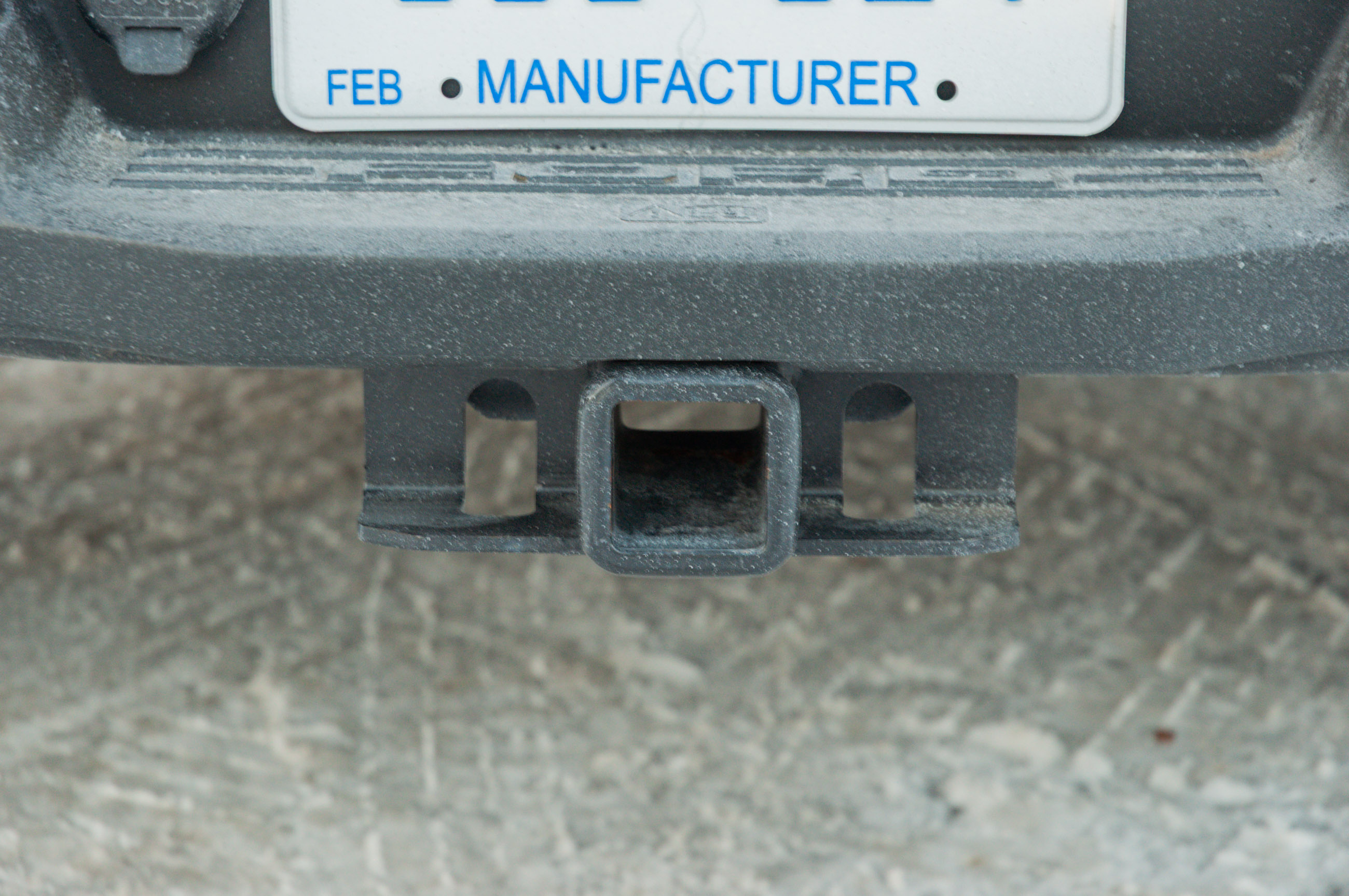
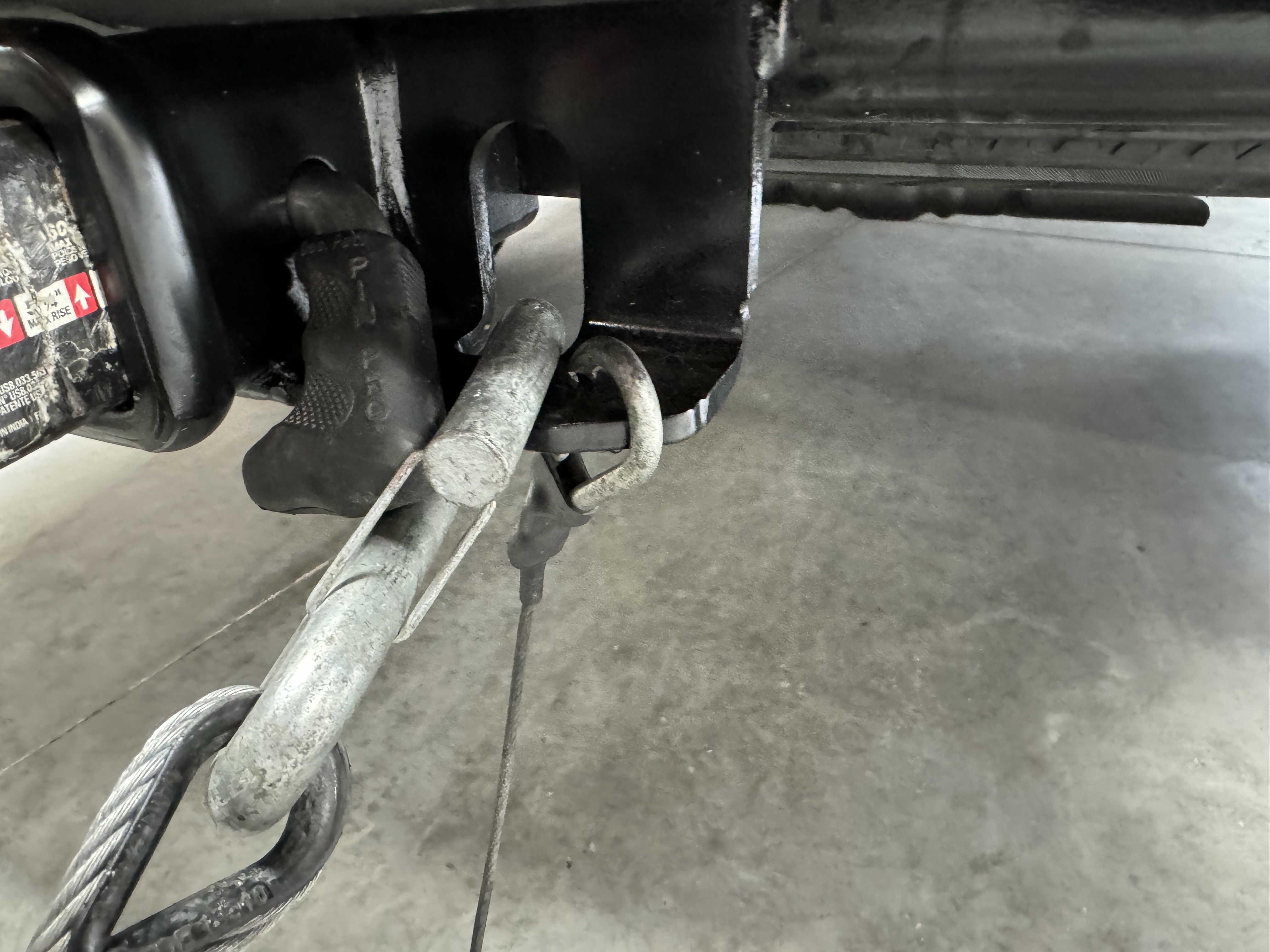
Ironically, the Ford F-150 Lighting had a different receiver setup than the standard F-150. That’s because the spare tire location had to be shuffled around underneath the bed, thanks to the independent rear suspension and battery pack. The receiver setup on the Lightning—which, as a reminder, is now dead—was in some ways far superior to the standard F-150’s setup. The safety chain hookups were not inset; they were front and center, right next to the hitch pin. I’m sure Ford would argue this makes it more crowded for the hitch pin, but I never had an issue, and these hookups were much easier to see than the inset and angled design. But, the flat bottom piece of metal for the loop was too thick, making it so the emergency brake hook for the boat trailer (which is from 2017, a completely modern trailer) didn’t fully clear over the metal bracket.
At the end of the day, all these full-size trucks are more capable than the Honda Ridgeline when it comes to hooking up and towing. The Ridgeline is only rated to tug up to 5,000 pounds. But as you can see, the design and implementation of receivers and safety chain hookups vary widely, and Honda’s once again shown how simplicity and function can rule the day.
Got a tip about how something works? Send us a line at tips@thedrive.com