
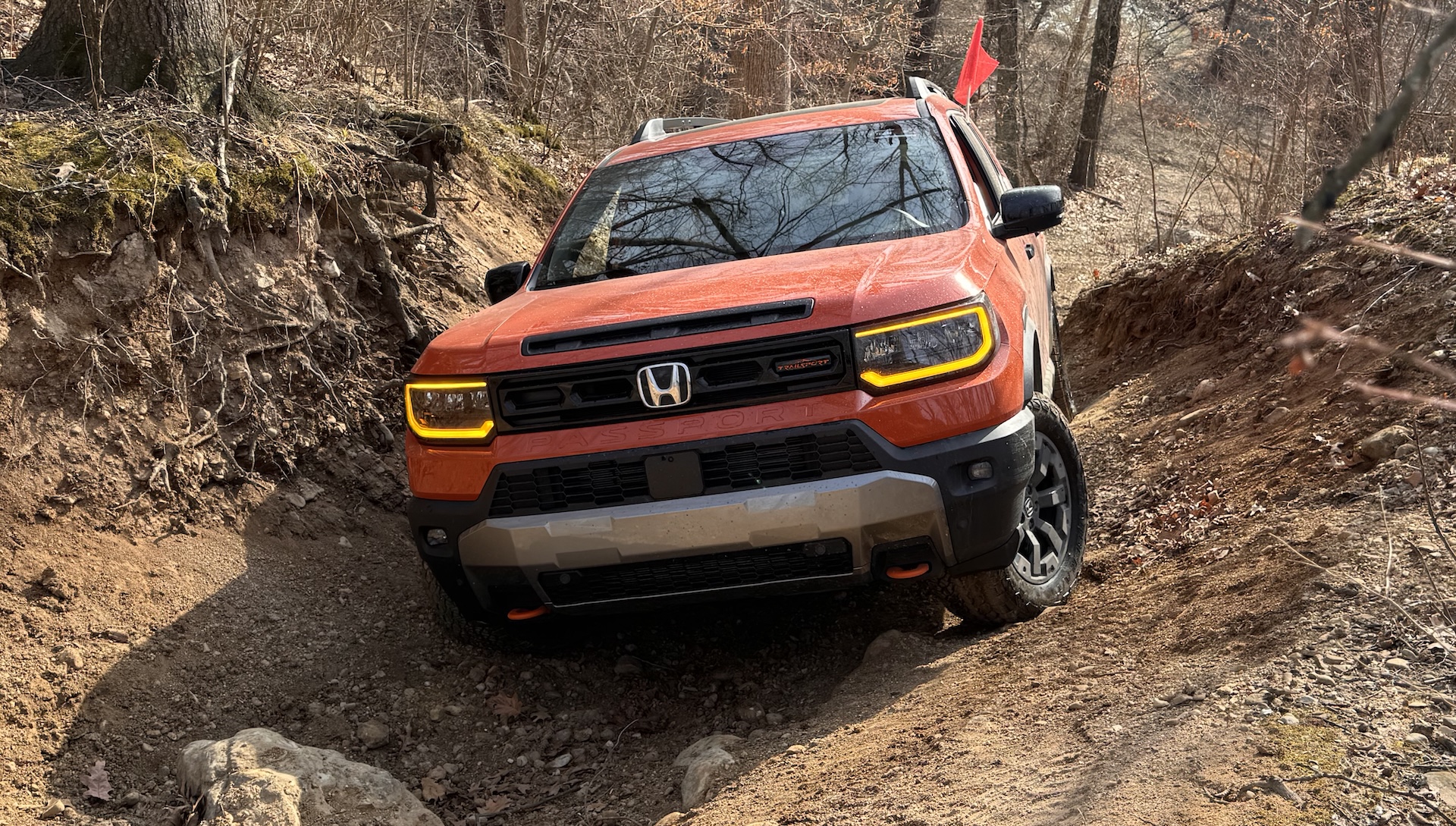
It’s been a bit since our last episode of the Honda Passport TrailSport long-term series. But then again, it’s been the dead of winter here in the Midwest, and I covered snow- and cold-weather driving at the turn of the year, so it’s been, uh, more of the same since then. Luckily, it’s early April now, and we’ve had a few days of fair weather recently—even got up into the 70s for a random, freak weekend. So, I did what any logical person would do: I went off-roading.
With plenty of sunshine and mild temperatures on our side, I packed up both kids and the usual gear (tow strap, air pressure gauge, flag, gloves, tools, etc.) and headed to the off-road park. Now, despite having the Passport for nearly seven months by that point, I hadn’t gone off-roading yet. I was saving that for the end of my time with it in case I rolled the thing or something. And given that I didn’t go on the first media drive of this thing—that was Andrew Collins—this was also my first time off-roading the new Passport, period. I had done so in the previous-gen, but not this one. I was truly looking forward to it, given my experience with the more-capable-than-you’d-think Pilot TrailSport.
If you want to revisit previous installments before reading the latest update, here are the shortcuts:
- Welcome Passport: Specs, Test Details, Ultimate Goal
- First Impressions
- Analysis: Features and Equipment
- 5,000-Mile Review
- The Honda Passport Wave Is a Thing
- Let’s Chat: I Answer All of Your Questions
- 10K Miles, Snow, and a Trip to the Dealer
The Basics
In case you’re not super familiar with the Passport’s specs, here are the basics: the 3.5-liter V6 produces 285 horsepower and 262 lb-ft of torque and is paired with a 10-speed automatic transmission. Honda’s second-gen Intelligent Variable Torque Management four-wheel-drive system sends power to all four wheels, while Trail Torque Logic with Snow, Trail, and Sand modes manages power, torque, and slip settings depending on trail conditions.
The TrailSport trim offers 8.3 inches of ground clearance, underbody protection, and knobby 31-inch General Grabber all-terrain tires on 18-inch wheels. Approach and departure angles are 23° and 23.1°, respectively. There’s a front MacPherson strut setup and a multi-link setup in the rear, with trim-specific tuning. There’s also Hill-Start Assist and Hill-Descent Control, and surround-view cameras (including front camera) to help on- and off-road.
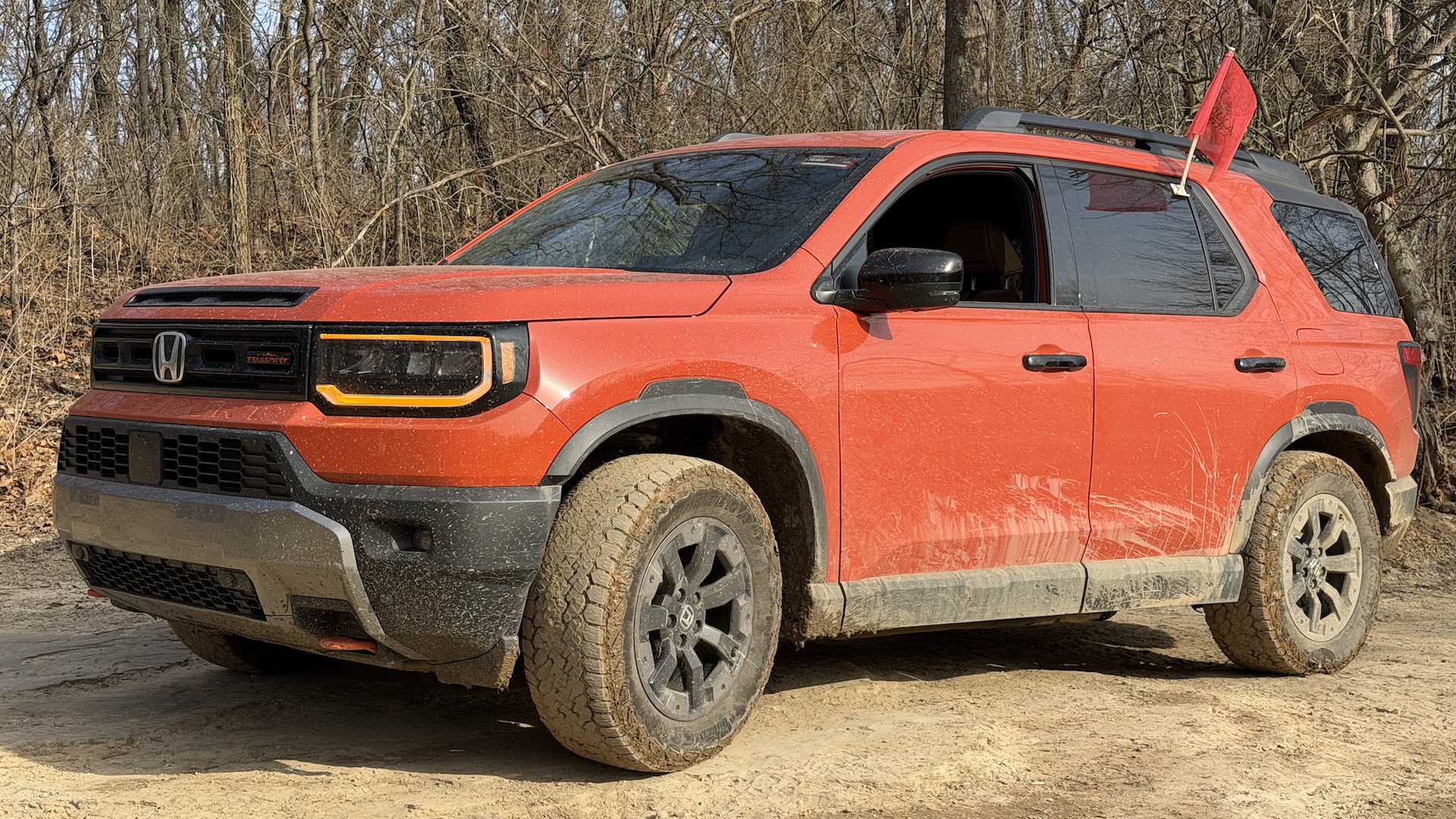
Off-Roading
TrailSport is a comprehensive upgrade that’s not just for looks. No, it doesn’t turn a Honda SUV into a Wrangler or a Defender, and yes, it’s a huge sales hook for Honda to appeal to “rugged-look enthusiasts,” but to say it’s purely cosmetic would be wrong. Even if the hardware upgrades don’t look so intense (though the suspension and tires alone play a huge role in its capability), it’s the tuning and how it all comes together that truly elevate the Passport’s off-road chops.
Having visited this off-road park in Northwest Indiana for over a decade, I know the trails there pretty well, and I’ve driven dozens of vehicles there over the years. Given that the terrain was fairly dry and there weren’t many patches of snow or even mud, I ventured on the same trail that I had most recently taken a Lexus GX550 and a Defender 90 before that. A bit ambitious, but there are enough alternatives to slip into an easier trail along the way should I need to.
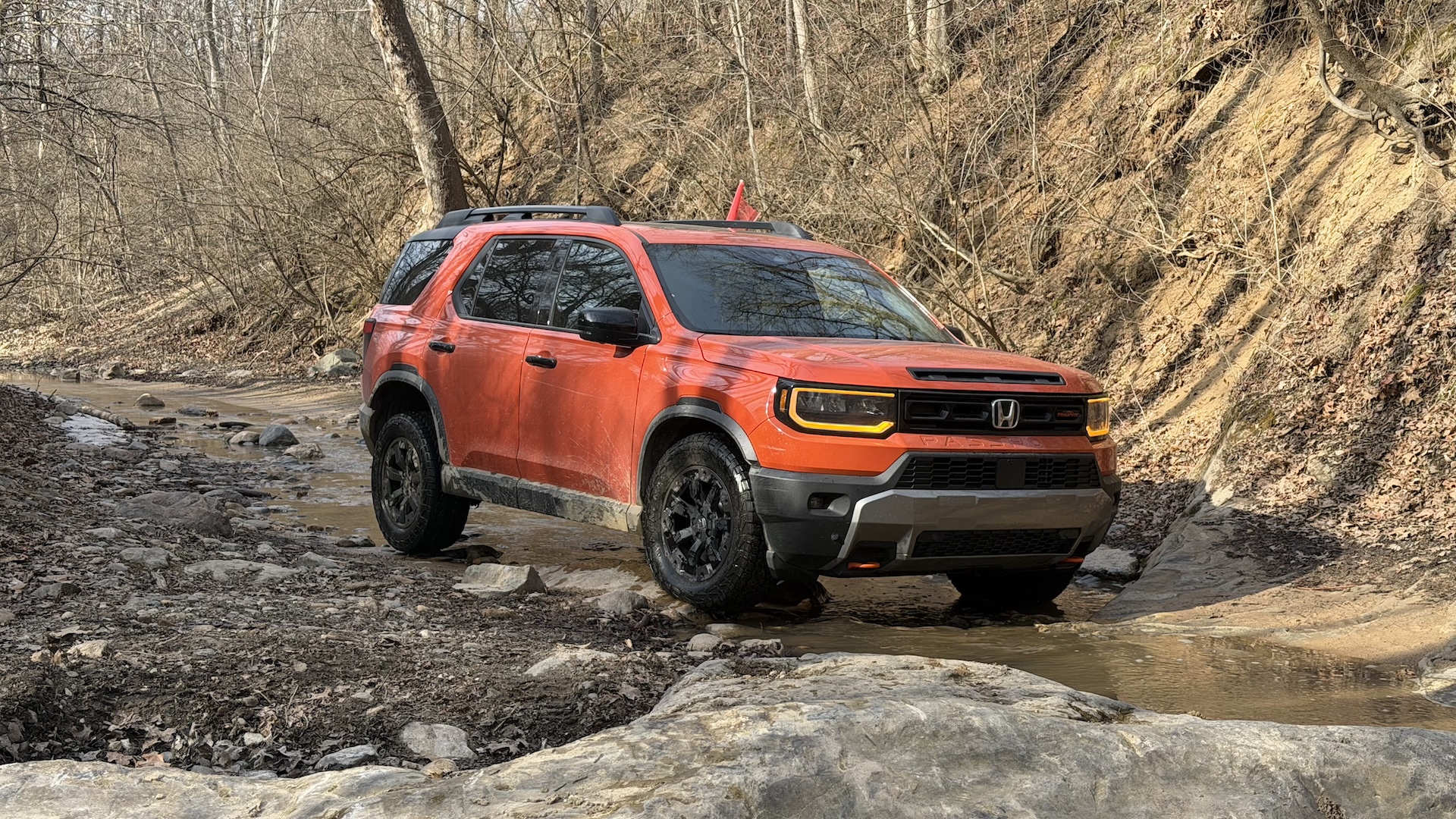
The first detail that stood out was how compliant the suspension was. As I’ve said in my reviews, the suspension can feel quite soft and springy on the road, especially when speeding around town, but in crater-filled, rutted trails, the Passport felt right at home. Wheel articulation at low and moderate speeds was great, and the General Grabbers felt up to the task when climbing up or slipping down hills. I mostly stuck to Trail driving mode, which allowed generous wheel slip on surfaces with loose dirt and kept throttle input smooth on uphills.
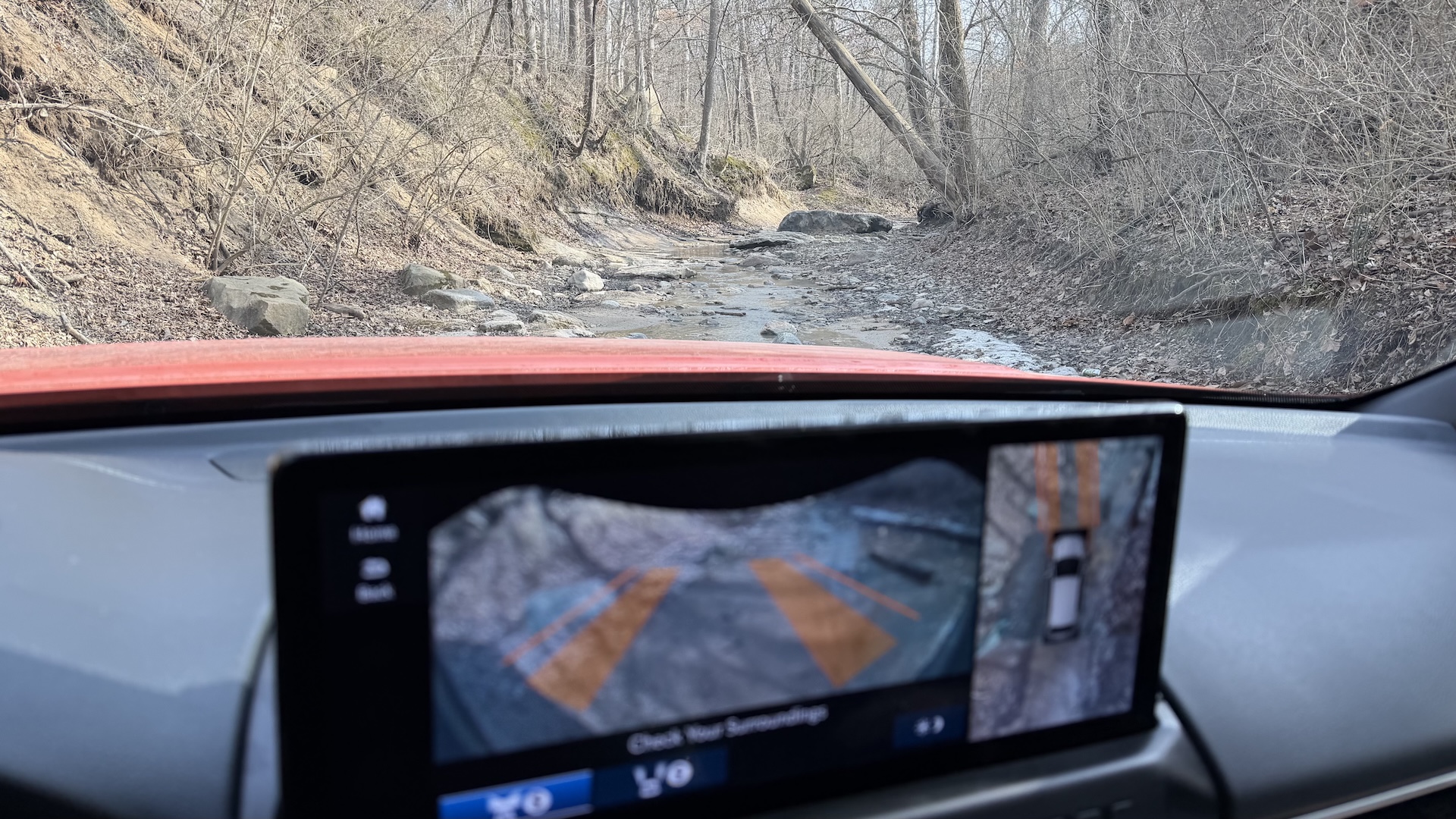
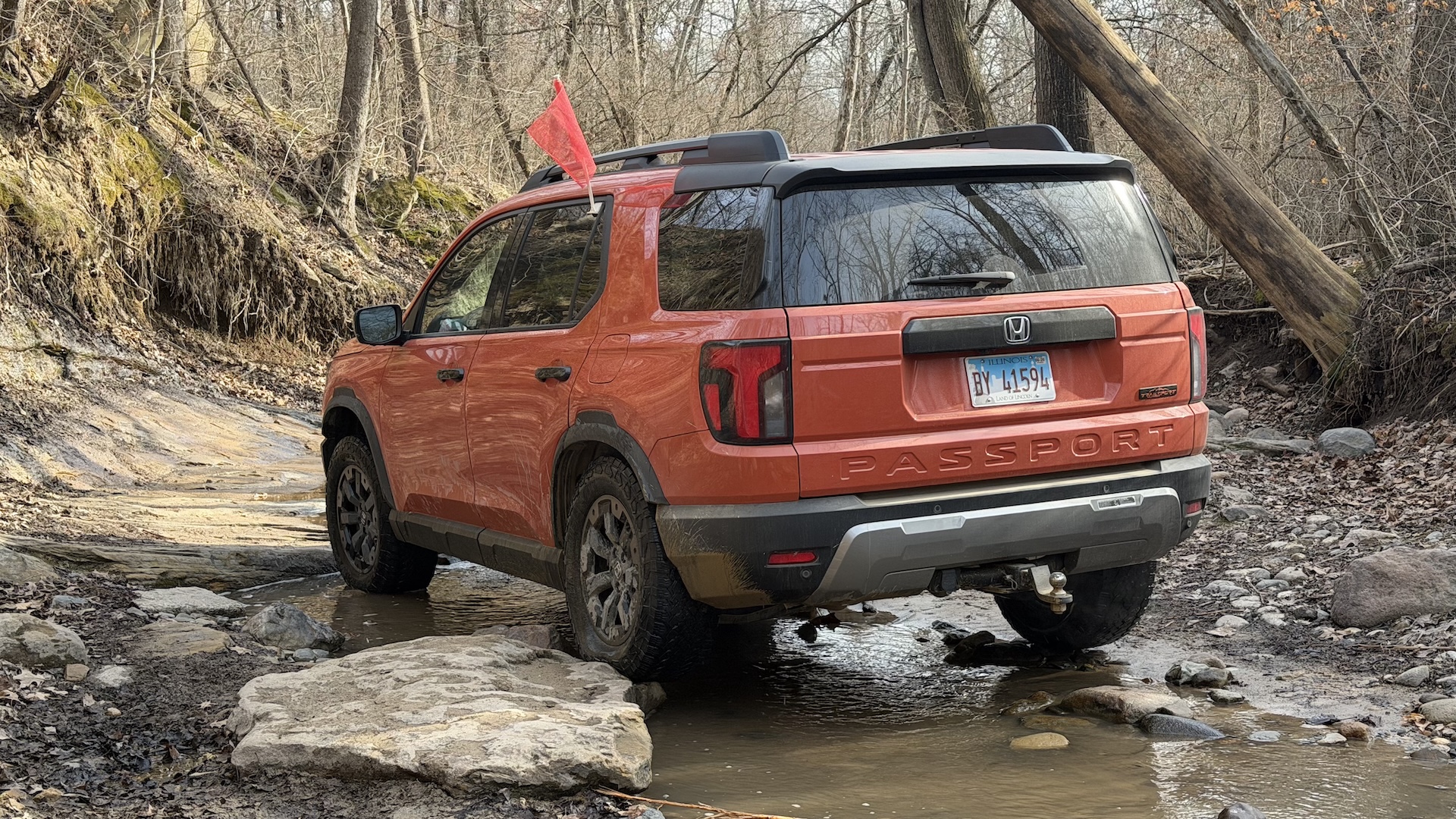
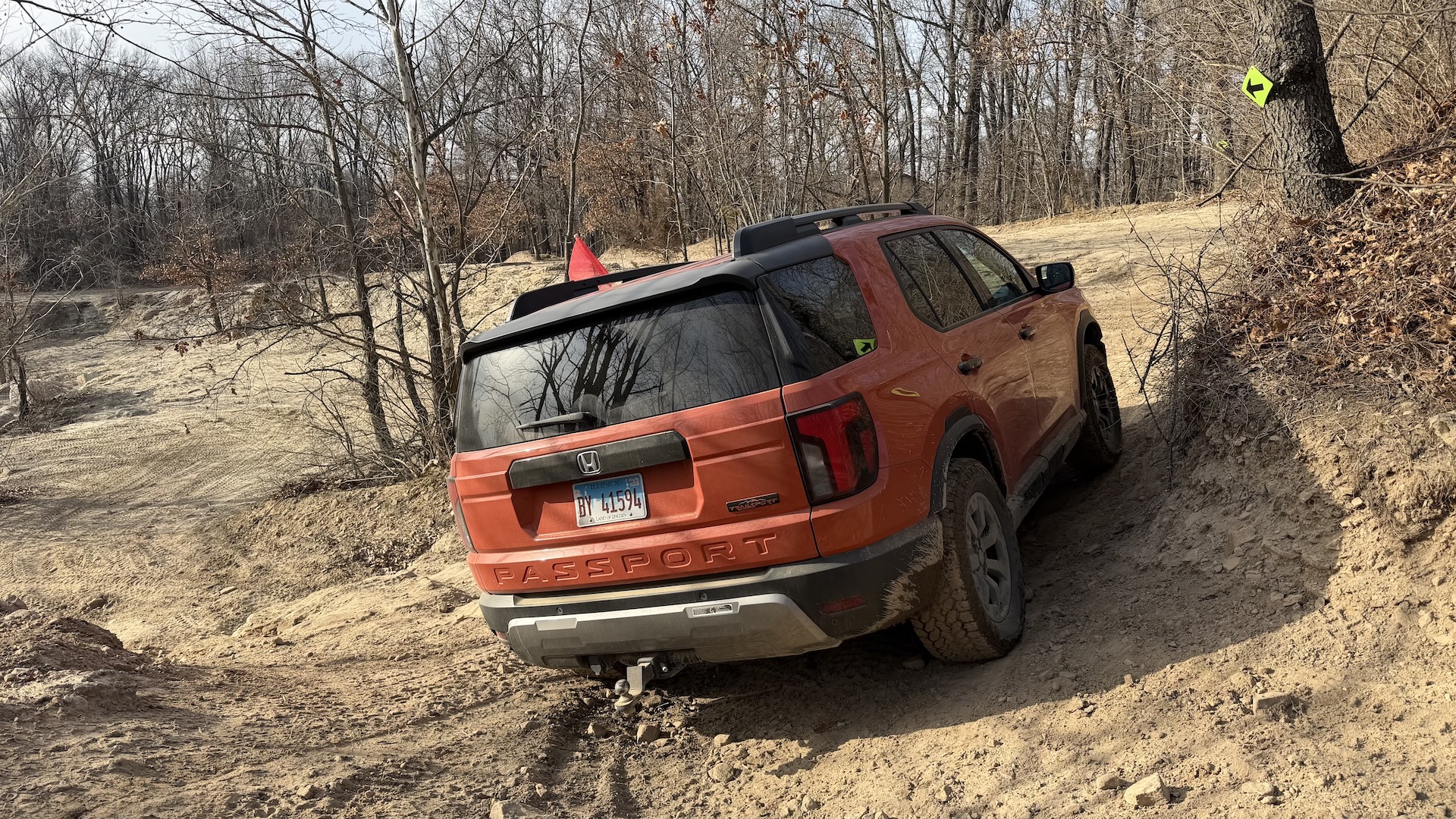
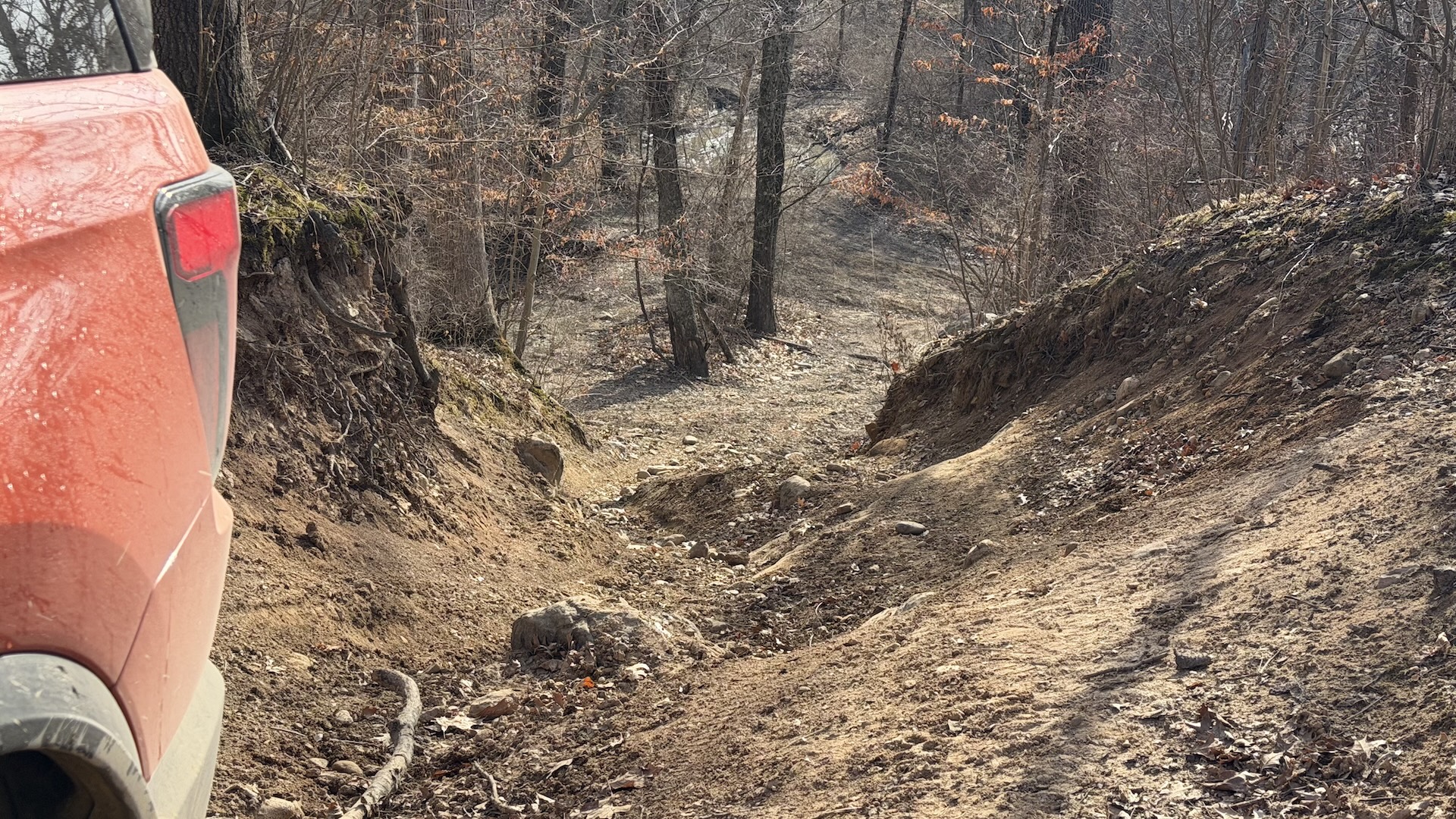
After peddling up a rocky creek with about a foot of water, I lined up for a steep and technical climb that featured a big boulder protruding from the ground on the left side near the top, while below, some gnarly tree roots stuck out on the right side. Having done it before, the trick is to keep the car all the way to the left, as close as possible to the wall of dirt, but not so much that it slides to the right due to too much sideways tilt. If that happens, you’ll need two new doors from the car resting against the tree roots and rocks. If you want to get through this with minimal risk and stress, you gotta keep a steady speed despite the steep incline and the need to maneuver the wheel. If you want to make things more exciting, you can creep up slowly and really feel the suspension, the tires, and the terrain software do their thing. You can also hear the loose dirt getting crushed under the tires. It’s a great feeling.
I took it up pretty slowly, and even decided to stop at the most critical point, mostly because the Passport felt so sure-footed. My assistant (a.k.a son) took some photos, though remember, none of these obstacles look as intense in photos as they are in real life. I can reassure you, this was not a light challenge.
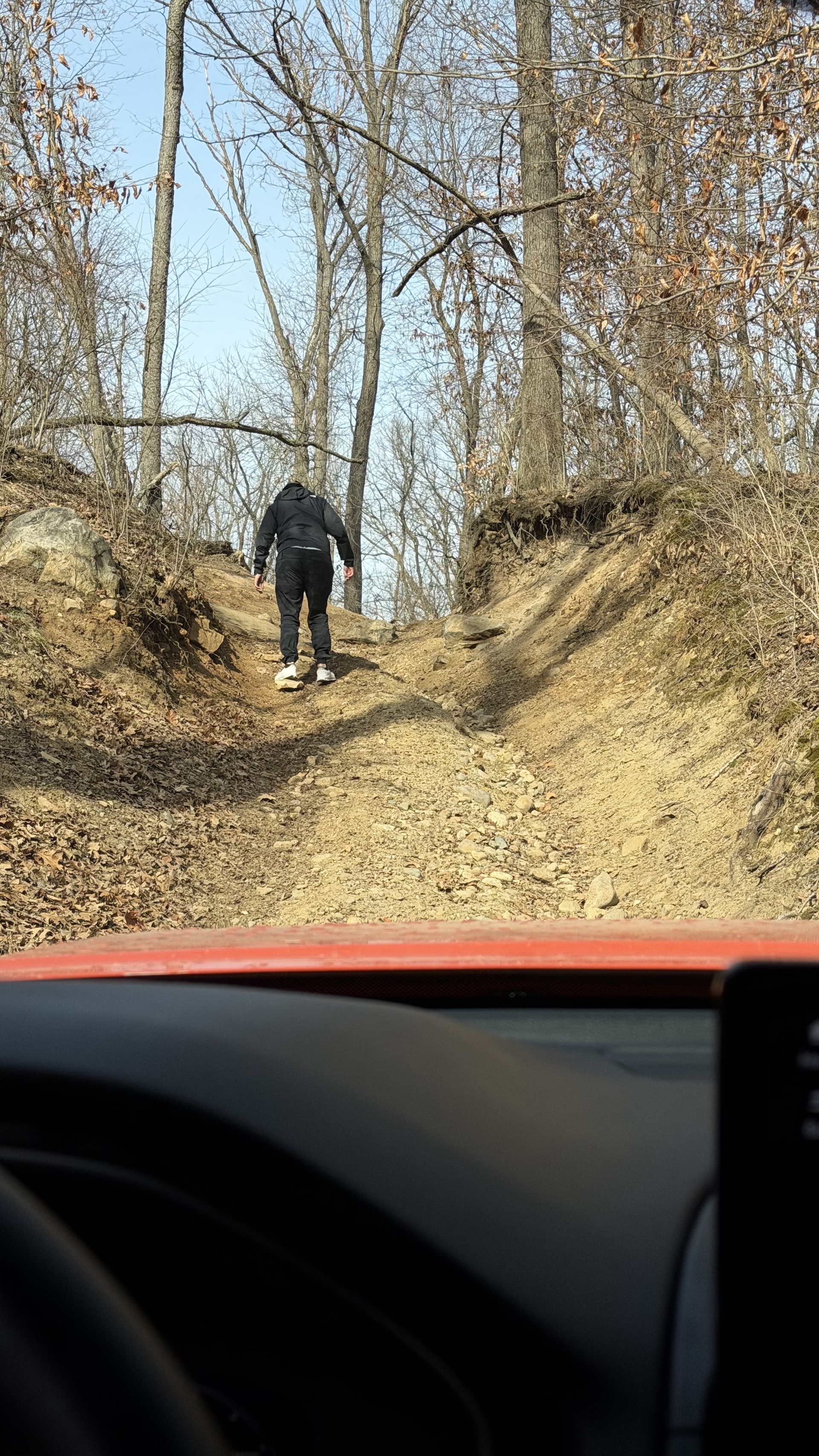
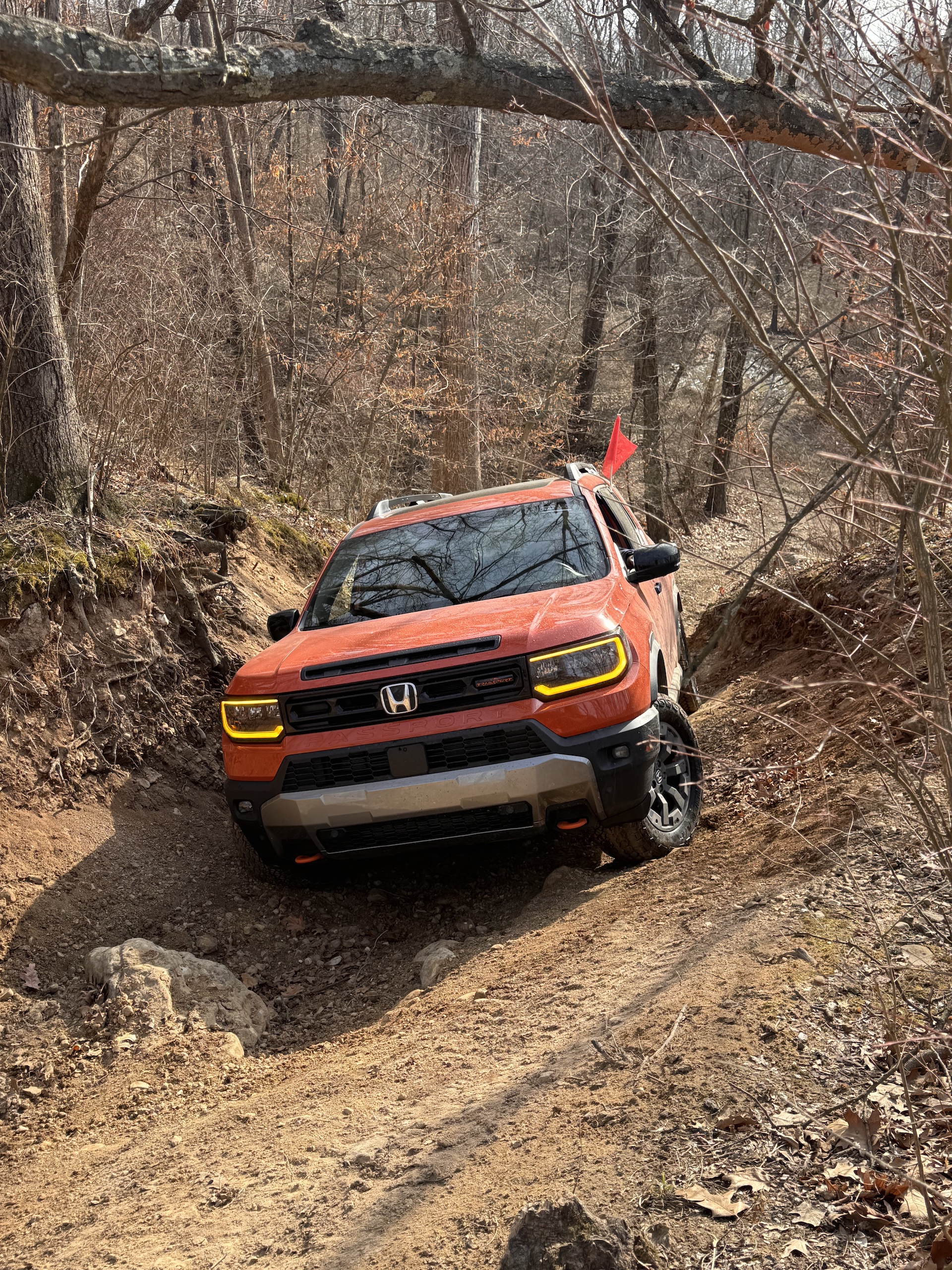
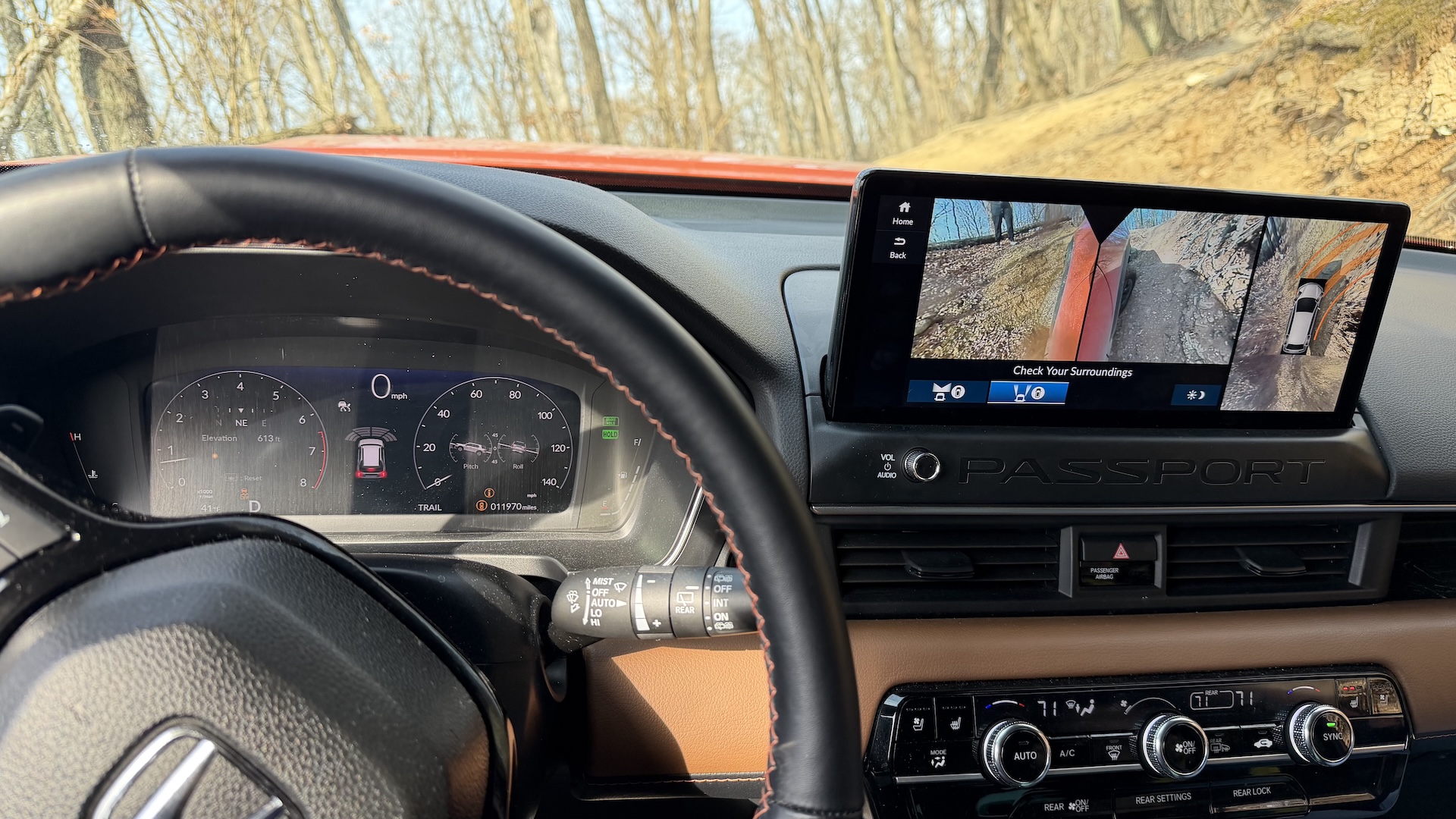
Happy with its performance, I kept going on this same trail, digging into some truly deep ruts that tested the Passport’s ground clearance. The 8.3 inches of ground clearance on tap felt adequate, and you don’t always want more than that on a street-driven daily. It’s actually the same as a Jeep Grand Cherokee and 0.5 inches more than a Ford Bronco Sport Big Bend. A Defender with the standard suspension offers 9 inches. That said, when you venture into a trail that’s mostly traversed by vehicles with 11+ inches of clearance, you’re going to bottom out in a few places and drag the bottom through the rest. I felt confident in the Passport’s underbody protection, and despite a few big clunks, I never lost traction, got hung up, or caused any damage.
After a few medium-speed runs through the sand, I headed toward the quarry section of the park, where there are some very technical trails, mostly made of rock. I knew this would be a challenge for the Passport given its ride height, but I went for it anyway.
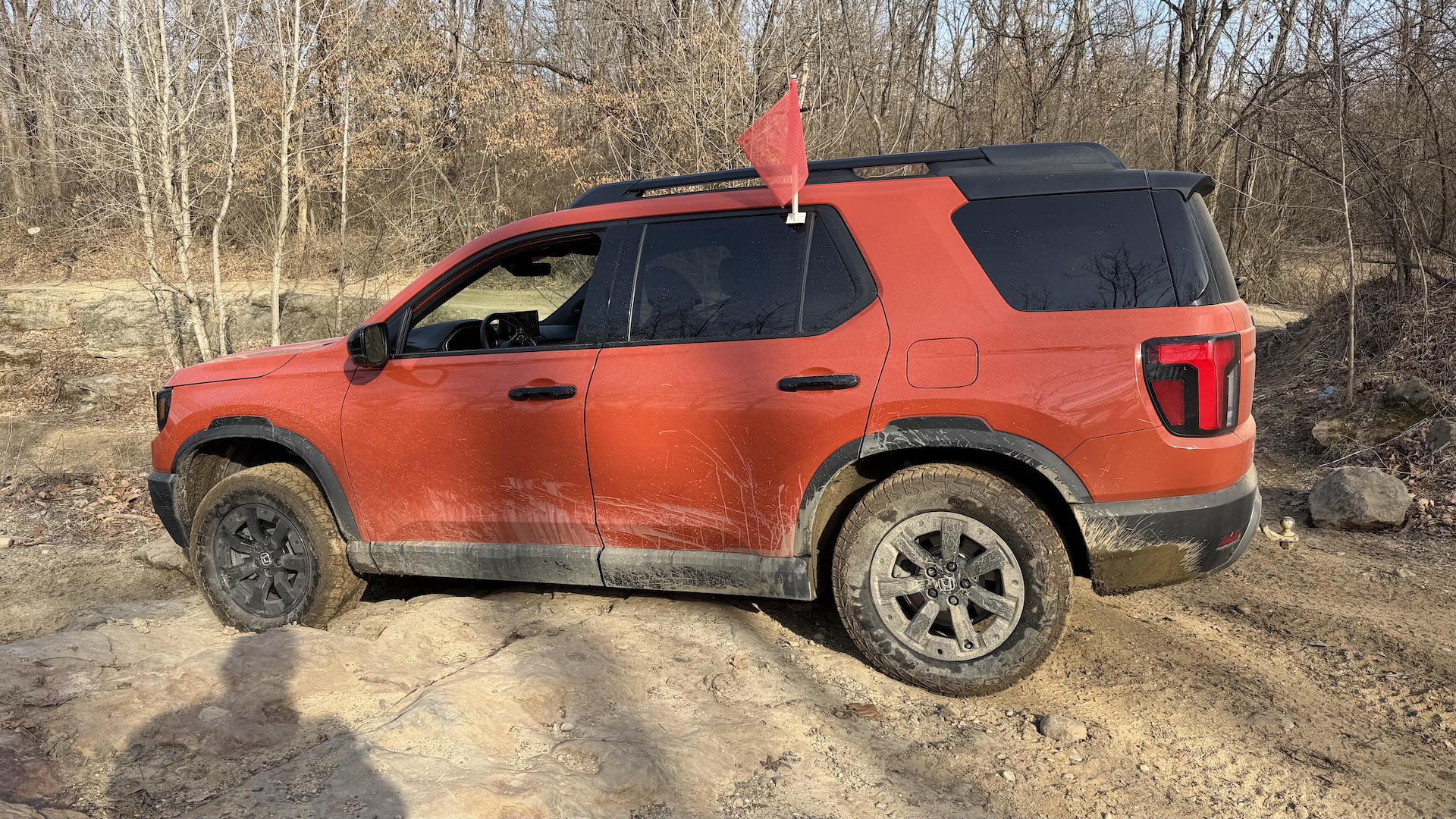
Next thing I knew, I had the front left and rear right in the air, and the SUV was teeter-tottering over a rock formation. It felt unnerving from the inside, but the Passport never felt like it was being pushed beyond its limits. The brakes kept the tires intermittently clamped down, while I, little by little, made my way down to level ground. In fact, that was the takeaway of the day: despite being put through challenges no ordinary owner would ever do, it never lost its composure. It never lost that typical cool-as-a-cucumber Honda attitude.
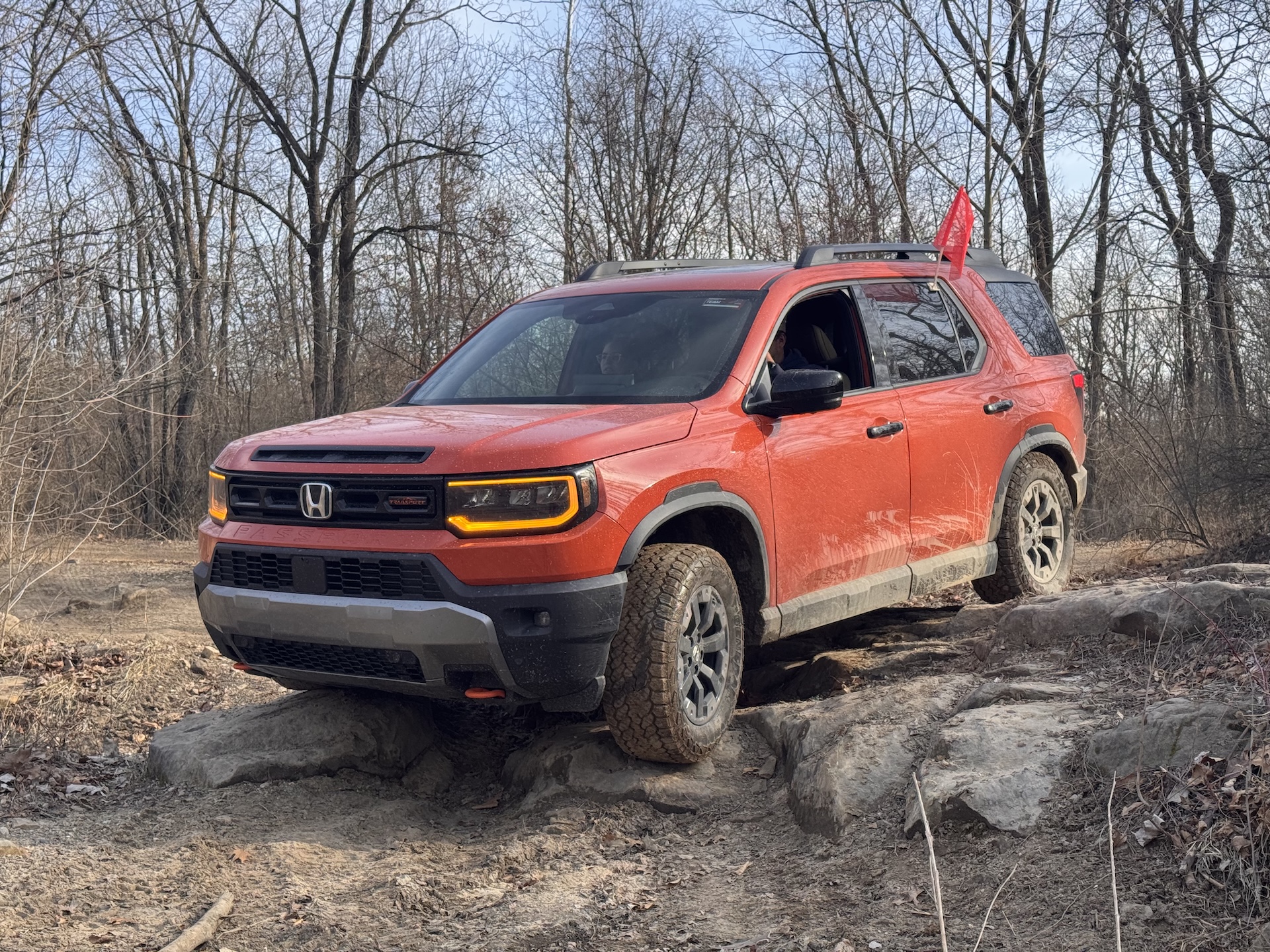
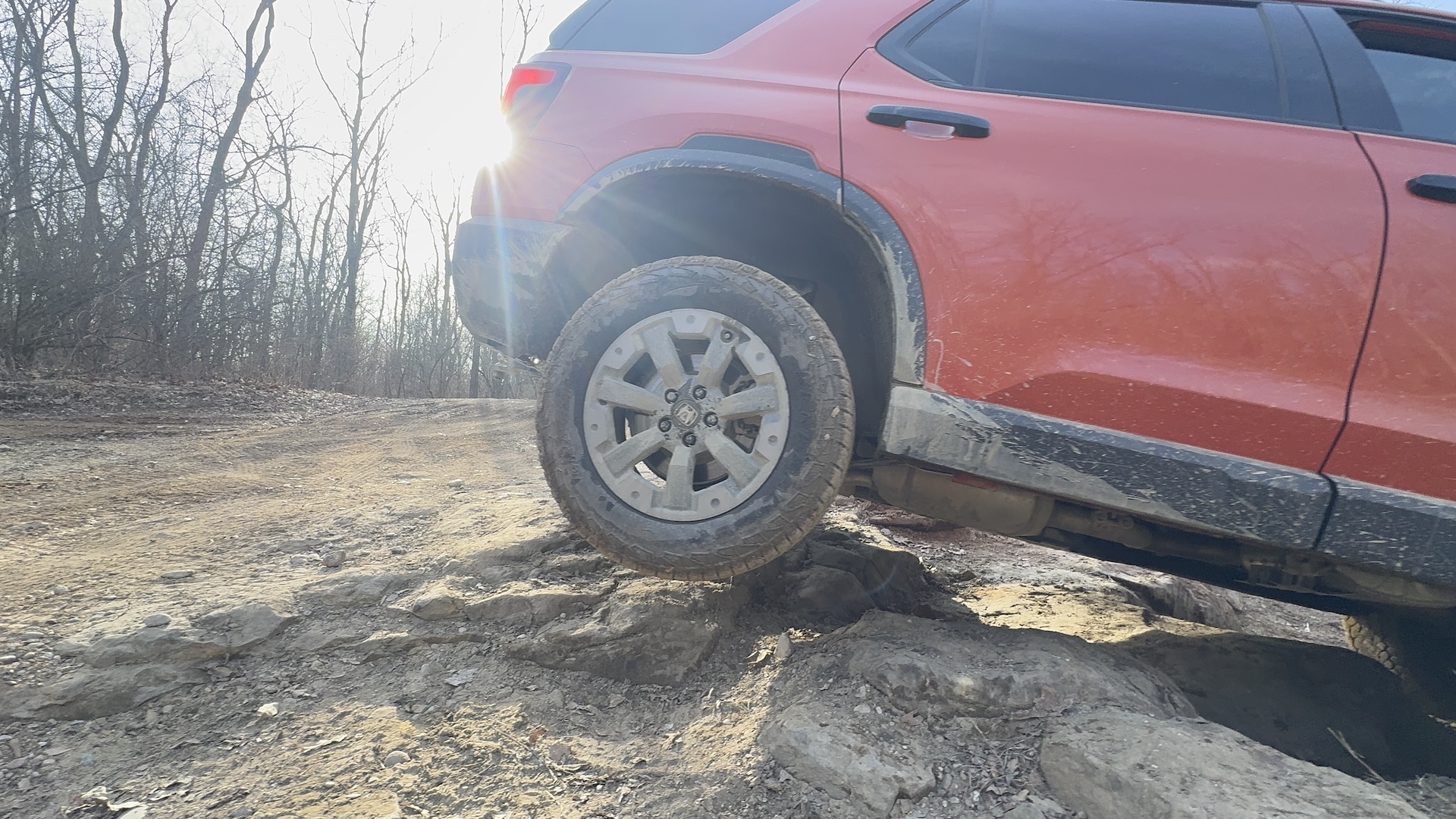
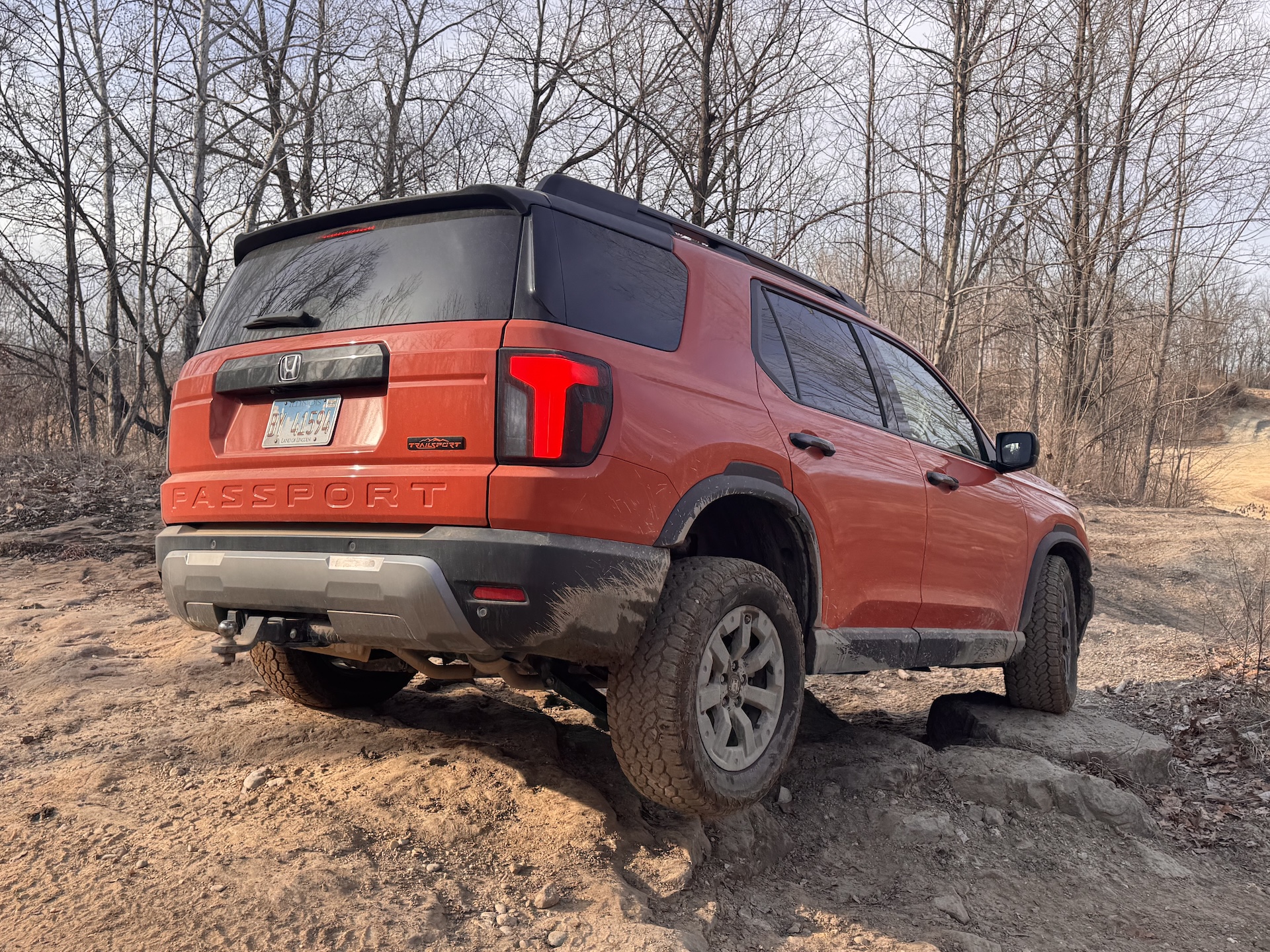
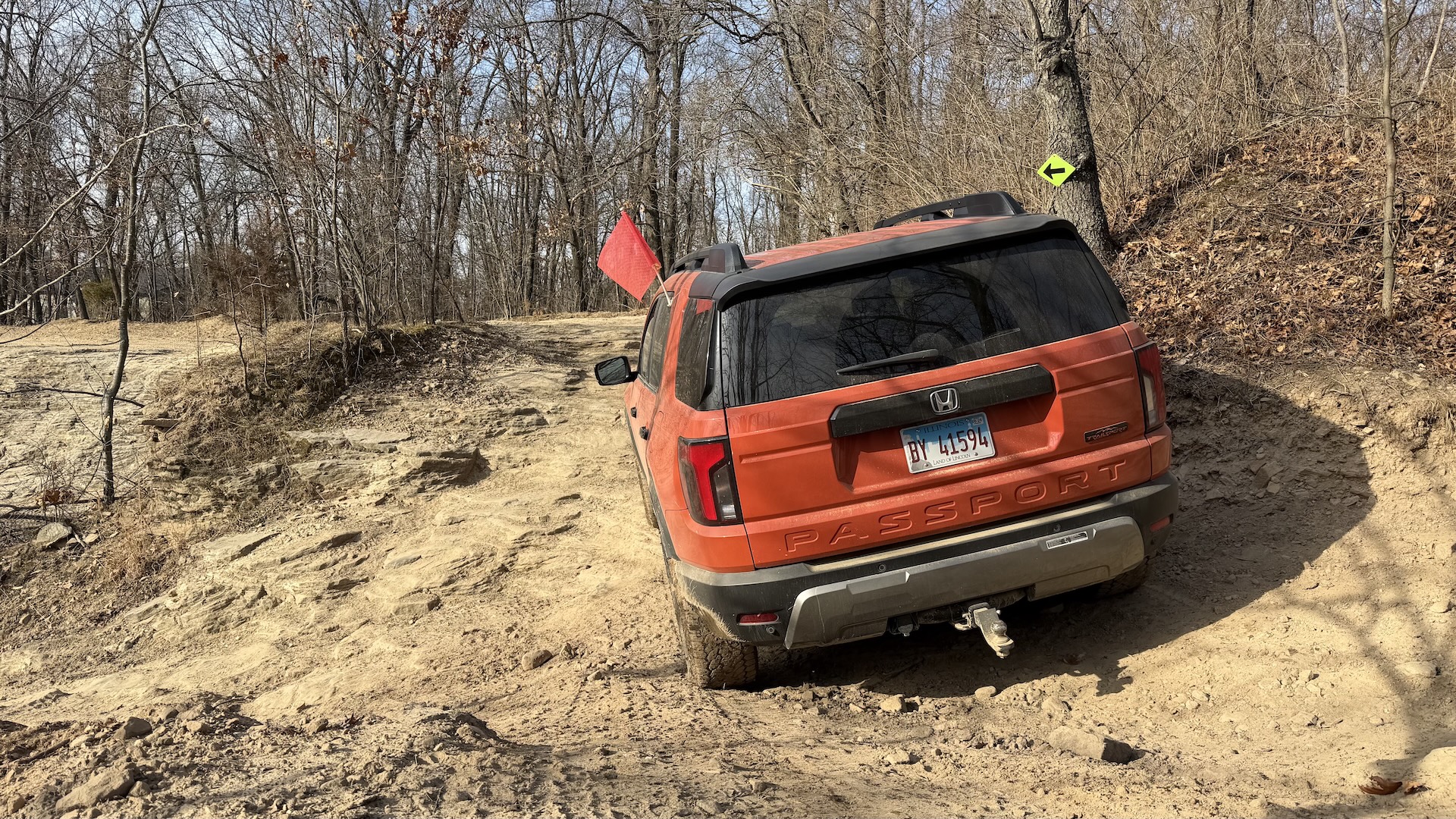
The next obstacle put the SUV’s approach and departure angles to the test, and while I had to bail out of a more aggressive approach because I didn’t want to damage the front bumper, this other alternative would surely drag the rear. Once again, I found myself in an uncomfortable driving position, my body leaning against the door because of the tilt of the rocks. With my son spotting, I inched forward while taking the best line up the rocks. Suddenly, the middle of the car bottomed out, but I had enough momentum to keep it moving forward. Then, the trailer hitch started dragging, but I kept going until I could fully climb out of the hole. Phew.
Through all of this, we were listening to music, had our seat warmers on, and had a decent view of the trail thanks to its many cameras. It’s not the sophisticated Defender I off-roaded for several days in Saudi Arabia earlier this year, but it became evident that this mainstream SUV could kick some serious ass off-road. I wasn’t surprised. Not one bit.
Verdict
No one, and I really mean no one, will put their Passport, bought with their hard-earned cash, through the kind of stuff I did. Not because people aren’t adventurous, but because 99.9% of these will be daily drivers, and the folks who want a trail-rated machine will buy something else. Still, it’s great to know just how capable it is with literally zero modifications.
After 12,000 on-road miles, it was 10 or so off-road miles that made me love my long-term Passport that much more. It’s such a versatile and capable SUV that never ceases to amaze. If anything, the fact that I couldn’t permanently disable the parking sensor warning sound was the only negative that day, though I could mute them once they started going off.
Email the author at jerry@thedrive.com
Loading comments…
Comments couldn’t be loaded. Please refresh the page.