
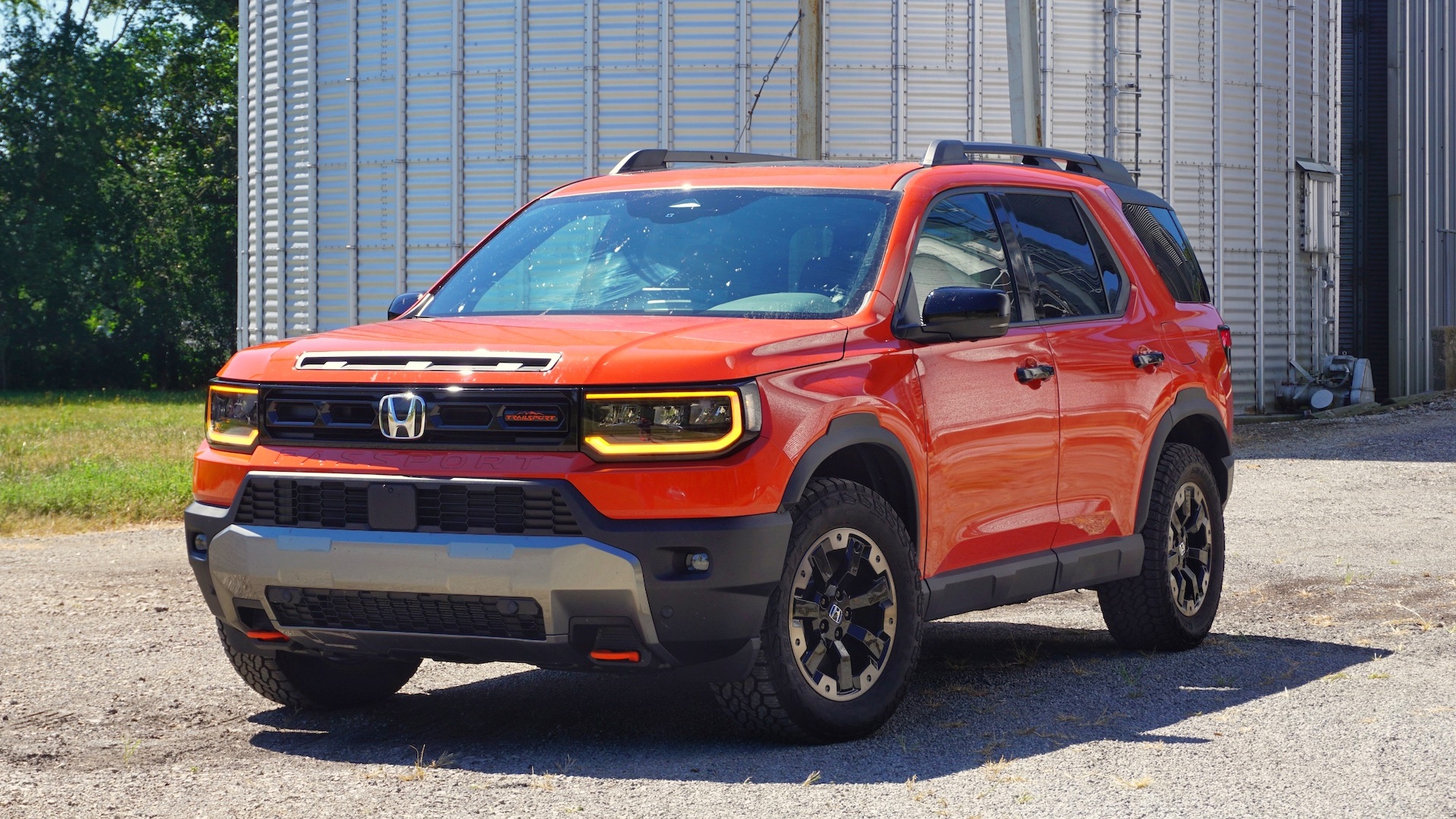
The odometer in The Drive’s 2026 Honda Passport TrailSport long-term tester just ticked 5,000 miles. Sigh, they grow up so fast! It seems like just yesterday that I hopped into my rolling pumpkin with only 255 miles on the clock, meaning I’ve driven it a total of 4,745 miles so far. That’s a lot of errands…
My previous coverage focused on establishing a base for what the Passport TrailSport is, what I’m doing with it for roughly eight months, where it fits in the market, and what buyers can expect should they buy one. I’ve also covered some of my favorite and not-so-favorite features, as well as off-the-cuff pros and cons. Most importantly, I’ve heard from dozens of you via the comments section and even more via email. As a result of that, I’ll be doing a straight-up Q&A blog in the coming weeks, so if you’re curious about something, drop a comment or shoot me an email. I’ll do my best to answer them.
Then vs. Now
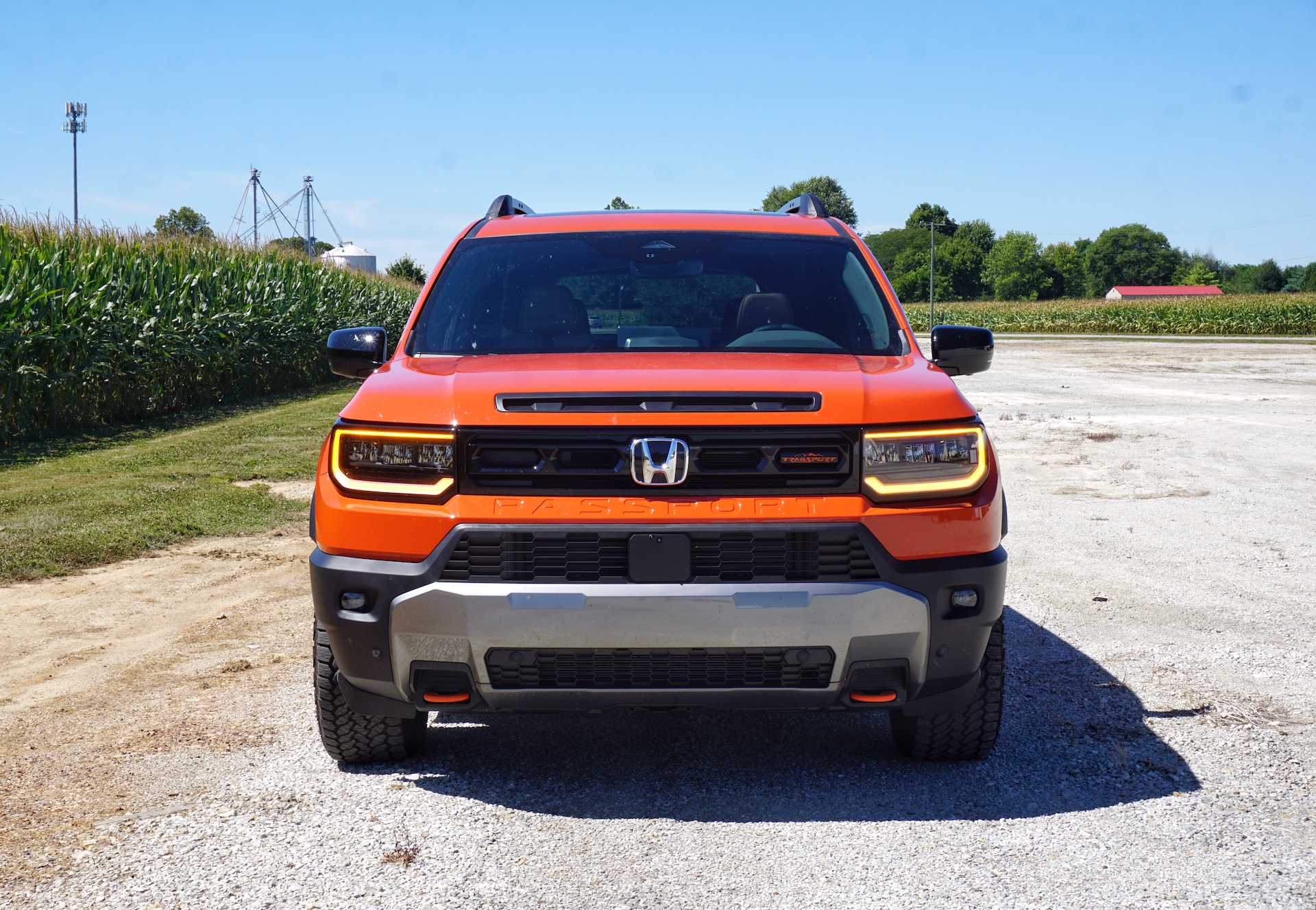
I went into this long-term test having zero seat time in the new Passport, meaning that my first experience driving one was when I got the keys to the rig you see here. Looking back at my notes, I was pleased by how comfortable it was to drive around town, though a bit surprised by how soft and bouncy the suspension felt. However, I also noted that the new Passport ditched that “wobbly” or “misguided” steering feel that the previous-gen Passport TrailSport exhibited.
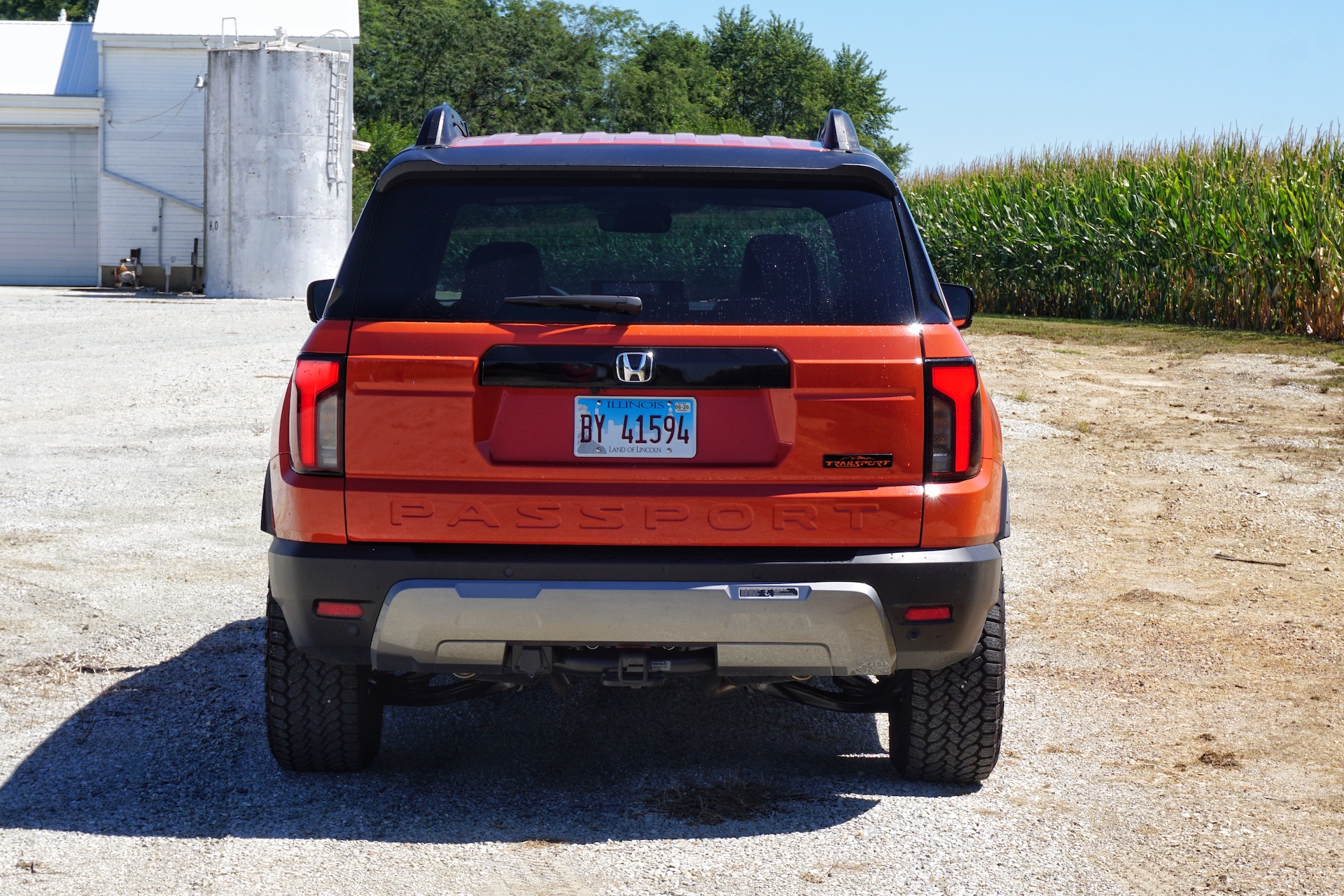
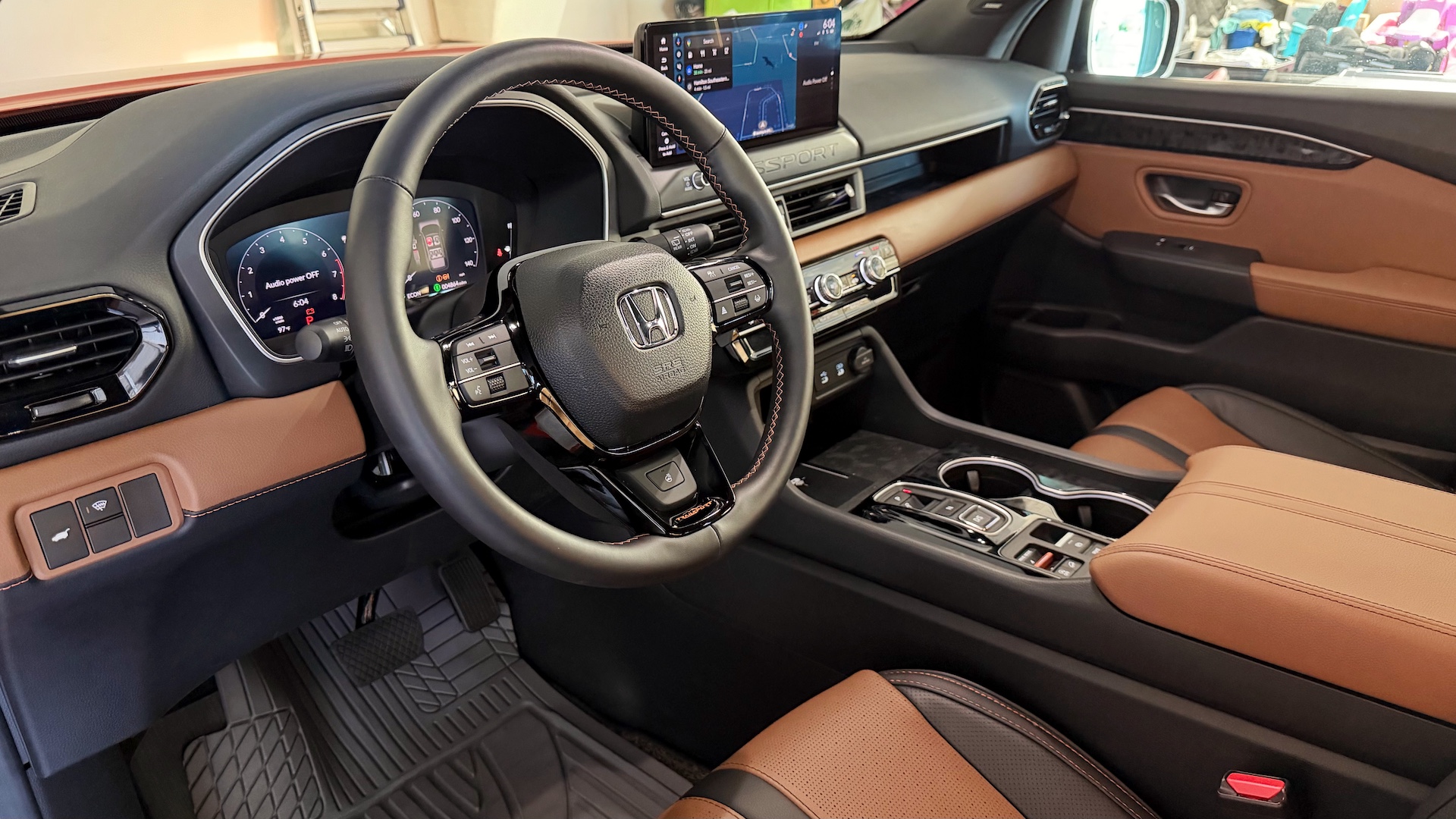
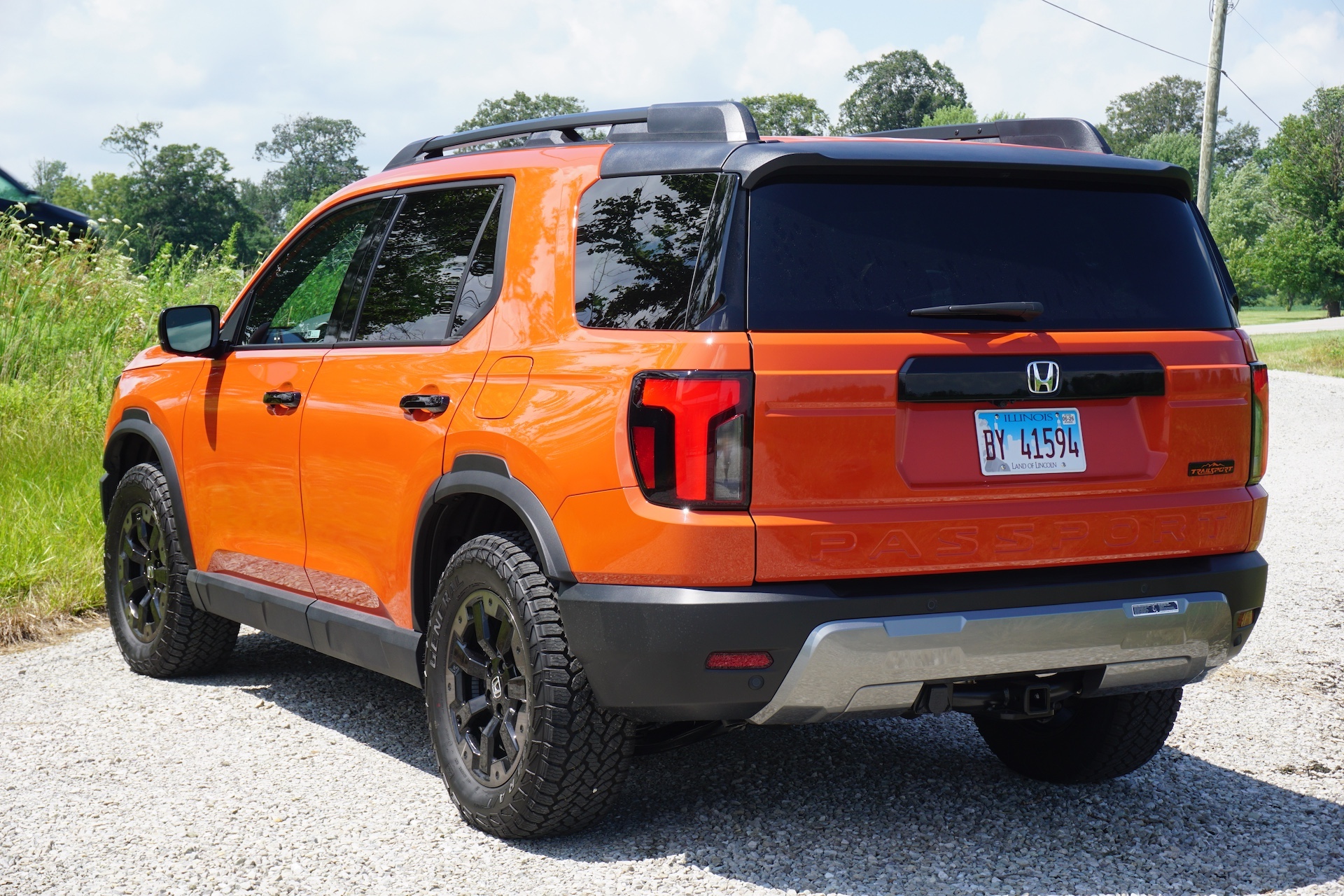
In terms of looks, well, I still dig it. The Sunset Orange has grown on me, and the Passport is truly a standout in a sea of characterless SUVs. Its boxy yet refined design steals loads of looks from passersby wherever I go. And while the brown interior is a solid choice on its own, I’m still not sold on the combination of the two.
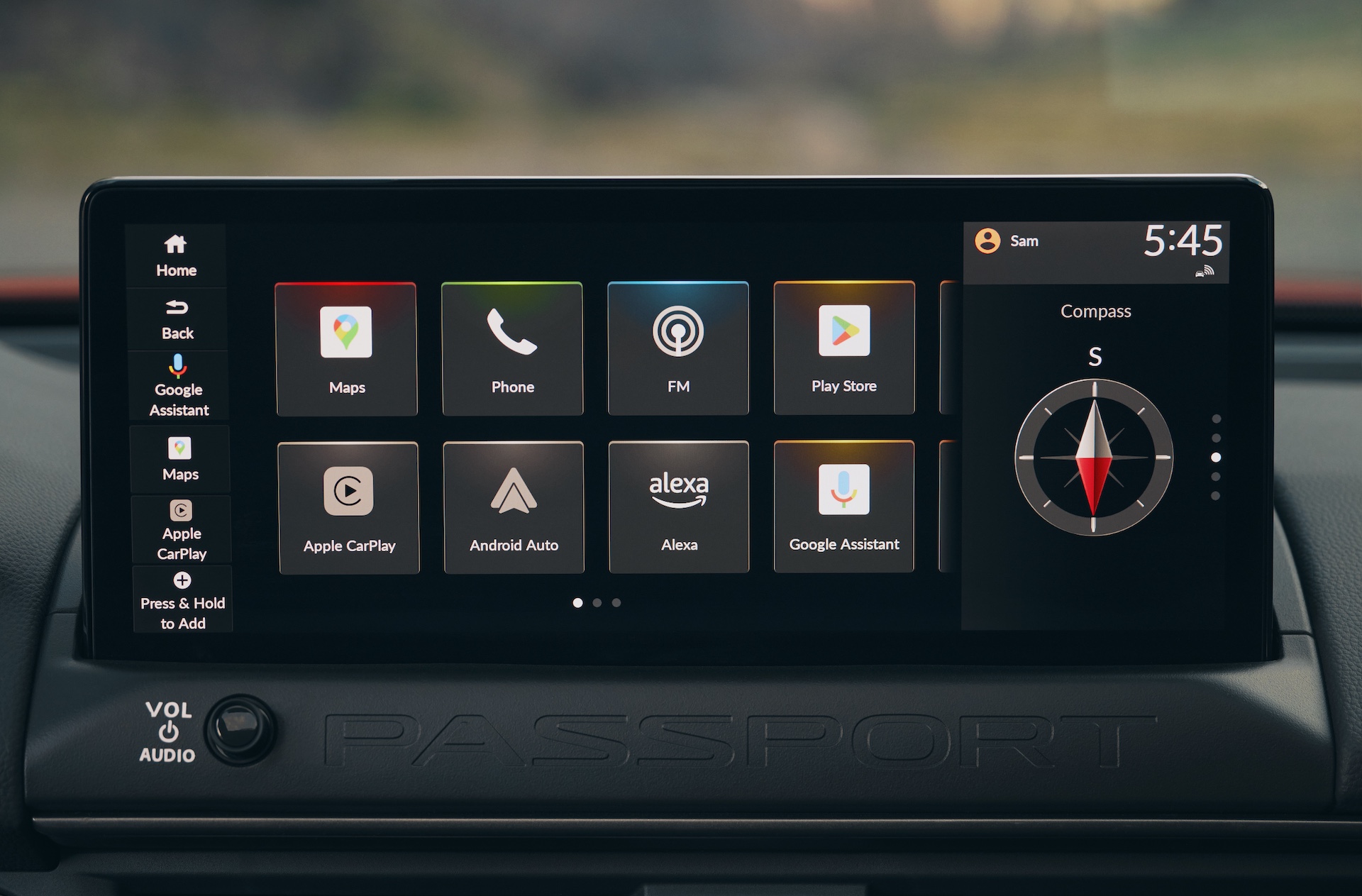
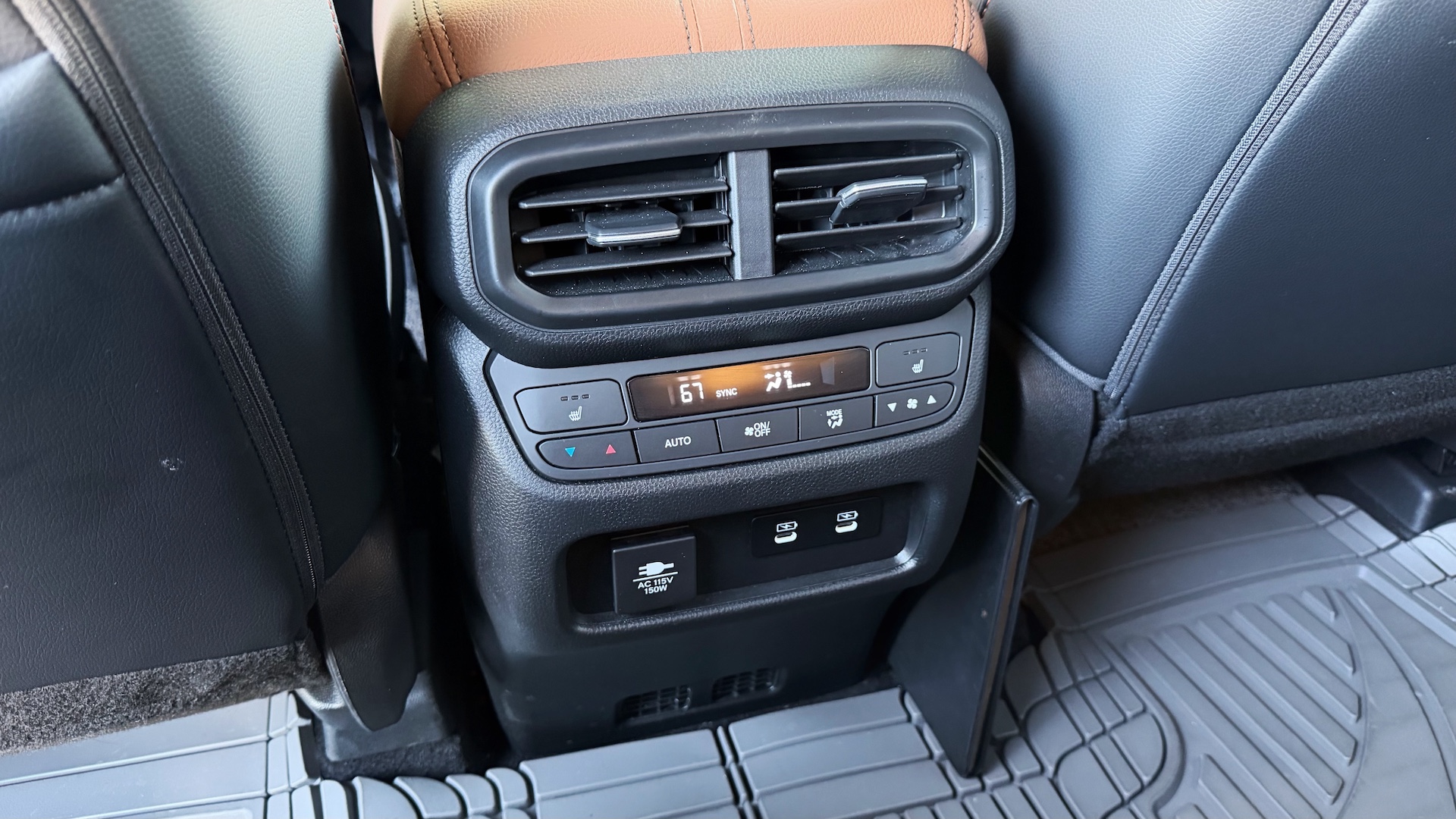
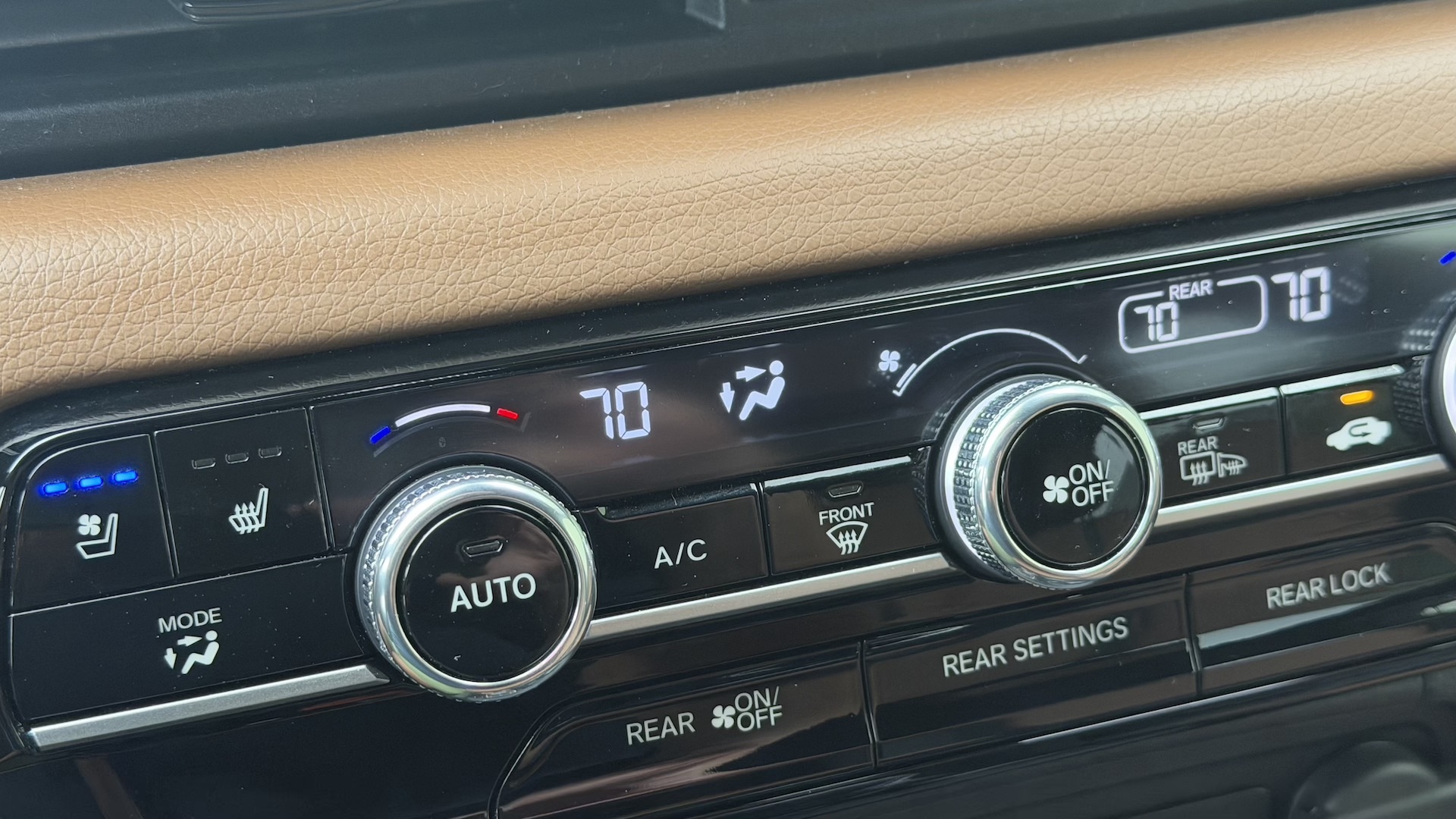
Regarding features, I still love the Google-based infotainment system, and I’ve found myself missing it in other press cars I’ve driven recently. It’s wild how quickly I’ve gotten used to it, and how intuitive it becomes once you really learn and customize it to your preferences. There are several quirks I still find bothersome, namely the lowest fan speed being too high, and all electronics shutting down when the engine is shut off. You can read more about these here. I’m increasingly bothered by some newer developments too, like the lane-keeping assist not being able to choose a damn trajectory and hold a steady line on the highway, and the electronic parking brake not automatically disengaging when you shift into Drive or Reverse. It also doesn’t automatically engage when you shift into Park.
Driving the 2026 Honda Passport TrailSport
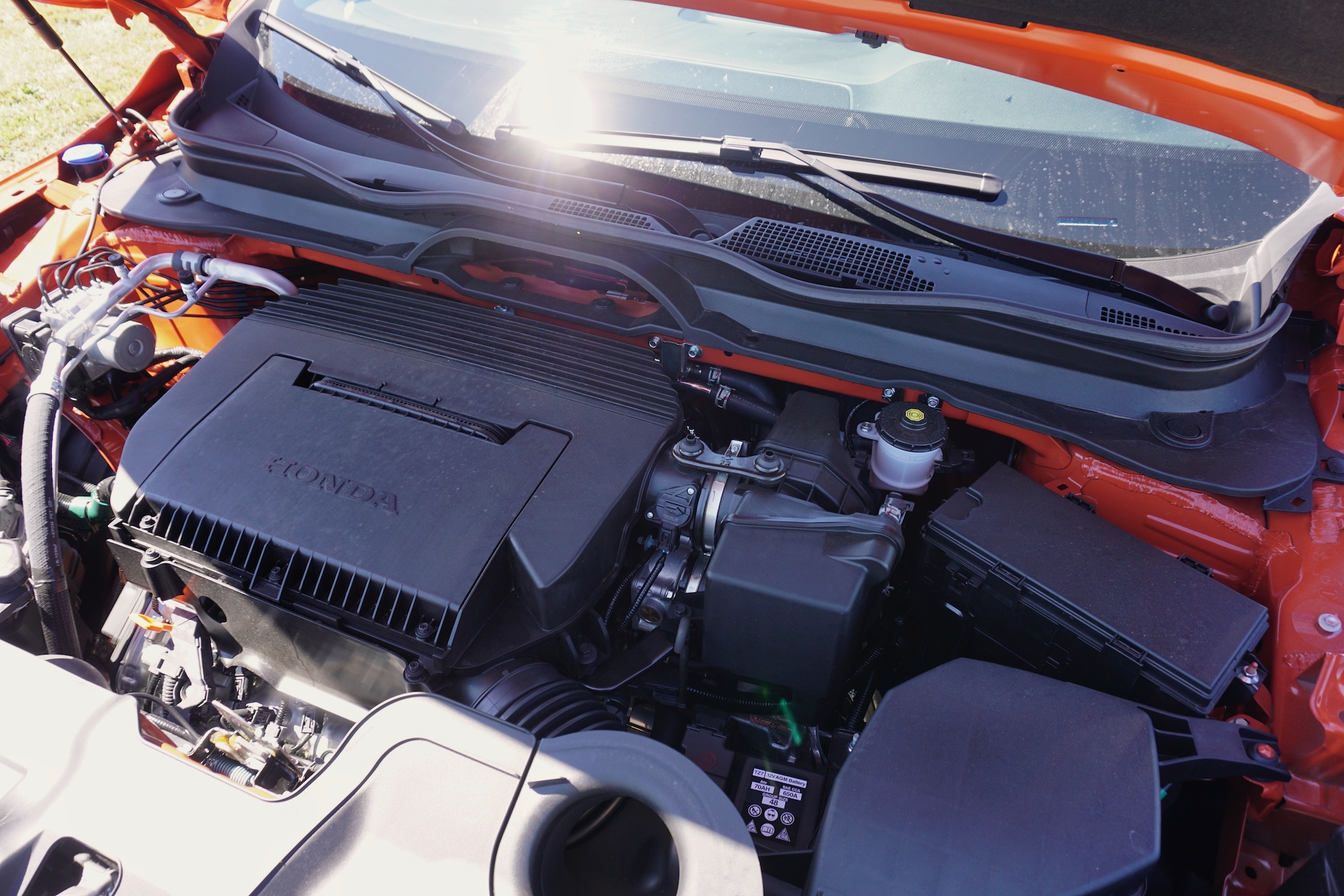
The 3.5-liter V6 is strong, thanks to 285 horsepower and 262 lb-ft of torque. Whether you’re inching along in the school pick-up line or passing a semi on the highway, it never feels underpowered or overpowered. Quite the opposite, really; it always feels just right, and it all comes down to the near-perfect gearing of the 10-speed automatic. I say near-perfect because it often gets decision paralysis in first gear it and revs too high when I’m slowly cruising around my subdivision at 8-10 mph. Things can get a bit jerky while the computer is deciding if it should upshift or hold that gear. I have yet to tow with the Passport, but I have something lined up in the next few months, so we’ll see how things feel with a couple thousand pounds hanging off the back.
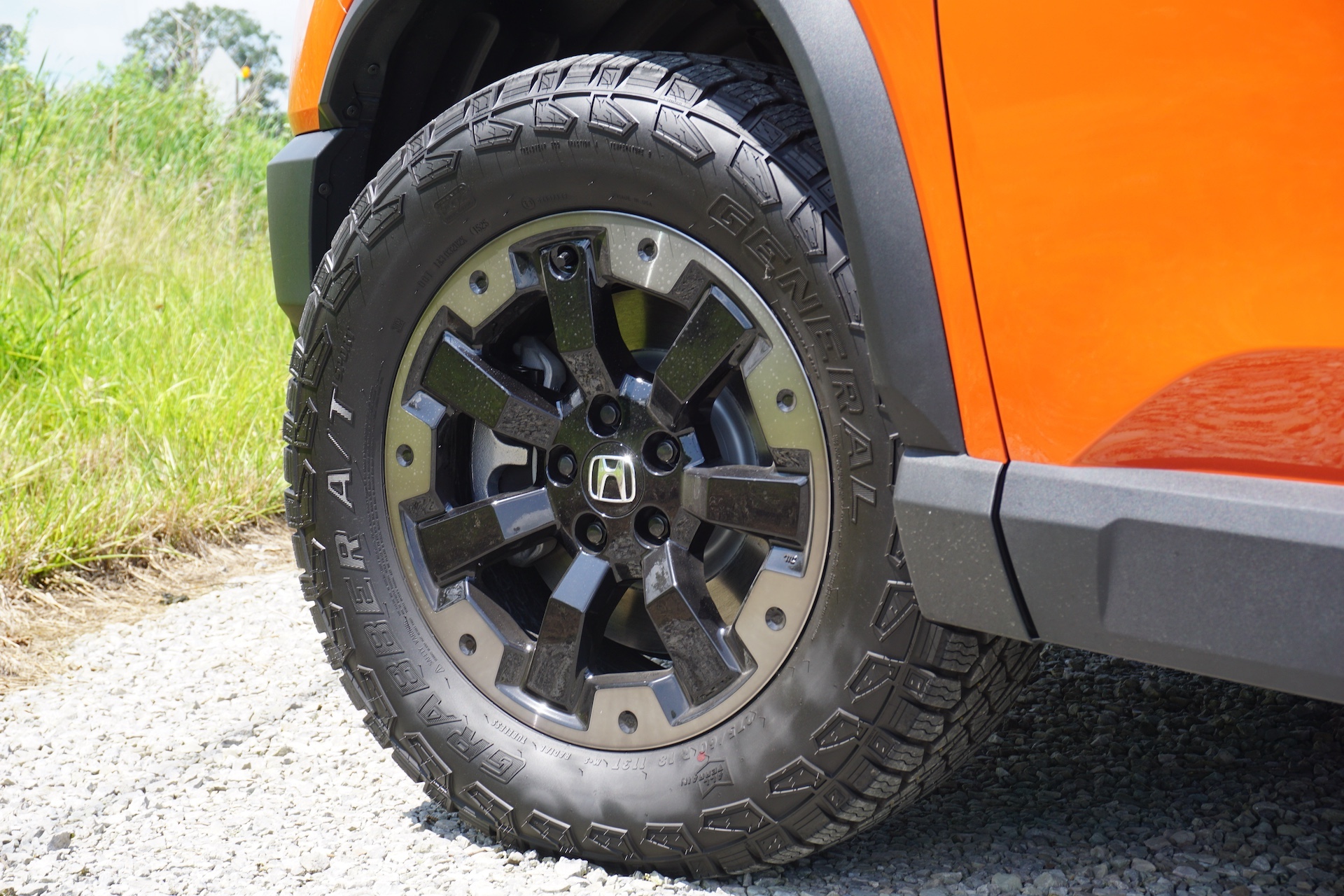
Turning the steering wheel doesn’t require much strength, which is a plus given the meatier-than-average, 31-inch General Grabber all-terrain tires. So whether you actually use your TrailSport to explore trails or wanna cosplay around town, you won’t be forced to pay a toll for sporting chunkier rubber and a higher ride height. The latter certainly comes into play in the ride quality, however. As I previously mentioned, the ride is soft and bouncy, and I’m still of two minds about this. In a vehicle of this nature, I value comfort over road-hugging performance, so there’s that. But also, it takes me like two days to get used to it after driving pretty much any other vehicle.
Another improvement over the previous Passport and all Hondas built up until the last few years is the brake pedal feel. While others are typically overly grabby and difficult to modulate, the new Passport’s brake pedal is well balanced. It’s not excessively reactive, but it’s not a Crown Victoria either, where you’ve got six inches of pedal travel with zero feel until you reach the floorboard. It’s the ideal calibration for everyday driving in this type of vehicle, and the same goes for the accelerator.
Speaking of the accelerator, 99% of my 4,745 miles in this Passport have been done in Normal mode, and with the Econ mode switched on. This guarantees a comfortable driving experience while also maximizing fuel economy. Switching Econ mode off makes the accelerator a bit more reactive and the shifts a bit crisper, but I still prefer leaving it on. I do the same in my own cars and typically with all my press cars too. Sport Mode does exactly what you’d imagine, but it’s truly unnecessary in a vehicle like this. Even if you’re in a hurry and are trying to drive like a maniac, you’re really only going to benefit from pedal response, quicker shifts, and heavier steering feel. What that’s actually going to net you is anyone’s guess, because you still have a soft suspension and all-terrain tires keeping you from delivering any sort of sporty experience. I’ve yet to experience Off-Road Mode, but that will change before long when I venture off the pavement.
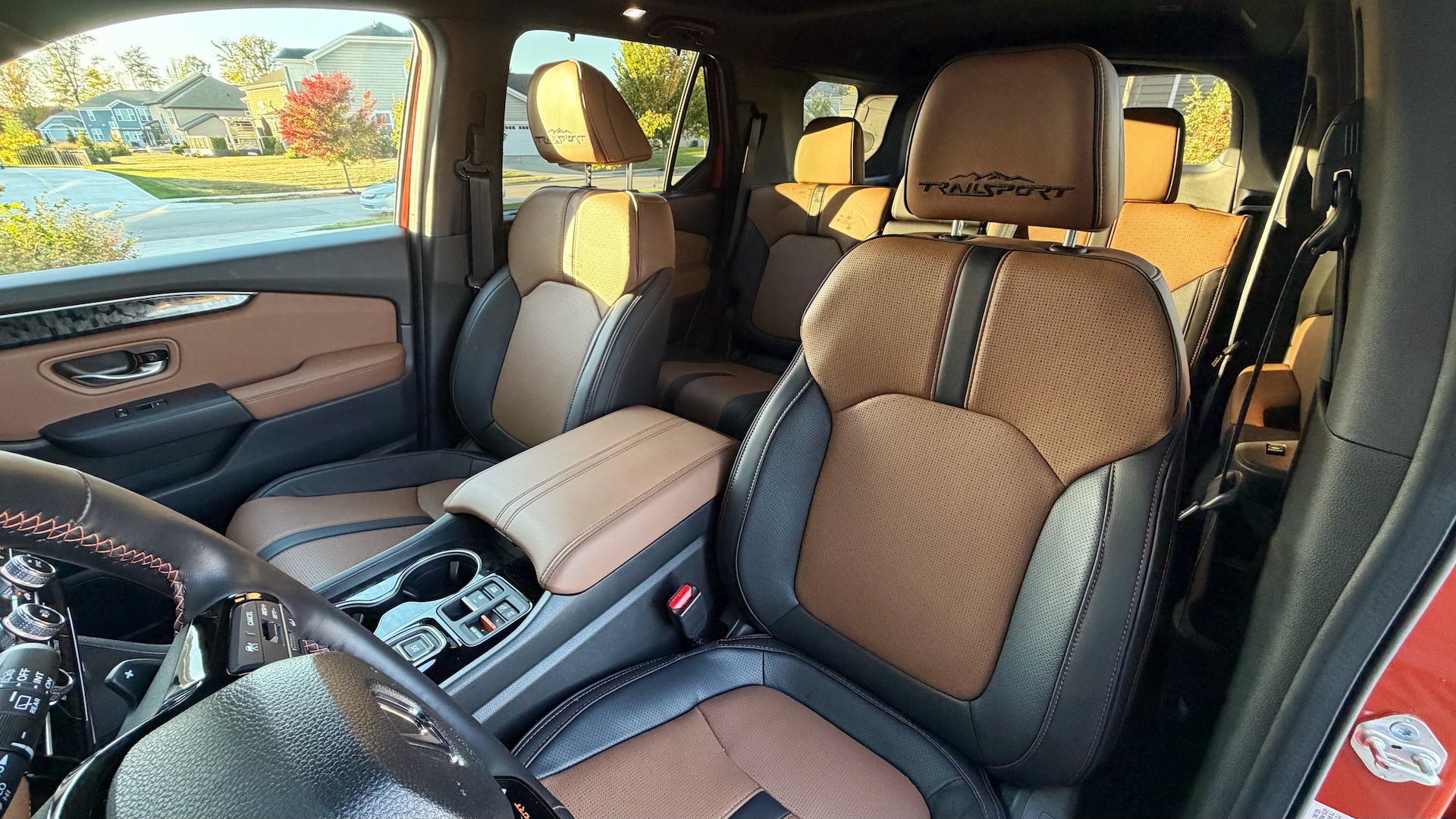
As I’ve covered before, the seats are phenomenal; definitely the best I’ve experienced in a Honda, and I’ve driven them all (and have owned a bunch, too). Loads of cushioning make them super plush, even for a heavyset, XXL guy like me. Driving around town can be summed up as comfortable, and it’s the same story if you’re embarking on a multi-hour trip.
Tech
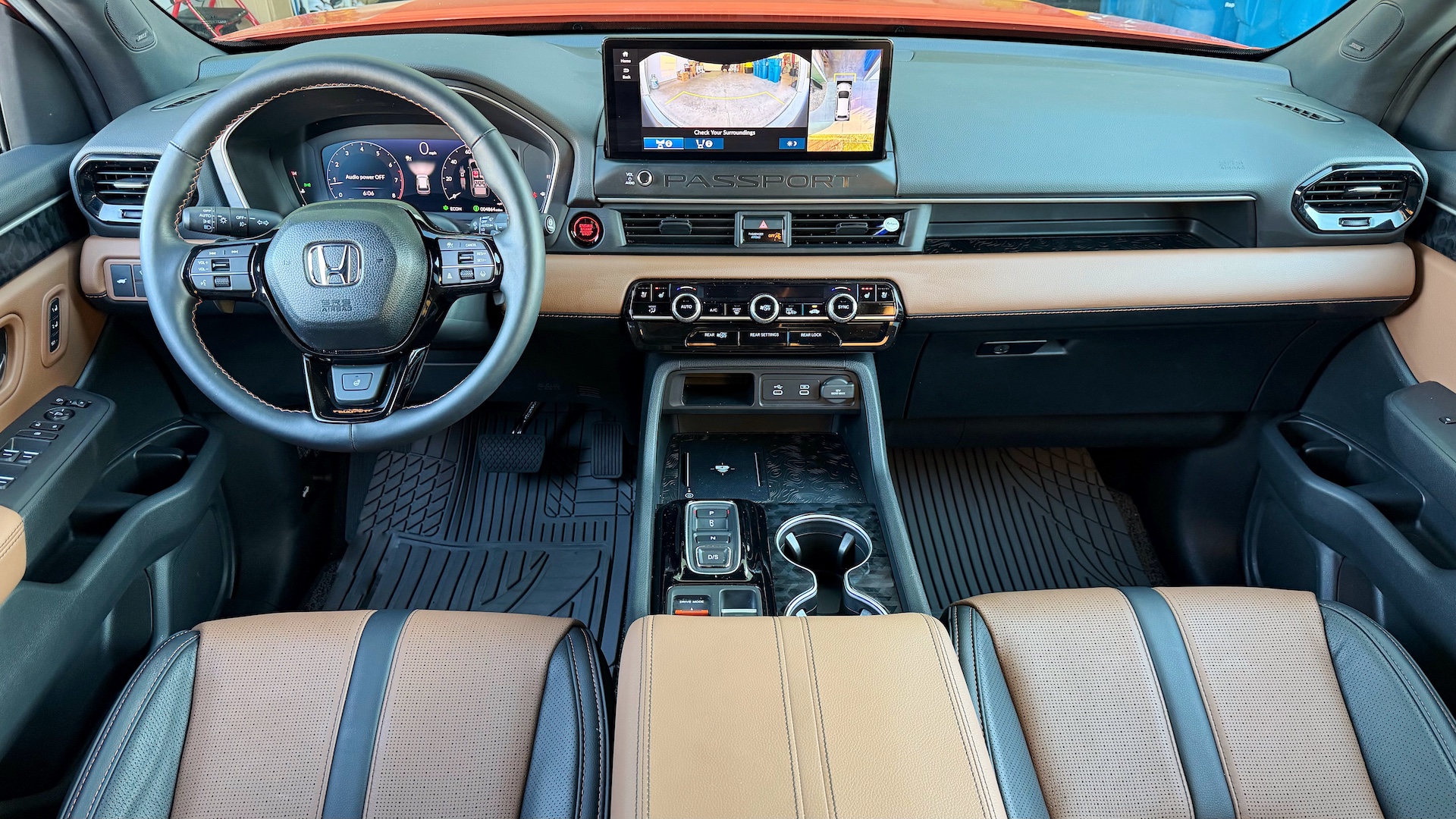
I praised Honda’s digital gauge cluster in my previous blog, and I’m happy to report that a couple of thousand miles later, I still feel the same. It’s just a great screen that’s easy to see; it’s not overly crowded or over-designed with graphics, and it can be customized in meaningful ways. You already know how I feel about the Google-based infotainment system, so there’s no need to say more. I really enjoy using the Google Voice Assistant feature to tell the car what I need—and it delivers nine out of 10 times. As a result, I hardly use Apple CarPlay for anything other than music.
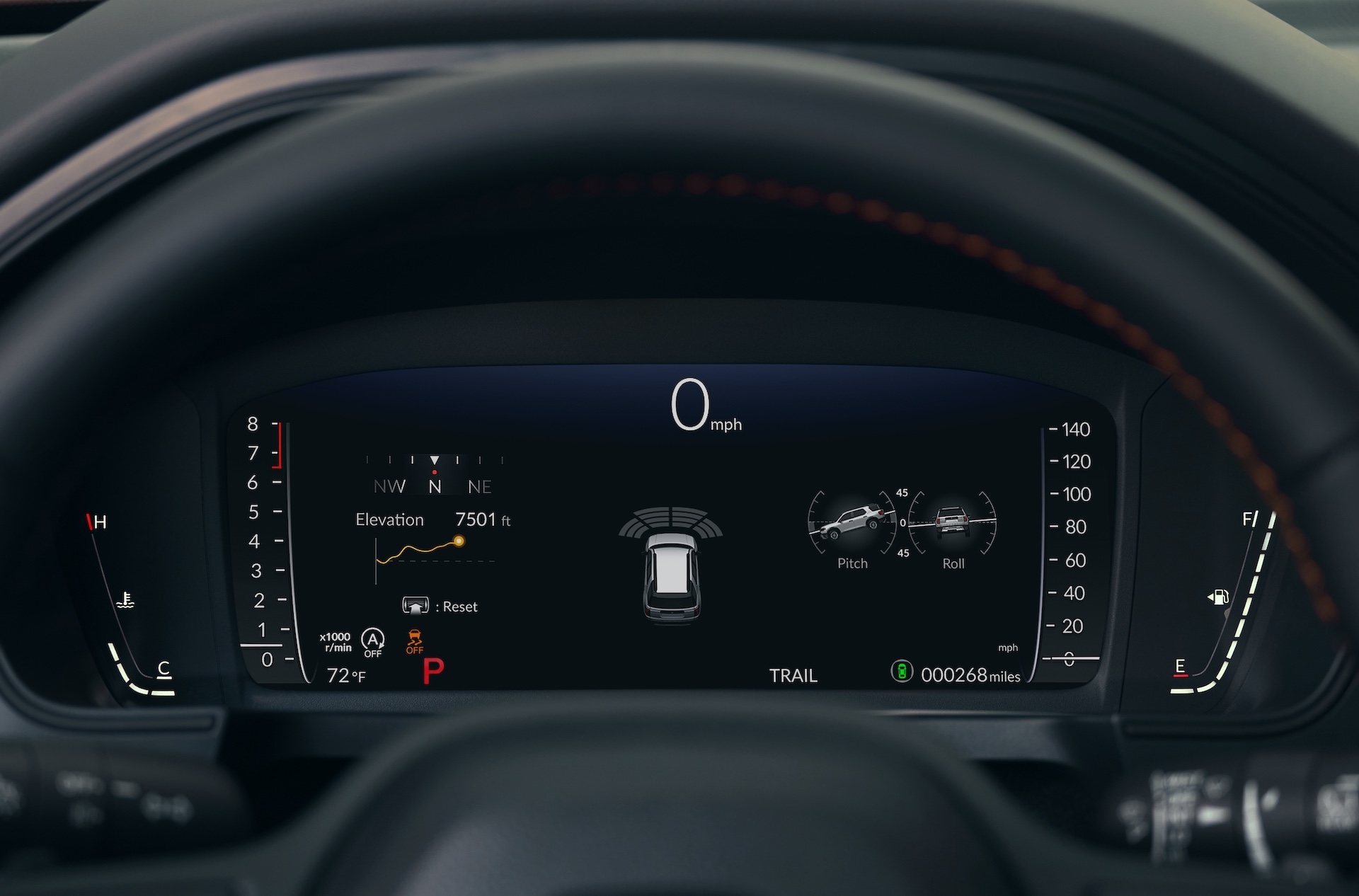
The surround-view camera system is top-notch, and a feature I use multiple times each drive. Whether it’s making a tight turn into a drive-thru, pulling up into a tight parking spot, or just making sure I clear my garage door, the cameras’ resolution and the on-screen graphics are clear and quite helpful. Also, I love that I don’t even have to reach the infotainment screen to activate these, as there’s a nice little shortcut button on the tip of the wiper stalk.
As some of you have highlighted in the comments, Honda has dropped Sirius XM radio from many of its cars, including the Passport. I actually enjoy satellite radio, so it’s kind of a bummer. But at the same time, I don’t know that I would pay for it in my own car (my Civic is too old for it). Likewise, the Honda Link App will set you back $110 a year for remote features like location services, remote start, remote climate control, and more. You’ll also have to pay an additional $129 for a three-year subscription to MyQ, which will allow you to open and close your garage door from the car’s infotainment system. This is stupid, since if you have a MyQ-enabled garage door, you can do that for free from your app. I just wish the Passport had the old-school buttons underneath the rearview mirror. Personally, I would pay for Honda Link but not for the garage door function.
Despite some feedback from readers that the lane-departure warning system via the steering wheel is too intrusive, I do not share this sentiment. Even if I did, the system allows you to customize how you’re alerted. It can be an audible alert, a steering wiggle, or both, and you can also shut this off if desired. The Honda Sensing ADAS suite is a great system and is standard across the Honda lineup. As the father of two teenagers, one who is coming up on a full year of driving and another one about to get their driving permit, I’m all for safety features, however intrusive they can be. My only beef is with the lane-keeping feature while using adaptive cruise control, which I already mentioned above.
The Next 5,000
Despite warmer-than-usual temperatures in Indiana for this time of year, the weather is quickly turning in the Midwest. Fall is upon us, and with it comes cooler temperatures, rain, and eventually, snow. Soon it’ll be time to turn off the AC and turn on the heater, along with the heated seats and steering wheel. It’ll be interesting to see how things develop in this new chapter for our Passport.
With the holiday season approaching, there are also a few trips in the works, some of which may involve some towing and definitely an MPG deep-dive. One of the drawbacks of the Passport is its less-than-ideal fuel economy, which for daily street driving hovers around a maximum of 19 to 20 mpg even with careful pedal work. The EPA rating is 18 mpg city, so it’s still better than promised, but I don’t find much comfort in that. That’s actually the same as the bigger Pilot TrailSport. As I mentioned earlier, there will also be some off-roading, and maybe even a Will It Dog review. After all, I’d rather transport my 140-pound Newfie in the Passport than in my Civic, but I will admit that it doesn’t have the most dog-accessible backseat or trunk.
These and more stories are coming up, so stay tuned. And don’t forget to keep an eye out for that Q&A blog and some videos on The Drive’s social media accounts.
| 2026 Honda Passport TrailSport Specs | |
|---|---|
| Base Price (TrailSport Elite as tested) | $46,200 ($54,355) |
| Powertrain | 3.5-liter V6 | 10-speed automatic | all-wheel drive |
| Horsepower | 285 @ 6,100 rpm |
| Torque | 262 lb-ft @ 5,000 rpm |
| Seating Capacity | 5 |
| Cargo Volume | 44 cubic feet behind second row | 83.8 cubic feet behind first row |
| Curb Weight | 4,705 pounds |
| Max Towing | 5,000 pounds |
| Off-Road Angles | 23° approach | 16.7° breakover | 23.1° departure |
| Ground Clearance | 8.3 inches |
| EPA Fuel Economy | 18 mpg city | 23 highway | 20 combined |

Quick Take
So far, so good.
Contact the author at jerry@thedrive.com
Loading comments…
Comments couldn’t be loaded. Please refresh the page.