
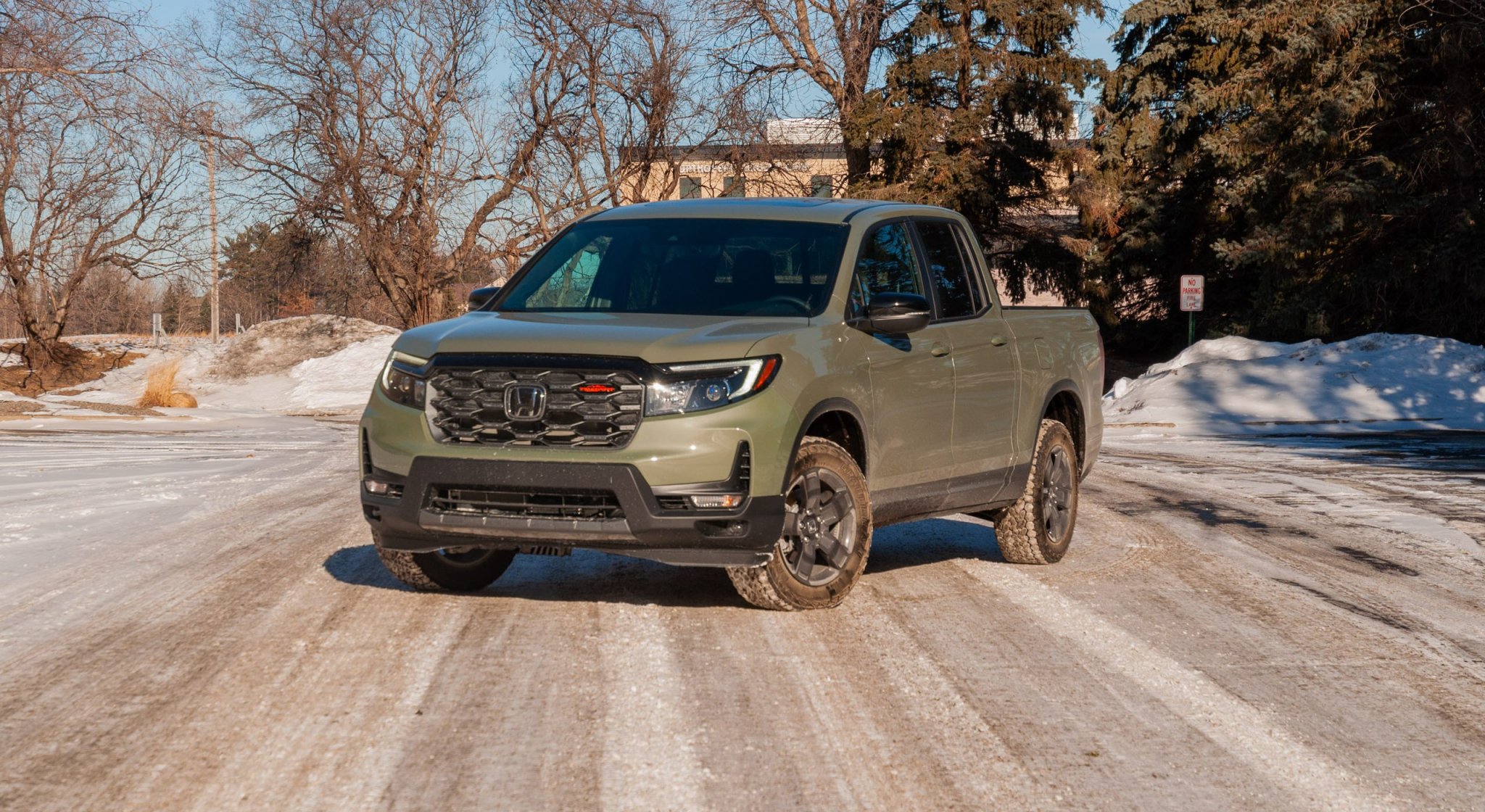
Wants and needs don’t always align. I’d like to have The Drive’s Truck of the Year in my garage, a Rivian R1 Quad, but pretty much no one needs one. The parking lot full of F-150s and Silverados outside my son’s soccer training right now? Those owners, at least some of them, don’t need a truck to haul their kids to soccer practice and drive to the office, but they want one. The 2026 Honda Ridgeline? Now that’s a sensible solution.
The Ridgeline TrailSport might not fit into the “desire” or “want” circle on your ven diagram, but it might fit the “need” section. Smaller and more manageable than today’s huge full-sizers while still boasting enough capability and fitting many consumers’ lifestyles, it serves a real purpose. Perhaps it’s why, at one point, the Ridgeline was outselling the Jeep Gladiator.
I recently spent a week reminding myself why practical people choose the need over the want. It did nothing to quell my desire for a Quad, but then again, I am not a practical person. [Ed. note: he really isn’t.]

The Basics
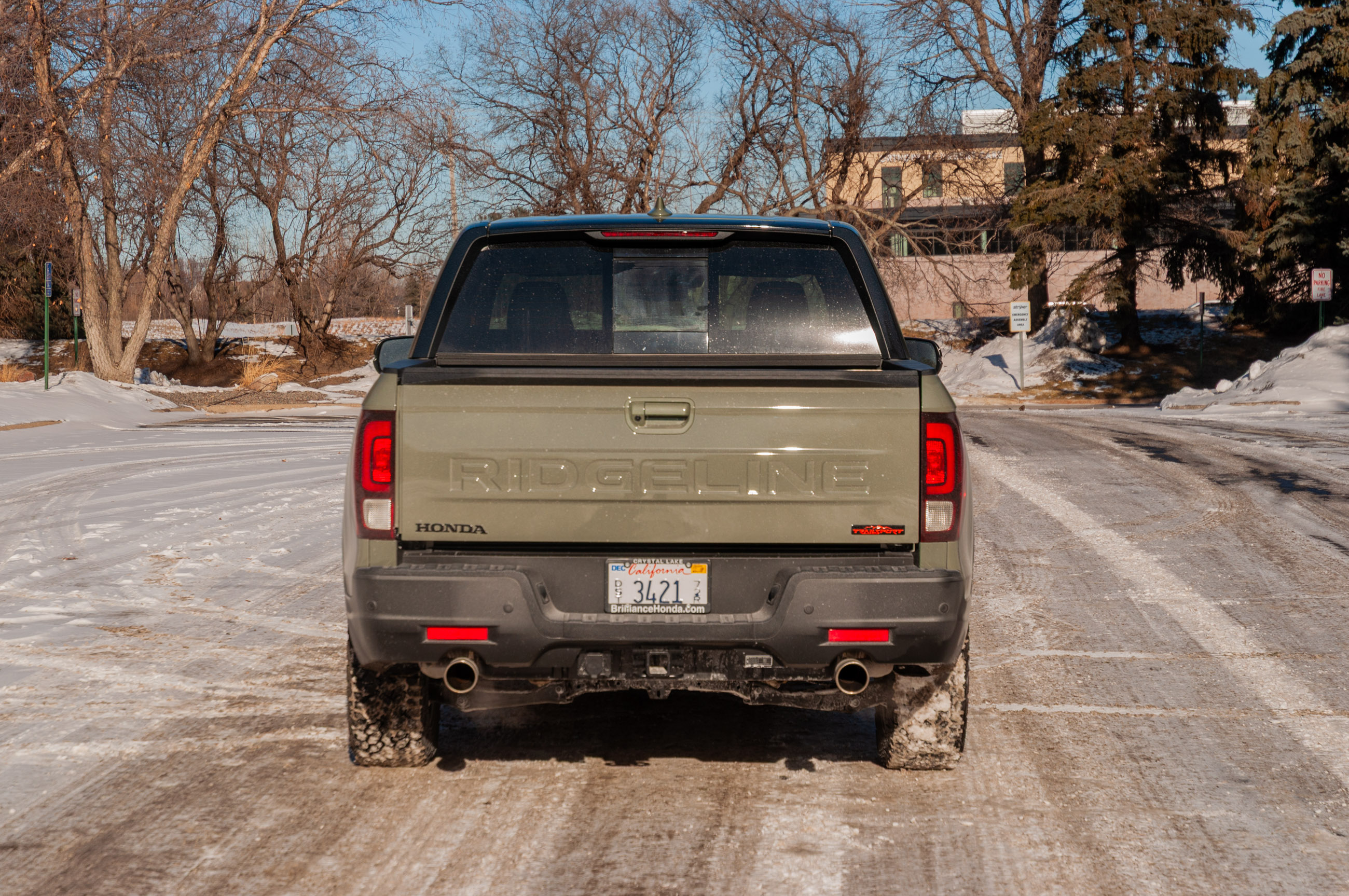
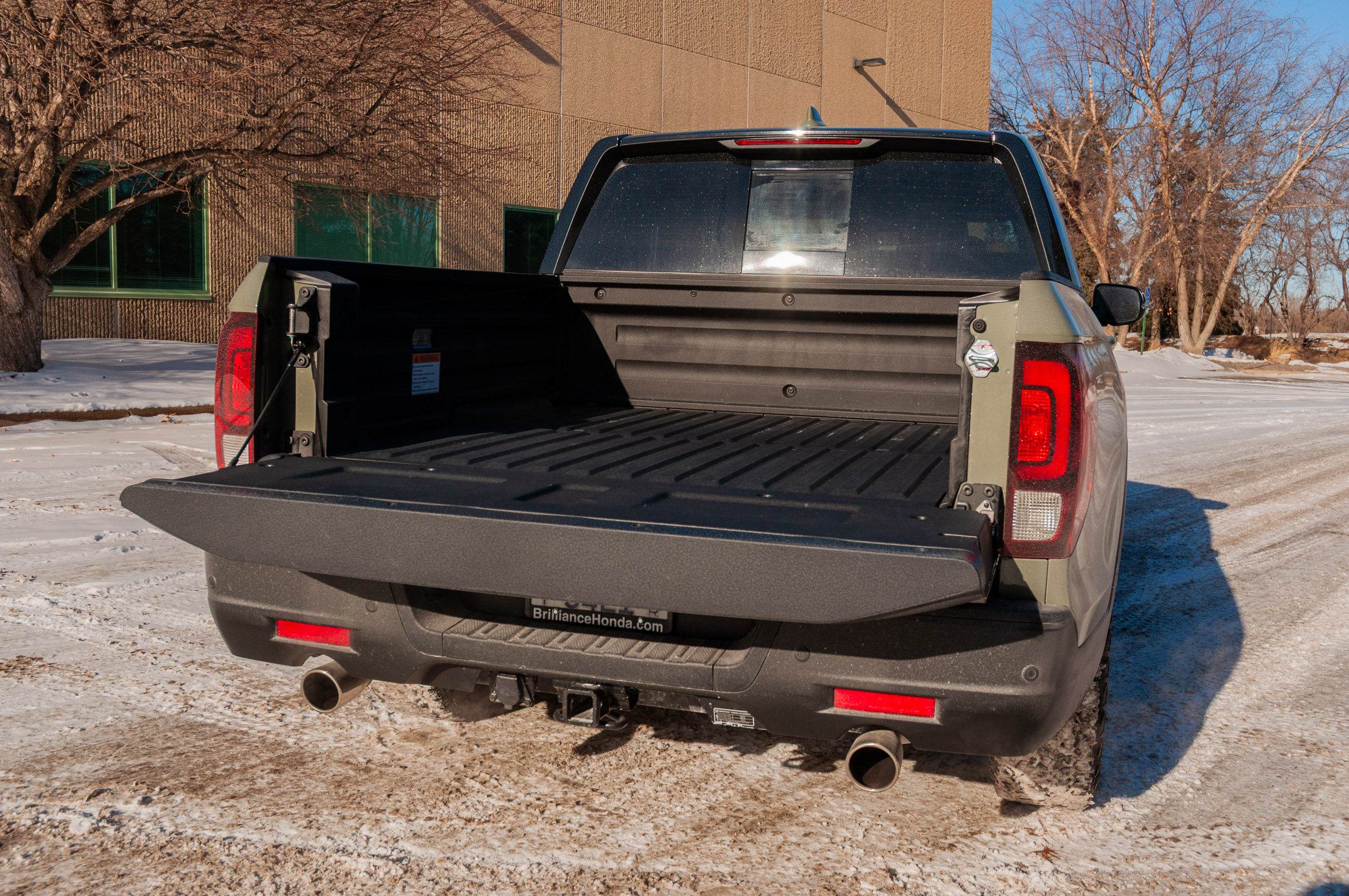
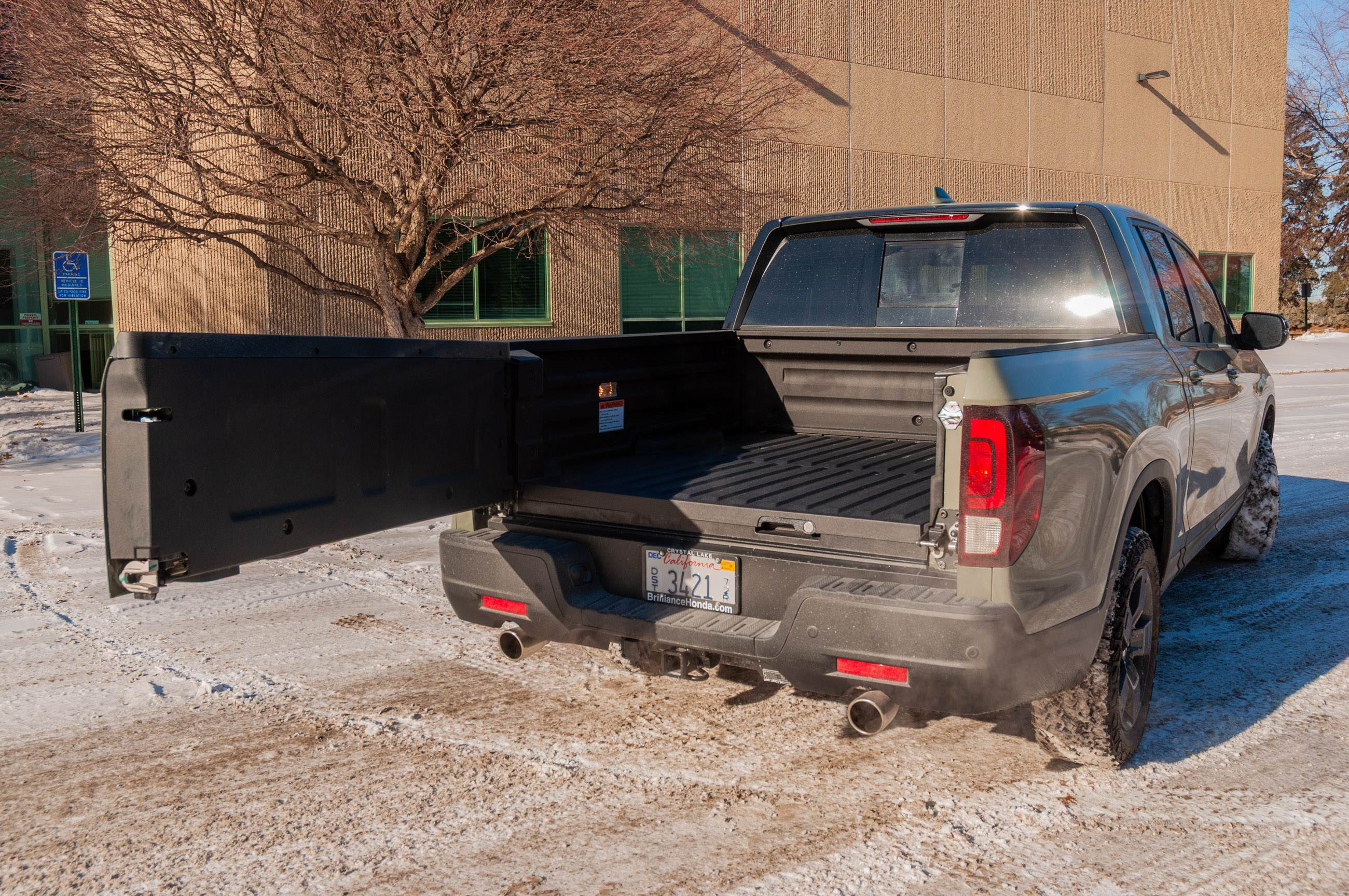
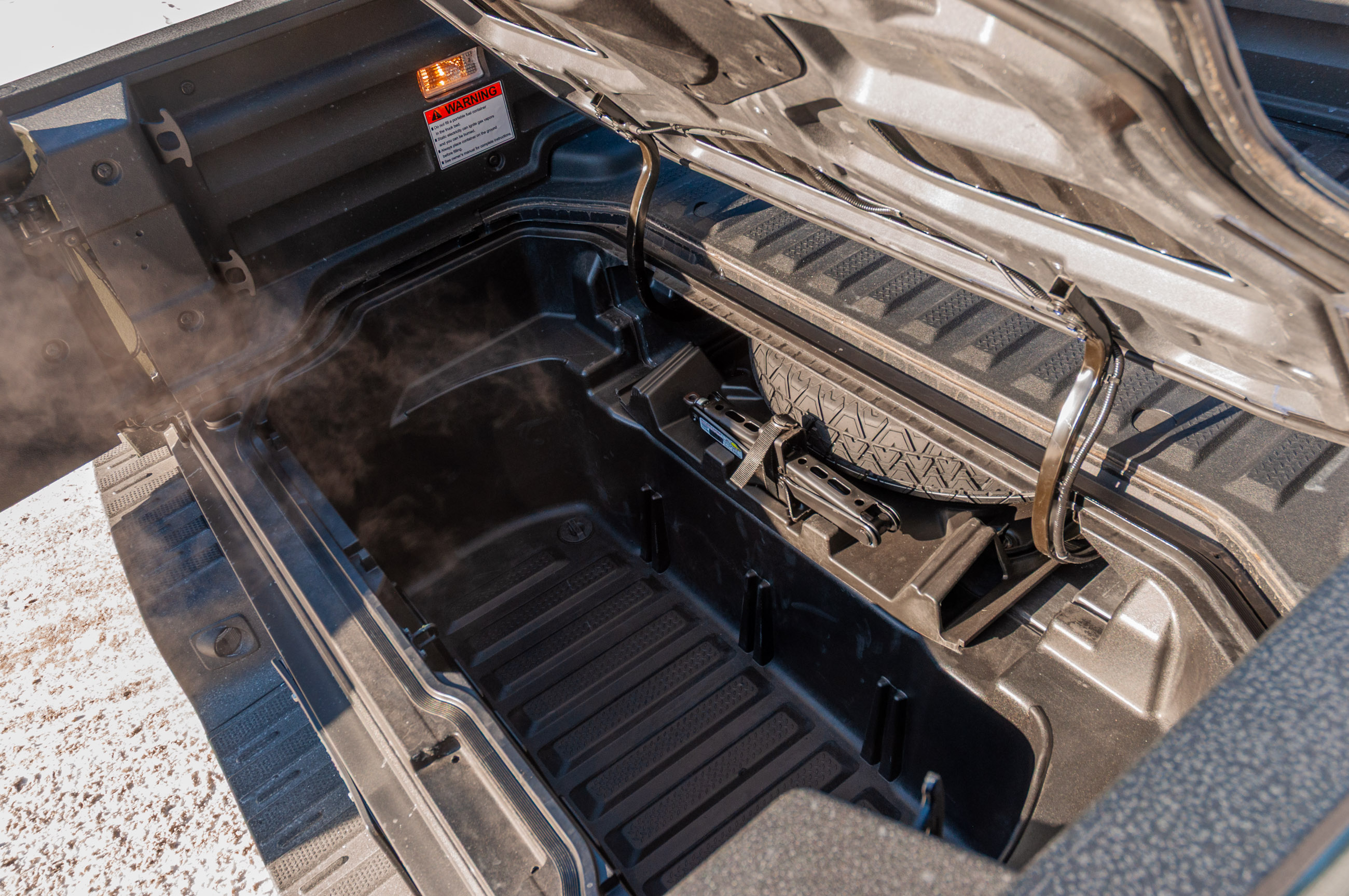
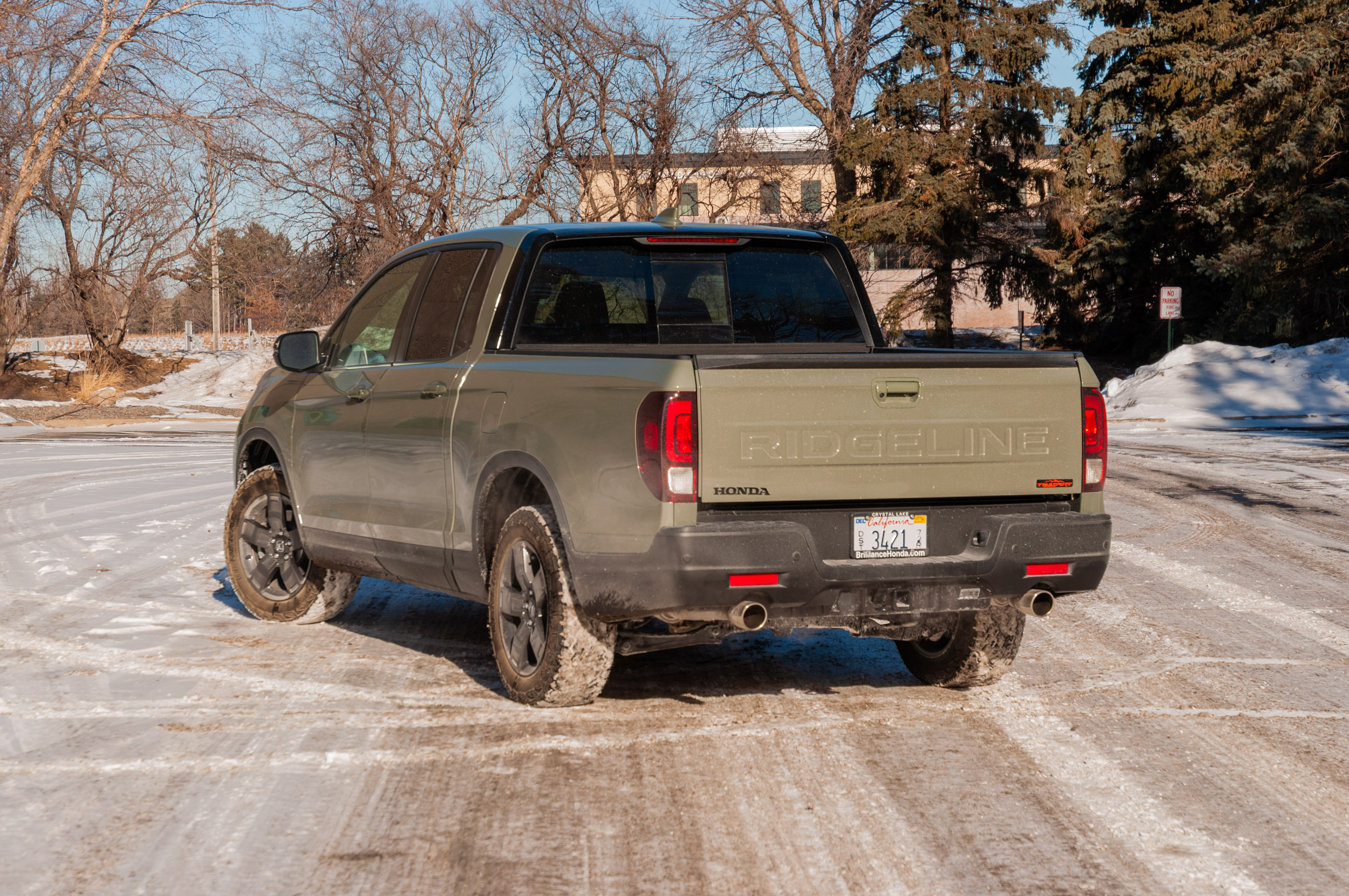
The 2026 Honda Ridgeline TrailSport is the truck we all know, and some love. Unlike every other truck except the Ford Maverick (RIP Hyundai Santa Cruz), the Ridgeline is a unibody pickup with a four-door cab, a 5-foot-4 composite bed with underfloor storage (like a Rivian), and a dual-access tailgate that Ram copied.
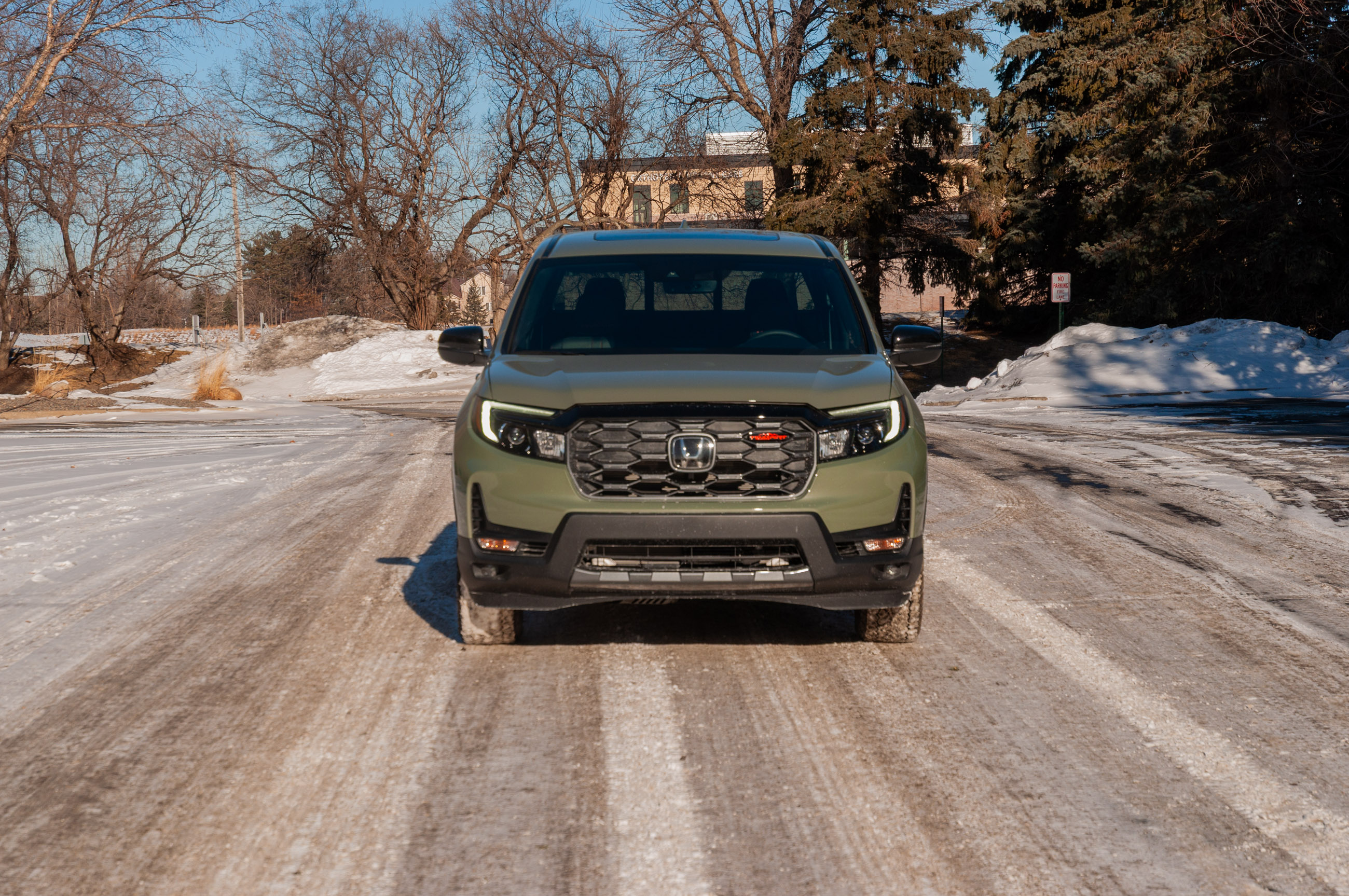
The Ridgeline sits lower and is more compact than any full-size truck. The bed sides are low, and you can actually reach over them into the bed. The front end is more blunt than it used to be, but the hood still just drops off. The TrailSport model tested, the off-road light model, features an egg-crate grille, five-spoke 18-inch dark alloy wheels, and some badging. The tailgate isn’t damped and just drops down, though it also folds down and can be opened sideways to swing out. This truck’s not intimidating, not scary-looking, and certainly isn’t compensating. It’s just what it is.
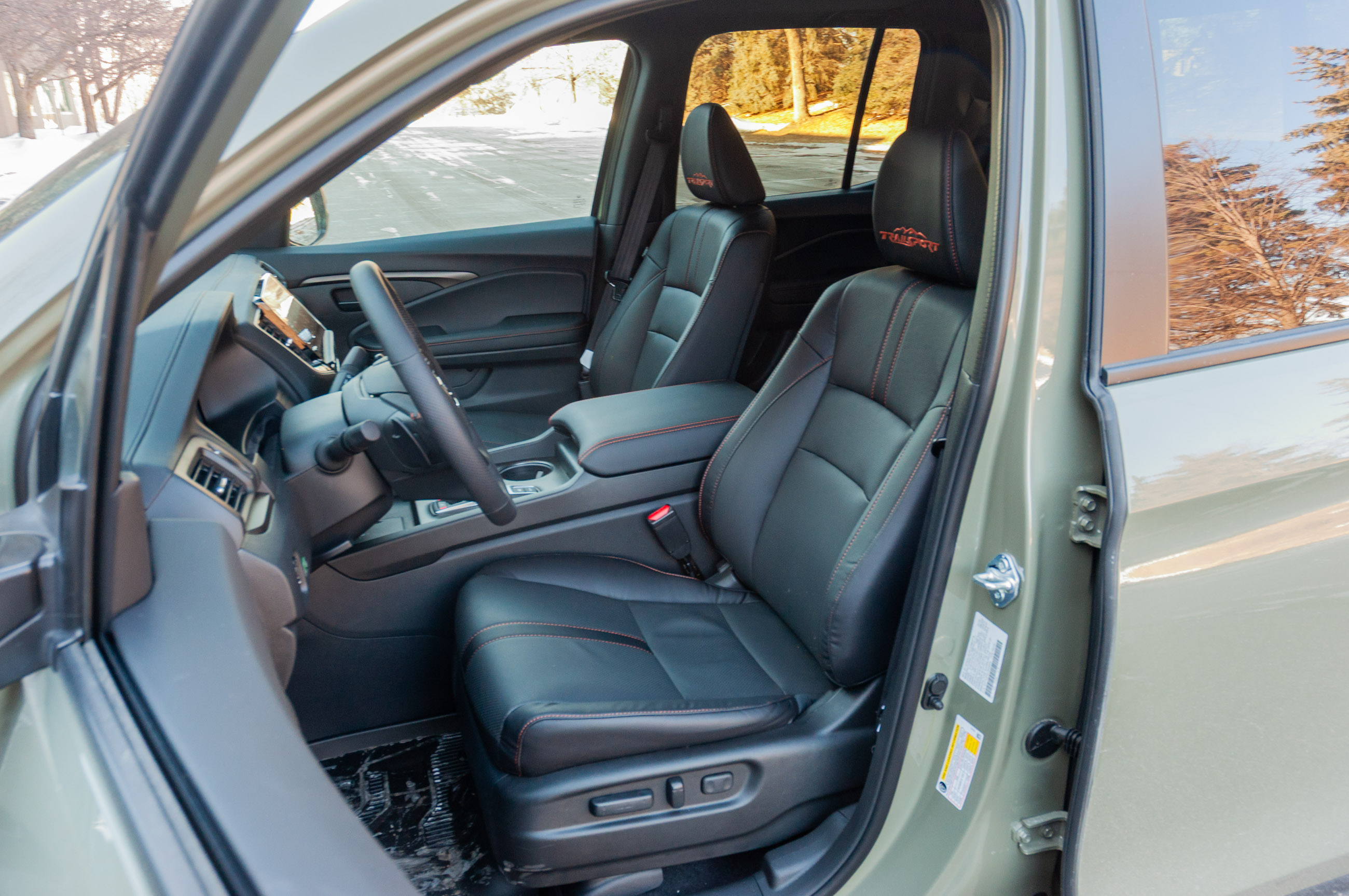
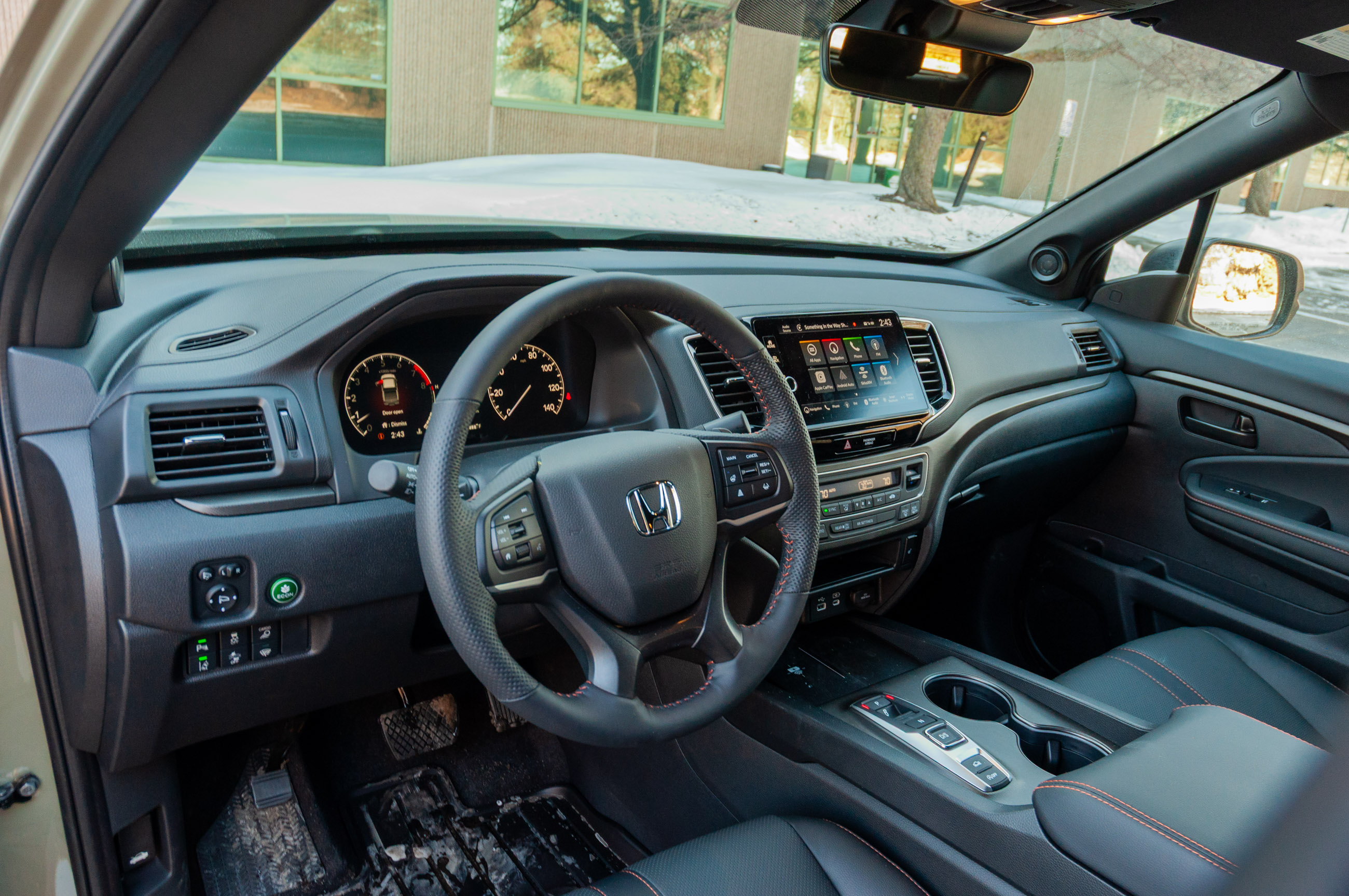
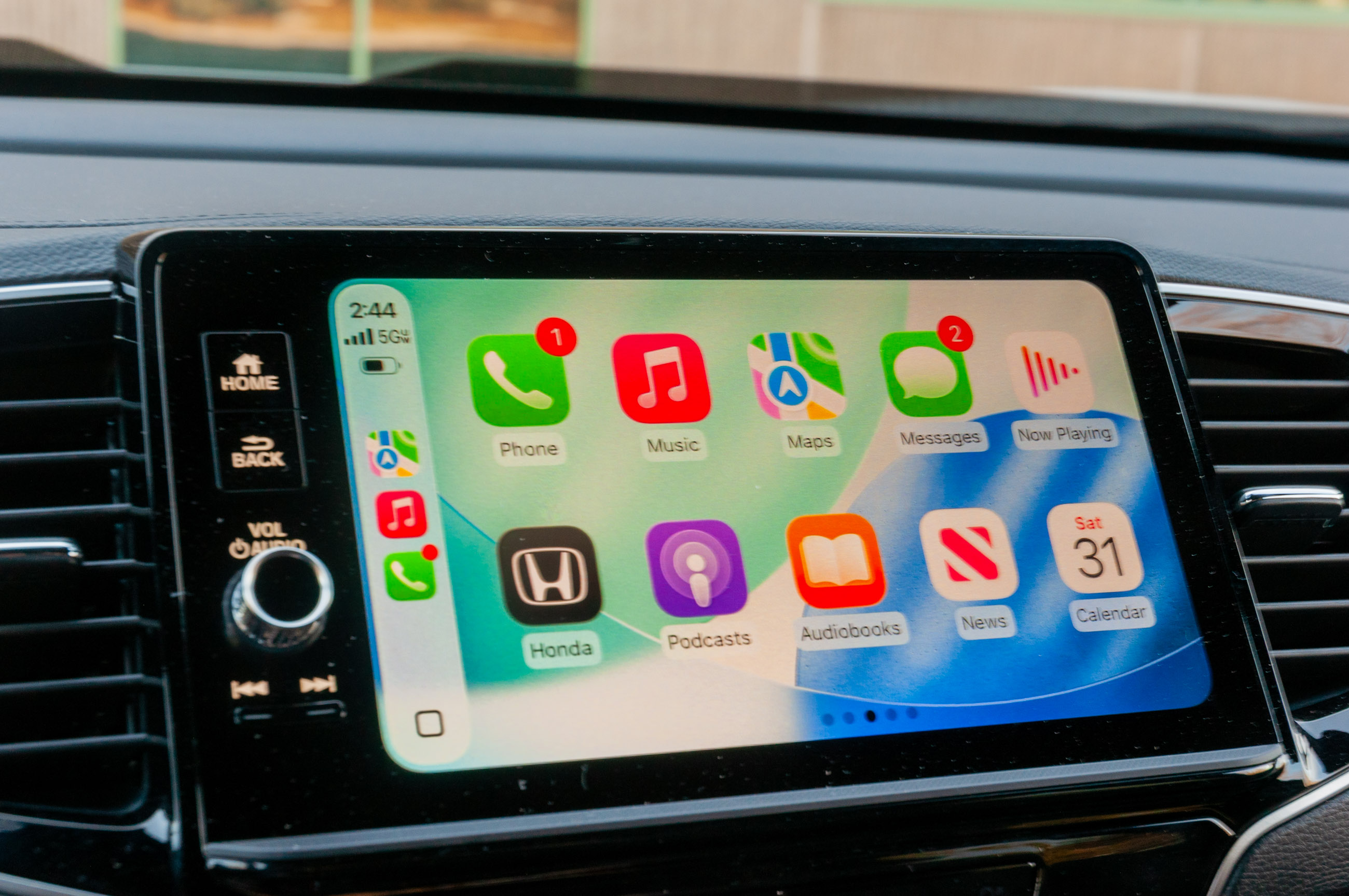
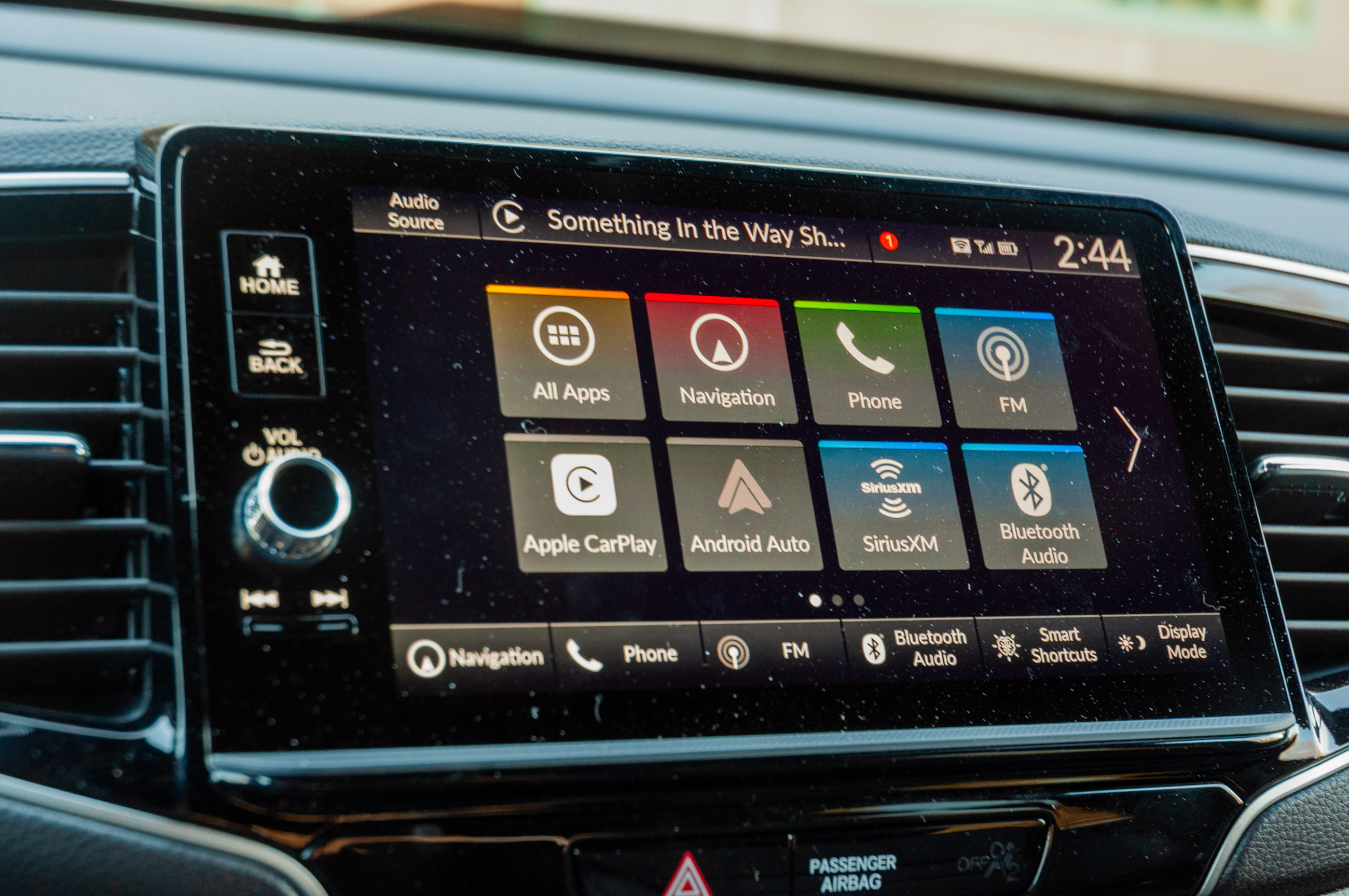
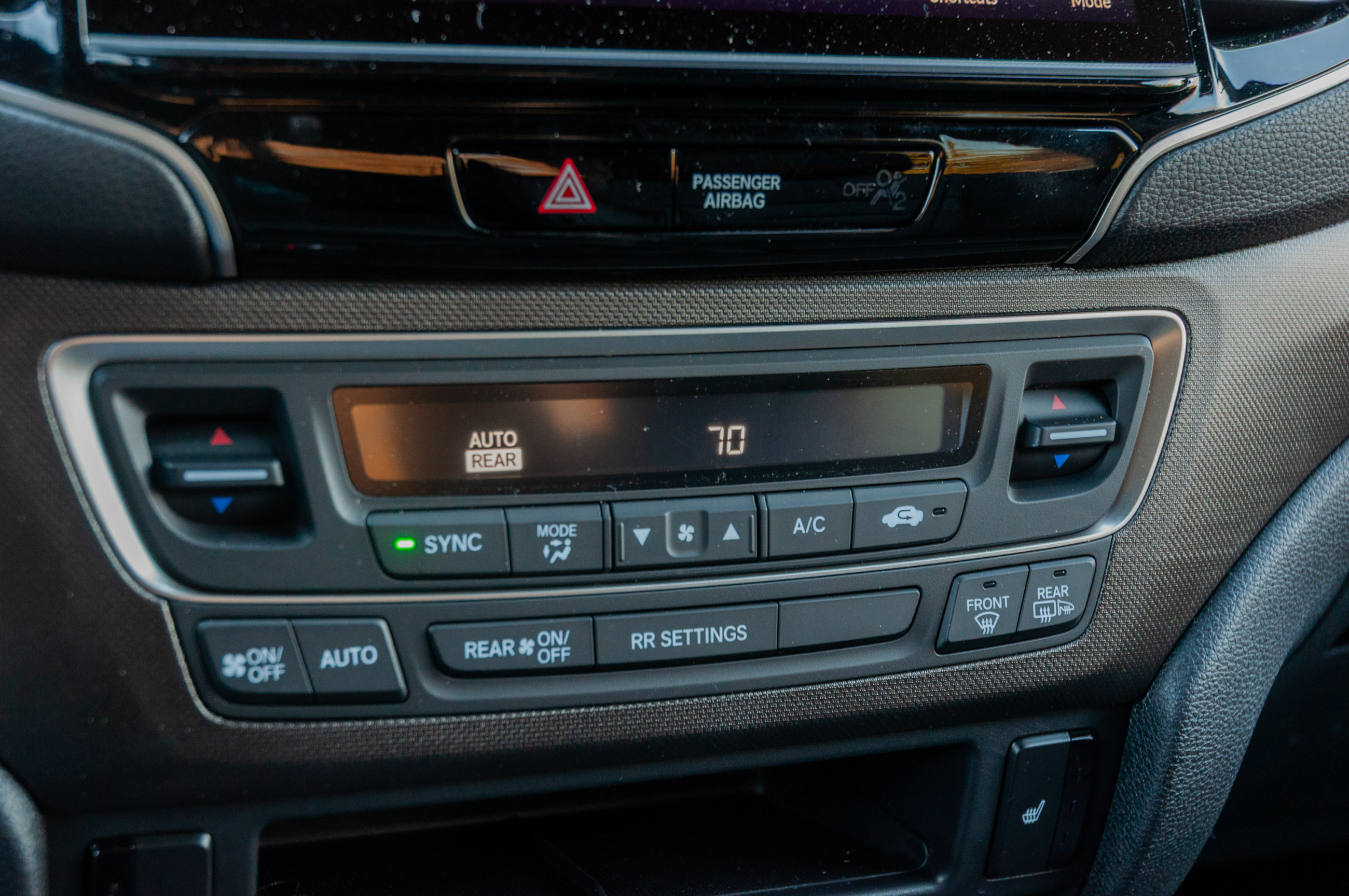
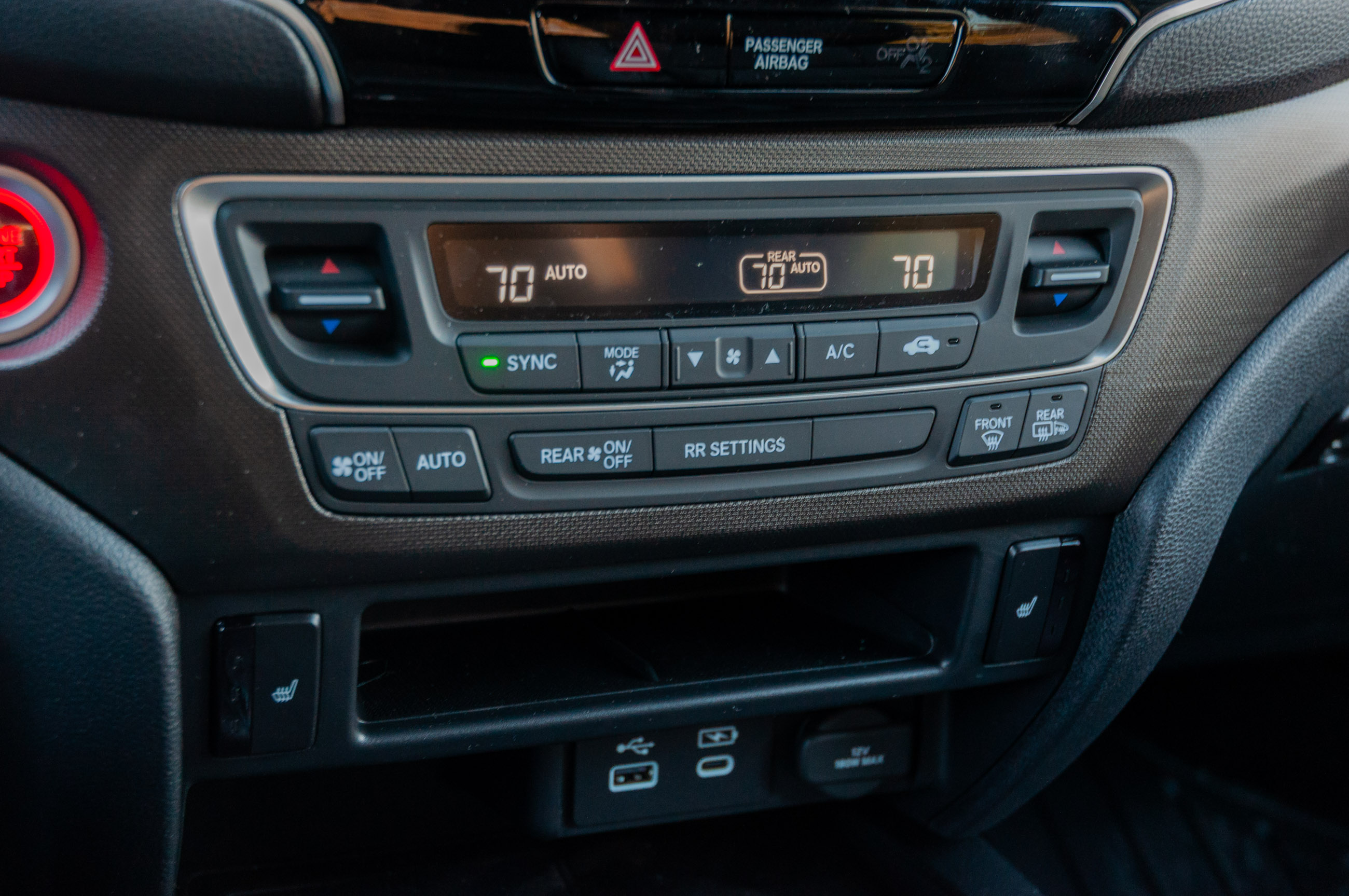
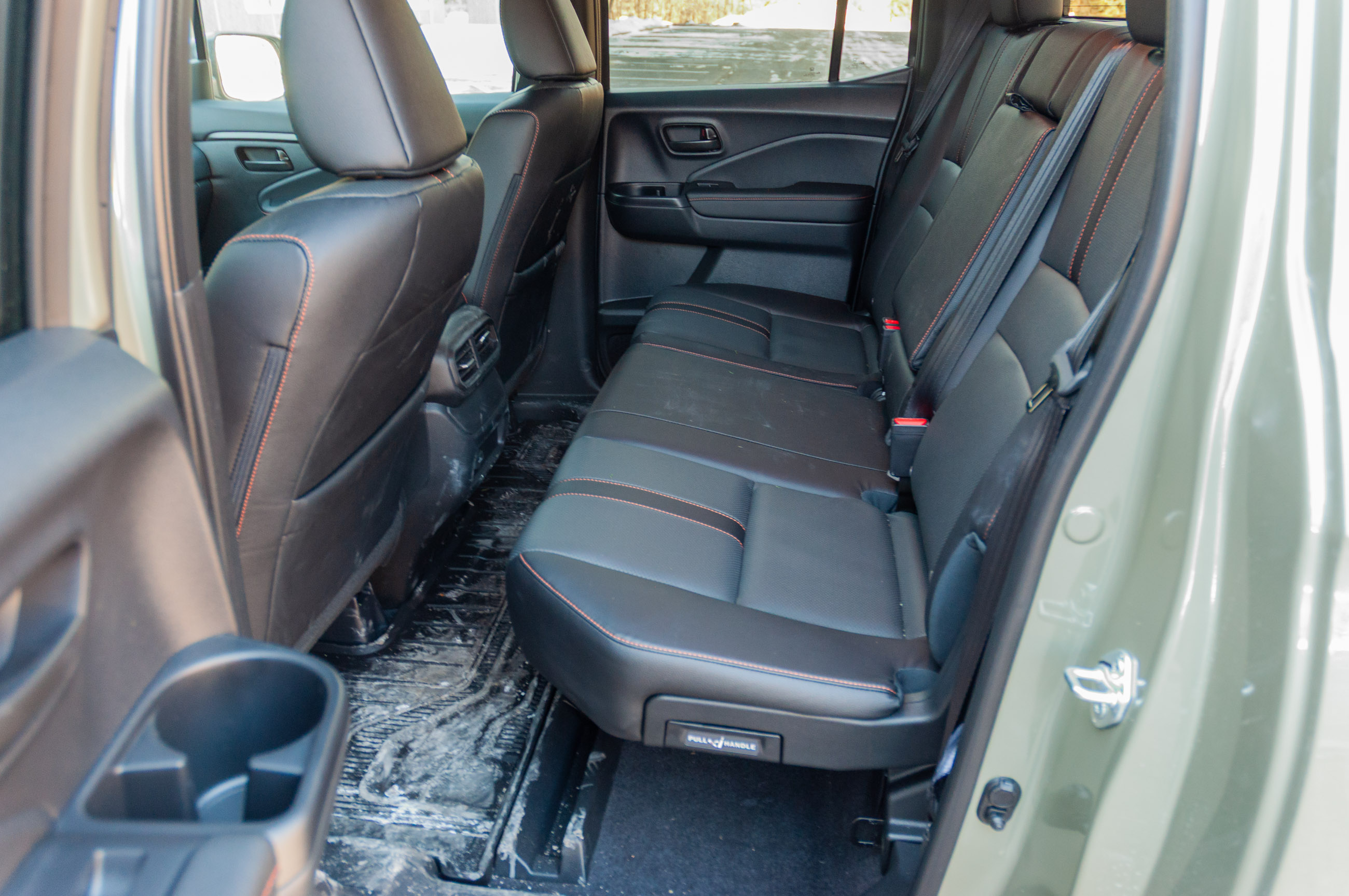
The interior will be familiar to the Honda faithful, as it still sports the last-generation Pilot’s dashboard design. That means soft-touch materials and real buttons and toggles for the three-zone climate control system. Yes, three-zone, because it’s out of the Honda Pilot. A tech refresh in 2024 swapped in a 9-inch touchscreen and 7-inch digital gauge cluster, which still retains an analog speedometer in the dashboard. There’s a real volume knob, but the interface on the touchscreen infotainment system looks dated, with huge iPad-like icons and a slow response time. The lag gets even worse when using wireless Apple CarPlay, as if the processor is just struggling to keep up.
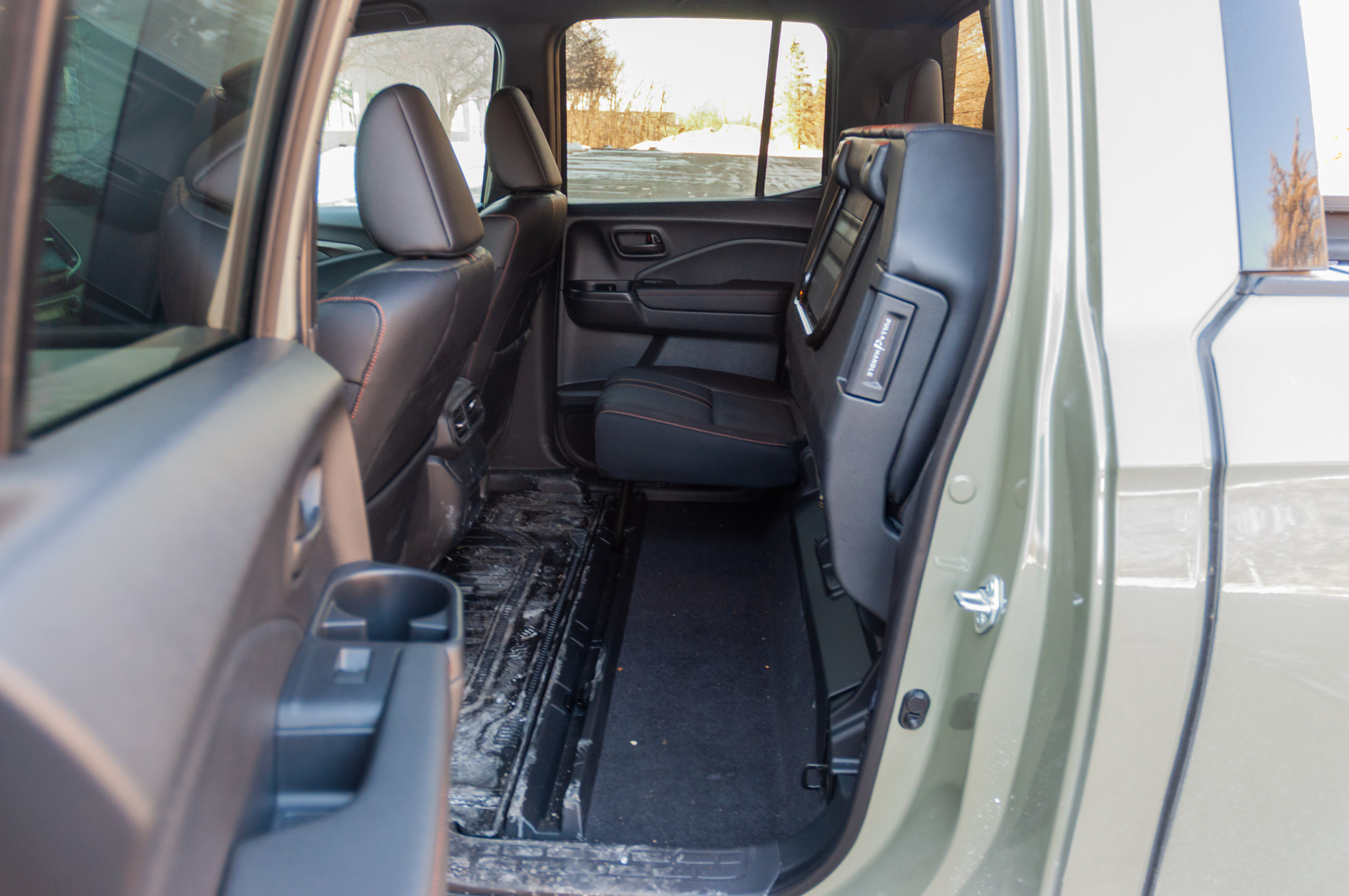
The rear seat elicited no complaints from my children. At 5-foot-10, I can sit in the rear seat with the front adjusted for myself. While there’s less legroom in the second row than in a full-size pickup, it’s not tight by any means. The second-row seat bottom flips up to create extra space just like in a full-sizer, and the packaging reminds me of the defunct Honda Fit and the Magic Seat setup in the second row.
Driving the 2026 Honda Ridgeline TrailSport
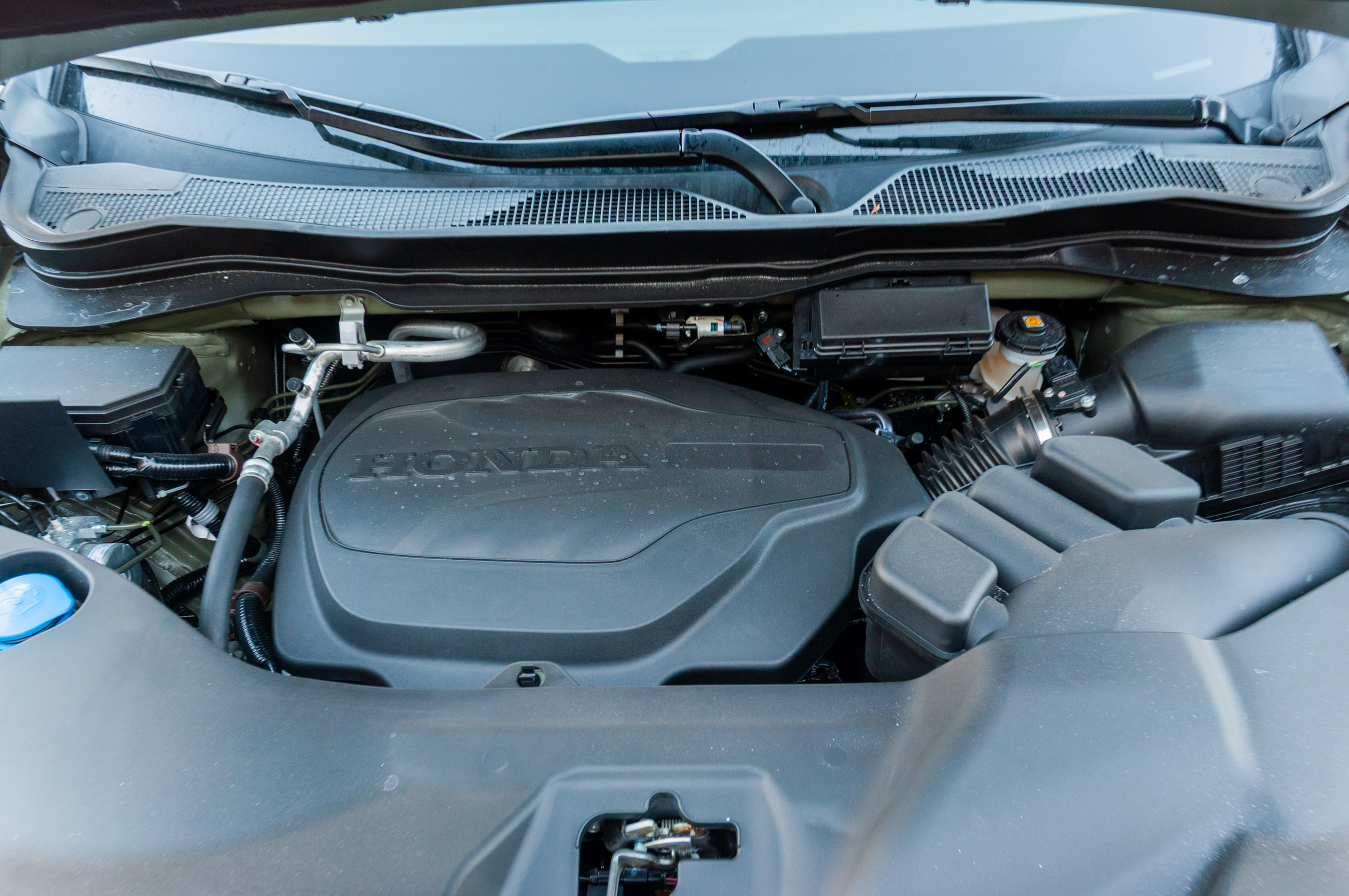
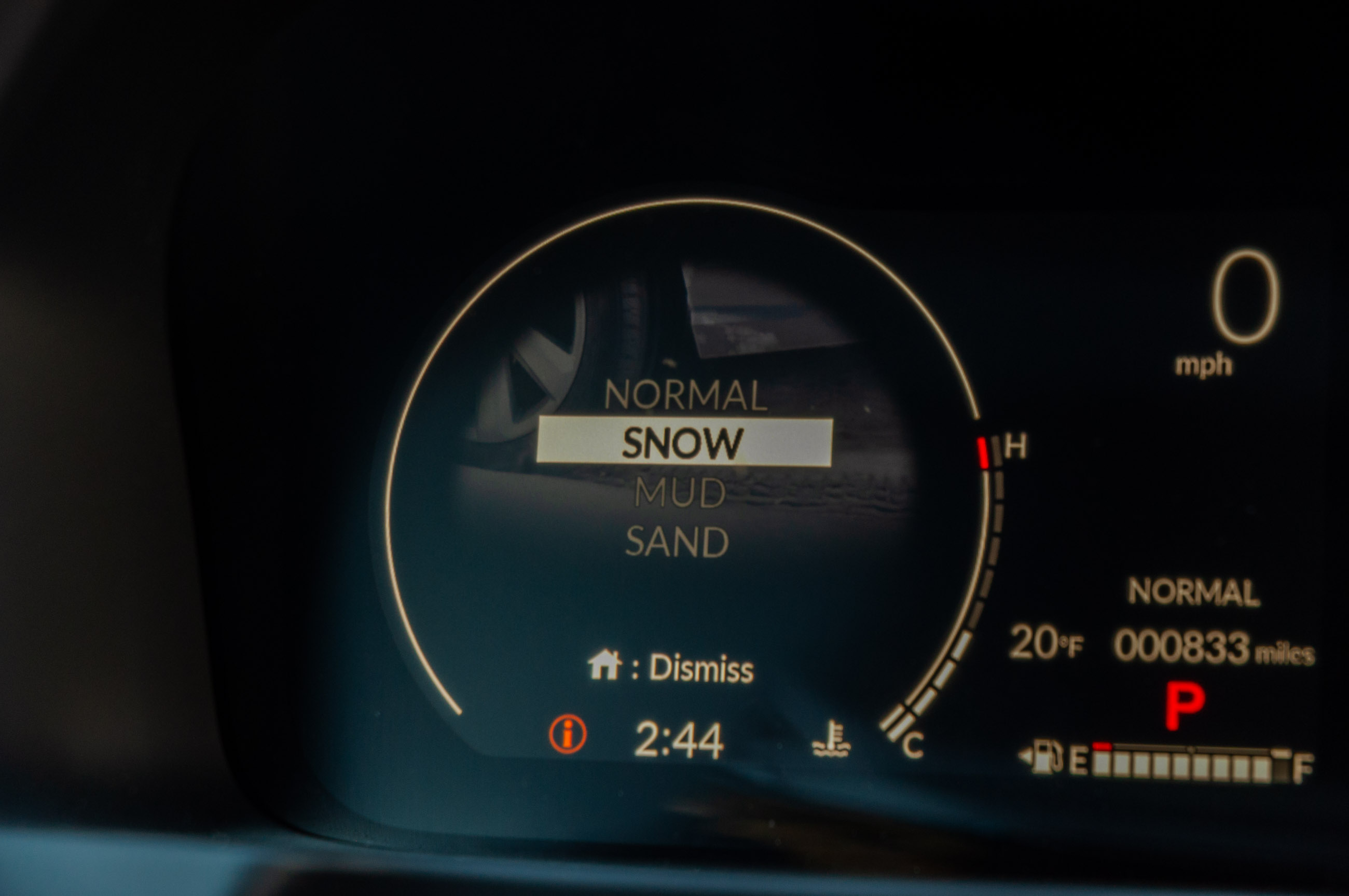
Every Ridgeline is powered by a 3.5-liter V6 producing 280 horsepower and 262 lb-ft of torque. A nine-speed automatic sends power to all four wheels, and there are some drive modes that change throttle sensitivity and traction control settings for Snow, Mud, Sand, and Normal driving.
In Normal mode, the V6 builds power progressively in a very Honda way, which is a compliment. The lack of forced induction or a turbo-four feels borderline old-school outside of a V8 these days. The nine-speed automatic transmission is lazy with early upshifts in the name of fuel economy. It was tolerable in the Pilot and here, but the 10-speed in the current Pilot is better.
The Ridgeline rides and drives similarly to the last-generation Pilot because it’s built on the same platform. The changes make a difference: a lighter rear end, a heavier feel at the front thanks to a completely different weight balance, and numb steering, likely worsened by the TrailSport trim’s chunky General Grabber all-terrain tires. The suspension is compliant and controlled enough, but there’s zero sporty pretense. Potholes and broken pavement in the Midwest winter do little to disrupt the Ridgeline, and it’s extremely comfortable. Road trips would pass by with this thing in a blink of an eye.
Its smaller size also made it extremely easy to navigate parking lots and school drop-off situations. It’s also easier to see out of than any full-size truck, thanks to the short hood, tall glass, and low dashboard.
Although smaller in size, the Ridgeline still drinks like a truck. The V6 has EPA fuel-economy ratings of 18 mpg city, 24 mpg highway, and 21 mpg combined. The highway and combined ratings take a 1 mpg hit in TrailSport trim, likely due to drag from the all-terrain tires. Over the course of 404 miles of mixed suburban driving with Minnesota ambient temps hovering in the single digits, the Ridgeline TrailSport averaged a truck-like 16.7 mpg. Not great. The next-gen Ridgeline hybrid with a V-6 that could theoretically have a 26 mpg combined rating will be welcomed.
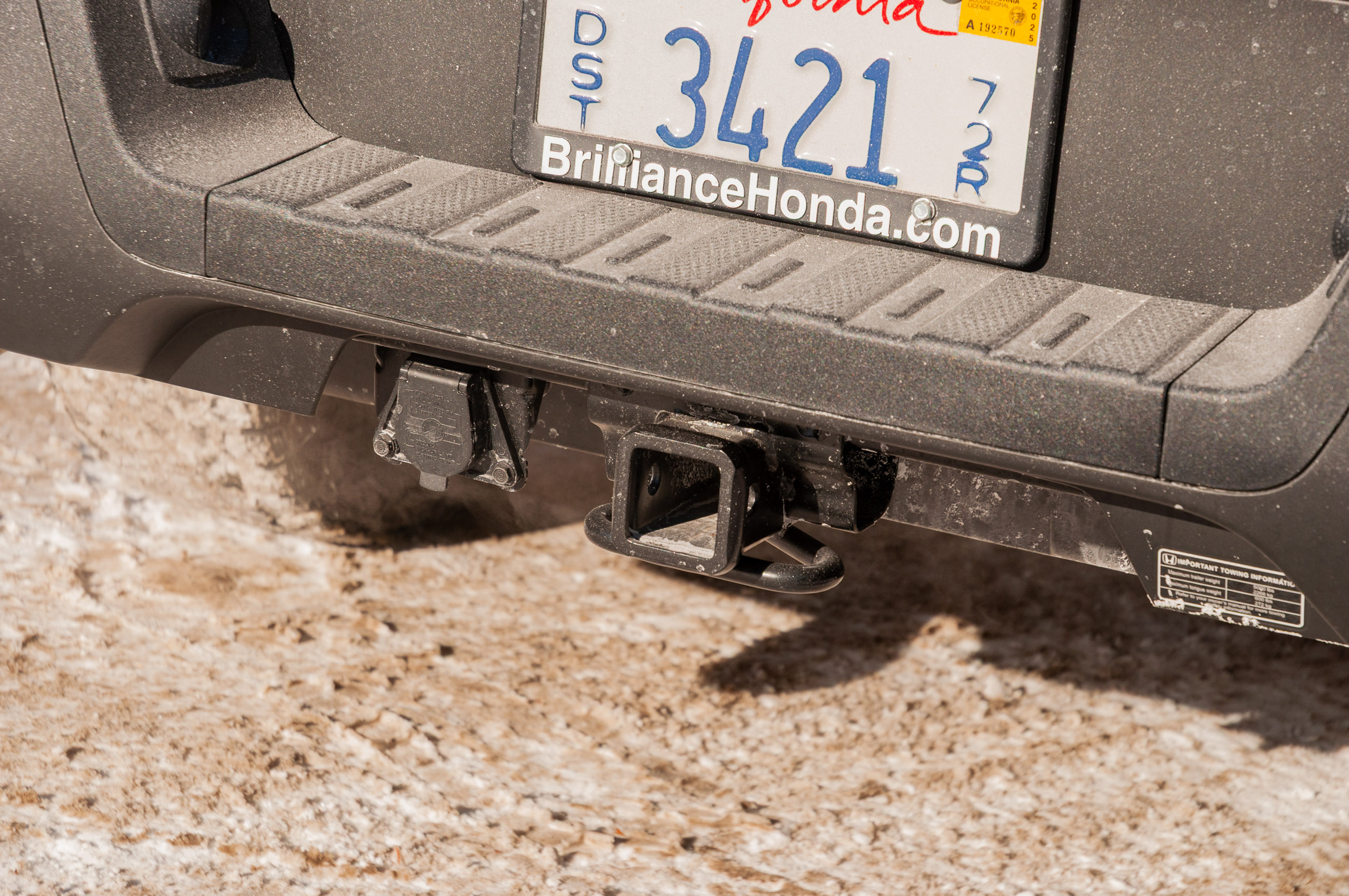
The Ridgeline can tow up to 5,000 pounds, which really means, on the regular, you shouldn’t be towing much more than 3,500 pounds with this thing. There’s an 80:20 rule here because you never want to get in a game of Who’s In Charge. That’s enough for some jet skis, a snowmobile trailer, or an 18-foot runabout boat. No, you won’t be towing your wakeboard boat with this. And in terms of carrying, Honda says the Ridgeline has a payload capacity of up to 1,583 pounds, though TrailSport models drop that to 1,521 pounds. The Ford Ranger, by comparison, can haul up to about 300 pounds more.
Snow mode engages second-gear start, remaps the throttle, and recalibrates the electronic stability control system. Based on my experience, it completely changes the truck in slippery conditions, but in doing so, it makes the truck feel like it’s tiptoeing down the road.
Verdict
The 2026 Honda Ridgeline costs $42,490, including a $1,495 destination charge. Even in the base Sport trim, it comes standard with the tech and creative packaging. The TrailSport tested came in at $47,945 with some off-road-lite bits like a skid plate, all-terrain tires, TrailSport-specific suspension tuning, and niceties such as leather-trimmed seats with orange stitching, a power moonroof, heated front seats, and a seven-speaker sound system.
The Honda Ridgeline isn’t exciting or flashy, and it’s certainly not tough-looking, even if the last refresh did its best to macho things up. But for everyday life around the suburbs, it’s easier to drive, easier to see out of, comfortable, and provides enough capability that a lot of families are looking for when hauling toys on the weekend or smelly hockey bags during the week. It’s sensible, aside from the fuel economy.
Honda provided The Drive with a seven-day loan of this vehicle for the purpose of writing this review.
| 2026 Honda Ridgeline TrailSport Specs | |
|---|---|
| Base Price (TrailSport) | $42,490 ($47,945) |
| Powertrain | 3.5-liter V6 | 9-speed automatic | all-wheel drive |
| Horsepower | 280 @ 6,000 rpm |
| Torque | 262 lb-ft @ 4,700 rpm |
| Seating Capacity | 5 |
| Curb Weight: | 4,495 pounds |
| Towing Capacity | 5,000 pounds |
| Cargo Volume | 33.9 cubic feet in the bed | 7.3 cubic feet below the bed |
| Ground Clearance | 7.64 inches |
| Off-Road Angles | 20.4° approach | 19.6° breakover | 19.6° departure |
| EPA Fuel Economy | 18 mpg city | 23 highway | 20 combined |
| Score | 7/10 |

Quick Take
The truck I need, but not the truck I want.
Loading comments…
Comments couldn’t be loaded. Please refresh the page.