
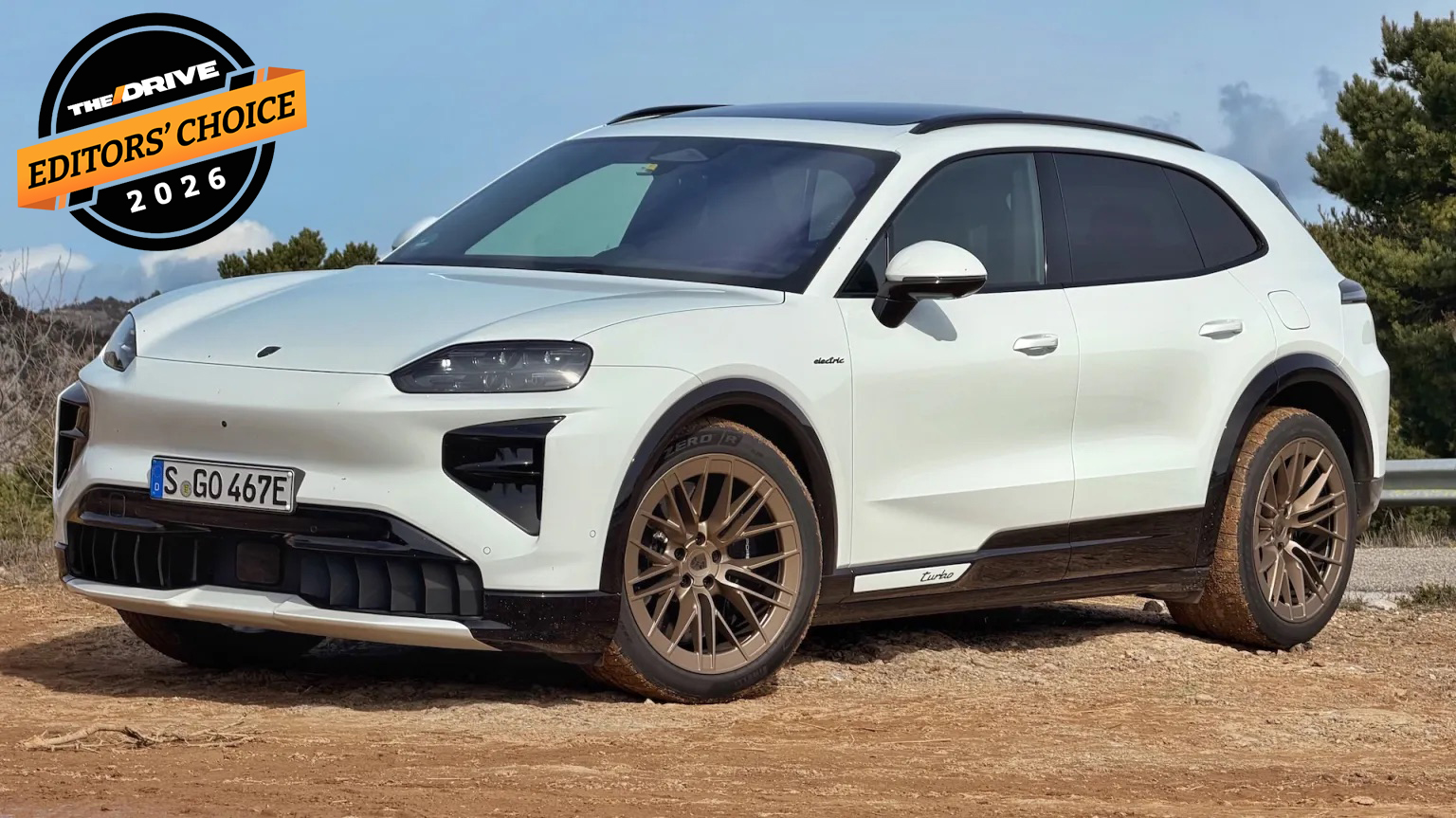
“Unmistakably Porsche, Unmistakably Cayenne,” read the PowerPoint presentation I was shown ahead of the 2026 Porsche Cayenne Electric’s media drive. In this line of work, you get used to hearing automakers’ pitches, slogans, and marketing promises, and while not all fall short, very few actually live up to the hype.
The debut of the Cayenne Electric has been a slow drip for quite some time, and it’s been prolifically covered by The Drive as it was teased, announced, and developed. We even drove an early prototype last year, and later on, went all the way to Germany just to poke around its tech-heavy cabin and play with that sleek, curved touchscreen. The only thing we hadn’t done, really, was drive a finished, production version free of camouflage.
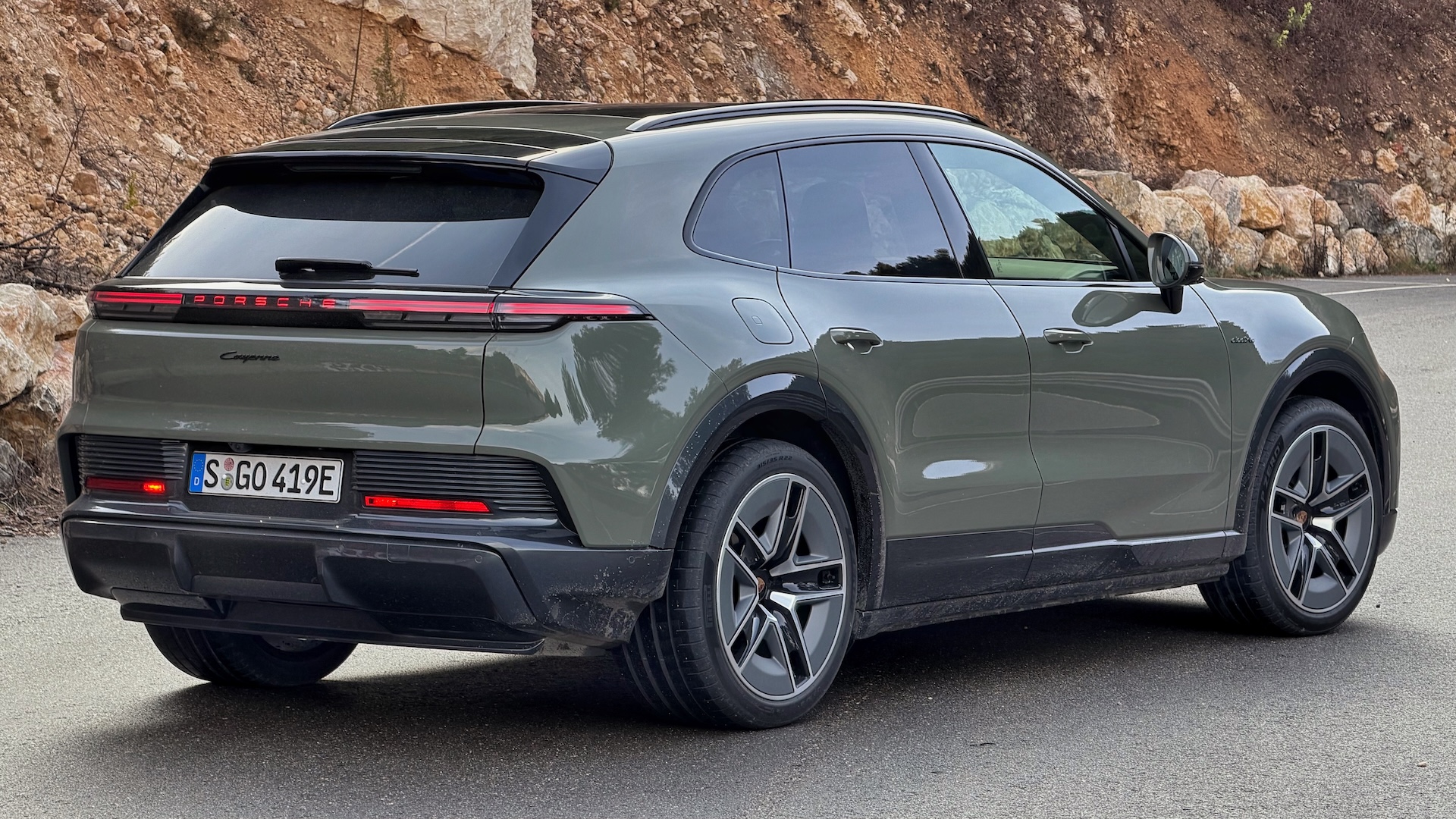
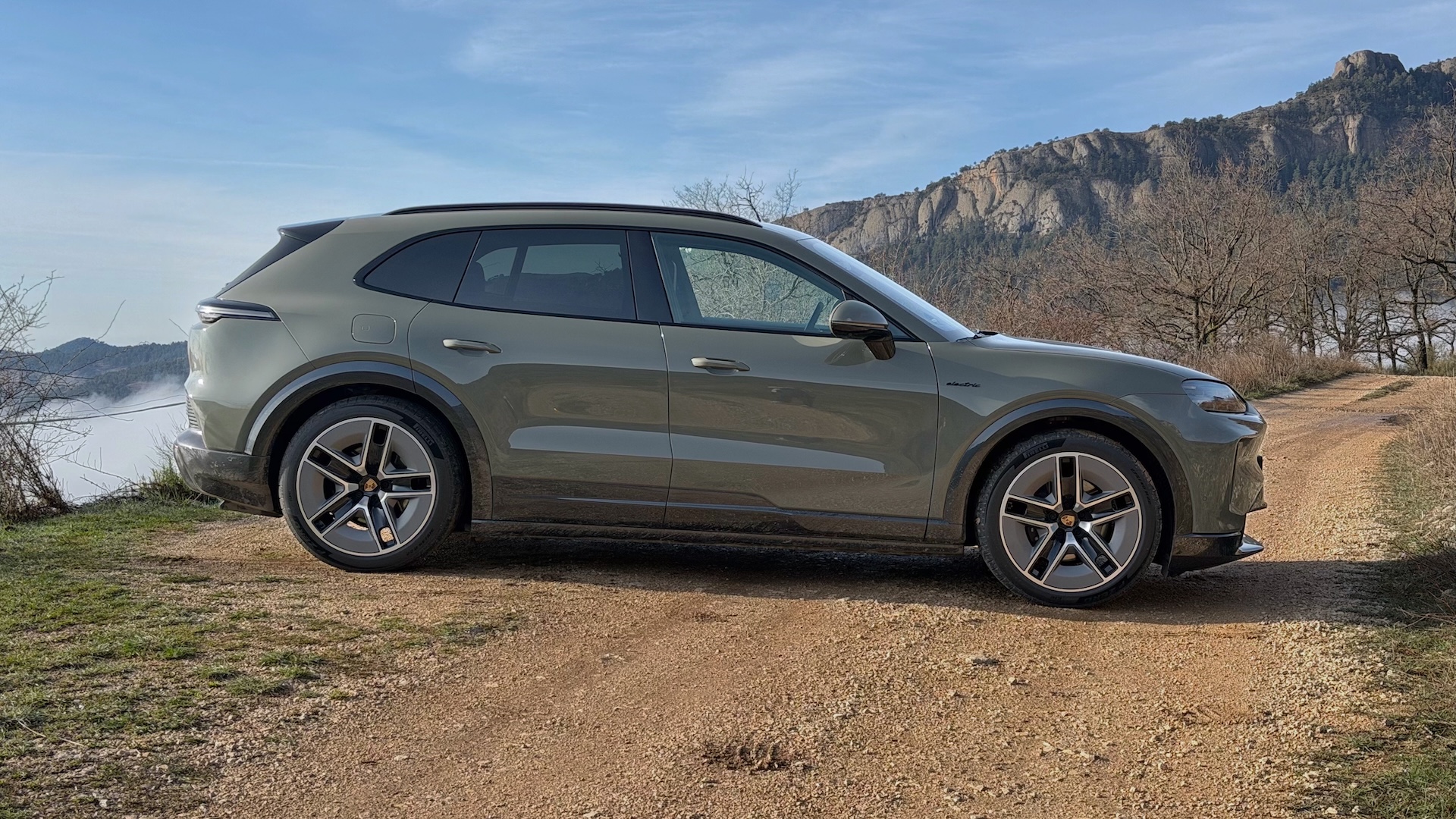
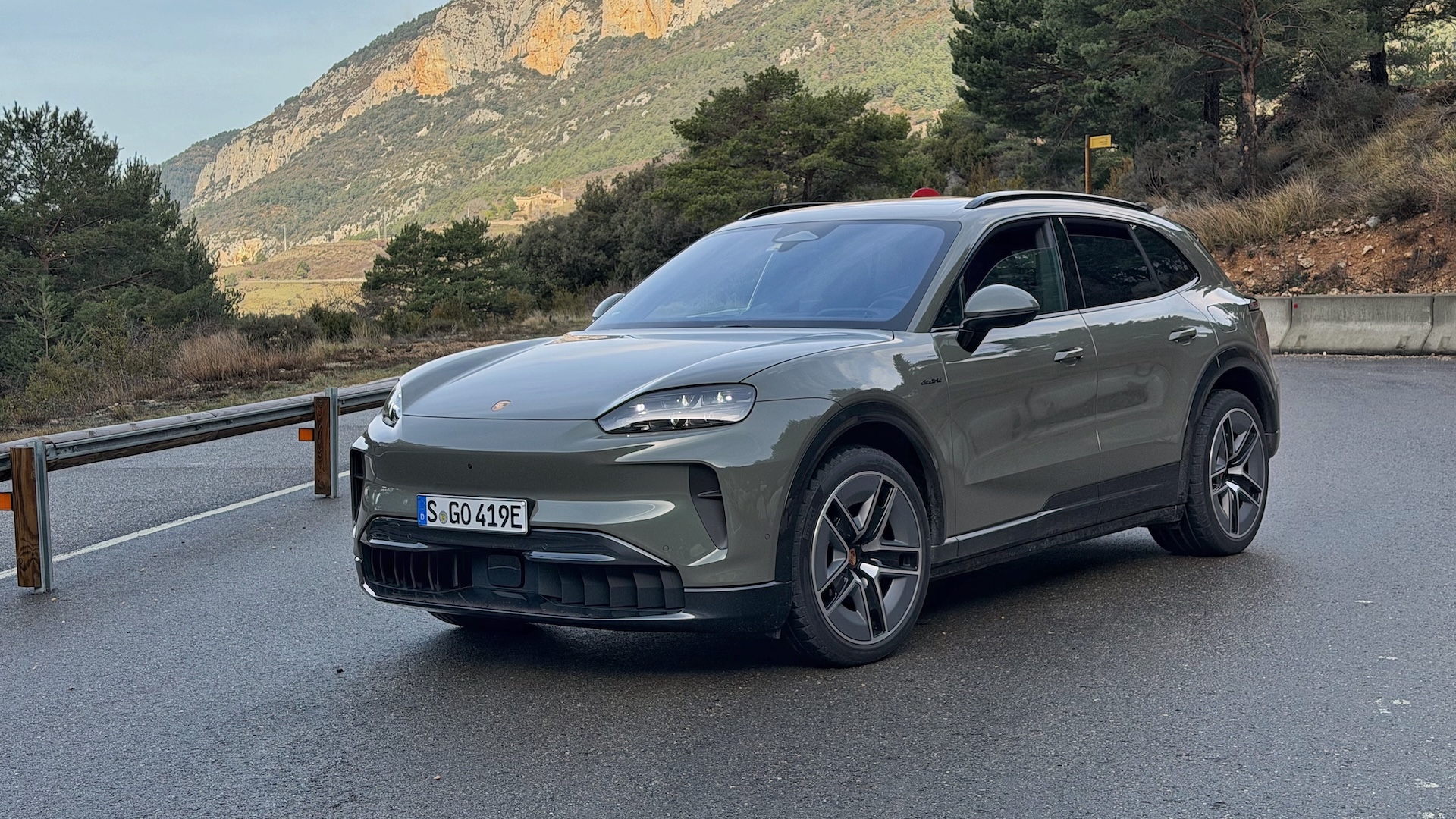
That time finally came a couple of weeks ago, when I headed to the outskirts of Barcelona to experience the Cayenne Electric and Cayenne Turbo Electric on some of Europe’s finest driving roads. Here’s how that went.
Basics
The name says it all. It’s an electric Cayenne, but thankfully, not the only Cayenne. If you want a gas version of Porsche’s staple SUV, you can still get one. But if you’d rather go electric, Stuttgart’s in to please with its revolutionary new model. The Cayenne Electric is offered in three trims: base, S, and Turbo, with 435, 657, and 1,139 horsepower, respectively. Torque is rated at 615 lb-ft for the base model, 796 for the S, and a staggering 1,106 for the Turbo.
As The Drive’s editor-in-chief, Kyle Cheromcha, highlighted after driving a prototype last year, the Cayenne Electric rides on the PPE platform used for the Macan Electric, though it’s been modified for this application. It has an 800-volt architecture capable of DC charging at up to 400 kW via NACS plug, delivering a sub-16-minute 10-80% charge. The 113-kWh battery underneath the floor is shared across all models, as is the dual-motor powertrain. The rear-axle electric motor, however, is oil-cooled to help dissipate heat under extreme load, something which sets the Porsche apart from other high-performance EVs. Both the motors and battery are built in-house by the automaker.
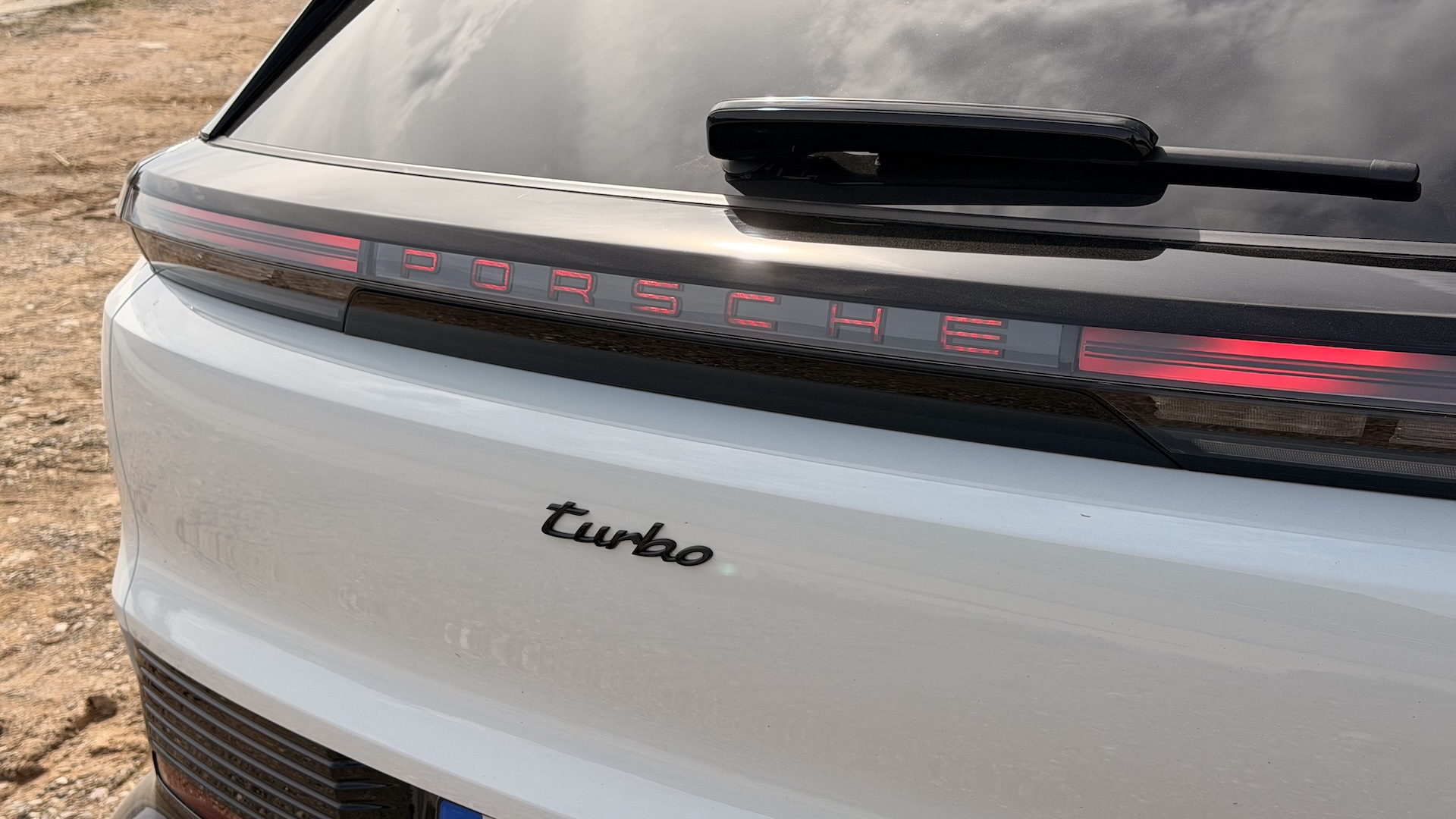
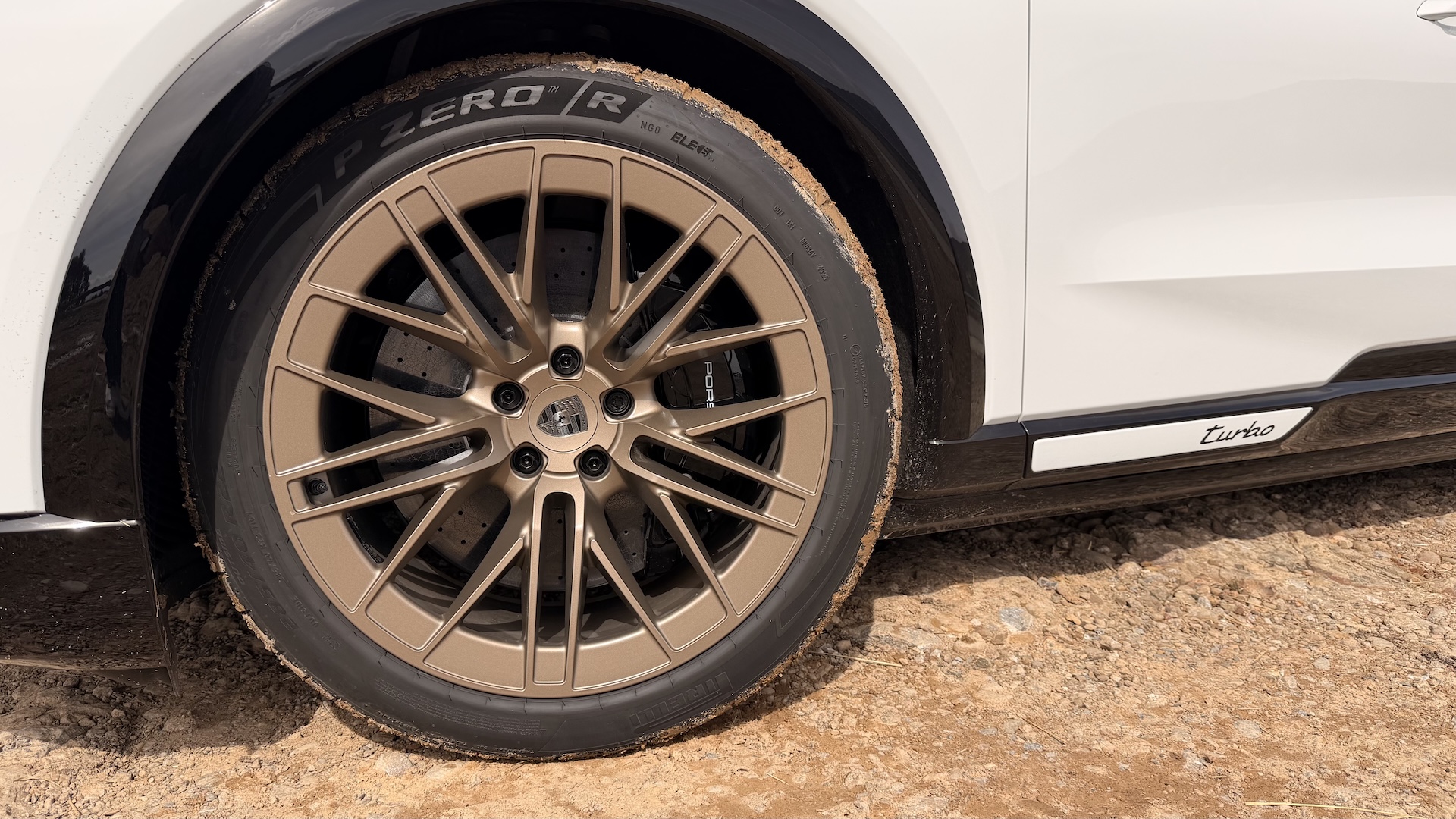
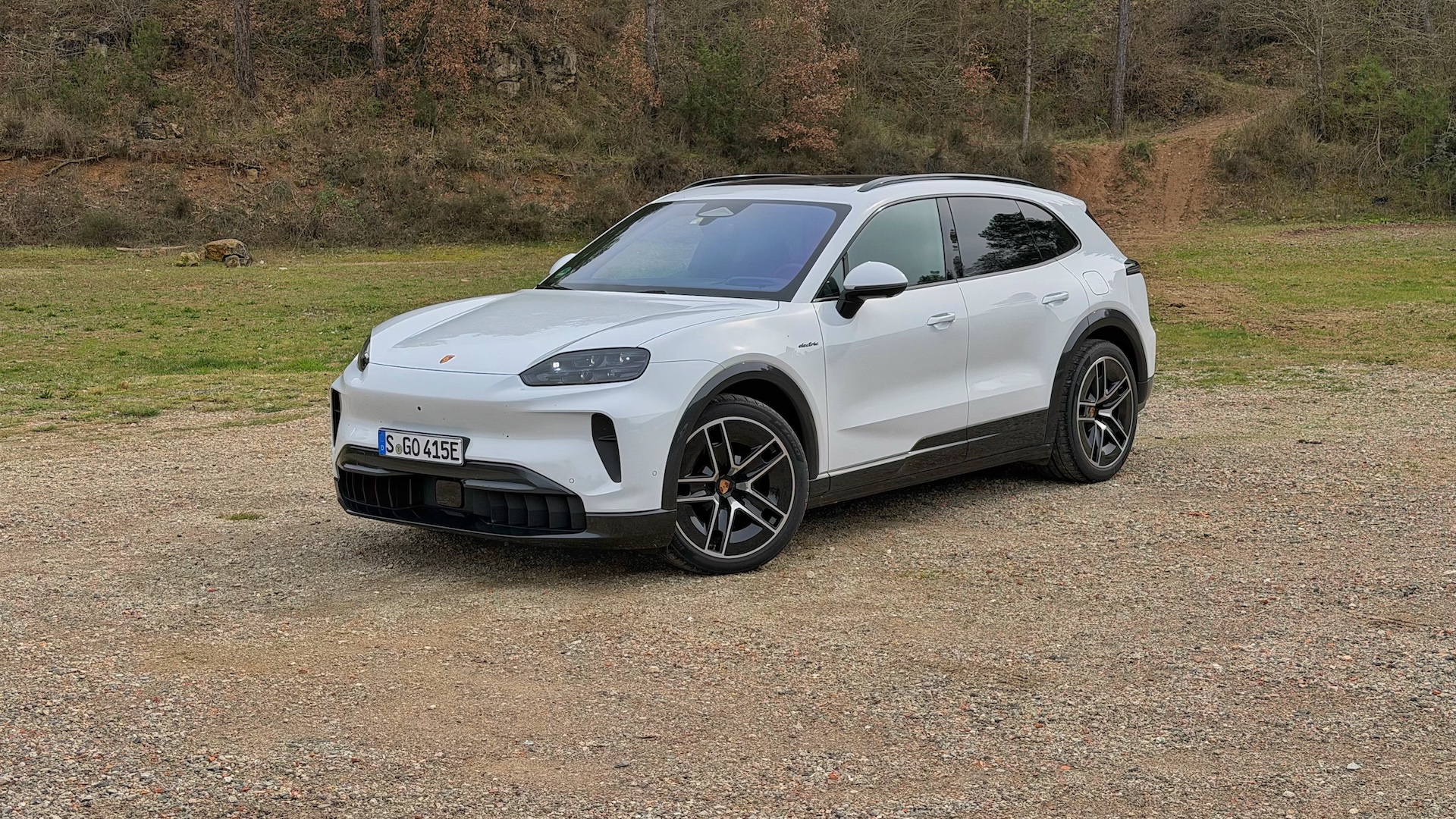
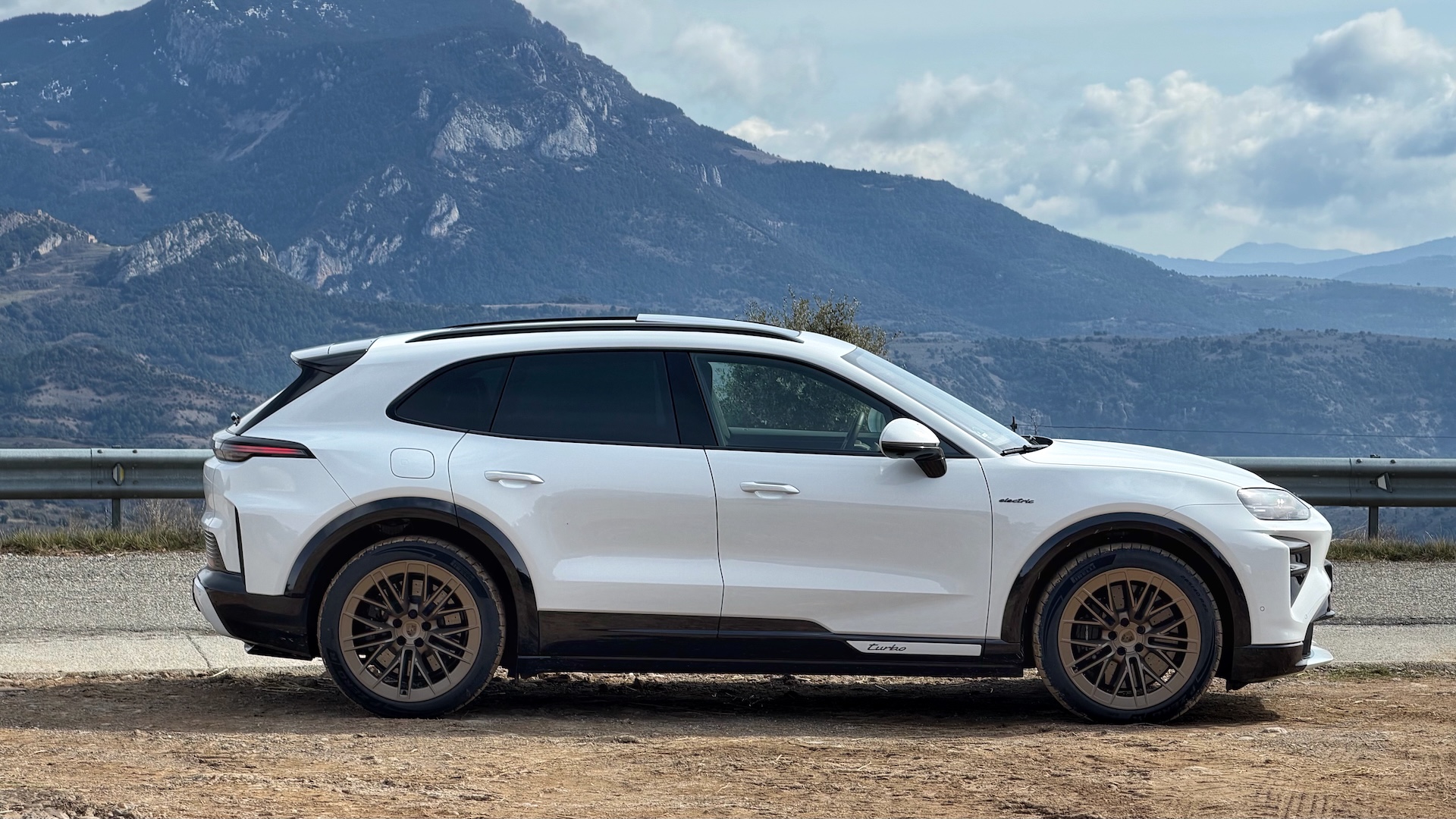
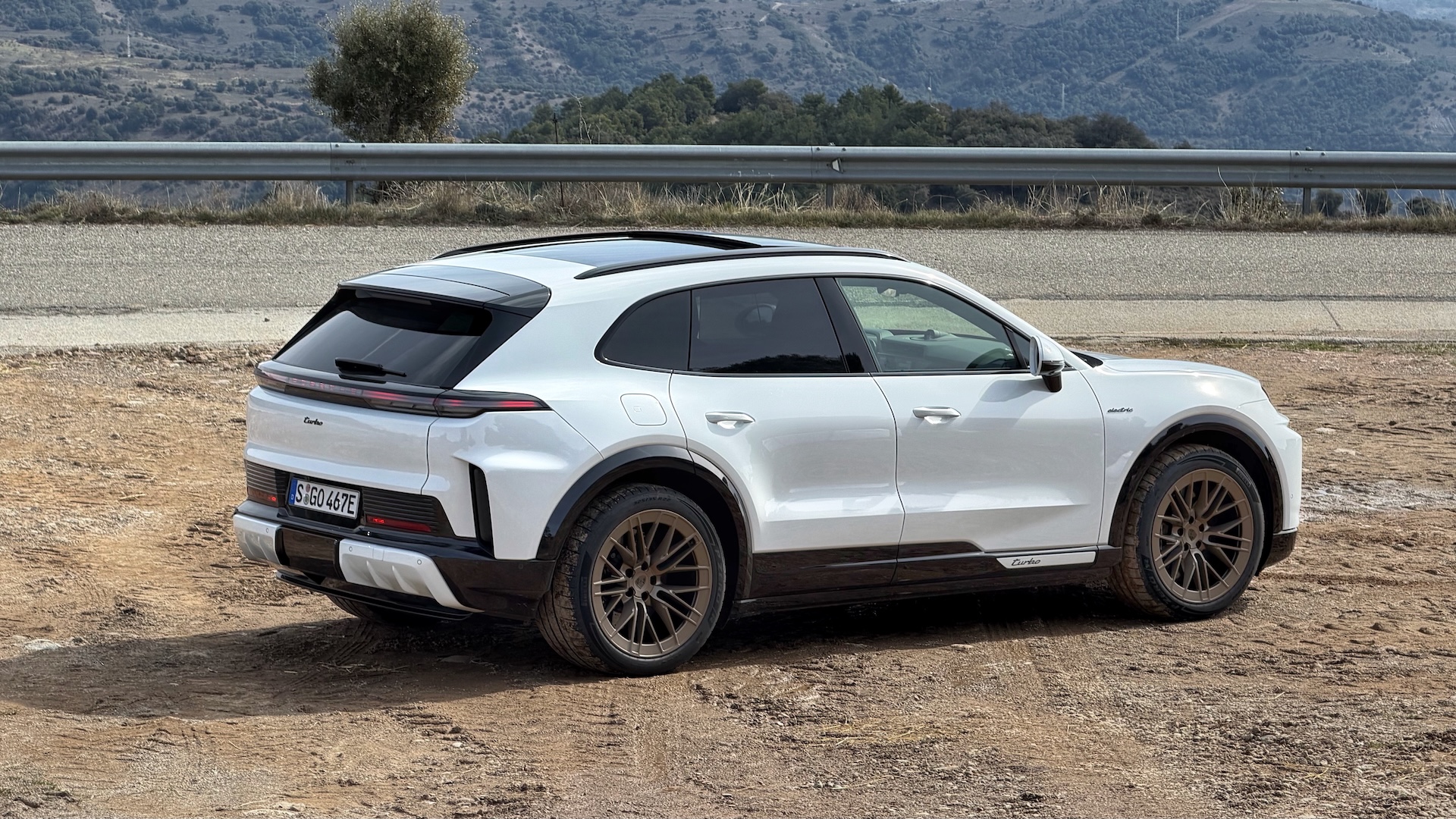
Onto the more subjective bits, now. I will admit that it’s taken me some time to warm up to the Cayenne Electric’s look, though I’m not sure that I will ever love it. Then again, have I ever loved any Cayenne? Not really. The free-flowing design is free of kinks and excessively hard edges, and the design team did a great job keeping aero a priority (0.25 drag coefficient) without making it look like a blob. It’s definitely more handsome than the Macan Electric. I am slightly hung up on the front fascia, specifically where the grille would traditionally be, but at least the Euro models hide that real estate better with their elongated license plates. Likewise, I find the rear of the Turbo model too busy and prefer the simpler approach of the base model. I love the 3D Porsche lettering on the taillight bar, though.
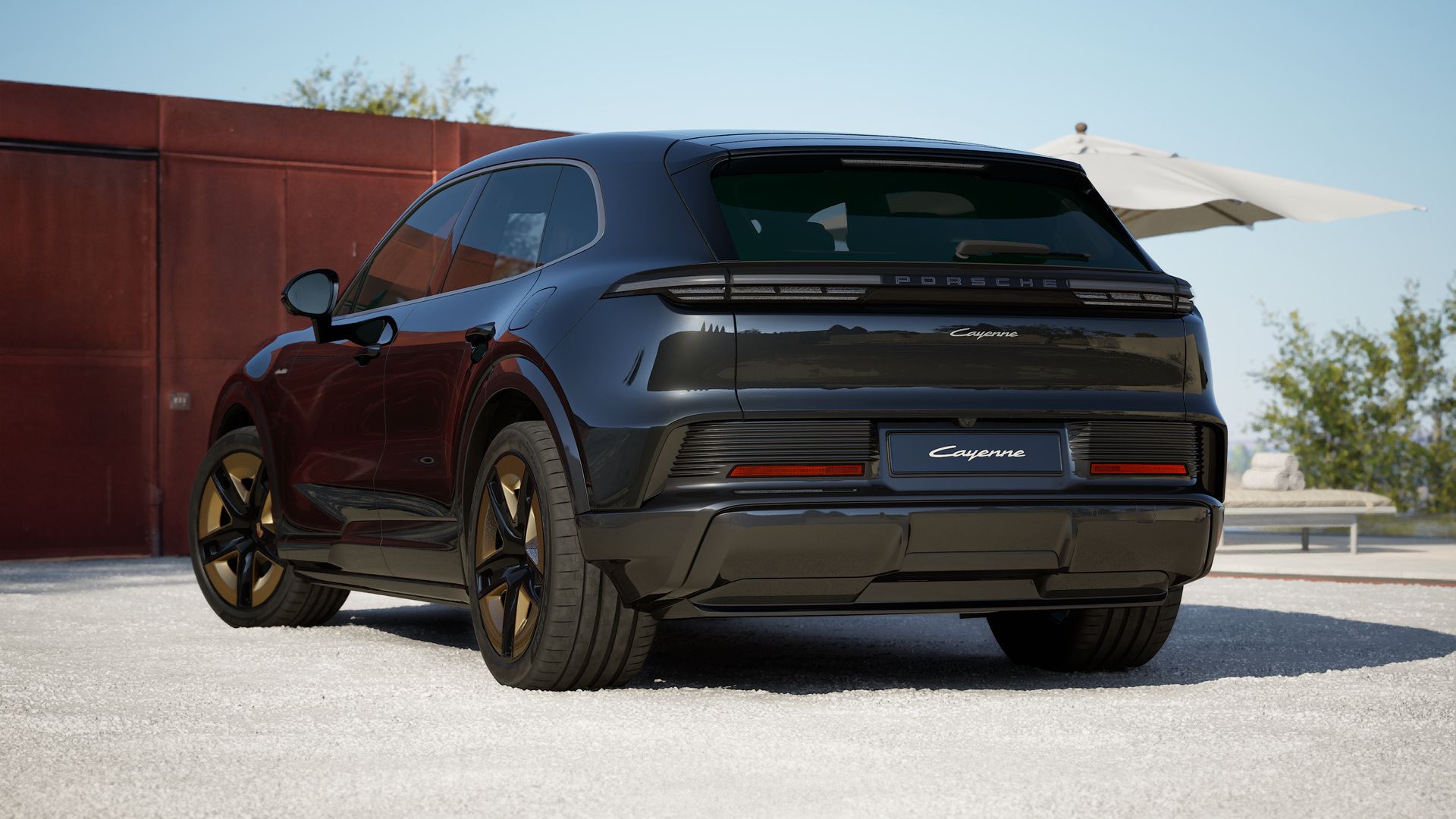
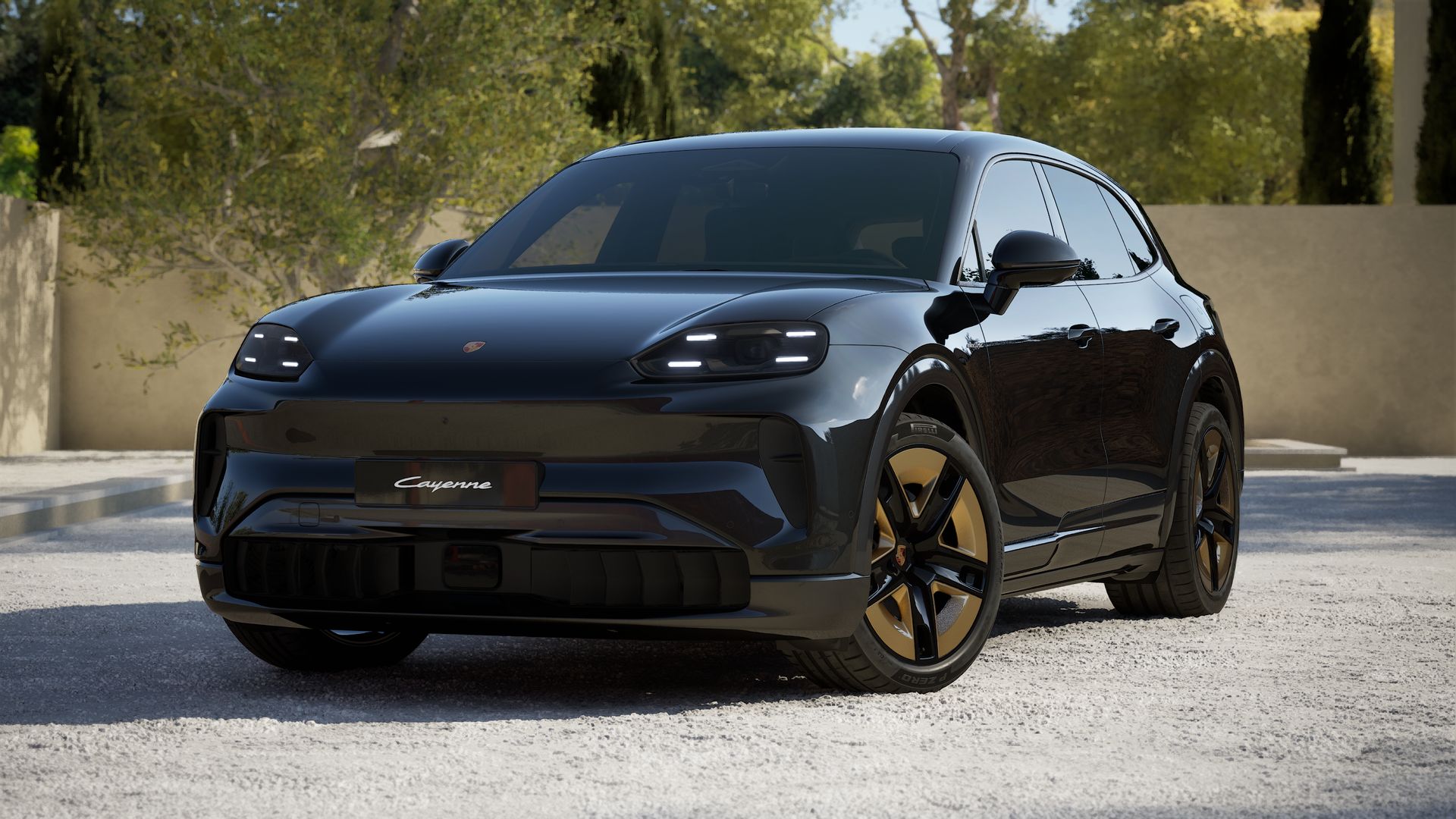
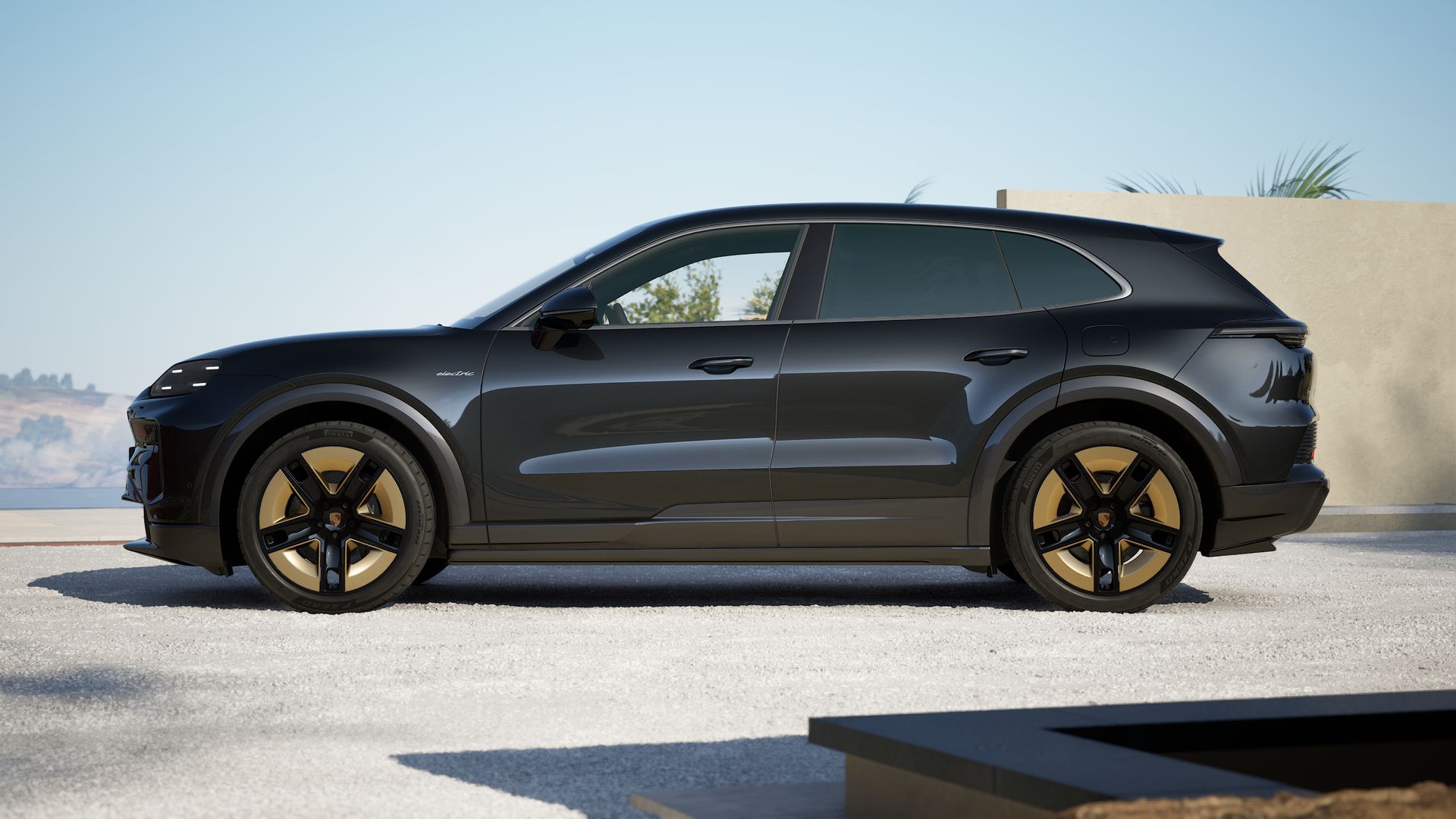
Porsche brought several trims to the event, each with different color options and wheel combinations, which definitely showed the wide range of customization. The Mystic Green Metallic and Monteverde Metallic are beautiful, though they give the EV a bit of a Ninja Turtle look. My imaginary money would be on a Cayenne Electric (base) dressed in Chromite Black Metallic, riding on 22-inch Exclusive Design wheels with gold-painted inserts, just like in the renderings below. Chef’s kiss.
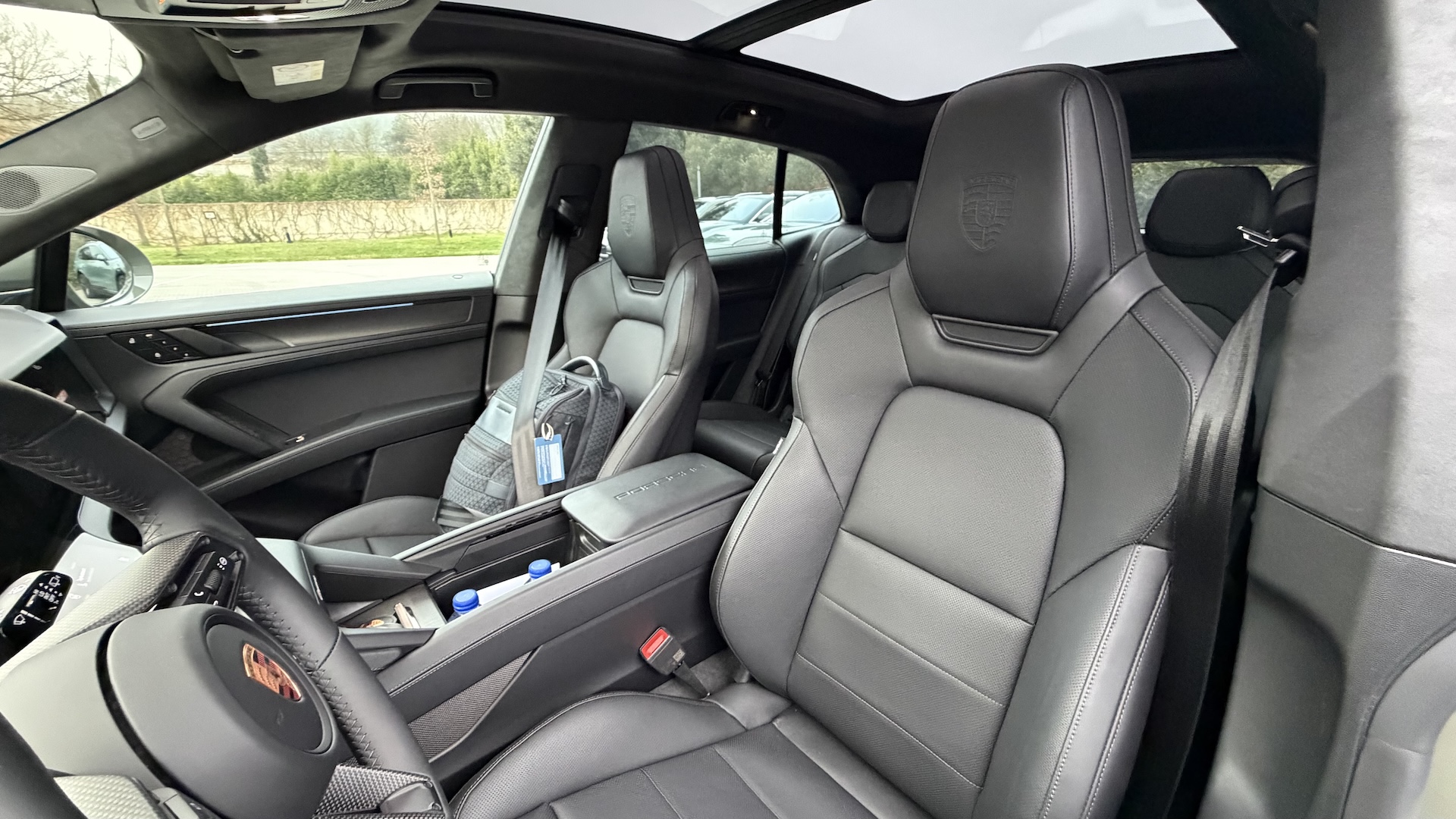
The interior is another area I wasn’t sure about going into my test drive. Another large screen… yawn. Oh, but this one’s curved! Still yawn. Then I sat behind the wheel, paired my iPhone via Apple CarPlay, selected some tunes, adjusted a few settings, and hit the road. A minute later, it hit me: I figured all of that out on the first try. I performed some basic and necessary actions on hardware and software I had never used before. I didn’t have to fish around for things, go in and out of a dozen submenus, or grow frustrated because I didn’t know how to access the radio. It all just flowed, and the 14.25-inch curved screen’s ability to display different functions at the top and bottom is extremely well-executed, as are the ergonomics. There’s a built-in wrist pad, and physical controls for vital functions like volume and climate features like temperature, fan speed, defroster, etc.
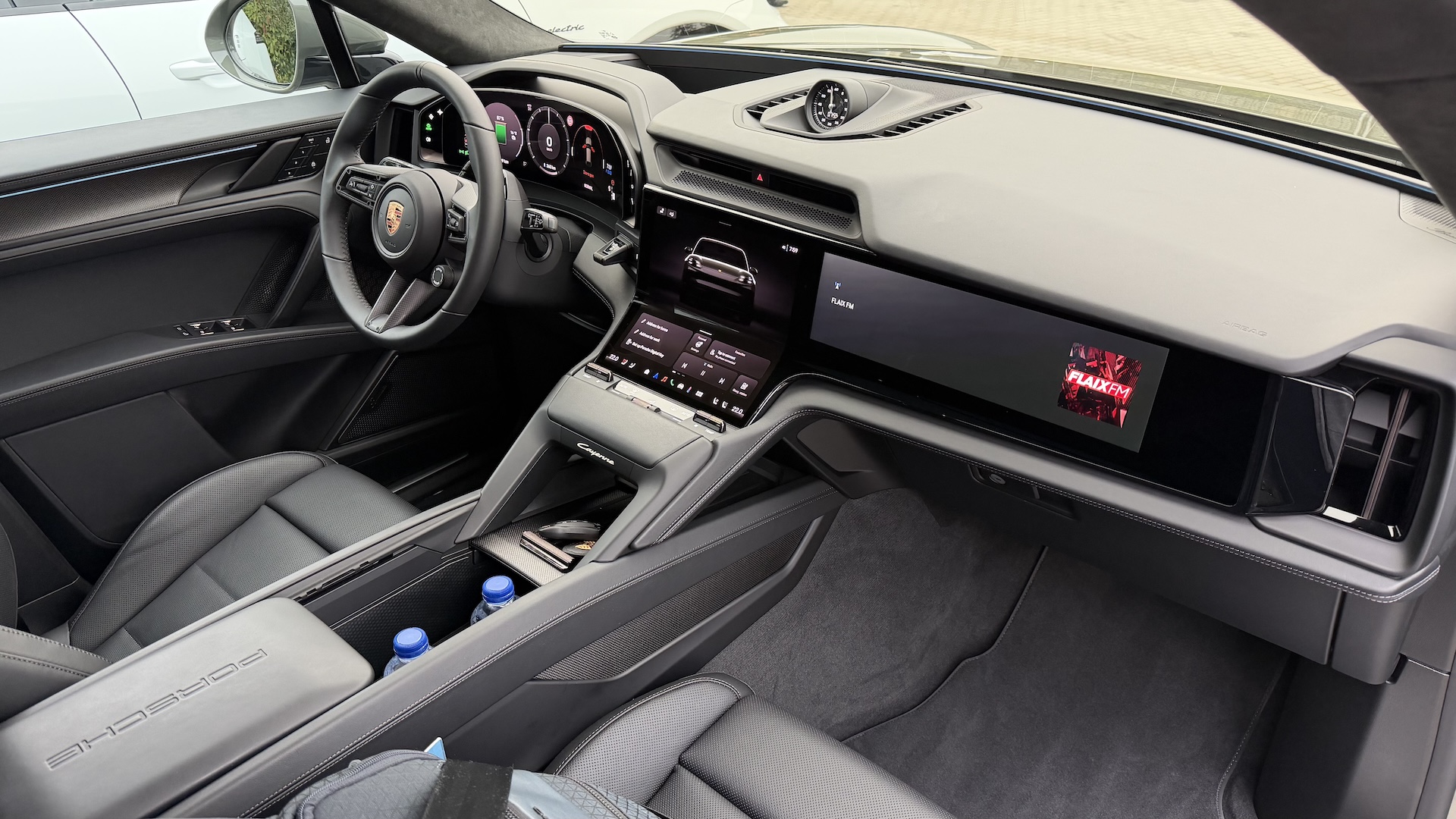
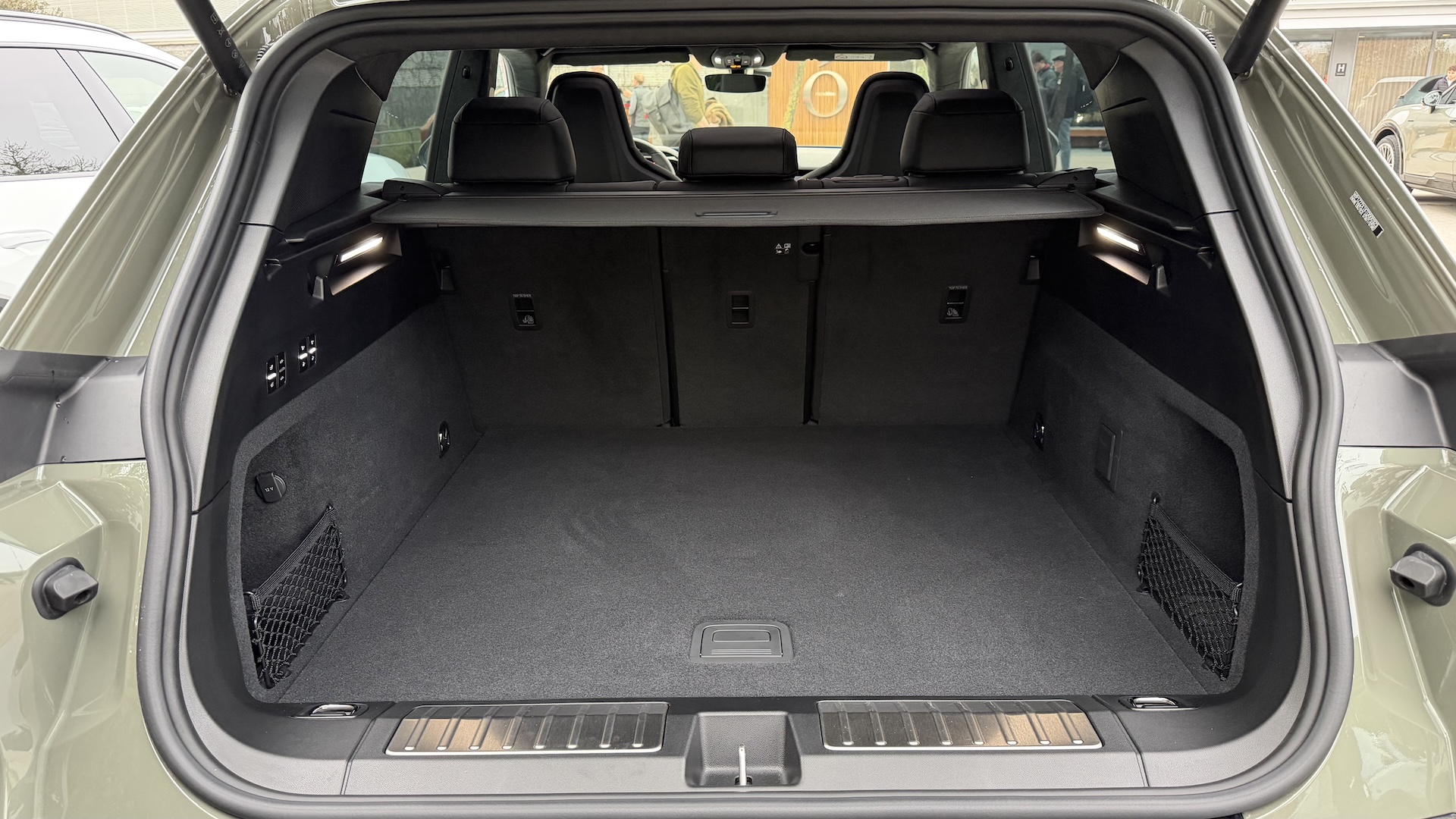
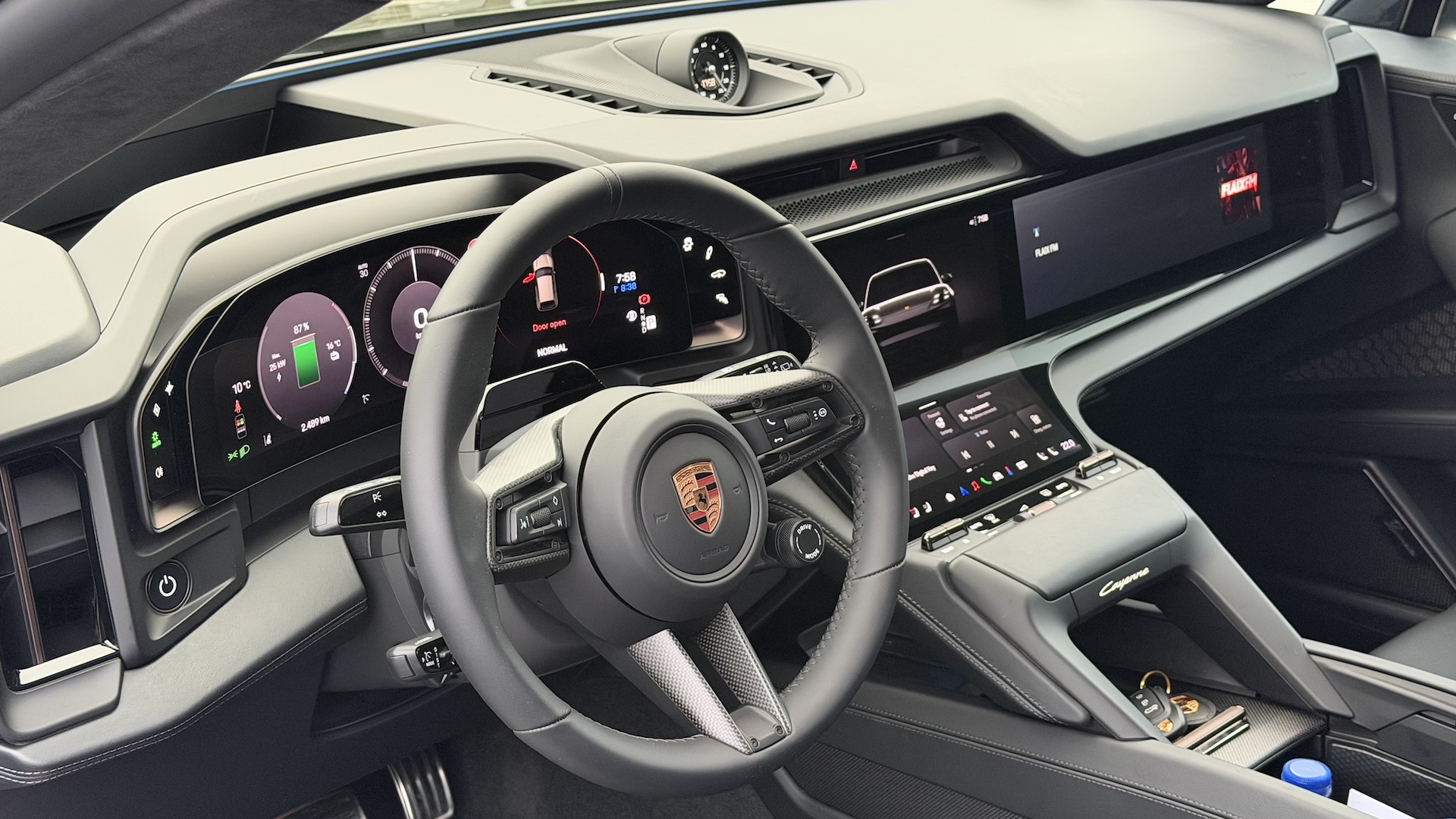
Driving the 2026 Porsche Cayenne Electric
I’ll start with the base model first. Scroll down if you’d rather skip to the Turbo driving impressions.
It’s really hard to call a machine of this caliber a “base” even if it’s technically accurate. Like with the 911, the base Cayenne Electric is everything you could want, and there’s a very good reason for that. The base delivers 100% the Cayenne experience Porsche actually wants you to have. It’s where it all starts and ends, it’s the Alpha and the Omega. It isn’t a subpar model where you have to upgrade to the S or Turbo to get what Porsche was aiming for. In reality, those spicier trims simply give you more of everything—performance, bells and whistles, panache, and so forth—if you so desire to go that route.
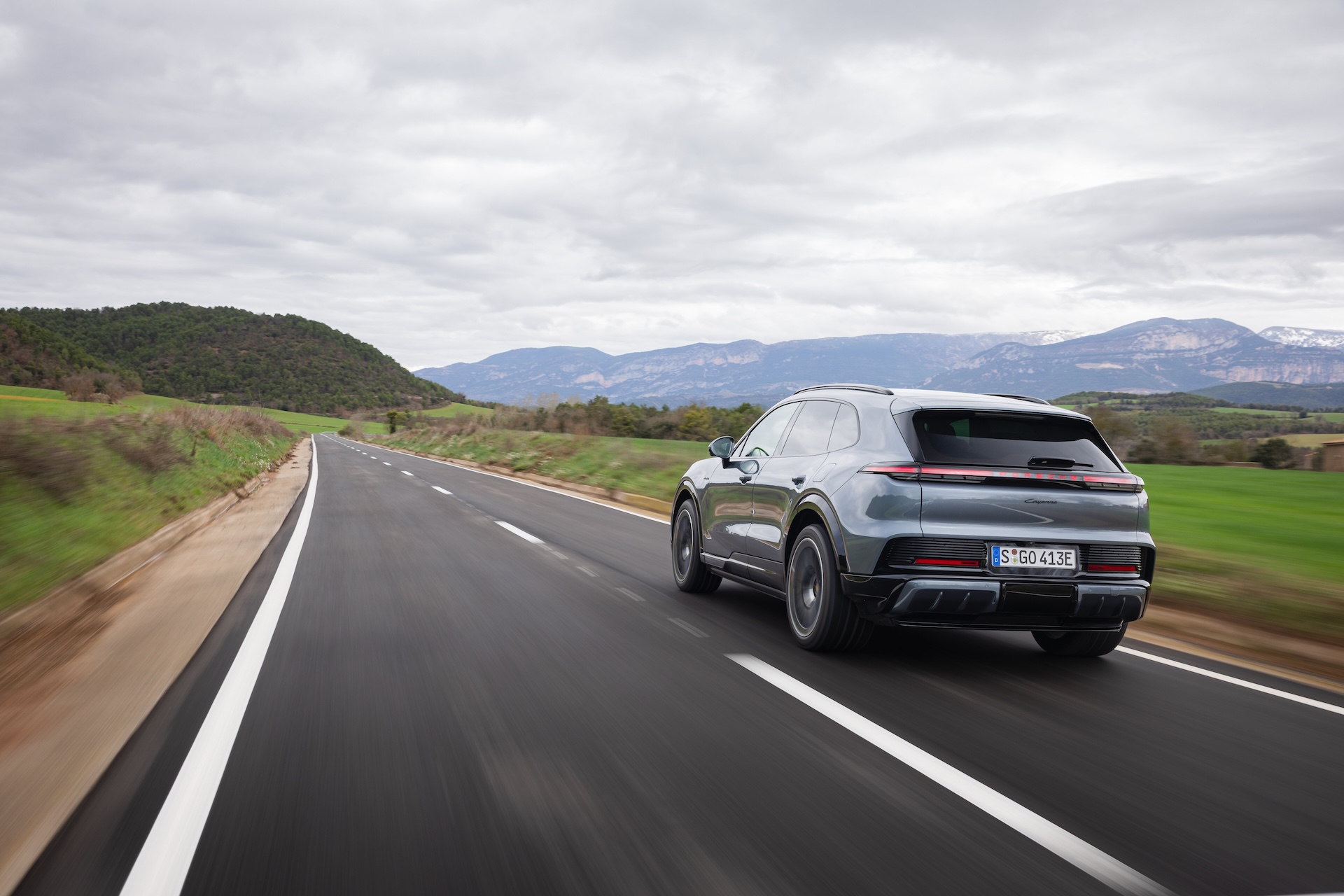
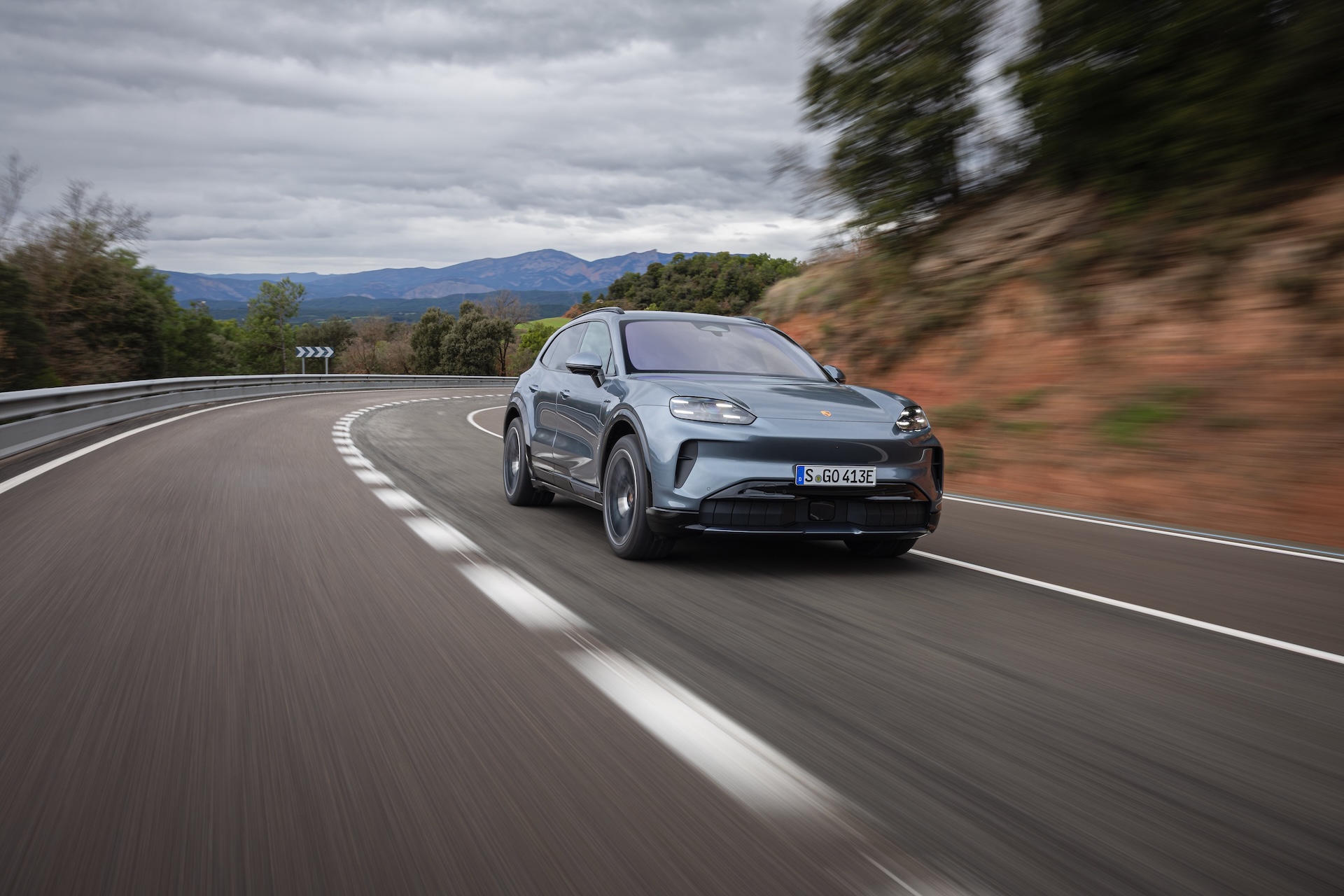
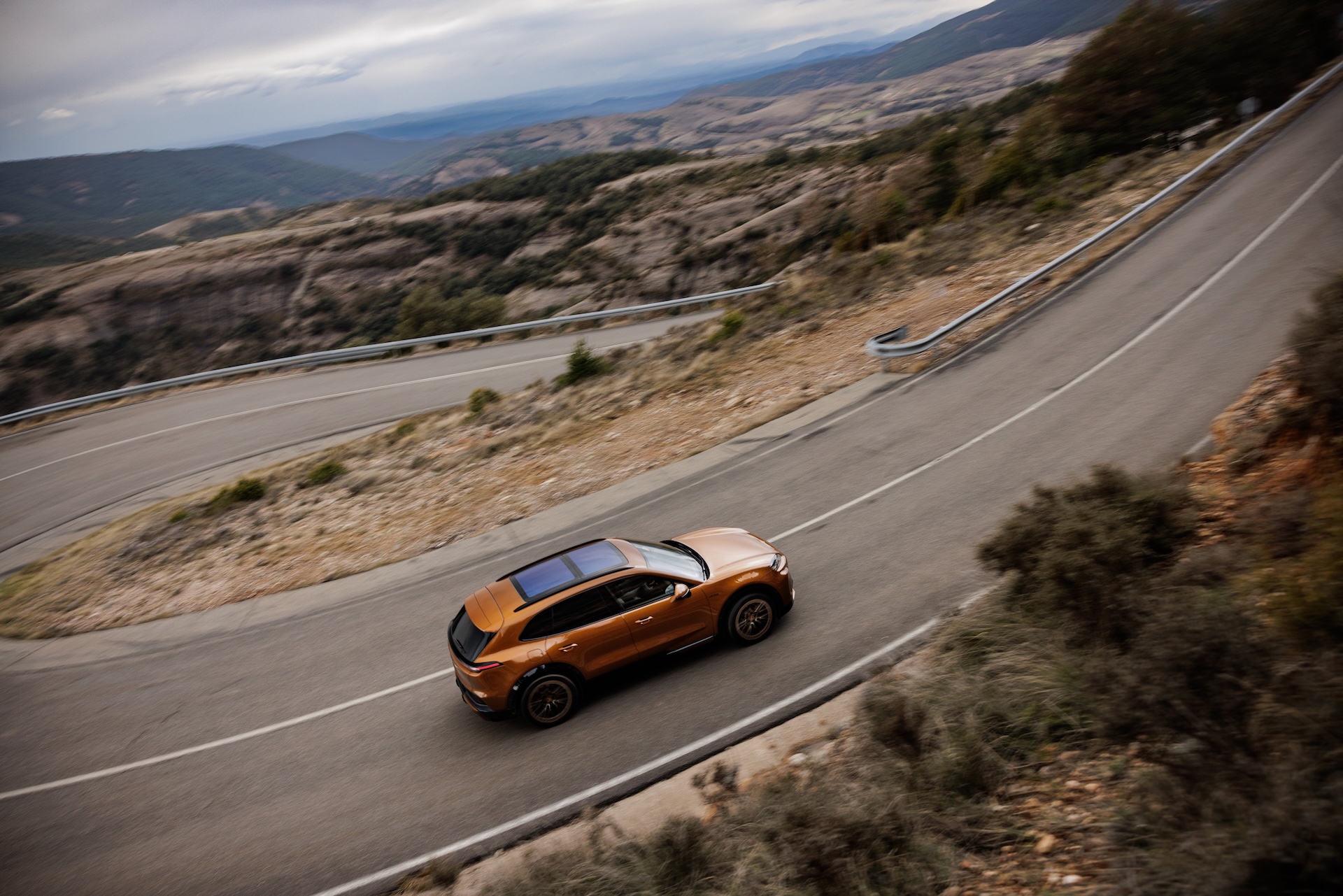
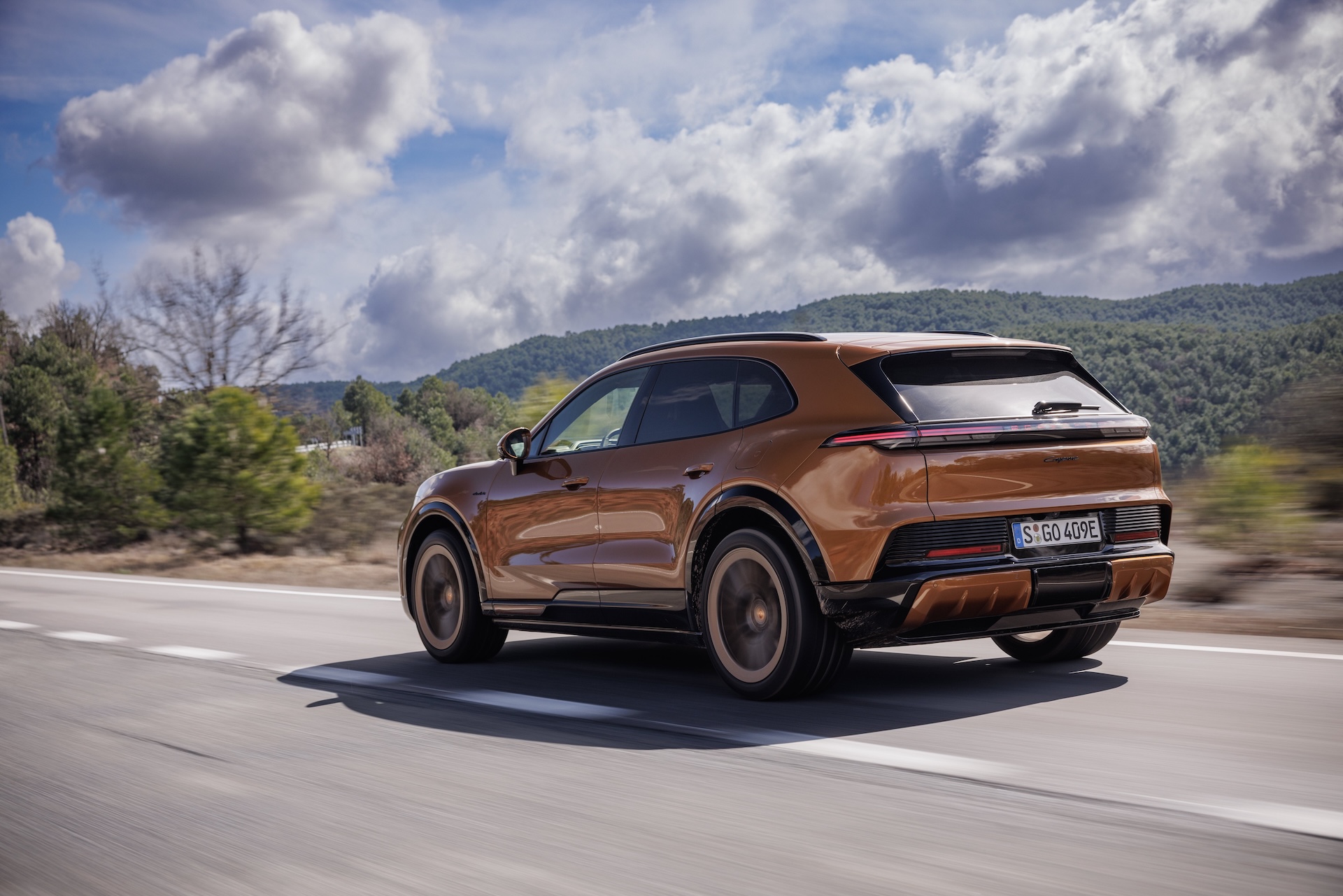
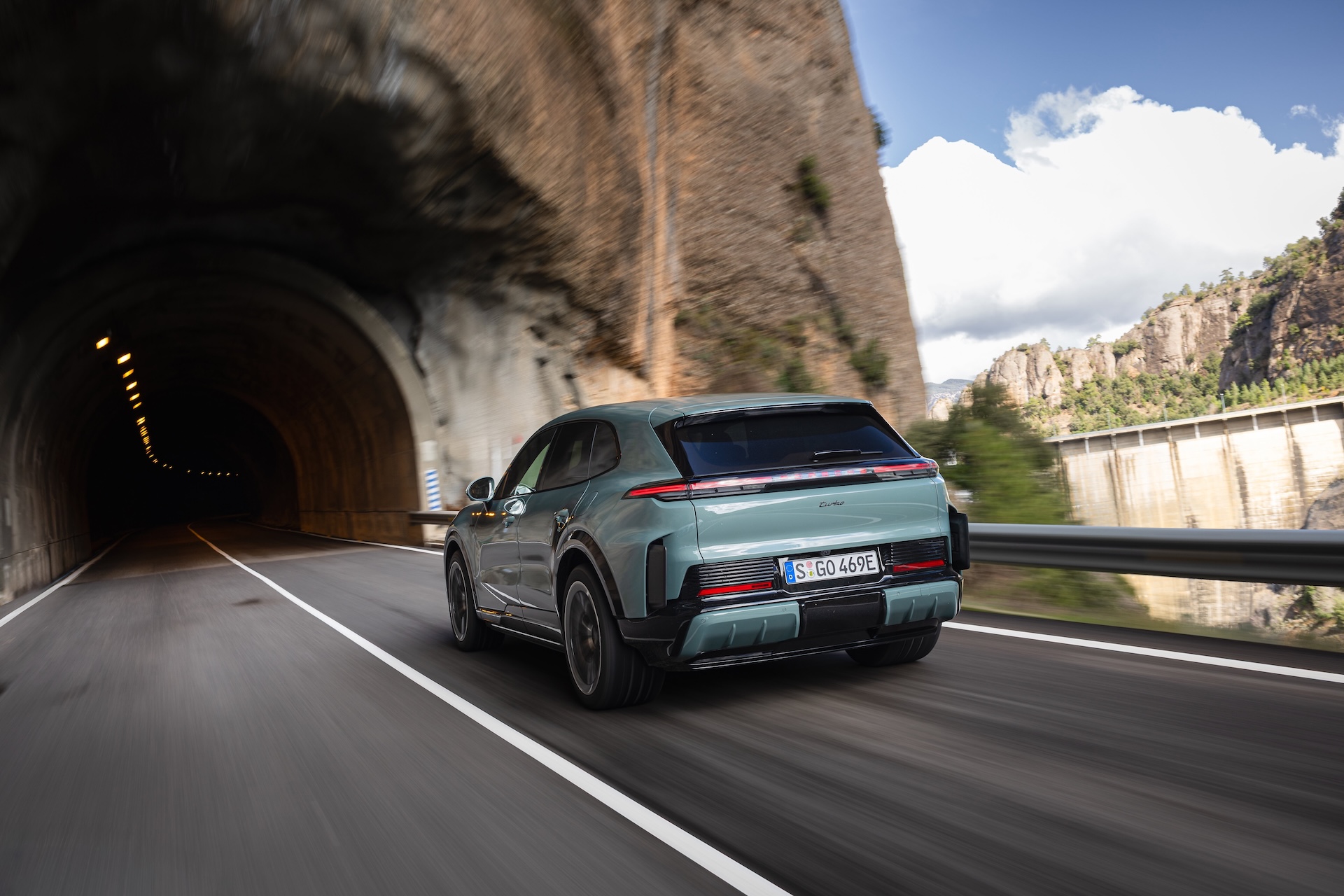
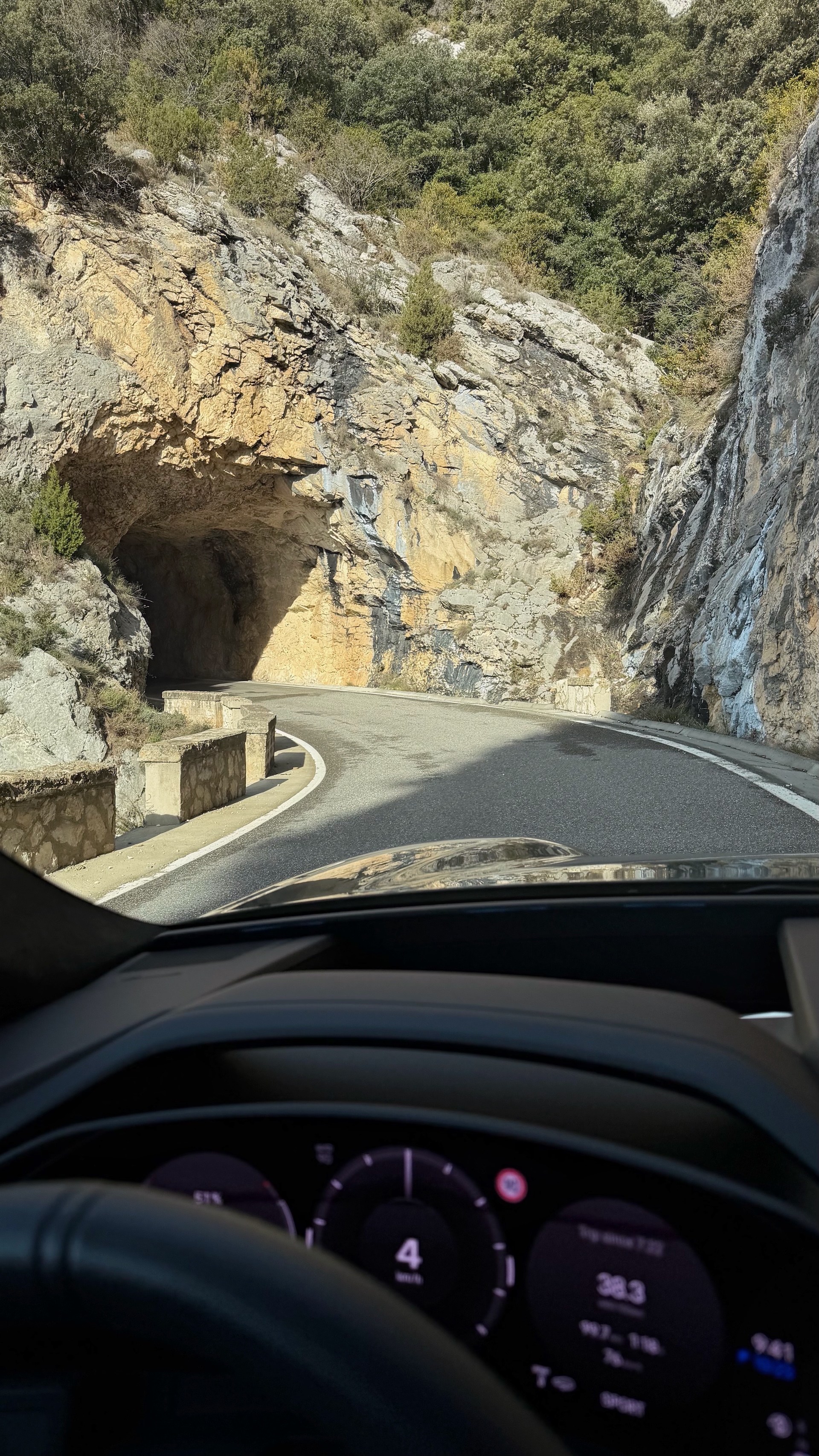
That much was obvious right as I exited the freeway and began a long and twisty journey up a series of WRC-worthy mountain roads. I switched from Normal driving mode to Sport via the steering-wheel-mounted knob to help the car and driver get in the right mood. Like in other Porsches, the change in dynamics isn’t drastic—it’s a subtle adjustment to the steering and pedal response, the standard air suspension’s characteristics, and so on. The most noticeable change, by far, was the level of drag from the drivetrain when I let off the gas pedal. There are no paddle shifters and no fake manuals here, just old-fashioned two-pedal driving. In Normal mode, there was no drag when coasting off-throttle, or, if there was, it was so faint that I never felt it. In Sport, I felt a generous amount of it as my right foot bounced between the gas and brake. In Sport Plus, it was even more so.
My first reaction: Cayenne Electric’s got hands. Despite weighing right under 6,000 pounds—that’s about 1,000 pounds more than a gas Cayenne, mind you—the steering feel is tight but not exhausting. The dynamic between the chassis, drivetrain, and body felt coherent. It’s as if there was no separation, and everything interacted with the driver as one. With 435 hp on tap, the Cayenne Electric base felt agile, smooth, and playful, but never overwhelming. I’d go as far as saying that it lacked that punch that high-po EVs are so famous for, but the more I drove it, the less I cared.
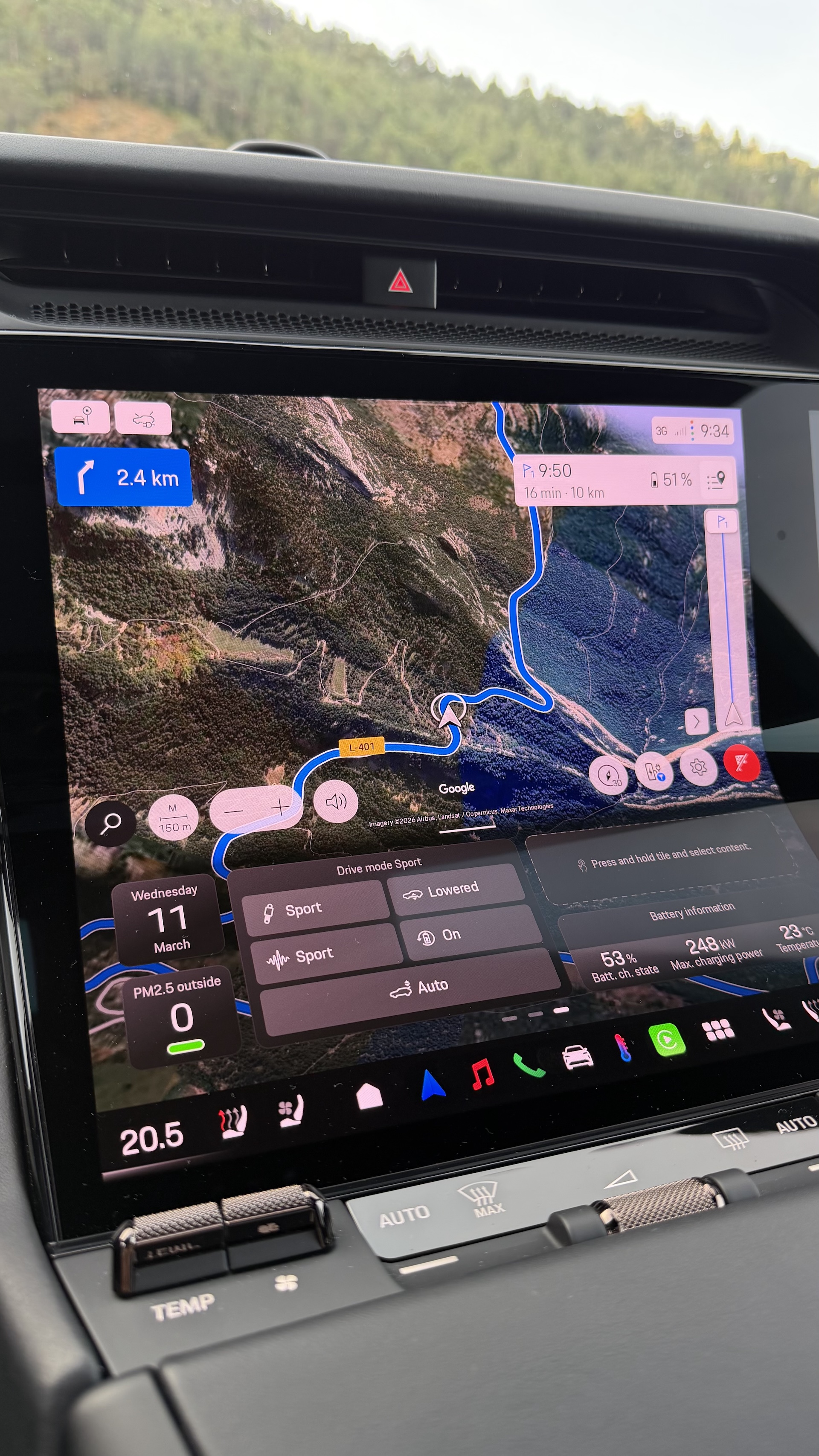
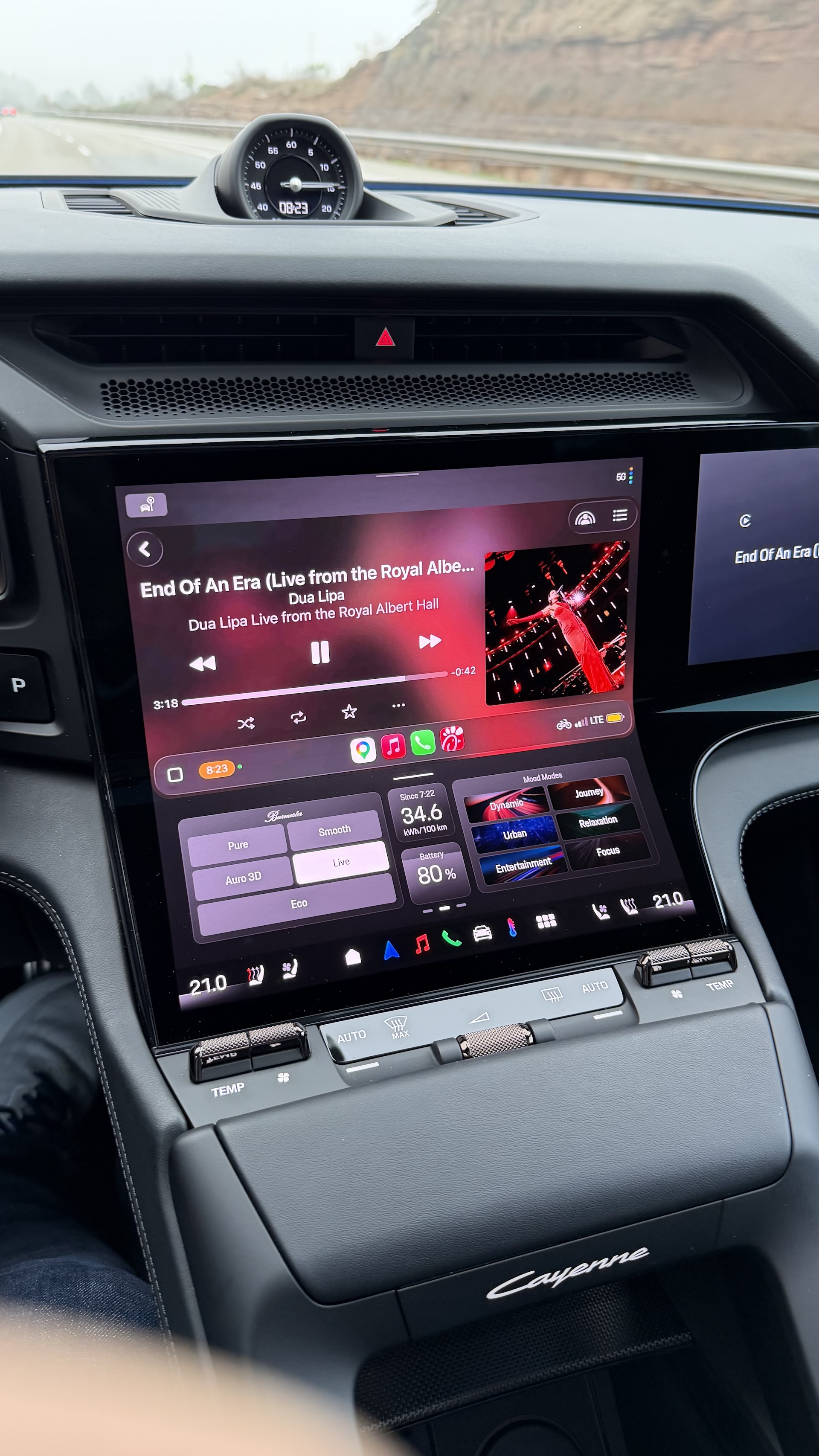
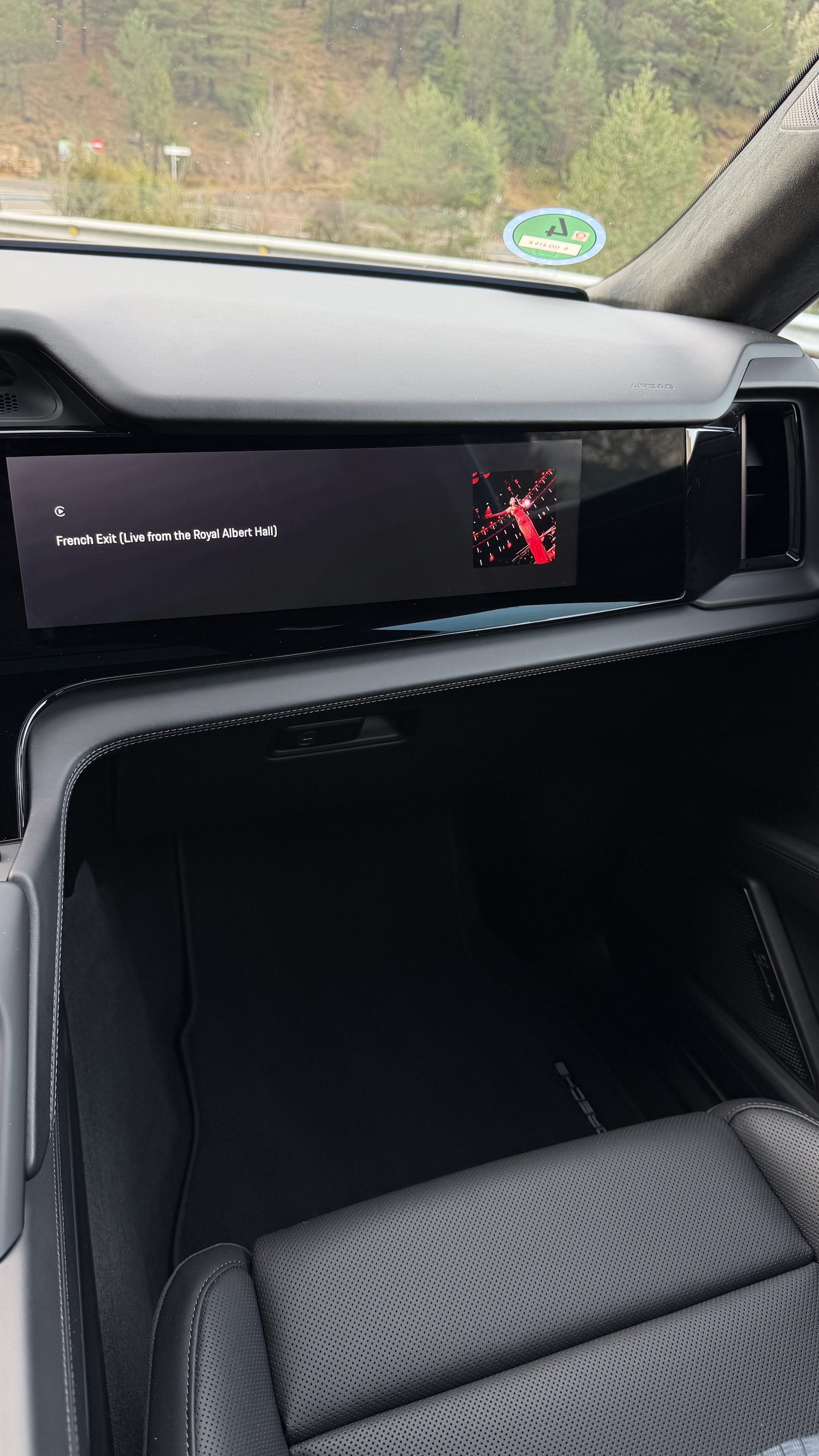
Turning the wheel right, then left, then right, then left again as I stringed together tight corners highlighted the EV’s phenomenal air suspension and adaptive dampers, and their effect on traction management. Whether it was a fast sweeper or a hairpin that required heavy braking, everything always felt under control, almost regardless of how hard I pushed. It was certainly a situation where I couldn’t possibly reach the car’s limits—at least safely. That said, despite the Cayenne Electric’s near-perfect composure, it’s not sterile or boring when driven spiritedly. Mashing the gas pedal out of a tight corner, I could hear the inside rear tire put its hardware and software wizardry to work, sending power to the ground and thrusting me forward. Much like in a gas car—and unlike most EVs—you can actually feel the mechanics at play, and it’s downright wonderful.
When it’s time to slow down, it can do so confidently and, like any other Porsche, it rewards you with generous feedback via the brake pedal. At no point did I feel like the base model’s six-piston setup was weak or overly strong—just right. That said, under normal circumstances—and by that I mean, when not bombing up and down a mountain—the mechanical brakes will hardly be used. Up to a staggering 600 kW of energy recuperation is possible under regenerative braking, and Porsche claims that up to “97 percent of all braking maneuvers are purely electric.”
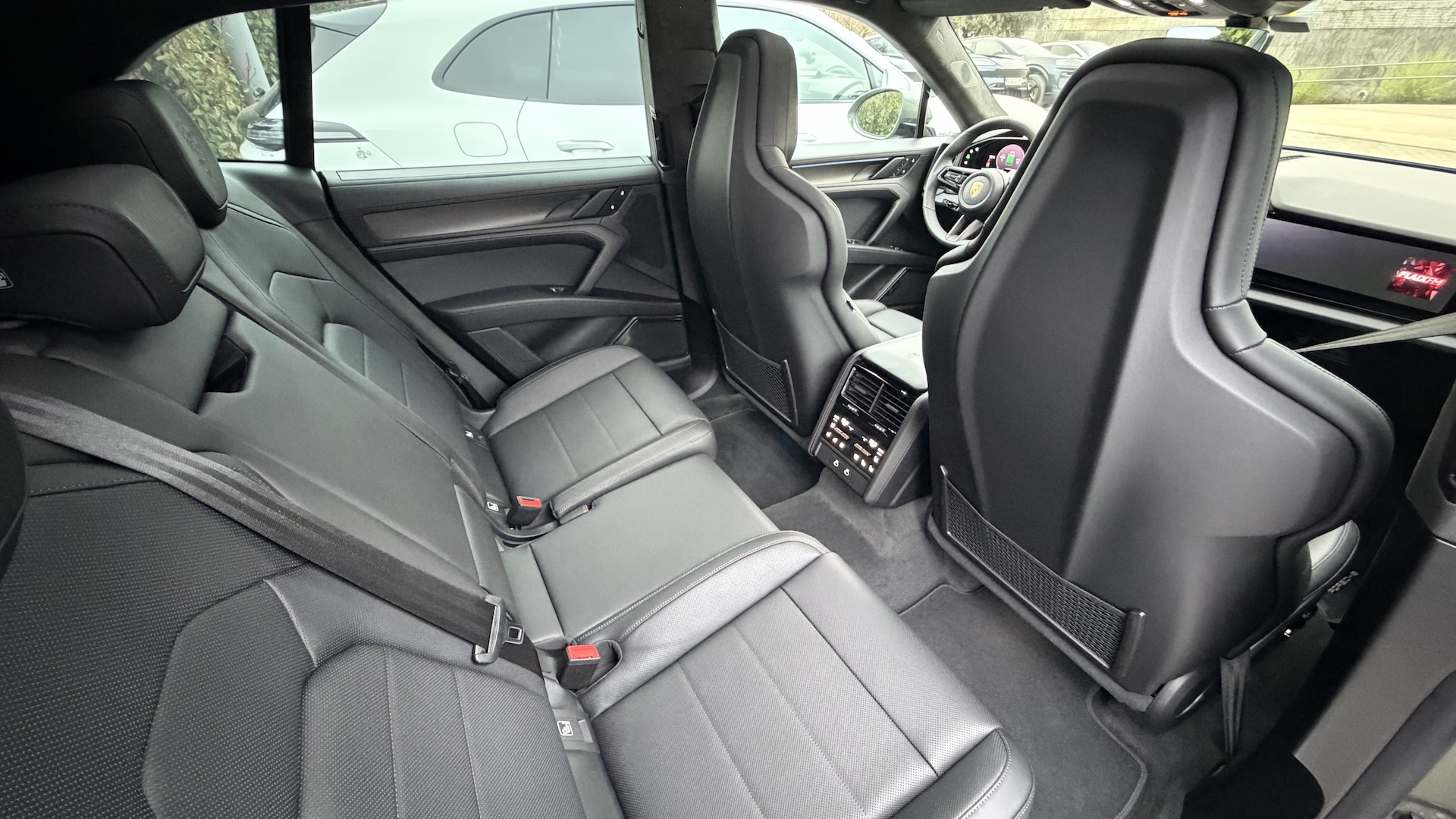
Dynamics aside, the cabin is comfortable, and the layout of the controls, whether in-screen or physical buttons, is ideal. It’s an electric SUV that’s easy to drive at a chill pace and at speed, with seats offering good comfort, support, and superb ergonomics. The same goes for the infotainment operating system.
Turbo Time
Braking isn’t as smooth in the Turbo, and it’s a pity, because the thousand-horsepower beast is truly a feat of engineering that, unlike other crazy-powerful EVs, is actually a joy to drive. Oh, and it can do 0-60 mph in 2.4 seconds.
Line up the SUV into a corner, get on the brakes, and you begin slowing down in a nice, progressive manner until JOLT. Despite the electric brake booster, which aims to smooth the transition from friction brakes to regen braking, there’s still a very hard line between the two as the car rapidly decelerates. It’s worth noting that the optional ($10,900) carbon composite brakes likely amplify this sensation.
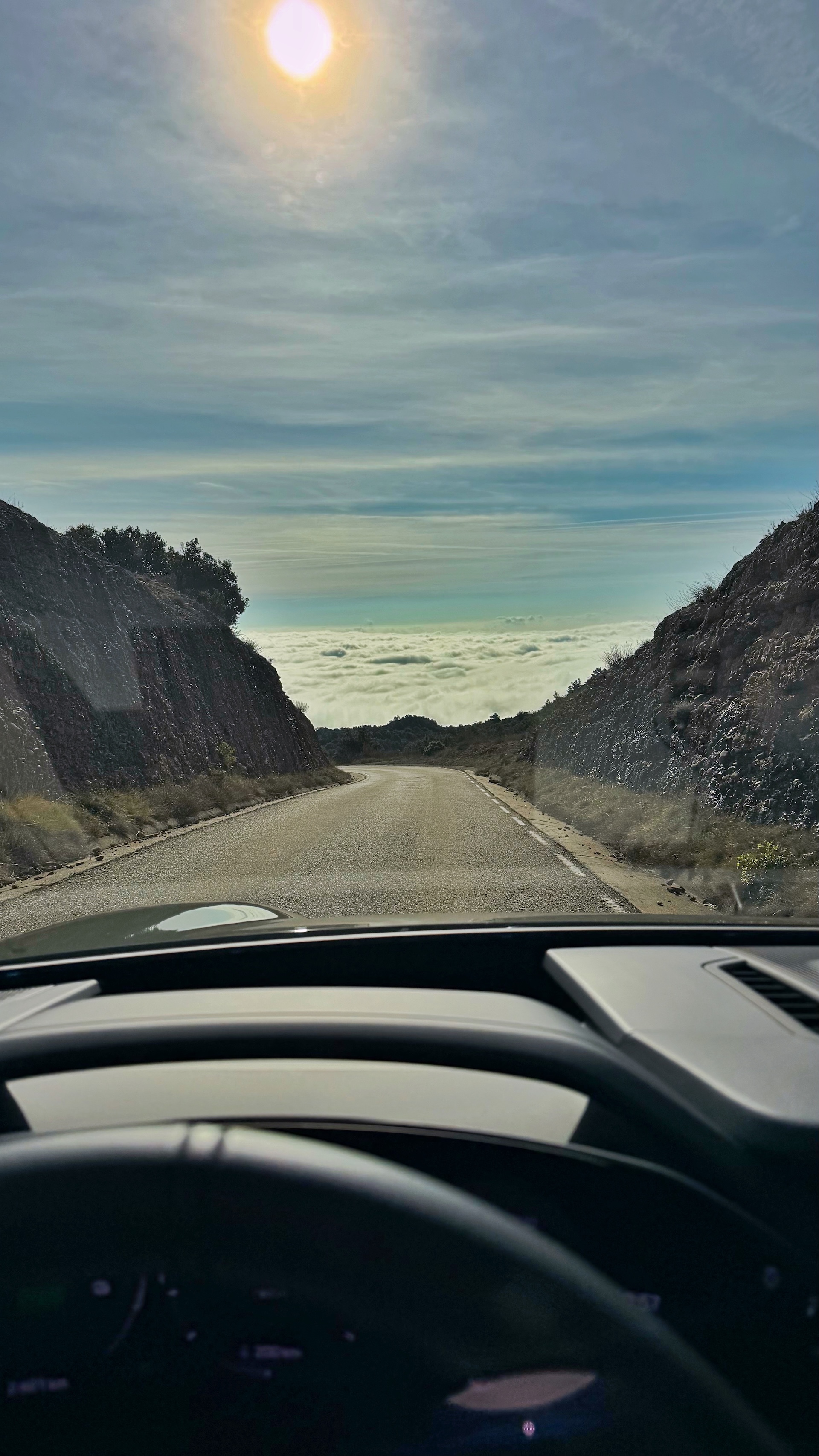
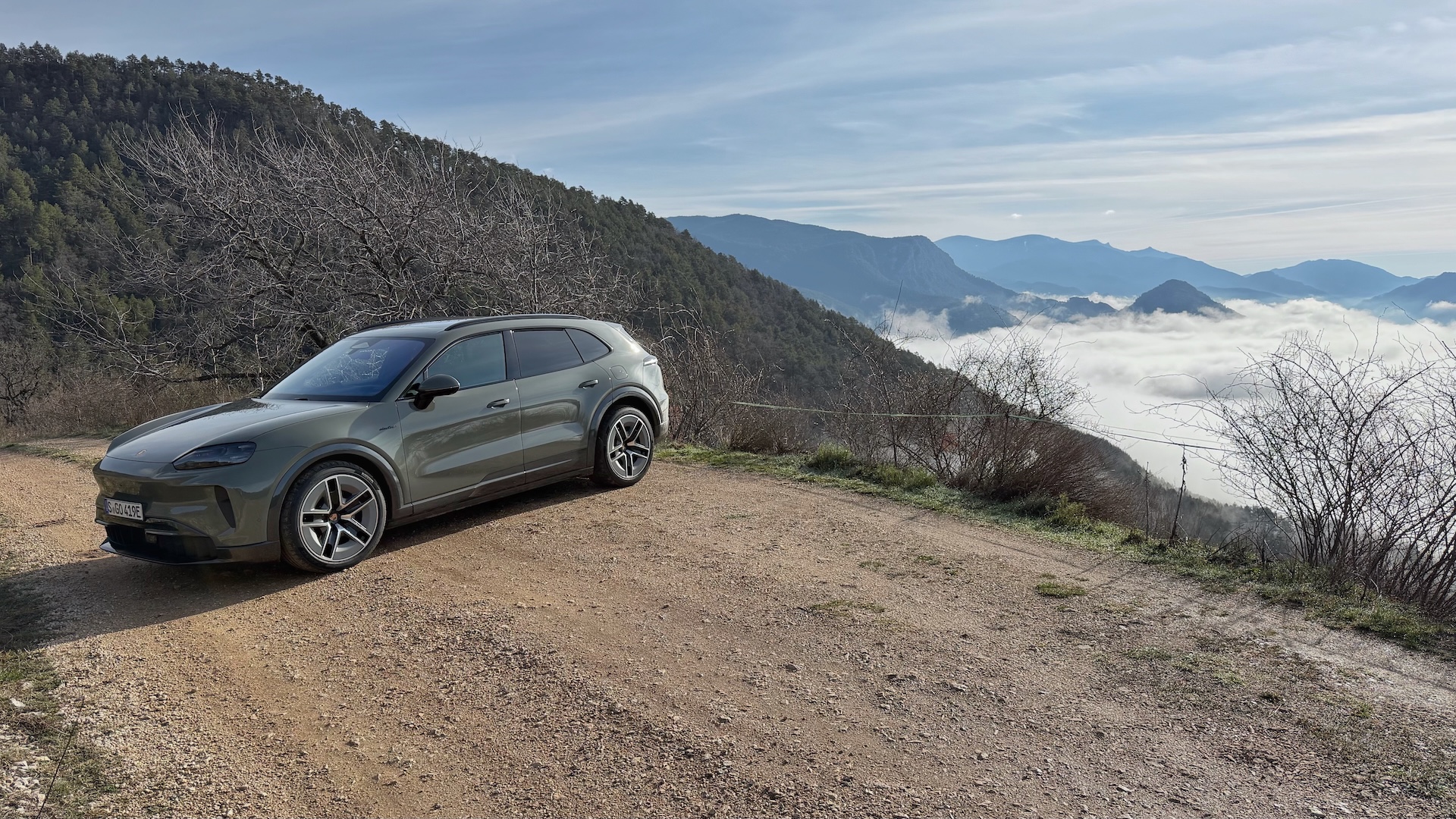
That issue aside, you’re going to need all the clamping power you can get when hustling a thousand-horsepower EV on roads that resembled an autocross course above the clouds (quite literally, see photos above). Where the base model lacks that punch in the gut, the Turbo has that and then some. It’s very cliché by now to describe the sensation of an EV’s torque punch, but it’s really something otherworldly, especially when paired with Porsche’s cool sound effects for the Cayenne Electric. It really delivers the full driving experience that anyone—me or Le Mans winner Timo Bernhard (who shuttled me around for a bit at a speedy pace) would be completely satisfied with.
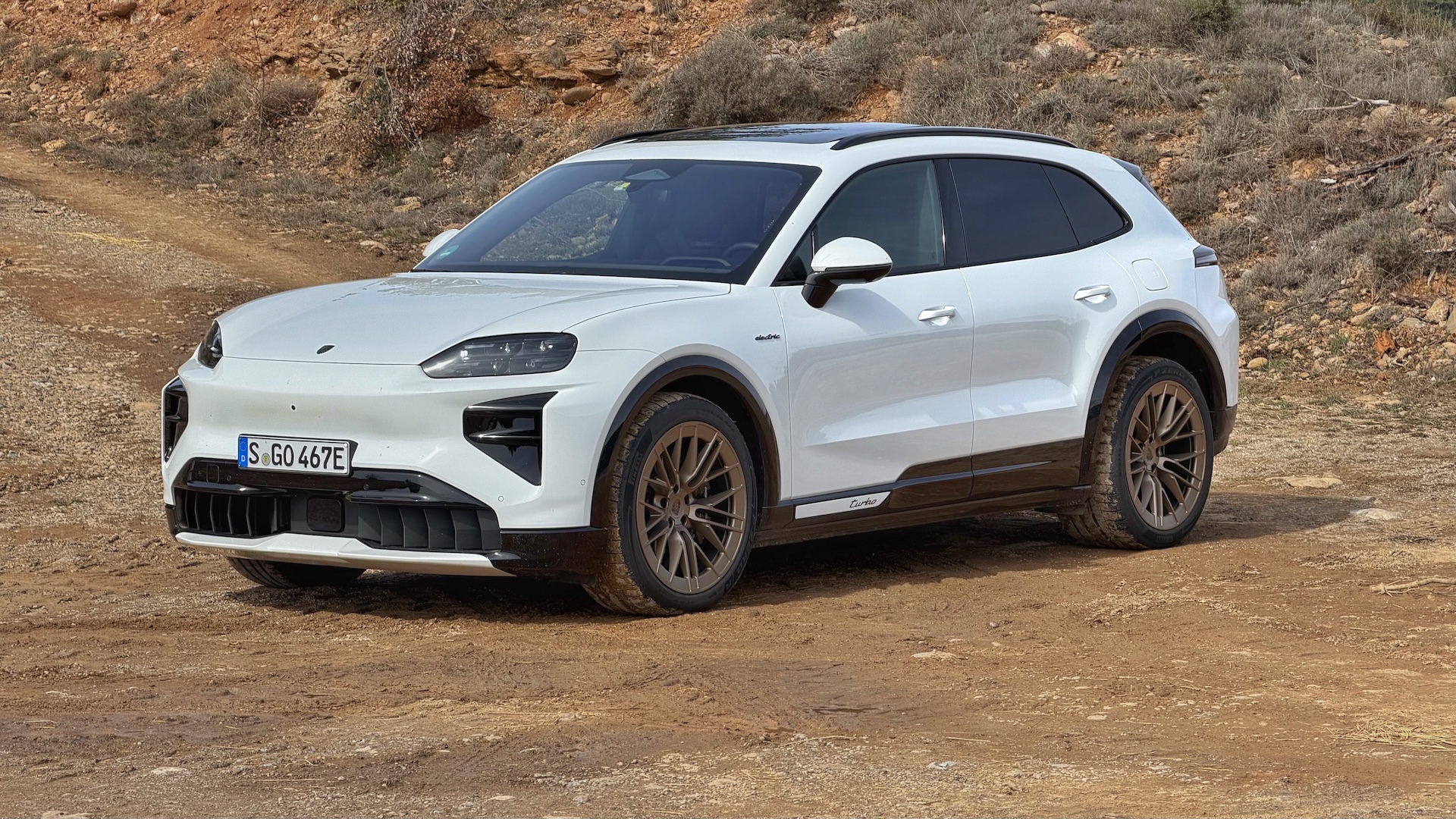
After spending two hours in the base and two hours in the Turbo, my neck had finally had it. On my way down the mountain, I started developing a painful kink, and that’s when it hit me that I had spent four-plus hours on what was essentially a rollercoaster. My neck and shoulders were toast from the silly speeds these things can carry through a corner.
An EPA-estimated range for either model isn’t available yet. In Europe’s WLTP cycle, however, it’s rated at 399 to 405 miles depending on trim. That means here in the States, we might expect something around 310 to 330 miles, depending on trim.
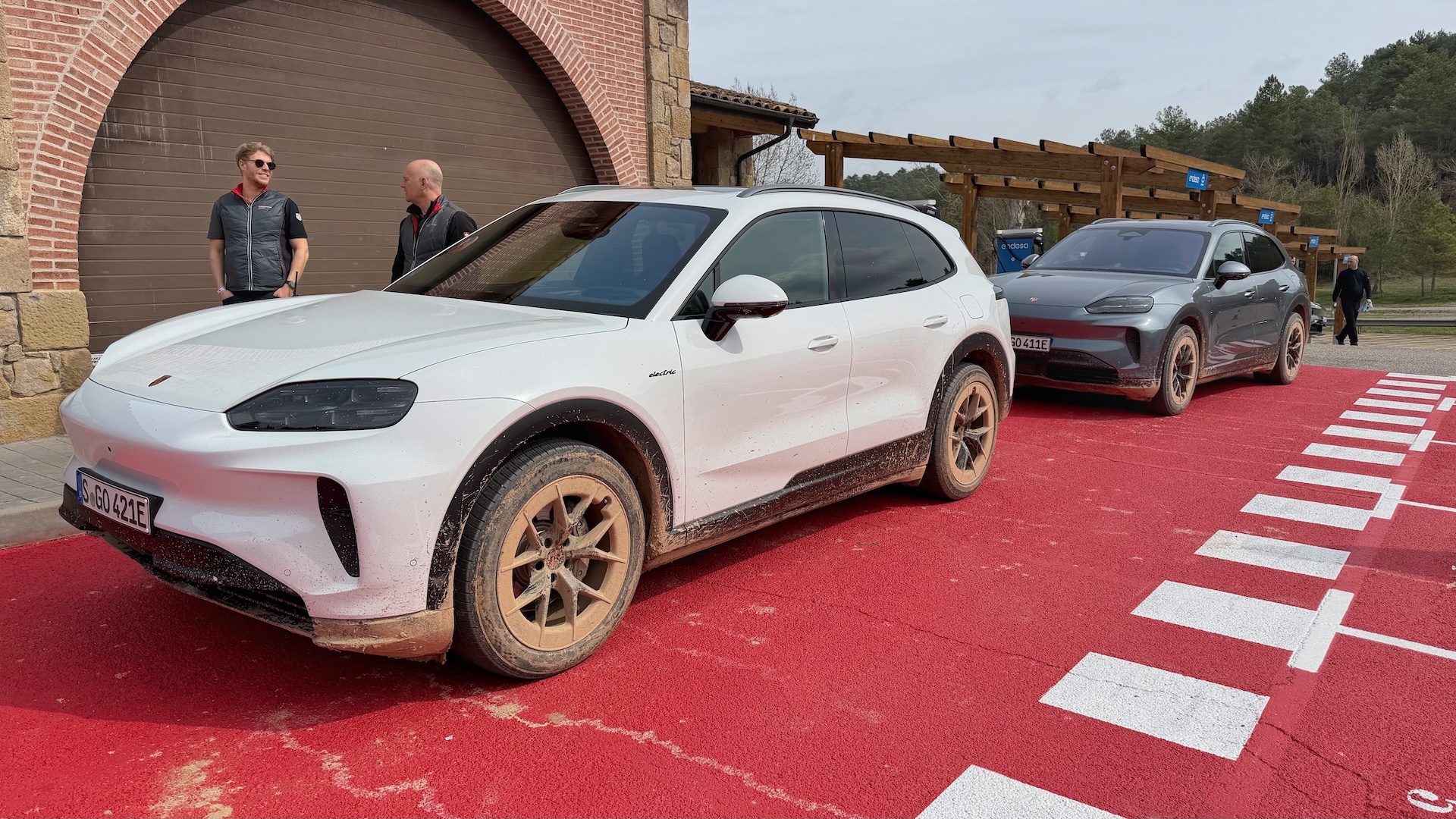
Verdict
I went into this test somewhat skeptical of what an electric Cayenne could deliver in terms of driving fulfillment. I knew it’d be quick, handle well, and be smooth and punchy. What I did not expect was for it to feel holistically sporty and engaging enough to match the gas Cayenne. At the end of the day, it’s not about pitting the two propulsion systems against each other, but about understanding that they’re both their own thing, and both are superb in their own applications. Porsche has truly outdone itself here.
Whatever your expectations are of the 2026 Porsche Cayenne Electric, leave them at the door. Whether you opt for the base model or the Turbo, they’ll blow them out of the water.
Porsche provided The Drive with travel and accommodations, along with the use of a vehicle for the purpose of writing this review.
2026 Porsche Cayenne Electric and Turbo Electric Specs
| Base | Turbo | |
| Base Price (as tested) | $111,350 ($161,480) | $165,350 ($214,540) |
| Powertrain | 113 kWh battery | dual-motor all-wheel drive | — |
| Horsepower | 435 hp (with overboost) | 1,139 (with overboost) |
| Torque | 615 lb-ft | 1,106 lb-ft |
| Seating Capacity | 5 | — |
| 0-60 mph | 4.8 seconds | 2.4 seconds |
| Top Speed | 143 mph | 162 mph |
| Curb Weight | 5,600-5,800 pounds est. | 5,600-5,800 pounds est. |
| Cargo Volume | 19.5 cubic feet | 56.1 cubic feet with rear seats folded 3.2 cubic-foot frunk | — |
| Max Charging Speed | 400 kW | — |
| Towing Capacity | 7,716 pounds | — |
| EPA Range | TBA | — |
| Initial Score | 8.5/10 | — |
Loading comments…
Comments couldn’t be loaded. Please refresh the page.