
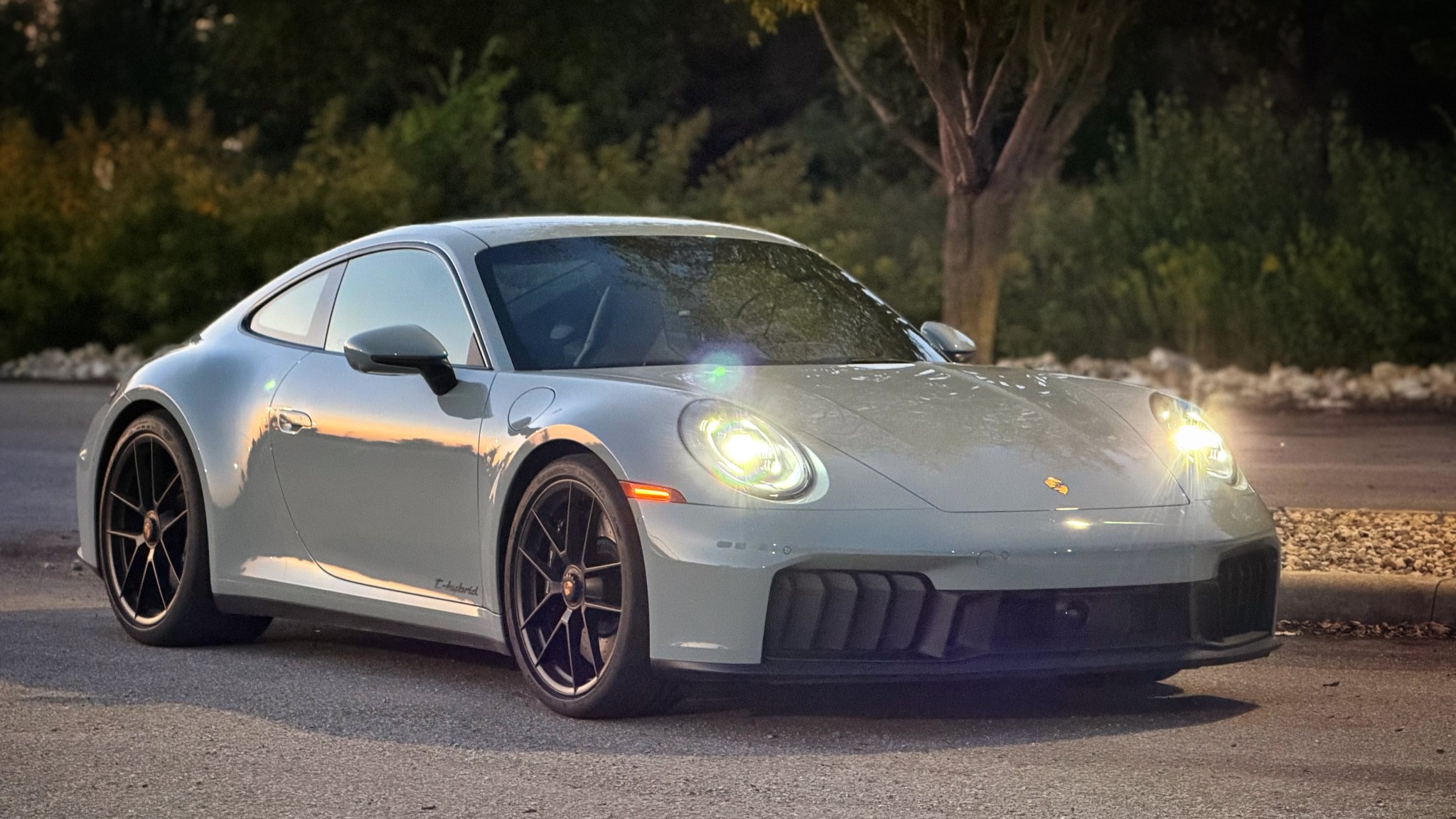
If you were blindfolded and led into a random car, and then somehow managed to drive it safely, could you nail the make and model? Please don’t pull a Ricky Bobby and drive blindfolded (and let alone with a mountain lion as co-pilot); I’m merely asking if you’ve ever driven a car with so much personality that you can tell it apart from anything else on the road. I have, a handful of times, and most recently with the 2025 Porsche 911 Carrera GTS.
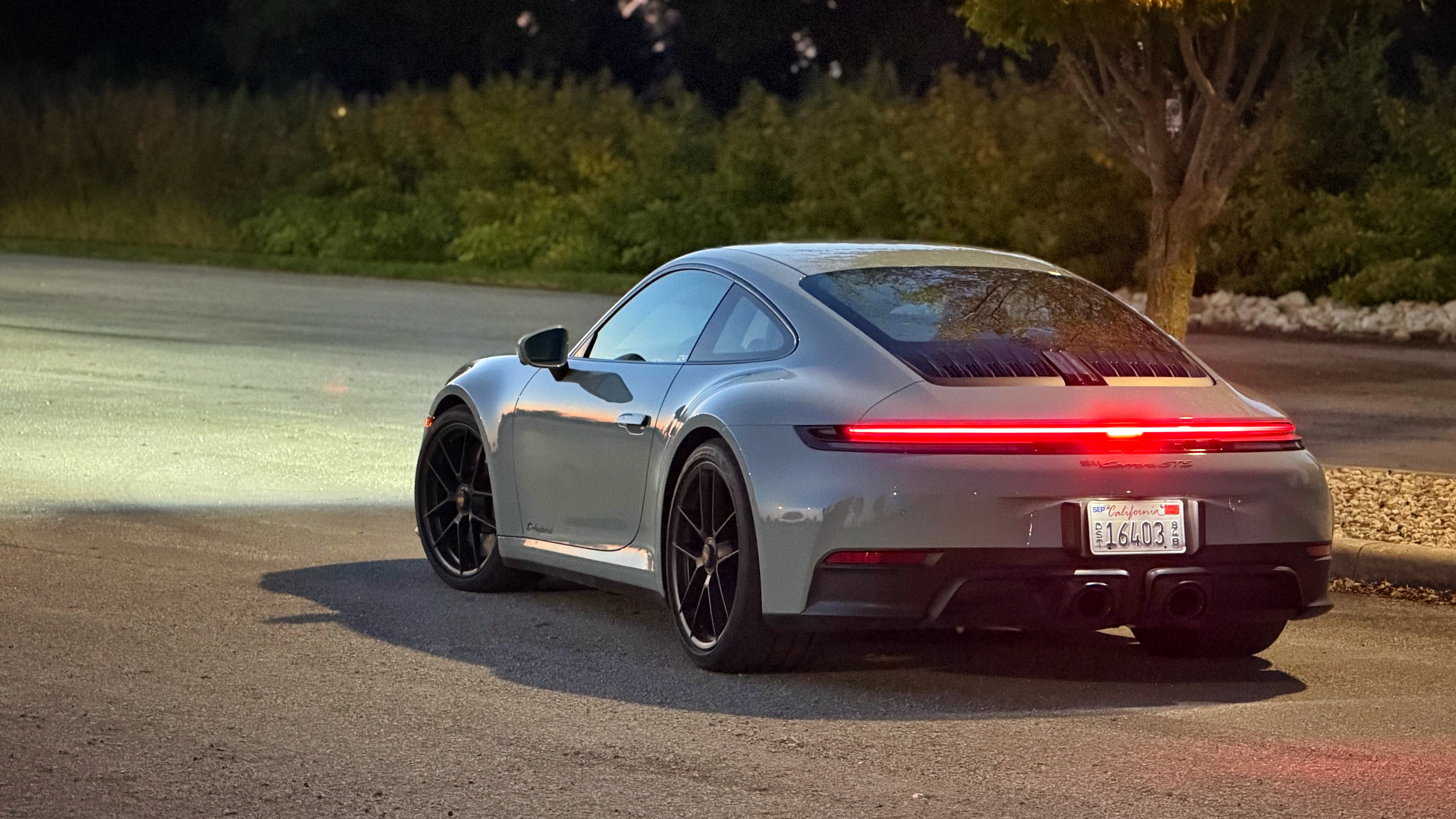
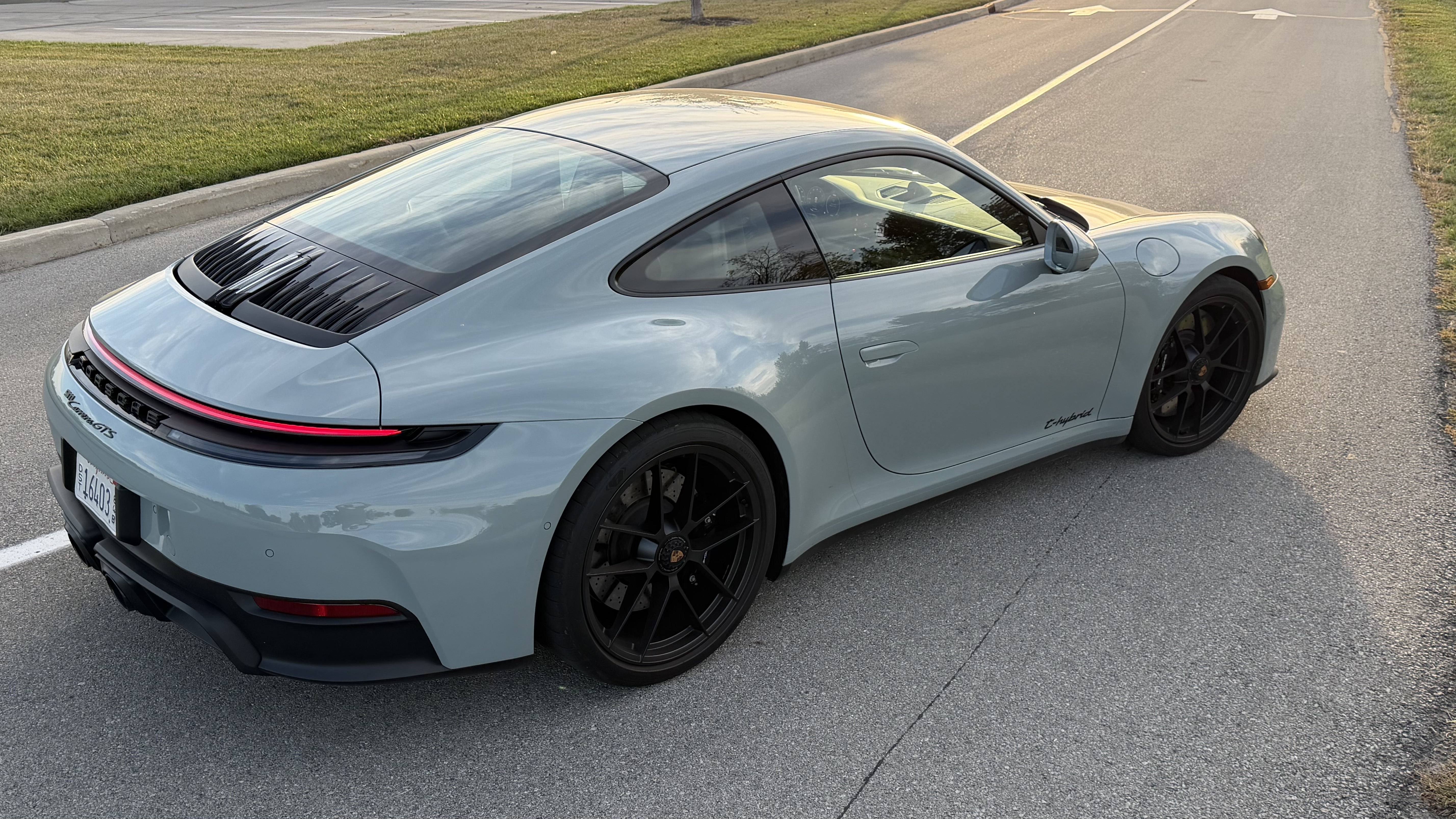
The 992.2-gen GTS gets a handsome refresh for 2025, but the most significant and obvious change lies deep in the engine bay. Wedged between the totally new 3.6-liter gas engine and the transaxle is a 40-kW electric motor, which adds 53 horsepower and 110 lb-ft of torque to the stellar single-turbo flat-six. Combined, the 911 GTS puts out a hefty 533 hp and 450 torques. And on my tester, all that power and twist went to the rear wheels only.
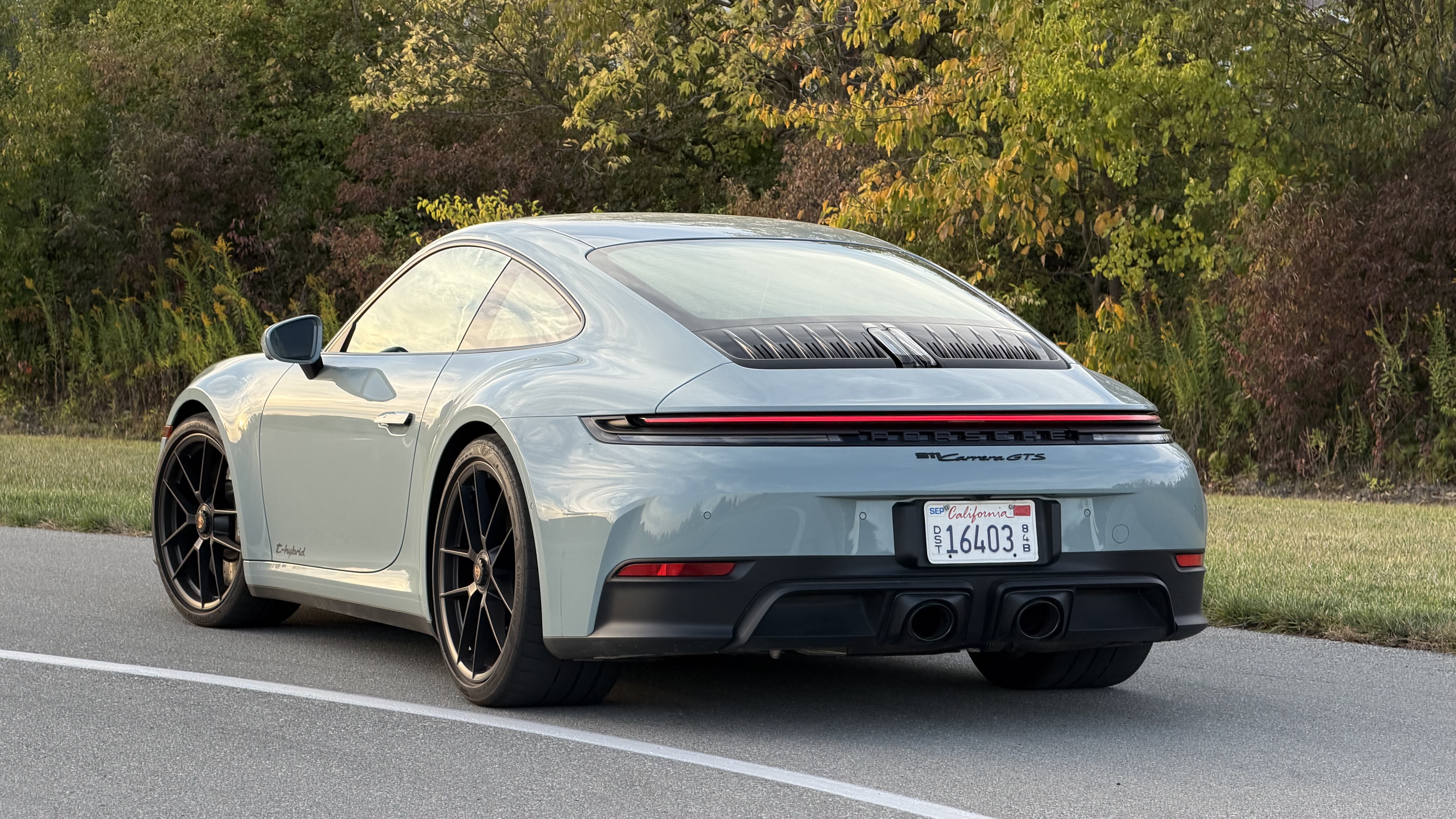
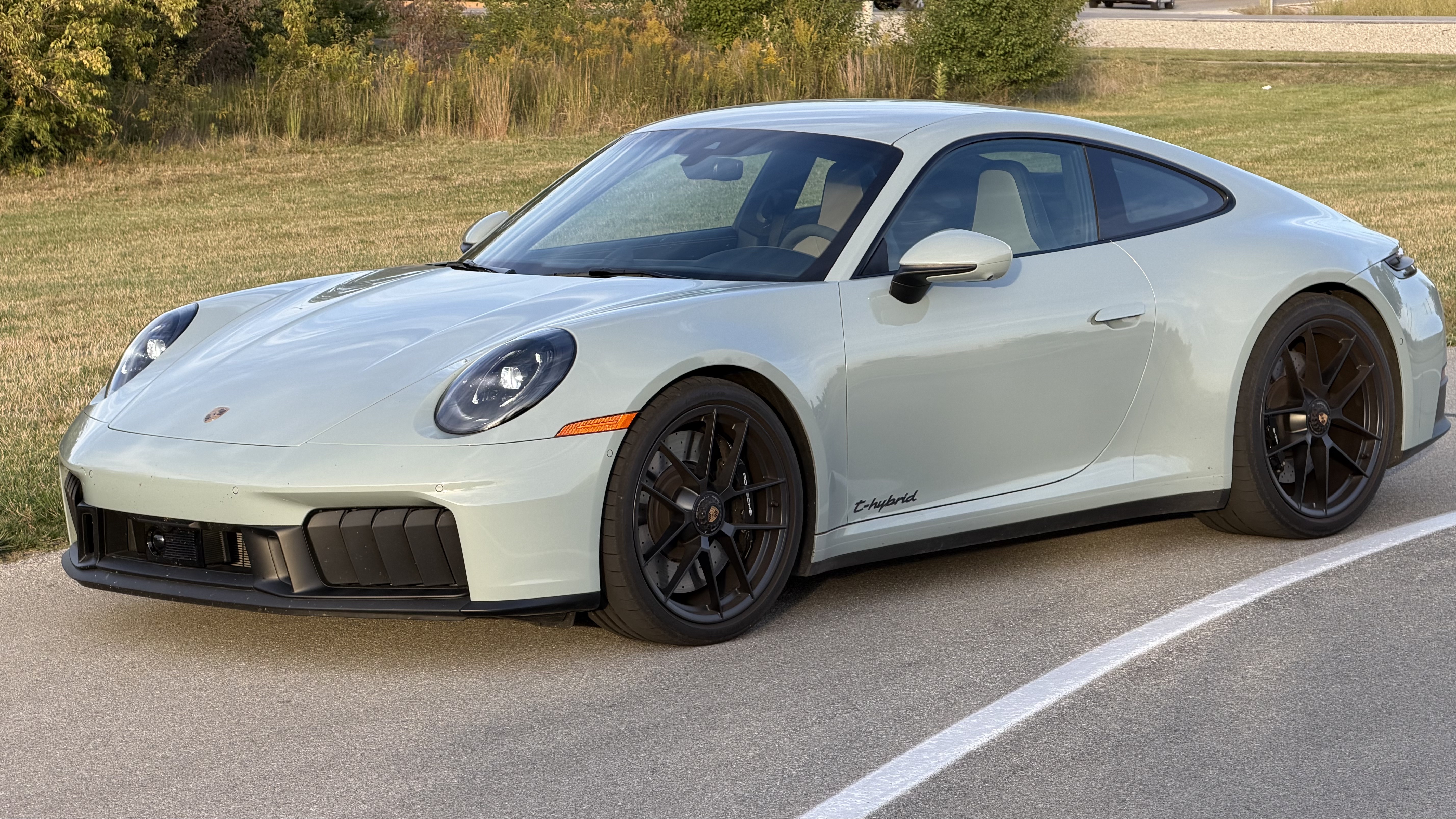
On any sports car, those numbers alone would be worthy of praise—though it feels like nowadays even the most vanilla electric SUVs put out more than that. But this 911 is not about the numbers. Or, at least, not entirely so. Like any Porsche, it’s about attitude, it’s about feeling what the machine you’re piloting is doing, what it’s telling you. As much as I hate the cliche, a car of this caliber is about becoming one with it and exploiting each other’s attributes; you get the most out of the car, and the car squeezes every ounce of driving talent you have. And hopefully, neither crosses the line.
Driving the 2025 Porsche 911 Carrera GTS
When our former reviews editor Chris Tsui drove the new GTS last summer, he cleverly concluded that the reason why it’s so good is that it doesn’t really act like a hybrid. When we drove a Targa version around Germany earlier this year, our takeaway was that this new T-Hybrid drivetrain is so well dialed in for performance (rather than efficiency, like most other hybrids) that it adds a whole new layer of strengths and capabilities rather than weaknesses or compromises. It doesn’t have an electric-only driving mode—because that’s not what this car is all about. It’s almost like no one told the car it’s a hybrid; they just said, “Hey, there’s this battery inside of you, and you can use its energy to go even faster.” So it does.
During my weeklong test, I grew enamored of the GTS’ intricacies, particularly its startup procedure. Climbing into it feels special, and is surprisingly easy and comfortable even for someone with an XXL frame. Yes, there’s now a Start Engine button instead of a faux key, and the gauges have been replaced with a screen, but there’s still an emotional aspect to firing up that flat six. And boy, does it make quite the sound.
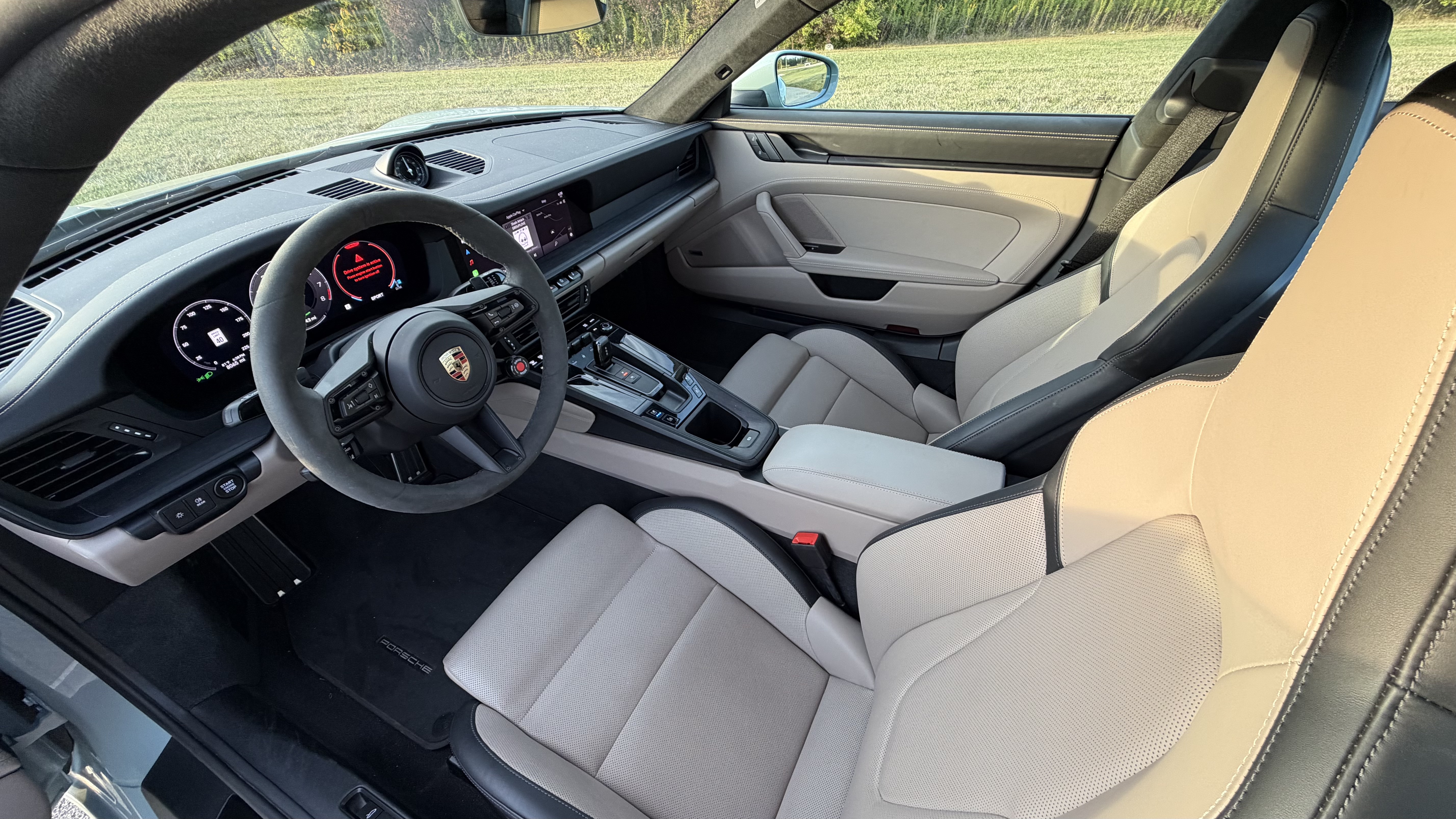
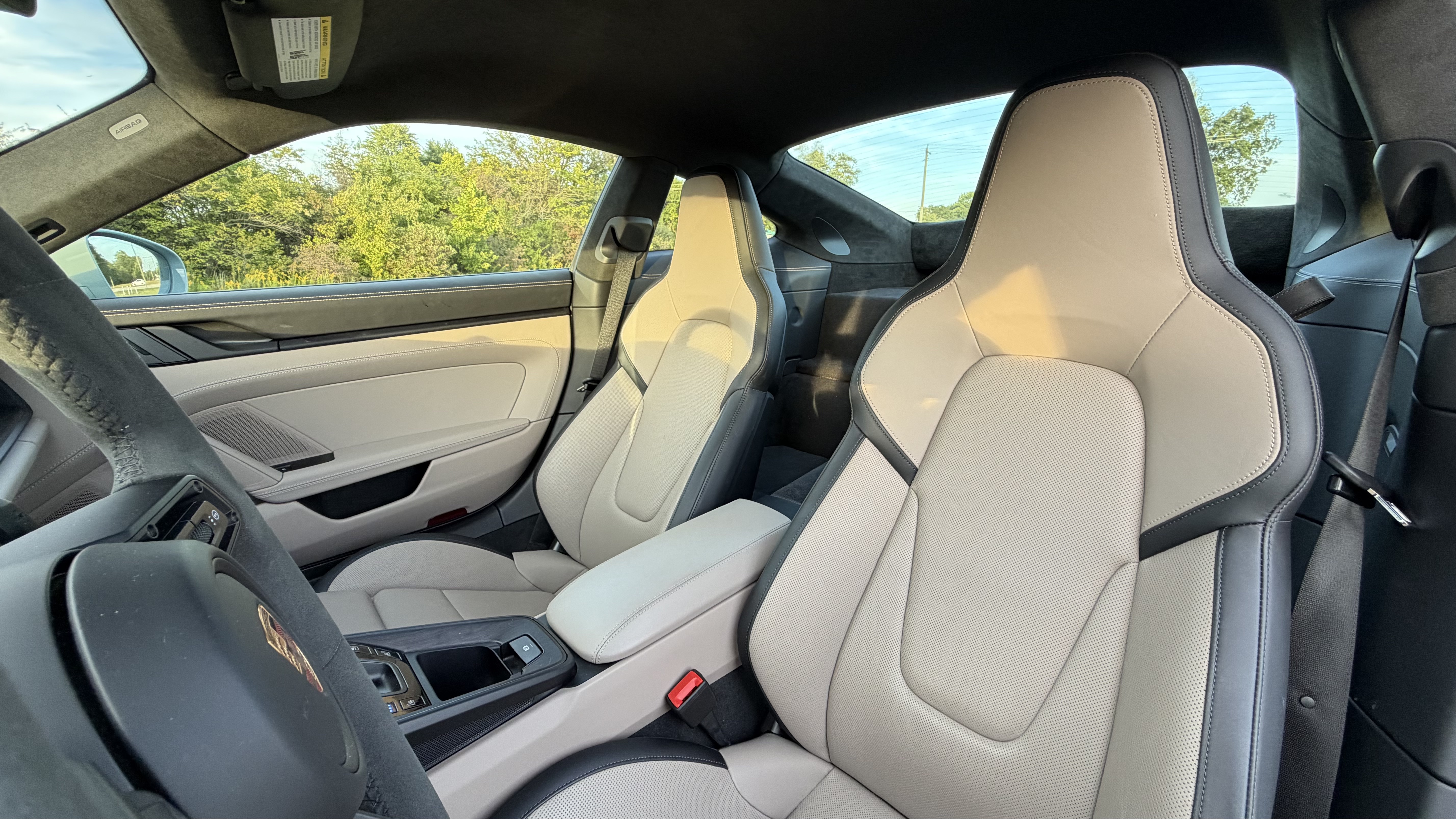
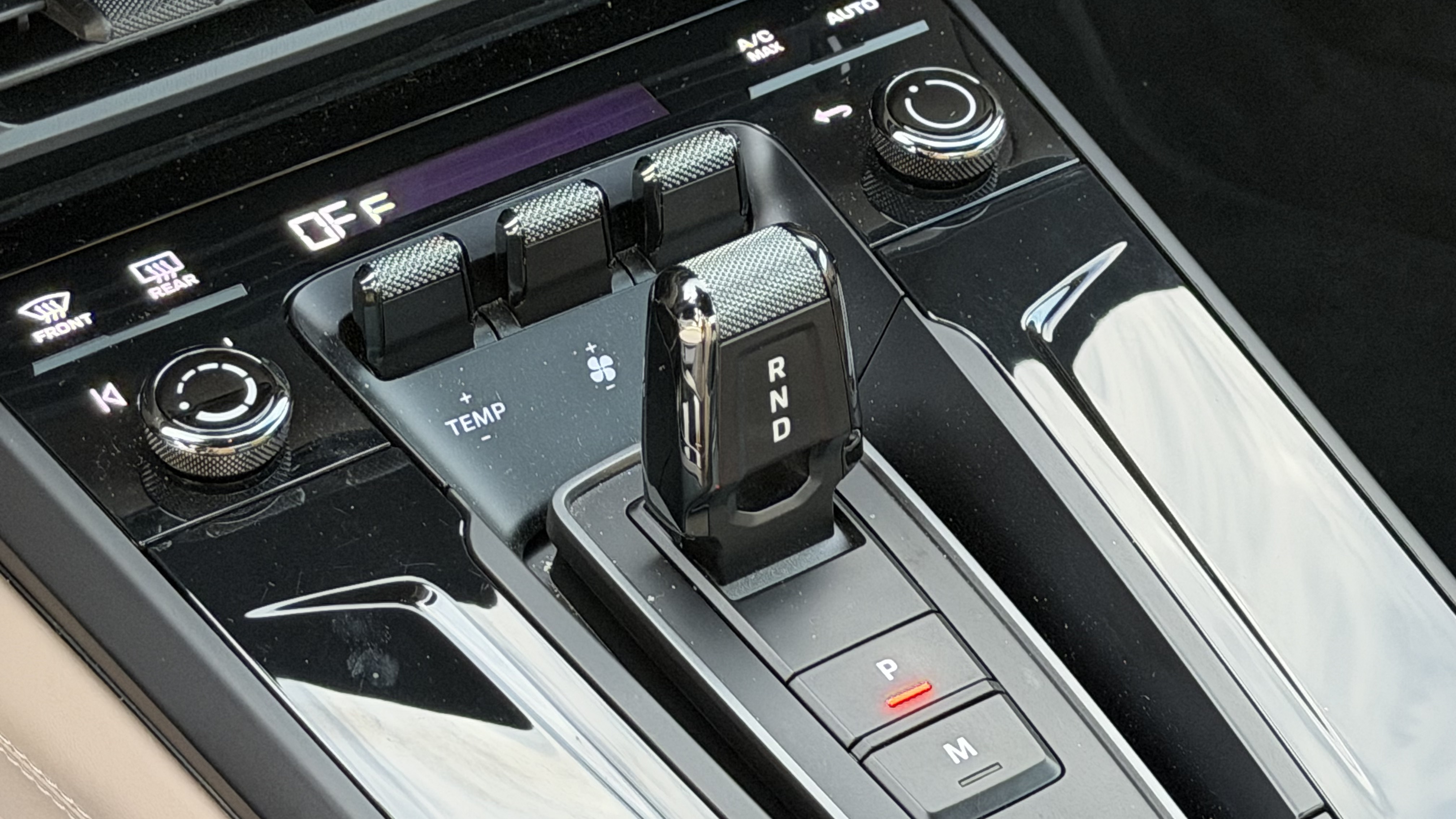
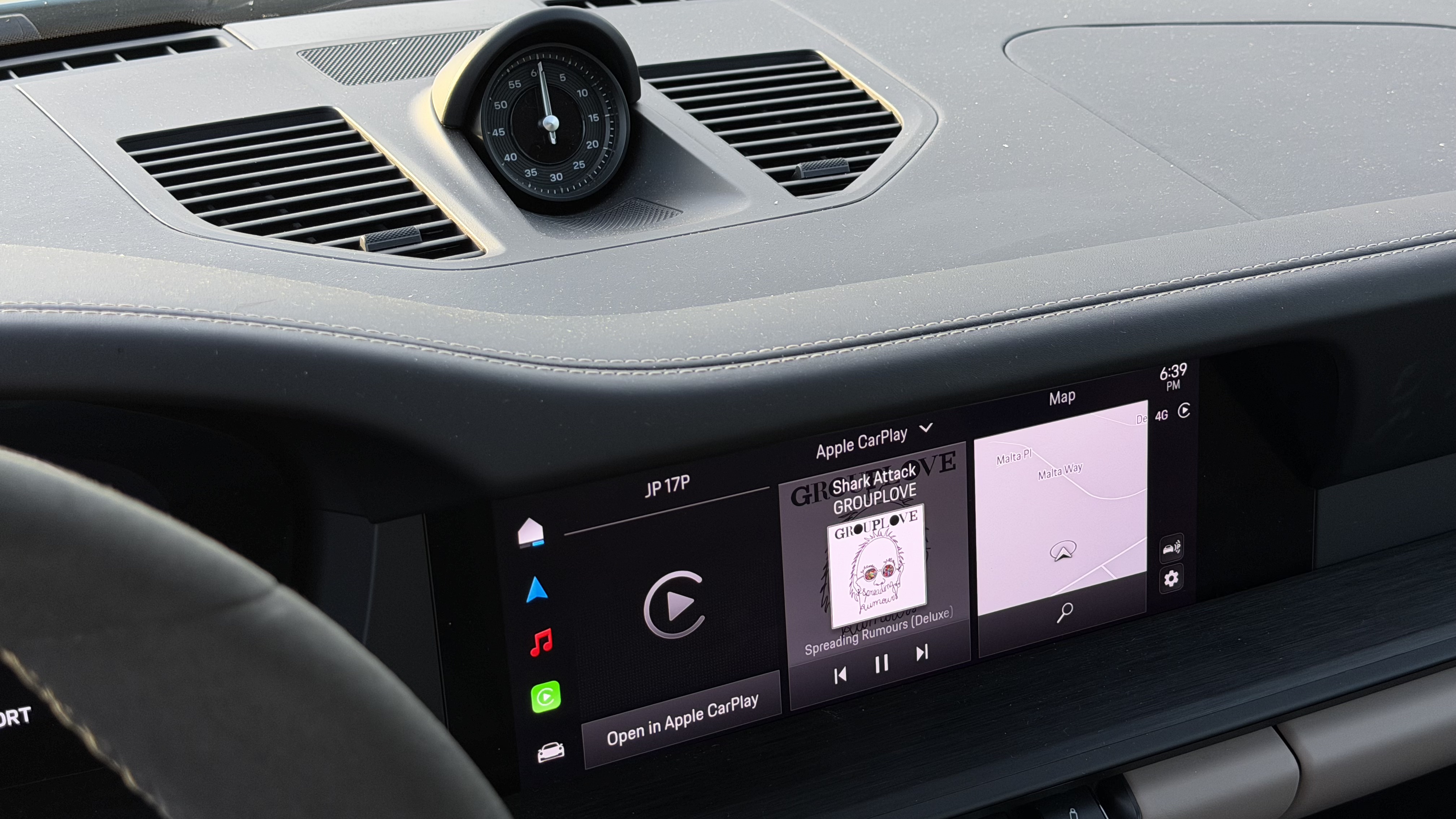
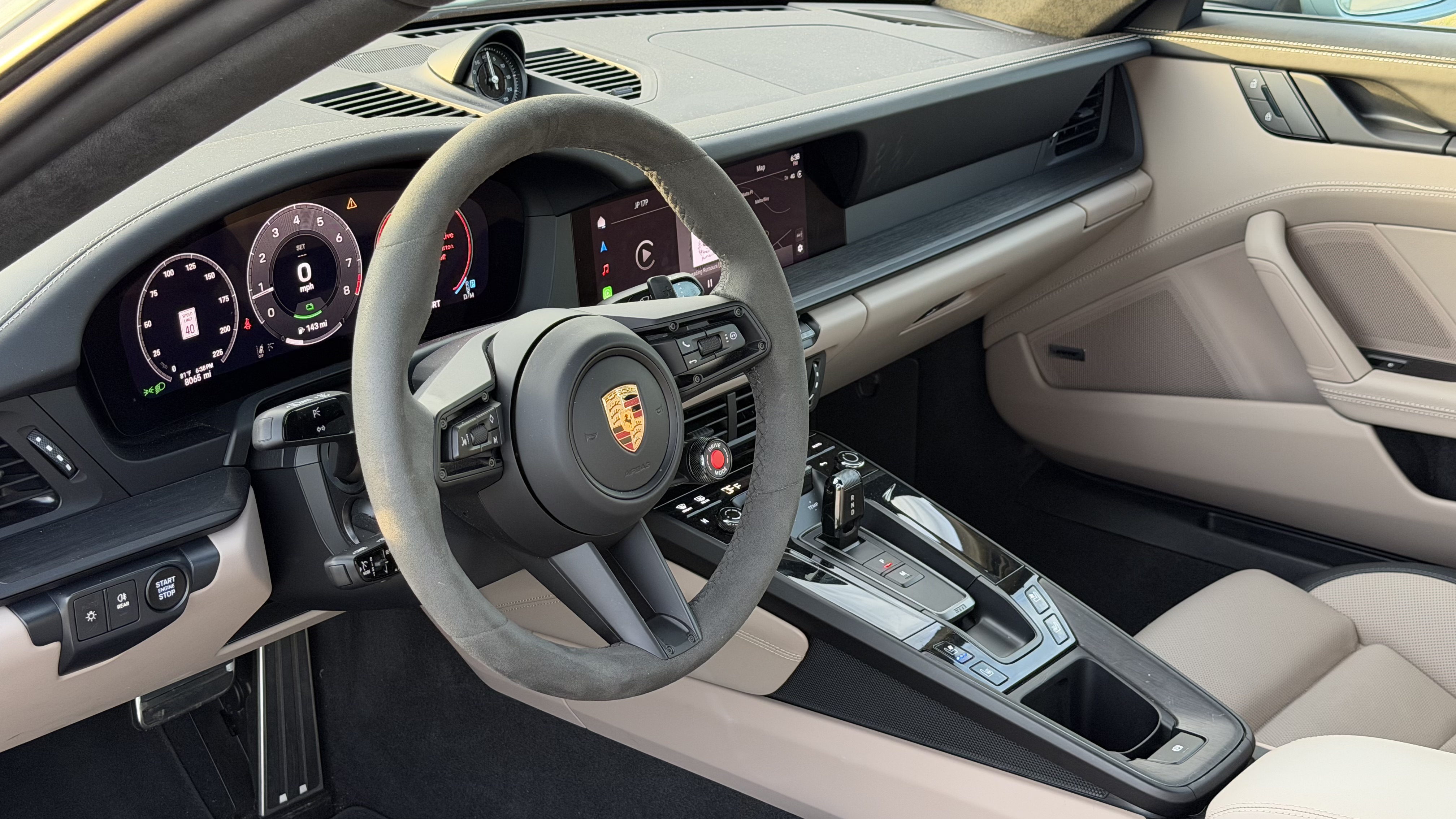
When I drove the base 911 and 911 S back in April, I really enjoyed the noises they made when being pushed hard on a canyon road. Velvety, not raspy, and when my foot said so, fairly high-pitched, especially during spirited downshifts. The GTS isn’t that, and I definitely wasn’t ready for just how muscular the engine sounds. Step hard on the accelerator to ask the battery and gas engine to give you all they have, and the surge of deep, trumpeting soundwaves explodes inside the cabin violently, with each upshift delivering a refined yet robust kick in the tush. I was taken aback by how much of a brawler the GTS was under the typical Porsche layer of luxury and refinement. It’s downright rowdy.
Compared to the 911 and 911 S, the GTS is considerably punchier, and not just in terms of horsepower. Its attitude is much more performance-focused, and while I was still able to enjoy cruising in it at chill speeds, it’s much more prone to seeing the red mist than its lesser siblings. The steering and suspension setup work in unison to point the car exactly where you want it to go—not a quarter of an inch to the right or left, but exactly there. The accelerator responds with surgical precision, and frankly, you’d never know this thing is a hybrid. It’s that good, it’s that harmonious.
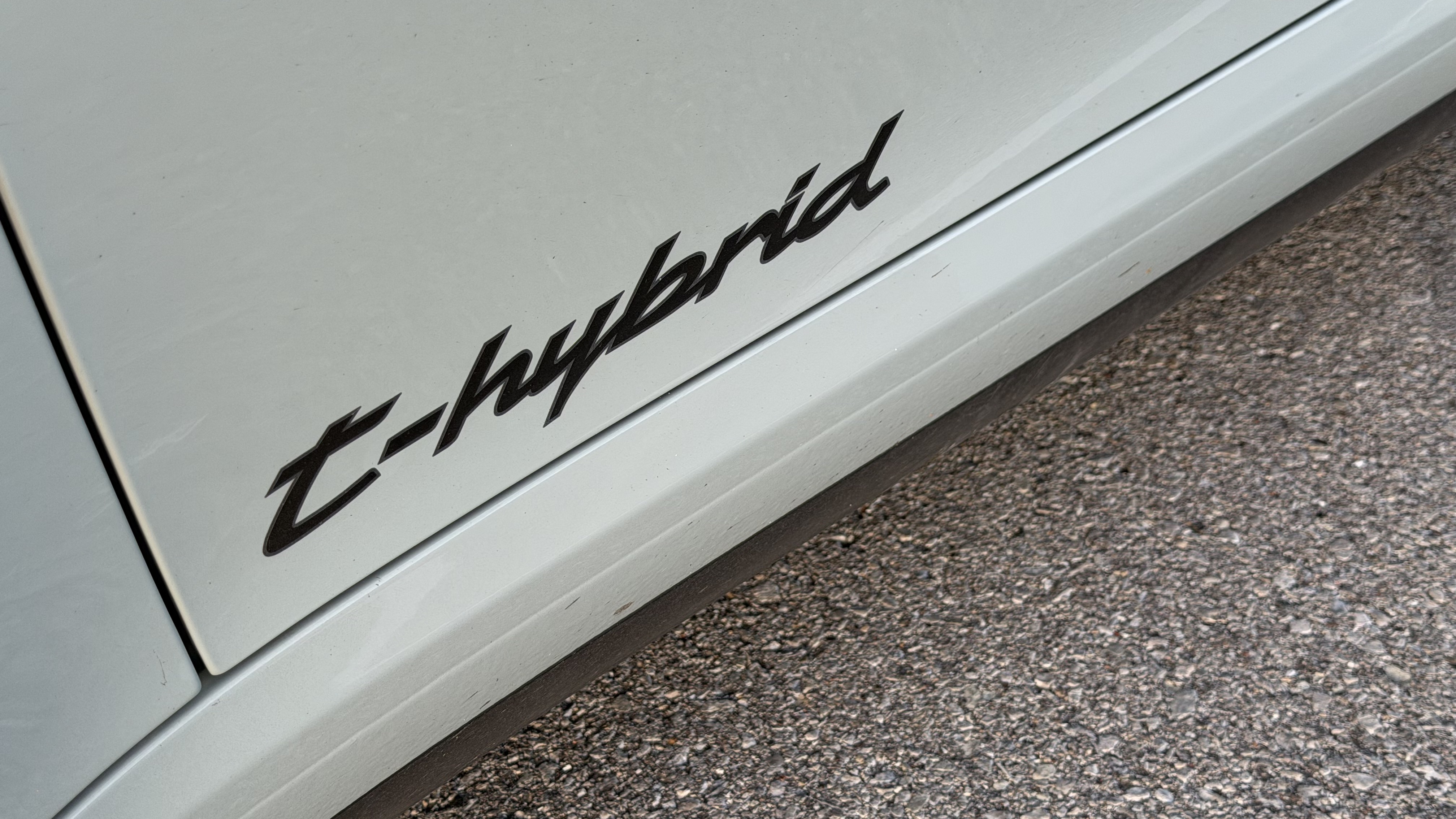
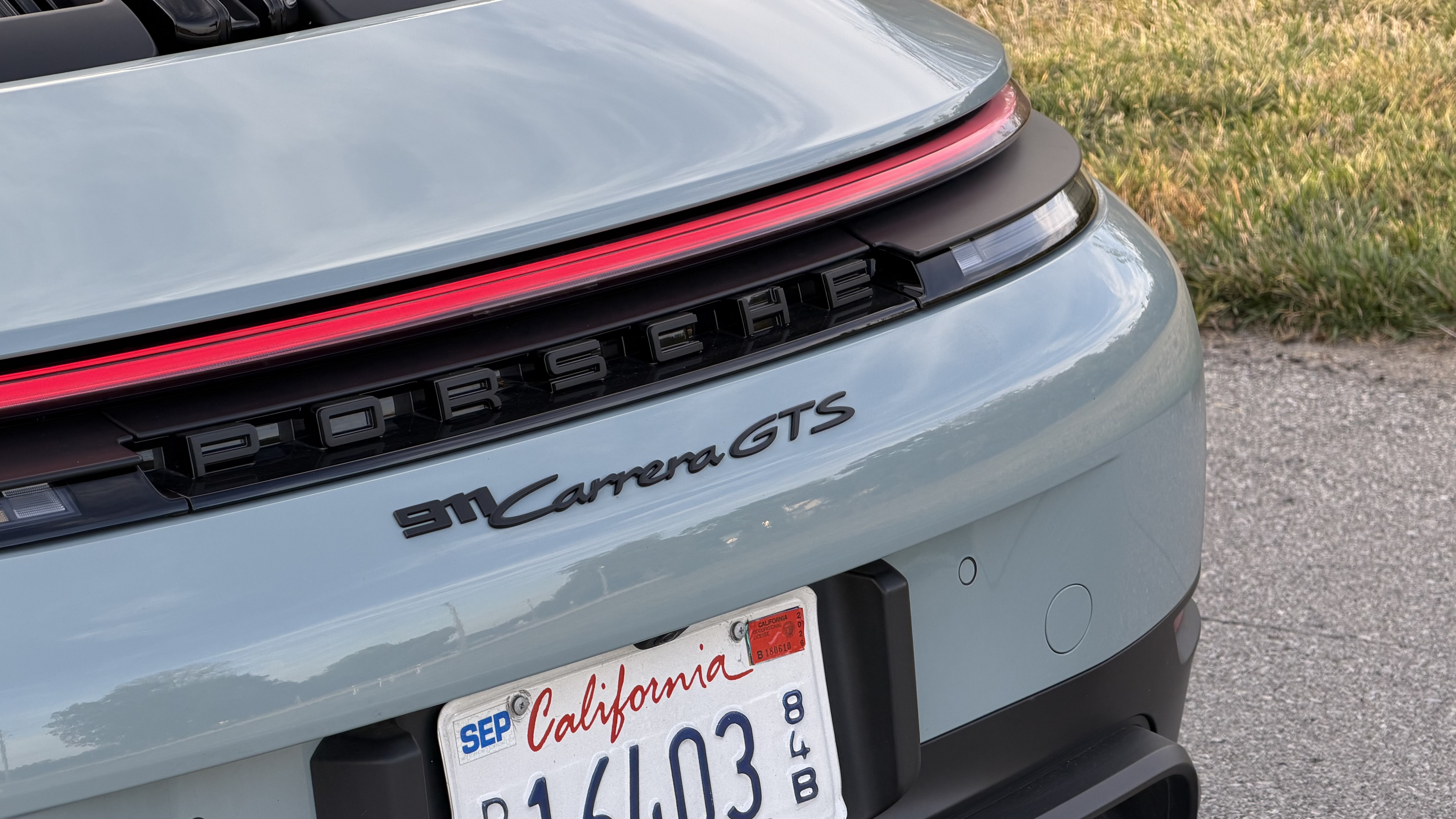
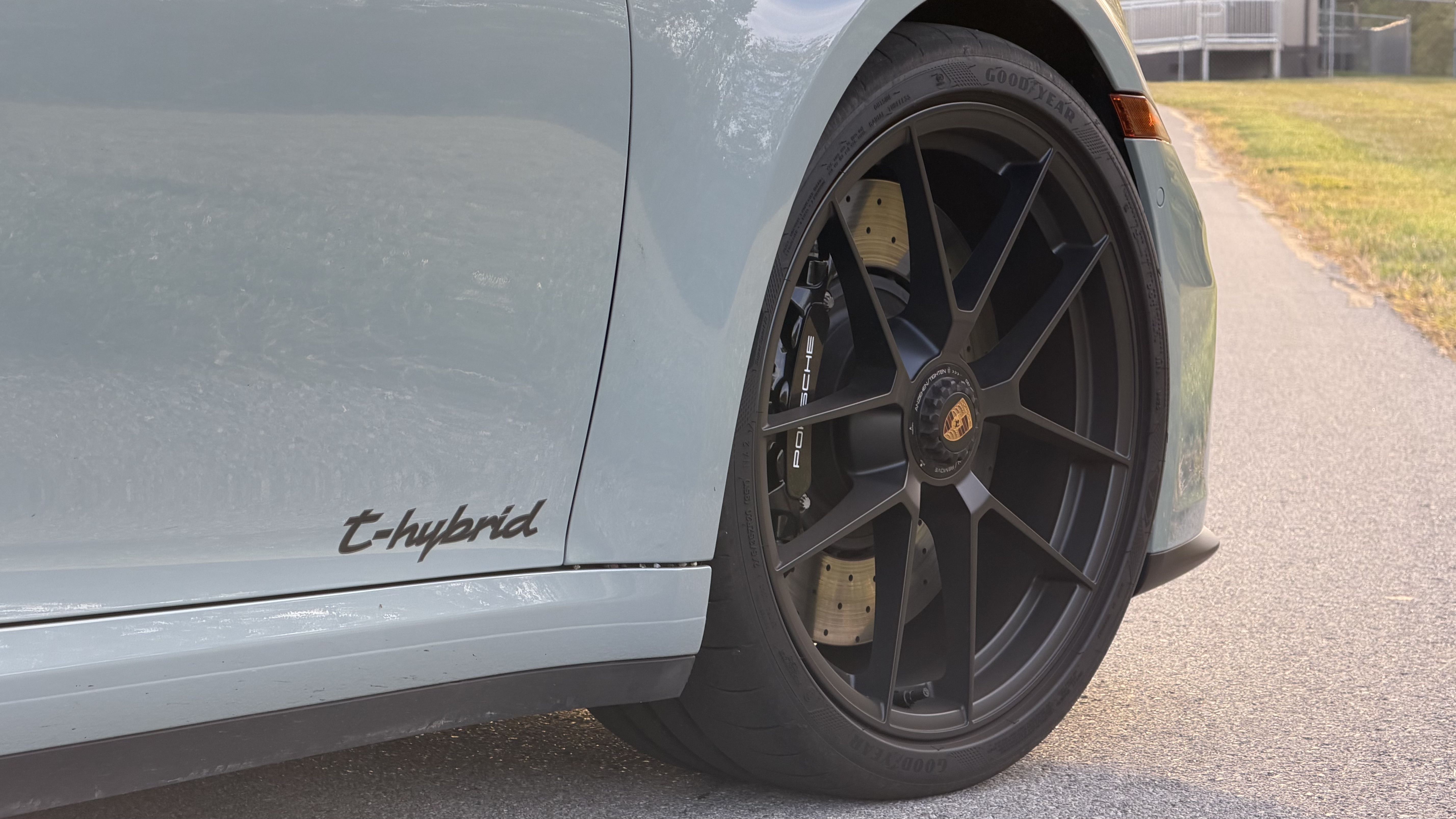
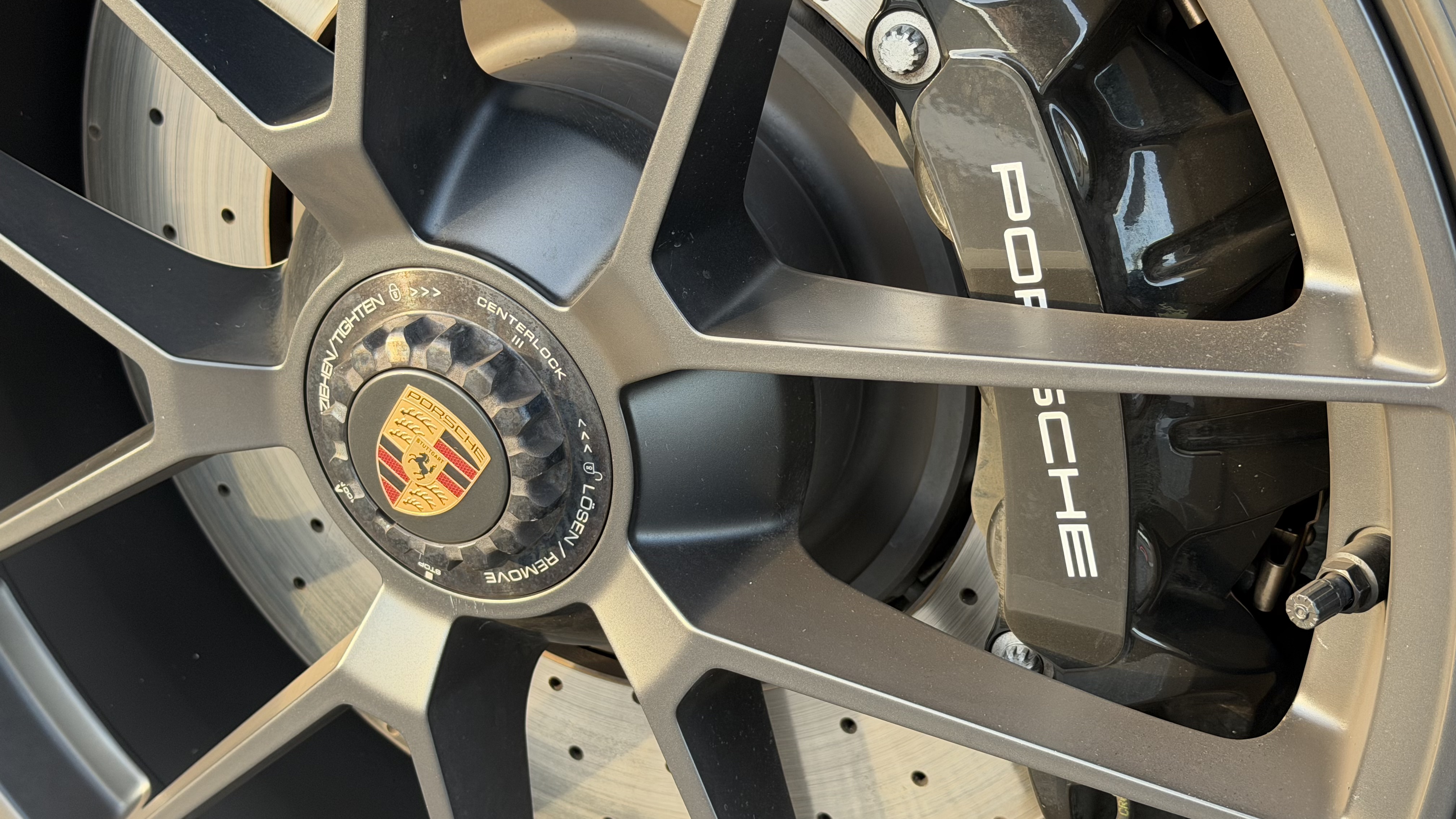
Remember what I said about exploring each other’s attributes without crossing the line? It’s not hard to cross the line when 533 hp are being pushed to the rear wheels, even if those 21-inch center locking wheels are wrapped in Goodyear Eagle F1 SuperSport R tires. Even with Porsche’s phenomenal driving aids, you must be patient with the throttle or be prepared to feel a wiggle, and keep your eyes peeled for dirt or debris on twisty country roads, as that won’t help with traction either. Ask me how I know.
My tester came equipped with the improved Porsche Ceramic Composite brakes, which, like everything else in the GTS, were optimized for performance. Even after a week of driving around in mixed environments, I struggled to apply smooth, even pressure when cruising from stop light to stop light. On the other hand, when you need to slow down from 130 mph to 70 in a hurry, you’ll be glad the 10-piston fronts and four-piston rears are super responsive.
Quick Verdict
After editing a couple of full-fledged reviews from other folks who drove this car, I was happy to get a go myself at the 2025 Porsche 911 Carrera GTS. While I felt like I knew quite a bit about it, nothing prepared me for how much attitude it packs, how loud and brash it sounds, and how willing it is to throw down. Then again, this shouldn’t really be a surprise, because it’s a Porsche 911, and it’s one of the last few cars left that, despite packing loads of tech, still has a good ol’ soul.
Porsche provided The Drive with a seven-day loan of this vehicle for the purpose of writing this review.
| 2025 Porsche 911 Carrera GTS Specs | |
|---|---|
| Base Price (Carrera 4 GTS Coupe as pictured) | $166,895 ($182,895) |
| Powertrain | 3.6-liter e-turbo flat-six hybrid | 8-speed dual-clutch automatic | rear- or all-wheel drive |
| Horsepower | 533 |
| Torque | 450 lb-ft |
| Seating Capacity | 4 |
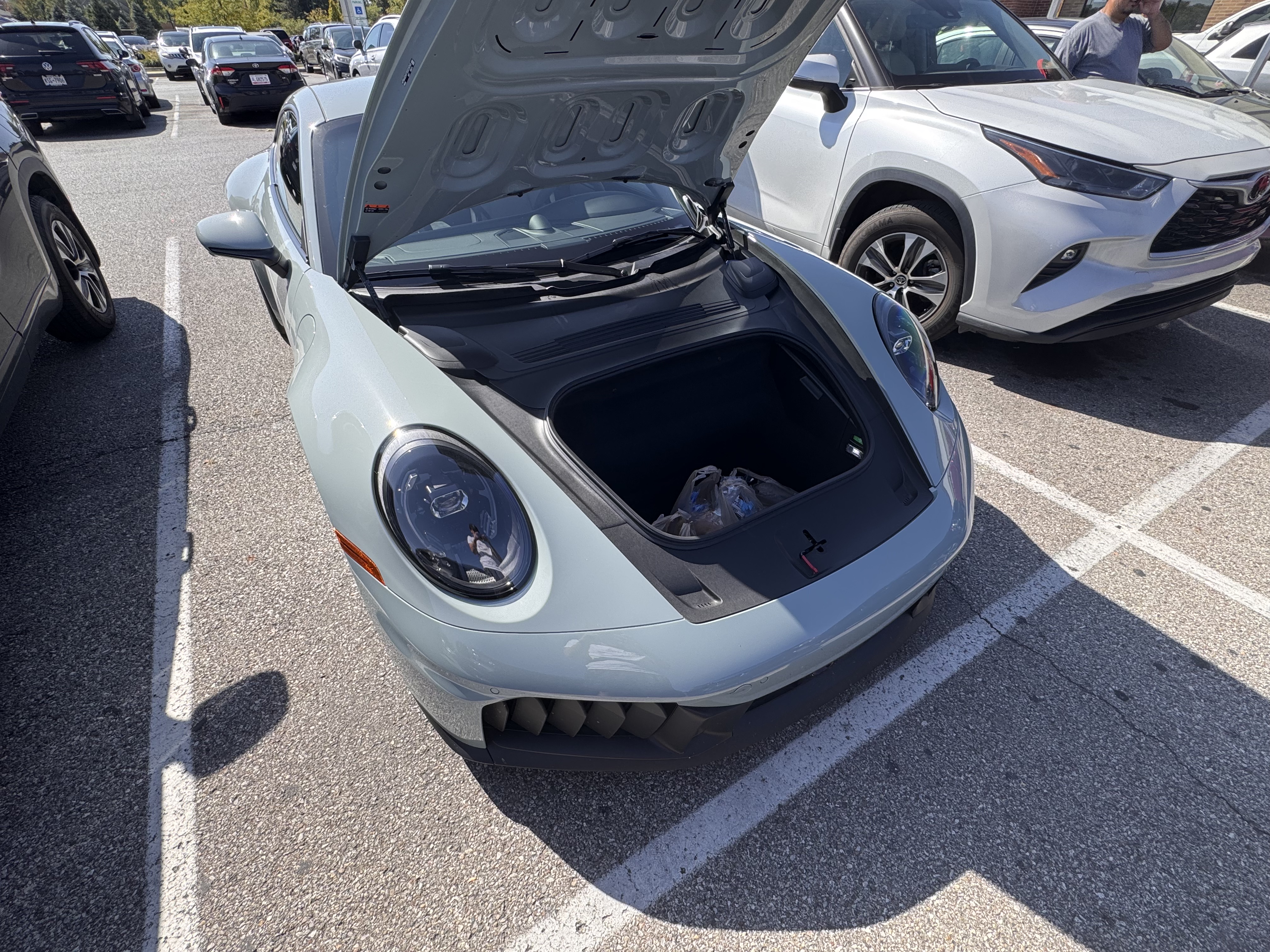
| Cargo Volume | 4.8 cubic feet |
| Curb Weight | 3,536-3,869 pounds |
| 0-60 mph | 2.9 seconds |
| Top Speed | 194 mph |
| EPA Fuel Economy | 17 mpg city | 24 mpg highway | 20 mpg combined |
| Score | 9/10 |

Quick Take
My test car’s only detractor is that it wasn’t equipped with the two tiny rear seats, so my kids had to fight to be the +1.
Email the author at jerry@thedrive.com
Loading comments…
Comments couldn’t be loaded. Please refresh the page.