
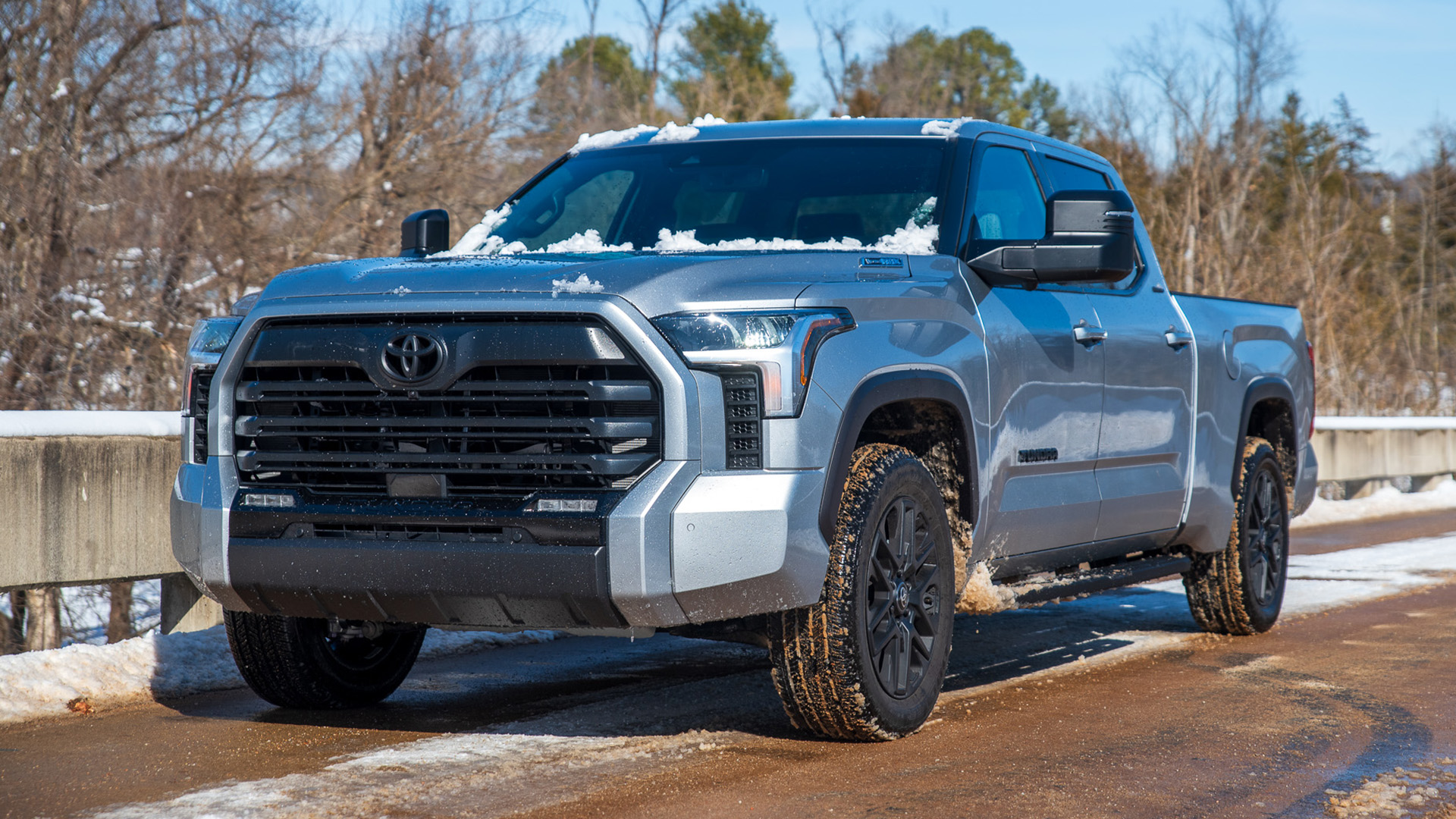
I’ve driven practically every version of the current-gen Toyota Tundra. I was there when the pickup launched in 2021, and back then, I called it “a giant leap over the old truck.” That’s still true in terms of capability and refinement, but we’ve seen Toyota’s reputation for reliability take some major blows in the past five years. The Tundra and its twin-turbo V6 have been at the center of those woes, and even though Toyota insists the problem has been fixed, some folks are still hesitant to trust it.
I’m one of those people. After spending some more time with the impressively powerful hybrid model, I really wish I could recommend it. But I can’t bring myself to do it.
Ironically enough, the powertrain is both the most impressive part of this truck and the most concerning. The electrified lump in my tester makes 437 horsepower and—get this—583 lb-ft of torque. That’s nuts! No other half-ton truck outside of the Ram TRX and Ford F-150 Raptor R has more torque than the Tundra hybrid. You can feel it when you stomp on the throttle, and even though other trucks have beaten the ‘Yota in acceleration tests before, it’s undeniably quick.
If only Toyota hadn’t recalled more than 200,000 Tundras at this point because they need new engines.
Hybrid models have been excluded from those recalls, though they use the same 3.4-liter V6 known to spin bearings. At first, the problem appeared limited to 2022-2023 models, as Toyota blamed manufacturing debris left in the engine. Concerns swelled when 127,000 additional vehicles were recalled with the same identified cause of potential failure.
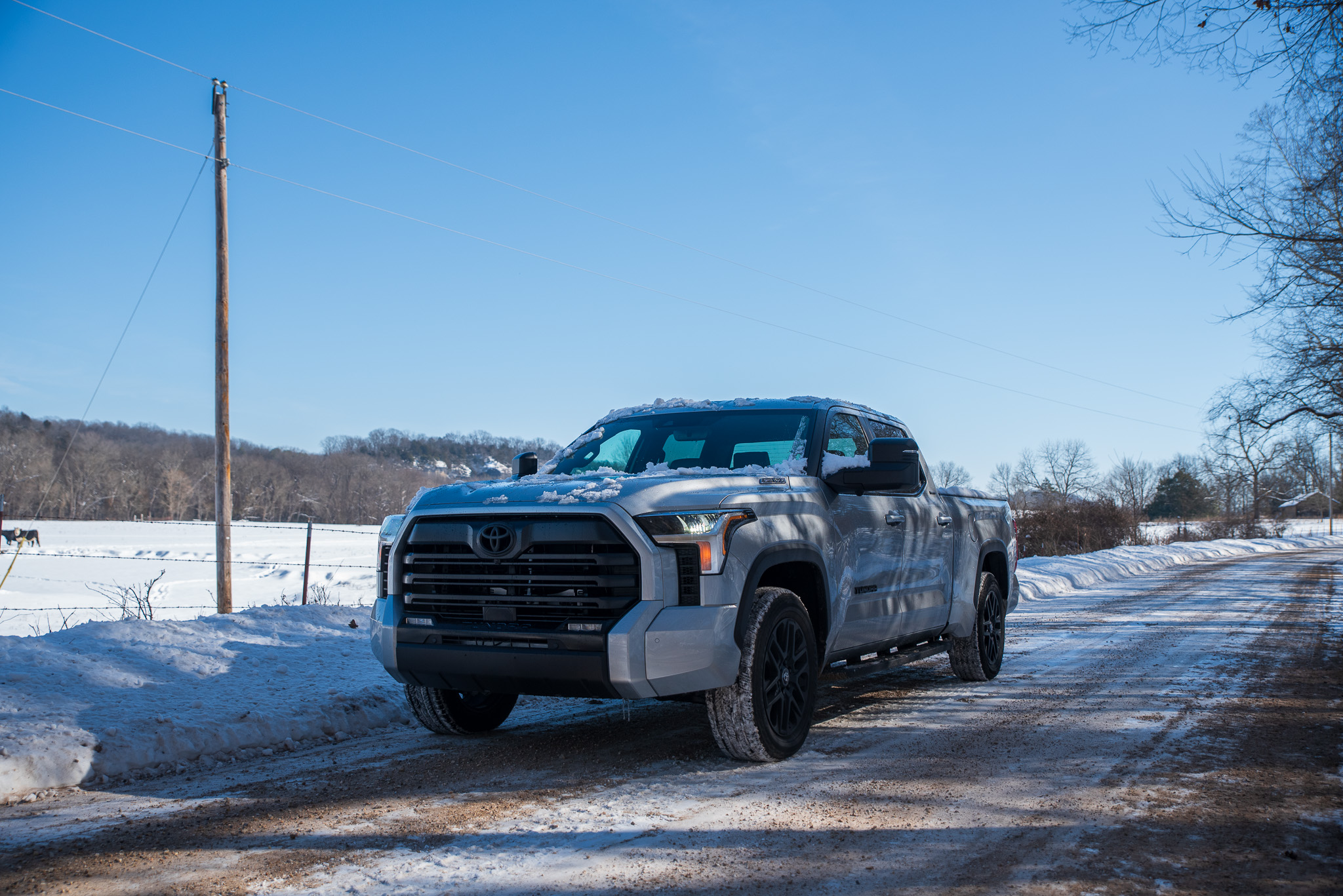
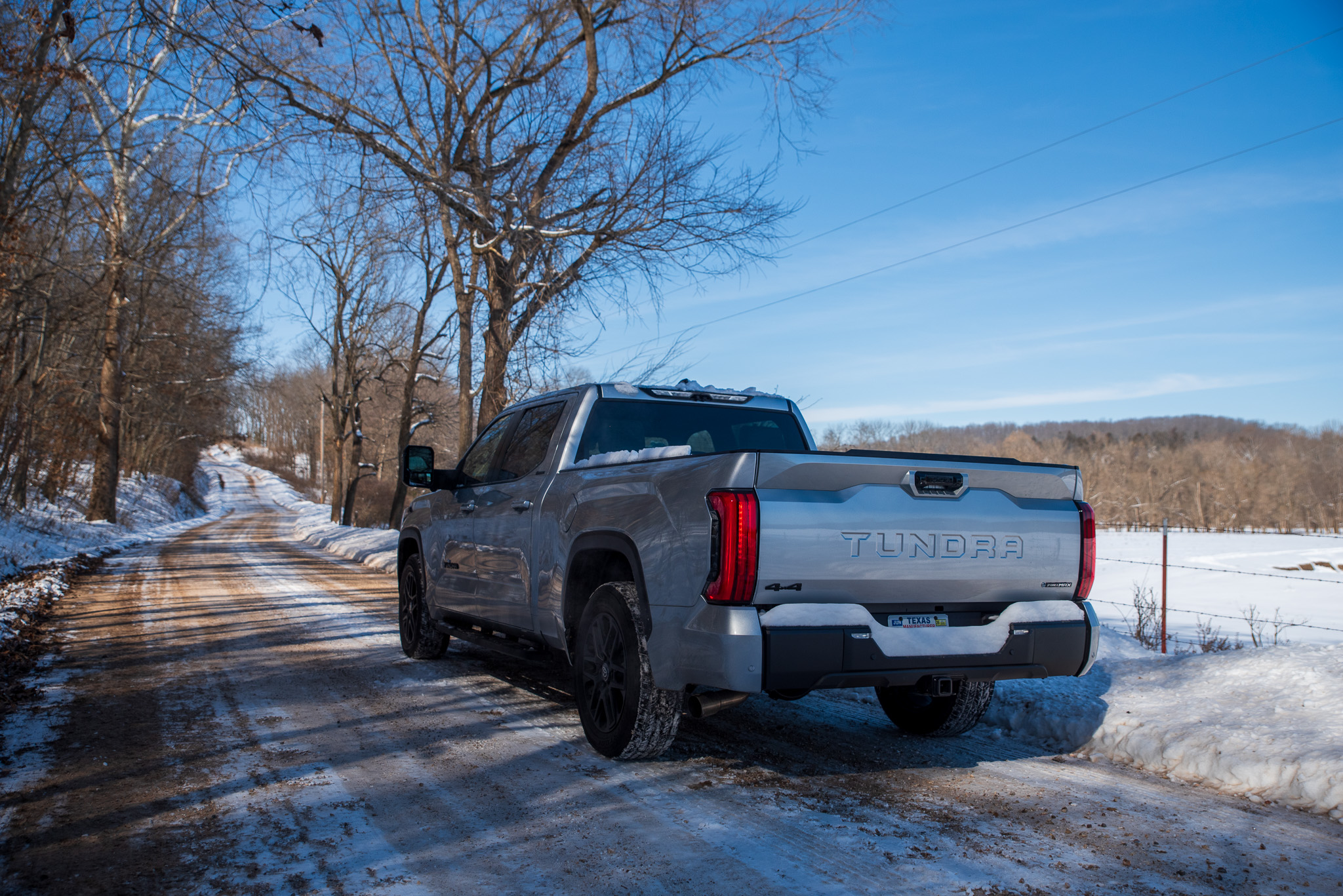
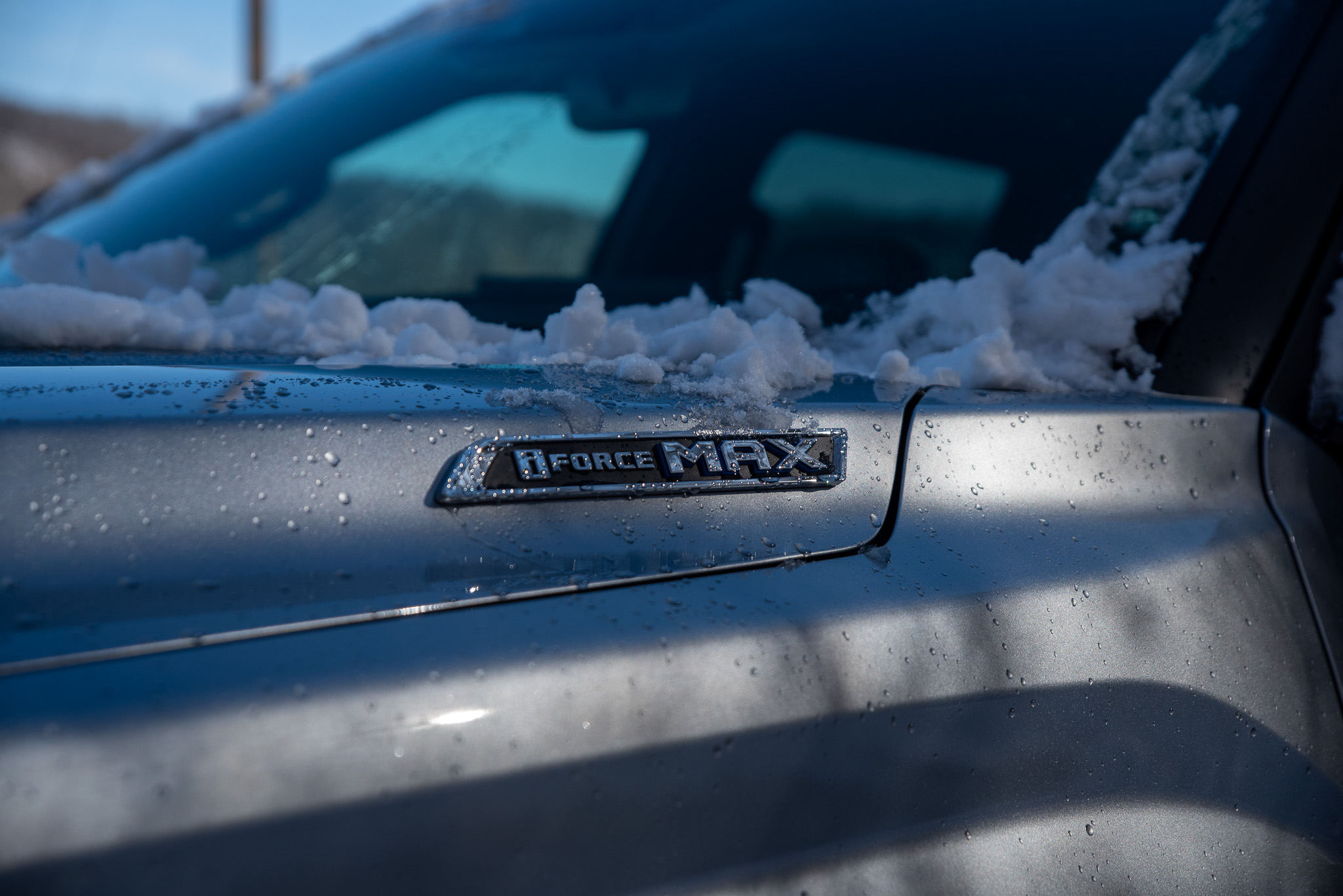
It was the recalls that came to mind, not the power, when a friend texted me about the Tundra. He and his wife were looking at buying one, so he asked for my thoughts on it. I explained that I was testing one that week, and although it’s a really stout machine, I’d be careful given all the horror stories we’ve reported. He was taken aback.
Let me be clear about what I’m saying and what I’m not: The 2026 Toyota Tundra hybrid has not been recalled for any powertrain issues, and the only complaints listed on the National Highway Traffic Safety Administration’s website are about exploding sunroofs—not engines. Trucks like the one I drove could go on for 200,000 or 300,000 miles without issue. I hope that’s the case because Toyota has always built good pickups, and the current-gen Tundra certainly is one when it’s working as intended.
It’s just that the last five years have made me hesitant to endorse a $70,000 purchase, knowing what could happen. Any new truck on the market today could disintegrate in a couple of years; I get that. But the Tundra’s track record is more than enough to give me pause.
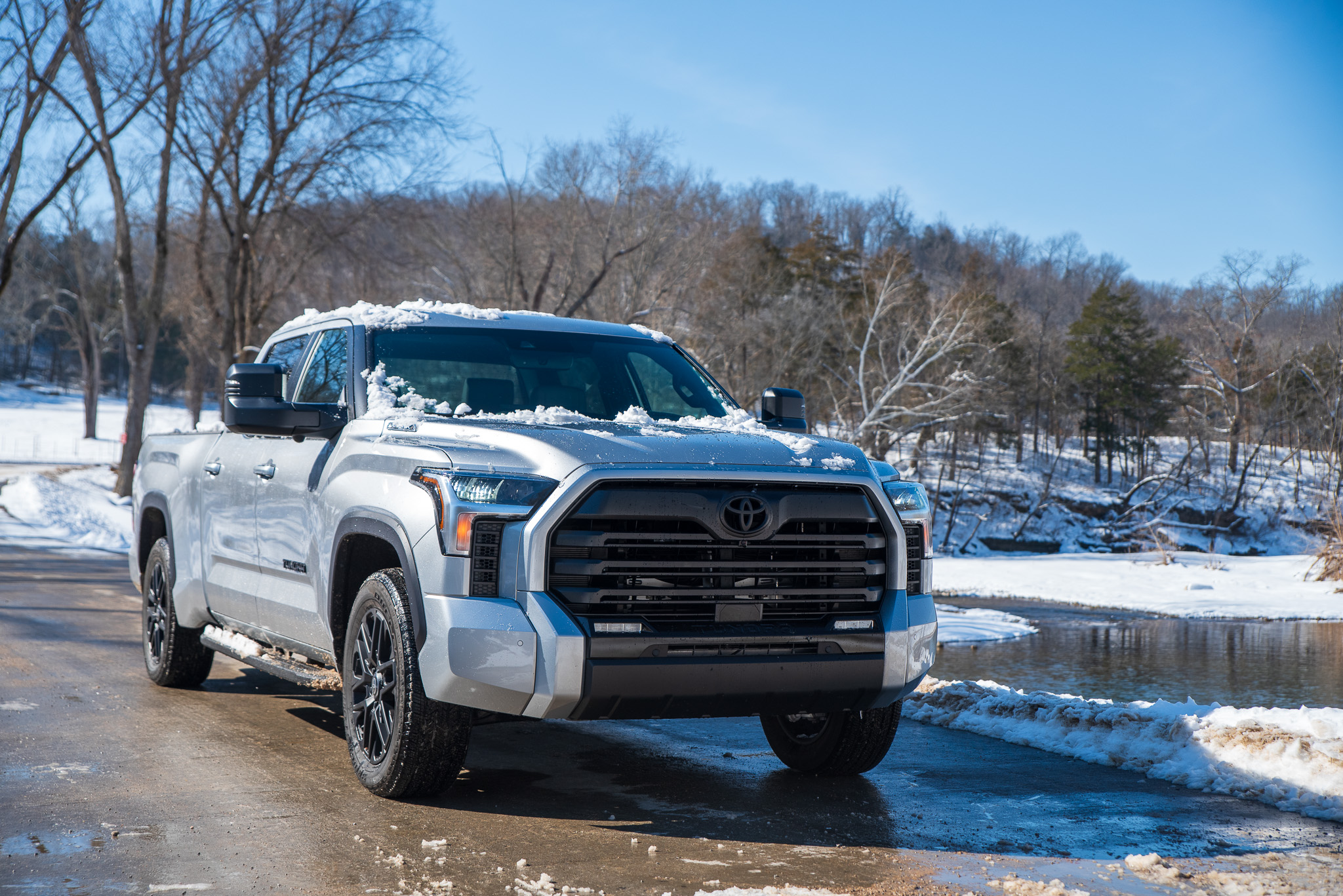
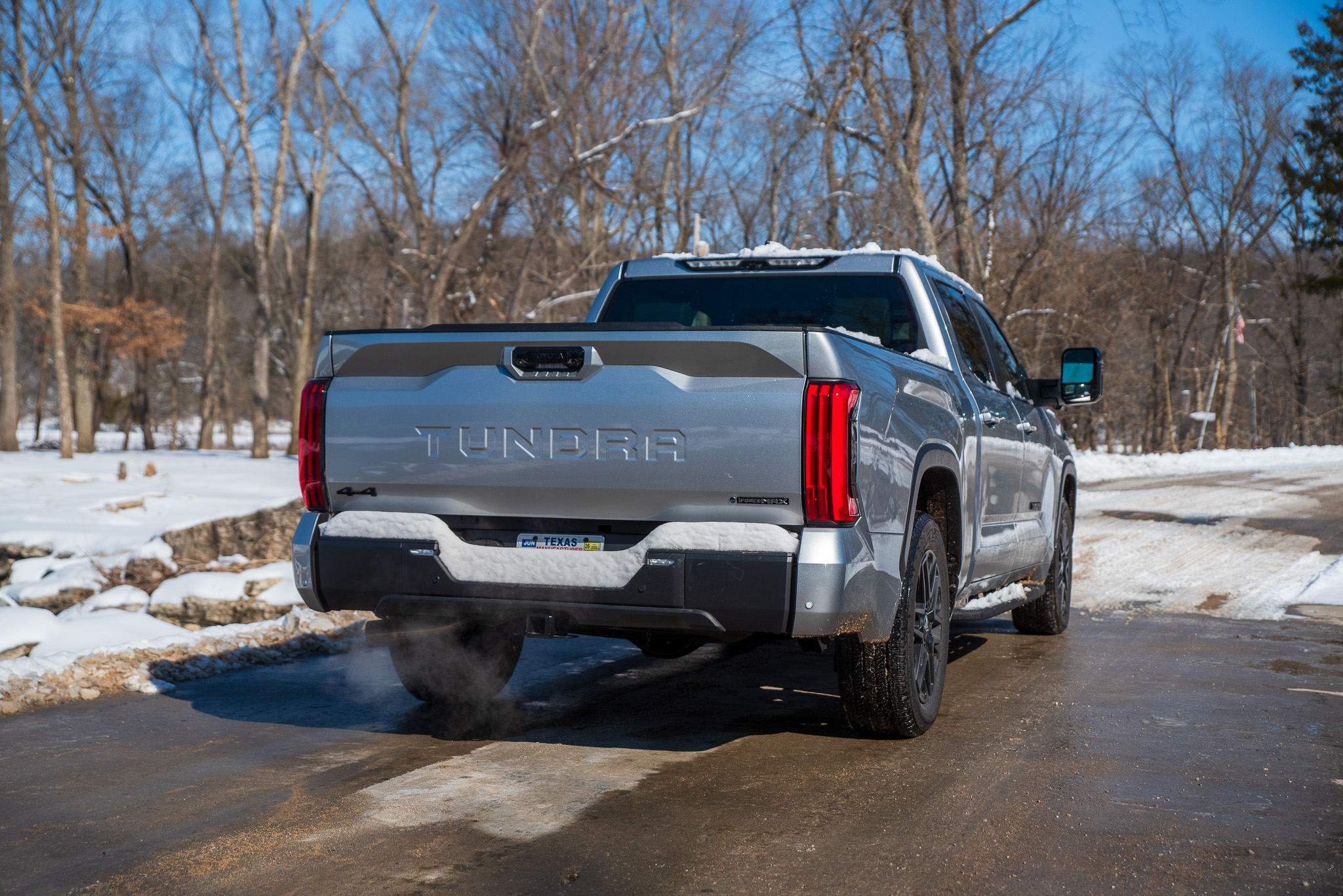
If none of that had ever happened, you can bet I’d drive a Tundra every day. It doesn’t chase absurdity the same way other full-size trucks do. I’m totally fine with the fact that it can’t tow 14,000 pounds, or jump a 30-foot sand dune, or whatever else. Even the styling has grown on me, though I understand if most people aren’t a fan of the massive grille.
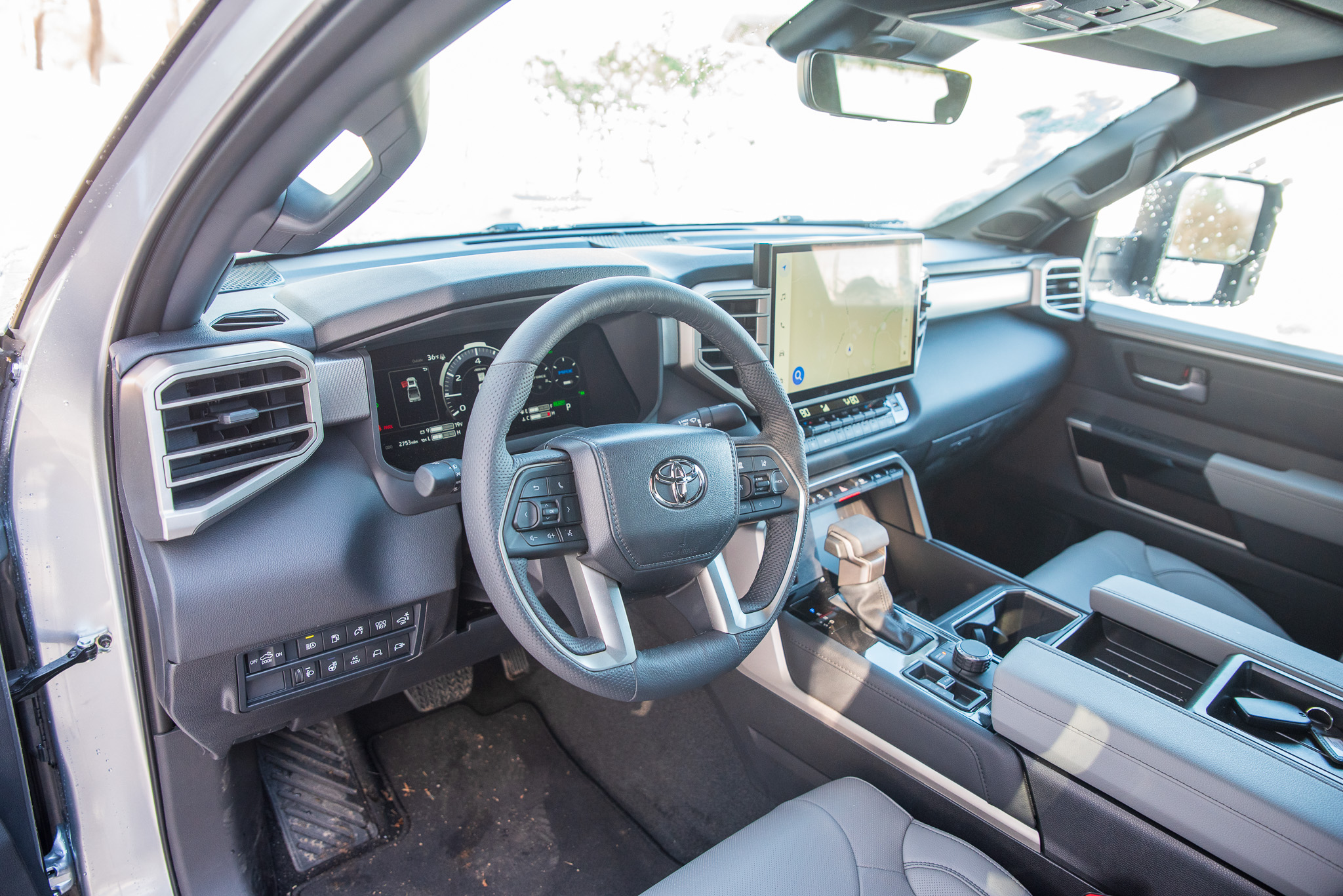
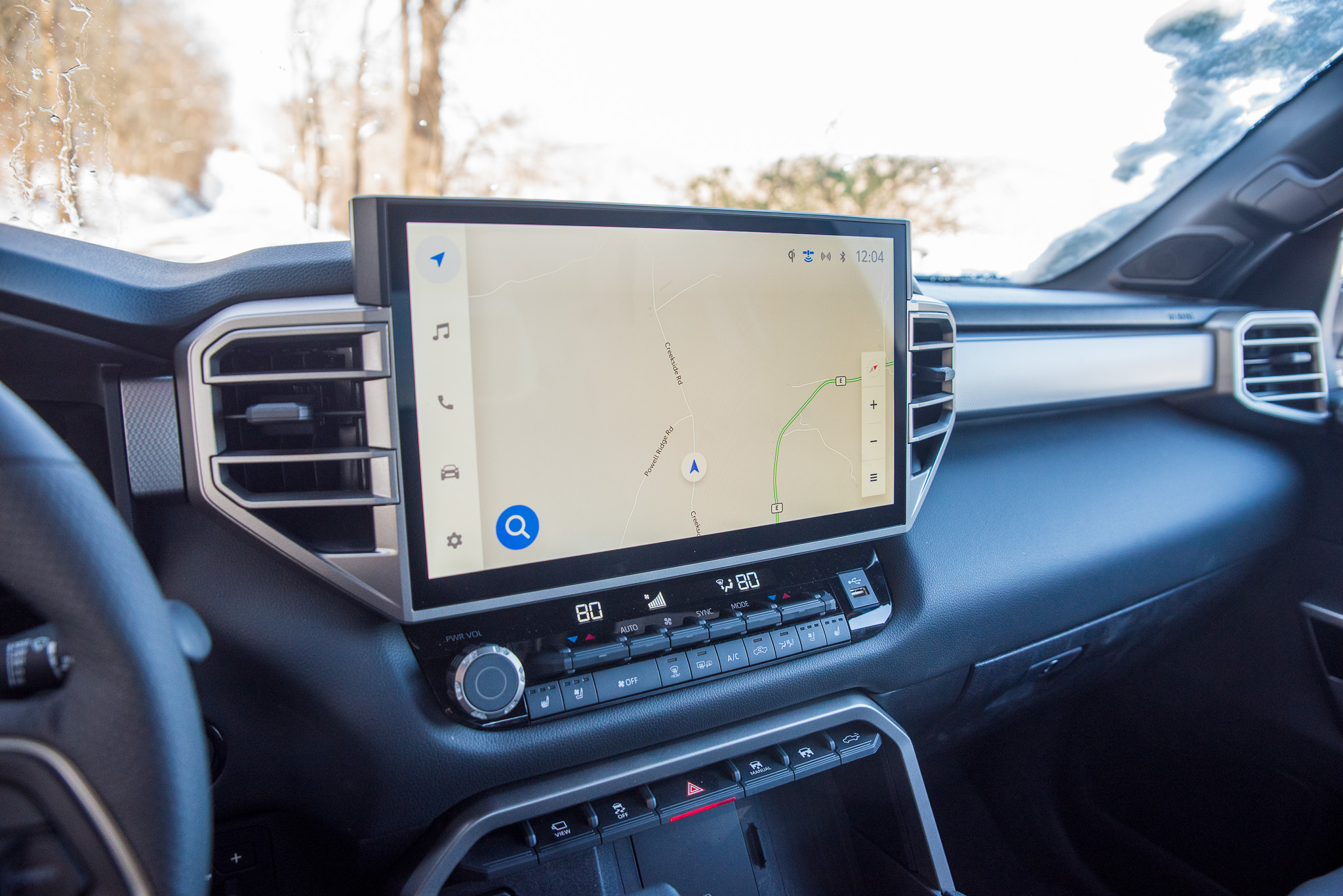
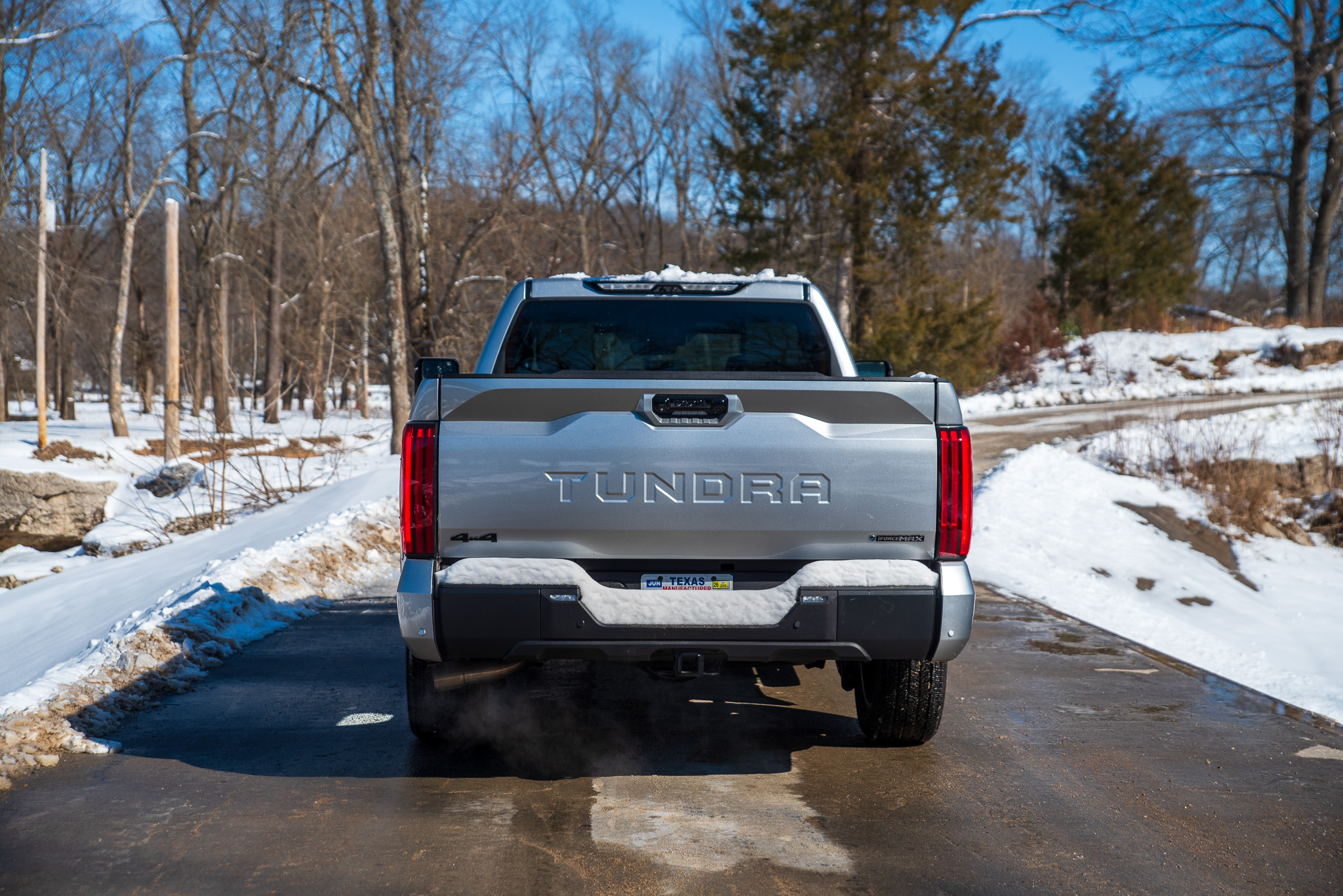
The Tundra does almost everything exceptionally well. It feels appropriately appointed on higher-spec models; the infotainment is easy to use; there are cameras everywhere; the multi-link rear suspension is comfy for daily driving; and even the gas-only models are plenty quick. Had Toyota never suffered any of the twin-turbo V6 failures, it’d be in the running for top truck here at our site.
Still, none of this is enough for me to overlook the past. I already feel bad enough knowing that someone may have read my previous positive reviews and bought a new Tundra, only to have their truck parked at a dealer for months waiting on a long block. And while it’s true that Toyota is going above and beyond for gas-only Tundra owners by replacing the engines altogether, hybrid owners haven’t enjoyed the same peace of mind. Instead, Toyota has chosen not to recall those models, as the battery and electric motor can help drivers get off the road if the engine fails. And while warranties are still being honored, hybrid owners don’t receive a complete long-block replacement.
All of that would make me look elsewhere. After spending some time on Tundra owner forums and Facebook groups, I know I’m not the only one.
Toyota provided The Drive with a seven-day loan of this vehicle for the purpose of writing this review.
2026 Toyota Tundra Hybrid Specs
| Base Price (As Tested) | $60,655 ($69,662) |
| Powertrain | 3.5-liter twin-turbo V6 hybrid | 10-speed automatic | rear-wheel drive or four-wheel drive |
| Horsepower | 437 @ 5,200 rpm |
| Torque | 583 lb-ft @ 2,400 rpm |
| Max Payload | 1,680 pounds |
| Max Towing | 11,450 pounds |
| Ground Clearance (4WD) | 9.4 inches |
| EPA Fuel Economy | 19 mpg city | 22 highway | 20 combined |
| Score | 7/10 |

Quick Take
In a vacuum, the Tundra hybrid is a borderline great truck. But it’s haunted by a sketchy past.
Got a tip or question for the author? Contact them directly: caleb@thedrive.com
Loading comments…
Comments couldn’t be loaded. Please refresh the page.