
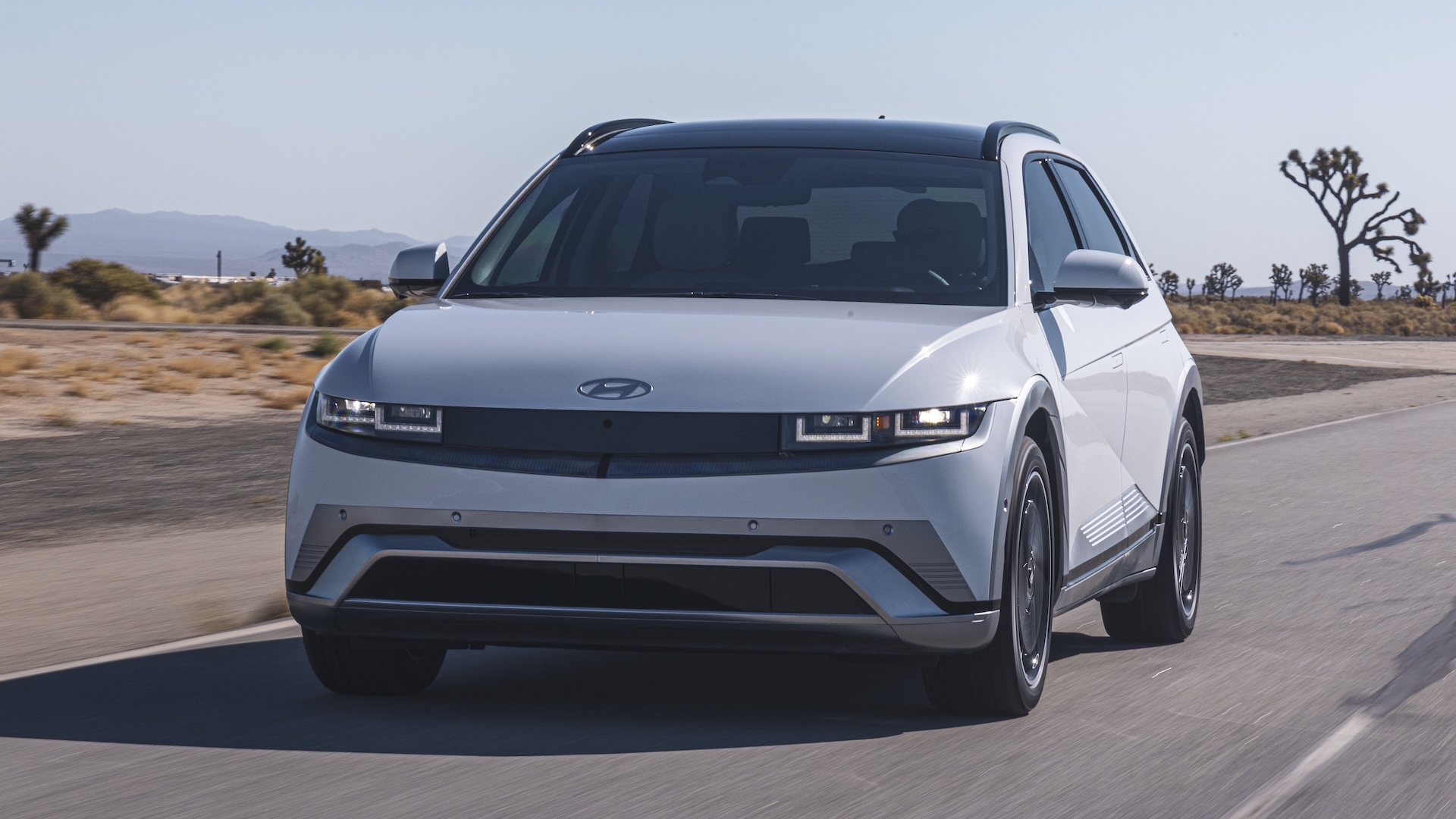
Genesis, Hyundai, and Kia produce some of today’s best-selling EVs and have been doing so for years. However, independent testing publication Consumer Reports has repeatedly ranked them lower than some of their rivals due to reliability issues. Specifically, repeated issues with charging failure and loss of power while driving.
In a recent report, Consumer Reports attributed these problems to a faulty ICCU, or Integrated Charging Control Unit. The ICCU converts high voltage to low and is responsible for recharging the 12-volt battery—not the large battery used for propulsion—that powers many, if not most, of the car’s functions. The 12-volt battery serves many important roles, and can be thought of as the starter and an alternator in a gas car. It also powers the vehicle’s main and auxiliary systems, including the infotainment system, safety systems, and other components vital to the car’s operation. While EV owners can still charge via DC fast charging and top up the main battery, an ICCU failure may leave other systems inoperable or only functional for a limited time.
The publication surveyed 380,000 vehicle owners, who claimed one of the biggest problems was losing power while driving. As covered by YouTuber The Ioniq Guy, many owners report coming to “a dead stop on the road” despite having sufficient charge to drive. That’s not only inconvenient (especially for a new car), but also extremely unsafe.
The auto conglomerate has issued two recalls in the past and has attempted to fix the problem with software updates and part replacements. However, the CR claims that “between 2 and 10 percent of Hyundai and Kia EV owners experienced ICCU-related issues,” while the typical rate of charging issues for other models of the same model year is “1% or less.” Furthermore, many owners who have performed these repairs over the last three years are still reportedly dealing with issues today.
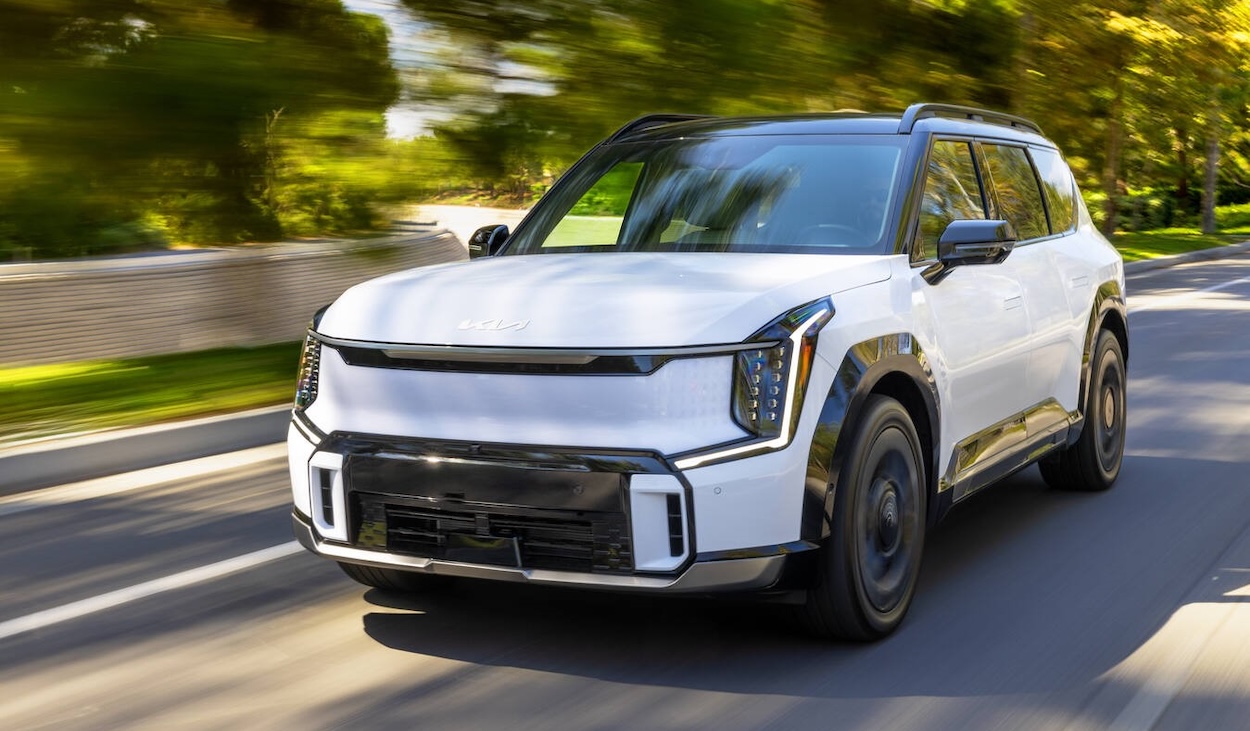
As InsideEVs previously reported, the failure occurs when the transistor inside the ICCU fails due to overvoltage at the beginning and end of the 12-volt battery’s charging cycle. So far, the repair has involved scanning the car’s ECU for a specific trouble code that may flag the issue to the technician performing the recall fix. If it’s found, both the ICCU and the corresponding fuse will be replaced, and a low-conductivity coolant flush will be performed at no cost. If the trouble code isn’t found, then a simple software update for the ICCU is performed.
“It’s not unusual for our reliability surveys to uncover so many issues related to a single part, but the fact that we continue to see this year after year is interesting,” Steven Elek, program leader of auto data analytics at Consumer Reports, said in the report. “The Hyundai Ioniq 5 actually performed better than the Tesla Model Y in our own testing, but ICCU failures hurt the Ioniq 5’s reliability so much that it has a lower Overall Score than the Model Y, and didn’t meet the criteria for a spot among our Top Picks.”
Hyundai told CR that it’s working with suppliers to ship parts to dealerships as quickly as possible and will reimburse owners for some out-of-pocket expenses related to the issue. Meanwhile, Kia said the necessary parts are in stock to perform the repairs. The publication did not comment on whether Genesis had commented on the issue.
Got a tip? Email us at tips@thedrive.com
Loading comments…
Comments couldn’t be loaded. Please refresh the page.