
Bestop is best known for making Jeep soft tops, which it’s been doing since the 1950s. It’s an interesting outlier in the car industry because it’s one of the few entities that operate as both a mainstream aftermarket accessory brand and a major OEM supplier. I find that fascinating, and I’m pleased to report that two of Bestop’s people were willing to give me an oral history of the company. Now, you’re about to learn yourself some lore.
Bestop began in 1954, when founder Tom Bradley (not the same guy the LAX terminal is named after) started sewing canvas roofs for Jeep CJs in Colorado. The company grew from seven people working out of a defunct schoolhouse to the 500-plus-person operation it is now, with hundreds working in assembly plants and a real office near Detroit. Bestop has changed ownership a few times in the last seven decades and is currently in the clutches of private equity (like seemingly everything else). It’s now the capstone of a little corporate consortium that includes other high-tier aftermarket brands like Baja Designs (nice off-road lights), PRP Seats (heavy-duty seats for off-road rigs), and Softopper (canvas truck bed caps).
But the company org chart wasn’t the focus of the conversation I had with Jake Taylor (Marketing Lead) and Rick Troeger (Senior Program Manager and Engineer) from Bestop. How did this American aftermarket outfit work its way into the OEM world? That’s the car-nerd question that I had been wondering about every time I saw Bestop mentioned in a Jeep catalog.
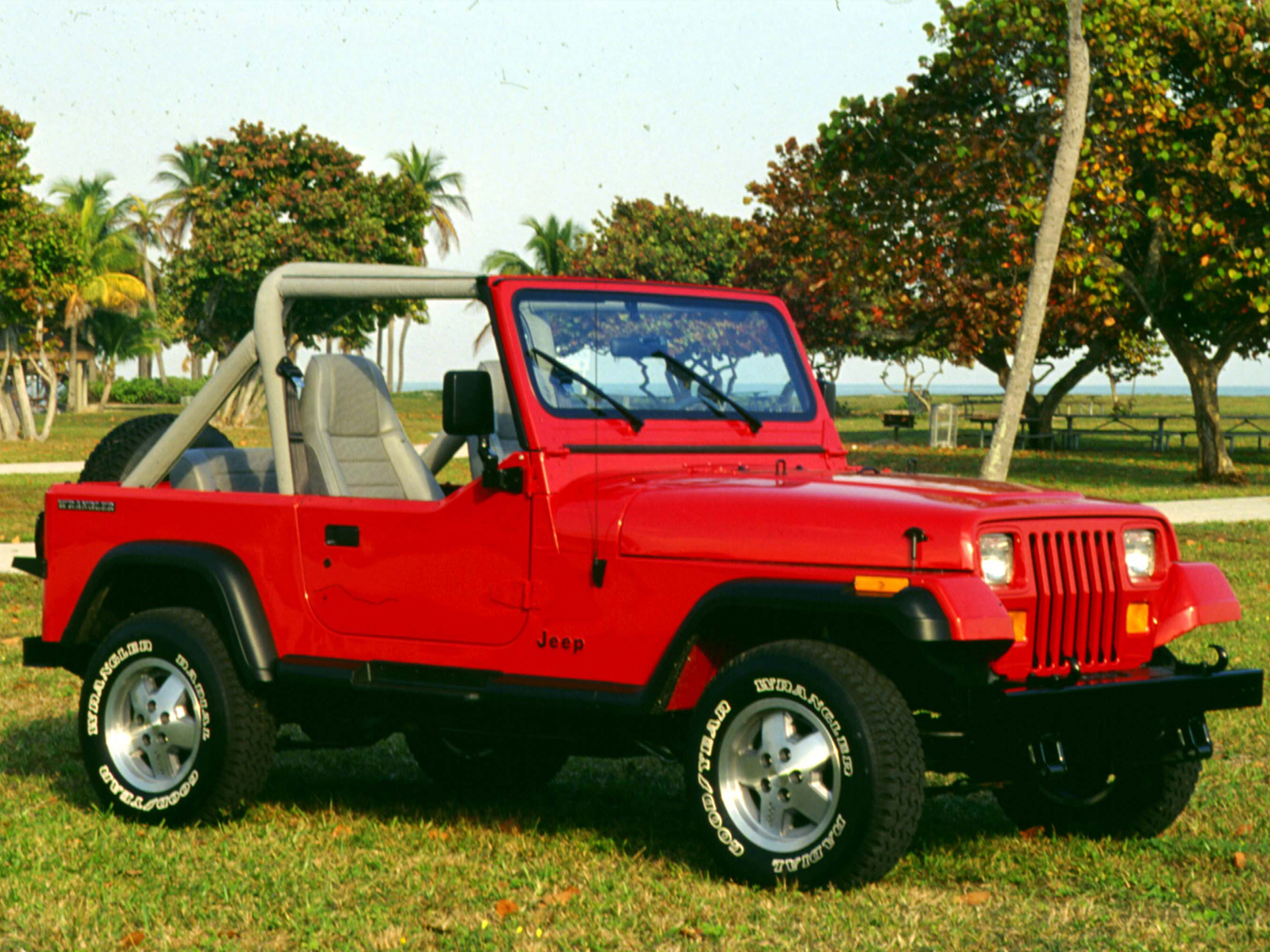
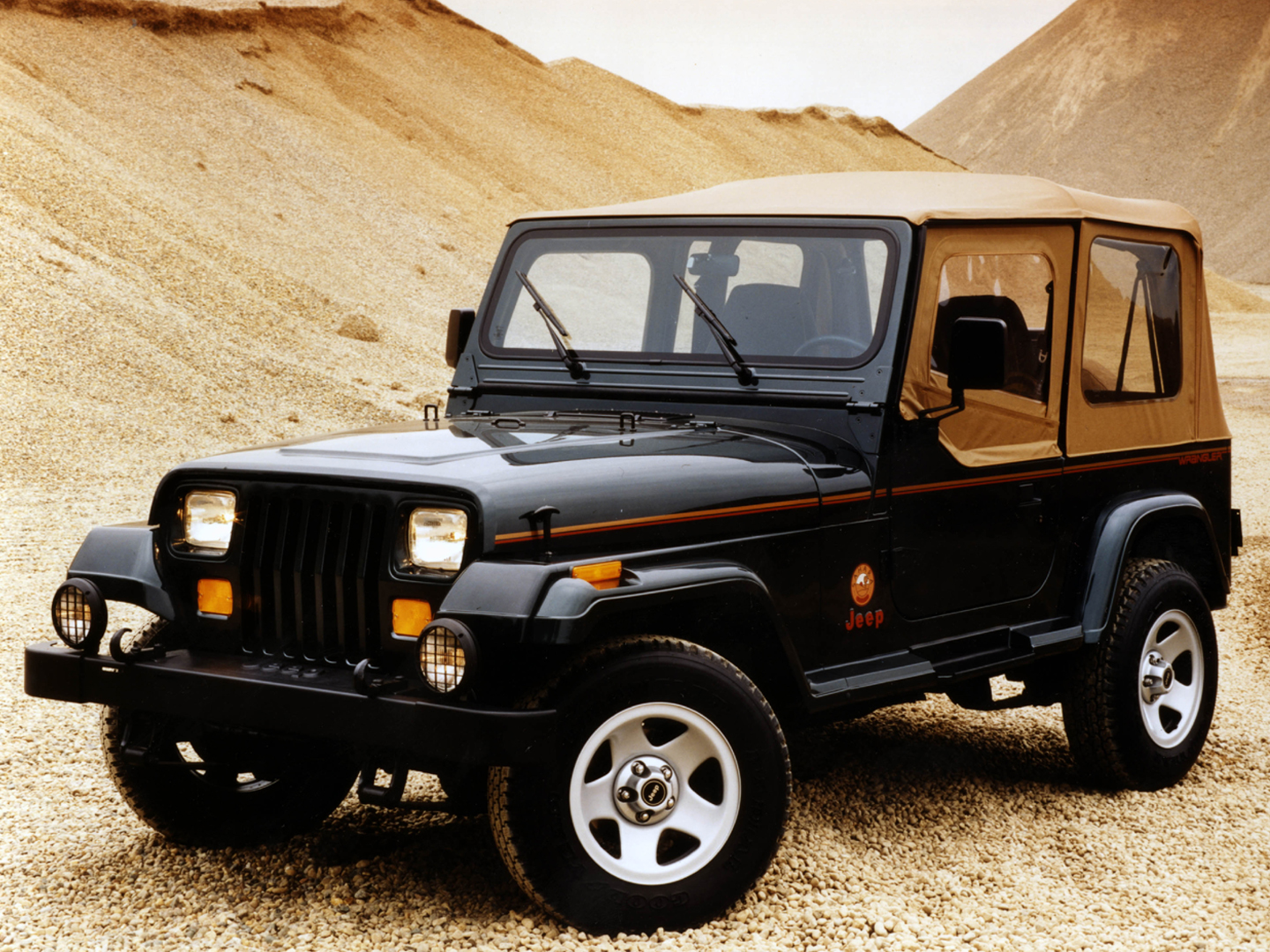
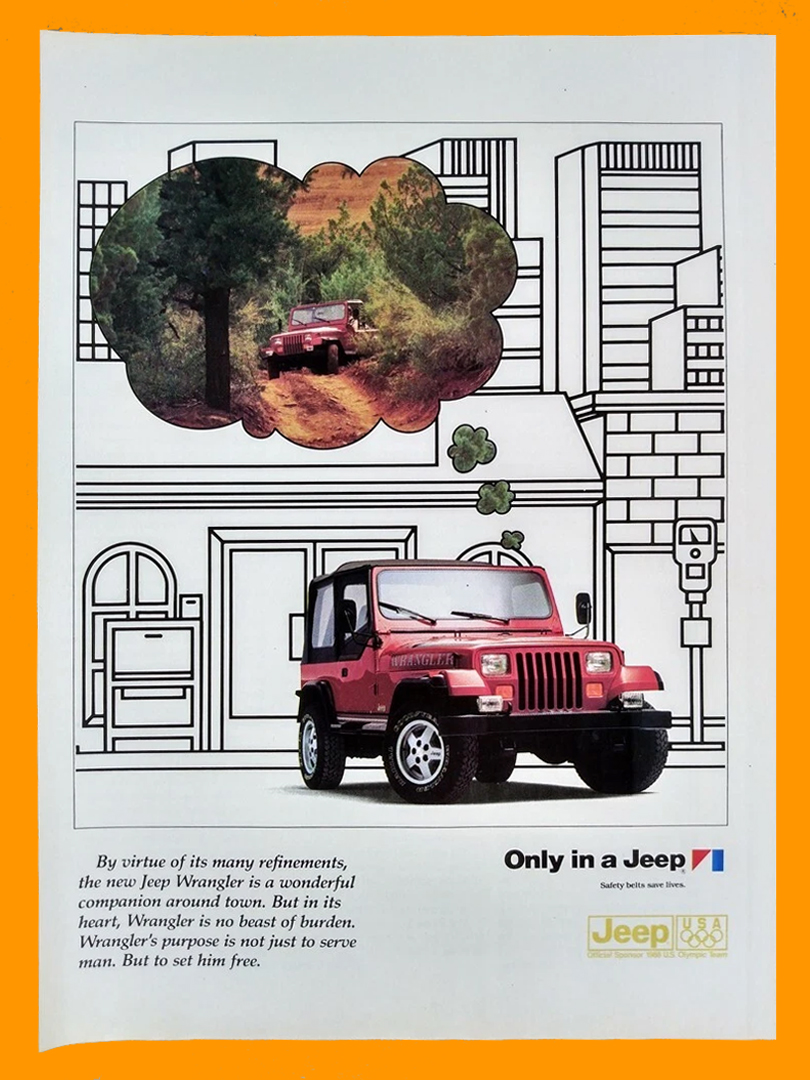
Turns out, Bestop’s OEM involvement is actually much deeper than just with Jeep. But the YJ Wrangler, the square-headlight Jeep of the ’80s and ’90s, was the platform that gave Bestop its big break. The brand was already an established soft top purveyor in the 1980s, but for the YJ, Jeep had Bestop do more than just fabric—it was responsible for supplying the entire infrastructure (frame, latches, etc.) of the first Wrangler’s soft top.
“…during that period as an aftermarket supplier in the automotive environment, Bestop was introduced to Jeep.” Troeger recalled. “And we actually started manufacturing and shipping soft tops directly to the assembly plant in—I think it was Brampton, Canada, actually—where the original YJ was being assembled.” They were producing “pretty much all of the cut and sew and quite a bit of the what we’ll call you know, hard goods, the metal frames that were used to put on the soft top to the vehicle.” That made the YJ soft top contract Bestop’s “first introduction as a tier one supplier into the OEM industry.”
While still making soft tops for the aftermarket, that evolution to OEM supplier is what made Bestop a more important and influential institution within the car world. “… they provide us with a vehicle. The vehicle has an open space. And they’ve challenged Bestop to provide a fold-down soft top for them. And we designed it, tooled it, manufactured it, and shipped it into the assembly plant,” Troeger told me. From the YJ through the TJ, JK, and JL body styles, the manual folding tops were entirely Bestop designs.
One of Bestop’s coolest contributions to Jeep history took place in the middle of all that—designing and building the roof for the vaunted “LJ.”
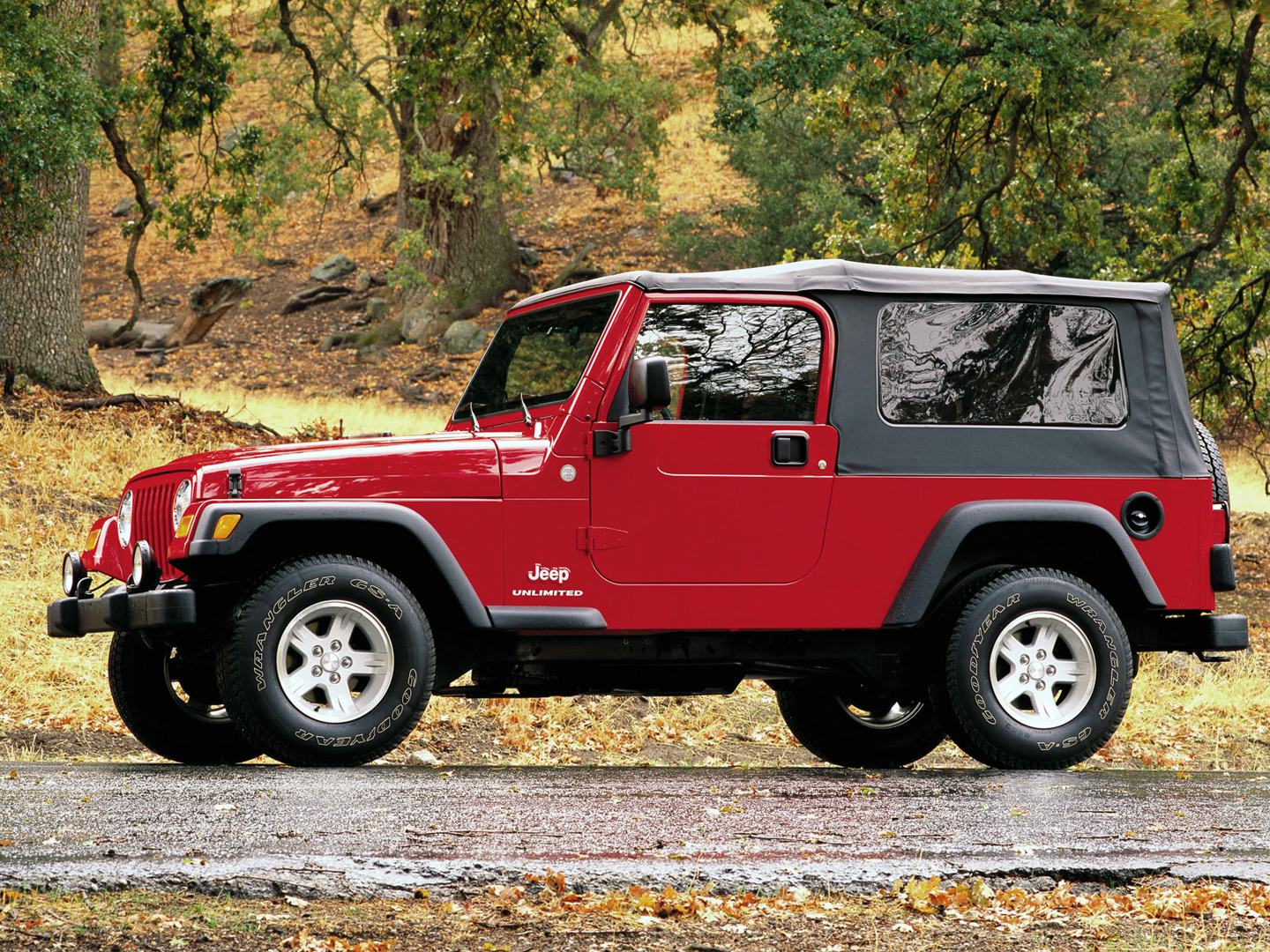
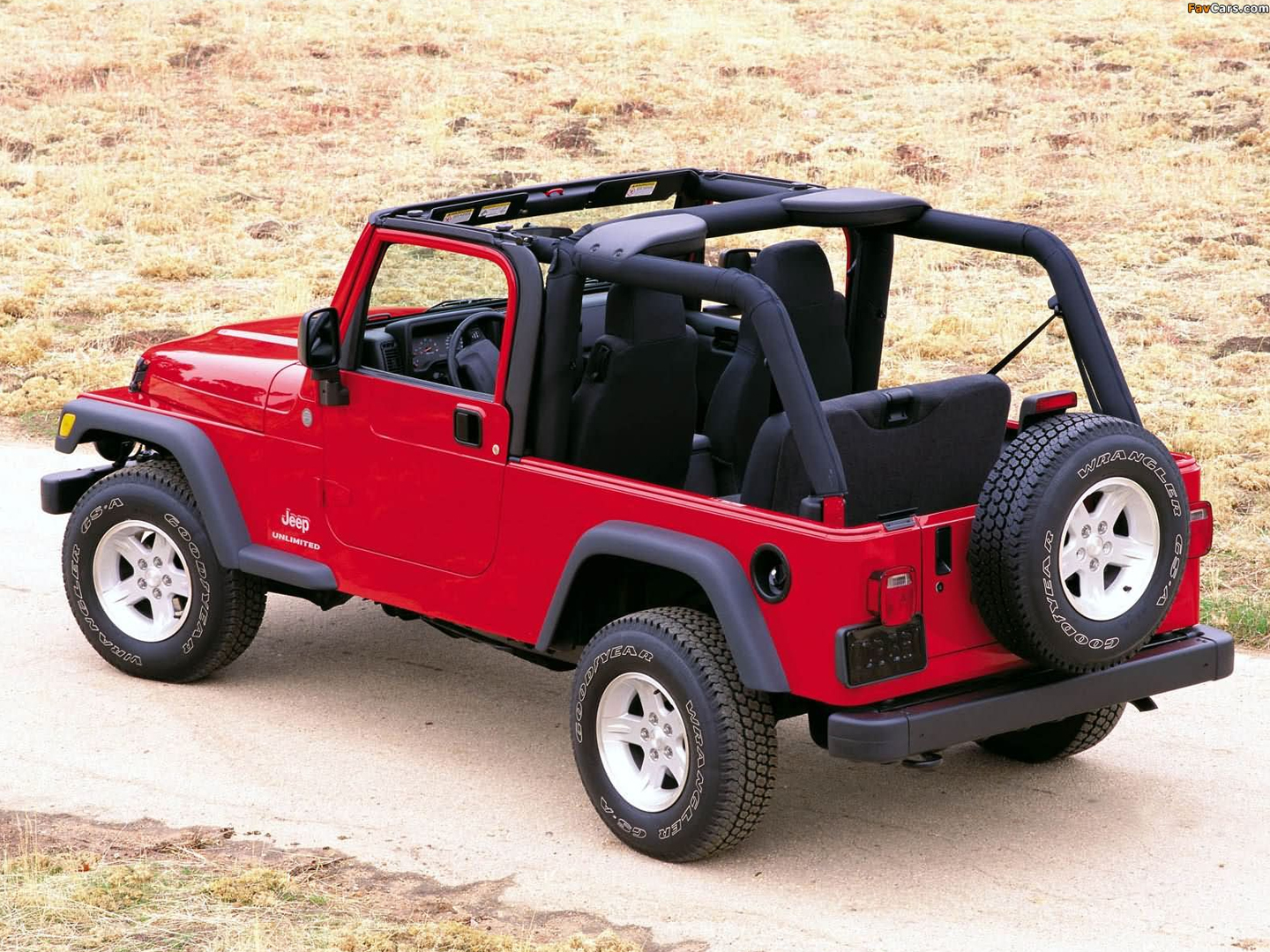
LJ is not an official Jeep designation—just a colloquial name given to the super-cool and somewhat rare stretched variant of the TJ Wrangler. The 2004-2006 Wrangler Unlimited, as it was actually named, is still considered an exceptional platform due to its unique proportions. Before the Unlimited became the name for the four-door Wrangler model in 2007, it referred to this extend-o model. My buddy and Jeep fanatic David Tracy once described it to me as “the perfect Wrangler,” because it has the open-top style of an old-school Jeep with the extra-stable longer wheelbase of an XJ Cherokee.
Anyway, Bestop’s “Saturday Morning Skunkworks,” as it was described to me by the Bestop folks, had an important role in bringing the “Long Jeep” to life.
When the opportunity arose to create a top for the new, longer wheelbase, the Bestop team leaned on their enthusiast roots rather than rigid corporate processes. Troeger and Taylor explained that Bestop had to “find ways to be creative with the tooling” to make a completely unique top. The breakthrough happened off the clock: “Sometimes it just takes one weekend, you know, a Saturday in the shop, monkeying around with the stuff to come up with a way that enabled us to do that.” That weekend experiment became an official OEM product. “That soft top design really originated on a Saturday morning with a small group of people. And it got submitted through the design team. And eventually, we launched it … where it was installed right on the line in Toledo.”
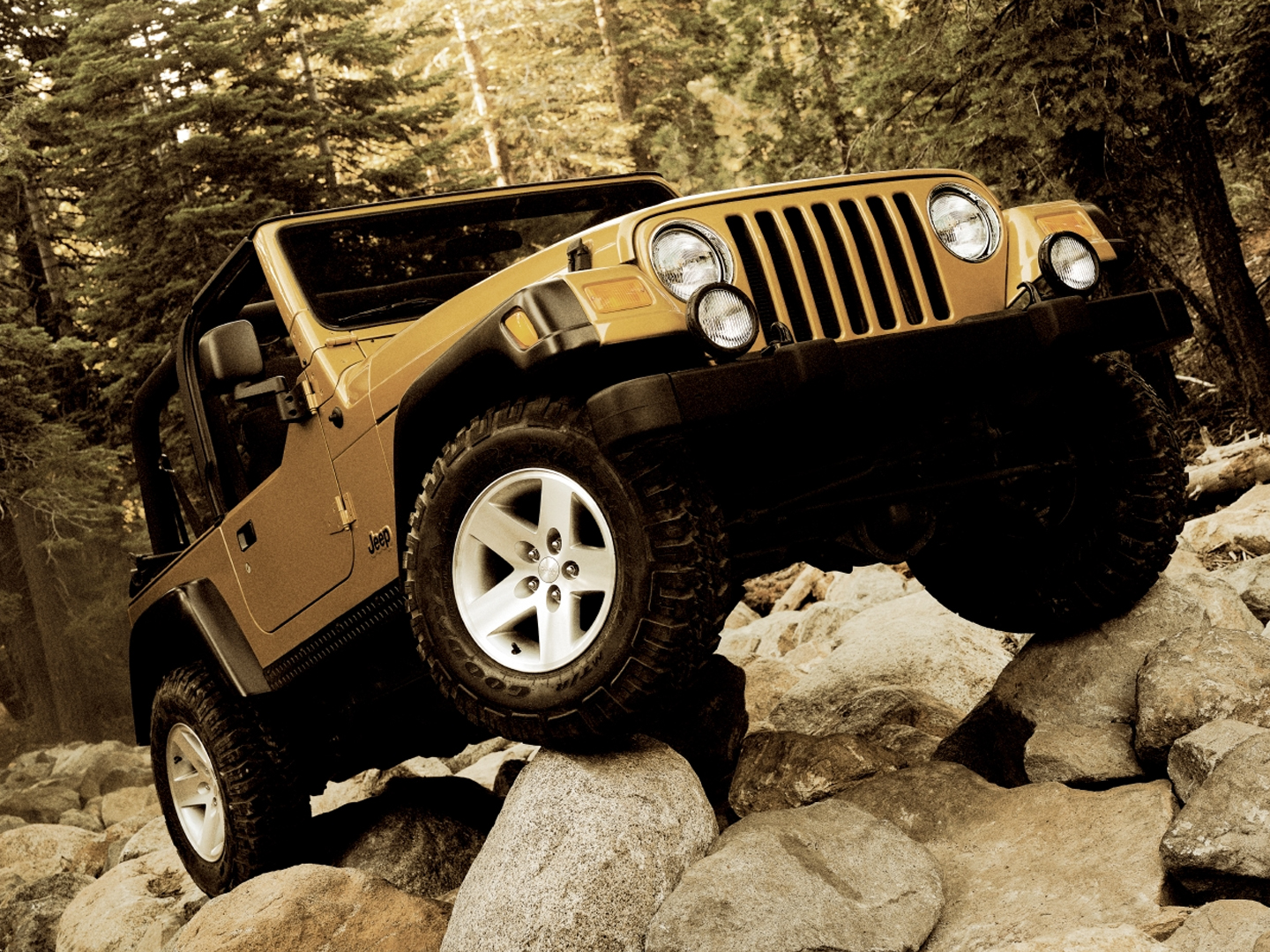
Bestop was building about 300 standard TJ tops per day at that point, and the introduction of the Unlimited helped the brand integrate itself even more deeply with Jeep’s design and manufacturing process.
Now, Bestop operates a fully staffed design and development center in Sterling Heights, Michigan, near many other Detroit-area automotive operations, which helps facilitate collaboration with OEMs.
I wanted to share the LJ story because I think those long Jeeps are really cool, but Bestop’s OEM collaborations have not been limited to Jeep or even the off-road world. Ford, GM, Dodge, Isuzu, Kia, Land Rover, Suzuki, Polaris, Kenworth, and Can-Am have all featured Bestop products either as unlabeled OEM parts or as branded accessories.
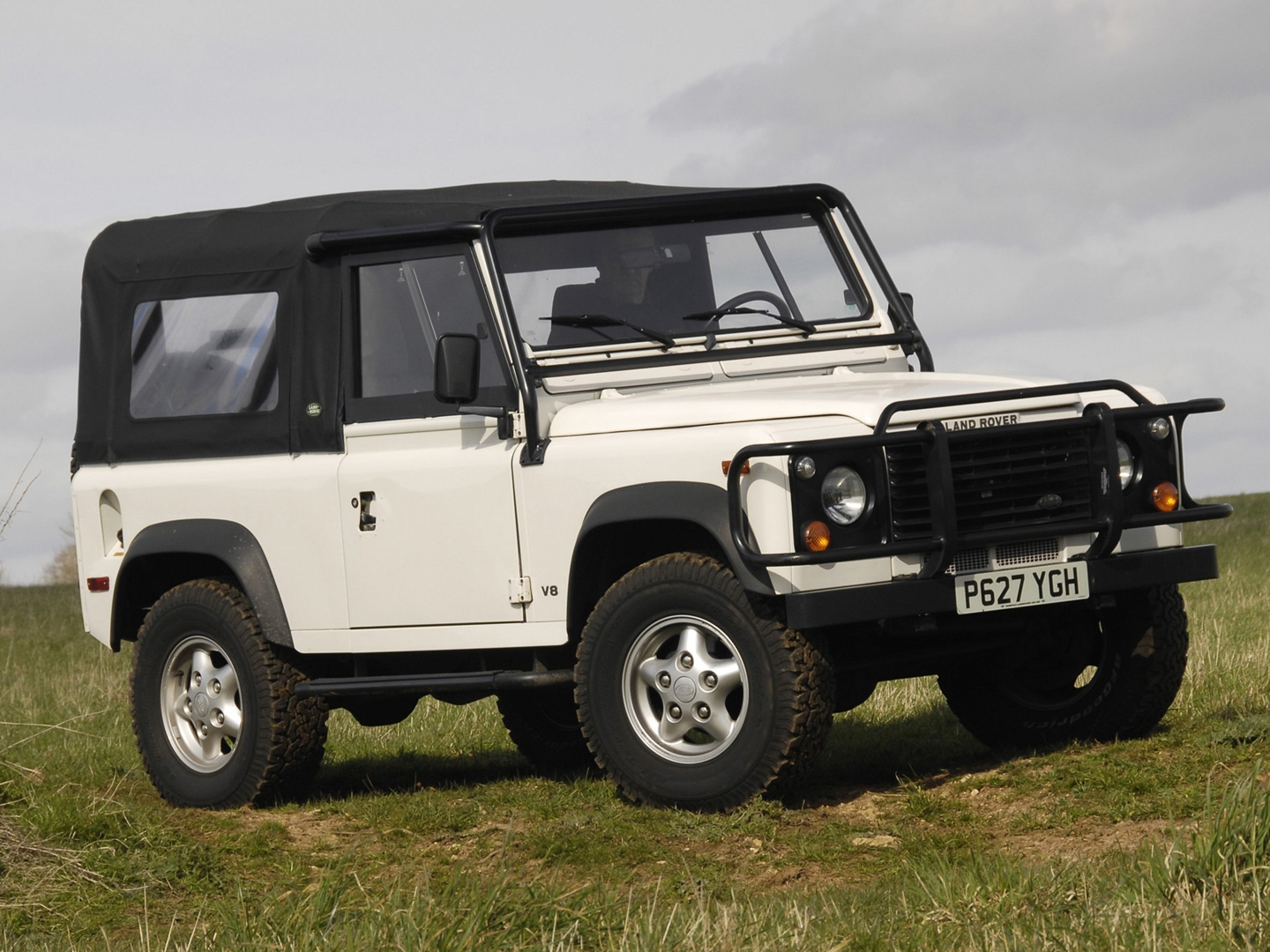
In the brief period that the Land Rover Defender 90 was sold in the U.S., Bestop made the stock soft tops that were installed as the vehicles arrived in port before being shipped to dealers.
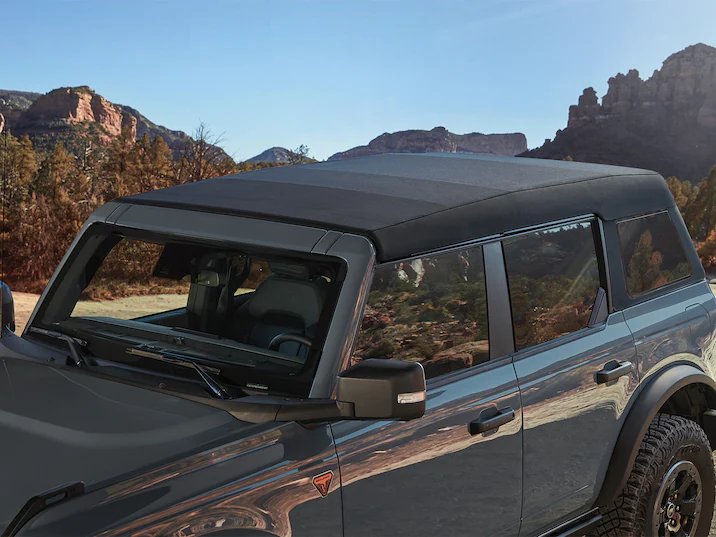
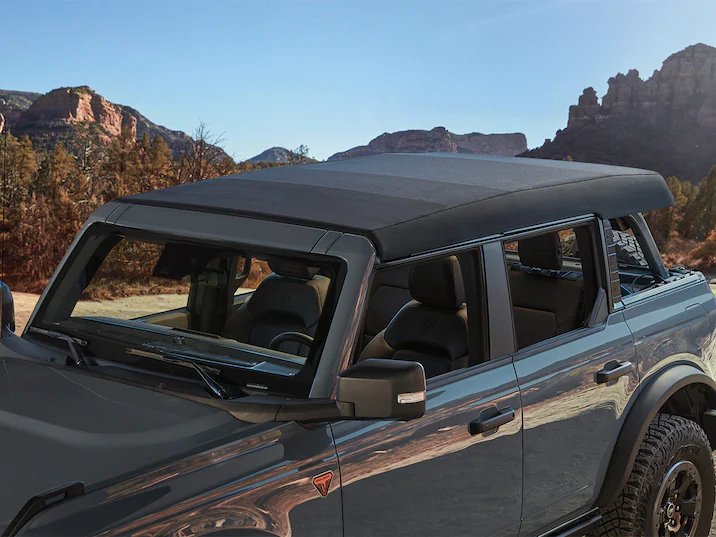
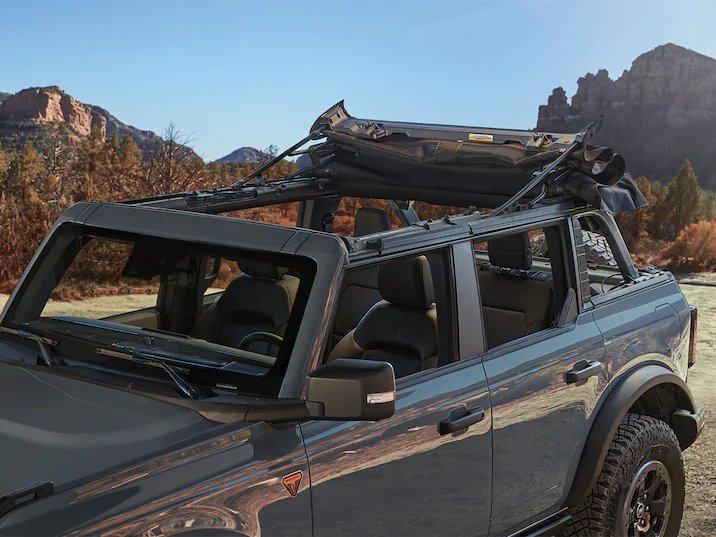
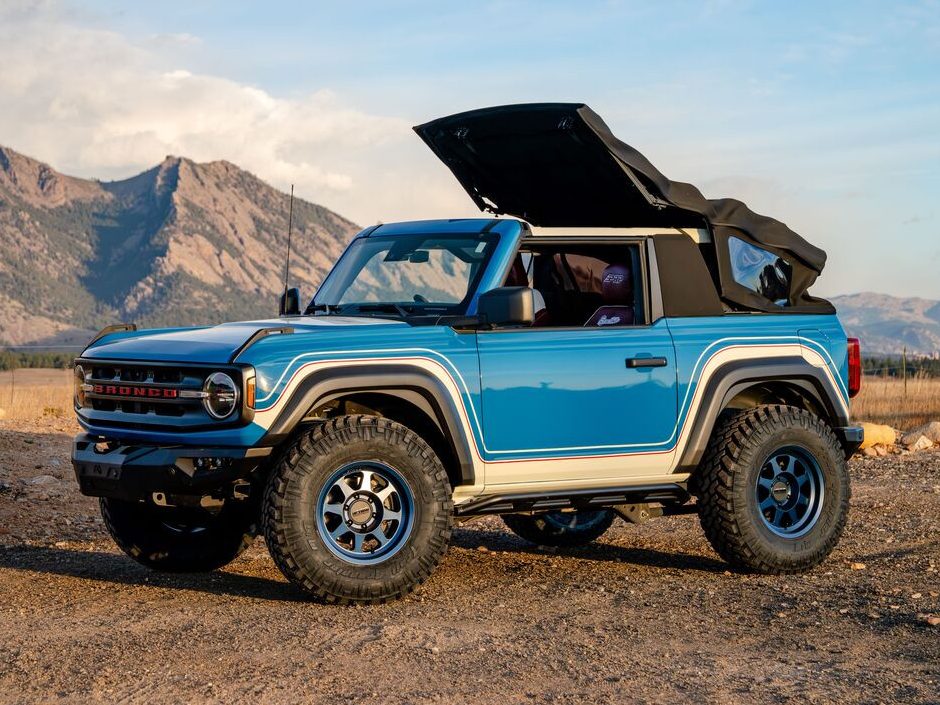
Soft tops for some Chevy Camaros and Dodge Vipers were made by Bestop, as well as interior components for KW big rigs. The current Ford Bronco’s OEM soft tops are not made by Bestop, but the company makes plenty of aftermarket options for that truck and also helped in its development. Troeger and Taylor called out that the development work there was extensive, with “daily reviews with their engineering team, on-site reviews … proving ground visits. There were crash tests. There were all kinds of really close collaboration with [Ford].”
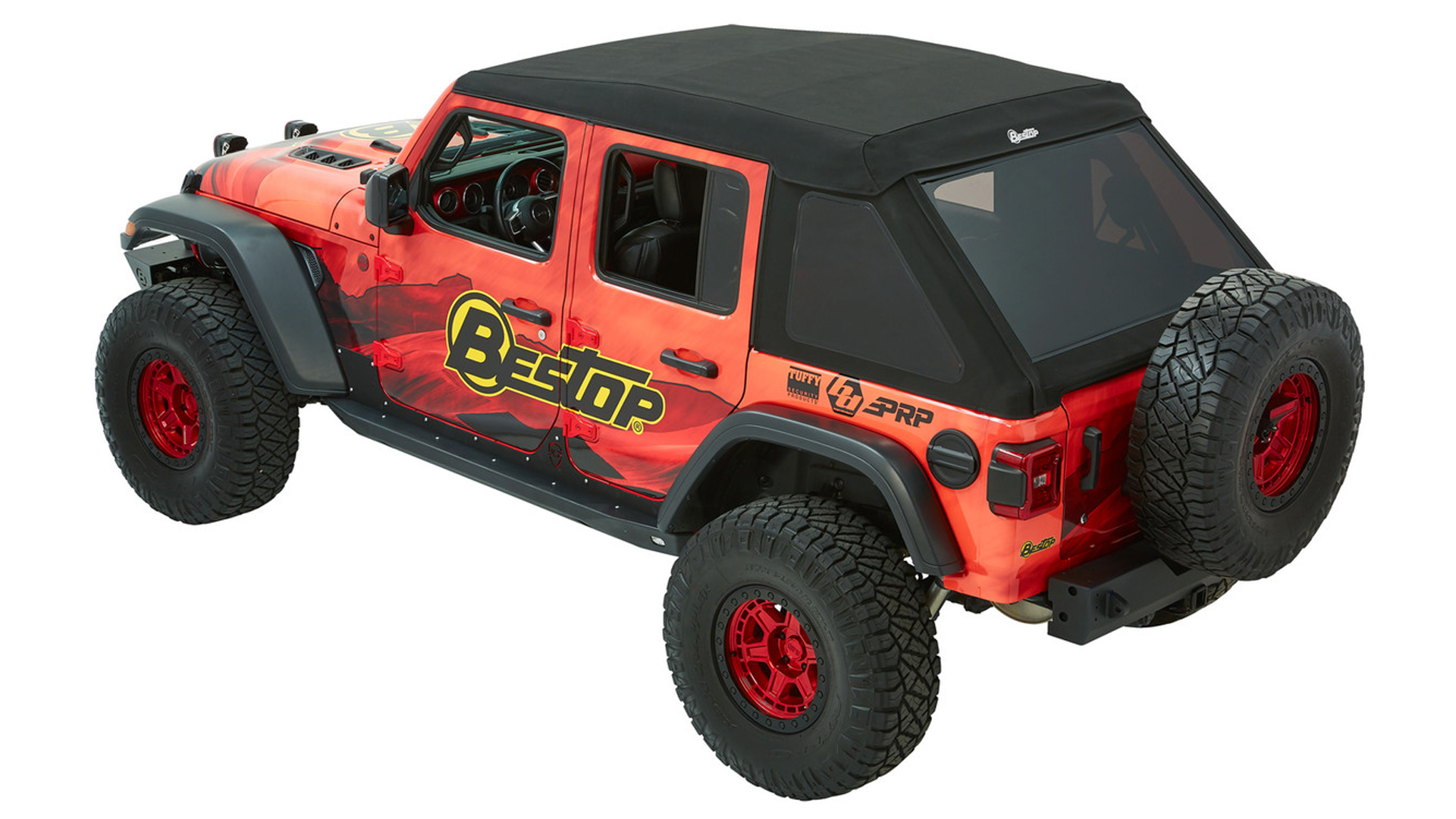
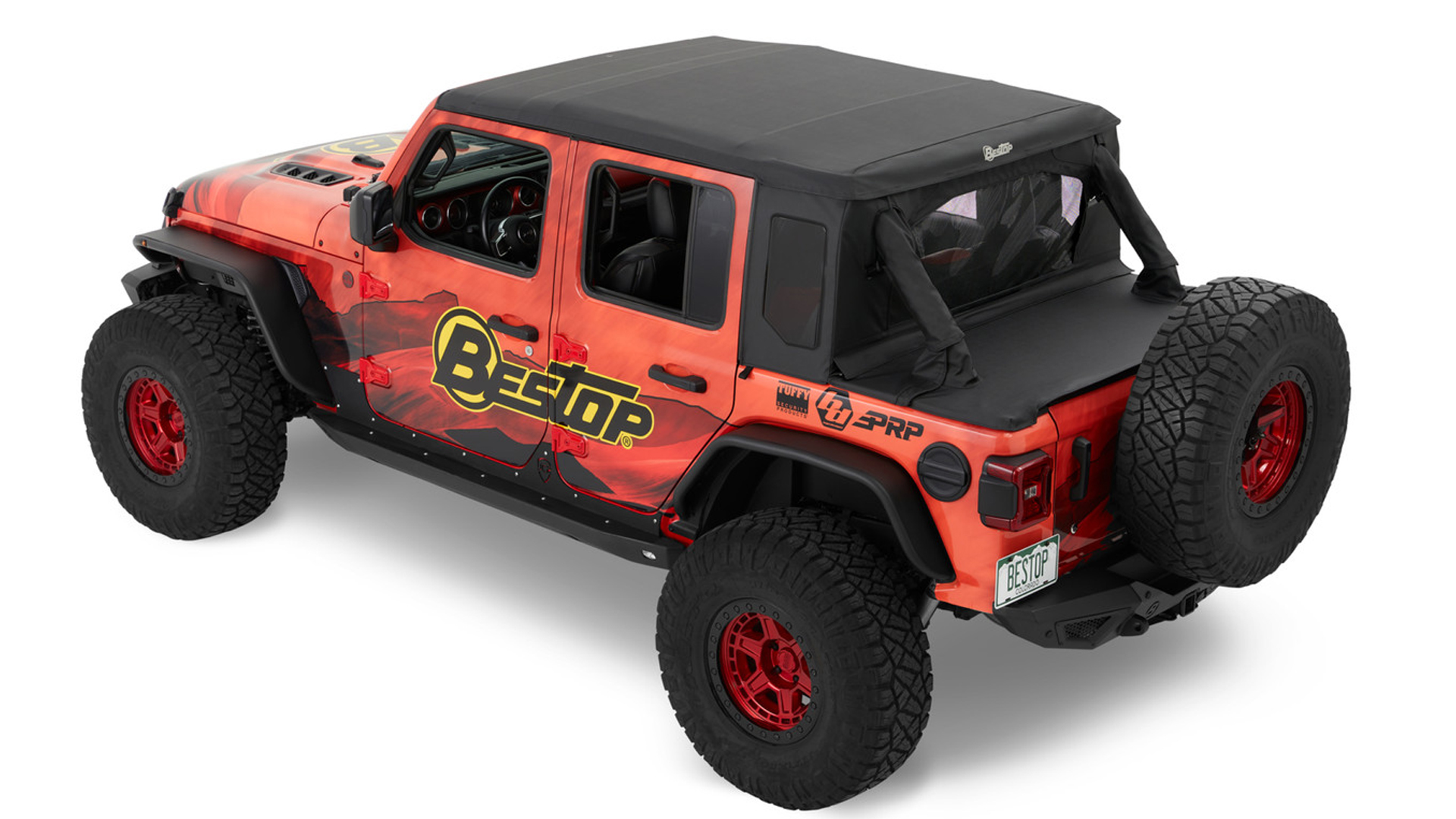
Speaking of Broncos, Bestop introduced a power-folding soft top for the Bronco just a few months ago at the last SEMA show. The brand is very much still in the direct-to-consumer product space, too. Though, as Troeger and Taylor explained, a lot has changed about how those products are designed and made to appeal to increasingly picky customers.
For example, installing a Bestop soft top on a YJ Wrangler required drilling more than 20 holes into the body. Today’s tops are totally snap-in. Modern soft roofs are also made to a much higher noise, vibration, and harshness standard. They kind of have to be—that Bronco power top I just mentioned starts at about $5,000 before installation. But, in exchange for the high entry cost, you can get a top that’s supposedly “quieter than the OEM hard top.”
For people at the other end of the market, cheapskates like me running ancient hardware, Bestop’s still in the game too, but its job is a lot harder. I’m planning to install a Bestop Bikini Top (a fitted soft top that only covers the area directly over the driver and passenger) on my 1975 International Scout, and Troeger conceded that “it is extremely difficult, to, you know, make products that are going to fit perfectly on 70-year-old vehicles.” Hey, come on, man! My truck’s only 50!
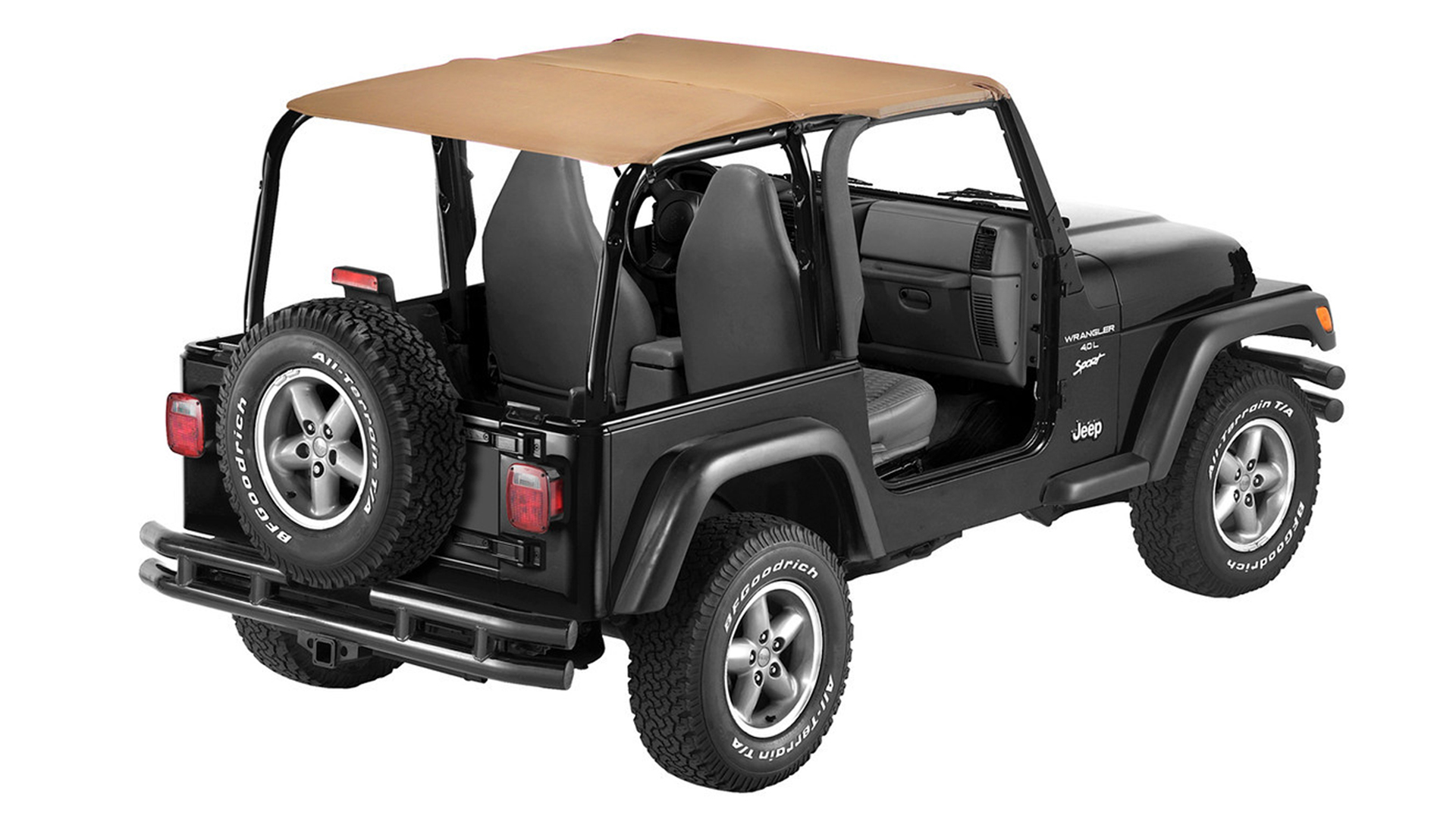
Unfortunately, that means we old-head customers are also a tough business case. Bestop’s people would never phrase it this way, but I’m sure the owners of the company would rather make heavily insulated electric power soft tops than simple cloth covers for ancient trucks. I’m sure it’s easier to sell one $5,000 Bronco power soft top to somebody who can roll it into their car payment than 20 Scout tops that may or may not fit on trucks that have already been wheeling for over half a century.
Nevertheless, I was able to find a cheap top from these guys for my old truck—so Bestop clearly hasn’t abandoned the vintage market just yet. At any rate, the message the Bestop guys left me with was expansion, not contraction. “We’re always interested in new projects, new challenges, and finding ways to, you know, add value to people’s lifestyle. That’s really what our products are all about, making sure that our customers can enjoy what they want to enjoy. And we enable that. We empower that.”
Is there another automotive-related business you’d like to learn the backstory on? Shoot me an email at andrew.collins@thedrive.com. I’ll do more company profiles like this if people find them interesting.
Correction 4/8/2026: A previous version of this story incorrectly stated Bestop makes the current Ford Bronco’s OEM soft tops. Bestop makes several different aftermarket tops for the Bronco, but not the stock one. The Drive regrets the error.
Loading comments…
Comments couldn’t be loaded. Please refresh the page.