
Tesla CEO and billionaire Elon Musk is often affectionately referred to as a super villain for his abstract thinking and do-anything attitude. On Wednesday evening, Musk further solidified his outside-of-the-box approach to the auto industry by saying that Tesla will make its upcoming Roadster hover above the ground – or “something” like that.
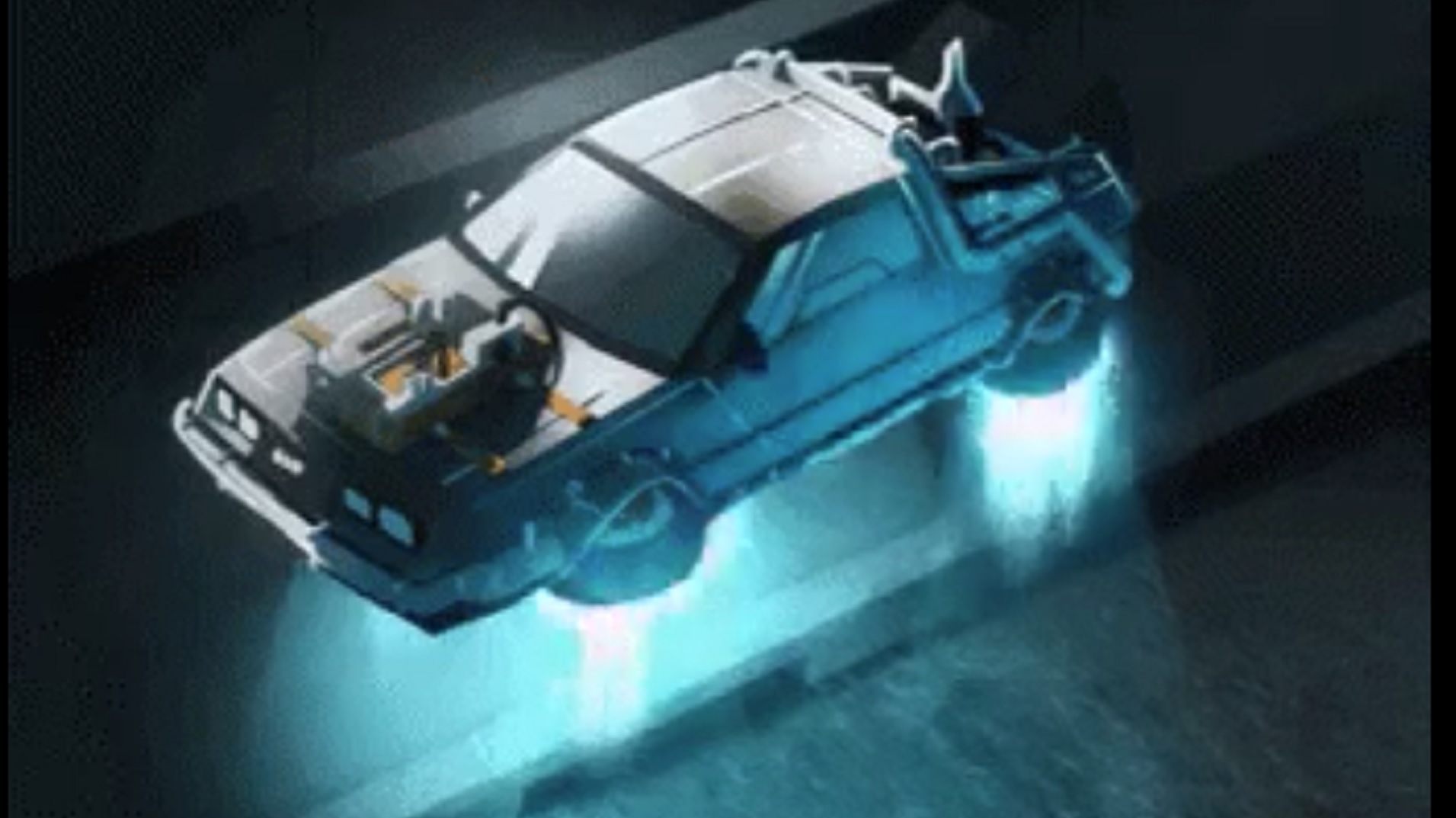
Ignoring the irony of the John DeLorean comparisons, the CEO replied to a tweet that featured an image of a Back to the Future-esque floating DMC, indicating that Tesla had been looking into making the next generation Roadster mimic a similar ability.
He’s got to be kidding. Surely Musk wouldn’t think about stuffing rocket thrusters in a car, right?
Apparently, he’s serious. Musk had mentioned before that the Roadster was going to get some sort of “SpaceX” option package that would feature rocket thrusters on the car. In fact, he said it would be “out of this world” (pun likely intended).
Looking back at a tweet from last summer explains just how Musk plans on having the Tesla and SpaceX teams arrange for the hovering to take place. The Roadster will be equipped with somewhere around ten thrusters arranged around the vehicle. Originally, this was intended to aid the car’s performance, potentially improving the already wicked 1.9 second zero to 60 time and ensure that it slows down and corners in an equally impressive manner.
It’s important to note that the thrusters aren’t designed to use any special carbon-burning fuel. Musk is adamant on keeping Tesla’s vehicle’s electrified in every way. Instead, they will expel highly pressurized air, which won’t be as efficient as an actual rocket thruster.
The tech would work by storing pressurized air inside of a specialized vessel made from a hybrid of carbon fiber, kevlar fiber, and metal. In aerospace, this is known as a Composite Overwrapped Pressure Vessel (COPV), and is used in SpaceX’s Falcon 9 rocket to pressurize propellant tanks in order to maintain their shape during flight. A failed COPV was to blame in SpaceX’s 2016 rocket explosion after it failed to maintain proper shape.
More importantly, the question of road legality comes into play. It’s not like one can pull a technicality card like Musk did to circumvent his agreement with the U.S. Securities and Exchange Commission. Just how could Tesla get away with putting a floating car into production? Musk’s answer: it’s probably not legal, but let’s try it anyway since nobody has thought to outlaw it yet.
Regardless if the Roadster does get the ability to float or not, it’s spec’d to be an impressive machine. With 600 miles of alleged range and the ability to run the quarter mile in under nine seconds, the Roadster is sure to become the envy of many supercar manufacturers. If this feature somehow does manage to reach production, maybe we’ll look back at this at some point in the future as being the introduction of the flying car, or perhaps this is just another case Musk flying too close to the sun.
Loading comments…
Comments couldn’t be loaded. Please refresh the page.