
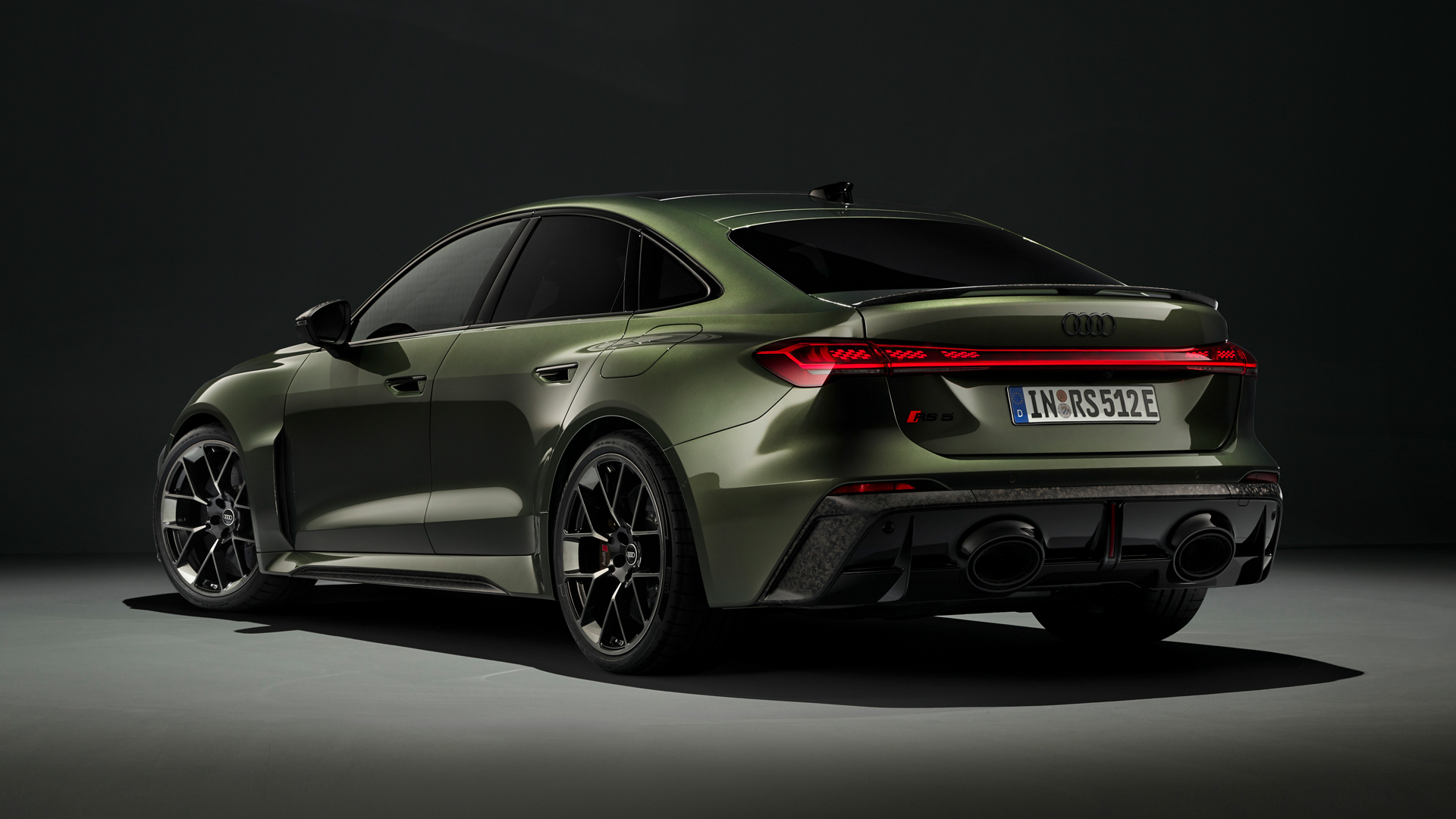
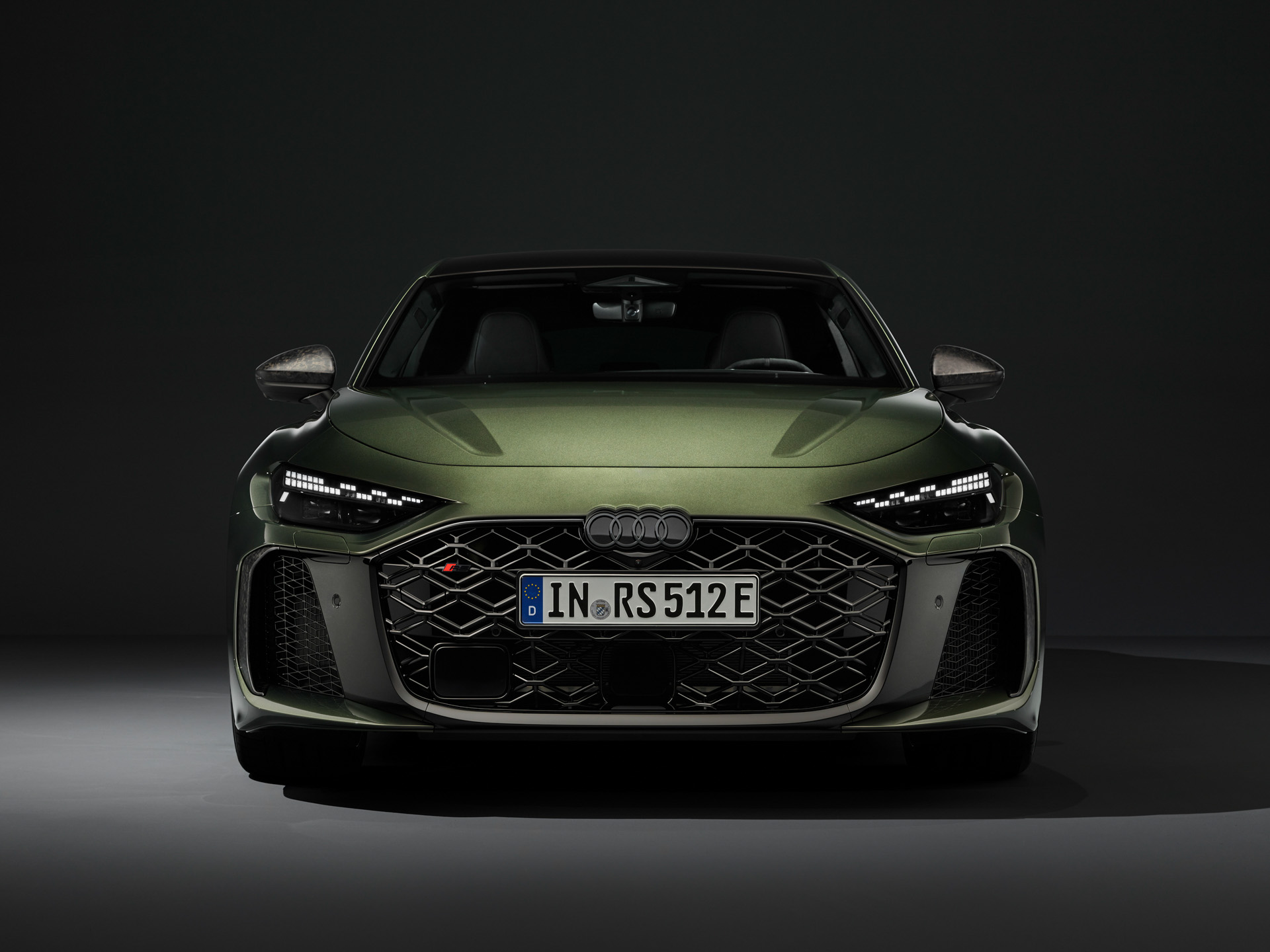
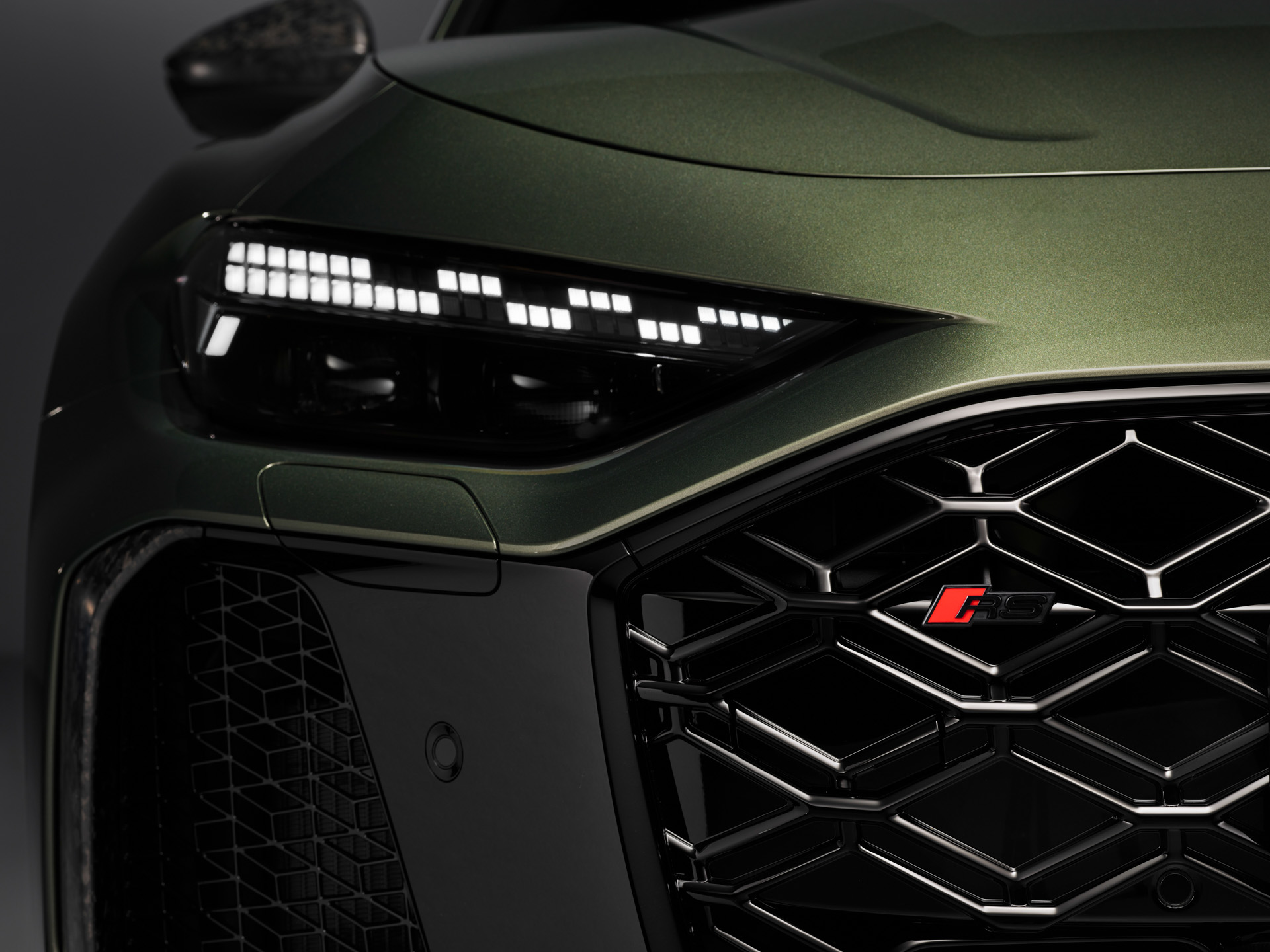
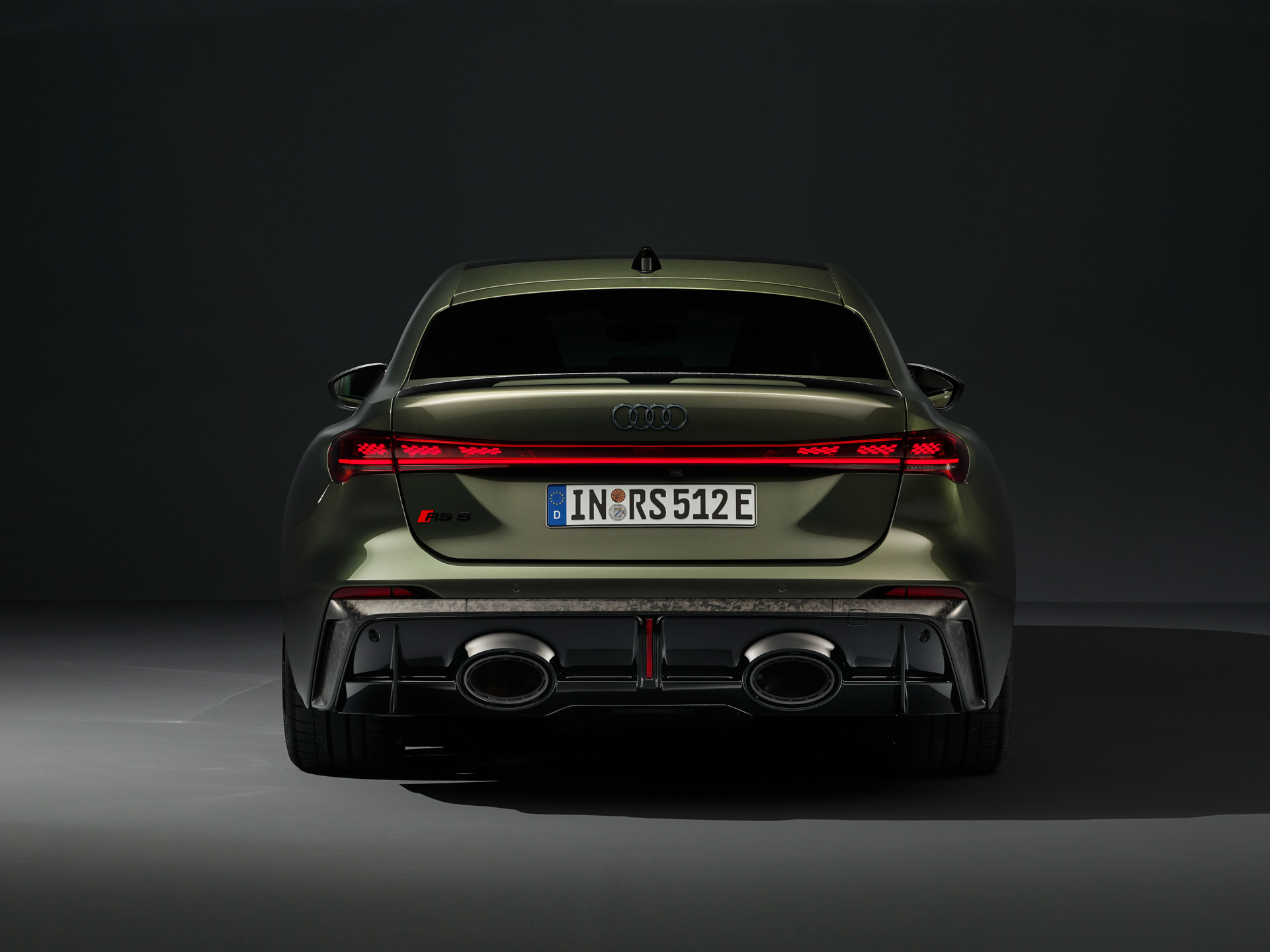
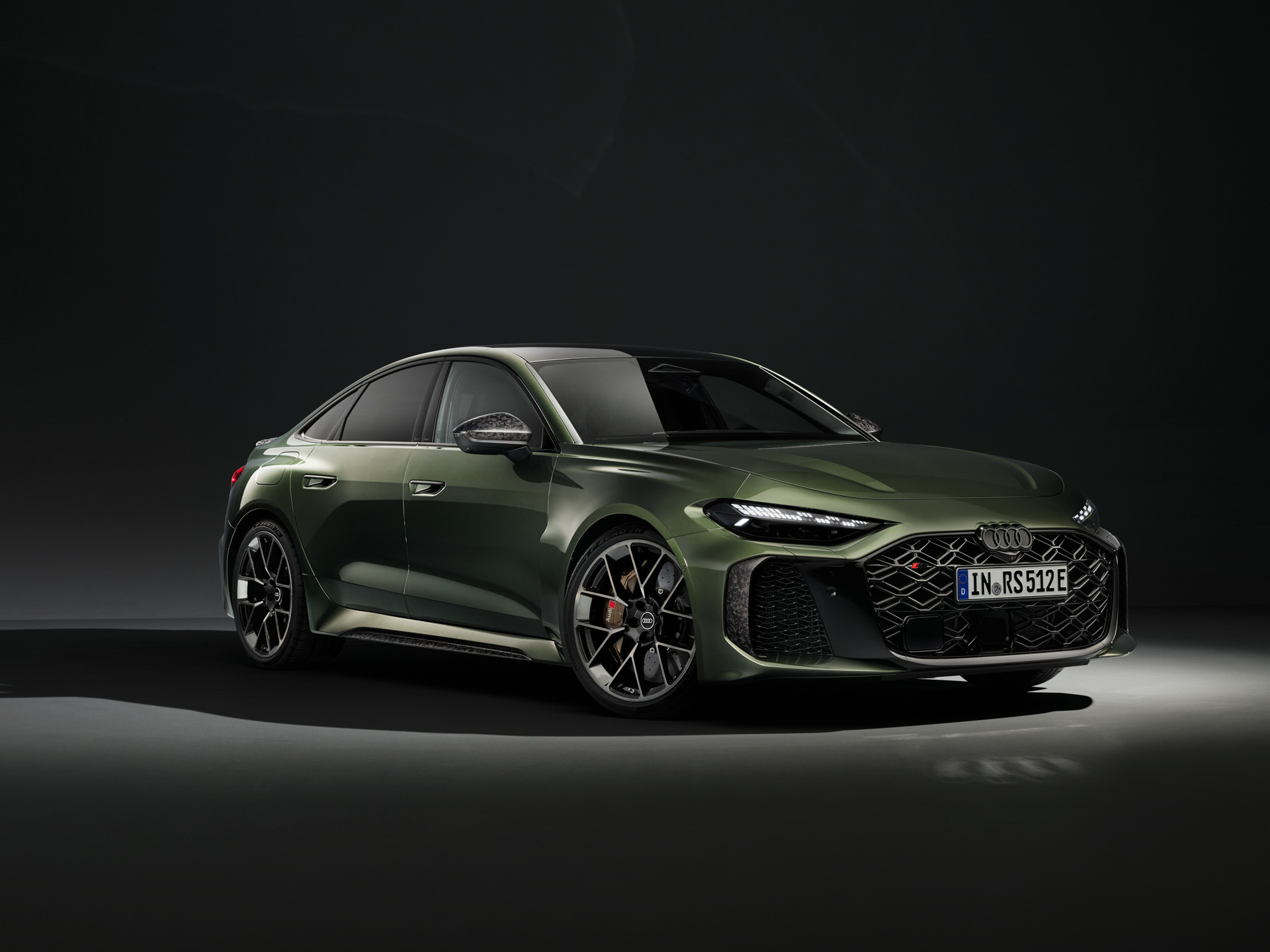
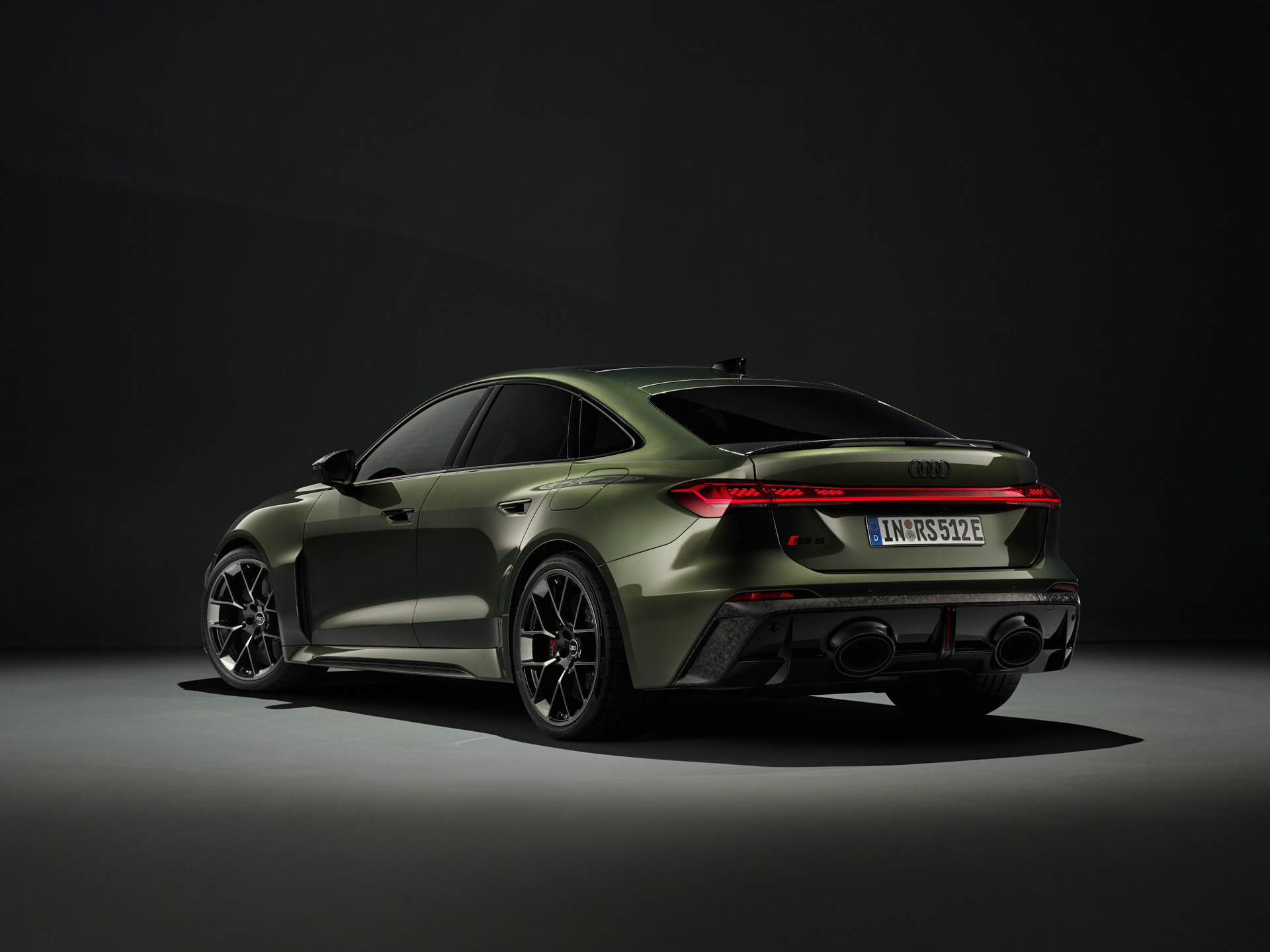
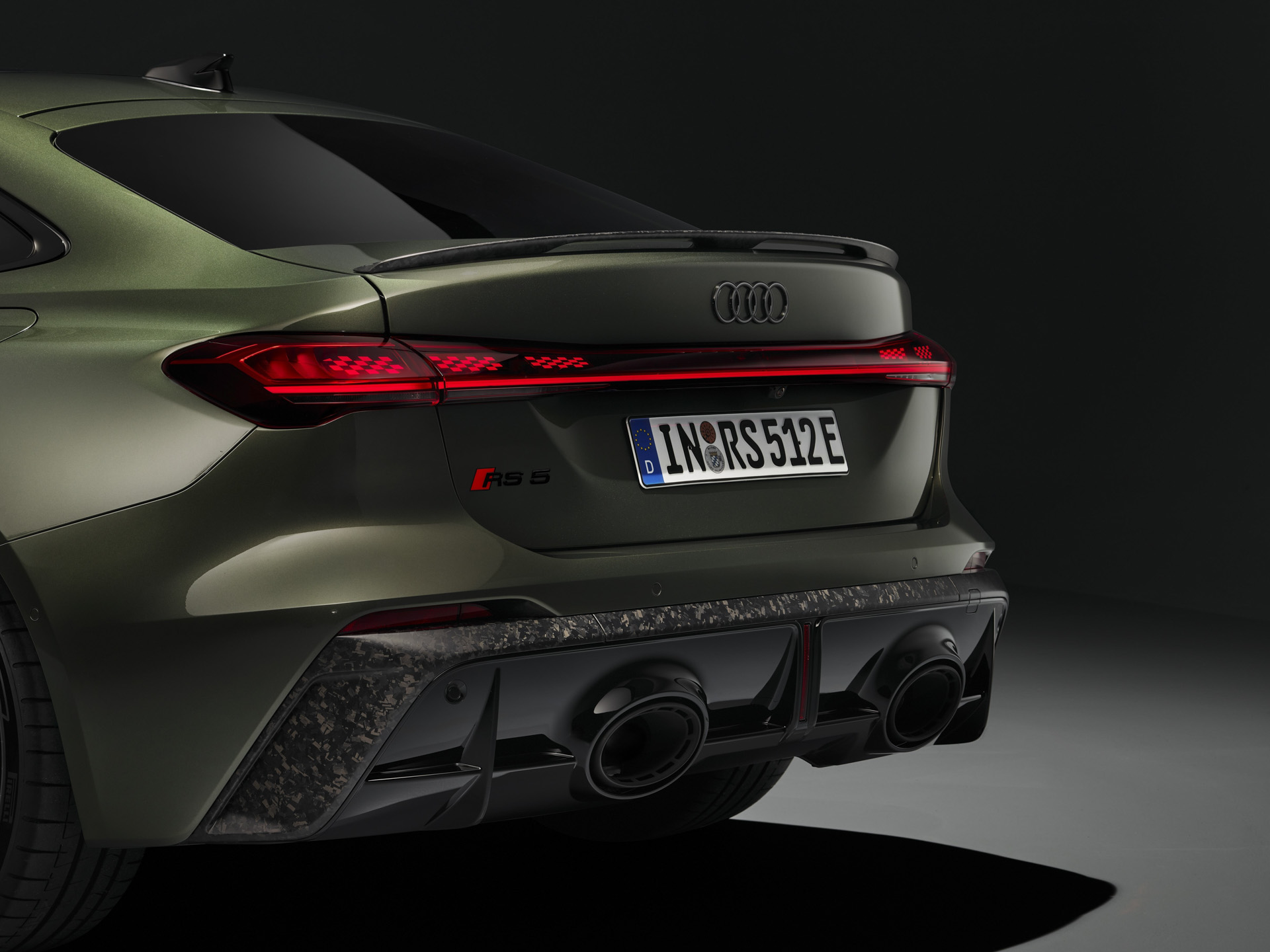
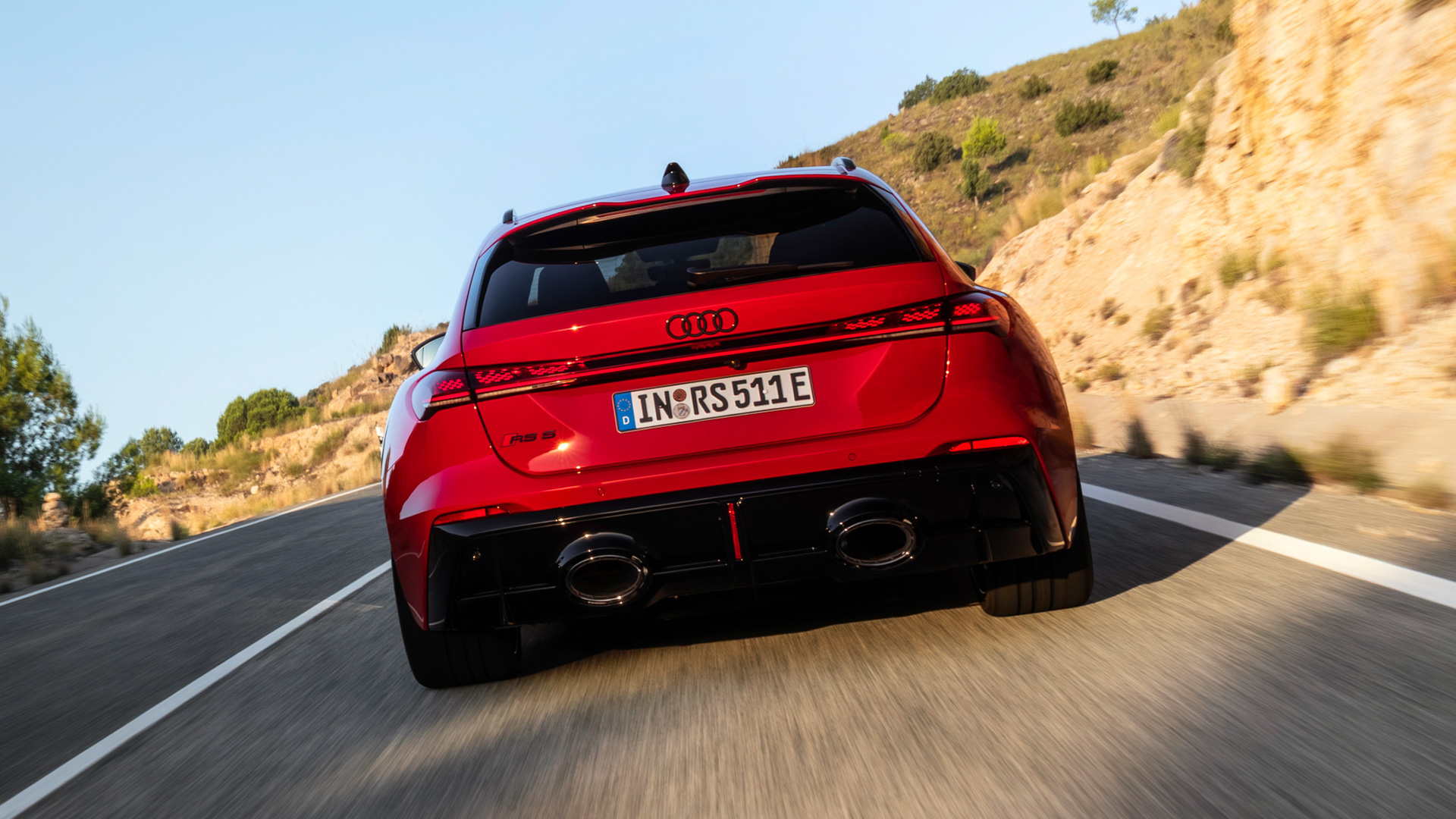
The new 2027 Audi RS5 has just dropped, and mein Gott, what a mean machine. The rear fenders on this thing have the stoked tension of a crouching Ninja Turtle, the heckblende long-ass light across the back makes it look futuristic, and the gigantic exhaust outlets remind me of rocket boosters. I absolutely love it.
I have not been all that into Audis until somewhat recently, when I fell in love with the smooth ride of the A6 e-tron, of all things. Shortly after, the RS6 Avant rocked my world. And today, the new RS5 sedan and RS5 Avant wagon are really making my eyes pop.
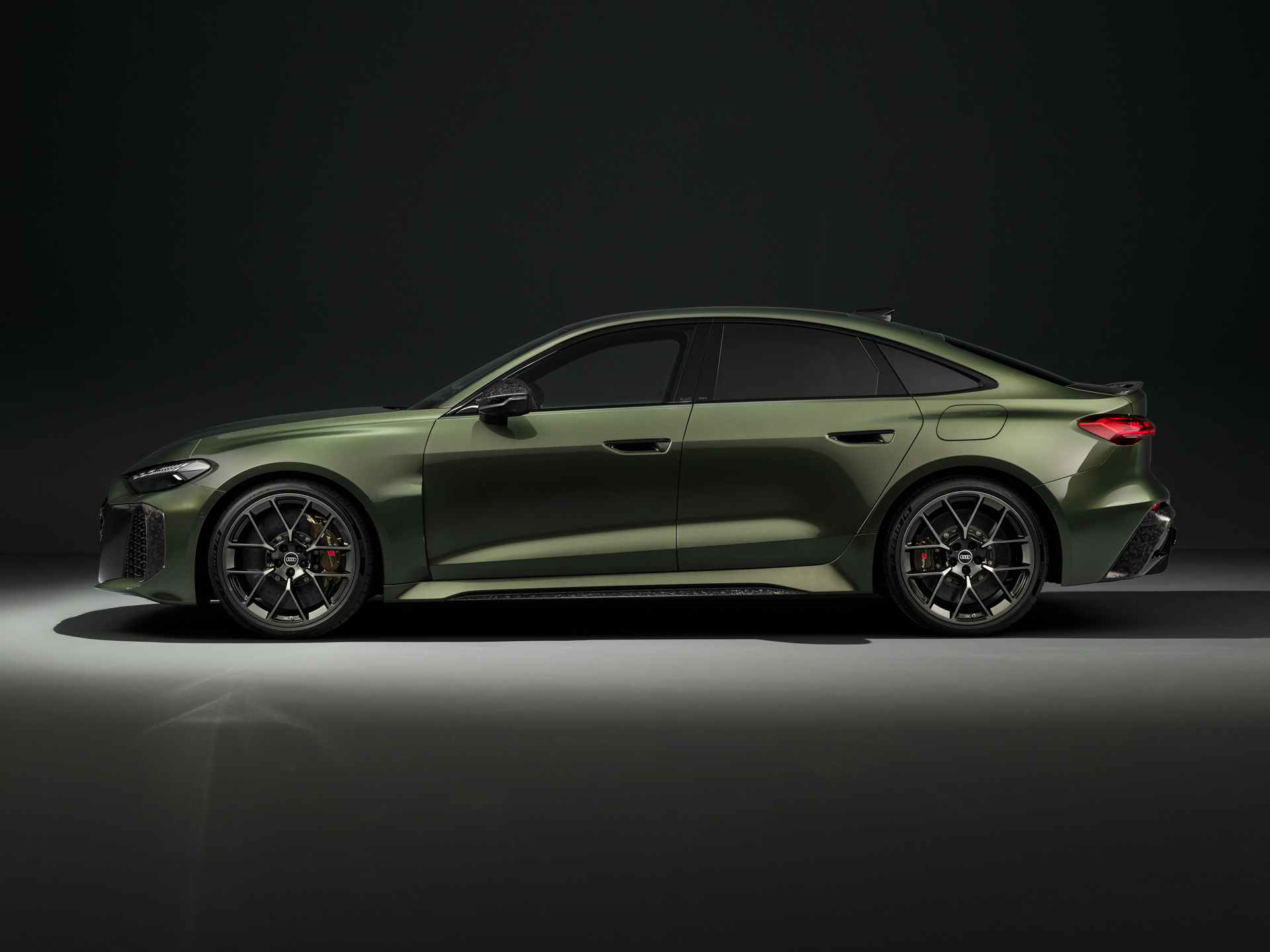
These cars are so over-the-top, but still legitimately good-looking. That’s a very fine needle to thread, and it’s wonderful to see. It’s a very taut design, but not angry, more like—energized. The wide fenders make this RS model about 1.57″ wider on each side than an A5.
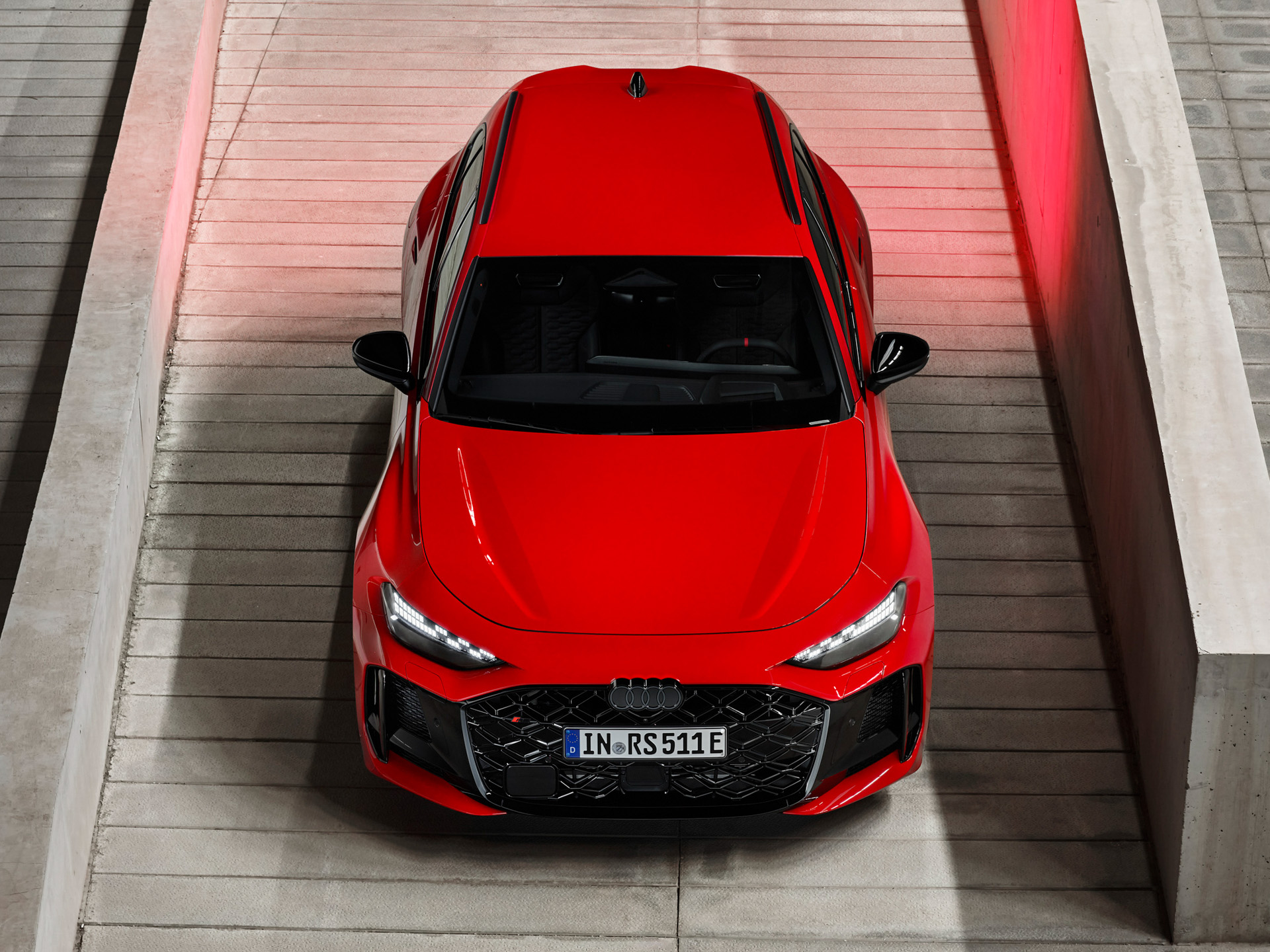
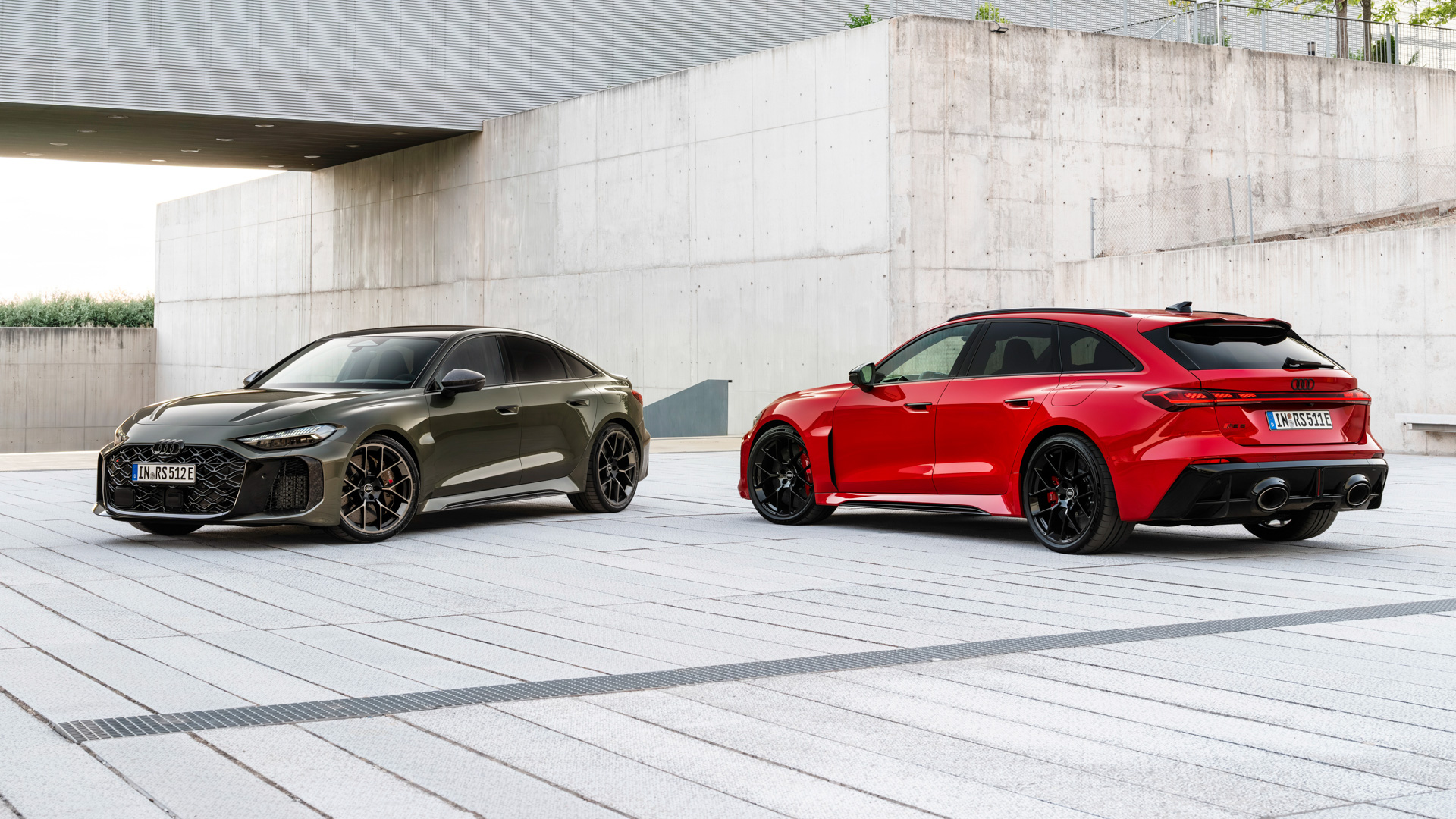
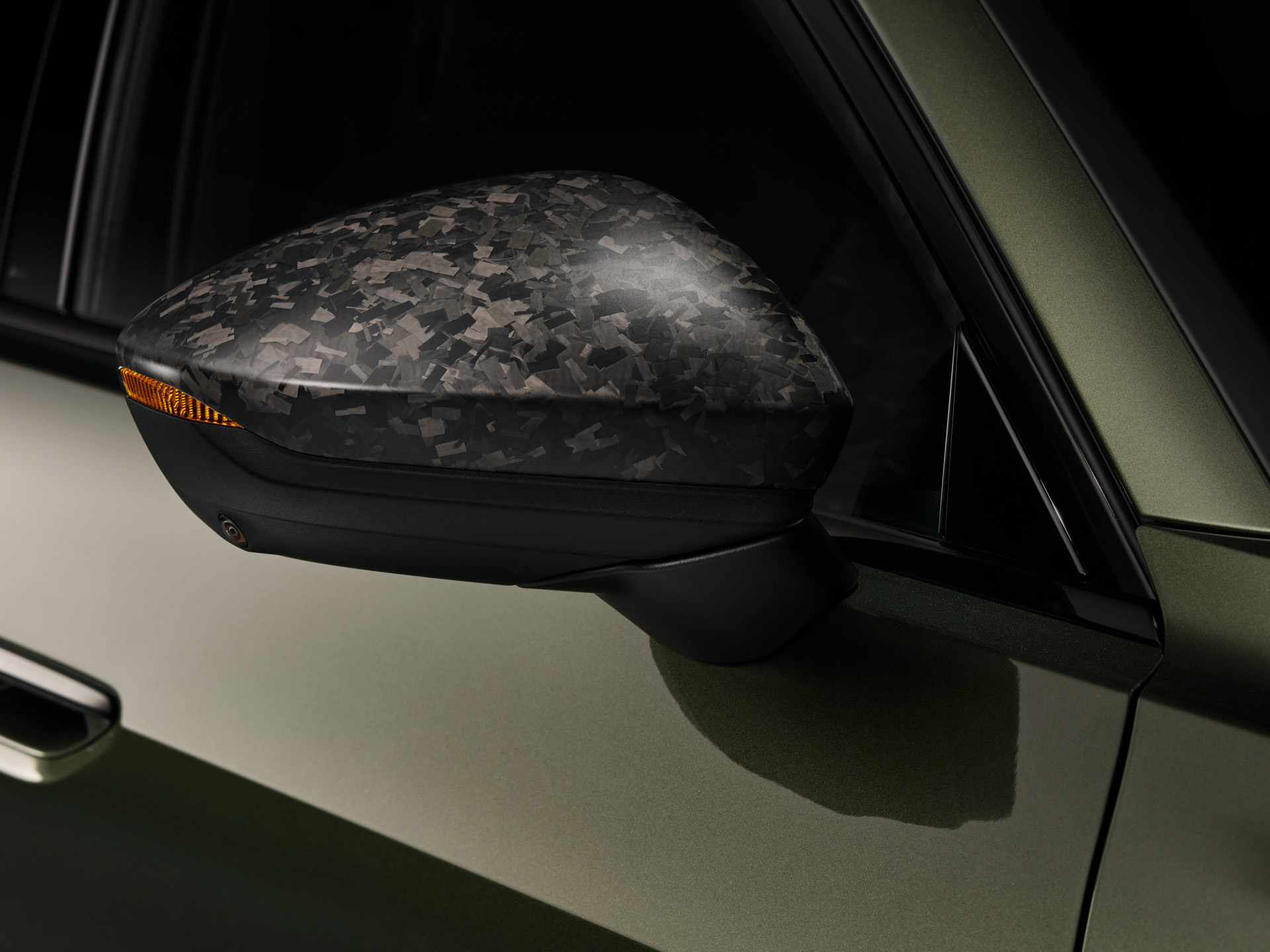
Swipe through these pictures to see the vehicle in liftback sedan form (the rear glass comes up with the trunk) in a great shade of green:
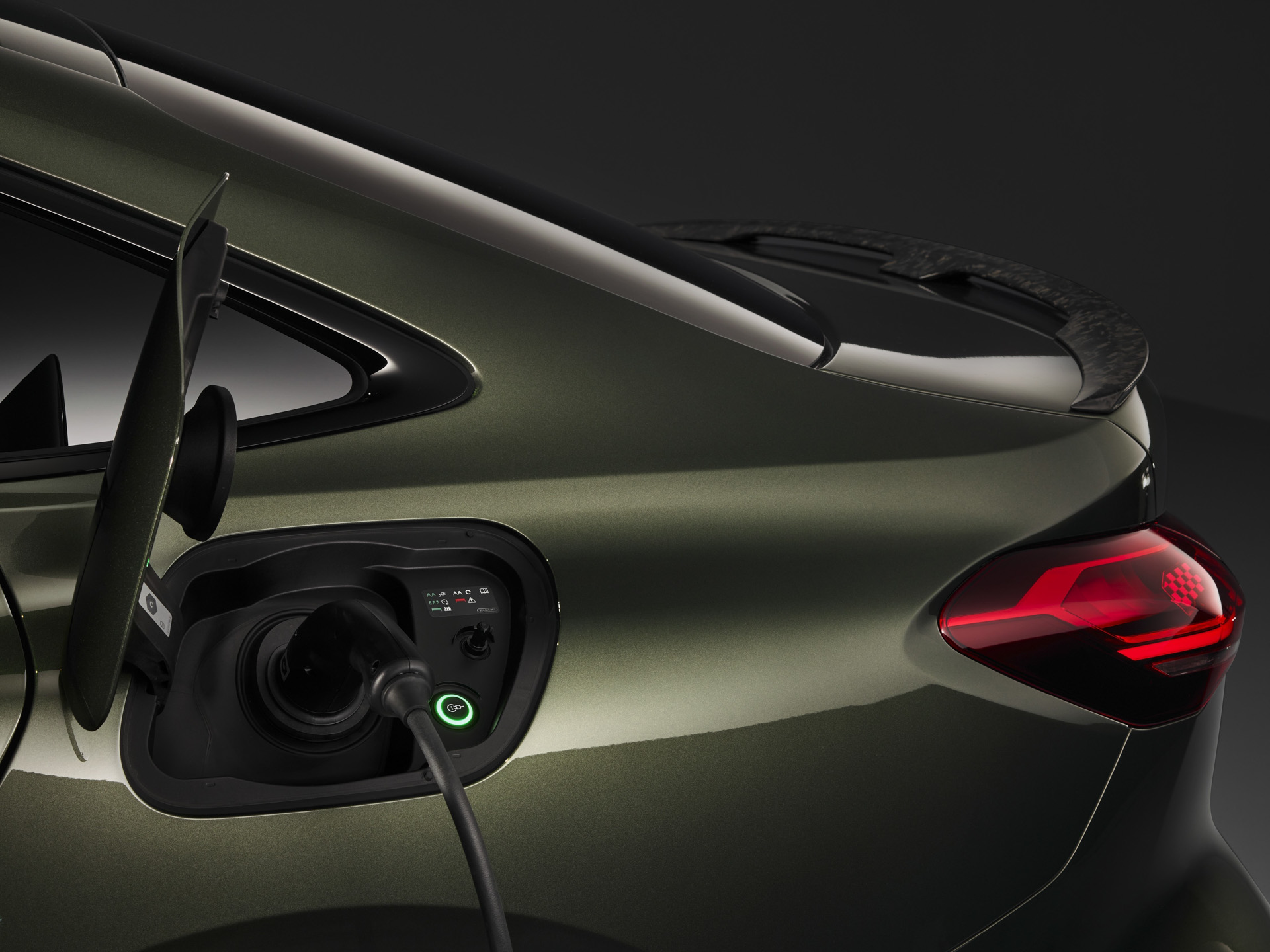
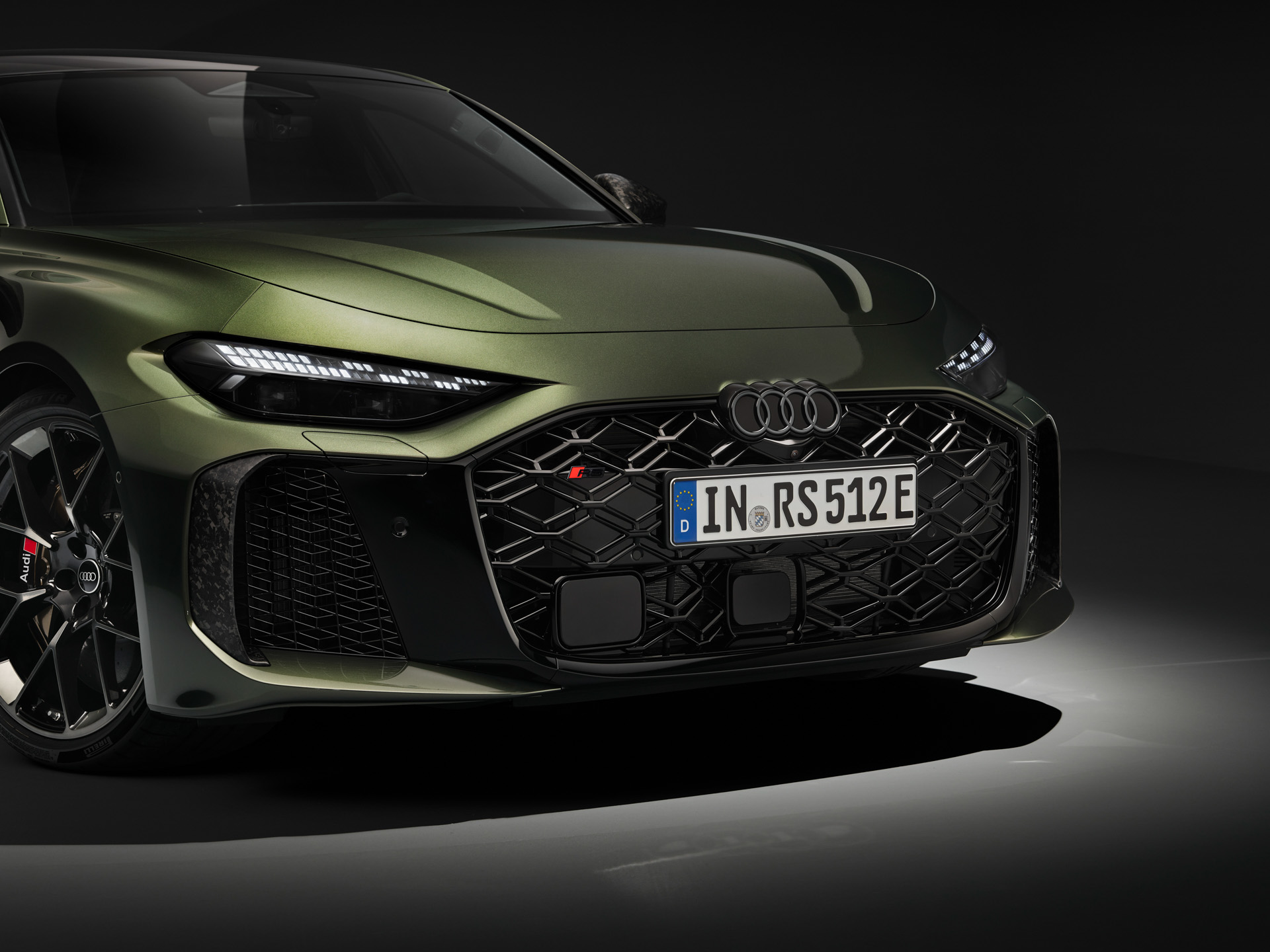
And here it is as an Avant (Audi’s word for wagon) in a really intense red:
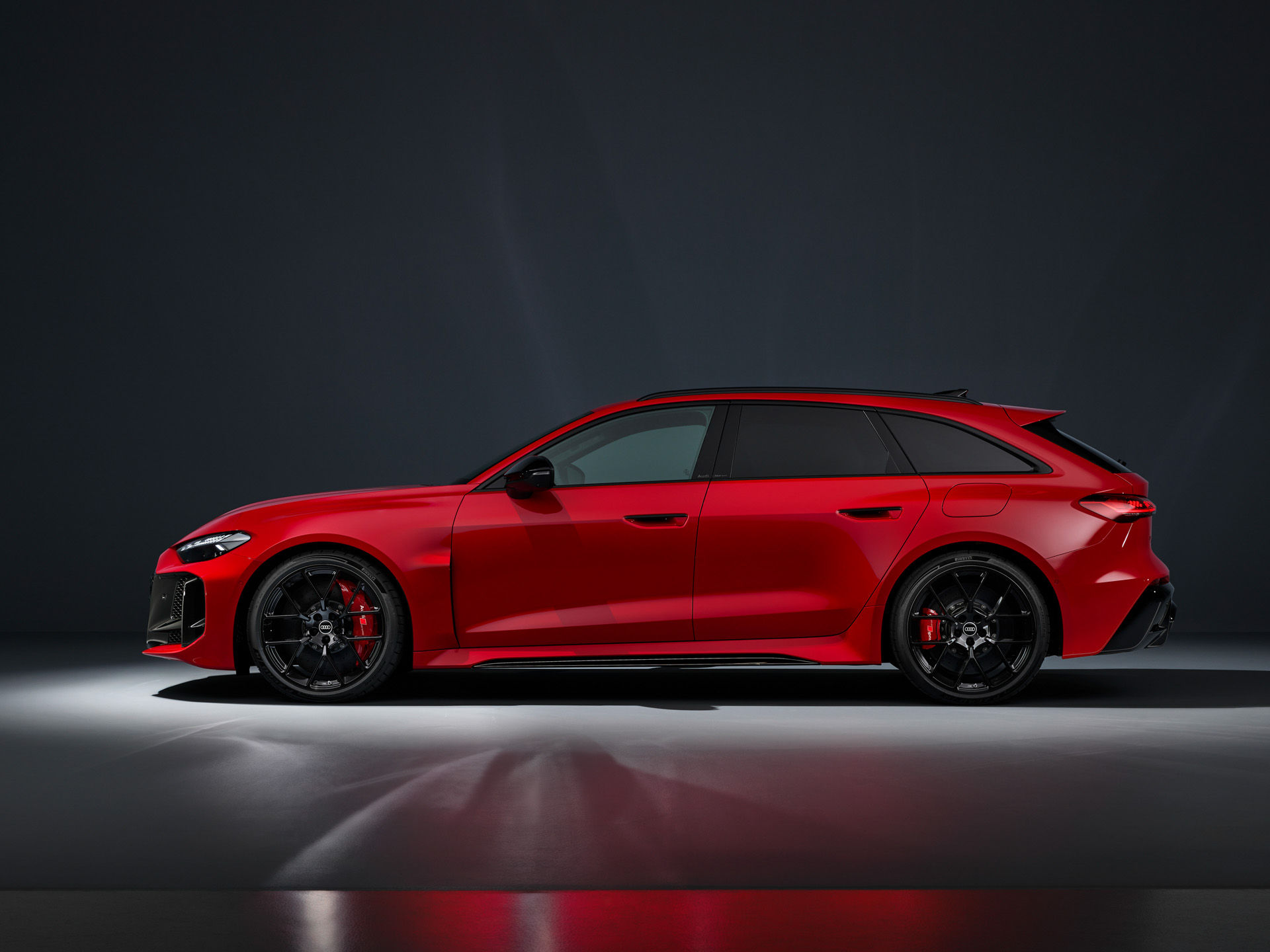
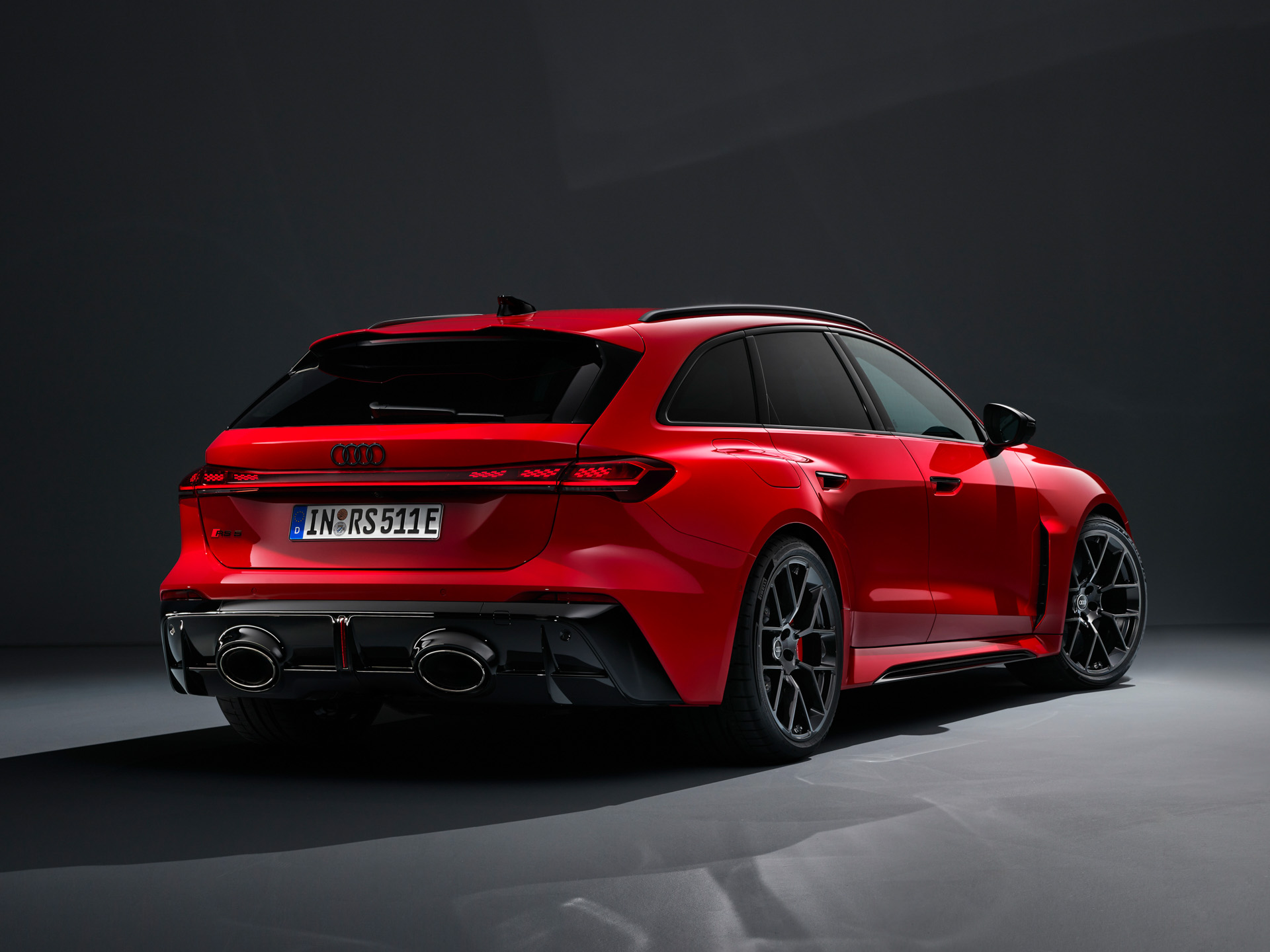
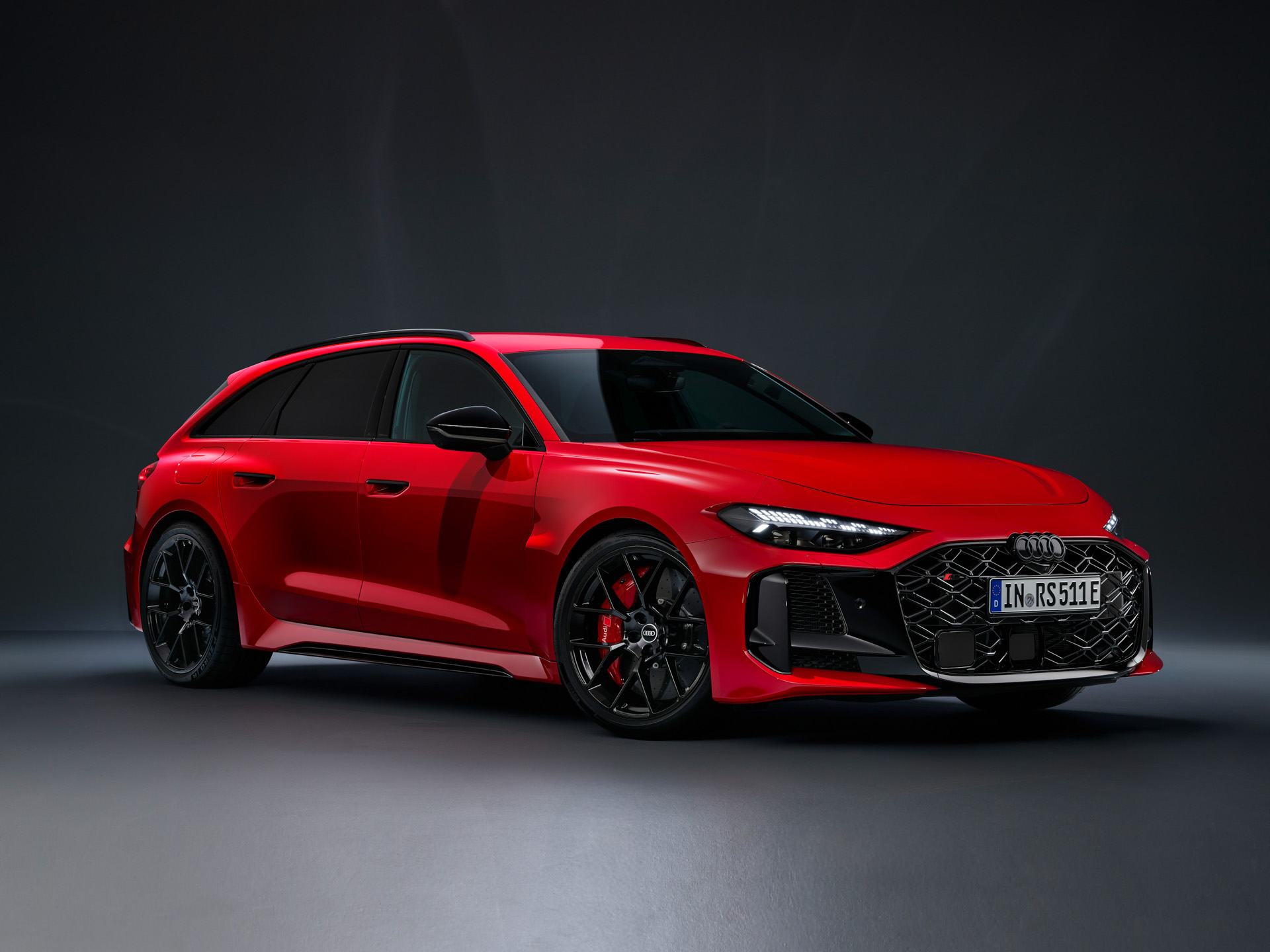
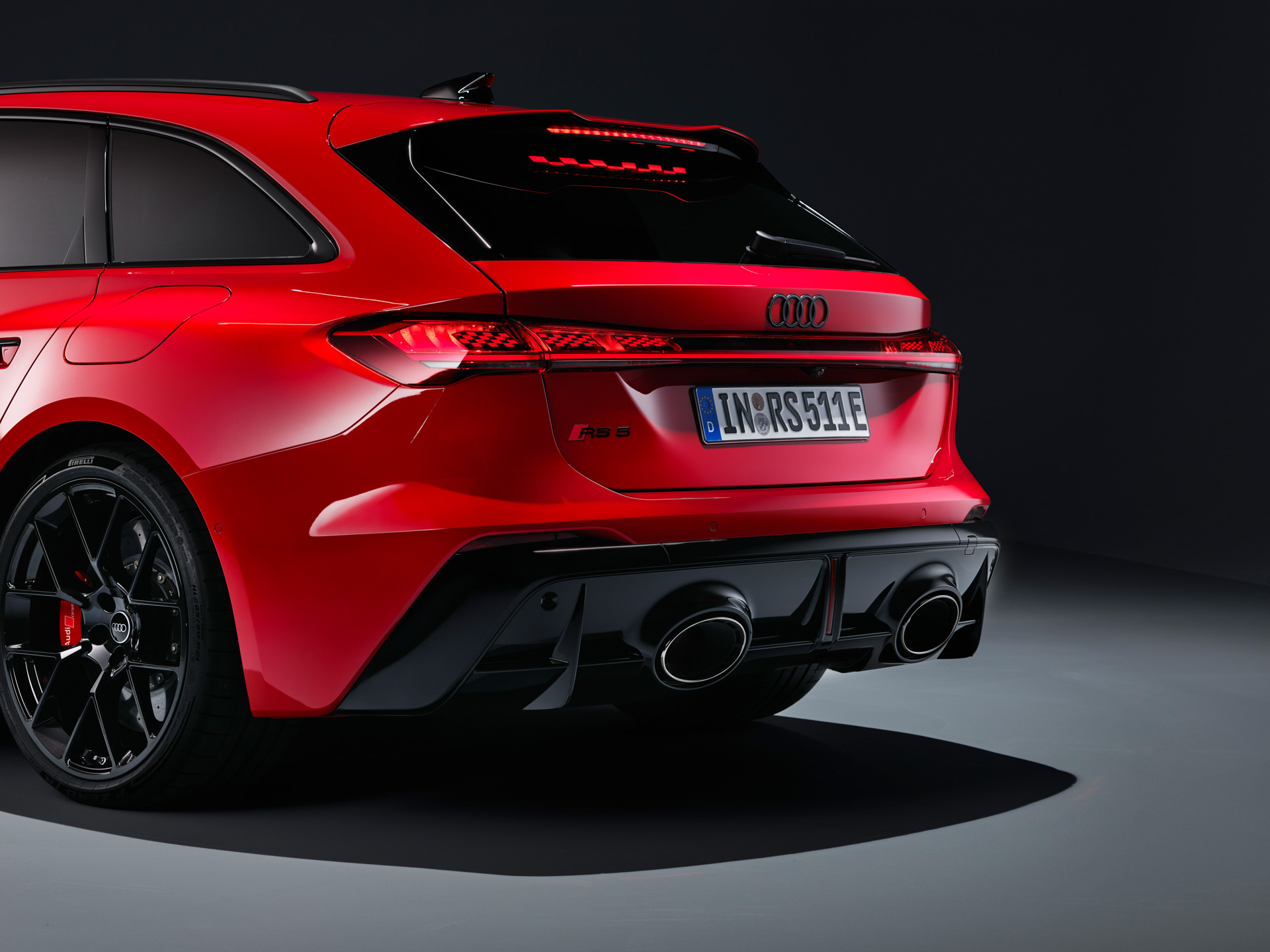
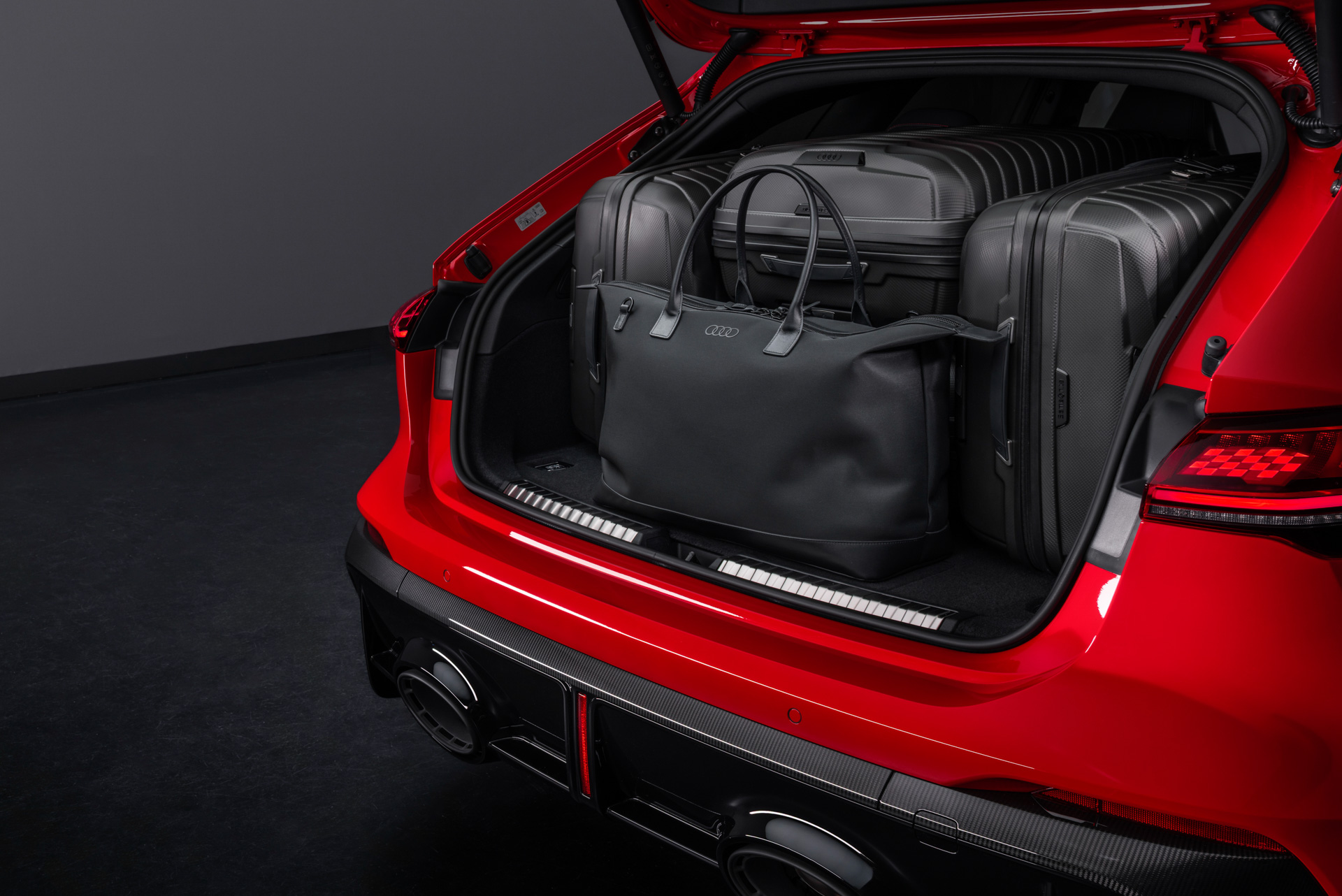
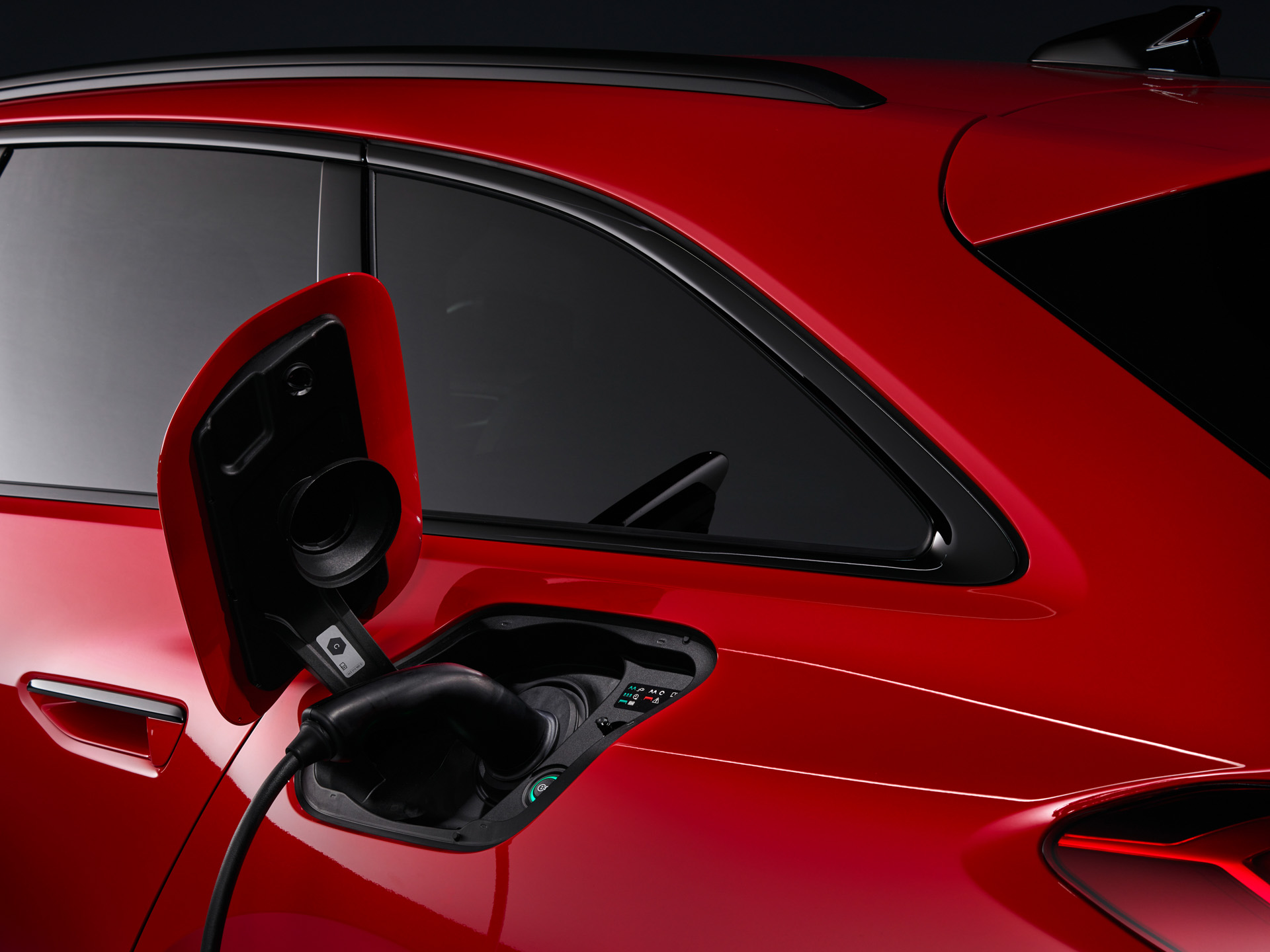
I can’t remember the last time I was this instantaneously captivated by a design. It’s absolutely rad.
European distribution details have been announced at €106,200 for the sedan (about $125,000) and €107,850 ($127,000 and change) for the wagon. These are scheduled to show up in German showrooms this summer. The American market offering is TBA.
If you do buy one, not only do you get Audi’s wild widebody treatment, but you’re also buying a very powerful hybrid powertrain and a trick torque-vectoring system.
2027 Audi RS5 Power and Performance Claims
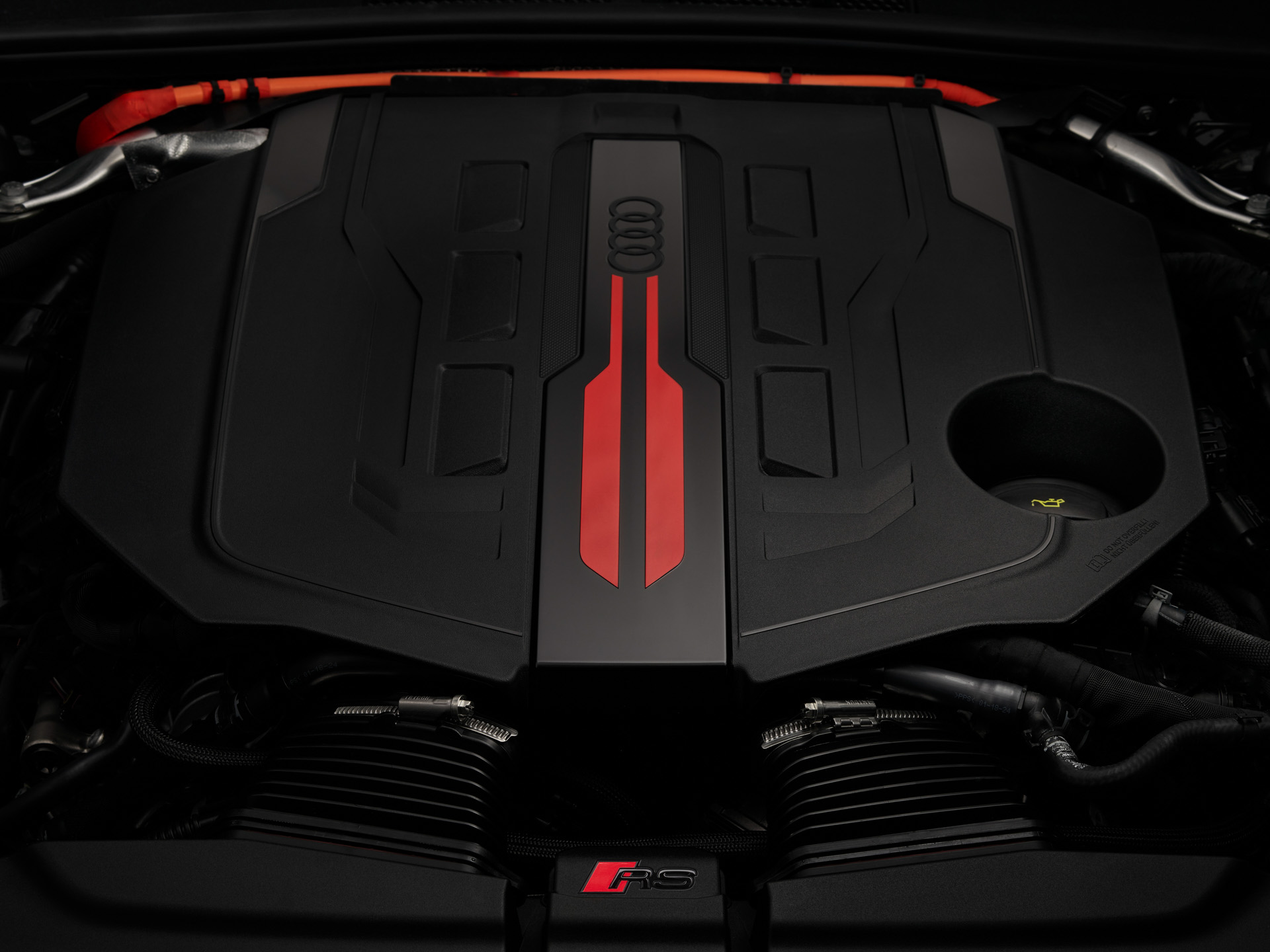
The new-gen RS5 is a plug-in hybrid with a 2.9-liter twin-turbo V6, electric motor, and eight-speed paddle-shiftable automatic transmission. Audi posted its total system output at 630 hp (officially, 639 metric horsepower), but specs the gas engine output at 503 hp (510 ps) and electric output at 175 hp (177 ps), which adds up to 678. Can’t get the full-max from both the gas and electric drive units at once, I guess. Since it is a PHEV, it does have an electric-only range, which is about 52 miles (84 kilometers).
Torque figures are 443 lb-ft (gas engine), 339 lb-ft (electric motor), and 609 total system (combined maxes would be 782).
Audi says the car can go from 0-62 mph (100 kph) in 3.6 seconds and on to a top speed of 177 mph (285 kph).
The sedan’s stated weight is 5,192 pounds (2,355 kilograms) for the sedan and 5,225 pounds (2,370 kg) for the wagon. That’s a lot of machine to fling at unlimited Autobahn speeds.
Naturally, this car is also equipped with elite-tier brakes. RS steel discs are standard, 16.5″ up front and 15.8″ rear, with the option to step up to RS ceramics that are 17.3″ front and 16.1″ rear. Ceramic discs are very expensive but hugely beneficial—they’re lighter than steel, and resist heat better, which is a big deal in a fast car this heavy.
Audi says the RS5 can go from 62-0 in 100 feet using the ceramic brakes. For context, a McLaren 765LT supercar only beats that by two feet, and that has a freaking air brake.
Trick Torque Vectoring: Audi’s “Dynamic Torque Control”
The Audi RS5 has an eight-speed tiptronic transmission and a limited-slip center differential that distributes torque between axles. Power can split front/rear variably, between 70%/30% and 15%/85%. Behind that is the RS5’s most interesting new party trick: a technology Audi calls Dynamic Torque Control. It actively shifts torque between the rear wheels, calculating optimal power balance every five milliseconds.
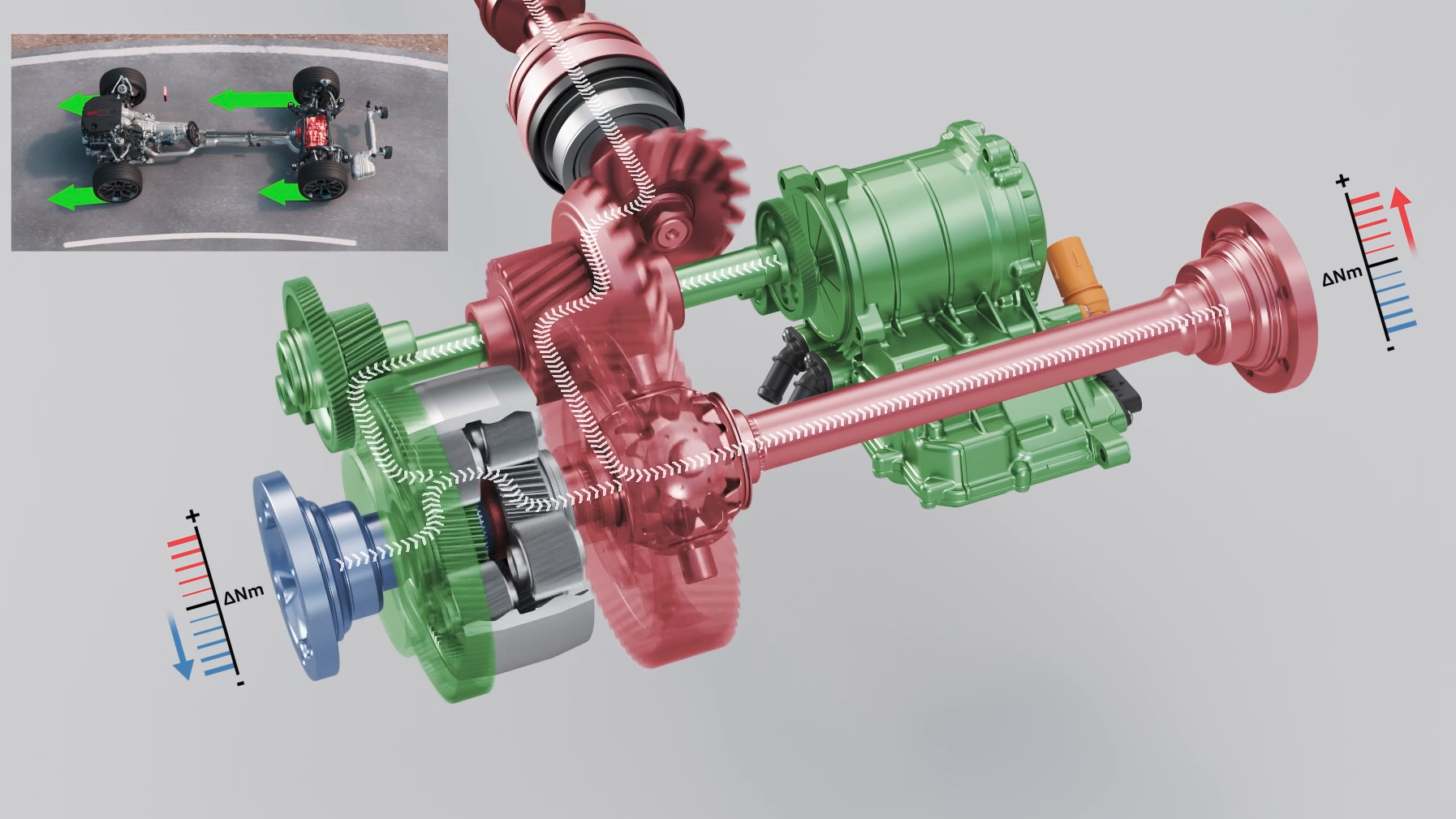
This is an electro-mechanical system in the rear transaxle. It’s got a differential, overdrive gears, and its own electric motor actuator. While older torque vectoring systems use the brakes to balance power between wheels, Audi’s setup here is active, using an electric motor actuator to make huge power deltas between the left and right wheels if necessary.
The system also works on and off-throttle. During regenerative braking, it can stabilize the car during deceleration as well as acceleration.
But if you want to lose your composure and send up some smoke, there’s also a drifty mode. The system’s “RS torque rear” setting biases power to the outside rear wheel, allowing for user-friendly sideways-flying tire frying. I don’t know how often you’re going to want to do that, though. Good tires in the RS5’s OE size (285/35ZR20) are like $2,000 a set.
Here are the rest of the bangers from Audi’s camera roll for this car launch:
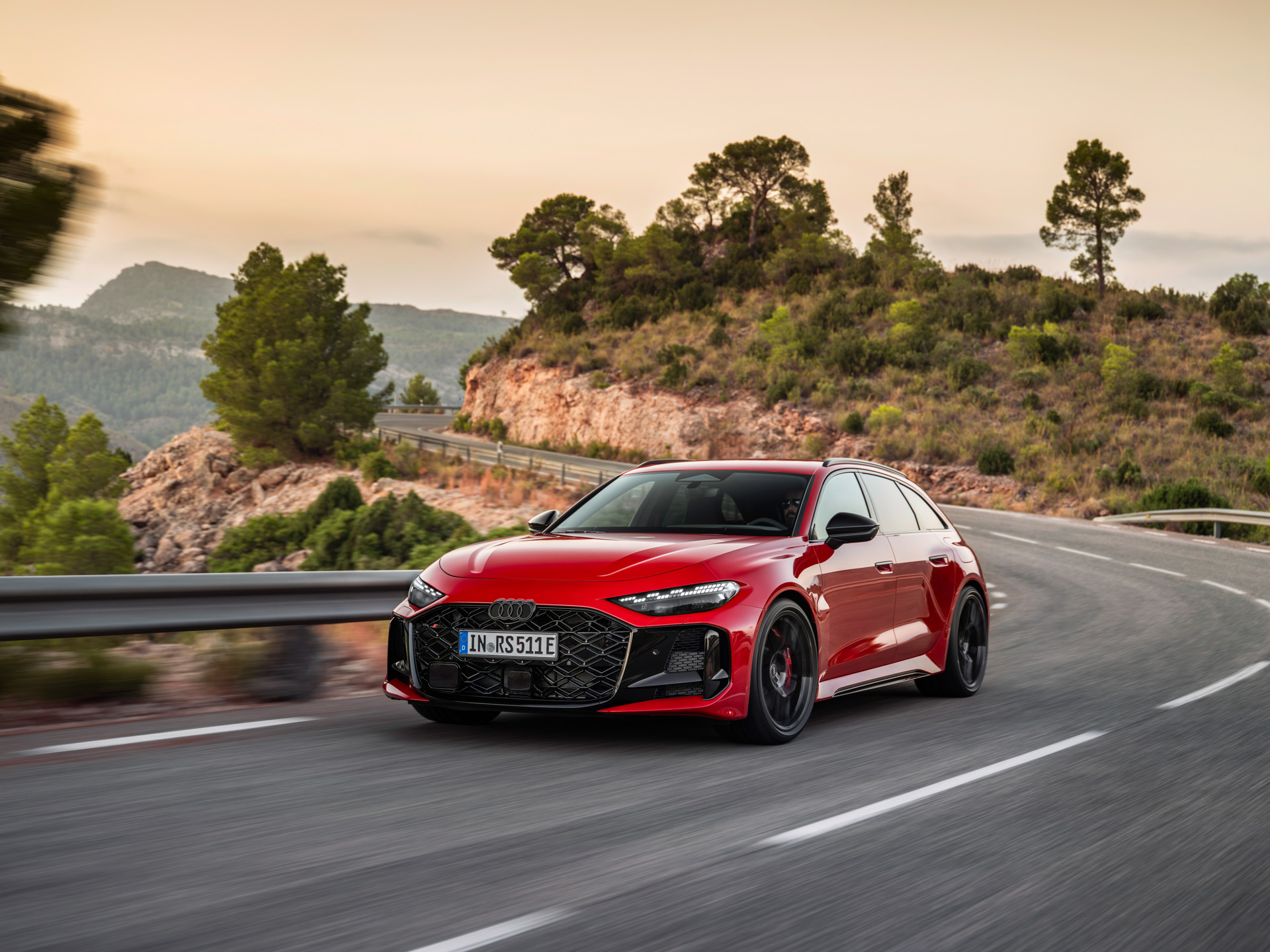
Audi RS 5 Avant 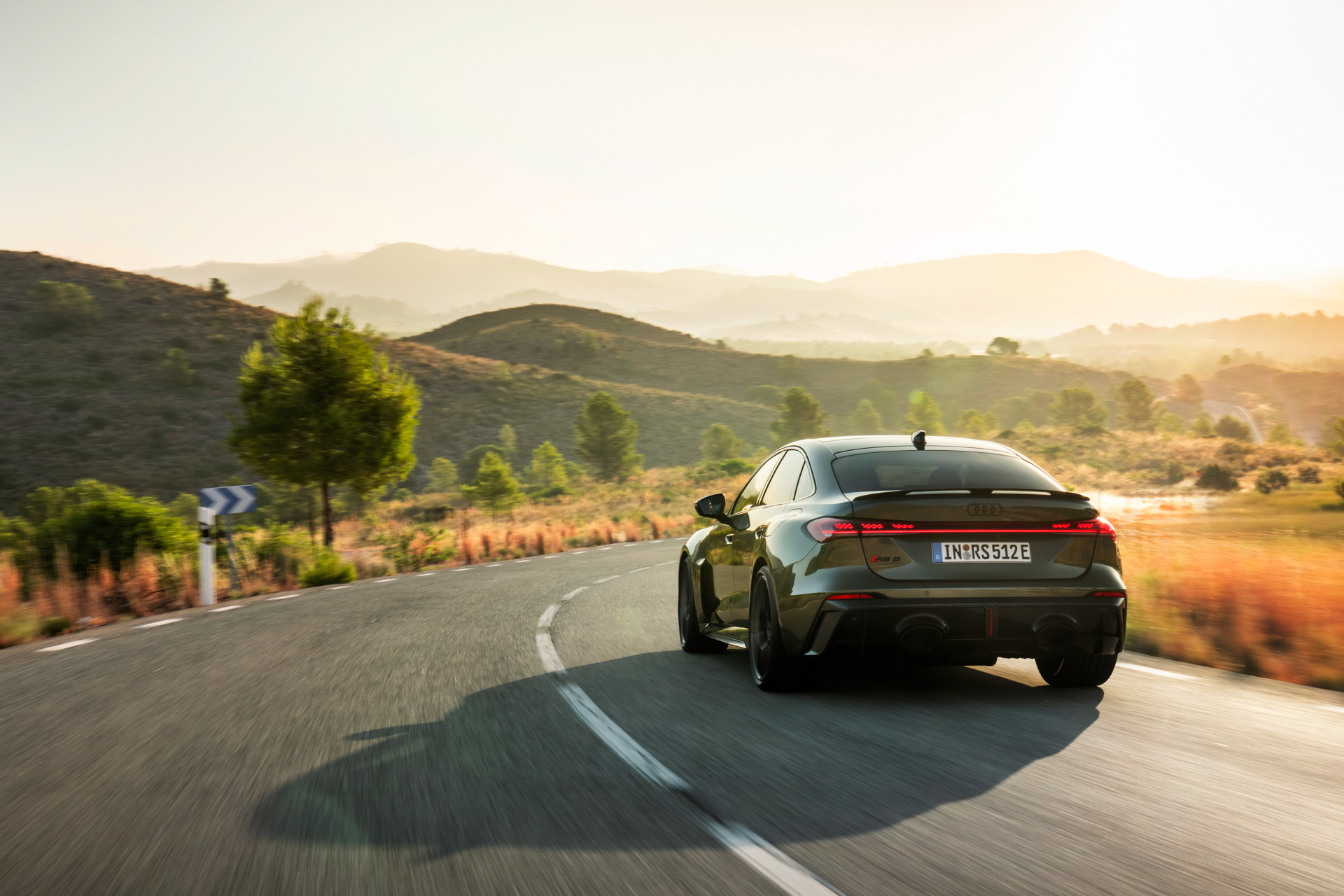
Audi RS 5 Sedan 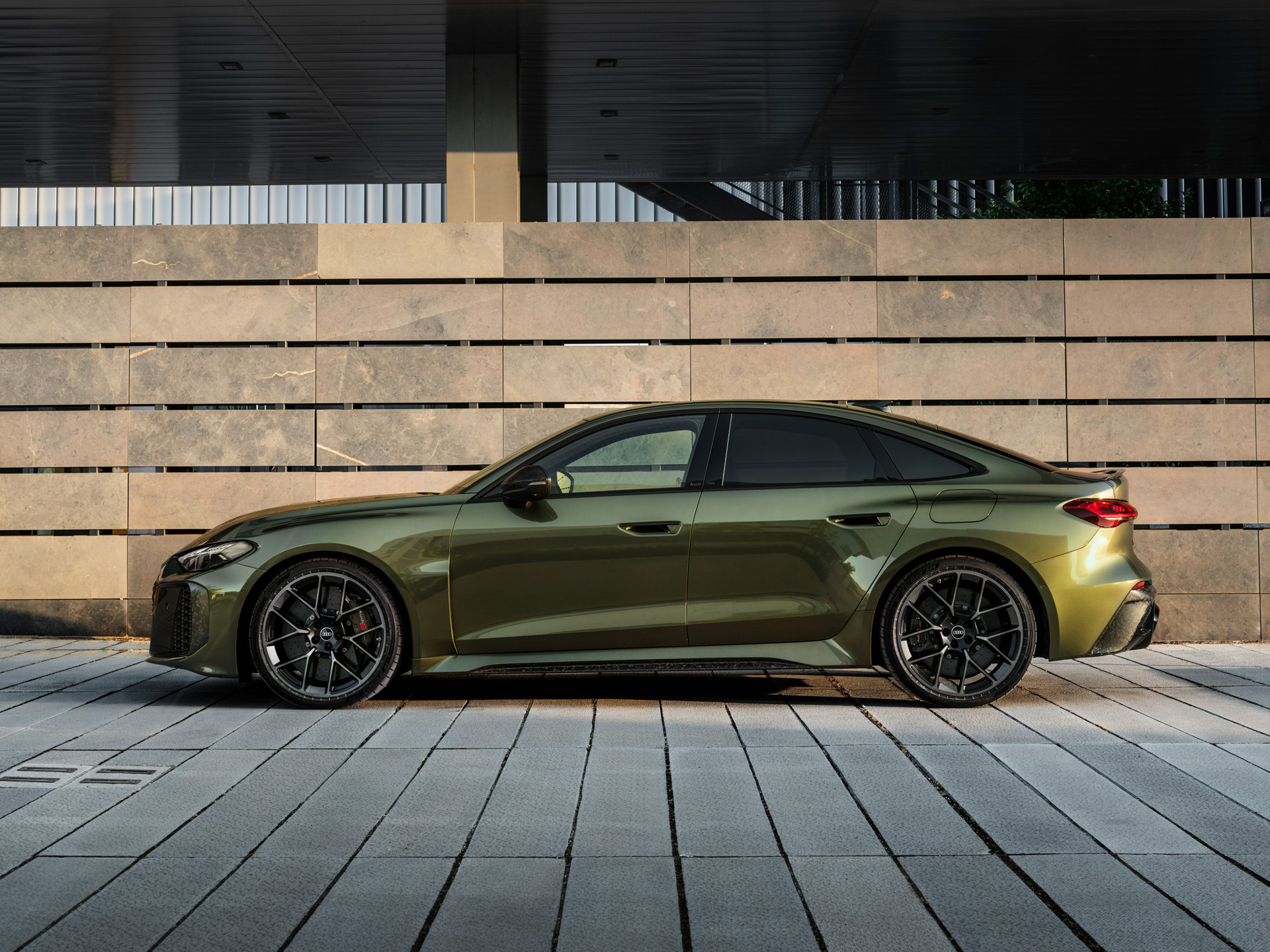
Audi RS 5 Sedan 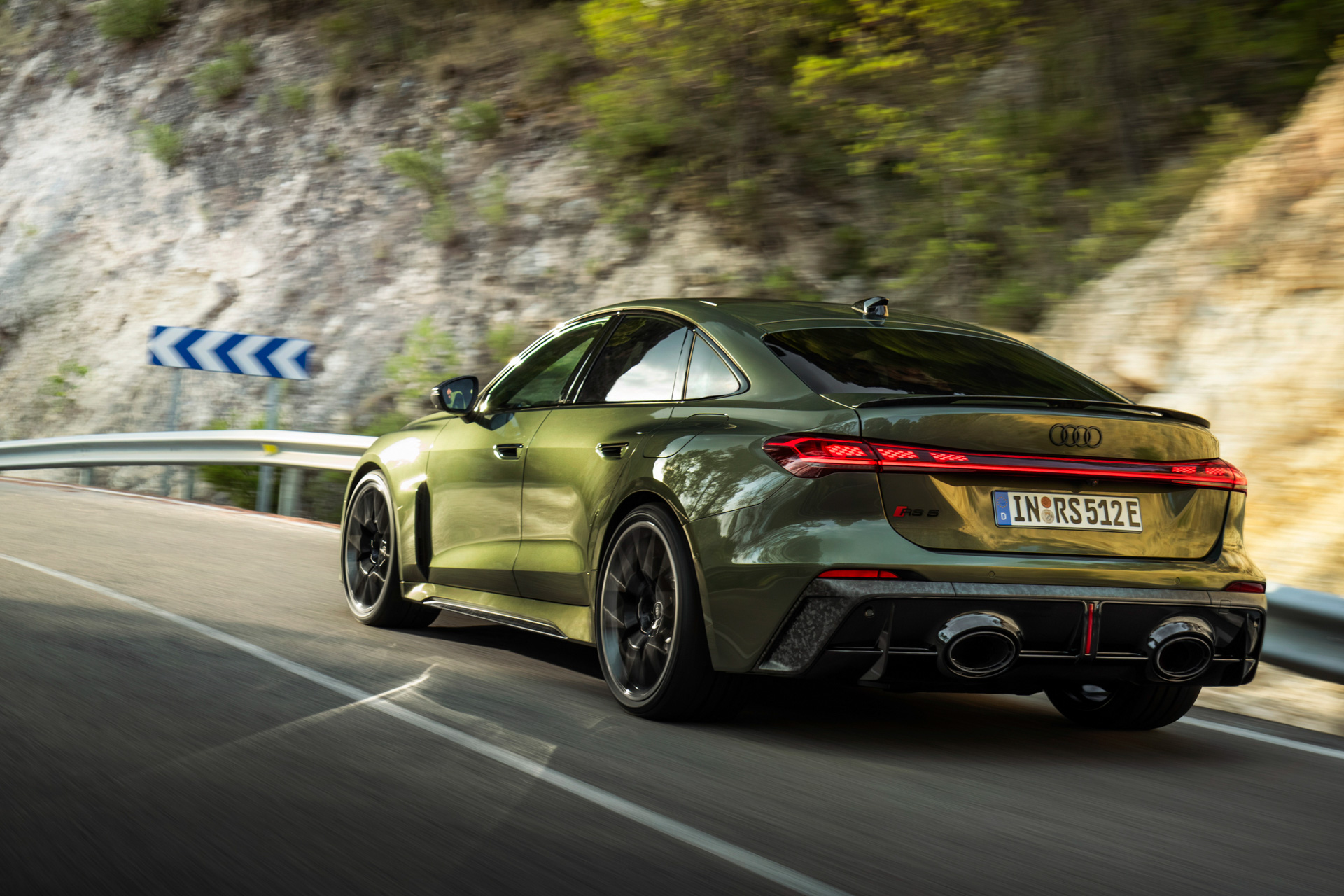
Audi RS 5 Sedan 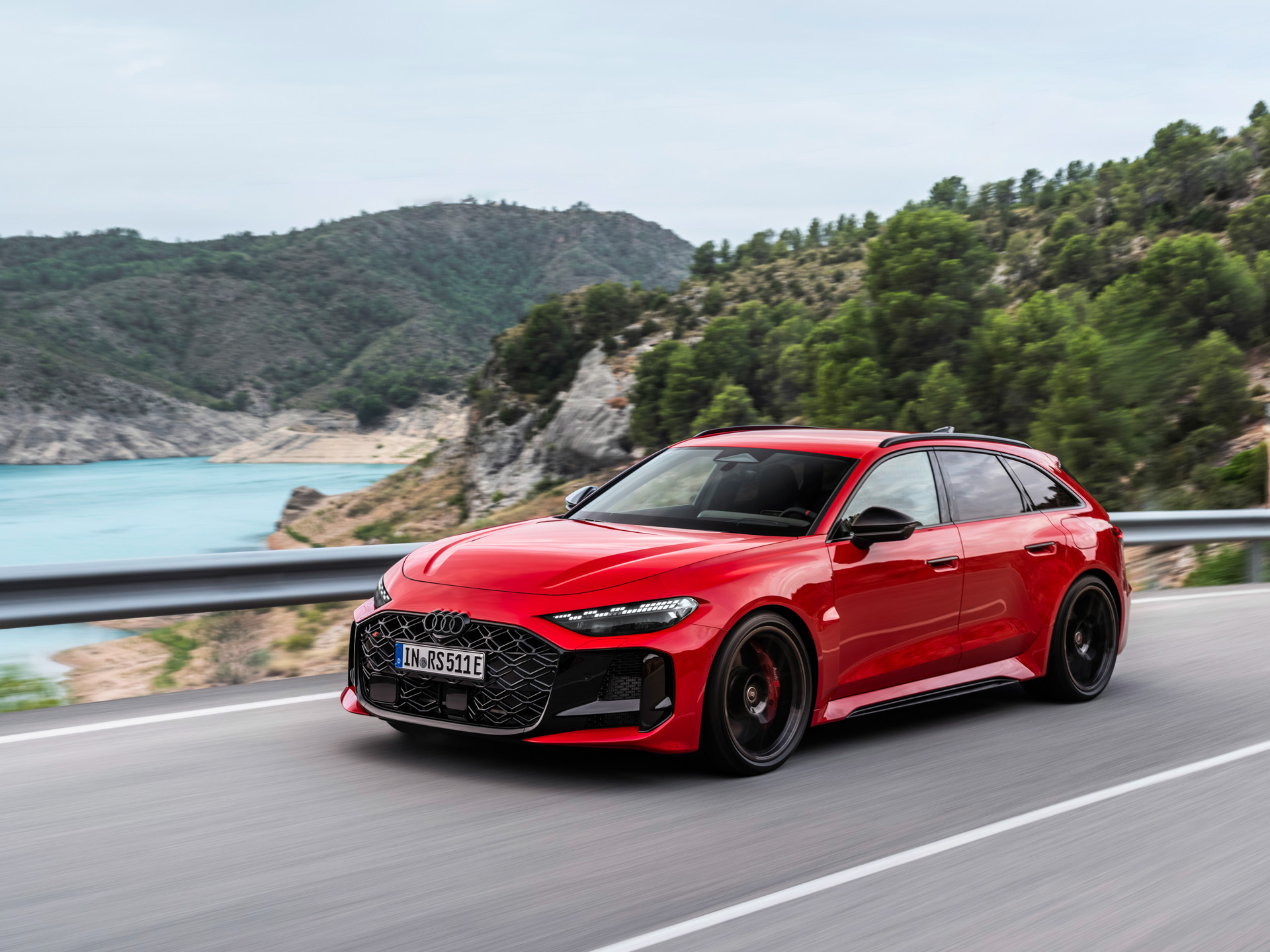
Audi RS 5 Avant 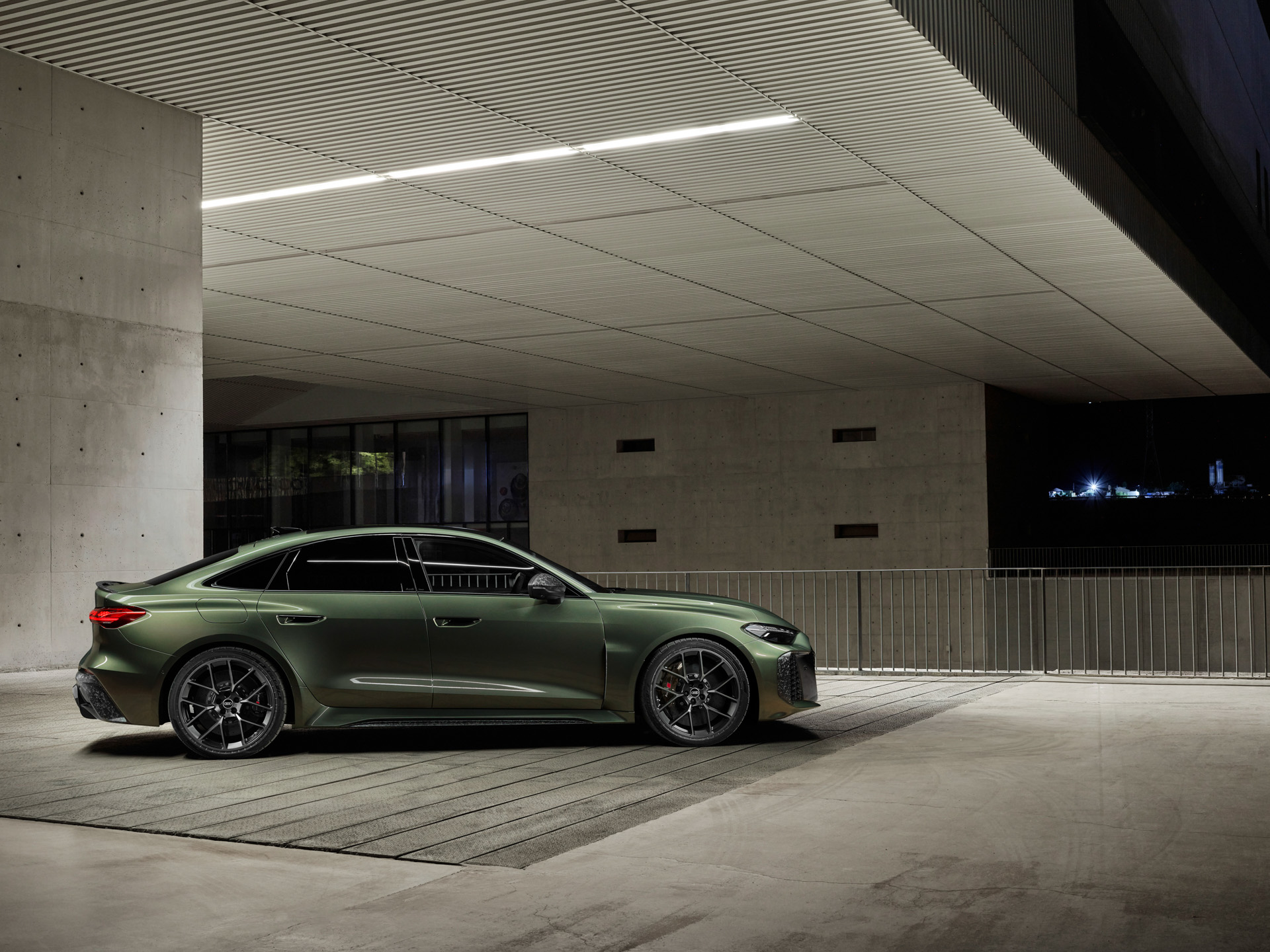
Audi RS 5 Sedan 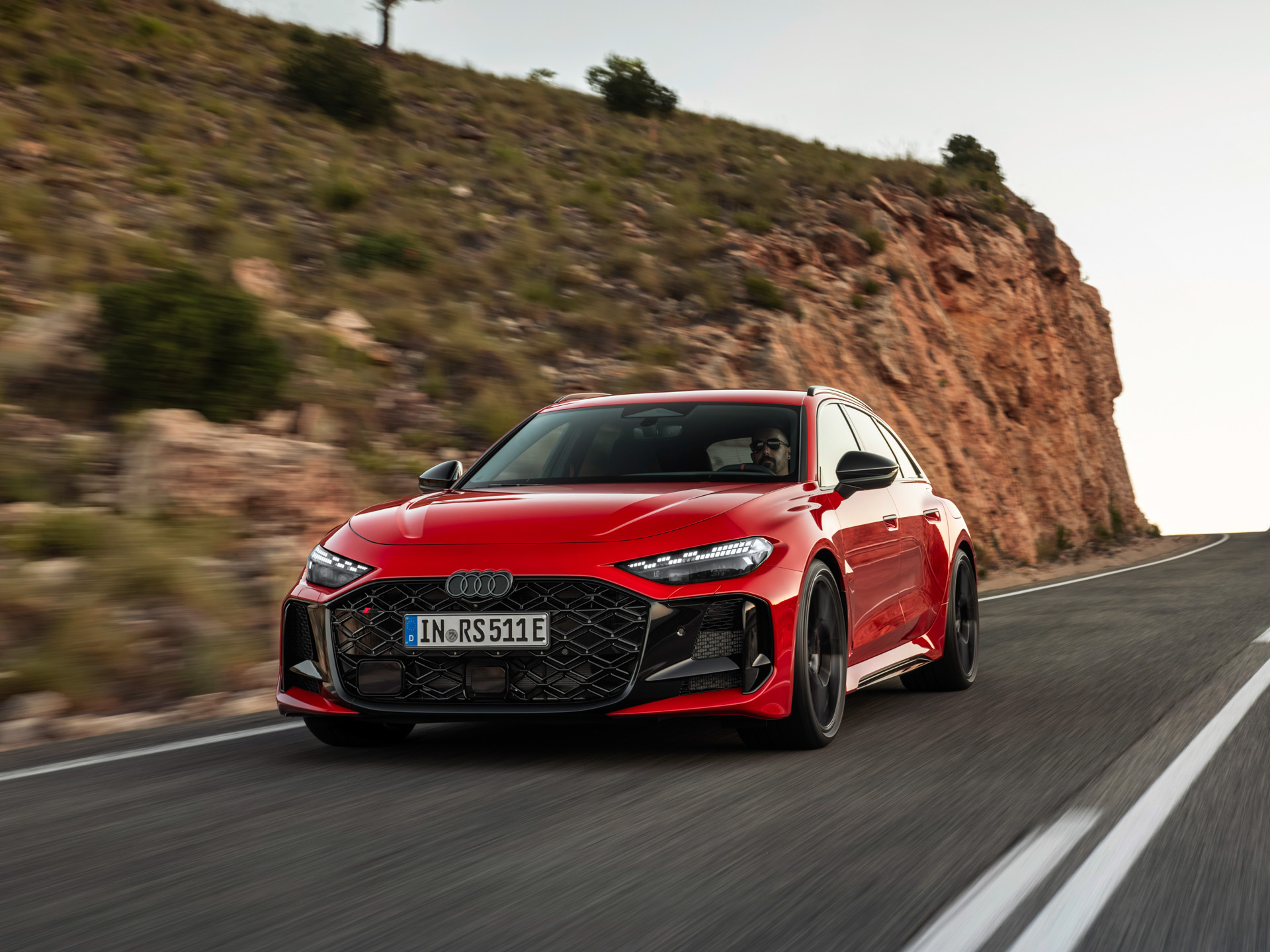
Audi RS 5 Avant 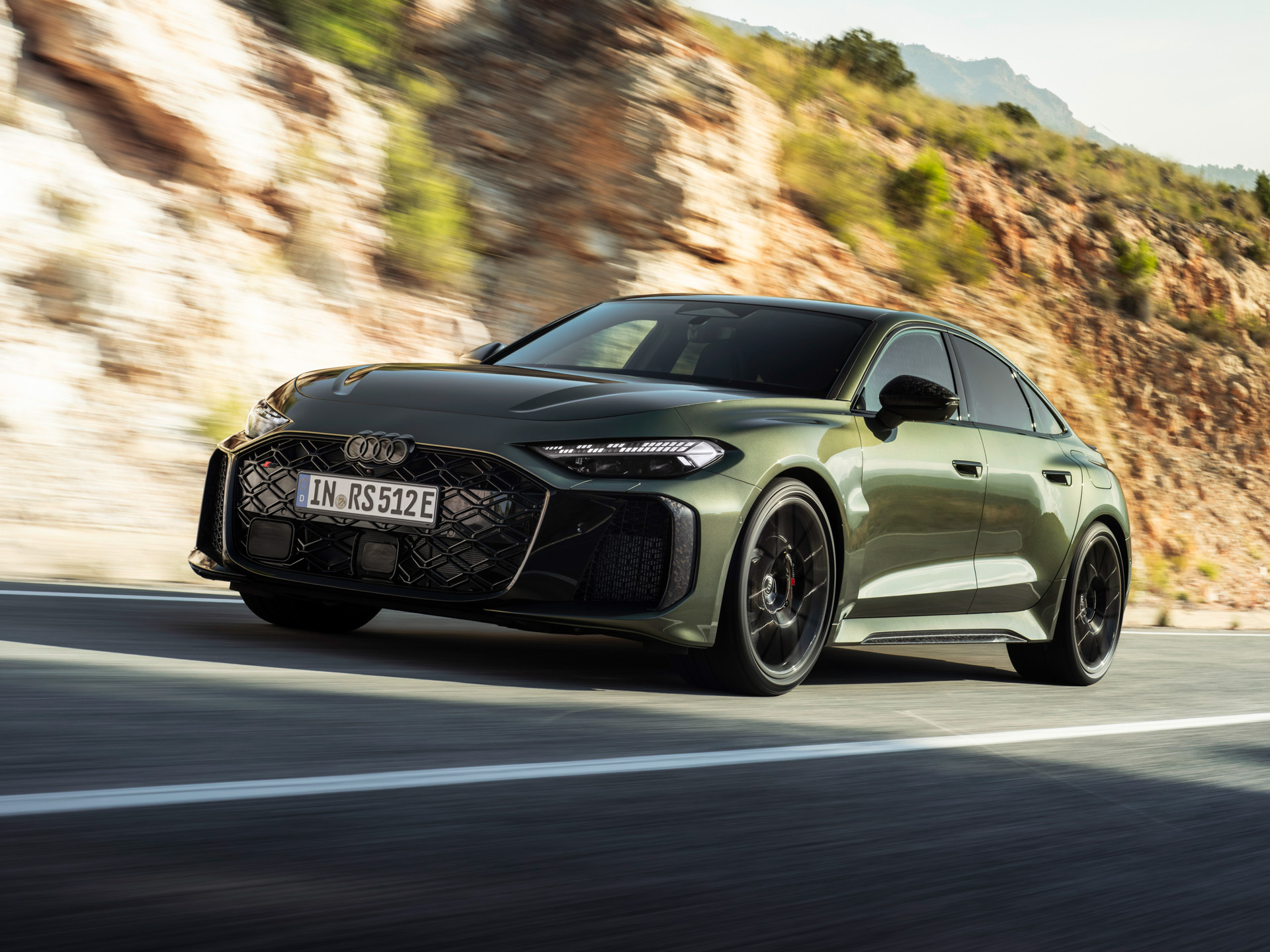
Audi RS 5 Sedan 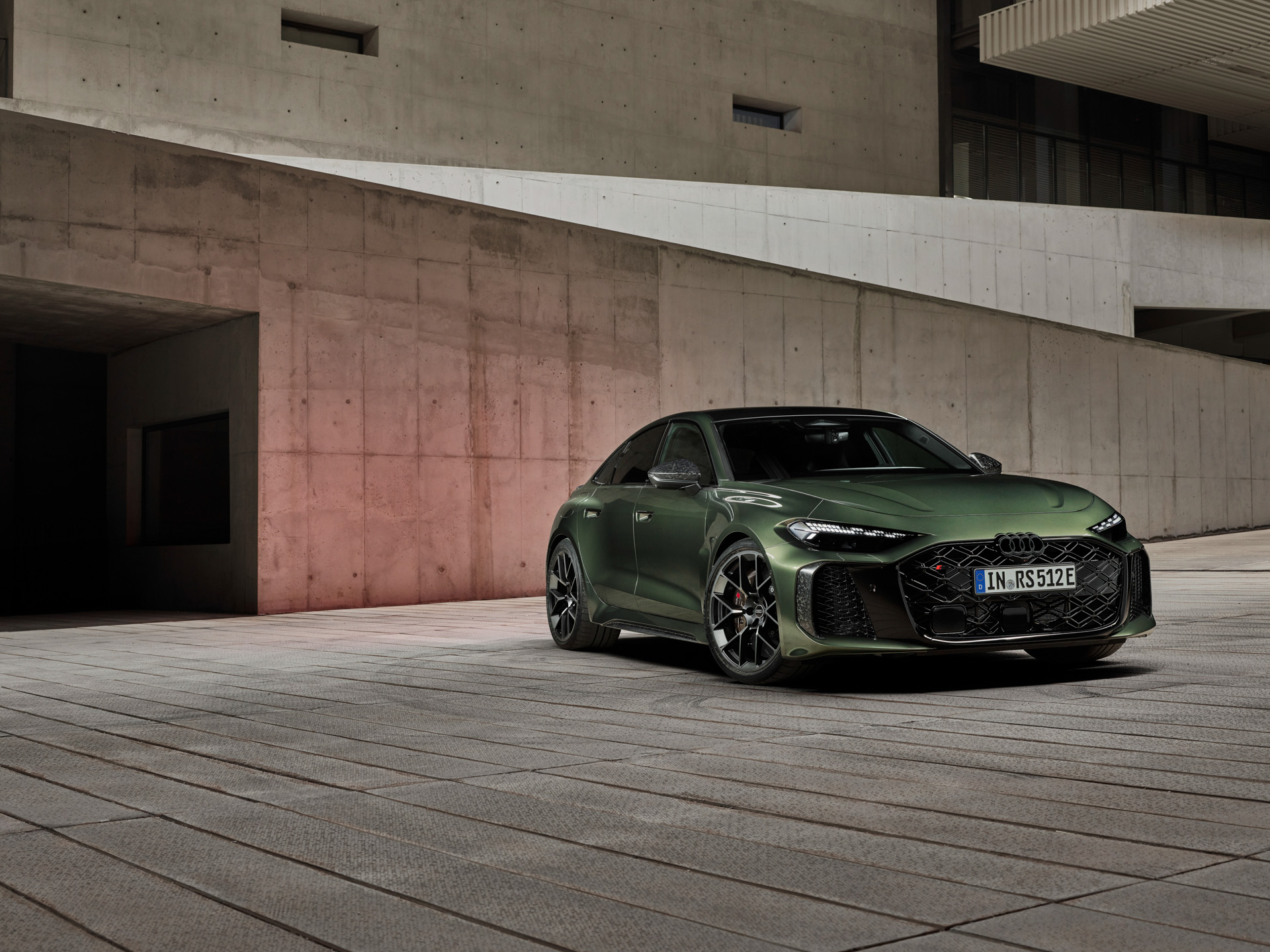
Audi RS 5 Sedan 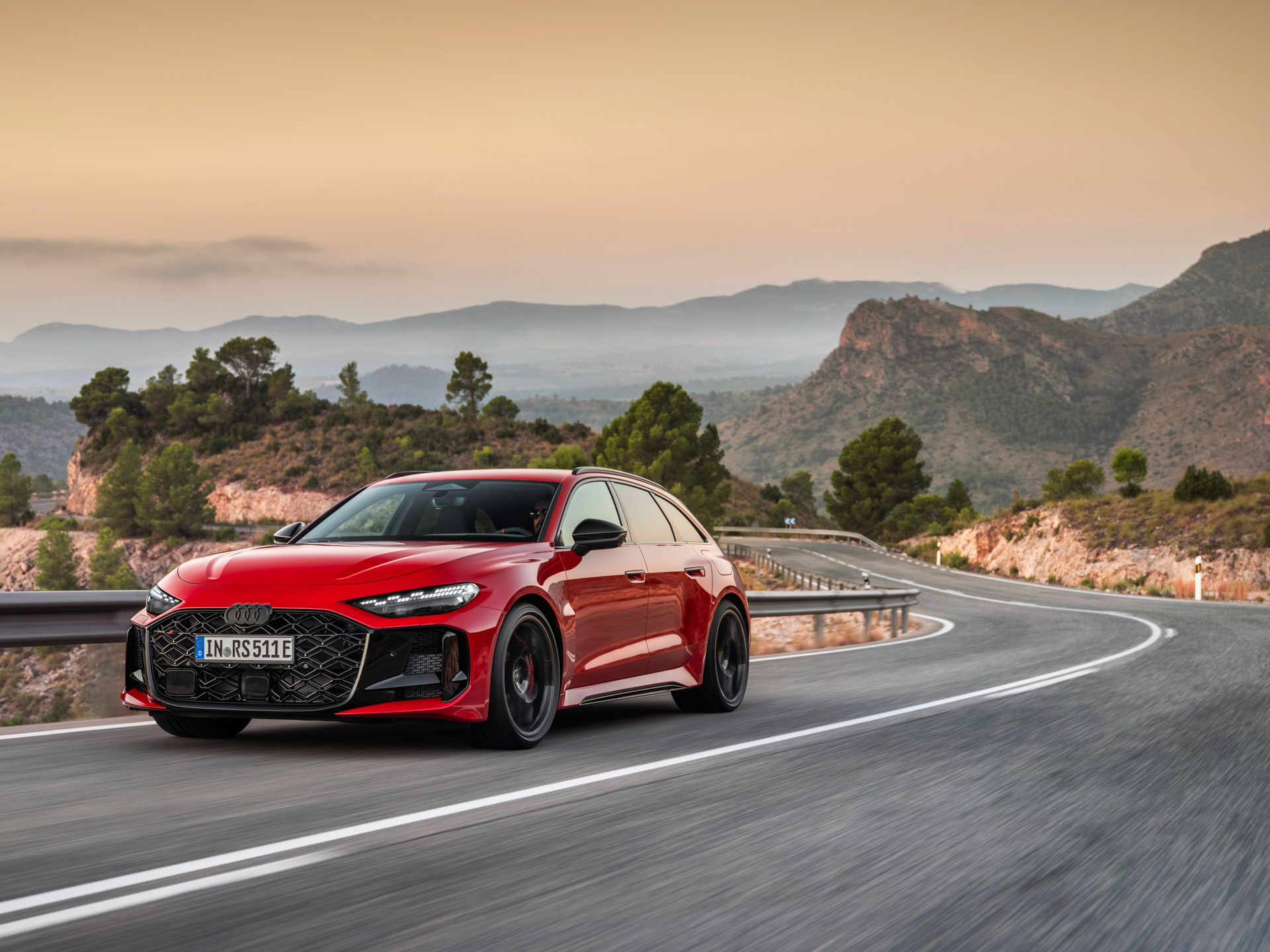
Audi RS 5 Avant 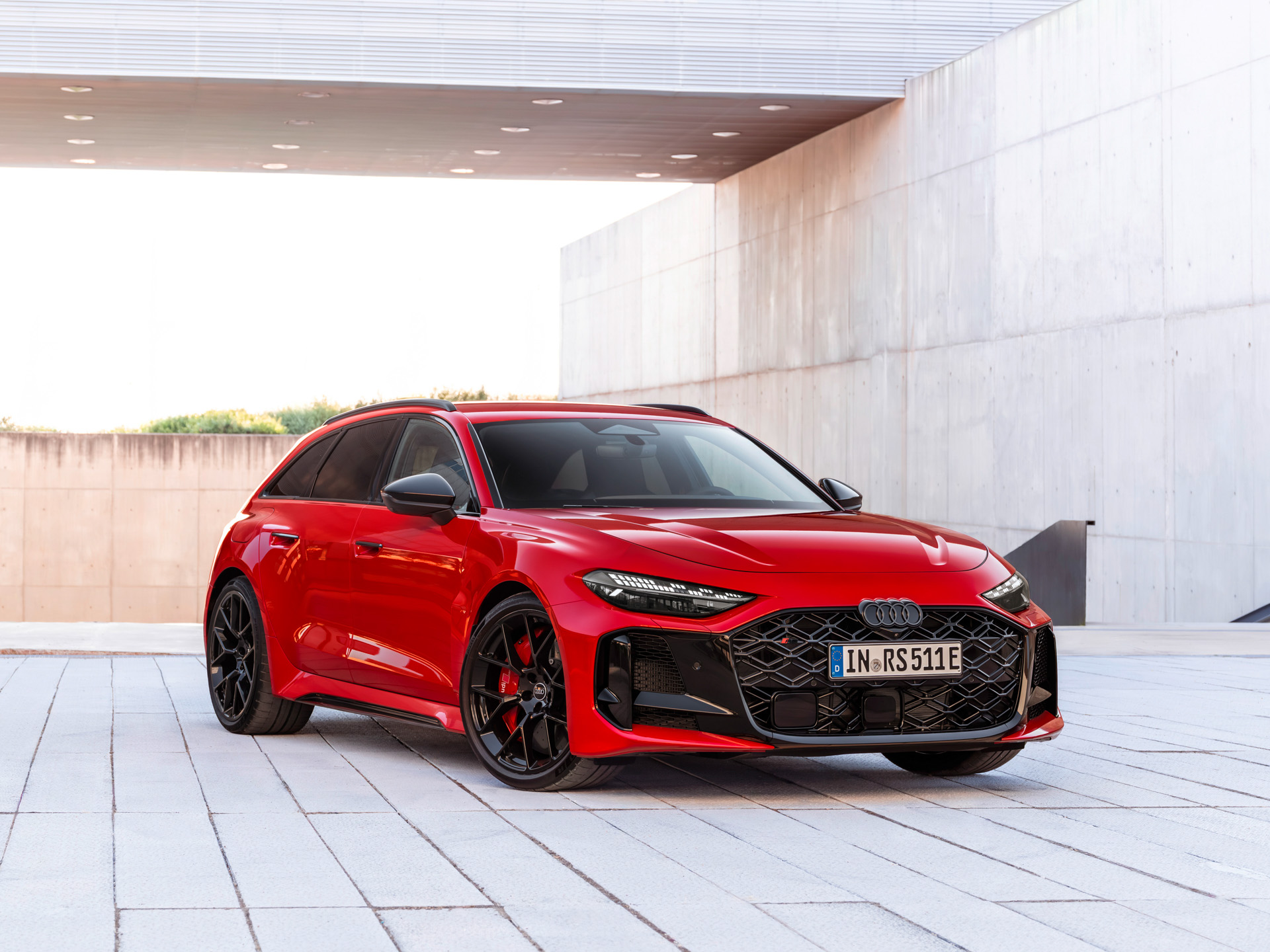
Audi RS 5 Avant 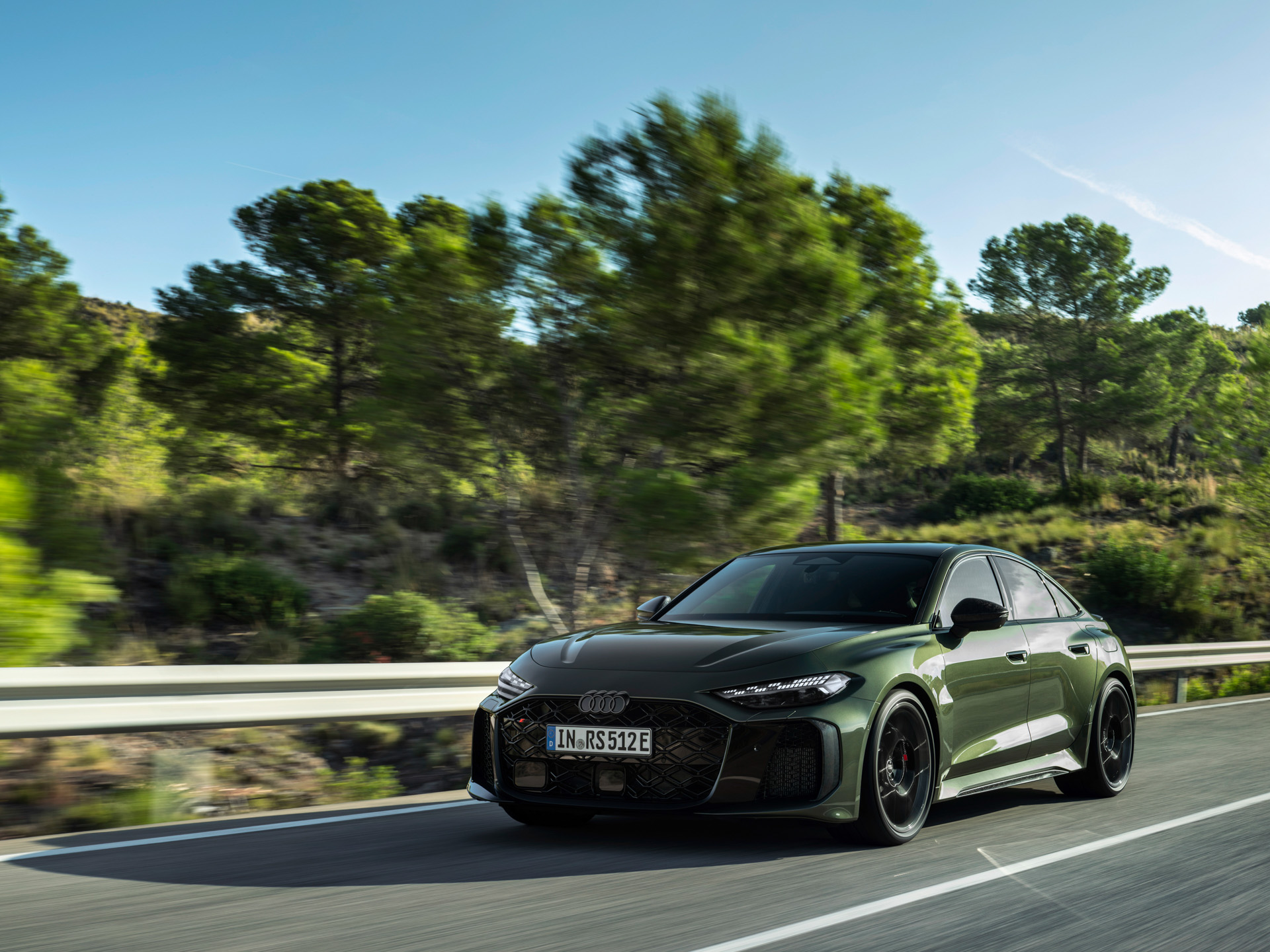
Audi RS 5 Sedan 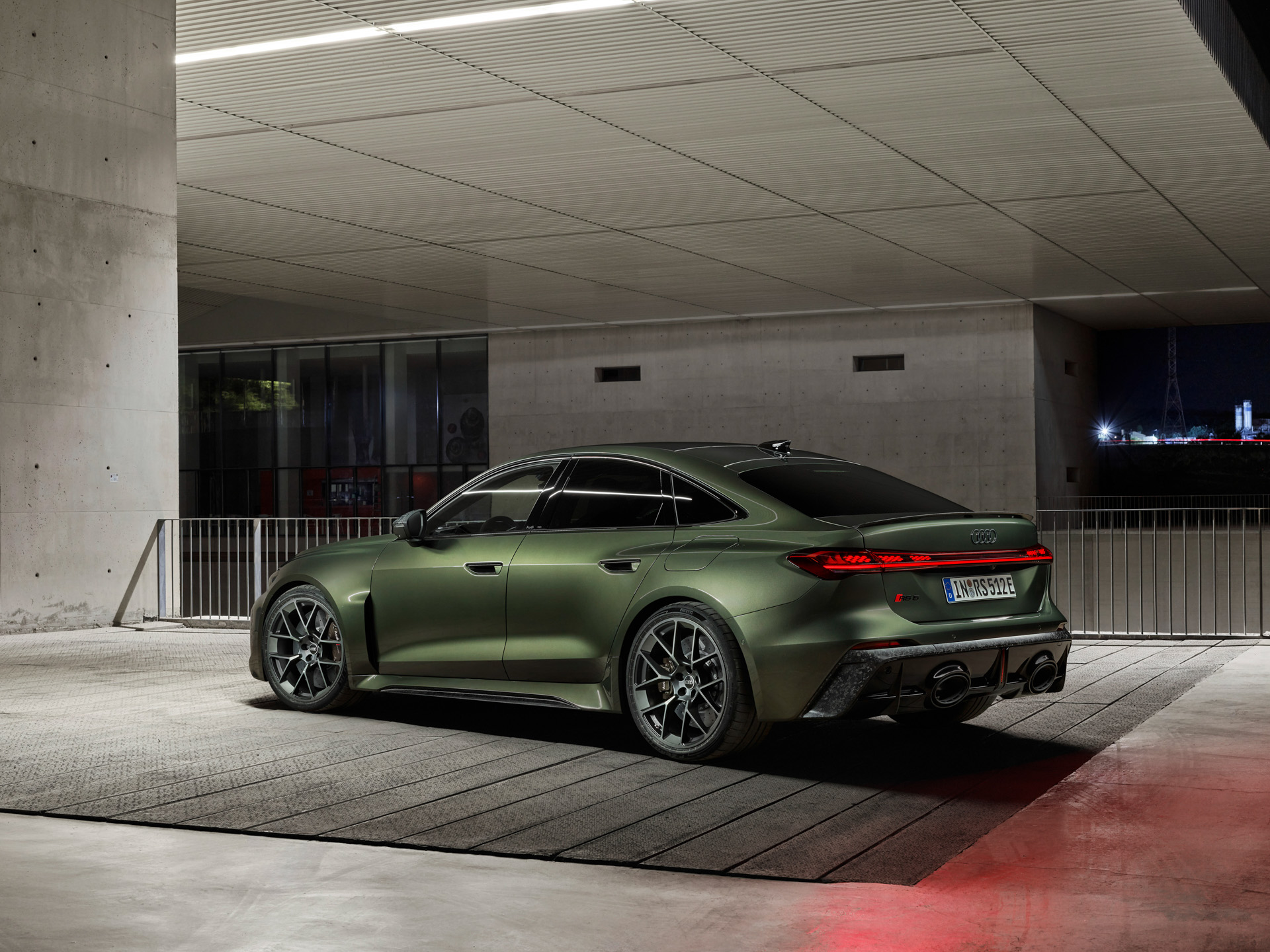
Audi RS 5 Sedan 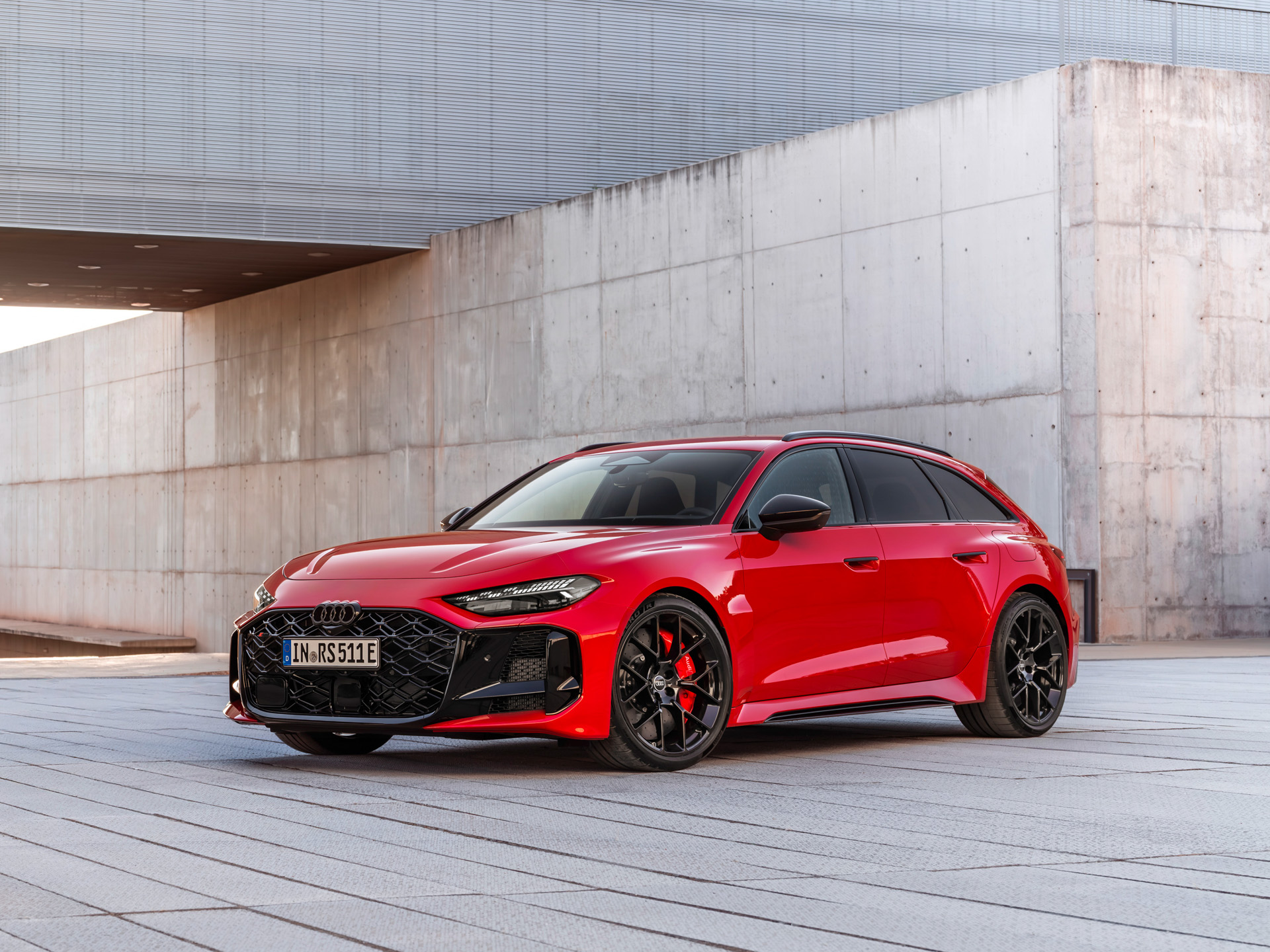
Audi RS 5 Avant 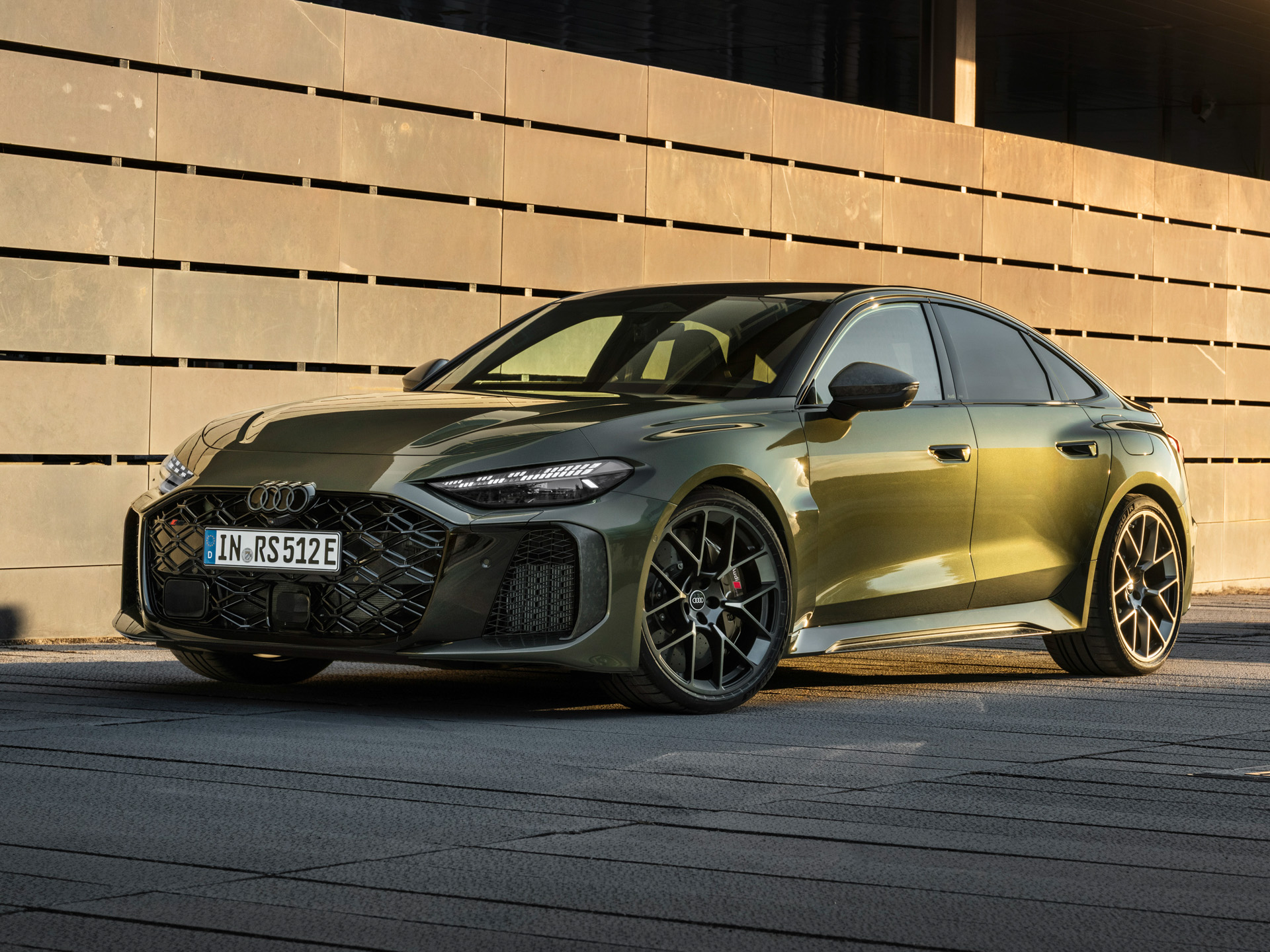
Audi RS 5 Sedan 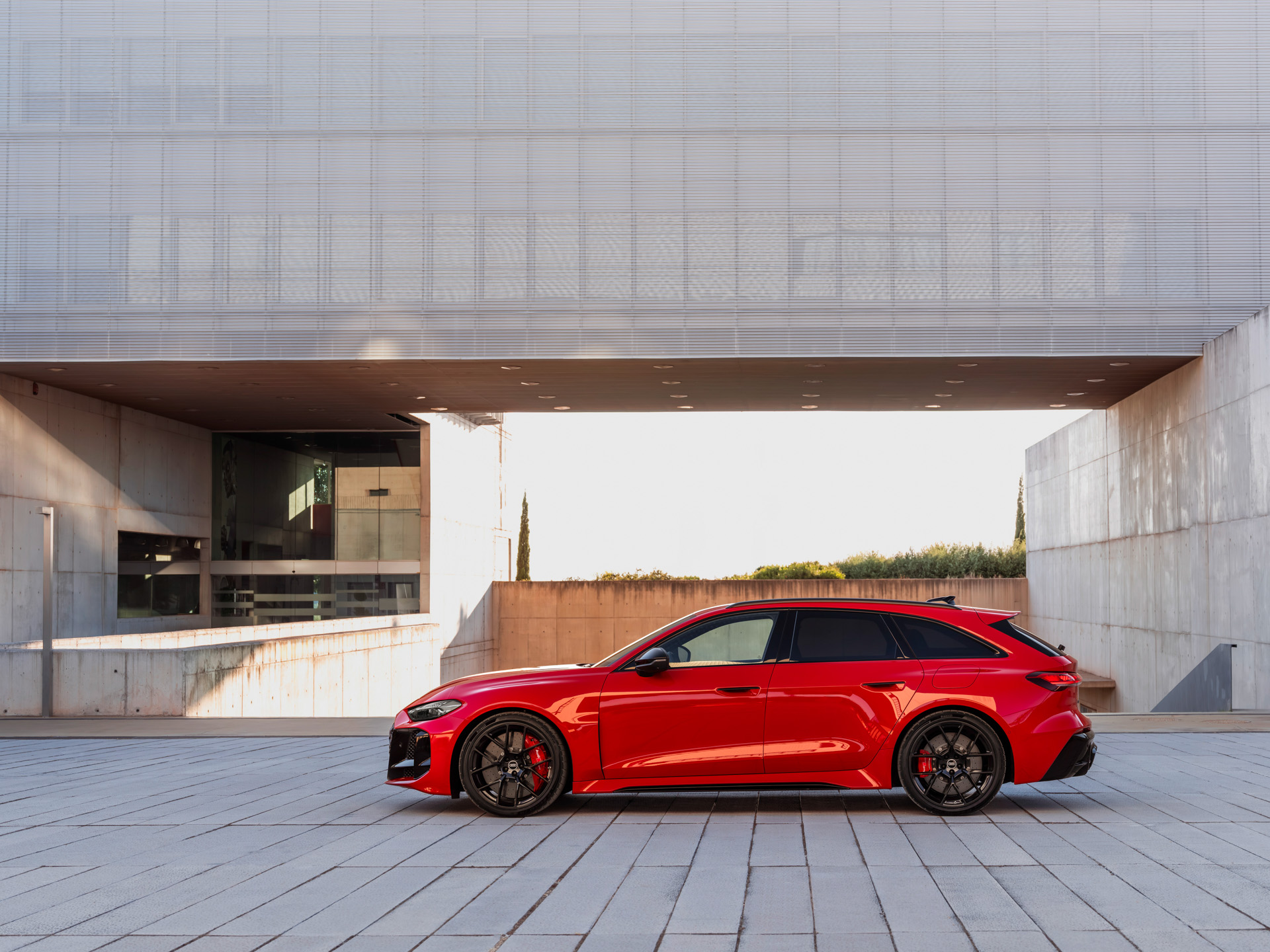
Audi RS 5 Avant 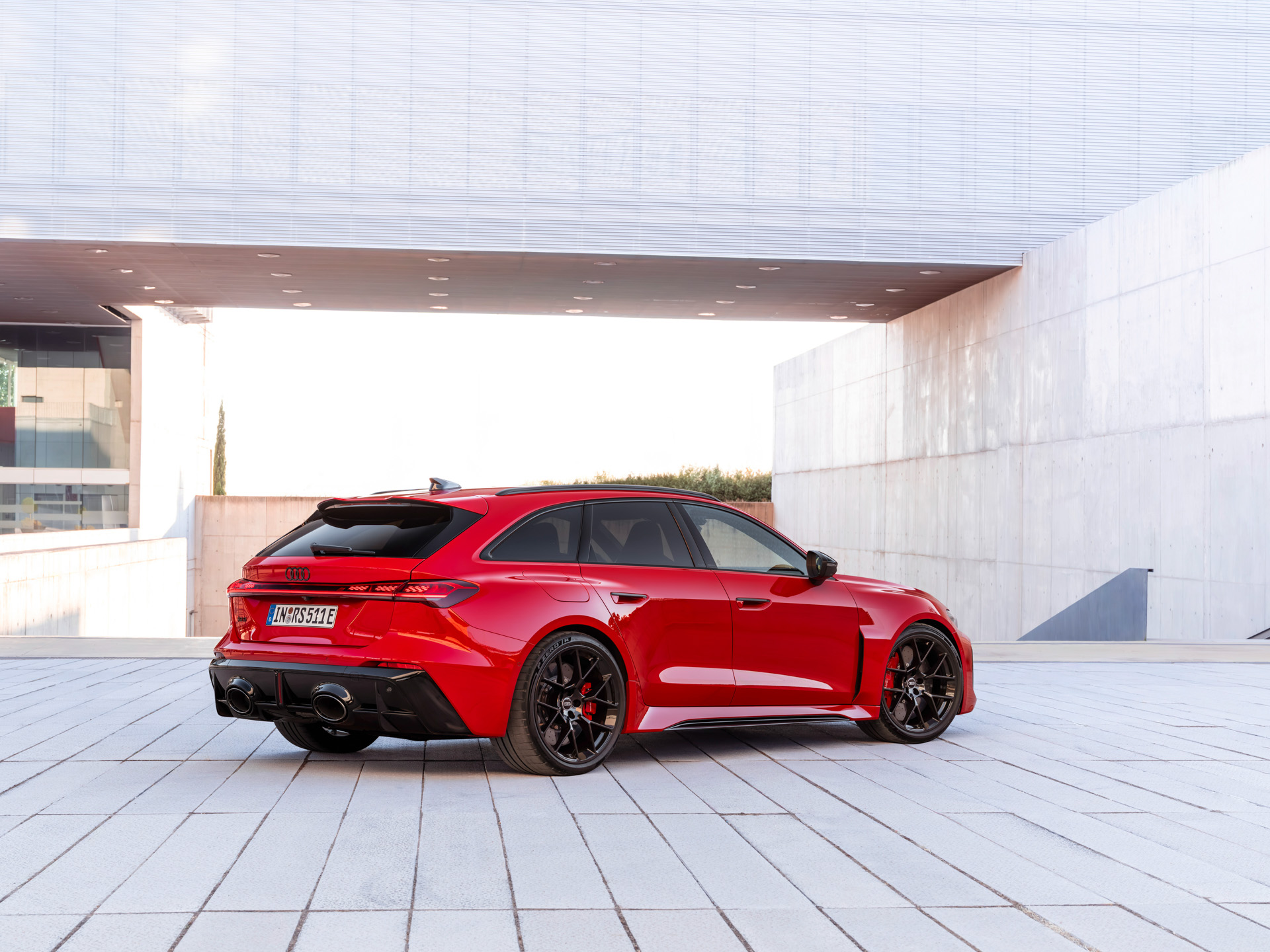
Audi RS 5 Avant 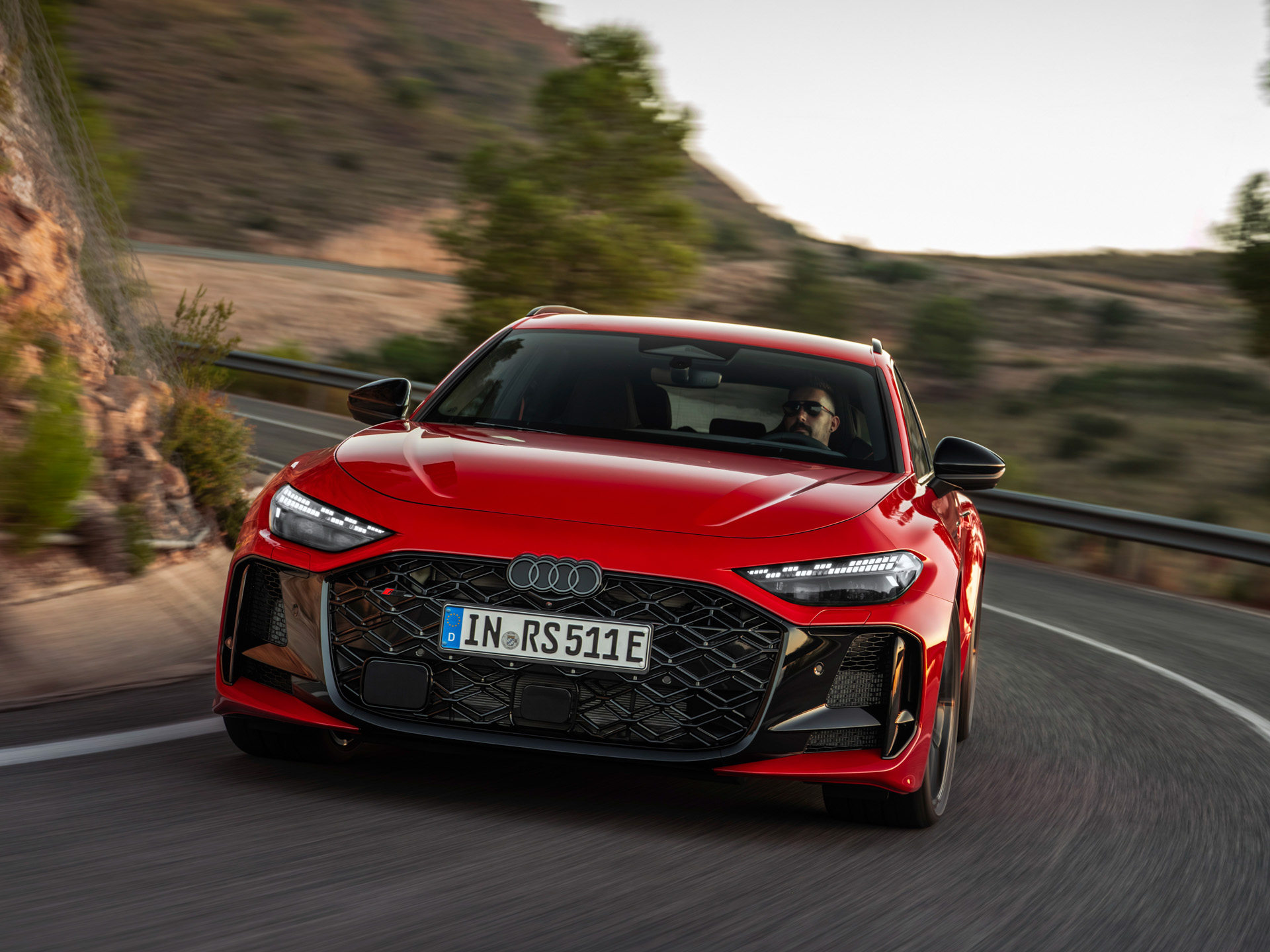
Audi RS 5 Avant 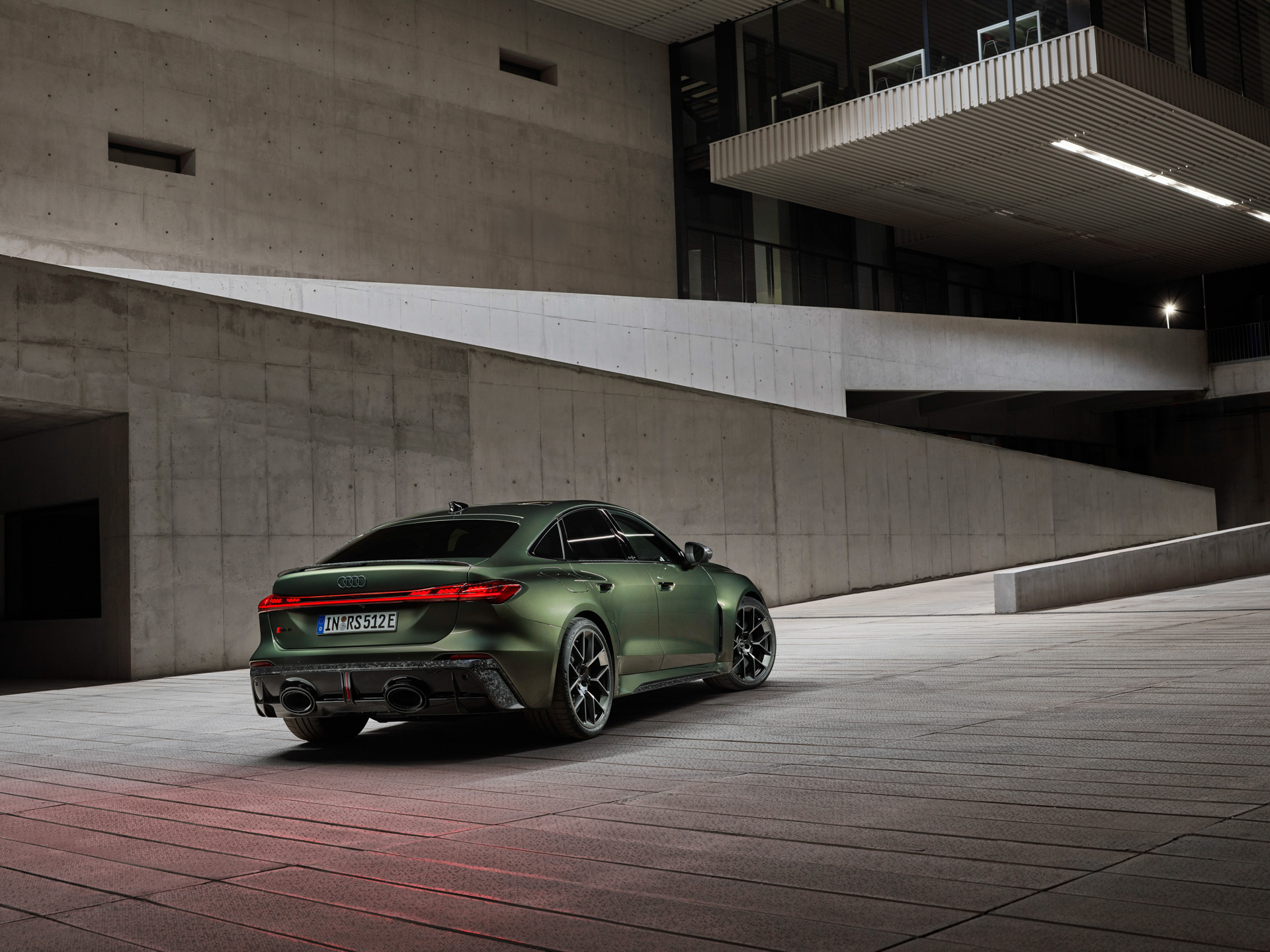
Audi RS 5 Sedan 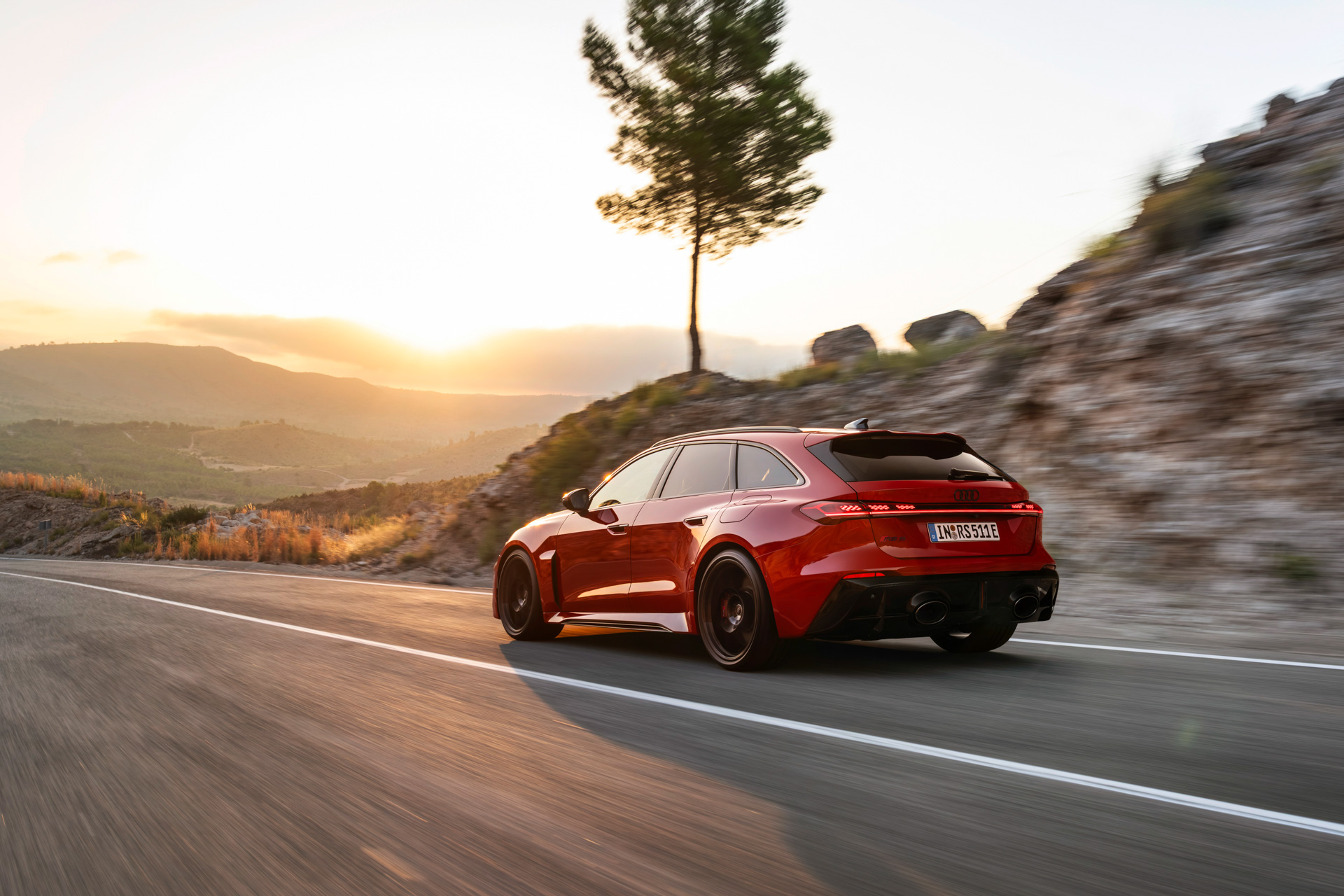
Audi RS 5 Avant 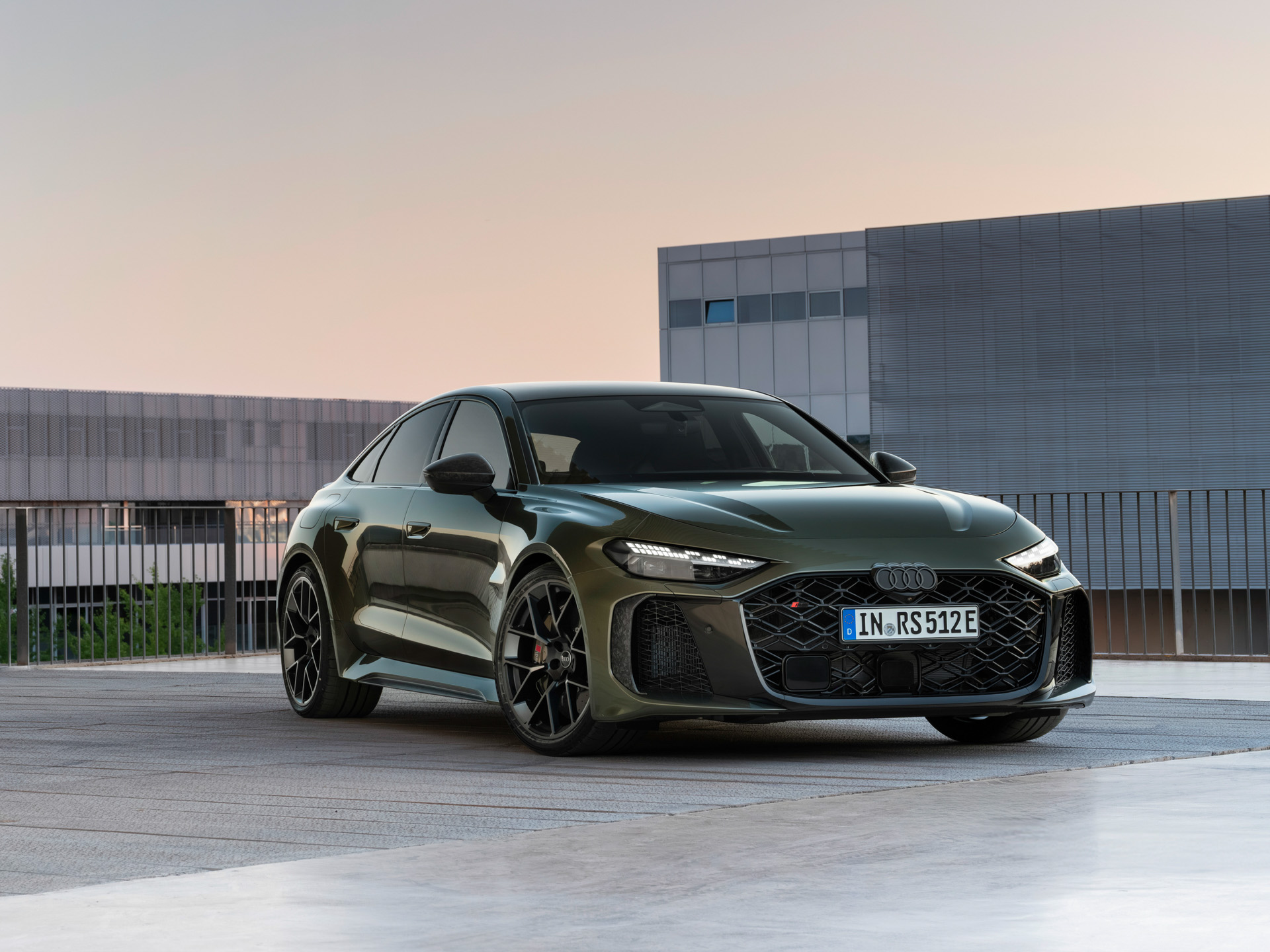
Audi RS 5 Sedan 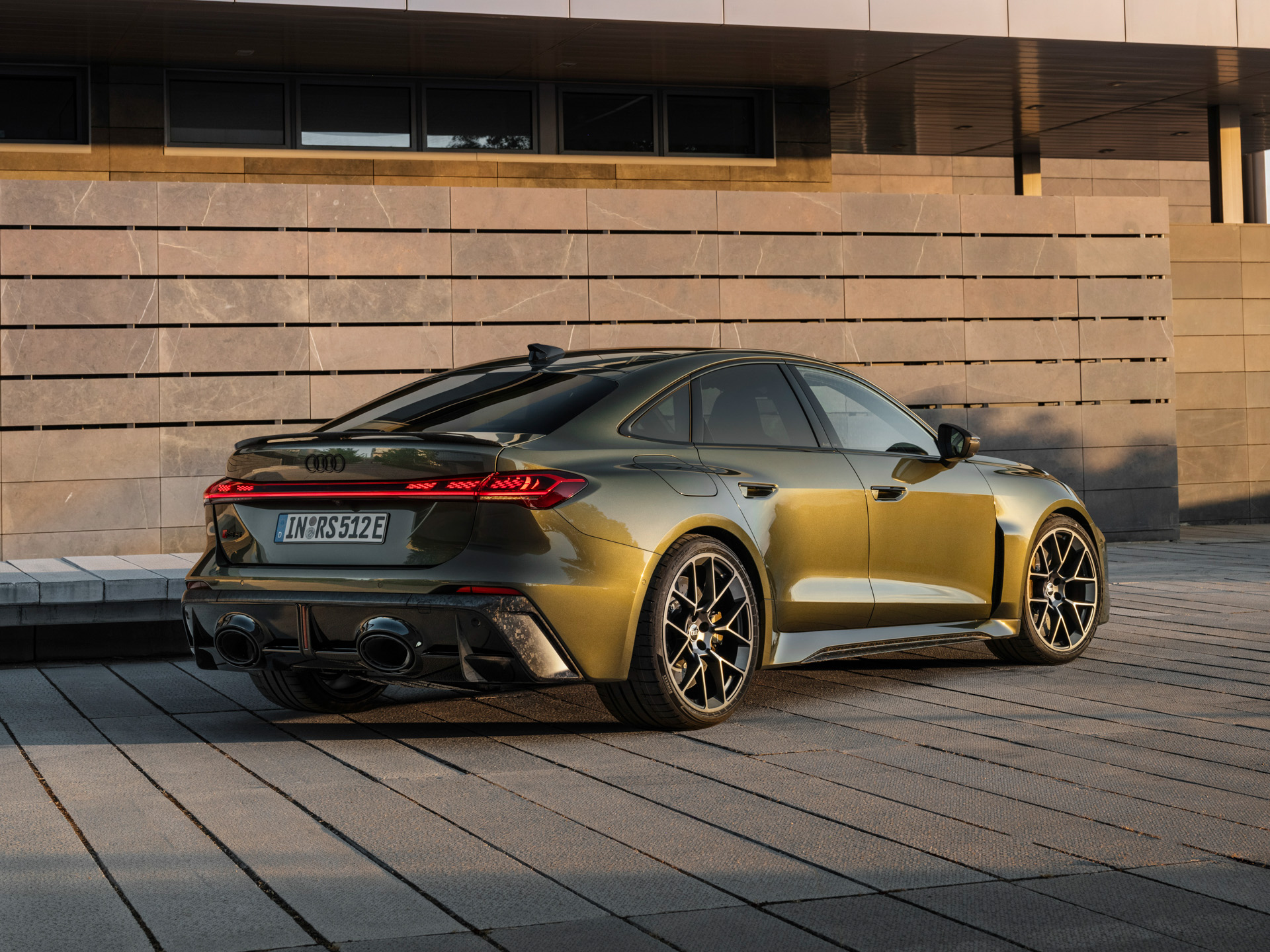
Audi RS 5 Sedan 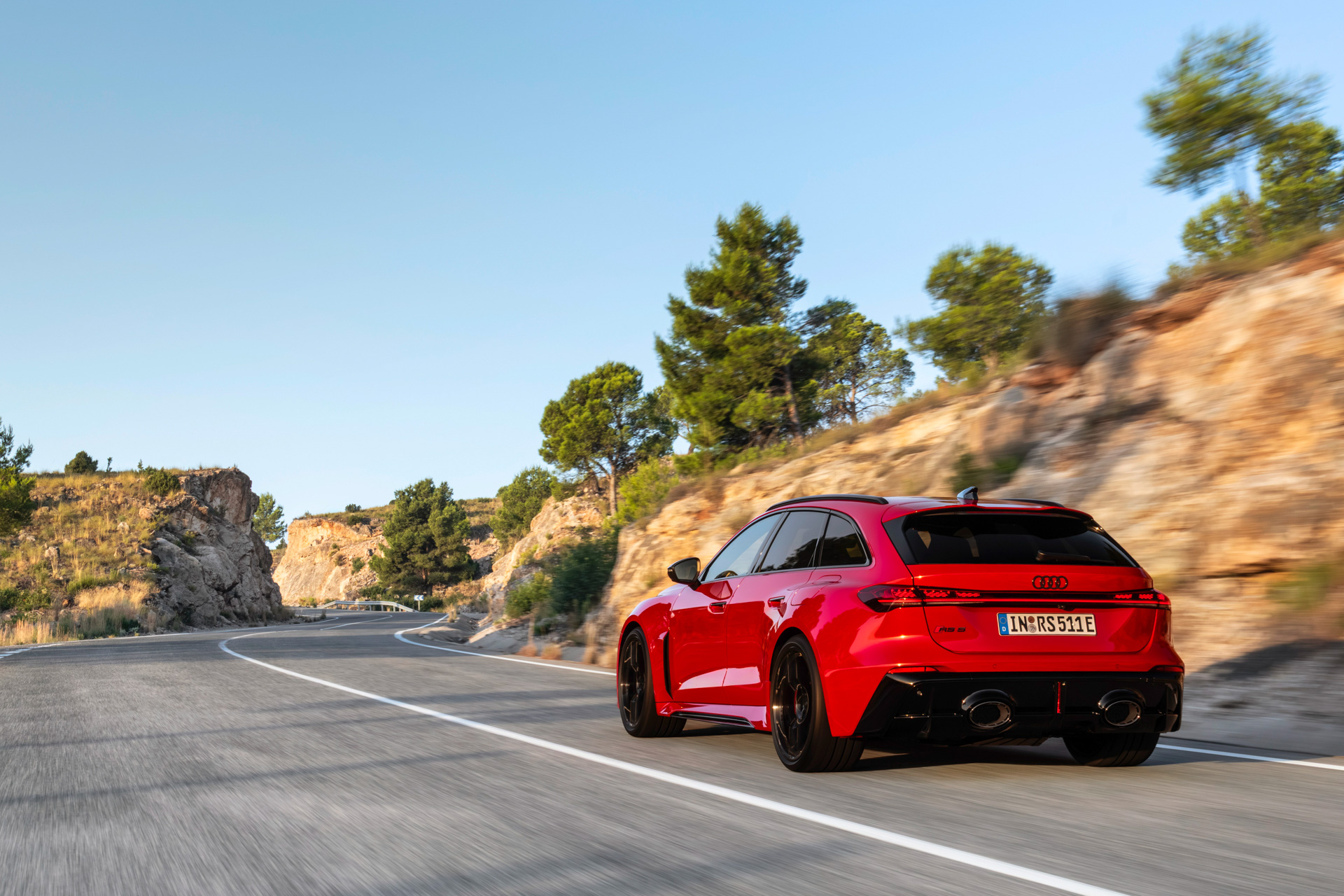
Audi RS 5 Avant 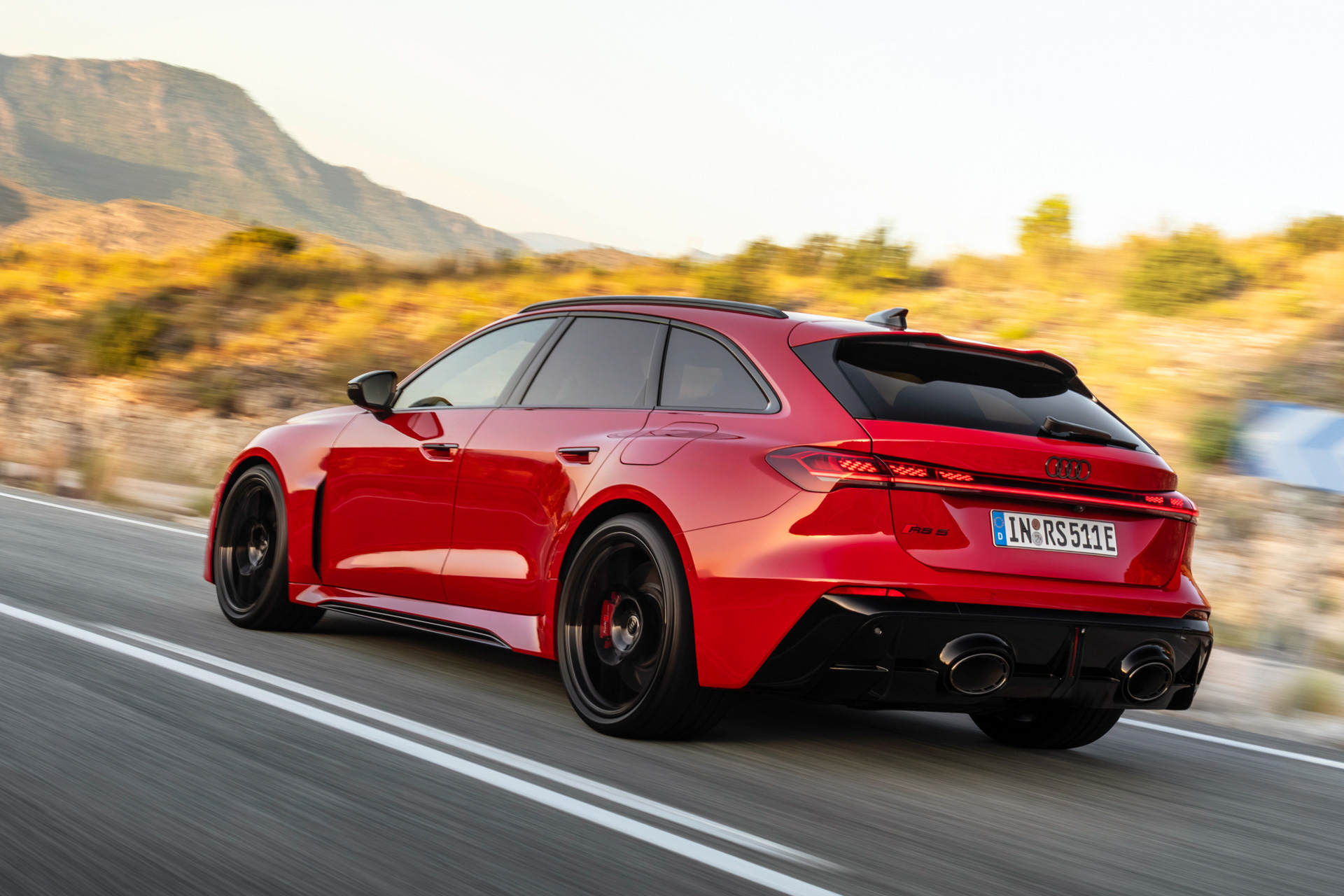
Audi RS 5 Avant 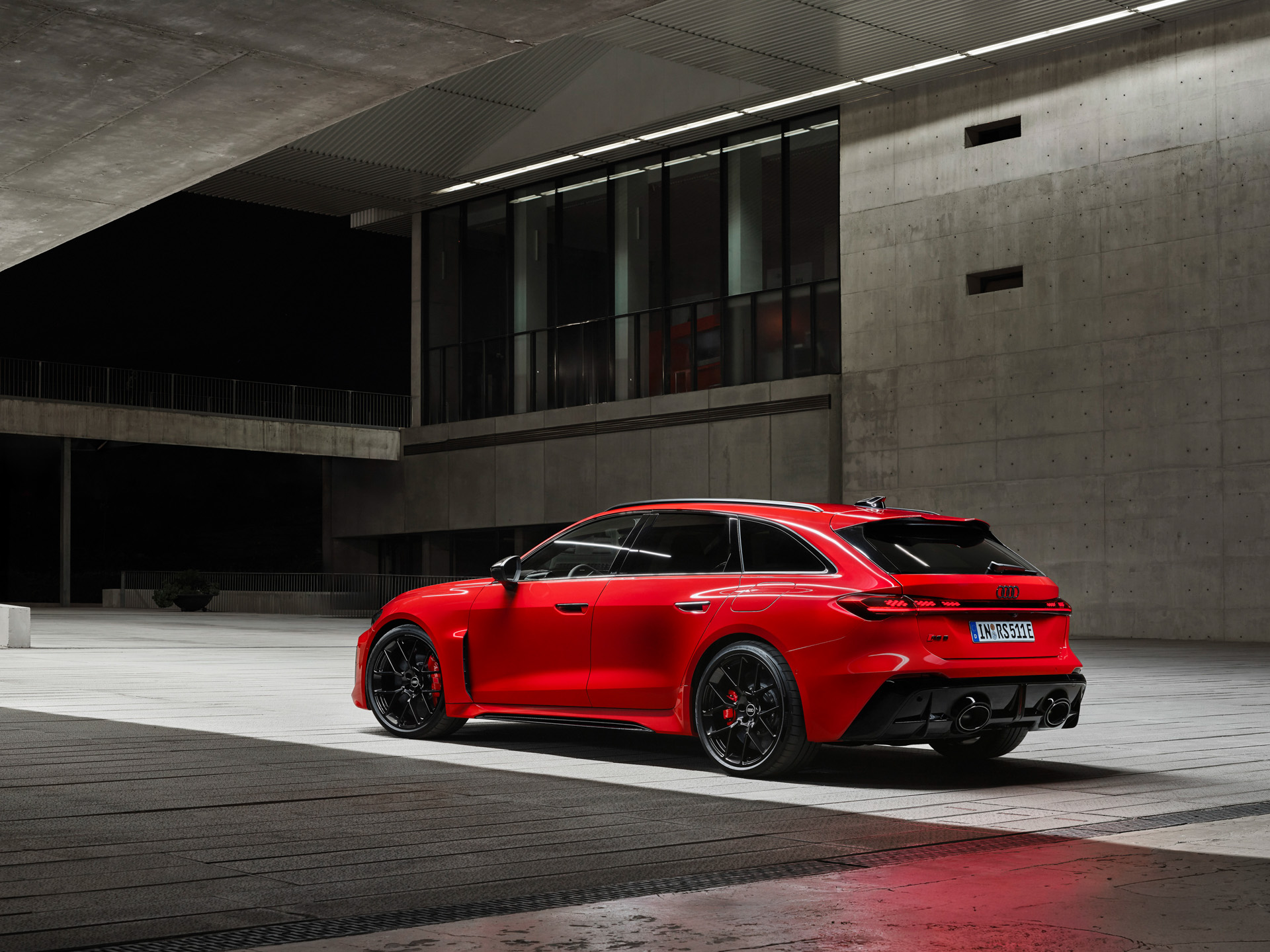
Audi RS 5 Avant 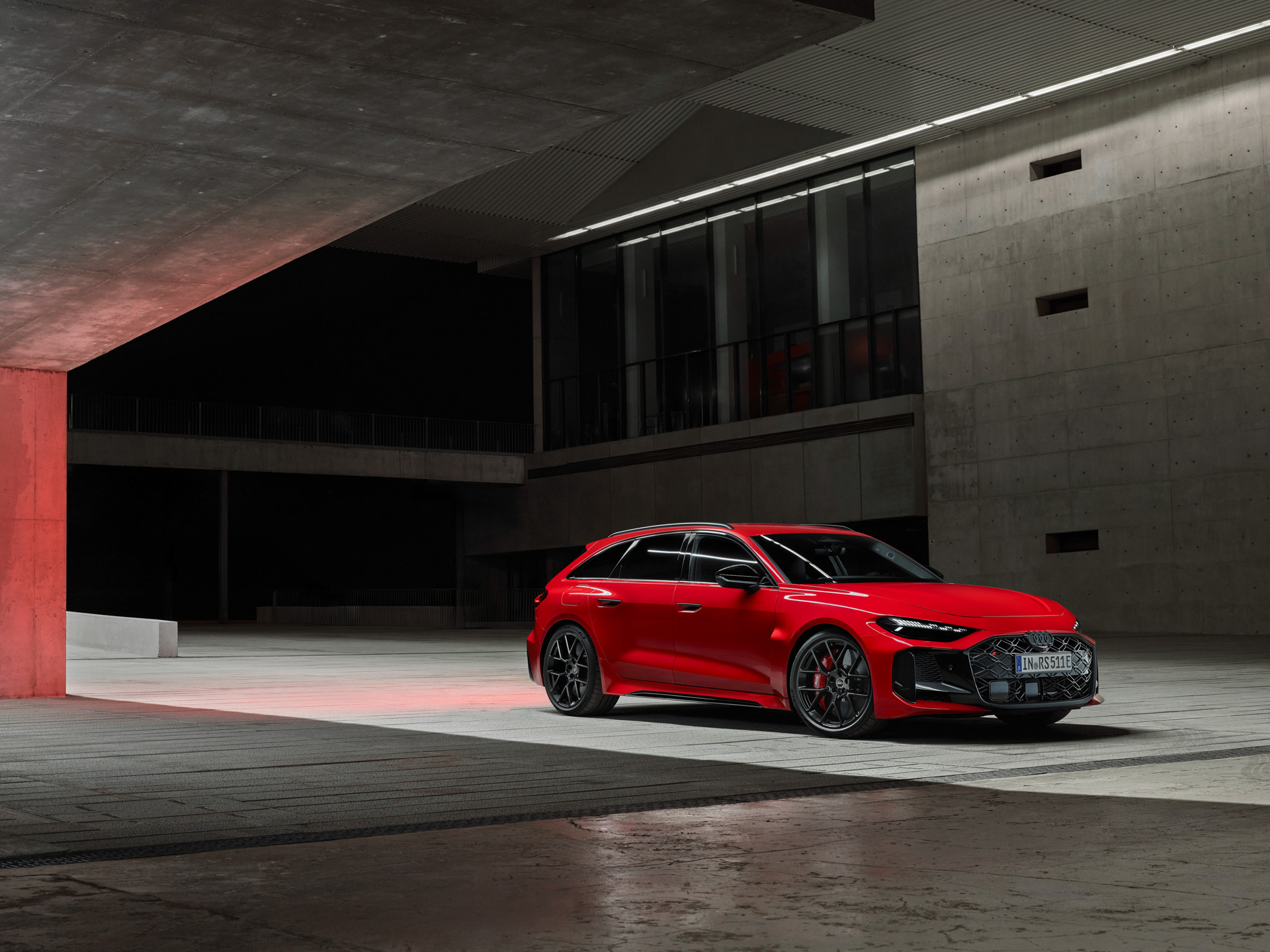
Audi RS 5 Avant 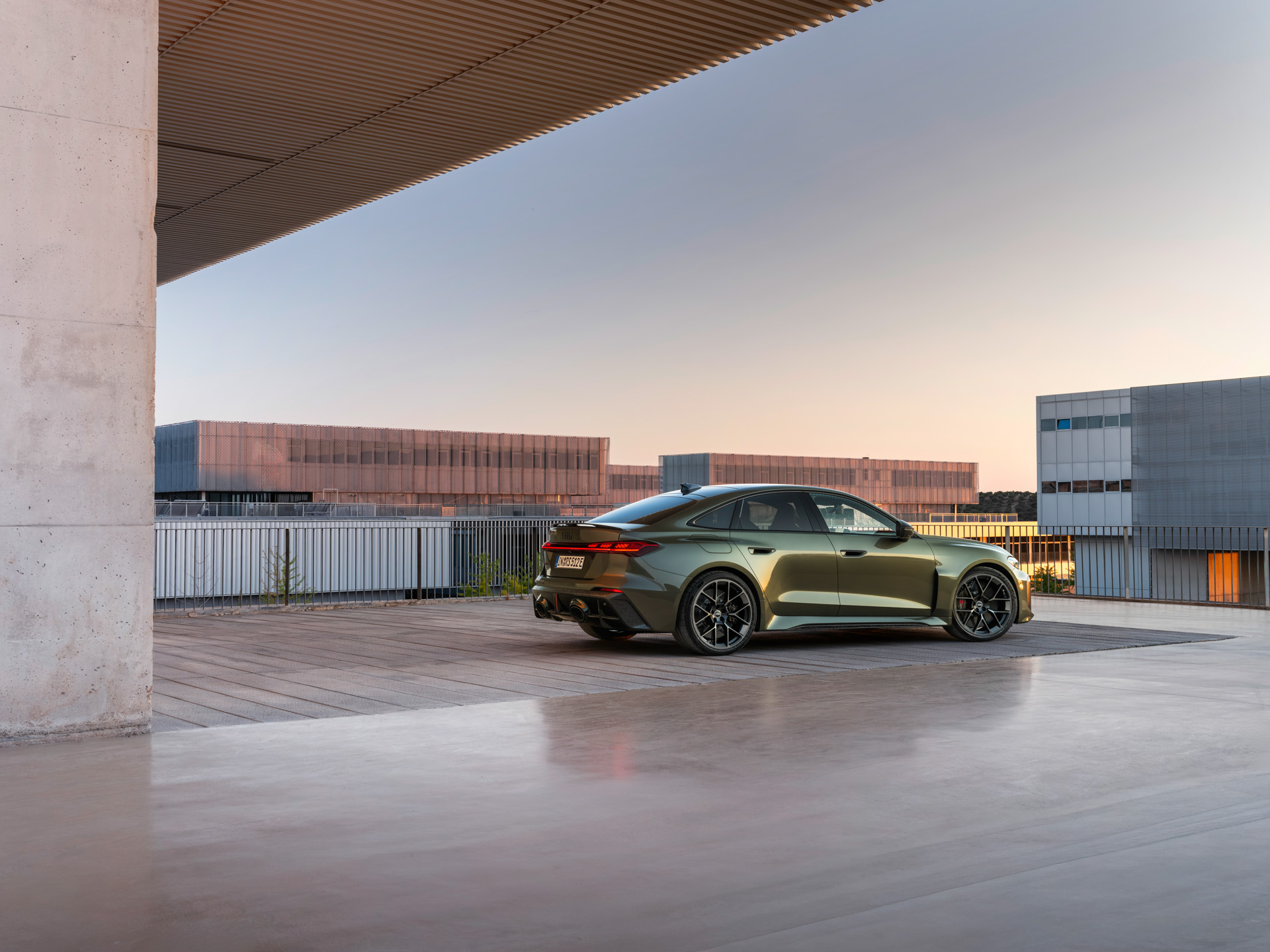
Audi RS 5 Sedan 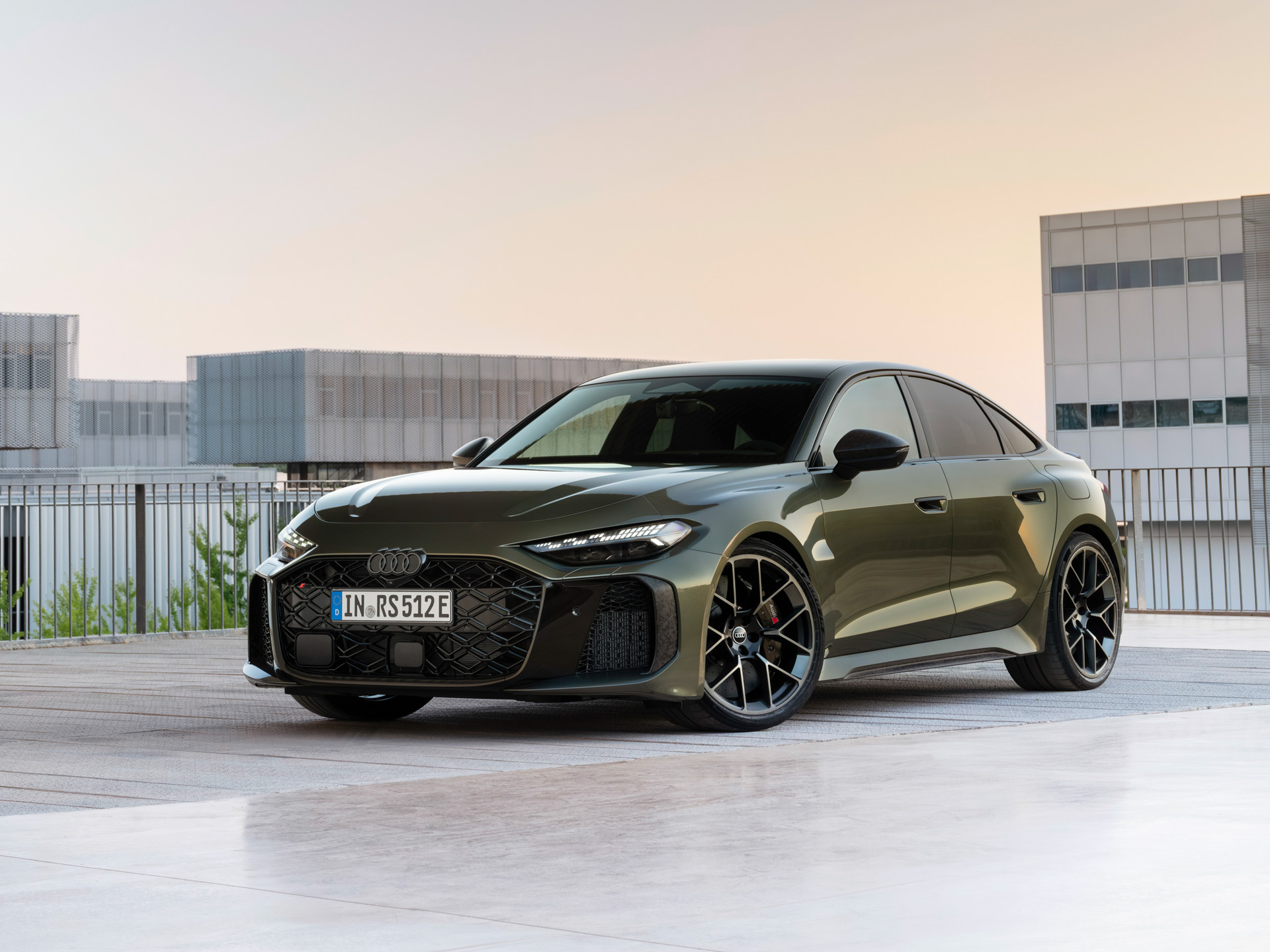
Audi RS 5 Sedan
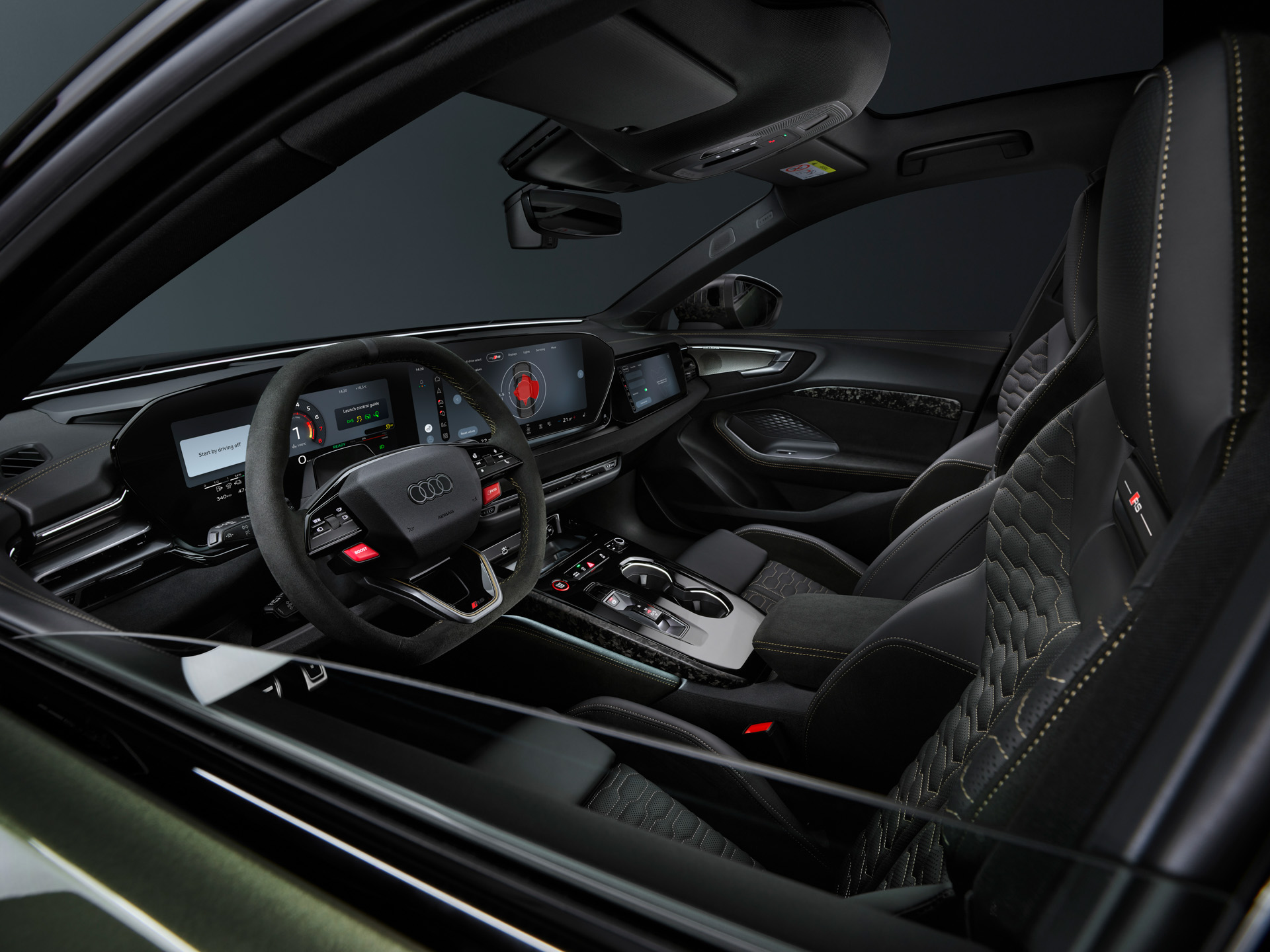
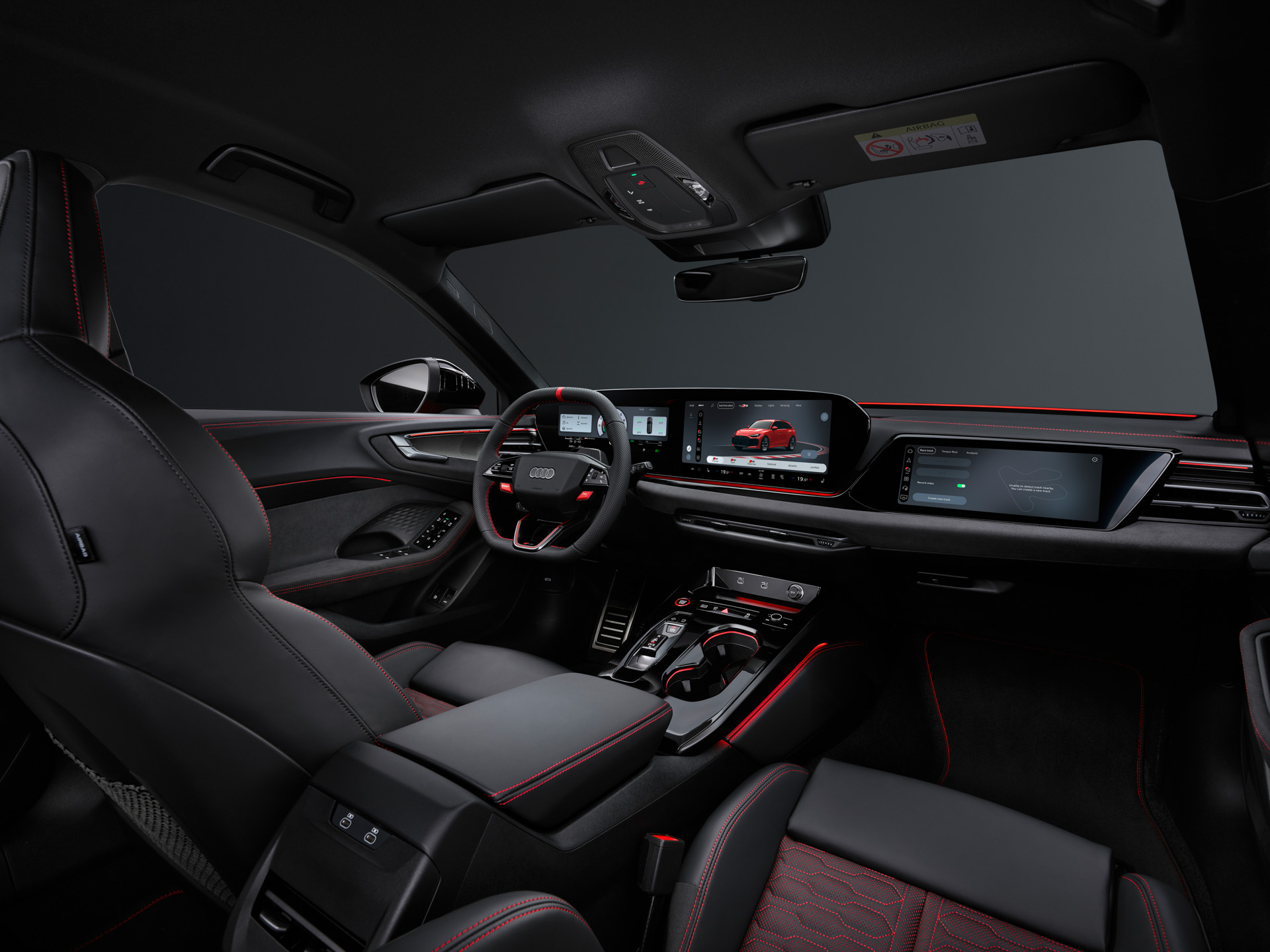
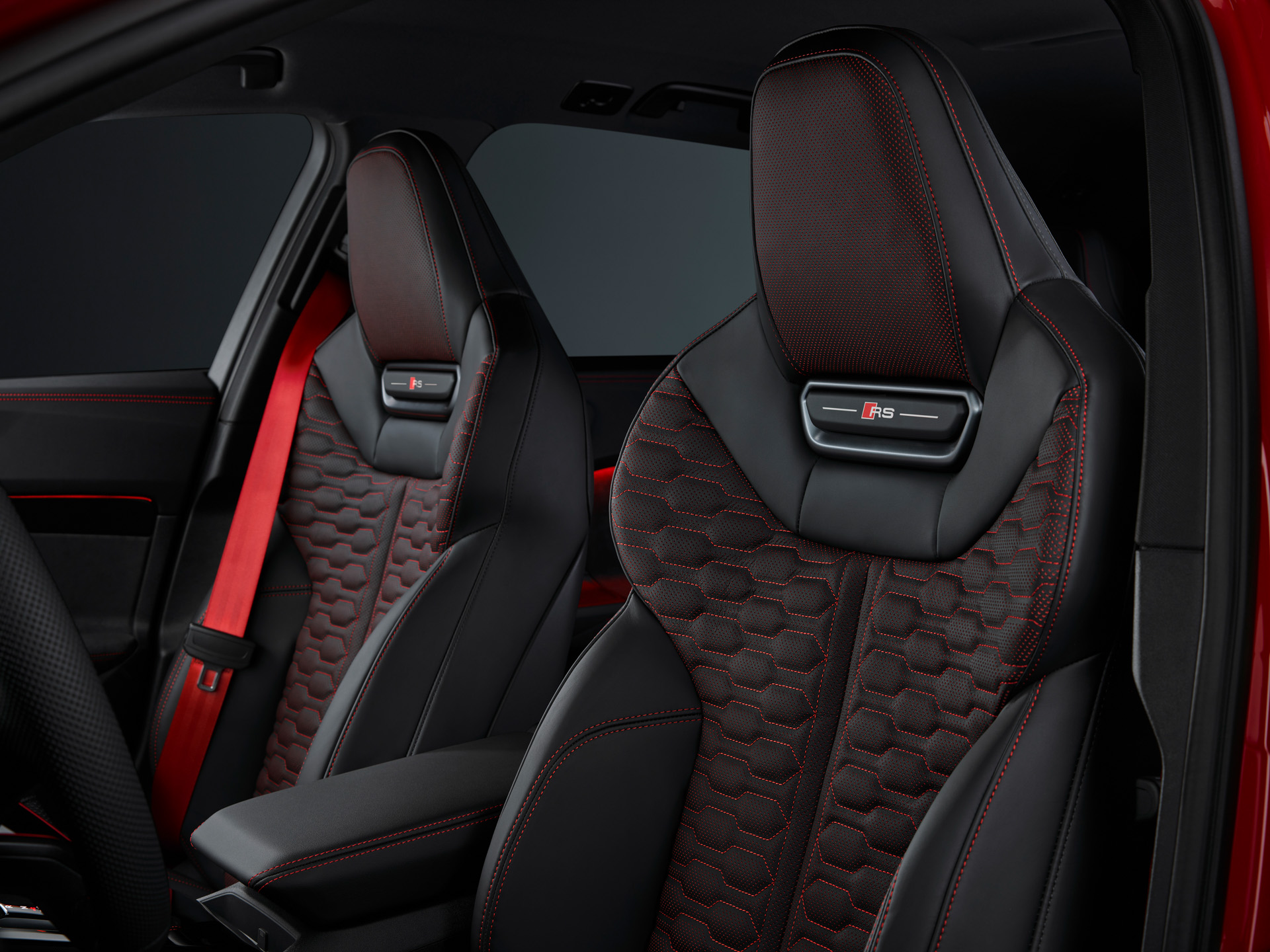
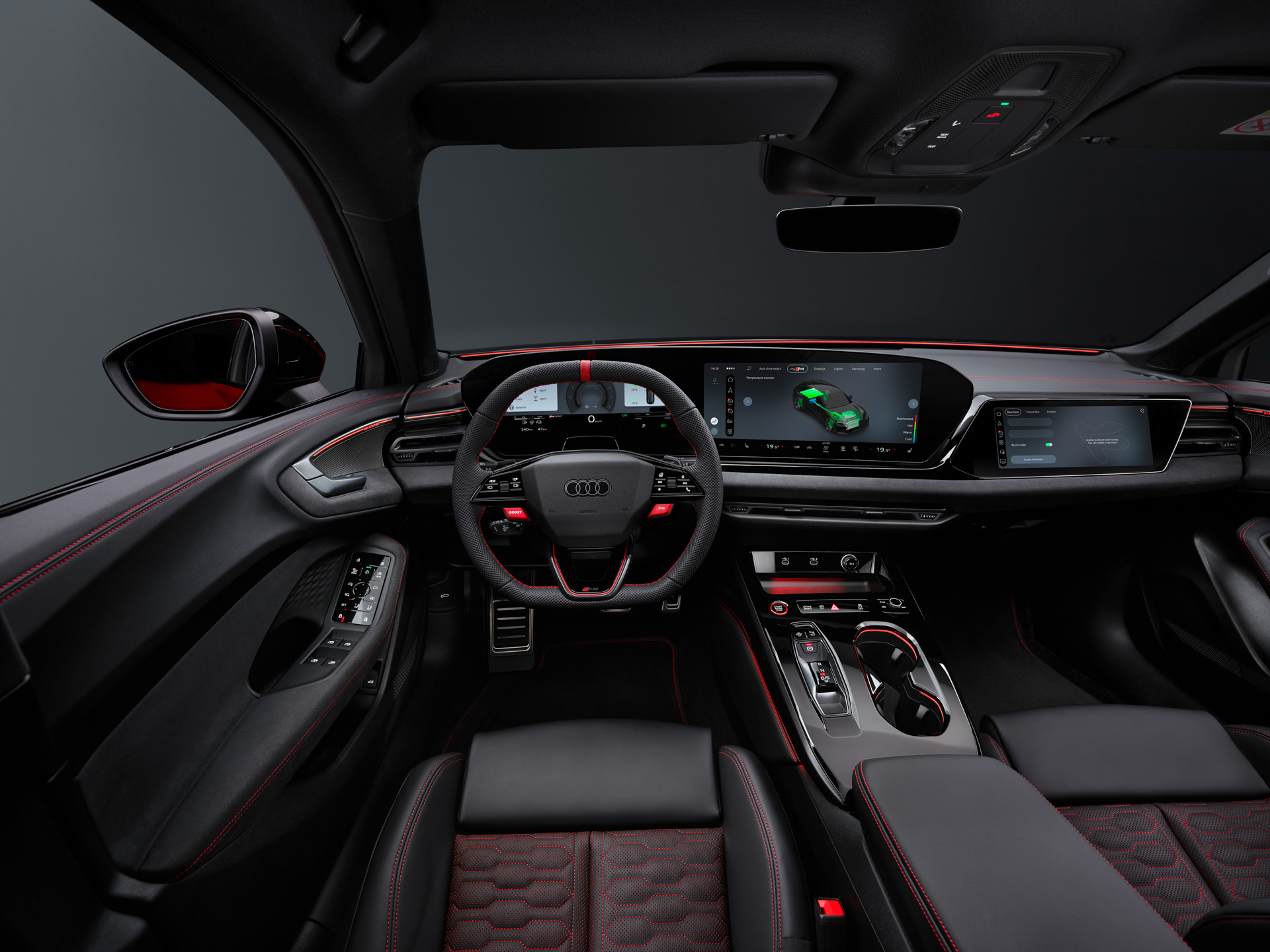
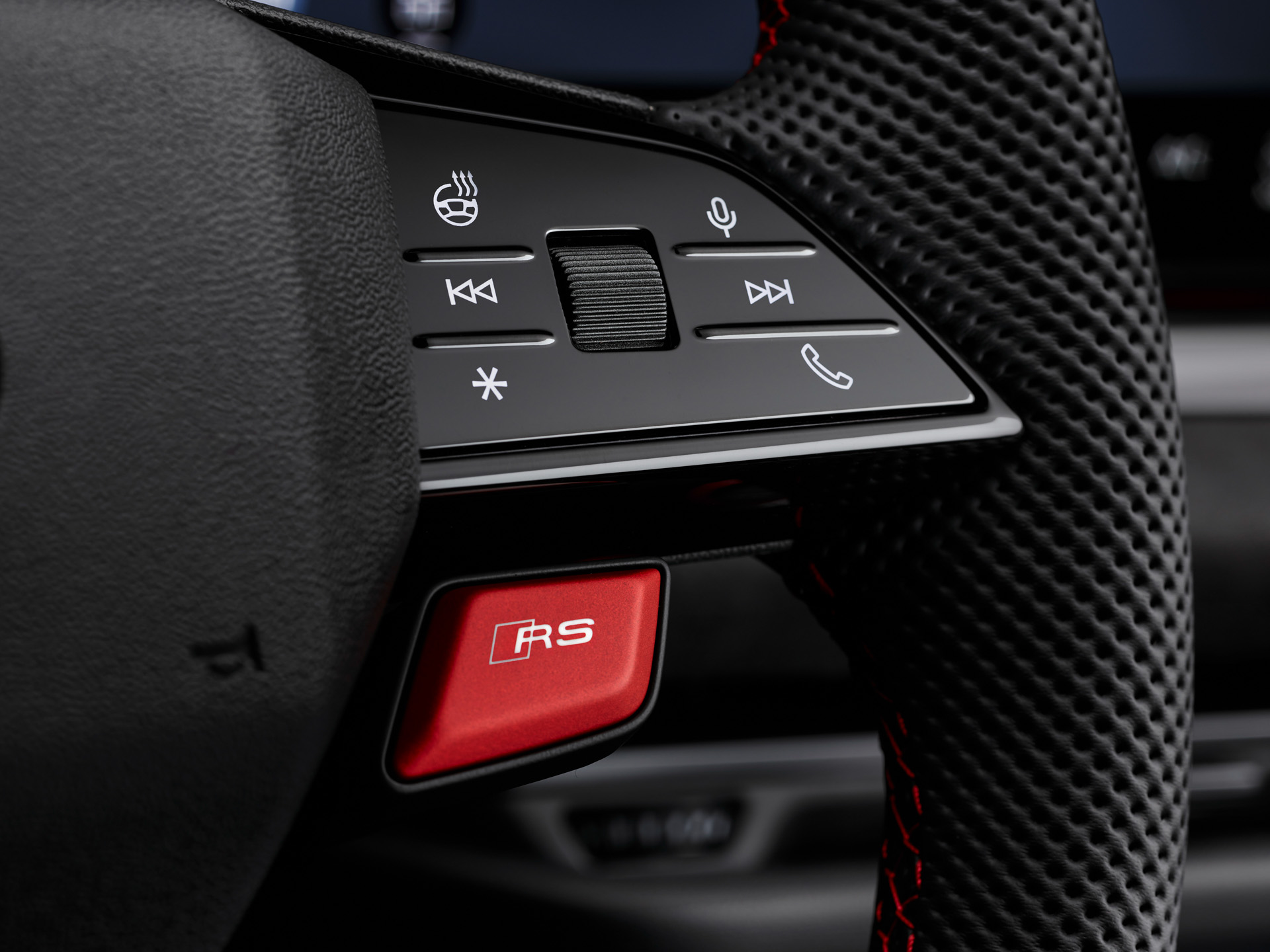
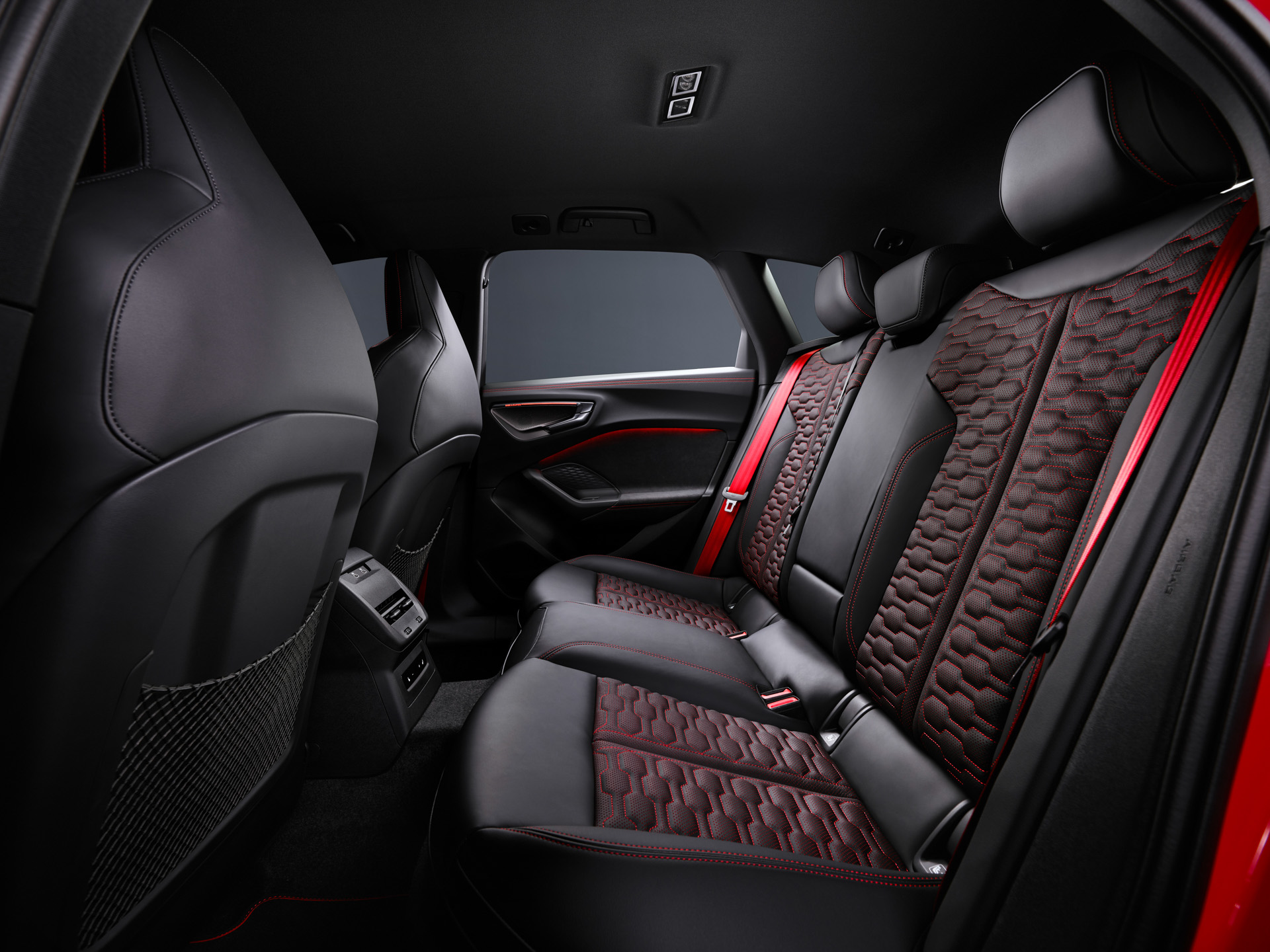
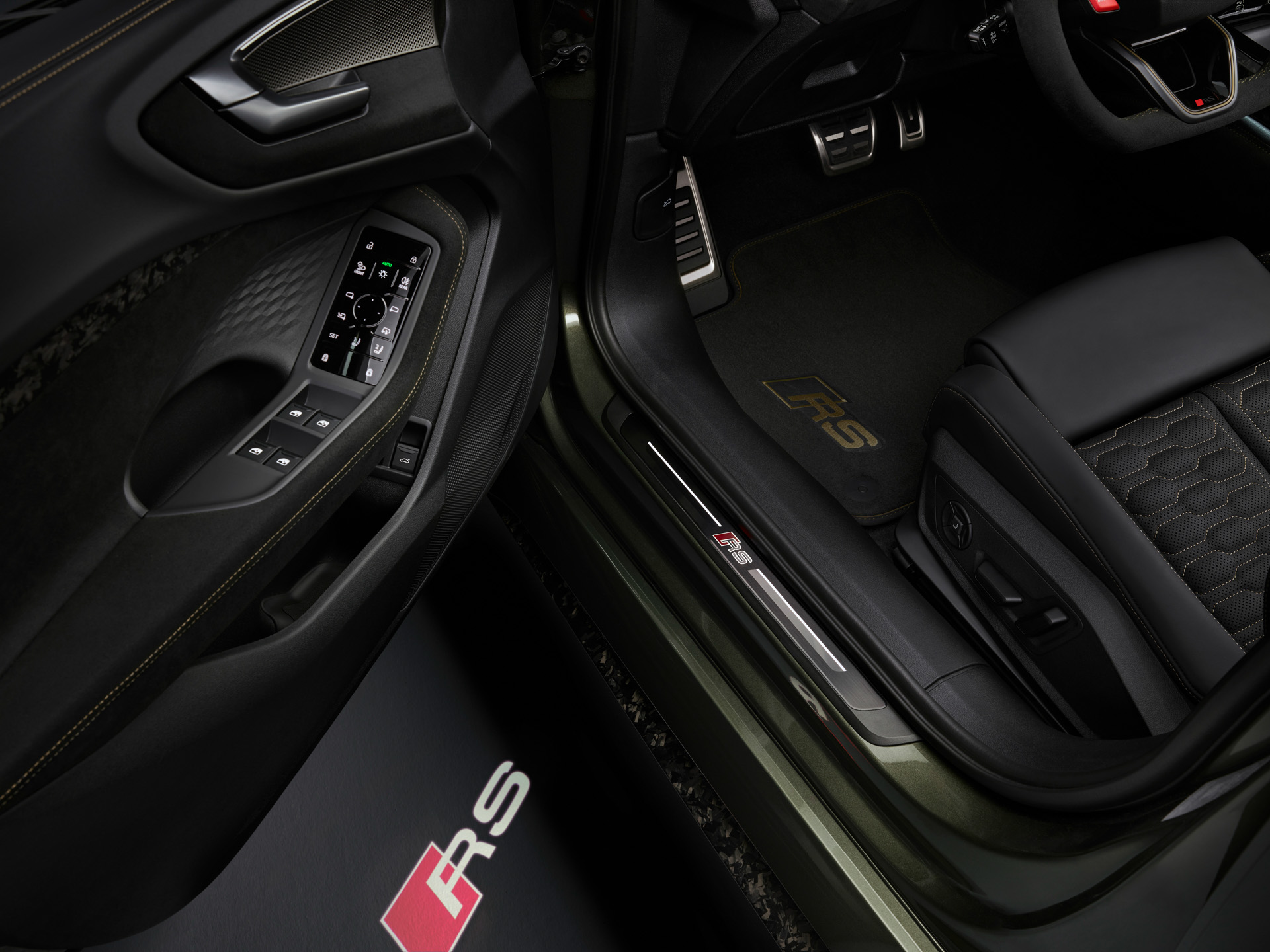
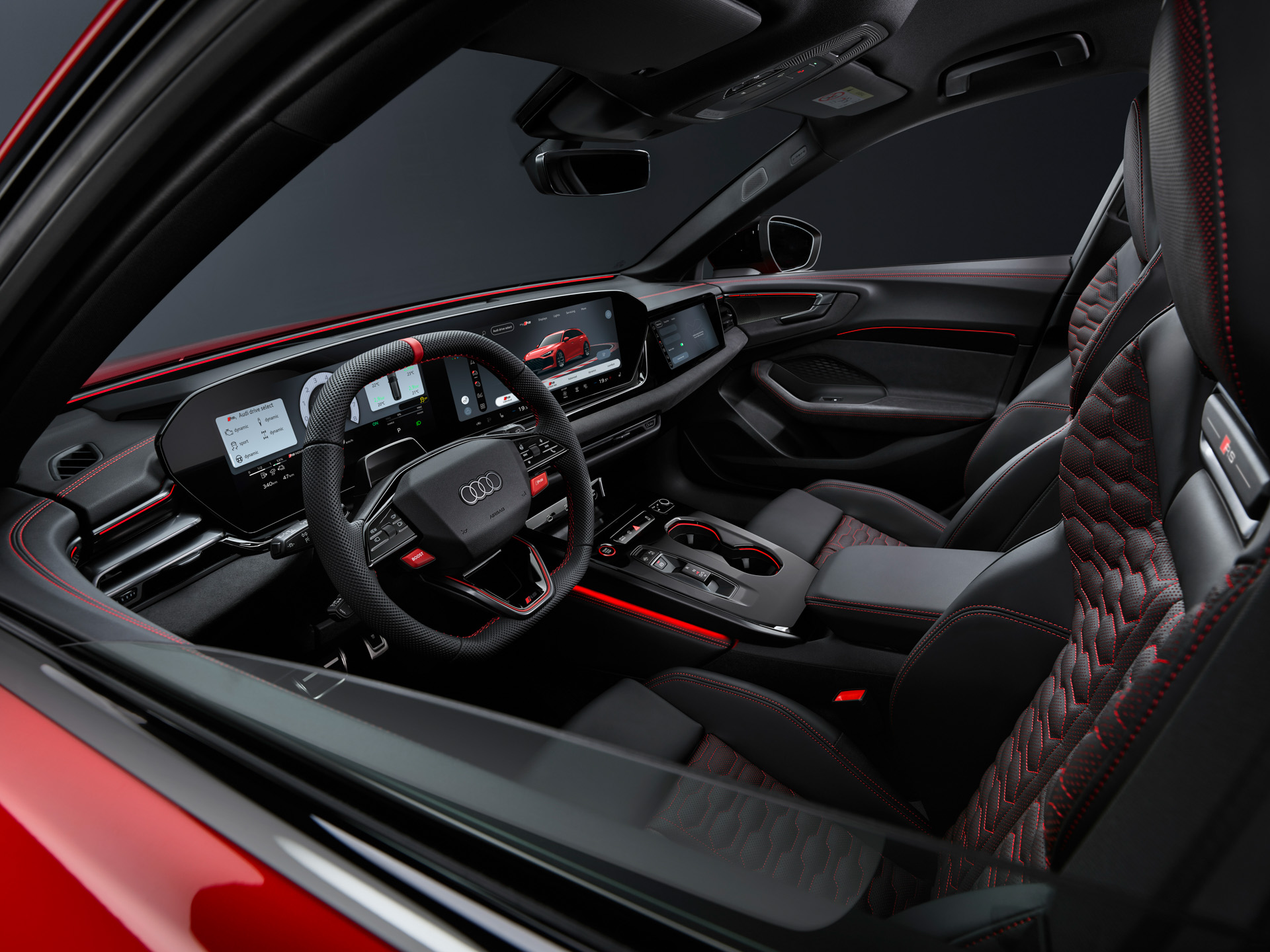
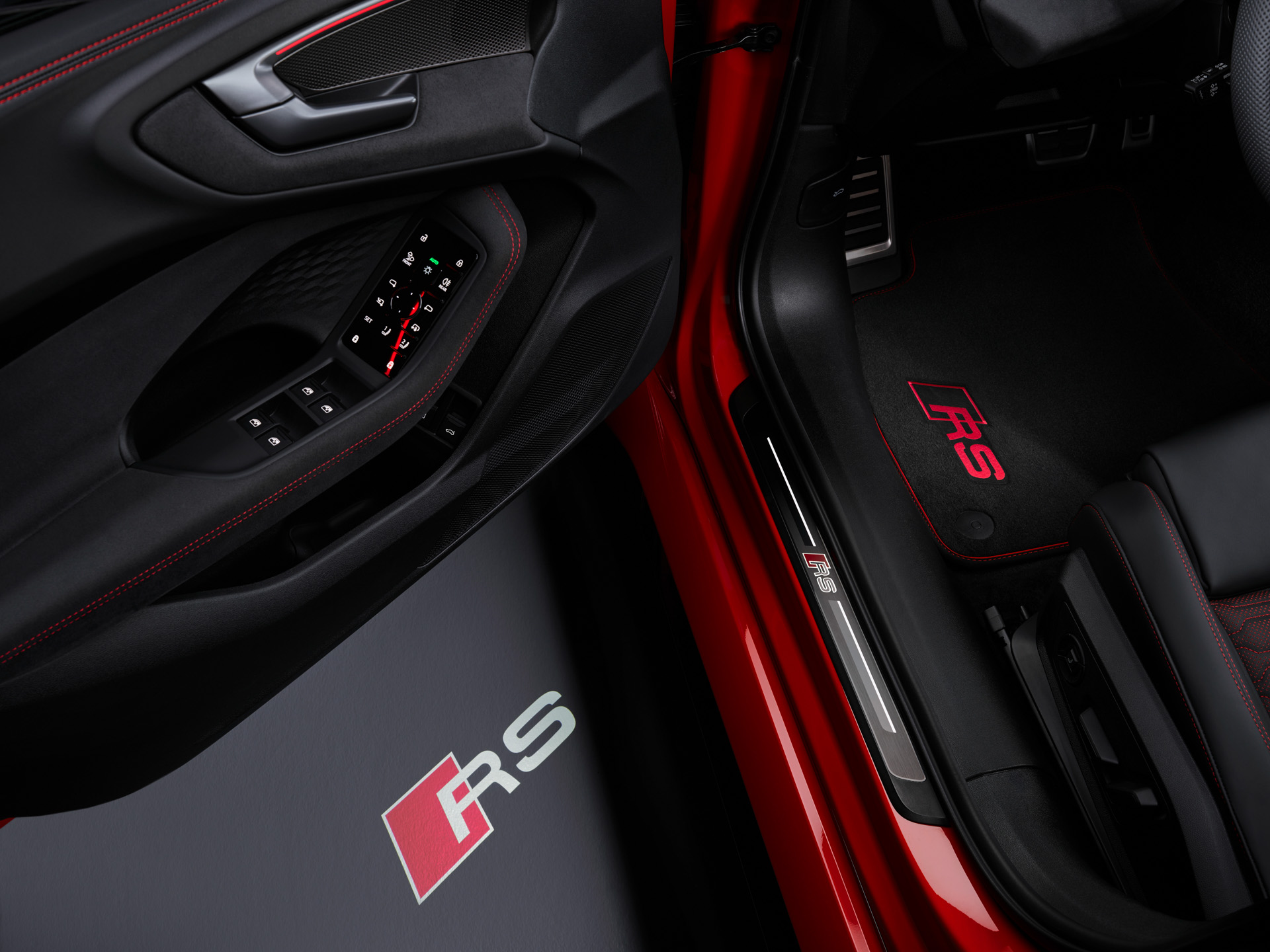
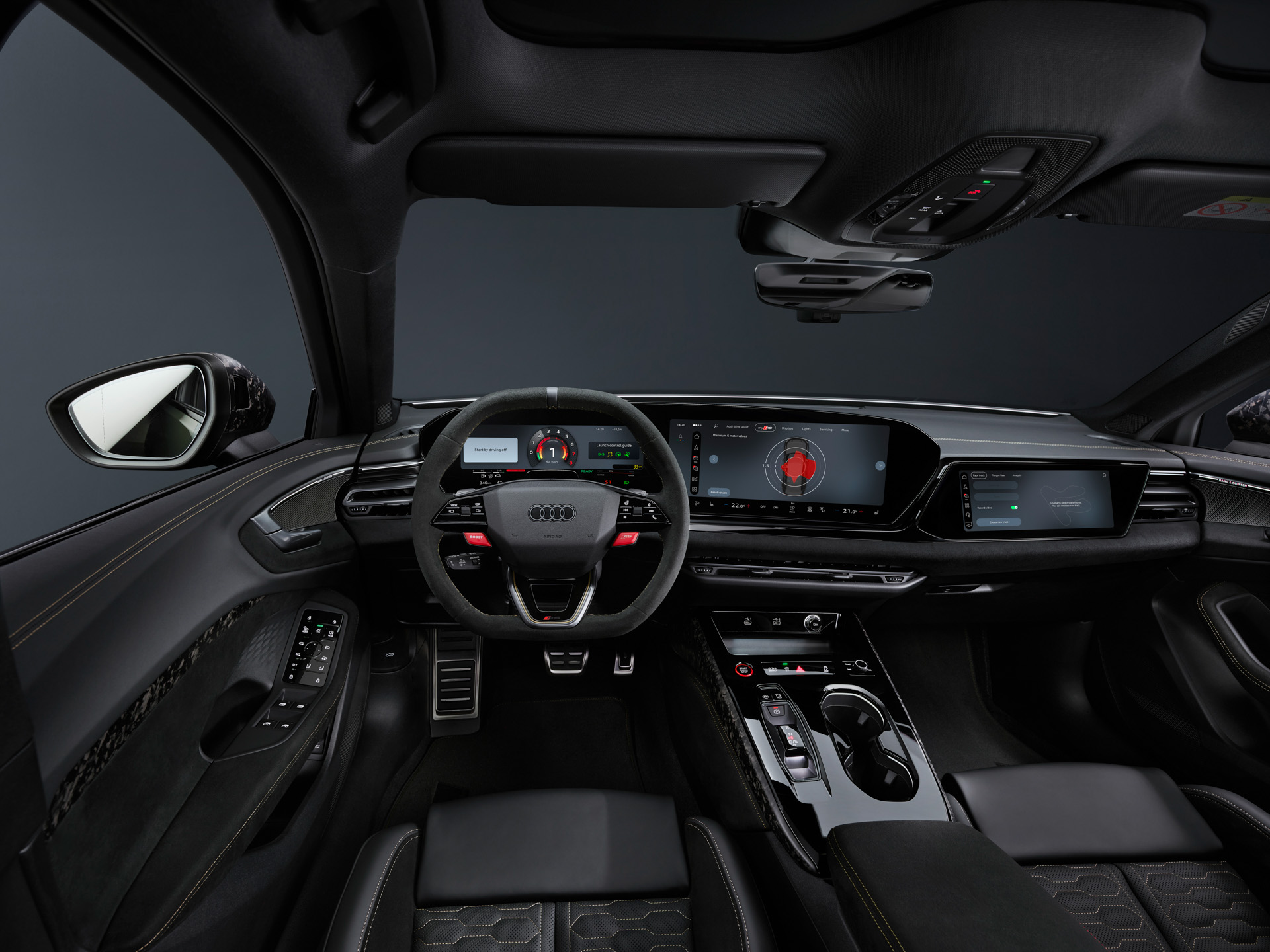
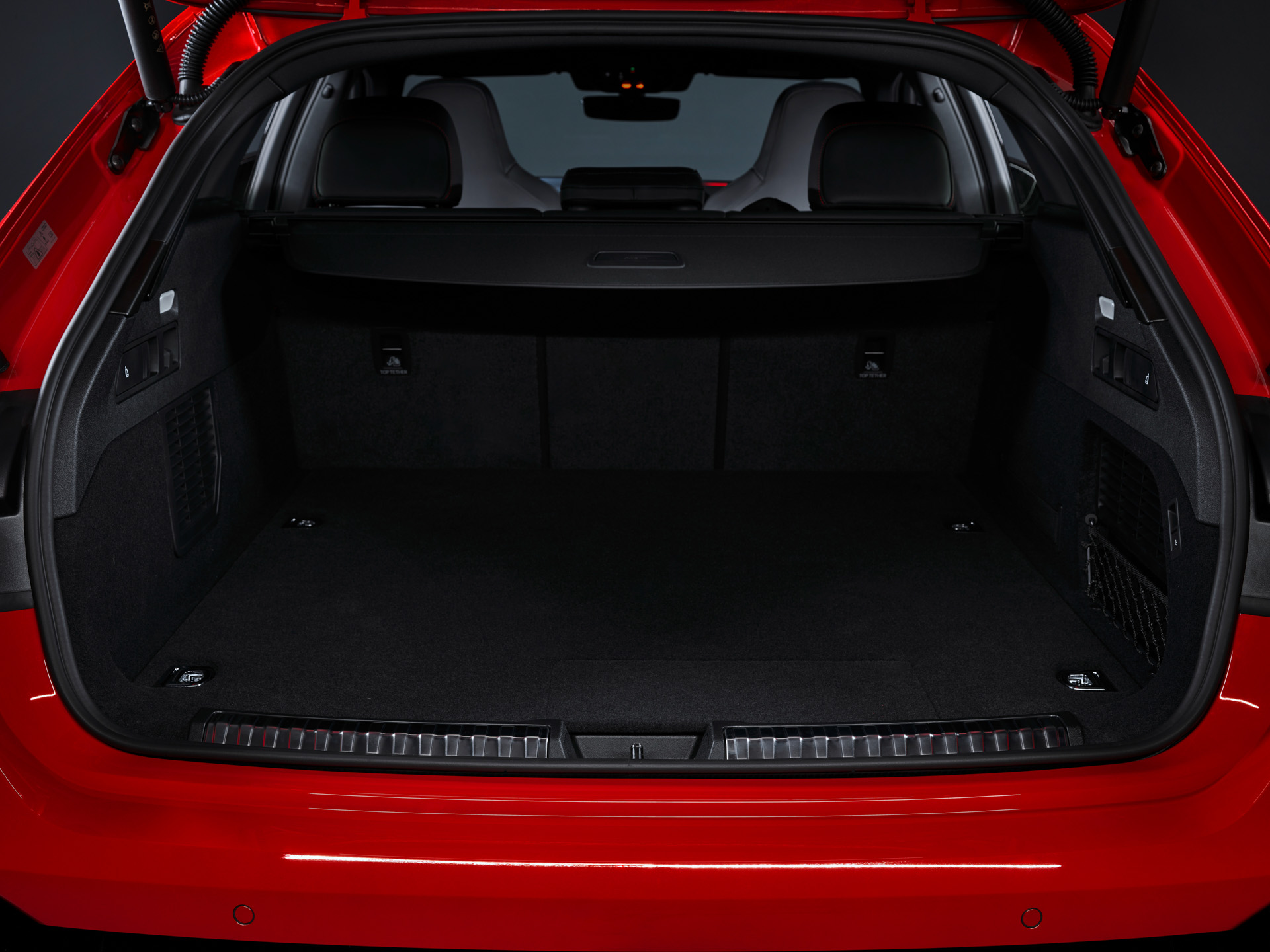
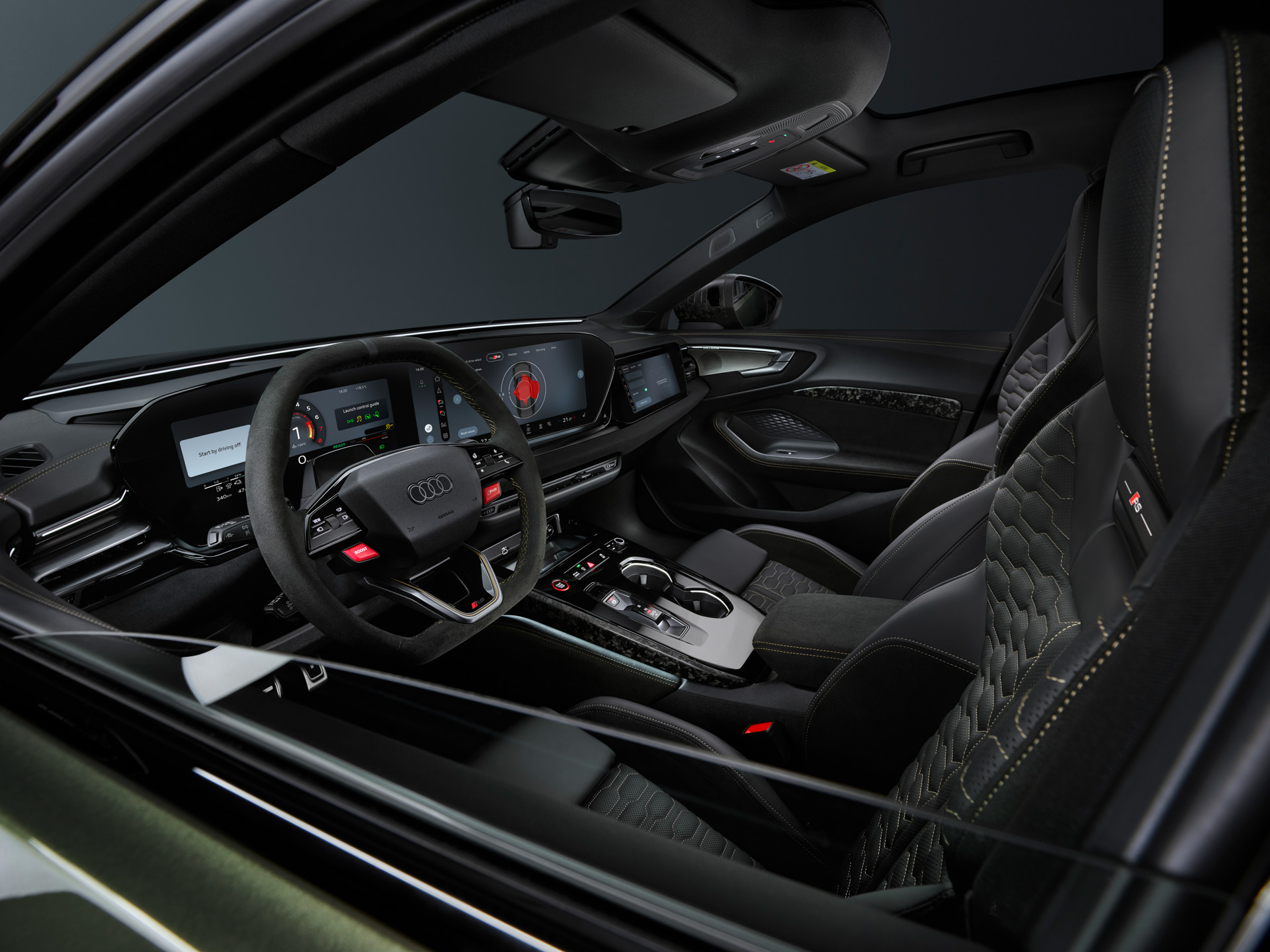
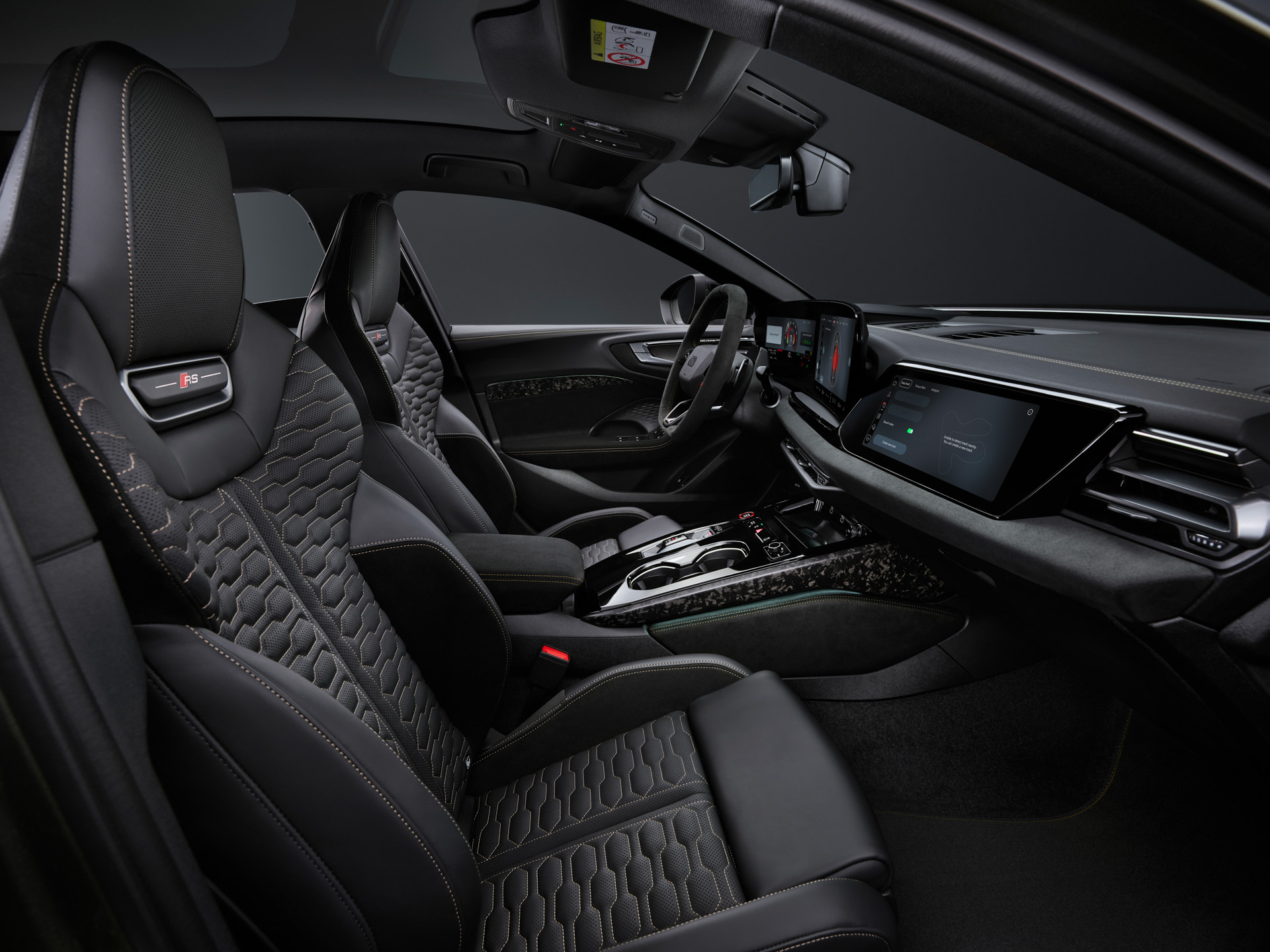
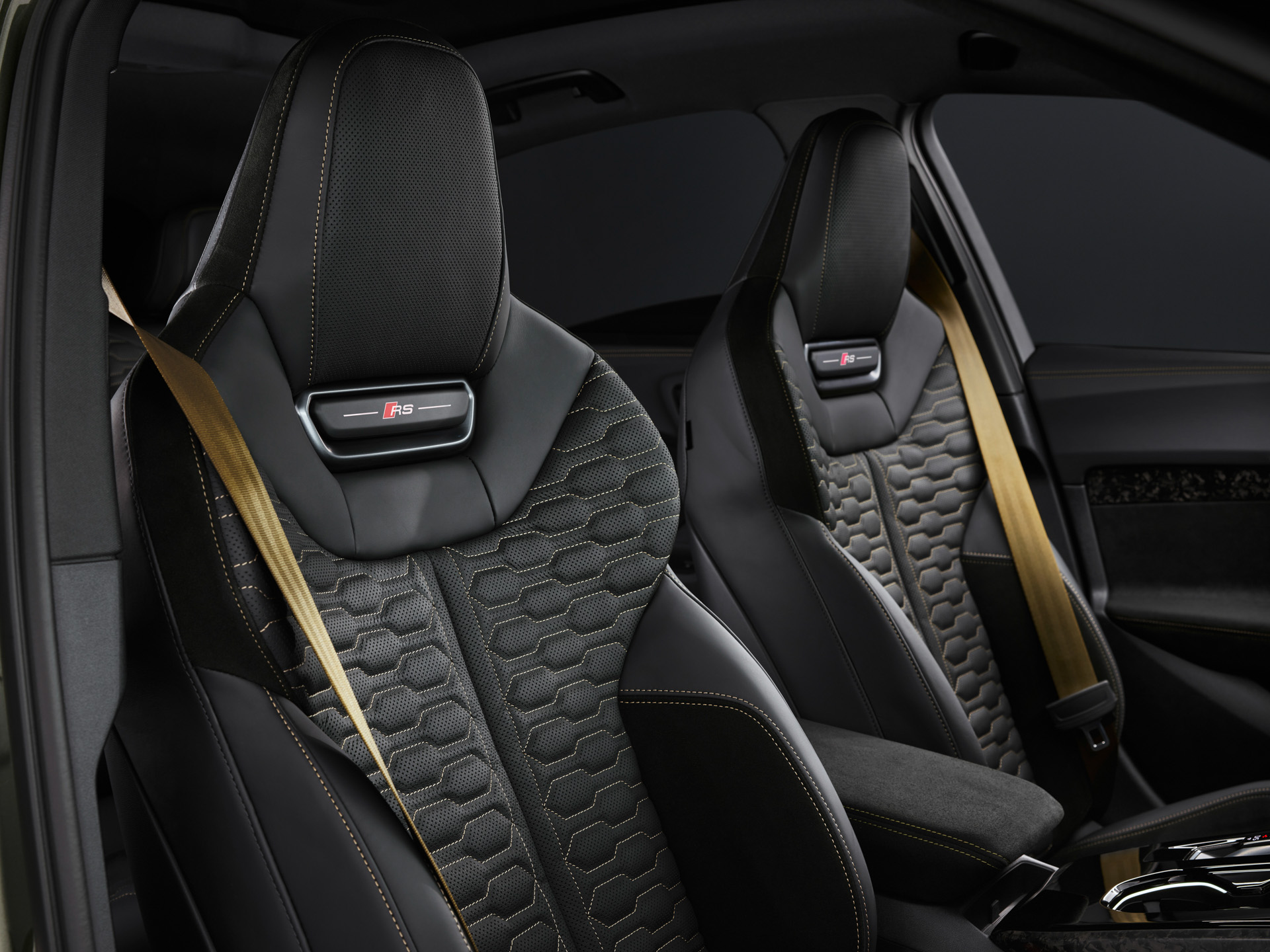
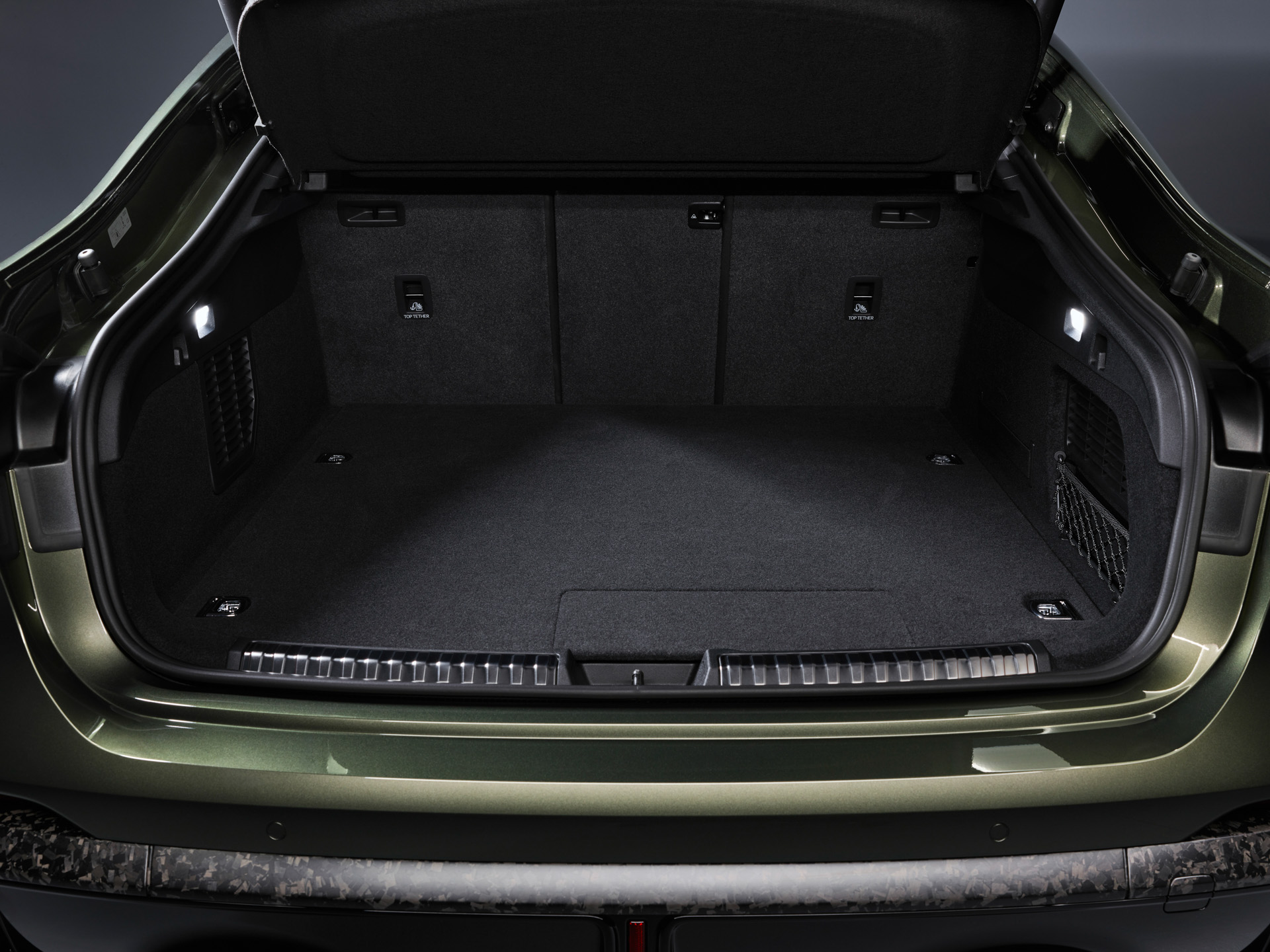
And the interior shots:
Got a tip? Send us a note at tips@thedrive.com
Loading comments…
Comments couldn’t be loaded. Please refresh the page.