

Key Takeaways
- R2’s refined simplicity. Rivian’s R2 is more refined than the R1 by focusing on cost-effective design without sacrificing quality.
- Innovative design changes. Simplifications like integrated turn signals and optimized rear doors enhance functionality and reduce costs.
- Efficient engineering. R2’s streamlined wiring and consolidated electronics make it easier and cheaper to build and maintain.
- Customer-focused improvements. Design choices prioritize user experience, like the unique rear seat configuration and strategic charge port relocation.
Bottom line: Rivian's R2 exemplifies how thoughtful simplification can lead to a more refined, cost-effective, and customer-friendly vehicle.
AI assisted, editor reviewed
The Rivian R1 was designed through addition while the R2 was designed with subtraction, Rivian’s Chief Design Officer Jeff Hammoud told The Drive.
The R2 started life as the R1 going into a shrink ray. But then the team realized it’s learned, and received a ton of feedback over the years, which has led to the R2 somehow becoming an even more refined product than its larger, more expensive, sibling.
The most obvious stuff missing from the R2 that’s found on the R1? The complicated hydraulically-controlled active roll control system along with the expensive, and heavy, air suspension system. But look closer at the details, or even in places you can’t see, and the optimization and refinement starts to shine through.
Hammoud noted the team spent time, “trying to find ways in terms of how do we engineer the vehicle and design the vehicle in a way that reduces cost, but isn’t done in a way punitive to the customer.”
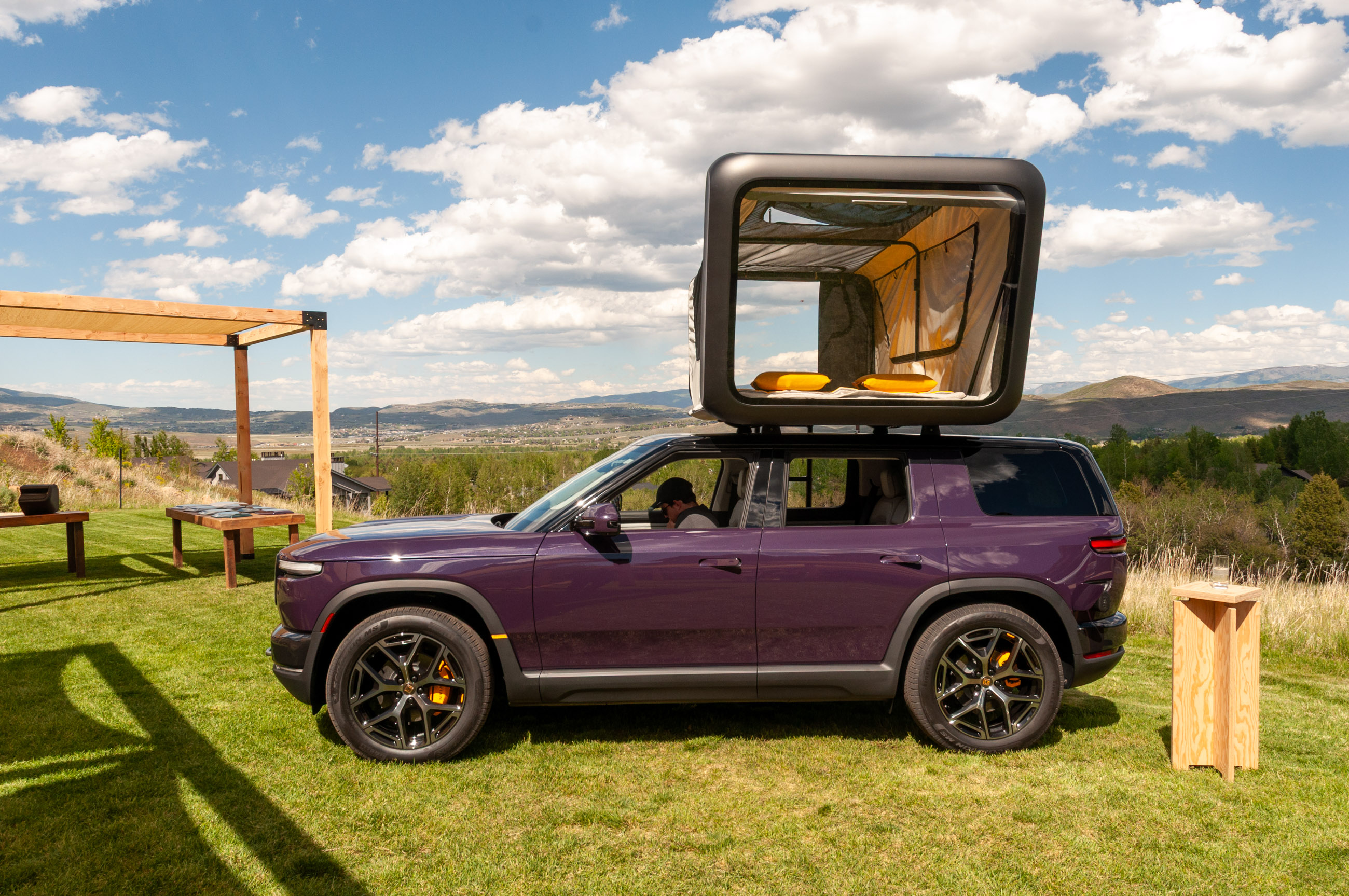
An example? Hammoud pointed to the rear door. “If you look at most cars in this segment, you can’t drop the rear door glass all the way. They either have it kind of cut halfway, us being an adventure vehicle. That’s really important for us. It’s either that, or you have to have a division bar, which you see a lot of other vehicles, R1 has that, as well, because it’s really big, but by having that division bar, you have another piece of metal there. You have another piece of glass, and that requires a belt molding. So we did a lot of engineering here to essentially get the wheelbase on a right spot, B-pillar in the right position, and utilize the C-pillar, so make sure you’re still getting the right visibility outside of the car. So we’re able to get full glass drop and remove the belt molding. So that’s something that’s easier to manufacture and cost less,” Hammoud said.
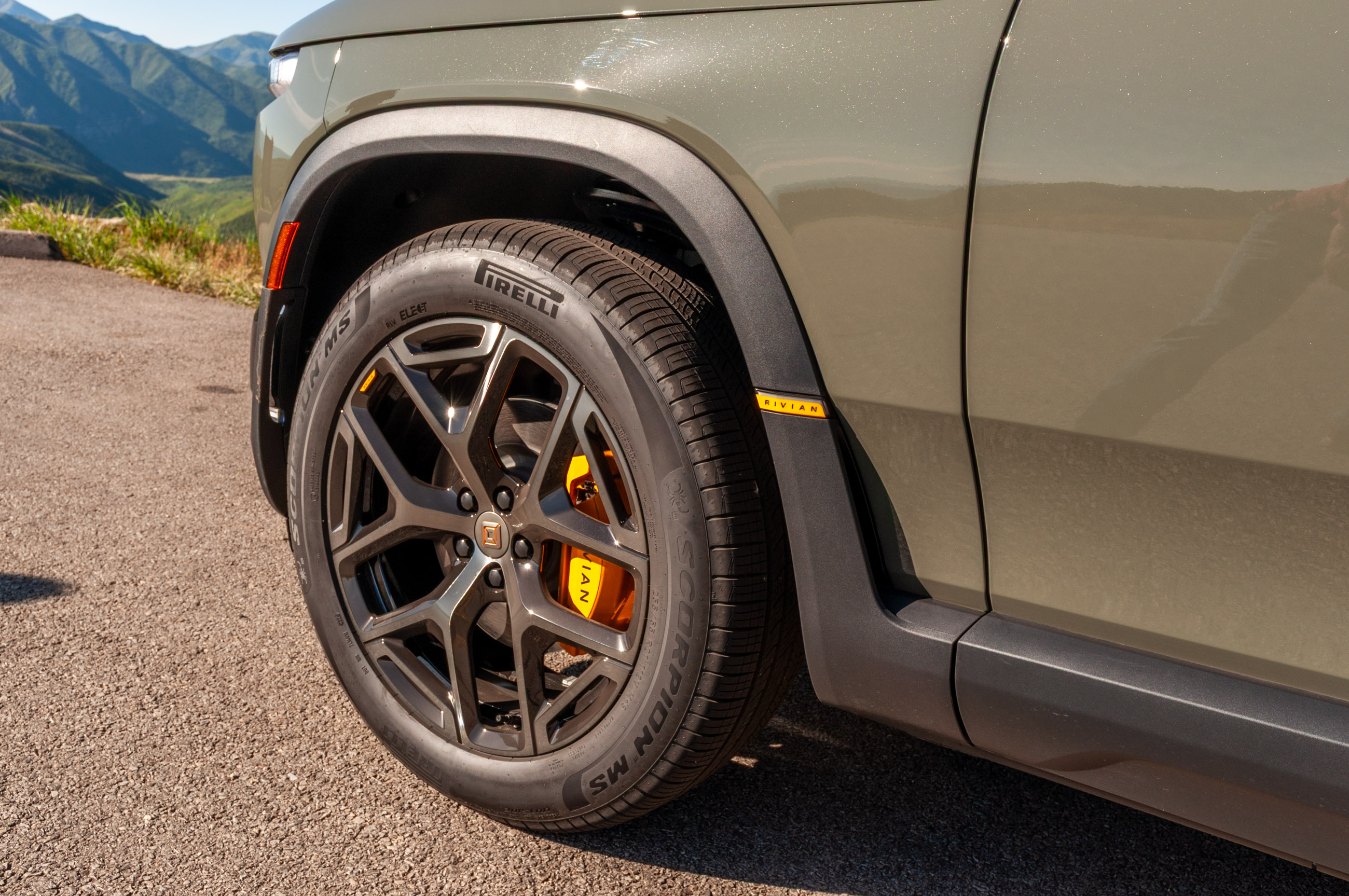
Hammoud pointed out that R1 has turn signal indicators on the sideview mirrors, a Rivian badge on the front doors, and front turn indicators on the front moulding by the wheel wells. The team simplified all three into one solution with an integrated turn signal indicator on the fender just above the air vent, which was retained from the R1.
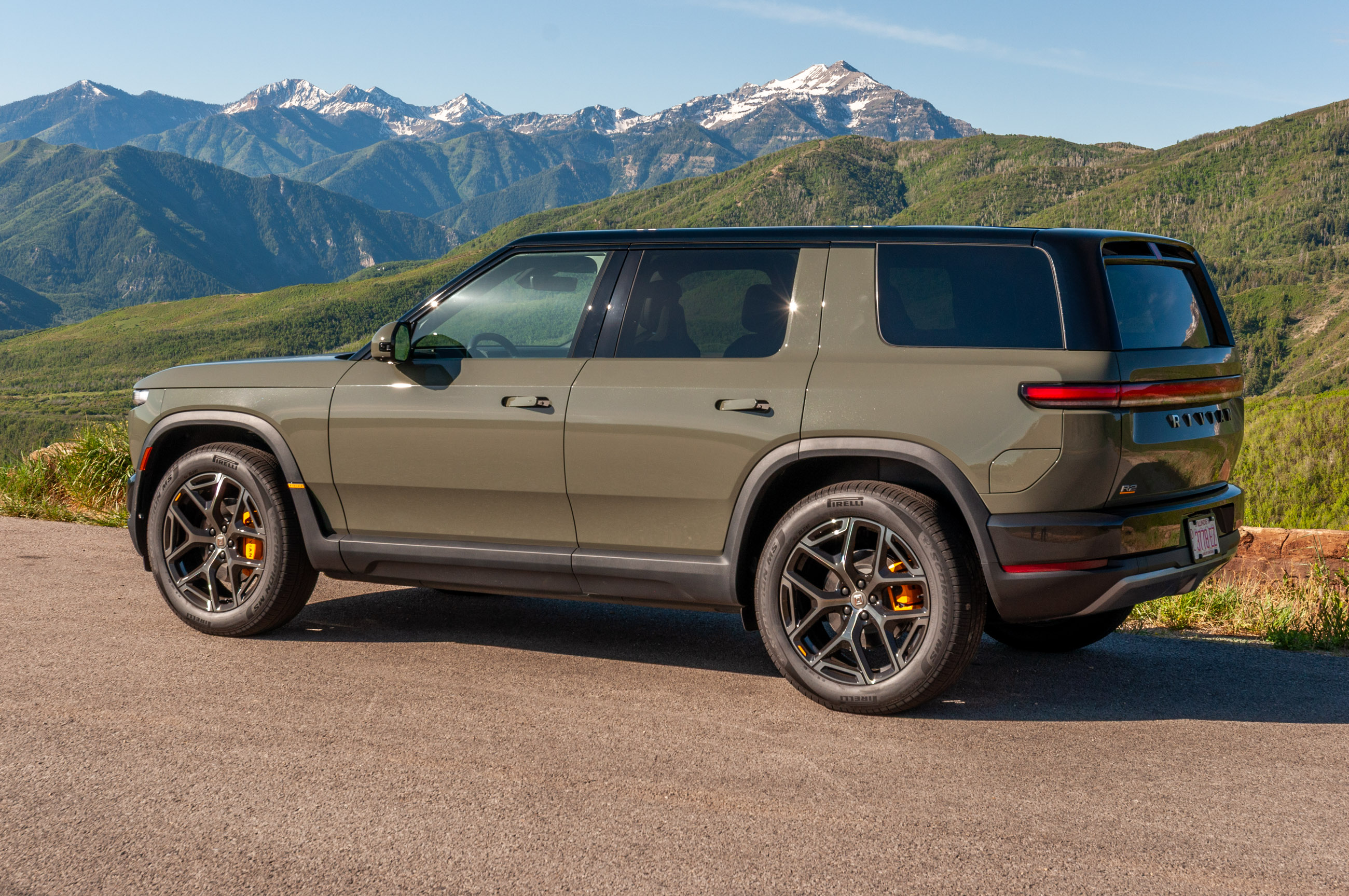
The trend continues elsewhere. The molding around the windows on the R1 is gone on the R2 providing both a cleaner look, better aerodynamics with less drag, and most importantly for Rivian, reduced costs both in terms of materials and production.

Big money was spent on aerodynamics. The team was emphatic that the tailgate gets a dropdown window like the Toyota 4Runner on all but the Standard trim. This presented a challenge with the rear roofline and spoiler combination and integration of the rear wiper. This resulted in a complex engineering exercise to integrate the rear wiper into the tailgate itself.
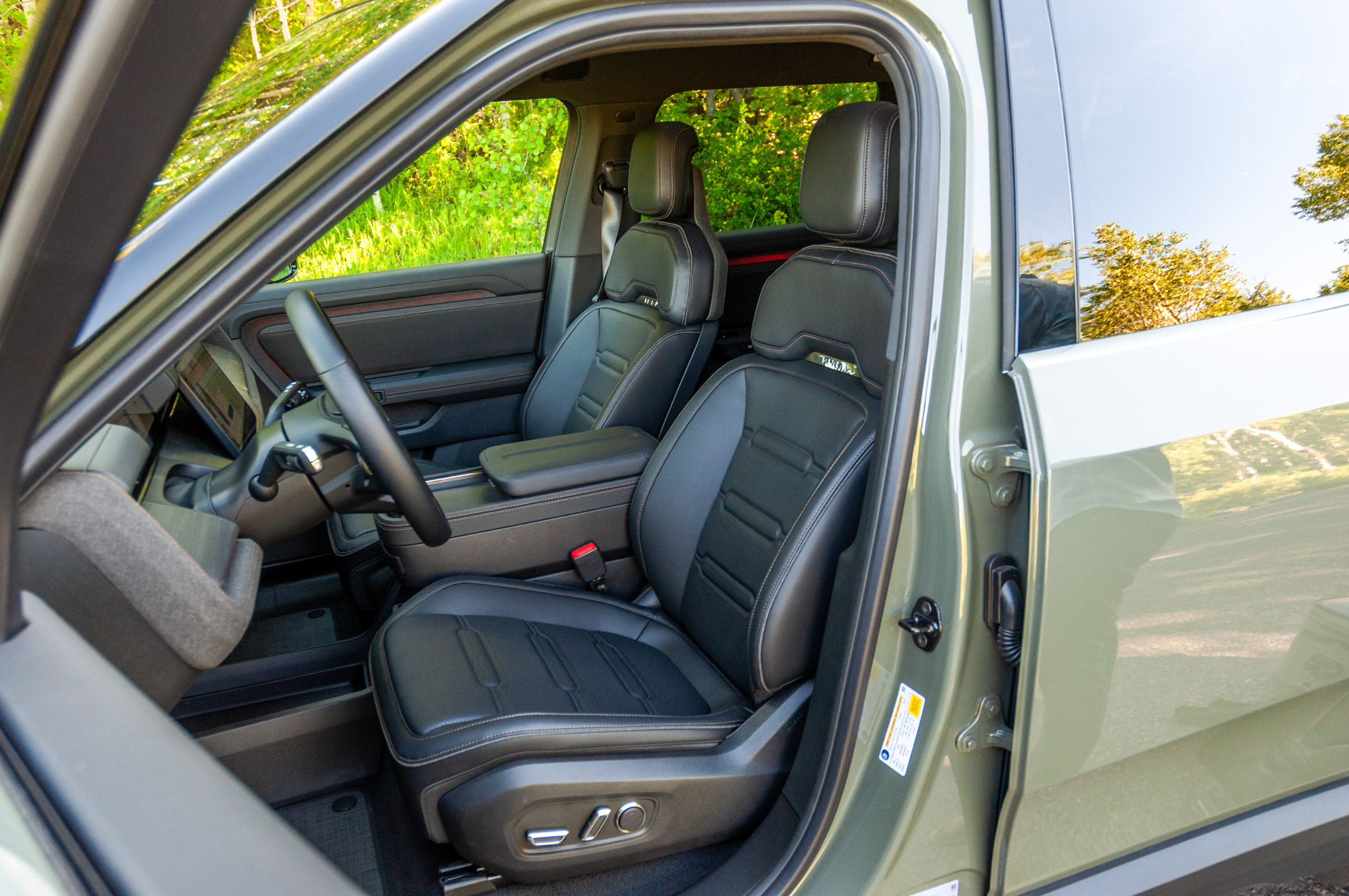
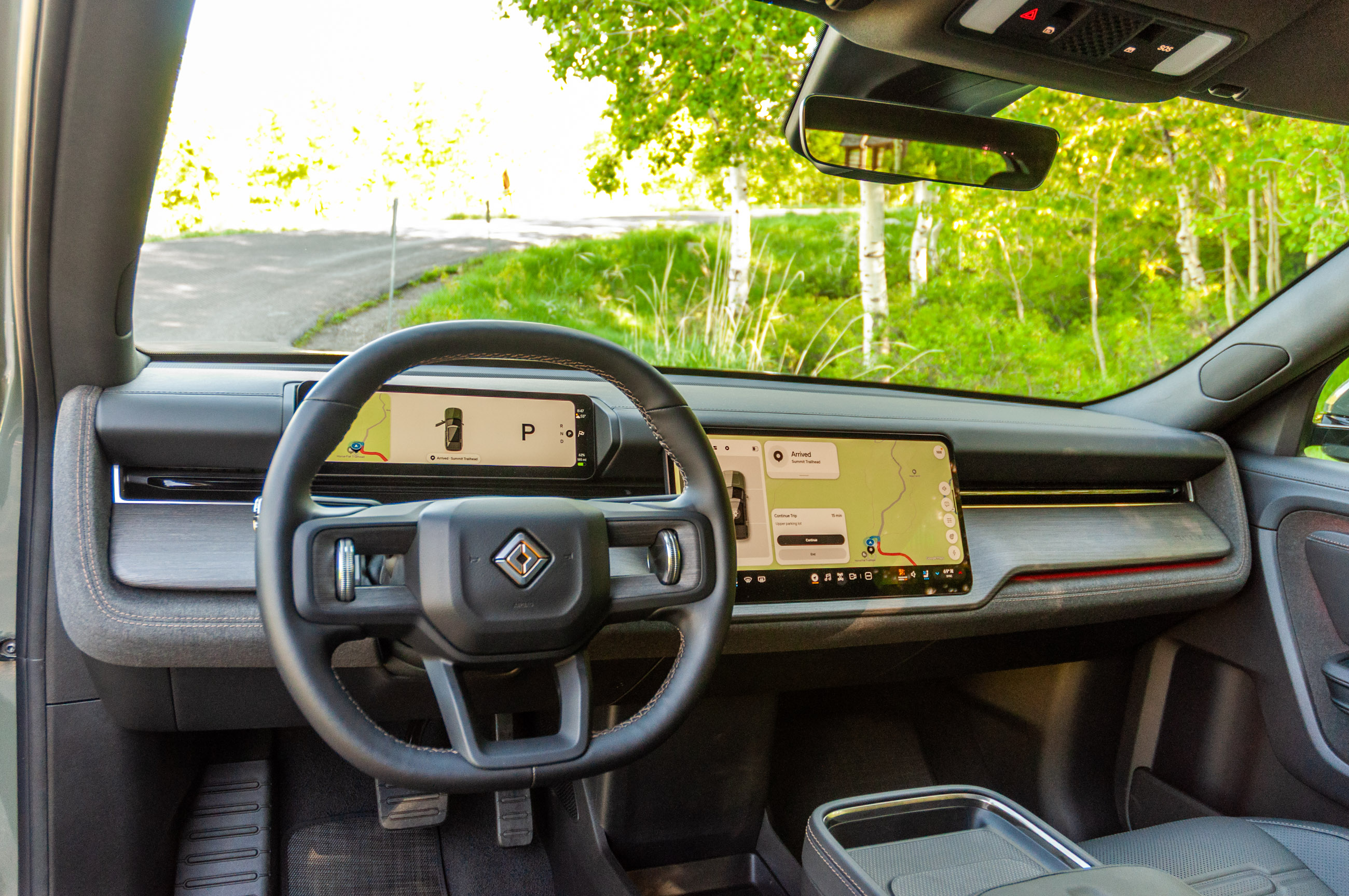
The trend of simplification without cheap-o-fication continues inside the R2. “Little things, even how we approach the seat design. So in R1 we have the full metal band, we have the little headrest bezels. Those are not in here, but we still kept a badge, but decreased the size of it. The interior, if you look at the interior, the instrument panel, on R1, you have both, this is PU wrapped (pointing to the wood trim on the dashboard). There’s an additional metal piece that’s in here. We basically reduced that as well and made the interior simpler. The wood on R1 all the way around, which is a harder piece to make, and it costs more money. And we just simplified it for this. It doesn’t… Hopefully, you agree, but it looks simpler, but it doesn’t look like we took things out,” Hammoud said.
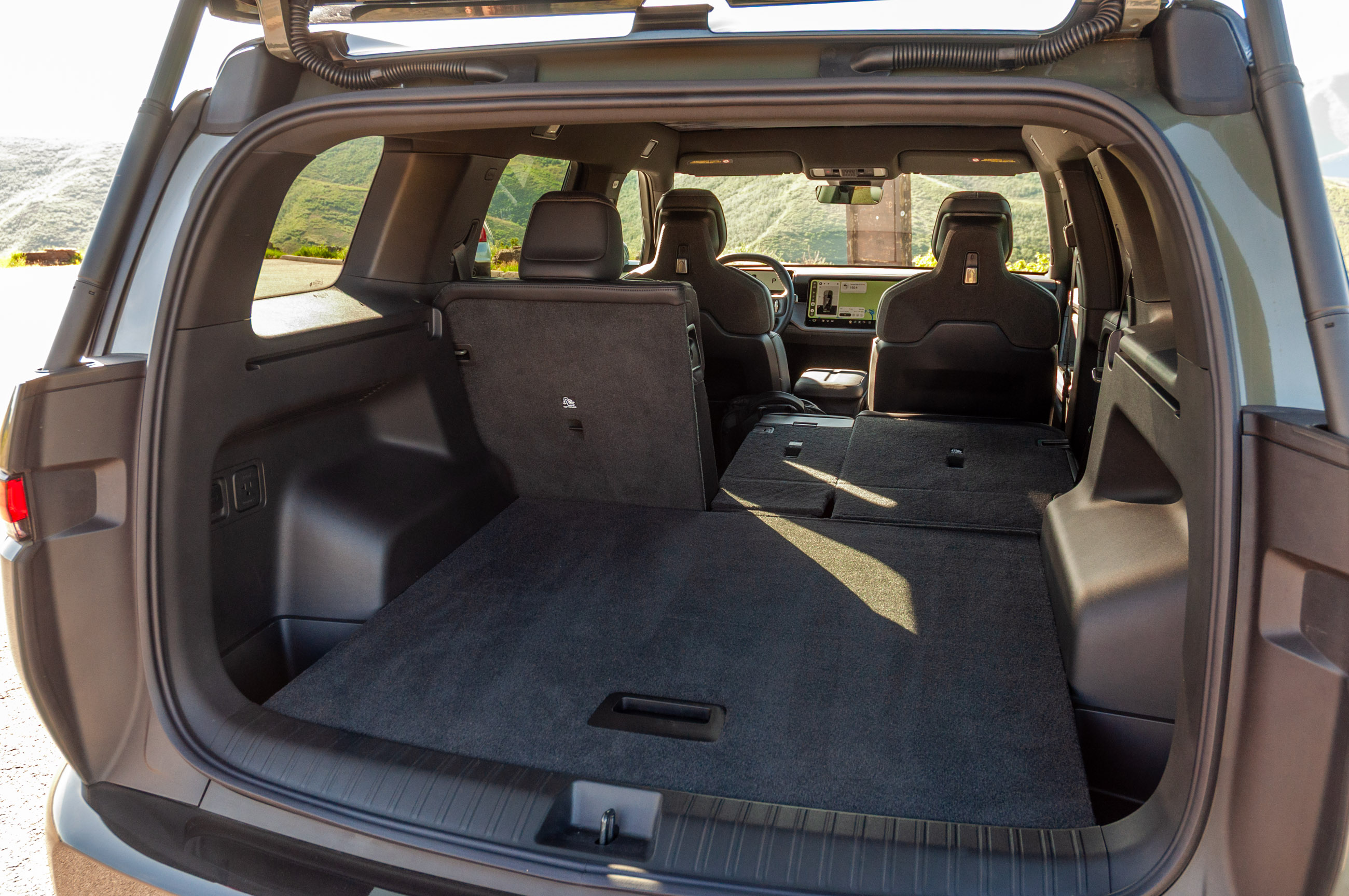
But cost wasn’t removed where it would negatively affect the customer. Hammoud noted that the rear seat back still split-folds in a 40:20:40 configuration, which is incredibly rare in this compact segment. “We could have done 60:40, but we didn’t want to. It was one of those finding the right trade-offs,” Hammoud said.
“I’ll use the hood for example. So on R1, it’s both power open and close. This one pops power through the E-latch, but you gotta close it by hand. So, the most important part we thought is it needs to be able to open with power,“ Hammoud said.
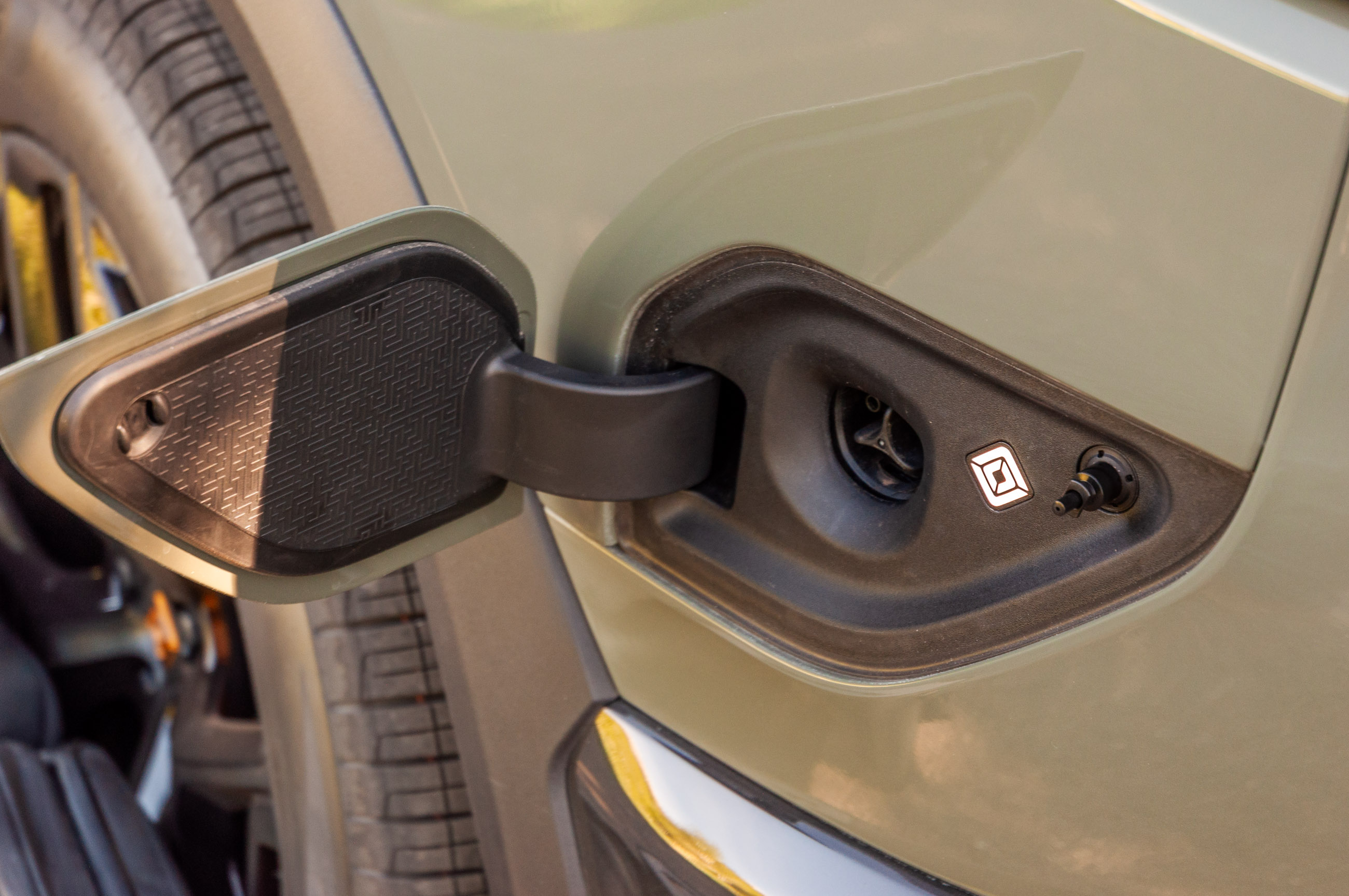
The charge port’s location shift from the driver-side front bumper on the R1 to the driver-side rear quarter panel on the R2 was done for multiple reasons that both benefit the customer and save money for Rivian. “It’s damageability was one of them. Two was, yes, access to Tesla chargers, where they [customers] use them quite a bit. And the third reason was that from where our tree house is [where the power electronics systems live], basically, the wiring is, that’s the shortest path to it. So that reduces weight, which reduces cost, was the biggest reason that we did it as well,” Hammoud.
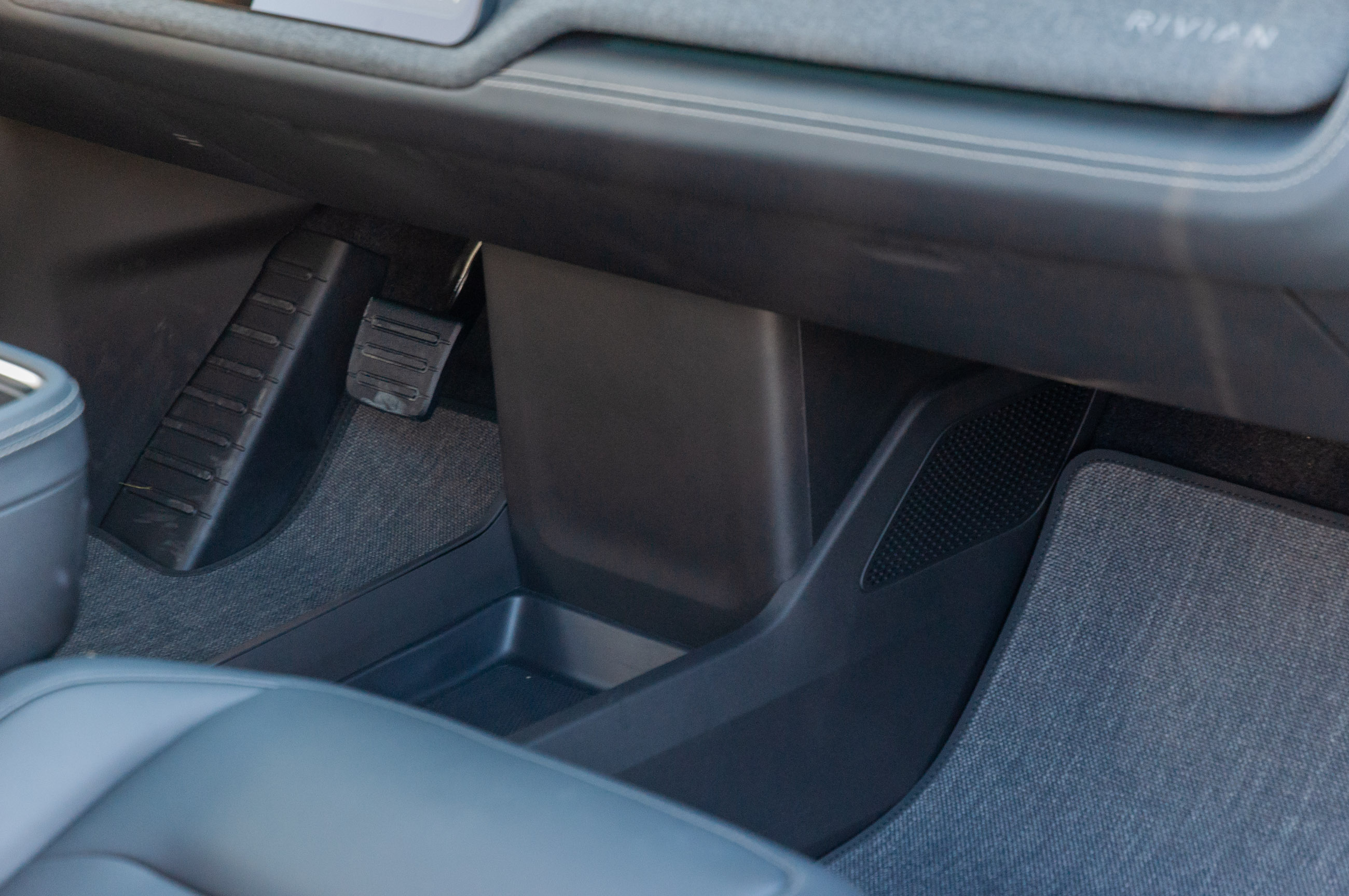
Other shifts in design you can’t see includes moving the two main front speakers from the front doors into a center panel beneath the dashboard. This reduced wiring and will also reduce door rattles, according to Hammoud.
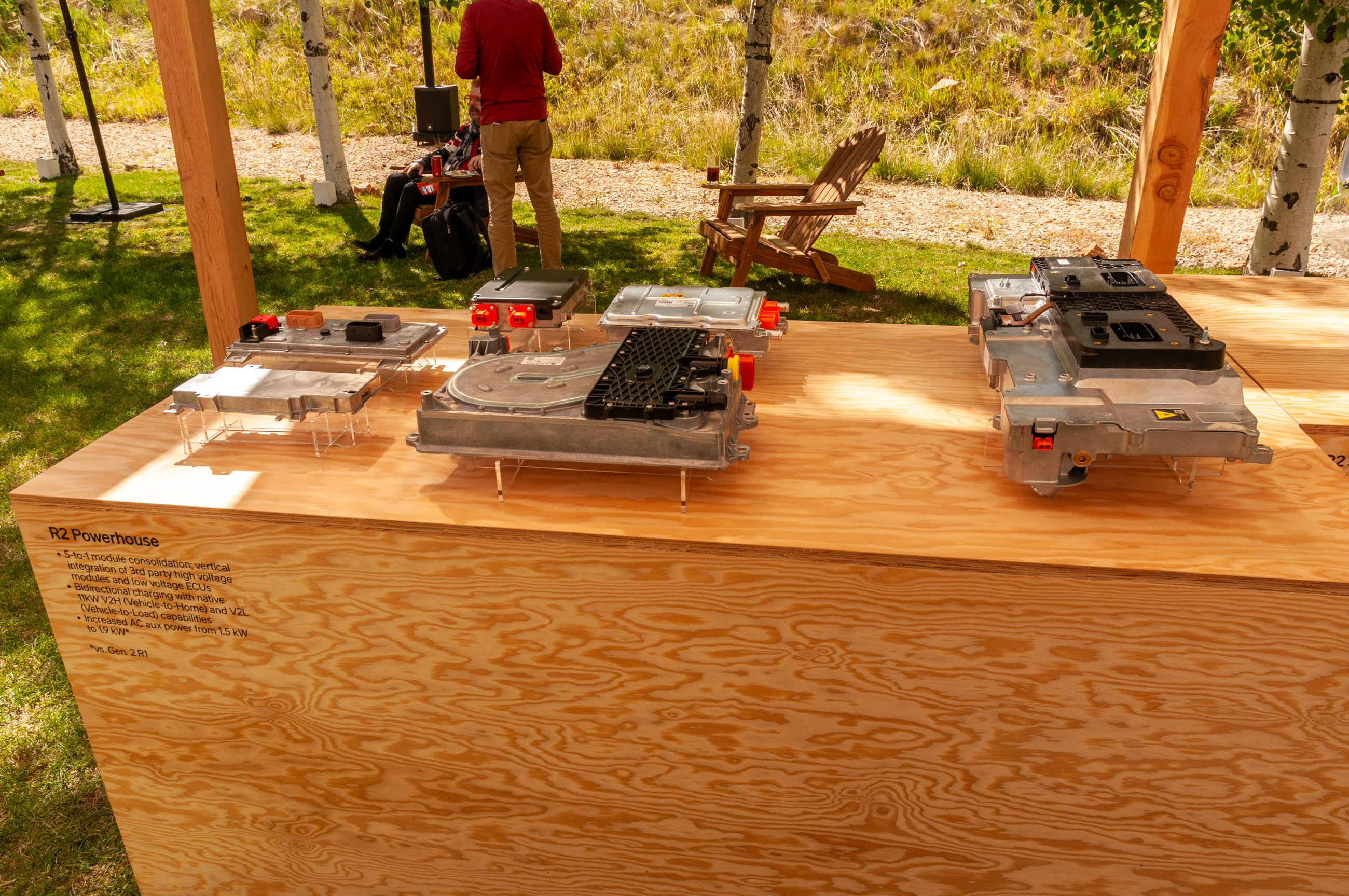
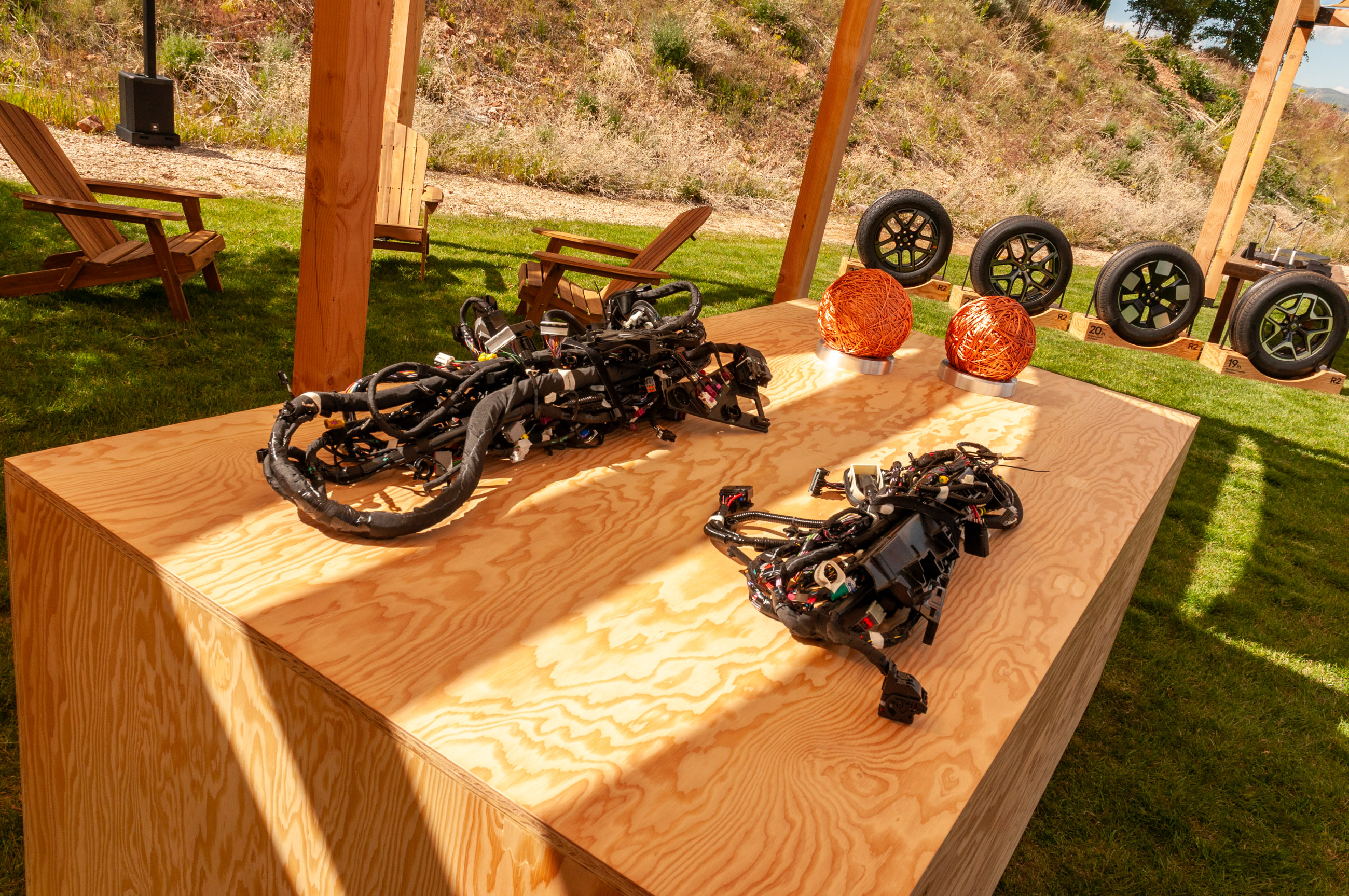
Rivian Senior Vice President of Electronic Hardware, Vidya Rajagopalan, told The Drive the team already took the first-gen R1’s wiring harness and shortened it by 1.6 miles with the move to the second-gen R1. That also took the vehicle from an astonishing 17 ECUs to a zonal architecture of just 7 ECUs. Now the R2 has shrunken things further with an additional 2.3 miles of wiring lopped off the harness and the power electronics combined. The team took five components from the R1 and combined them into one which now has the onboard charger, DC-to-DC converter, DC-to-AC converter, cell zone controller, and battery management system all consolidated together to become “a powerhouse,” Rajagopalan said.
All of this combines to make the R2 easier to build, less expensive to build, easier to service, and less expensive and complicated for the consumer during ownership. It’s a blueprint and preview of Rivian’s future today.
Got a tip about how something was designed? Send us a line at tips@thedrive.com
Loading comments…
Comments couldn’t be loaded. Please refresh the page.