
In a year already racking up examples of dubiously beneficial about-faces from the U.S. government, we’ve finally found one that seems unambiguously positive. This week, the Trump administration is taking aim at deceptive dealership fees, warning 97 dealership chains to end “deceptive” pricing practices (including hidden or last-minute fees) — or else.
“The Trump-Vance FTC is committed to preventing auto dealers from misleading consumers with low advertised prices and then adding on mandatory fees at the end of the purchasing process,” said Christopher Mufarrige, Director of the FTC’s Bureau of Consumer Protection, in the FTC’s announcement. “The FTC will remain focused on monitoring auto dealerships to ensure that the market functions efficiently and competitors are transparently competing on price.”
“To help support affordability in the marketplace,” the announcement said, “the agency is dedicated to ensuring that consumers only pay the advertised price for products and services, and are not subject to undisclosed fees, hidden charges or other illegal conduct.”
A generic copy of the letter being sent to dealers is available online, but if you’re only interested in what the FTC considers “deceptive,” here’s a list of practices that the FTC will monitor going forward:
- Advertising a price that does not reflect all required fees,
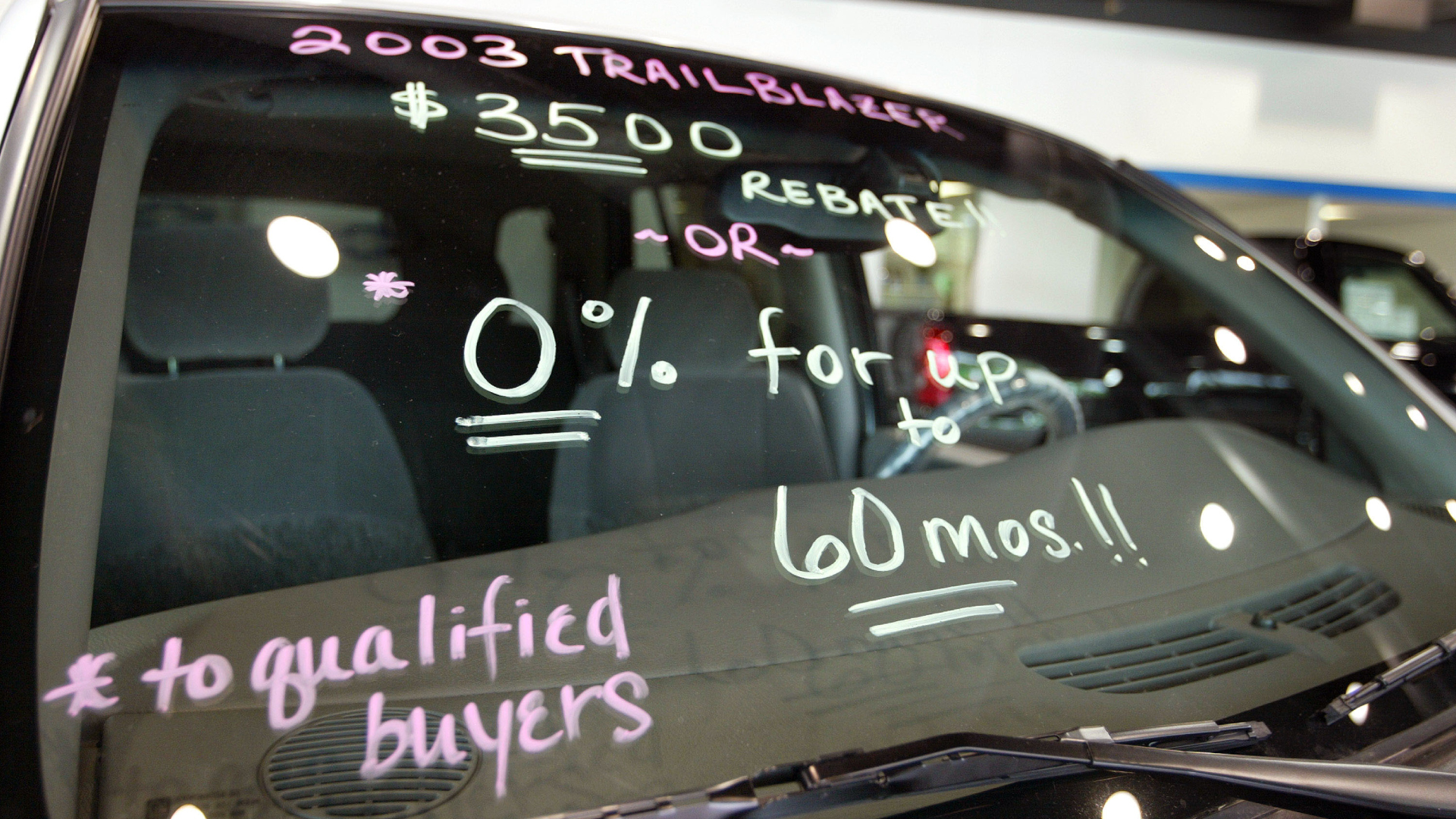
- Advertising a price that reflects rebates or discounts not available to all consumers,
- Advertising a price that fails to take into account the amount of an additional required
down payment, - Conditioning the advertised price on consumers using dealer financing,
- Requiring consumers to buy additional items not reflected in the advertised price, and
- Advertising unavailable or nonexistent vehicles.
The announcement also noted that the government is currently pursuing cases against several dealerships for similar practices, including Lindsay Chevrolet, Leader Automotive Group, and Asbury Automotive Group.
In surveys of customers who purchased cars at those three dealership groups, the FTC says it found examples of deceptive business practices in at least 75% of responses.
Got a news tip? Let us know at tips@thedrive.com!
Loading comments…
Comments couldn’t be loaded. Please refresh the page.