
Formula 1 returned to the Netherlands after a lengthy summer break, and is now readying for one of the biggest weekends of the year: the Italian Grand Prix. While the season resumed with 72 laps showcasing Ferrari’s routine bad luck, Isack Hadjar’s rookie podium, and an increasingly tight title fight, all eyes remained fixed on the horizon.
The real storyline bleeding into the remainder of the season is Cadillac’s 2026 entry into F1.
When the sport’s ruling body officially granted Cadillac and General Motors a spot on the F1 grid in March, everyone seemed to have different ideas of what an eleventh team and two extra drivers would mean for a motorsport series known for its exclusivity.
Some saw it as an opportunity to build a pipeline from the American racing scene to the European big leagues—a route that has historically lacked the proper infrastructure, funding, and regulations to allow a leap overseas. Others saw it as a solution to the sport’s ever-growing driver/seat supply and demand issue.
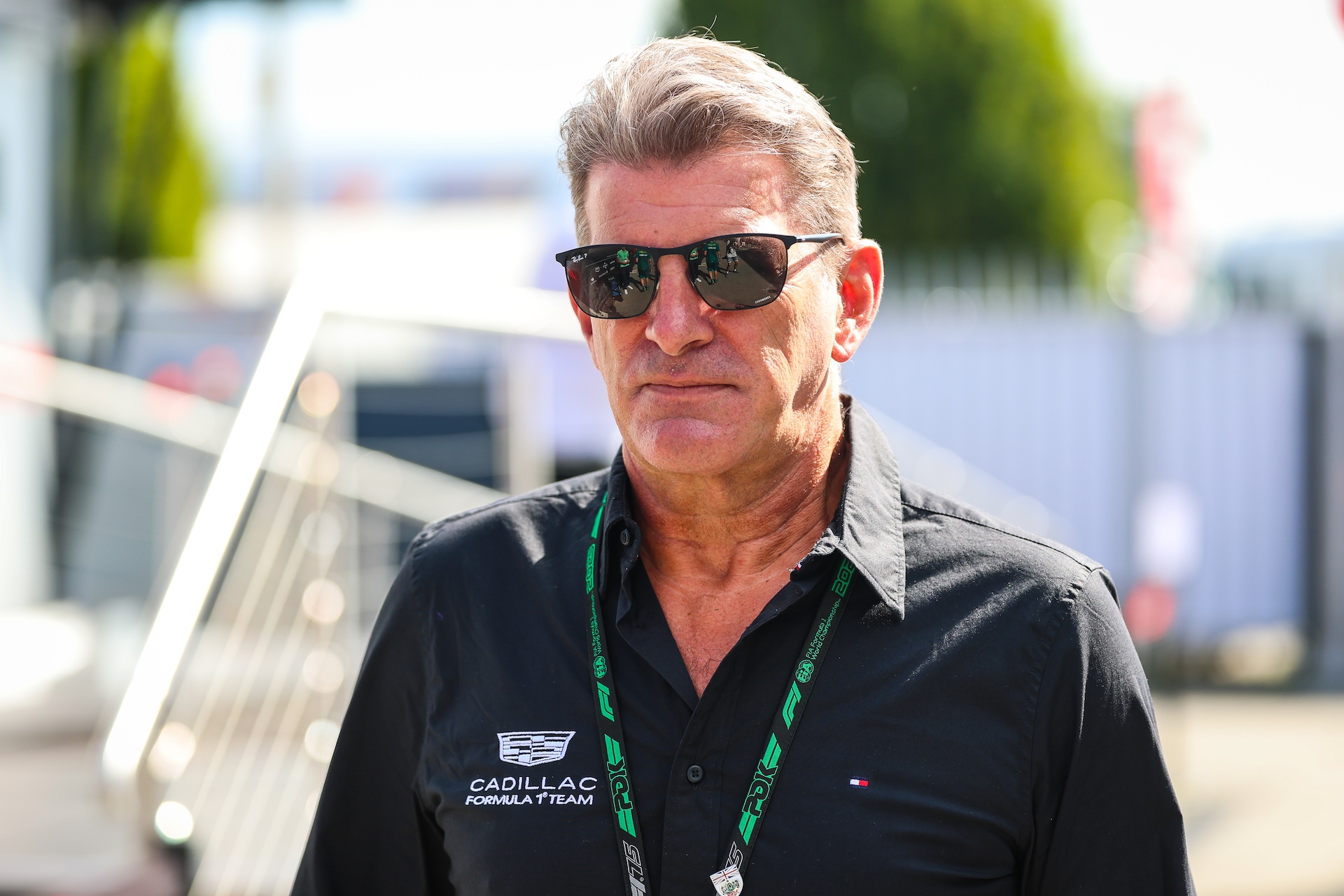
“There’s no reason why an American driver can’t be selected on merit—I think it’s something fans would like to see,” Cadillac F1 team principal Graeme Lowdon told The Drive back in March. “I see no reason why that can’t happen. It’s gotta be on merit. We’ve got a job to do here.”
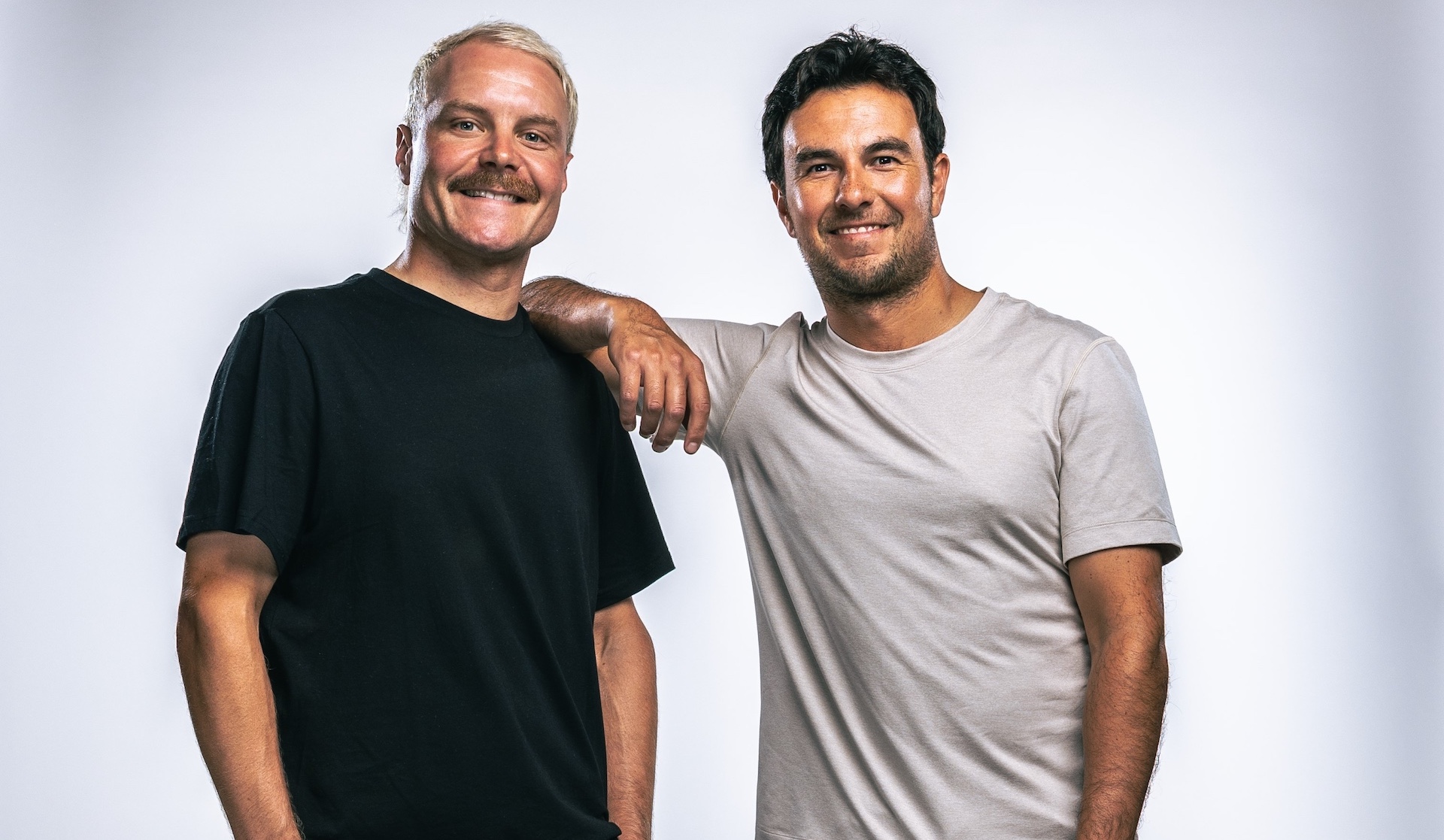
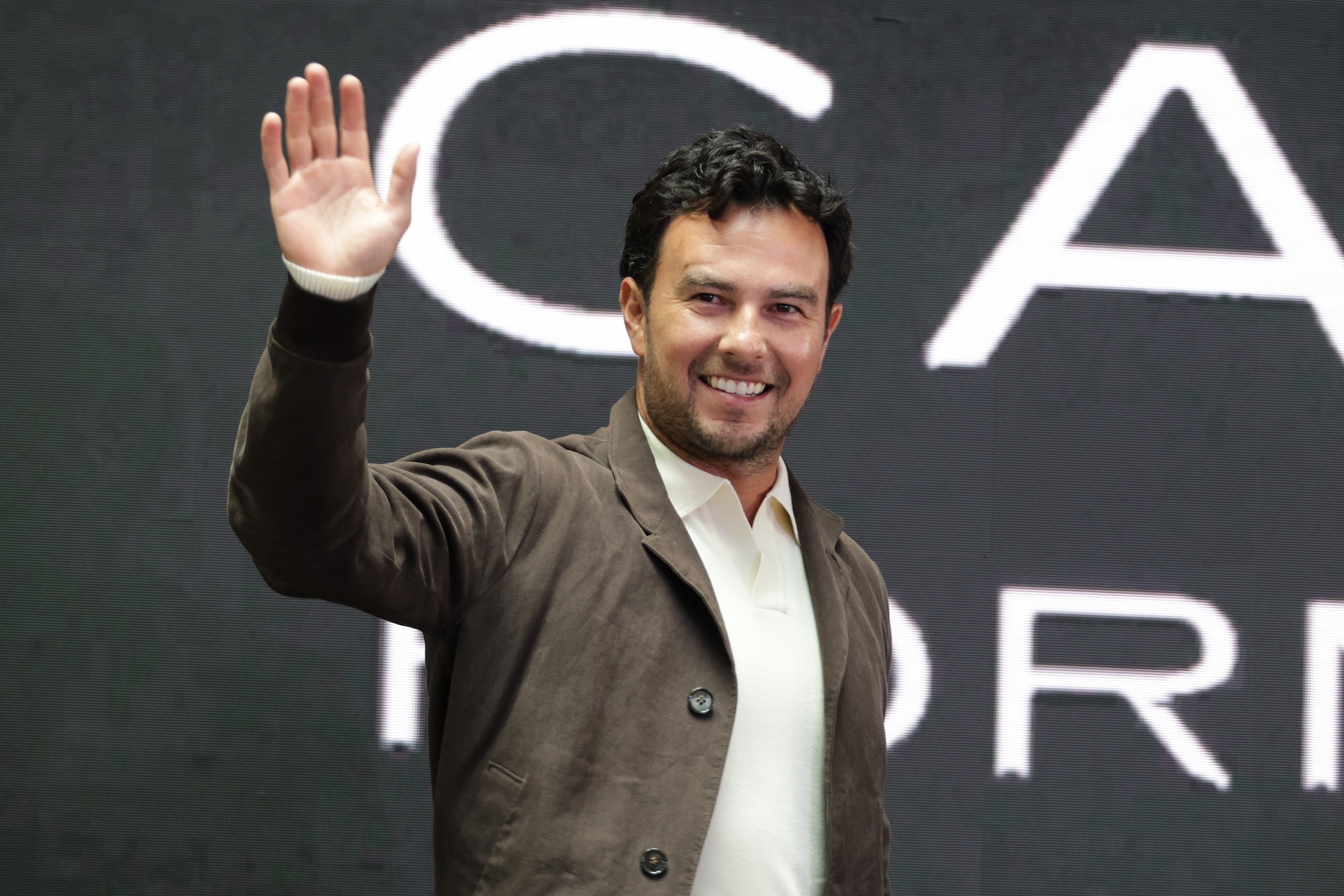
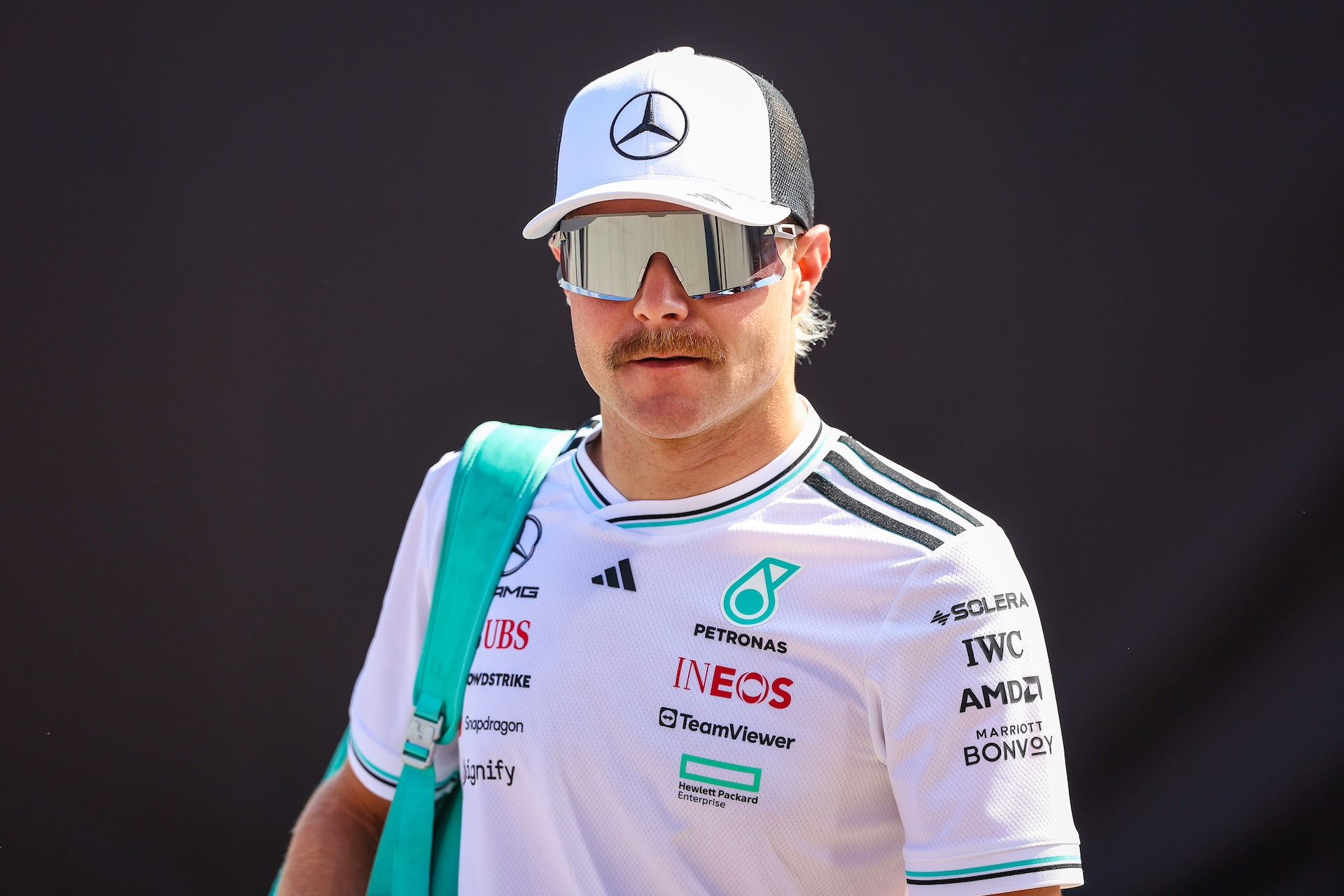
But it’s clear from Cadillac’s driver announcement on Aug. 26 that the team sees the future of two additional grid spots as something different—at least in its rookie and sophomore years. Sergio Perez and Valtteri Bottas, two former F1 drivers, will return to the sport next season.
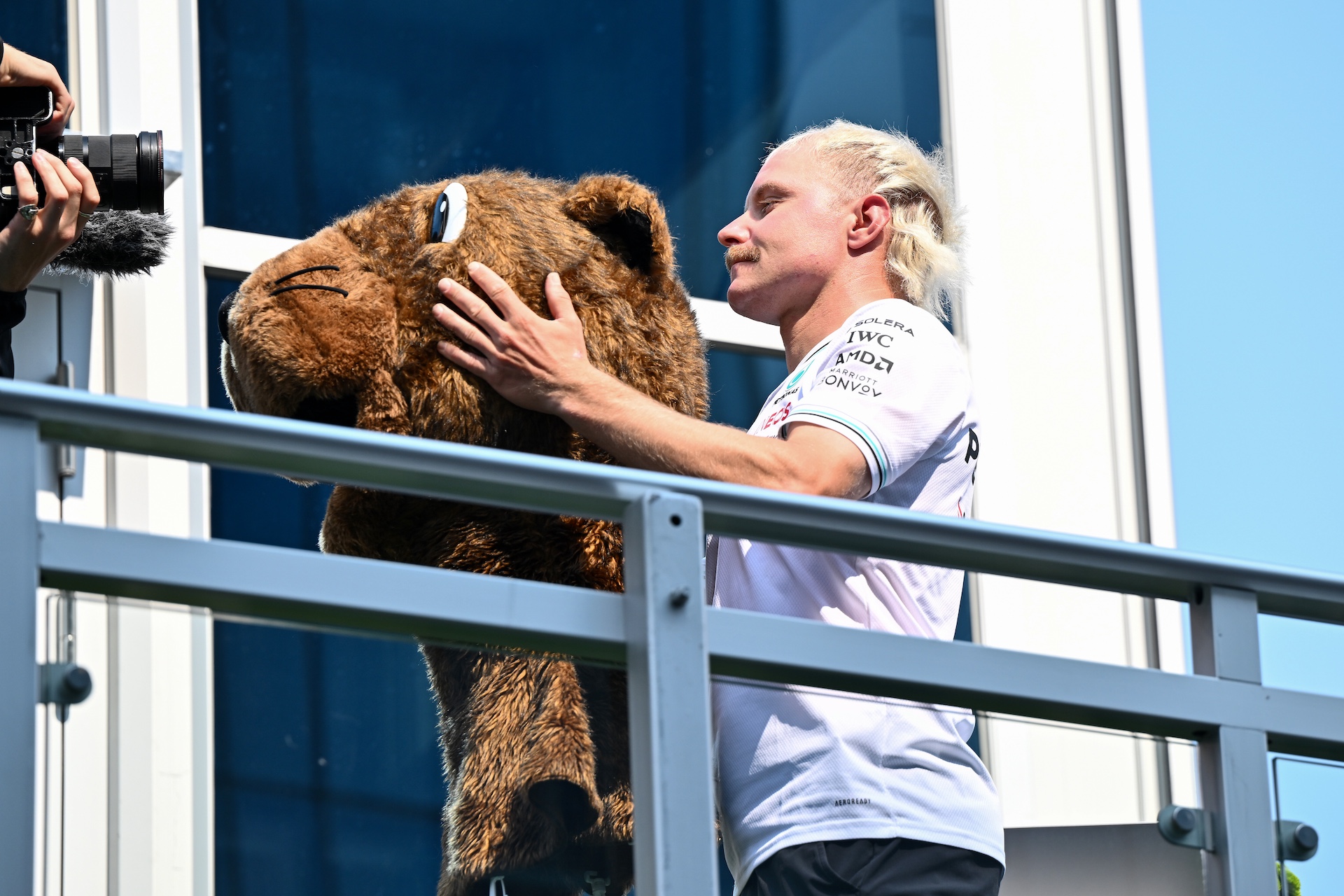
The decision to hire two well-known drivers with a combined 26 years of experience in the sport is a smart and strategic move for a new franchise. Both drivers bring their own brand of marketability, too. Perez is the driving force behind Latin America’s growing fan base. In Mexico City, Austin, and Miami, Red Bull caps with a No. 11 crowd the grandstands. Bottas has built his own reputation as F1’s resident entertainer: acting in commercials, making his signature blonde mullet and mustache both a meme and a branding tool, and cranking out partnership deals and nude calendars as a side business.
From a bottom-line perspective, both drivers make sense in the short term. But what about long-term? Cadillac’s decision feels a little like a lost opportunity.
When rumors first swirled that an American automotive giant was bidding for a spot in the upper echelon of motorsport, the natural line of thought led right to IndyCar’s star drivers. Colton Herta’s name was floated most prominently, and Pato O’Ward had his time in the headlines before he quashed the unsupported reports, telling ESPN Mexico that, “The rumors about me going to Cadillac were like the rumors about Fernando Alonso hanging out with Taylor Swift.”
But the FIA’s Super License system, the credentials and points from junior racing categories necessary to compete in F1, doesn’t reward competitive non-FIA racing series like IndyCar equally compared to Formula 2 and Formula 3. A few days after the driver F1 team’s announcement, reports circulated that Herta—despite being 25 years old with seven years of experience racing in IndyCar—could join the F2 championship in 2026 to gain enough points to eventually drive for Cadillac in F1. Five days later, Herta was confirmed as Cadillac’s reserve driver for 2026. He will not compete in the IndyCar series next year and, instead, attempt to slowly carve a path in F1.
The American motorsport path to F1, or lack thereof, is only one piece of a larger issue in racing: too many talented young drivers and not enough seats. Those who can’t quite crack F1, whether because of a lack of funds or a lack of open seats, are pivoting to other series like Super Formula and IndyCar, though the majority are going sports car racing. [Ed. note: making those series more competitive and exciting to watch.] The 2025 season’s influx of rookies was a rare injection of youthful talent into F1 after a dry spell without driver seat shakeups. Last weekend’s Dutch Grand Prix only made the argument for why more rookies should enter the sport: Hadjar’s podium and Kimi Antonelli’s collision with Charles Leclerc brought two of the best edge-of-your-seat moments in the race.
Cadillac’s arrival could have meant more seats to develop the next generation of greats in an increasingly scarce motorsport economy. Instead, the team chose a duo who have already had ample time to prove themselves.
Bottas’ five-year stint at Mercedes brought with it flashes of brilliance, a flurry of podiums, and a handful of wins as Lewis Hamilton’s No. 2. Checo had a similar role as one of the only teammates to match Max Verstappen’s performance. But both drivers were measured against the best. Despite Perez’s title as the “Mexican Minister of Defense,” Verstappen collected over a third of his total career points in 2023 alone. When Bottas won just a single race in 2021 compared to his teammate, who was fighting for the championship, Mercedes dropped him. Is it possible to say that both drivers have arguably already had their best days on track?
Maybe both drivers can find a new beginning to gain proper closure in a sport that too often ends the careers of drivers in a cutthroat fashion. But the decision to elect two faces from F1’s past—no matter how recent—seems more of a short-term marketing strategy than indicative of the team’s future in the sport.
Cadillac’s real future will anxiously wait trackside for its shot to slip into the car next year.
Got a tip? Email us at tips@thedrive.com
Loading comments…
Comments couldn’t be loaded. Please refresh the page.