
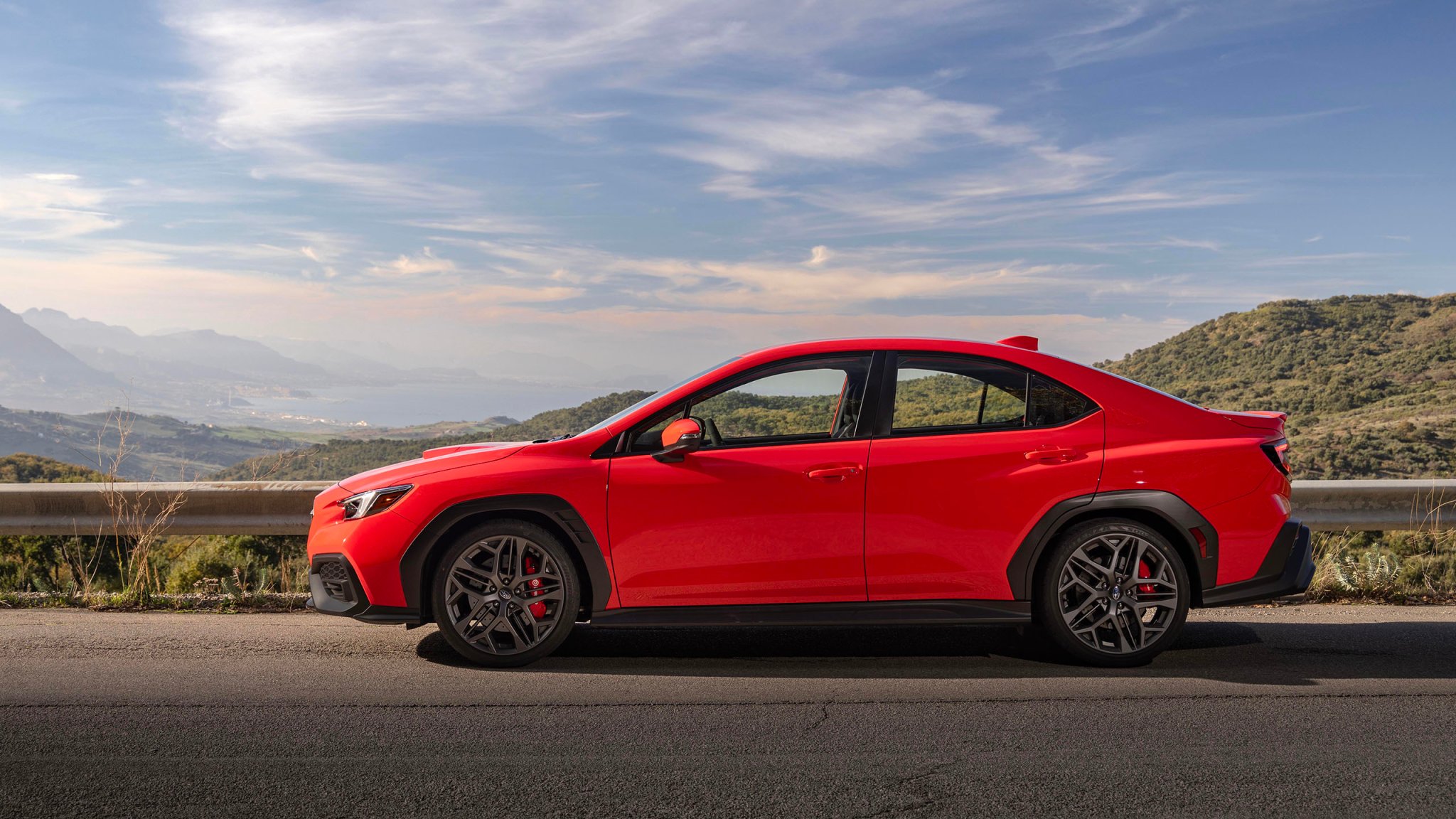
Last summer, a troubling trend started to emerge: The Subaru WRX, a car that isn’t perfect, but the world is still obviously much better for having, signaled a considerable dip in sales versus the previous year. At the time, Subaru credited the phenomenon to low inventory levels and a decision to shift production capacity to the new Forester, and we hoped it could turn things around. After all, the automaker told us that it was “aiming to increase” the sport sedan’s availability over the coming months.
Well, 2025’s in the books, and the WRX finished the year precisely 41.2% down on its 2024 figure, at 10,930 units against the prior 18,587. What happened?
Taking the final third of the year into account since we last checked on WRX sales, things didn’t immediately turn around. September marked a 51% dive; October 56%; and November 46%. It isn’t until we get to December that Subaru made a serious stride toward breaking even against the model’s 2024 performance. Last month, it moved 1,215 WRXs, compared to 1,797 a year prior. That translates to a 32% gap.
Overall, though, 2025 looks even worse when you scope out to the WRX’s last decade. This is easily a 10-year low, the model’s worst since leaving the Impreza name behind in 2015. It not only massively underperformed last year’s previous low, but it barely scraped more than a third of the WRX’s best-ever 2017 performance, when Subaru moved 31,358 of these according to data from Good Car Bad Car.
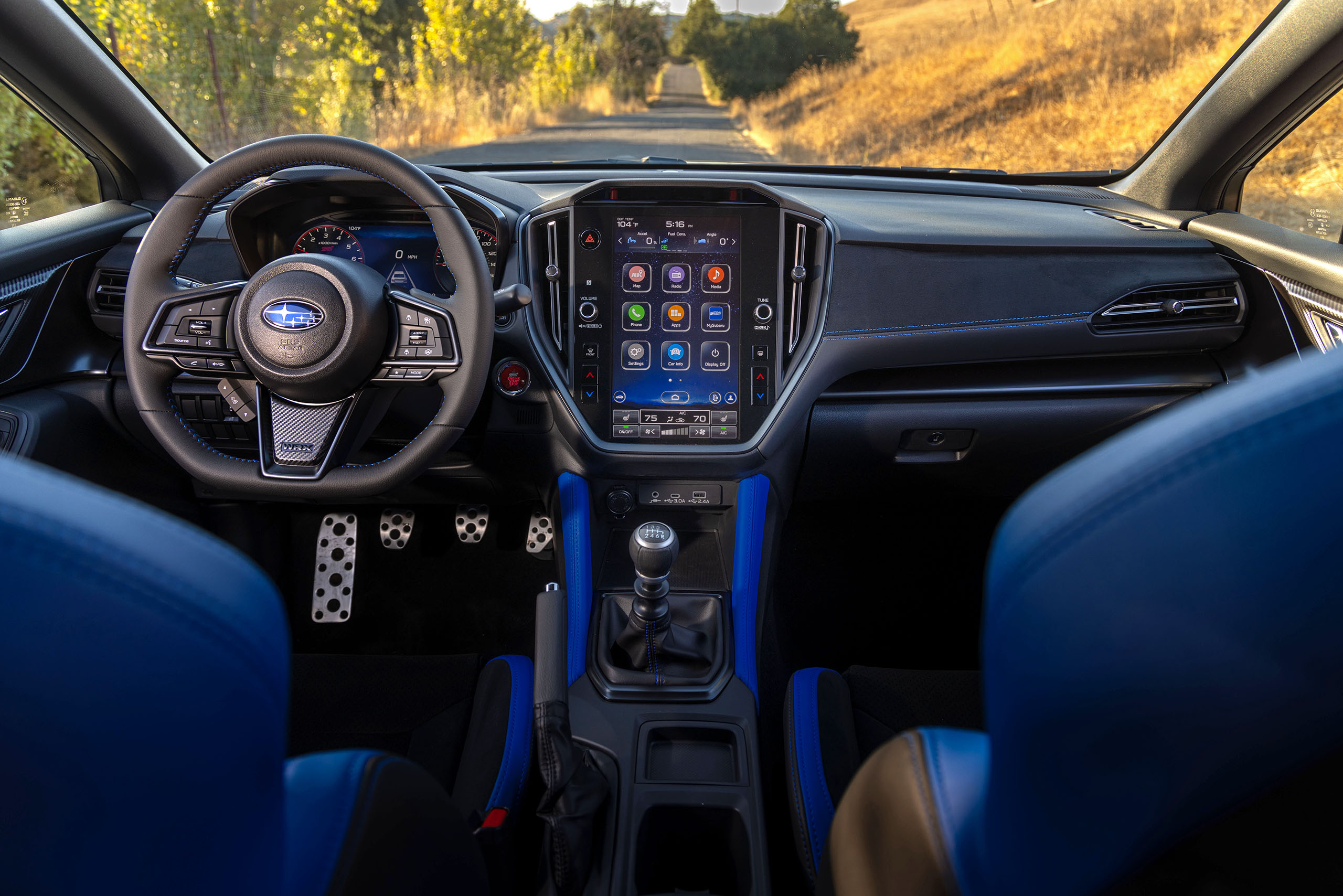
We can only surmise that the one-two punch of the aforementioned production decrease and rising prices played a role. The WRX admittedly got a lot more expensive last year. Subaru killed off the car’s base offering and jacked up the now-entry-level Premium trim by $1,000. It also hiked prices by as much as $2,000 to offset tariffs by the Trump administration.
If you go back to 2023, the WRX started at just $31,625, which sounds frankly wonderful compared to its current $38,920 price of entry. Sure, the Premium now being the base does mean you get more extra content than you used to, but not everybody wants or needs that, and considering the current state of the economy and, you know, everything (gestures with arms outstretched), a cheaper path to a six-speed, all-wheel-drive sedan seems like something potential customers would really appreciate these days.
Perhaps Subaru saw the writing on the wall, between tariffs and reduced 2025 capacity at the plant, and decided to double down on mid-range and high-end trims to chase bigger margins because it knew it’d be selling fewer vehicles. That’s just our guess, though. Shortly after publication, a Subaru of America representative reached out with additional context, reiterating that the “supply for WRX was very low due to pre-planned production shifts in the middle of the year.”
“Since June 2025, WRX sales have been consistently up month to month, including December,” they said, adding that “Q4 was the first time since Q1 in 2025 that [Subaru] had anything approaching ‘normal’ inventory for that car.” Nevertheless, they said that the WRX outperformed the Volkswagen Golf GTI and R combined last year, and sold “very likely more than GR Corolla, Civic Type R, and Elantra N.” Official figures for the performance versions of those compacts are lumped in with their mainstream trims, so it’s hard to gauge that claim.
“We’ll have more info about WRX coming later this month,” the rep signed off, reminding us of a teaser that the automaker’s Japanese social media accounts posted last week, depicting an STI badge on the grille of a WRX. We should know more this coming Friday, January 9, when the Tokyo Auto Salon kicks off.
One thing’s for certain: If Subaru finally launches an STI-branded WRX here in the States, it would probably help the situation—assuming the comeback carries specs deserving of the name.
Did you pick up a WRX in the past year? How are you liking it? Let us know at tips@thedrive.com
Update 11:15 a.m. Eastern: Added context from Subaru of America.
Loading comments…
Comments couldn’t be loaded. Please refresh the page.