
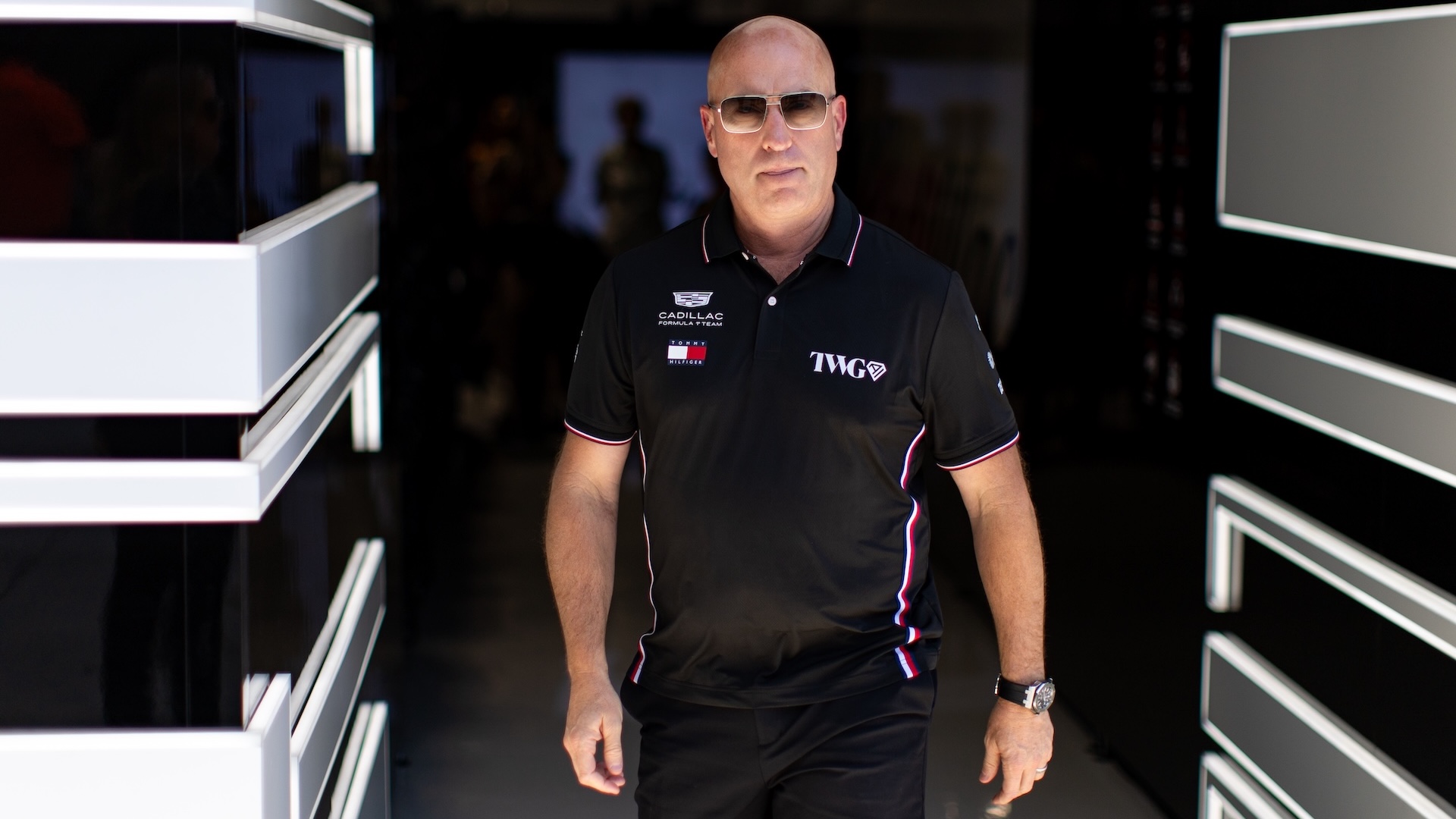
Read one of the many published profiles of Daniel Towriss, and you’d think he’s another billionaire with a hunger for buying franchises and embarking on larger-than-life projects. As the founder and/or CEO at several large organizations—including Andretti Global, Cadillac Formula 1 Team, and insurance firm Gainbridge—and a key partner in the group that owns the LA Dodgers, LA Lakers, and Chelsea FC, he could easily be seen as someone pretentious. Someone… out of touch.
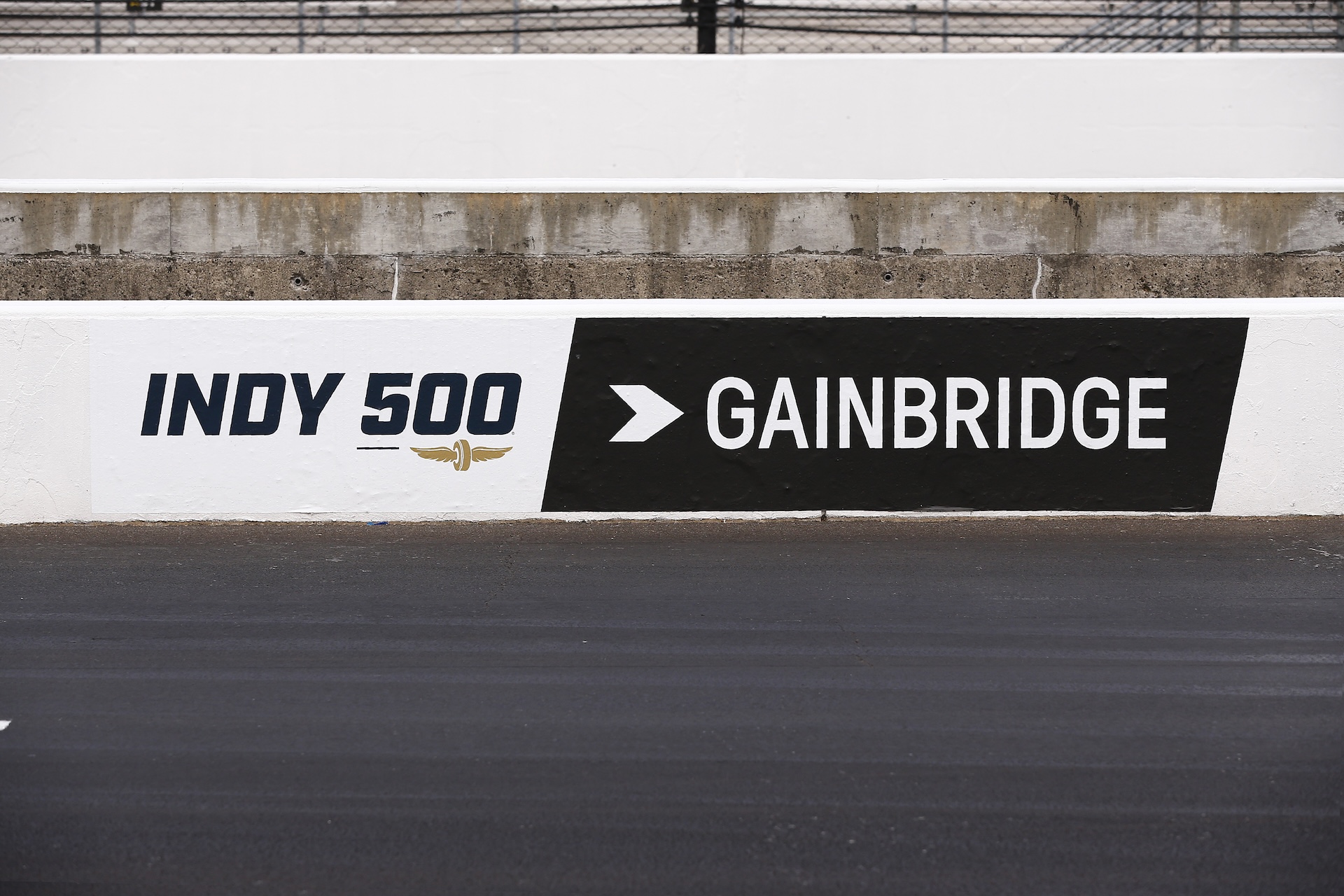
But the truth is that Dan, as he’s simply known around the F1, IndyCar, and NASCAR paddocks, is a friendly, hands-on guy who believes in not just leading by example but also empowering those around him to think, act, and win. Since 2019, when Gainbridge made its first appearance as a sponsor on an Andretti Indy car, Towriss has been rapidly putting his money where his mouth is. From becoming a title sponsor of the Indy 500 to spearheading Cadillac’s F1 venture, I’d wager that his importance in modern-day American motorsports is second to none.
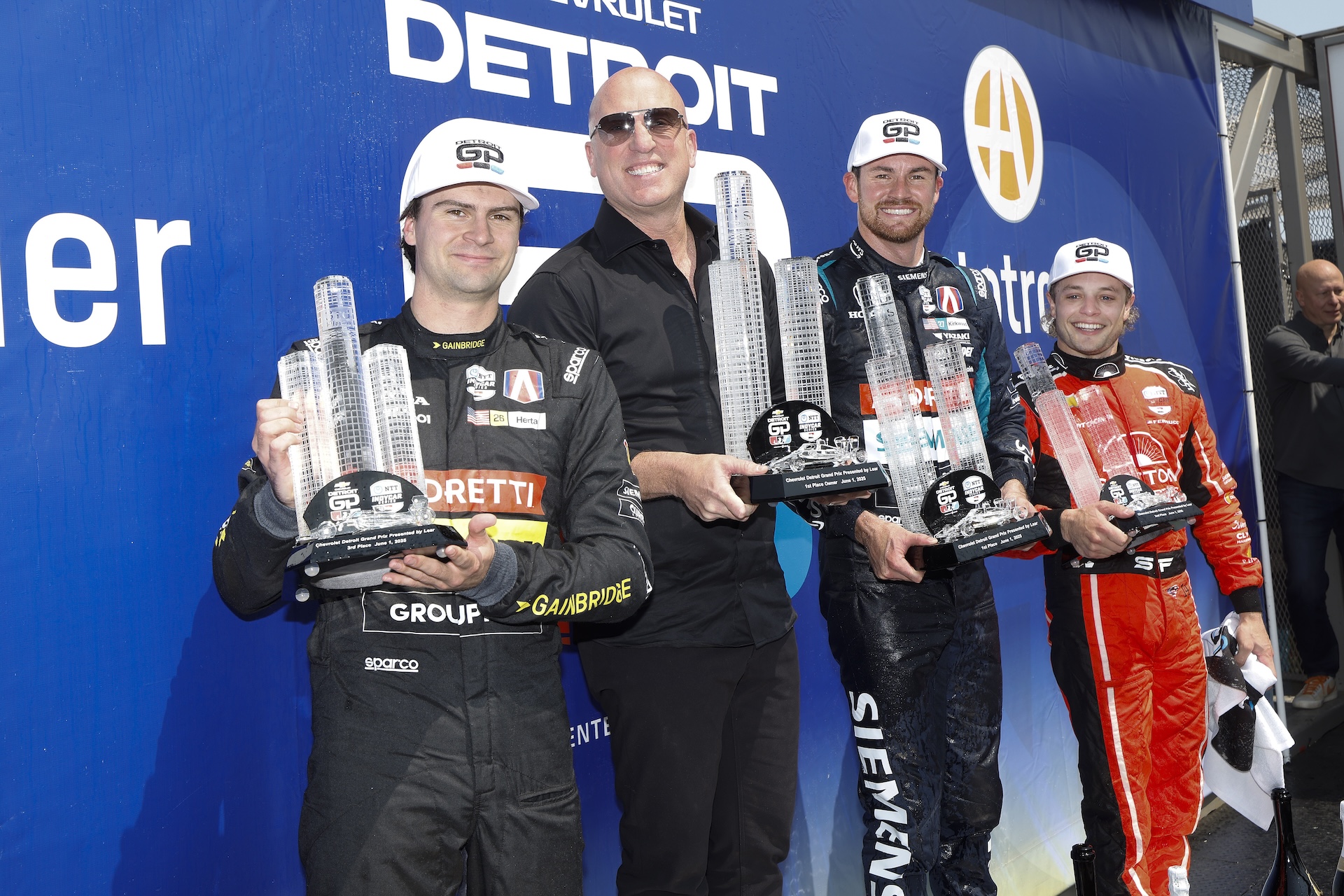
I sat down with Towriss earlier this month to get a glimpse behind the monster of a project that is the Cadillac Formula 1 Team, but also, get a sense for how he and his inner circle—starting with his wife, Cassidy—have been able to make such a big impact in a sport known for vanishing fortunes and crushing egos.
We also talked at length about his background in business and the culture he and team principal Graeme Lowdon are cultivating among staff in Fishers, Indiana; Charlotte, North Carolina; and Silverstone, England. And perhaps my favorite part of my chat with the Muncie, Indiana native: the realization that they’ve made it. Cadillac hasn’t reached its destination yet, of course, but after a long, exhausting, and quite dramatic journey to the F1 grid, they’re on the tarmac fighting against 10 other teams.
“Cassidy is quick to remind us that we fought for the right to be stressed, for the right to work this hard. Then you remind yourself, you’re exactly where you want to be.”
-Dan towriss
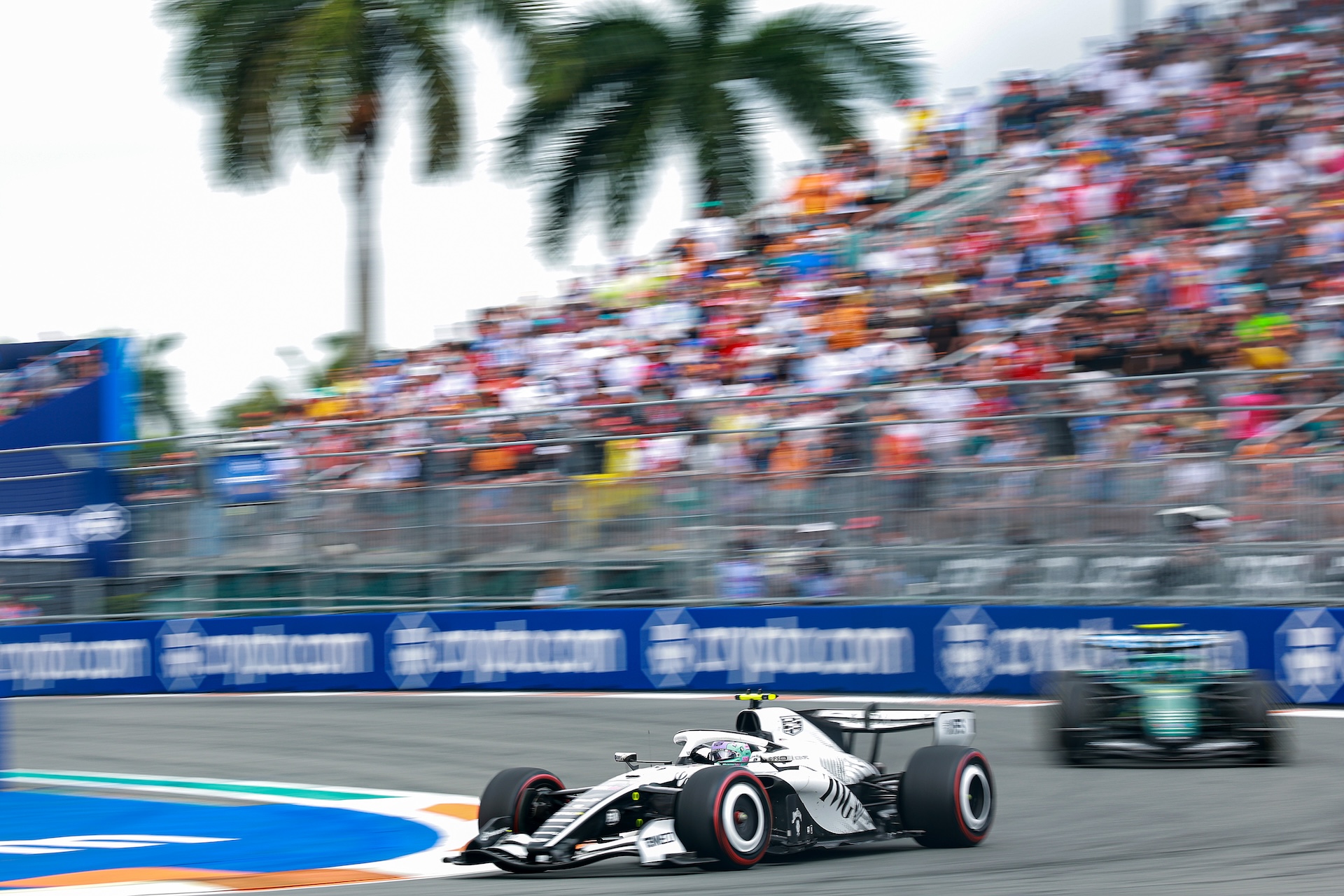
Jerry Perez: You’re finally here in Miami—first race for the Cadillac team in the United States, that’s a big deal. How does it feel?
Dan Towriss: We’re feeling great; every race has been special, thus far, but to be able to have our first race on American soil, to be racing here, is a huge milestone. It’s very special for this team. This is our fourth race of the year, and every race we’re seeing big changes, big progress in this team, and it’s a step forward, so that’s been great to see. Over the break, the team was working really hard on upgrades for Miami, and we’re just starting to see those unfold. But just watching this team gel before our very eyes, you know, week in and week out, is special. Of course, everybody [in the team] has experience in F1, but it takes time to make a team out of that, and I’m seeing that happen. I’m very happy about it.
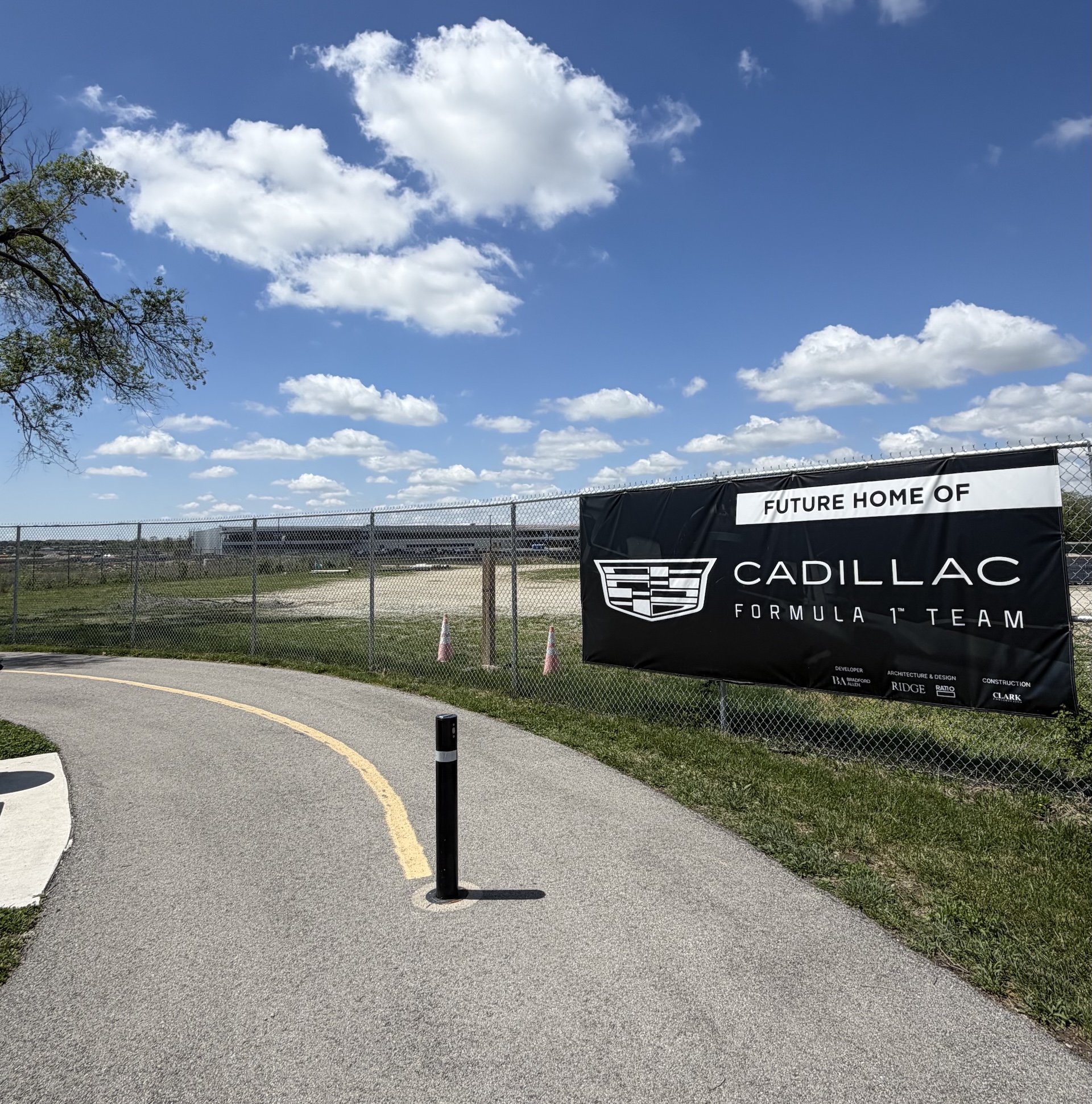
I live in Fishers, so I often walk by the Cadillac F1 Team building that’s under construction. The pace you guys are moving at, I mean, with all due respect, it has to feel insane. You’re building stuff, hiring people, traveling all over the world racing, and you’re constantly developing a car. How do you even manage all those projects? How do you keep up?
Thank you for asking that question! It is. It’s massive because it’s not just the team. It’s not just performing and doing the normal race duties. It’s the real estate project. It’s your workforce kind of growing by 10% almost every month, so you have to shape the culture and create the future Cadillac Formula 1 Team, and everything is constantly changing. You go from one project that’s all hands on deck to something that’s very disciplined and orderly and precise. None of that happens overnight; it takes a lot of time and effort, and we’re doing it. It’s been great to see, and there’s always gonna be a little bump on the road here or there, but really, it’s coming together, and it’s exceeded all of our expectations so far.
What have been some of those bumps on the road?
It’s always just gonna come down to people [staffing], or maybe we want to change something with the new building, so then the building’s a little bit delayed. You know, it could just be like the normal things that you would expect because you’re trying to build something that has all the resources and everything you need, but for a team that you haven’t operated yet. So you think you know, but along the way, you’re like, boom, I actually want it this way, not that way. And so there are a few audibles along the way. And those are normal things to have, so we’re just cruising along step by step.
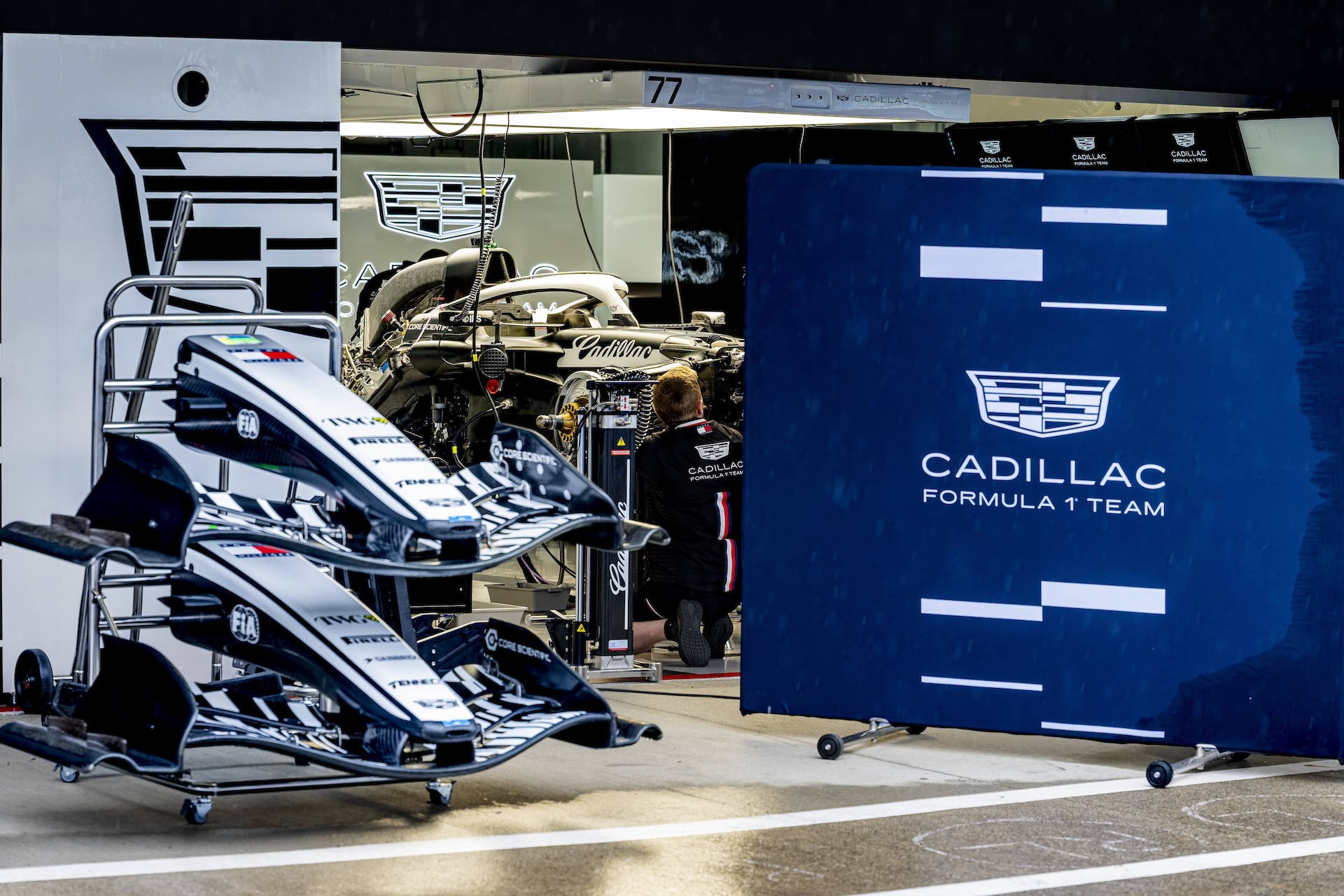
I listened to your episode of the Beyond the Grid podcast, and I enjoyed the part about your baseball career and aspirations, and how you pivoted to numbers and business and just owned it. And along those lines, I also recall Cassidy posting a video on social media of you doing some algebra problems on your phone while relaxing at home, with the caption “Our Instagram algorithms are so different.” I loved that. I love that that’s your world. How has all of that prepared you to dive into IndyCar with Andretti Global and then this massive project in F1?
I think it’s a combination of business acumen, understanding the numbers, but also having the leadership and understanding of team sports. It’s about how to bring all of that together and how to build a team. You know, it’s a culture. You can put a lot of talented people together, but it doesn’t necessarily make a team, and it won’t necessarily have the right culture. Successful businesses, high-performing, high-functioning businesses and teams have communication, and they have alignment. We call them organizations [for a reason], which means that they should be moving together without wasted effort.
When you think about F1, the fact that you have a cost cap and that you have limited time, the more the team can move without wasted effort, the better off we will be and the more effective we will be. So being able to bring those skills to shape this team in such a way that it attracts the best of the best to want to work here; something that cuts out all the nonsense and noise, politics, dysfunction, and says, ‘Come work here for the job that you always thought you wanted, because racing is exciting. Come here to perform and be the best of the best, have all the resources, the right culture, come here to get the most out of your career, to contribute the most to the team, so that this team can win.’ That’s a [long] journey and a [long] process, but that’s the one that we’re on, and those are the ambitions that we have.
There’s a popular quote in racing, especially in Indianapolis, where so many ventures have been born and died: “If you want to become a millionaire in racing, you gotta start out with a billion dollars.” What does someone with your business background, but also your recent full immersion into the business of racing, think of that?
That’s really not something that we even think about. From the TWG Global and General Motors perspective, these are large companies with shareholders. As organizations, they have counted the costs and understand what it takes to get into F1, and that’s been part of the calculus and the decision to get into the sport. So, it’s really about performance and building that up. I think we have a very good thesis and understanding of the growth in motorsport and [because of TWG’s other franchises] the growth in live sports and entertainment, especially in the U.S. And we’re seeing that grow on a global scale with expansion in MLB, in the NFL, and the NBA. Motorsport is no different from that. So that [risk] certainly is there, but this is really about the Cadillac brand, about having the resources, about creating those special moments in time, and about building winners.
“If everything is rigid, hierarchical, and overly structured, those organizations can’t adapt to changes and changing environments. It’s building the team with the idea that nothing is static, change is inevitable, so it’s built to evolve.”
-Dan Towriss
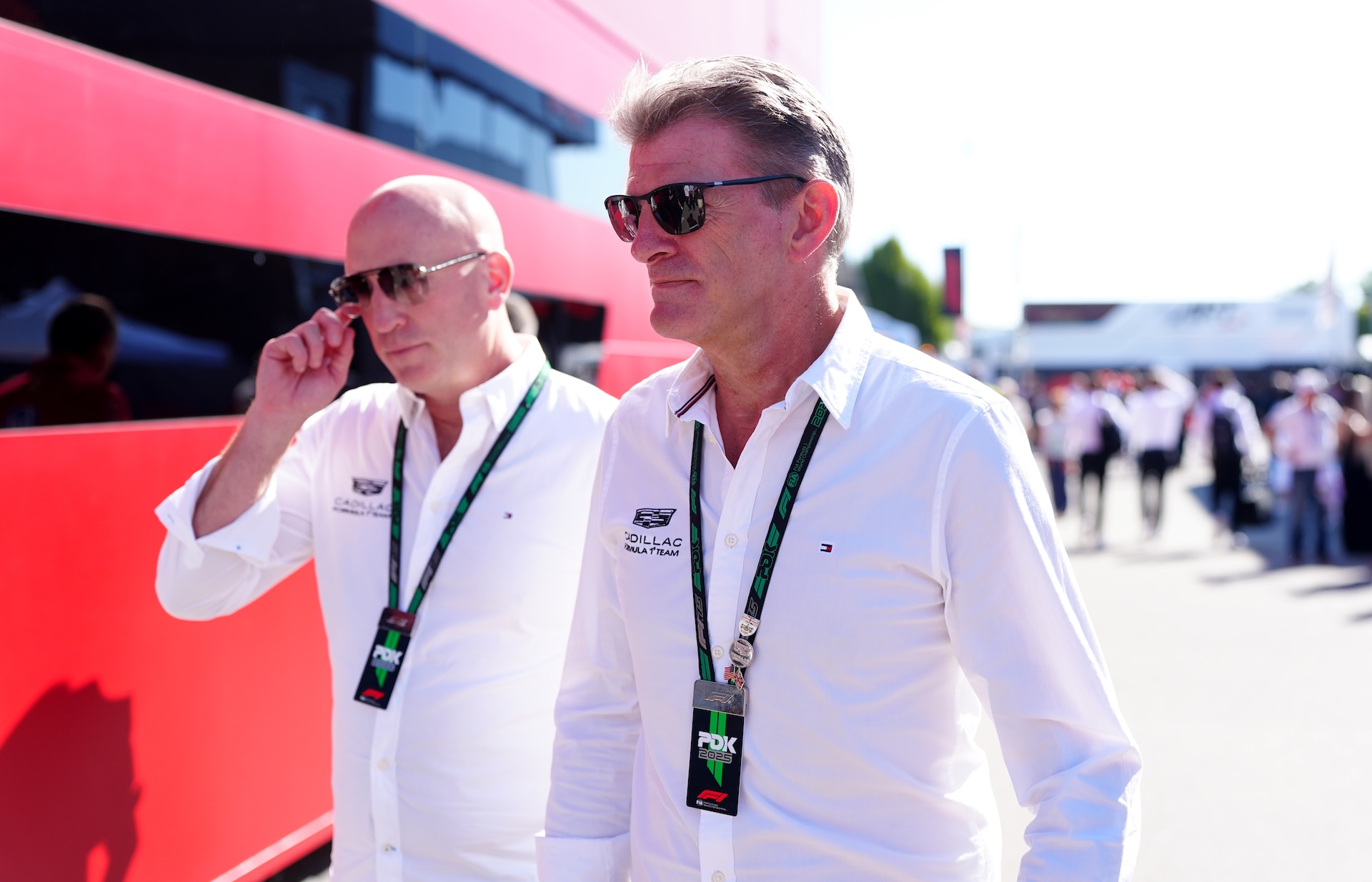
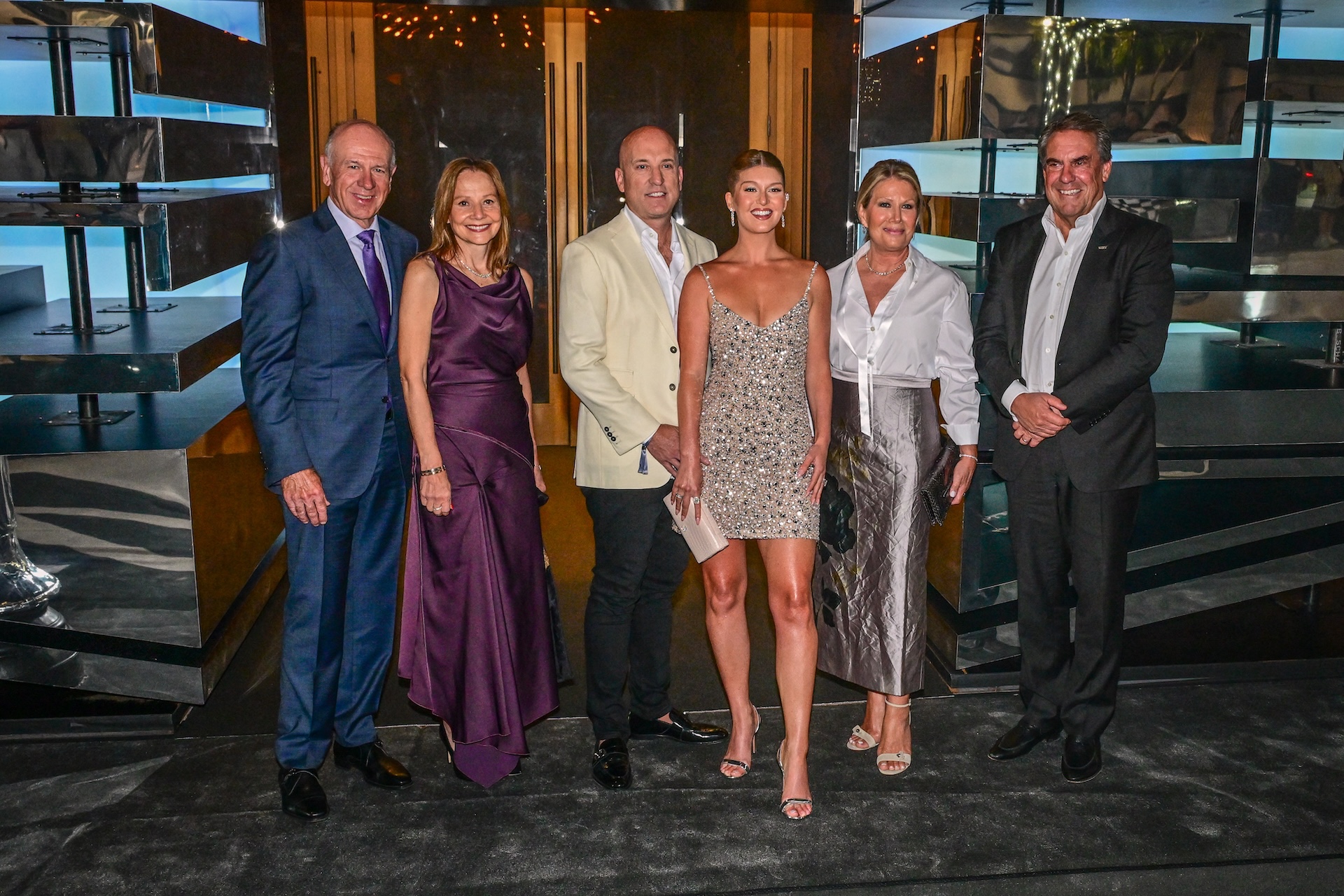
The journey to finally getting the green light to come to F1—first under the Andretti banner, then not, and I was very vocal about the unfairness of it all—was long and arduous. Do you ever pause for a second and pinch yourself and say, ‘We’re finally here’?
Yeah, I think so, especially on days when someone’s feeling stressed out! Cassidy, my wife, is quick to remind us that we fought for the right to be stressed, we fought for the right to work this hard, you know? And then you remind yourself, you’re exactly where you want to be, and it’s okay that it’s hard. It should be hard. And that’s what makes it a competition, and it just resets that drive to move forward.
Since you mentioned her, and I hate to bring this up without her here, but you already know I’m a huge fan of Cassidy. I believe she brings a lot, not just to the team, but I love what she represents in F1 and all of motorsport. Someone who speaks her mind and has drive. She doesn’t adjust to the establishment, but quite the opposite—and she truly adores racing. That’s gotta be pretty cool for you?
It’s been amazing for me to sit back and watch her contributions to the team and her vision on certain things. It really wasn’t the plan at the beginning that she was going to have a role with the team. In some of the early meetings I was in, the conversations we were having on the team kit, I think her ideas and what she brought, the value that she brought to those meetings, a lot of the folks on the team saw that, and they sought that opinion out. It was actually their idea to bring her on in this role. She was invited in—it wasn’t like I put out a proclamation and said, ‘Hey, guys, make space. My wife really likes Formula 1, so give her a role.’ It wasn’t like that at all. She was invited in to contribute, and people respect her opinions. For me, I just get to sit back, smile, and watch, and I love seeing people see the value in her that I’ve always known was there.
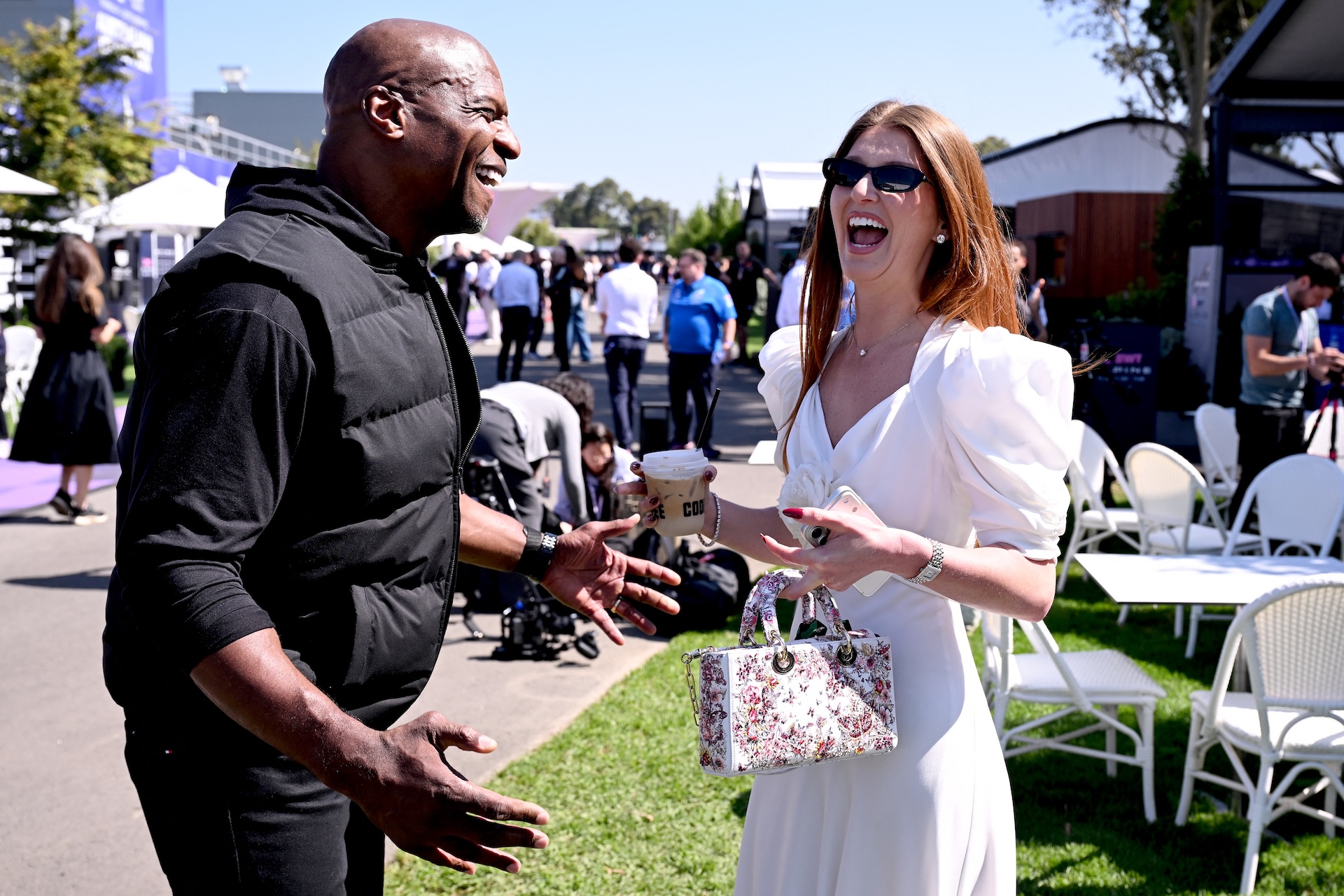
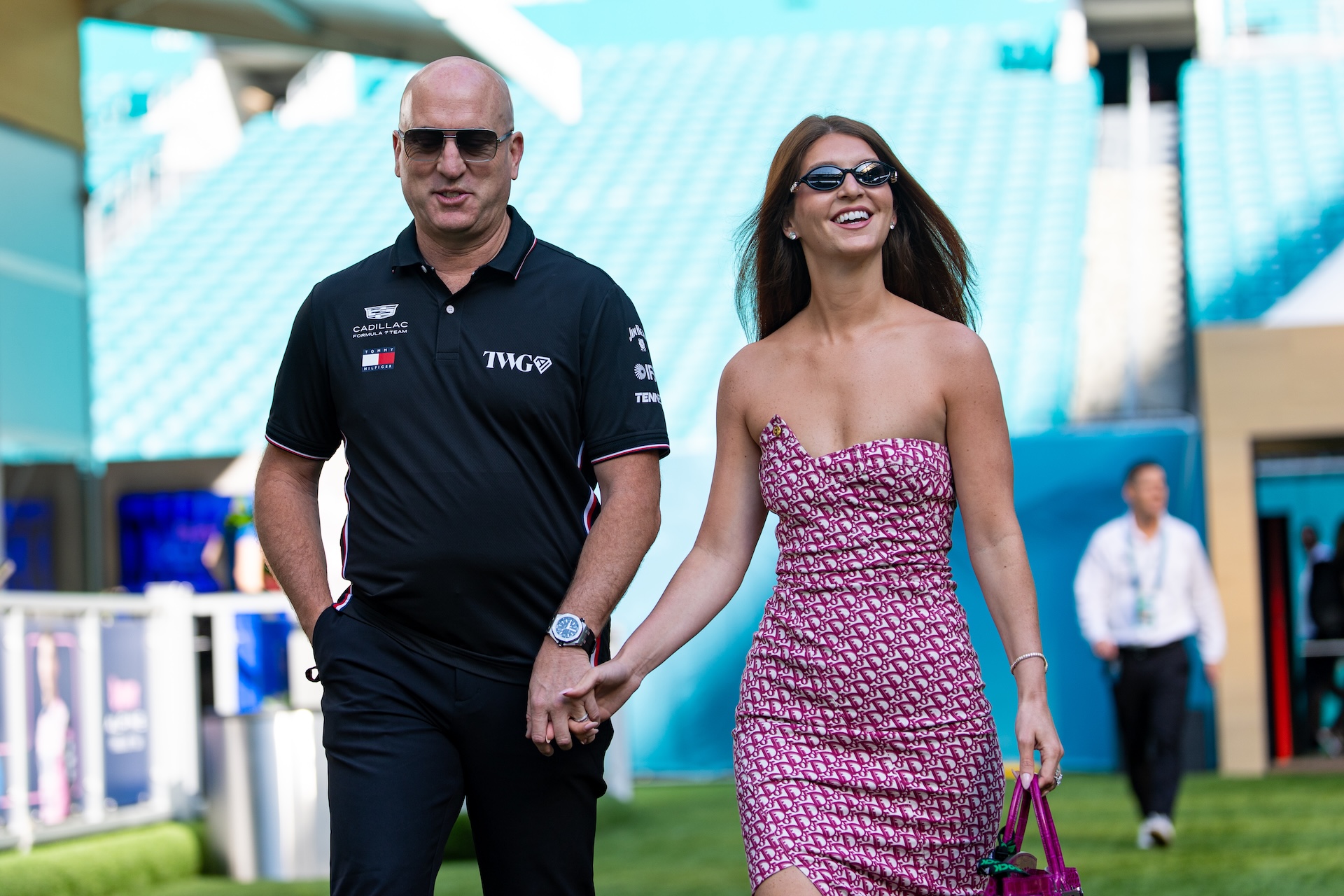
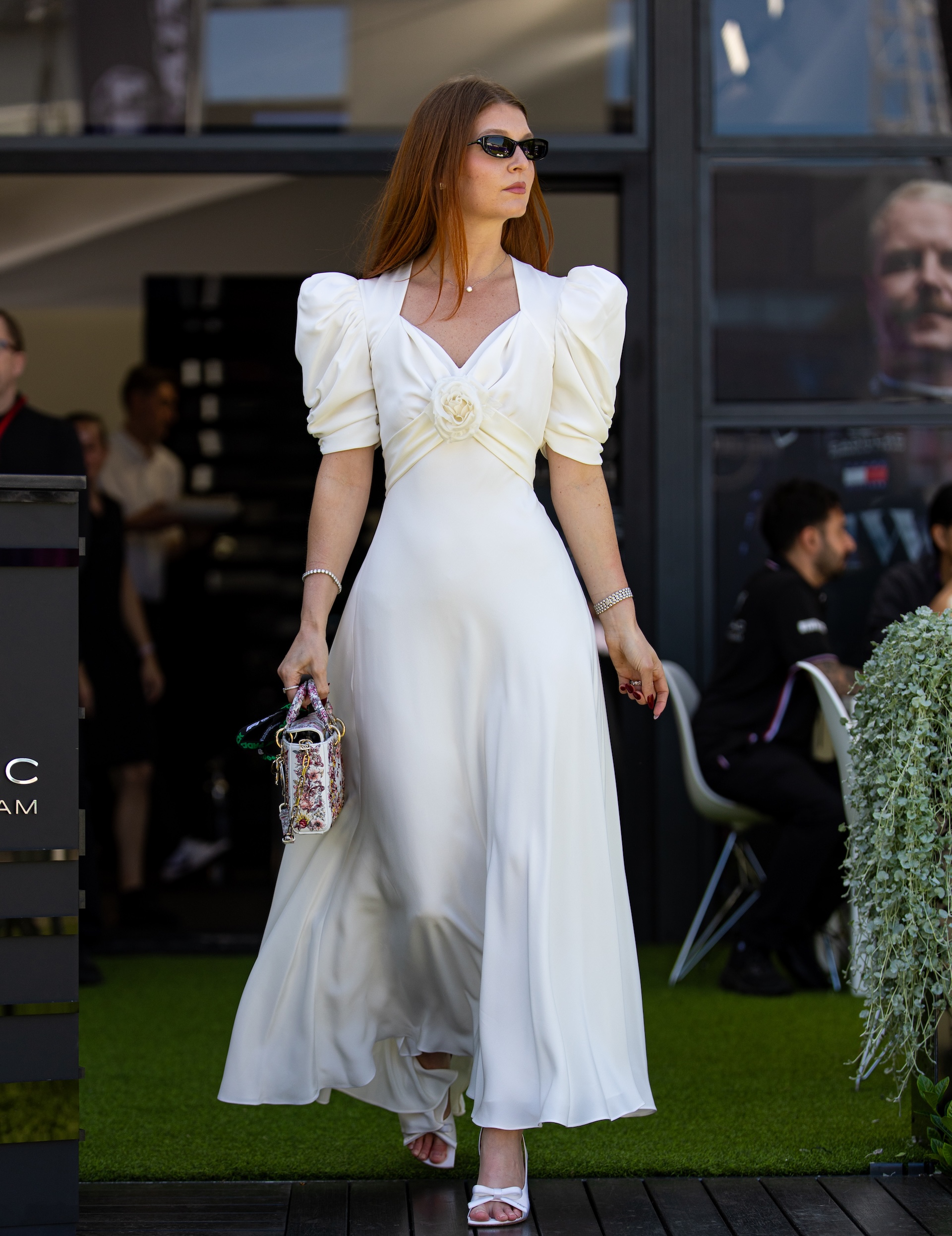
For what it’s worth, I think we need more Cassidys in this sport.
Be careful what you wish for!
Lastly, the season started with an unexpected five-week break after the Middle Eastern races were canceled, and then an amendment to the regulations, and surely there will be more along the way. Those last-minute changes are tough on all teams, but especially one that’s still in its infancy. How do you manage those last-minute surprises?
That’s where this culture and communication thing helps out, so when something changes, it makes an organization adaptable and flexible. If everything is rigid, hierarchical, and overly structured, those organizations can’t adapt to changes and changing environments. It’s building the team with the idea that nothing is static, change is inevitable, so it’s built to evolve. It’s built to adapt. And that’s really the mindset of the culture, and that’s the “why” behind things like alignment, culture, and collaboration across teams. It’s Graeme [Lowdon]’s philosophy as a team principal to have one team, and it’s those shared values that drive us.
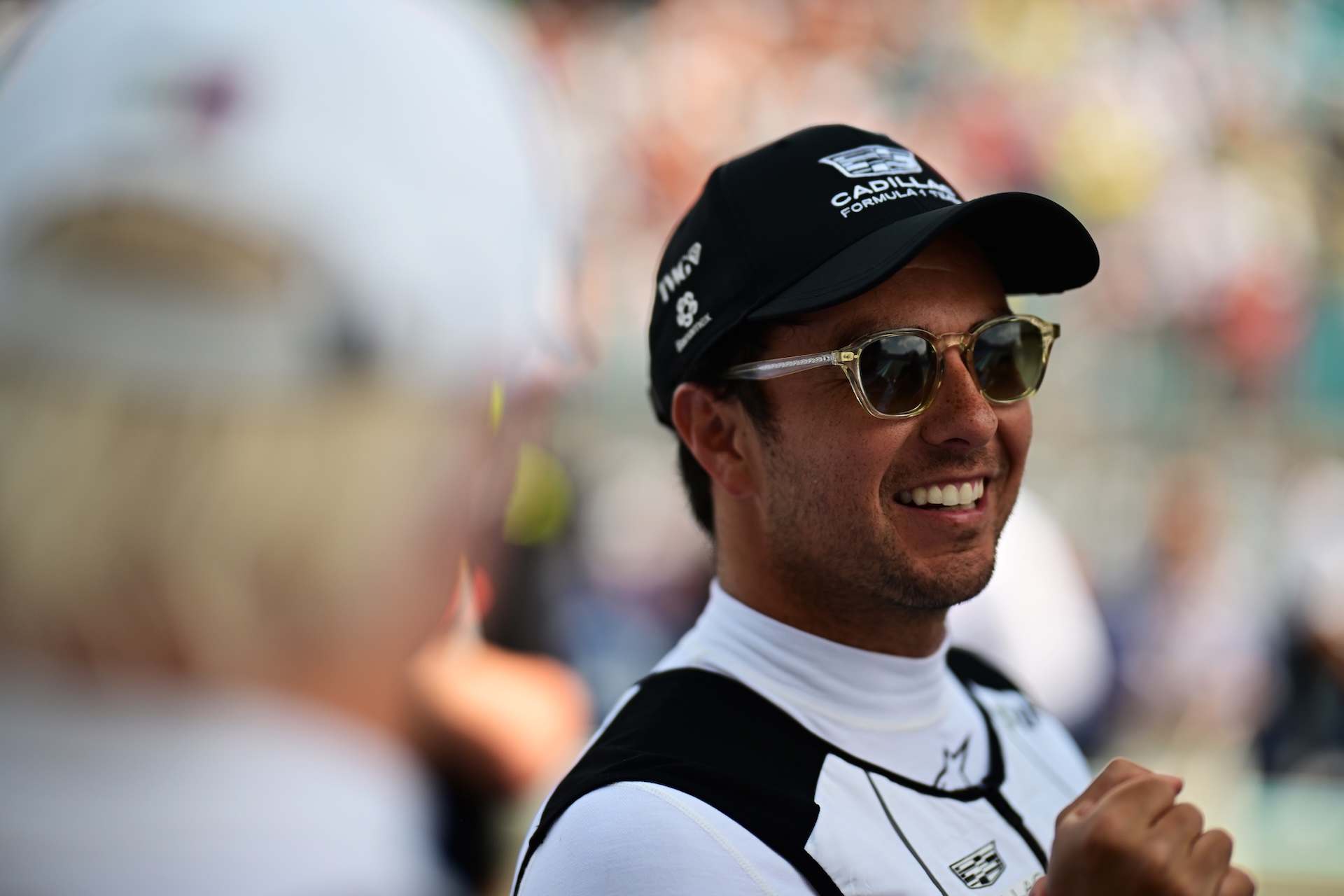
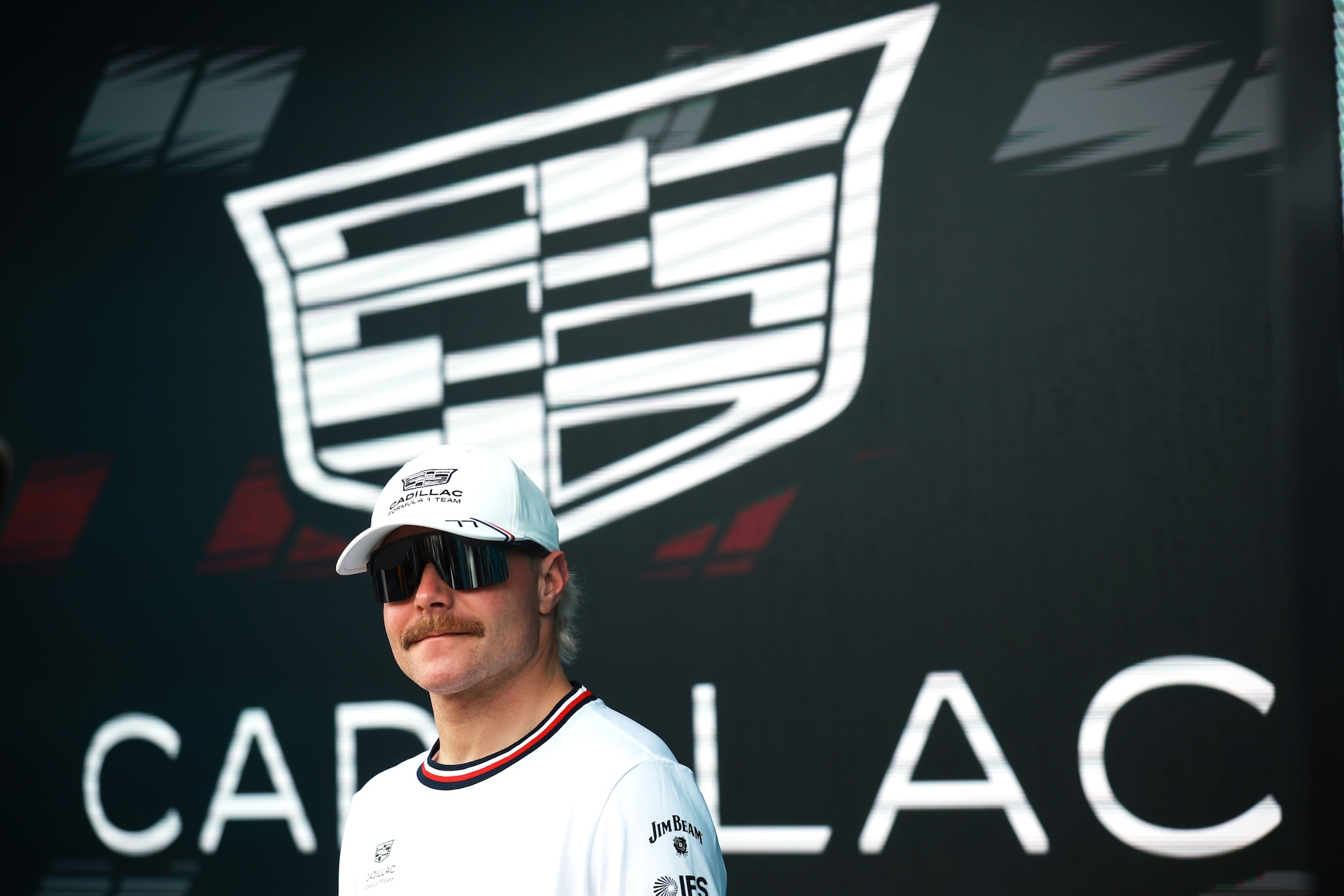
Back to Europe
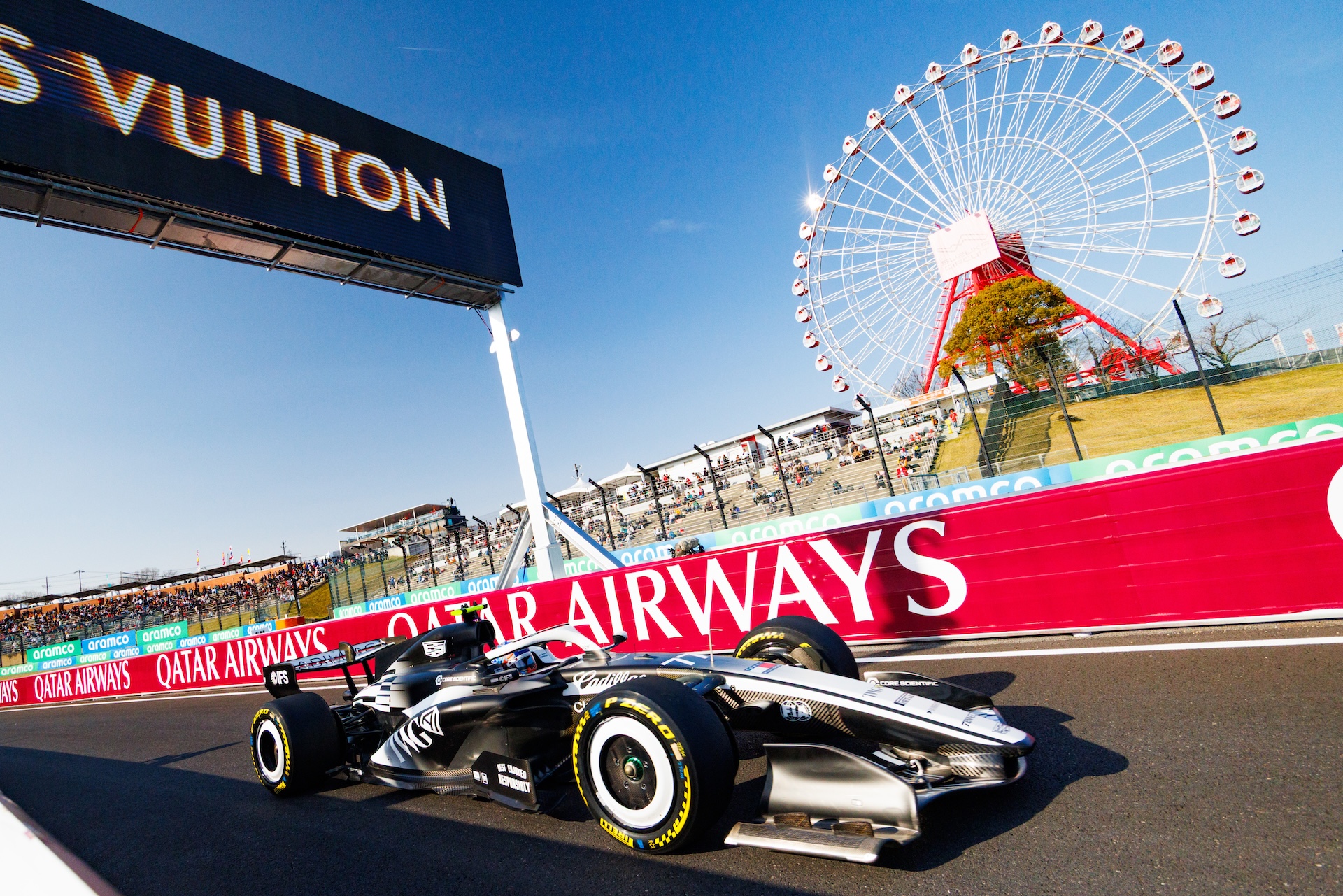
After jumping from Australia to Asia for the Chinese and Japanese GPs, and then to North America for Miami and Montreal, it’s time to head back to Europe. With the Canadian GP fresh in the rearview mirror, team leadership and the rest of the Cadillac crew are on a high at the moment. Both cars showed good pace during every stint, and with it being a Sprint weekend, there were many of them. Checo delivered a solid quali performance and even climbed up to 11th during Saturday’s Sprint, before a penalty knocked him back down the order. However, a rather dramatic and very sudden suspension failure ended his race early on Sunday, reminding everyone that there’s still a lot of development, a lot of testing—and still just a lot of work ahead of them.
But as Dan said, these “are normal things to have,” so they just have to take it “step by step.”
Email the author at jerry@thedrive.com
Loading comments…
Comments couldn’t be loaded. Please refresh the page.