
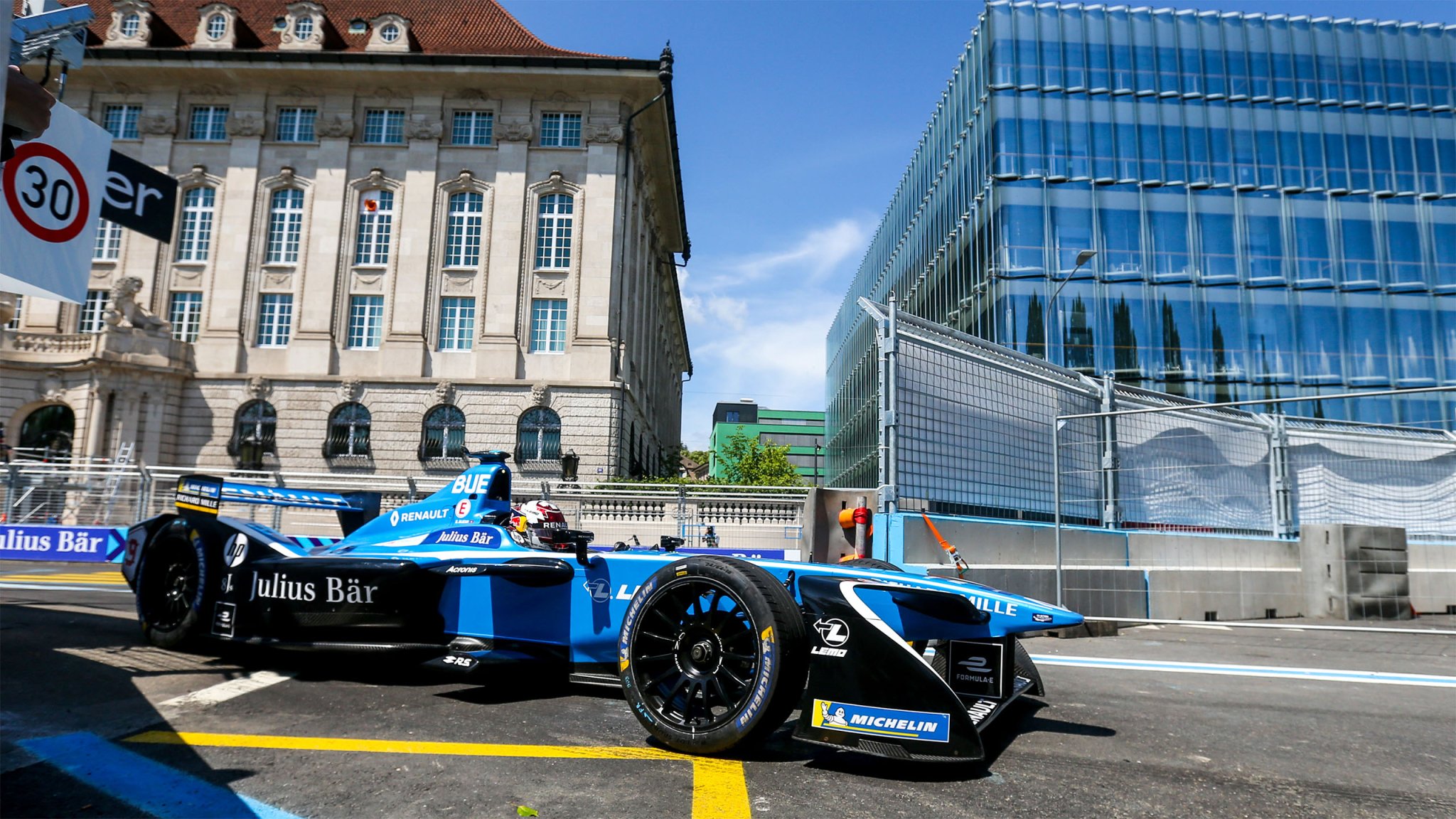
Over the past several years, Switzerland has carved out exceptions to its national motorsport ban, a law that has remained in place since the 1955 Le Mans disaster that killed more than 80 people. The country allowed Formula E to host races there in 2018 and 2019, based on an exemption for electric vehicles. And, four years ago, we reported on a slate of laws overturned or eased by the government that seemed to set the stage for the country to allow circuit races wholesale. Now, 71 years after the ban was first passed, it’s been done: Switzerland can go racing again.
On Wednesday, Switzerland’s Federal Council declared that the racing ban would end effective July 1. As RacingNews365 notes, non-circuit forms of motorsport, like rallies and hill climbs, were actually permissible under the law. But this sets the stage for bigger events, like Formula 1. Makes sense, since F1 has positively exploded since the country allowed Formula E to trial its races, even in Europe where it was obviously already prominent.
Going forward, the country’s 26 cantons (member states) will have individual authority over whether they will allow closed-track racing within their borders or not. Given that, the hope of a Swiss Grand Prix is pretty presumptuous; racetracks, especially FIA Grade 1 facilities, take quite a while to build, anyway.
In the seven decades since the ban was thrown down, Switzerland has produced some famous drivers, including F1 legend Clay Regazzoni and Sébastien Buemi, who also raced in the sport but is now known better for having won the 24 Hours of Le Mans four times with Toyota.
Got a tip? Reach out to tips@thedrive.com
Loading comments…
Comments couldn’t be loaded. Please refresh the page.