
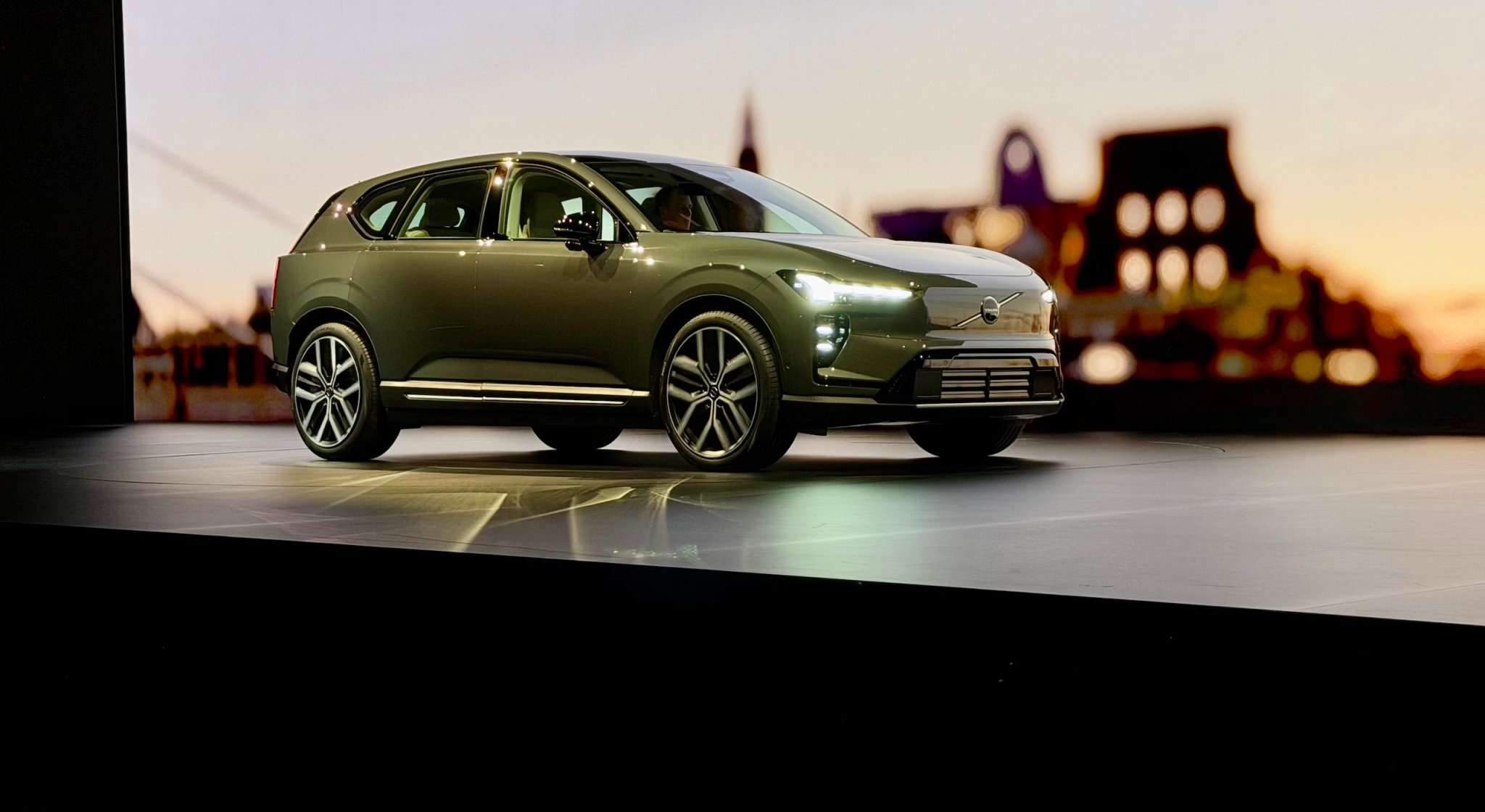
Driving range, time it takes to refuel, and cost are the three major barriers to entry automakers hear from consumers when it comes to EVs. With the new EX60 Volvo intends to address all three in an effort to show the future is electric without compromise.
On Wednesday, in Sweden the 2027 Volvo EX60 debuted with up to 400 miles of range, fast charging that can be done in the time it takes to get a cup of coffee, and a base price that sounds like it’ll be in the low to mid $50,000 range. All that could squarely put the EX60 in-line with the gas-powered XC60, though, that range and that base price will not be the same car, and that’s important to note as well.
The EX60 will arrive later this year after entering production in Gothenburg, Sweden. It represents the next generation of Volvos and a blueprint for the Swedish automaker’s future with evolutionary design, completely new interior design language, a new way of actually building cars (for the automaker), and meaningful range and charging speeds to address consumer trepidation. Three powertrains will available with the base P6 and P10 AWD arriving first and the longer-range P12 AWD following, and each will be available in either a base Plus or more luxurious Ultra trim. Next year the more butch EX60 Cross Country model will arrive for a different vibe.
The main story? What you can’t see. Underneath the metal skin sits in-house designed and developed electric motors powered by an 83-kWh (80-kWh usable), a 95-kWh (91-kWh usable), or a 117-kWh (112-kWh usable) lithium-ion battery pack in the P6, P10 AWD, and P12 AWD respectively. That translates to estimated driving ranges of up to 310 miles in the P6, which is rear-wheel-drive, 320 miles in the P10 AWD, and 400 miles in the P12 AWD on 20-inch wheels. Larger 21- and 22-inch wheels drop the range by about 10- to 20 miles.
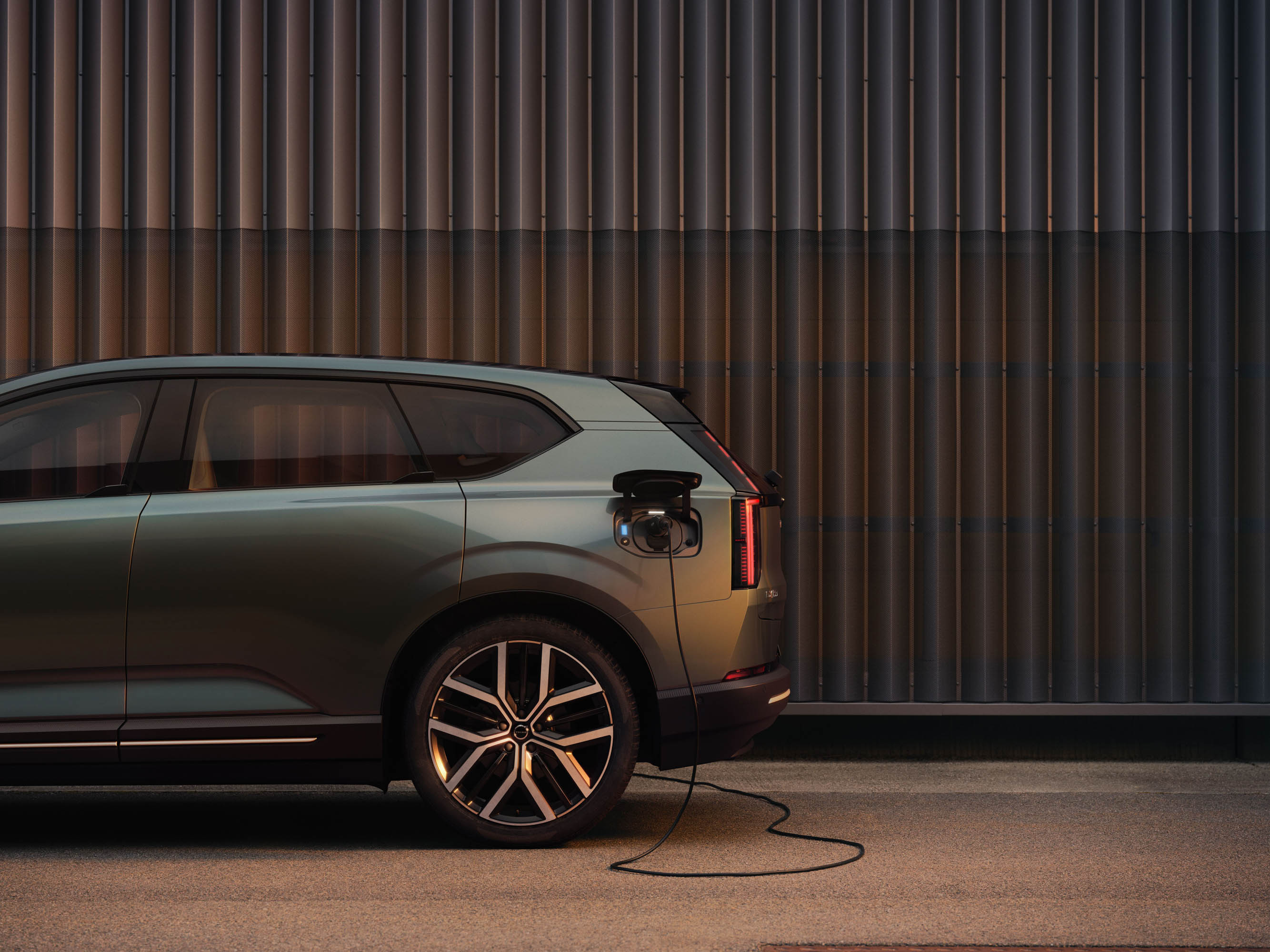
All of this runs on a next-generation 800-volt electrical architecture, which translates to fast-charging speeds of up to 370-kW. That means the EX60 will be capable of adding up to 173 miles of range in just 10 minutes in P12 AWD form, and charging from 10-80% in 18 minutes with the P6 and P10 AWD model and 19 minutes in P12 AWD. All of this takes place via a standard Tesla-like NACS charge port on the driver side rear fender.
That’s a lot of numbers. The short version: The EX60 is going to fast charge quickly and having meaningful range in every single configuration and trim.
The slowest Volvo EX60, the P6 single-motor rear-wheel drive model, will do 0-60 mph in 5.7 seconds, according to Volvo. The EX60 only gets quicker from there with P10 AWD models dropping that sprint to 4.4 seconds and the even quicker P12 AWD models doing 0-60 mph in 3.8 seconds. Every EX60 will be electronically limited to 112 mph.
The EX60 has a ground clearance of 7.2 inches with Cross Country models increasing that up to 7.6 inches thanks to the addition of adjustable air suspension. Volvo said the EX60 will be rated to tow up to 4,500 pounds in P12 AWD spec with P10 AWD models dropping that to 3,500 pounds.
That electric powertrain and next-gen electrical architecture is all housed in Volvo’s new SPA3 platform. It’s the first architecture that Volvo will implement megacastings and cell-to-body manufacturing. Both of these enable Volvo to cut costs and simplify how the EX60 is built.
Today’s gas-powered XC60 costs just under $52,000. While full EX60 pricing hasn’t been revealed yet, Volvo said the a well-equipped mid-spec P10 AWD model with a 21-speaker Bose audio system, panoramic roof, active dampers, three-zone automatic climate control, and 19.2-kW onboard charger will cost about $60,000. That’s in-line with the gas-powered XC60, which could translate to the EX60 starting between $50,000 and $55,000. The EX60 might even undercut the pricing of direct competitors such as the BMW iX3 and Mercedes-Benz GLC Electric.
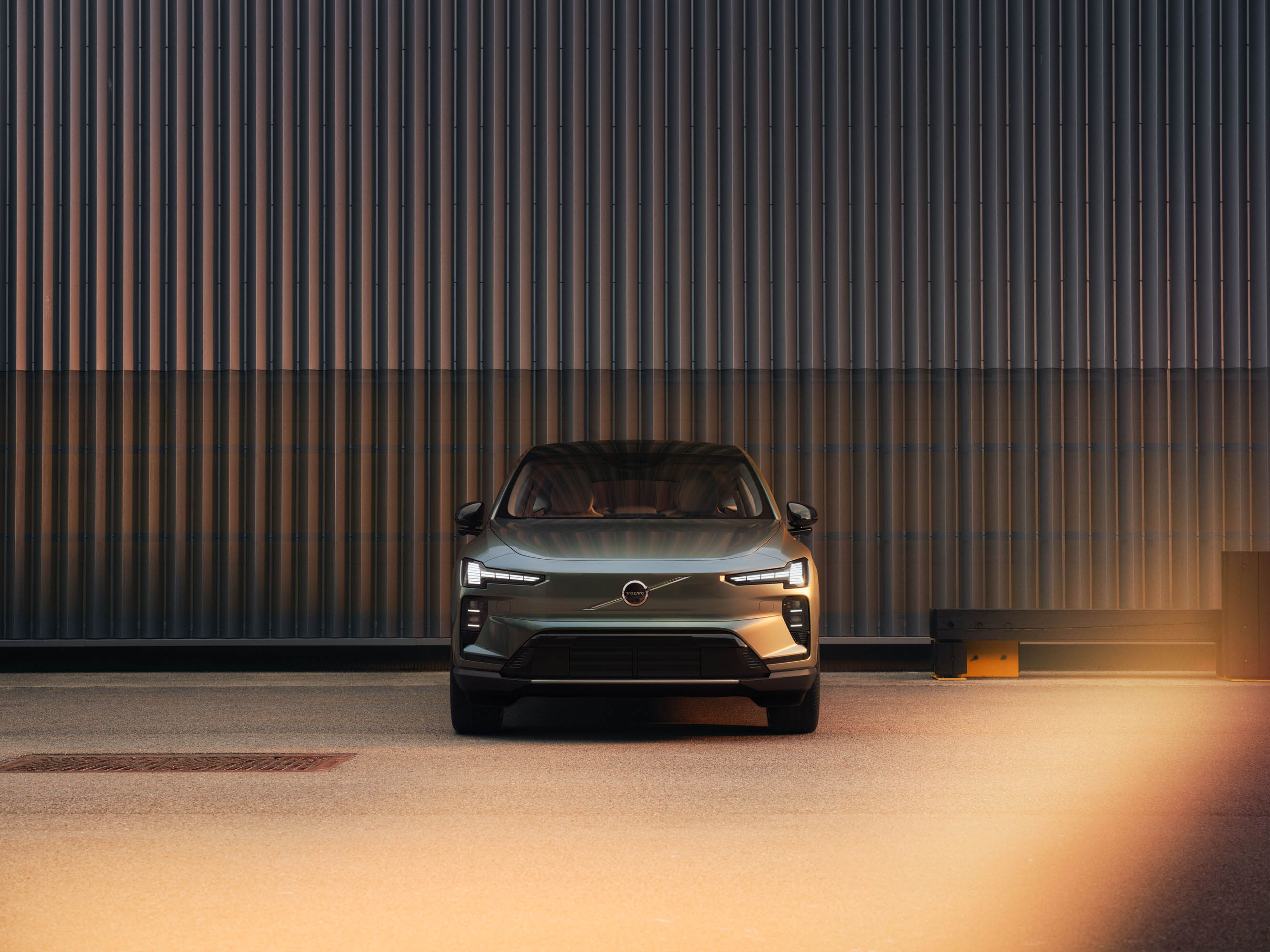
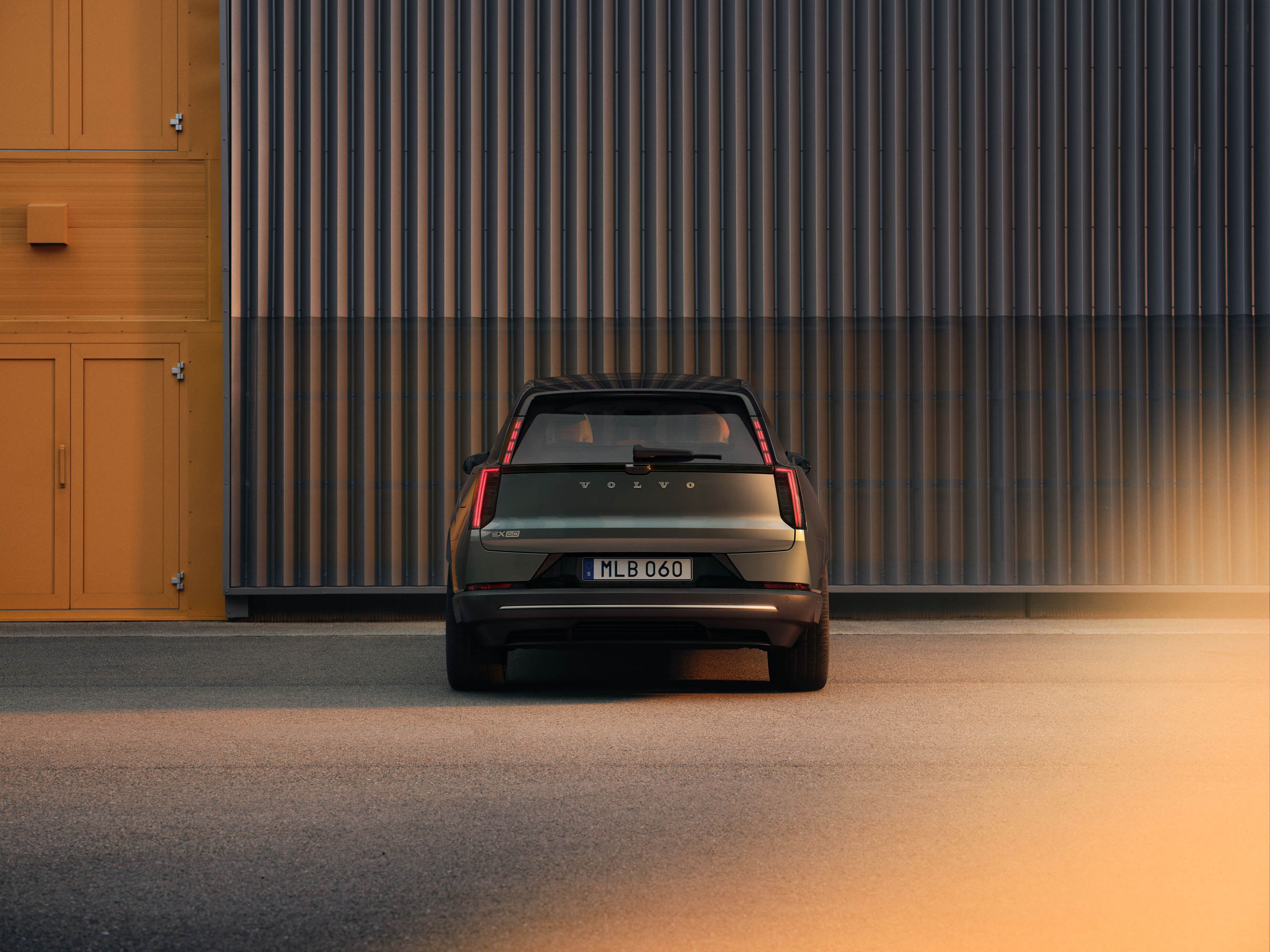
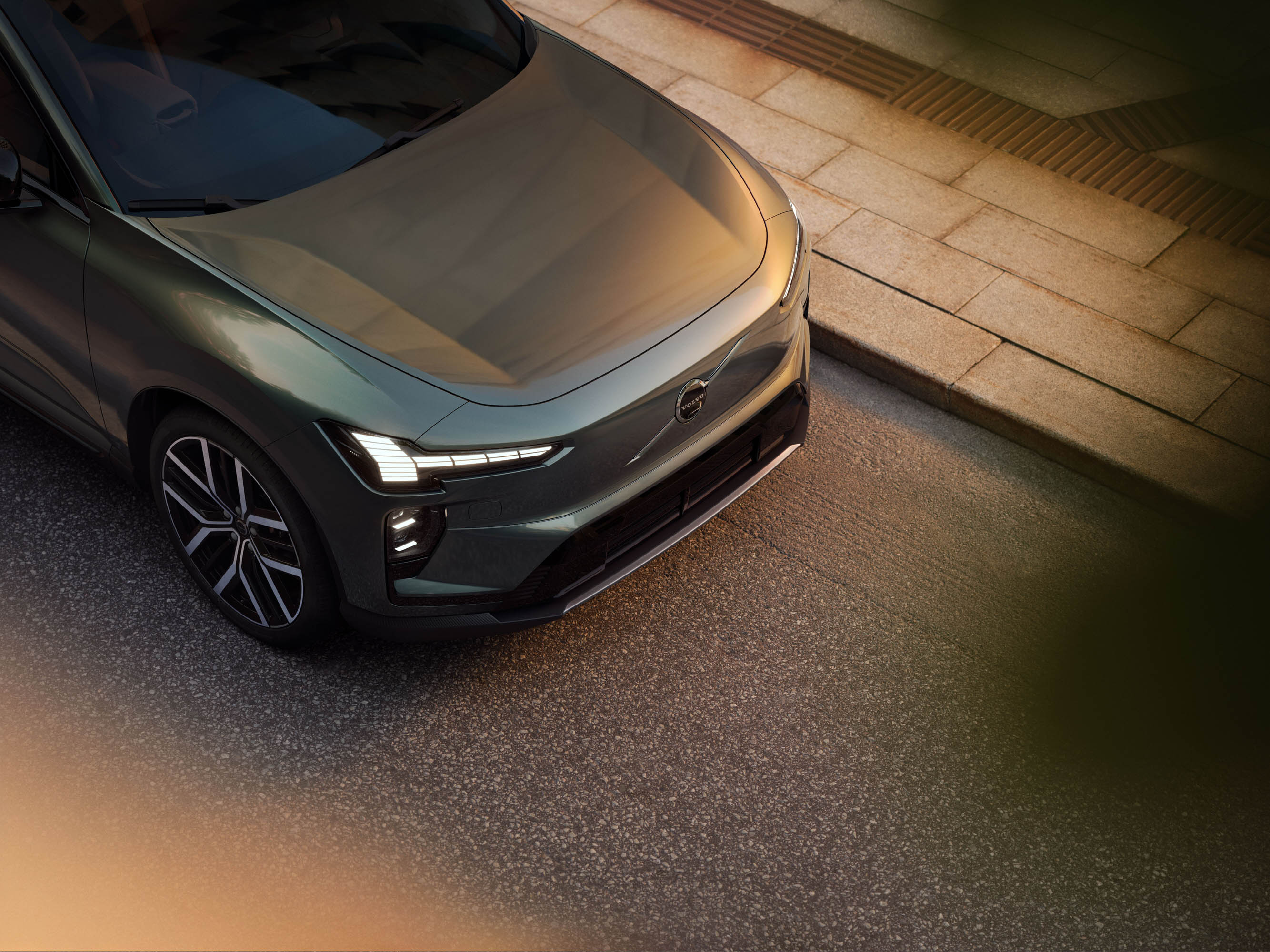
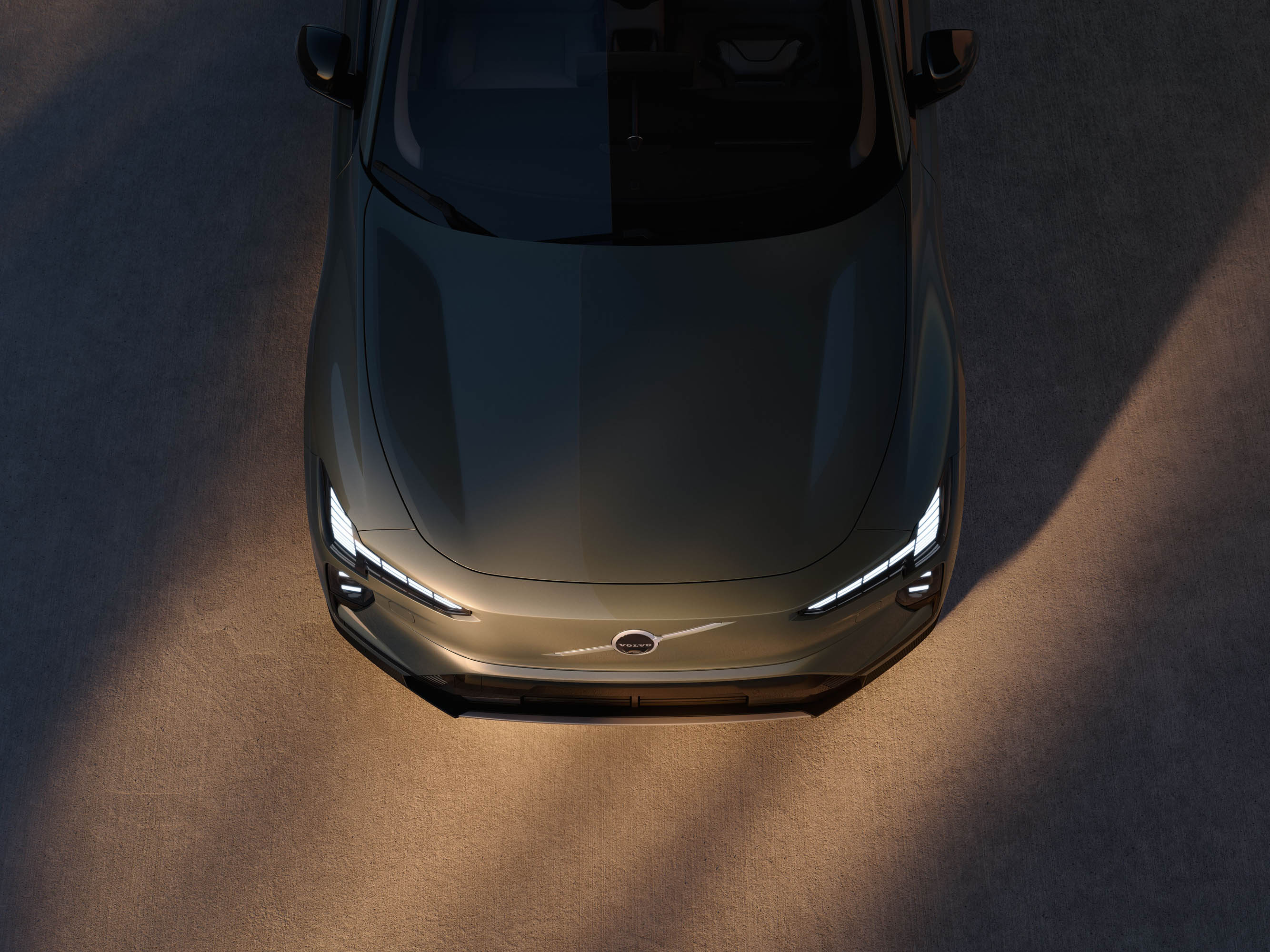
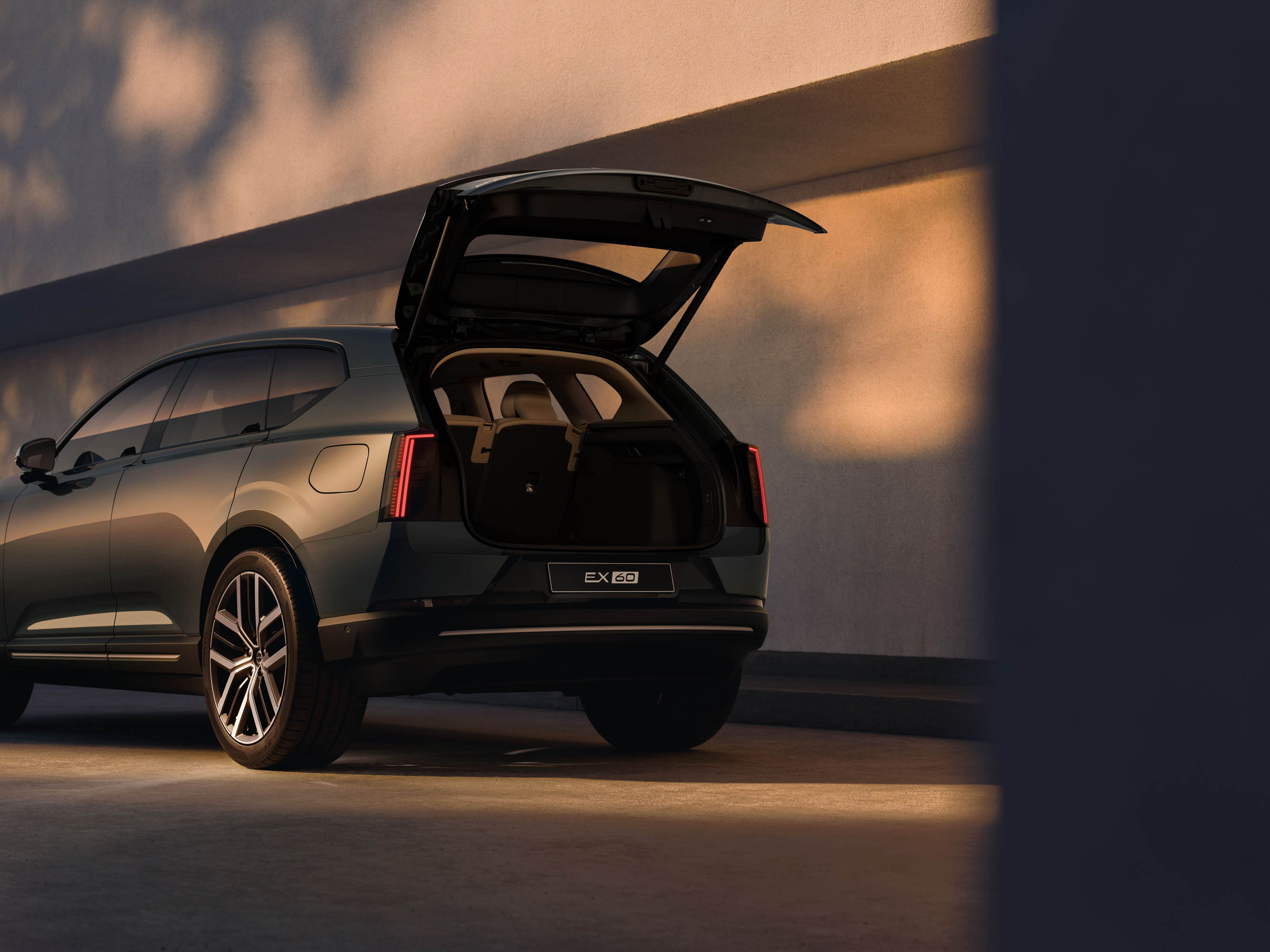
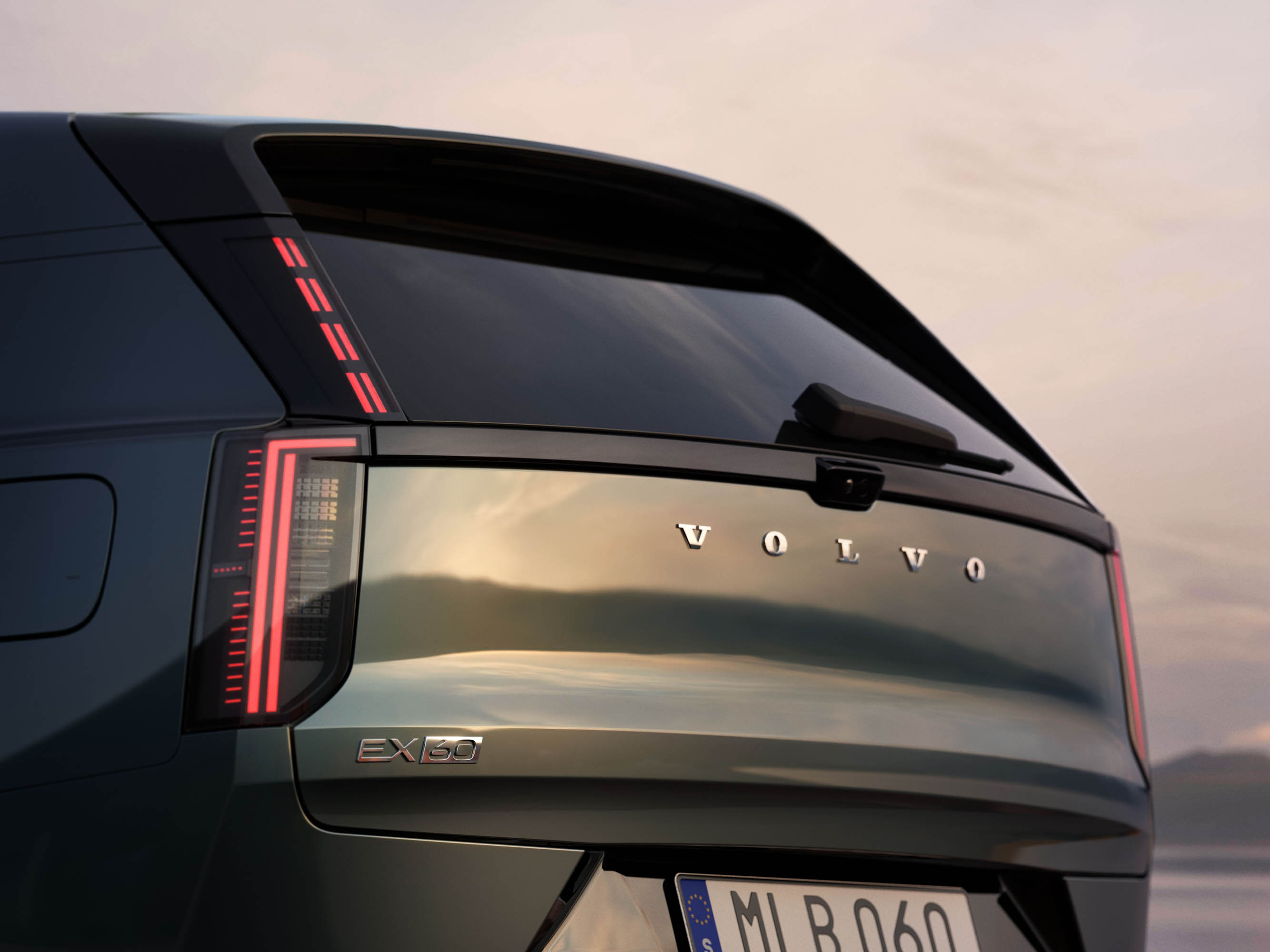
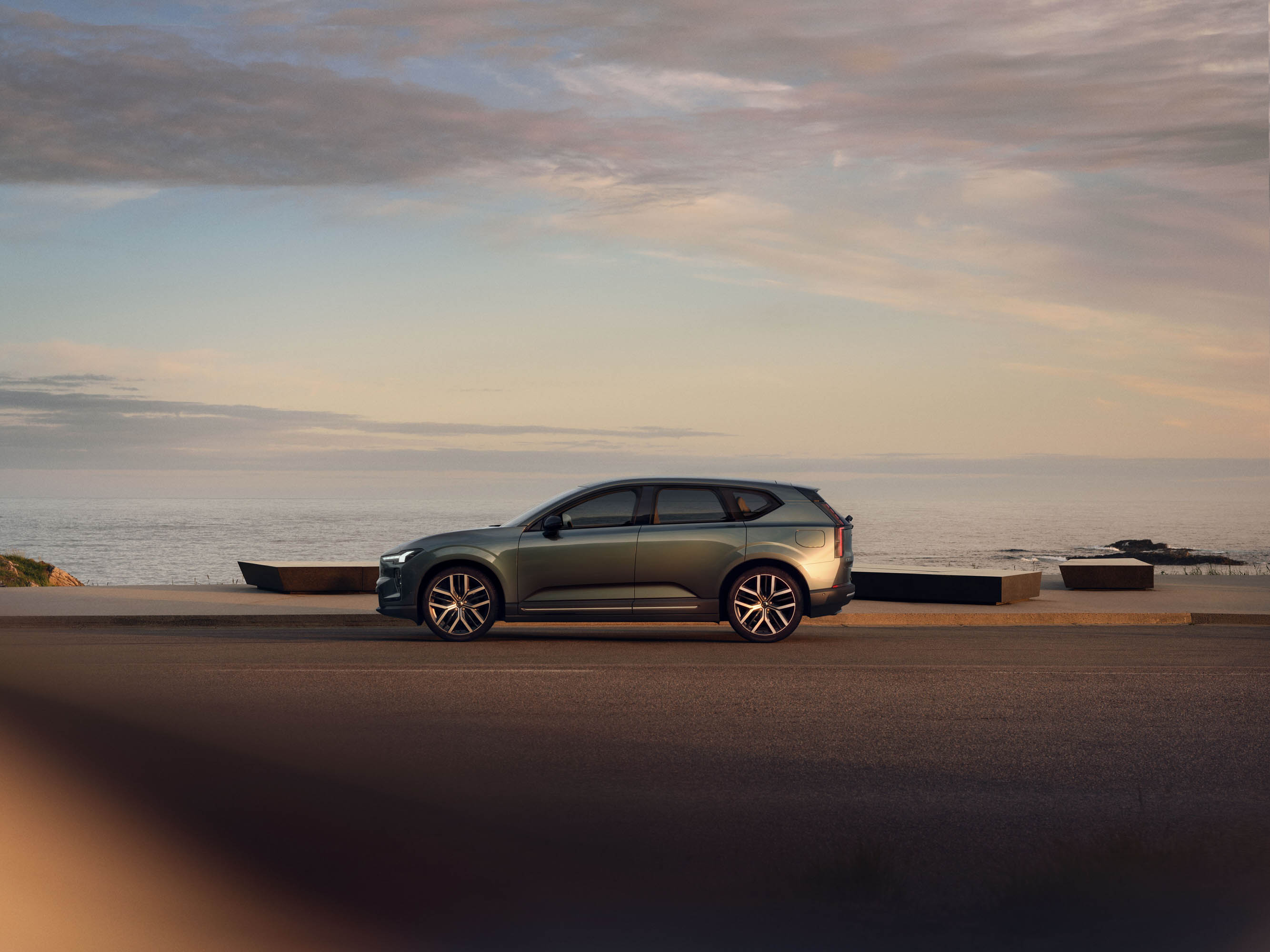
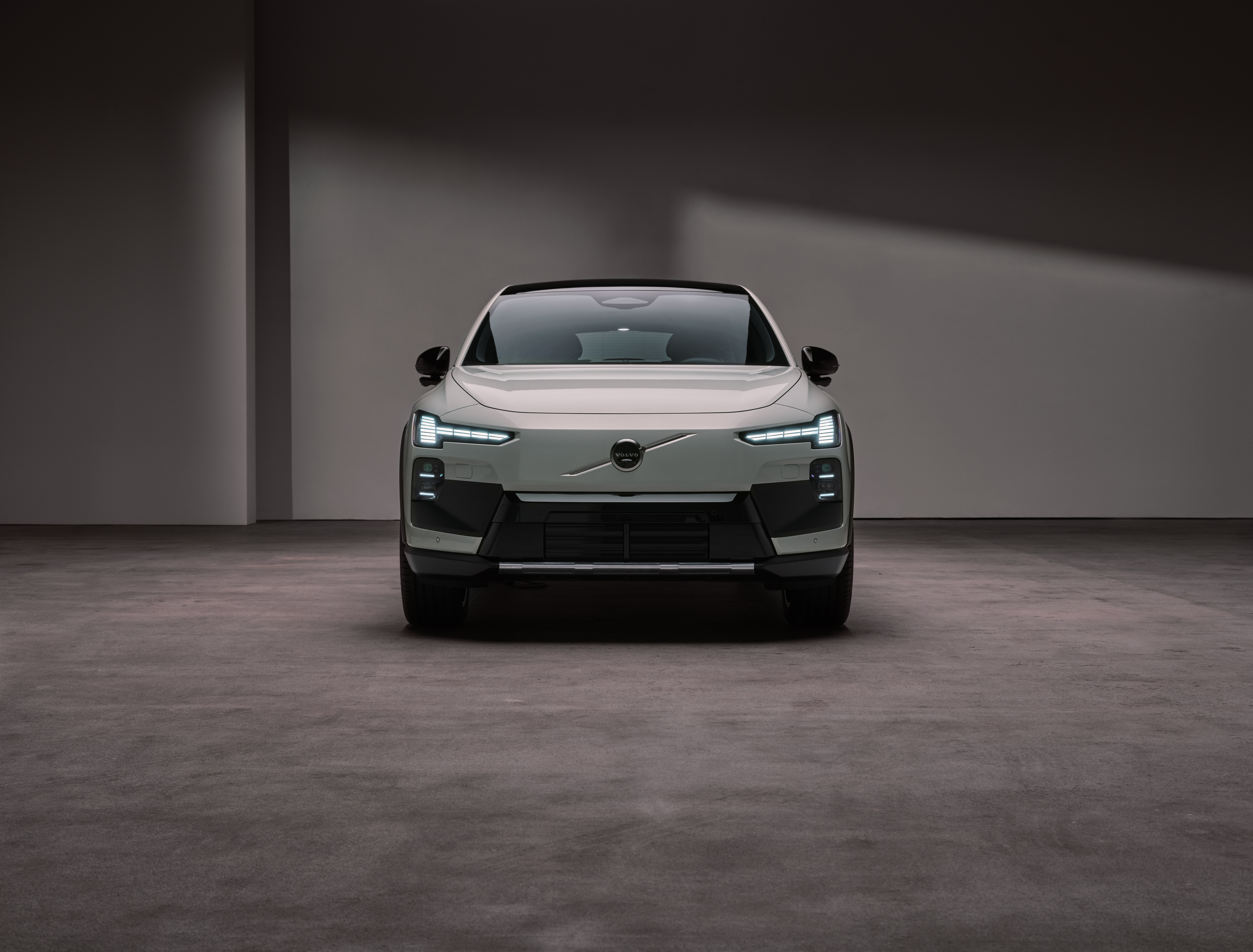
The EX60 looks exactly like one might expect an electric Volvo to look like after having seen the larger three-row EX90 and smaller EX30 on the road. Breaking no barriers, the EX60 is a design evolution with clean, simple lines and inoffensive shape. Longer, lower, and wider than the XC60, the EX60 is familiar, but larger, than the car we all know today with a gas engine under its hood. The front looks like a smaller version of the larger EX90 with a grill-less face that is simple, low, and features the Volvo symbol as the main focal point. A modern iteration of the Thor’s hammer found on the EX90 grabs attention, but they don’t split and open like eyes to reveal hidden headlights like on the three-row sibling. The actual headlights sit below the daytime running lights masked in darkened housings. The sloping roofline and tapered sides give it a more svelte look over the larger EX90 while the rear features the latest iteration of the automaker’s vertical LED taillights that outline the tailgate. That tailgate is wide and stretches to the sides to create a large opening to make loading items easier with a low lift over height. In the name of aerodynamics Volvo’s skipped traditional door handles with each door featuring a small illuminated grab handle integrated into the trim line similar to that of the Ford Mustang Mach-E, but on the Volvo there’s a haptic pad on the backside of the door pulls that act as the door release. The design adds up for a slippery with a drag coefficient of 0.26, according to Volvo.
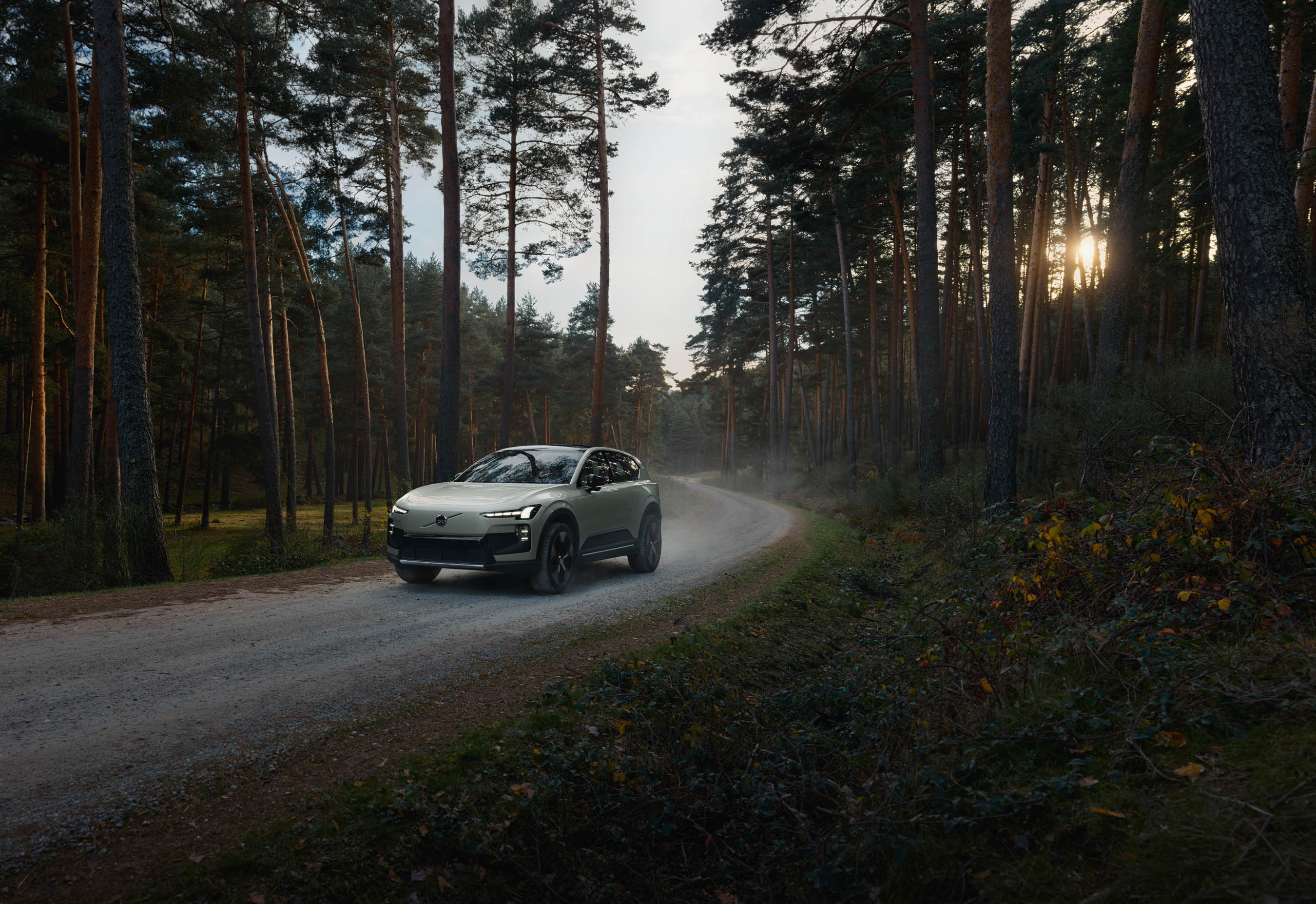

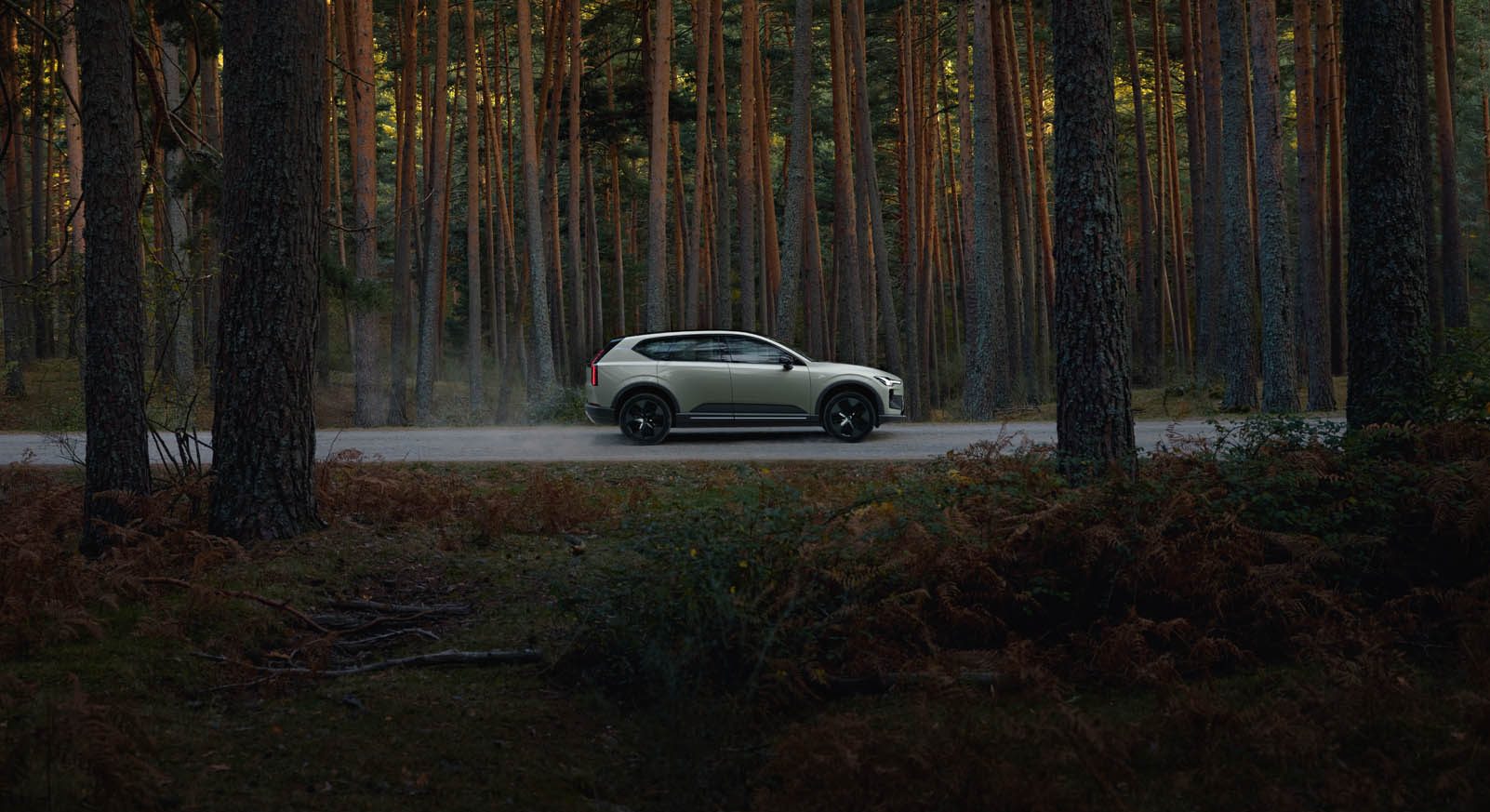
For the second time, the EX30 model being the first, the Cross Country badge is being applied to an SUV at Volvo. The EX60 Cross Country will arrive in 2028 with plastic cladding, a ride height increase of 0.78-inches, new Frost Green color option, brushed stainless steel front and rear skid plates (according to Volvo), and a handful of Cross Country badges.
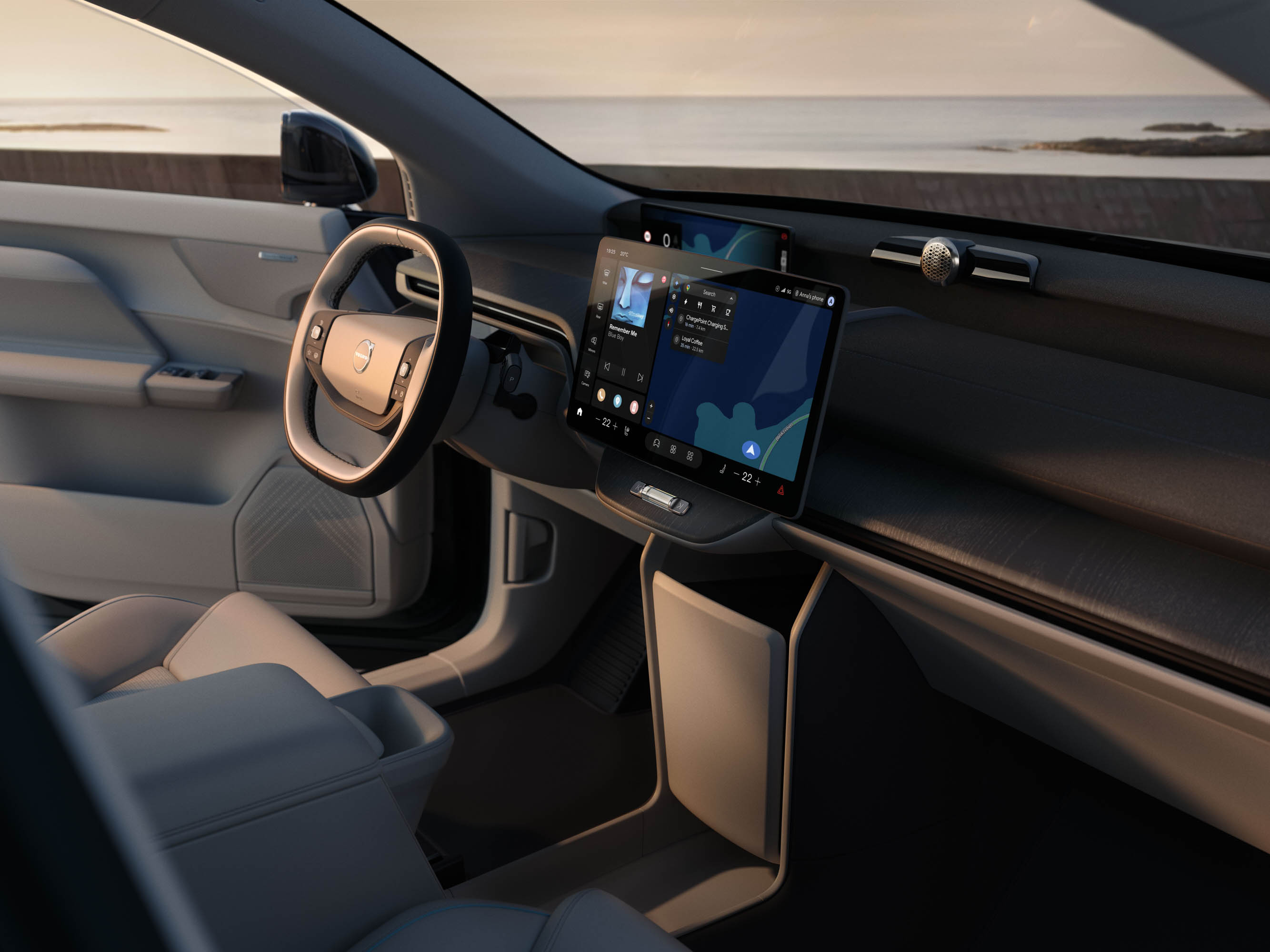
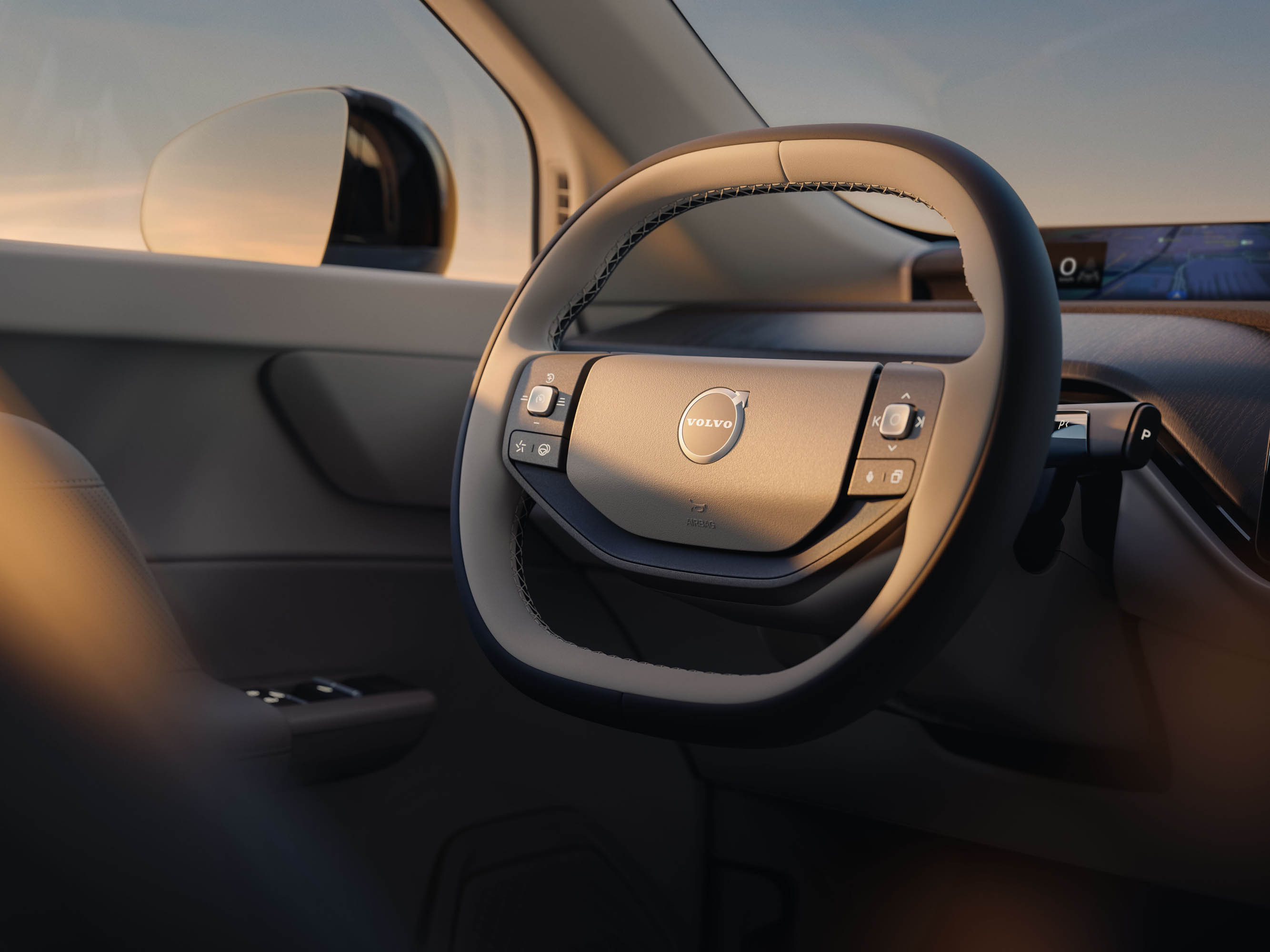
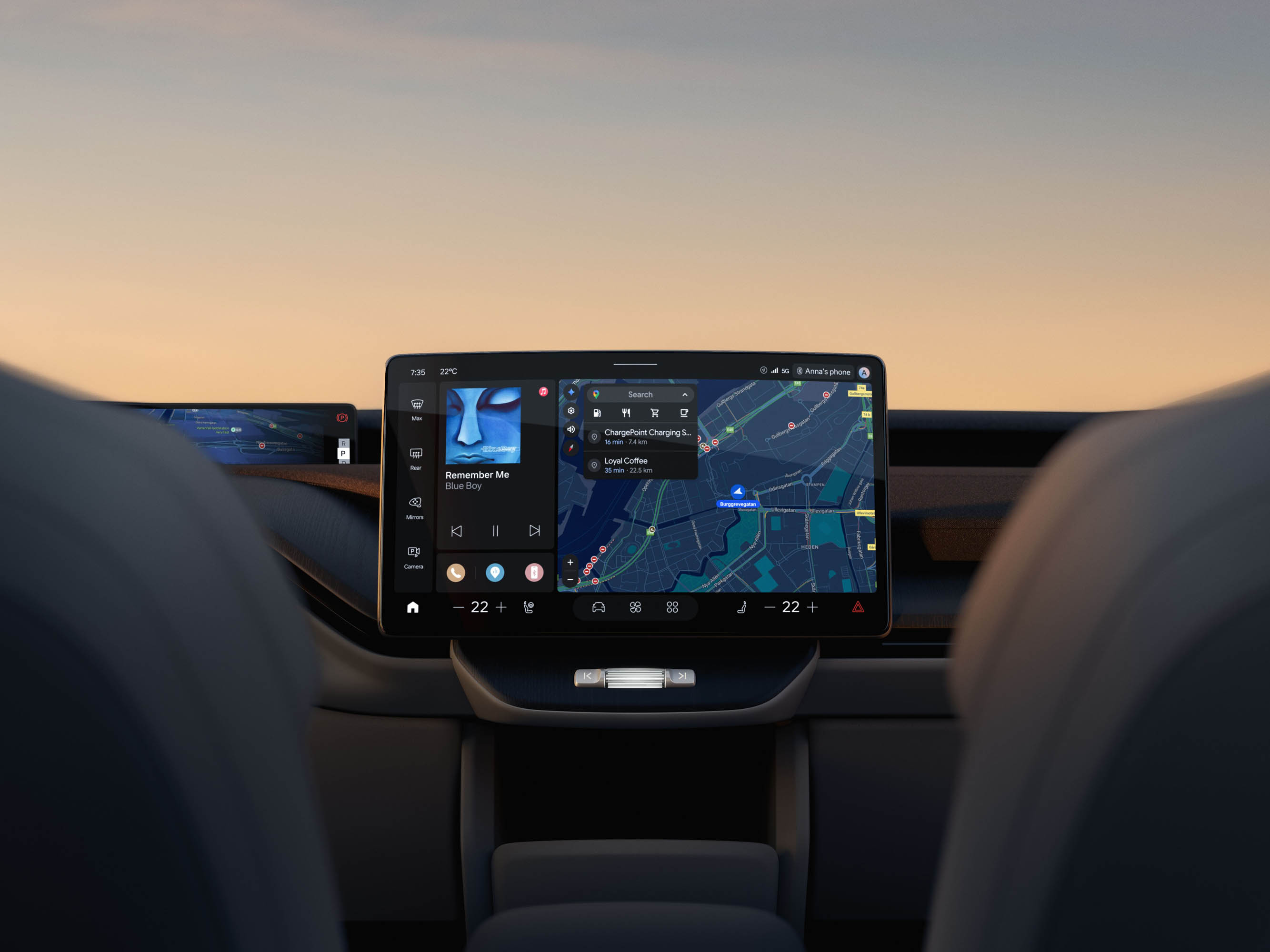
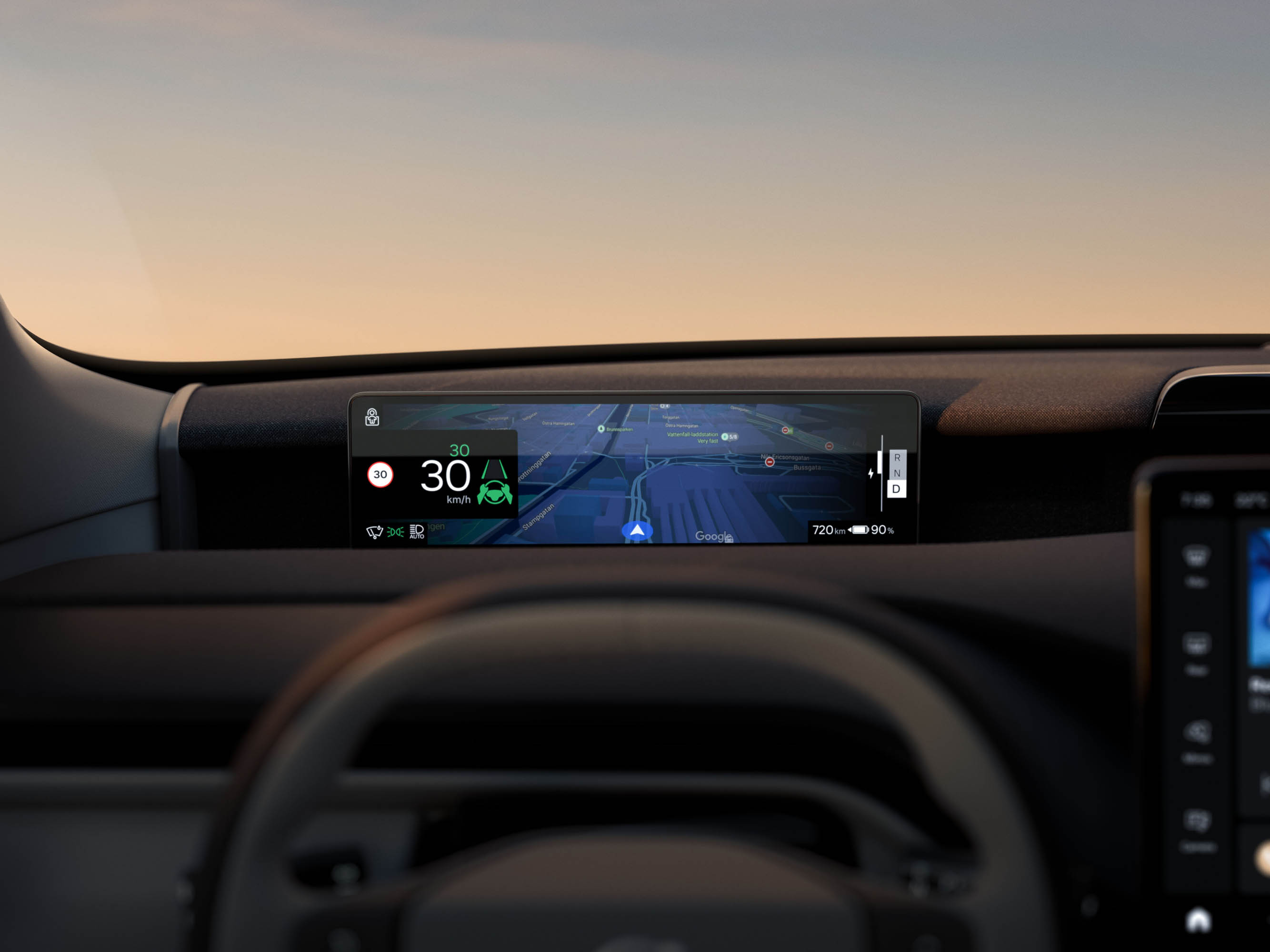
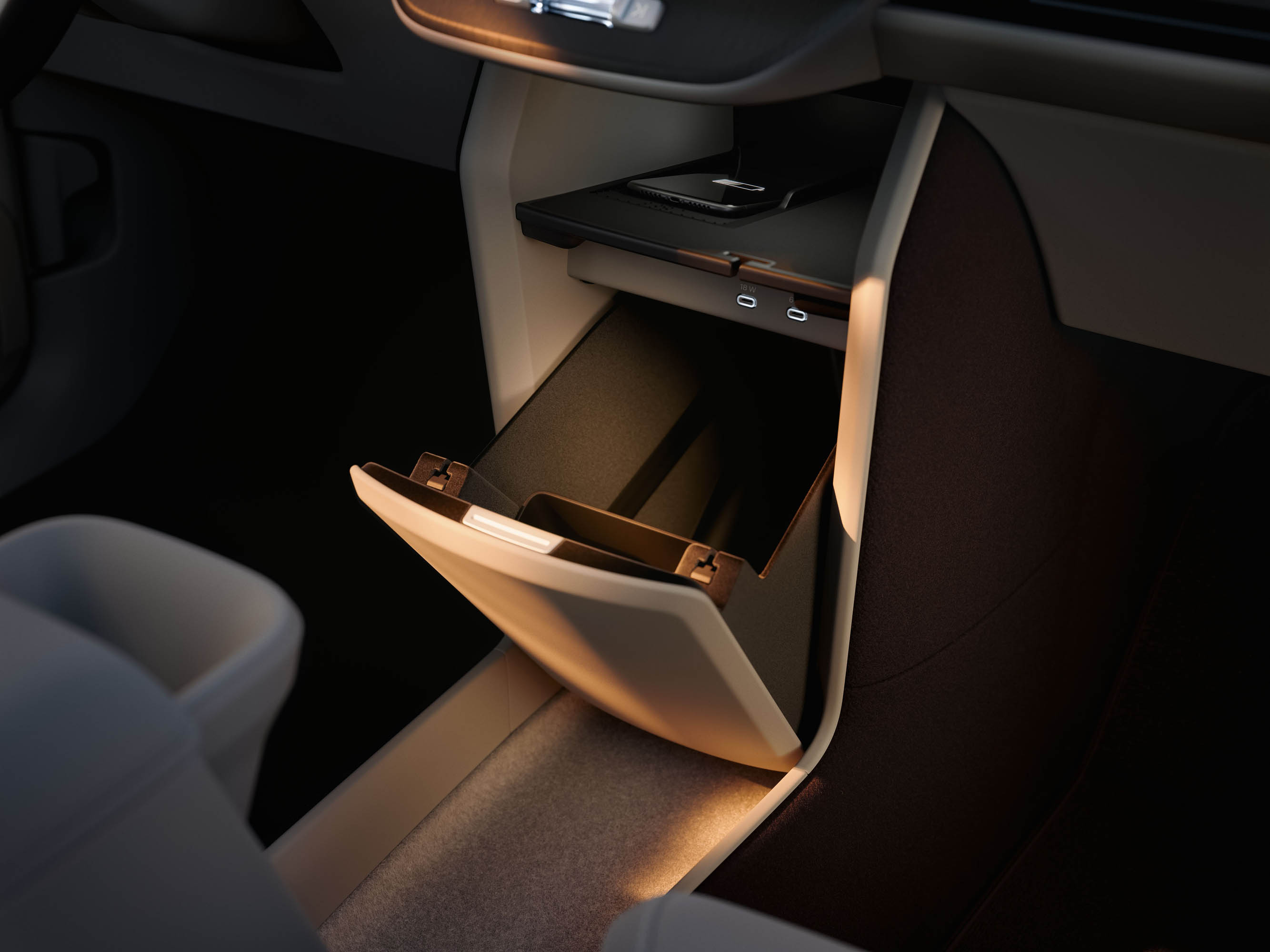
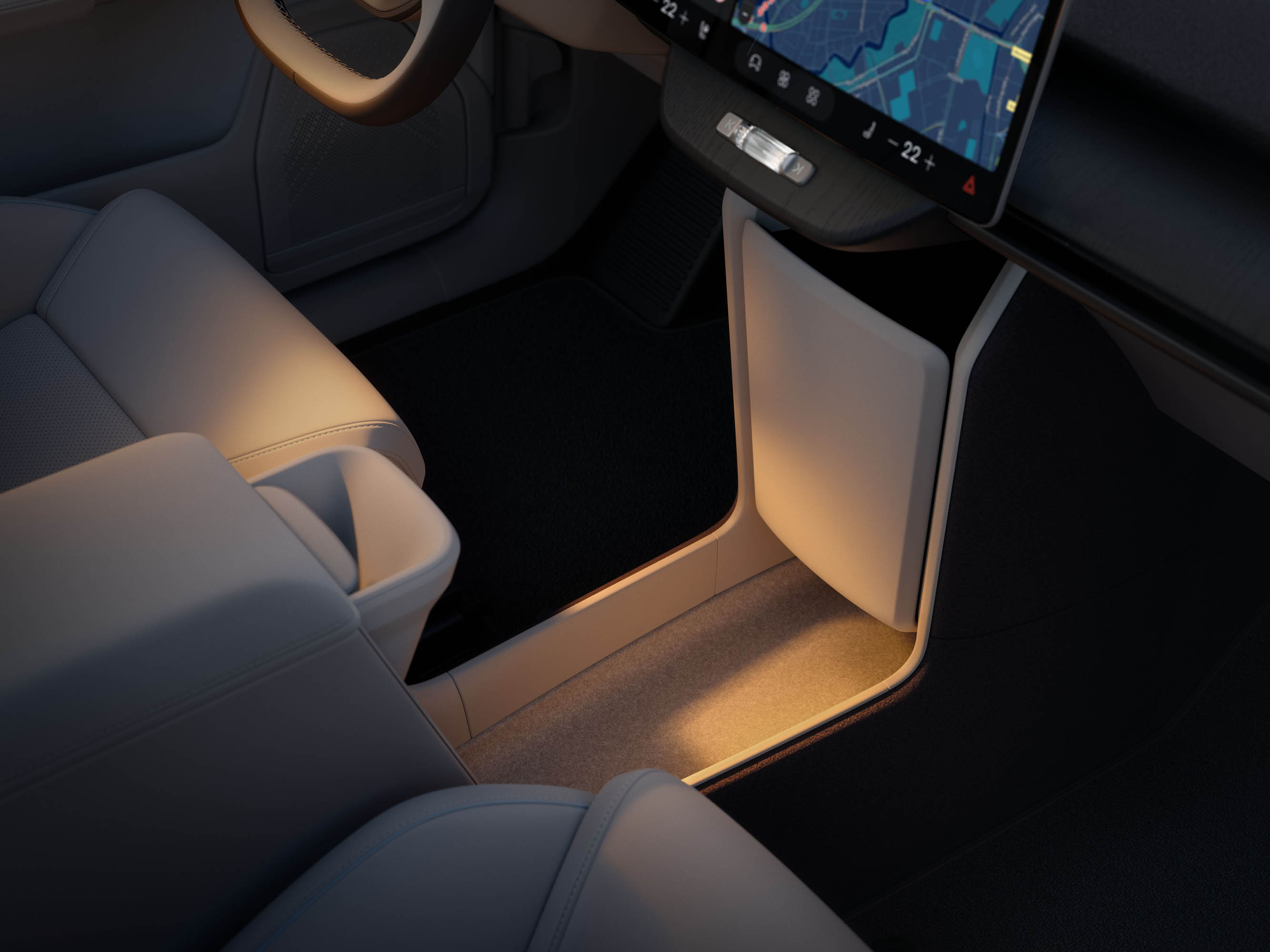
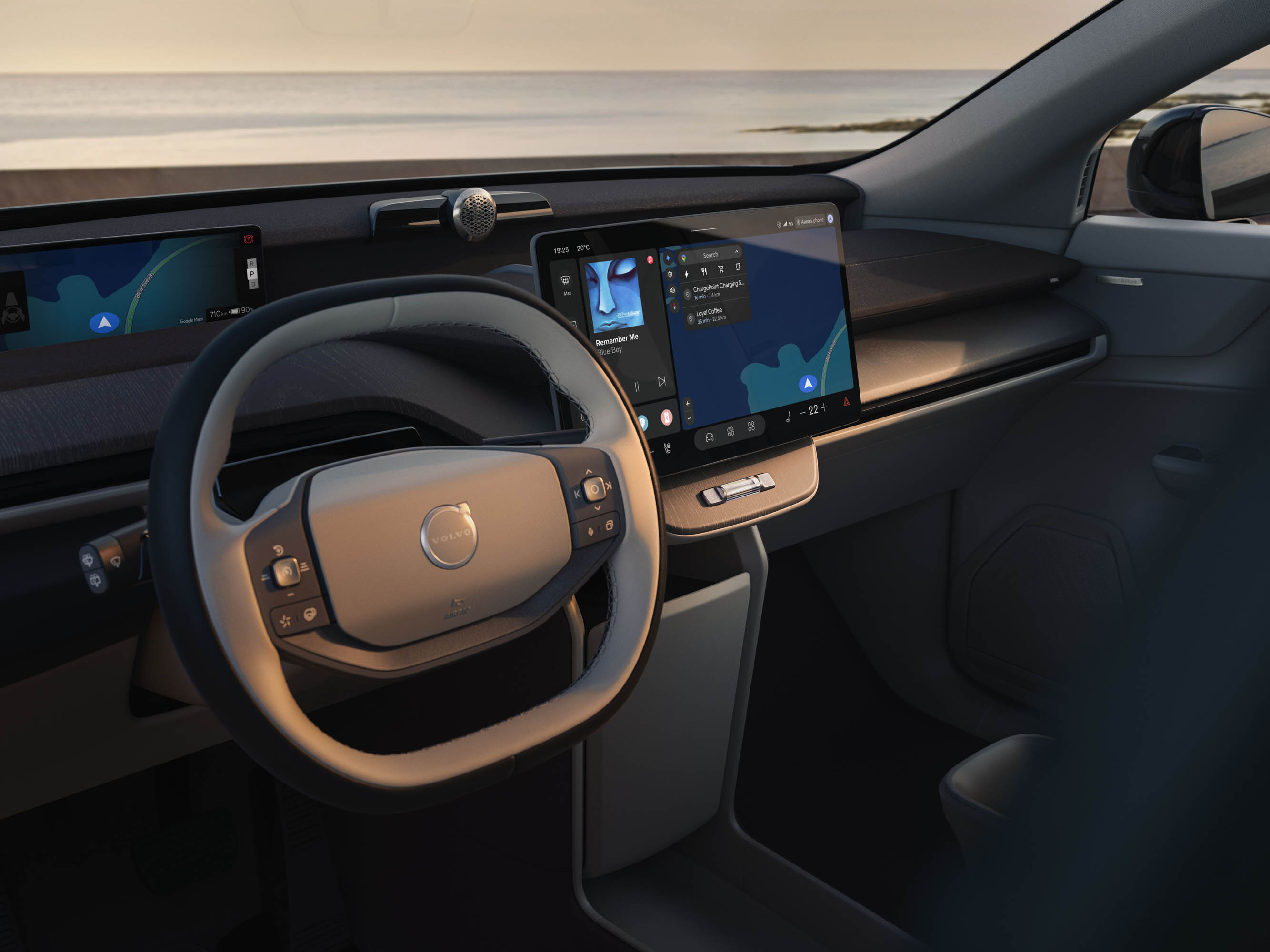
Inside the design is more revolution than the exterior’s evolution. The dashboard cribs from the Tesla, Lucid, and Volkswagen playbook, but a Volvo spokesperson told The Drive, “we learn” noting the EX60’s pressable and backlight buttons and knobs on the steering wheel. A horizontal two-tier stacked dashboard does away with the center console entirely. A Tesla-like 15-inch horizontal touchscreen houses most vehicle controls, but a crystal-looking volume roller sits below the touchscreen augmented by track forward and back buttons on either side. Both Apple CarPlay and Android Auto wireless smartphone projection will be standard, though the latter will arrive late via an over-the-air software update. The EX60 will be the first Volvo to have native Apple Music with Dolby Atmos. An 11.4-inch digital gauge cluster sits atop the dashboard in front of the driver unlike in a Tesla similar to that of a Ford Mustang Mach-E. The squircle steering wheel, just like what’s found in the Lucid Gravity, ensures the digital gauge cluster isn’t obstructed and features real buttons that are pressable and backlit, according to a Volvo spokesperson. The air vents are mostly hidden on the dashboard and integrated into a horizontal line controlled by the touchscreen, like in a Tesla or a Rivian. The center console and front center lower portion of the dashboard both feature slide-out and flip-out storage compartments for space utilization.
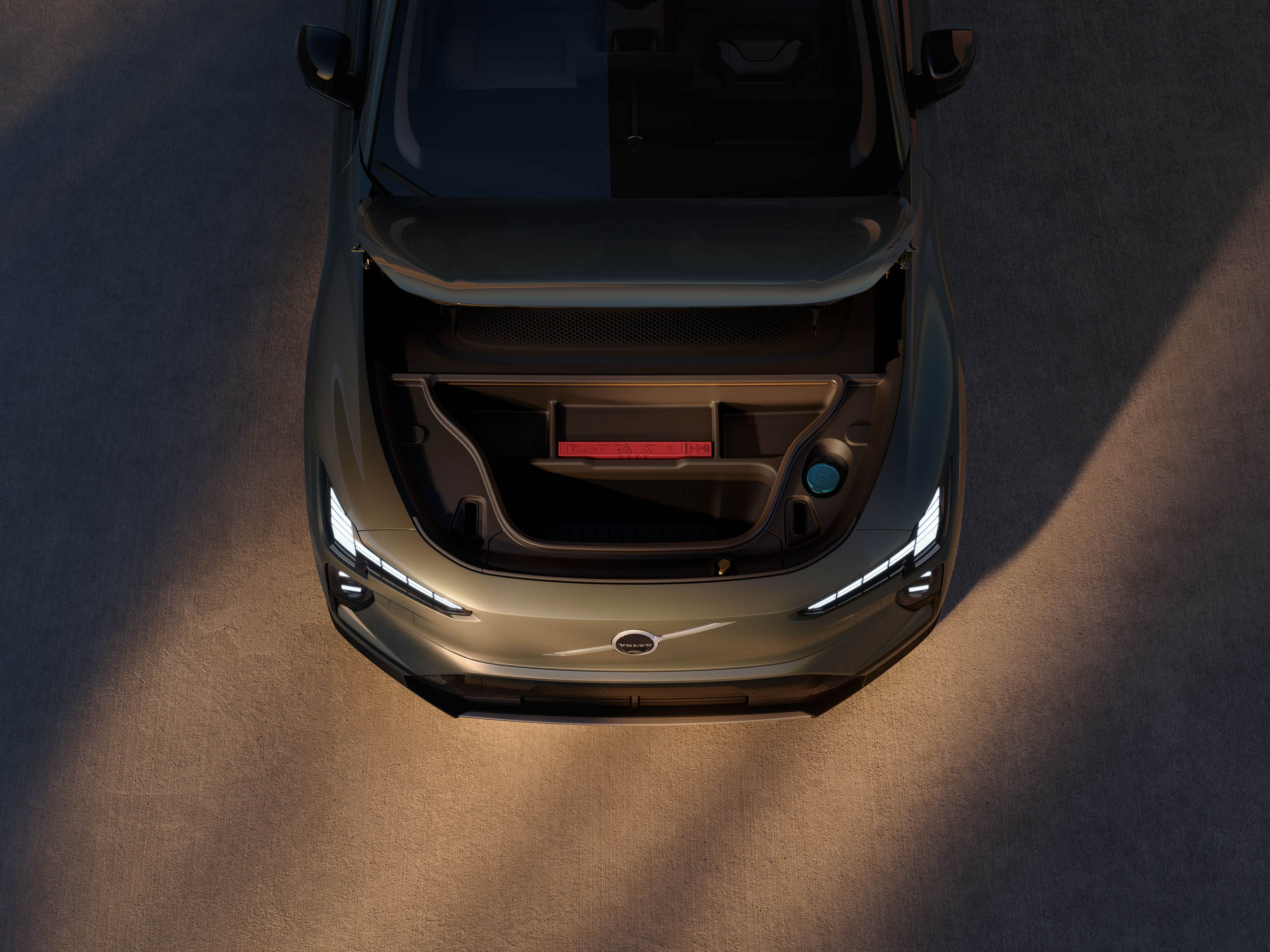
For those wondering, there is a small 3.0 cubic foot front trunk. Volvo is quick to note this is the largest front trunk of any of its EVs to date.
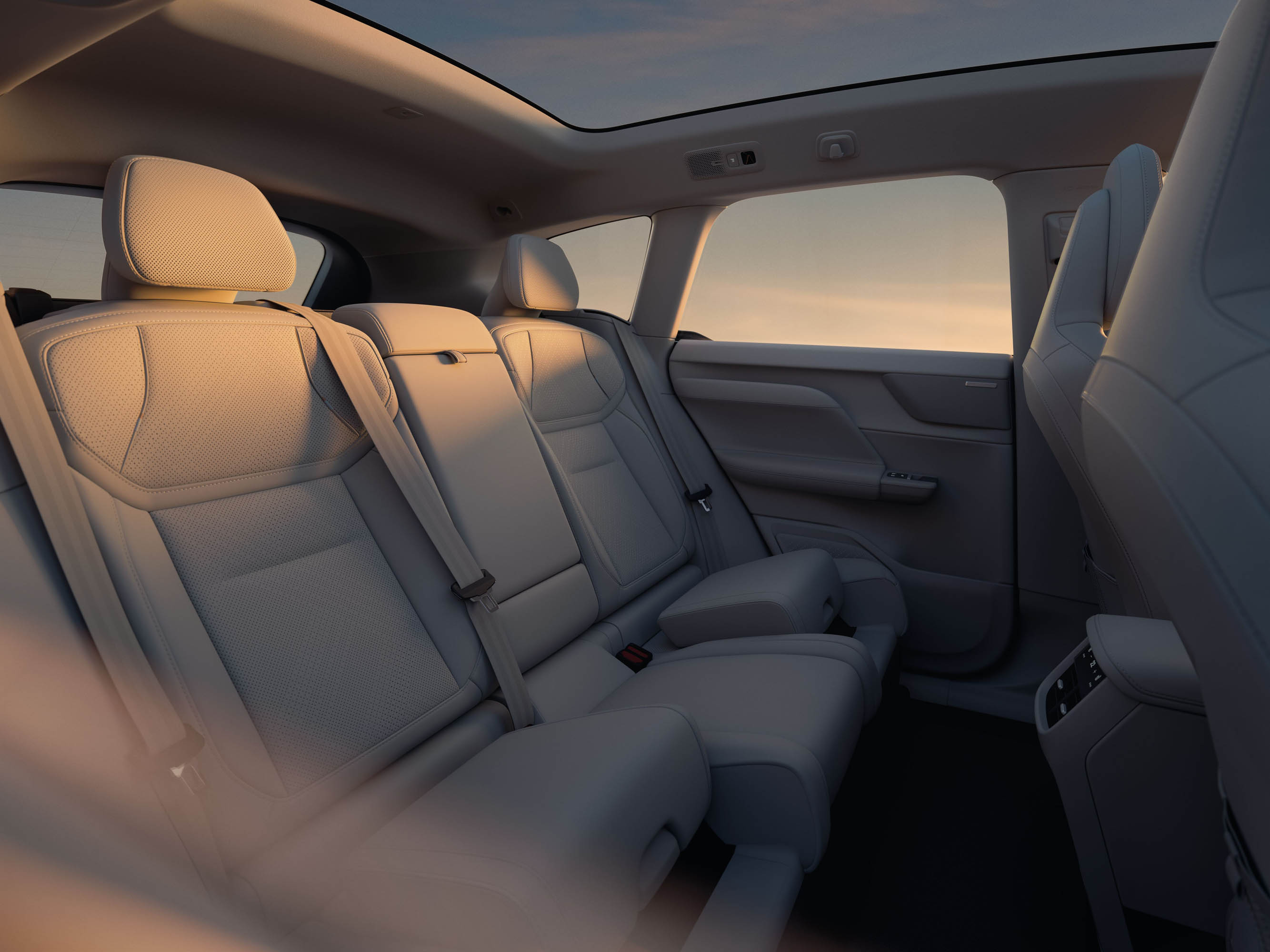
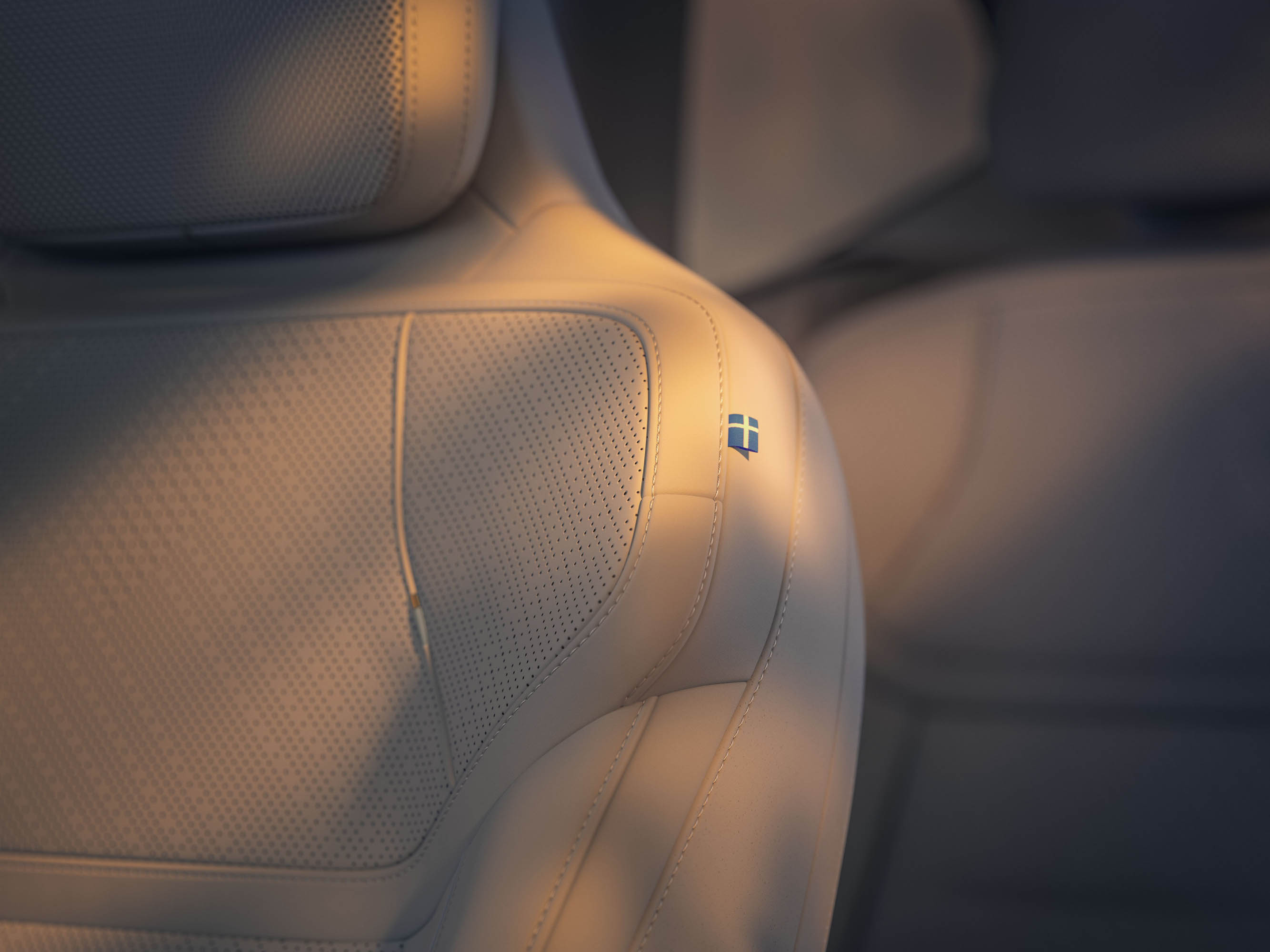
The seats look Volvo comfortable and feature a Swedish flag accent like today’s lineup. And in the name of safety, which is what Volvo prides itself on, the automaker’s debuting a new type of seatbelt after 66 years of the same old same old. The multi-adaptive seat belts can optimize themselves for different types of crash conditions, body types, and even driving postures.
Got a tip about the electric future? Send us a line at tips@thedrive.com
Loading comments…
Comments couldn’t be loaded. Please refresh the page.