
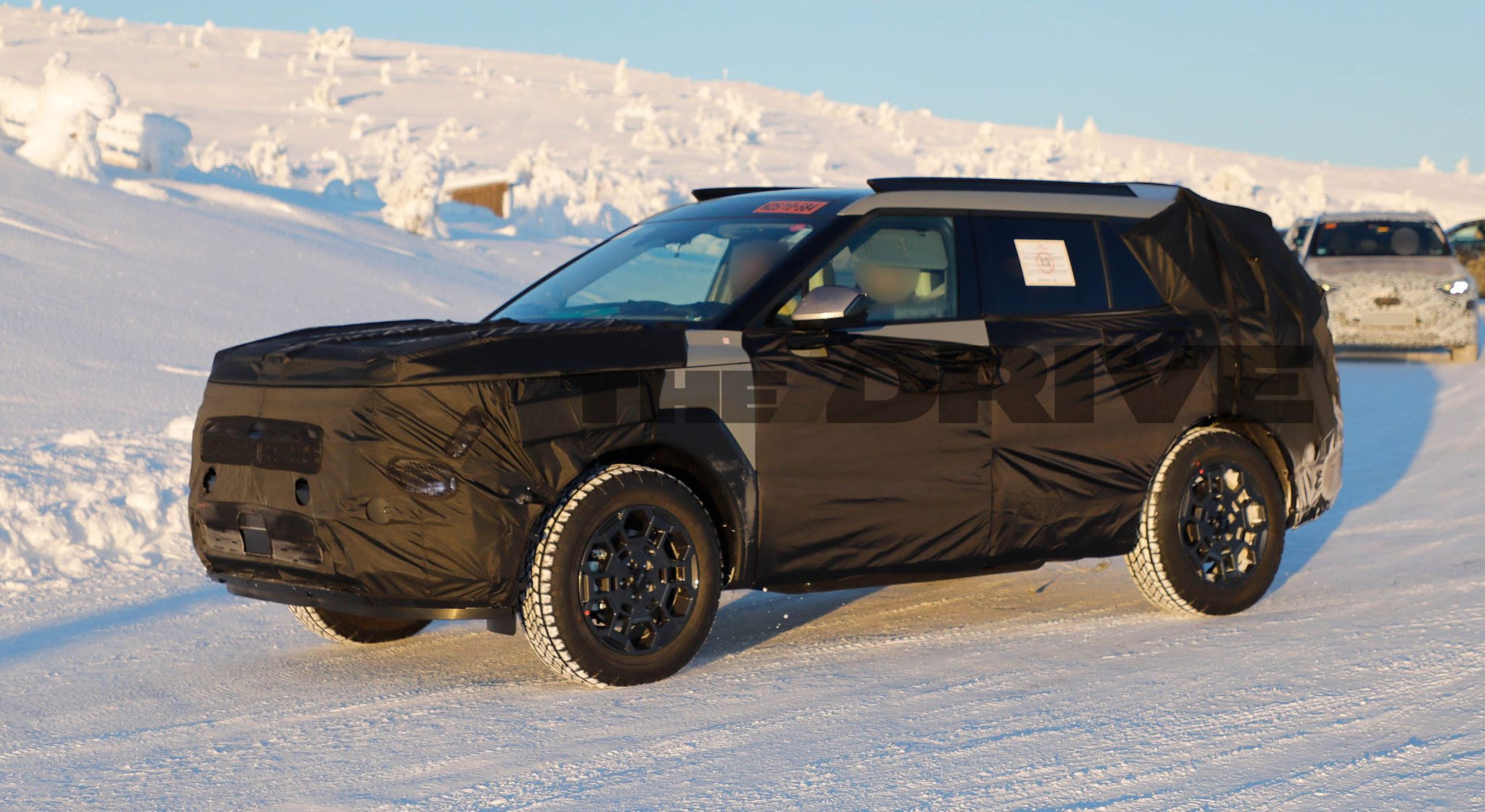
Don’t look now, but we’re just about due for a new Hyundai Tucson, and the automaker’s taking aim at Subaru’s lunch.
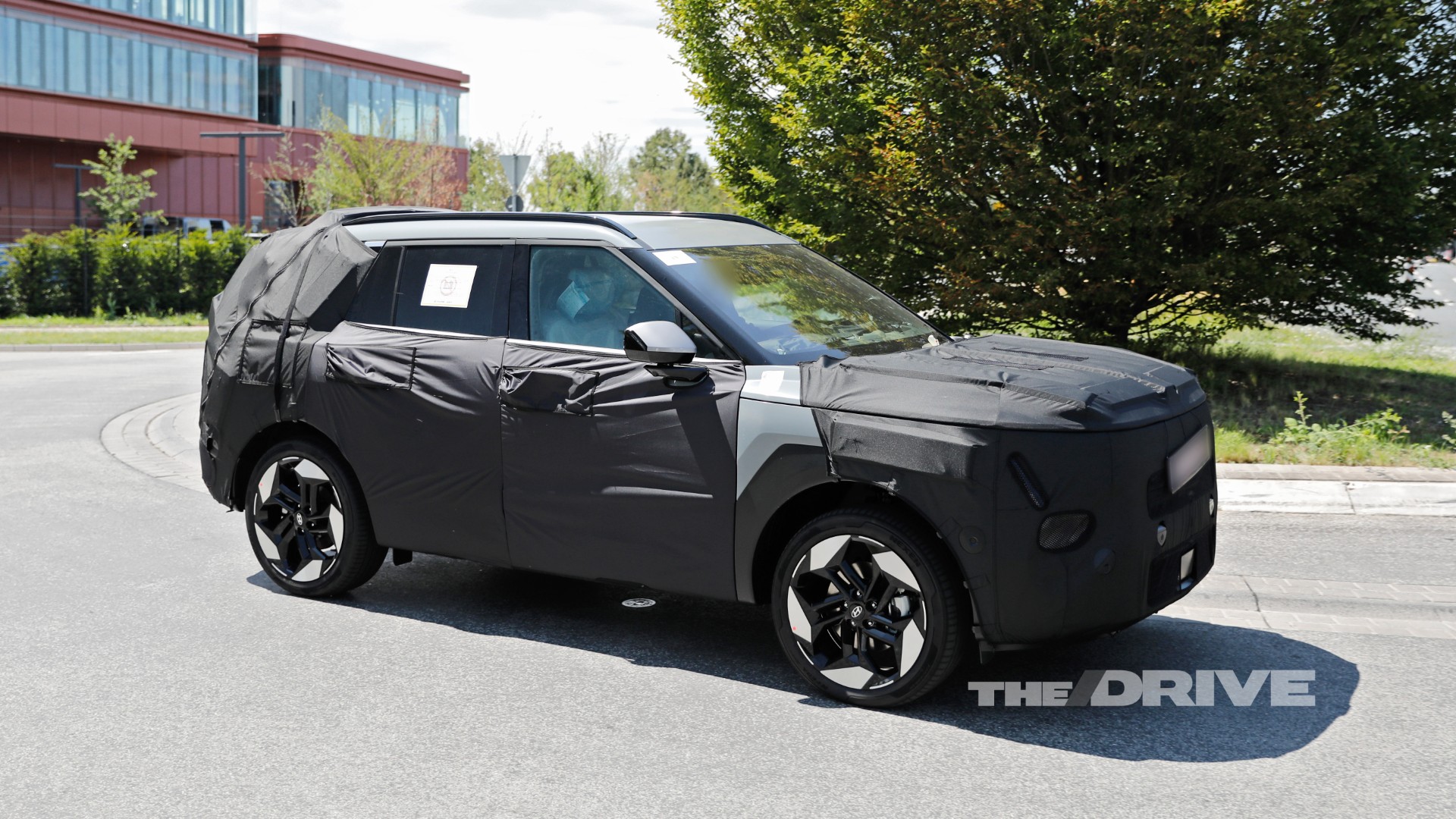
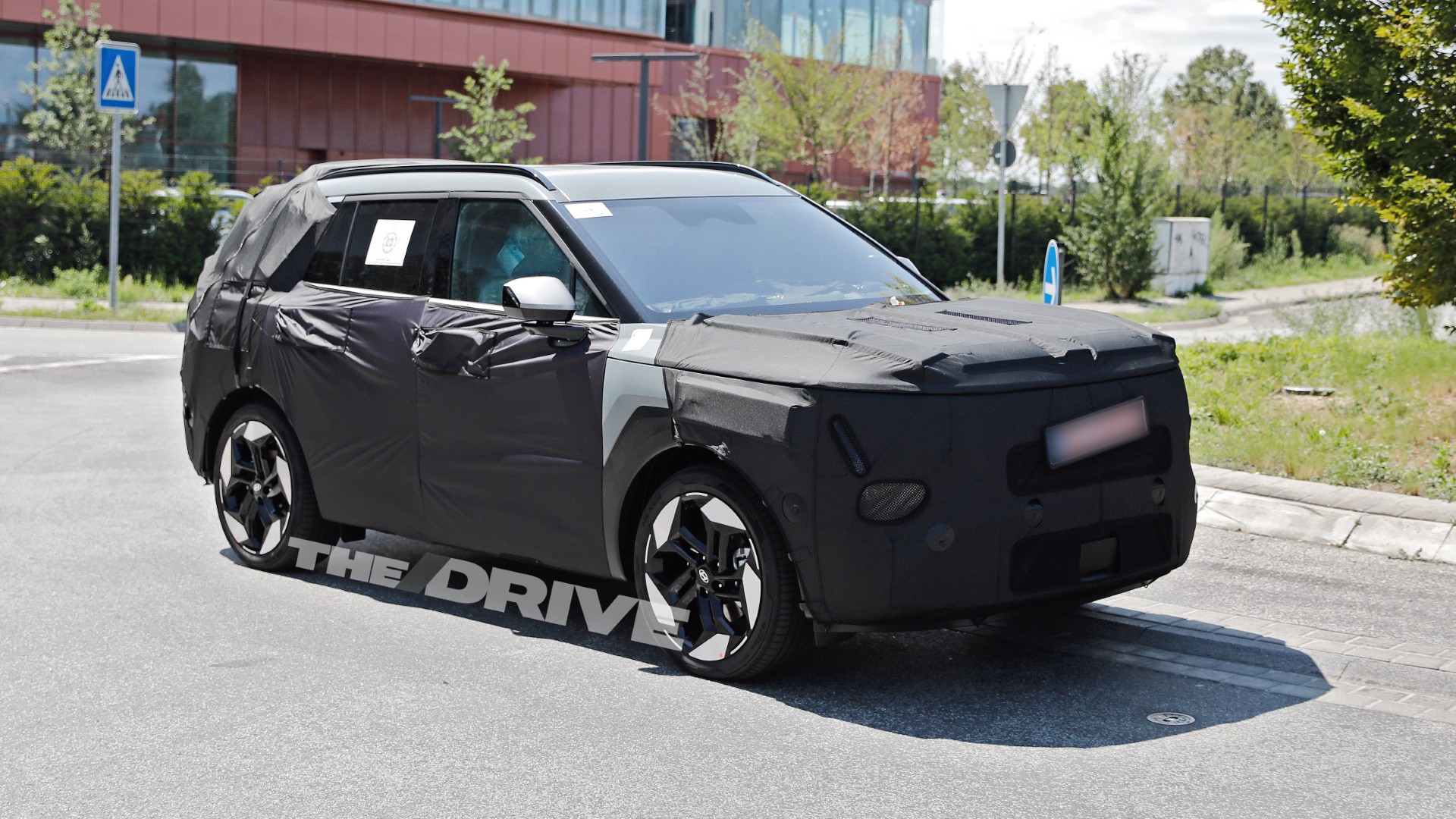
It may seem like today’s Tucson’s only been around a couple years, but the redesign actually dates to the beginning of the pandemic, putting a 2027 redesign right on schedule. And according to our spies, this is it.
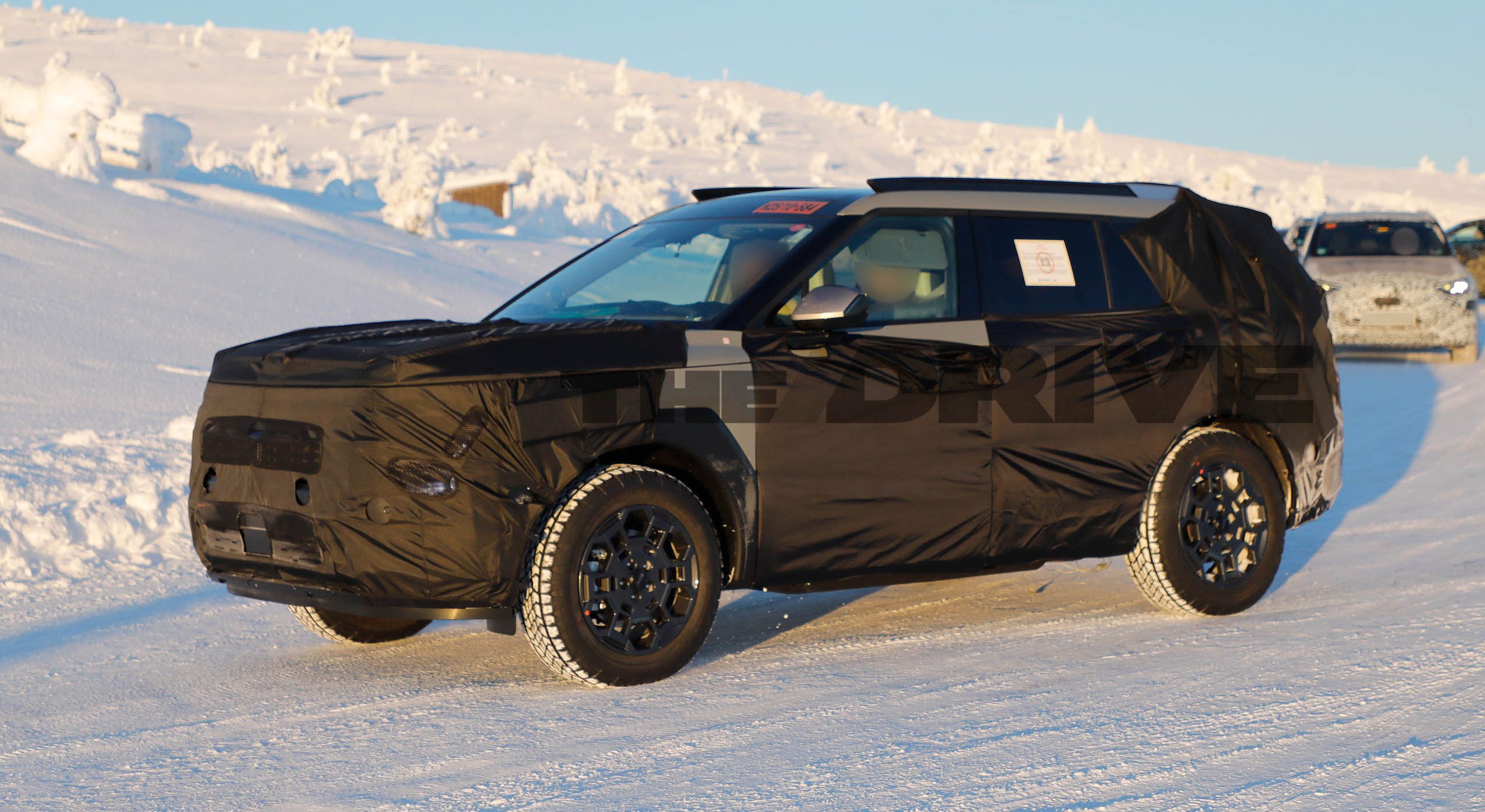
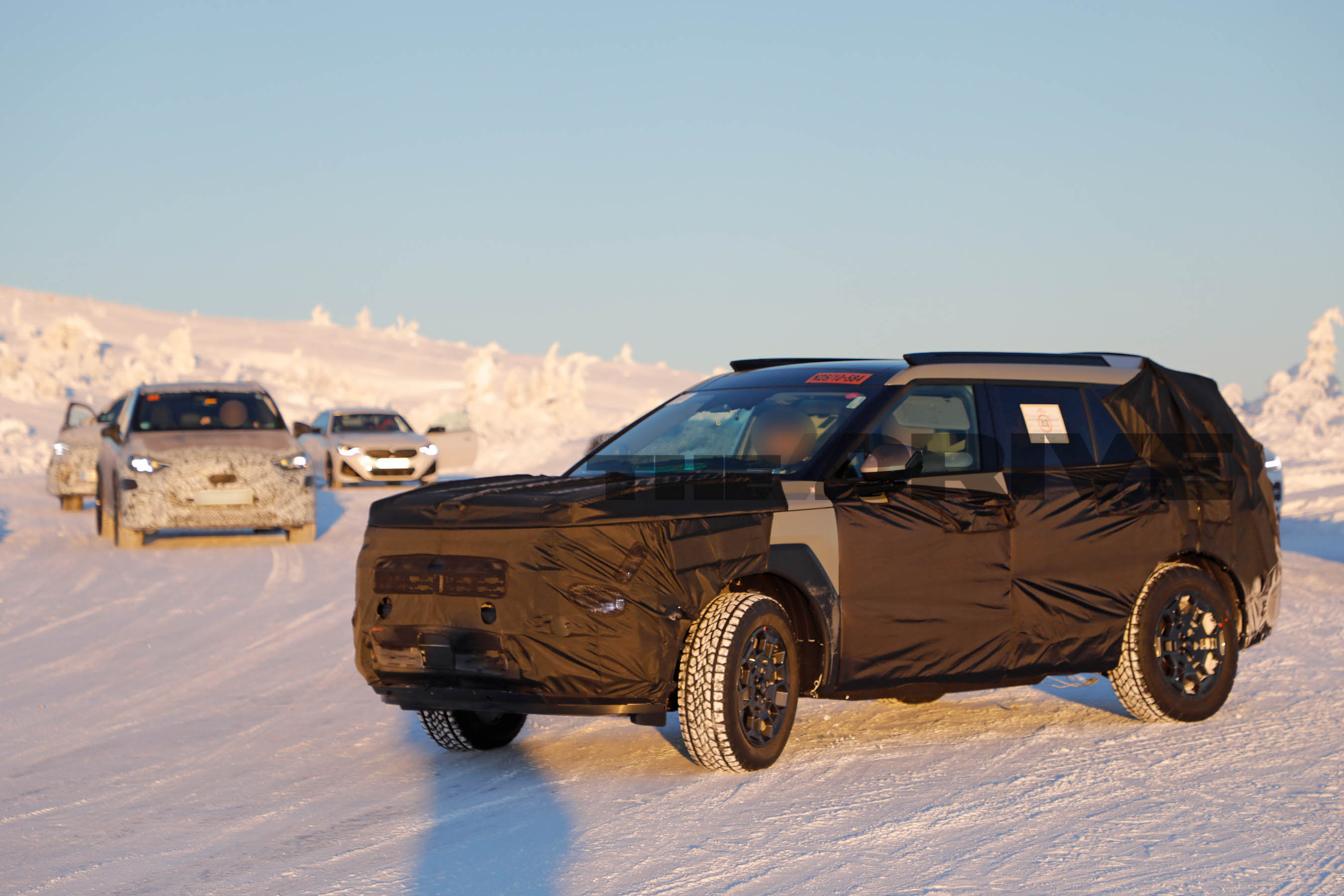
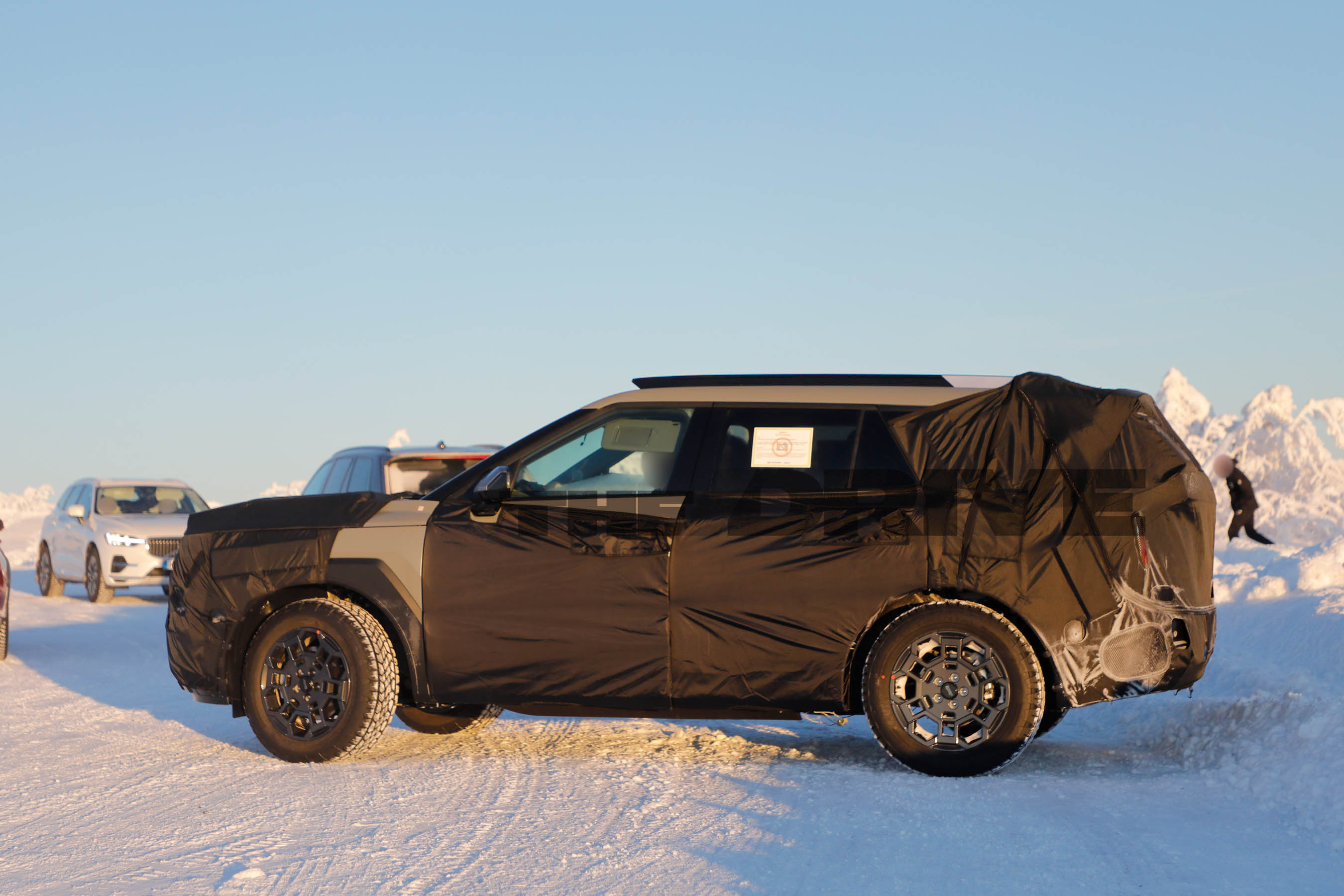
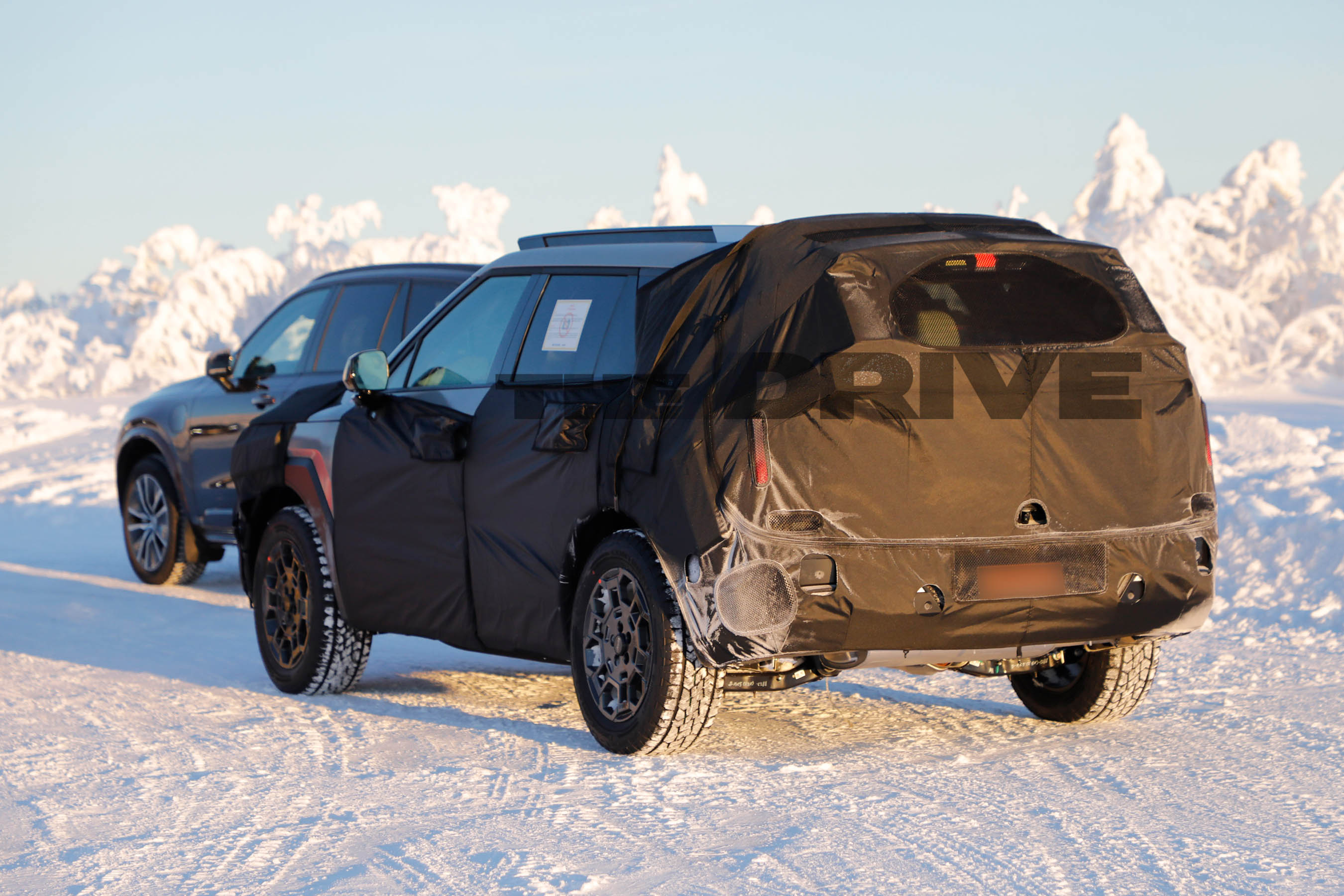
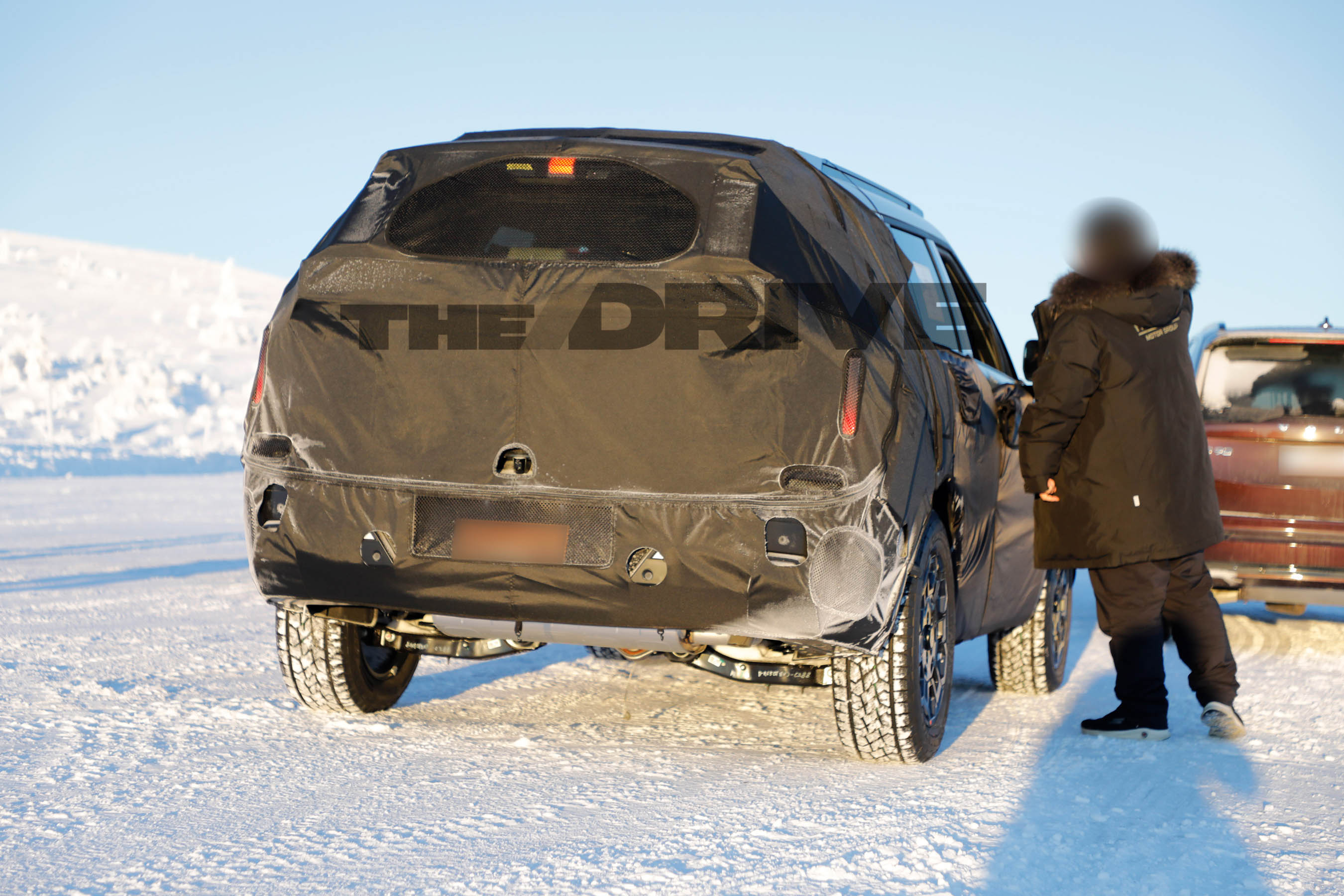
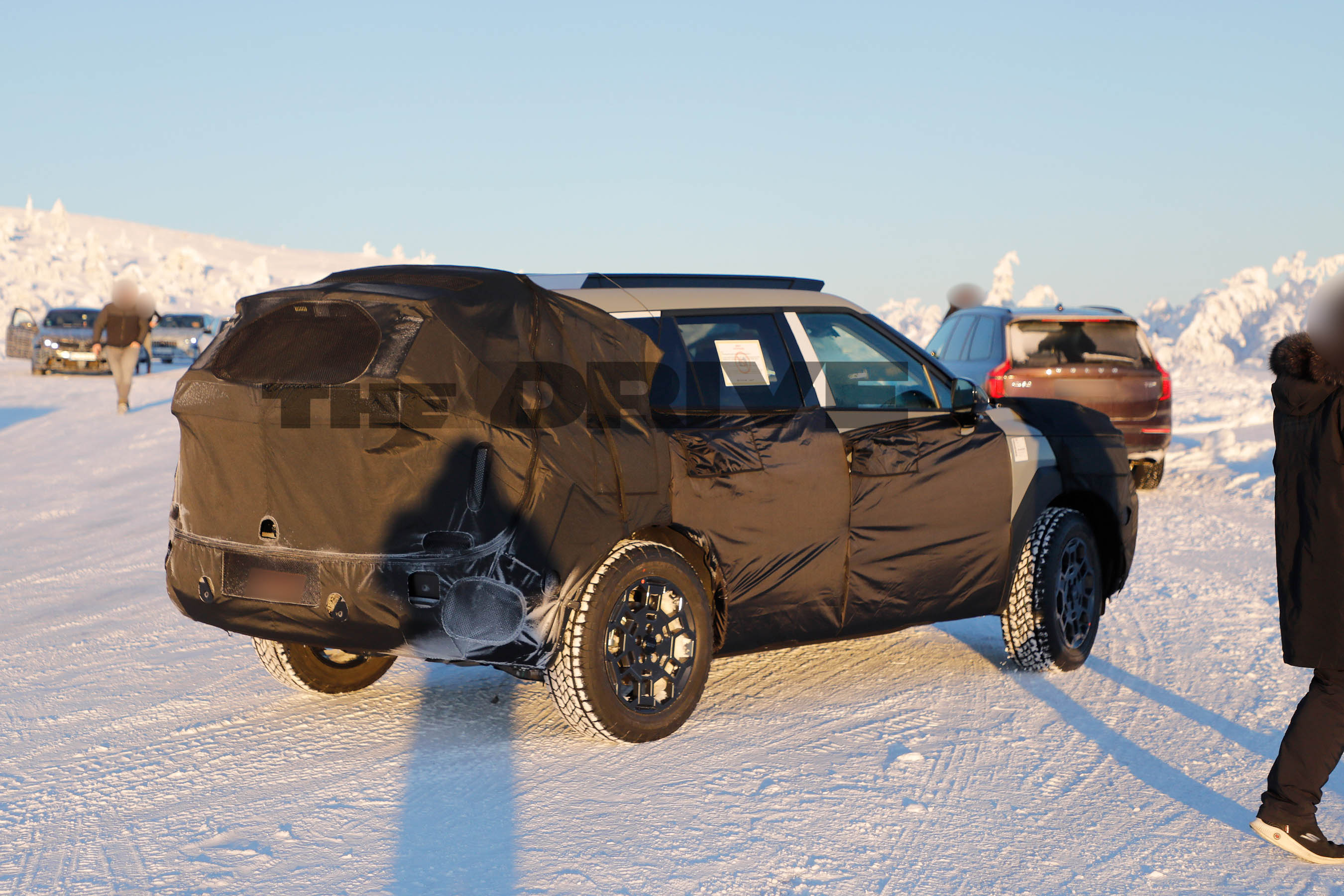
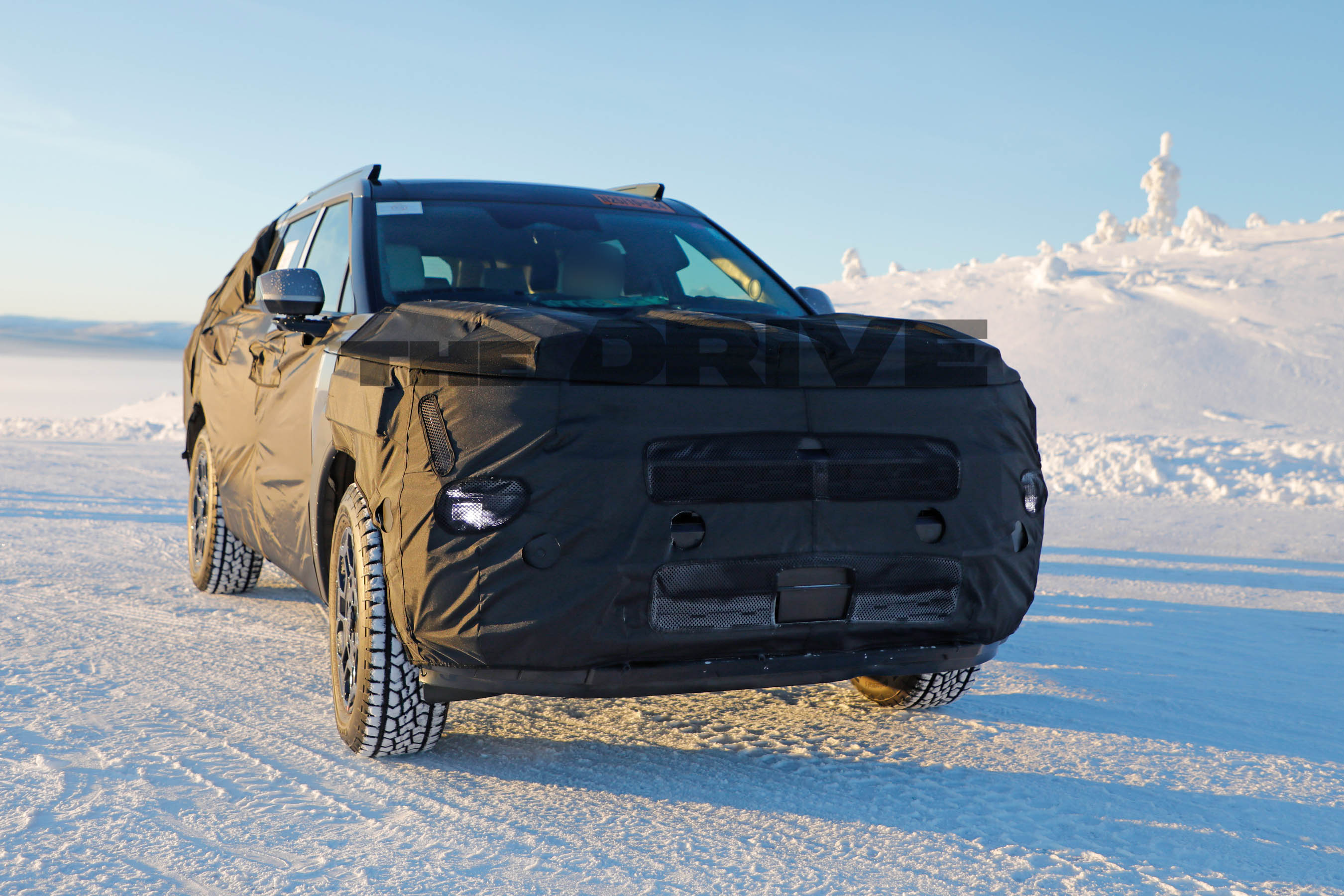
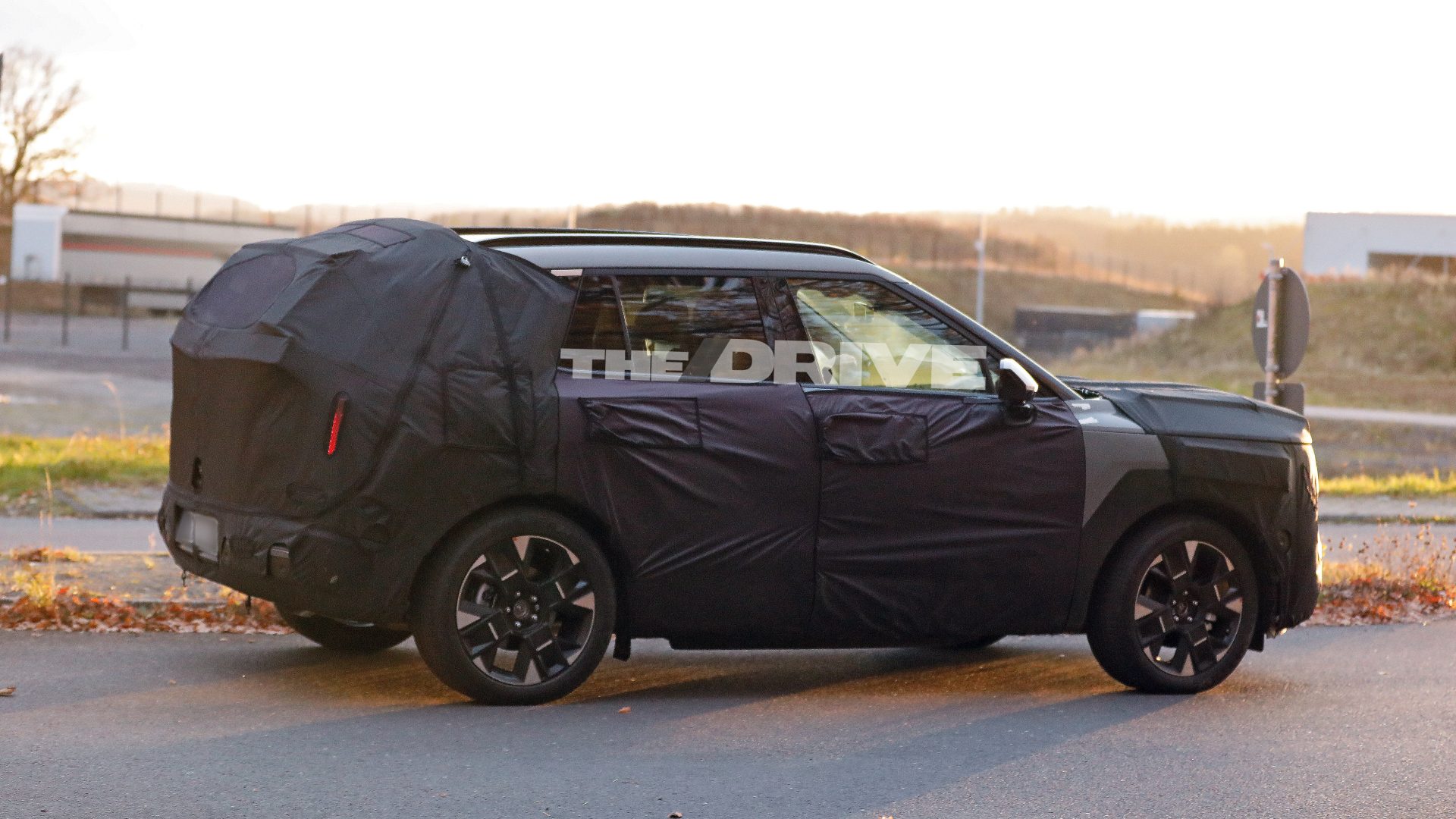
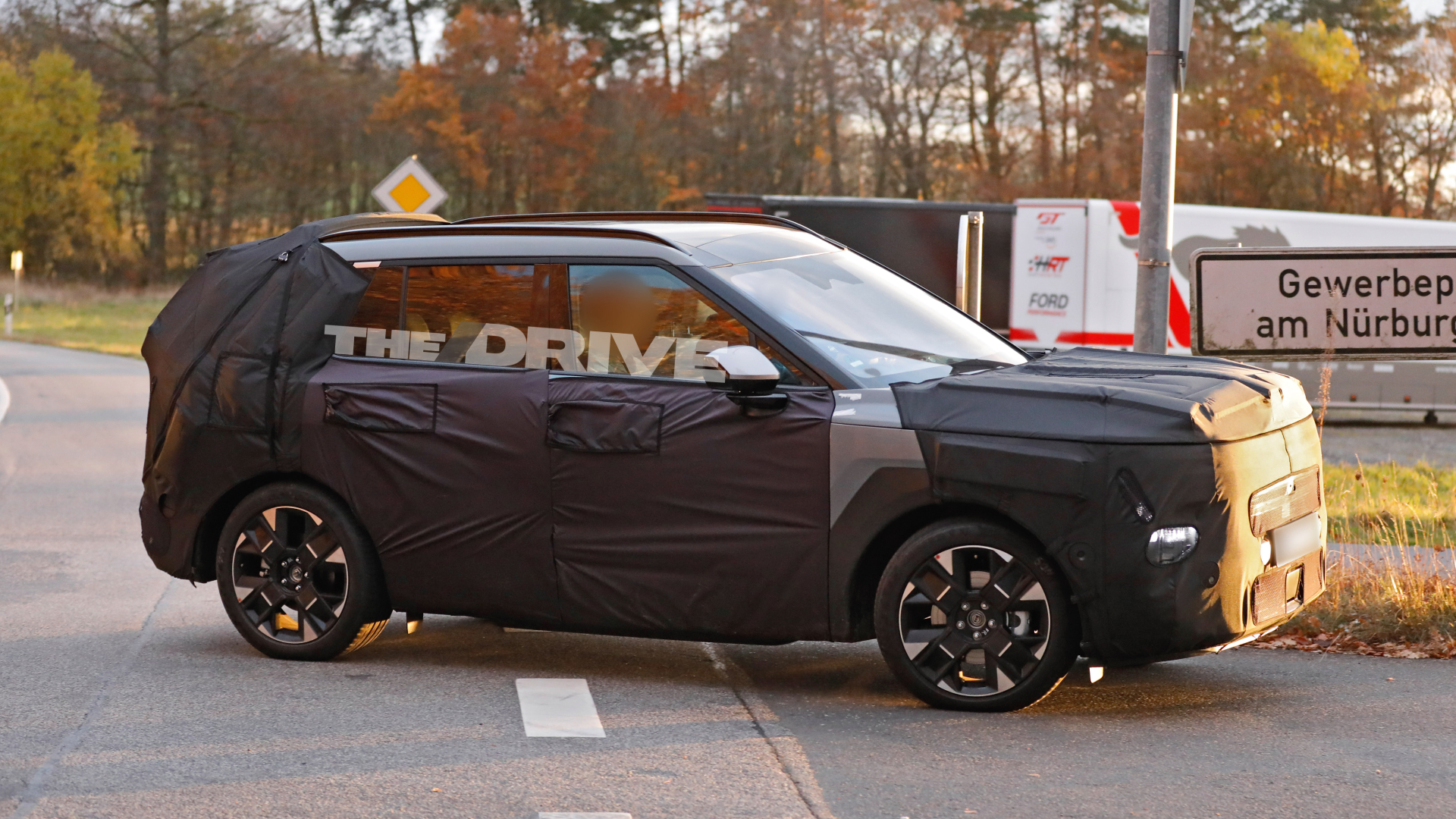
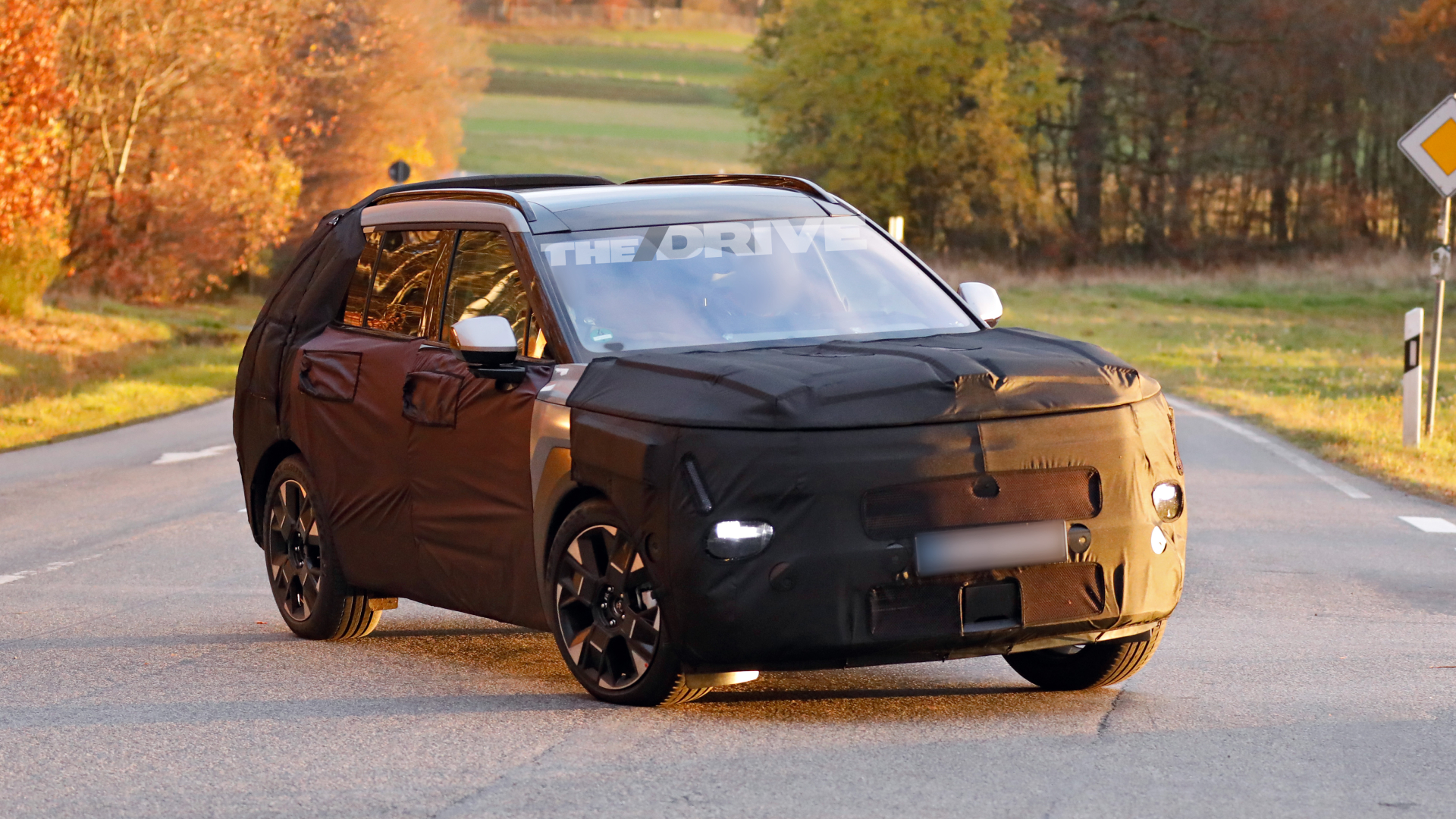
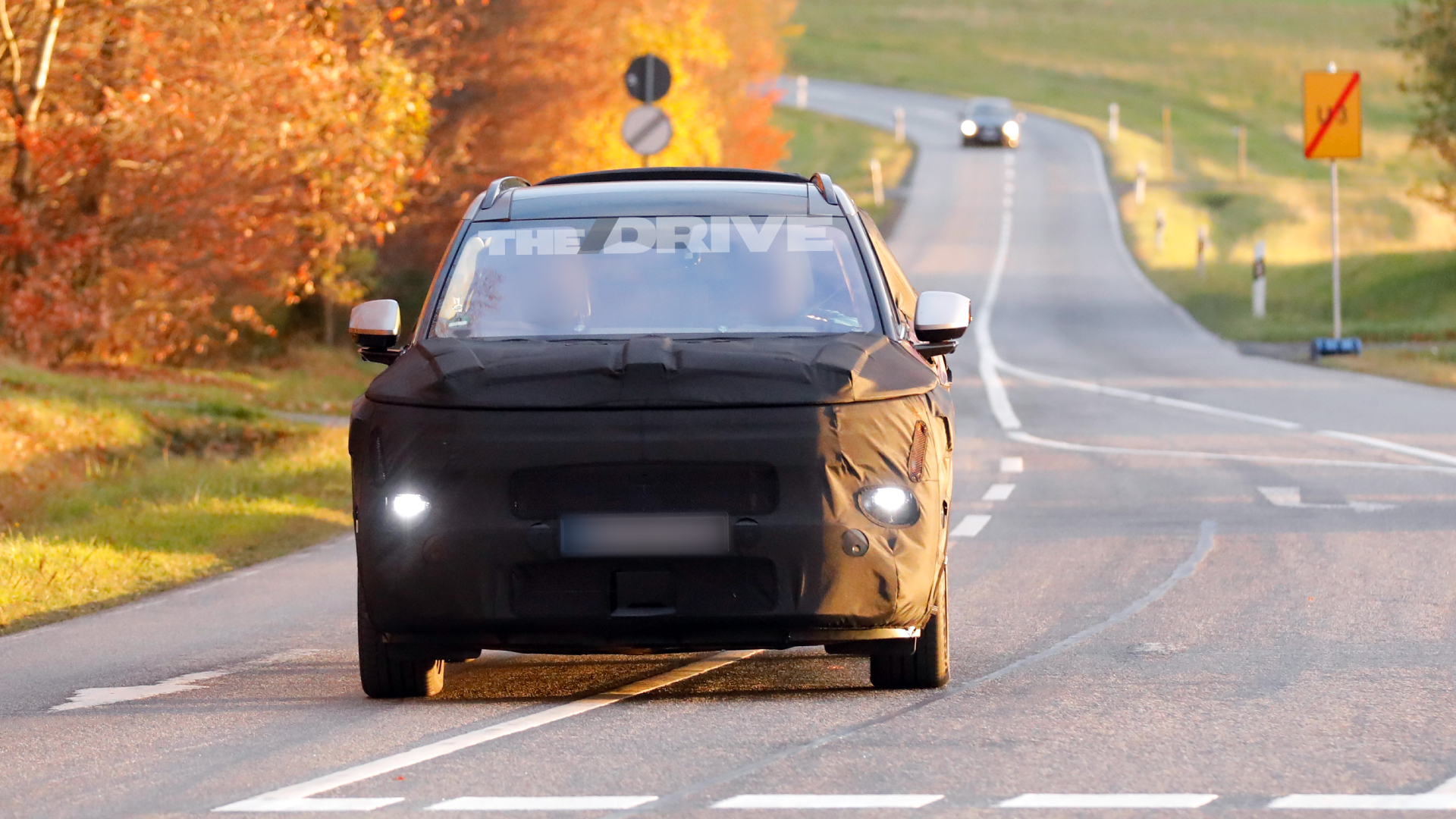
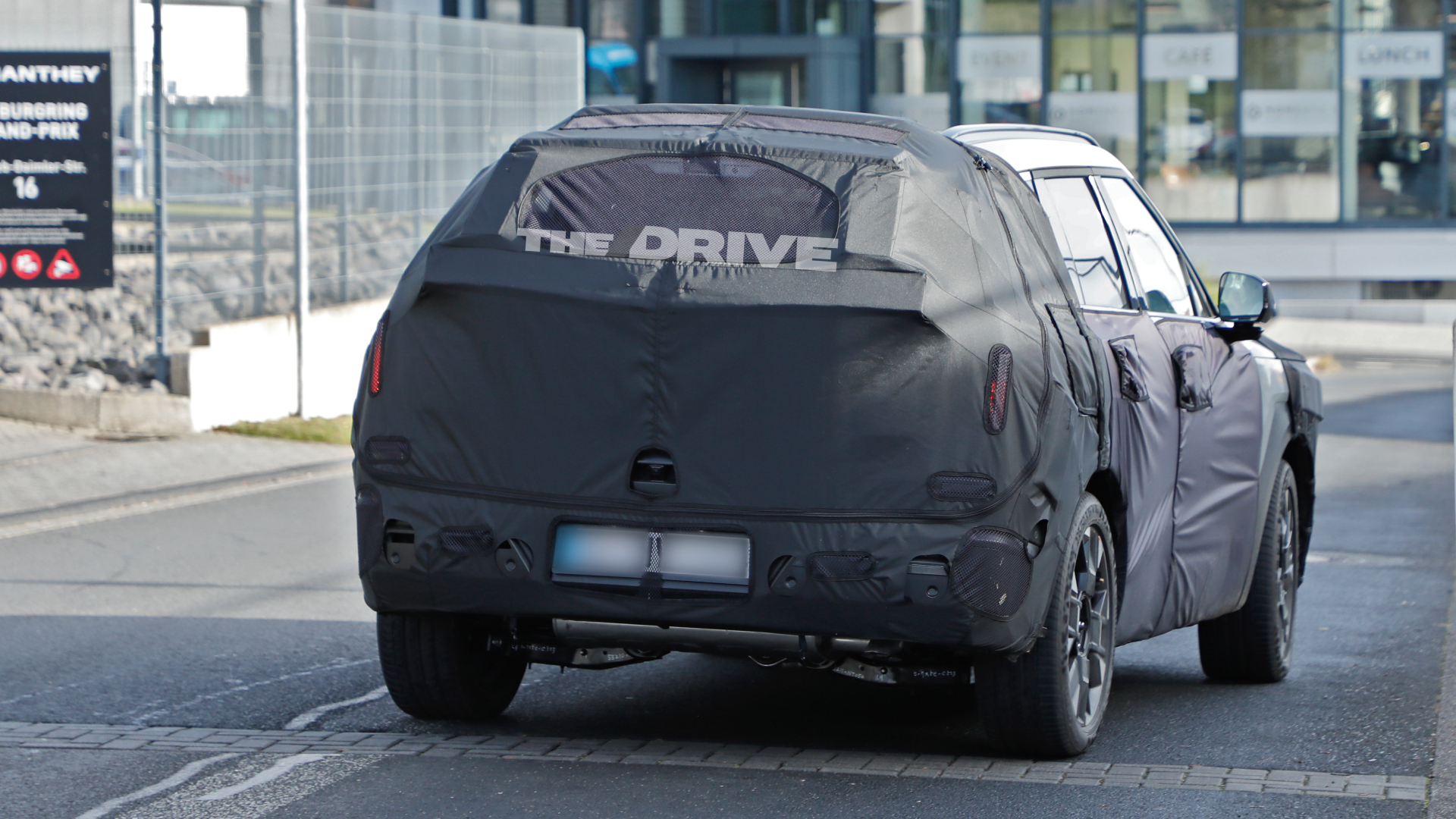
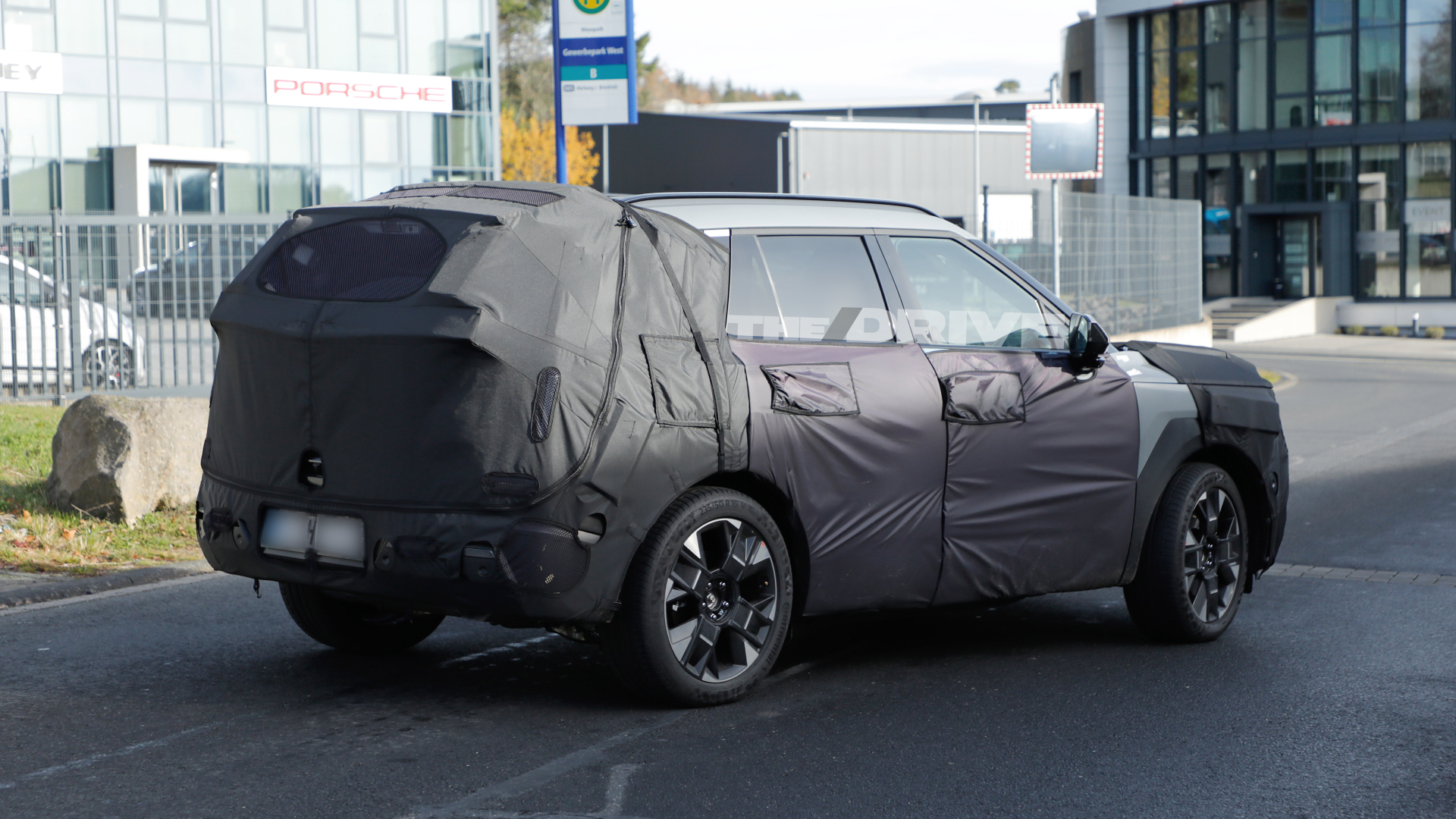
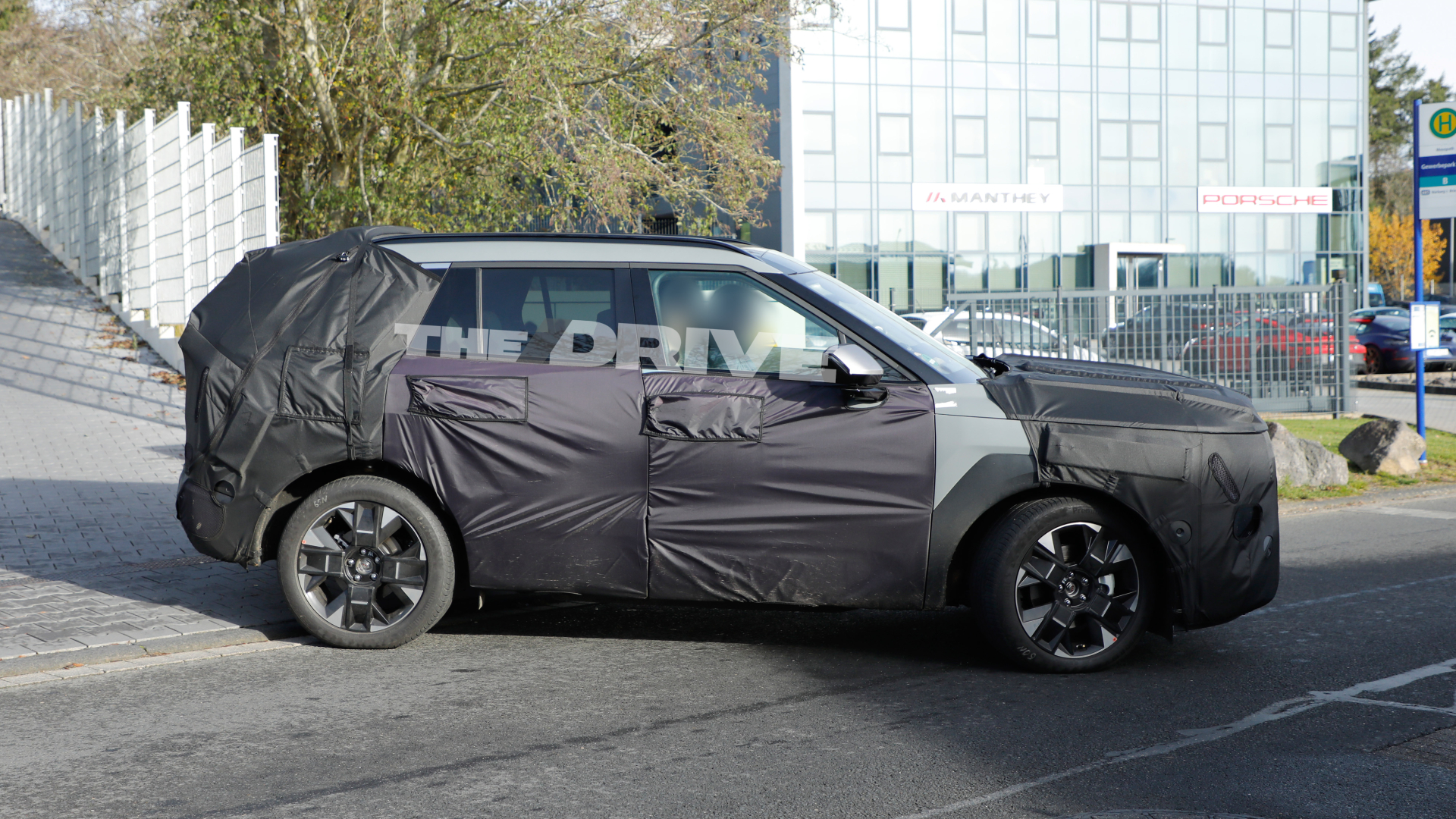
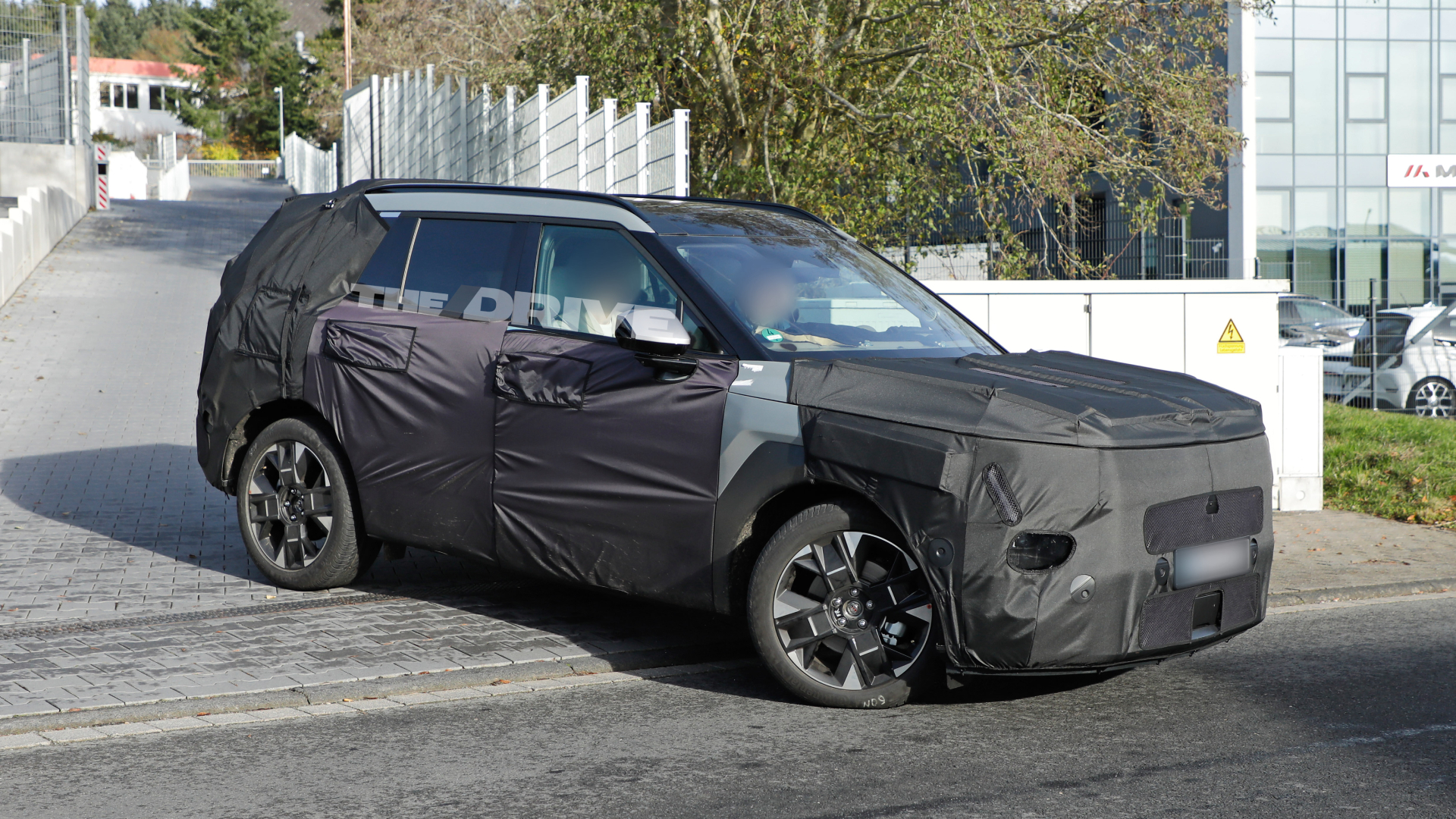
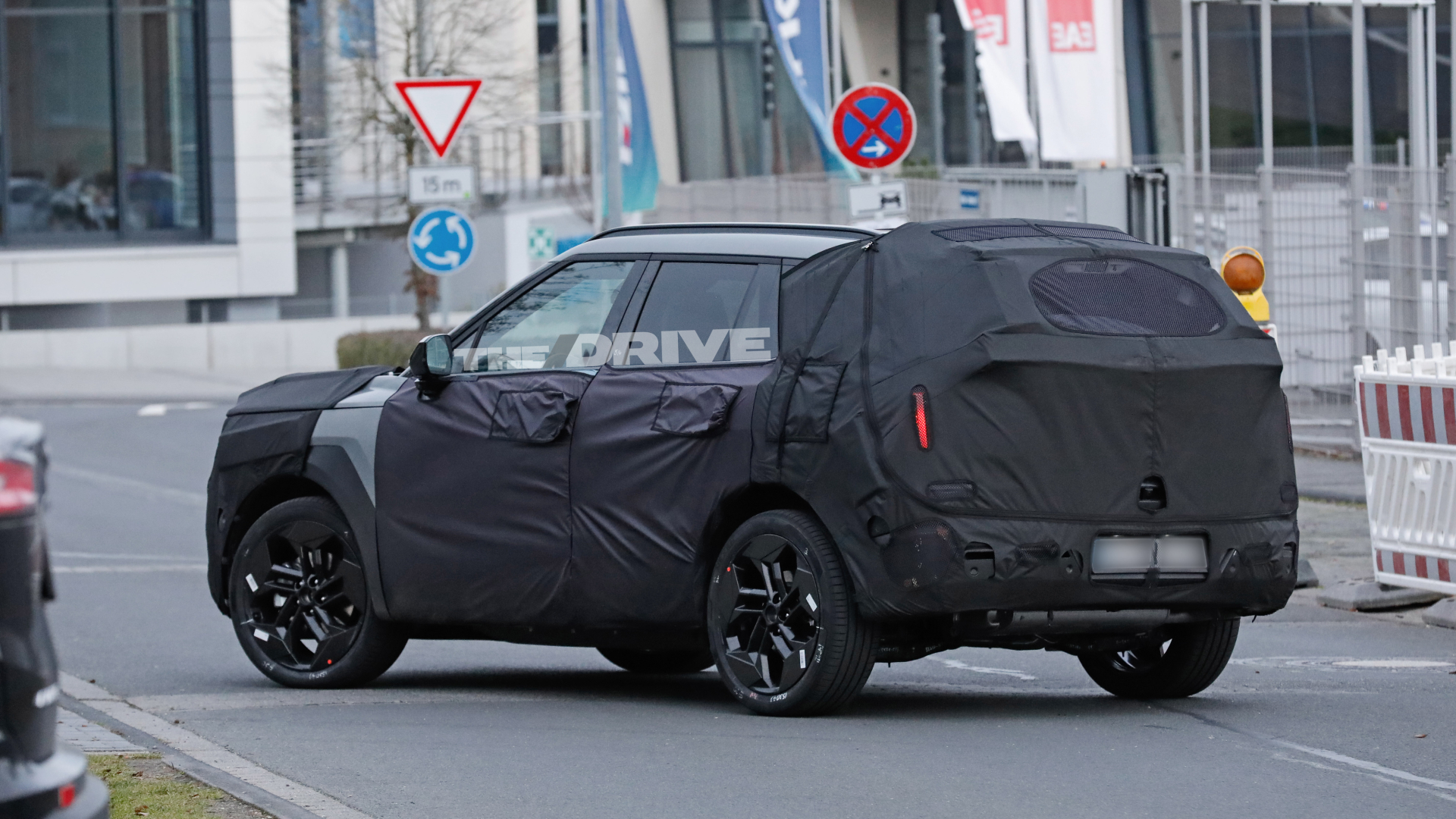
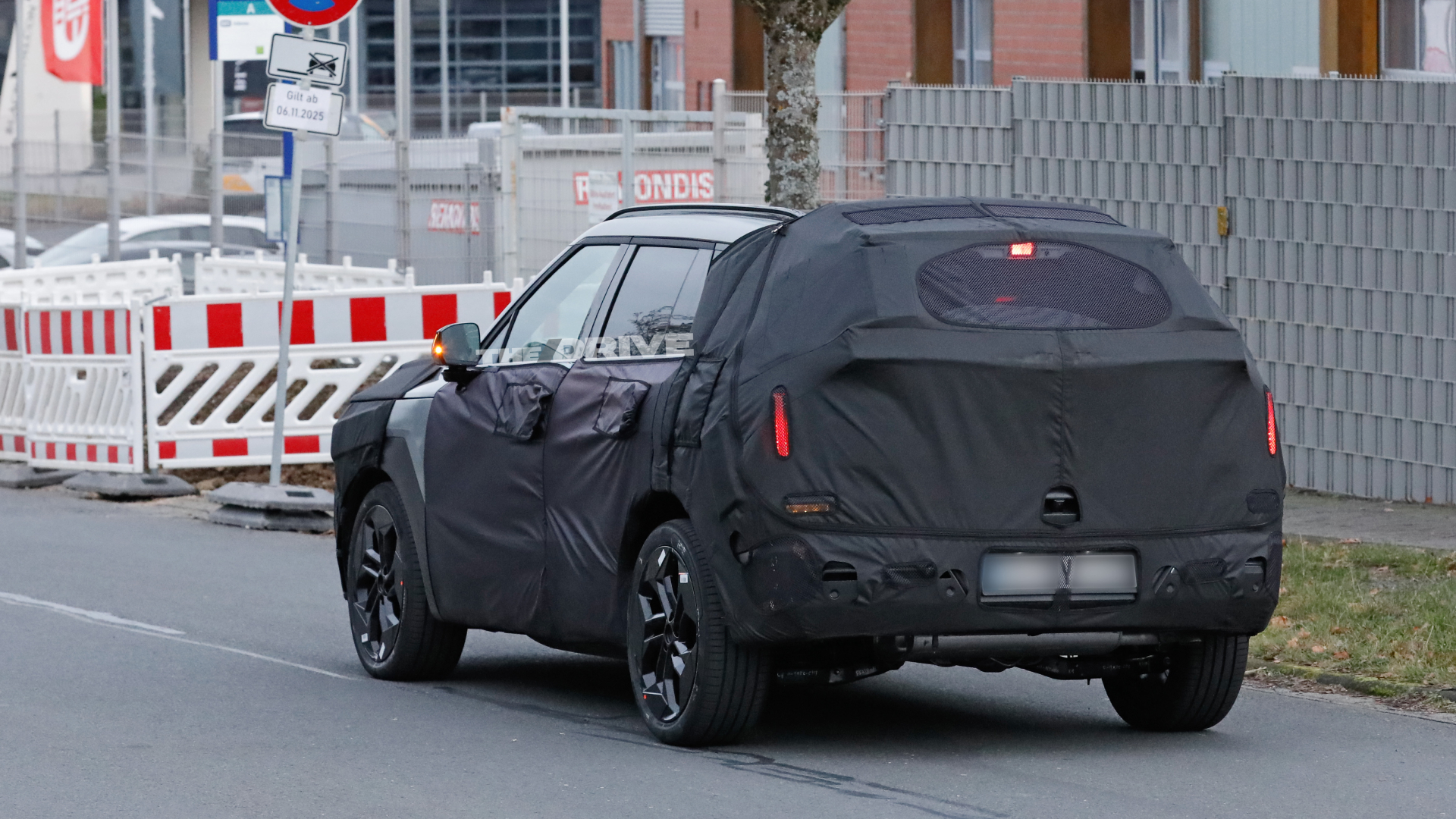
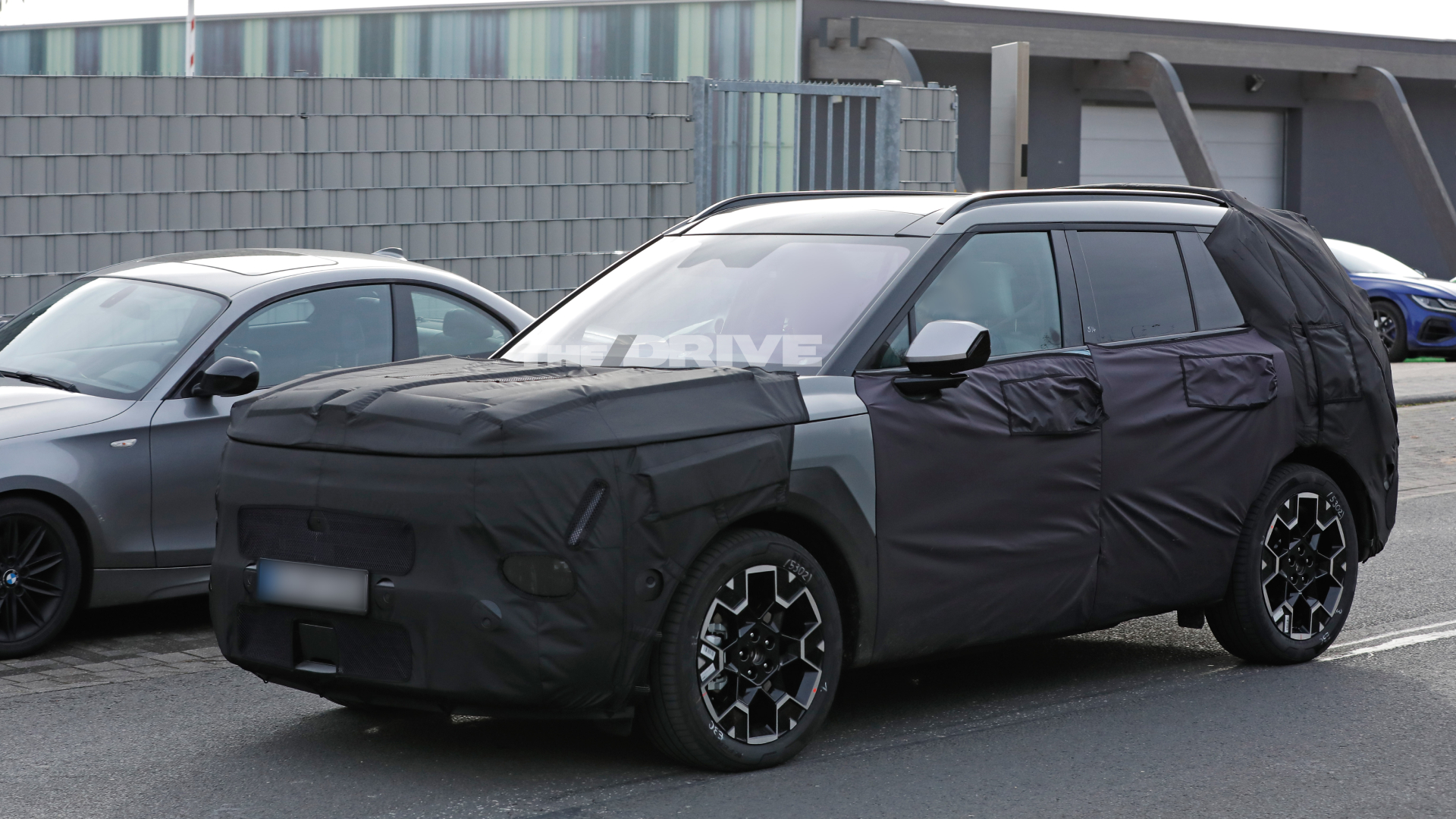
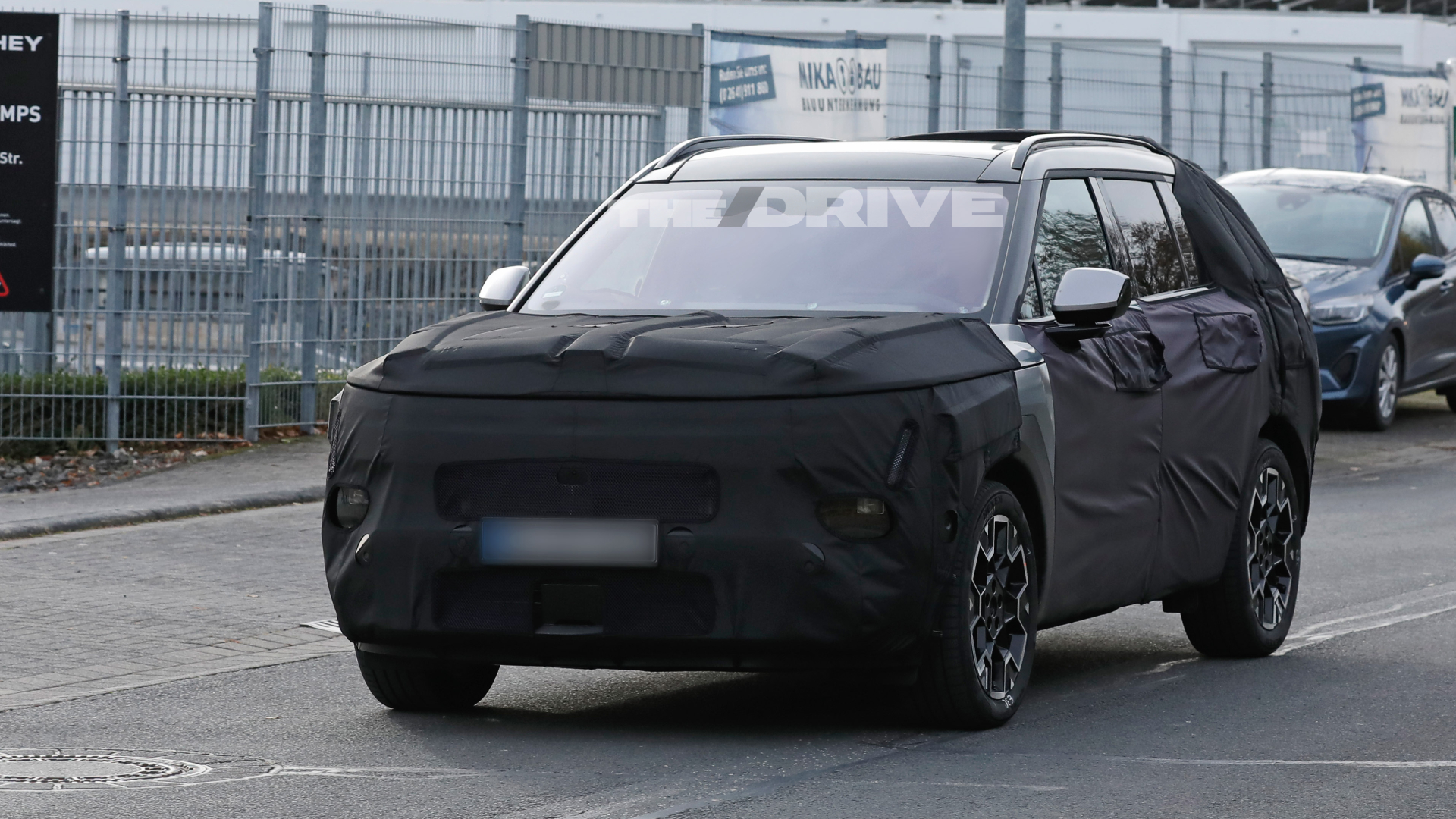
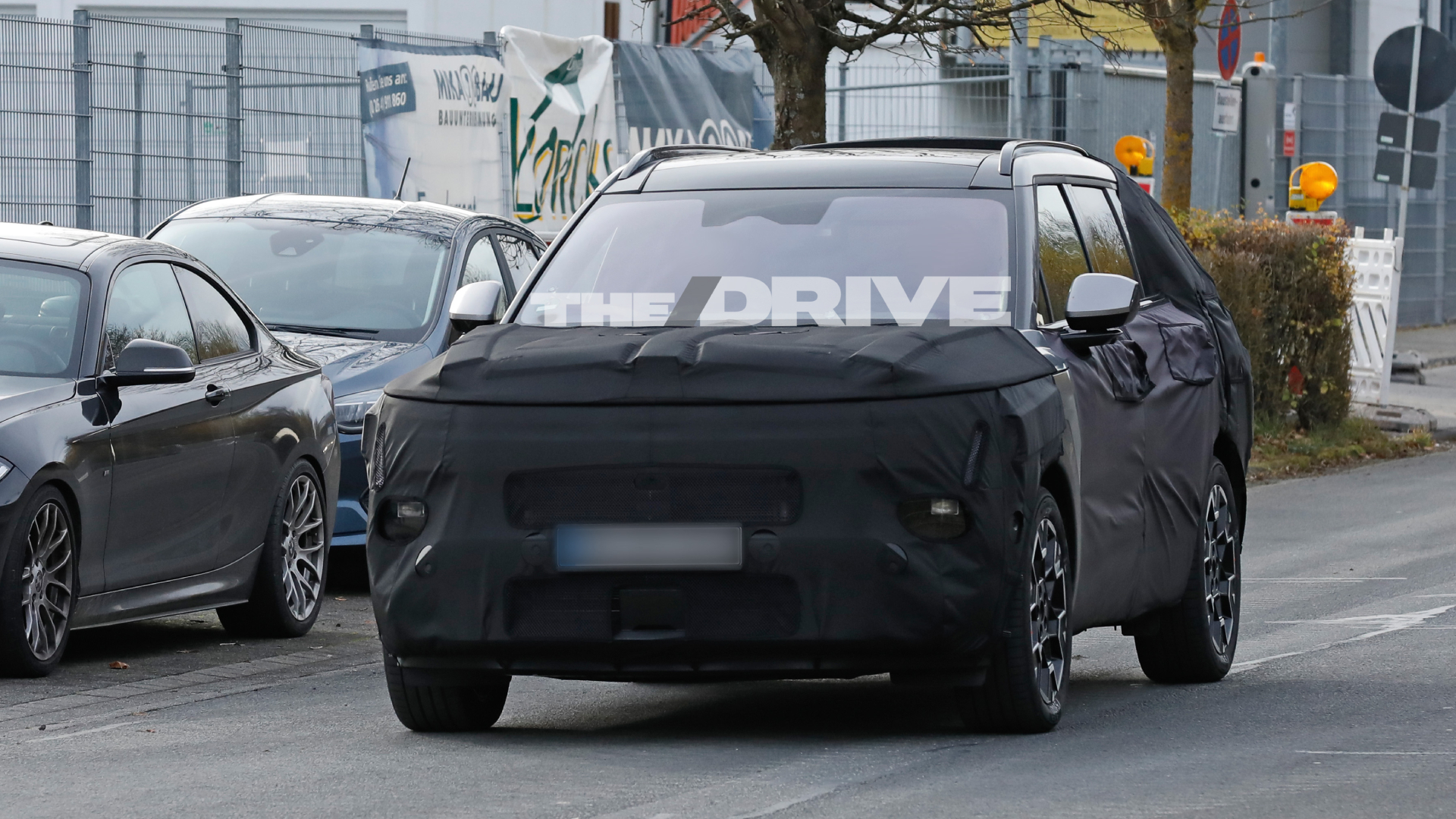
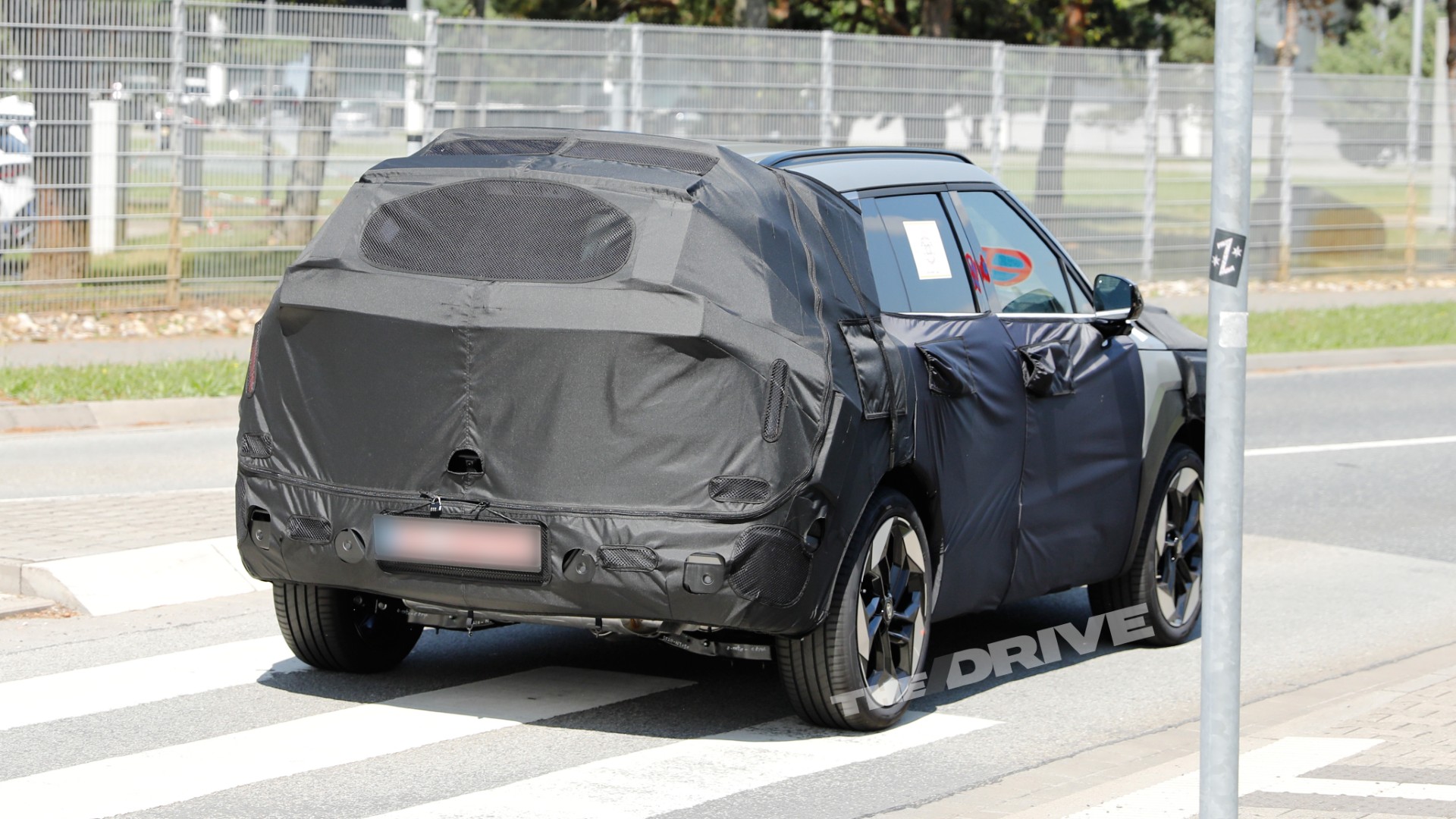
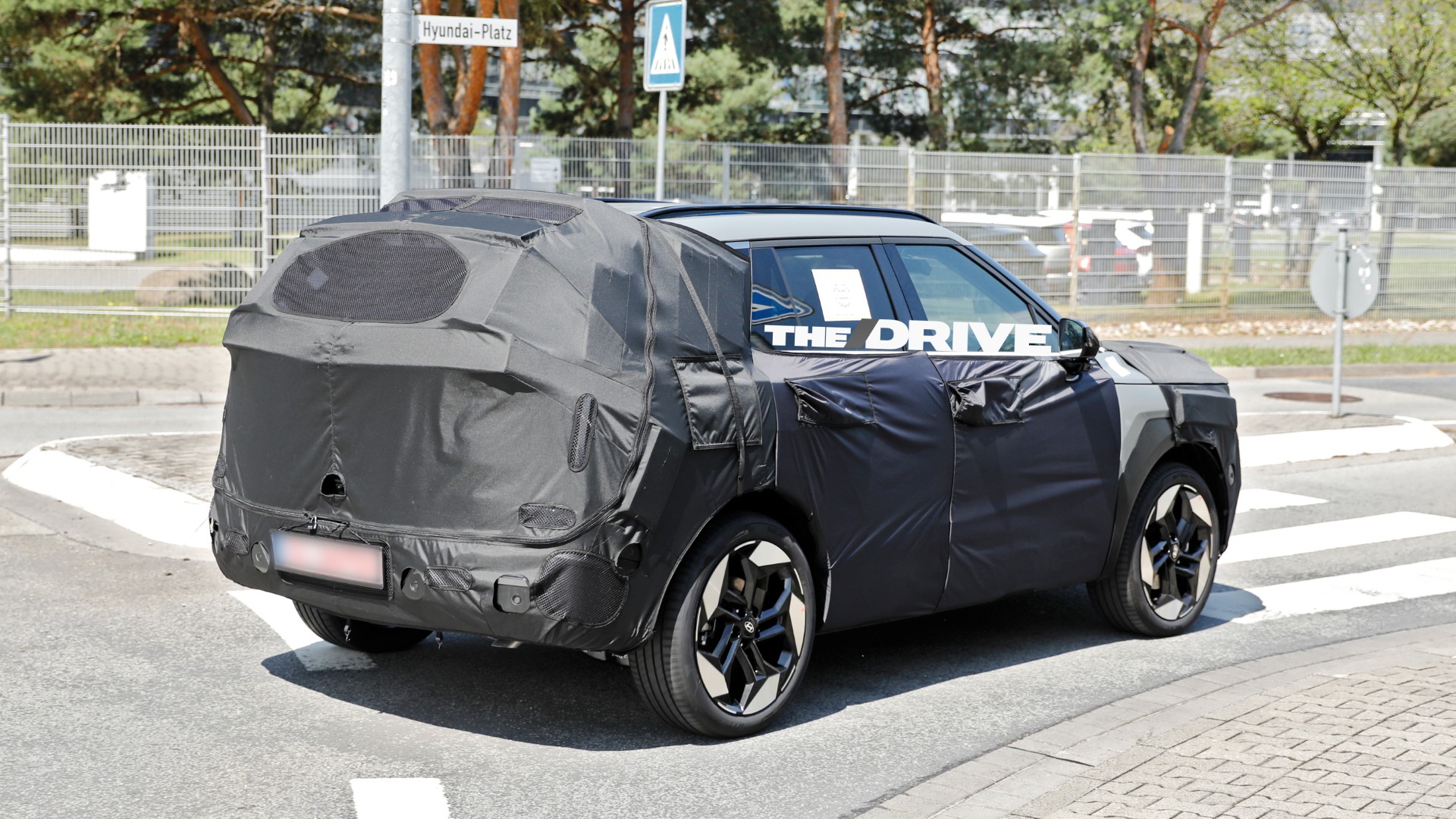
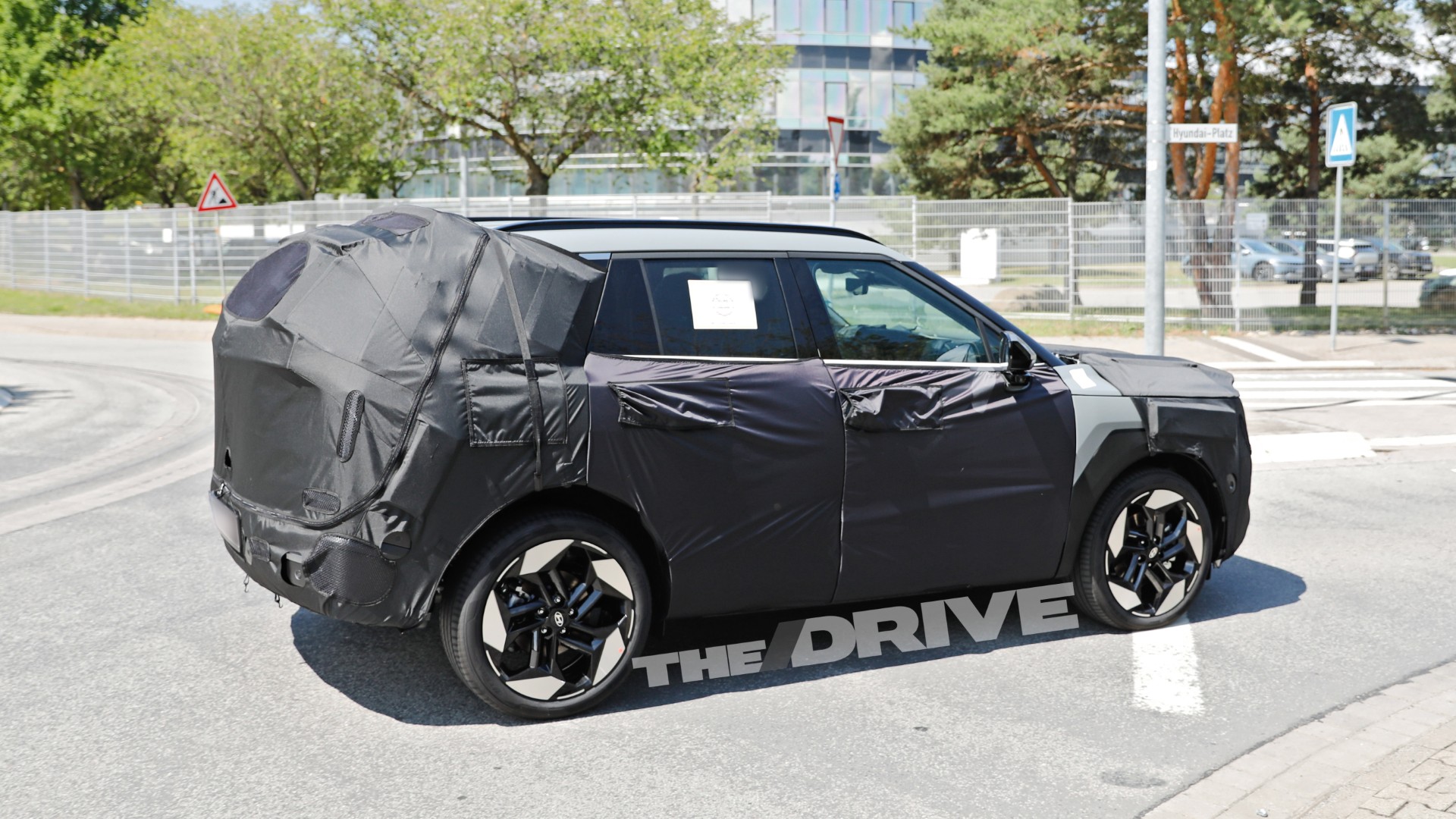
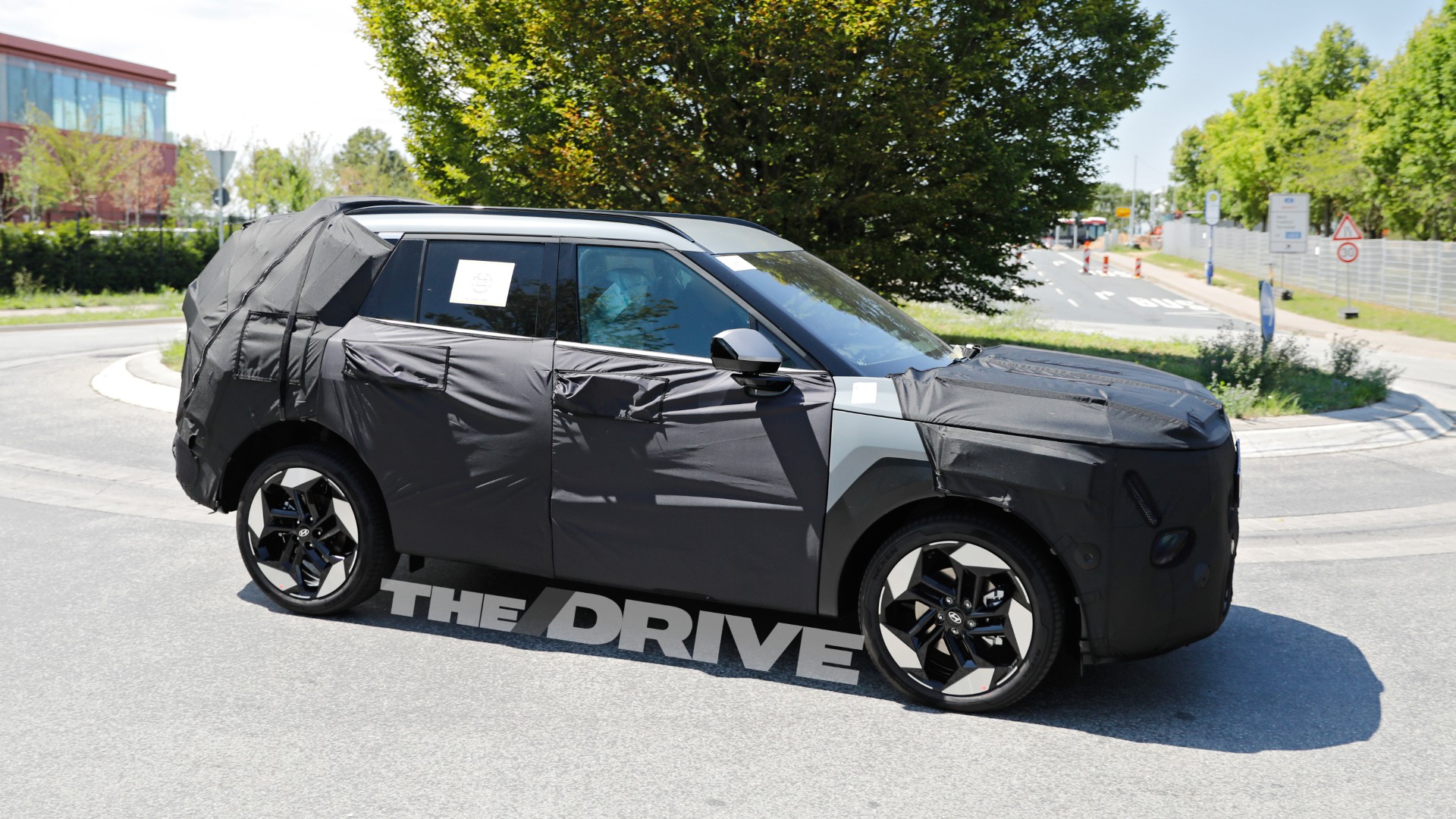
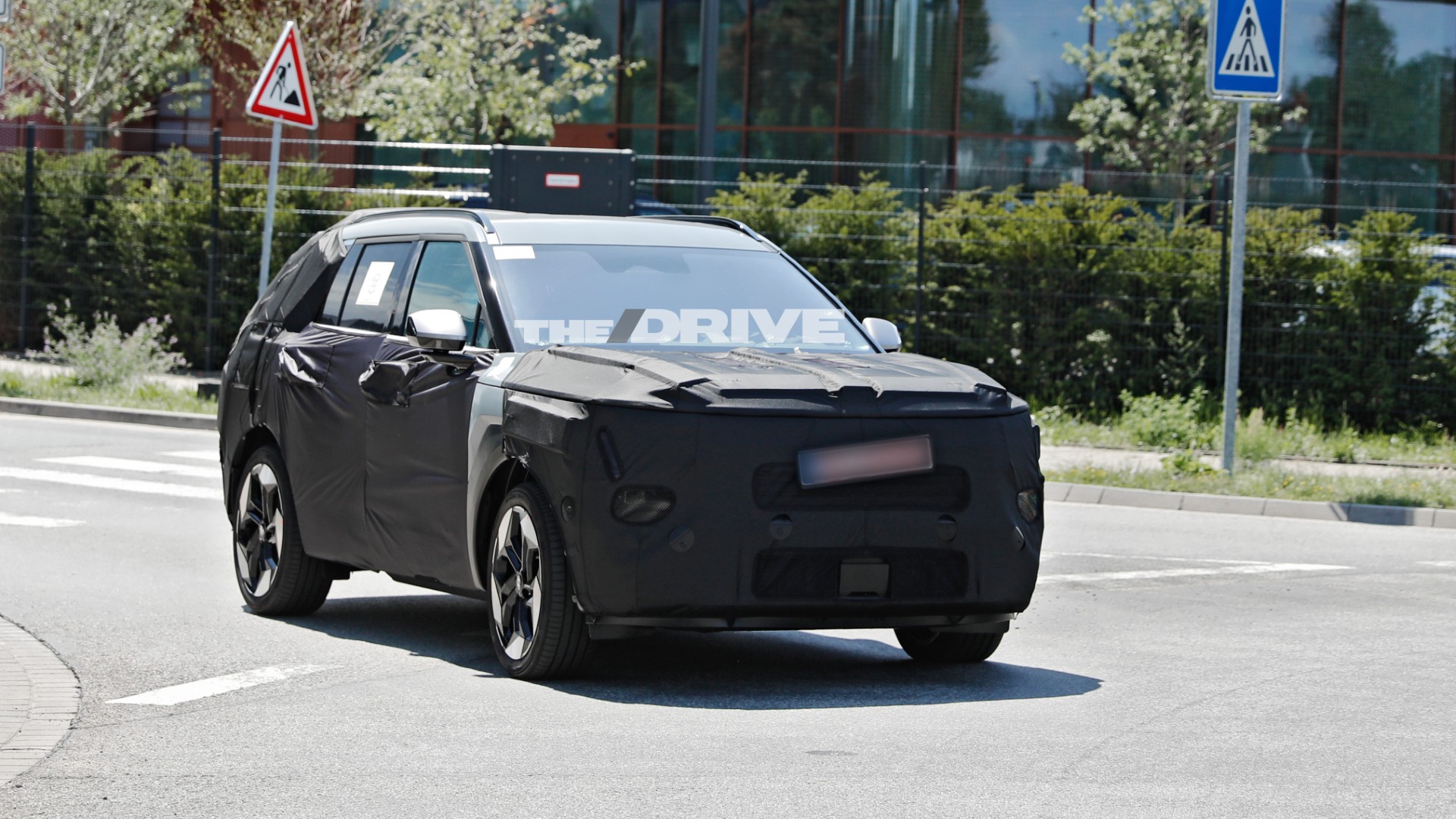
There’s still quite a bit of camo on this fifth-generation (chassis code NX5) Tucson prototype, but the broad strokes are pretty clear—and more squared off than the current car’s. This is no surprise, really, as it it’s a clean pivot toward the rugged look Hyundai has been implementing with each of its recent redesigns.
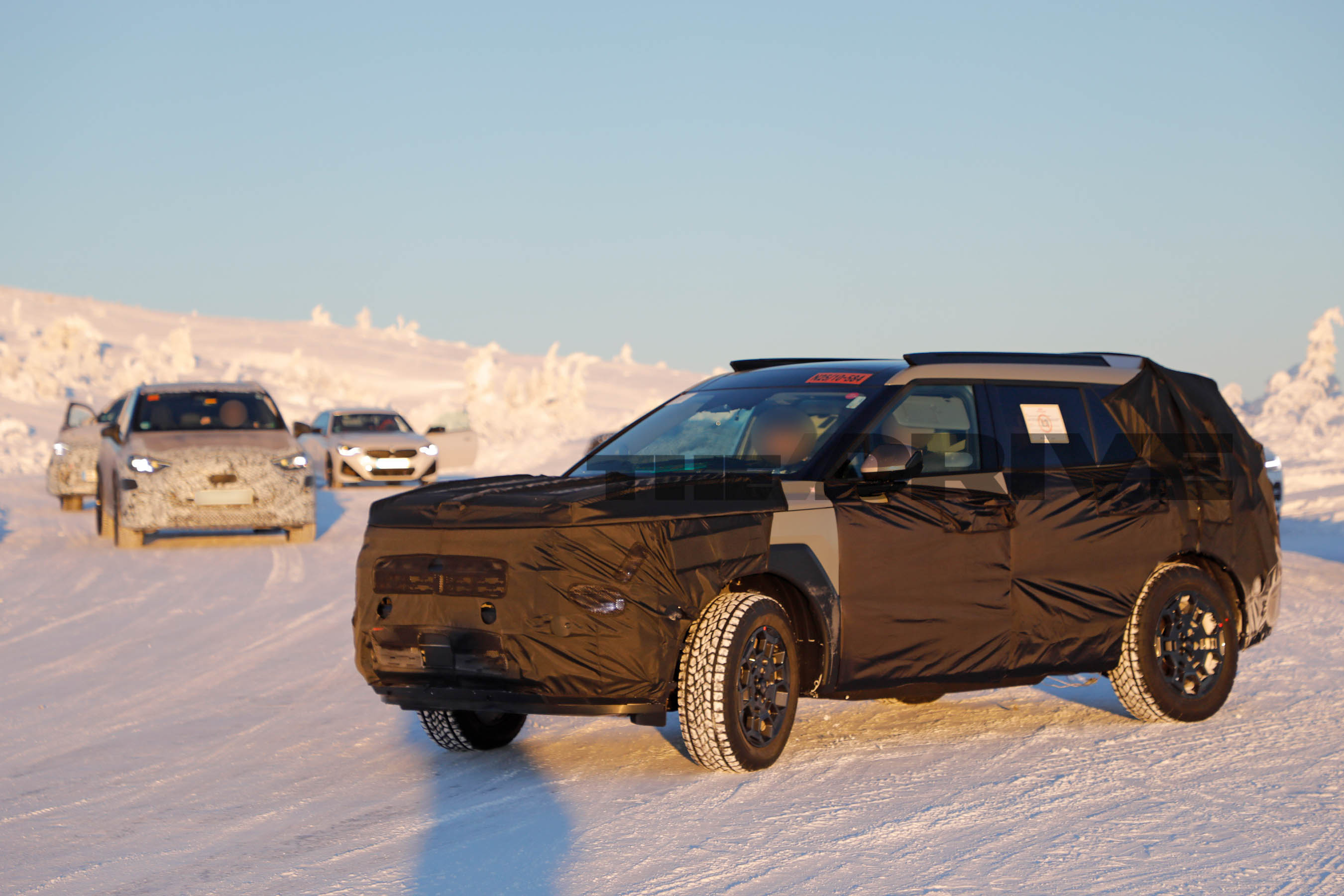
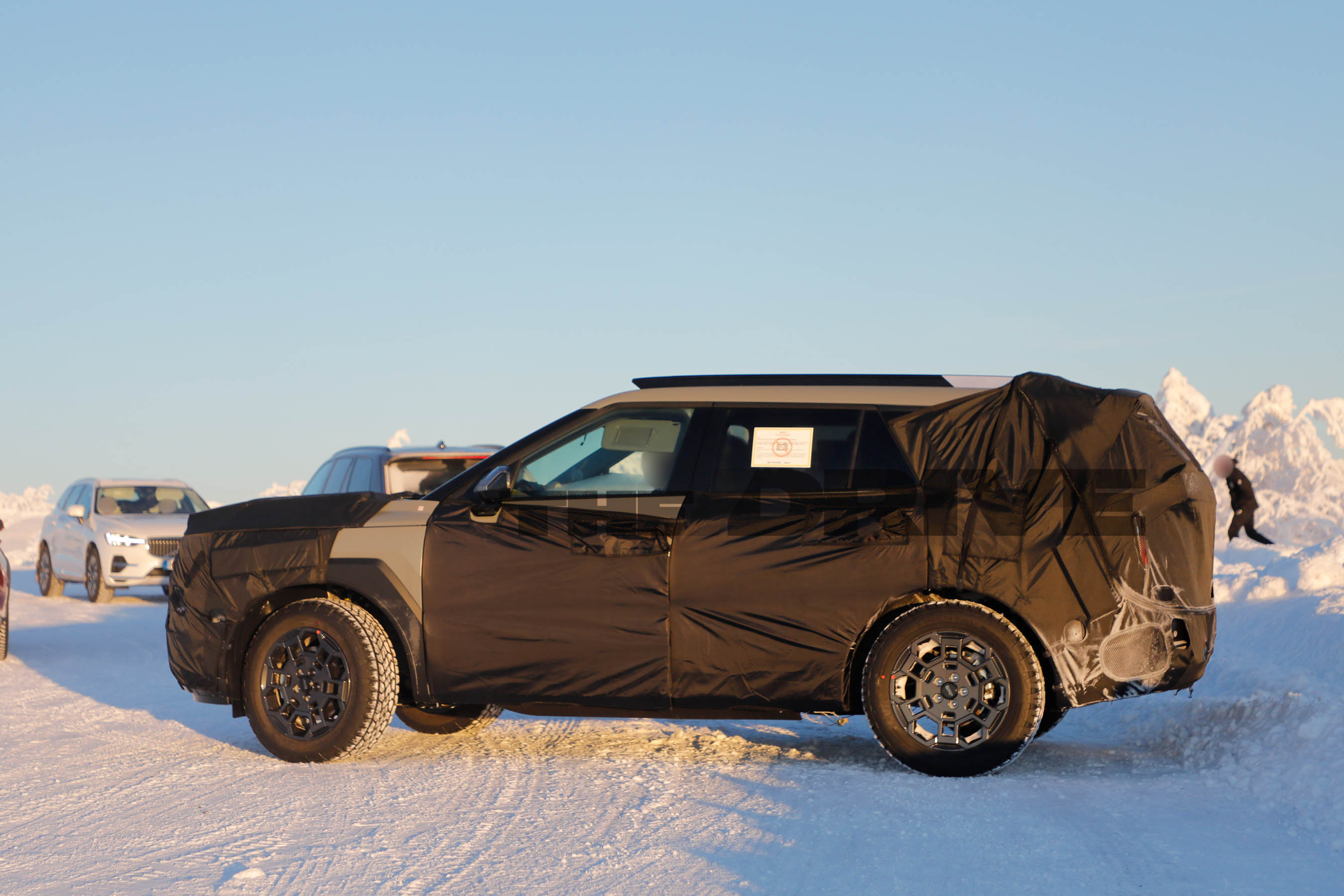
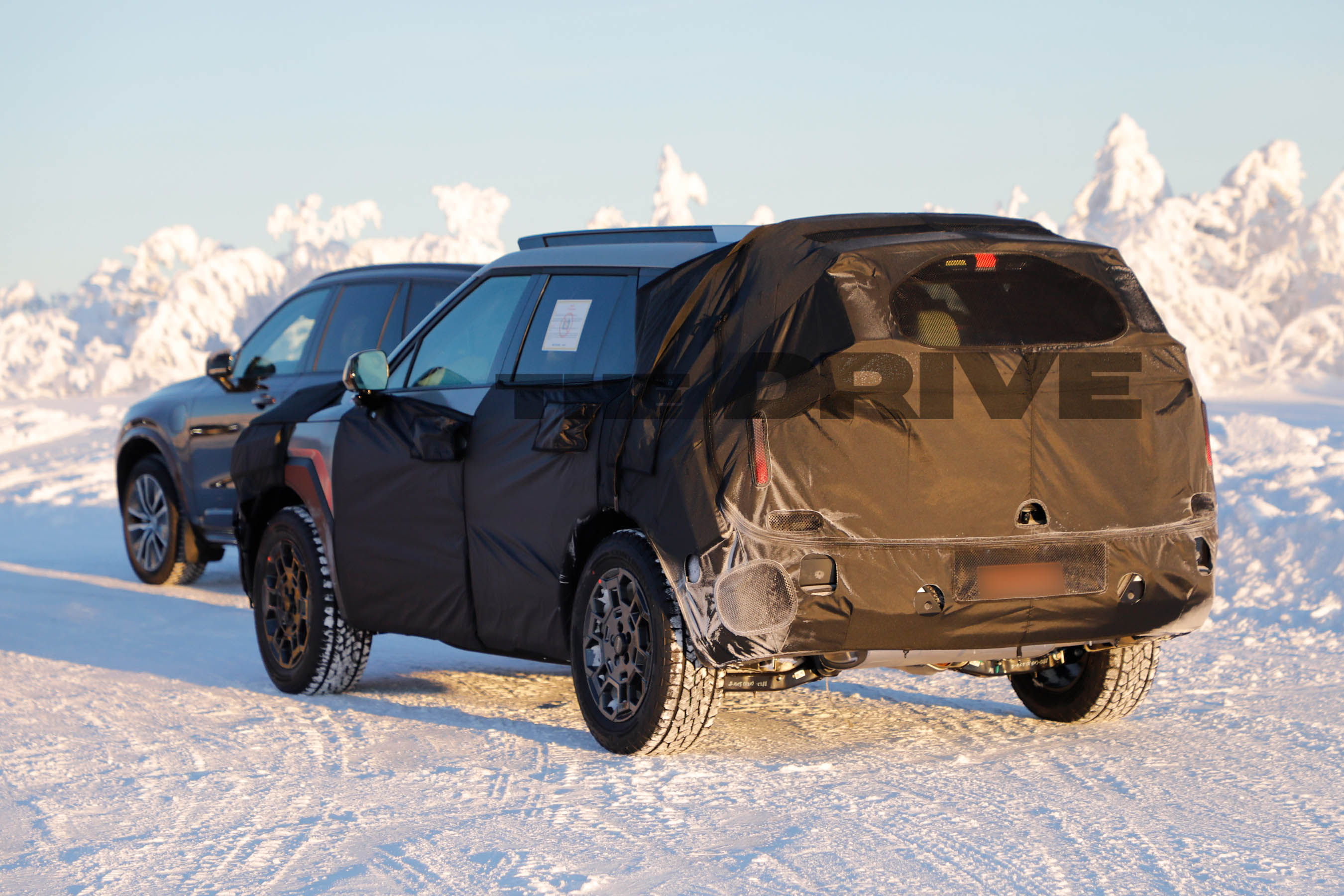
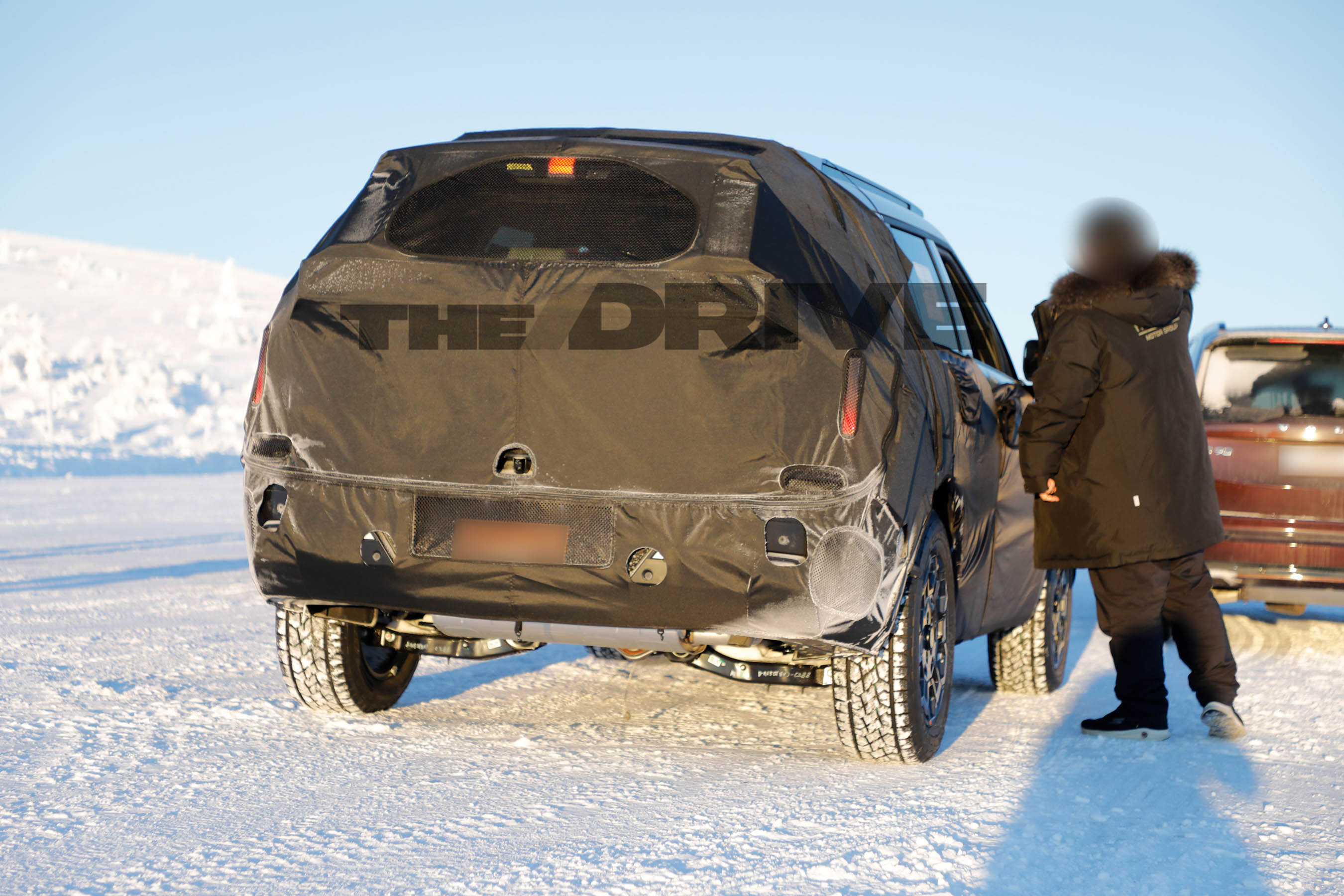
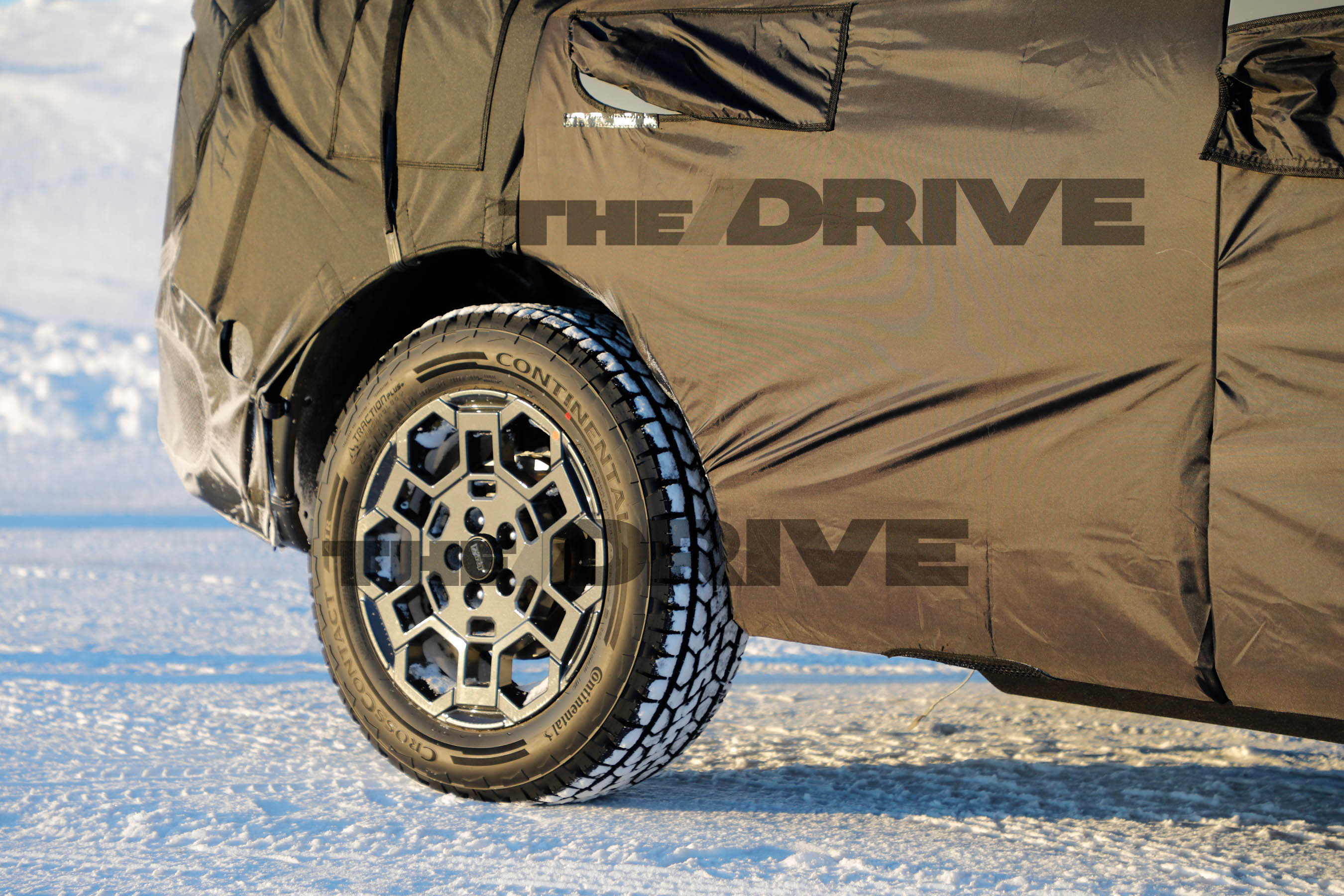
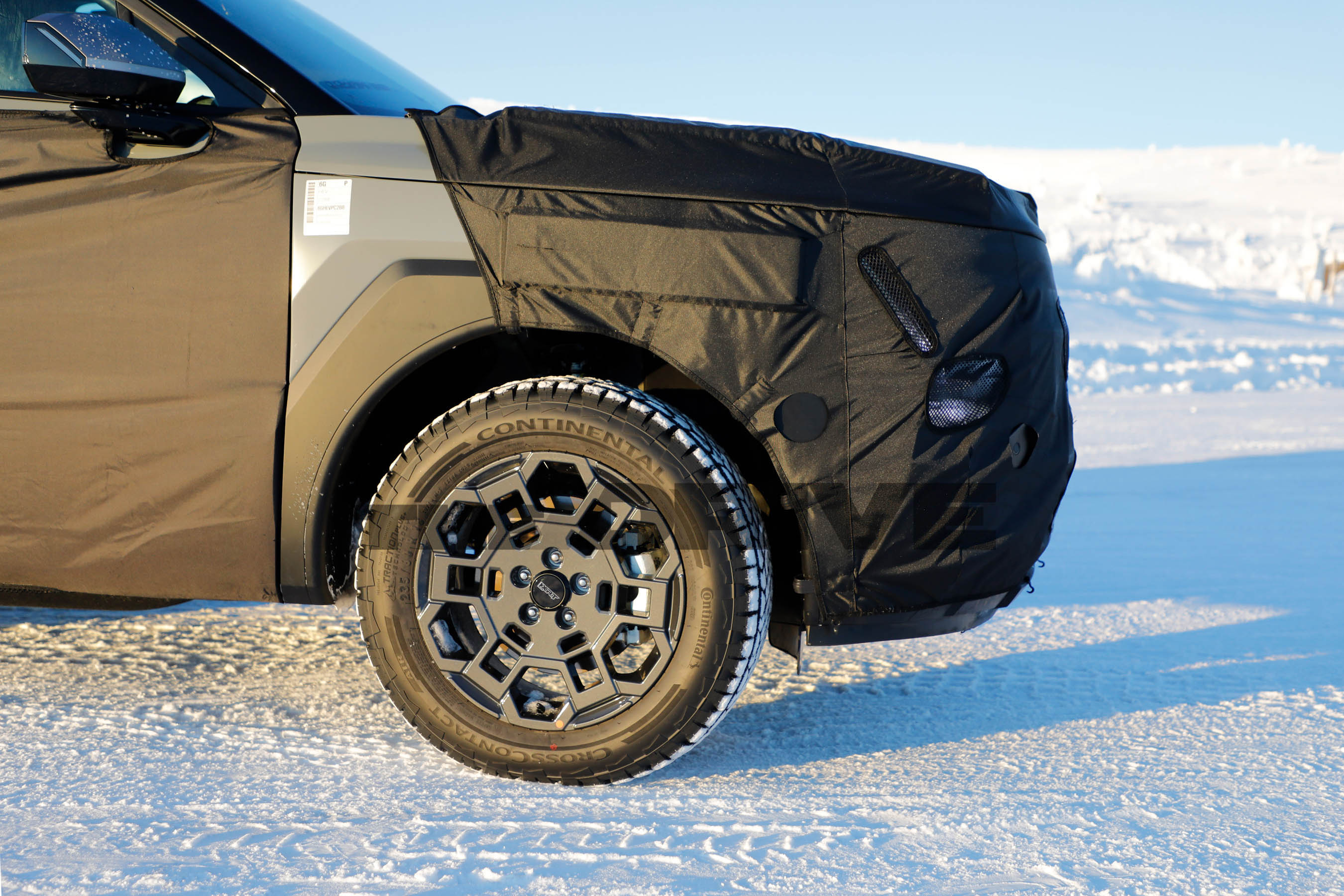
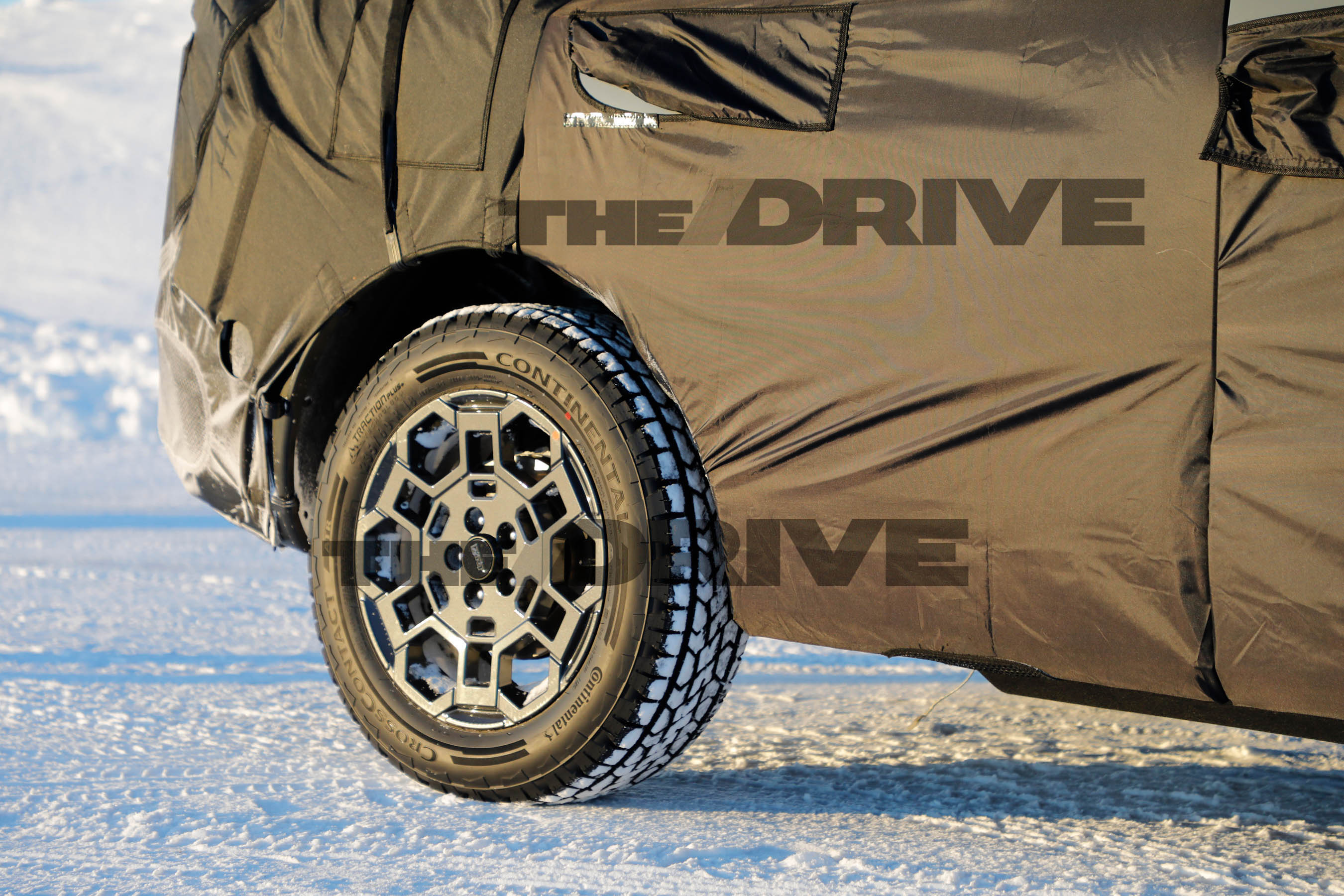
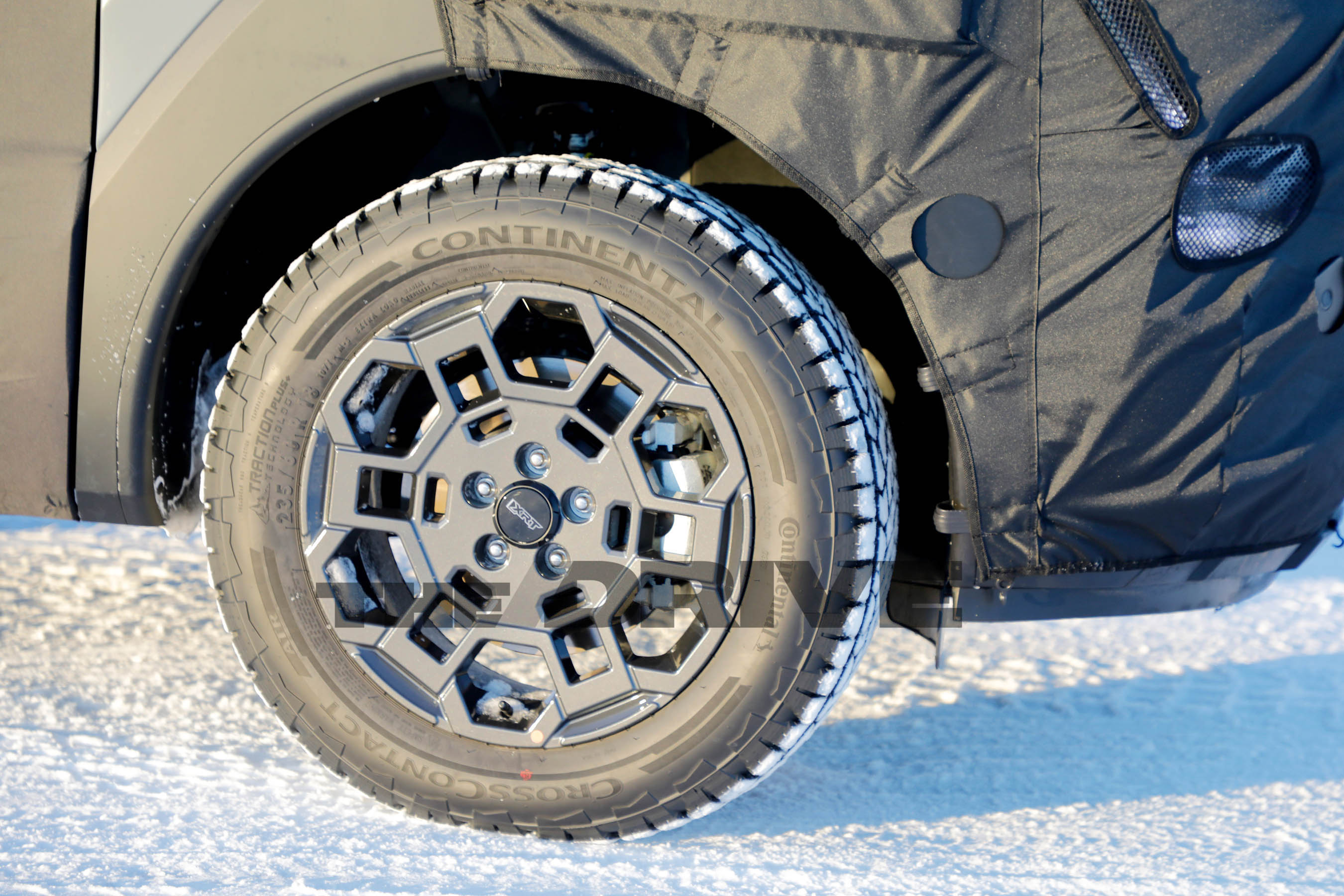
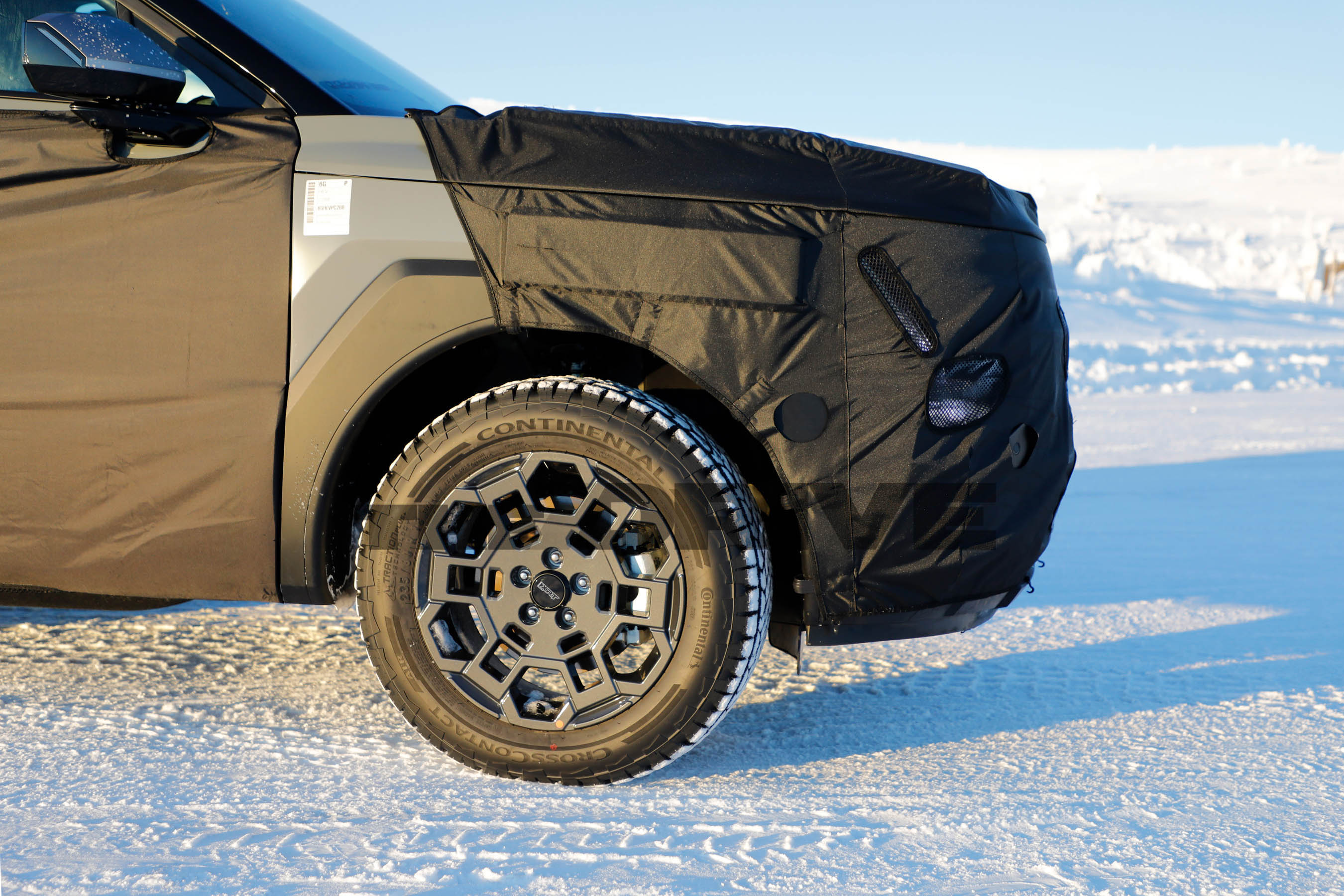
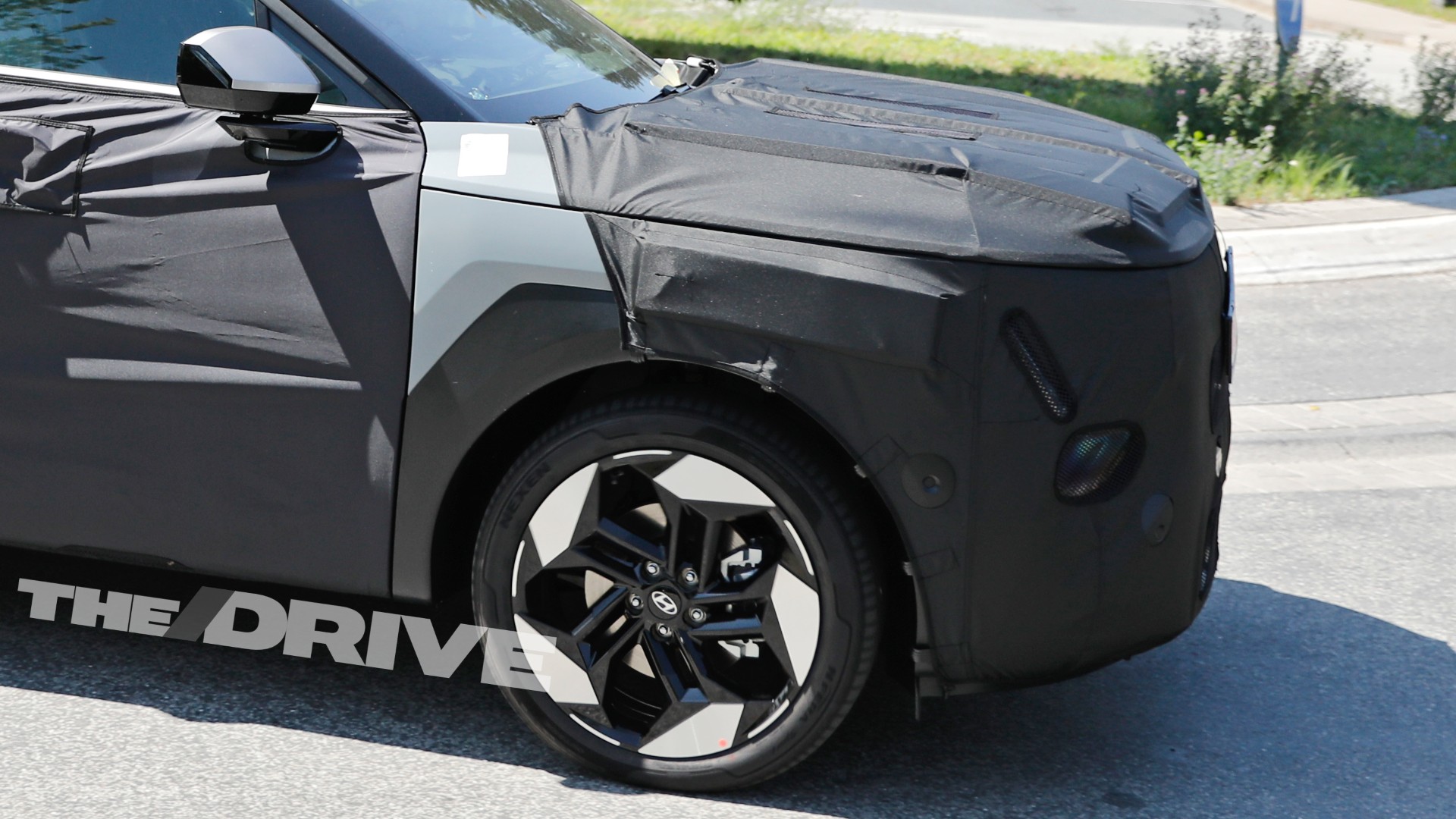
The prototype spotted undergoing cold-weather testing is a new XRT Pro trim, which will put Subaru, and the Honda CR-V TrailSport, squarely in its sight. The camo is doing a decent job hiding key details, but a red tow hook can be seen on the passenger side of the front bumper. New XRT-branded 18-inch alloy wheels are wrapped in Continental CrossContact all-terrain tires (which are pretty mild for all-terrain tires). XRT Pro-specific bumpers are hiding behind that camo and the larger three-row Palisade XRT Pro probably gives a good indication of what we can expect here.
Today the XRT badge is basically an appearance package on the Tucson, but the latest Palisade brought the new XRT Pro trim and gave the off-road trim some teeth in terms of light off-pavement duty. Back in November Hyundai told The Drive its XRT lineup will be “truly capable” off road and “not gonna be a trim” going forward.
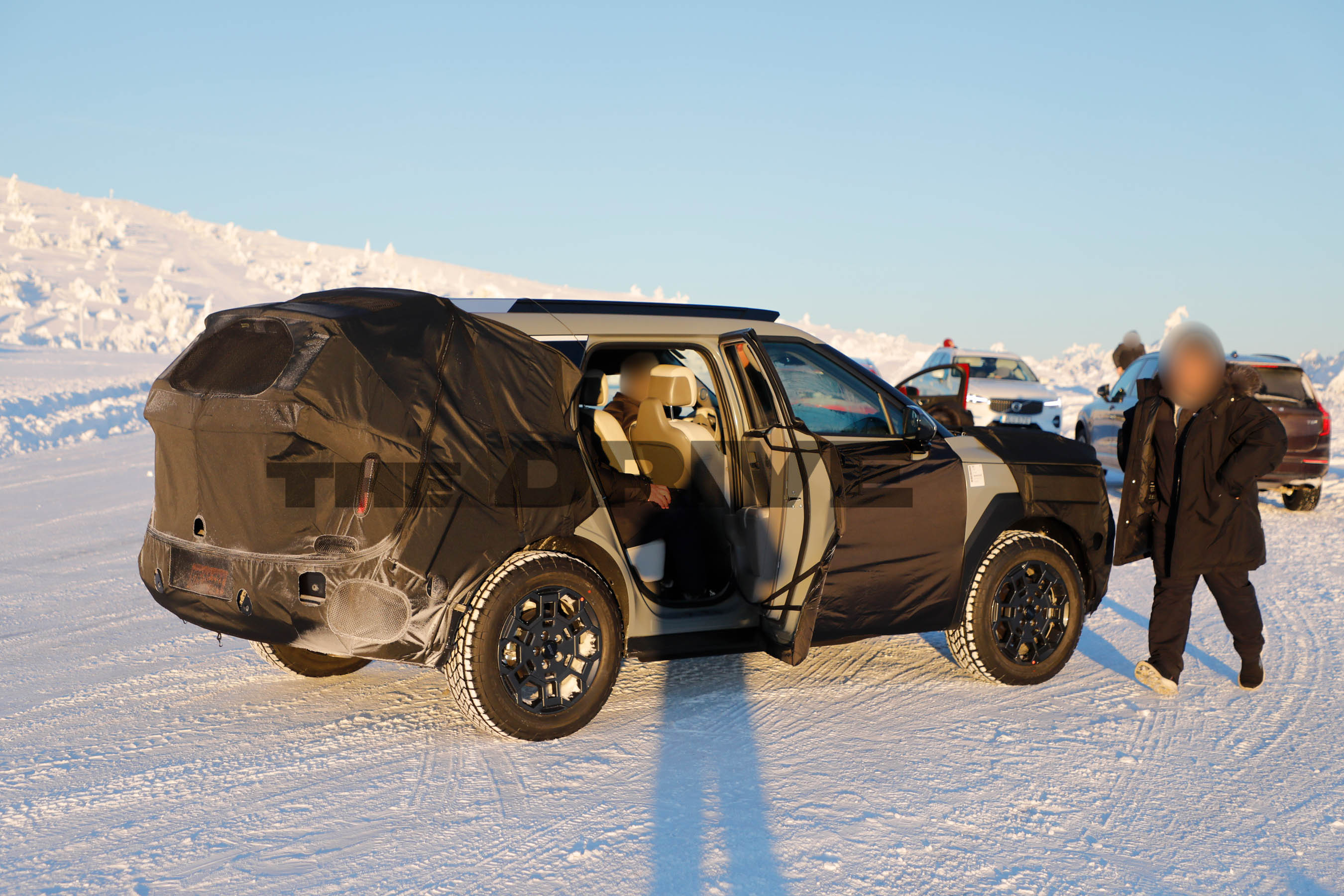
The interior of the new Tucson has been a mystery, but thanks to someone leaving a rear door open briefly we’ve gotten a quick glance. The front seat back design looks like something out of a concept car with a semi-floating headrest.
We don’t expect much in the way of excitement from the new Tucson’s engine lineup. It will most likely mirror the existing car’s offerings, with a standard, naturally aspirated four-cylinder anchoring the bottom end of the lineup, and a plug-in hybrid topping the range. With turbocharging falling out of favor in the compact SUV segment, we’re not entirely convinced we’ll see a boosted version without some battery assistance unless Hyundai opts for an efficiency-minded turbo for its entry-level models.
However that shakes out, we shouldn’t have to wait terribly long to find out. A debut is expected to take place later in 2026 with the next Tucson arriving in dealers in the first half of 2027.

Got a tip? Let us know at tips@thedrive.com.
Loading comments…
Comments couldn’t be loaded. Please refresh the page.