
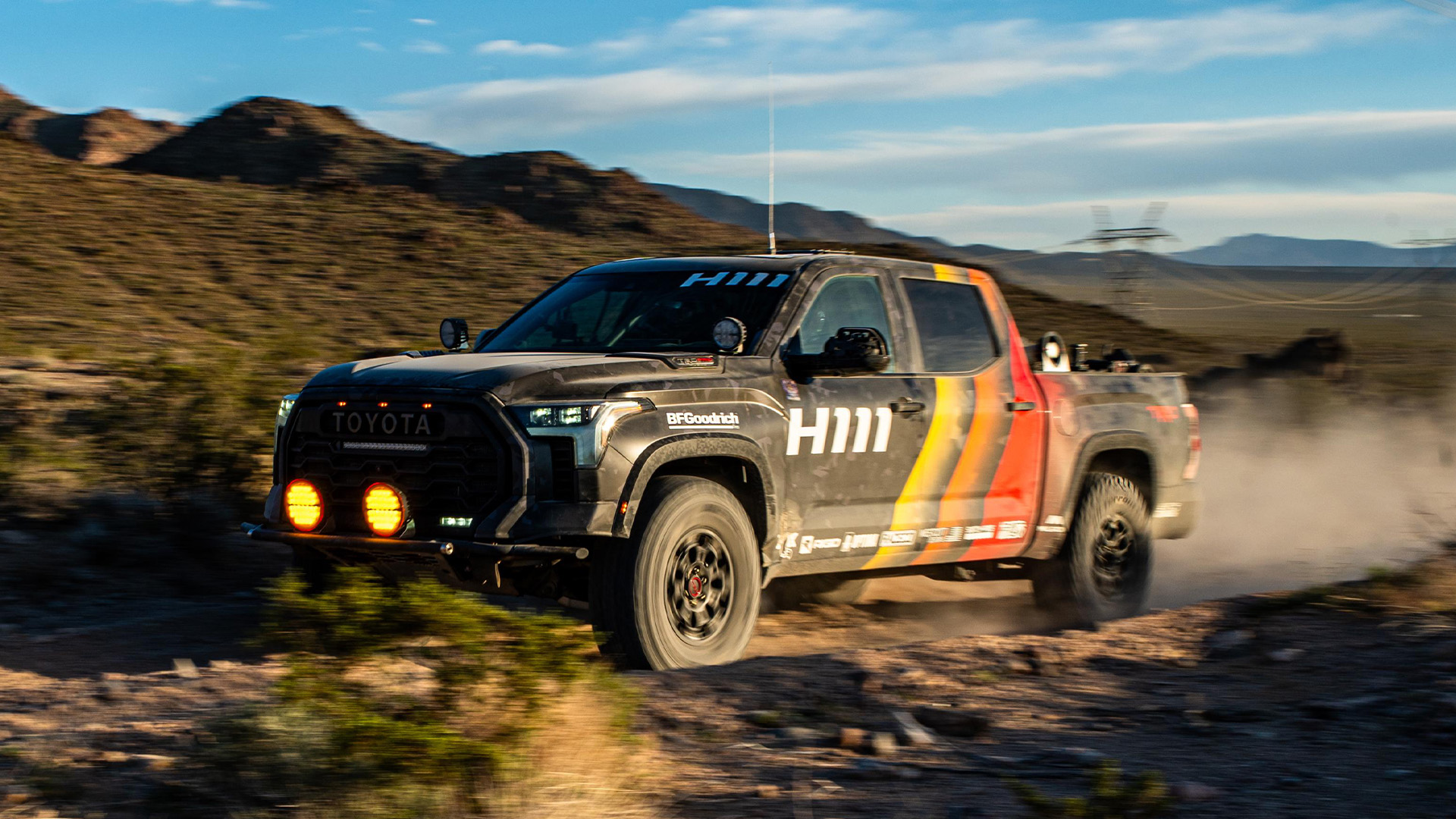
A lot of legendary Toyotas have hit the desert in the past, many of them under the skilled direction of Ivan “Iron Man” Stewart. Those rigs, like the T100 from the ’90s, seared the yellow, orange, and red stripes into the minds of off-roaders everywhere. They’re what made Toyota Racing Development a known name, and in 2026, there’s a new bunch of ragtag engineers running a go-fast Tundra hybrid across the sand as a “TRD 2.0” of sorts. After showing out at the Mint 400, they’re moving on to the next race with a full tank, big expectations, and maybe some grit in their teeth.
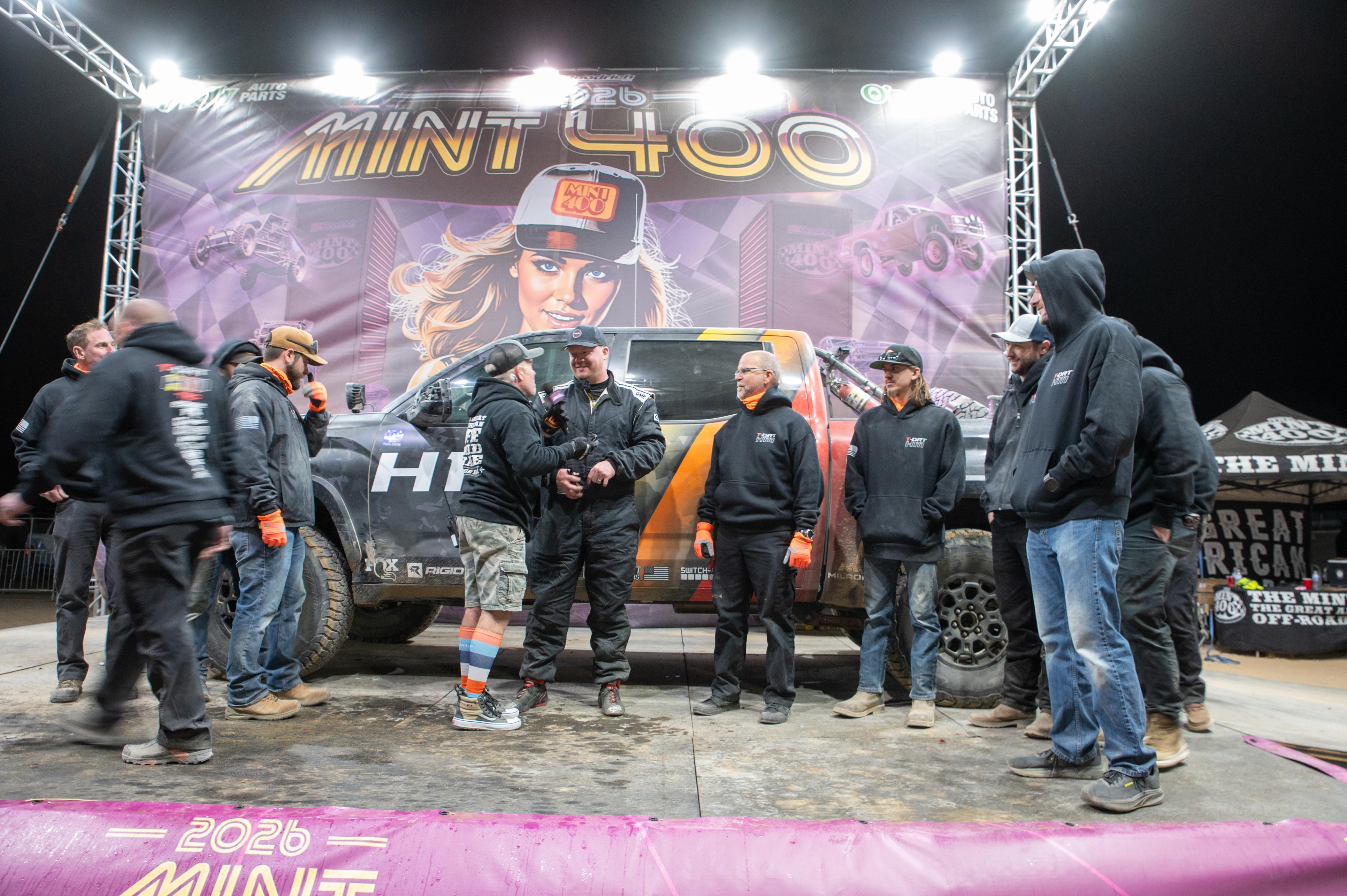
I’m speaking literally, by the way. Few races are as hectic and demanding as the Mint, which makes the team’s finish even more impressive. (A hybrid had never completed a lap at the event, and the H111 Tundra did three.) I spoke with Skylar Watson about this, as he’s one of the lead guys on the project. His official title is Senior Engineer for Vehicle Performance Development.
“It goes way back for me, to 2016 or 2017, I believe, when we launched the electric lime green Tacoma,” Watson told me about the project’s roots. “On that truck, we had a billet upper control arm that started at my desk as a passion project. To be quite frank, I was shopping for billet upper control arms for my Tacoma, and I thought we should have one. I 3D printed it at home, and I was like, ‘We should do this stuff.’ It’s real, it’s more than stickers and stitching. And it’s cool to see the evolution of that one part and the relationship with TRD Costa Mesa kind of grow into now billet parts on our trucks.”
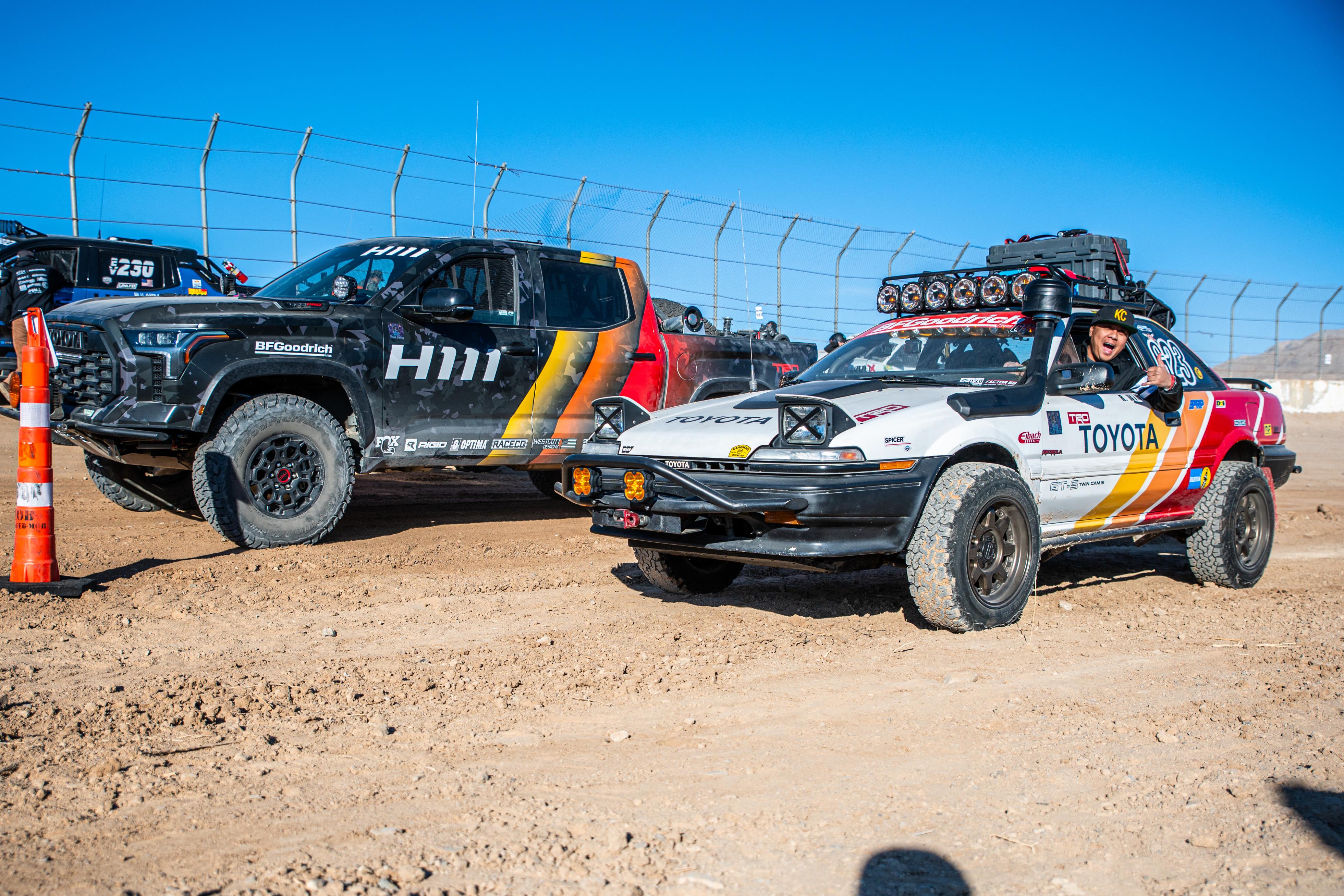
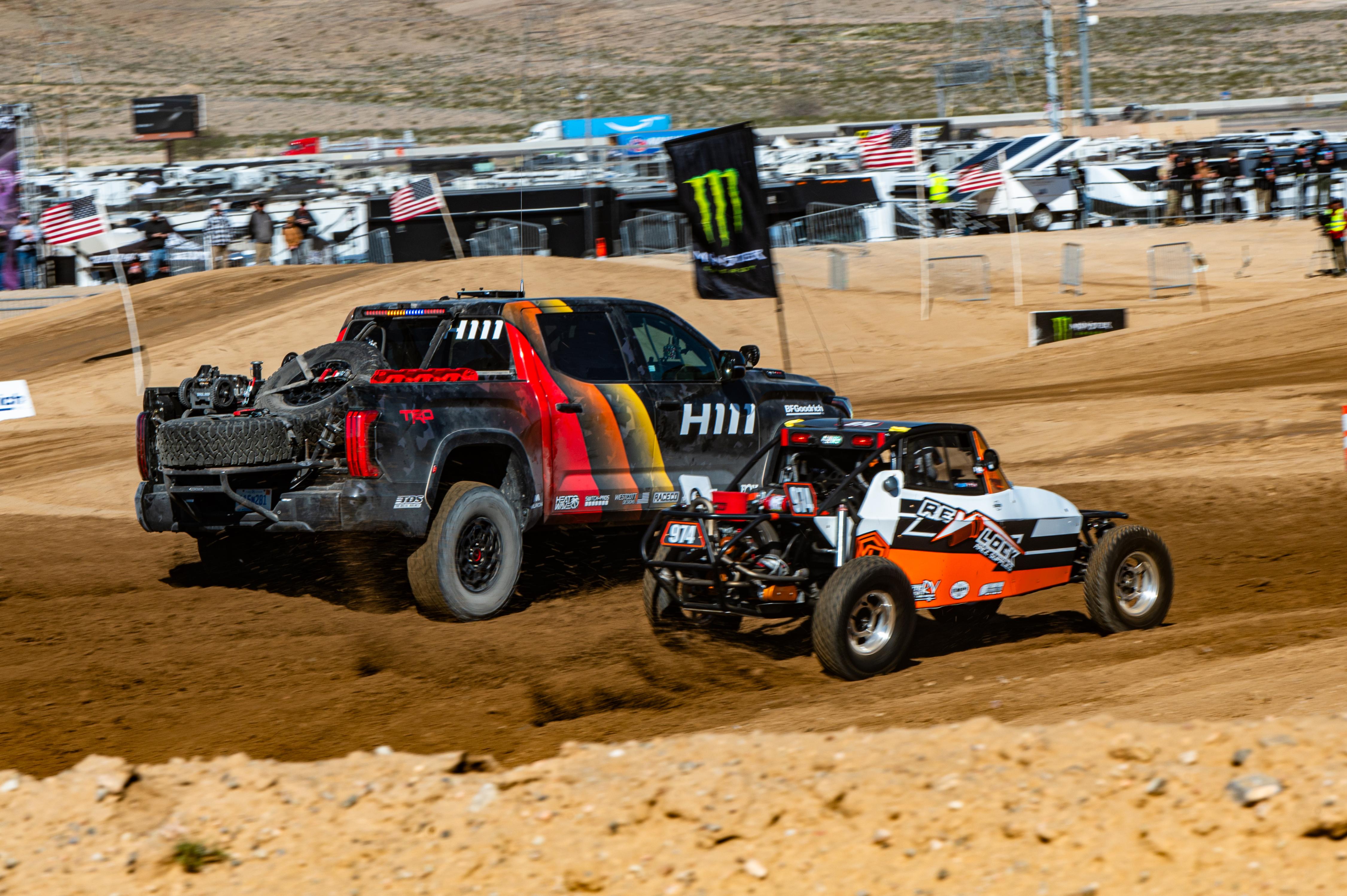
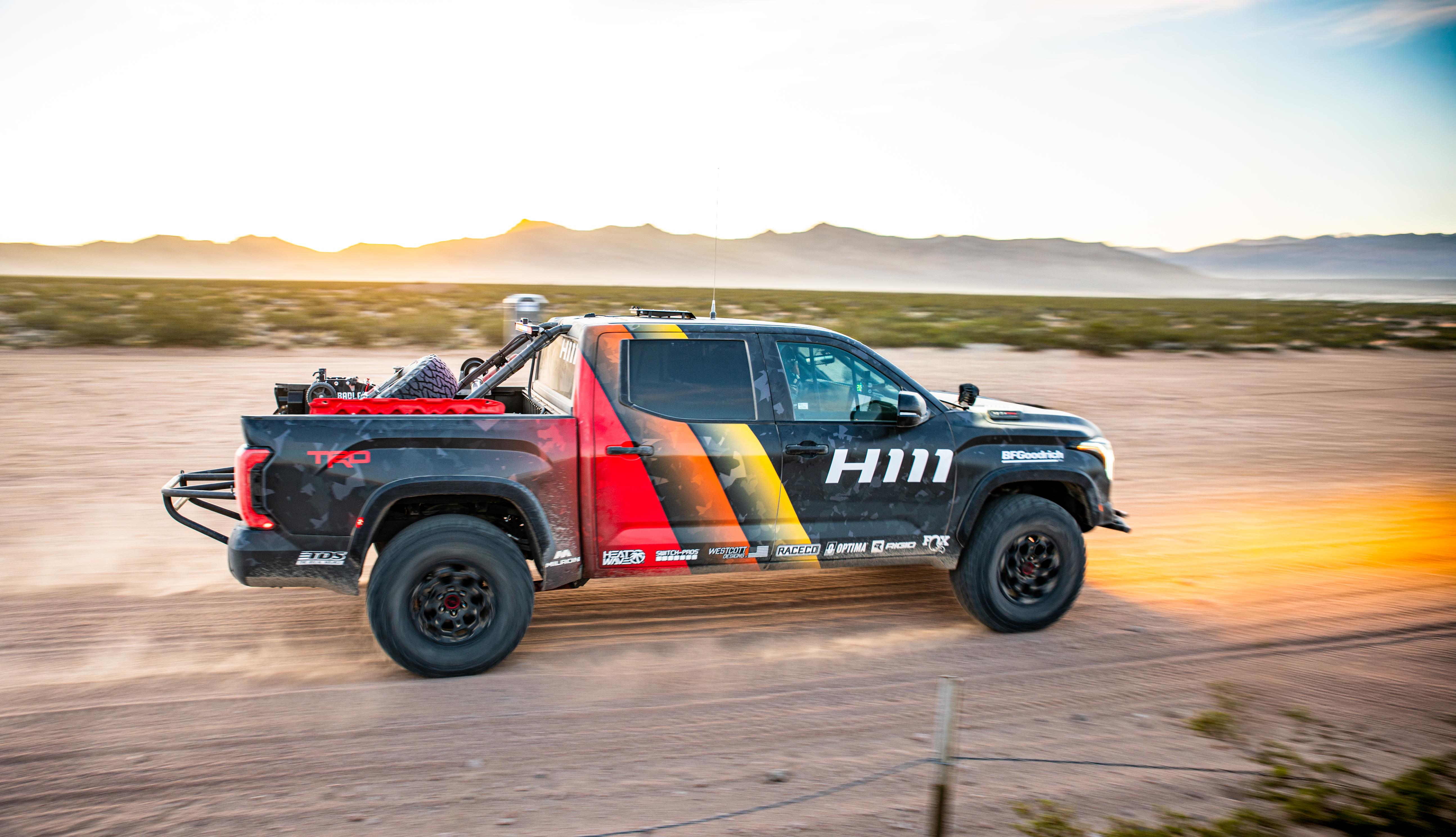
“When we say TRD 2.0, that’s self-coined, but it’s really a movement that I think everyone can recognize,” Watson continued. “You look back to Ivan ‘Iron Man’ Stewart, Cal Wells, Tom Morris at PPI, and what they were able to do for the brand that put Toyota Racing Development on the map. I mean, Iron Man is the king of off-road, and it cemented what the product was for Toyota. So [we’re] drawing inspiration from that, but really on a new platform.”
The truck in question is a pre-production Tundra TRD Pro with more than 100,000 miles on the odometer. That alone is impressive, and when you consider how little was done in the way of modifications, it’s even cooler. Undoubtedly, the most noticeable upgrade on the outside is the 37-inch BF Goodrich tires, which threw off a lot of people who suspected this might be the rumored TRD Hammer. (It’s not—I asked.)
“It actually carried campers in the bed,” Watson explained. “People used it for benchmarking and measurement activities. It was off the line at Texas, but a non-sellable vehicle, so it was one of the pre-production phases we had. The life of that truck is pretty cool because now it’s racing; it’s not something that we use for a lot of stuff. So that’s how I was able to get access to it.”
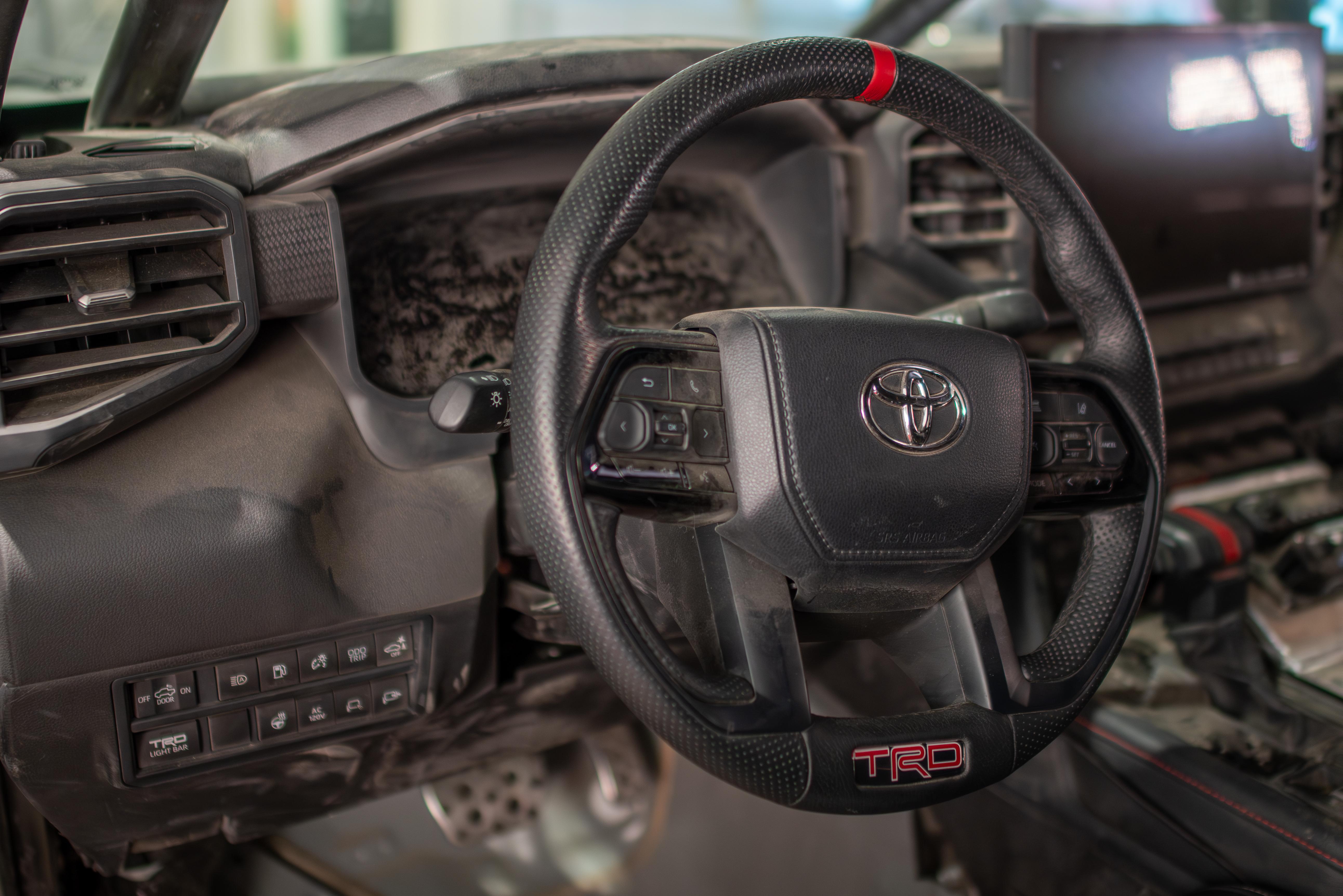
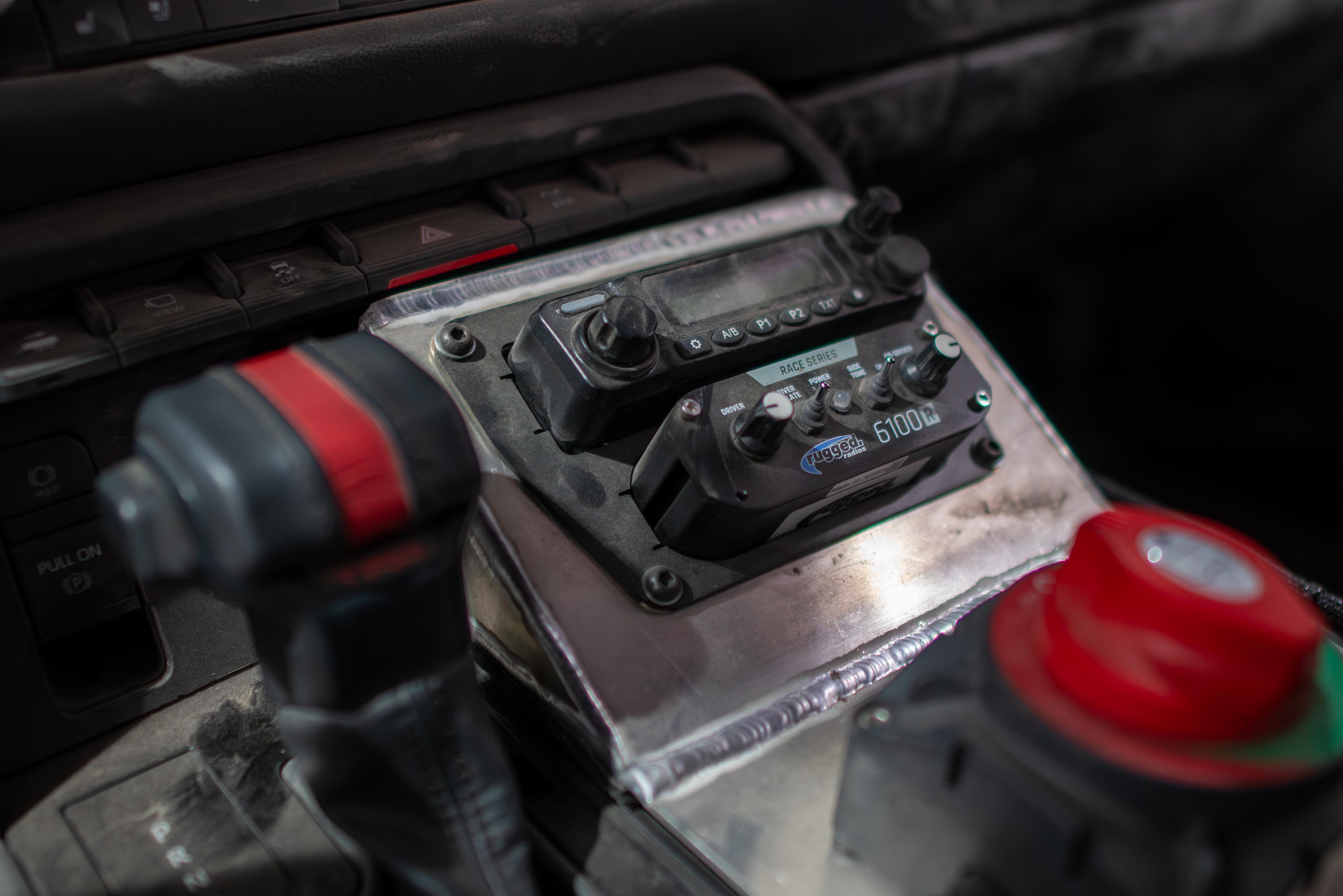
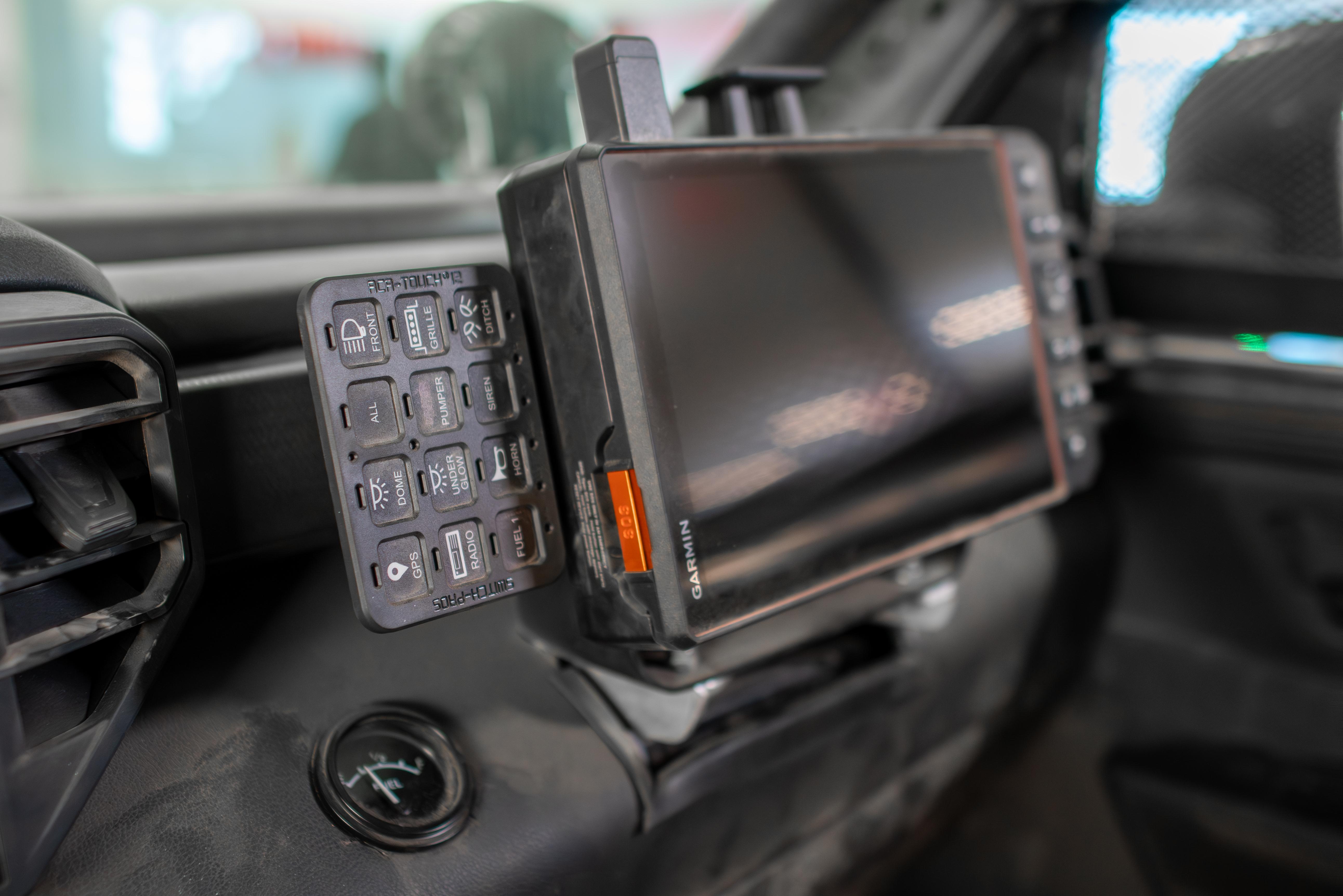
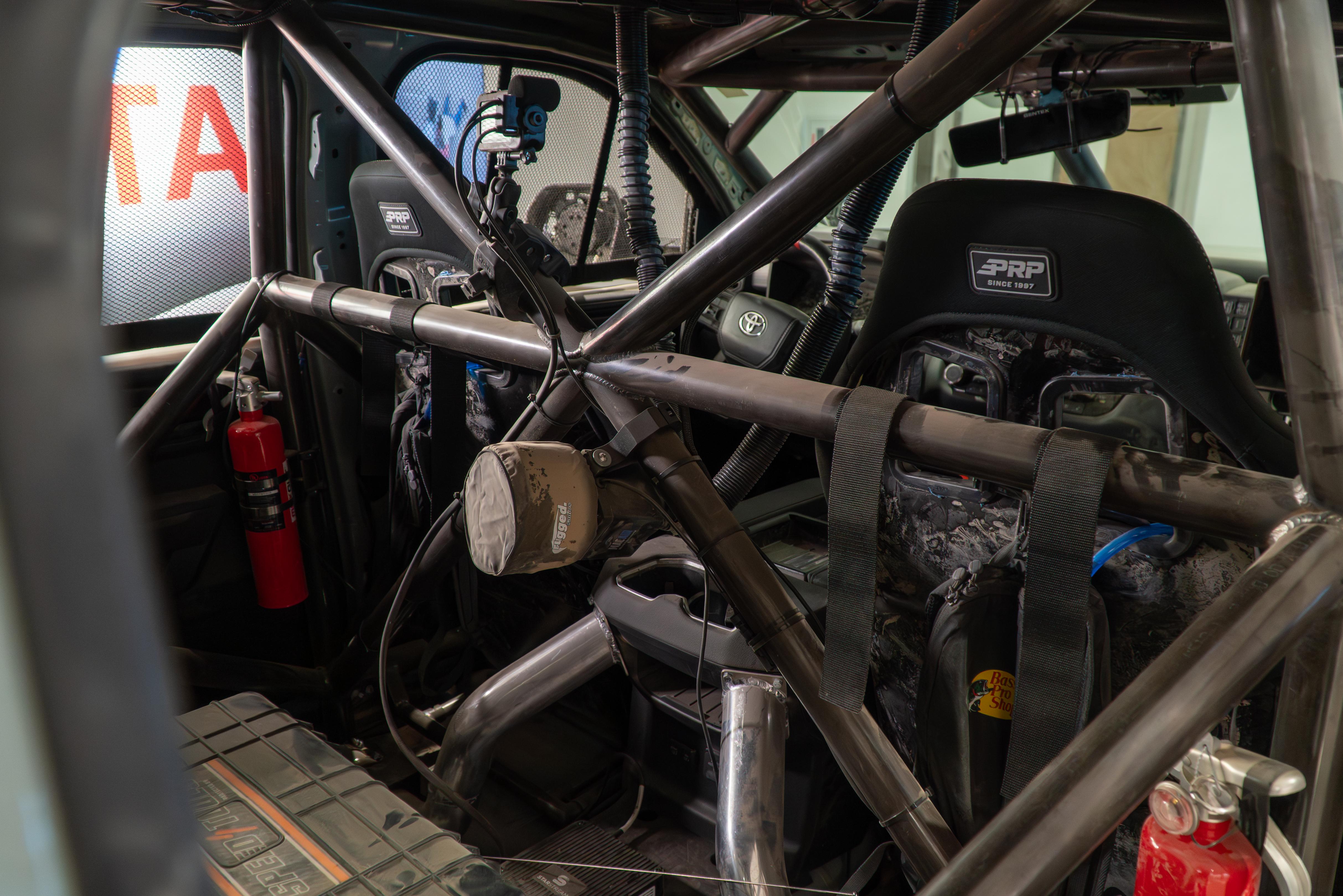
These photos show the interior modifications, most of which were made to satisfy safety regs. Watson told me that the cage was the only job they outsourced; the rest of it was done by them, from rewiring the instrument panel and adding radio comms equipment to cooling the hybrid battery with the truck’s HVAC system.
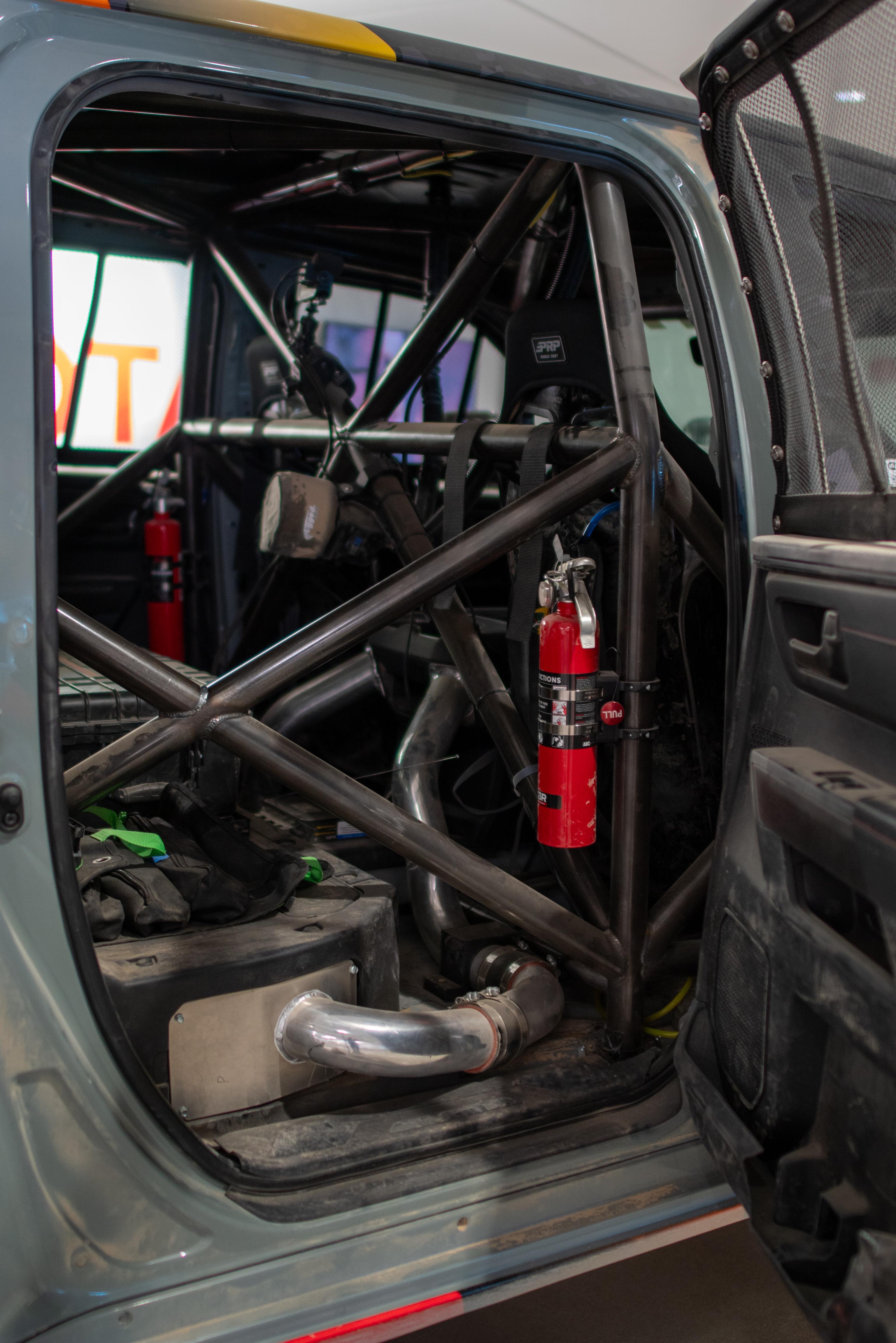
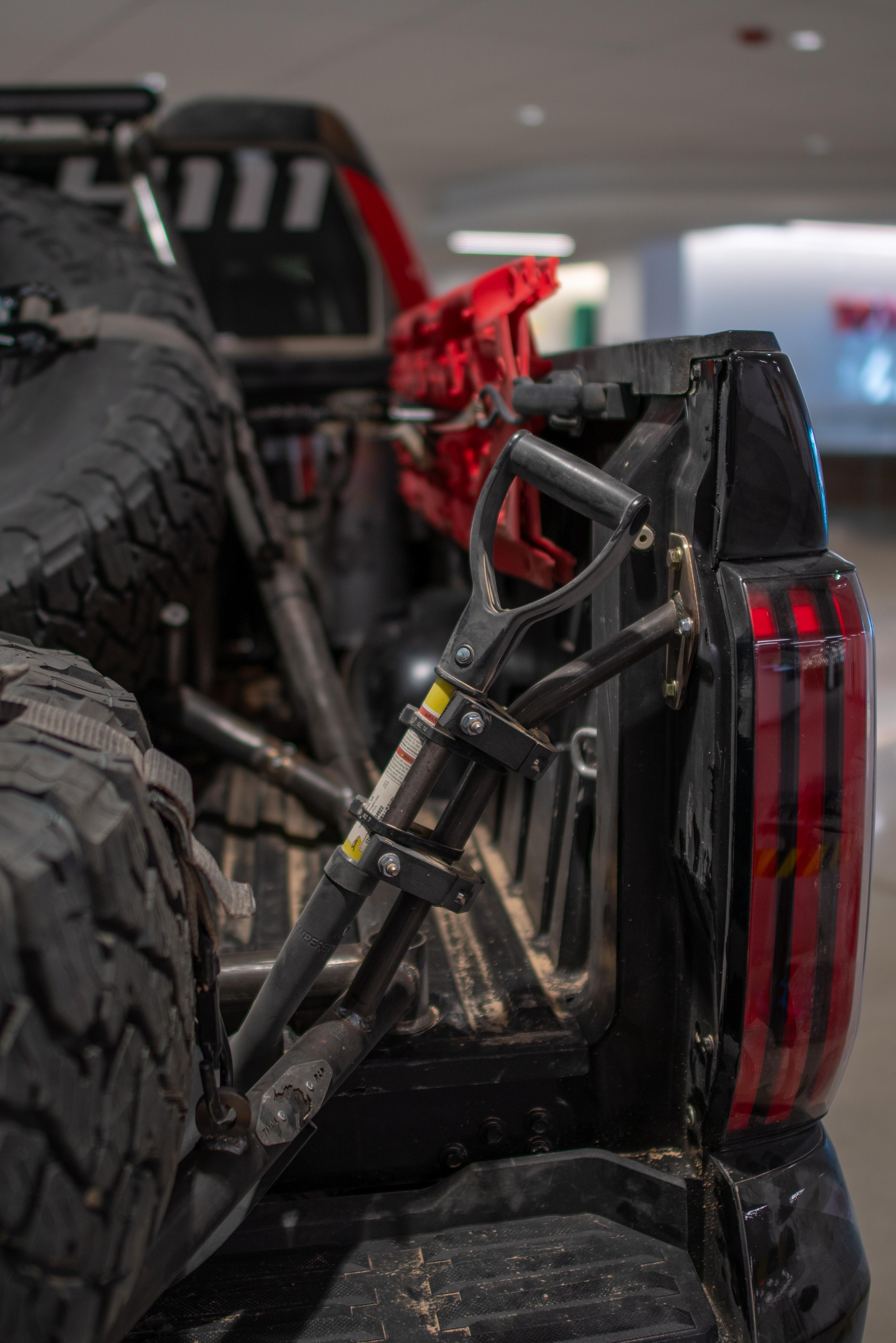
As I kept prying for more info on the Raptor-rivaling TRD Hammer, Watson elaborated on how his team’s experience at the Mint 400 informs their day-to-day work as engineers:
“We have chassis design engineers. We have noise and vibration engineers. We have performance leaders. We have powertrain technicians. We have seat safety technicians. We have a diverse group across the company that is passionate about trucks. And so when we go to an event like the Mint, the vehicle itself is a place for us to rally around and learn a ton from. And then that chassis engineer, that noise and vibration engineer on either their current project or the next one, is taking those lessons learned and applying them. There’s no Toyota standard for the Mint 400 race, but the truck itself was able to compete there because of what we’ve learned in the past. We want to continue to grow the capability that exists in the vehicle and bring that knowledge back to apply to truck stuff.”
In the end, “truck stuff” is what these guys are passionate about, and you can tell. Watson can’t help but share how stoked he is to do this for work, as he posts about it on the unofficial @t_drt___ Instagram (that stands for Toyota Desert Racing Team). The vibe is contagious, and I’m eager to see what else Toyota can cook up in the off-road space. One thing is for sure: It’ll have to be special, because everyone is watching.
Got a tip or question for the author? Contact them directly: caleb@thedrive.com
Loading comments…
Comments couldn’t be loaded. Please refresh the page.