
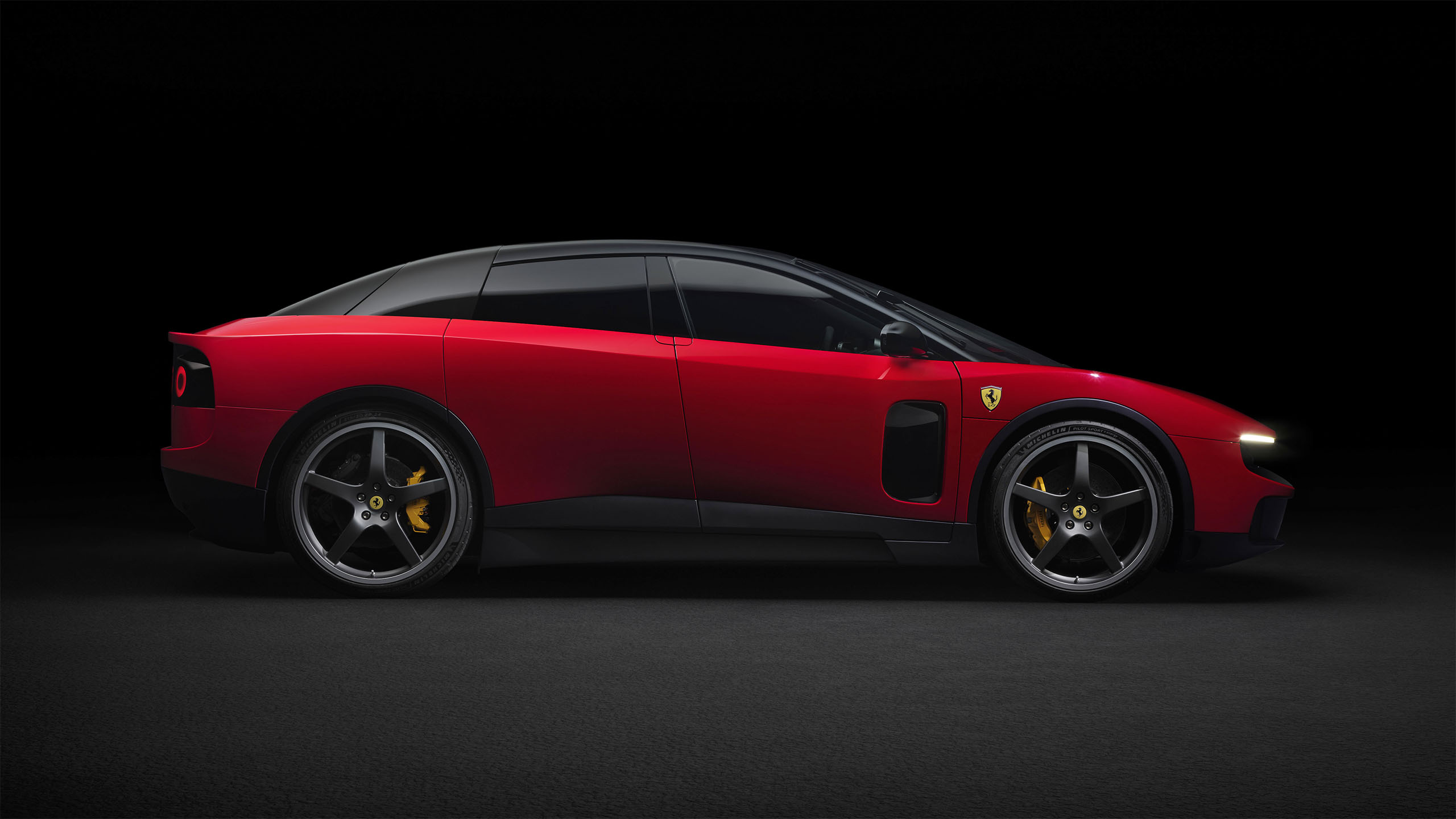
The Ferrari Luce is finally here, and the Internet is not taking it well. While there were some hints, nobody seems to have been prepared for the unorthodox design of Ferrari’s first EV. The Luce has drawn the ire of ordinary commenters and industry bigwigs alike, a backlash that can best be described as a godsend to Jaguar’s PR department. But could the Luce have looked any different? Yes, if Ferrari had the imagination of Honda.
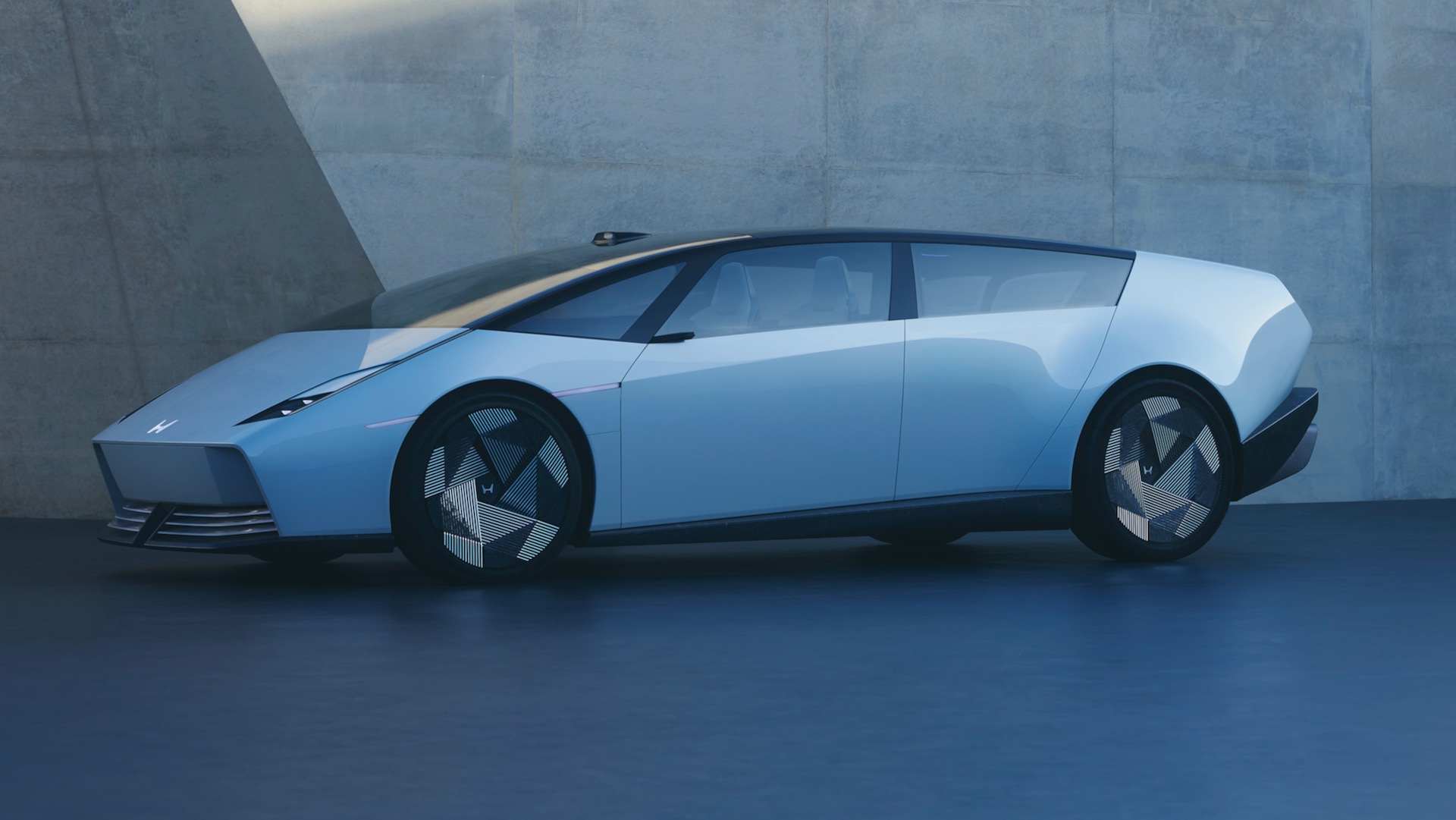
The Honda 0 Saloon—the automaker’s now-canceled EV flagship—would’ve been a better Ferrari EV than the Luce. Its design does everything the Luce’s should have, but didn’t. So it’s in keeping with the disappointing vibe of the current moment that we’re getting the Luce (albeit with a base price reported at $640,000) while Honda lights piles of money on fire, Joker-style, in its desperation to back away from EVs in North America.
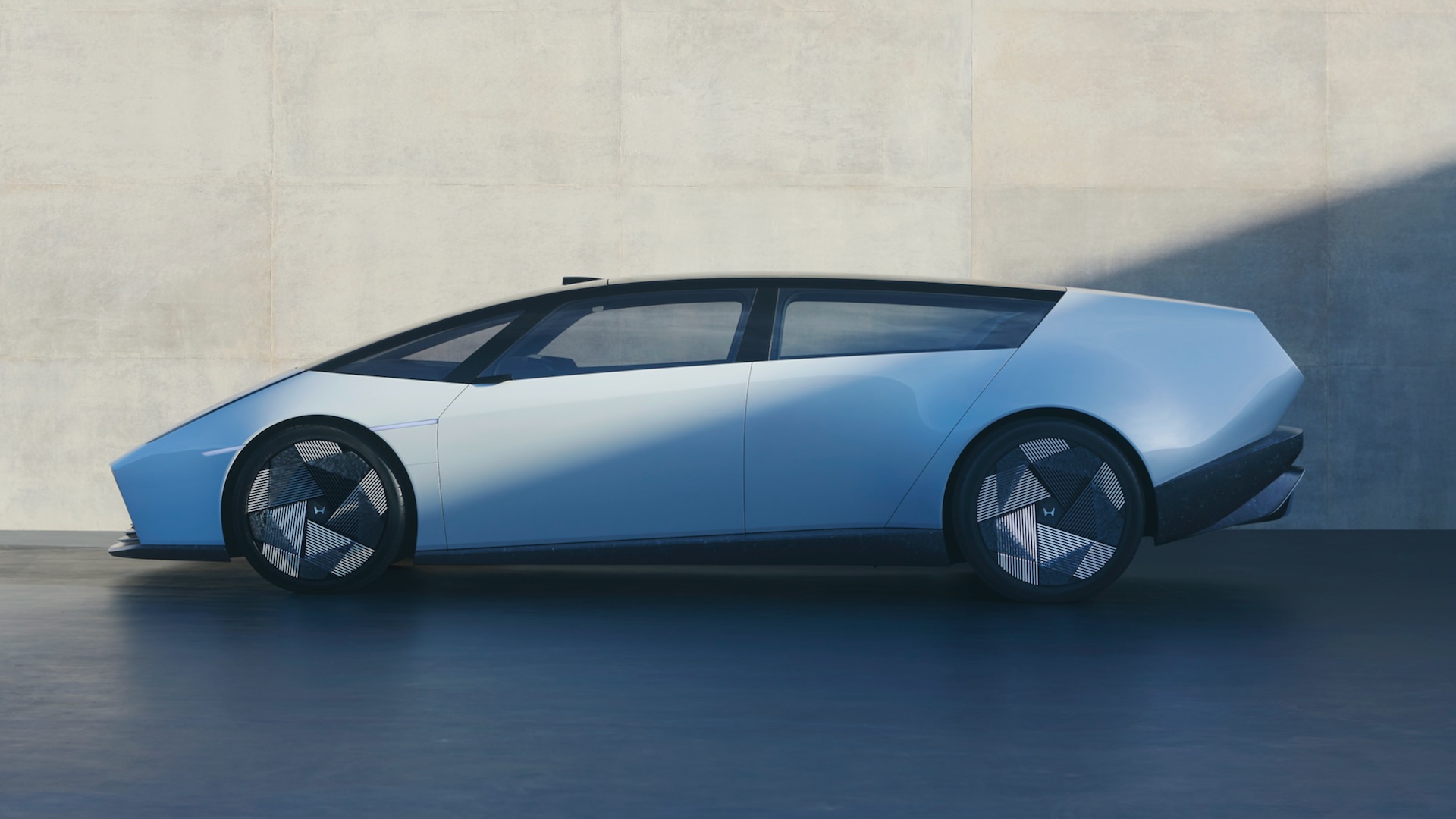
The four-door body style would have likely still offended some purists, but the 0 Saloon had the classic wedge shape of supercars like the Ferrari F40 and Testarossa. Granted, the decision to collaborate with Jony Ive—the industrial designer known for his work with Apple—indicated that Ferrari was looking for a clean break with the past. But the 0 Saloon is genuinely something that hasn’t been seen before, which can’t be said of the Luce.
While it’s packed with interesting details like reinvented windshield wipers, the Luce’s overall shape is that of a generic crossover with surfaces smoothed over for the wind tunnel. We’ve seen this before with the Mercedes-Benz EQ SUVs and Lucid Gravity as well as, with an added big grille and gullwing doors, the BMW iX and Tesla Model X, respectively. Not to mention startups like Faraday Future and Byton. Like the three-box sedan, this shape has been repeated because it works. But it’s reasonable to expect more from the first electric Ferrari.
The Luce is a disappointment because Ferrari played it safe. Its design innovation is in details that need explaining, like the setup for a bad joke, rather than the overall impact of seeing the entire car. The 0 Saloon, on the other hand, generated a spark of emotion even in the cold, dark void of this jaded writer’s heart. When Honda showed the concept version at CES 2024, it was the good kind of shocking. And when Honda showed a more-refined “prototype” at CES 2025 that the automaker claimed was close to production-ready, it seemed too good to be true. As things turned out, it was.
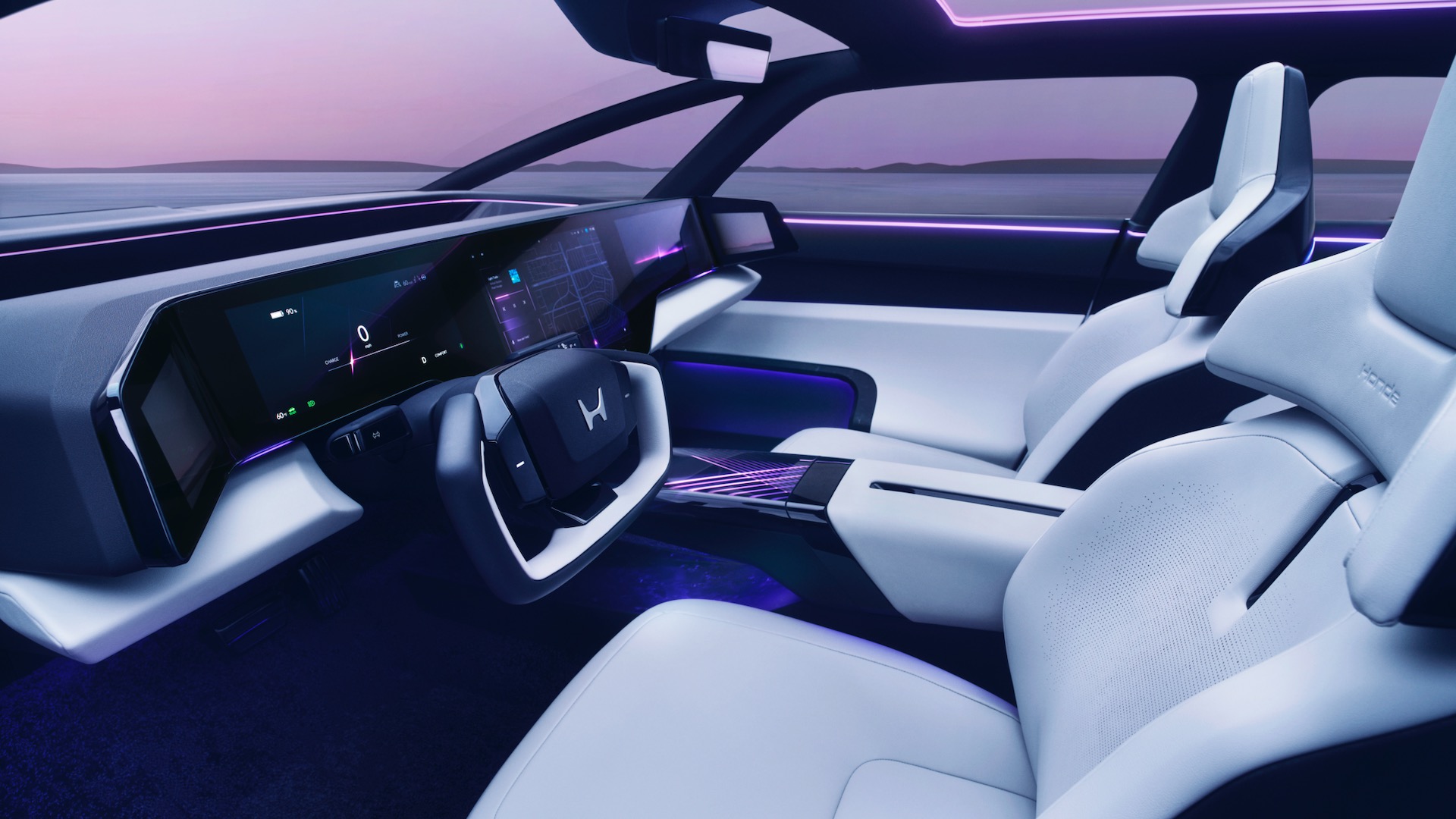
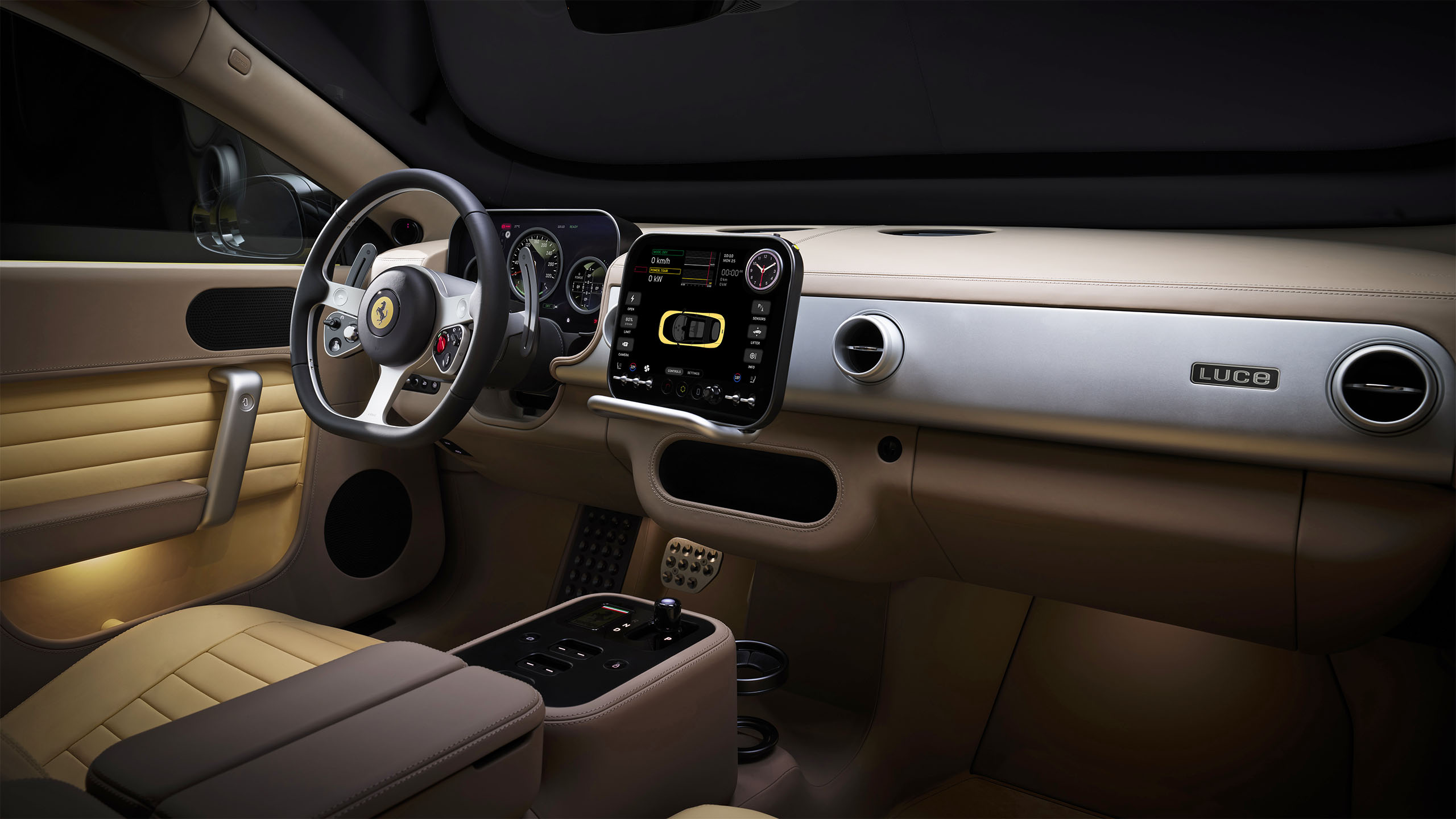
The Honda design isn’t better in all respects. The Luce’s interior looks a lot more appealing, and the user interface should be more functional than the 0 Saloon’s screen-heavy setup. And the Luce does have Ferrari-worthy specs (although key figures are close to the much cheaper Porsche Cayenne Turbo Electric). But when it comes to the exterior styling, Ferrari and Ive failed to see the forest for the trees, becoming fixated on the EV-ness of the thing. Honda’s designers simply made an interesting, sharp-looking car.
Loading comments…
Comments couldn’t be loaded. Please refresh the page.