
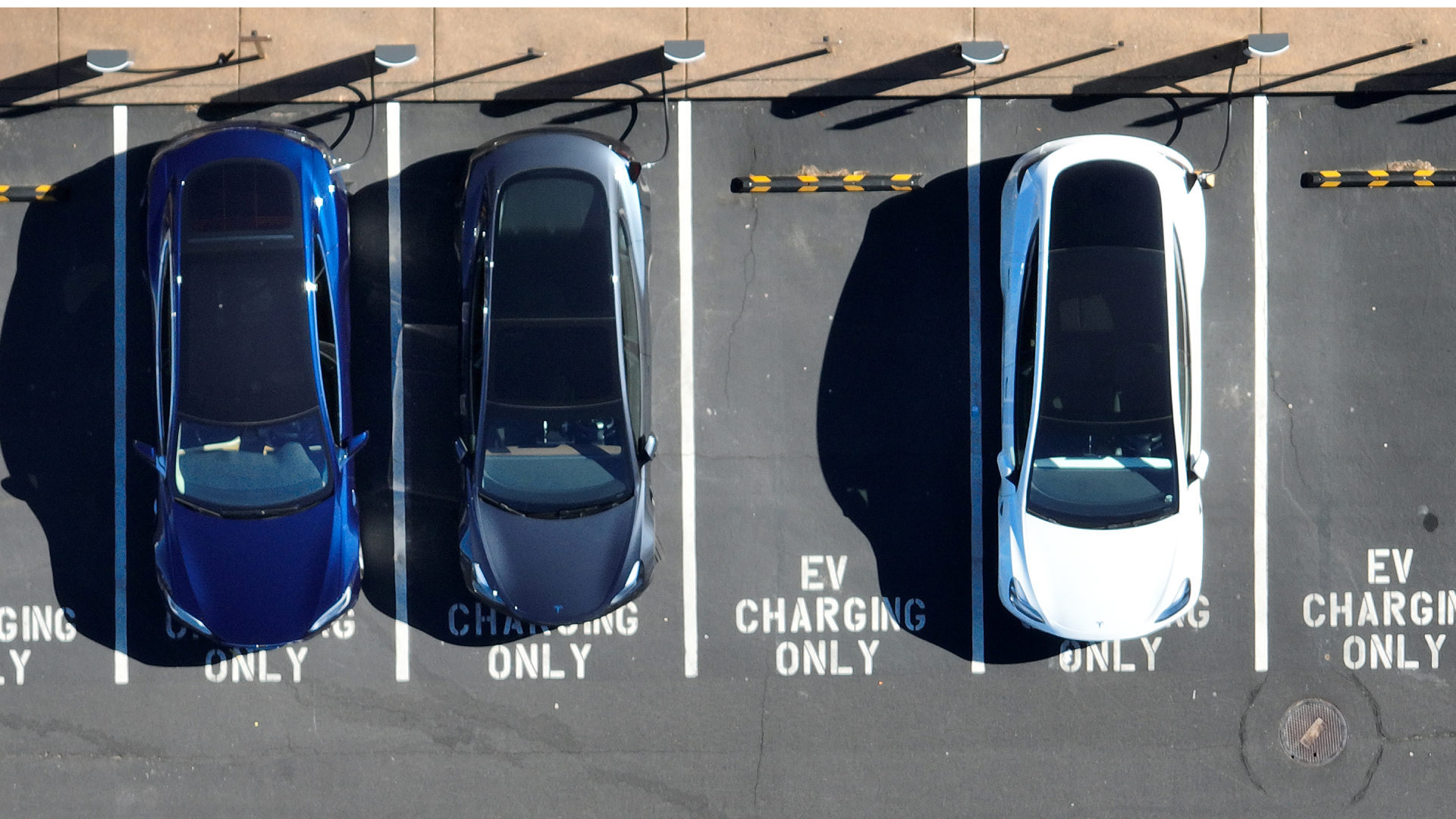
As automakers push for more powerful EV charging to deliver faster charging speeds, battery packs could be exposed as a weak point. Frequent DC fast charging isn’t great for the long-term health of EV batteries, and older batteries are less able to sustain aggressive charging. As with so many other things in today’s world, researchers wanted to see if AI could be a solution.
In a new paper published by IEEE, researchers from Chalmers University of Technology developed a “health-aware” charging algorithm that can read a battery’s state of health and adapt charging behavior accordingly as the battery ages. In simulations, this reduced projected degradation enough to prolong a battery’s usable life by about 23% while maintaining the same charge times as new batteries, researchers claim.
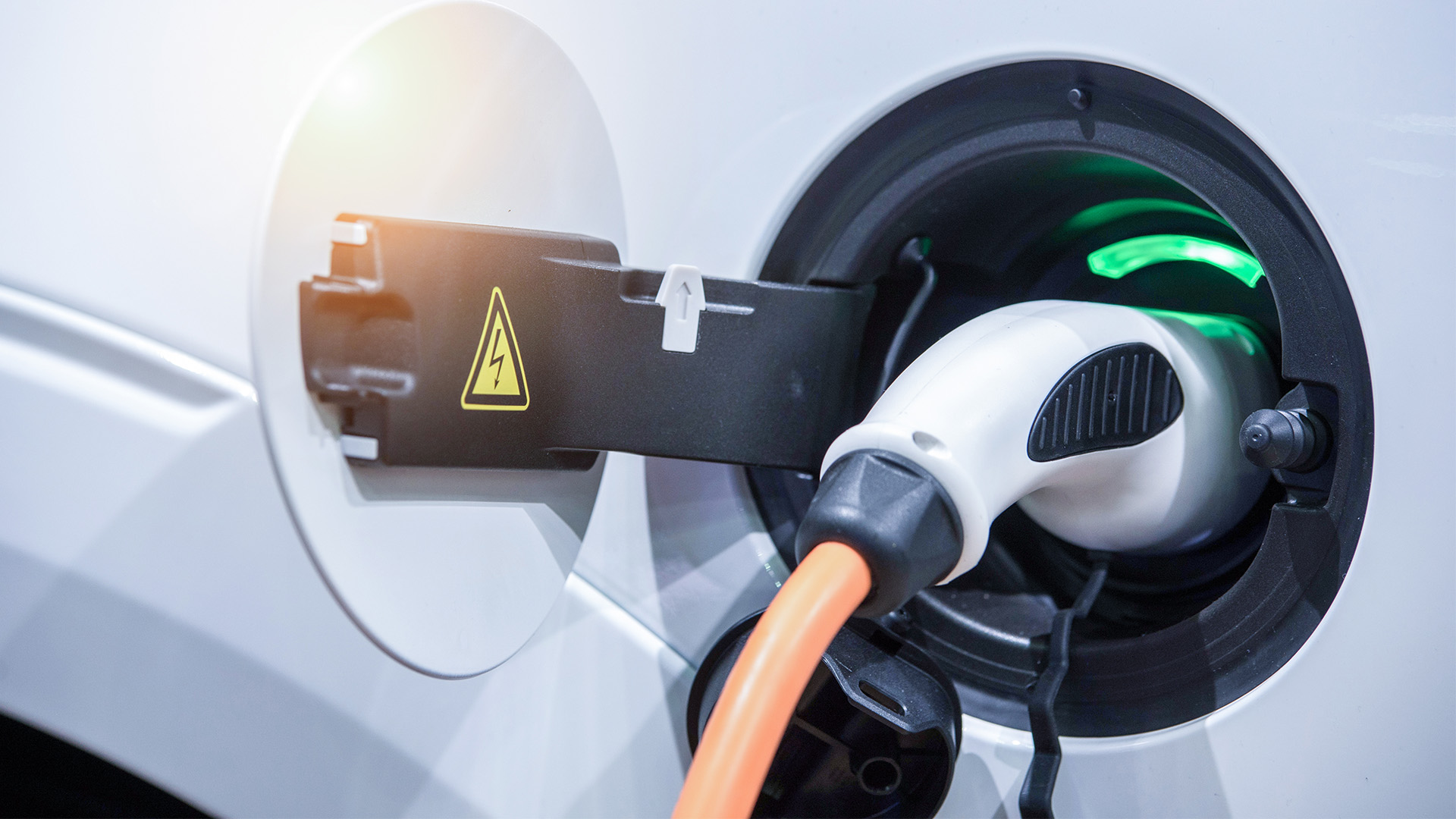
The AI-based algorithm is capable of interfacing with a battery monitoring system, “learning” the battery’s state of health as it ages, and looking for trouble signs. And researchers claim this method is effective enough to negate the need for dedicated sensors to monitor the battery itself. Most automakers already determine battery health by monitoring voltage at the cell level, but researchers seem to be suggesting that analyzing the chemical reactions inside the cell would be needed to produce an equivalent effect.
Based on a battery’s health, the algorithm can slow down or speed up charging by setting different voltage limits. Using this method, the simulated battery made it through 703 charge and discharge cycles before capacity dropped below 80%, according to the paper. A simulated battery charged at constant voltage throughout only made it through 572 cycles. And charging times remained essentially the same, at 24.15 minutes for the traditional method and 24.12 minutes for the AI method.
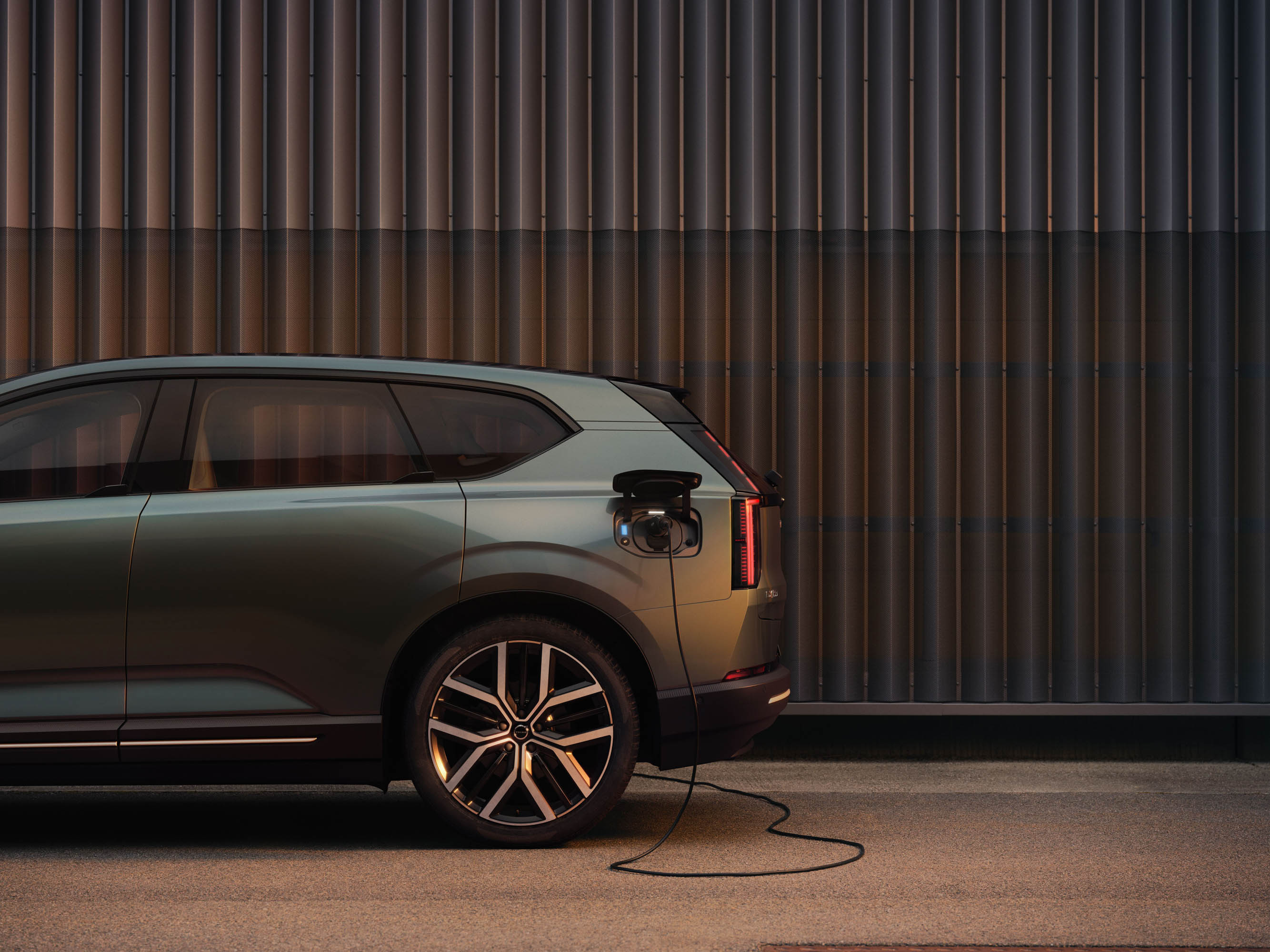
Promising research projects don’t always become commercially viable products, but software that can monitor battery vitals in real time and adjust charging accordingly is making that leap—whether it gets the “AI” label or not. At CES that year, GBatteries unveiled its own charging software, while Breathe was spun out of an Imperial College London research project. The latter is now partnering with Volvo to provide charging software for the automaker’s new generation of EVs, starting with the 2027 EX60. In addition to preserving health, Breathe claims it can improve charging speed by as much as 15-30% with real-time data monitoring.
Loading comments…
Comments couldn’t be loaded. Please refresh the page.