
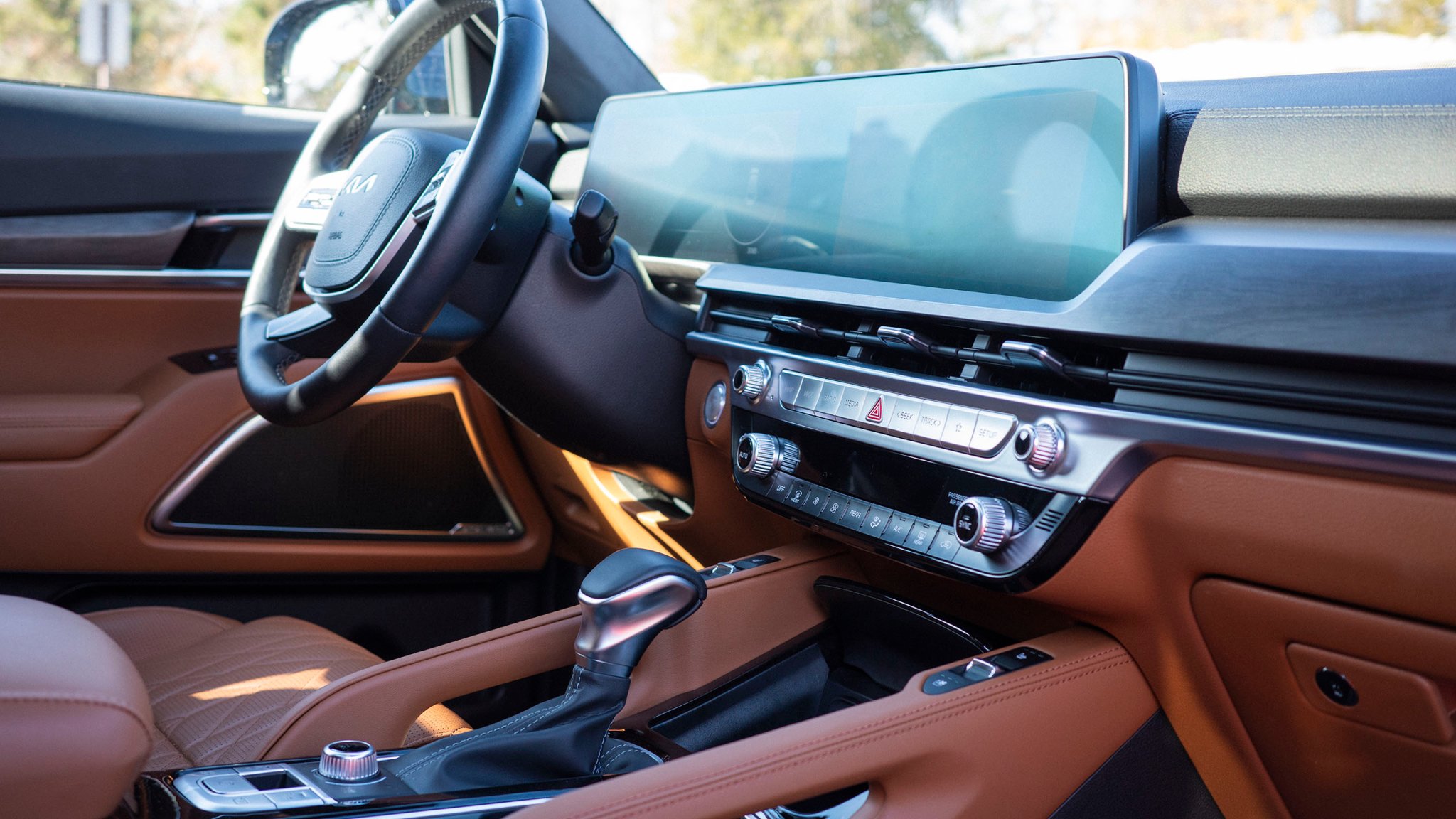
Lately, I’ve been reviewing a lot of Hyundai Group products, and generally, I’ve been pretty impressed. The Elantra N is a reasonably priced riot, the Santa Cruz is surprisingly enjoyable to drive for a compact ‘ute, and the Genesis G80—for which I’ve got another review around the corner—is a refreshing change of pace from most luxury sedans that inundate you with pointless tech. But some of them are also afflicted by a cost-saving measure that has started to grind my gears, and it has to do with their USB ports.
Of the vehicles I mentioned above, this only applies to the Hyundai Elantra N; it also pertains to another I recently drove, the Kia Niro PHEV. However, I got a Kia Telluride this week, and it’s a nice one: a fully loaded, SX Prestige X-Pro model, with a sticker of $56,240. It’s not a cheap vehicle. And yet, the very first time you go to plug your phone in for Apple CarPlay or Android Auto, you’re faced with a question: Do you use the big USB-A slot—you know, the one computers have had for decades—or the newer, smaller, bi-directional USB-C port, that you’re probably more familiar with on your mobile devices?
See, older Hyundai Group products have both ports, and on the surface, I’m fine with that. Actually, it’s a positive. I love it when something I own, be it a laptop or a car, has legacy connections on it, because that makes it more flexible. The problem here is that in these vehicles with both ports, only the older one works for phone projection. The other, modern one is just reserved for charging.
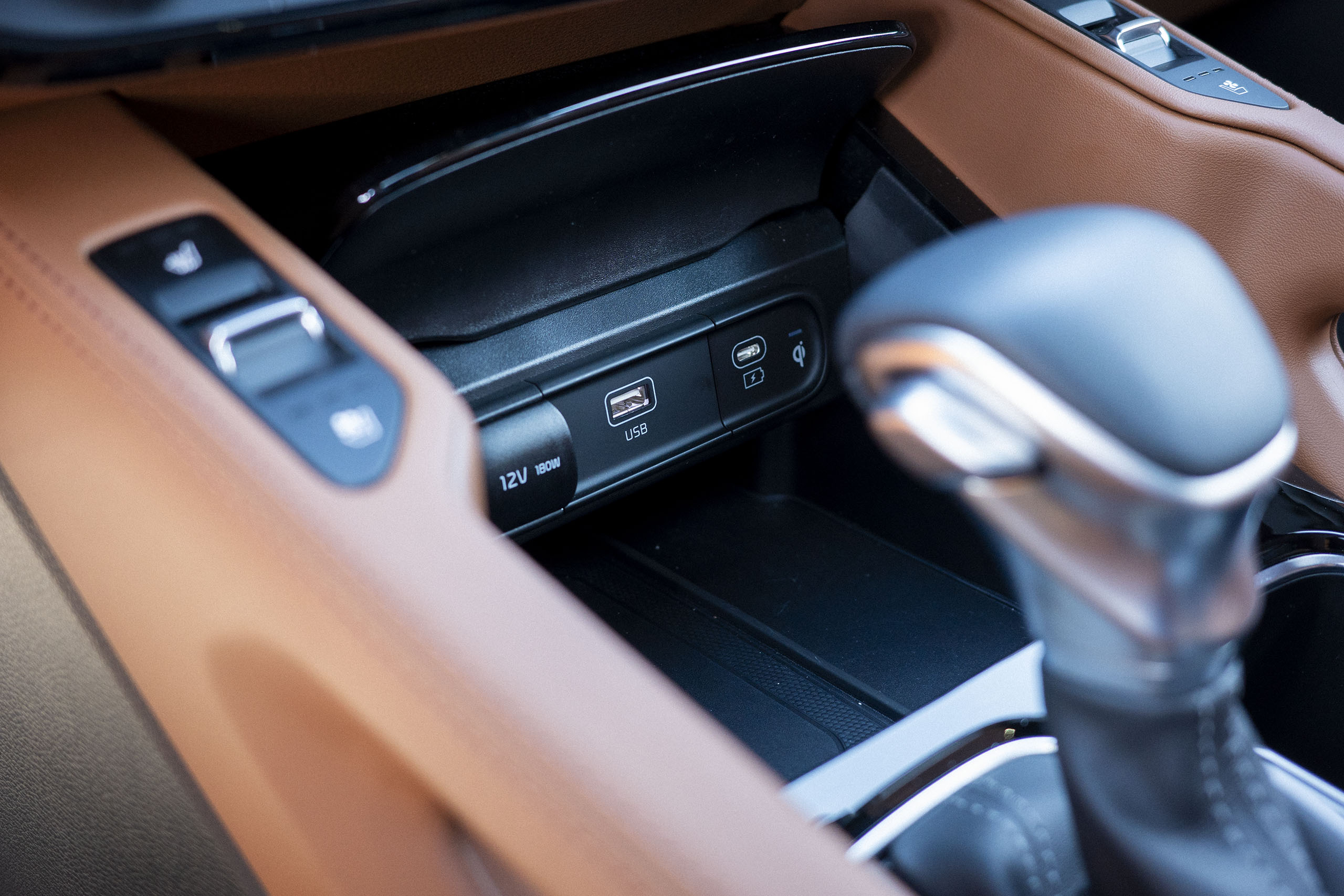
This is strange to me, because if you’re going to the trouble of adding a new port, why on earth would you limit its capability in this fashion? It’s a pain in the ass—personally speaking, anyway, since I have the unique job of driving a car for a week and then switching into a different one. Yeah, this is truly a first-world problem.
Still, at a time when pretty much everything in 2025 includes a USB-C port, to the point that you never have to think about it, it’s frustrating to have to dig up a USB-A-to-C cable. Maybe you still have one lying around; I only have a few because I used to review phones for a living before cars, but my stock has slowly dwindled over the years.
Newer Hyundai products, like the refreshed Santa Cruz, simply have two USB-Cs for both data and charging, which is great. And I’m sure that when the next-gen Telluride emerges, it won’t have this quirk either. I haven’t even mentioned the fact that the SUV I’m currently testing lacks Wireless CarPlay. Frankly, that’s something I can live without—wireless phone projection is almost always a laggy battery hog for me—but I know plenty of people dig that feature, and it’s become ubiquitous these days, even in cheap cars.
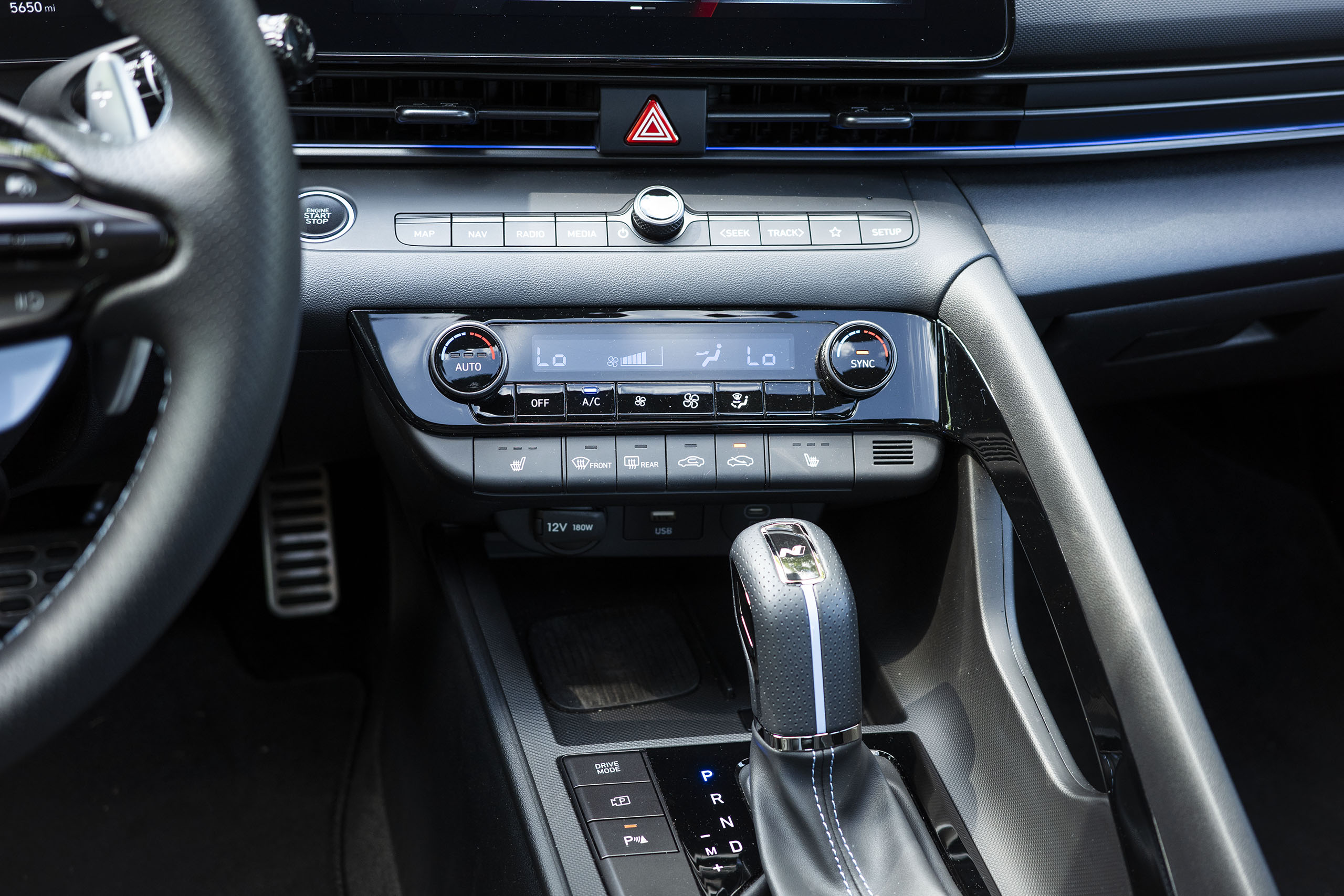
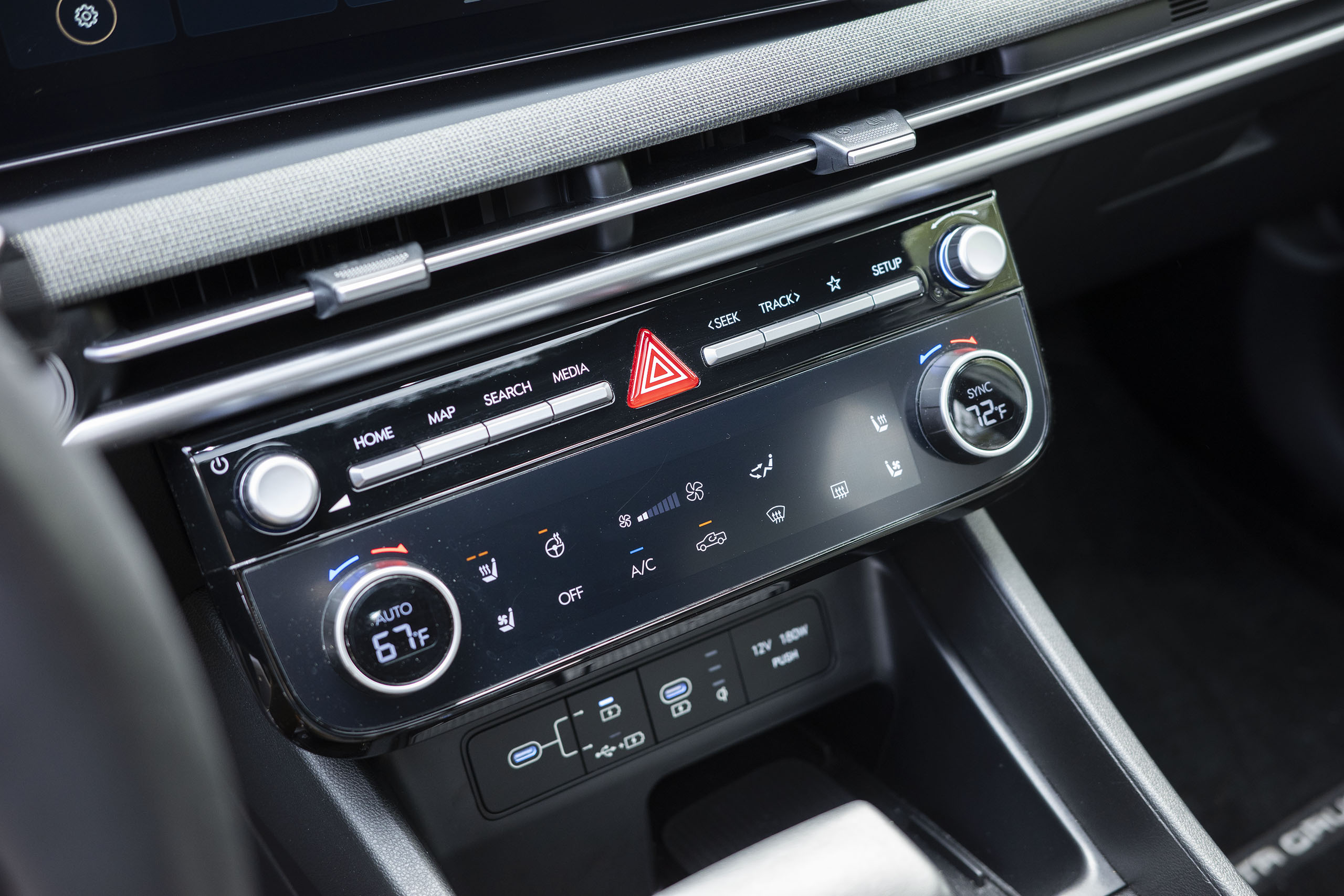
The USB port thing, though, strikes me as a degree of cost-cutting that Hyundai really should have moved past years ago, particularly when even the Nissan Juke is more up to date, and I couldn’t ignore it anymore. I’ve got plenty of nicer things to say about this Telluride, though, so hang on for that.
Loading comments…
Comments couldn’t be loaded. Please refresh the page.