
Reports of catalytic converter and even taillight thefts are nothing new. But as cars get more complicated, the parts that a thief can yank off and resell turn even bigger profits. Among the latest casualties are the ADAS radar sensors on the front of many modern cars.
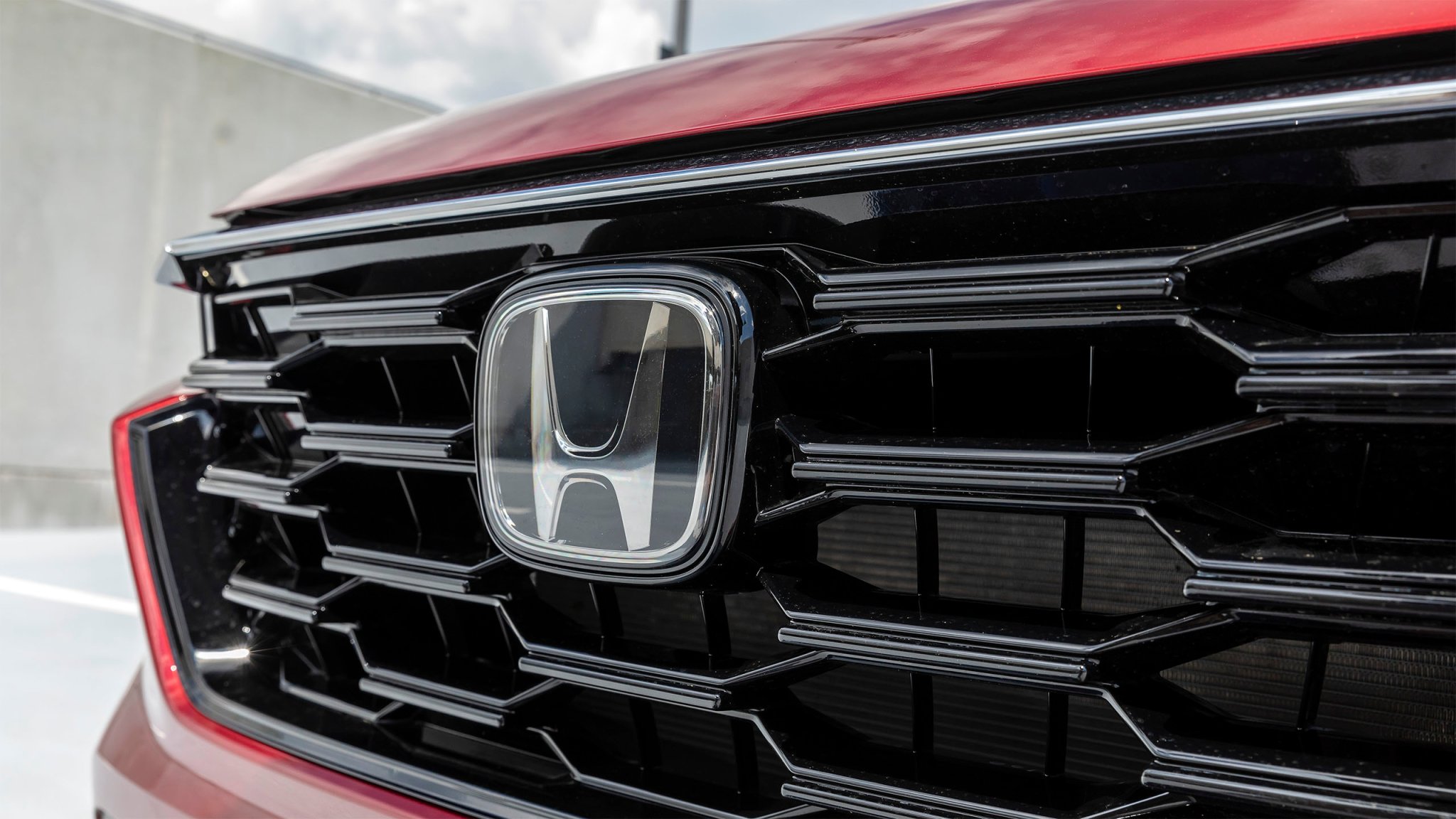
Some vehicles—particularly Hondas, and most notably the hot-selling CR-V—stash the distance sensors responsible for features like automatic emergency braking and radar cruise control behind the badge up front. All it takes to make off with them is prying loose the clips that hold everything in place.
Those sensors are then sold online for a couple hundred dollars. Unfortunately, buying a legitimate one to replace what’s been stolen can cost five, 10, or even 20 times that if your dealer’s service department is especially greedy, which is a big part of the problem here.
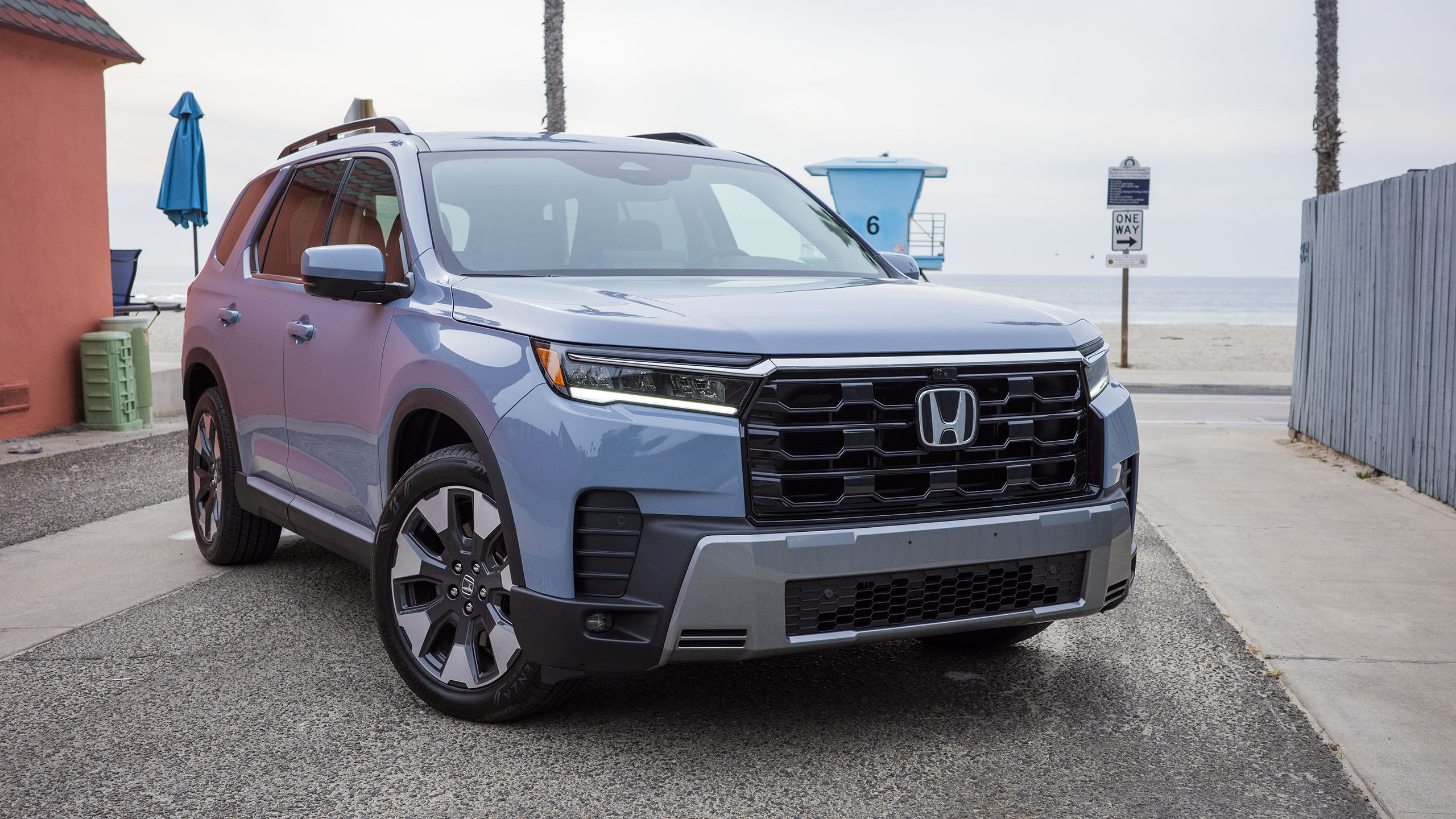
This growing trend has earned the attention of local law enforcement, particularly in the Baltimore area, where one officer told CBS affiliate WUSA9 that eight of these had been stolen in the past month alone.
The trouble is, there isn’t a whole lot you can immediately do to keep your car safe. Unlike catalytic converters, a criminal doesn’t have to lift the vehicle to do the job, and sedans and compacts are spared no more than lifted pickups and SUVs. Parking so that your car is facing a wall is a good deterrent, but that’s not always possible. And certain models will naturally be more vulnerable than others, because thieves know which are prime candidates, as AutoPacific consumer insights analyst Robby DeGraff points out.
“These aren’t just thieves pulling up into your driveway in the middle of the night with a sawzall, making all sorts of ruckus for ten minutes, and then heading to the scrap yard the next morning to offload platinum and palladium,” DeGraff told me. “This operation is far more discreet, targeted, and thought-out.”
DeGraff said that he’s unsure how automakers could quickly mitigate this problem. Plenty of cars position their ADAS cameras and associated sensors behind the windshield. That placement is obviously ideal in these circumstances, but it’d take a whole new product cycle or generation for an automaker to relocate all that gear. DeGraff raised the possibility of a “kill stop” that would essentially brick the sensor after it’s been detached from the vehicle, but that requires new software.

Hundreds of dollars behind your Honda Emblem and how to protect you from a $1000+ repair bill
Perhaps due to their ease of access and ubiquity, new Hondas are the main target these days. The silver lining, if one could be argued, is that the aftermarket has stepped in to deliver anti-theft systems for the afflicted parts. One, from a company called Miller CAT, supports the CR-V, Accord, and Pilot, and places a metal bracket with security hardware behind the sensor, making it much more time-consuming to remove. Another, by Theft Protection Solutions, sits between the badge backing and the plate that covers the sensor on CR-Vs.
If these thefts become common enough, perhaps Honda could have dealers install a similar item of its own design. Unfortunately, automakers don’t tend to react to this stuff unless they’re forced to.
Got a tip? Reach out to tips@thedrive.com
Loading comments…
Comments couldn’t be loaded. Please refresh the page.