
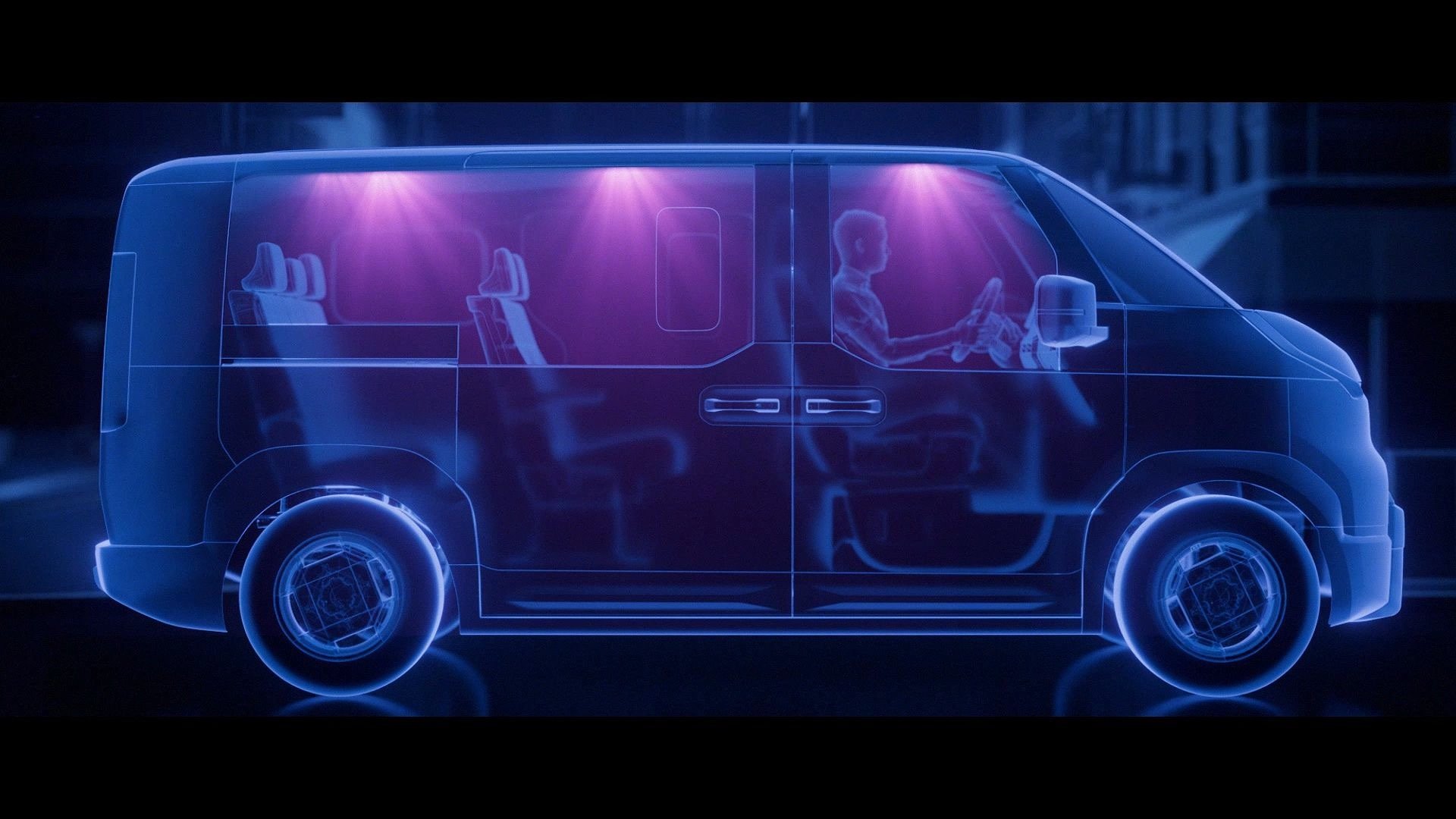
You might have left ultraviolet light sanitizers behind with other bad memories of the coronavirus pandemic, but not Hyundai and Kia. The two automakers have developed hardware that can sanitize entire car interiors—with people inside.
The concept is called Plasma Care UVC, and in a press release Hyundai and Kia claim it’s the first of its kind. It uses far-ultraviolet C (far UVC) light in the 200-230 nanometer wavelength range. That specific wavelength provides enough energy to kill bacteria and viruses, but not enough to penetrate beyond the protective outer keratin layer of human skin, the automakers claim, making it safe for use in occupied vehicles. It’s at the lower range of wavelengths used by conventional UV sterilizers, but less powerful than UV emitters used to treat skin diseases or for industrial applications.
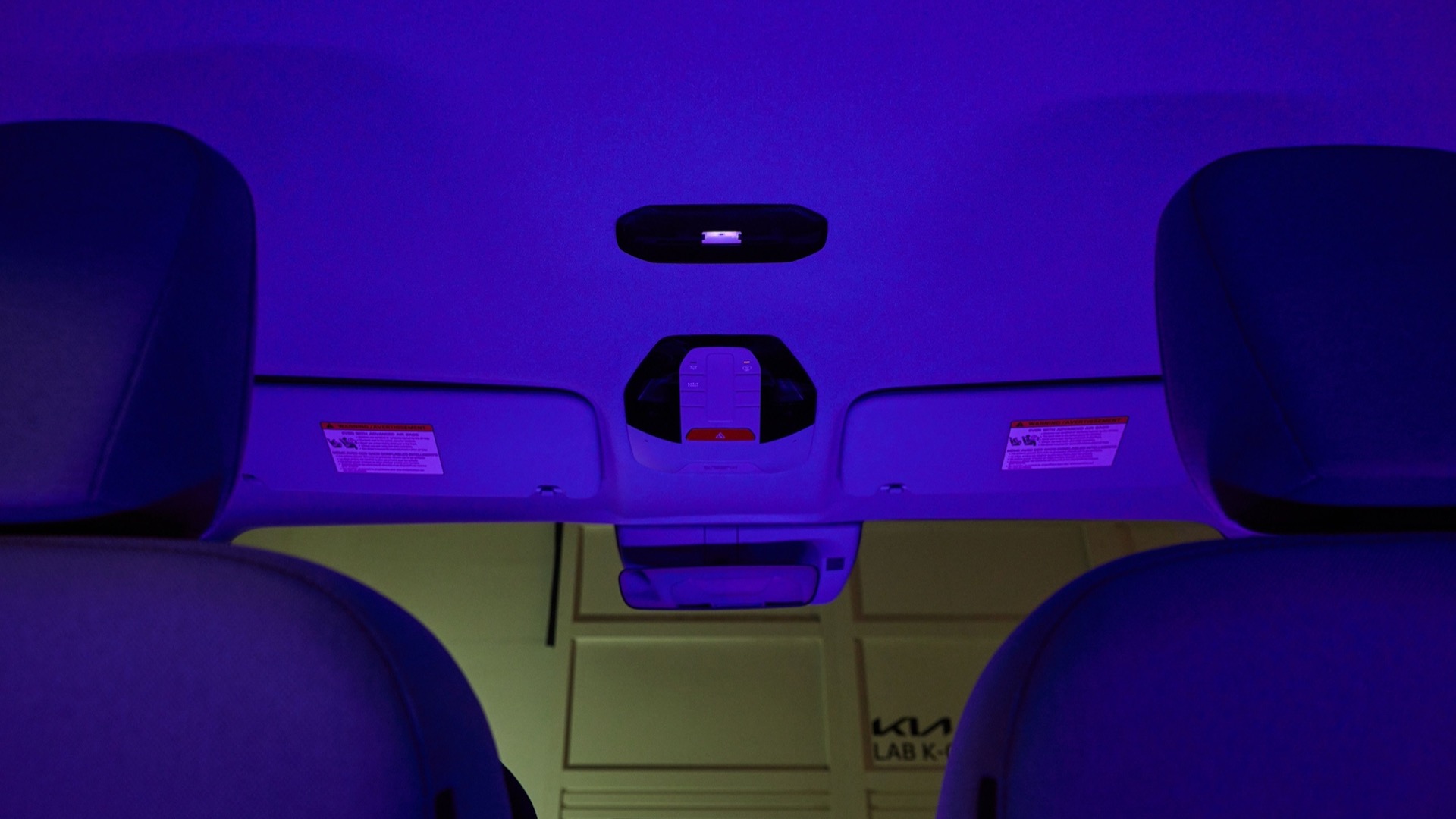
Far-UVC tech has already been proposed for use in hospitals and schools, the release adds, but some modifications were needed to work in cars. The more confined space, closer proximity of occupants to UV emitters, and the plethora of electronics in a vehicle’s interior all presented issues, according to the automakers. Components were shrunk to fit, and put through the same durability testing as anything else that goes into a car interior. A plasma lamp was used because it’s better at reaching the 200-230 nanometer wavelength than the typically-used LEDs, and a filter was applied to provide an extra level of safety.
Engineers tested the hardware in a roughly 282-cubic-foot chamber designed to simulate a car interior, claiming a 96.8% reduction in airborne viruses within 30 minutes. In a more conventional lab environment, the same hardware eliminated 99.9% of pneumonia-causing bacteria after 30 seconds, and completely eliminated the bacteria after 60 seconds. In a third test using a Kia PV5 , the UV treatment killed 99.9% of E.coli in the electric van’s cabin after 40 minutes of use.
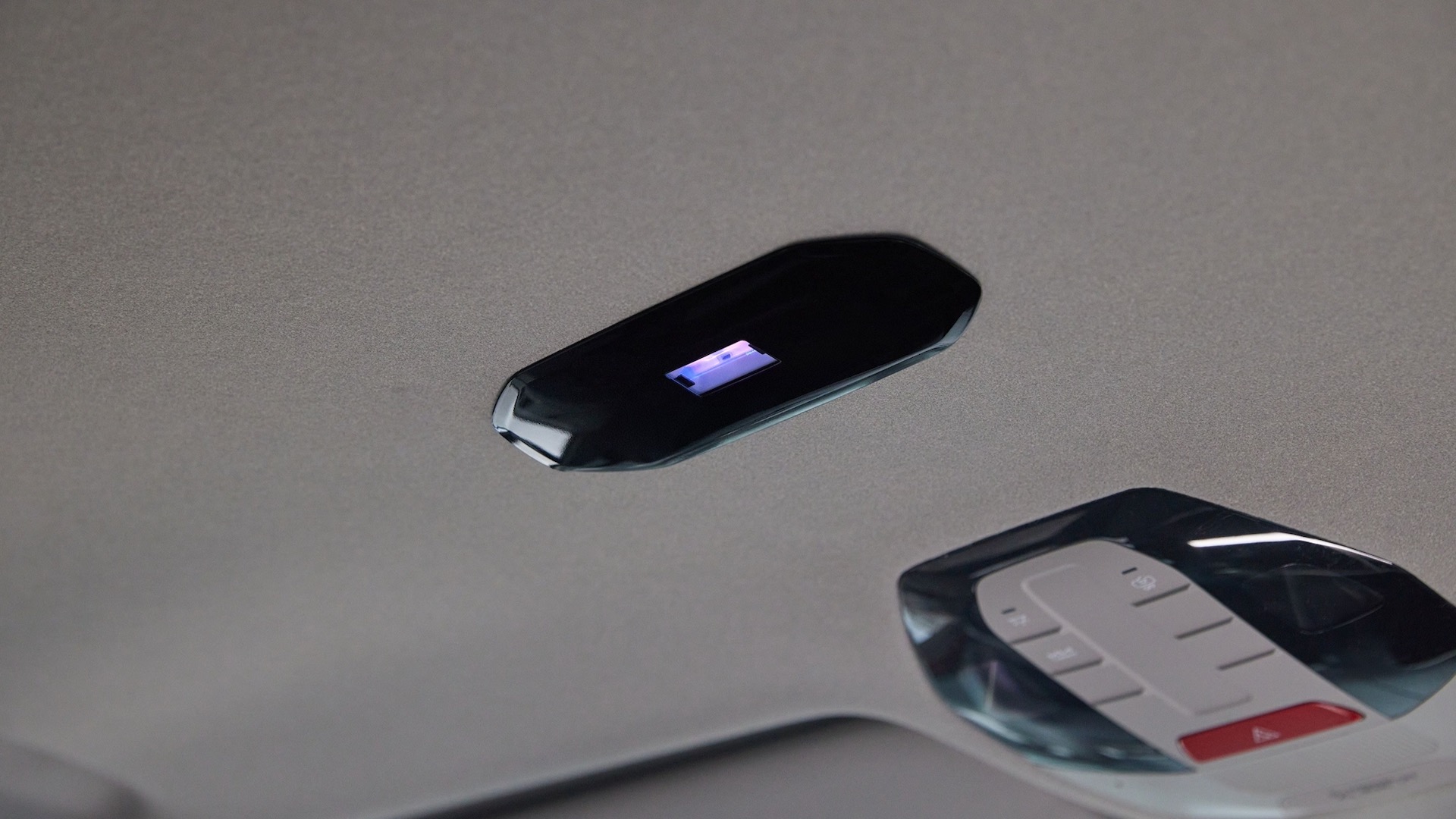
This UV sanitizer isn’t ready for use in production vehicles, though. Hyundai and Kia plan to do more testing, and note that like any other new automotive technology, future use in production cars is dependent on regulatory approval. The two automakers have a habit of publicizing research projects that never achieve commercialization, so don’t count on seeing UV lights in the new Hyundai Elantra.
Is this even something worth hoping for? In addition to sanitizing surfaces, Hyundai and Kia claim a UV bath can help reduce odors. That combination would be great for ride-share vehicles. But while it may not turn you into the Hulk or fry your car’s electronics, what isn’t mentioned is the possible long-term effect on the interior surfaces being sanitized. If you want your interior to keep looking nice, it’s generally best to keep UV light out, not shine it everywhere.
Got a tip about future tech? Send us a line at tips@thedrive.com
Loading comments…
Comments couldn’t be loaded. Please refresh the page.