
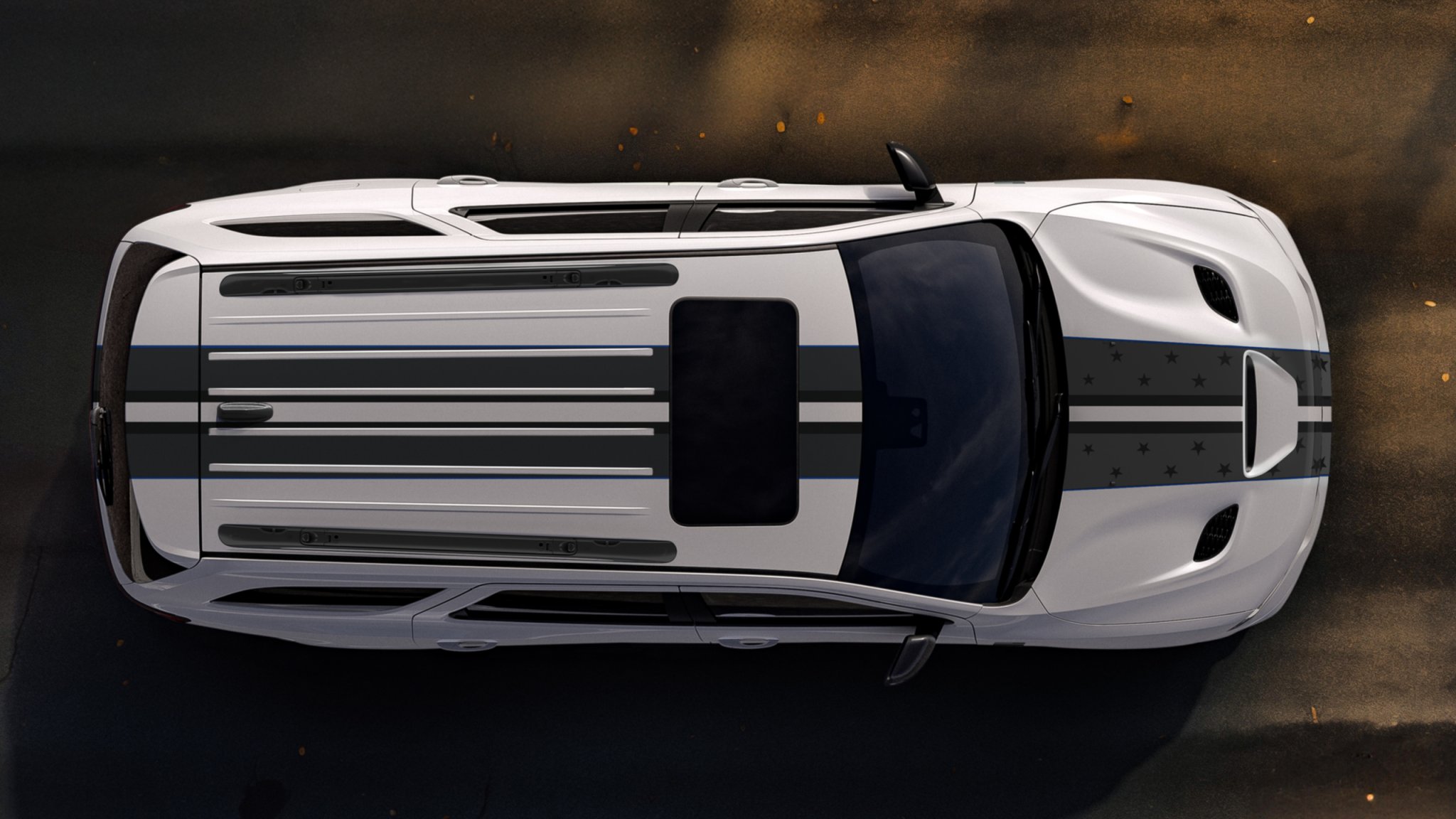
If you’ve been following the ongoing resurrection spree of internal-combustion engines over at the various Stellantis brands, you’re probably already well aware that after a brief hiatus, SRT has returned to pick up where it left off in its “V8 all the things” era. It was a habit that had us all wondering at some point just how far Dodge, Ram, Jeep and Chrysler could run with the idea. Well, it appears we’ve finally found a limitation: At some point, there just aren’t enough V8s lying around to build the darned things.
This isn’t so much a problem for Ram; the truck brand came into the Hemi revival with a good handle on customer expectations. And Jeep’s V8 revival is still in its earliest stages; the high-volume Grand Cherokee has yet to become an official beneficiary. But over at Dodge, the older Durango SUV was saved from retirement by the simple fact that the company has almost nothing else to sell. The short-lived, Italian-built Hornet died from the one-two punch of canceled electrification incentives and new tariffs, taking away the brand’s only affordable, mass-market entry, and Chargers remain thin on the ground as Stellantis ramps up production of the new internal-combustion Sixpack models.
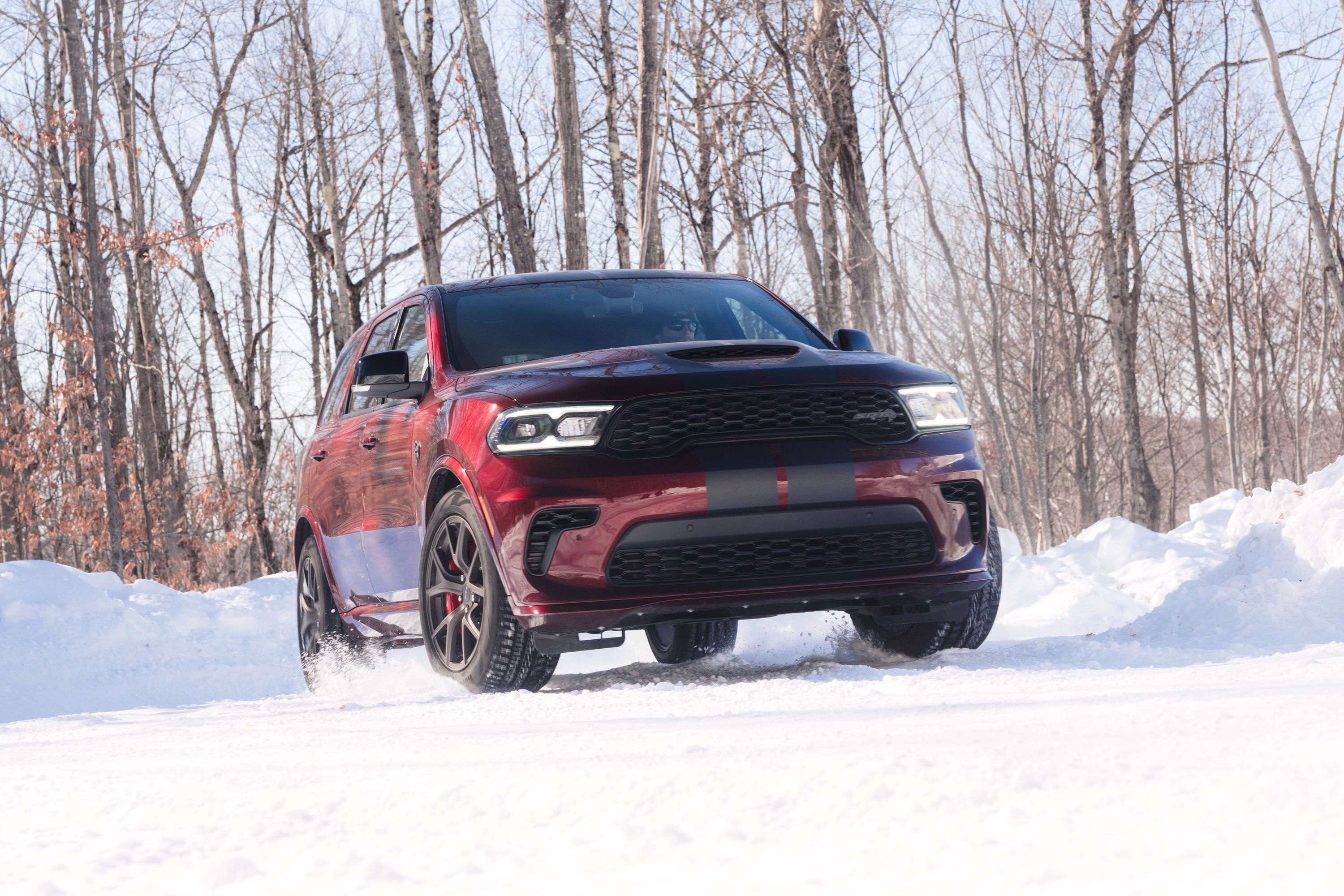
As a result, Durango is responsible for nearly 90% of Dodge’s sales volume right now. You’re reading that correctly. The Durango is no stranger to its current production numbers, but it has been five years since Dodge moved them with this kind of consistency. It’s a good problem to have, certainly; Dodge would rather be selling Durangos than selling nothing at all, but with customer demand where it is, the SUV’s popularity has created a new problem for Stellantis: It can’t build V8s fast enough.
It’s another good problem, certainly, and to address it, Dodge did the logical thing: it kept the V6 model in production for 2026, both increasing the total volume of cars it could sell and lowering the Durango’s base price even more. When we recently caught up with Dodge CEO Matt McAlear, who previously announced that the Hemi would be the standard engine for 2026, we asked for an explanation. After all, it seemed like a bit of a flip-flop.
“We announced an intention,” McAlear acknowledged. “We announced an all V8 lineup.” He then (rightly) pointed out that reviving the V6 didn’t require breaking any promises.
“We did not walk back from on our pricing or position,” McAlear pointed out. “We still held the price point that we launched the V8 with on the GT 5.7. We never took away the V6 from the production facility from other markets. We had it for fleet. We had it for Canada. We had it for Mexico. We had it for Europe.”
Indeed, the Hemi is still available exactly as McAlear promised for 2026; there are simply cheaper, V6-based options beneath it.
“What we did find out was as consumer demand continues to grow with this vehicle,” McAlear told us, “we could not meet all of the demand as quickly as we wanted to with the Hemi as we looked to ramp up Hemi production across multiple nameplates.”
And by that, he means inclusive of, but not only, Dodge. As we pointed out above, Ram and Jeep have their own demands of the company’s V8 program.
“So, simply to meet consumer demand, we didn’t do it for anything else,” McAlear said. “[Durango is] the fastest turning car we have in our portfolio right now. And we brought back the V6 for consumer demand.”
There’s no guarantee this unplanned expansion will continue into 2027, McAlear told us.
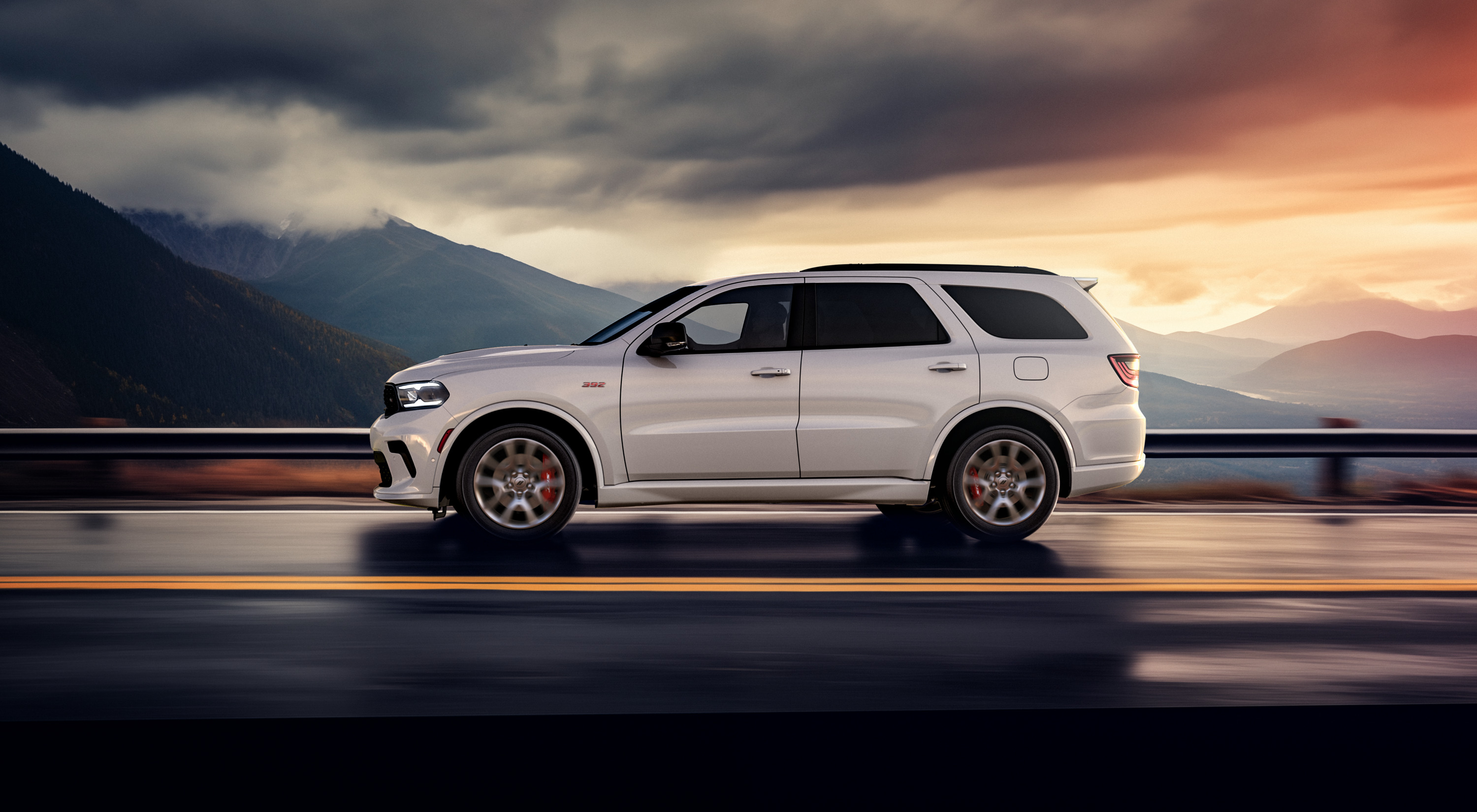
“If we need to, if there’s consumer demand for it there at the price point and we can still hold to the GT 5.7 and the RT 392 and the Hellcat, we’ll do that,” he said.
And he told us that increasing V8 production capacity itself remains a core component of shaping its near-term strategy.
“We’re working on ramping up Hemi production as we’ve stated, and we will continue to work on ramping up Hemi production,” he said.
McAlear also used the situation as further proof of a multi-energy platform strategy bearing fruit for Stellantis.
“Just like we turned priority focus on the Charger to the Hurricane engines instead of the BEV,” he pointed out. “Things could change next week. Things can change tomorrow. We can shift back to 100% battery electric production if we want to.”
“We were there to meet consumers where consumers are with their choices. We’re offering power of choice and freedom of choice.”
Got a news tip? Let us know at tips@thedrive.com!
Loading comments…
Comments couldn’t be loaded. Please refresh the page.