
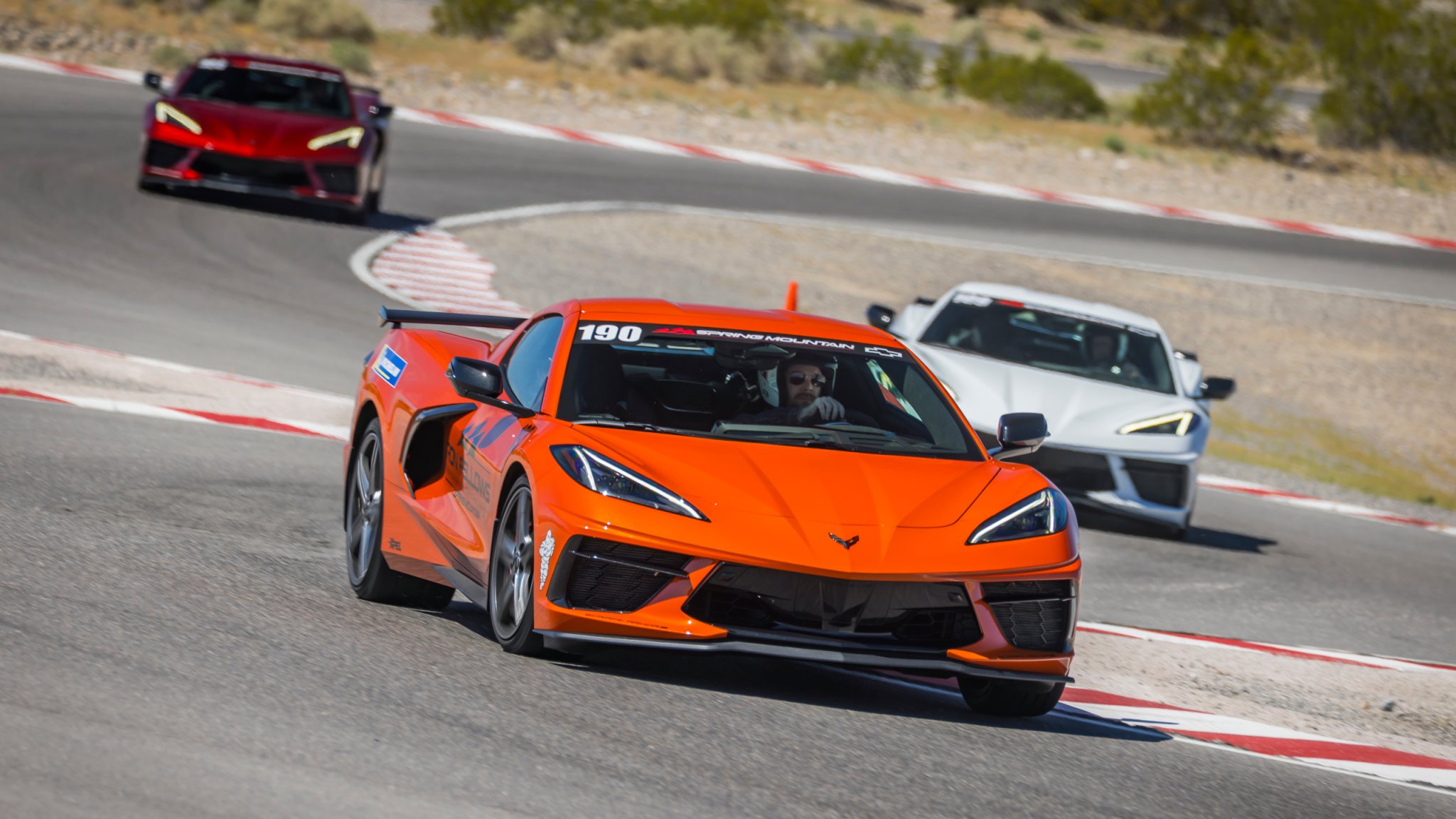
You know the phrase: With great power comes great responsibility. When Ron Fellows started its performance driving school in 2008, the entire idea was born from the thought that 400 horsepower was a lot for normal street-car drivers to handle. And Chevy, hot on the heels of its much-ballyhooed C5 Corvette Z06 and looking to make a splash with the leaner, meaner C6, was worried about how it would look if those shiny new blue-collar performance rockets started to appear upside down in alarming numbers.
The notion seems quaint now. In the decade that followed, horsepower figures exploded. Chevy’s own Corvette ZR1 blew past that figure with 638 horsepower, and 2009 saw the introduction of the Nissan GT-R, which “only” had 480 and quickly went about setting virtually every performance record for an “affordable” supercar. By 2013, we had a 662-horsepower, 200-mph Ford Mustang Shelby GT500. Imagine what the marketplace would have looked like had we not experienced a massive recession starting in the late aughts.
What makes that all the more remarkable is just how tame power outputs were by comparison in the late ’90s and early 2000s. The Dodge Viper, which made the Corvette look coddling, was easily a decade ahead of the Corvette in the horsepower wars and only crossed the 450-hp threshold in 1996. Sure, ZR1 existed, but unlike Chevy, Dodge didn’t force you to climb the ladder to get that kind of power. The Viper’s V10 just had it—along with enough torque to make the old LS1 V8 look like a toy.
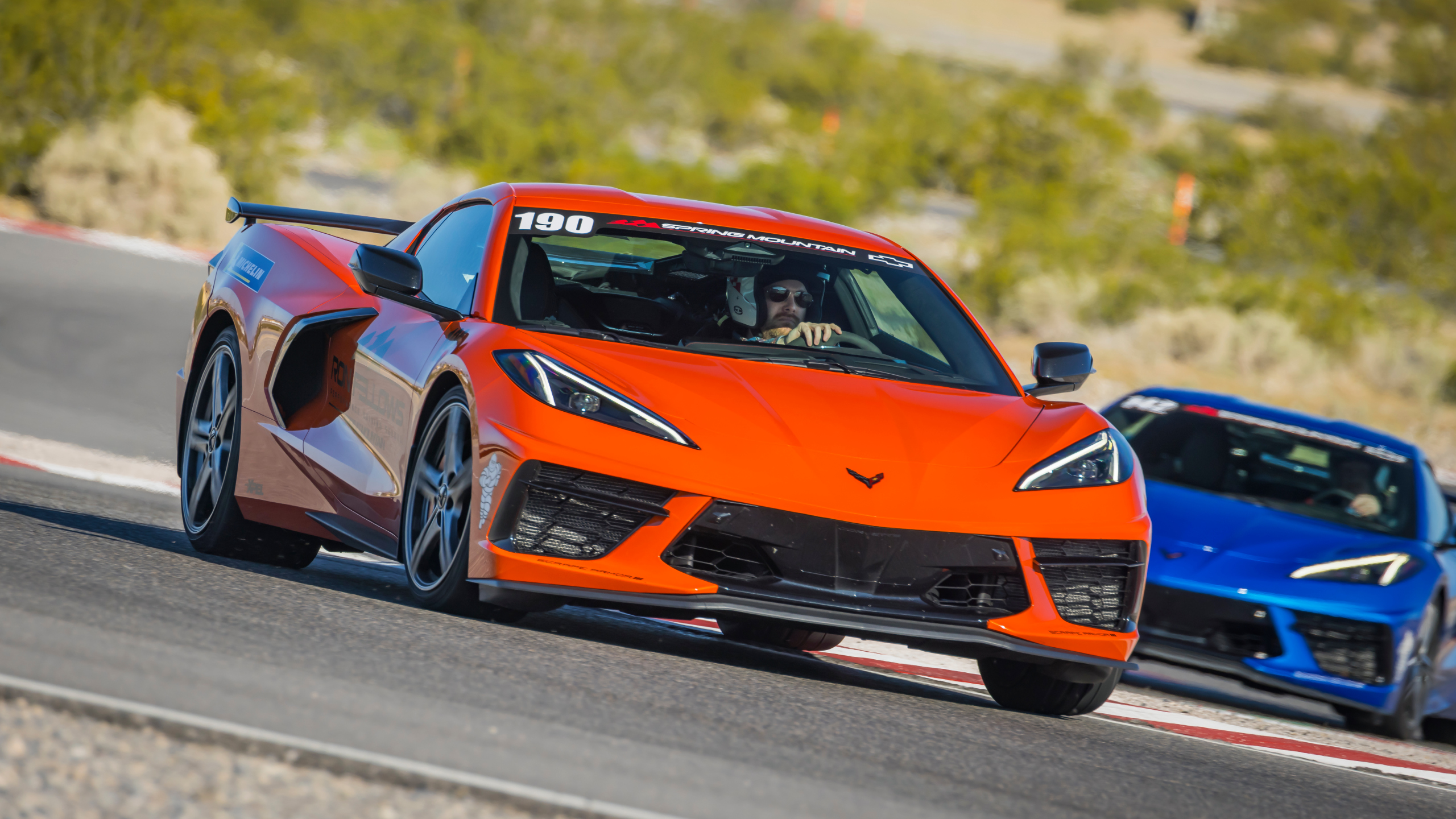
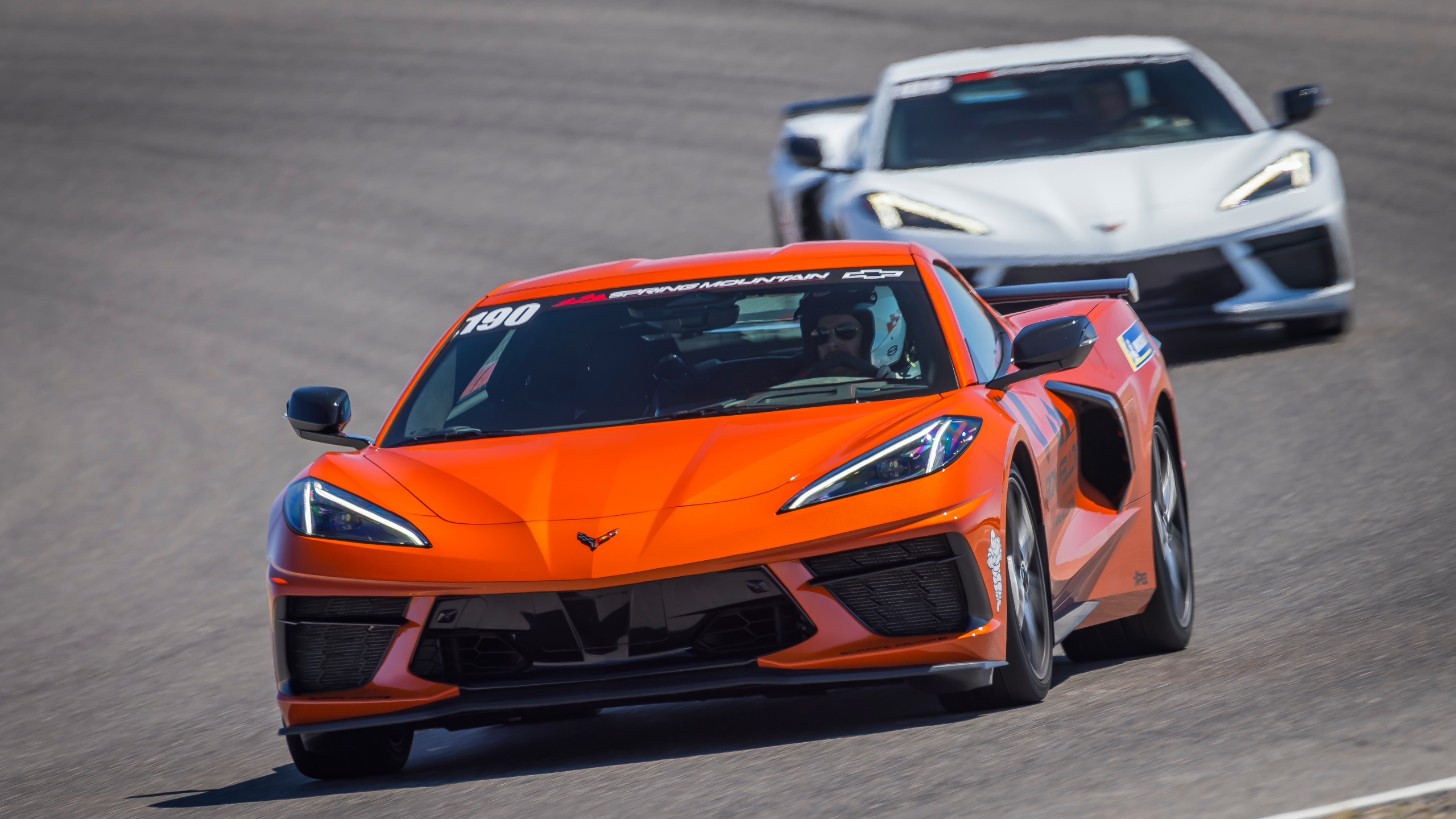
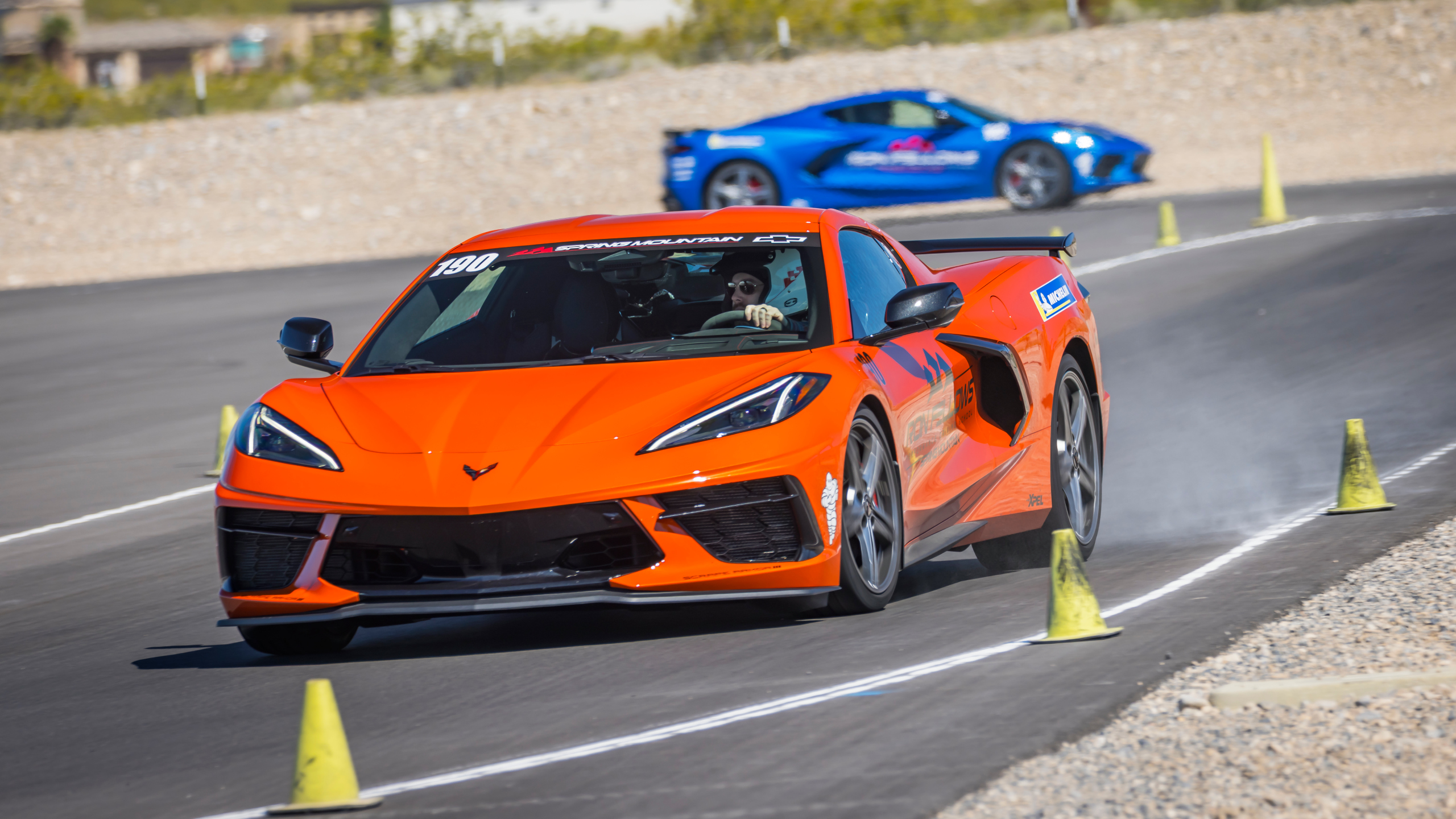
Things really didn’t start to get interesting until around Y2K. The 2001 model year brought us the revival of the Corvette Z06, not just as an option package, but as its own distinct model. The then-new LS6 initially made 385 horsepower in the C5 Z06; it would get a bump to 405 eventually and made an even 400 across the street in the Cadillac CTS-V. In 2005, Chevy made the 400-horsepower LS2 engine standard in the C6 Corvette; the 505-horsepower, LS7-based Z06 would follow almost immediately thereafter.
If you need even more context, consider this: The C4 Corvette—only a generation removed from the 385-horsepower Z06—originally shipped in 1983 with a 205-horsepower 5.7-liter V8. Power crept up during the 1980s, but the C4 didn’t get the 300-horsepower LT1 until 1992. That means that the C5 launched with 70% more horsepower than the original C4. Even the exotic ZR1, which didn’t appear until the 90s, was only making 375 horsepower with its weird, DOHC, British-influenced V8.
That’s all to say that yes, 400 horsepower was still a big number circa 2005. And that’s what prompted Chevy to consider giving its owners the chance to wrap their heads around that power, someplace where they wouldn’t wrap themselves around a roadside obstacle. And in a nutshell, that’s how the Ron Fellows Performance Driving School came to be.
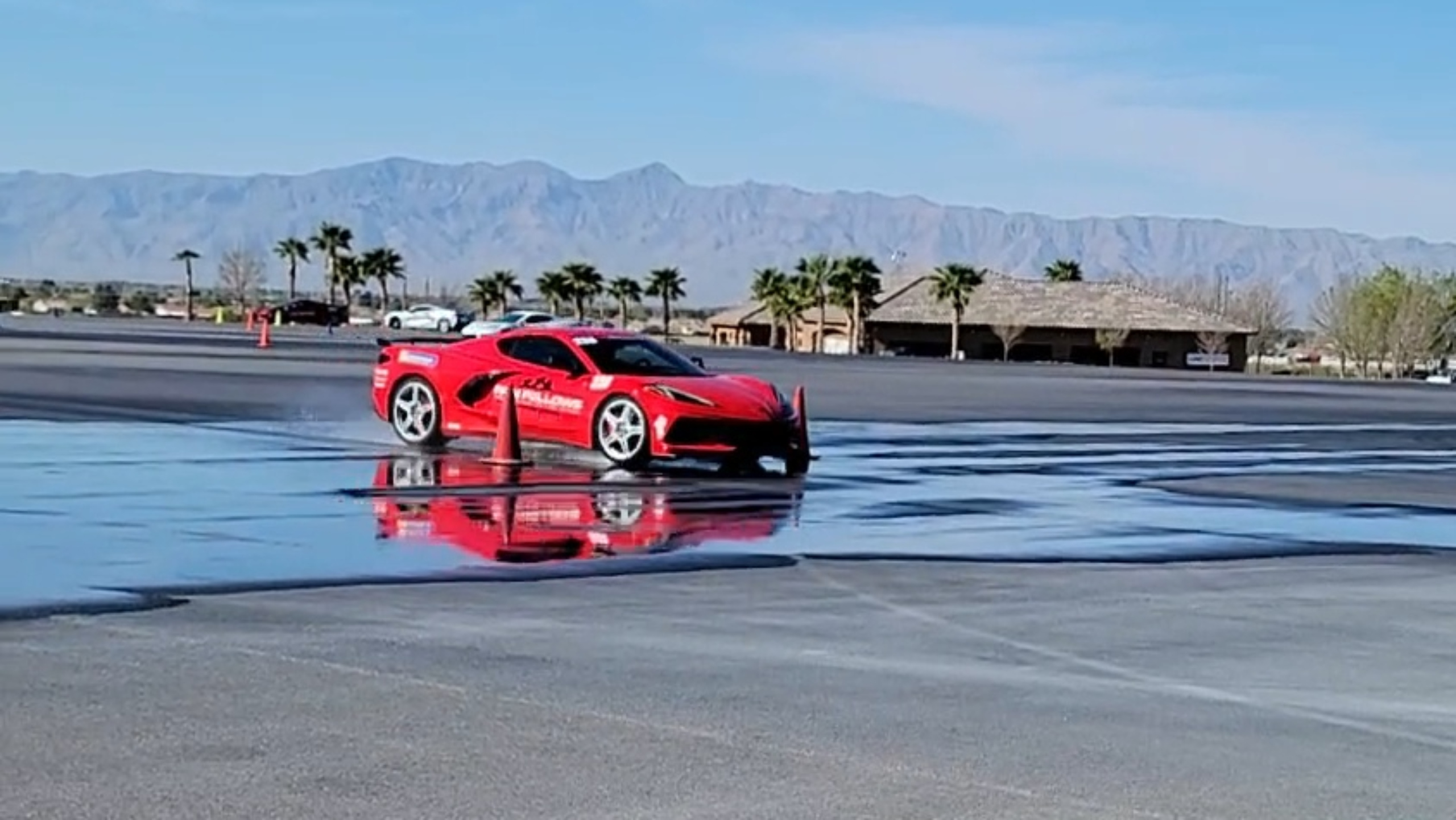
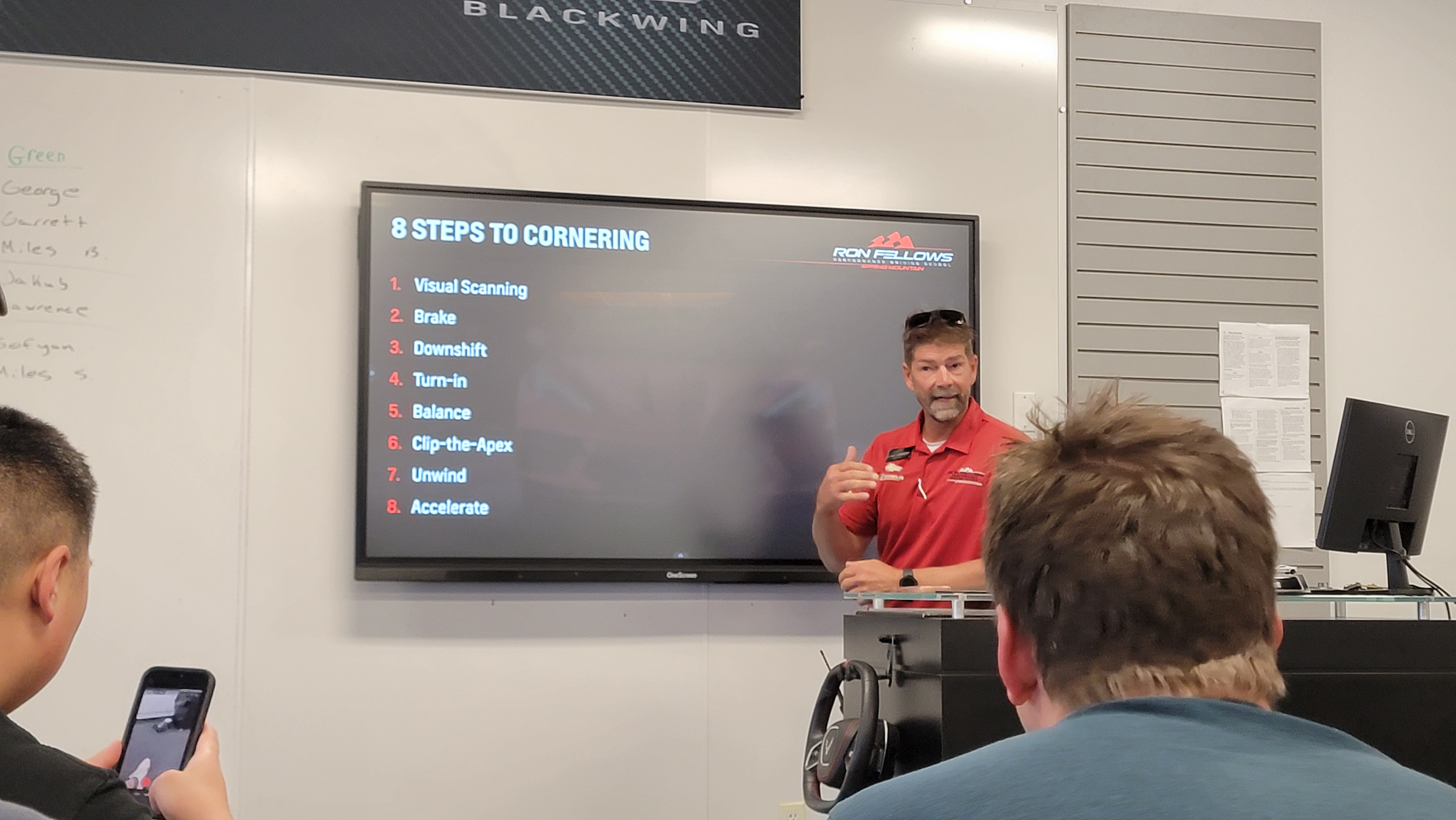
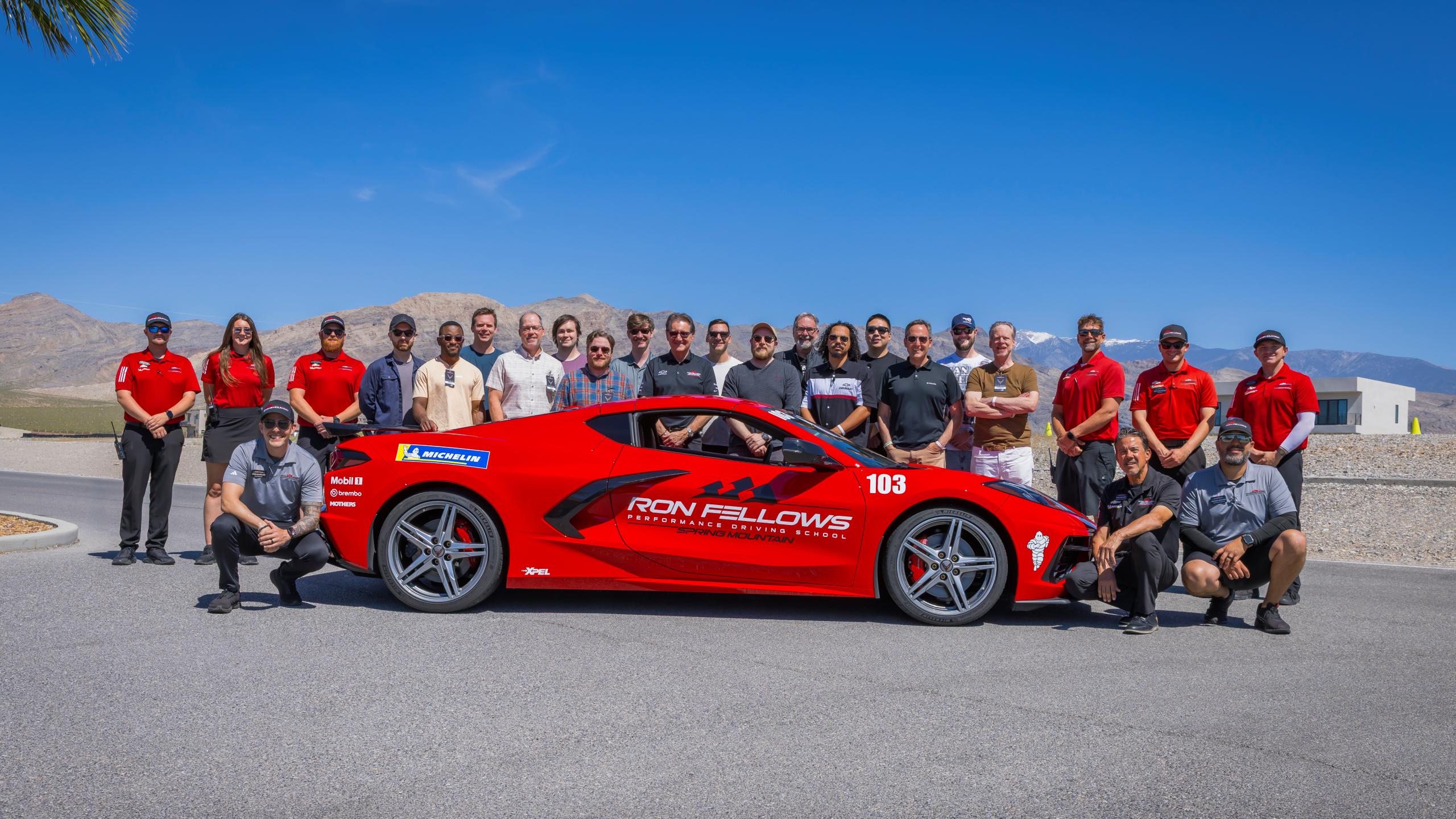
Fellows has more wins behind the wheel of a Corvette than I’m prepared to recount (including back-to-back class wins at Le Mans in ’01 and ’02), and he remains involved in the Corvette program as a development consultant today, meaning he gets the chance to drive and provide feedback on the C8 as what amounts to a side gig. His job’s even cooler than mine.
The basic Corvette owner program isn’t a true racing school, but rather an intro to the world of high-performance driving. Like most driving courses, the bulk of its curriculum is taught in the classroom, where you’ll learn not just about the basic habits of fast drivers, but everything you need to know to apply it to your day-to-day life, from emergency lane-change maneuvers to the bog-standard fundamentals of maintenance and driver aid setup. It’s as much a deep dive into Corvette ownership as it is an actual track school.
Chevy invited me to take part in its class as part of its unveiling of the new LS6 V8 and Corvette Grand Sport. It was an abbreviated version that cut out most of the car familiarization, and some of the download sessions usually included as part of the two-day owner program; I know this because I attended the full version of the school a couple of years ago when I bought my own CT4-V Blackwing. Cadillac’s V-Performance academy is an identical clone of the Ron Fellows experience.
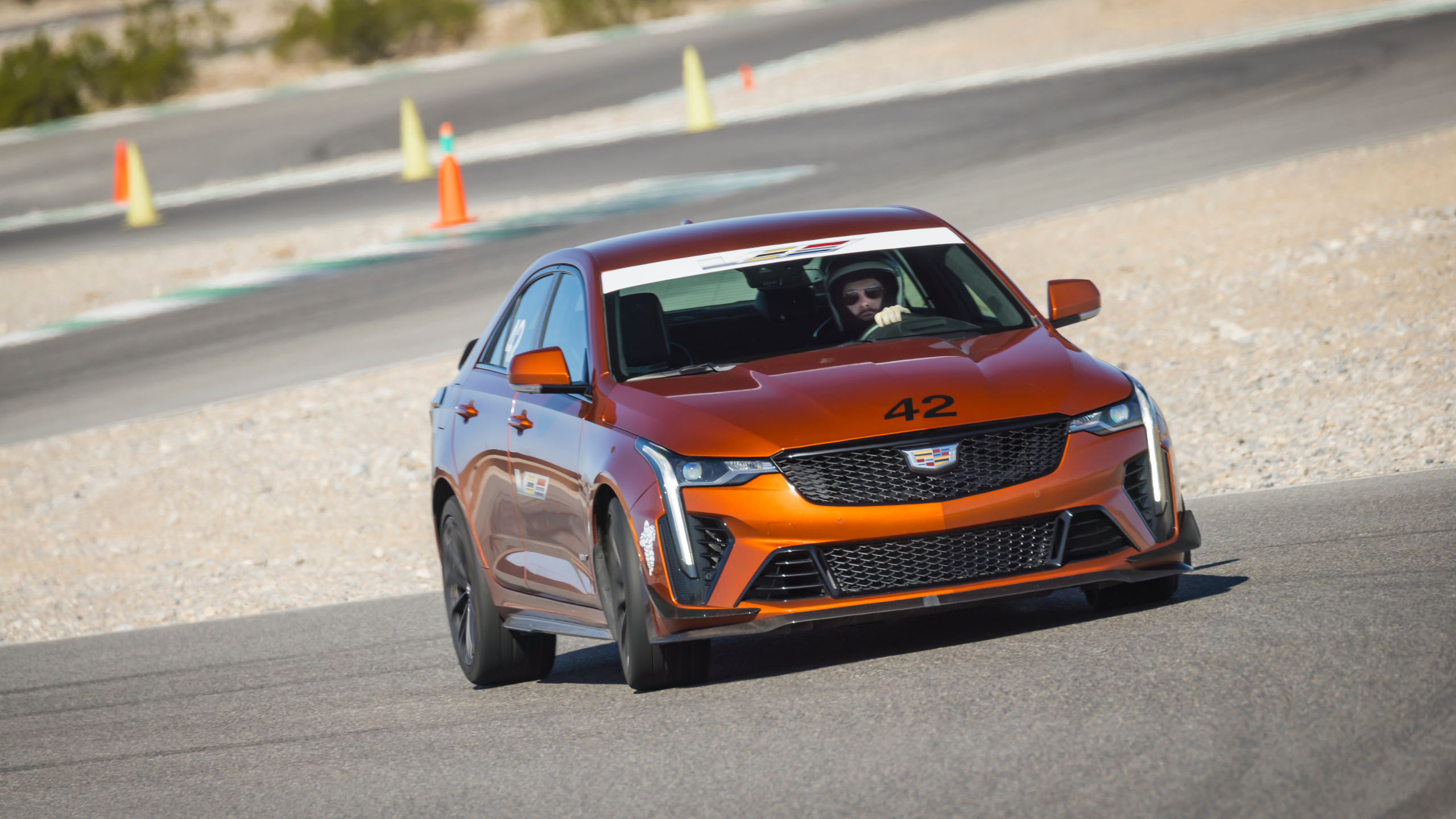
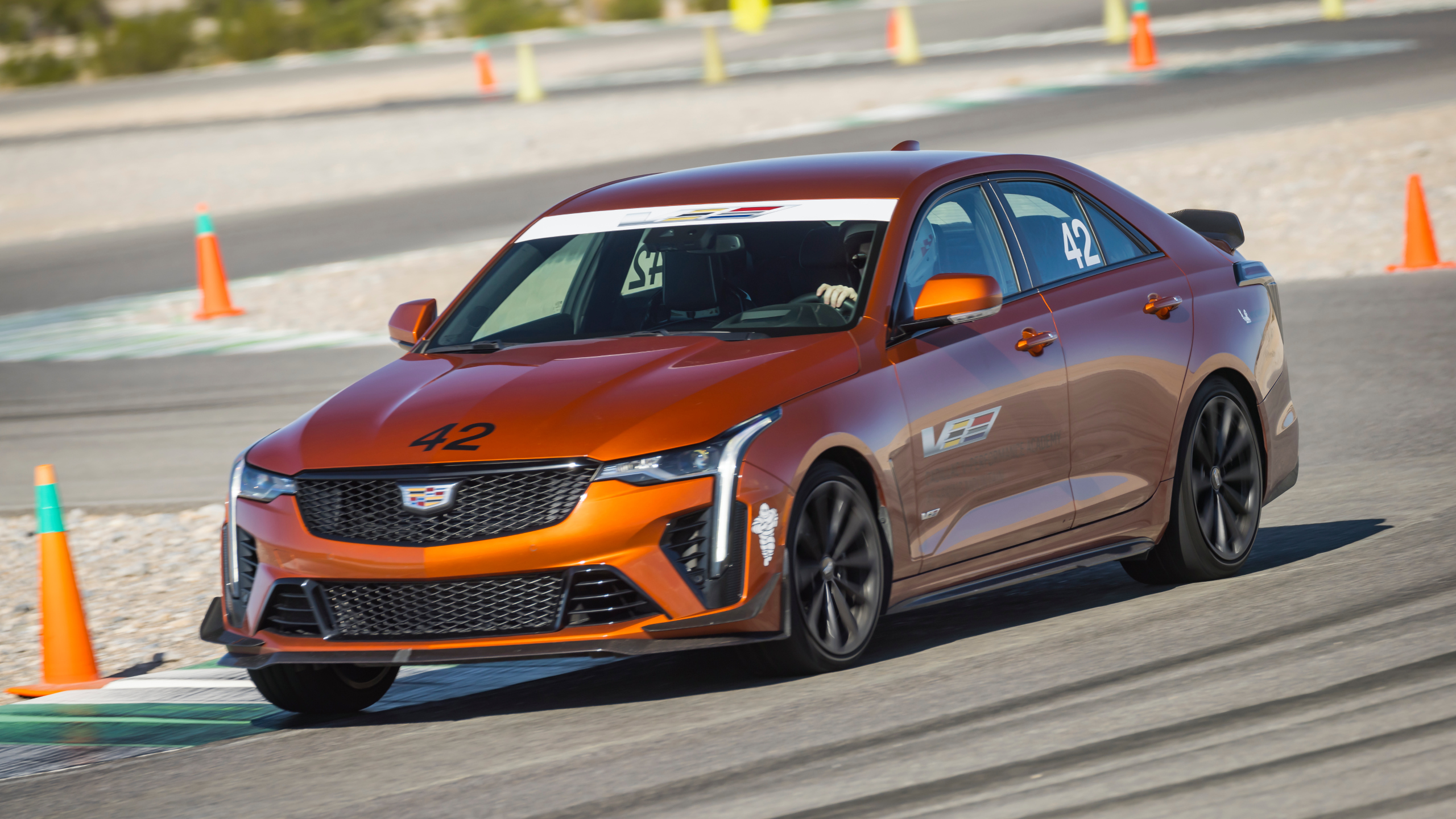
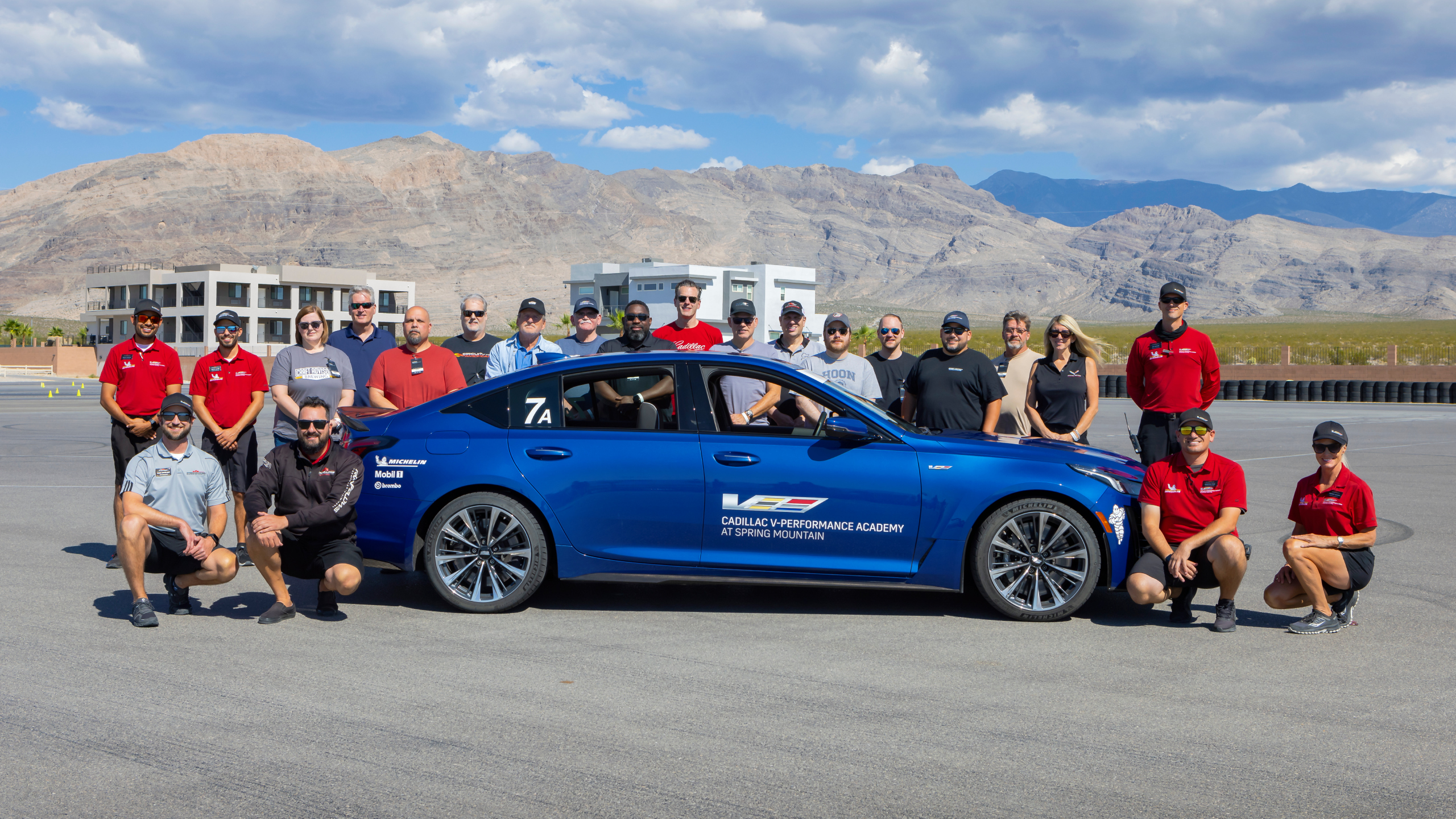
In the years since the Fellows school launched, Chevy’s fears of handing normal folks the keys to a 400-horsepower car have diminished (the words “screw it” were perhaps thrown around), but the school endures. It’s heavily discounted from its low-four-figure price tag if you purchase a brand-new C8 Corvette, and the Cadillac equivalent was free (minus an optional insurance deductible for the loaner car; you don’t drive your own) when I took advantage in 2022. Sure, you’re on the hook for airfare (to Vegas), but everything else is essentially included, including on-site lodging.
Whether your fun car has 140 horsepower or 1,400, there’s immense value in understanding how it performs when pushed to its limits. I’m a fierce advocate of the notion that one should never turn down track time when offered—and that goes double when it’s somebody else’s car. What can I say? I’m a pragmatist. But if somebody wants to teach you how to be quicker in your own car, let them. It could save your ego—or even your life.
Got a news tip? Let us know at tips@thedrive.com!
Loading comments…
Comments couldn’t be loaded. Please refresh the page.