
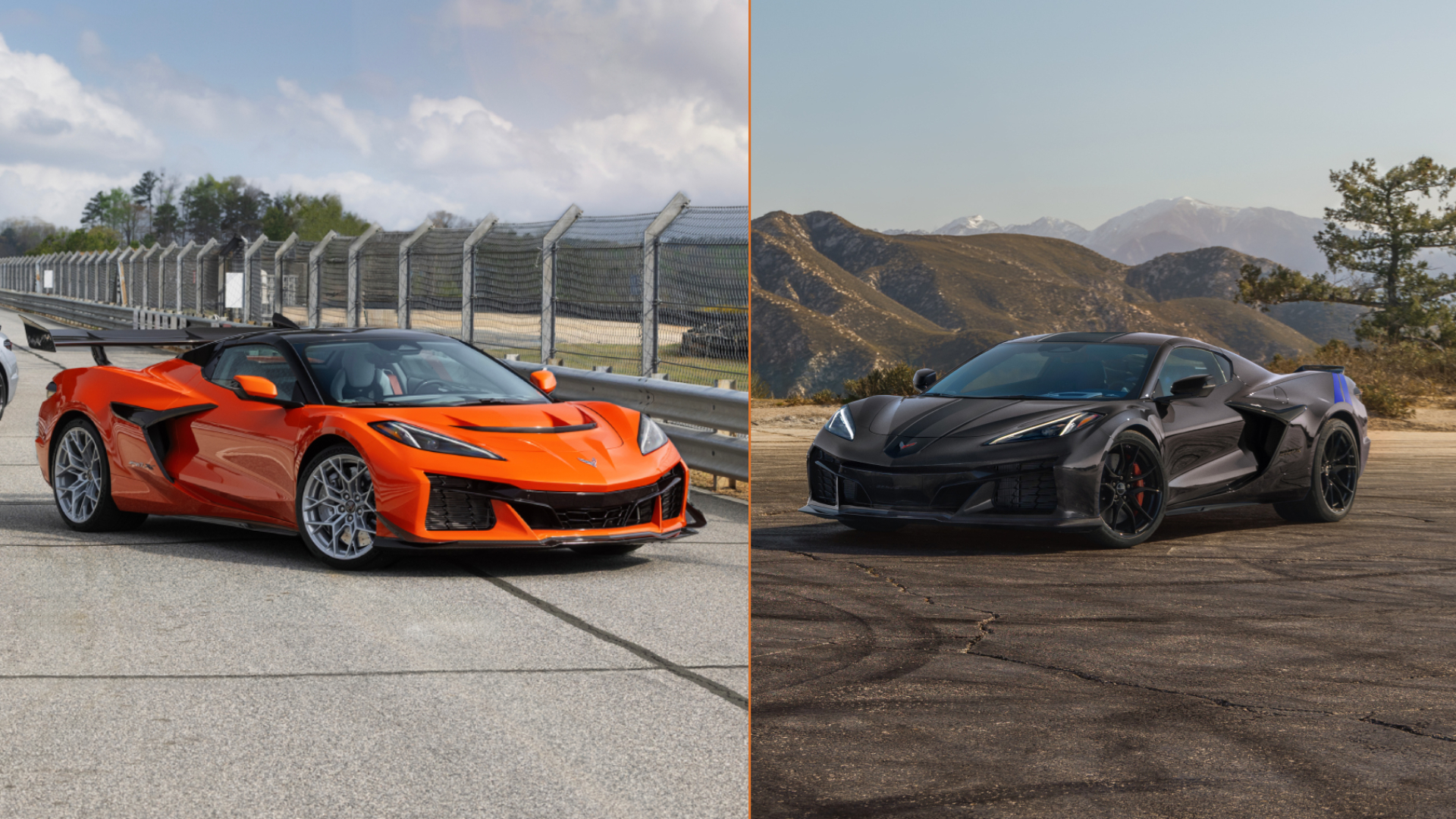
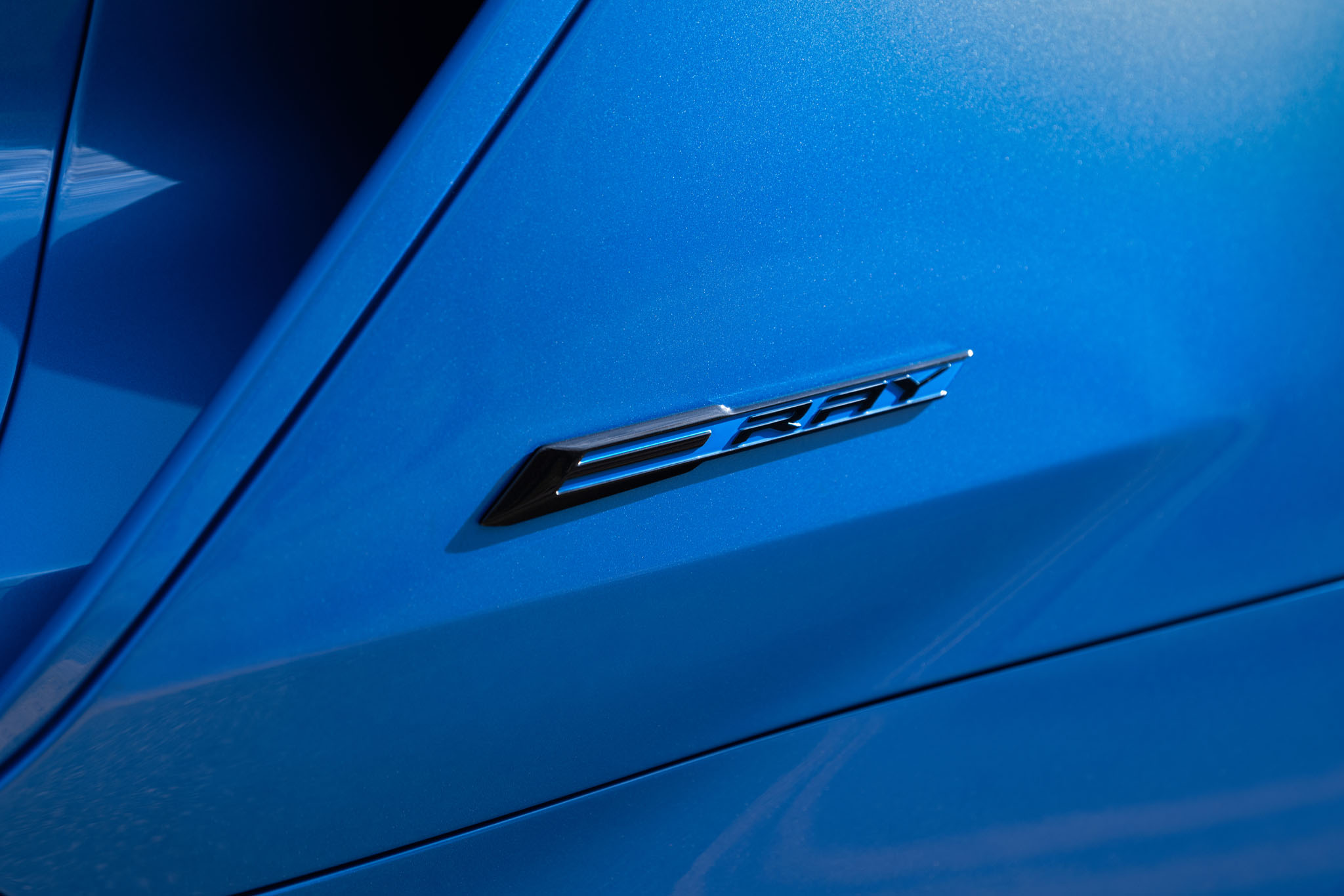
Just this week, Chevy upped its performance game yet again with the unveiling of the new Corvette Grand Sport X. This new generation of Grand Sport is the first to incorporate both electrification and all-wheel drive, and, beginning with the 2027 model year, it will be the only way to get a hybrid Corvette with a pushrod V8. The existing Corvette hybrid, the E-Ray, is being phased out simultaneously.
The E-Ray wasn’t universally appreciated, to put it mildly. Many track rats disavowed it entirely and others still considered it nothing more than an act of (if not malicious, at least somewhat passive aggressive) compliance—a necessary but unwanted sacrifice to what they believed were draconian emissions regulations. Those who actually drove one typically came away with the opinion that it was actually pretty good, but such impressions tend to hold little sway these days.
Whether this represents a premature departure for the E-Ray or simply a rather copious rebranding is certainly a matter of semantics, but either way you look at it, the E-Ray crawled so that the ZR1X and Grand Sport X could run. This is something the Corvette engineering team has kept repeating since shortly after the hybrid joined the Stingray in Chevy showrooms back in late 2023.
The E-Ray wasn’t conceived primarily as a track car; there are plenty of other ways (Grand Sport, Z06, ZR1, ZR1X) to do that. But the lessons it learned building the E-Ray went on to inform the transformation of the ZR1 into the ZR1X—from battery and motor packaging to new cooling solutions. And the Grand Sport X now represents a third iteration of the formula. I hesitate to claim it’s the best-executed, as GM has not yet provided media with the opportunity to drive either Grand Sport model, but it’s certainly a step forward from the E-Ray on paper.
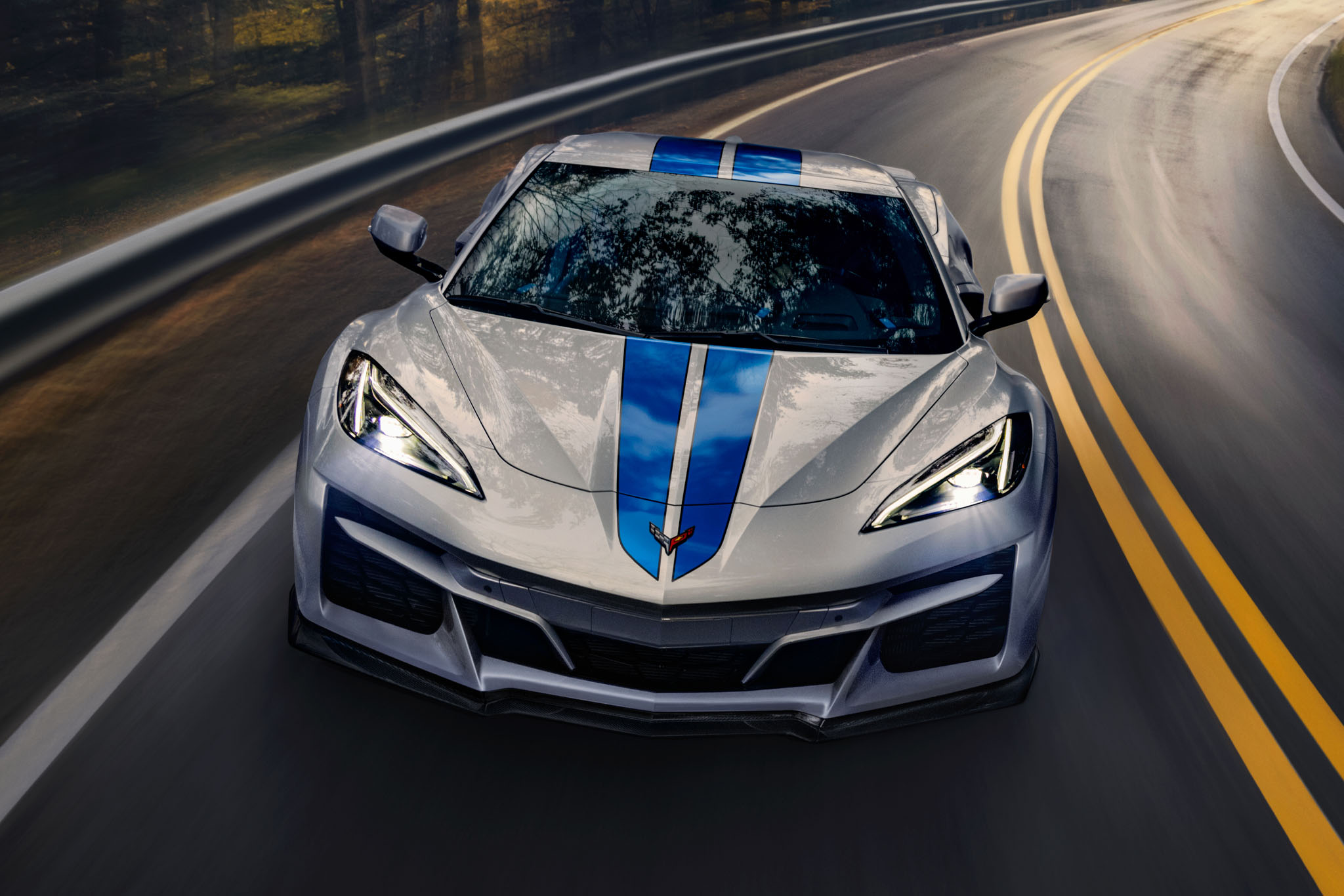
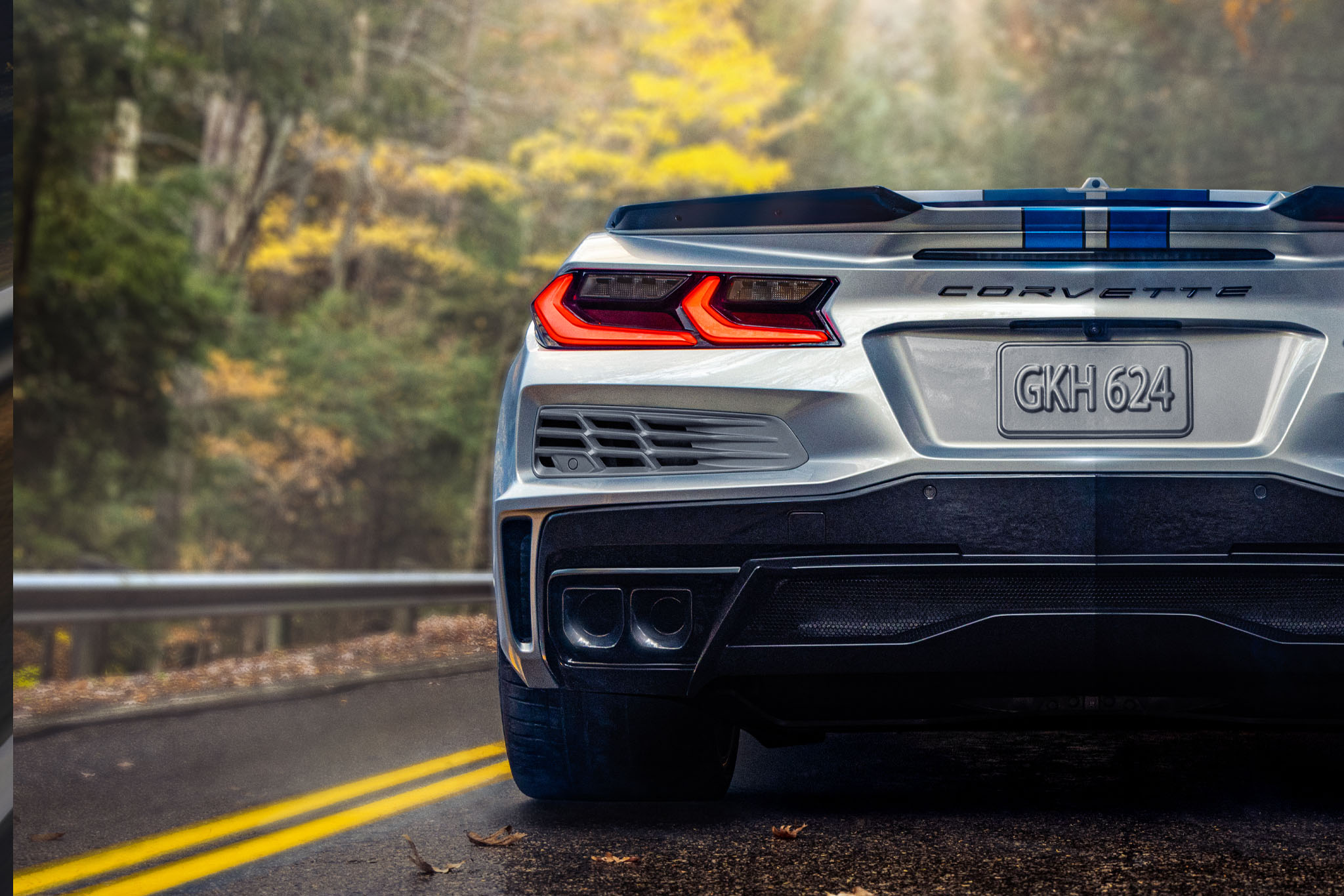
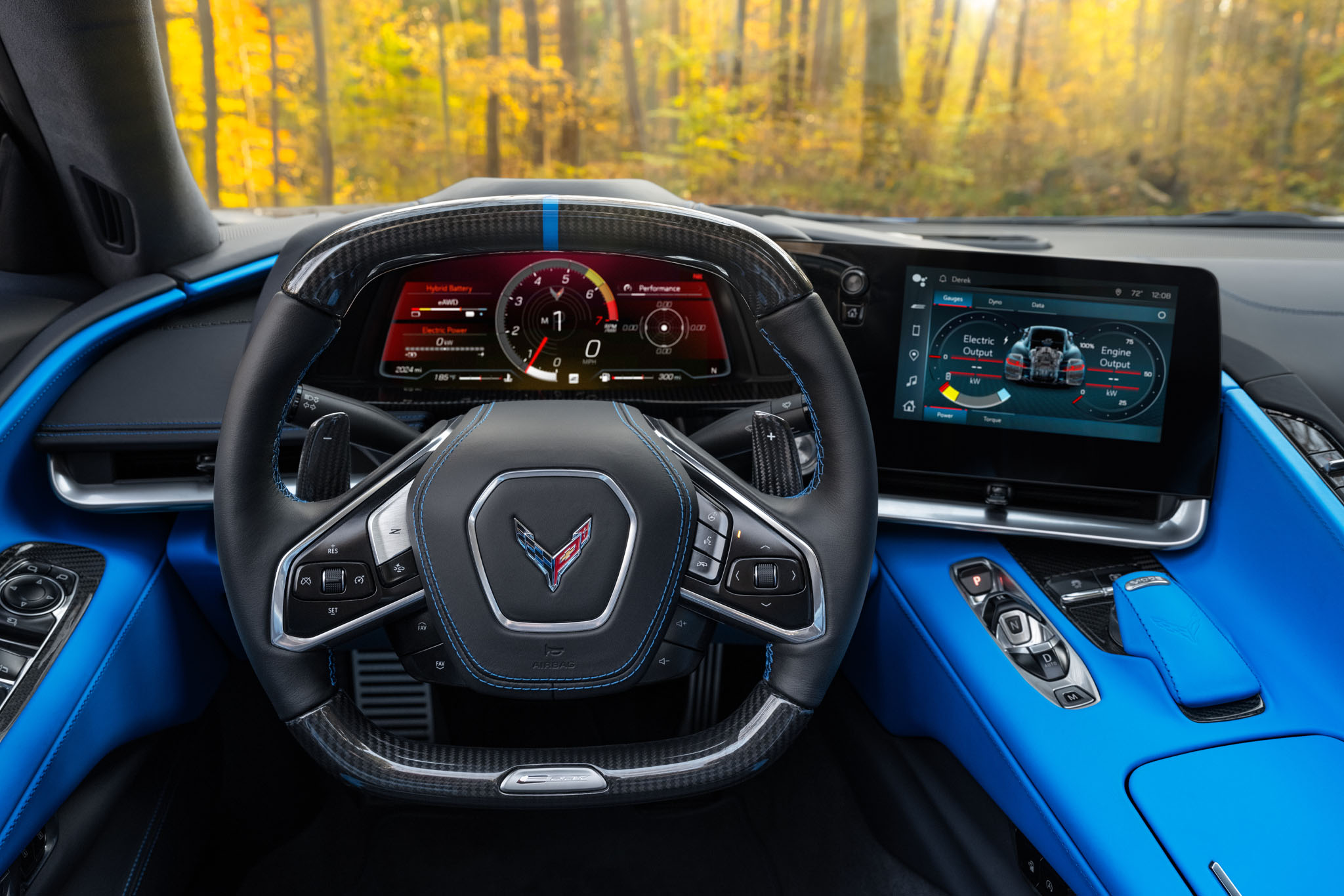
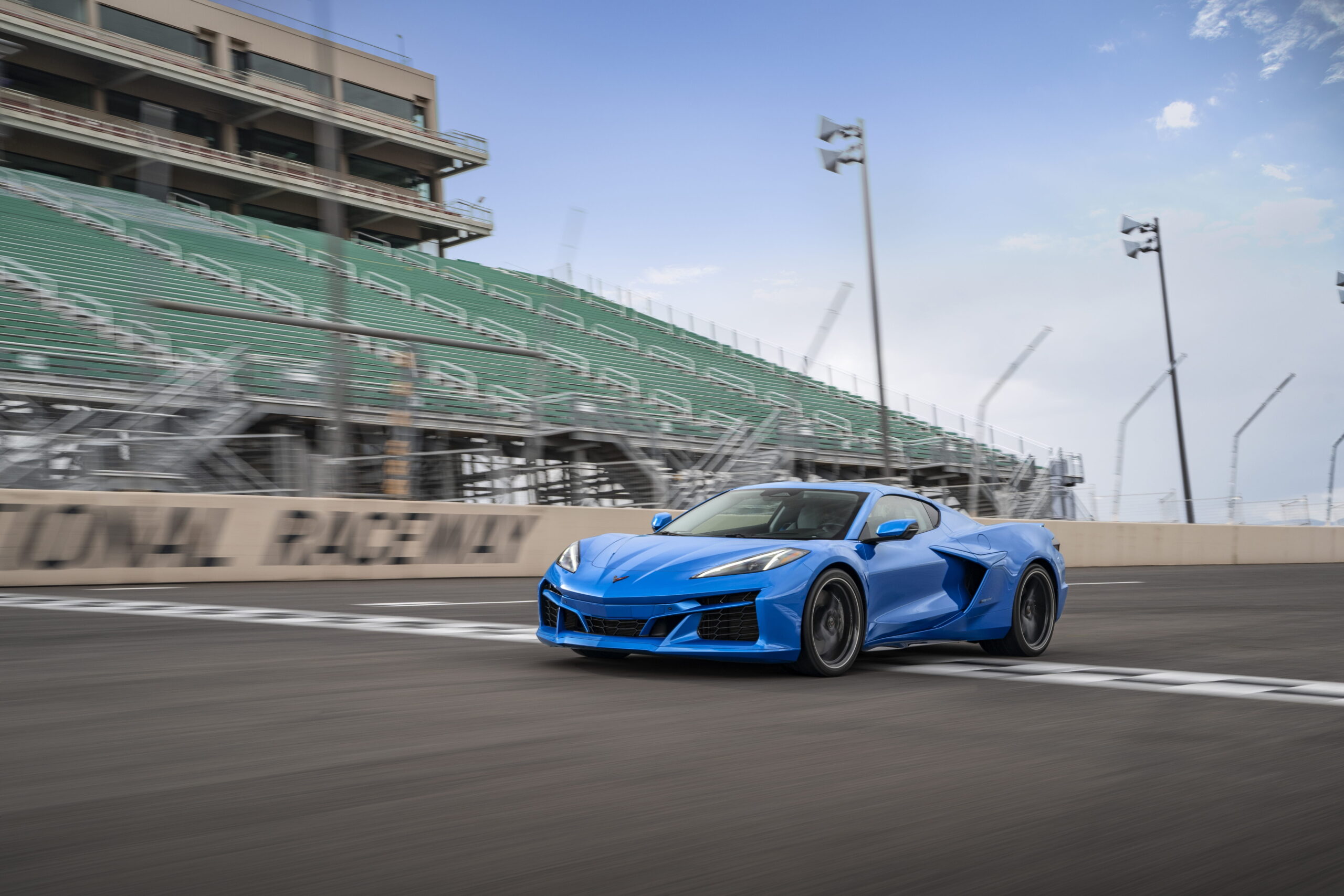
We have a more comprehensive overview of the new Corvette Grand Sport X available for your perusal, but the topline is this: The new hybrid model packs 721 horsepower (up from the E-Ray’s 655) and can now be optioned with a performance package and carbon ceramic brakes, though it retains some of the E-Ray’s unique hybrid features, including its EV-only “Stealth Mode” and the almost unspoken benefit of getting all-weather acceleration out of the deal.
To make that all fit the Grand Sport’s enthusiast mission, Chevy’s engineers looked not to E-Ray, but to the ZR1X—and not just for inspiration, but for physical parts, too. The beefed-up front axle and motor are lifted directly from the range-topper, as is the battery pack. The only part left behind was the ZR1X’s 5.5-liter, turbocharged V8, but because the Grand Sport X inherits the 2027 Corvette Stingray’s new 6.7-liter LS6 V8, even the E-Ray’s internal combustion engine doesn’t carry over. Thus, we get a third, entirely unique implementation of the hybrid Corvette powertrain architecture.
When you consider that the 1,250-horsepower ZR1X falls in the middle of the timeline, it may seem a little awkward to label this a crawl (E-Ray)-walk (ZR1X)-run (Grand Sport X) scenario. The Grand Sport X certainly won’t be challenging the ZR1X for ultimate performance, ruining the speed analogy. But from a development standpoint, it may well be the case. If you’ve ever pondered a Porsche 911 Carerra 4S, you likely appreciate the idea of a mid-tier performance model that happily doubles as a year-round daily driver. The Grand Sport X is no different, really; it just so happens that GM’s idea of a “mid-tier” performance model has 721 horsepower. If that doesn’t make you giggle, it should.
Whatever analogy you prefer, the fact of the matter is that we wouldn’t have Grand Sport X or ZR1X without E-Ray, and that alone makes it a significant inflection point for the Corvette program—and one worth remembering for what it was, not simply what it wasn’t.
Got a news tip? Let us know at tips@thedrive.com!
Loading comments…
Comments couldn’t be loaded. Please refresh the page.