
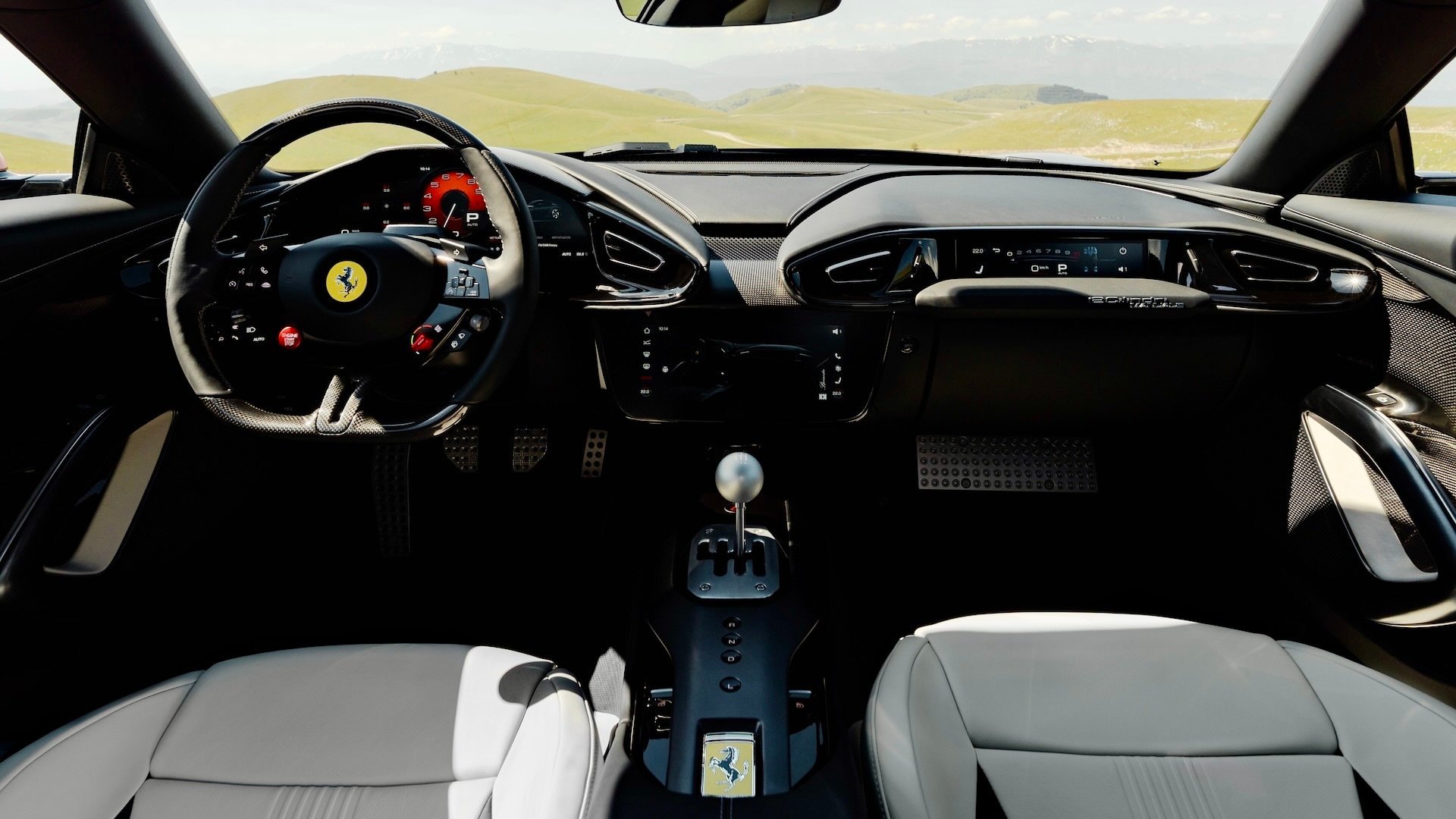
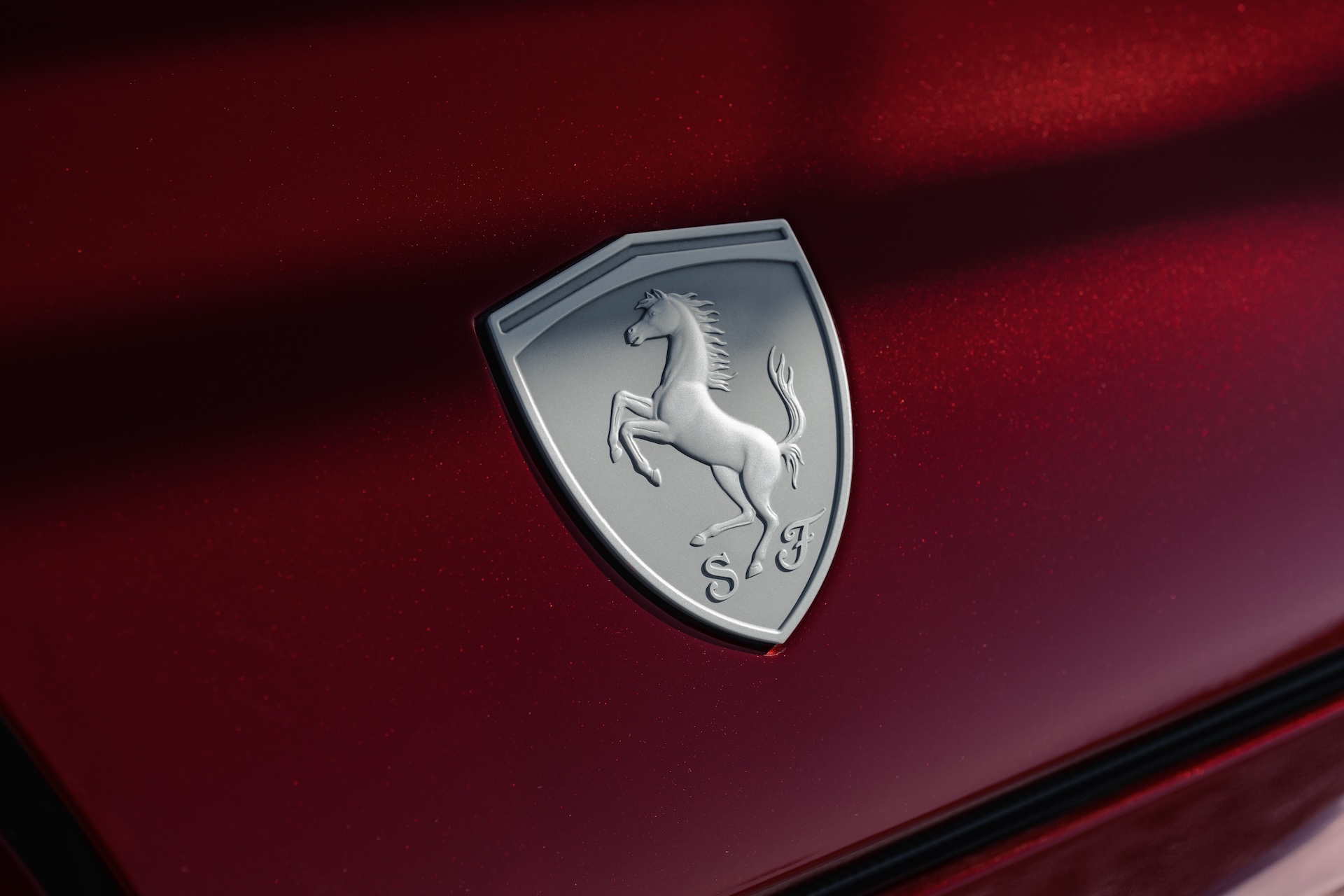
Maranello pulled the wraps off one of its most unique creations in recent times, the 2027 Ferrari 12Cilindri Manuale. As its name suggests, the flagship V12 model now gets a six-speed gated shifter, a clutch pedal—and, after interacting with the hardware myself during its reveal—all the physical and emotional reward of a tried-and-true manual.
The reality is that this is neither a newly developed transmission nor a tried-and-true manual that Ferrari pulled off the shelf. At its core, the 12Cilindri Manuale employs the eight-speed dual-clutch automatic transmission from the SF90 Stradale, but it’s been fitted with a new brain or architecture, per se, to alter how it communicates with the driver. On top of that, Ferrari also chopped off the top two gears to make this a true six-speed, with one of its engineers explaining to me that six gears were enough to deliver the desired character. The end result is a bespoke transmission tailored to this unique application.
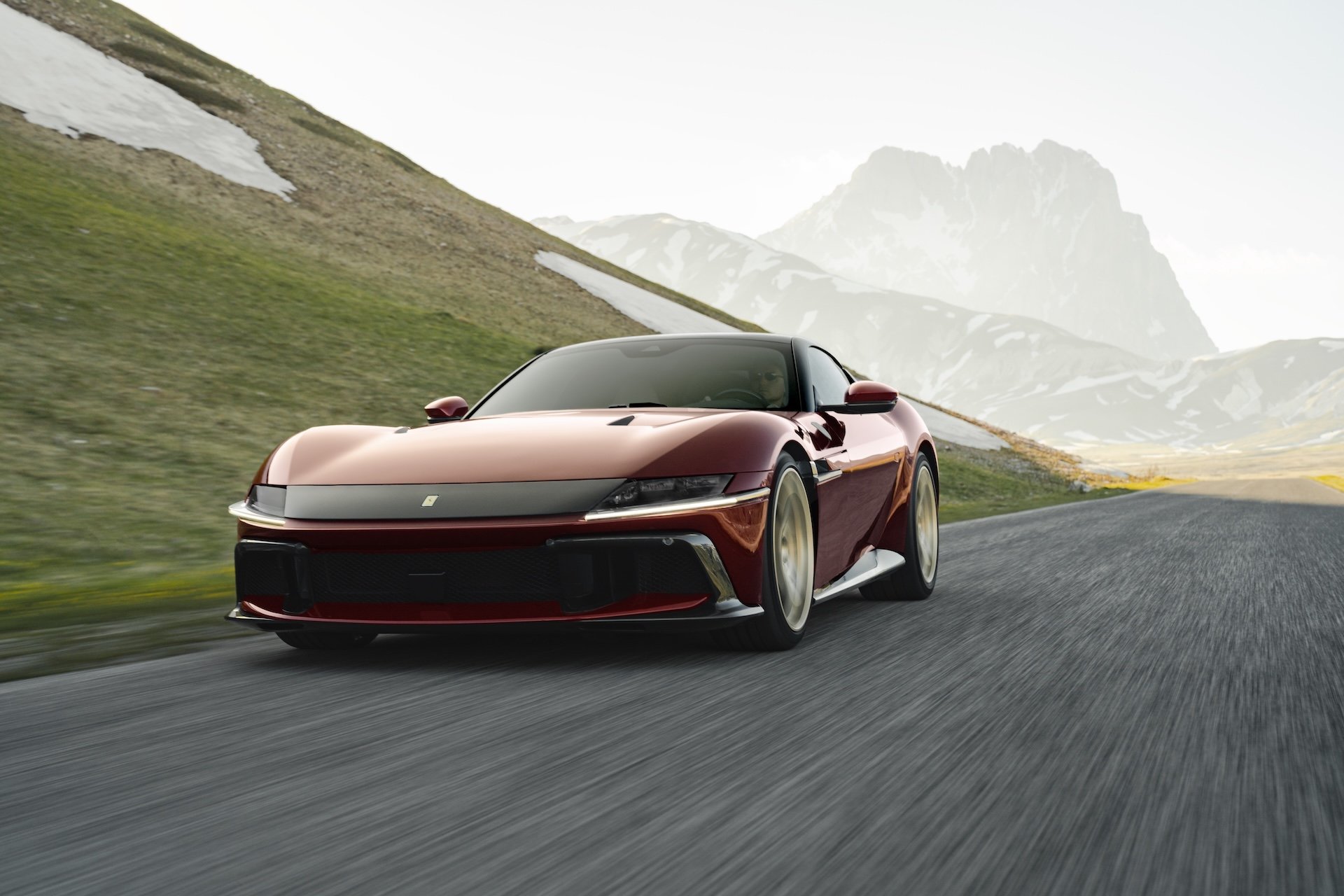
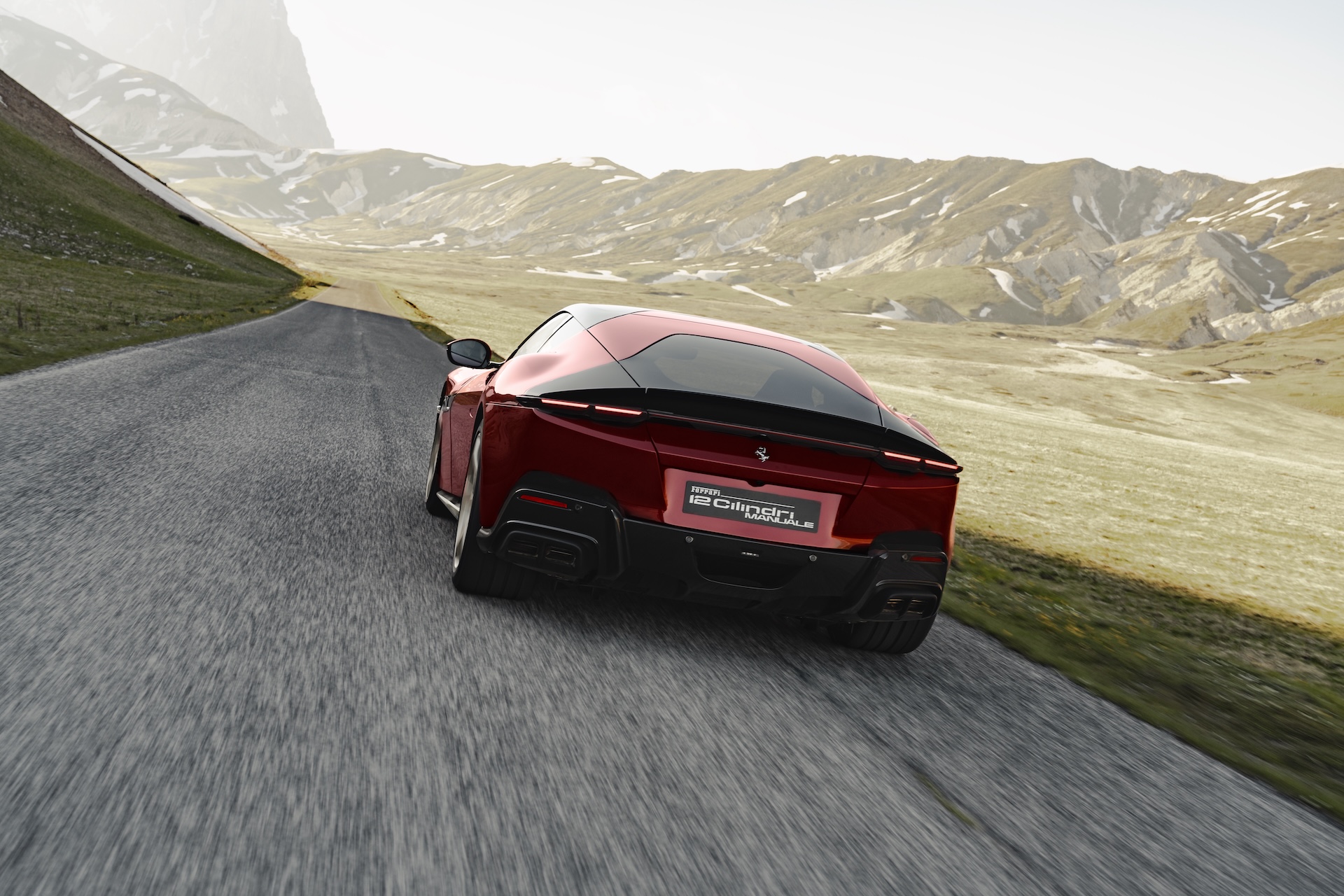
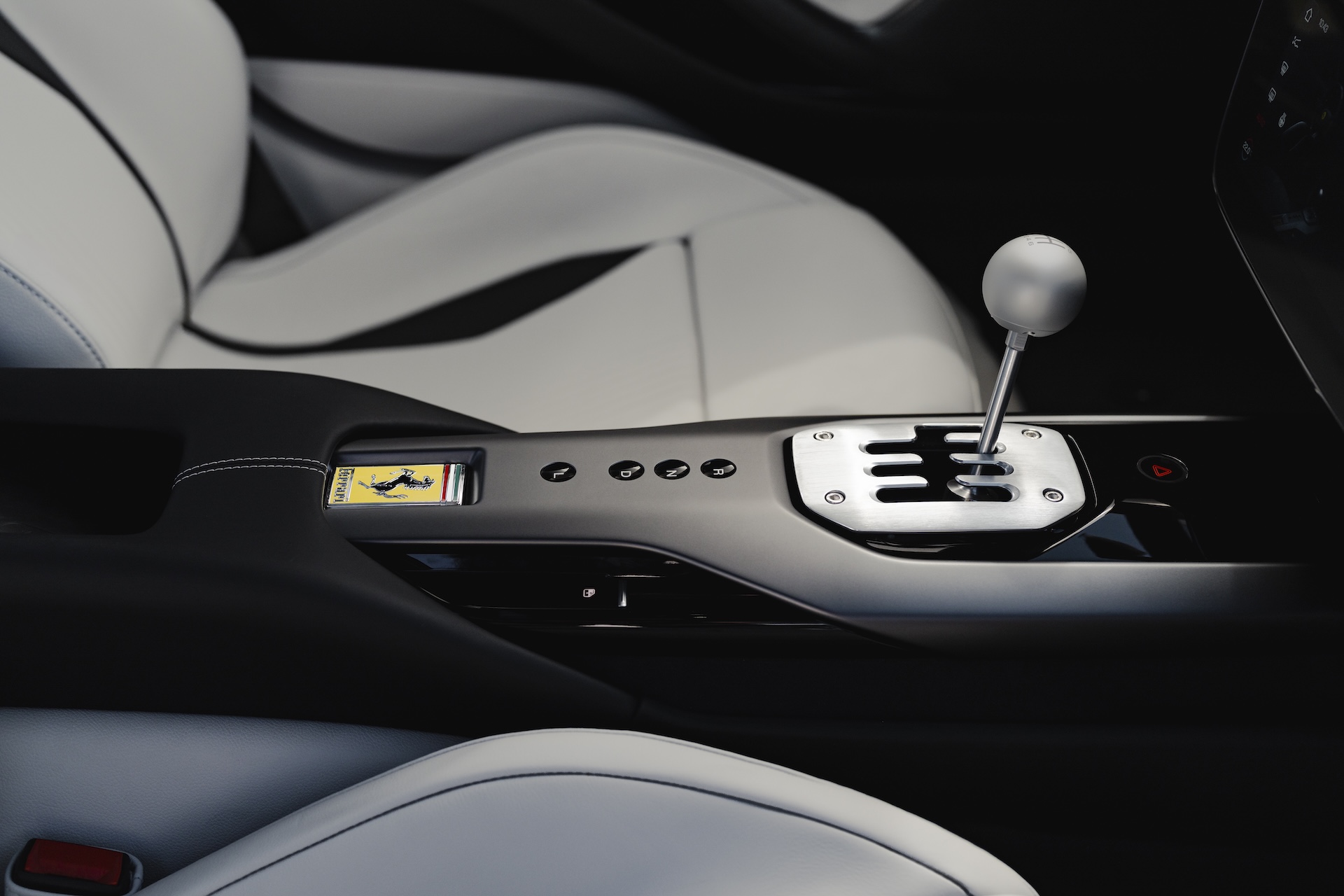
Onto the details: Ferrari calls this Manuale by Wire, and although the first word is in Italian, I don’t think I need to translate what that means, right? Just like brake- and steer-by-wire, this new transmission system uses electronics to turn driver inputs from the shifter and clutch into signals for the transmission and, ultimately, the engine. There is no mechanical linkage between the three, but there is a very tactile connection between the car and the driver. In a nutshell, manuale by wire is designed to bring the gesture of driving a manual back into a V12 Ferrari, while still offering the best of both worlds. How so? You can also drive the car in fully automatic mode.
How It Works
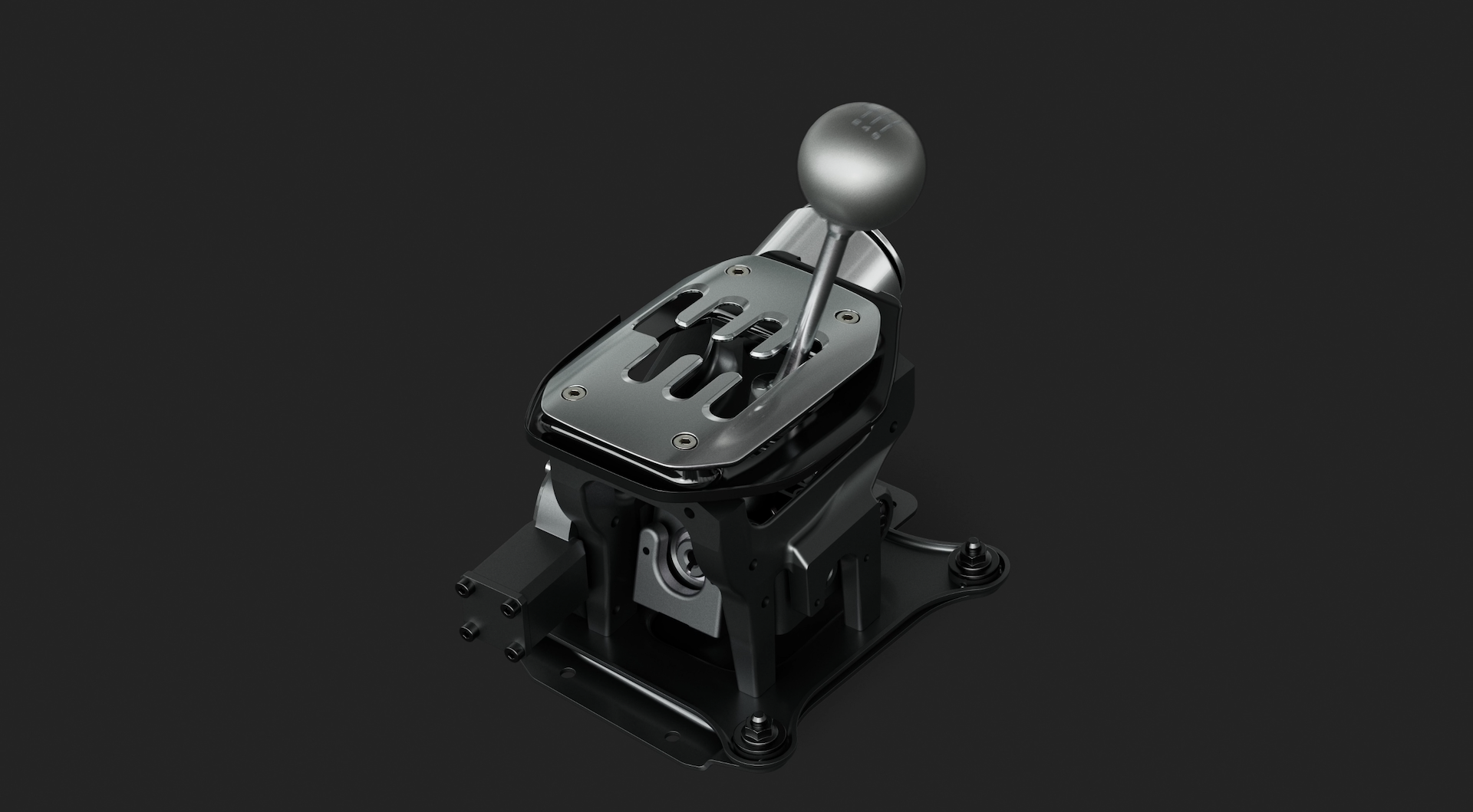
There are three key components: the transmission itself, the shifter, and the clutch. Also, there are no paddles behind the wheel, because that would be “untrue” to the concept and just doing too much. The shift lever, the gated base, and all of its parts and linkages that relay electronic signals are machined the same way as they’d be for a non-current model with a manual. In other words, everything looks and feels like the real deal.
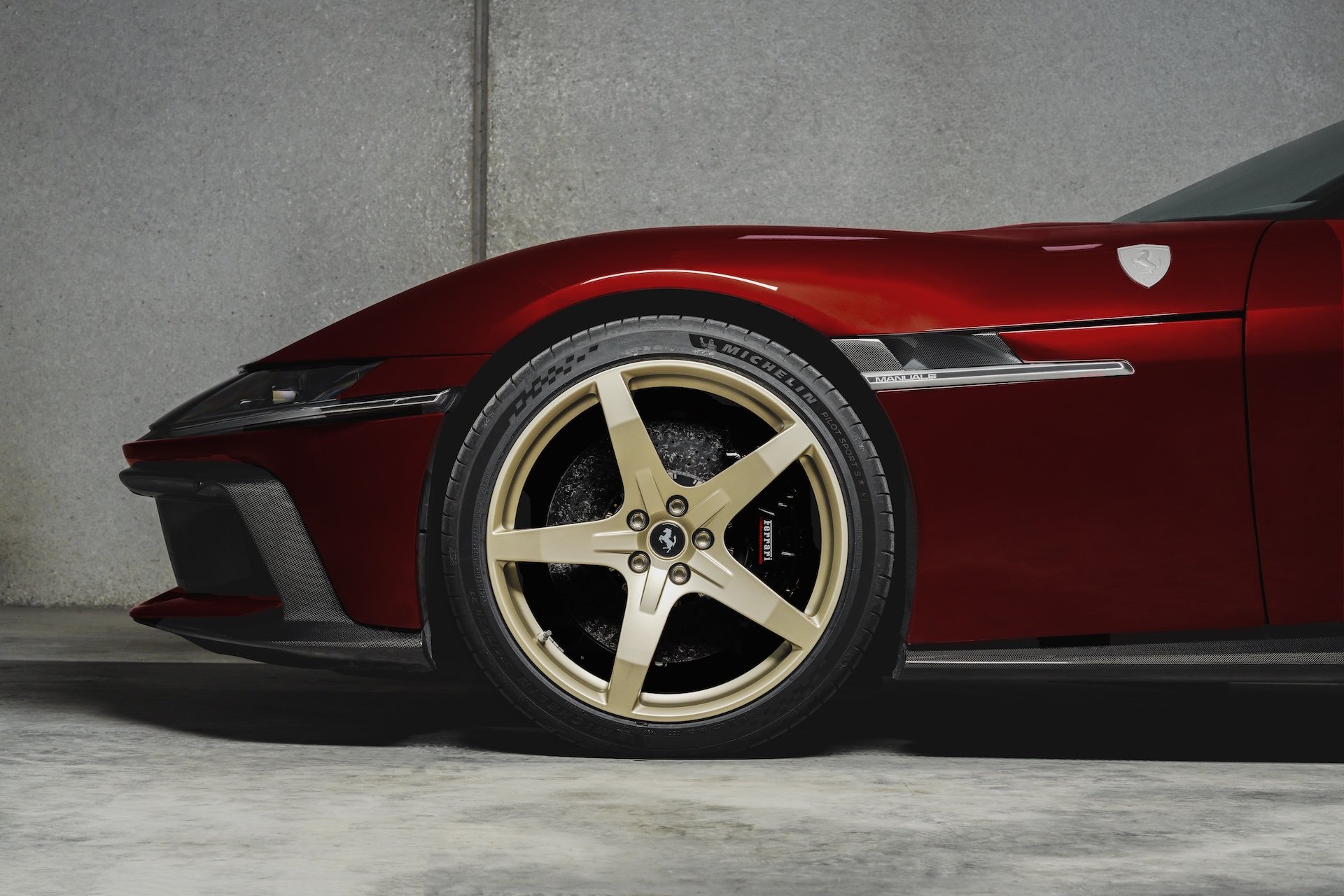
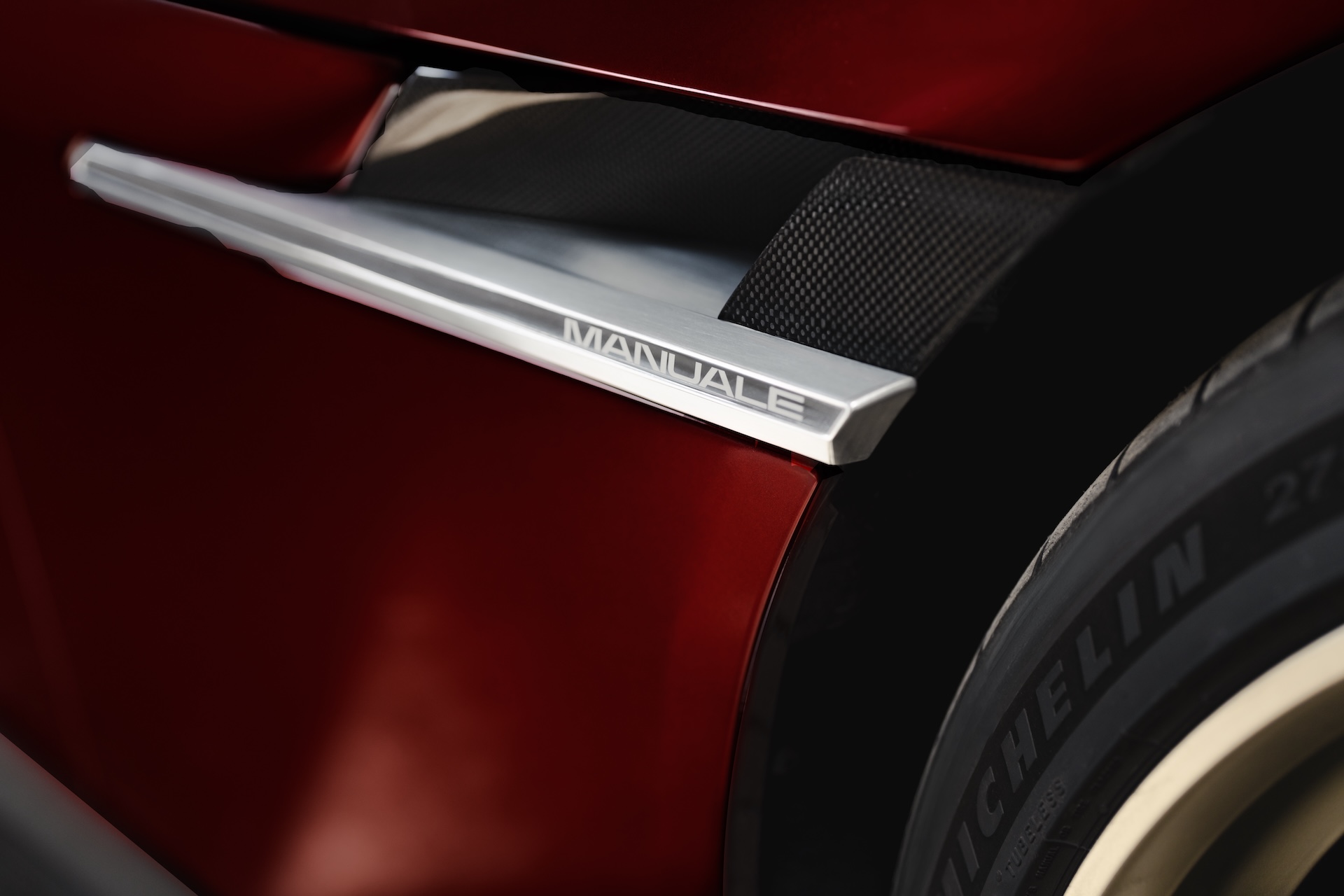
Ferrari designed the manuale-by-wire to be as realistic as possible, starting with the clutch feel. Nailing the pedal pressure, the nuances of pedal travel, and clutch engagement were the top priorities. Likewise, an engineer explained that shifter feel and balance were crucial to delivering the right experience, so they looked back to one of the greats, the 599 GTB, and recreated a similar clutch feel, shifter throw travel, feel, and play of the metal shifter rod against the gates.
Per Ferrari, driving the 12Cilinidri Manuale is just like driving any other manual, and, in fact, engineers have given the new transmission several traits to make sure the driver feels like they’re driving a manual and not an, uh, manualized automatic(?). For starters, you can absolutely stall the car. Just like in a mechanical manual, if you release the clutch too fast or don’t have a good feel for the pedal’s pickup point, the car will shudder and the engine will die. Also, the system will let you do silly high revs, so if you insist on forcing a shift despite it not being optimal for performance, you’ll be able to do so. But while the driver can wring 9,500 rpm out of the V12, the computer will block any shifts that could result in a catastrophic failure, such as a sixth-to-first shift or some other shenanigan.
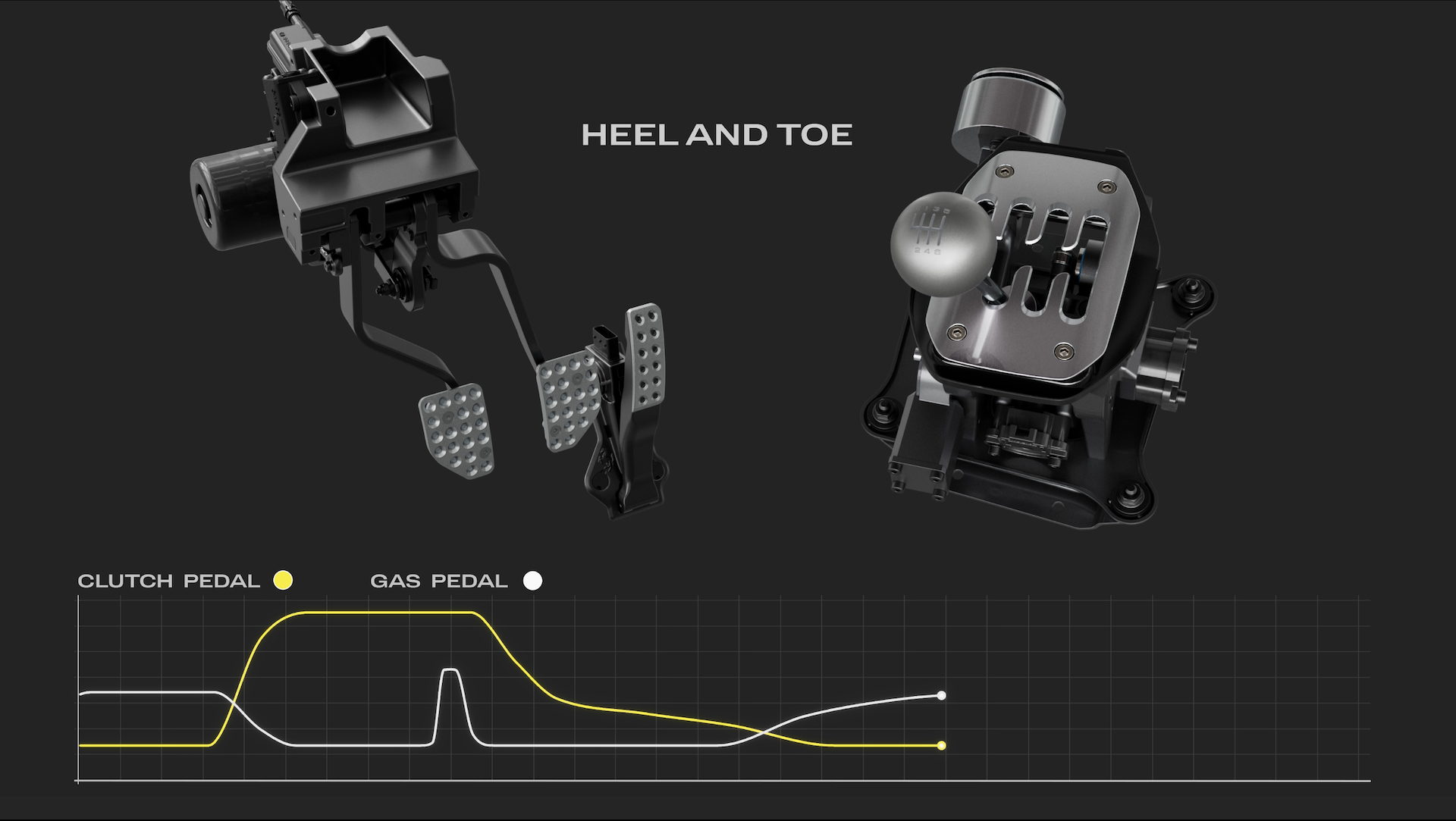
Can you dump the clutch and do a burnout? Yes. In the right driving mode, where the traction control system would allow wheelspin, burnouts à la manuale are possible. Likewise, heel-and-toe shifting. Ferrari claims that no manual would ever roll out of Maranello—by wire or otherwise—without giving the driver the option to heel-and-toe. Nailing that, however, is up to the driver’s skill.
The driver is able to switch between manual and automatic on the fly, but the manuale-by-wire system ultimately dictates how it happens. For example, if you’re driving 90 mph on the highway in automatic mode and want to engage manual mode by pushing the clutch and shifting into second gear, the system will not allow the shift lever to slide into that gate because the revs wouldn’t match. This is exactly the same as forcing a shift with the paddles in existing cars—at some point, the computer won’t allow it. When in manual mode, the shift pattern engraved on the top of the shifter lights up orange, as do the gauge lights, to remind the driver to shift themselves.
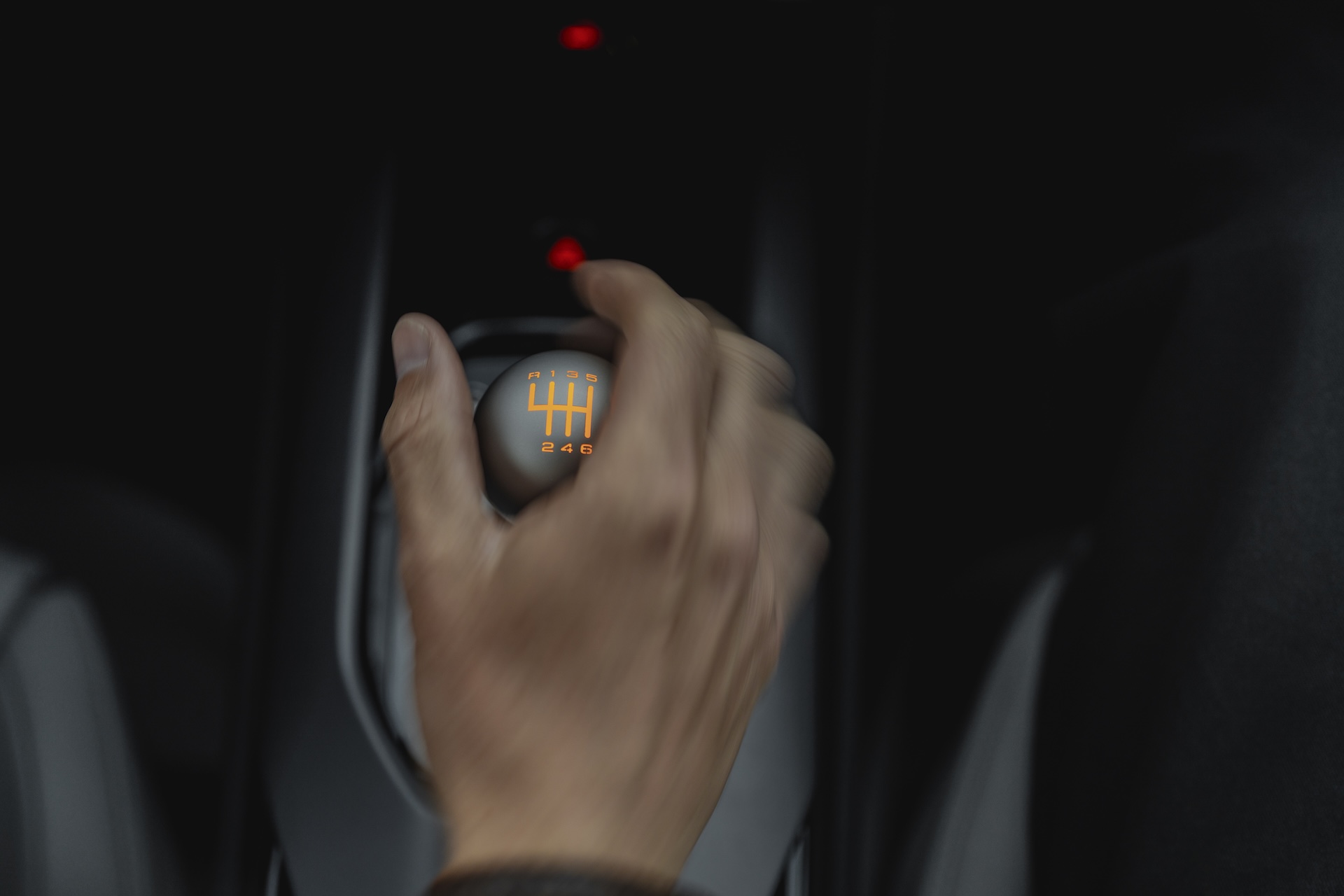
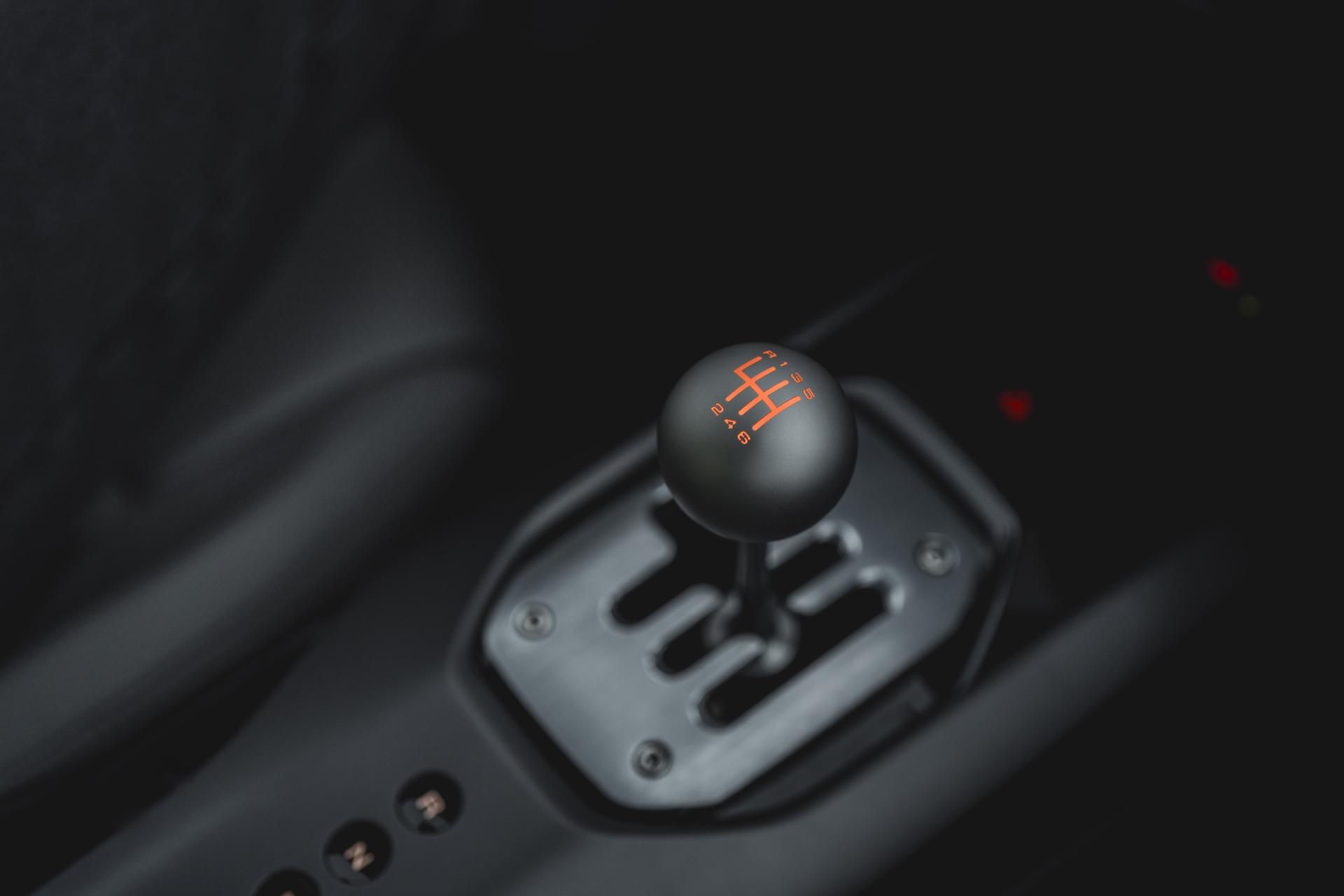
Where normally I’d write it off to marketing lingo, I truly believe that this transmission offers the best of both worlds, and it was during a real-world drive in a Ferrari that I had a big aha moment about it. While driving a 296 Speciale Aperta in the hills around Maranello for several hours in 100-degree heat, I opted for fully automatic mode on my way back to the factory, mostly because of stop-and-go traffic and other annoying situations. After driving quite spiritedly on lovely twisty roads, where shifting my own gears was rewarded with truly lovely performance, all I wanted to do was crank up the AC, recline the seat back an inch, and let the car shift on its own while in a more relaxed driving mode. I had enjoyed a truly engaging experience with the paddles, so I was ready to hang back and let the computer do its thing.
At the end of the day, it’s the same thing for the 12Cilinidri Manuale. You get the purity and intensity of a manual when you want it, and the comfort and smoothness of an automatic when you do. Plus, having a 6.5-liter naturally aspirated V12 producing 819 horsepower isn’t too shabby.
Only 1,499 units of the 12Cilinidri Manuale will be made, all of the coupe models (no Spiders), and all of them will be Tailor Made creations, meaning owners will have to go through Maranello’s bespoke program should they want one of these—if there are even any build slots left. Pricing will start at €590,000 in Italy.
Got a tip? Email us at tips@thedrive.com
Loading comments…
Comments couldn’t be loaded. Please refresh the page.