
What’s your favorite type of engine? Personally, I love a four-cylinder turbo purely for its feistiness but also basic nature. Of course, naturally aspirated V8s are the money, too, and I predict that’s what most of you will say in the comments. However, better than those two and basically any other internal combustion engine is the V12. Not just any V12, but a naturally aspirated V12. And if it originates from Maranello, even better.
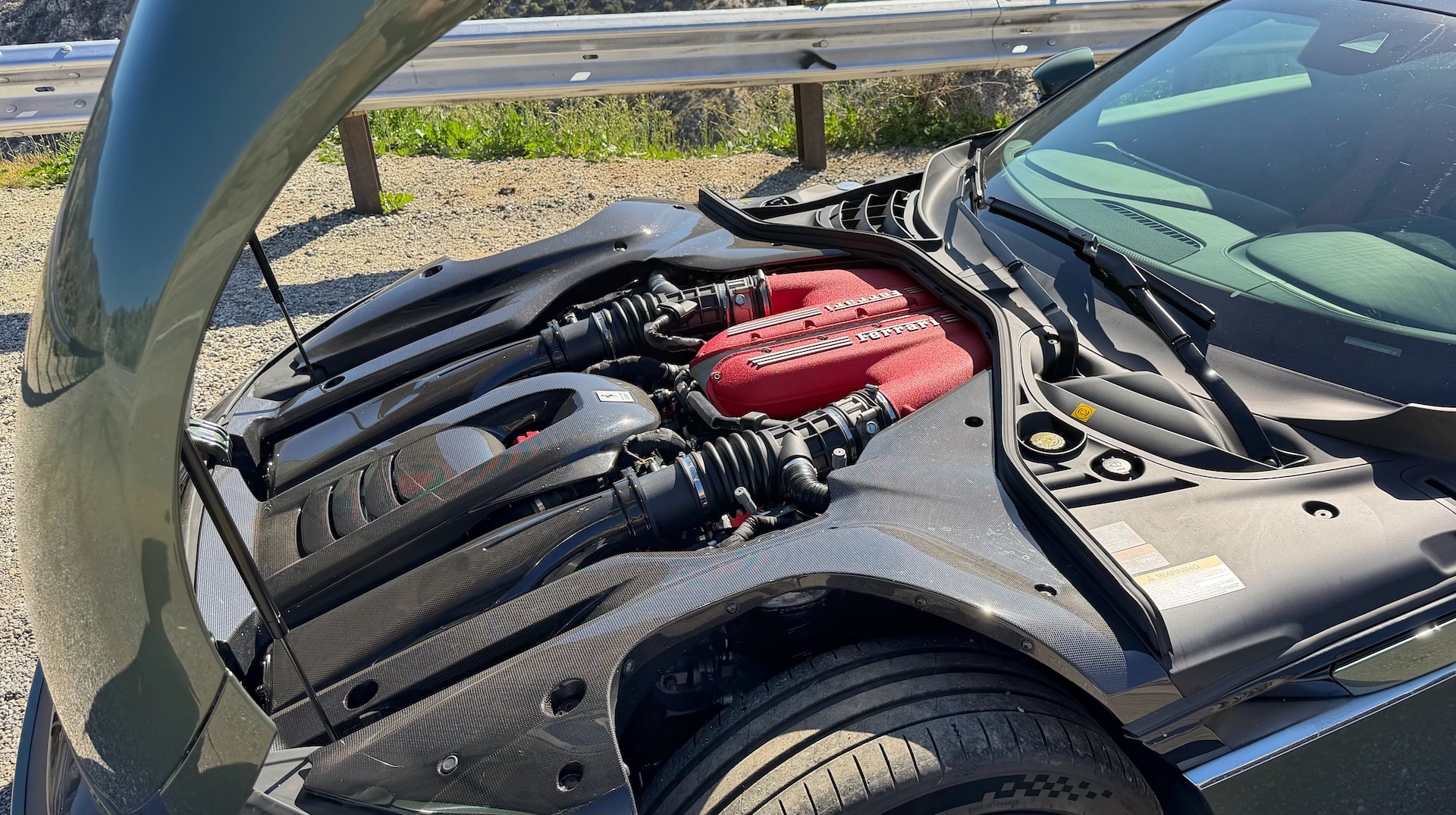
I recently spent a few days and several hundred miles in the Ferrari 12Cilindri Spider. You can read my full review here. Spending time in a Ferrari, regardless of model or engine, is always special. Spending time in a front-engined, V12-powered, convertible Ferrari is even more so. It’s the type of experience that’s usually reserved for a special few, so to be able to live with it as if it were mine for several days, even though I couldn’t afford a down payment toward its $661,000 price tag, is—as Max would say—simply lovely.
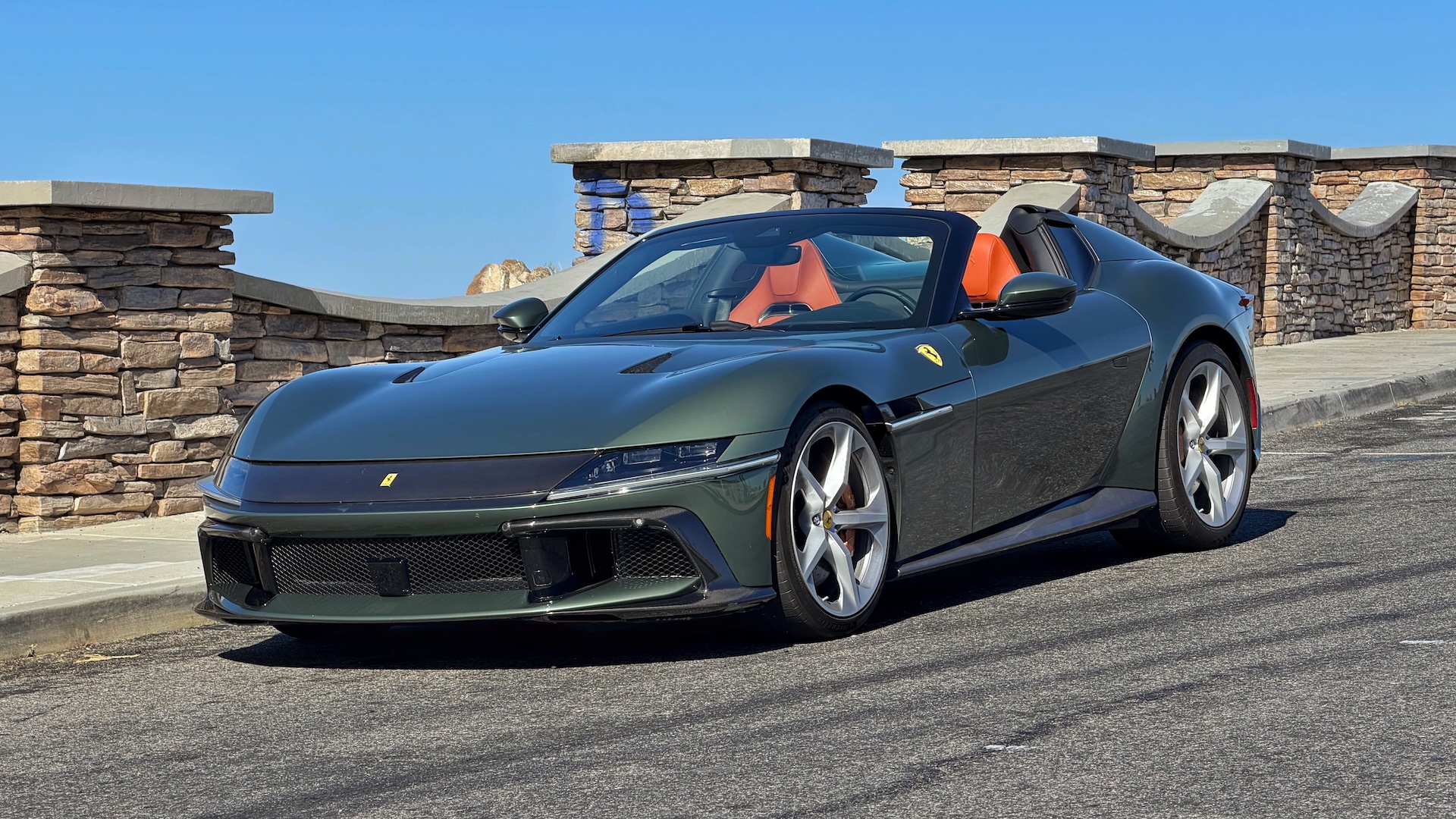
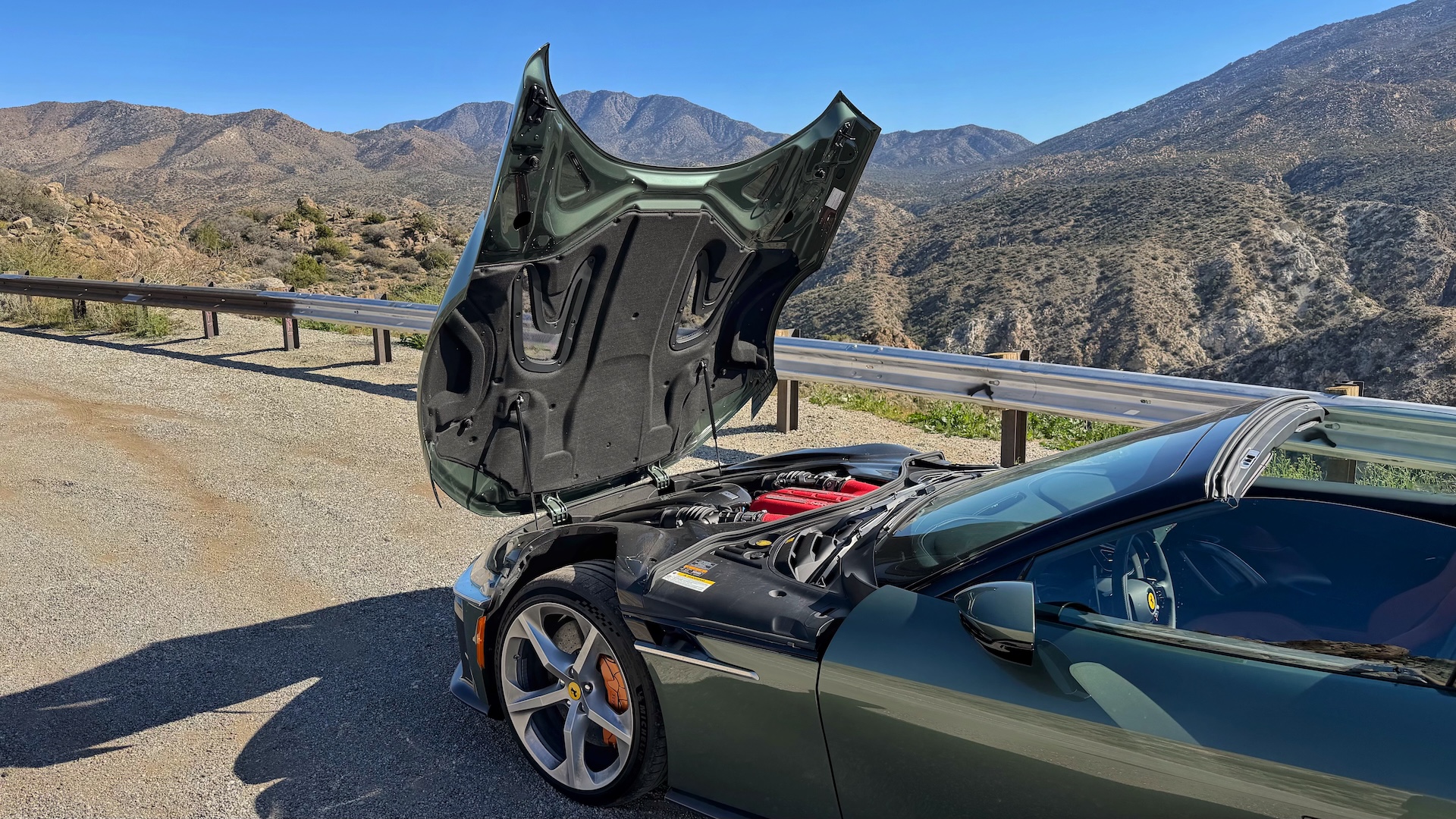
By any standard, the naturally aspirated, 6.5-liter V12 stuffed under the long, sculpted hood is a work of art. While the core of the engine has been used for several of the 12Cilindri’s successors, it’s been heavily revised and retuned for its current application. And having driven a version of it in the Purosangue a couple of years ago, I can certainly notice some of those improvements and adjustments. Most importantly, what stands out the most when experiencing this V12—even more than its performance—is its sense of rarity.
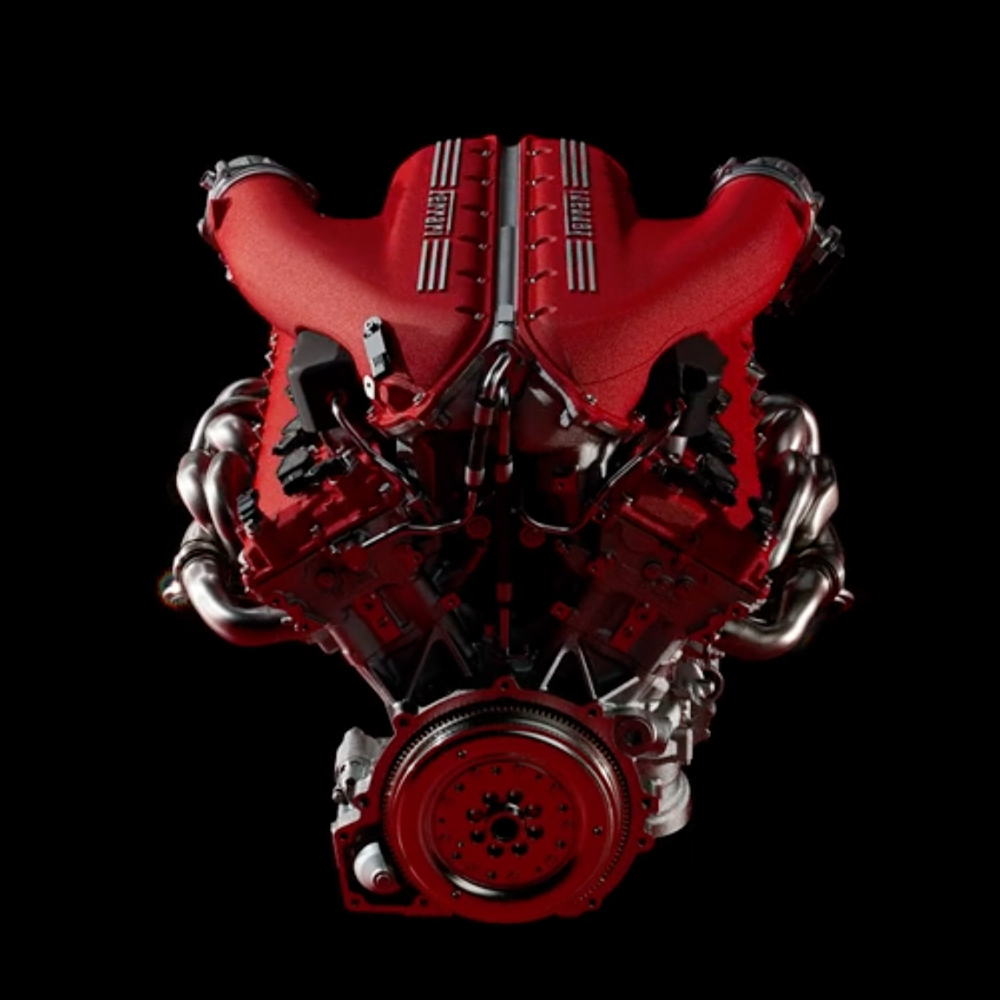
Codenamed the F140HD, the 6.5-liter motor produces 819 horsepower and 500 lb-ft of torque. It propels Ferrari’s flagship sports car to 60 mph in just 2.8 seconds and to a top speed of 211 mph. In its current iteration, it’s borrowed hardware, software, and tuning from the 812 Competizione for better performance, while also being revised for weight savings. New aluminum alloys were created for several components, including new pistons, and the adoption of titanium over steel led to a 40% reduction in rotating mass. And that’s what allows this engine to rev so incredibly quickly and all the way to 9,500 rpm.
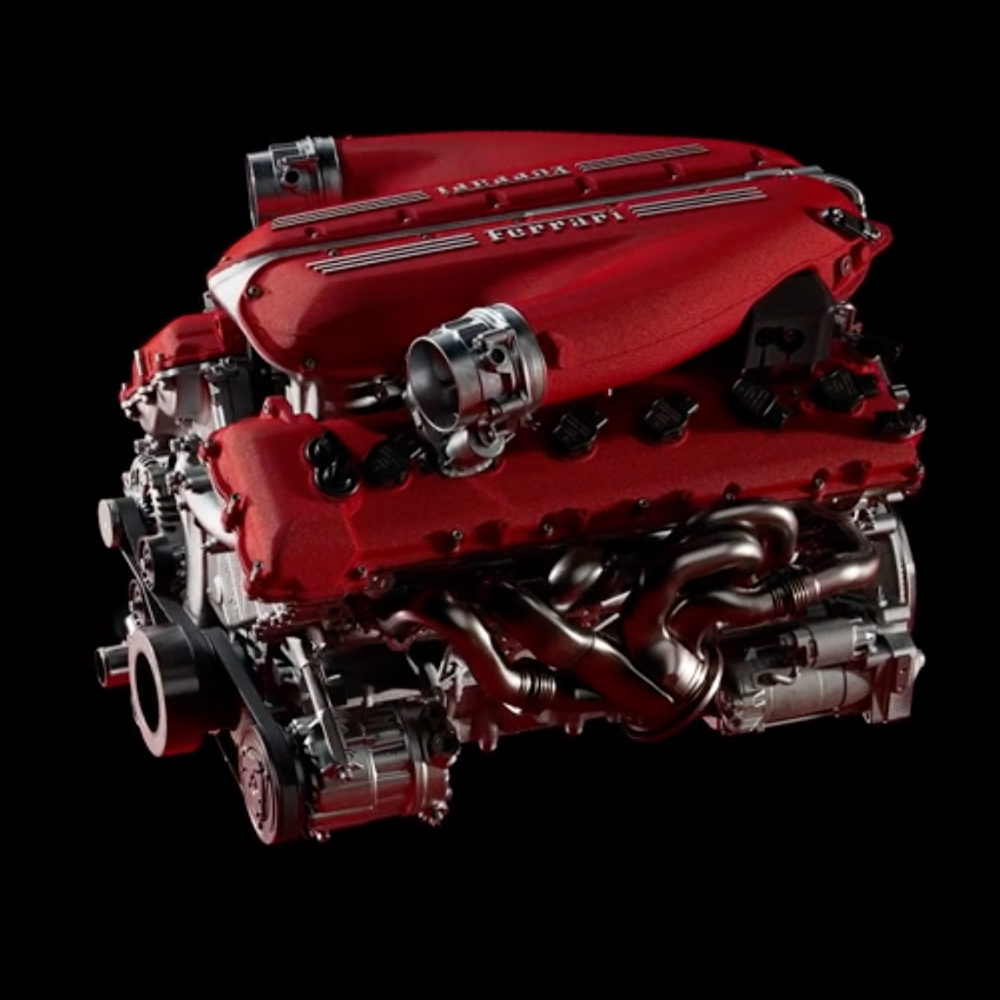
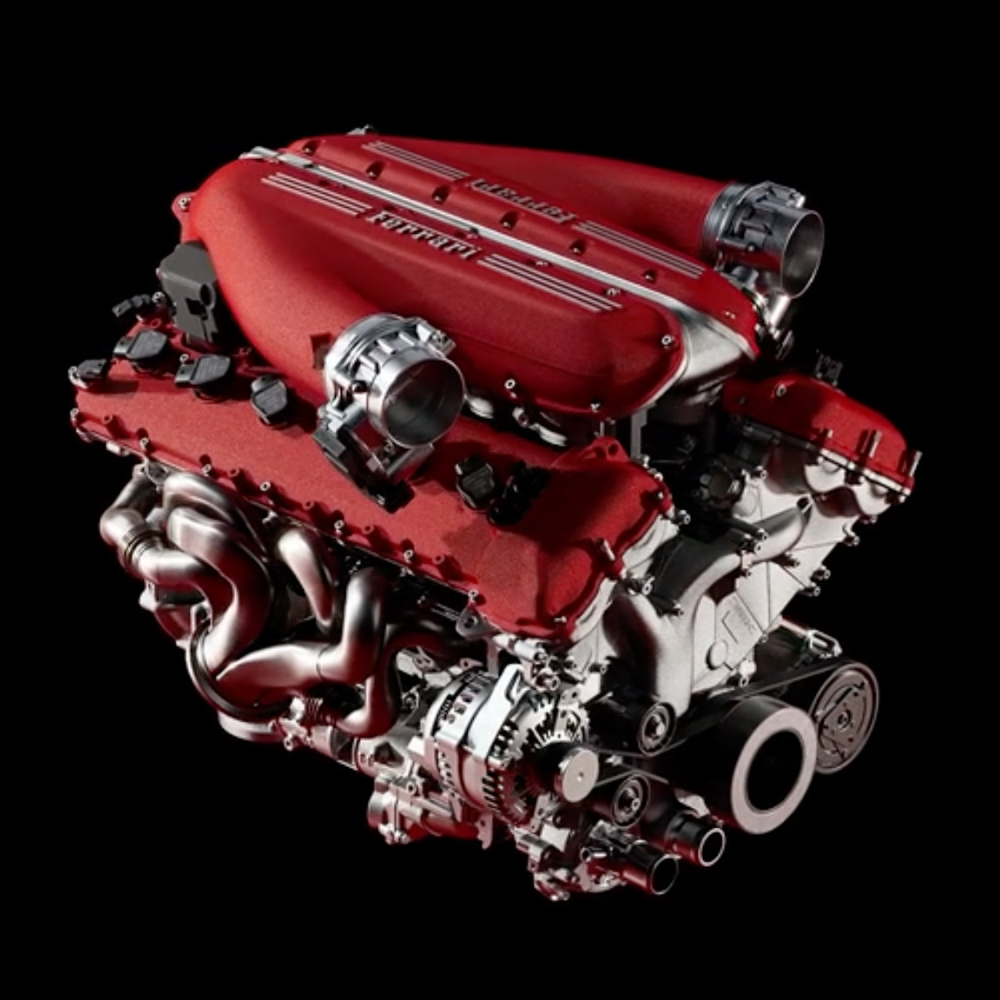
Fire up the V12, and you’re greeted by a loud bark that quickly mellows out and morphs into a deep rumble. If your right foot is aching to make it sing, though, you have to give it time to warm up. A readout on the digital gauge cluster shows how cold the engine is, and if it’s been sitting overnight, it’ll likely take about 5 minutes of idling to fully come up to temperature. And when it does, you can stab the gas pedal to hear one of the most glorious engine sounds on any production car today. Listen to it in the video below.
The revs shoot up incredibly fast, and drop nearly just as quickly, delivering the sound and feel of a purpose-built racing engine. And then there’s the high-pitched exhaust note that quite literally gave me goosebumps. There’s only one other car that’s done this purely with its sound, and that’s a Pagani Zonda. Well, and I’d add the Honda RA272 Formula 1 car to that list, but that’s cheating.
There are fewer than 10 V12-powered cars on the market today: this, the Purosangue, the Aston Martin Vanquish, the Rolls-Royce Phantom, Ghost, and Cullinan, the Lamborghini Revuelto, and the Mercedes-Maybach S680. Of this bunch, only the Ferraris are naturally aspirated. The others are turbocharged and/or hybrid.
What’s the takeaway? The V12 isn’t just a dying breed—and I really hate to use that term because it’s often overused for fear mongering—but the un-boosted V12 is practically already dead. If it weren’t for these two Ferraris, there wouldn’t be any left. And I know what you’re gonna say: the Gordon Murray cars have that incredible Cosworth V12! Yes, yes, they do, but those are made-to-order cars from a boutique manufacturer, while the Ferraris—as limited as they are—are still considered production cars. Even if I counted those in, the grand total would still be roughly 10 cars globally.
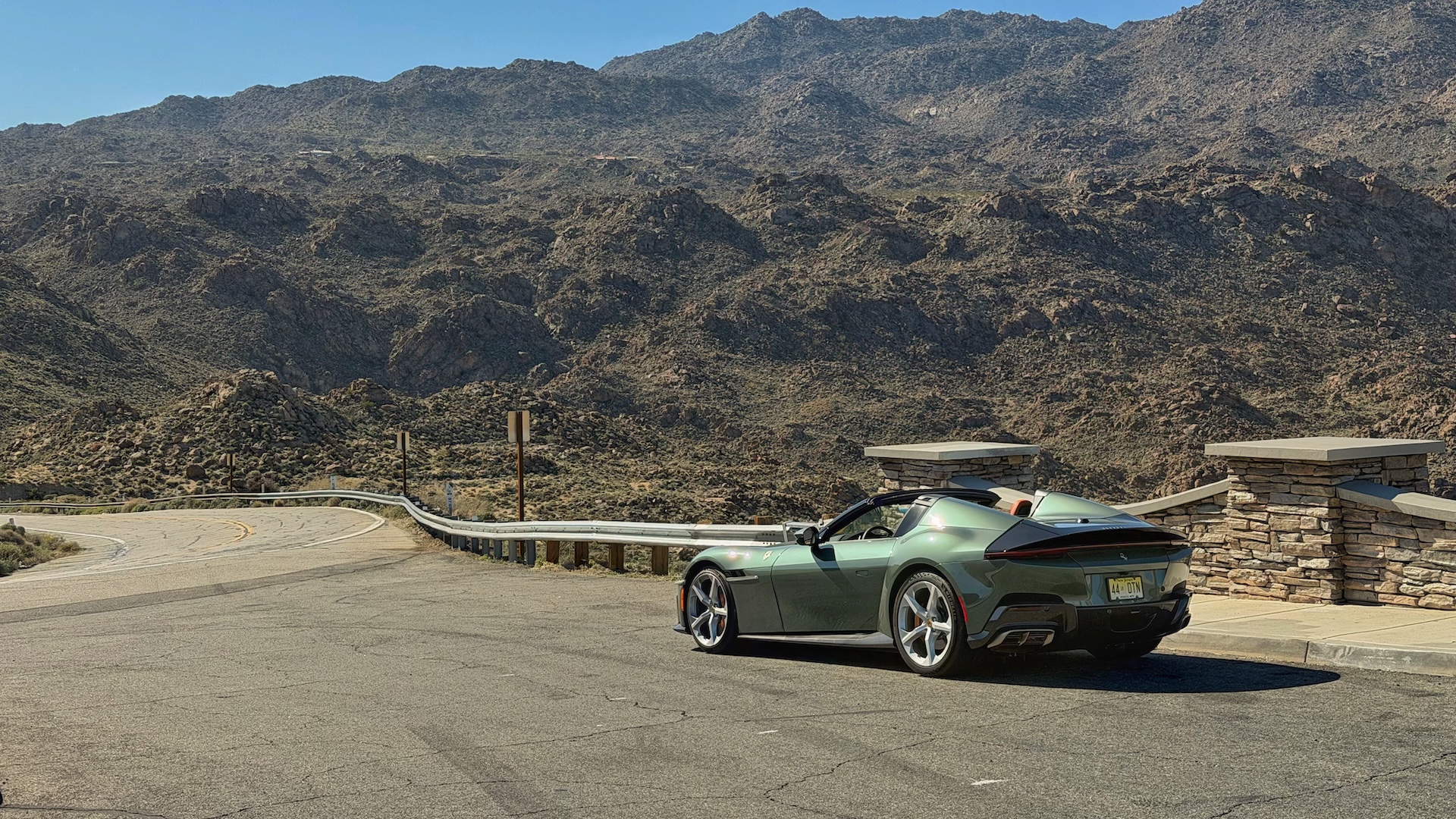
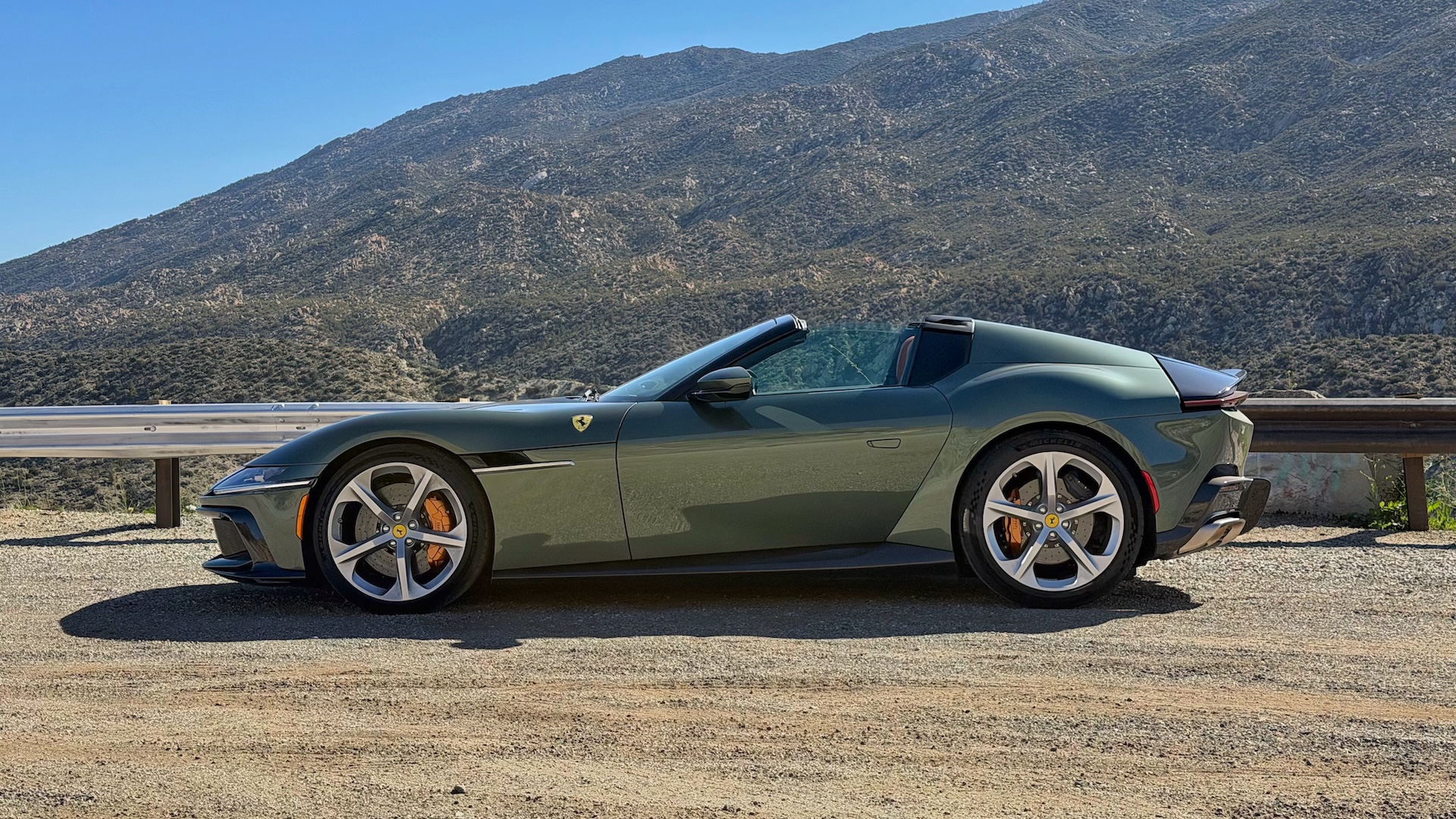
The way things are going, it probably won’t be long until there aren’t any V12s left, let alone naturally aspirated ones. Very few people have the means to buy any of the models above, so if you’re one of them, enjoy the privilege and cherish the opportunity. What will the halo and aspirational car space look like when the last V12 finally bites the dust? Will there be other types of V12s around, or how much longer (and how much money) will automakers spend on adapting new tricks to a dinosaur?
If this is the final hoorah for the naturally aspirated V12 in a production car, then it’s a hell of a finale.
Got a tip? Email us at tips@thedrive.com
Loading comments…
Comments couldn’t be loaded. Please refresh the page.