
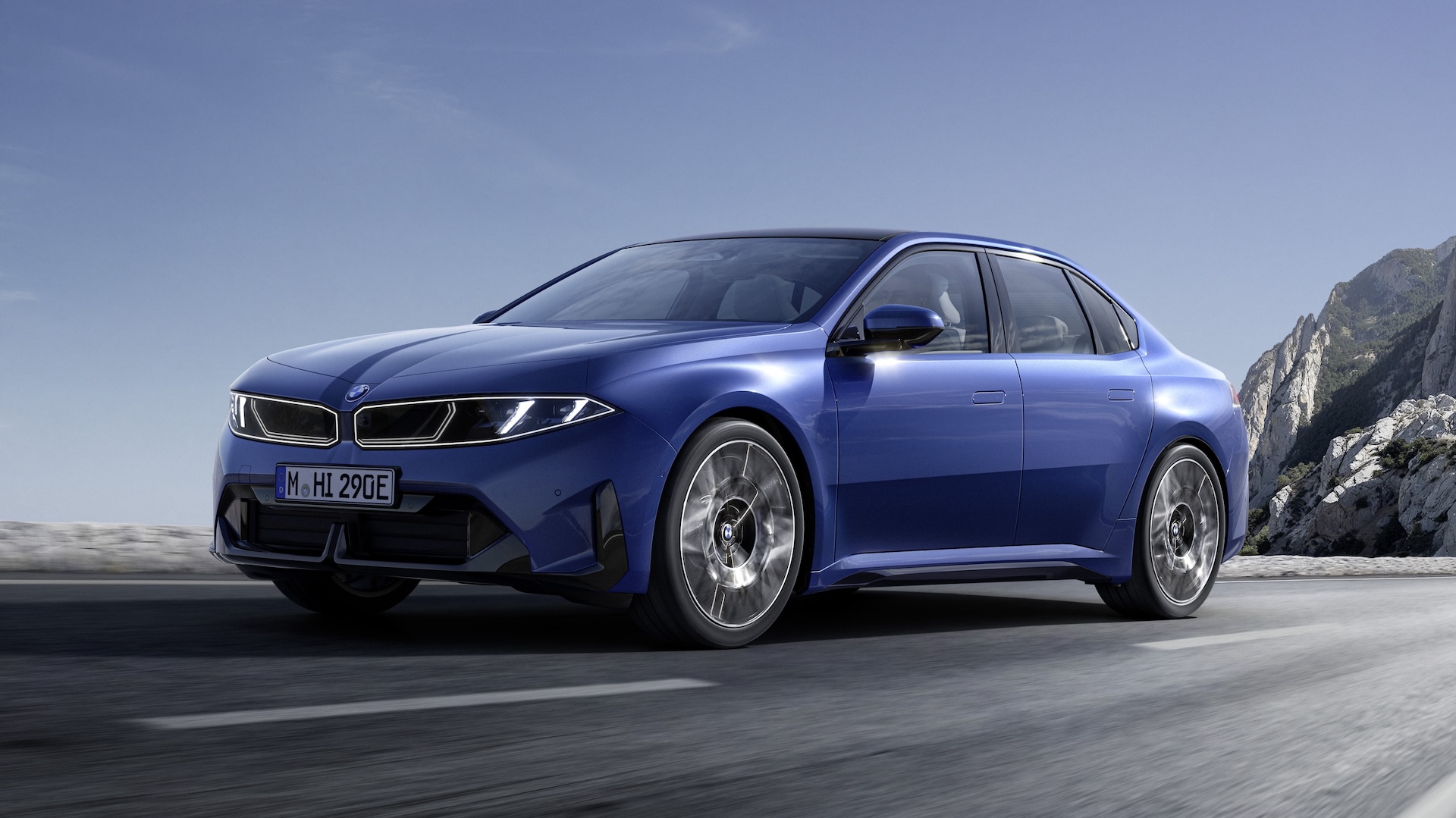
Electric cars have revolutionized efficiency and performance. But what about style—and what about heritage? What happens when one of the world’s benchmark sport sedans goes electric? The upcoming BMW 3 Series is gaining a battery-powered variant soon, and I recently enjoyed a sneak preview: the 2027 BMW i3.
The i3 will be the first of BMW’s new Neue Klasse range of cars. Built around a new electric-car architecture, the Neue Klasse has been penned with nimble handling, state-of-the-art digital interfaces, and fast charging in mind.
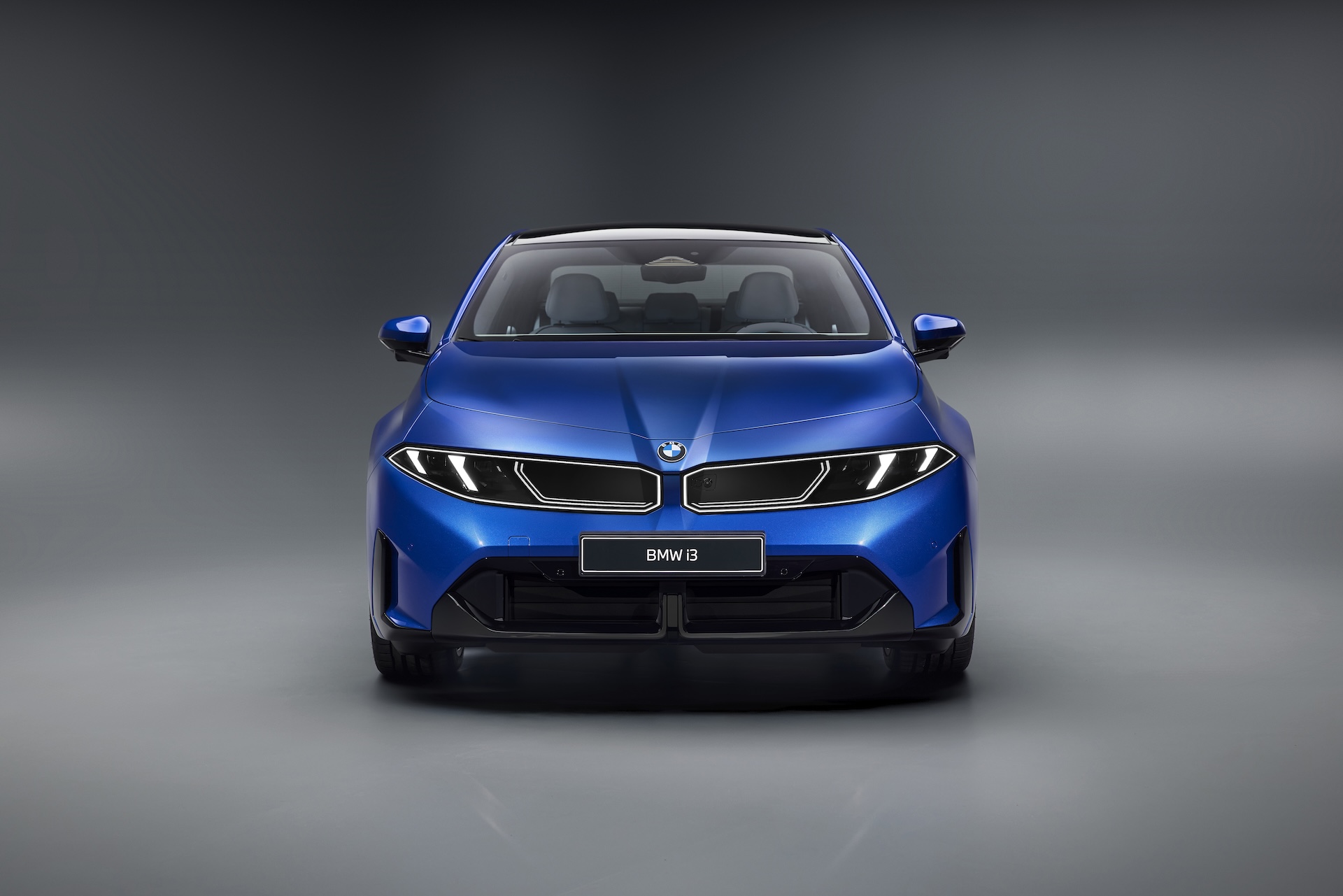
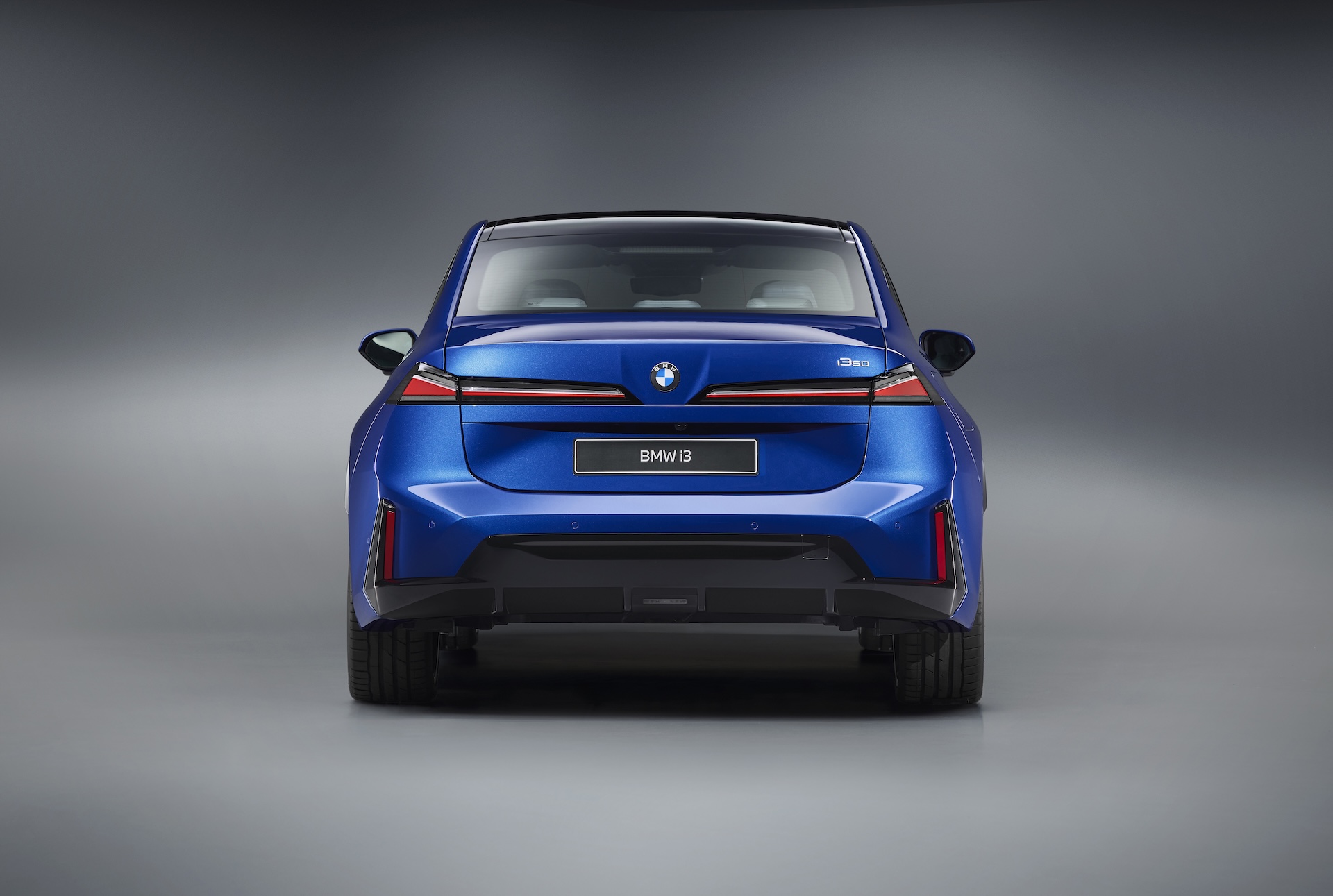
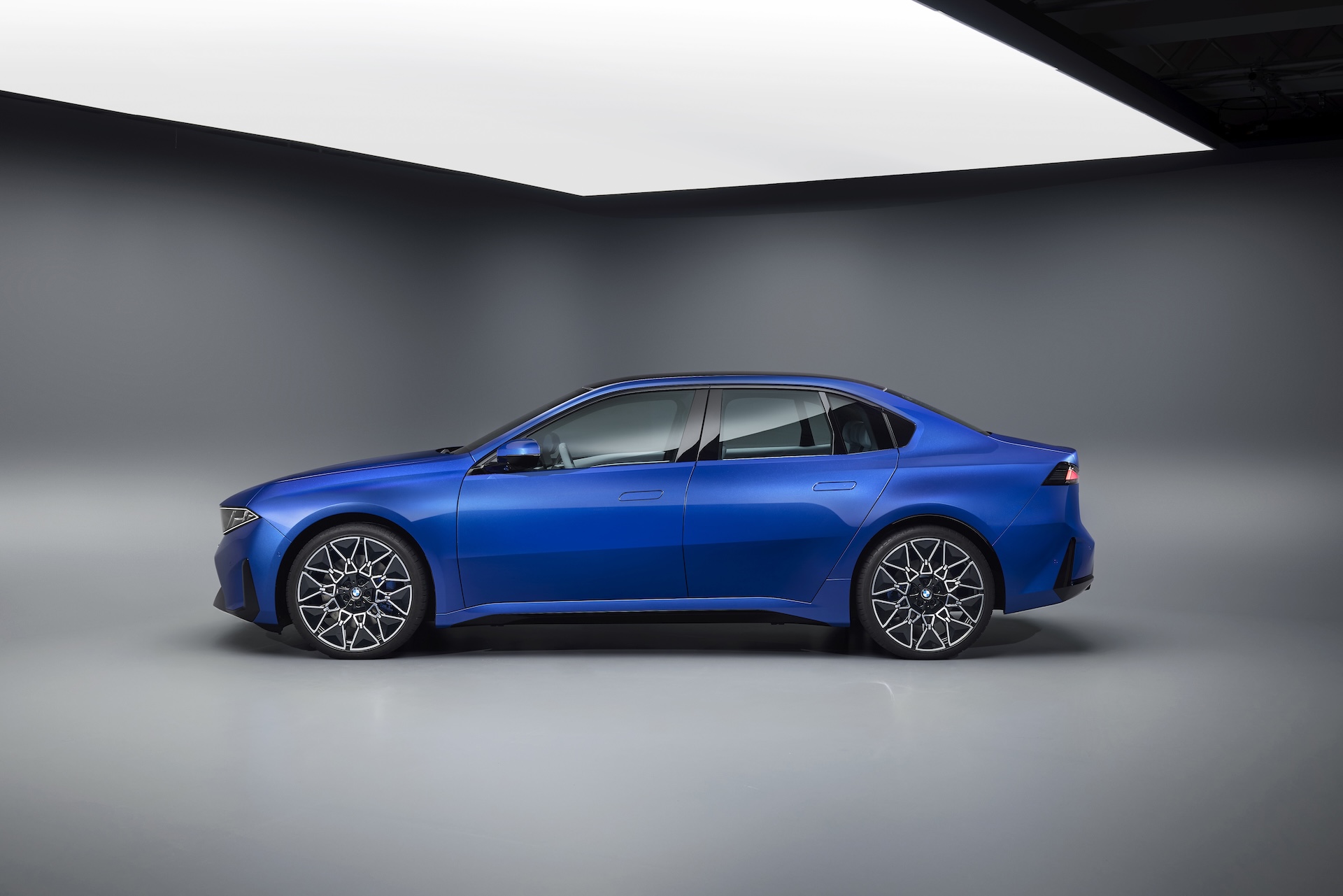
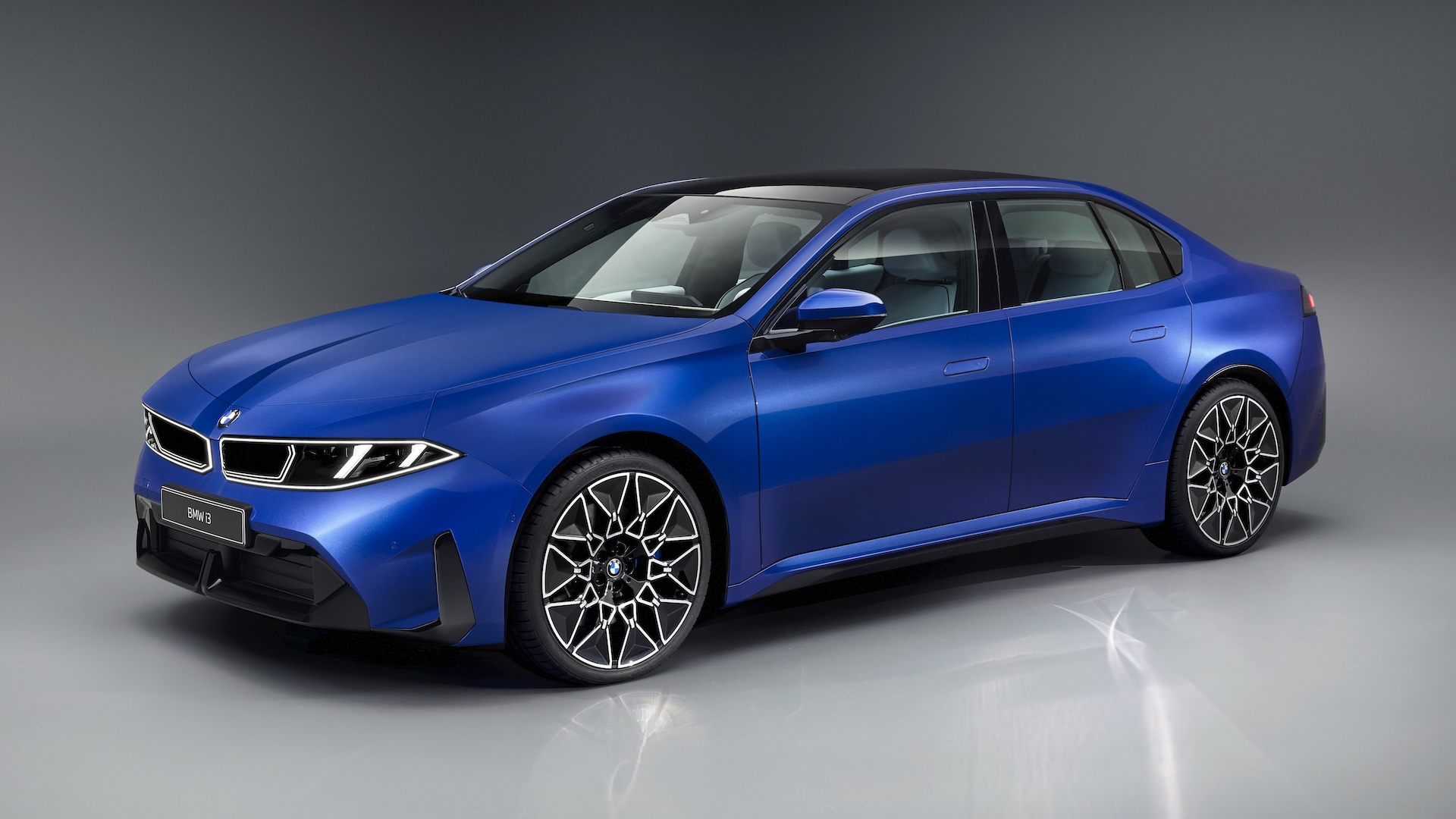
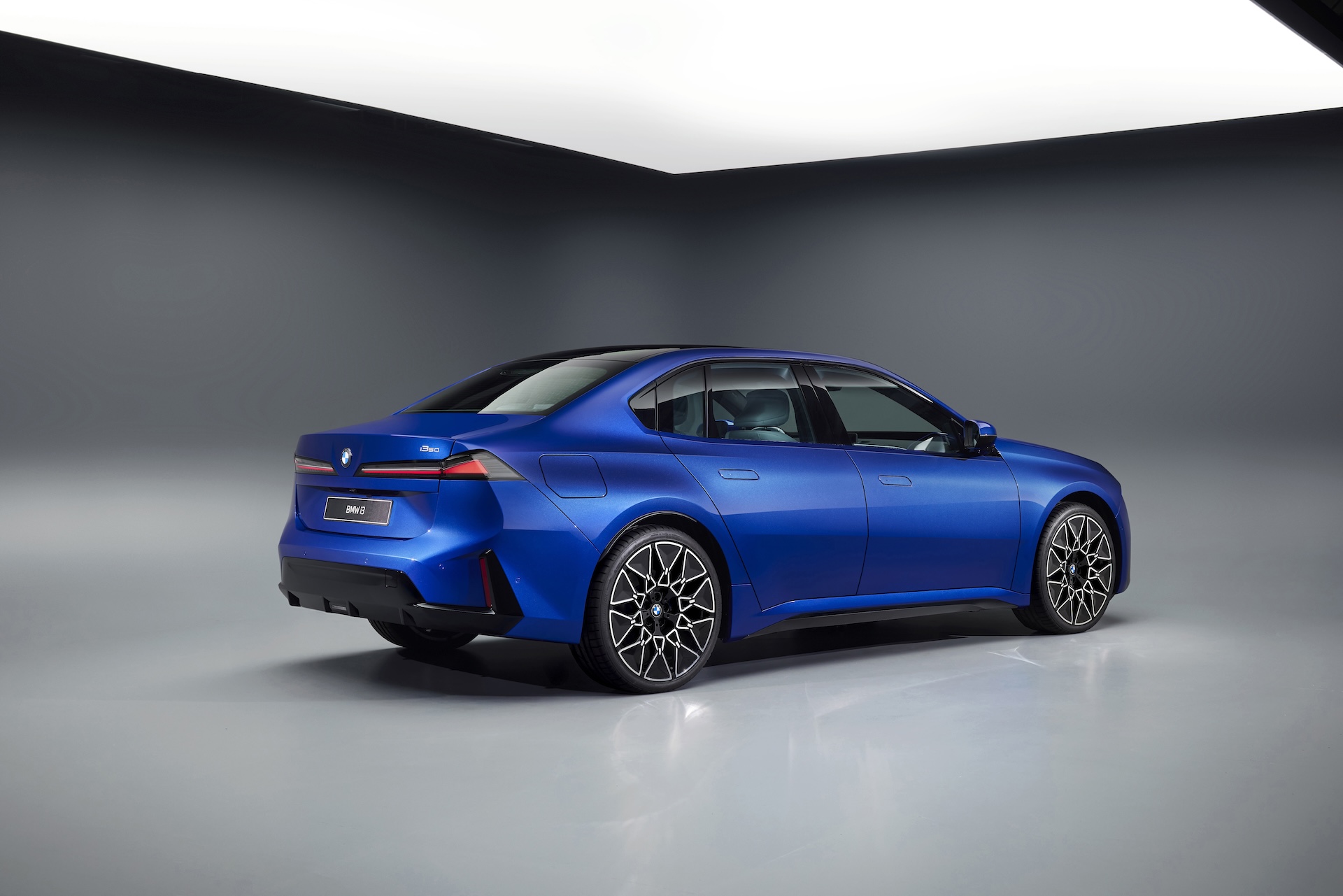
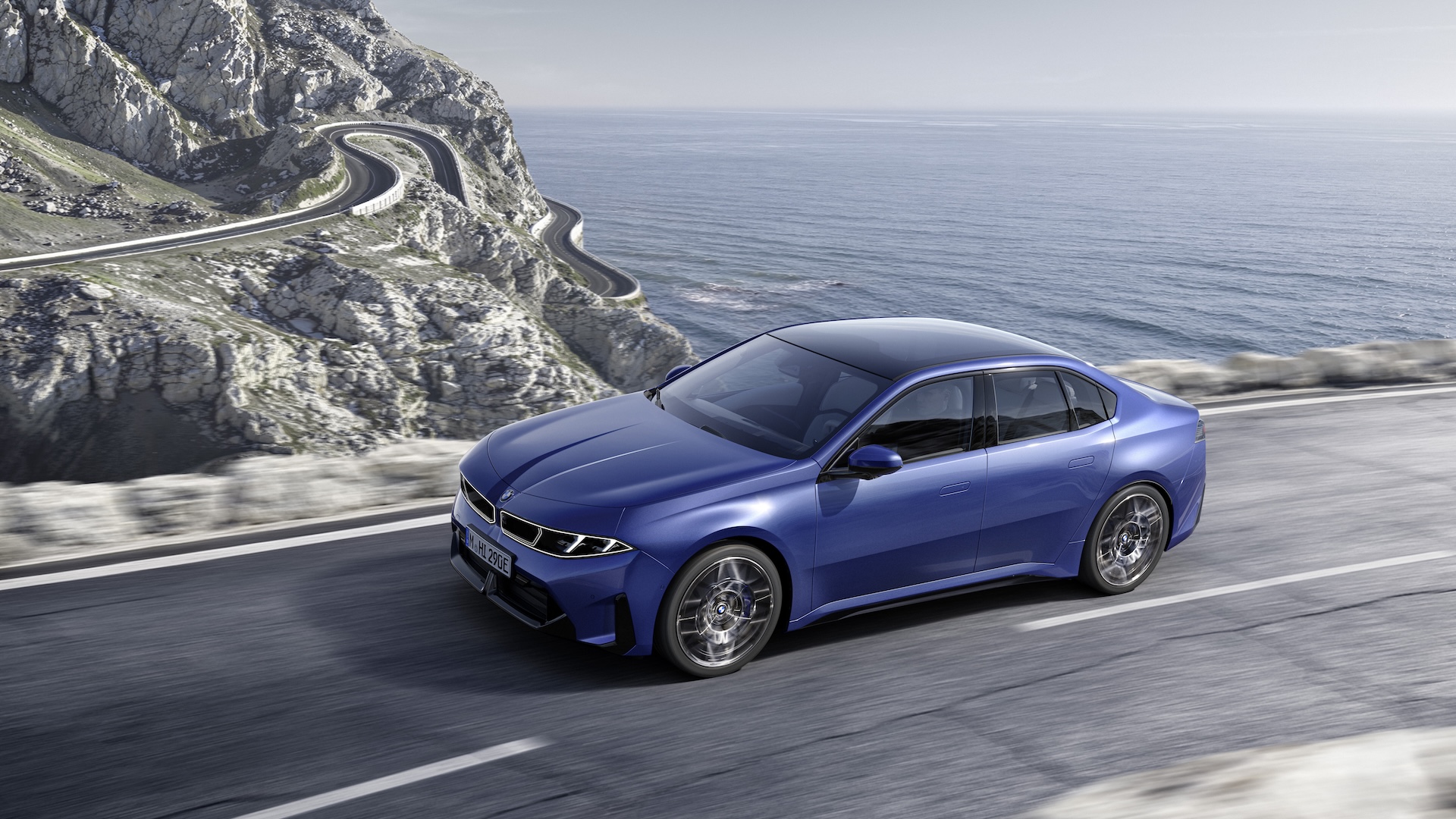
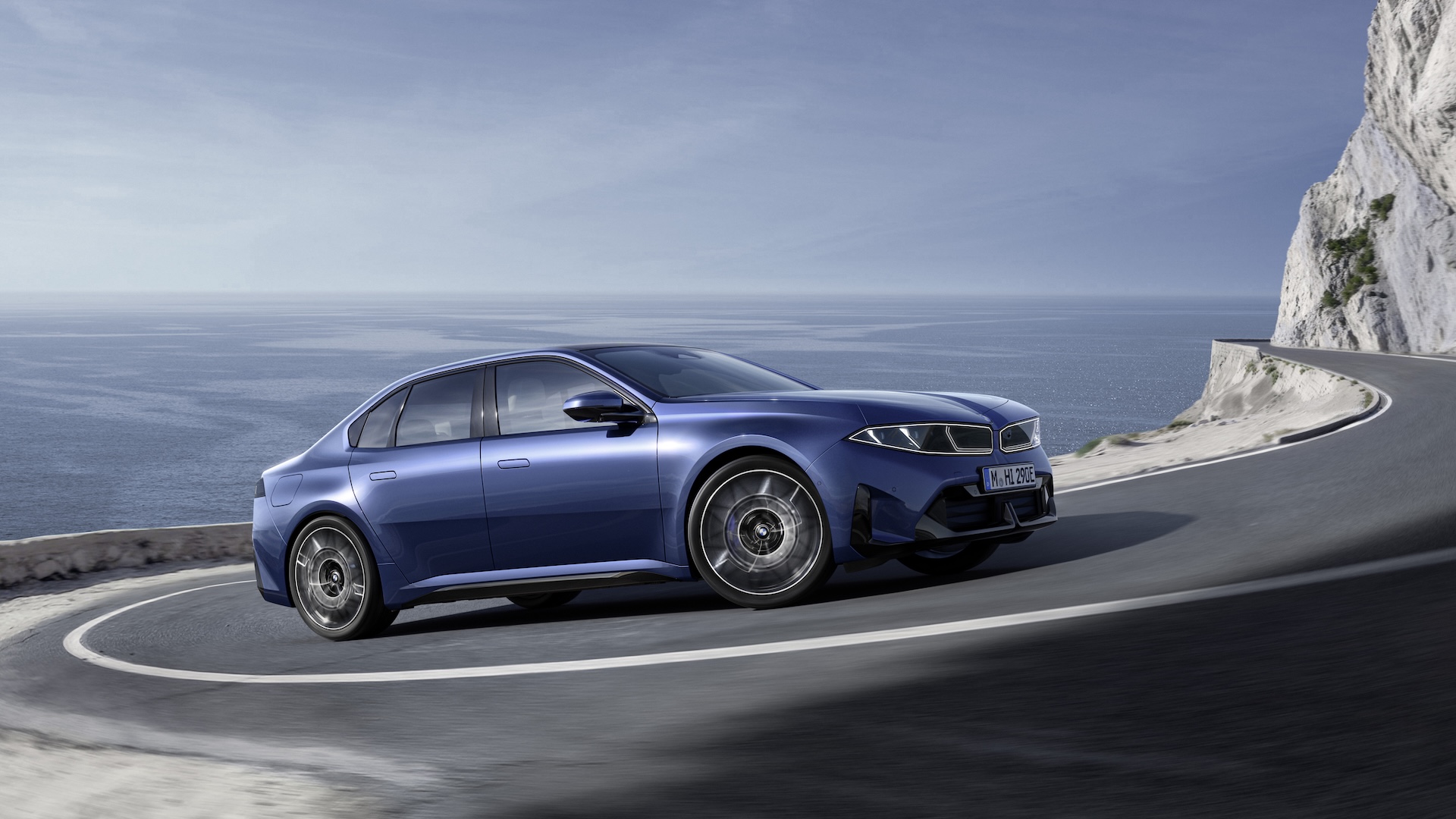
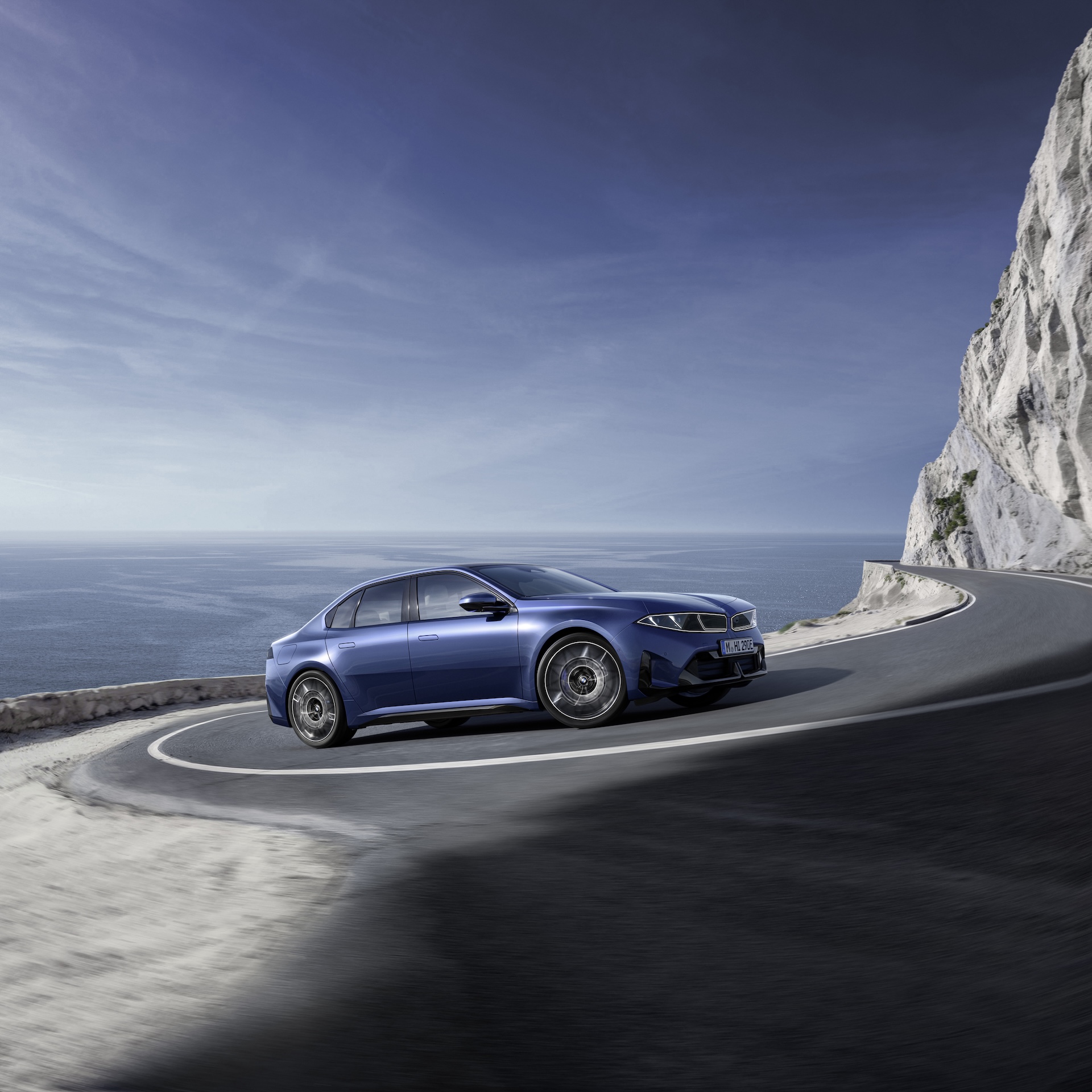
It’s a BMW from tip to tail. At the front, it wears a wide LED-rimmed twin-kidney grille that wraps into the front corners. Thin roof pillars and sculpted sides lead to a kicked-up shoulder line that ends at the stubby, tall trunk. Across the back, a band of LED taillights caps it all off, tucked into a shallow valley just like the one that carries the BMW logo at the front.
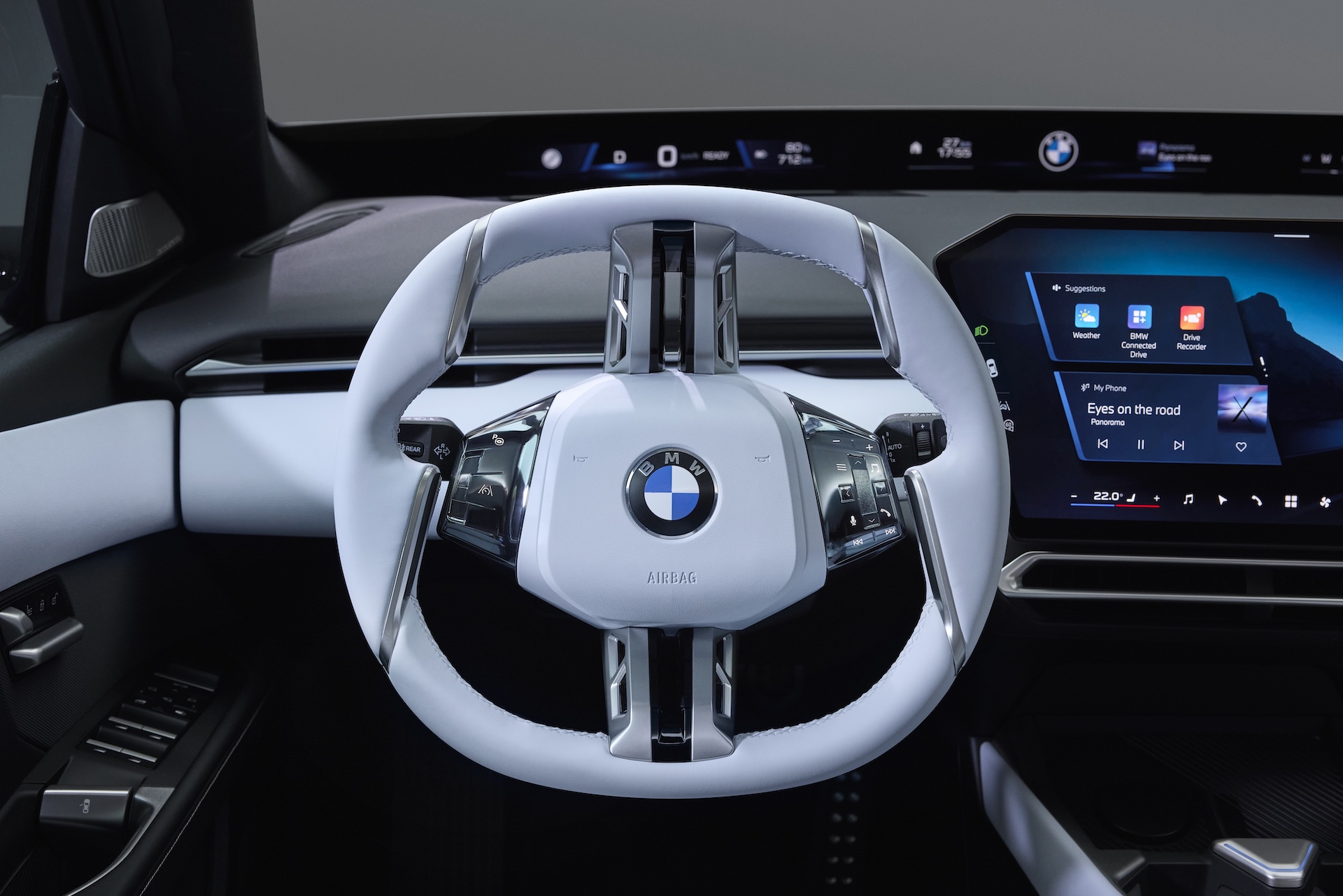
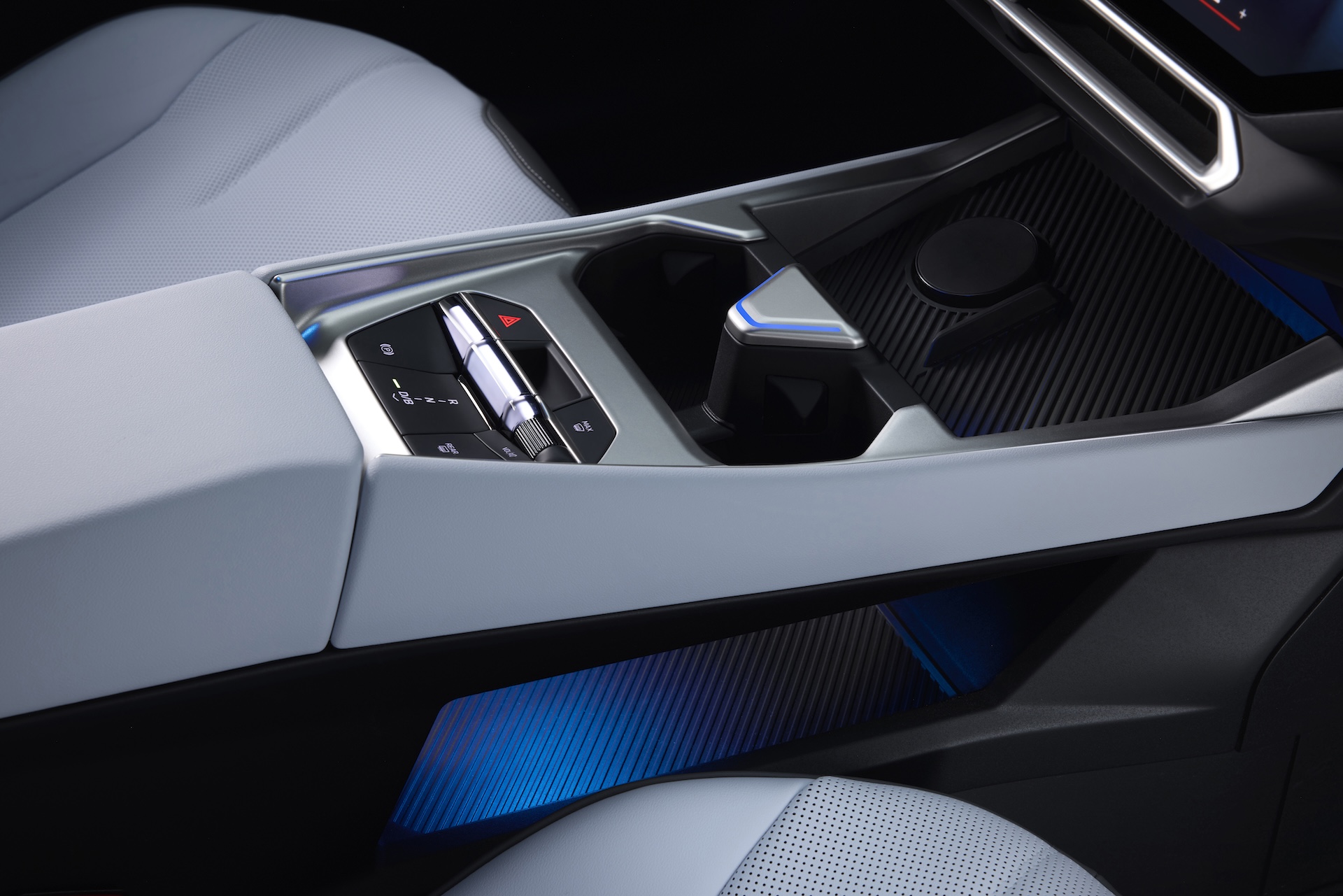
Inside, the i3 delivers a digital tour de force. BMW calls it Panoramic iDrive. There’s an angled screen at the center that controls drive modes, infotainment, climate, and charging information. And a digital display runs along the base of the windshield, with additional displays for everything from audio tracks to navigation routes. Need to change a setting? You can tap and swipe through the menus on the 17.9-inch touchscreen or steering-wheel switches—or simply say “hey, BMW,” and let your digital assistant know what you’d like to do. “Hey BMW, engage Sport drive mode,” for example.
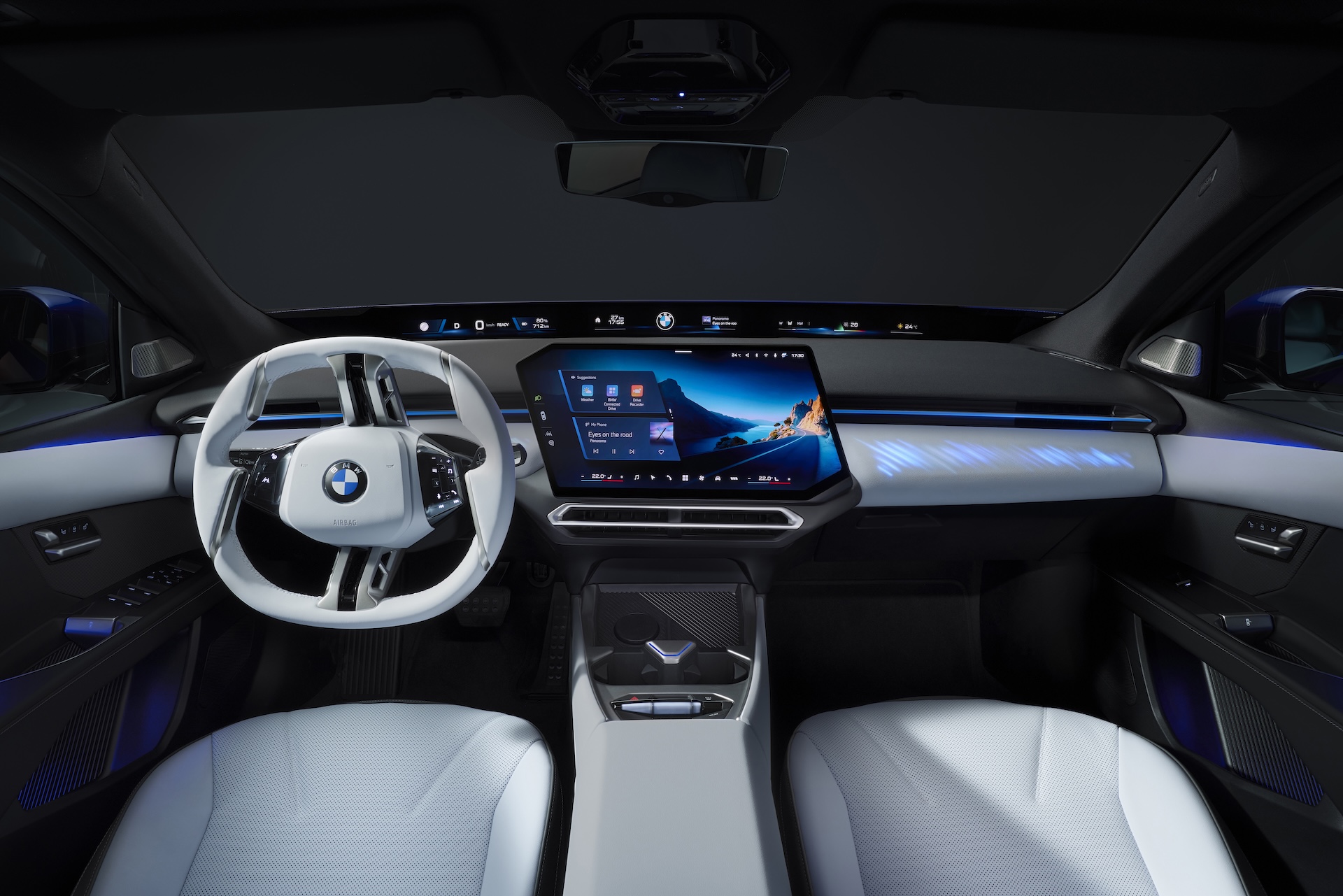
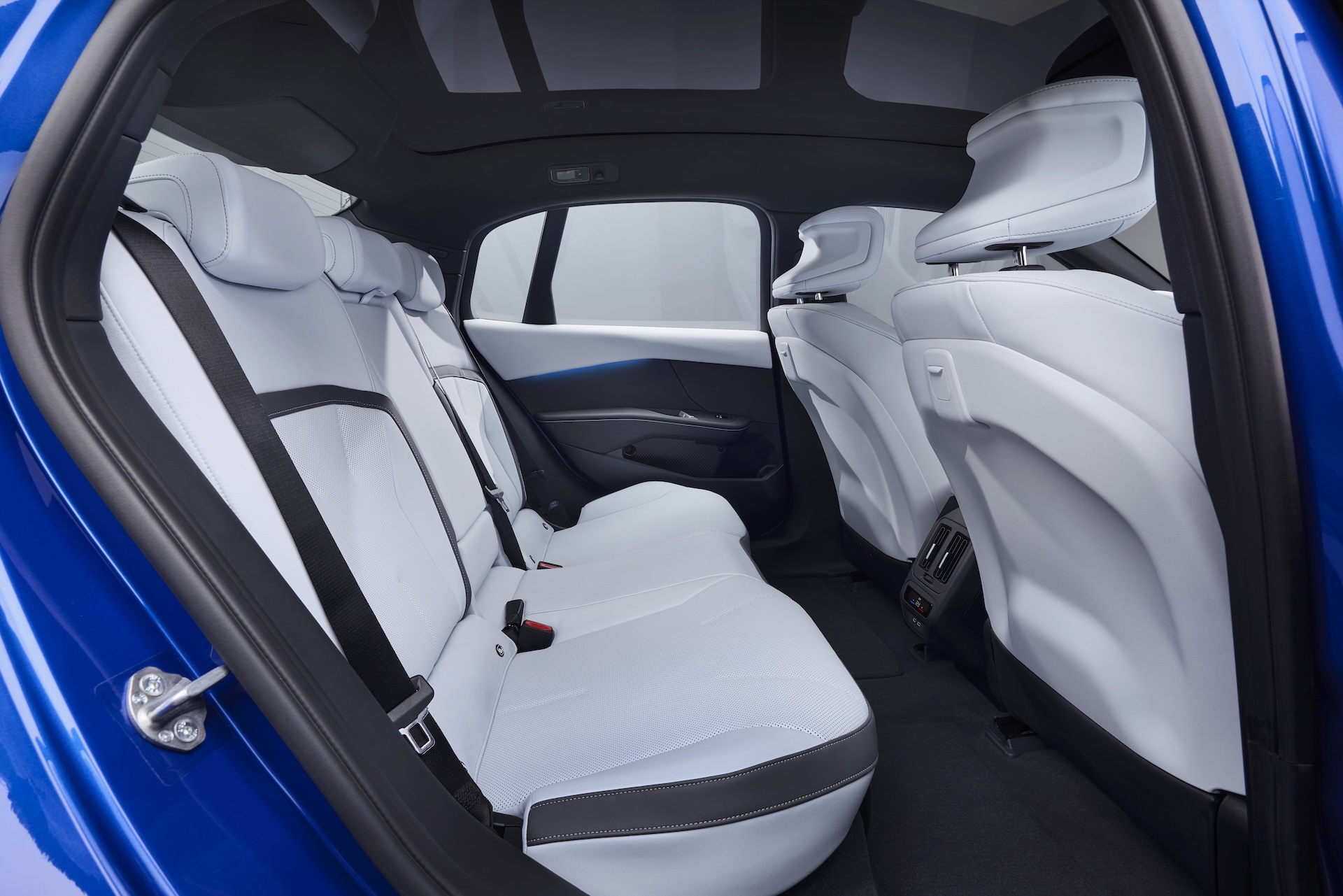
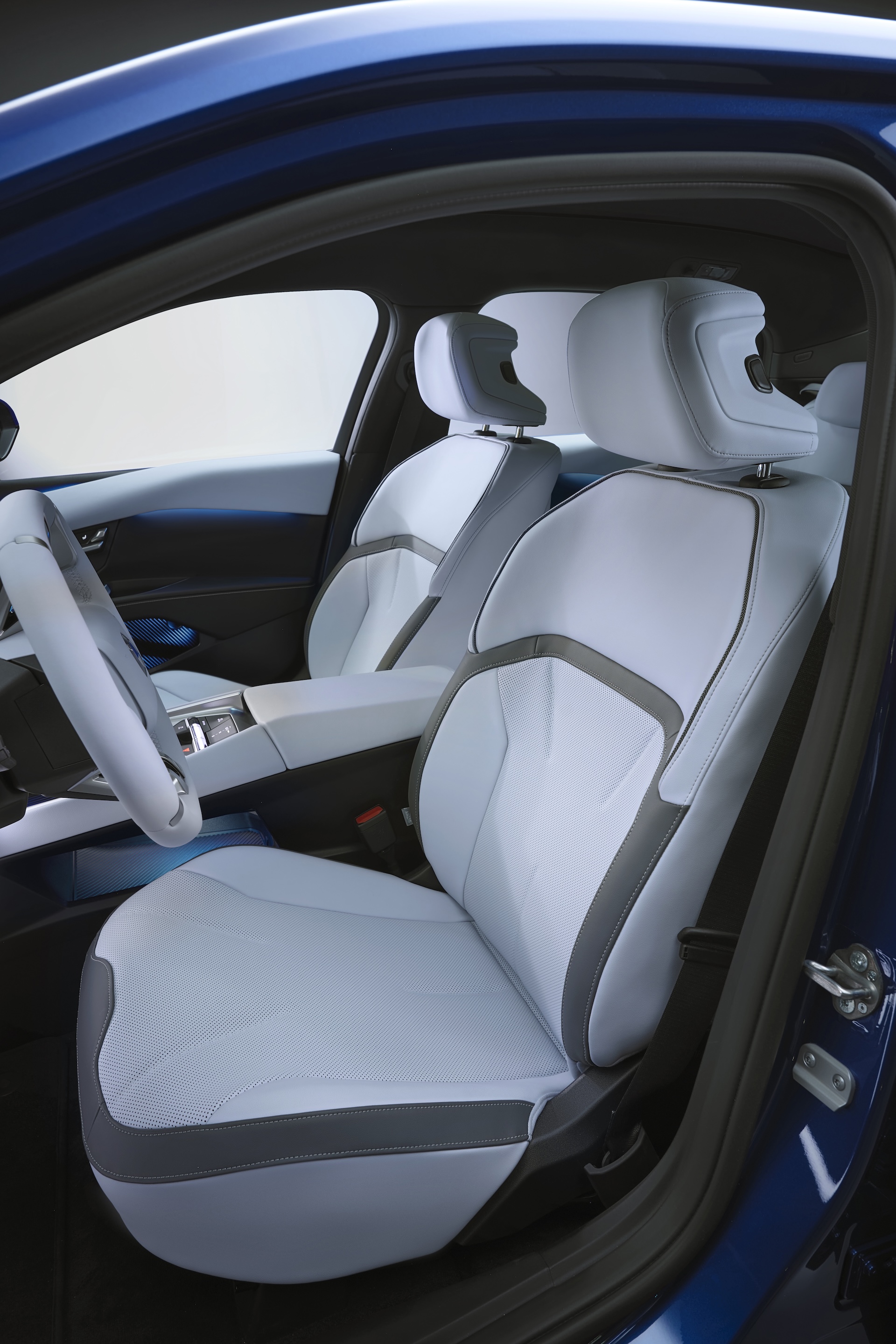
It’s simple to personalize the system’s content on the central screen. That’s all thanks to one of the i3’s so-called “superbrains”—massively powerful electronic hubs that control whole subsystems for everything from driving dynamics to hands-free driving systems. On the safety front, the new BMW “Symbiotic Drive” system offers Level 2 hands-free driving. Safer driving also benefits from the optional head-up display, which integrates with the wall-to-wall digital display atop the dash. And regular updates to the Bimmer “brain” can be downloaded as data via over-the-air updates.
All the technology on board promises a driving experience full of joy, BMW says. That joy comes mostly from a lithium-ion battery pack below the floor, which totals 108.7 kilowatt-hours net. It’s an 800-volt setup that can reach a peak charging rate of 400 kilowatts. That’s rated at a maximum of 463 hp and a 0-60 mph time of under five seconds—and that’s before any M editions make themselves known.
It’s paired with electric power steering and a multi-link rear suspension. With available dual-motor all-wheel drive, BMW also offers an adaptive suspension. It also includes a soft-stop feature for the electric motors that increases recuperation, effectively eliminating mechanical braking in daily driving.
At 187.5 inches long and with a 114.1-inch wheelbase, the i3 sits about 1.6 inches longer than the current 3-Series, with 2.2 inches more wheelbase. It’s bigger but seems leaner and more poised thanks to thin roof pillars and tall windows.
The i3 won’t be the first Neue Klasse to hit the market, however. In the summer, the BMW iX3 takes its bow as the electric companion to one of BMW’s best vehicles, the X3 SUV.
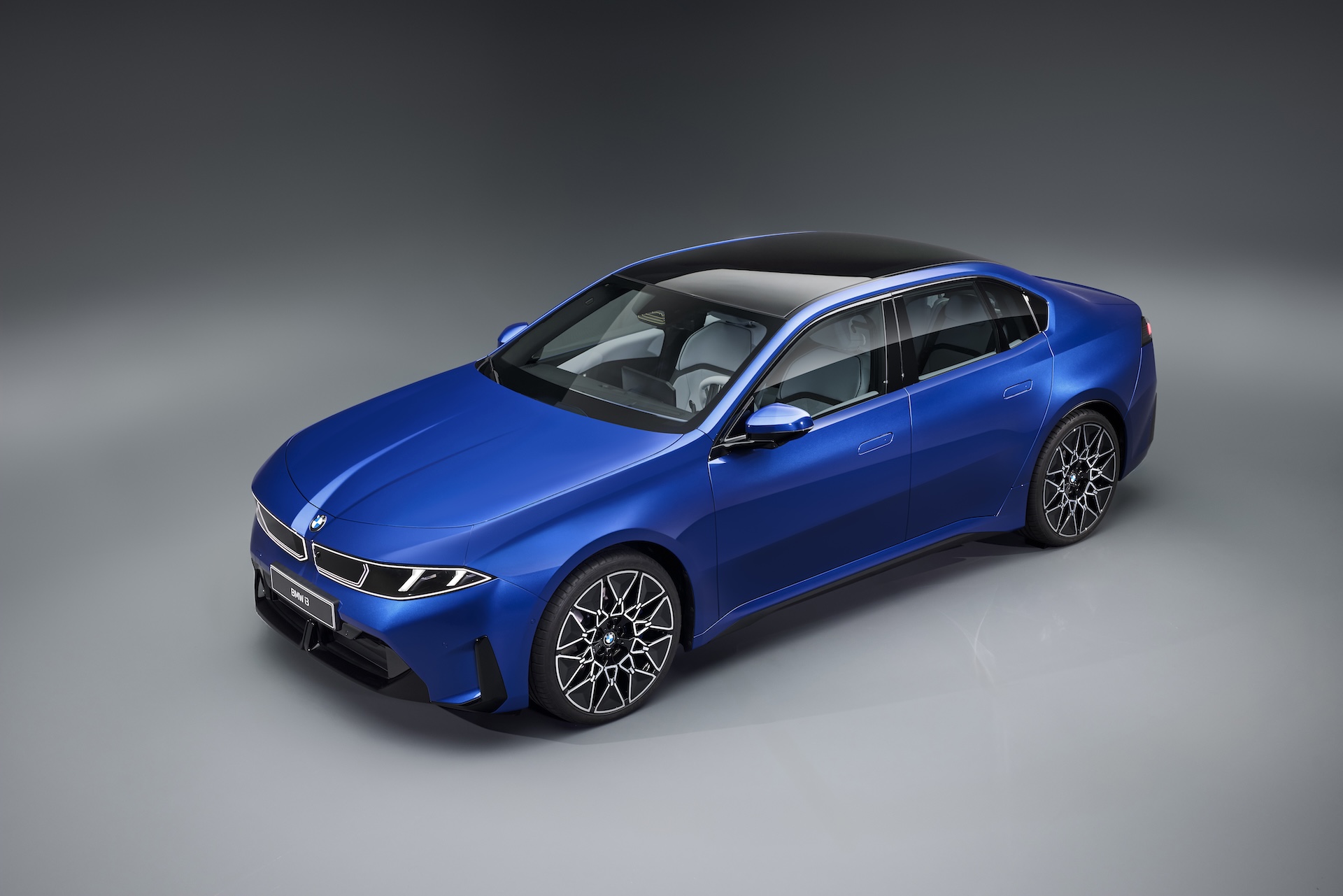
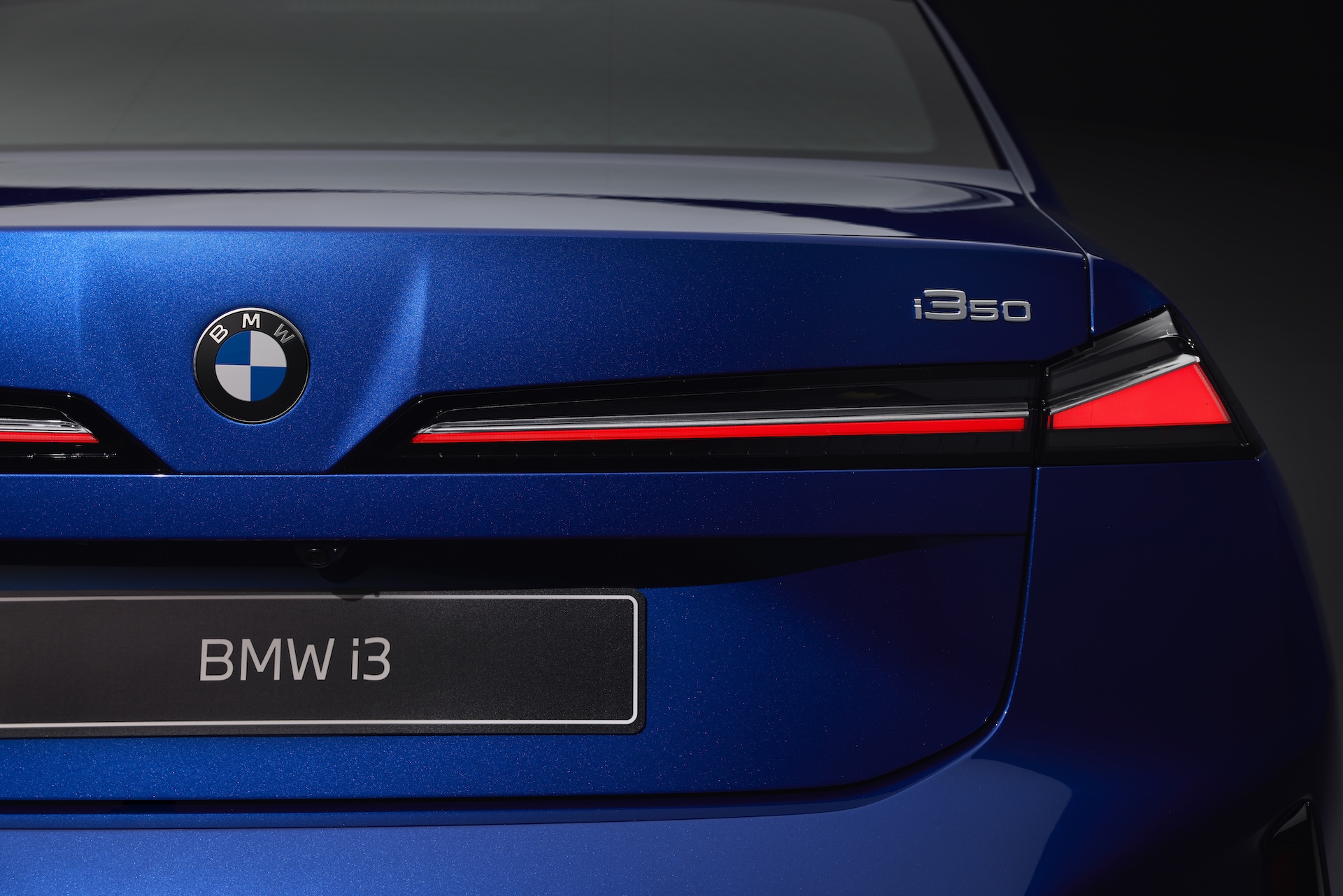
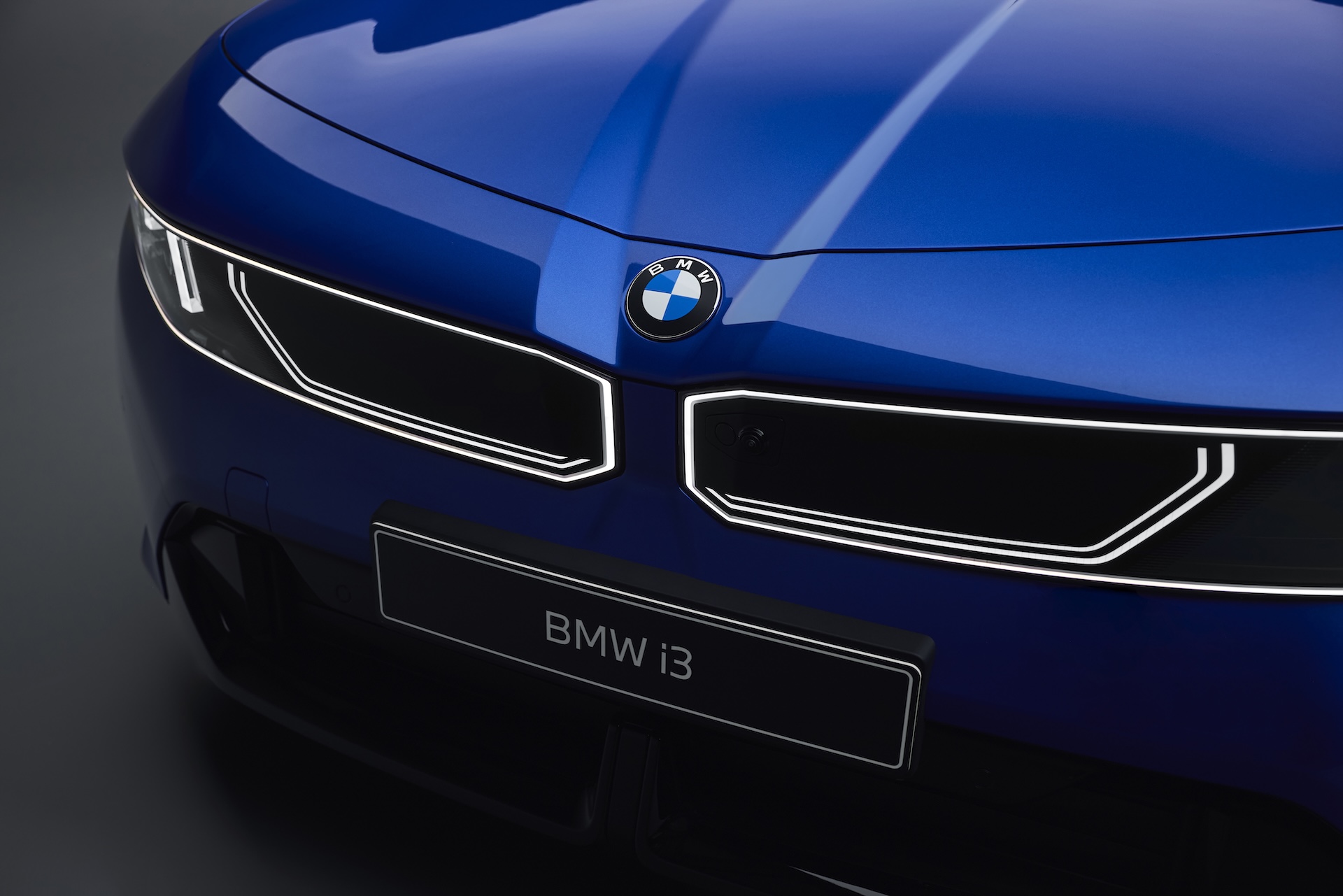
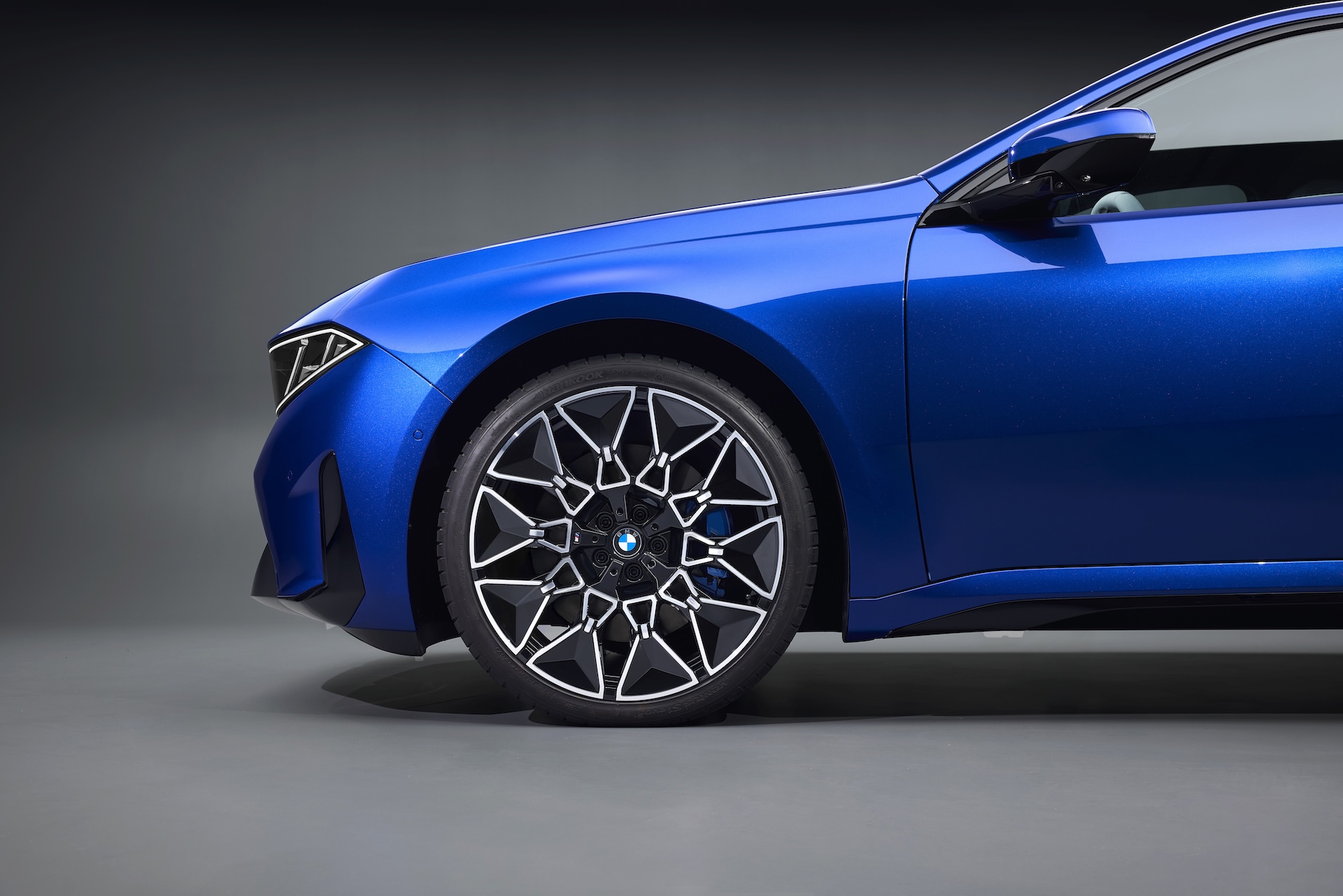
Prices haven’t been confirmed, but when it arrives late in 2026, the 2027 i3 will come with power front sport seats, a synthetic-leather interior, Apple CarPlay and Android Auto, an NACS charging port, and up to 21-inch wheels. Options will range from Merino leather, an M Sport package with its own steering wheel design, and an automatic parking system that uses your smartphone to guide the car into tight spots.
So does the i3 set a new, battery-powered benchmark for sport sedans? That’ll have to wait for a first drive coming soon, when the i3 50 xDrive lands in U.S. showrooms. Stay tuned.
Got a tip? Email us at tips@thedrive.com
Loading comments…
Comments couldn’t be loaded. Please refresh the page.