
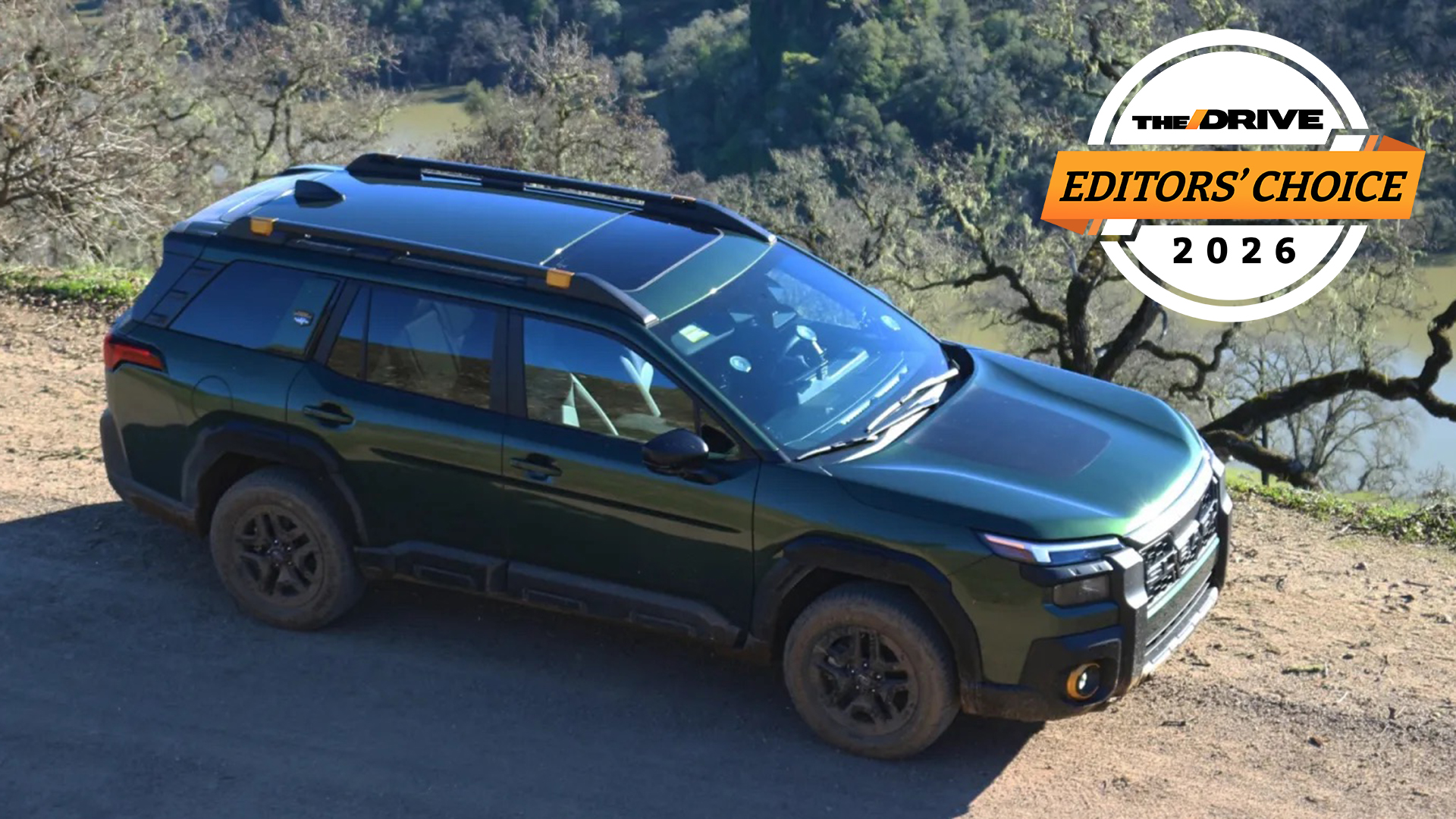
In case you hadn’t heard, there’s a new Subaru Outback, and a new Outback means a new Outback Wilderness—the off-road package that debuted on the last-gen model and has since swept through most of Subaru’s SUV lineup.
We already drove the 2026 Outback back in the fall, but Subaru wasn’t quite ready to show us the Wilderness model then. It’s here now, and it caps off Subaru’s comprehensive redesign of its Outback lineup, filling in the few trim slots that still remained blank when we drove the standard model a few months ago. The automaker changed a lot about the fundamental car, but rather than duplicate that information here, I’ll simply direct you to our previous coverage.
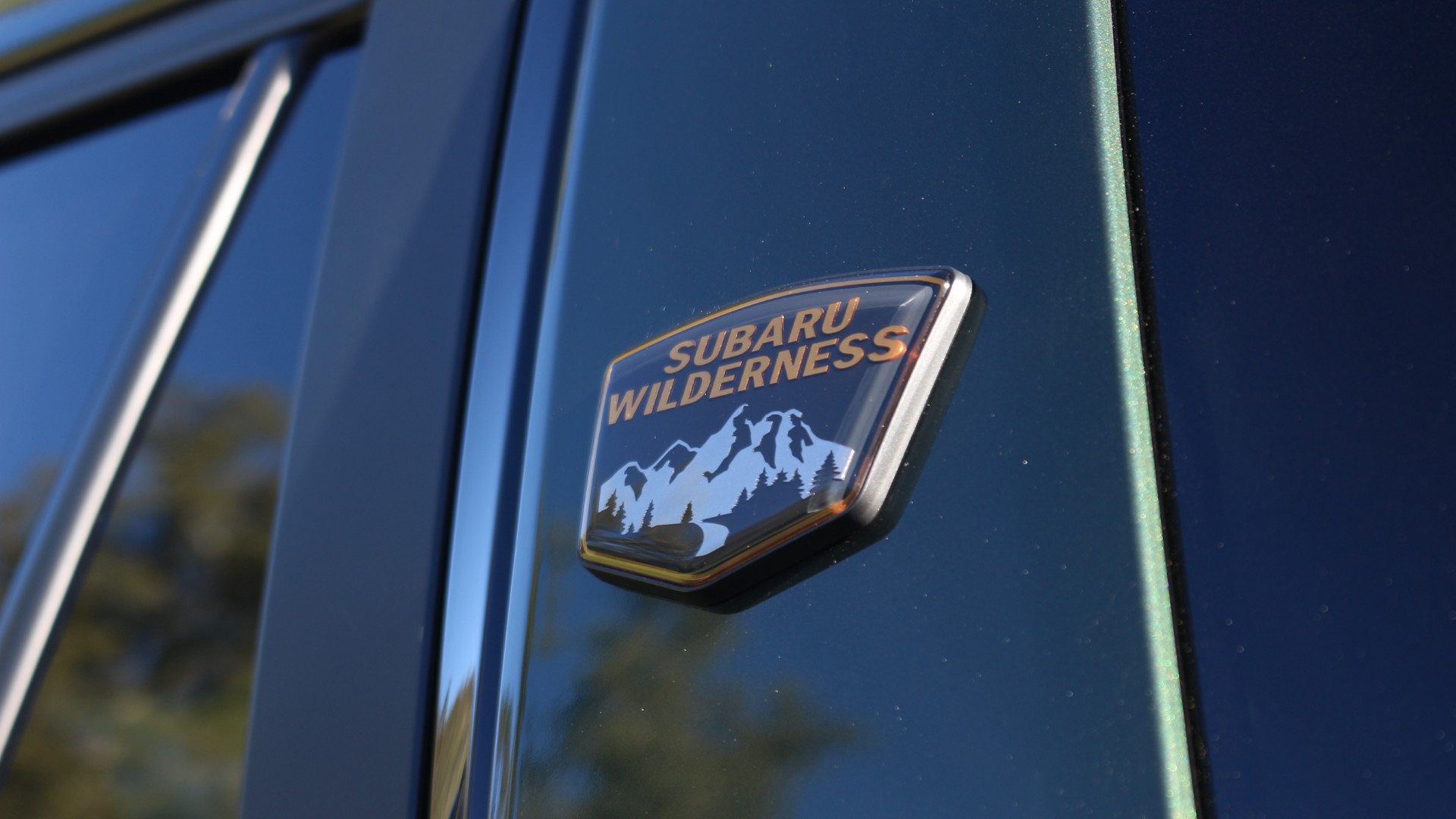
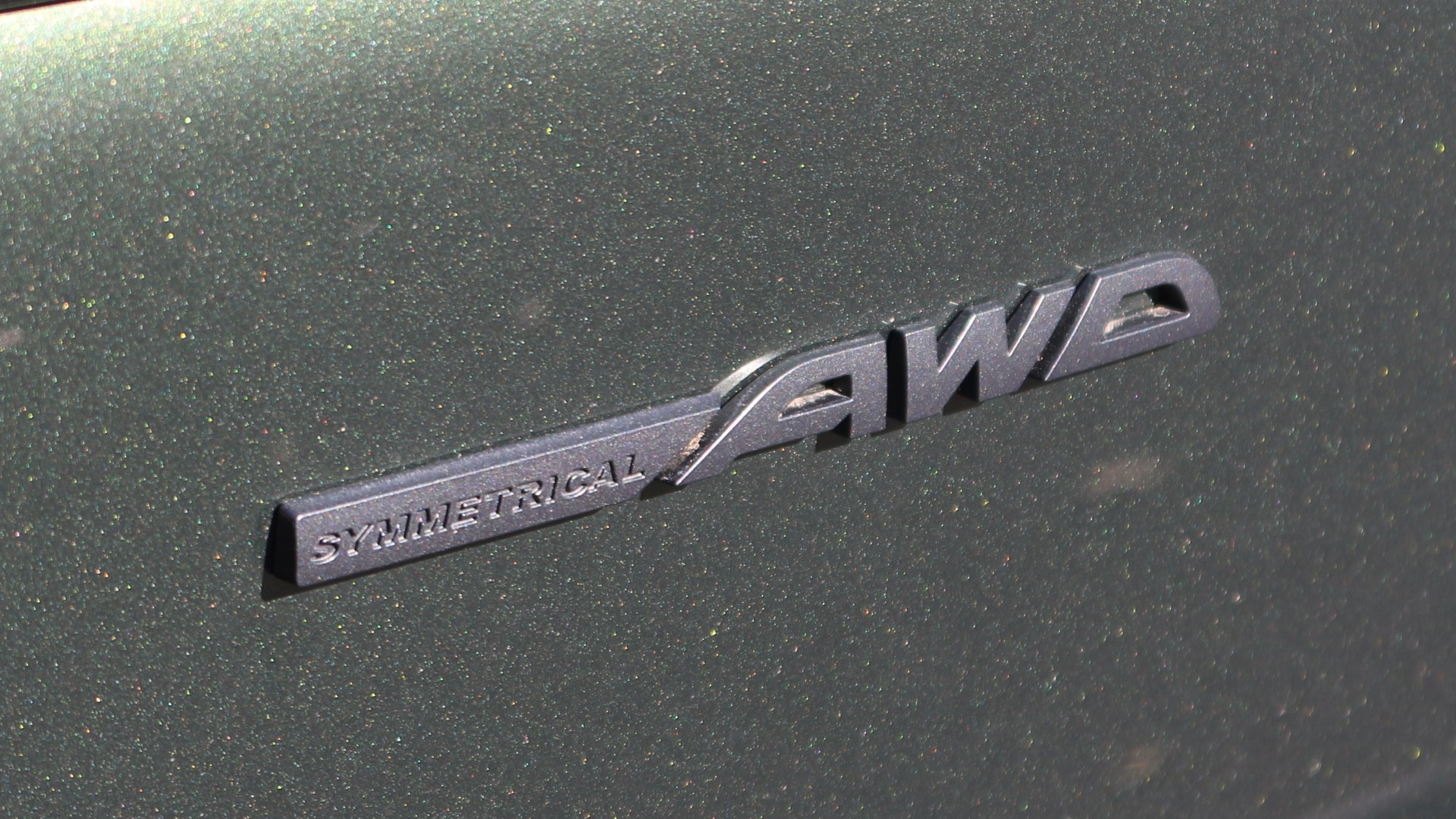
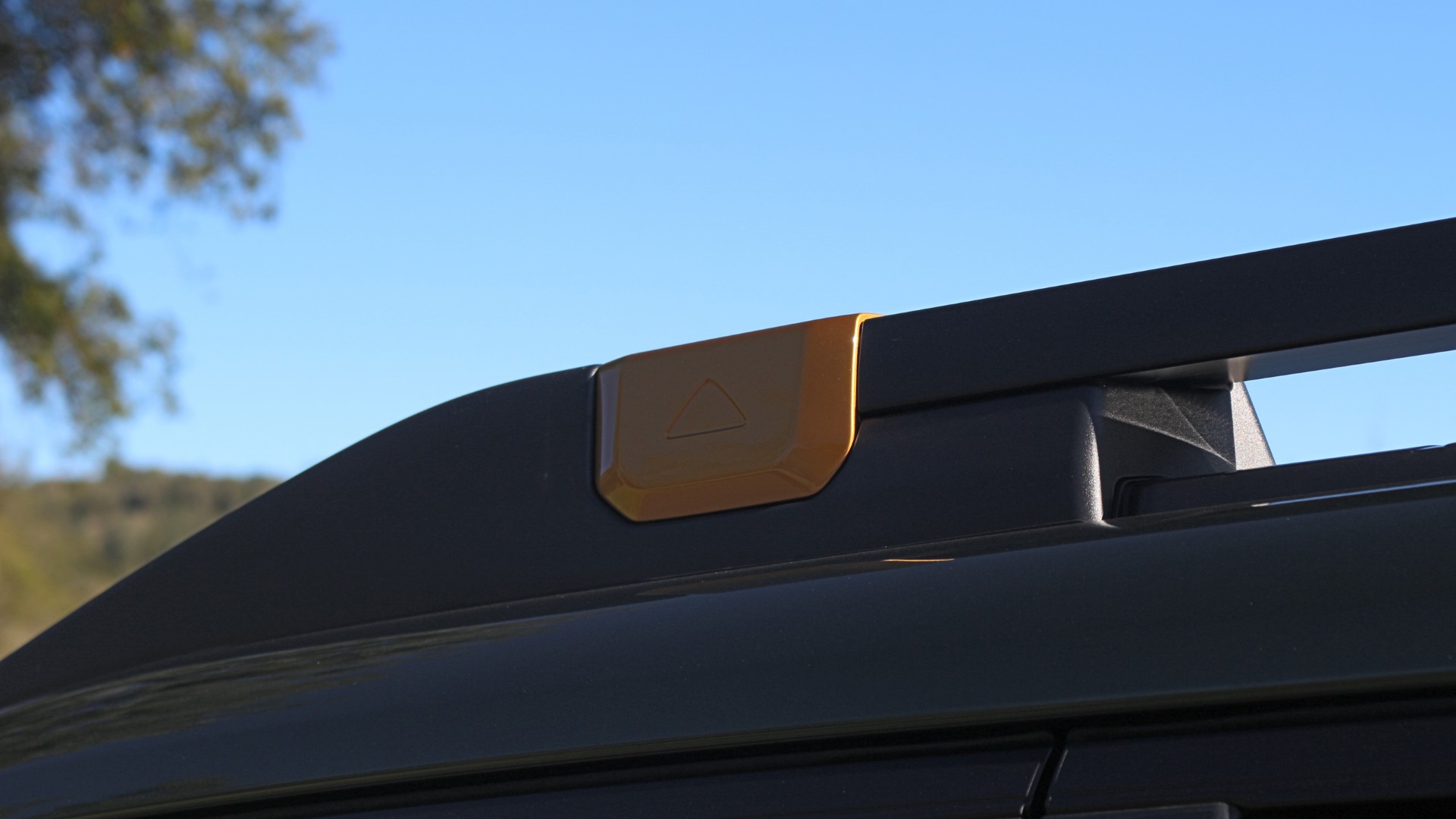
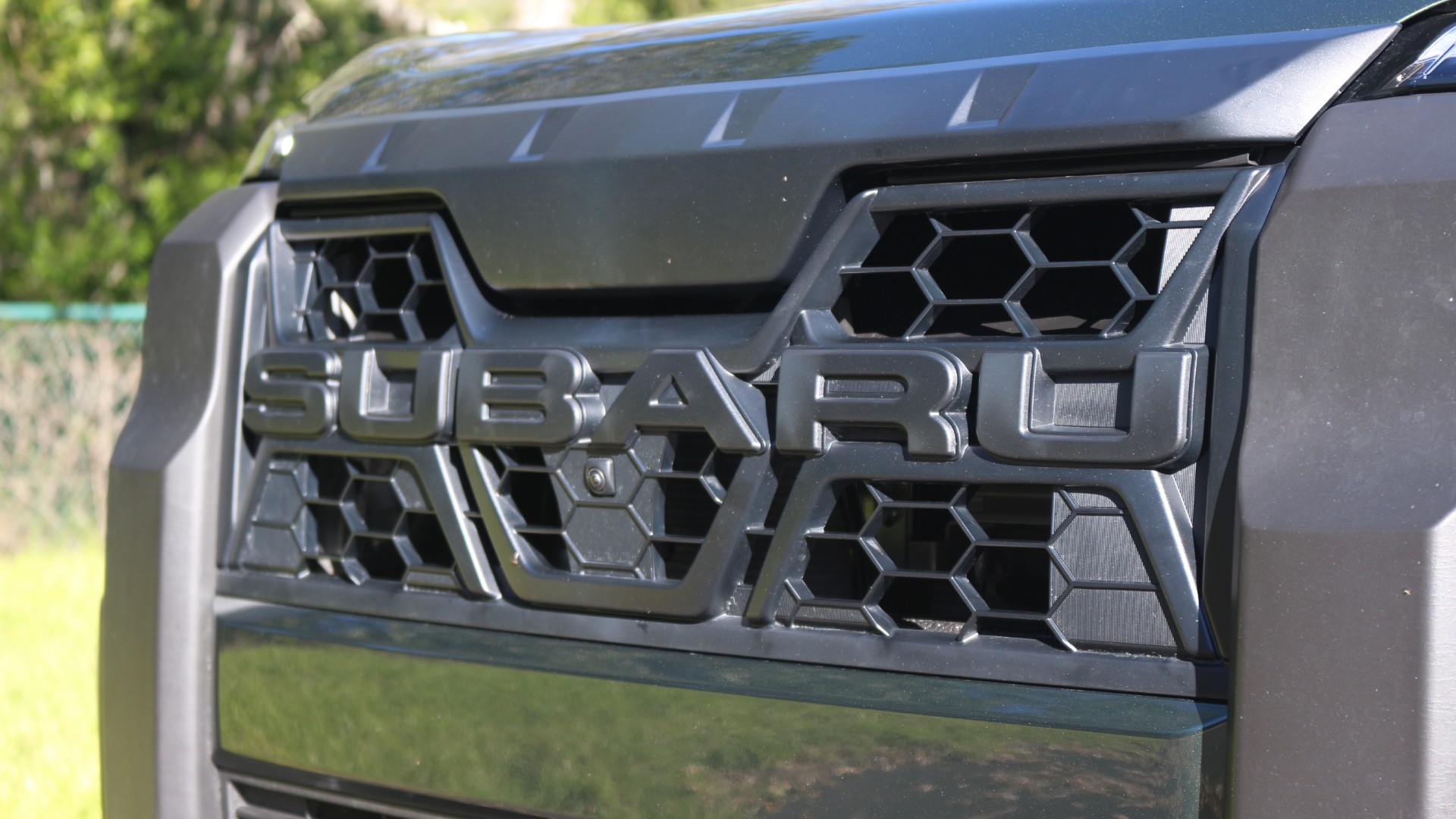
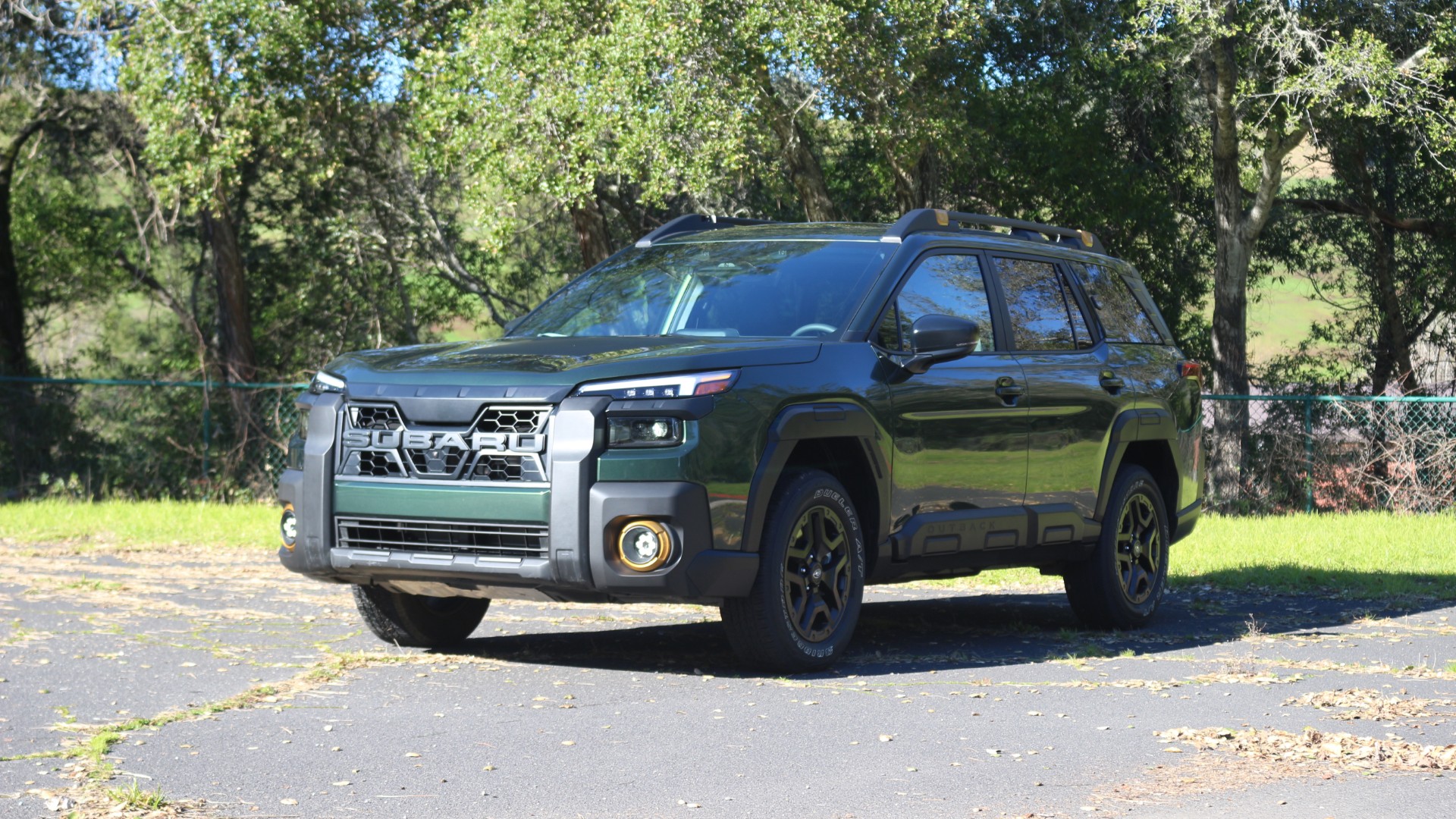
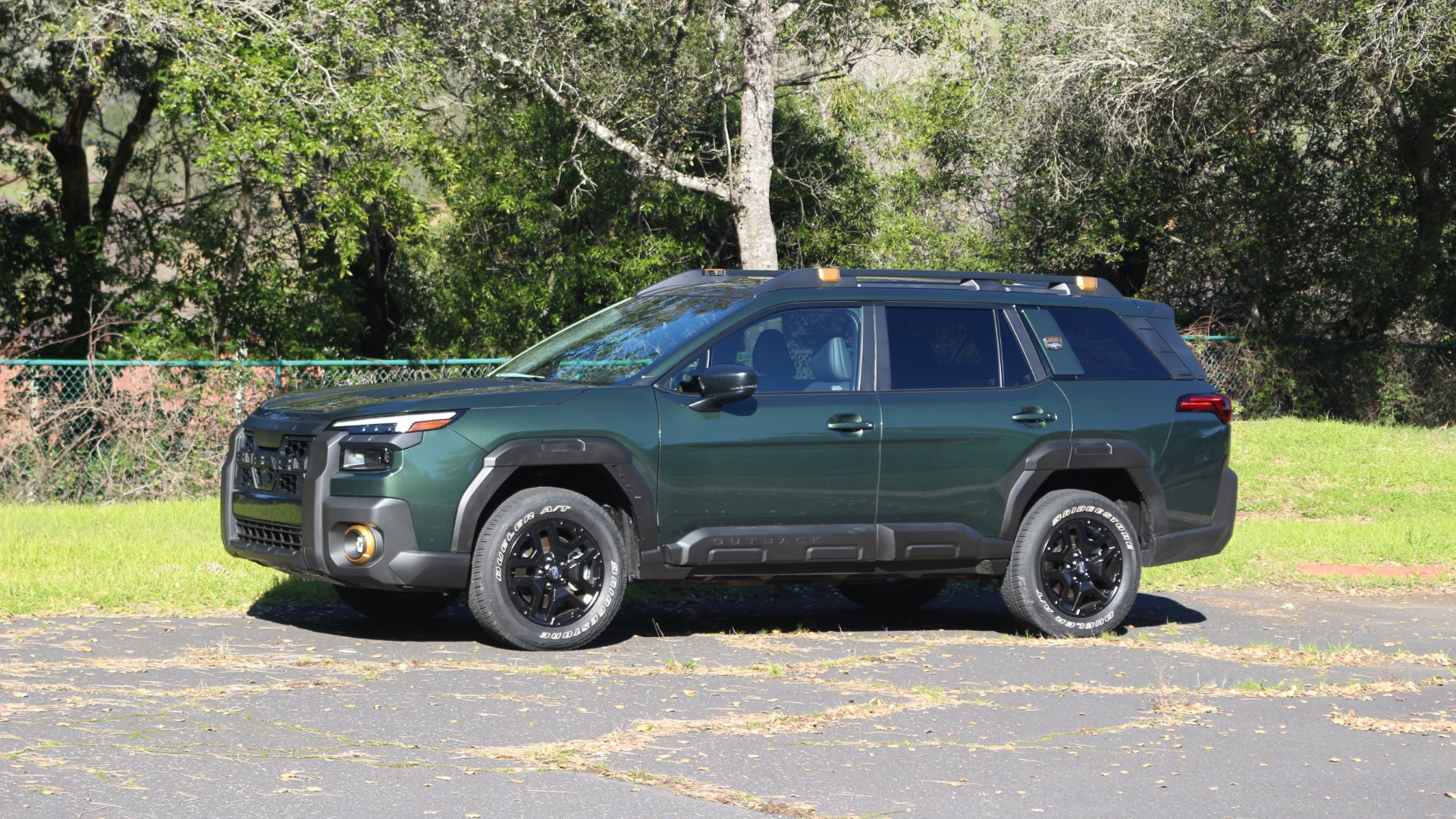
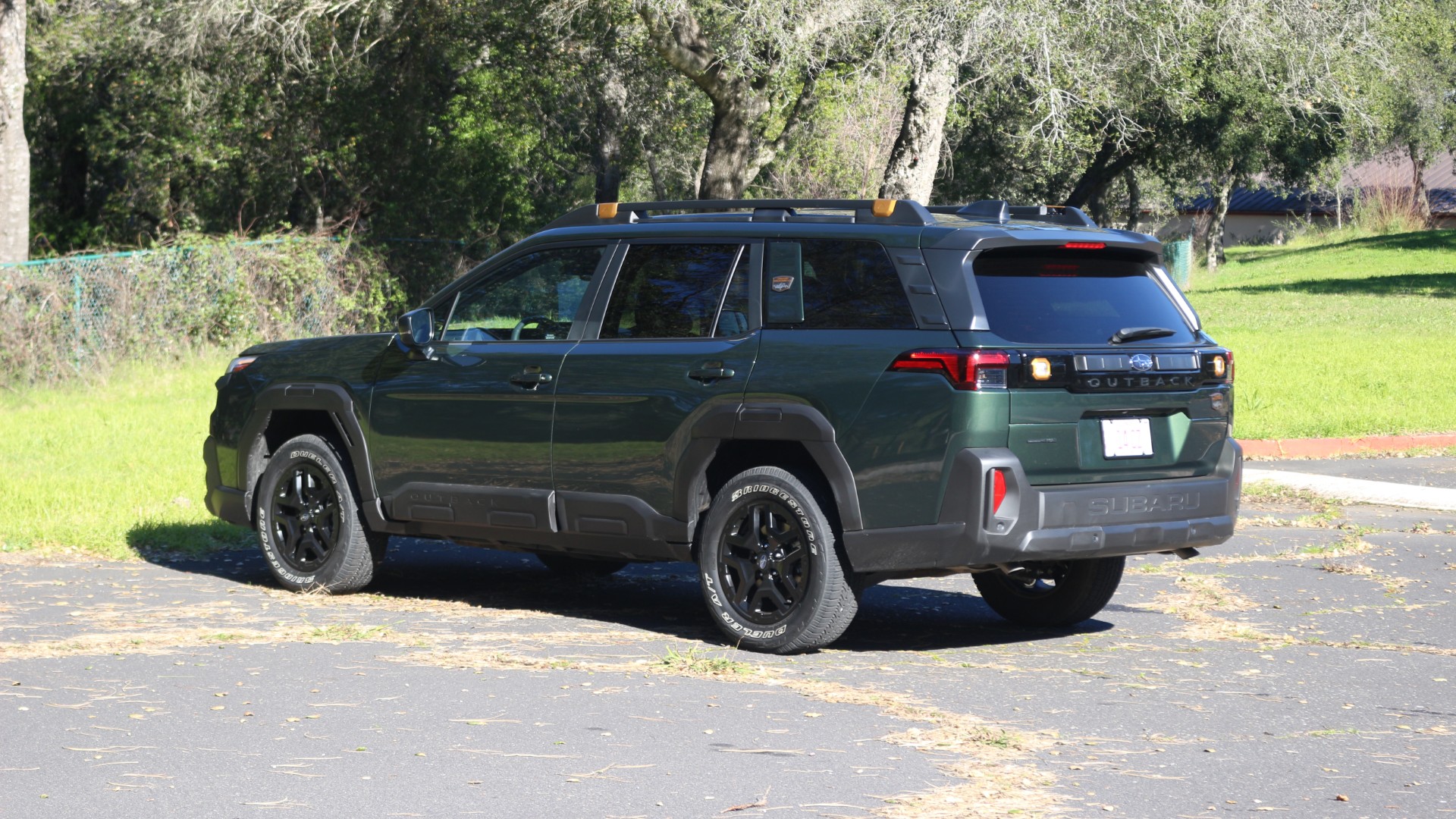
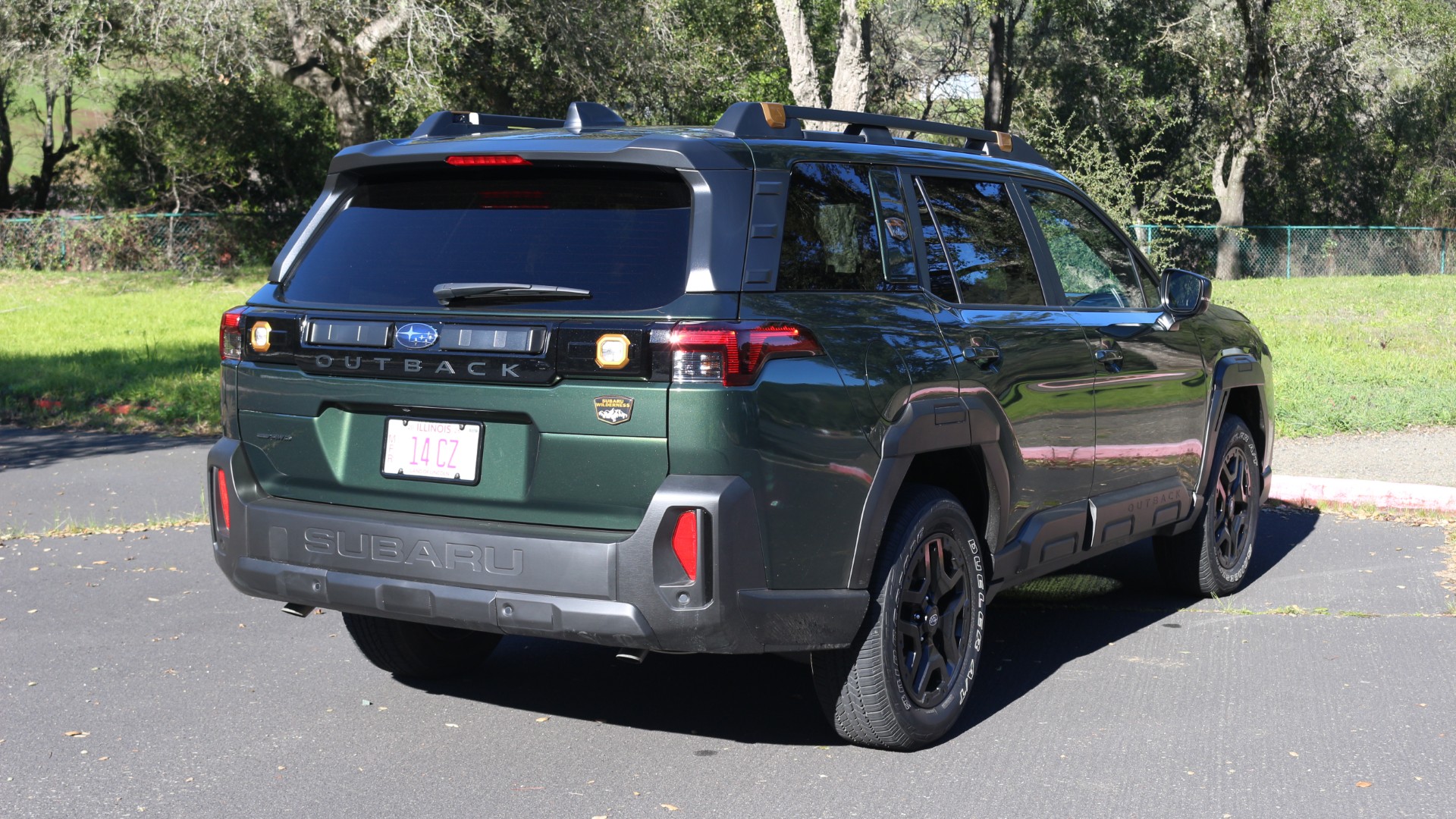
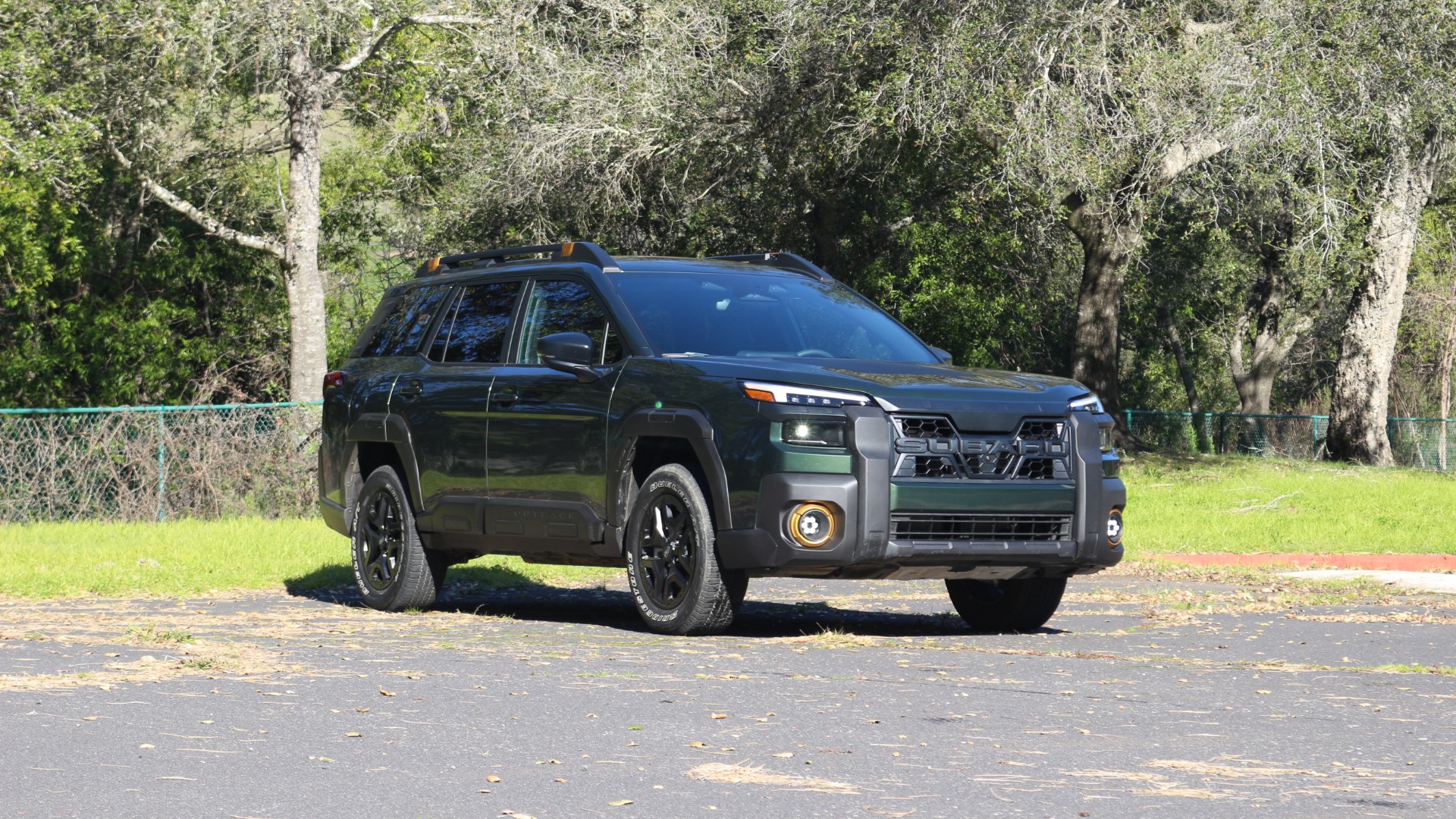
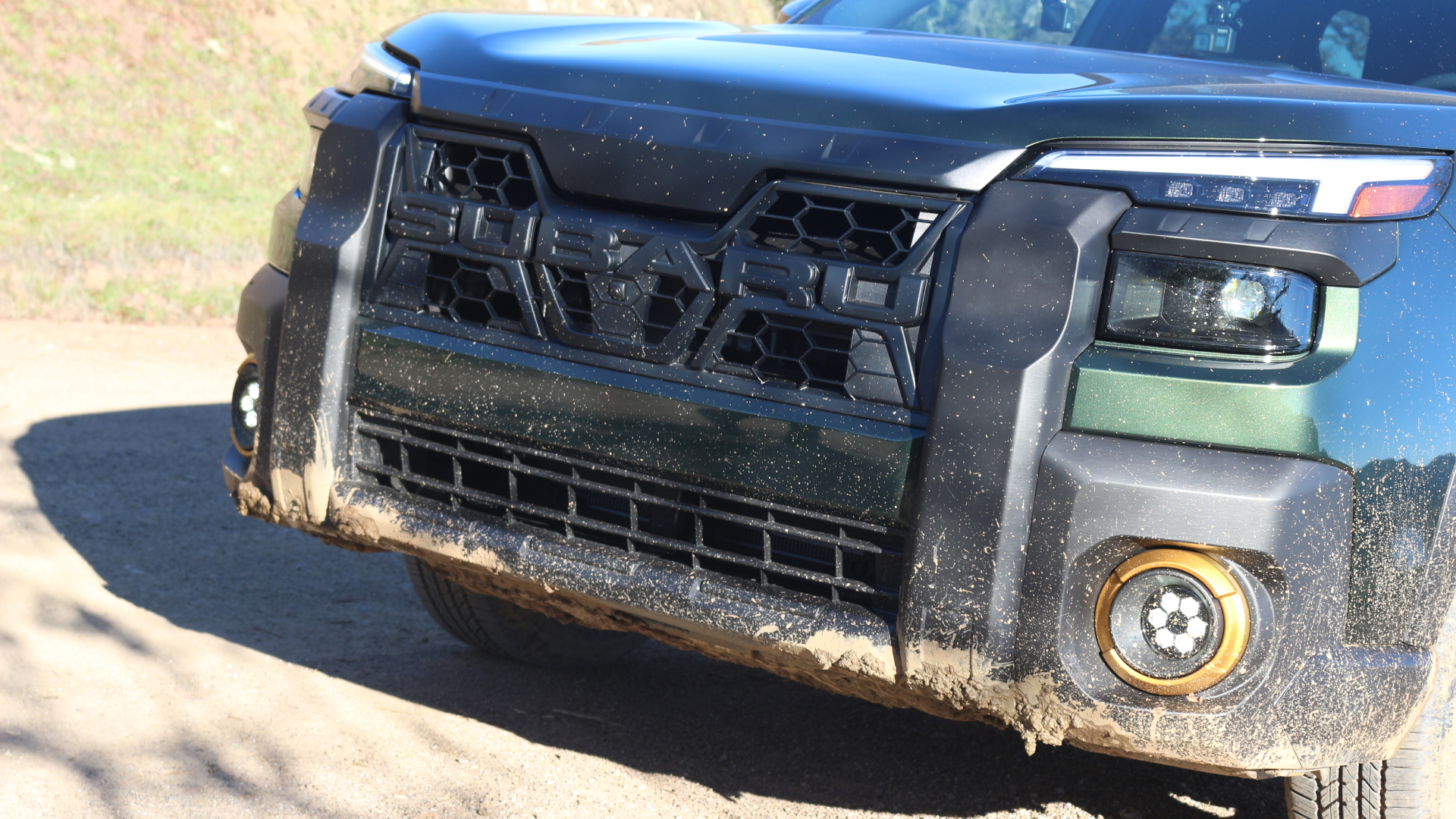
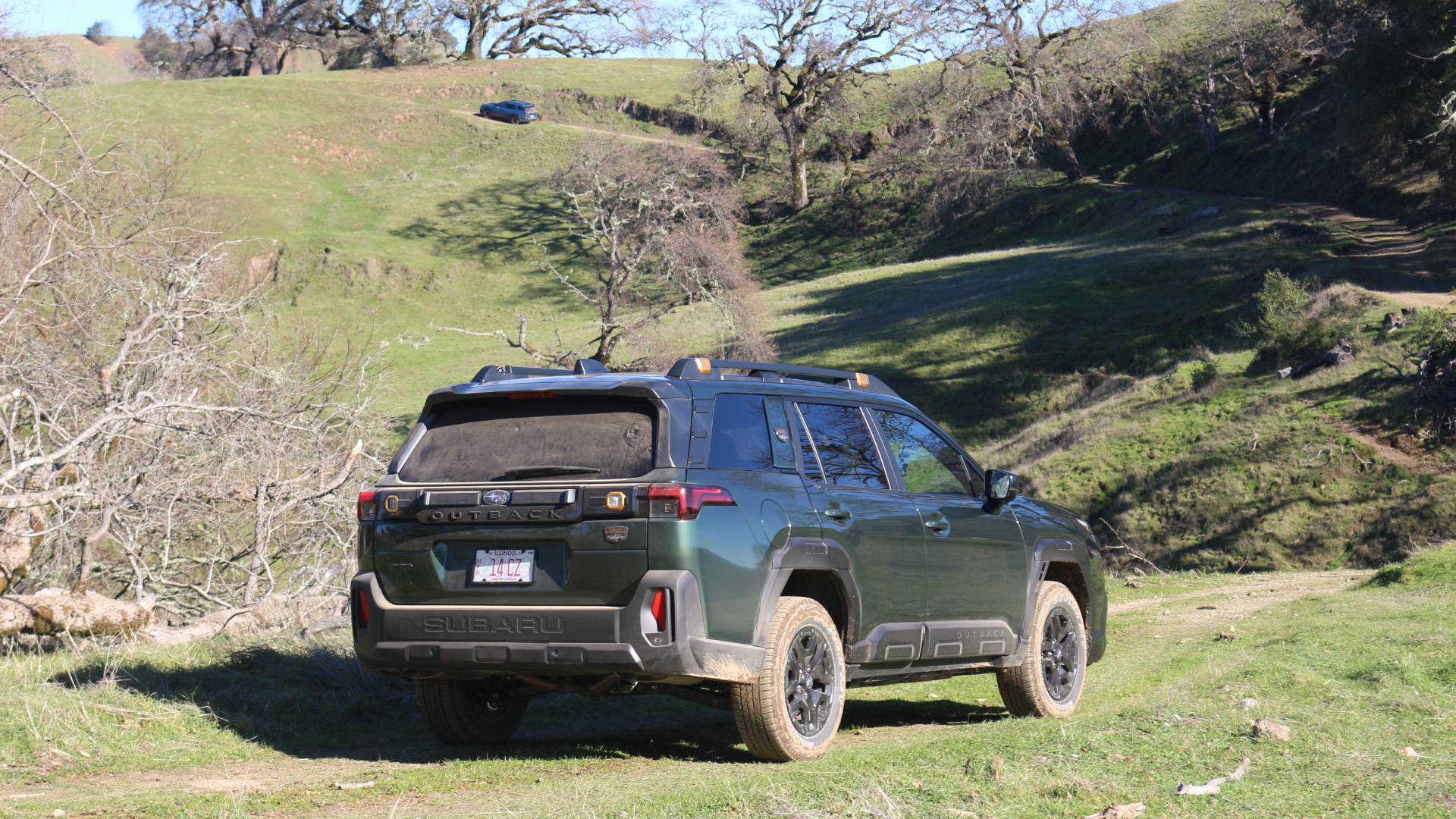
As with the old Outback Wilderness, the redesigned model gets its own unique touches. The anodized exterior trim bits return for a bit of visual interest, and Subaru also redesigned the Wilderness’ front and rear bumpers. There’s even a different all-black grille insert. I leave it up to you to decide whether it’s an improvement or merely a lateral move.
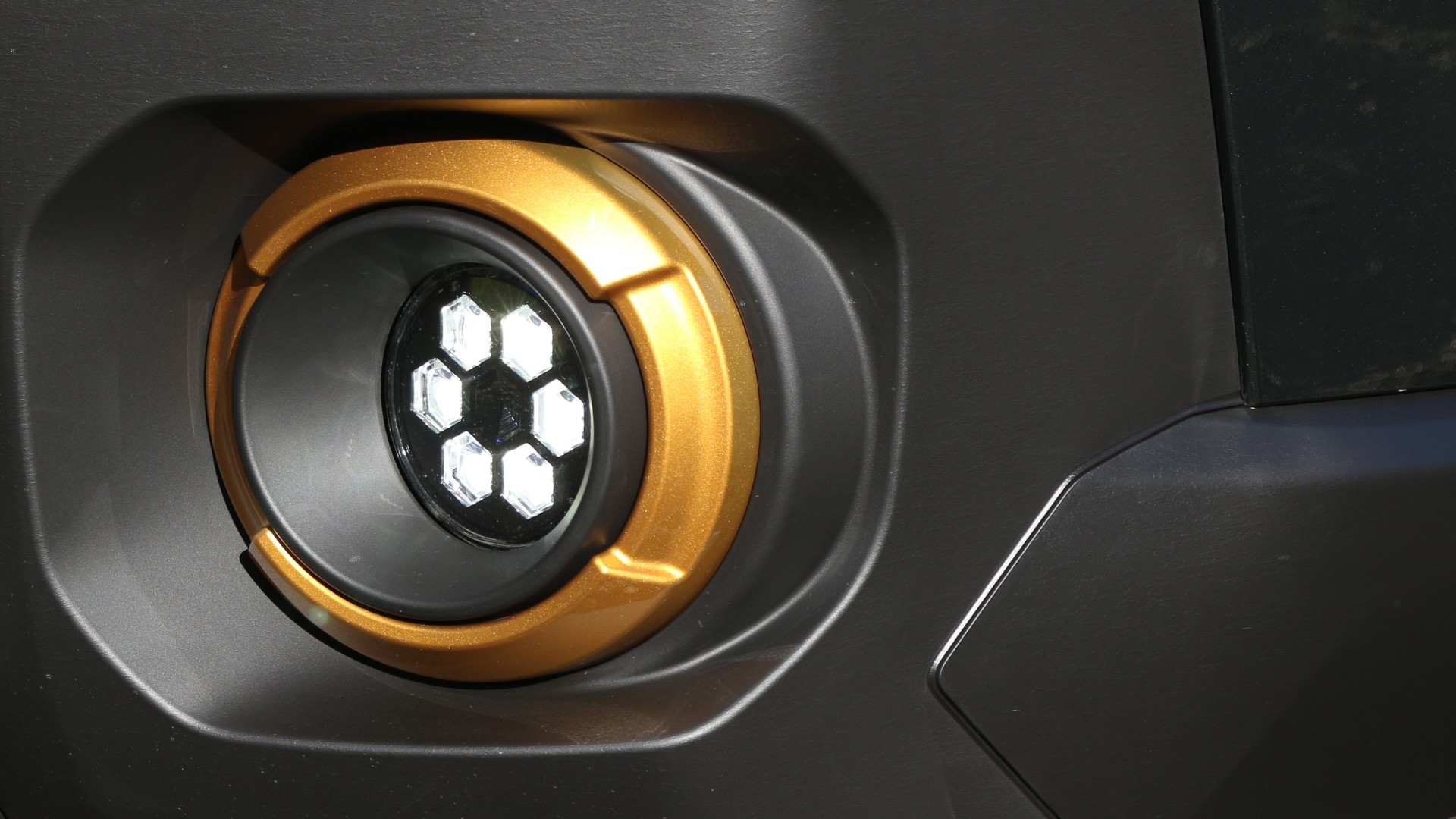
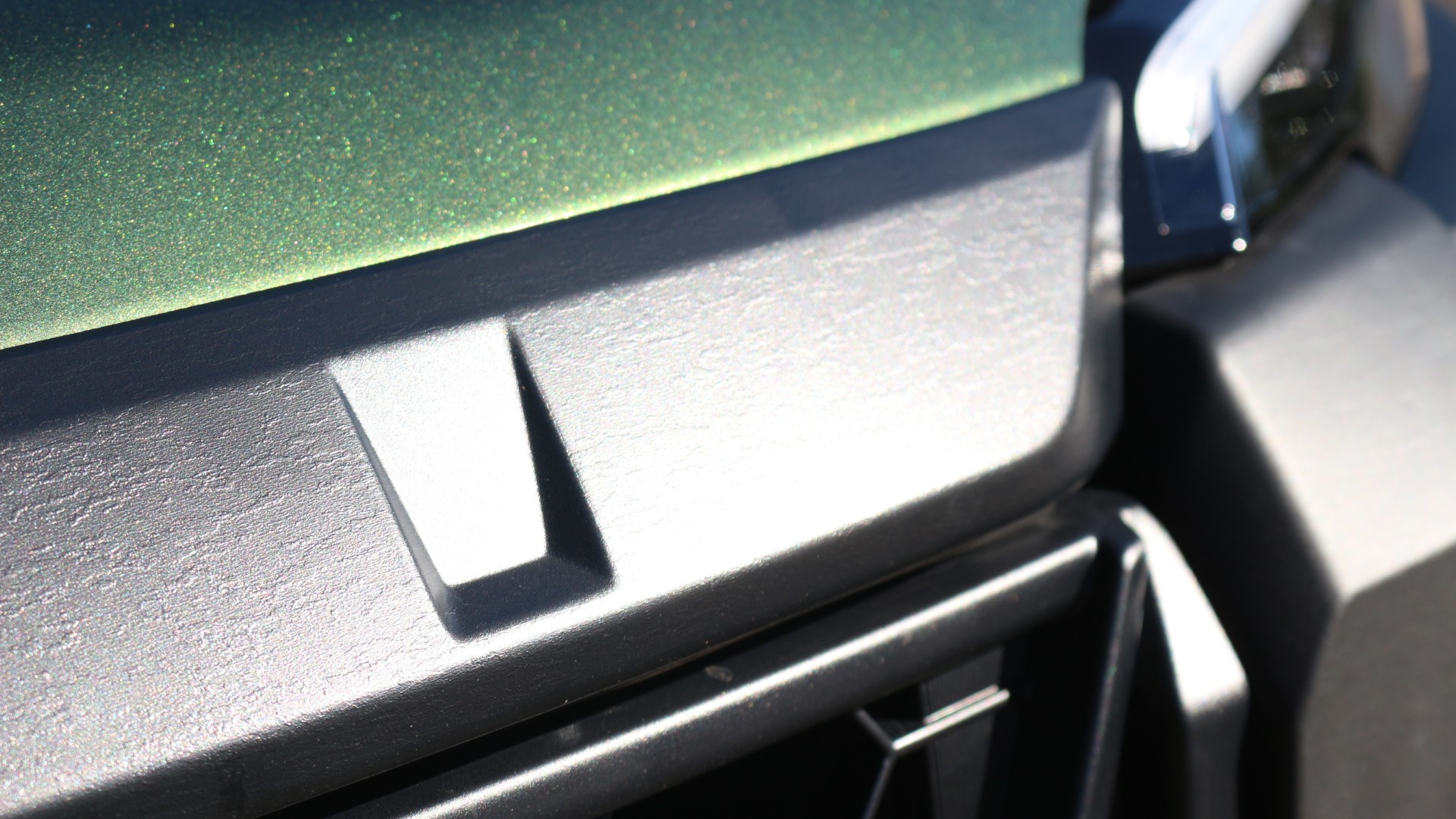
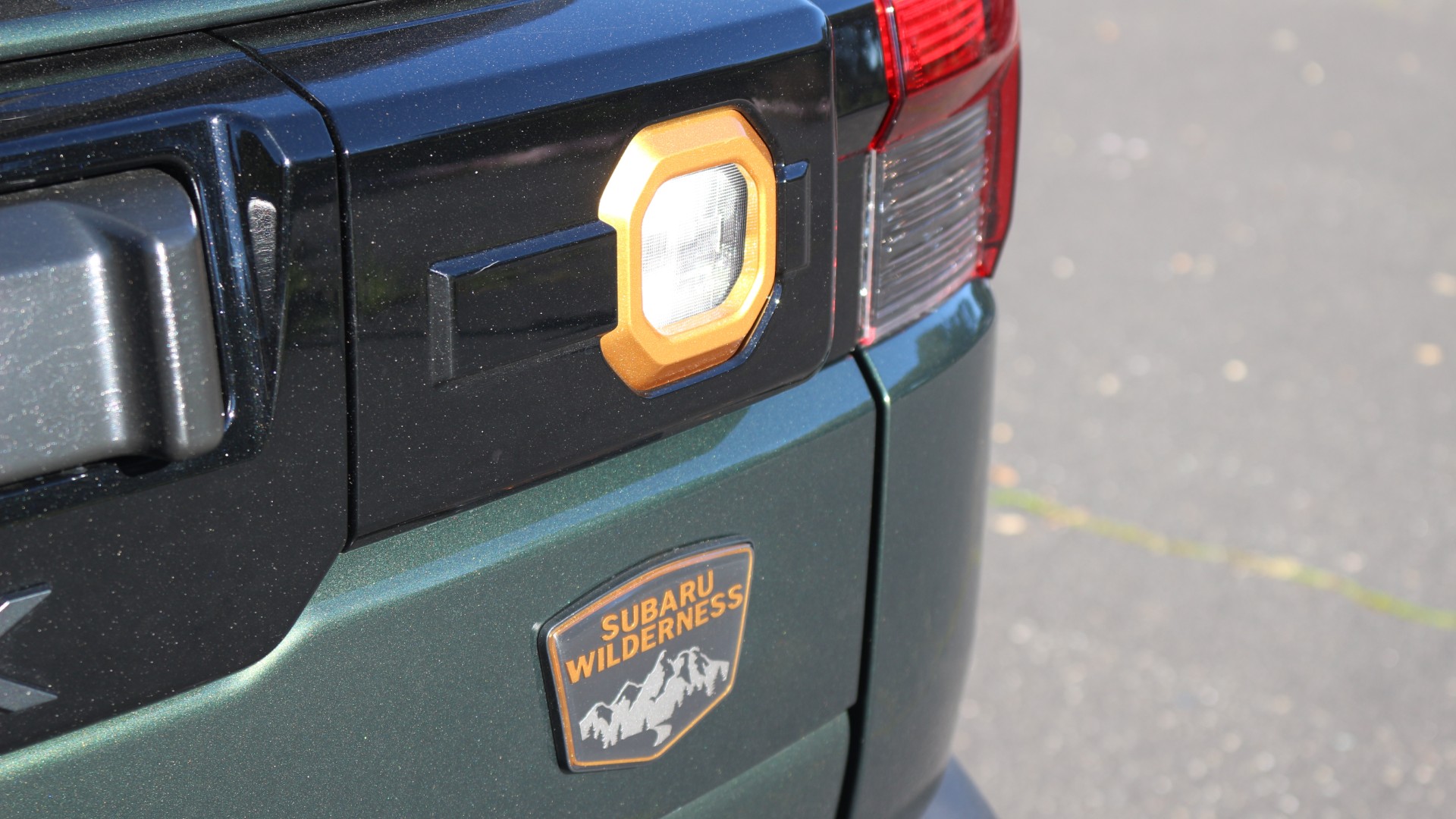
Wilderness… ness
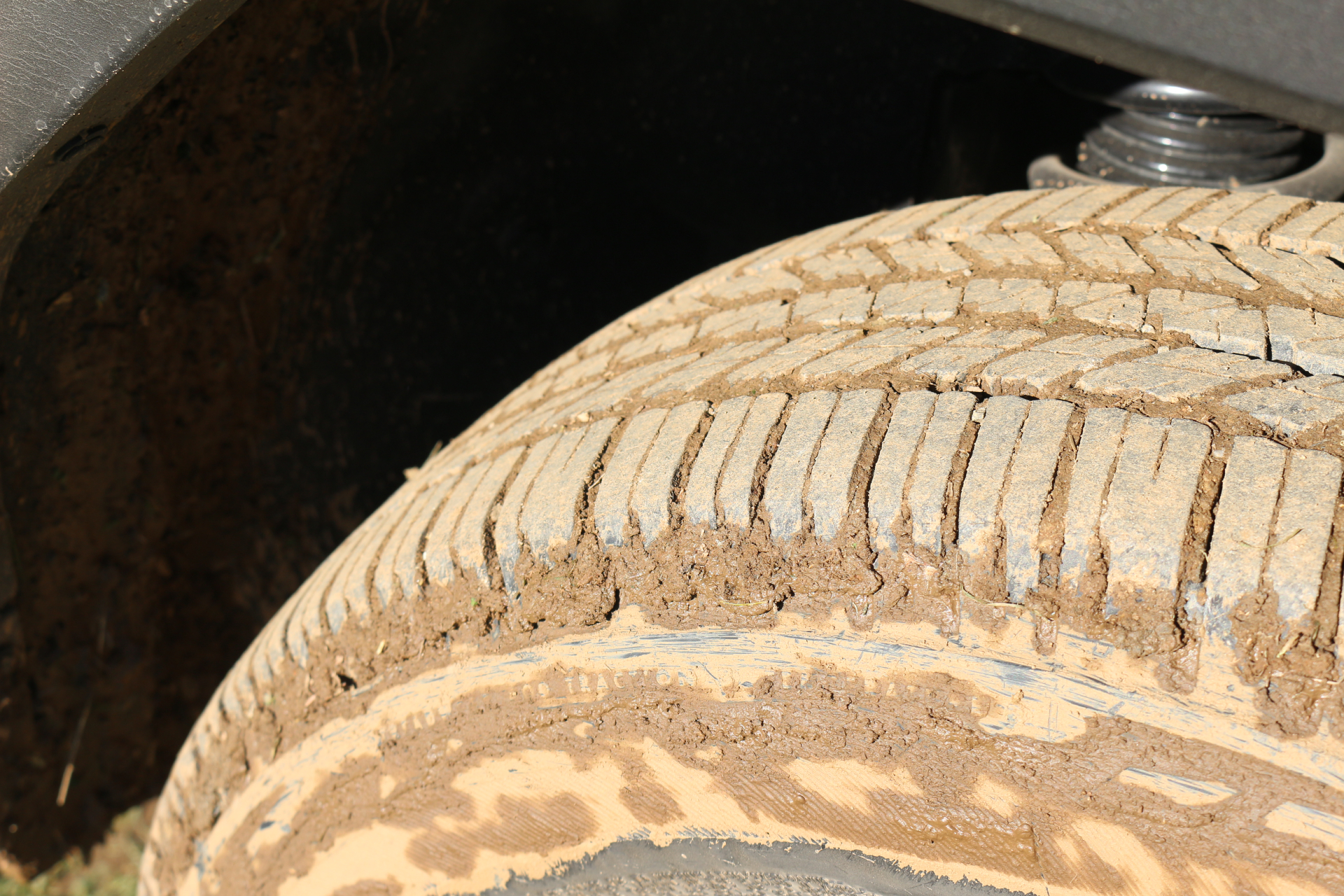
On its face, the Wilderness is just a nicely equipped Outback with a standard turbocharged engine (optional elsewhere in the lineup). Underneath, a few key upgrades set it apart from the garden-variety wagon. For starters, that turbocharger isn’t the only thing making the Wilderness quicker; it also gets a shorter final drive ratio (4.44:1 vs. 4.11:1). In a vacuum, this would make the Wilderness a little swifter to 60 than a standard turbo Outback; in practice, the gearing advantage is pretty much erased by the heft of the standard Bridgestone Dueler all-terrain tires.
If you’re a Subaru fan, you already know that the company prides itself on ground clearance. Ordinarily, you get an already-respectable 8.7 inches from a standard Outback (or anything else that isn’t the WRX or BRZ); the Wilderness gets an extra 0.8 inches for a nice, round total of 9.5. This also ups the maximum approach angle to 20 degrees (from 18°), the departure angle to 23.6° (from 21.4°) and the breakover angle to 21.2° (from 19.4). Put simply, it’s easier to go over stuff. And that’s all great, but arguably, the feature that really transforms the Wilderness is its adaptive suspension. There’s no fancy, variable-height air setup at play here, but rather a simple set of electronically controlled dampers that gave Subaru engineers the ability to tune the ride for a far wider range of conditions.
On the Road
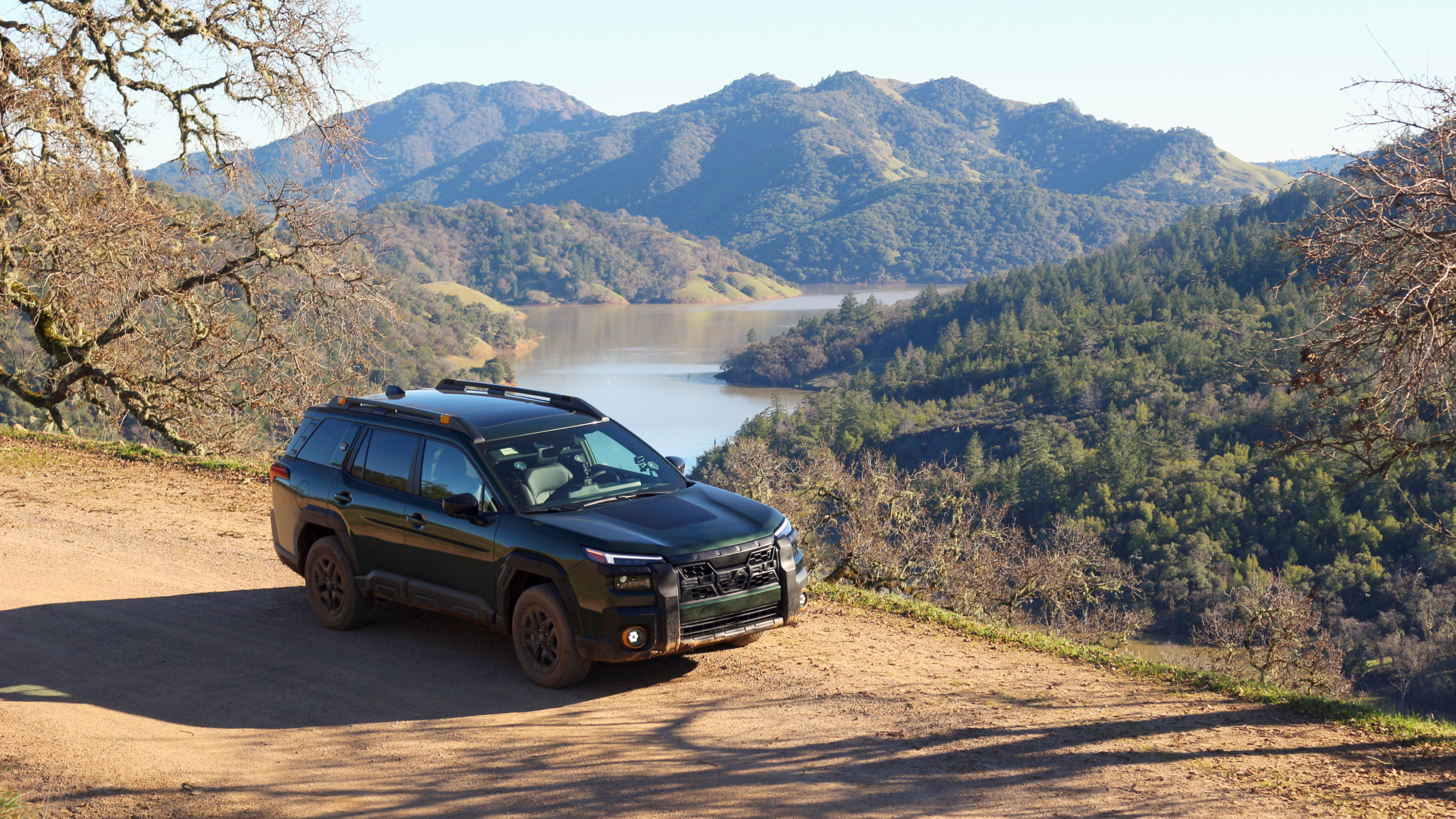
That suspension upgrade pays big dividends on the street, where the Wilderness feels neither as tall nor as heavy as it really is. The dampers firm up in response to harder driving, keeping body motions in check beautifully, especially for a car on knobbier tires. With the windows up, you can’t even tell those chunky rollers are there, defying Subaru’s reputation for NVH issues. Speaking of such things, the CVT performs admirably here too, though you can tell that it’s a bit more parasitic than a standard automatic. Of the 260 horses Subaru keeps in the stable, I’d wager that about 50 or 60 have gone missing by the time the herd reaches the pavement. Fortunately, the punchy boxer keeps the gearbox from constantly hunting for the ideal ratio. The cure for a CVT, as is turns out, is more torque—277 pound-feet of it, to be precise
But what’s the point of a Wilderness if you’re going to stick to pavement, right? Half of our time with the car was dedicated to getting dirty. We did this at the family-owned Cooley Ranch in Sonoma County, California. This secluded and mountainous chunk of property offers more elevation change than most of the American Midwest combined—and thanks to the recent 40-plus inches of rain, a similarly Midwestern potential to produce ungodly amounts of mud.
In the Mud
This was in stark contrast to Subaru’s venue for the standard Outback, which largely utilized rural Arizona fire roads for its off-road portions. Those dry, hard-packed, and boulder-strewn routes felt punishing, but never presented any sort of meaningful challenge. Here, the conditions are sneakier. The quicksand-like mud lurks beneath innocent green pastures, inviting you to sink up to your axles before you even realize something’s gone wrong. Where the ponderous fire-roads invited a slow, deliberate pace to space our kidneys, the combination of hilly terrain and a slick surface demanded a more extemporaneous approach to conserving momentum. Too little and you’d bog; too much and you’d risk the front end washing away completely on a muddy downhill.
To help out, Subaru advised us to use the Outback’s off-road-ready “X Mode.” X Mode comes in two flavors: standard and deep snow/mud. The latter locks the gearbox into lower ratios (provided you don’t exceed its 25-mph cap), delivering an approximation of the gear-down effect offered by a two-speed transfer case. It also enables the hill descent control feature, which automatically caps your downhill progress at whatever speed the Outback was going before you pitched the nose over. You can override this with brake or throttle inputs, but time and again it proved trustworthy, even while negotiating ruts that had been buttered over and over again by an ooze comprising liquefied top soil and freshly hydrated cow manure.
Price and Competition
Once you start adding options to the Wilderness, the price quickly closes in on $50,000, which opens the door to a lot of potential competitors, virtually all of which lean hard into SUV or high-riding crossover territory. The Honda Passport Trailsport follows a virtually identical formula (two-row, midsize, unibody) and pricing structure, and offers similar off-roading capabilities. The Bronco Sport tops out at roughly the same price and offers a trick rear differential that can mimic a dedicated locker, but does so in a much smaller truck.
Despite its extra ride height, the Outback manages to maintain its wagon-like feel (and most of its proportions) while staying true to the rugged reputation that its buyers have traditionally valued. It’s a little bigger inside, a little more refined, and a lot easier to live with, and with the Wilderness model, Subaru has kept it ahead of the market’s shift toward rugged lifestyle vehicles. And underneath, it’s still the same old Outback.
Value and Verdict
But this formula has its limitations, as does the price point. It won’t ever be a match for a Jeep Grand Cherokee Trailhawk or Toyota 4Runner Trailhunter off-pavement, full-stop, but it offers the same on-road refinement (or better, in the case of the Toyota) for a lot less money without giving up its rugged pretensions entirely, and all while maintaining plenty of room in back for great, big dogs.
2026 Subaru Outback Wilderness Specs
| 2026 Subaru Outback Wilderness | Specs |
|---|---|
| Base Price (As Tested) | $46,445 ($48,885) |
| Powertrain | 2.4-liter turbocharged flat-four | continuously variable transmission | all-wheel drive |
| Horsepower | 260 @ 5,600 rpm |
| Torque | 277 @ 2,000-4,800 rpm |
| Seating Capacity | 5 |
| Curb Weight | 3,973 pounds |
| Cargo Volume | 34.6 cubic feet behind second row | 80.5 cubic feet behind first row |
| Ground Clearance | 9.5 inches |
| EPA Fuel Economy | 21 mpg city | 27 mpg highway | 23 mpg combined |
| Score | 9/10 |

Quick Take
The most complete version of Subaru’s best family car.
Loading comments…
Comments couldn’t be loaded. Please refresh the page.