
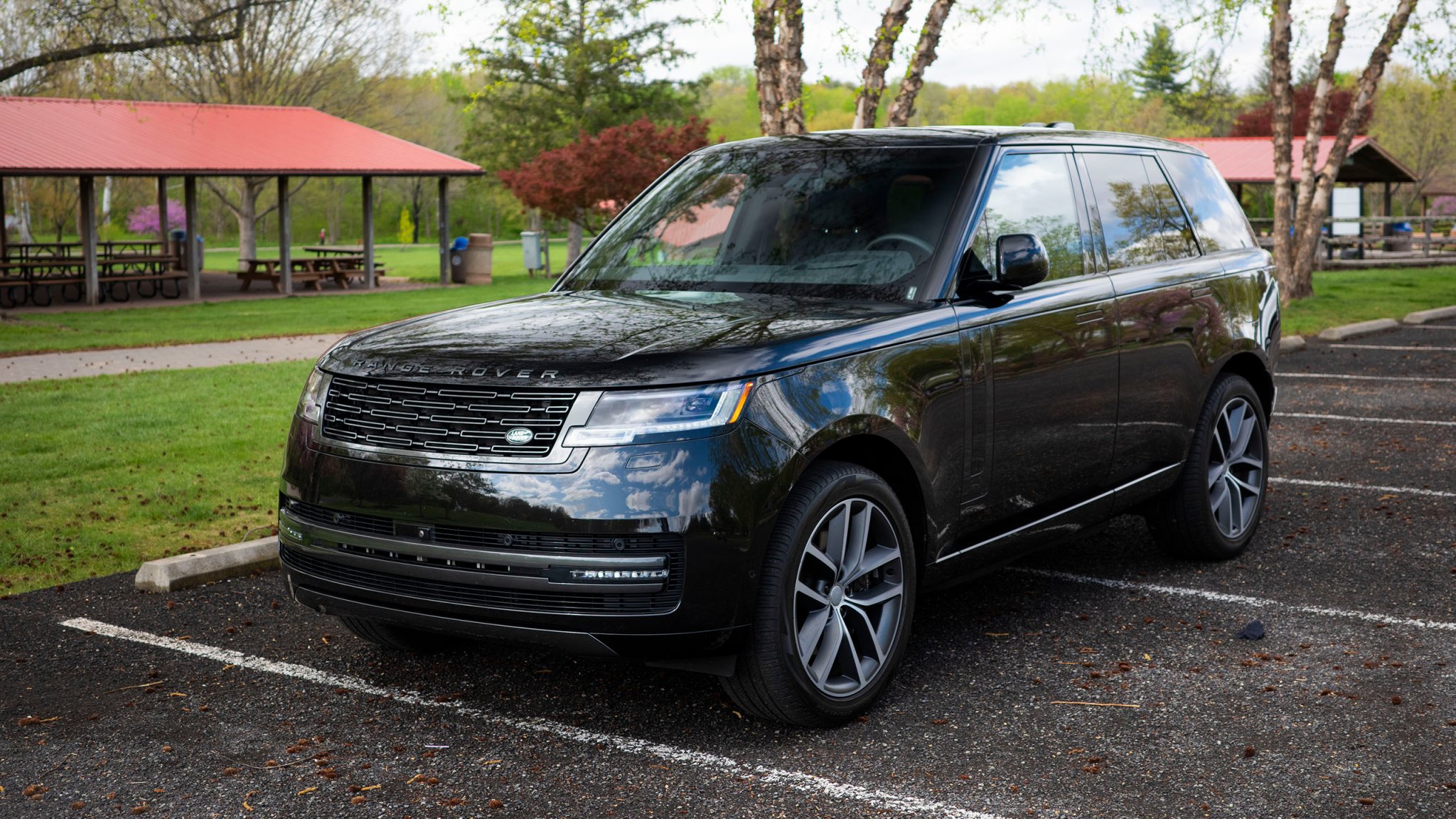
When is an icon no longer an icon? This is a question I asked myself multiple times while driving the Range Rover SE plug-in hybrid, a car that succeeds in many of the things Range Rovers always have, namely, speaking softly and carrying a big stick. It fits the tradition established by its forebears, compromising nothing in its capability and adaptability, and achieving this without being obnoxious about it. I know this will sound hard to believe in the context of a $135,000 SUV, but I really don’t get the sense that anyone who buys one of these is terribly concerned if you know what they have. That’s more of a Defender thing.
I can admire that, especially in an age when many cars are designed to project a familiarity with the outdoors, especially for people who have none. Of course, the Range Rover’s off-road prowess doesn’t need such embellishment; this vehicle is special for the things it can do. I just wish it felt as special sitting still.
The Basics
The L460 Range Rover, now in its fourth year, comes in three trims: the base SE, luxe Autobiography, and fiery SV, with three available powertrains. There’s a 3.0-liter turbocharged “Ingenium” inline-six, available with or without electric assistance, that makes 395 horsepower on its own. Then there’s the BMW-sourced, 4.4-liter, twin-turbo V8, which makes 523 hp. (Unless you get an SV-badged product, in which case, you get 607 hp.) All of these send power to all four wheels, of course, through an eight-speed transmission.
But what of that plug-in hybrid six-pot option? That’s the one we’re here to discuss today, and it certainly compares well in the numbers game. This “P550e” model, as it’s sometimes called (though that name weirdly shows up nowhere on this vehicle’s window sticker), has 543 hp and 590 lb-ft of torque, with a 38.2-kWh battery contributing up to 50 miles of all-electric range. It also has standard adaptive air suspension with rear-wheel steering as well as Dynamic Response Pro, which contributes electronically actuated anti-roll bars to mitigate wobbliness. The upshot is a vehicle that feels, perhaps unsurprisingly, quite nice to drive.
One more note: While the Range Rover is offered in short- and long-wheelbase varieties, you can’t mix the plug-in powertrain with the larger bodystyle.
Driving the 2025 Range Rover SE PHEV
We’ll pick up straight into the driving experience conversation, because it is the Range Rover’s greatest asset. This is a 6,000-pound vehicle, but you wouldn’t know it from the way it moves. Instant electric torque means a lot off the line, of course, and naturally the powertrain will prefer to tap the battery before resorting to the gas engine, unless you select Hybrid or Save mode on that big tablet glued to the dash. When the straight-six kicks on, the vibrations inside are so dampened and the handoff so buttery that your only tell will be a muffled and oddly distant-feeling high-pitched whirr.
It is a smooth and, frankly, disorienting way to speed through the world, this machine. I’m careful with any car I’m entrusted to drive, but the effortless way in which this thing glides to highway cruising speeds, coupled with the obviously high seating position and peerless sound insulation, wraps you in a cocoon where you just don’t give a damn what happens outside those walls. I’d put my foot down, hit 80 mph on the Interstate, and swear I was doing 20 less. It’s a fortress.
It helps—or hurts, if you find the Range Rover’s solitude perhaps a bit too numbing—that this thing changes direction with a degree of precision, confidence, and stability that you’d never expect. The steering is extremely light in any mode, but it strangely never leaves you wondering what exactly is going on under the front tires. And the rear-wheel steering is a godsend in a vehicle of this scale.
The chassis’ network of sensors, all working in a highly sophisticated symphony to make you feel like you’re in control of this studio apartment on wheels, succeeds in every dimension. Cornering, braking, and accelerating all happen with such little tilt, such little fuss, and this is the Range Rover’s true secret. Because it’s not something you can understand simply by looking at it, and certainly not from reading the Monroney. The plug-in starts at $131,350, which is, in one sense, entirely too much for a car. But, get behind the wheel and, well, there will be a part of you that can understand.
The Highs and Lows
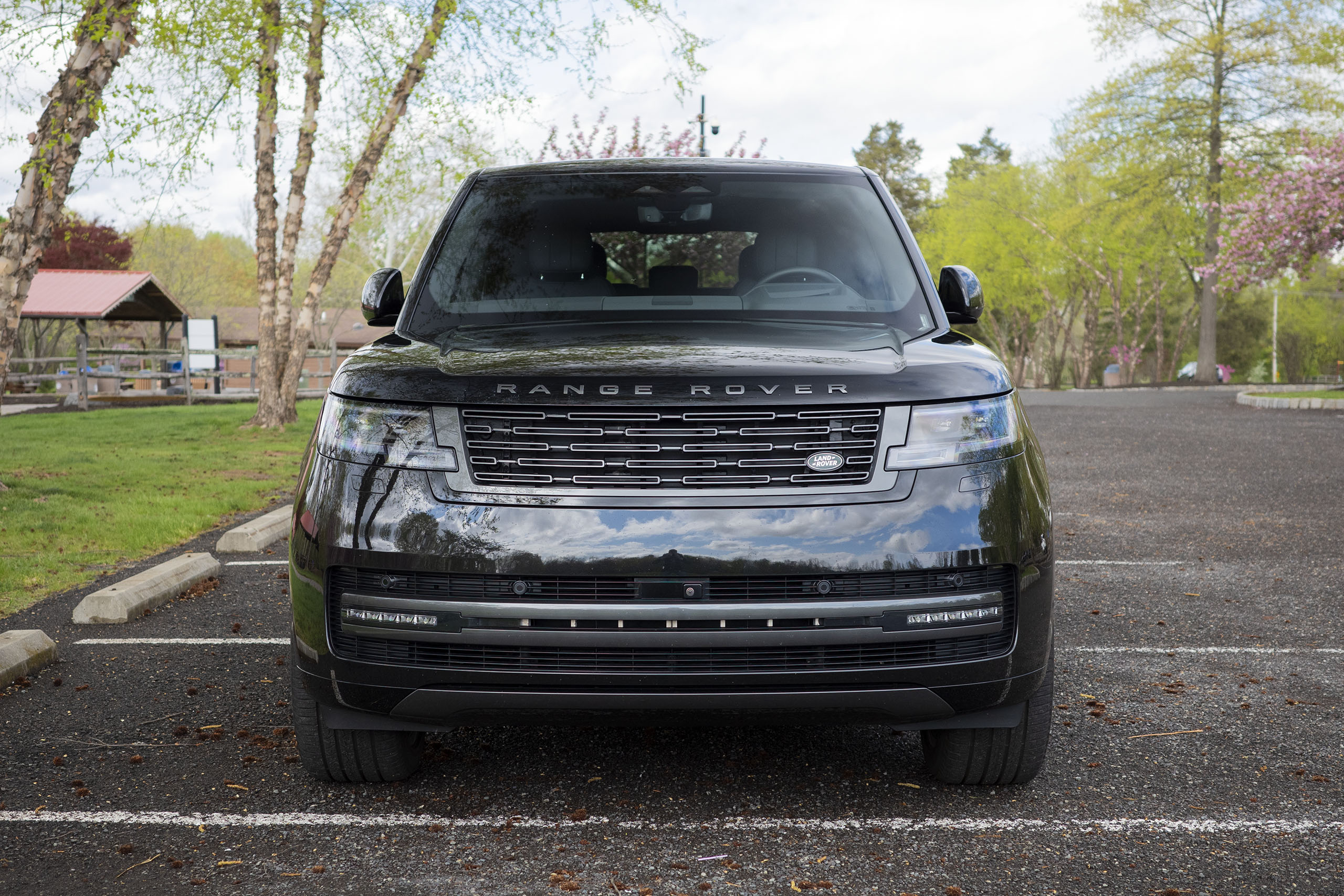
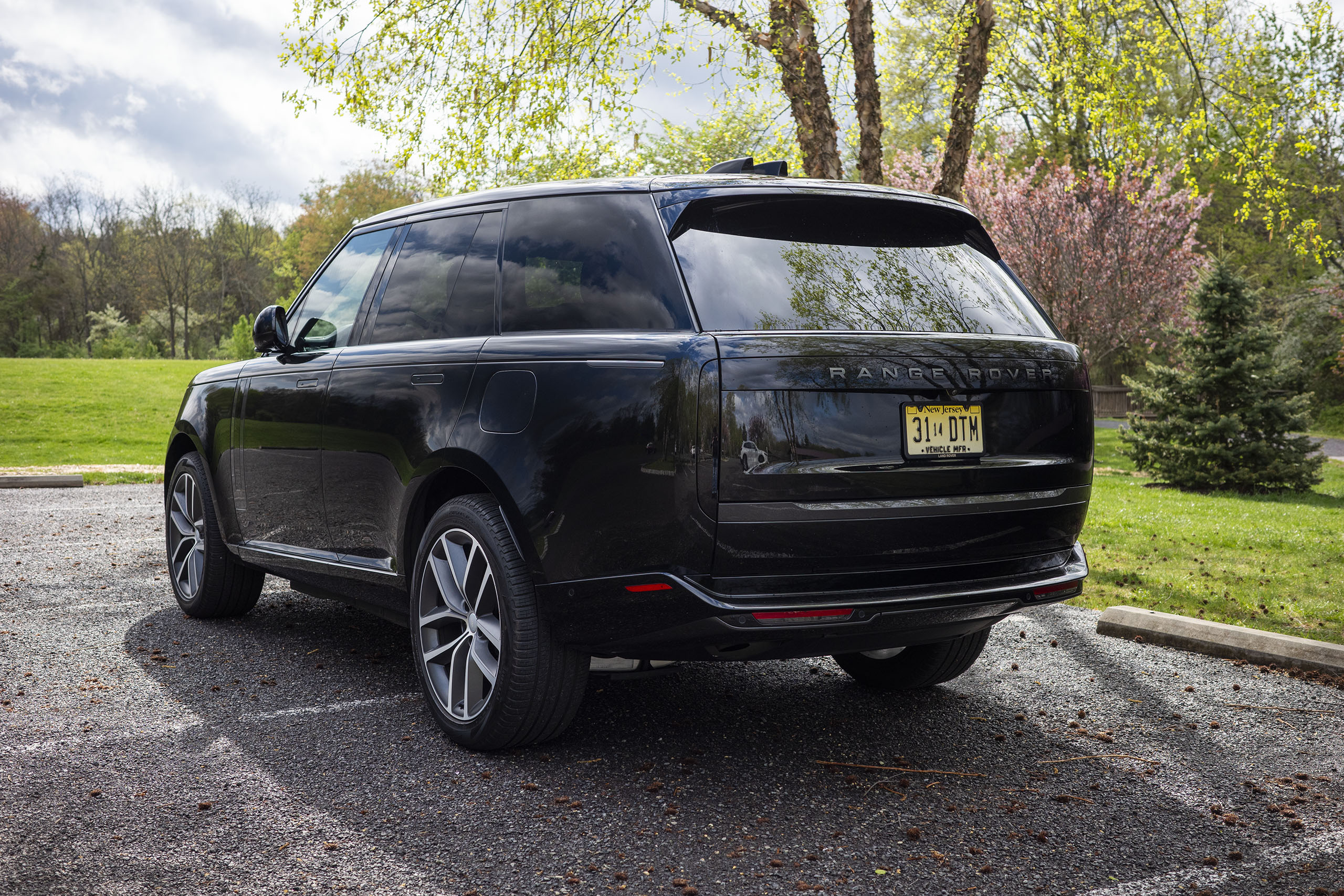
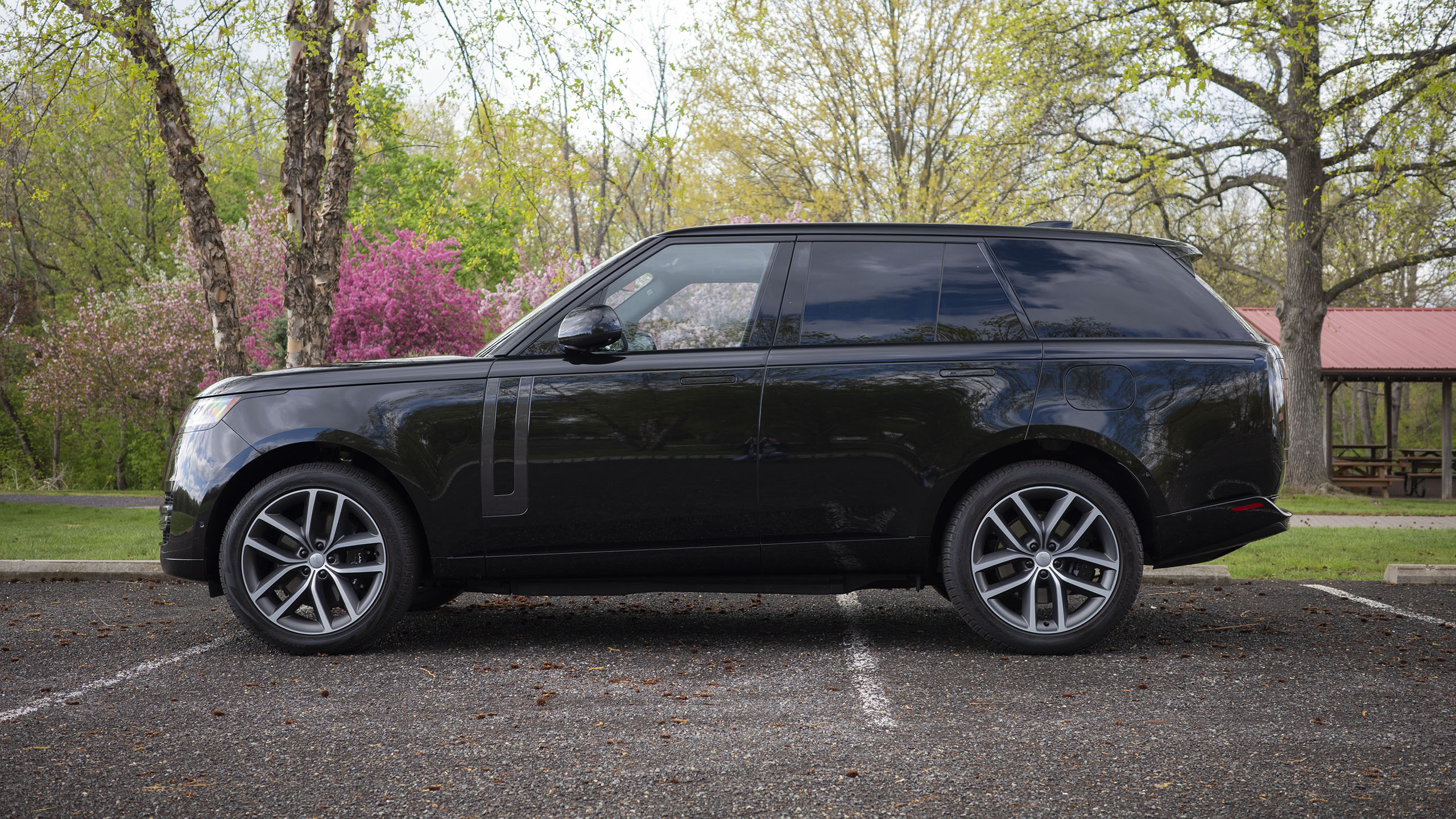
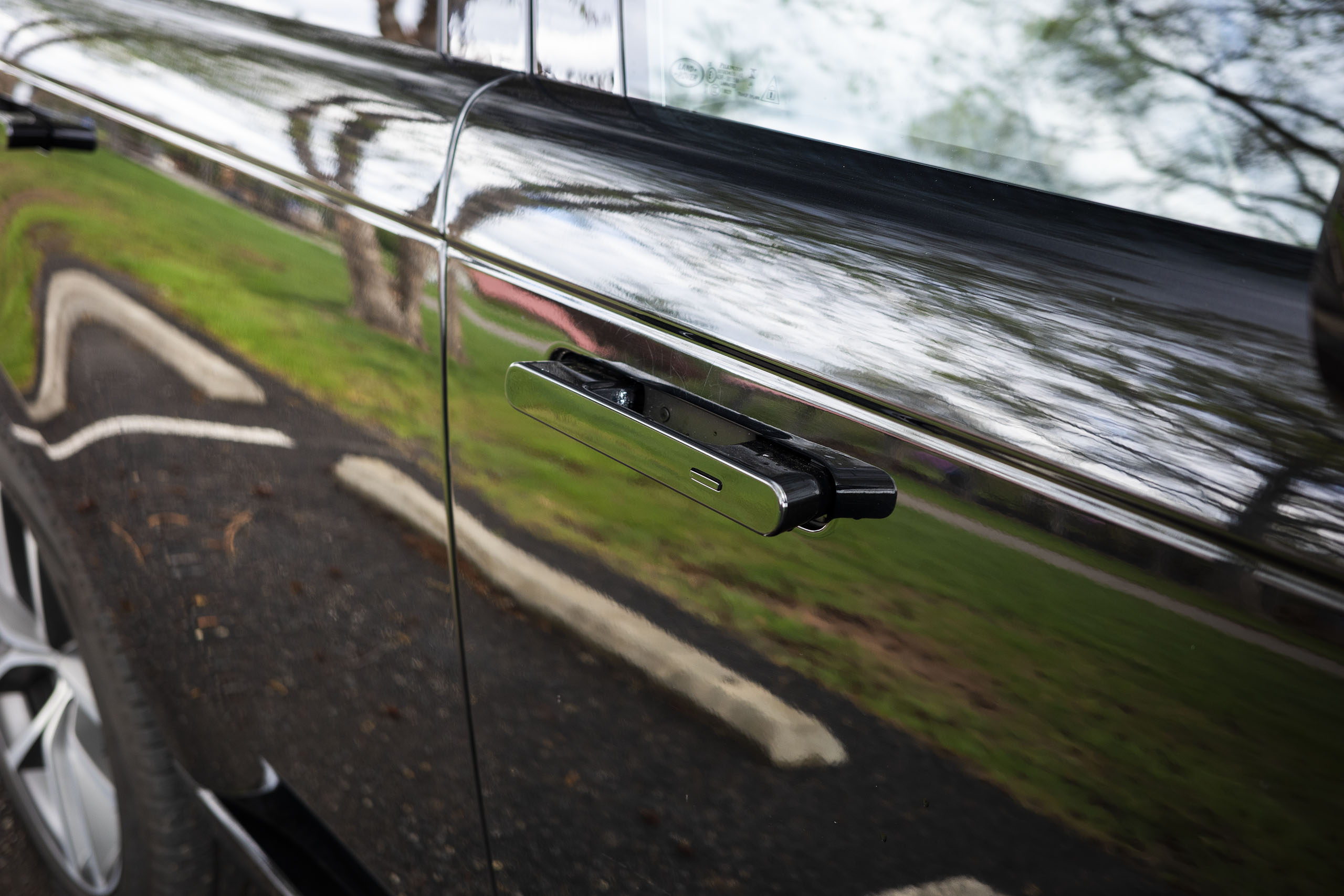
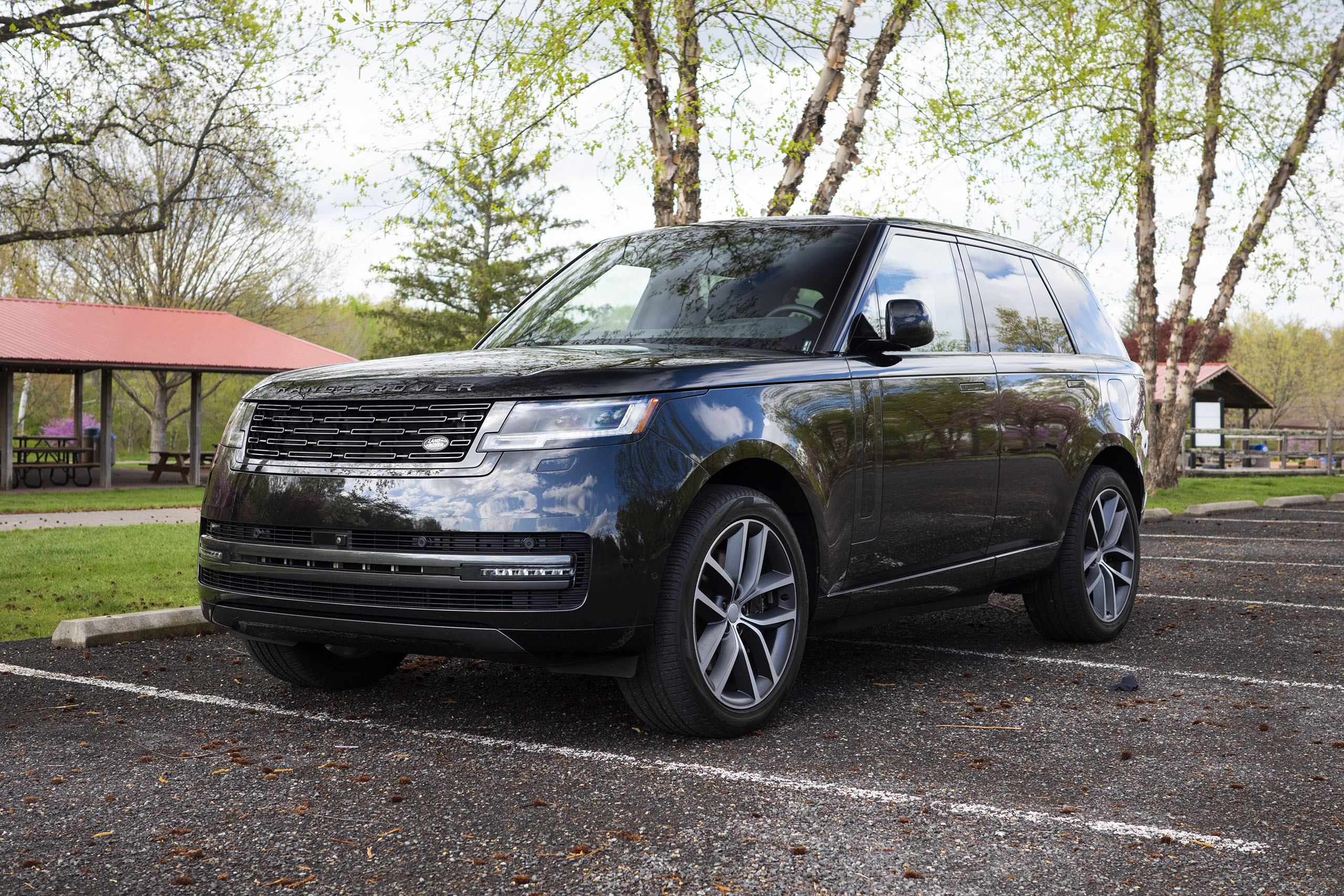
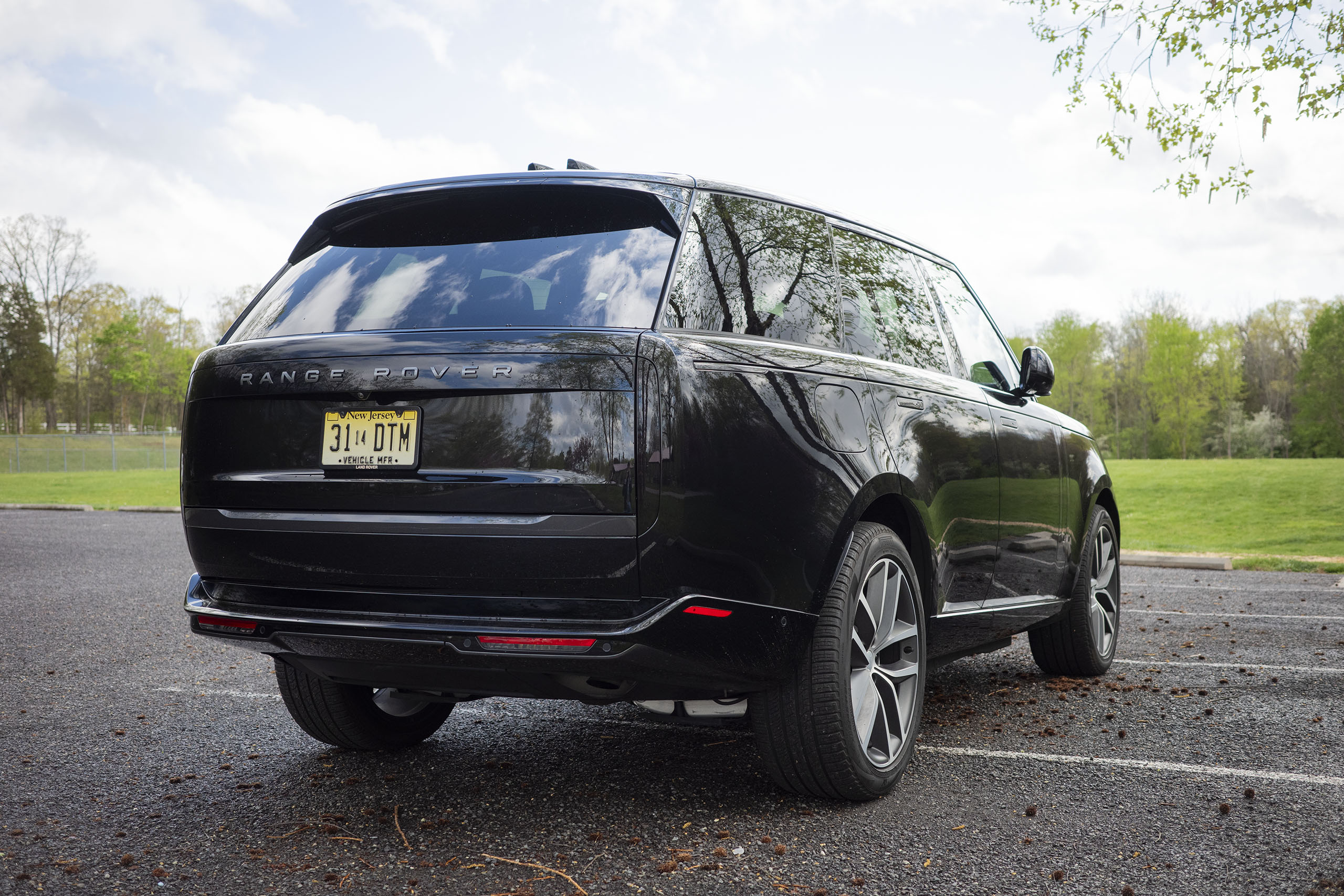
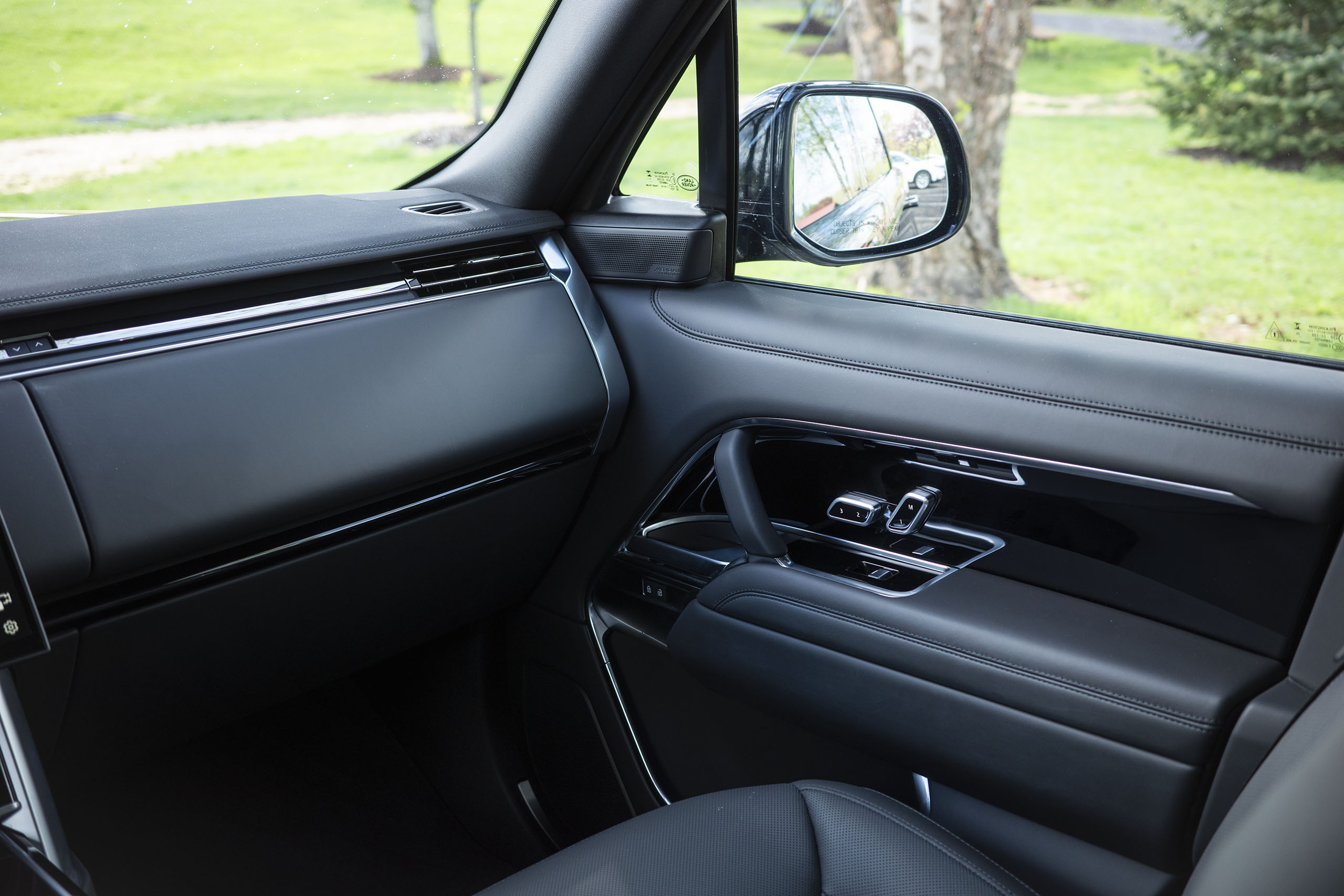
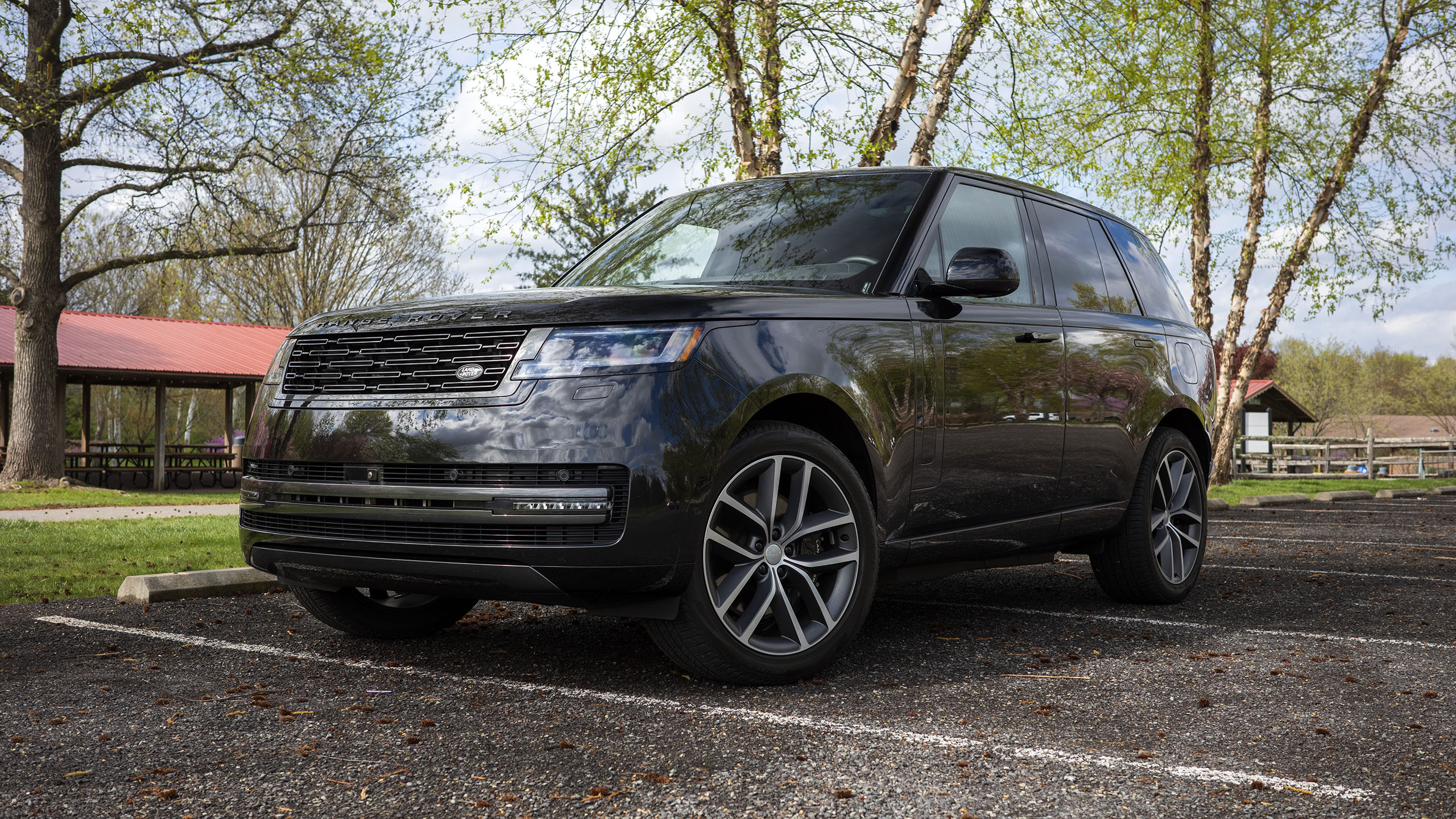
Step away from the drive, though, and more about the modern Range Rover is a mixed bag. There’s a caveat to most positives. Again, I appreciate the muted design inside and out, and the level of austerity that’s rare in most cars today, but I can’t help feeling they went a little too far.
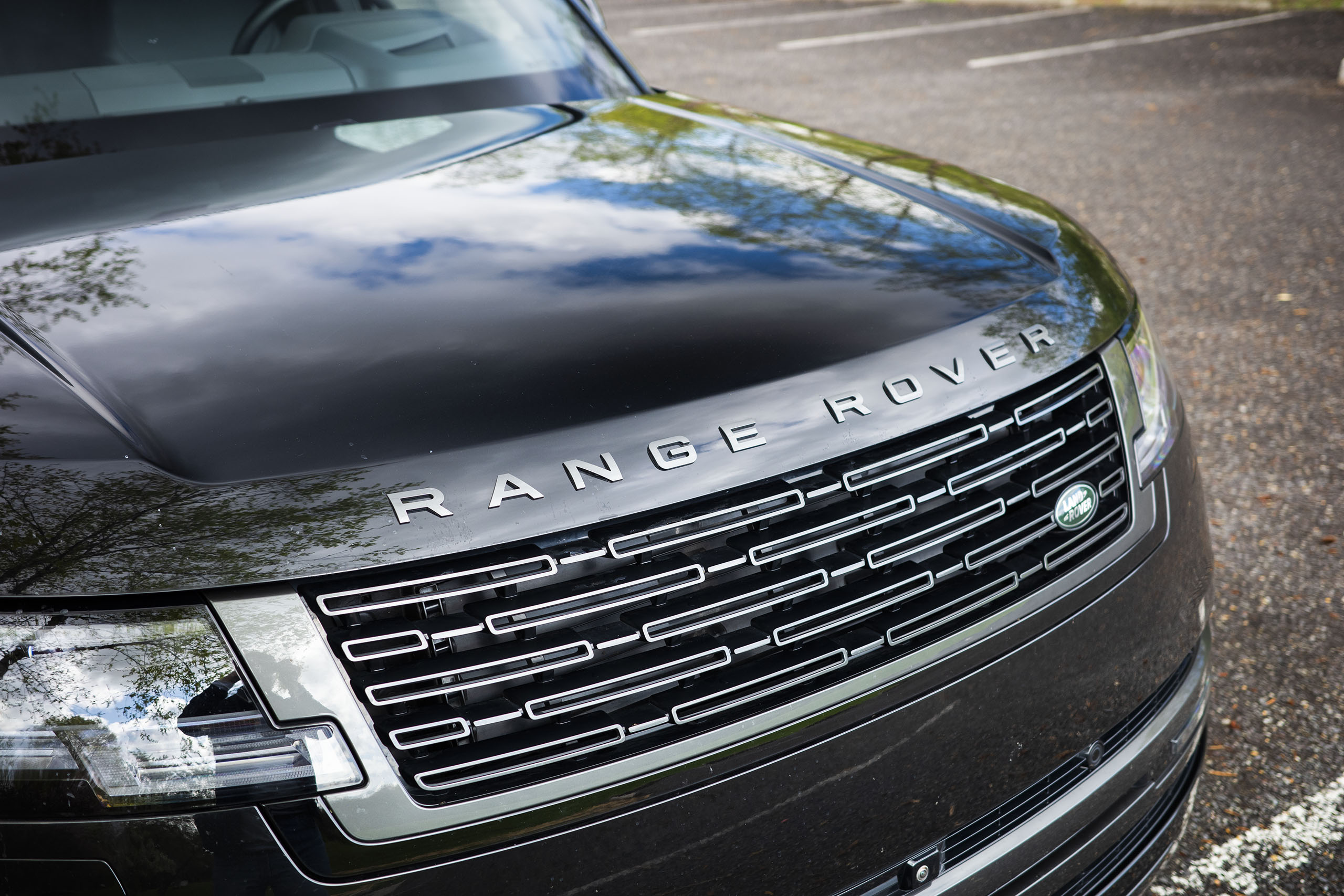
I, like many, consider Phil Simmons’s L322 Range Rover design to be one of the finest-looking cars ever conceived, with its emphasis on clean, basic shapes and low hood line. The current Rover doesn’t really have any of that; it looks soap- or maybe pill-like by comparison, with a protruding, curvaceous jaw.
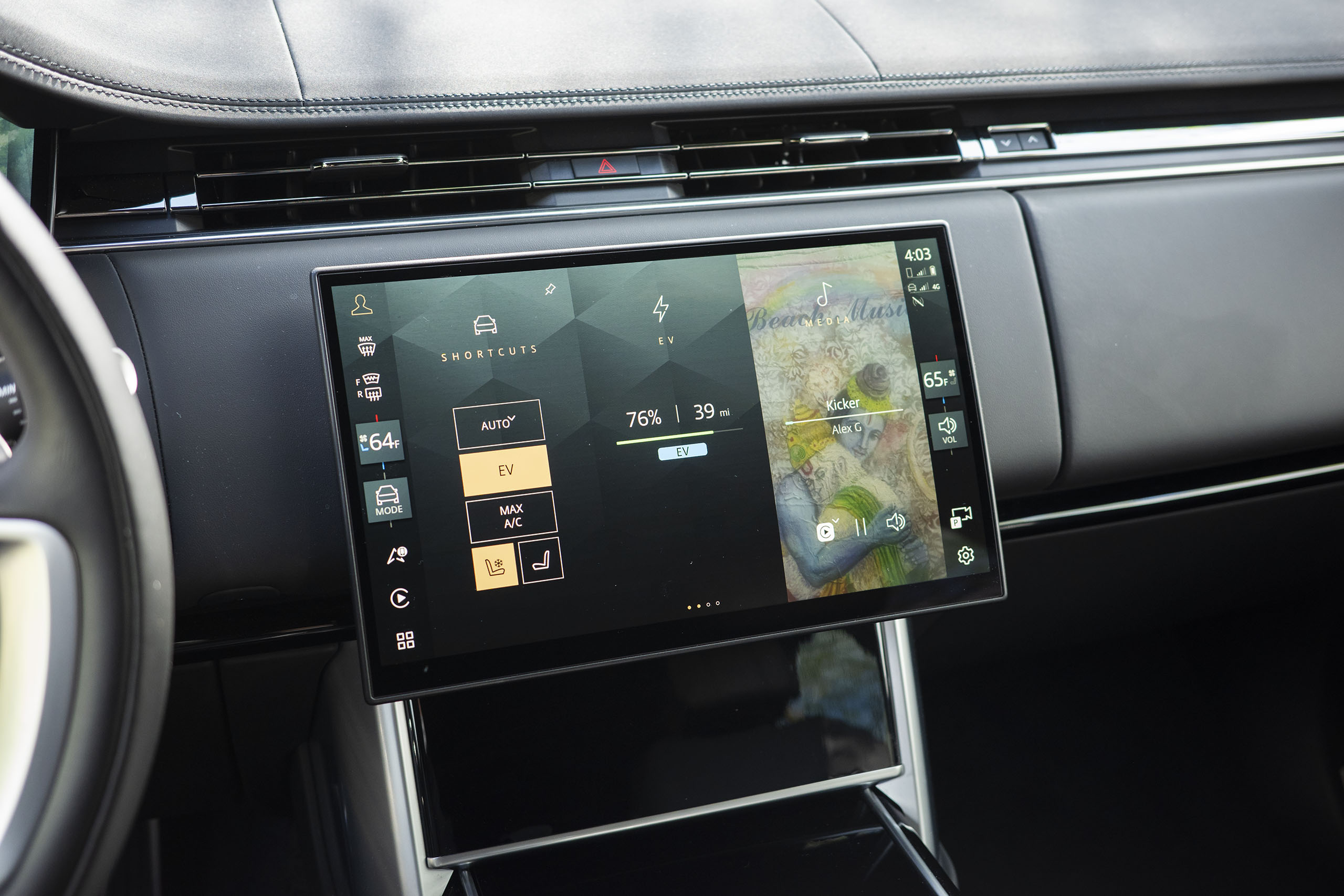
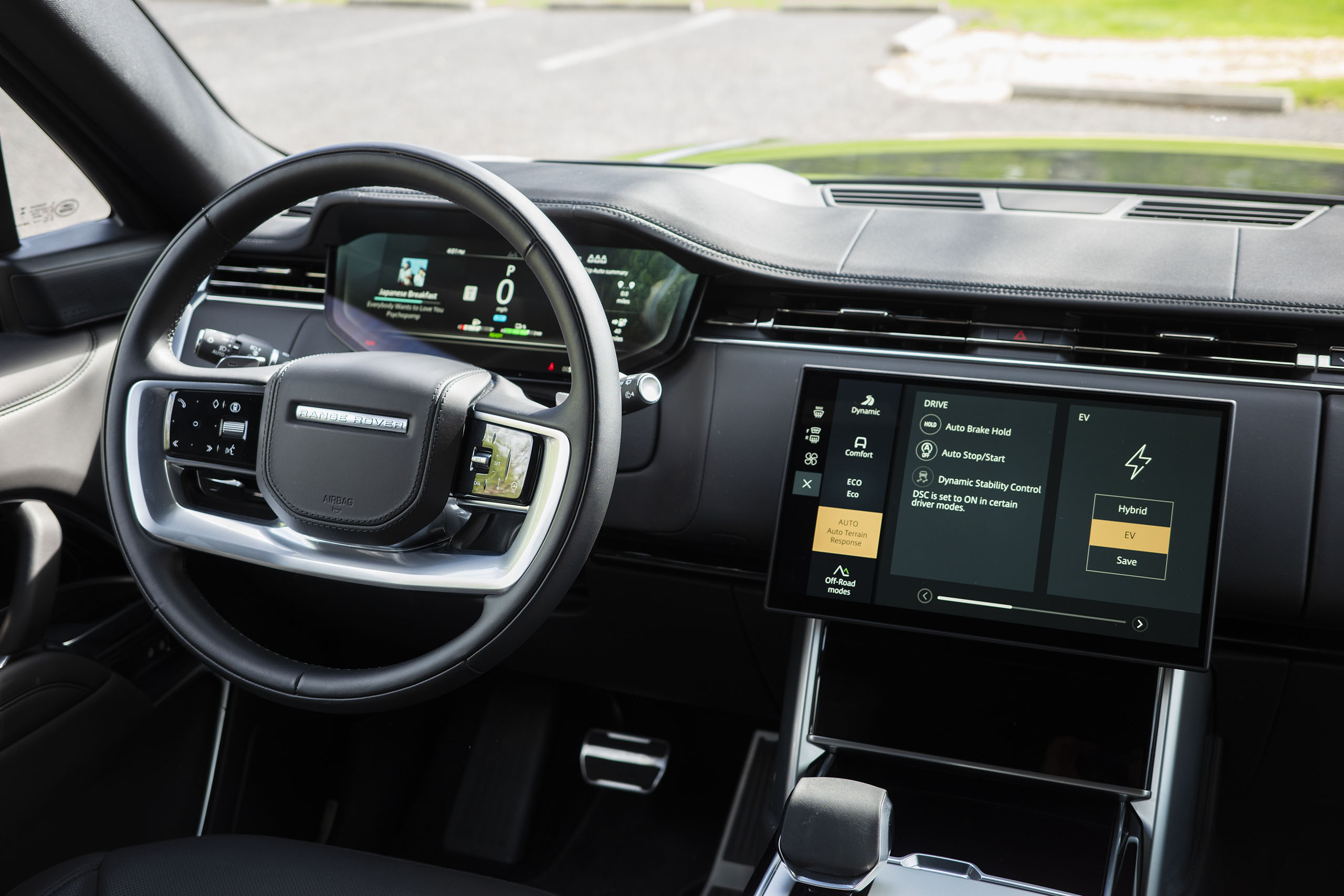
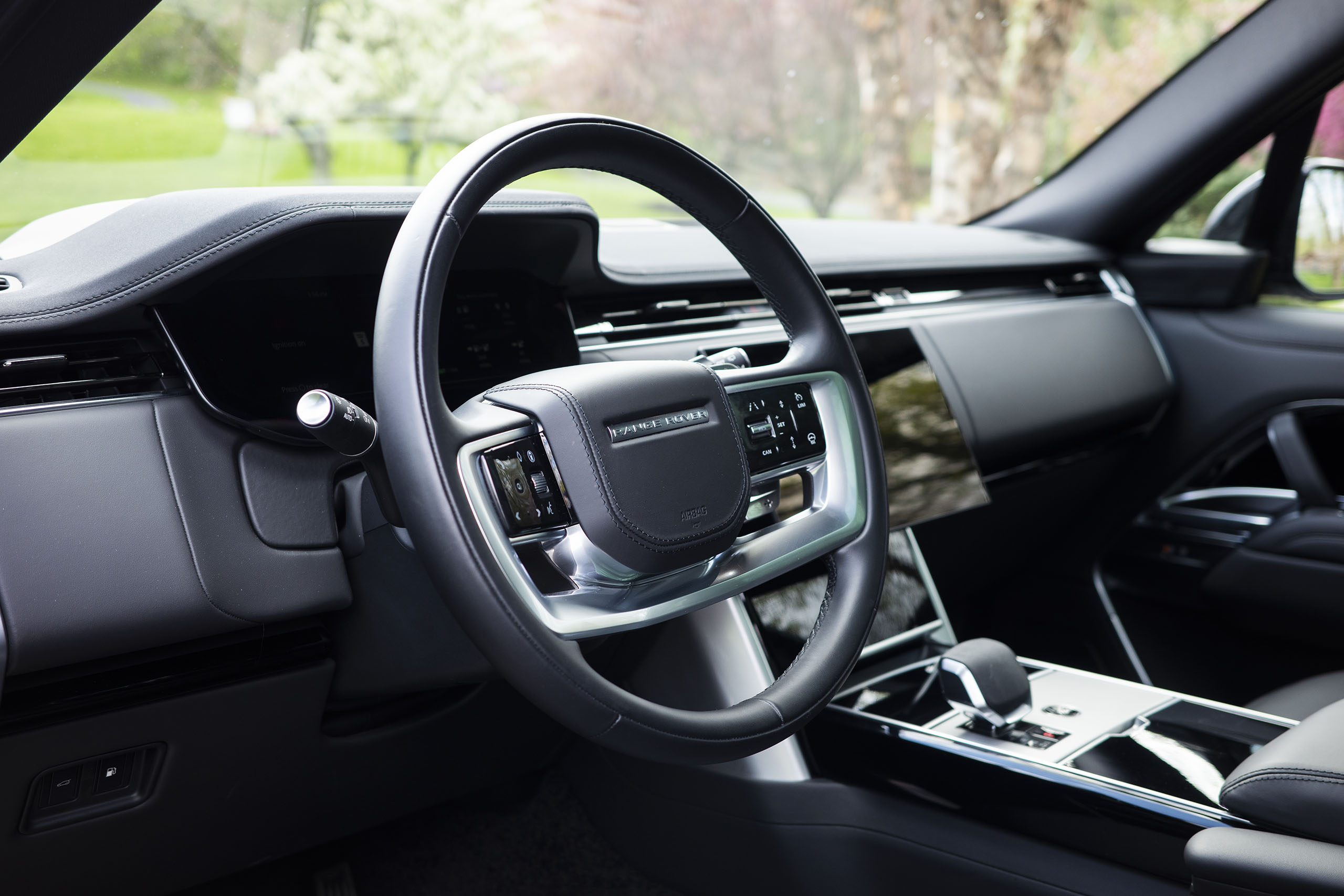
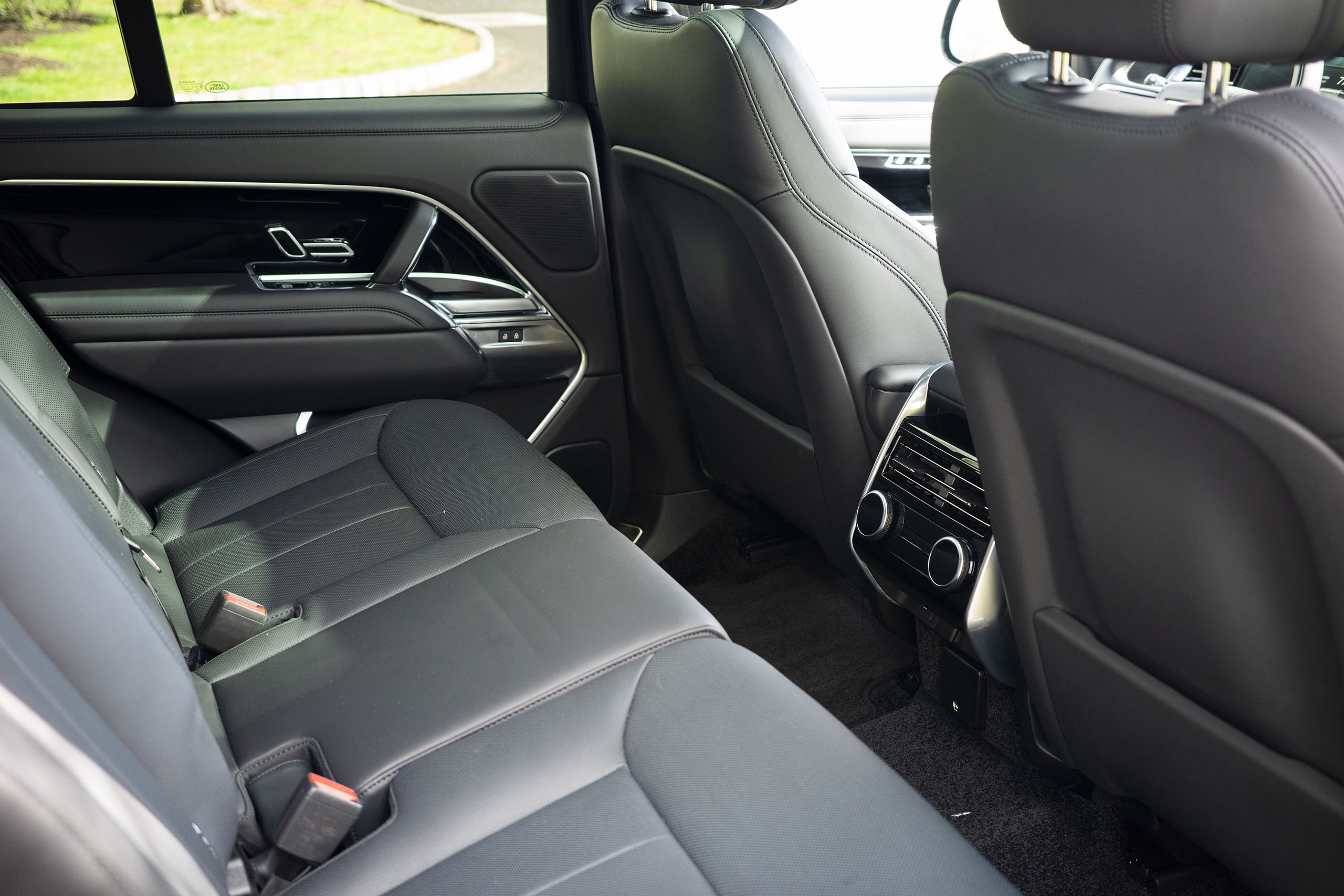
Inside, it’s more of the same. There’s an elegance to the dash’s simplicity, but it’s all for naught when pretty much every interaction you’ll have with the vehicle that doesn’t involve driving it happens through a gigantic touchscreen. There’s little cohesion to its placement. And, to make matters worse, Land Rover nixed all of the separate climate controls that used to live below it, including the physical dials, starting with the 2024 model year.
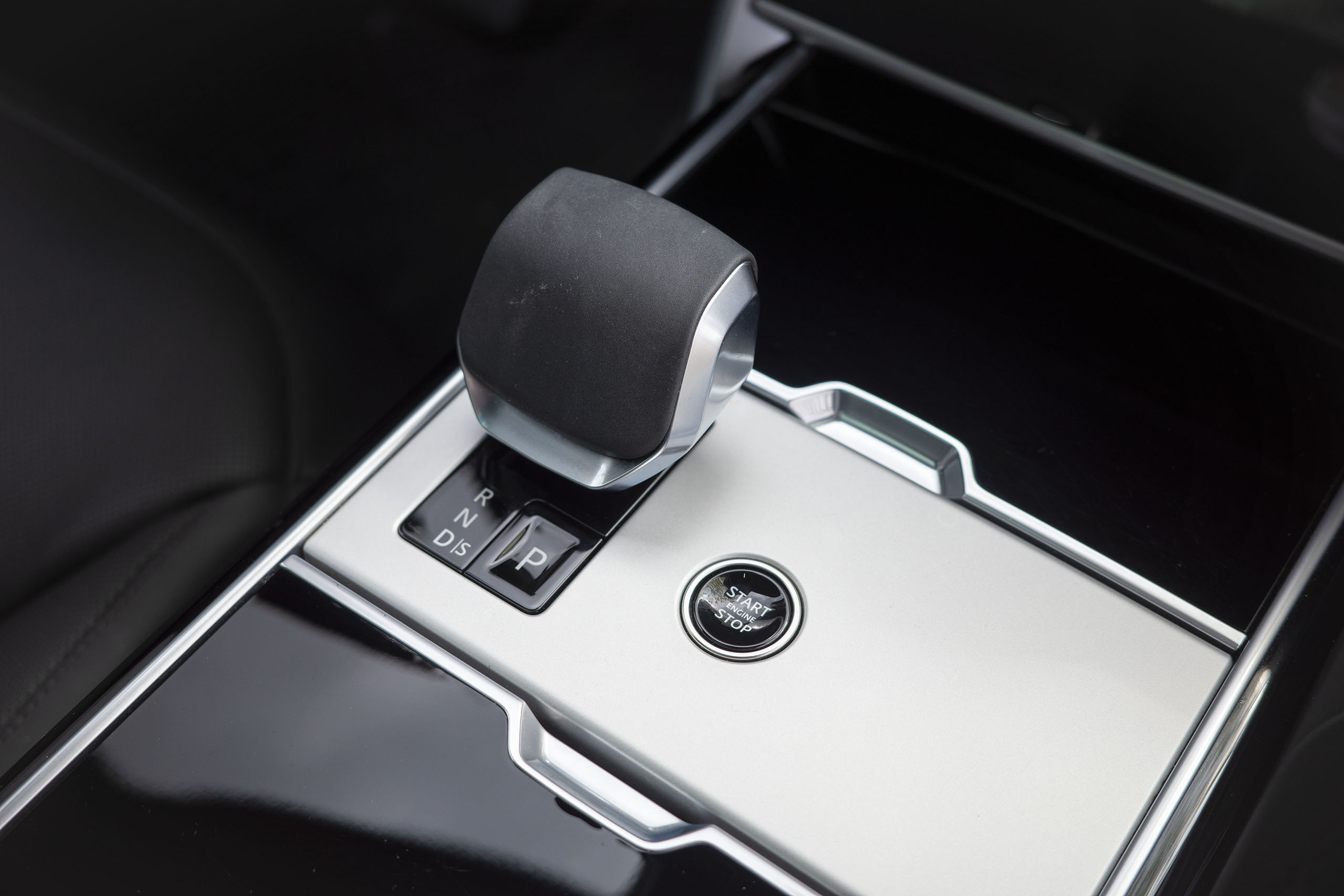
This part really irks me because, usually when automakers do this, they reclaim the space that formerly held buttons for something else, perhaps more storage. Of course, in almost every instance, I’d rather have buttons, but at least there is normally some kind of tradeoff. The current Range Rover doesn’t make any trade, though; Land Rover simply wiped that rectangle of center-stack real estate clean and put absolutely nothing there. Same with the space to the right of the shifter and start/stop button, which used to bear a drive mode dial.
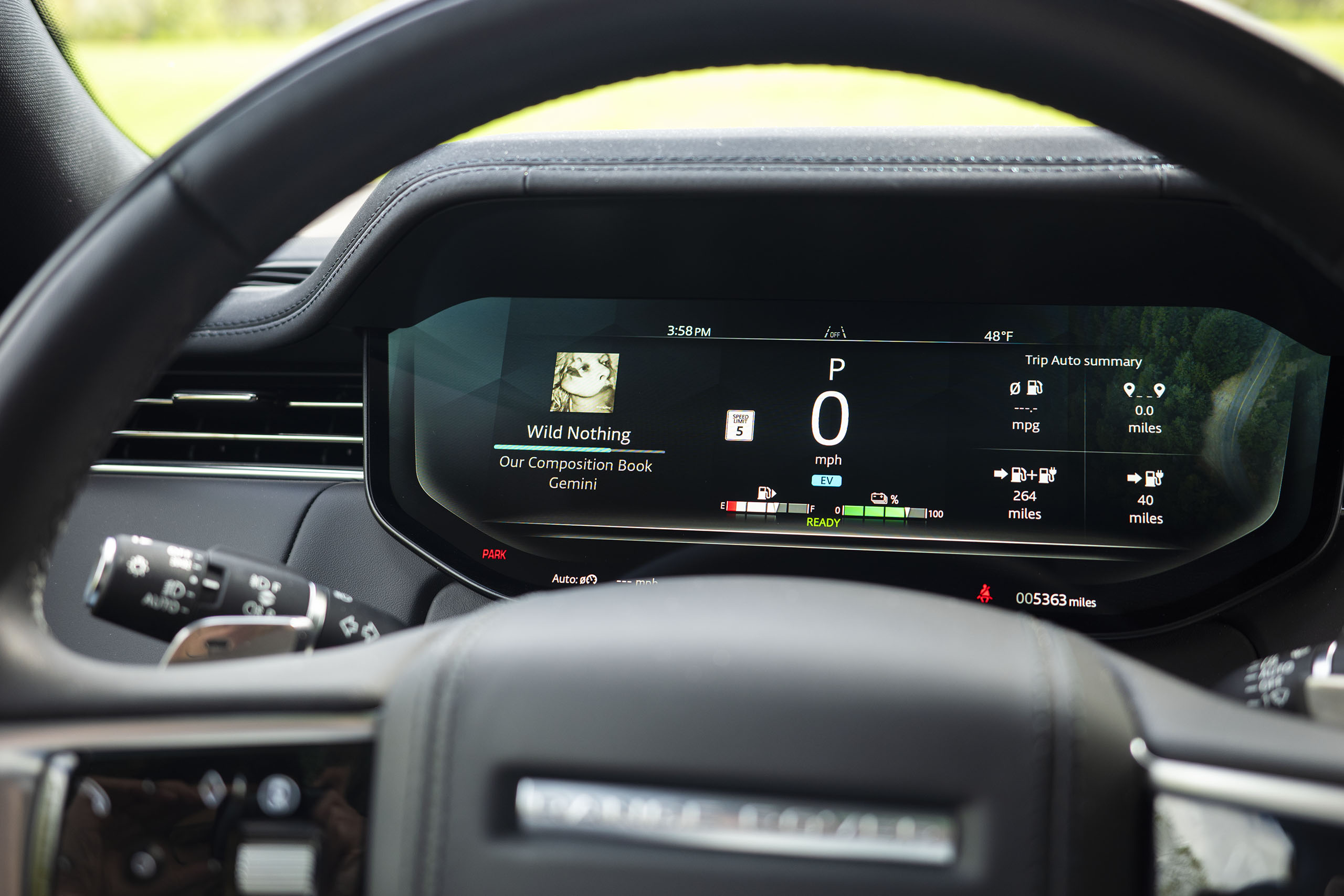
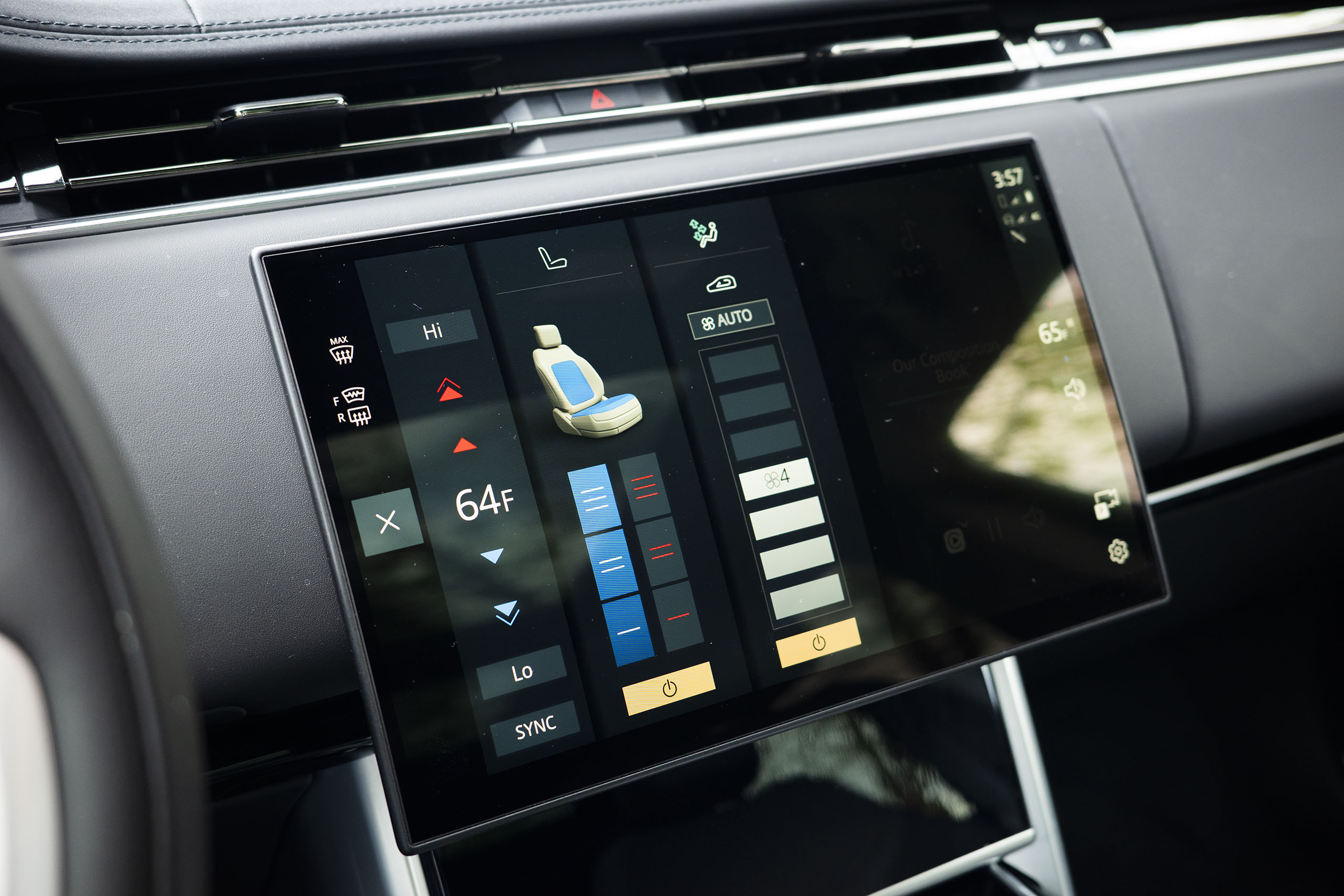
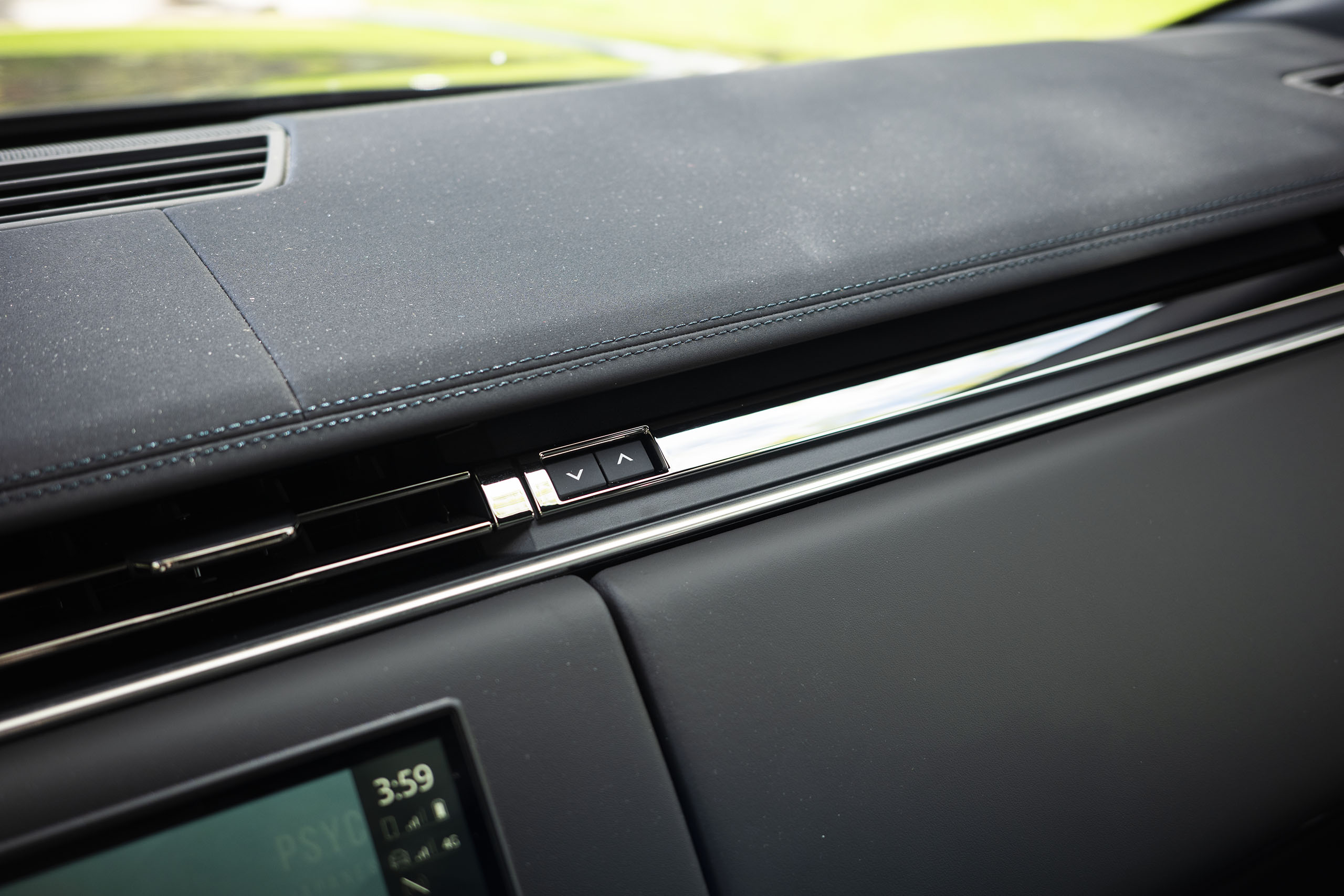
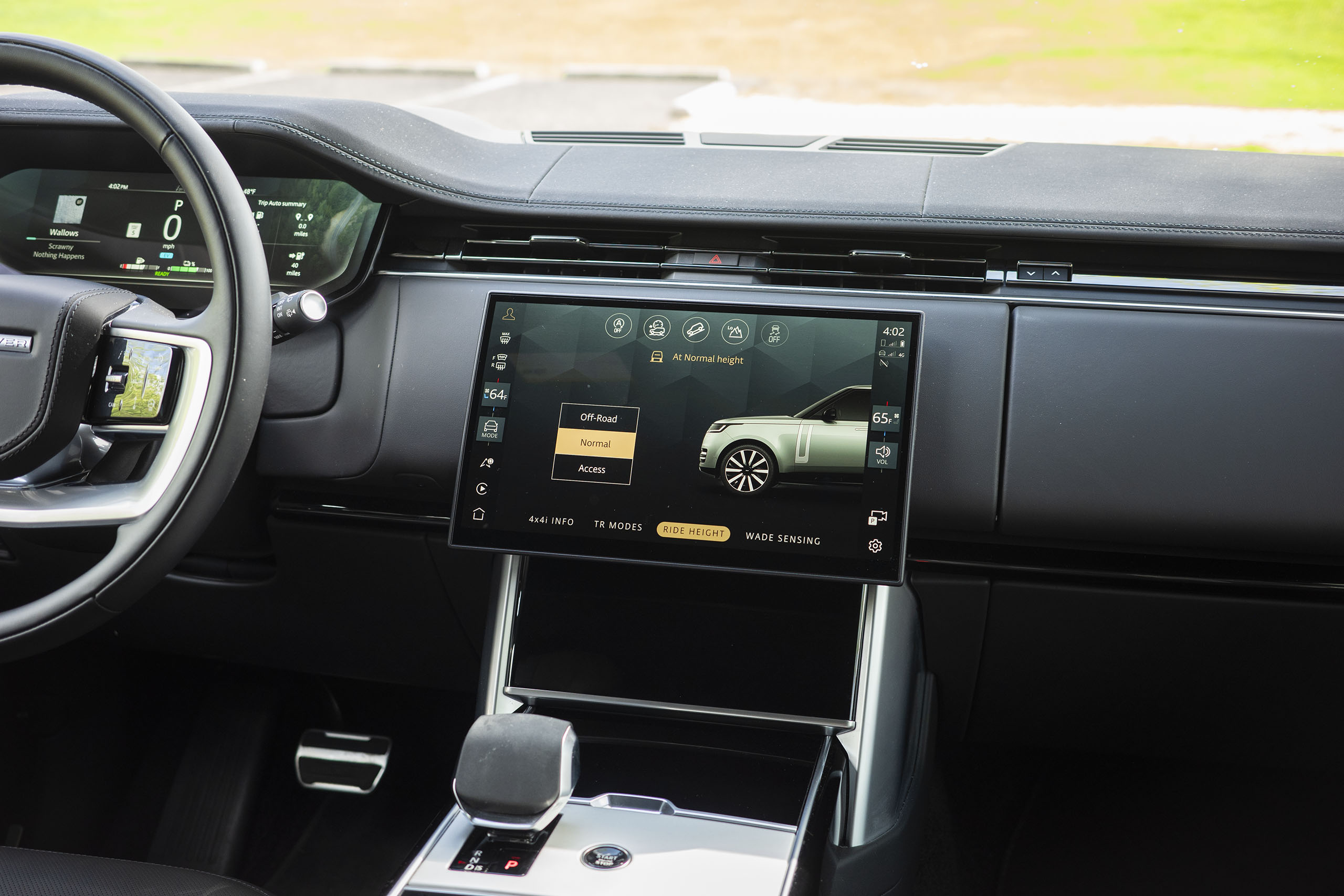
Honestly, the result feels unfinished. It’s strange to exist in a vehicle that is so broadly powerful and versatile in terms of performance, and feels completely uncompromising in that vision, yet tosses away useful inputs to, I imagine, save a few dollars per vehicle. It feels incongruous with the rest of the product; it feels like visual simplicity is causing functional complexity and frustration.
It also doesn’t help that Land Rover’s Pixi digital interface—while not the worst I’ve ever used—just isn’t up to the task of being entrusted with so many duties. It isn’t necessarily poorly laid out, and I like that the software designers had the sense to place critical functions along the left-most edge of the screen for driver convenience, but it’s just too slow and not particularly pretty to look at, either. There is an optional mode that causes the panel to respond with haptic feedback when pressed, but it’s a clunky, dull response that also requires you to press the glass with a lot of force to do anything.
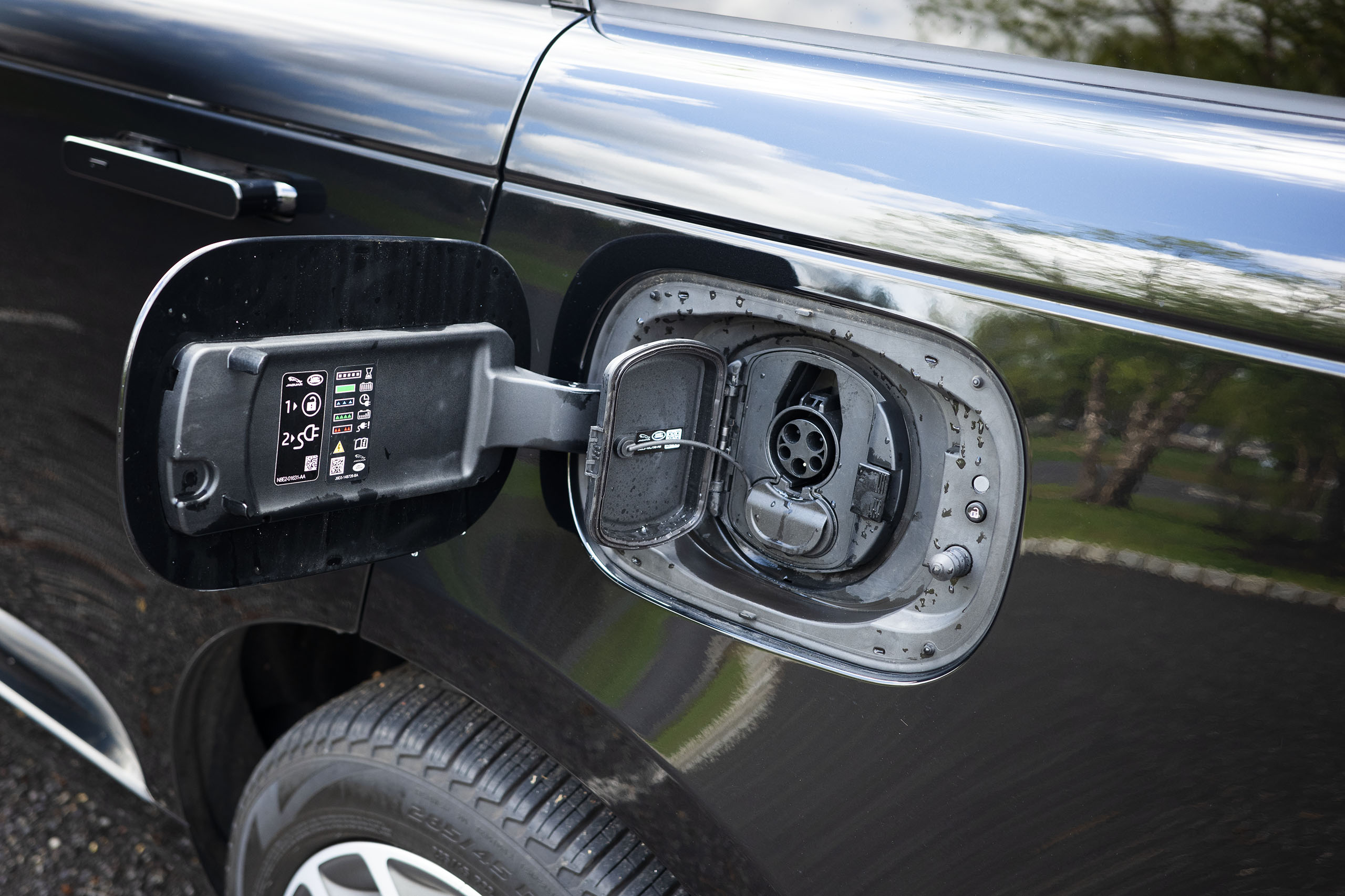
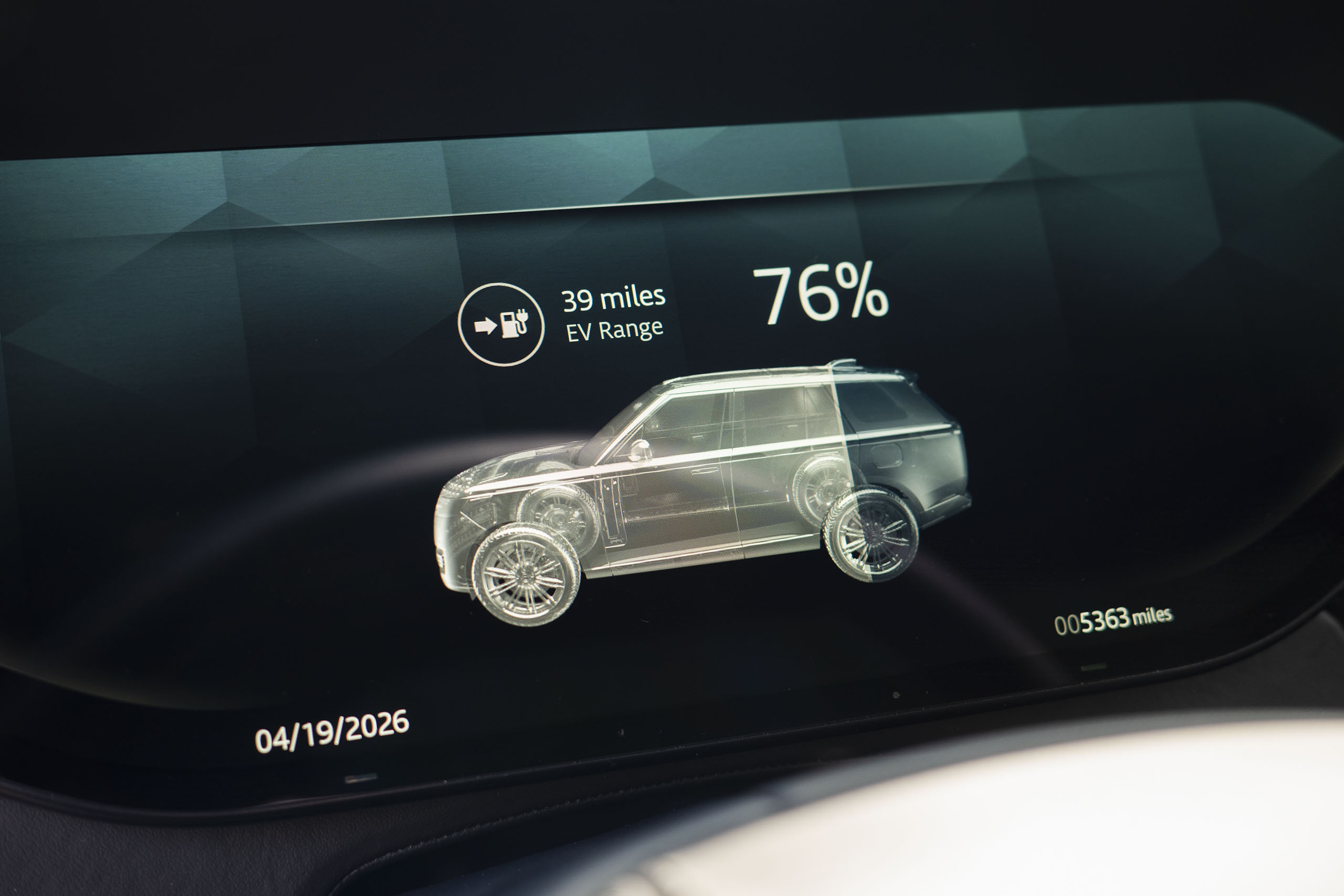
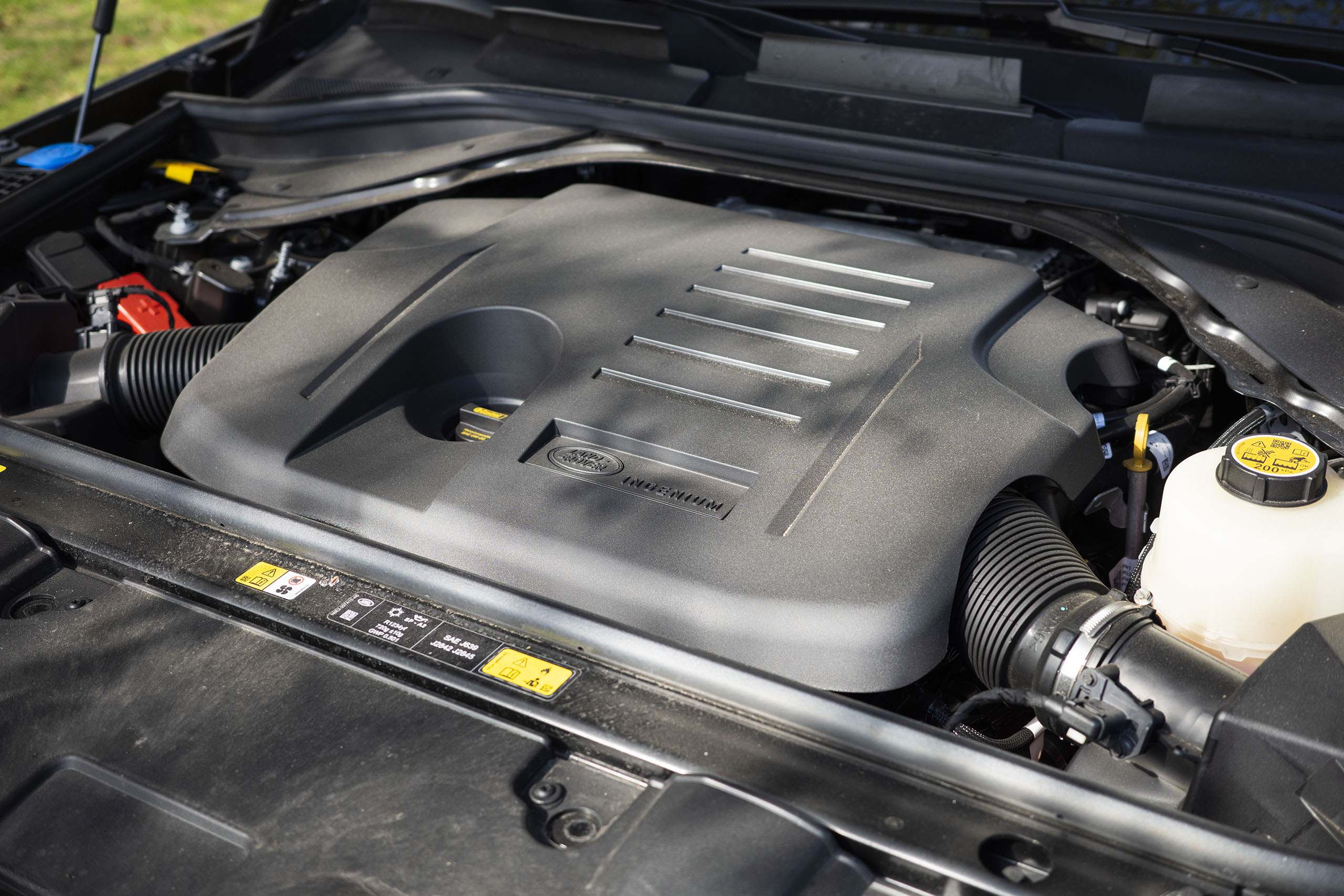
The hybrid powertrain enabled around 33 miles per gallon on the highway in hybrid mode, without factoring in the all-electric range, which is solid. But the battery should charge faster; it doesn’t support Level 3 DC fast charging and only supports AC charging up to 7 kW, which is just too slow. All told, it took about five hours to top up my tester’s battery from a Level 2 terminal.
2025 Range Rover SE PHEV Features, Options, and Competition
The Range Rover SE starts at $115,750 for a standard-wheelbase, six-cylinder-powered model. The plug-in hybrid commands a more than $15,000 premium—$131,350—though this 2025 model started considerably cheaper, at $124,450 delivered, before some $11K in options.
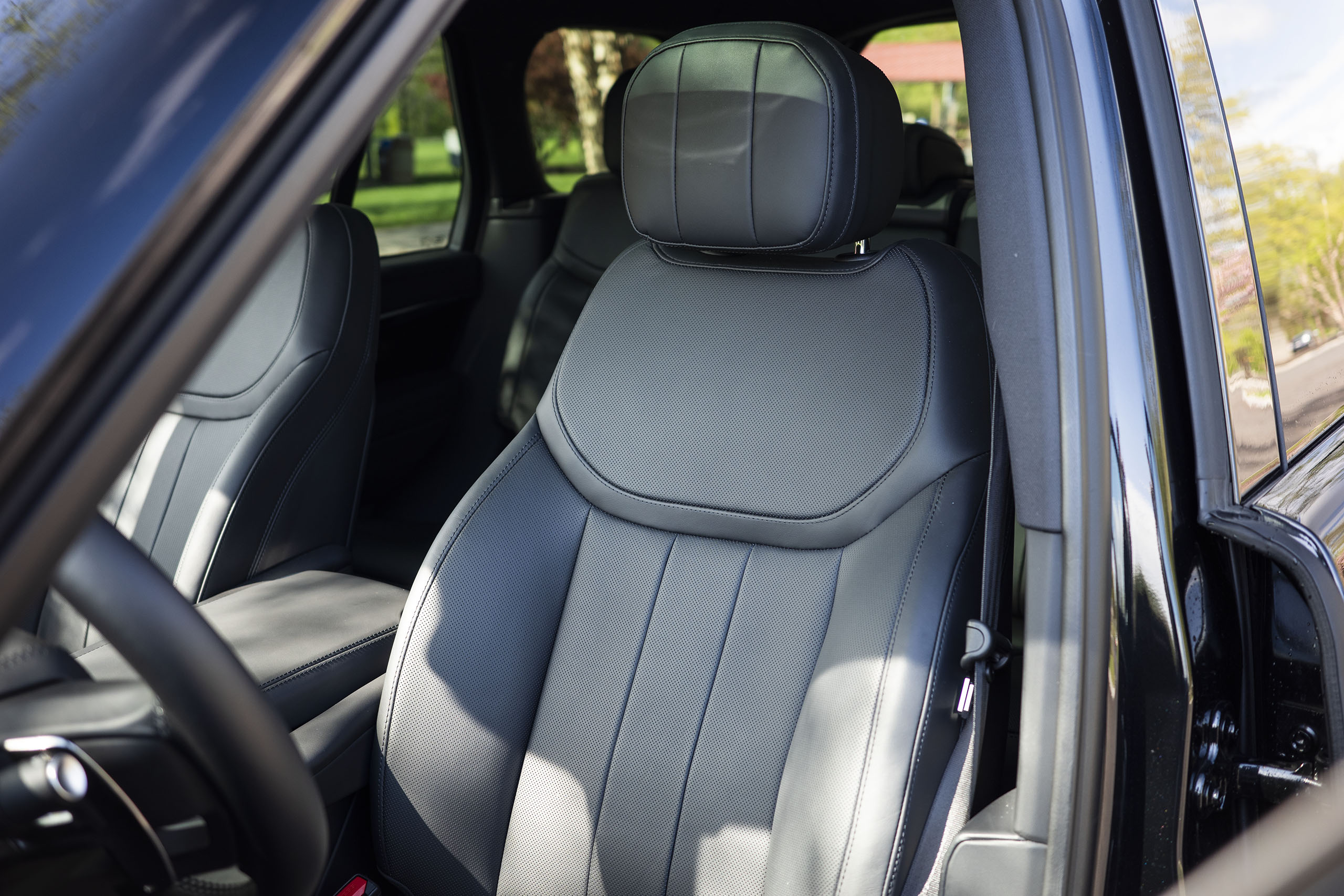
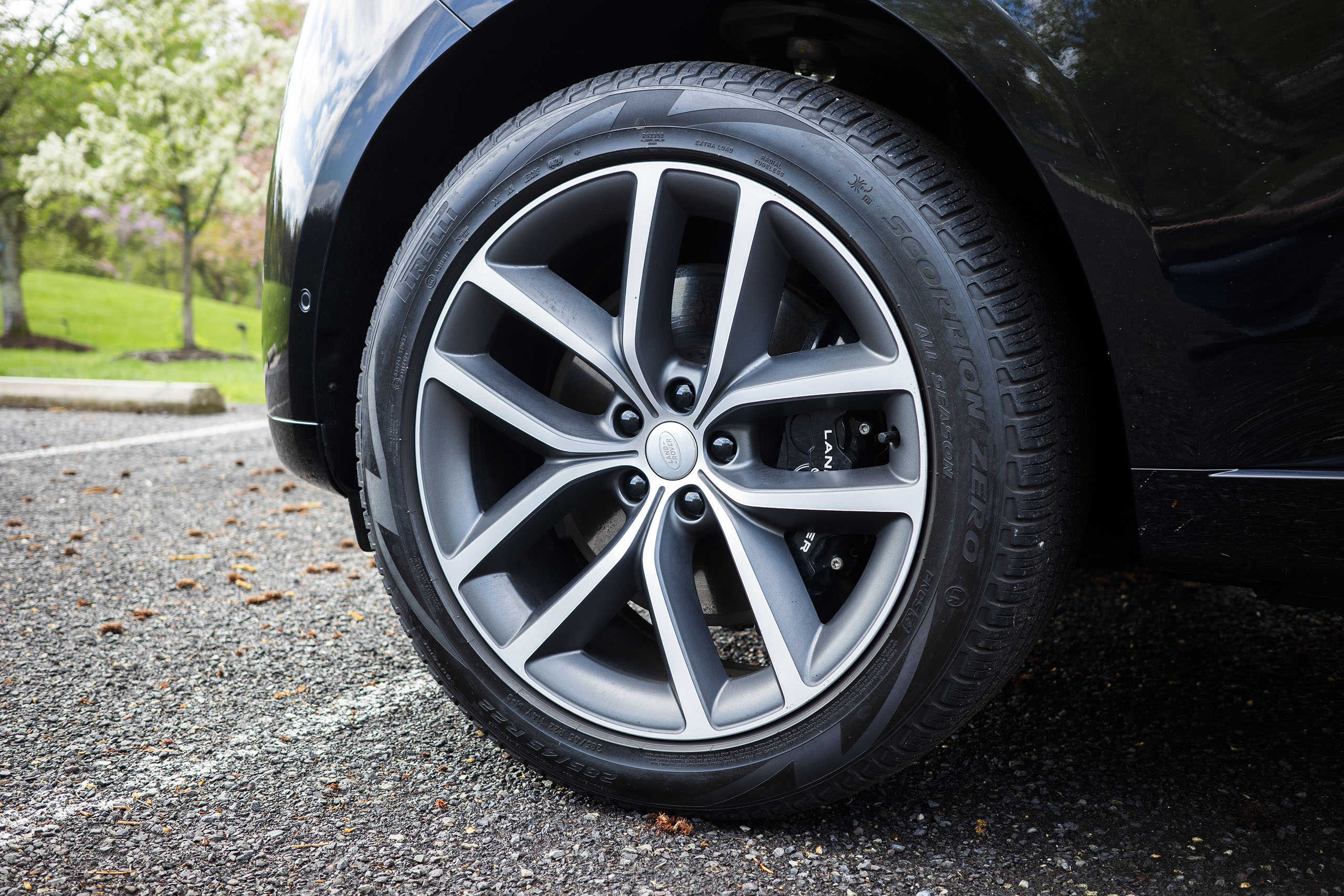
Those included many conveniences and bits of trim, such as a Meridian 3D Surround Sound System ($1,200), 22-inch satin gray wheels ($2,300), Grand Black veneer ($1,300), and the blacked-out Shadow Exterior Pack ($1,000), among the more significant line items. The good news is, I’d lose them all, save for the audio system. And I know massaging seats sound better on paper than they are in actuality, but the Range Rover’s thrones—while very comfortable—don’t massage even at this price, which feels a little stingy. Buyers who want that privilege will need to step up to the Autobiography trim, which also includes an even better sound system, rear-seat screens, and, frankly, not much else that really makes it worth the eye-watering $160,000 entry fee.
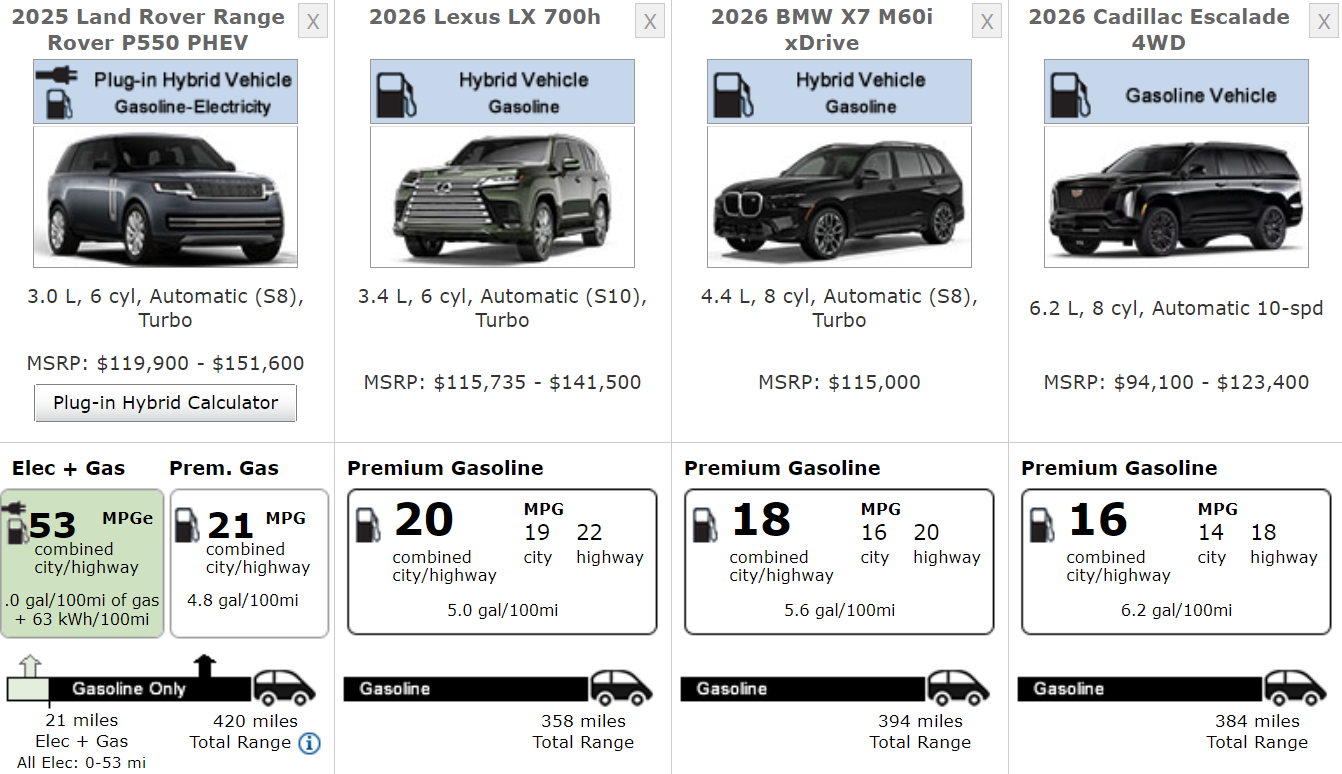
The current Range Rover is in a bit of an odd spot competitively, starting around $20,000 more than most full-size luxury SUVs, like the BMW X7, Mercedes GLS-Class, Cadillac Escalade, and Lincoln Navigator, while the Lexus LX is a bit closer in price. The new Audi Q9 will likely slot under six figures, while the upcoming Genesis GV90 is expected to be offered only as an EV.
The powertrain conversation is really important here, because while some of those other options might approach the Range Rover’s on-road comfort or provide an even more spirited drive, the off-road feature set is less well matched, and nothing in that set is available as a plug-in hybrid. BMW’s polarizing XM is, but then you’re north of $160,000. And, of course, the G-Wagen is a luxury trail stalwart, but it, too, starts over $150,000. And, at that point, wouldn’t you be better served by a Defender, anyway?
Verdict
While you’d never describe a vehicle like this as a “value,” the truth is that, even at about $130K, this Range Rover SE plug-in hybrid offers a unique combination of strengths that nothing else does. That’s when you can make a case for it; well, that, and once you experience its uncanny serenity for yourself.
The problem is that Land Rover achieved that while also making the latest-gen Range Rover feel quite hollow and sterile, a claim that feels a little weird to lodge at a car that was once a mainstay in every Premier League superstar’s garage. Today, its spot has been taken by the likes of Bentaygas and Cullinans—SUVs that, yes, are several times the price of your base Range Rover, but also exude several times the presence.
The thing is, icons don’t need to be unattainably expensive, and what Land Rover has achieved with the Defender is proof of that. The Range Rover’s capability is still without question. What it needs to find again is its pride.
2025 Range Rover SE Plug-In Hybrid Specs
| Base Price (SE PHEV SWB as tested) | $112,550 ($135,670) |
| Powertrain | 3.0-liter inline-six with electric motor and 38.2-kWh battery | 8-speed automatic | all-wheel drive |
| Horsepower | 543 |
| Torque | 590 lb-ft @ 2,000-5,000 rpm |
| Seating Capacity | 5 |
| Curb Weight | 6,025 pounds |
| Towing Capacity | 6,614 pounds |
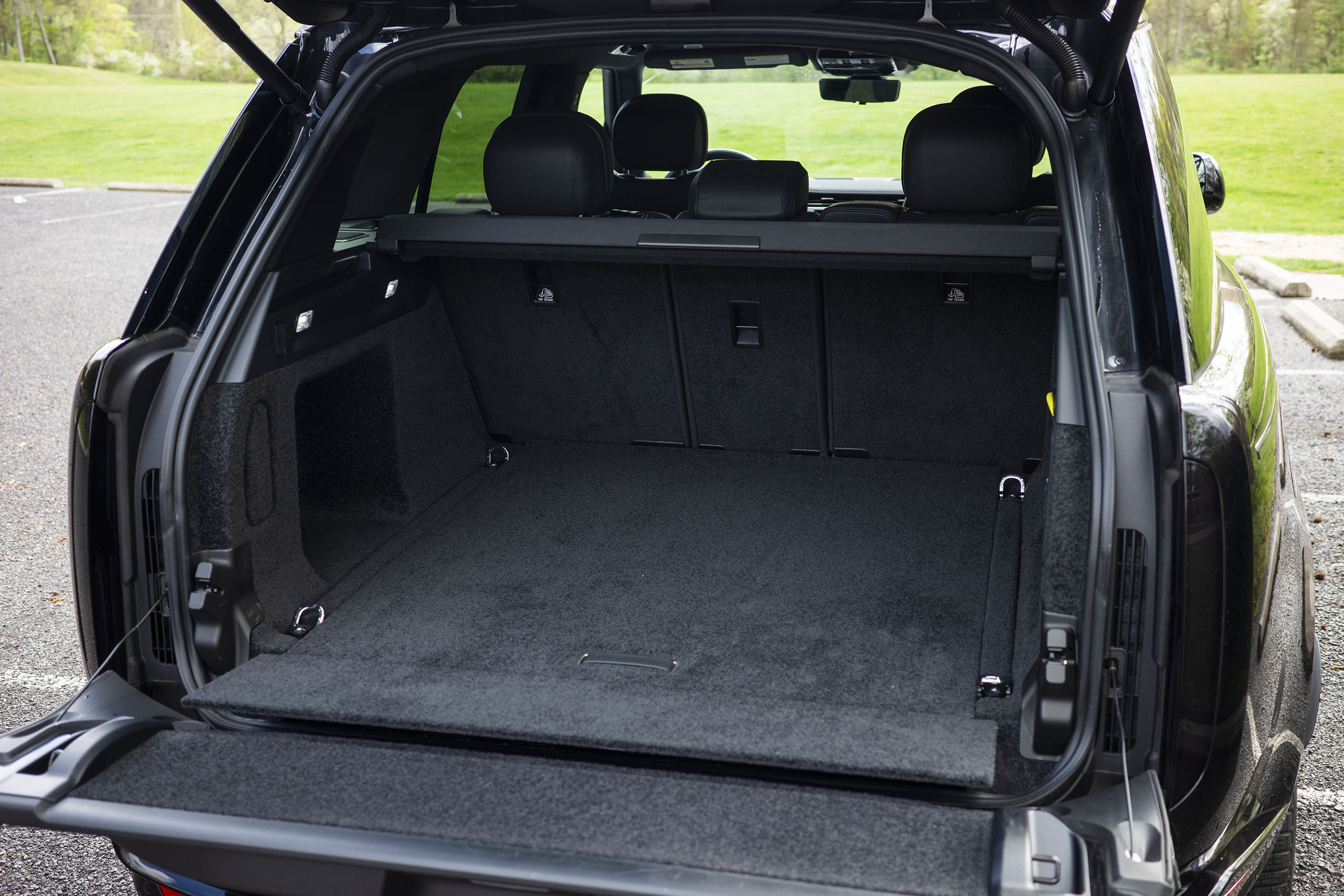
| Cargo Volume | 43 cubic feet behind second row | 77.8 cubic feet behind first row |
| Ground Clearance | 8.6 inches standard | 11.5 inches in off-road mode |
| 0-60 mph | 4.8 seconds |
| Top Speed | 150 mph |
| Off-Road Angles (in Off-Road Mode) | 34.7° approach | 25.2° break-over | 29° departure |
| EPA Fuel Economy | 53 mpge | 21 mpg gas only, combined city/hwy |
| Score | 7.5/10 |

Quick Take
Range Rovers are supposed to be the perfect blend of form and function. The SE plug-in still nails functionality, but it’s missing the form.
Land Rover provided The Drive with a seven-day loan of this vehicle for the purpose of writing this review.
Loading comments…
Comments couldn’t be loaded. Please refresh the page.