
If you came for the one-sentence review of the 2026 Subaru Solterra, here it is: Its major shortcomings have been addressed in the latest refresh, and it’s hands-down the one to buy over its Toyota bZ and Lexus RZ siblings.
The new Solterra arrived with more power, more range, and better looks. All of these were minor tweaks that add up to an EV that’s now worth considering, and a much better value proposition than its reskinned siblings.
It’s also worth saying I went into my weeklong test of the 2026 Subaru Solterra with extremely low expectations, and the more time I spent with it, the more I ended up liking it. It happens.
The Basics
The Solterra was Subaru’s first EV, though it’s not truly a Subaru. Bits of it are. The Solterra is a reskin of the Toyota bZ and Lexus RZ. Subaru partnered with Toyota on the development, and key differences include Subaru’s X-Mode, a standard dual-motor all-wheel-drive powertrain, and a mashup of parts-bin bits from the two. The Solterra will sit between the upcoming smaller Uncharted and more wagon-like Trailseeker EVs. The former is a reskinned Toyota CH-R, while the latter is a wagon version of the bZ and Solterra.
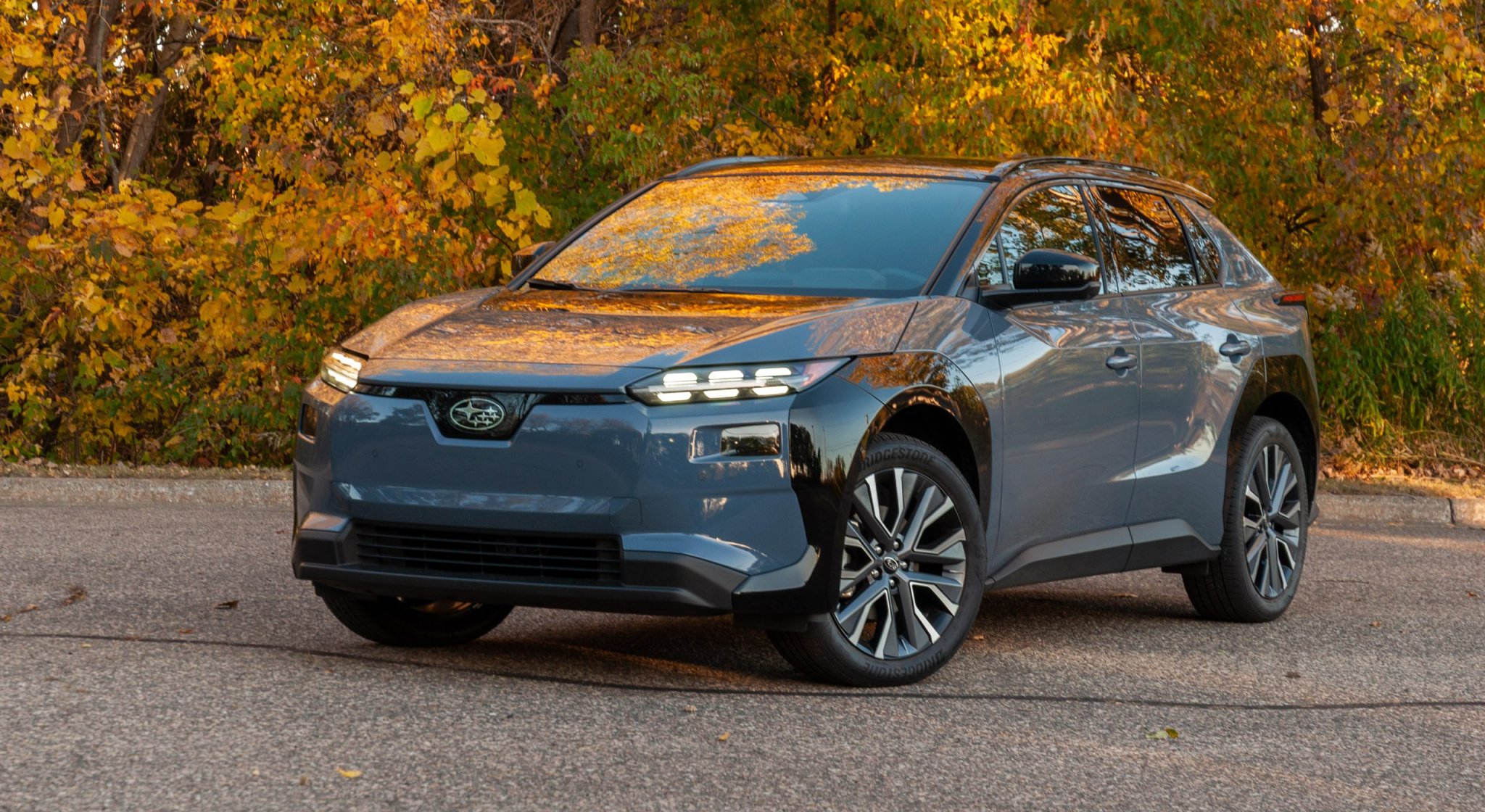
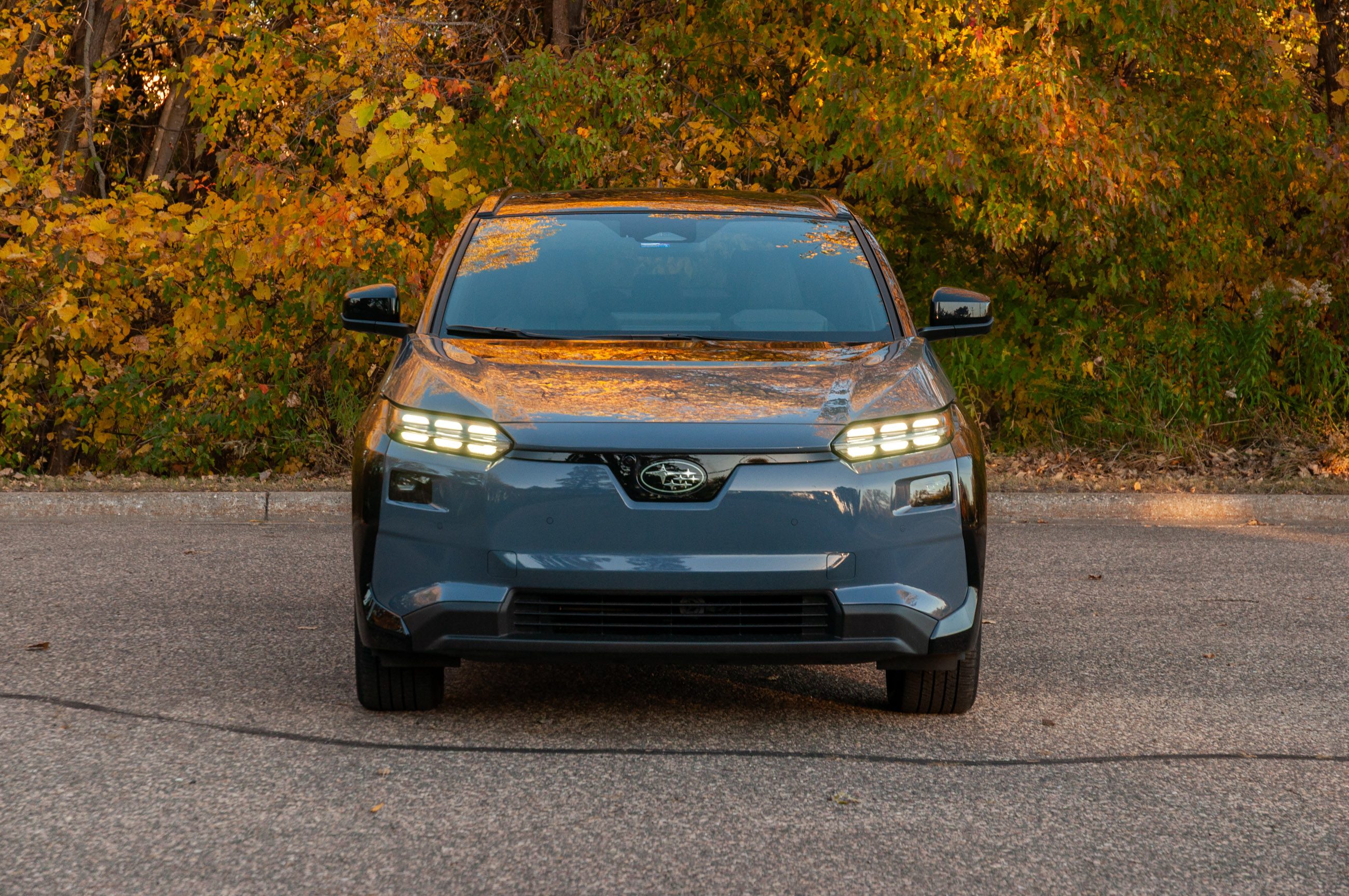
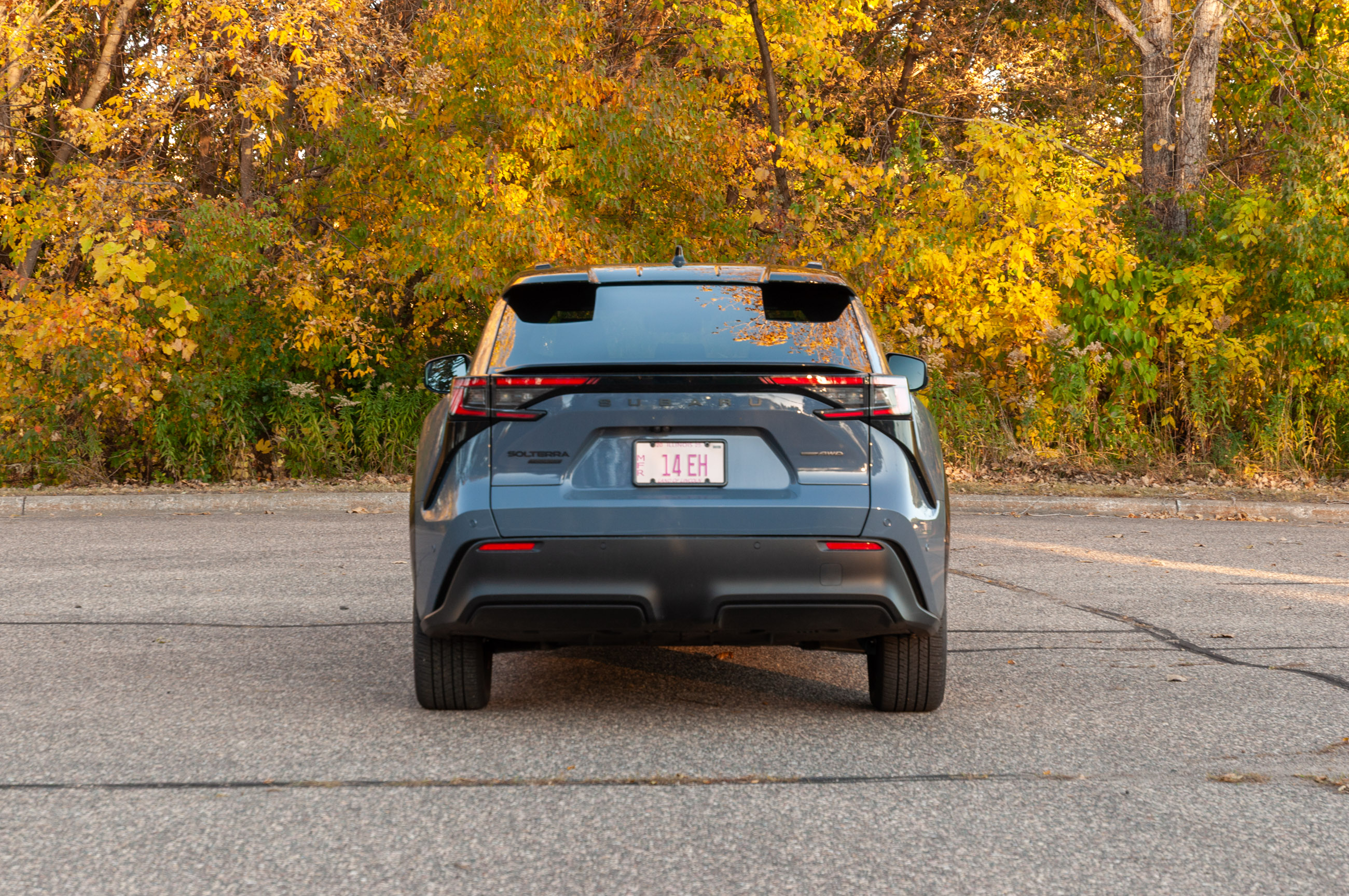
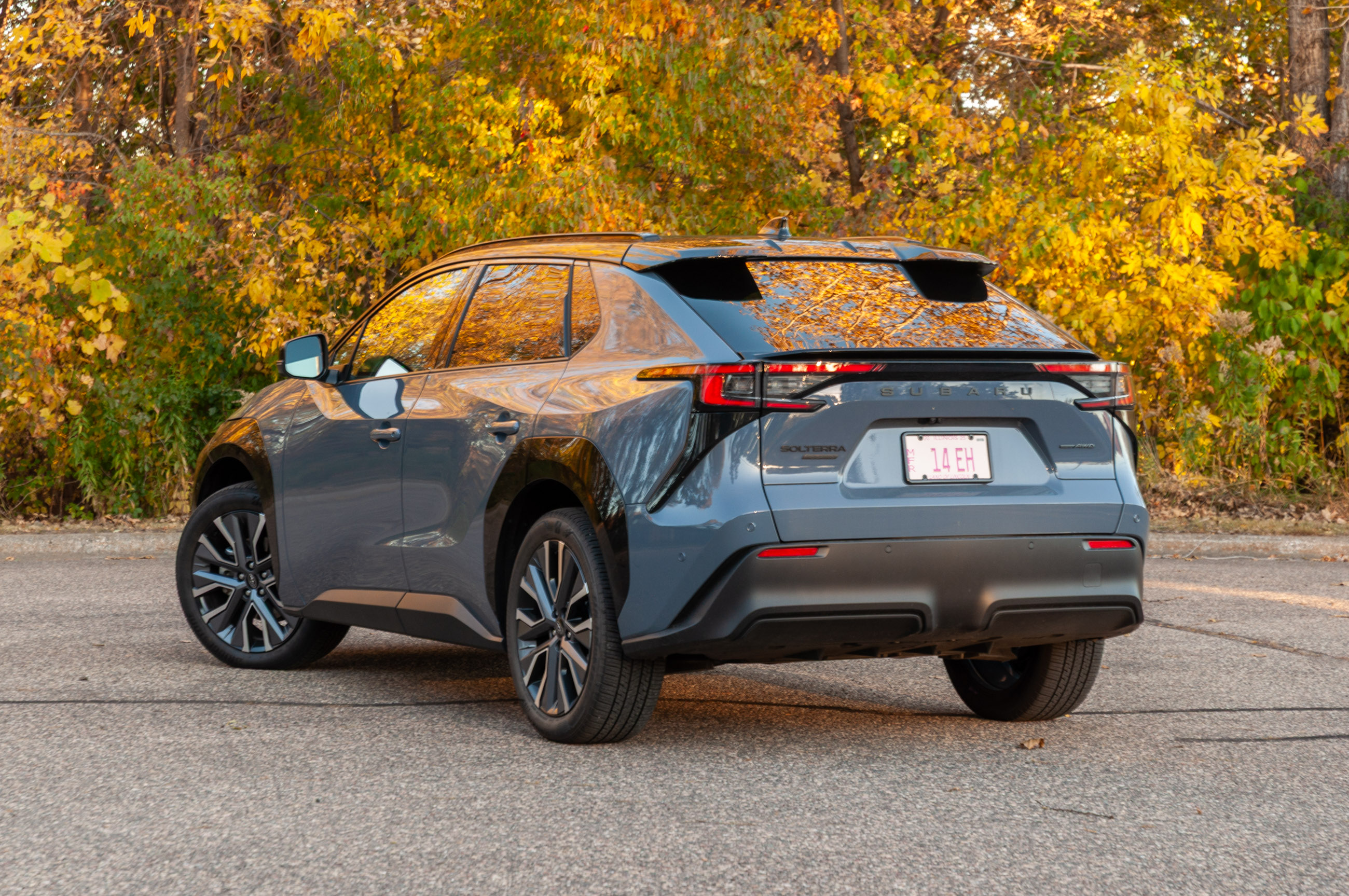
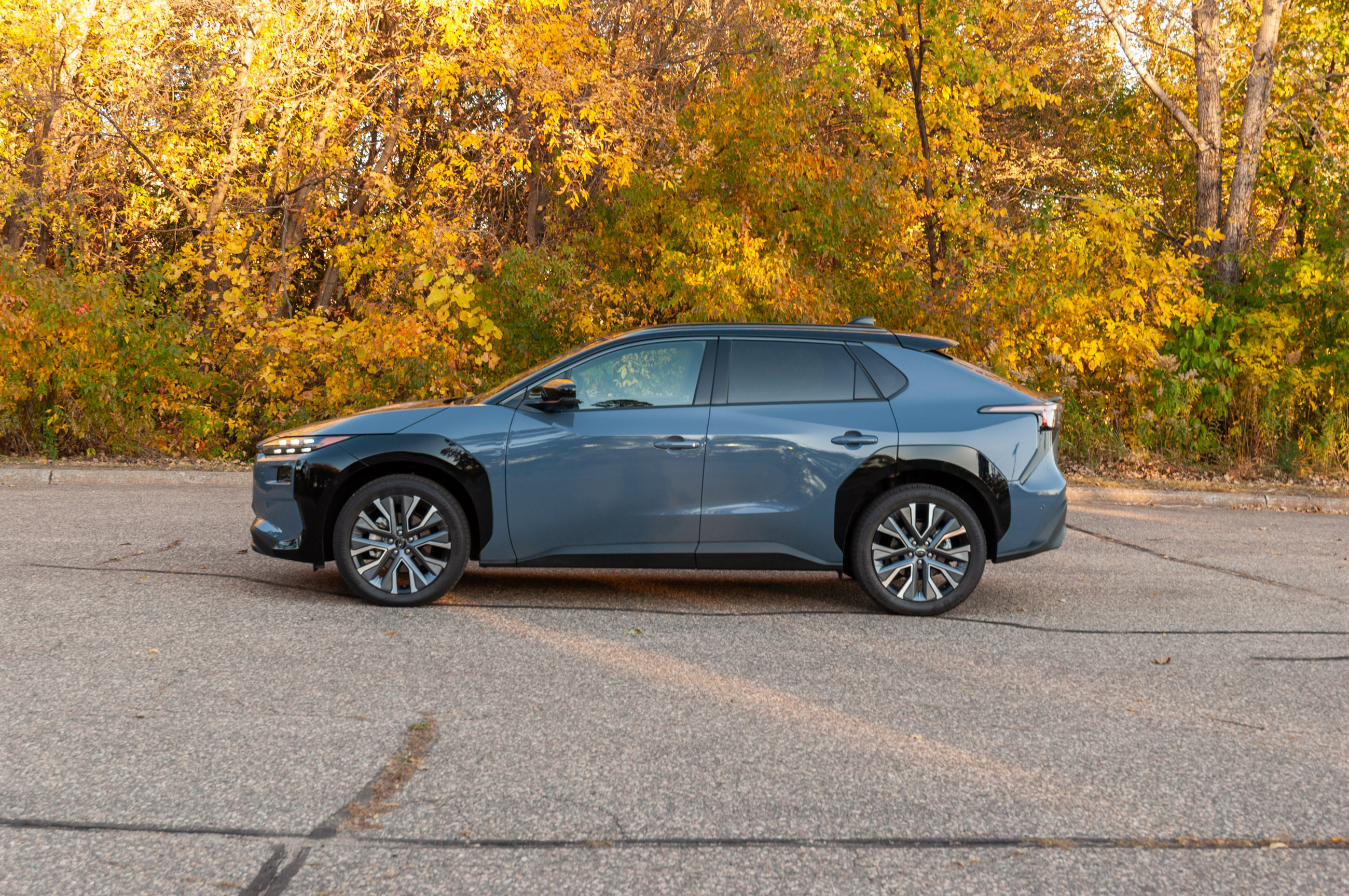
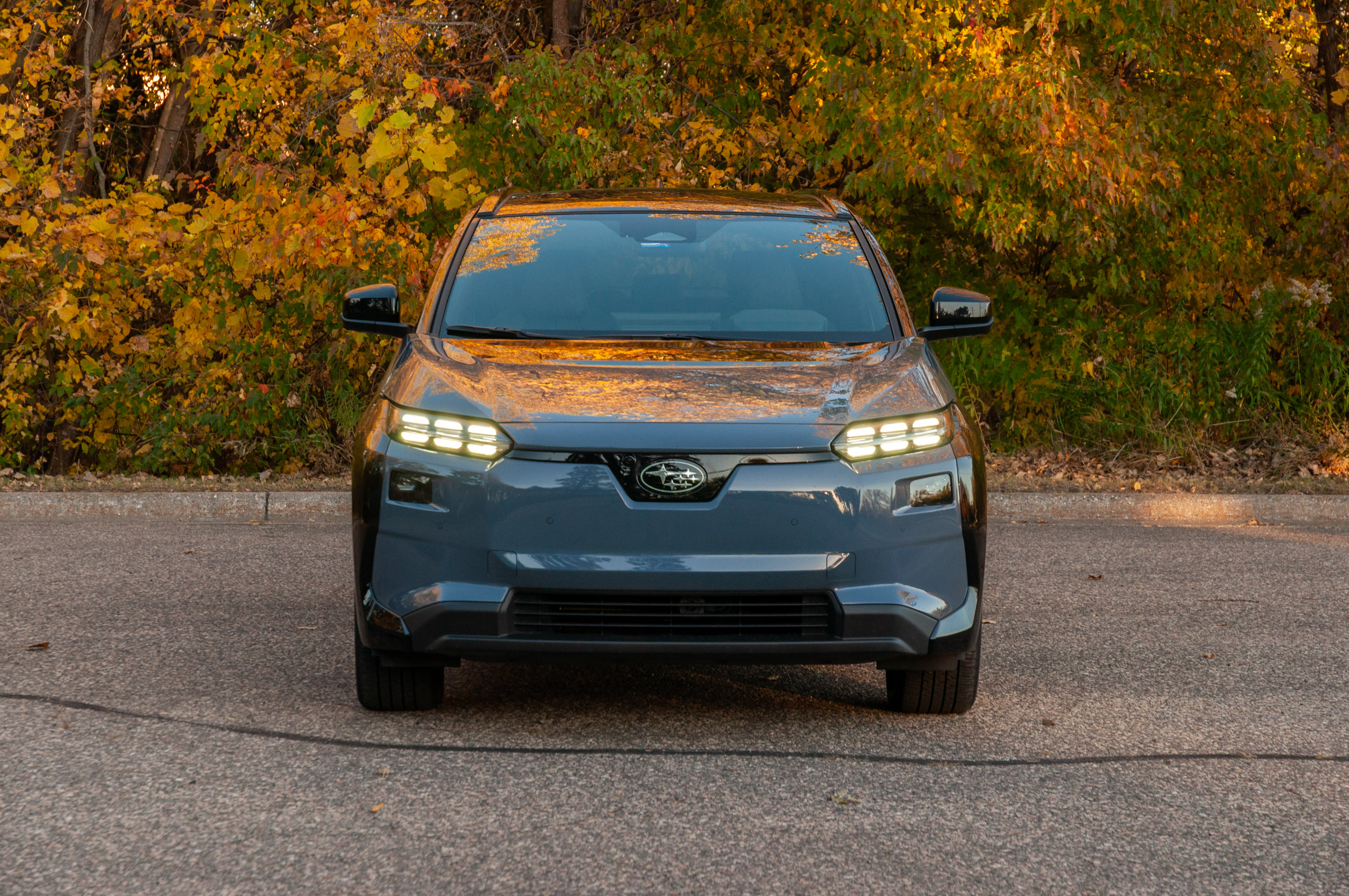
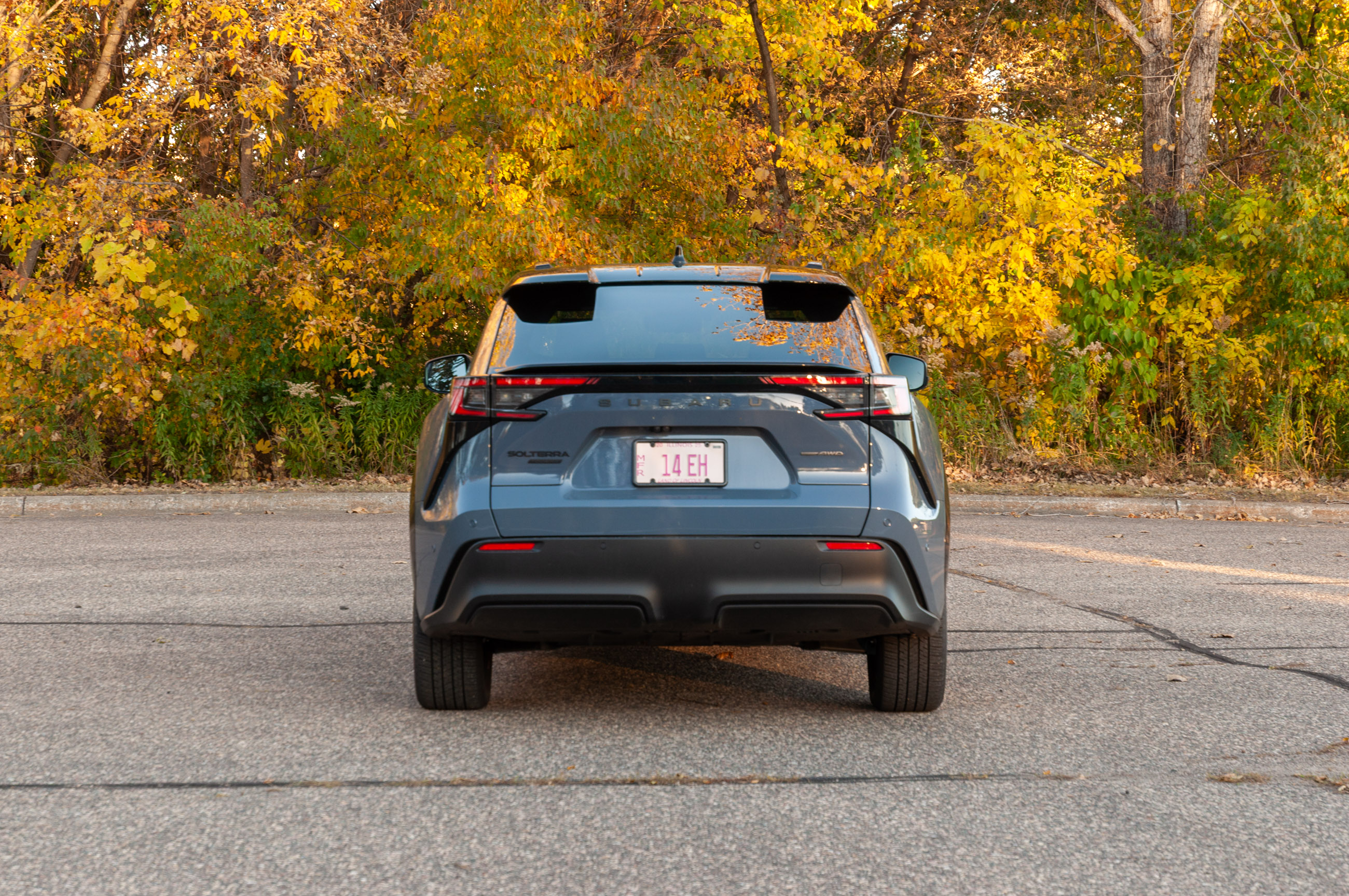
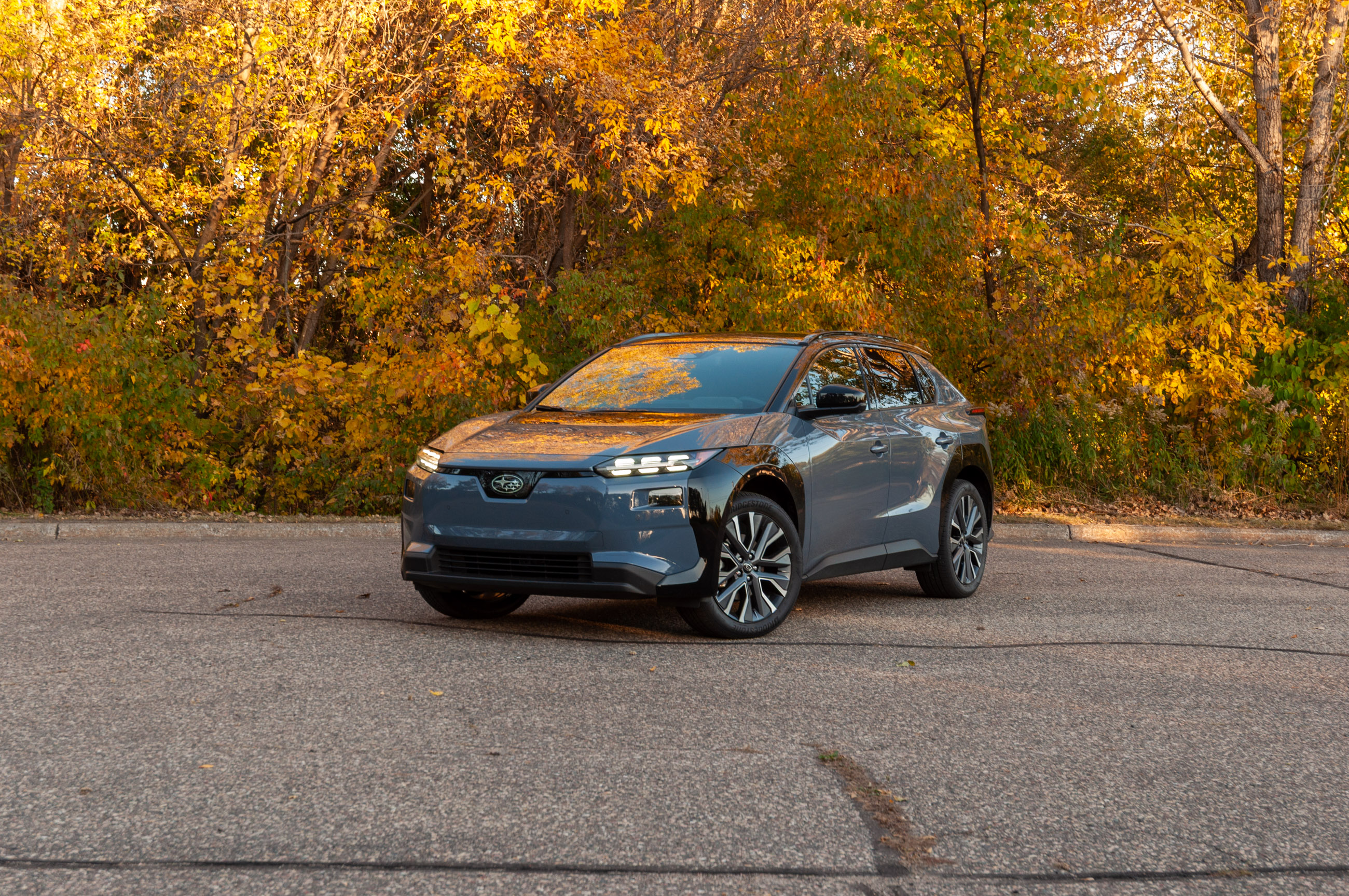
The overall design of the Solterra carries over into 2026, but the front end has been redone with a new bumper that ditches the fake grille, splits the headlights, and adds sweet-looking six-diode (per side) LED daytime running lights. I rather like the new front end, especially in white and blue. It looked a bit drab in the Harbor Mist Gray Pearl color as tested. The rear end gets Subaru spelled out across the tailgate instead of the automaker’s badge. That’s about it. New wheel designs spiff things up a bit. It’s less polarizing and, frankly, better looking than both the Toyota bZ and Lexus RZ.

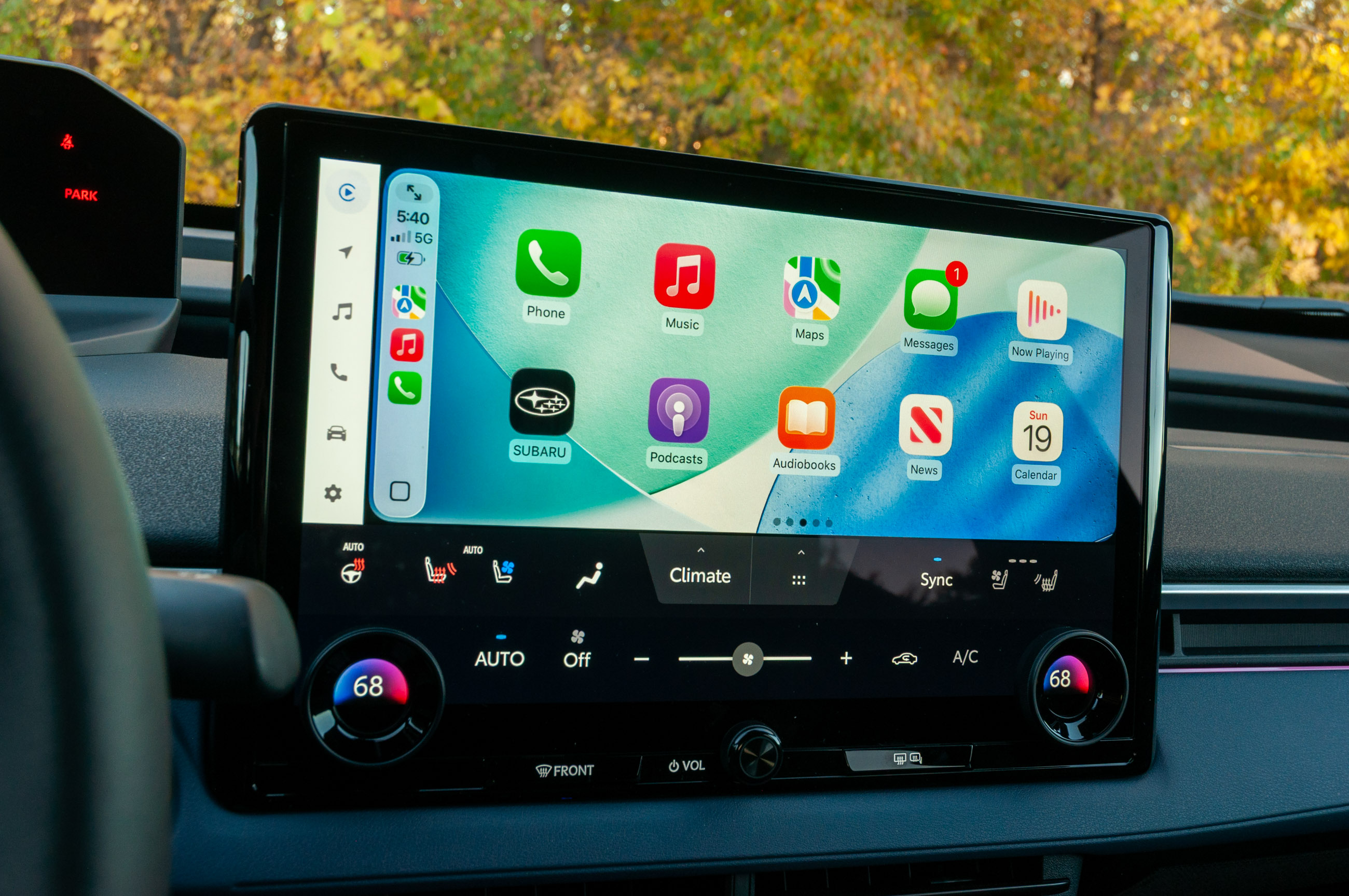
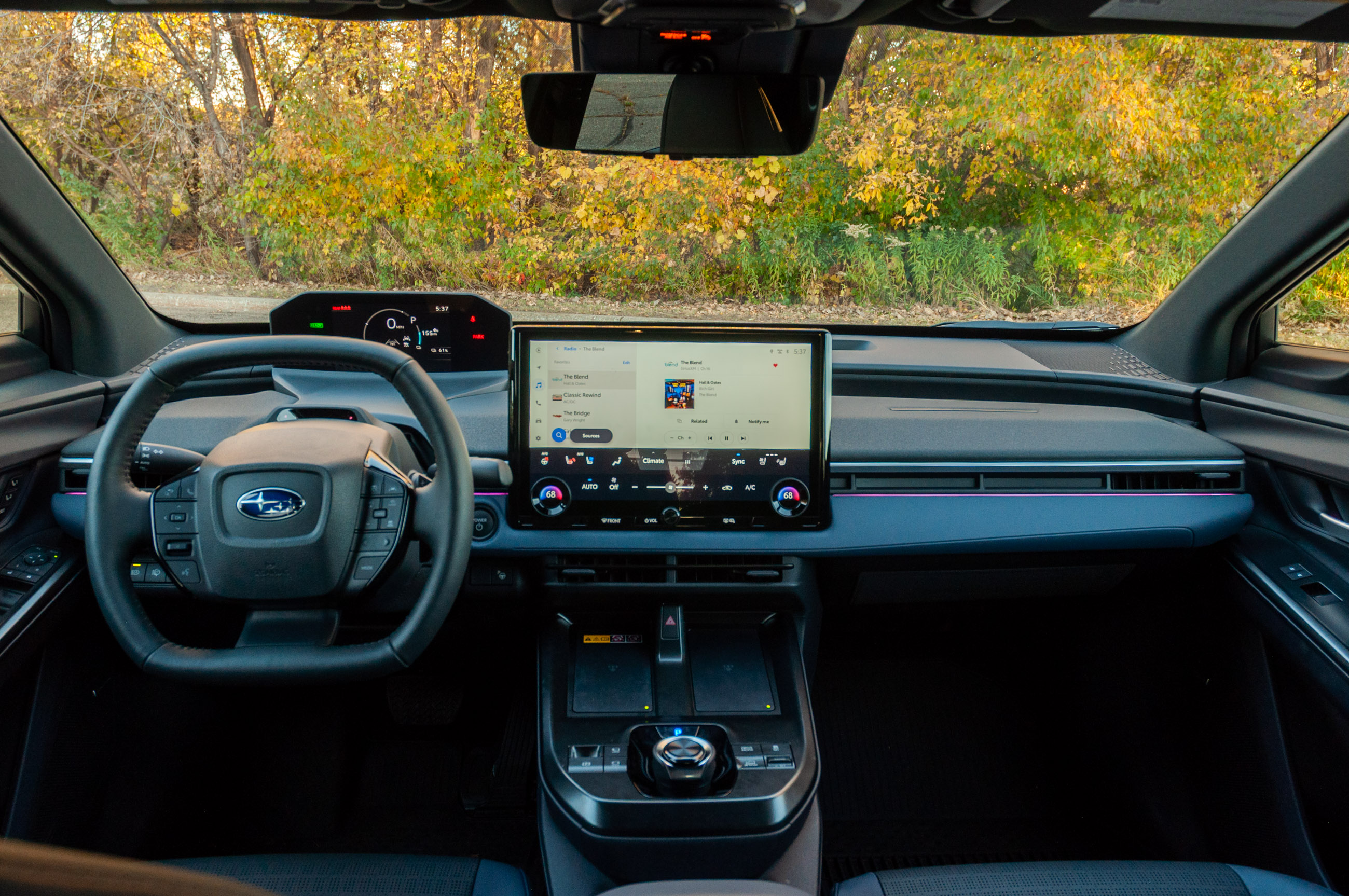
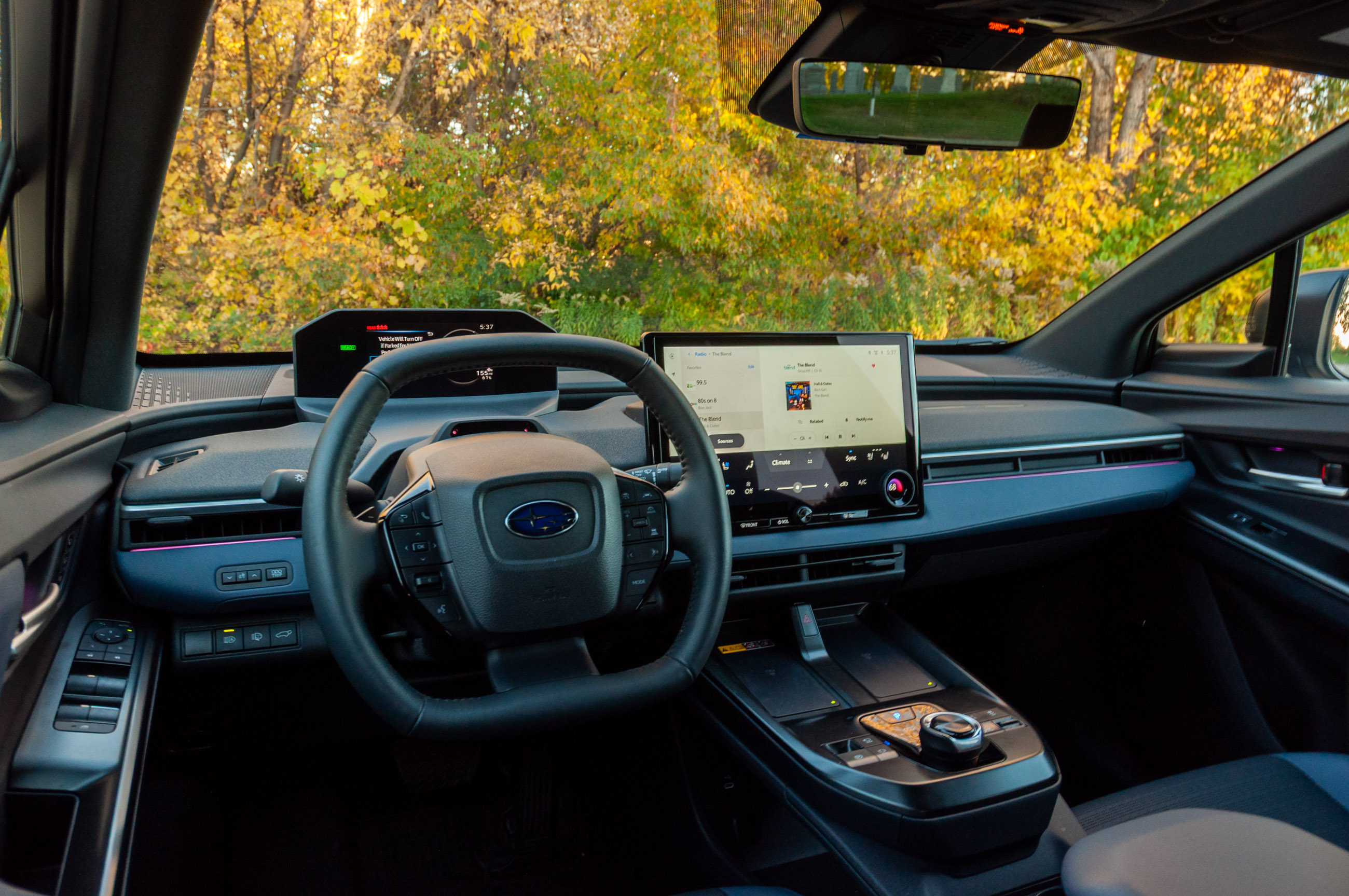
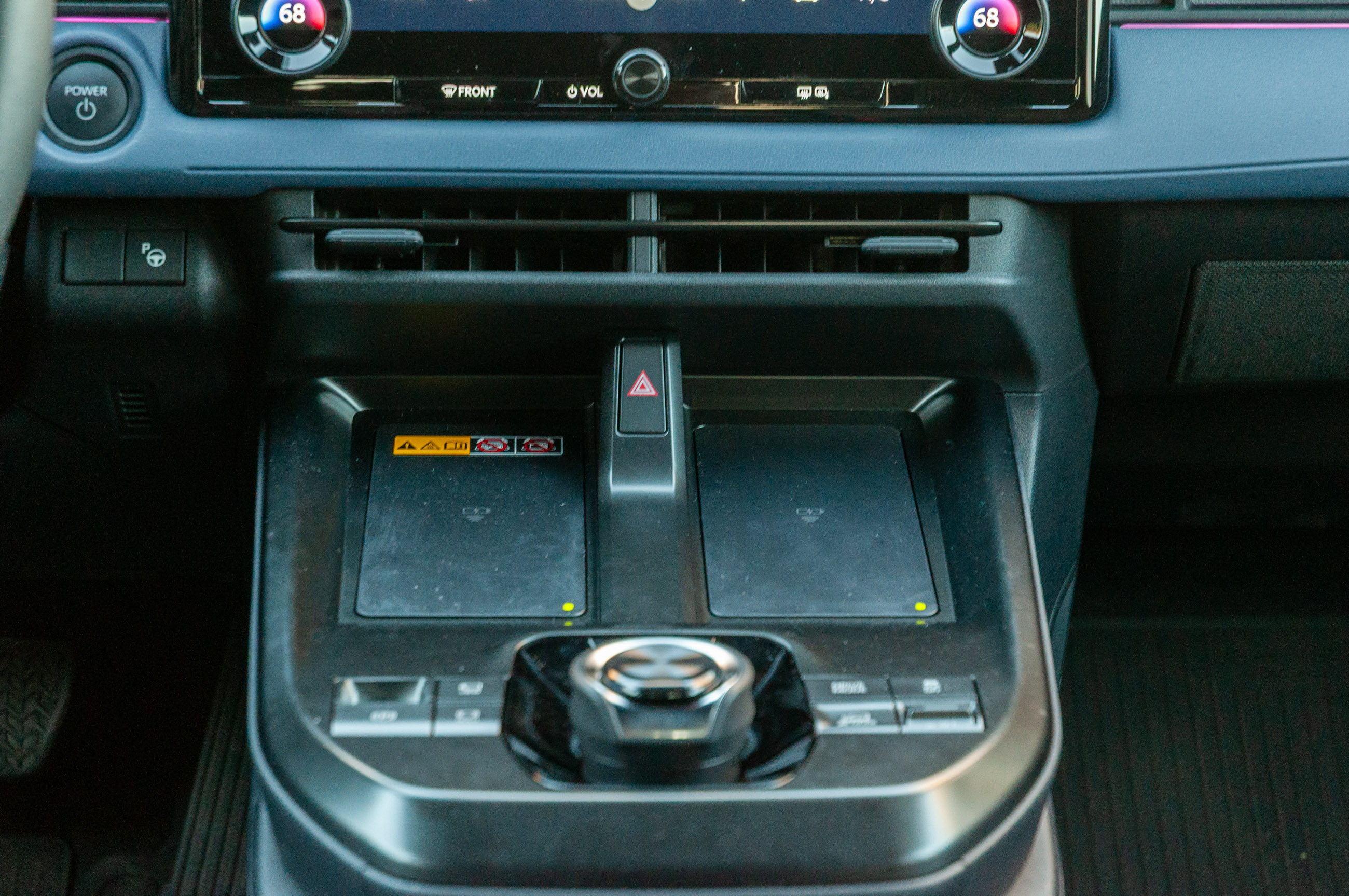
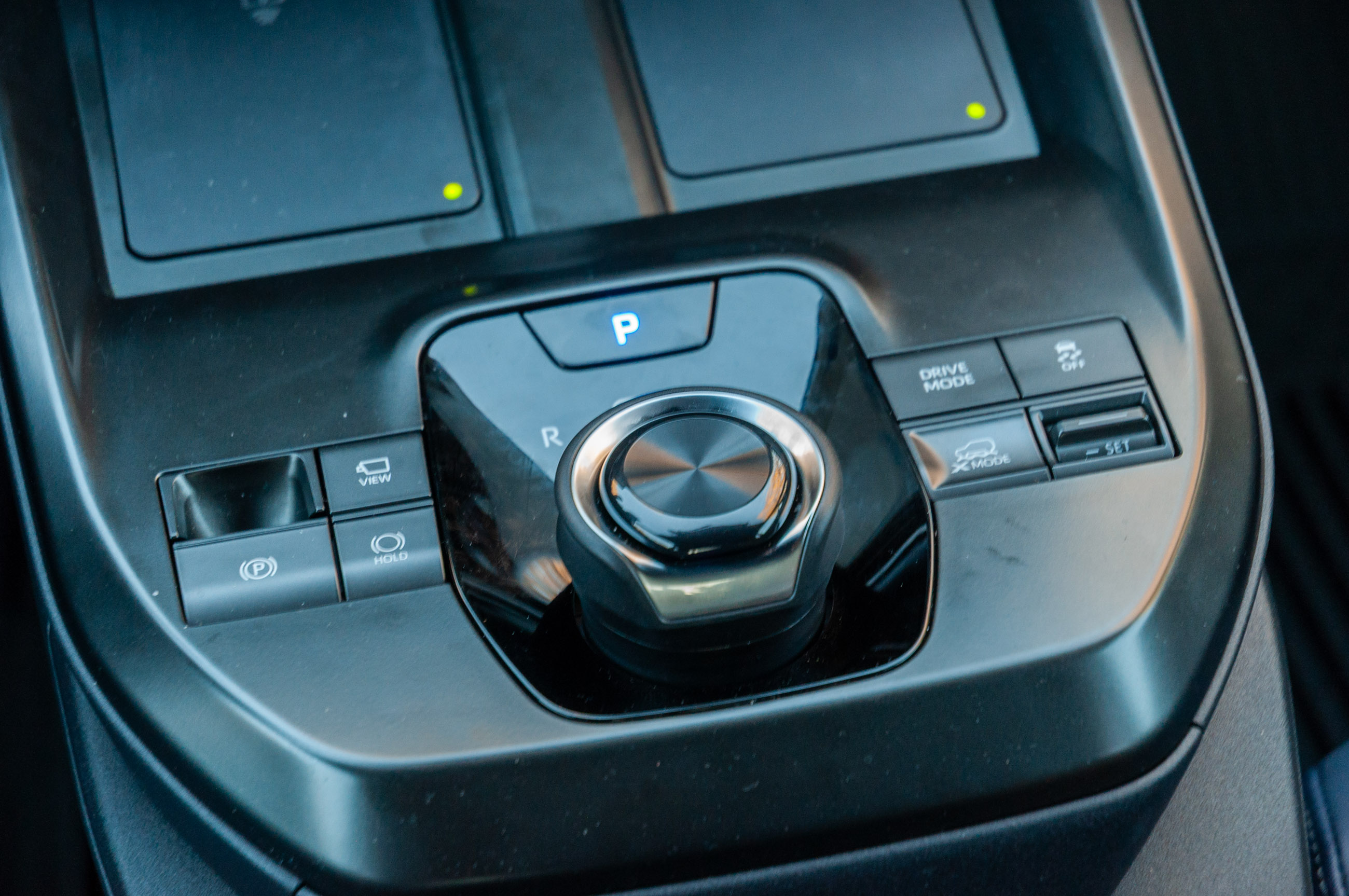
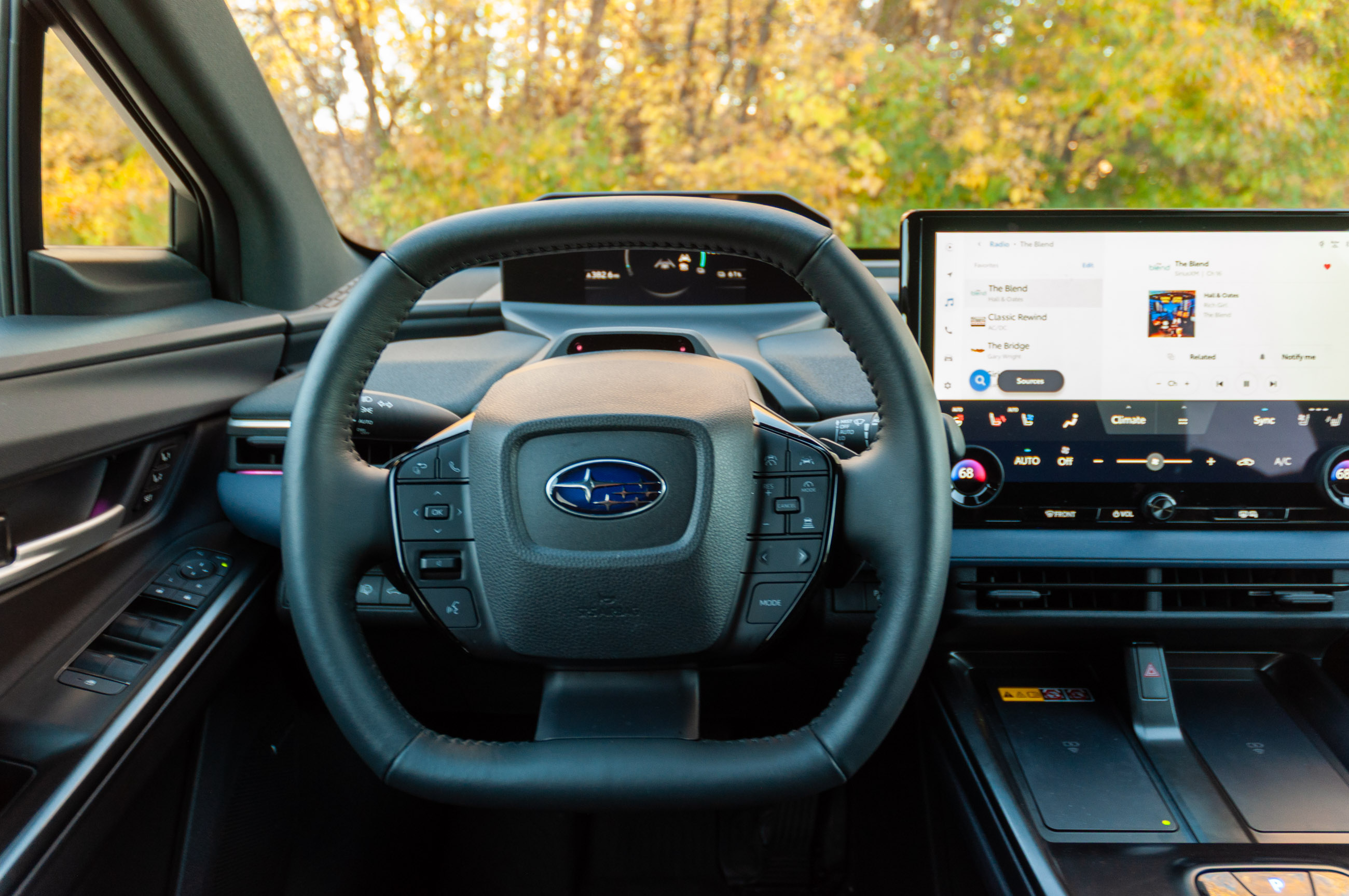
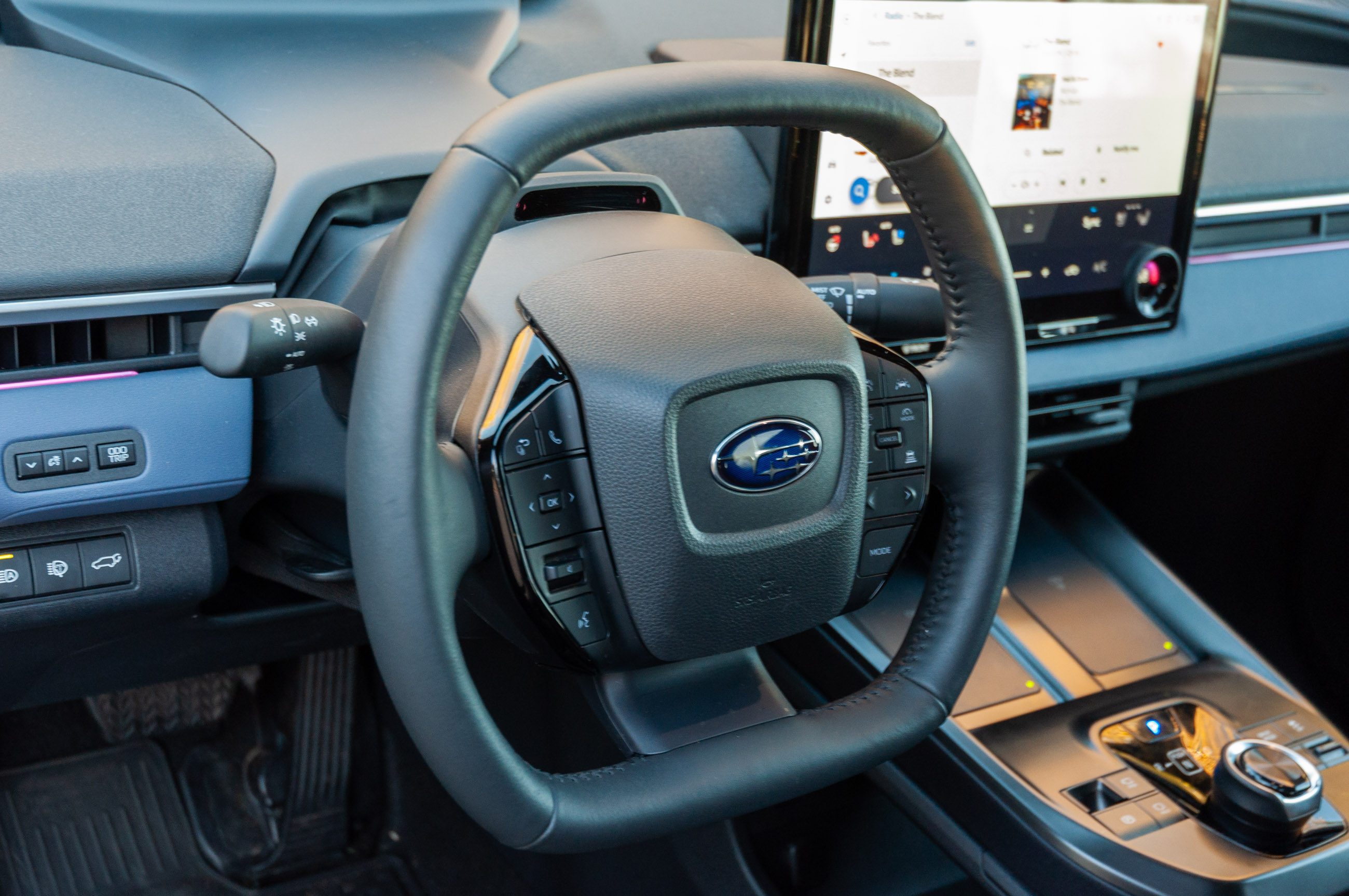
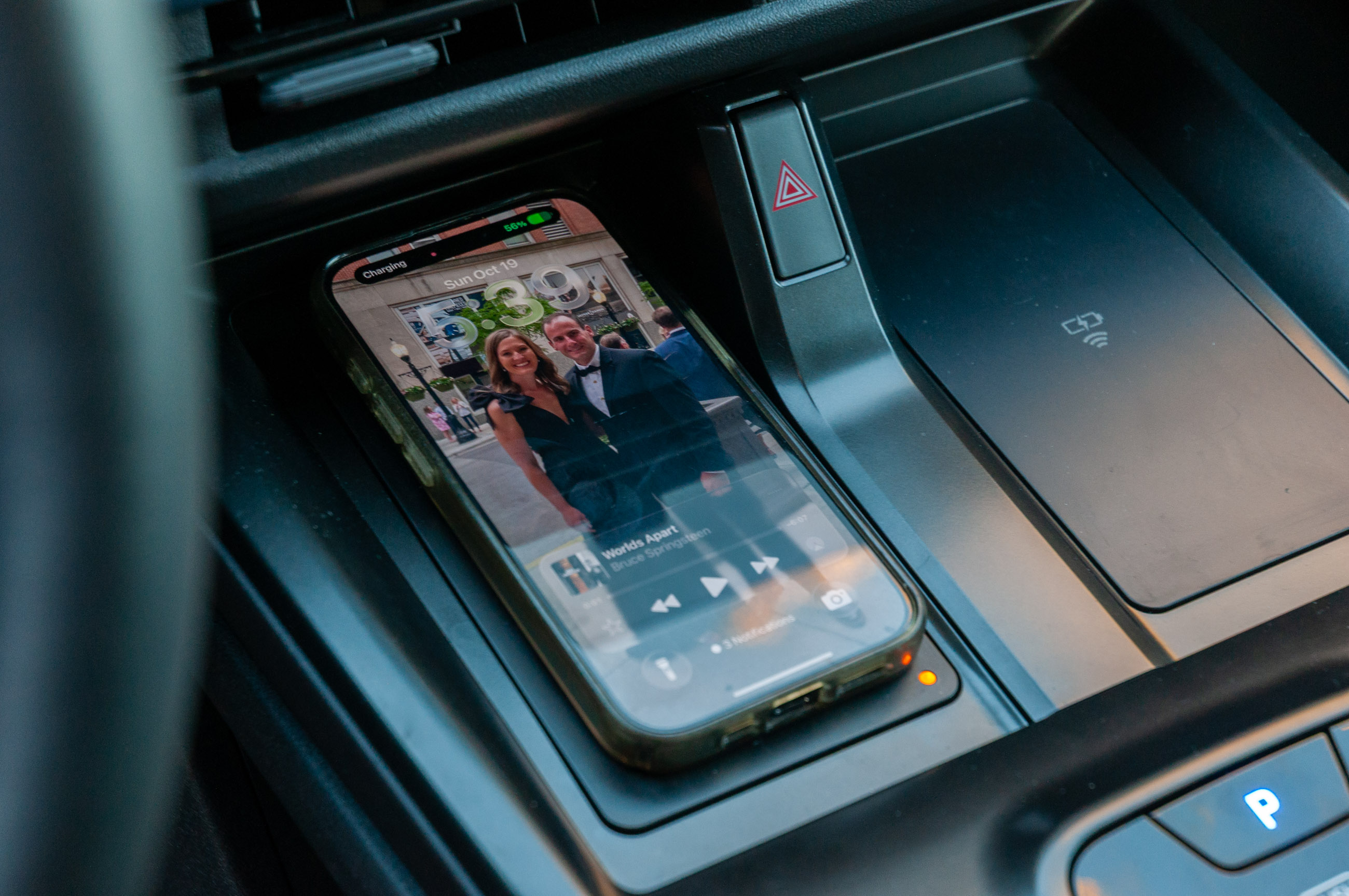
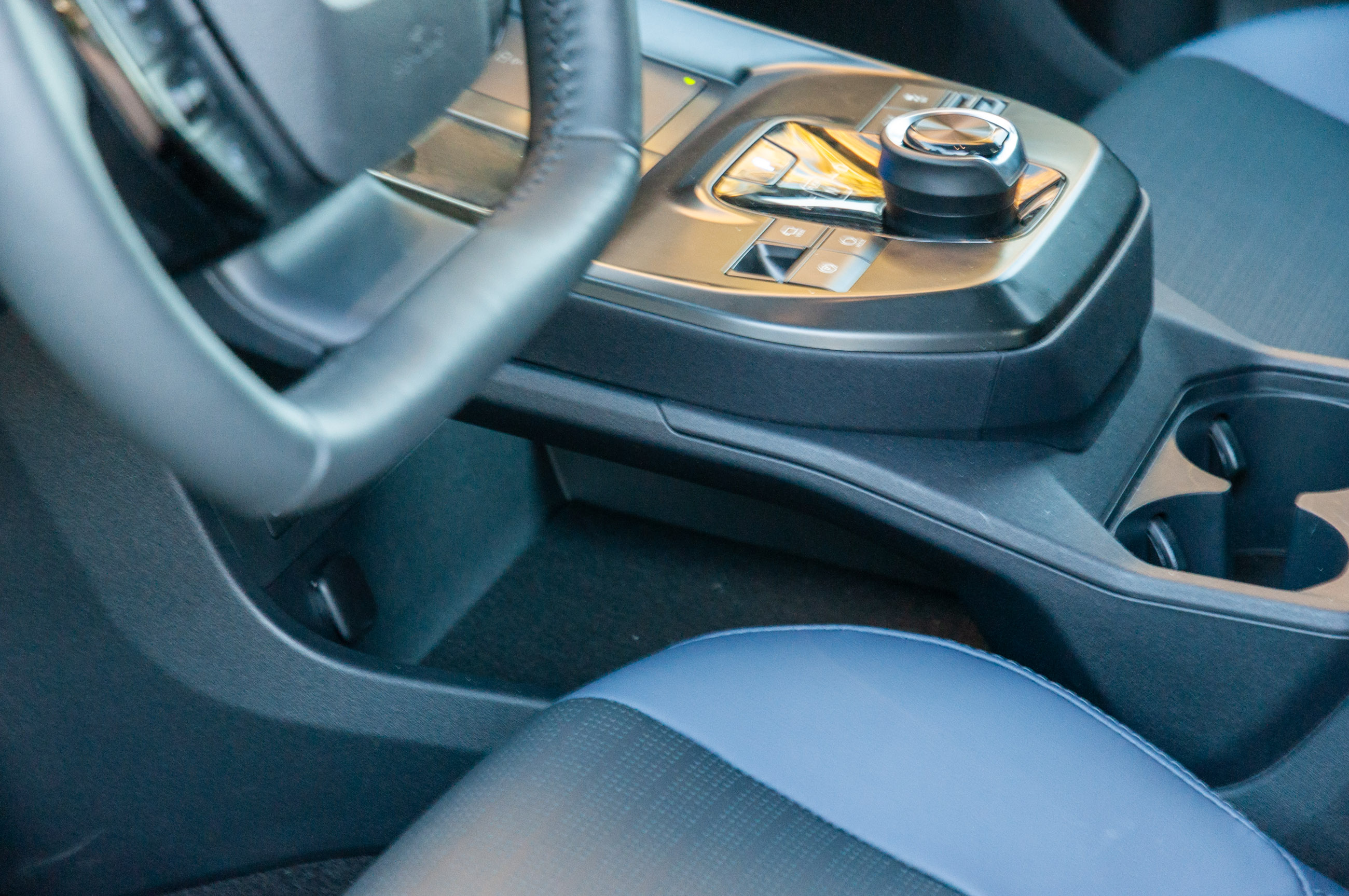
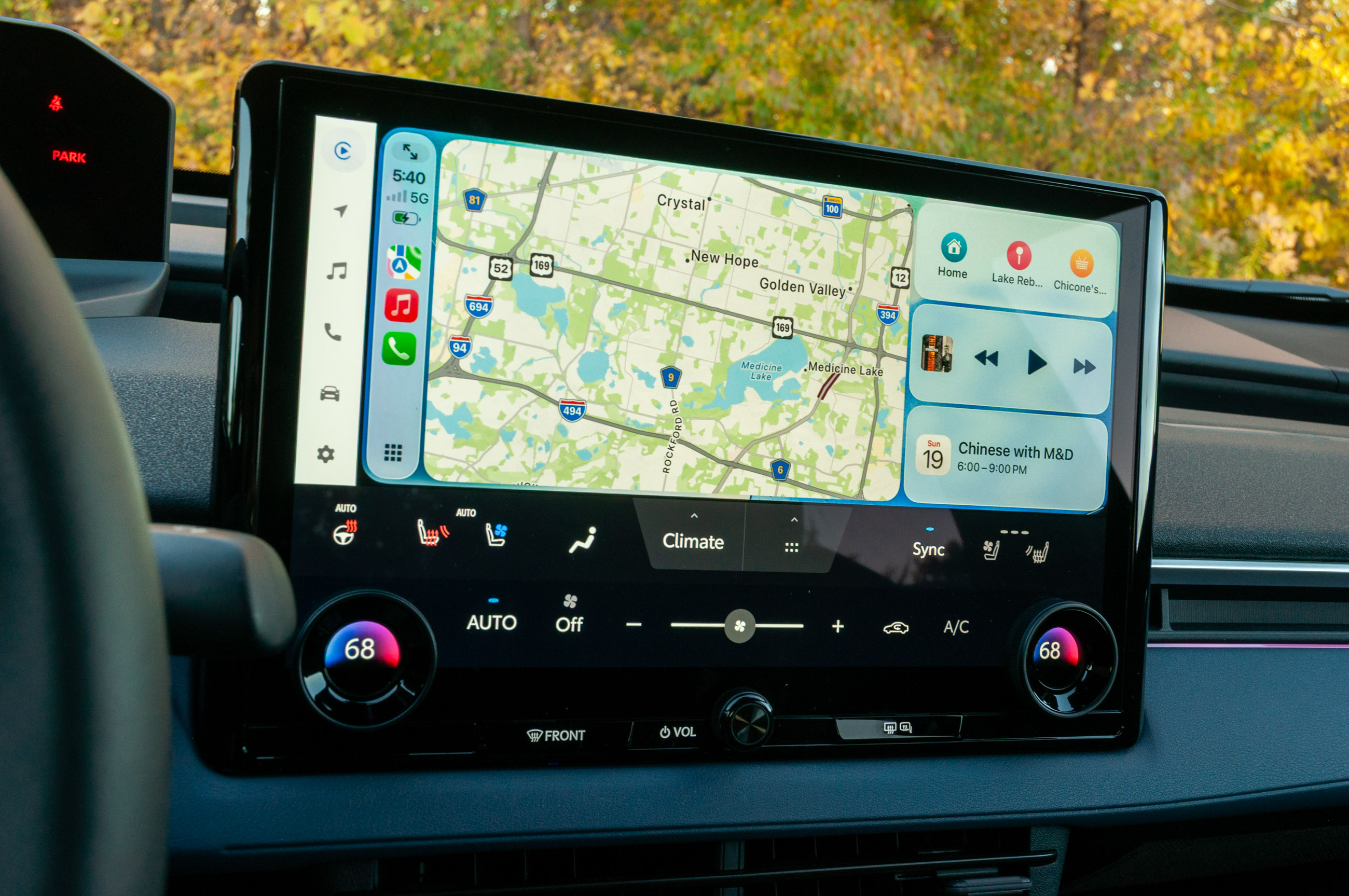
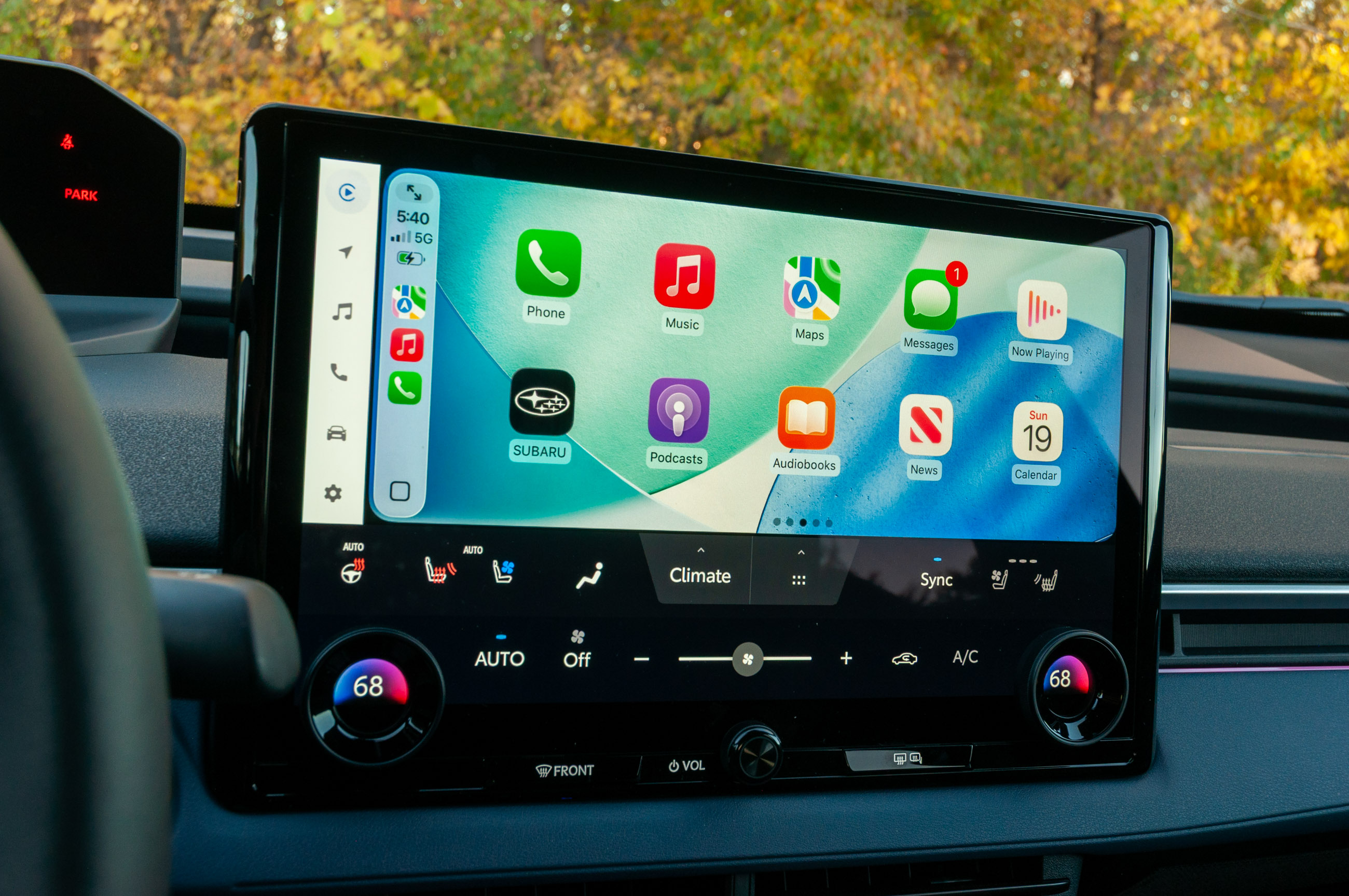
Inside, the Solterra mashes things together. It now sports the 14-inch touchscreen from the Lexus rather than the Toyota. This is notable because it adds physical temperature dials to the climate control system. There’s also now a physical volume knob in the center of the dashboard rather than volume buttons. The wide center console, which absolutely eats into knee space, features two wireless smartphone chargers that seemed to work somewhat consistently. Wireless Apple CarPlay and Android Auto projection software is on board, but the touchscreen’s interface is from Toyota and can’t split-screen functions despite being 14 inches. That’s a lot of CarPlay.
Driving the 2026 Subaru Solterra
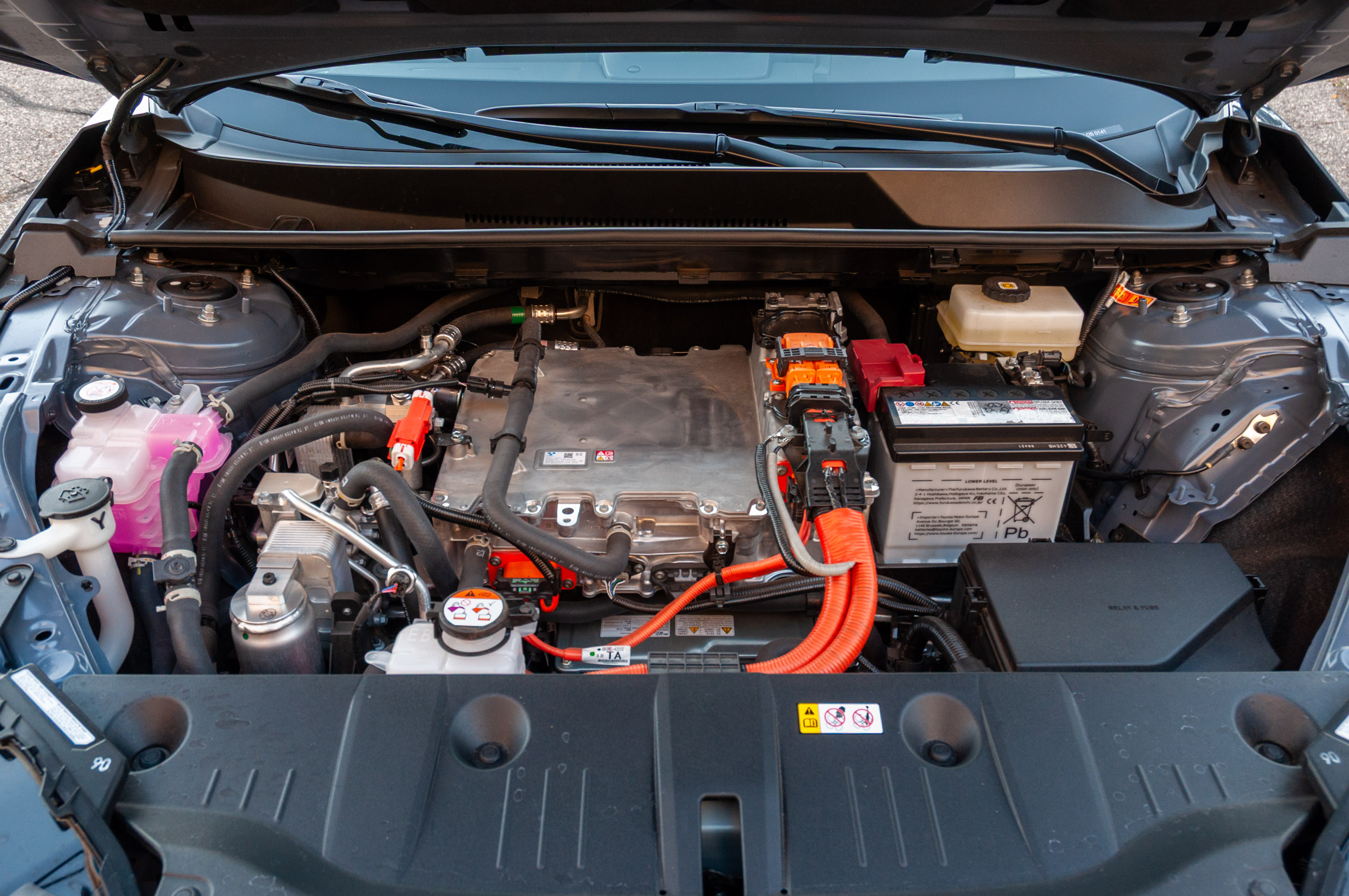
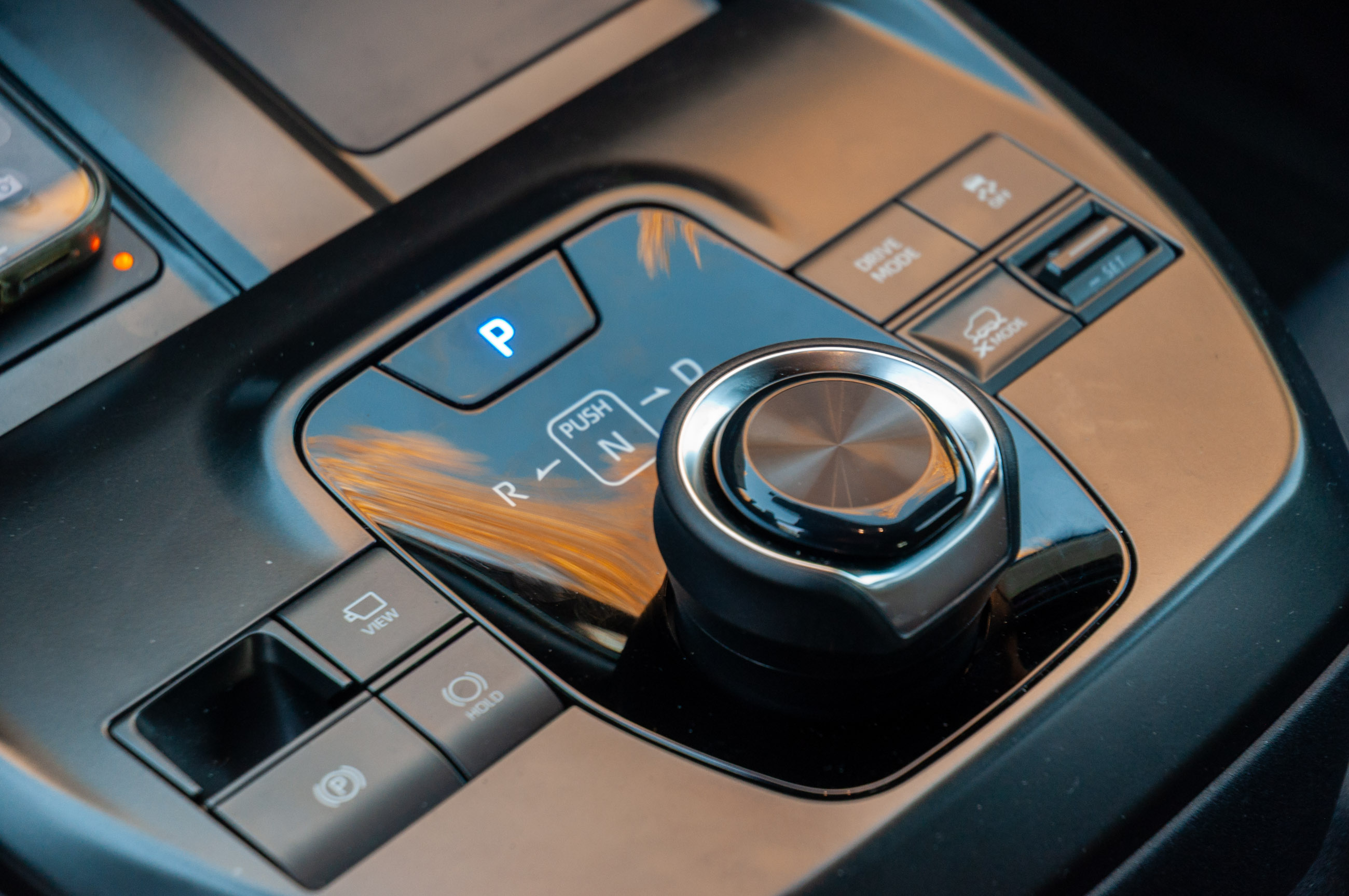
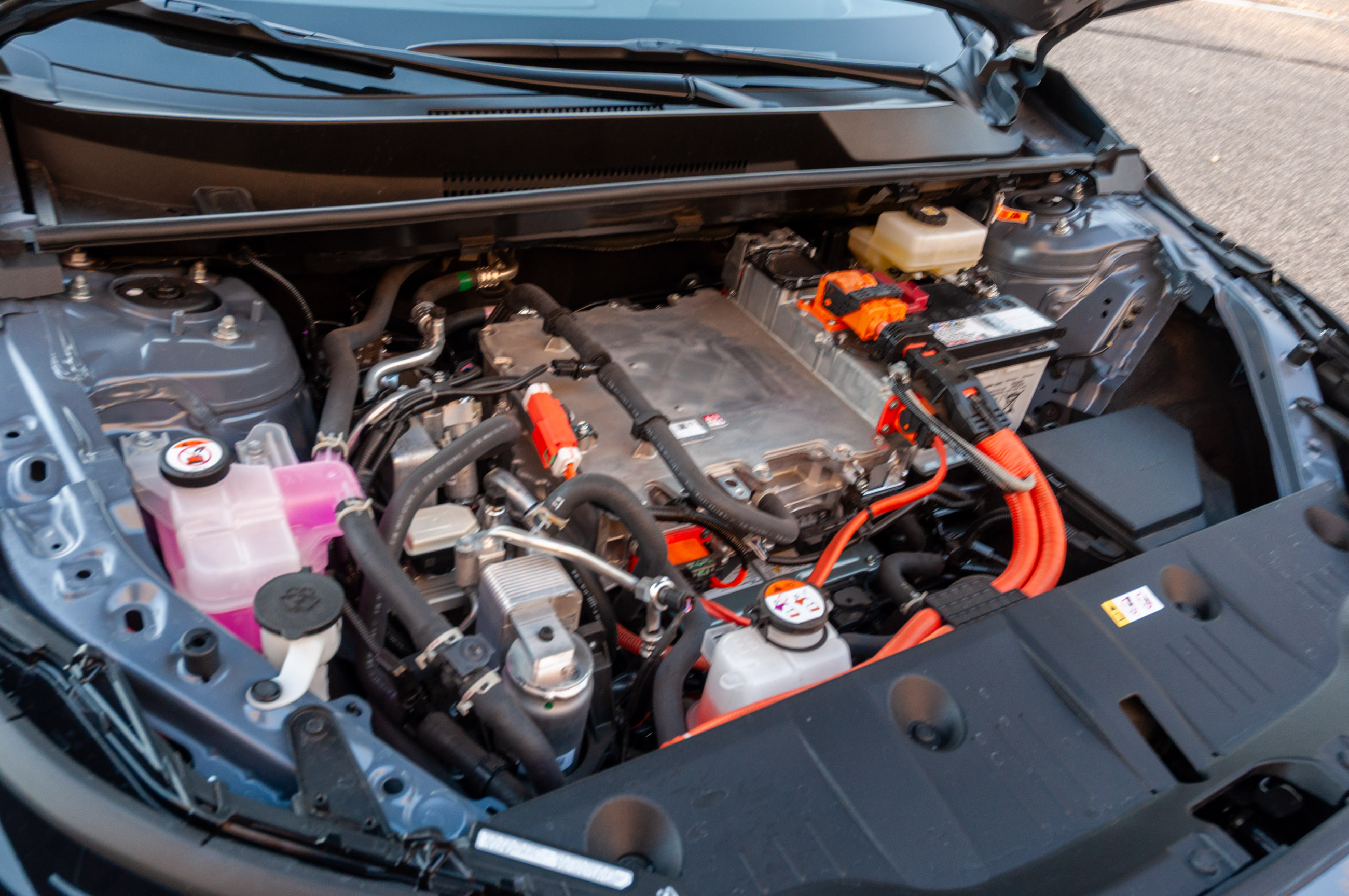
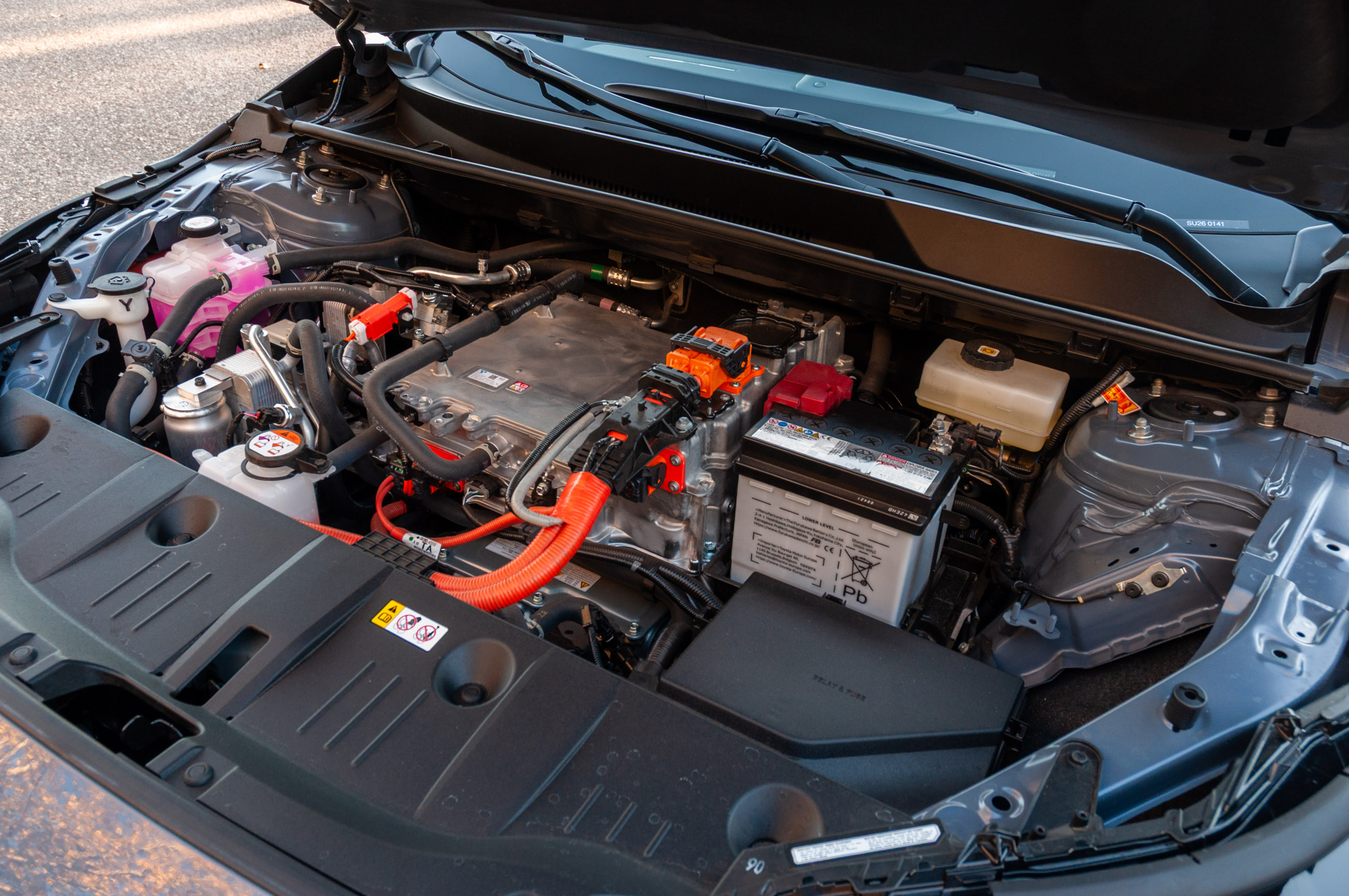
The powertrain is the largest meaningful update for prospective Solterra owners—a 74.7-kWh battery powers two motors, one per axle, for standard all-wheel drive. Power is up too, at least in the new XT trim as tested, with 338 horsepower that drops the 0-60 mph time to under five seconds. The rest of the lineup now delivers 223 hp thanks to more powerful motors, an increase of 18 hp over last year. Subaru’s X-Mode is here with Snow/Dirt, along with Deep Snow/Mud Modes. Despite living in Minnesota, there was no inclement weather that enabled the testing of these modes. Next time, Subaru.
The Solterra is best described as unremarkable to drive. That’s presumably on purpose. This crossover won’t set any enthusiast’s heart aflutter, raise anyone’s pulse, or convert a WRX driver to an EV believer. But as far as safe transportation to get the kids from school and then to whatever else fills my calendar, it was inoffensive and blended into the daily landscape. The light steering provides no meaningful feedback. The all-season tires will give up grip early, though they howl far less than the all-seasons found on the Jeep Wagoneer S, likely due to the Solterra only weighing up to 4,510 pounds. The soft suspension does a better job at soaking up road imperfections than the Wagoneer S, too, with a settled, composed ride.
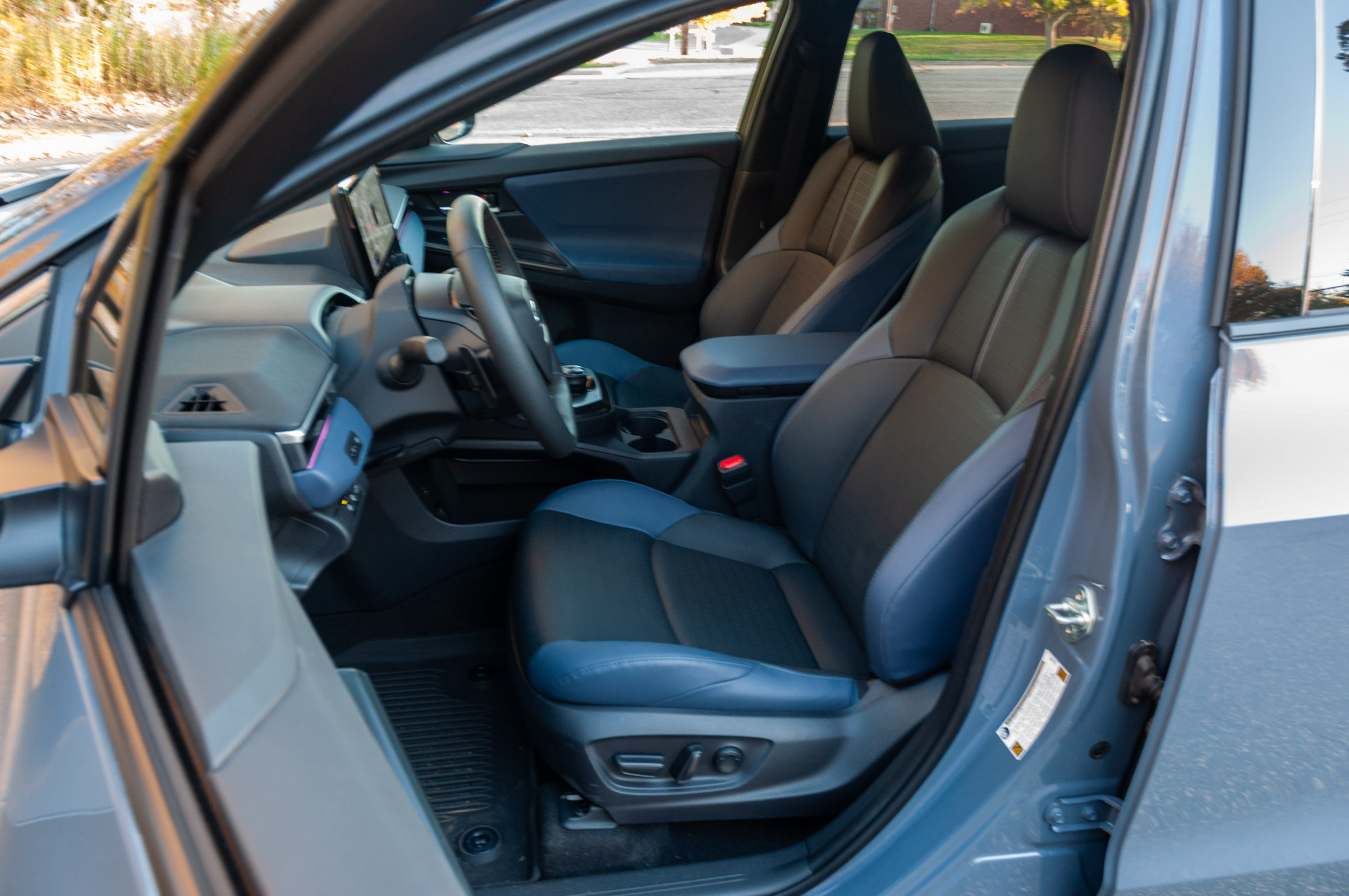
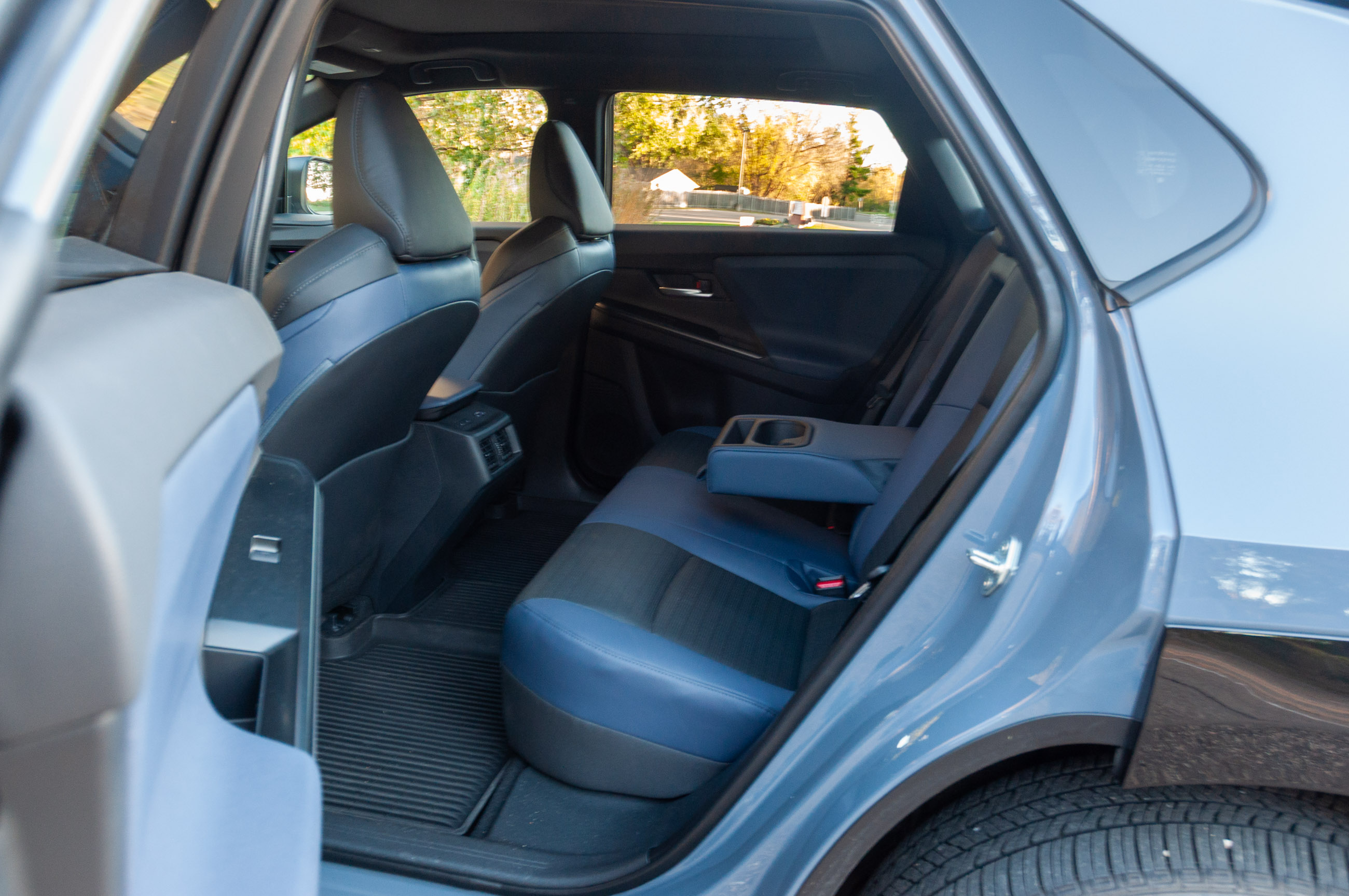
Unlike in the new Nissan Leaf, my wife never complained about space in the Solterra, and my kids had toe room in the backseat.
The Highs and Lows
The six-sided steering wheel design with wing-like control pods is still a bit odd to me, but at least the buttons are real and labeled. The large touchscreen feels slapped onto the dashboard and is not integrated, but the Lexus interface at least keeps the climate control functions at the bottom of the screen so they’re always visible.
2026 Subaru Solterra Features, Options, and Competition
The Solterra costs $40,420, which notably undercuts its Toyota bZ sibling (unless you opt for the single-motor front-wheel-drive bZ) and the Lexus RZ by nearly $1,000 and $7,000, respectively. It also undercuts a dual-motor Hyundai Ioniq 5 by nearly $2,000. It’s decently equipped too, with that 14-inch touchscreen with wireless Apple CarPlay and Android Auto, power tailgate, and 8.3 inches of ground clearance (yes, that’s a feature, it’s a Subaru). It’ll get the job done, but I’d probably want the Limited XT trim for $44,345 specifically because it unlocks the extra power. I’d absolutely opt to ditch the contrasting painted fender flares for a color-matched setup for a whopping $0. It looks fetching in pearl white paint, too. The spend-up also nets power-adjustable front seats, a surround-view camera system, a heated steering wheel, and a Harman Kardon sound system, along with radiant heat for the driver and front passenger for some extra cold-weather efficiency.
While I would choose the Solterra over the bZ and RZ, it would be a real pause moment to instantly choose it over the Hyundai Ioniq 5. The Hyundai has super fly retro styling and, more importantly, an 800-volt electrical architecture and larger battery pack enabling faster charging and more range. Ironically, as you’re about to learn, the Subaru was shockingly efficient.
Range, Charging, and Efficiency
The larger battery has given the 2026 Solterra 25% more range than before. EPA ratings check in at as high as 285 miles, though the more powerful trims drop that range to 278 miles. That’s directly in the hunt with a Hyundai Ioniq 5, which checks in with 290 miles of range on 19-inch wheels and 269 miles of range on the 20 inchers.
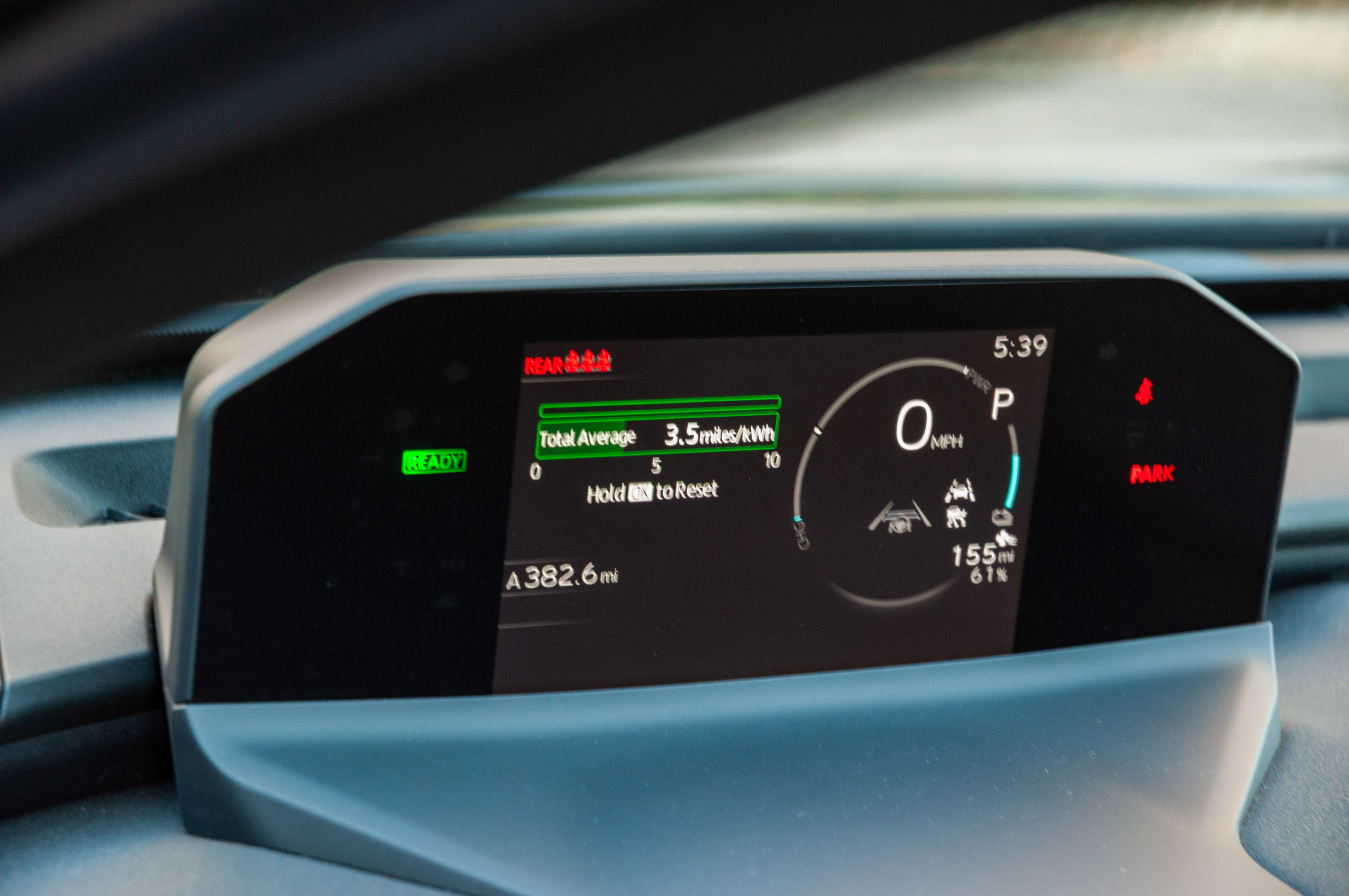
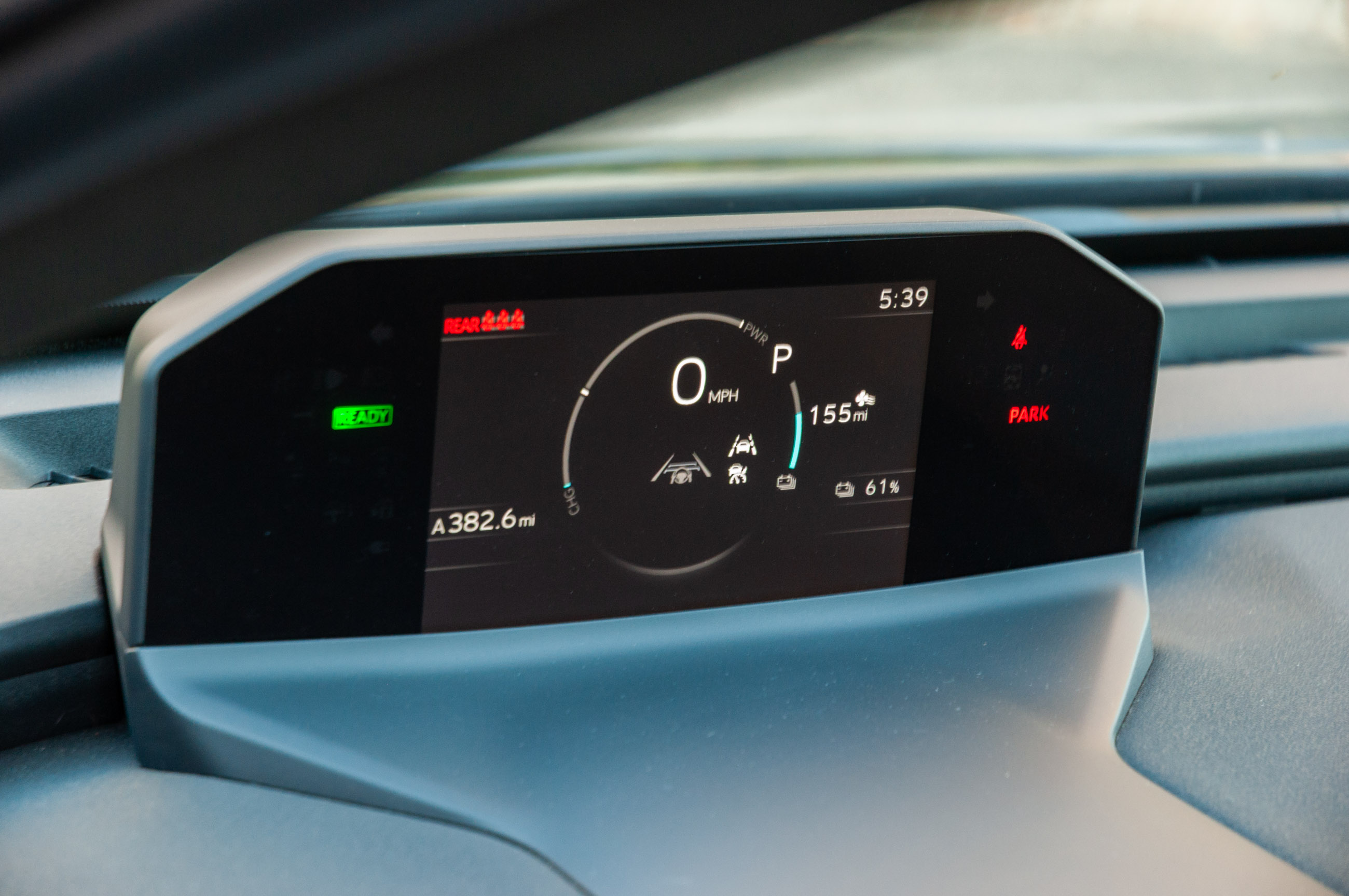
What was downright surprising was how efficient the updated Solterra was, even with the more powerful powertrain. For most of the week, the EV averaged 3.8 mi/kWh, but that dropped to 3.5 mi/kWh over 382 miles of mixed suburban driving once a Minnesota cold snap moved in. Still, at 3.5 mi/kWh, that would give the Solterra a real-world range of 261 miles in mixed suburban driving. It was easily more efficient than any Ioniq 5 I’ve driven.
The 2026 Solterra gains a Tesla-like NACS port on its front passenger-side fender, and fast charging from 10-80% now takes less than 35 minutes. That’s where the Ioniq 5’s 800-volt electrical architecture kicks in and wins, with fast-charging times.
Value and Verdict
Costing thousands less than the competition, the 2026 Subaru Solterra delivers substantial value that Subaru’s known for. The nameplate might’ve launched with numerous shortcomings, but Subaru clearly heard the marketplace and took corrective action that has notably improved the model.
It might not be exciting, it might not be trendy, but those aren’t really Subaru’s bag. Safe, reliable, comfortable, and value-driven models made Subaru the popular household name it is today, and the Solterra now fits that bill like the rest of the automaker’s lineup.
Subaru provided The Drive with a seven-day loan of this vehicle for the purpose of writing this review.
| 2026 Subaru Solterra Specs | |
|---|---|
| Base Price (Touring XT) | $40,420 ($47,975) |
| Powertrain | dual-motor | single-speed automatic | all-wheel drive |
| Horsepower | 338 |
| Torque | 323 lb-ft |
| Seating Capacity | 5 |
| Curb Weight | 4,510 pounds |
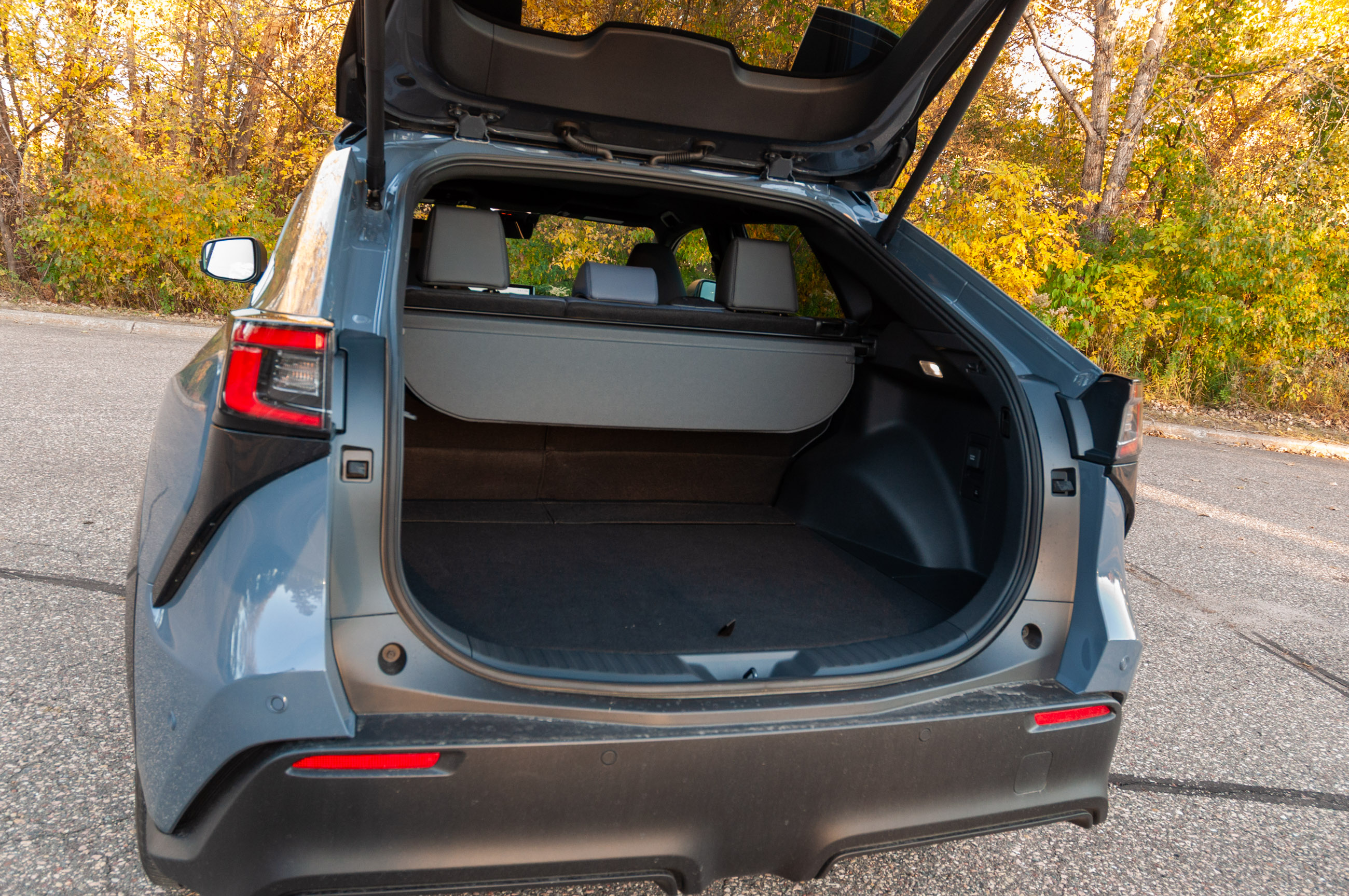
| Cargo Volume | 23.8 cubic feet behind second row | 63.5 cubic feet behind first row |
| Ground Clearance | 8.3 inches |
| 0-60 mph | Under 5 seconds |
| EPA-rated range | Up to 288 miles |
| Score | 7.5/10 |

Quick Take
The 2026 Solterra finally delivers on what Subaru does best, which is combine value with comfortable all-weather capability.
Loading comments…
Comments couldn’t be loaded. Please refresh the page.