
Commercial vehicles aren’t regulated the same way as passenger vehicles, and in some areas, that makes sense. One where it doesn’t, however, is safety. Not only do medium- and heavy-duty work rigs exist outside of most government safety standards, but up to now, they haven’t really been evaluated by independent orgs, either. The Insurance Institute for Highway Safety is working to change that, as it’ll soon start rating commercial vehicles based on crash avoidance and the presence of advanced seatbelts and airbags, which, even now, aren’t standard across the board.
That fact alone about airbags should clue you in to how needed this is. And according to the IIHS, 6,535 people were killed in crashes with work vehicles like medium- and heavy-duty trucks, as well as light vans, in 2023. In total, that translates to 16% of roadway fatalities just three years ago. Most of those fatalities were other road users, which is why the IIHS plans to push manufacturers on active safety features that help prevent collisions in the first place.
Whereas we’ve seen automatic emergency braking and other advanced driver assistance systems pop up more frequently in new cars, they’re rare in commercial vehicles. Part of the reason for that is manufacturers build these machines as blank slates, allowing customers to equip them with whatever body or bed they need. This can make features like blind spot monitoring tricky to incorporate when a truck maker doesn’t have bodywork to attach sensors to from the factory.
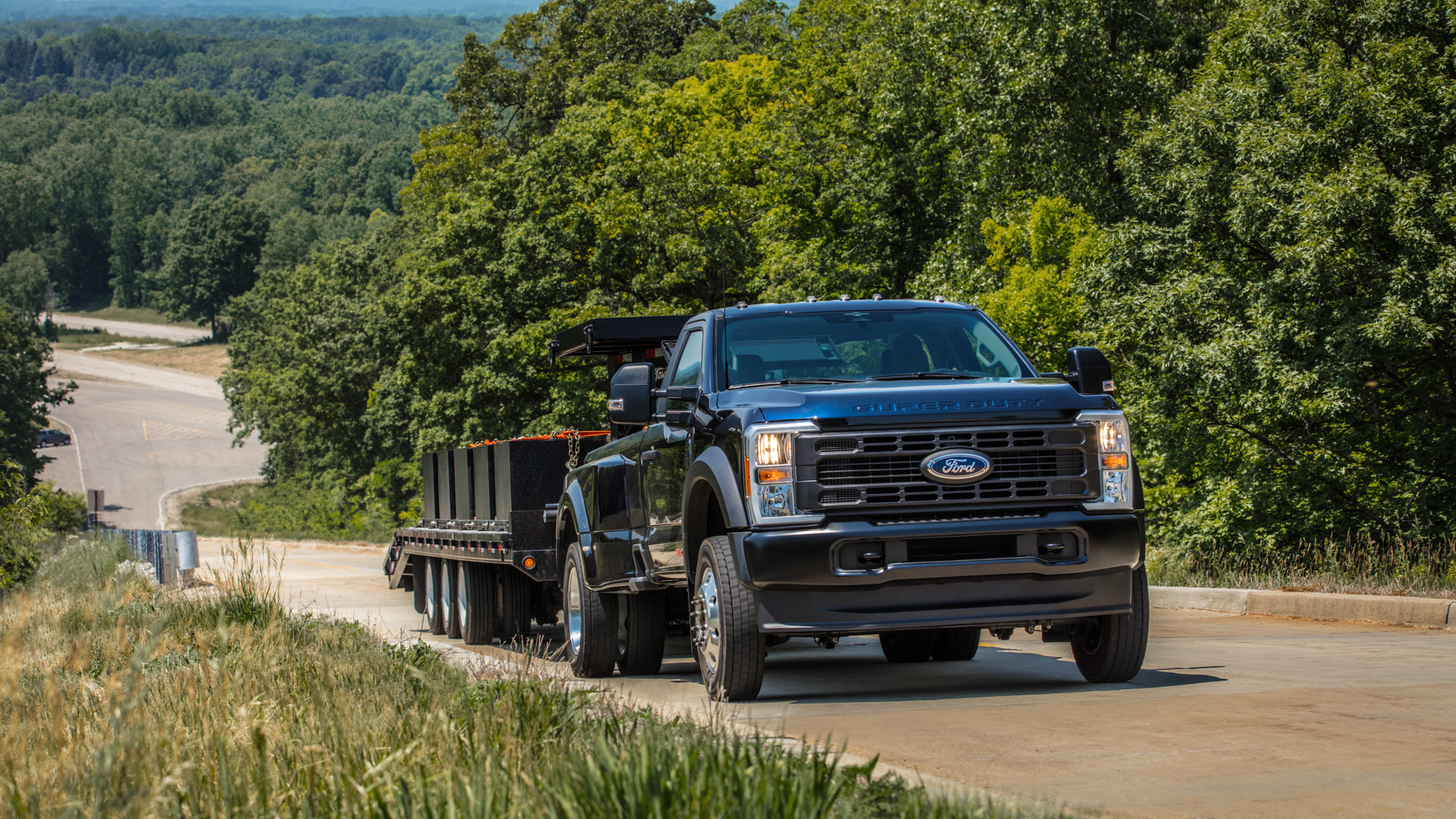
One positive example of a medium-duty truck that offers these types of safety features is the Ford F-Series chassis cab. Ford builds these from F-350 on up to F-600, and fleets buy them in bulk before turning them into service trucks, tow trucks, bucket trucks, etc. Ford offers blind spot monitoring with trailer integration, lane departure warning, and Pre-Collision Assist with automatic emergency braking as standard, so it’s clearly possible.
Meanwhile, other manufacturers—especially those that build heavier trucks—opt not to incorporate these features and other basic devices like airbags because they aren’t federally mandated. The IIHS says it will pressure manufacturers to build commercial vehicles that exceed existing requirements. Additionally, it will encourage fleets to demand such vehicles in order to protect their drivers and others out on the road.
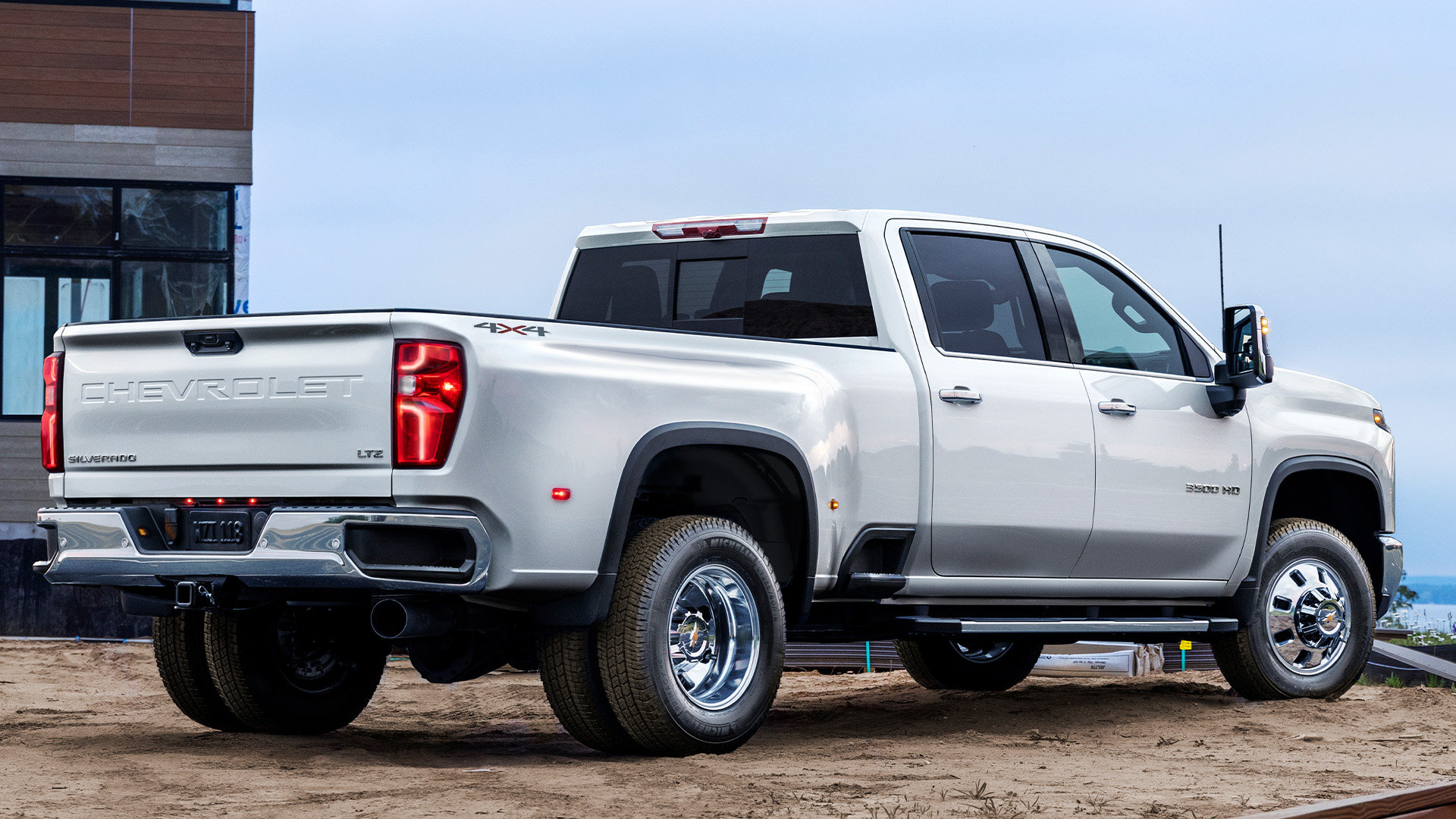
The IIHS is already testing cargo vans and Class 3 pickups with gross vehicle weight ratings between 10,0001 and 14,000 pounds. It plans to release occupant protection ratings this spring, and later on, it will complete crash avoidance evaluations. The organization says it will expand testing to include box trucks and maybe even Class 8 semis in the future.
While I imagine most commercial vehicle operators will be in favor of better safety, this could very likely drive up the costs of trucks and vans that are already expensive. And even more impactful than the initial upfront cost could be the repairs, which lead to more money spent and lost due to downtime. Manufacturers know this is a key concern for their customers, so it’ll be interesting to see how it plays out.
Got a tip or question for the author? Contact them directly: caleb@thedrive.com
Loading comments…
Comments couldn’t be loaded. Please refresh the page.