
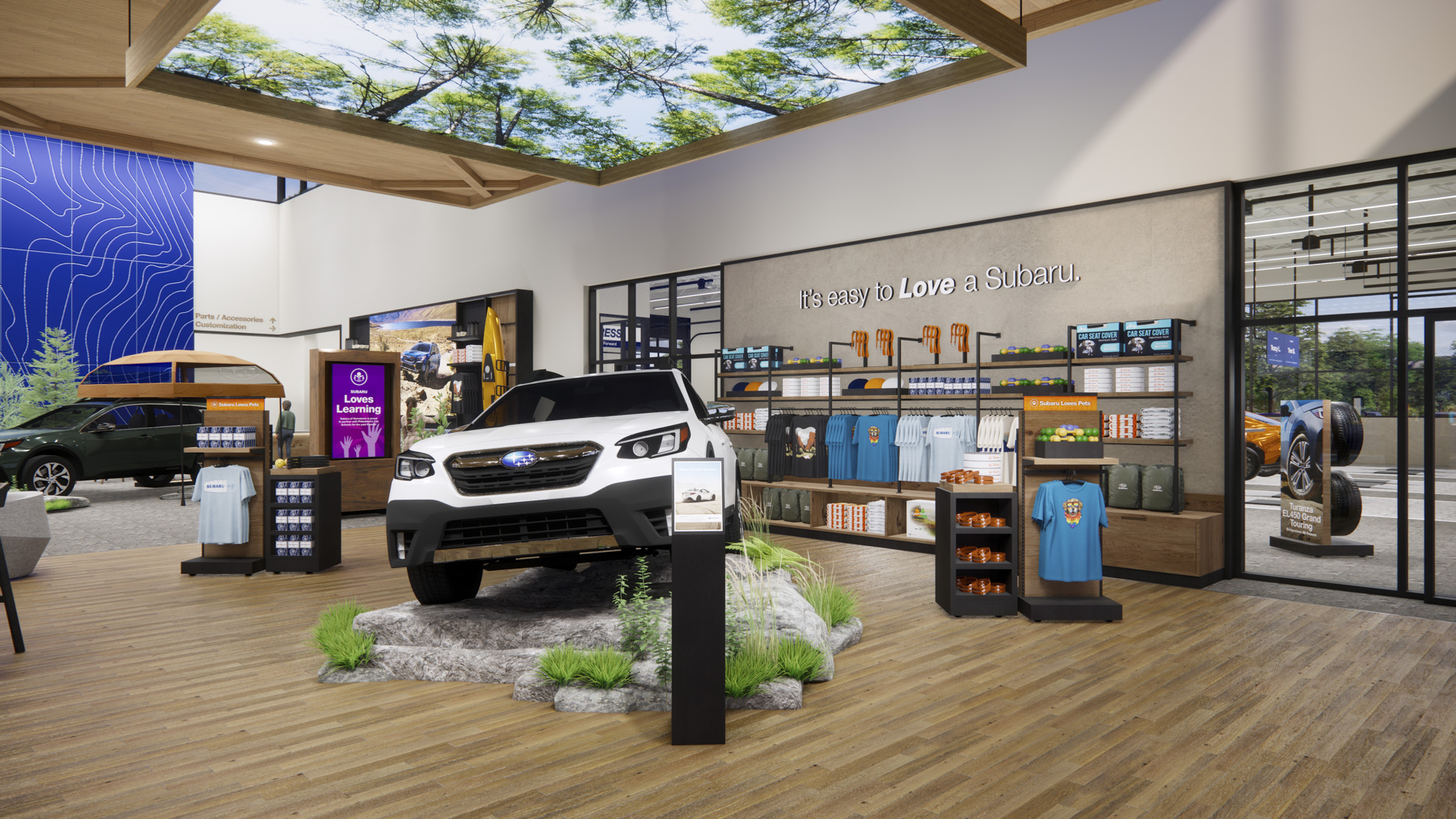
This month, Subaru announced a plan to lean harder into the lifestyle branding that seems to be serving it well. Some dealerships will evolve into “Subaru Connection Hubs,” which the automaker ambitiously describes as “vibrant community destinations.” Sounds like Subaru is following the L.L. Bean/Bass Pro/Cabela’s retail ethos for experiential shopping.
Practically speaking, it looks like Subaru’s up-sizing its windows, sticking some fake rocks and trees under display cars, adding a cutesy cafe, and most brilliantly, packing shelves with impulse-buyable merch.
Subaru has done a great job building a brand identity around outdoorsiness. And it’s well-established that people who get excited about that like shopping in vibe-heavy stores, which is why all the outdoor retailers I just named all have things like taxidermy, indoor fishing, rock walls, archery ranges, and so on set up next to racks of wares.
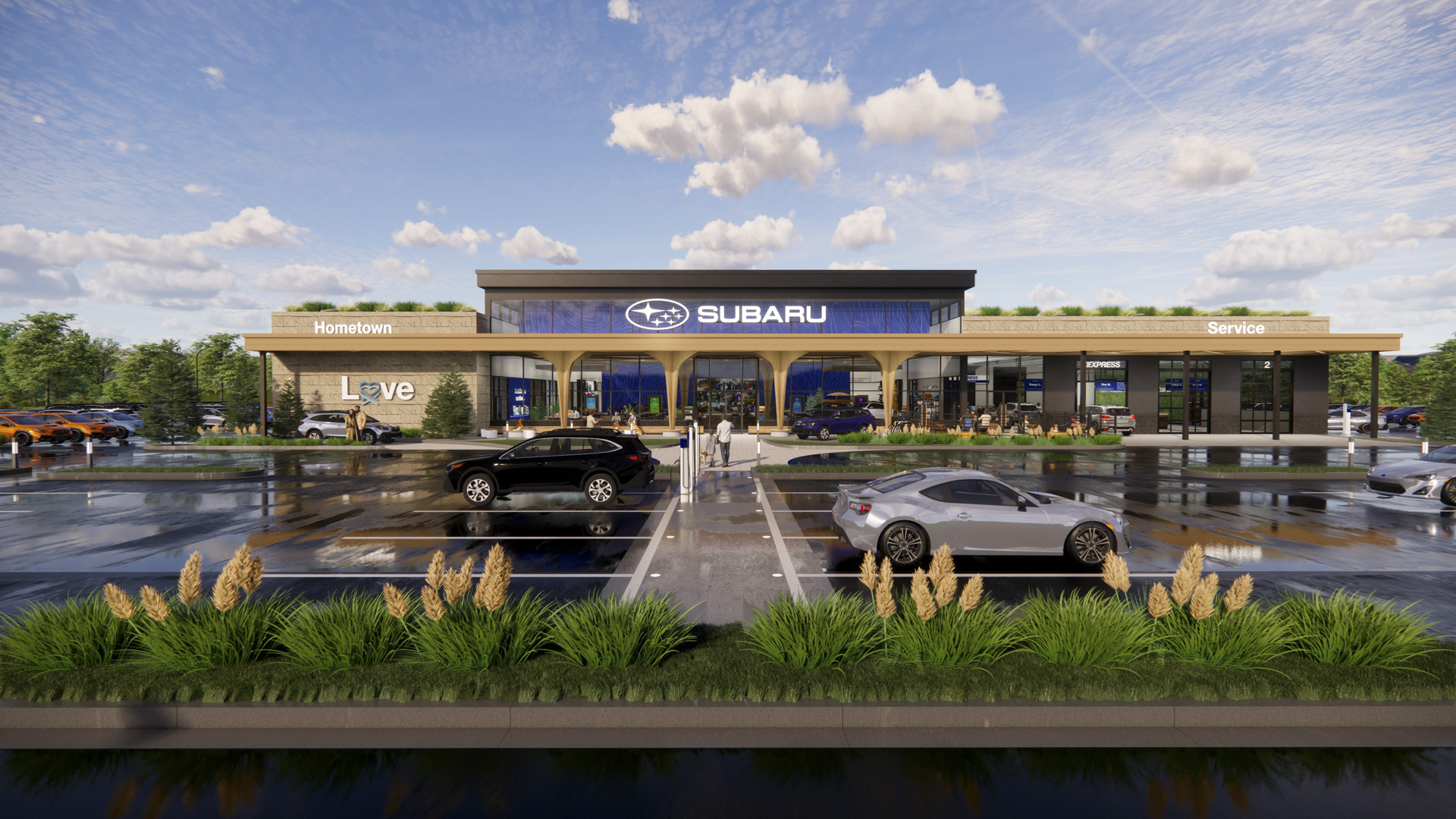

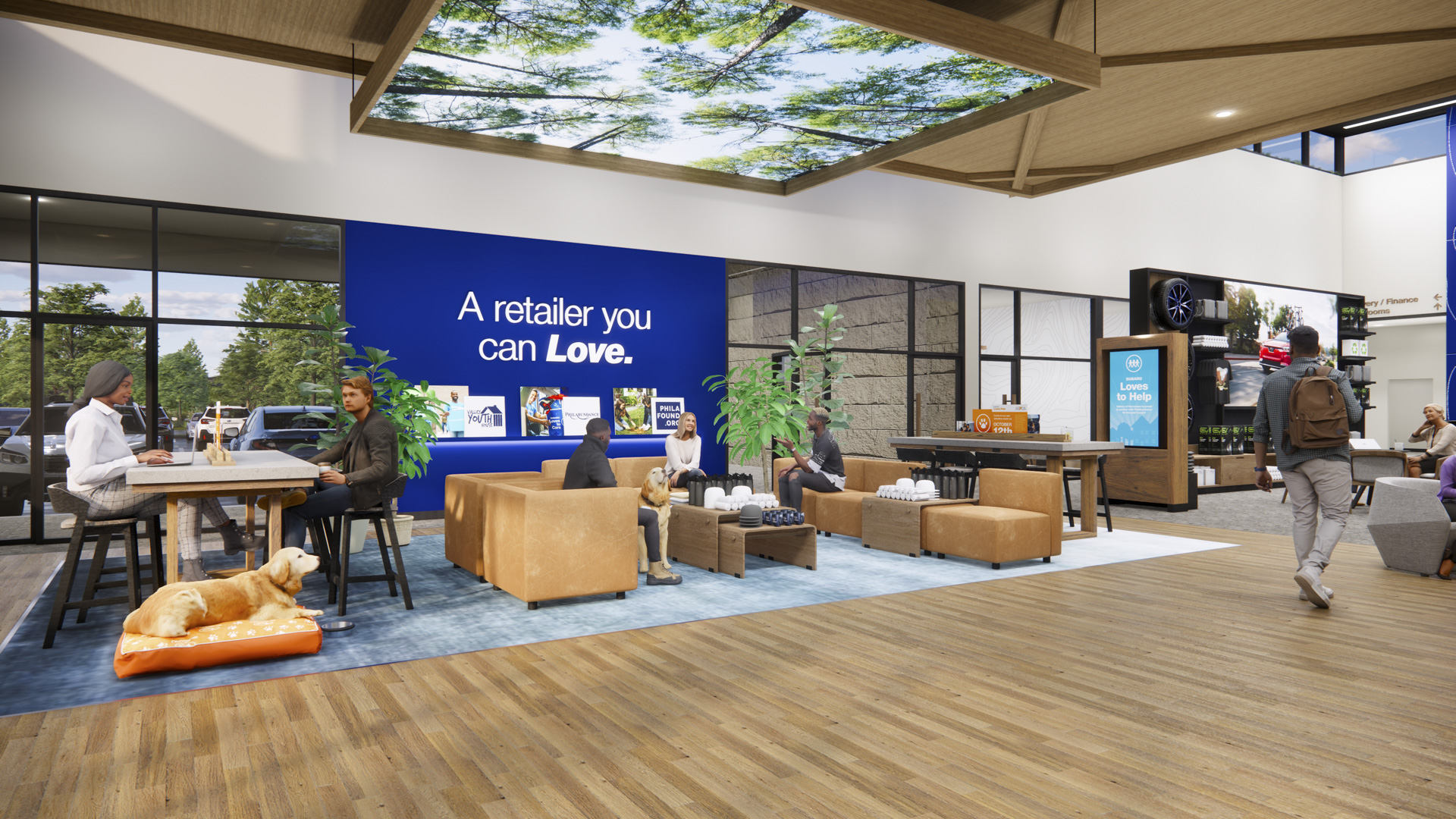
This almost feels like a “why didn’t they think of that sooner” situation. Subaru dealers have been due for an upgrade, too—the automaker shared that this is the “first full redesign of its national retailer network since 2007.”
Automotive News reported that “90 retailers ‘raised their hand’ to begin the process, including 50 who put down a deposit” when it was pitched from corporate at a recent dealer meeting. There are over 640 Subaru retailers in the US. Frankly, I’m not sure if a 14-percent positive initial response is good or bad. All the car dealers I’ve met are, let’s say, slow to spend money unless absolutely necessary. So anecdotally speaking, 50 deposits sounds decent from the jump.
The Autopian pulled a quote from a Subie dealership owner in Michigan: “I don’t think it’s the best timing, considering the current economic state of the auto business and interest rates … But it is a consumer-centric and lifestyle-designed facility that matches our customers’ values.”
The timing, actually, makes sense. Subaru is quite vulnerable to both tariffs and the dissolution of EV tax credits. Its car prices have to go up, and its margins could be thinning. But by cutesifying its stores instead of engineering whole new cars, the brand could get people into its dealerships with a far smaller investment. In fact, the dealers themselves will probably be footing the bill for these retrofits, not the head office.
It also gives savvy dealers a great opportunity to cash in on products that do have high margins—merch and accessories. If Subaru stores pack their shelves with tents, stickers, t-shirts, water bottles, roof racks, and all the things people like to strap to them, they could make a lot more coin off customers who come in for service or car shopping. Heck, if the storefronts do a good enough job luring people in, Subaru could have an entirely new customer on its hands—people who come in specifically to buy outdoor gear or pet products.
Subaru is not the first automaker to experiment with a somewhat novel retail experience. Land Rover has had short little “off-road courses” in its parking lots for decades, and even the Honda store I occasionally get parts at in New York has a pretty big sitting area with lots of Honda-branded apparel and accessories on sale.
The first Subaru Community Hubs are supposed to open in 2026.
Got a tip? Send us a note at tips@thedrive.com.
Loading comments…
Comments couldn’t be loaded. Please refresh the page.