

With average new-car transaction prices hovering around $50,000, many shoppers are holding off on purchases. But there’s healthy demand for vehicles costing twice as much or more, according to a new study from the Boston Consulting Group.
BCG surveyed over 400 luxury-car owners and prospective buyers, as well as industry stakeholders, finding plenty of enthusiasm for high-end vehicles. The firm projects the market for cars costing $100,000 or more will experience a compound annual growth rate of 5% to 7% over the next decade. Cars at the lower end of that range—between $100,000 and $170,000—will see the most growth, with sales rising 6% to 8% through 2035, according to the study. That decreases to a projected 3% to 5% for cars priced between $170,000 and $500,000, as well as those costing over $500,000.
Yet some of the same trends affecting mainstream vehicles apply here. BCG expects sales of used cars in these price ranges to grow 1.5 times faster than new-car sales. Analysts attribute that to high prices for new vehicles and a growing supply of used ones, which should sound familiar to anyone analyzing sales trends at the lower end of the market.
The study also found that the ultra-wealthy are open to buying more cars online. Traditional franchised dealerships were still the most popular option among survey respondents, but three-quarters said they were “open to buying their next vehicle entirely online.” That might have to do with the fact that, according to the study, 80% of prospective luxury-car buyers browse the internet at least once a week even if they don’t intend to buy. If you regularly browse Bring a Trailer or Cars & Bids, you’re apparently in good company.
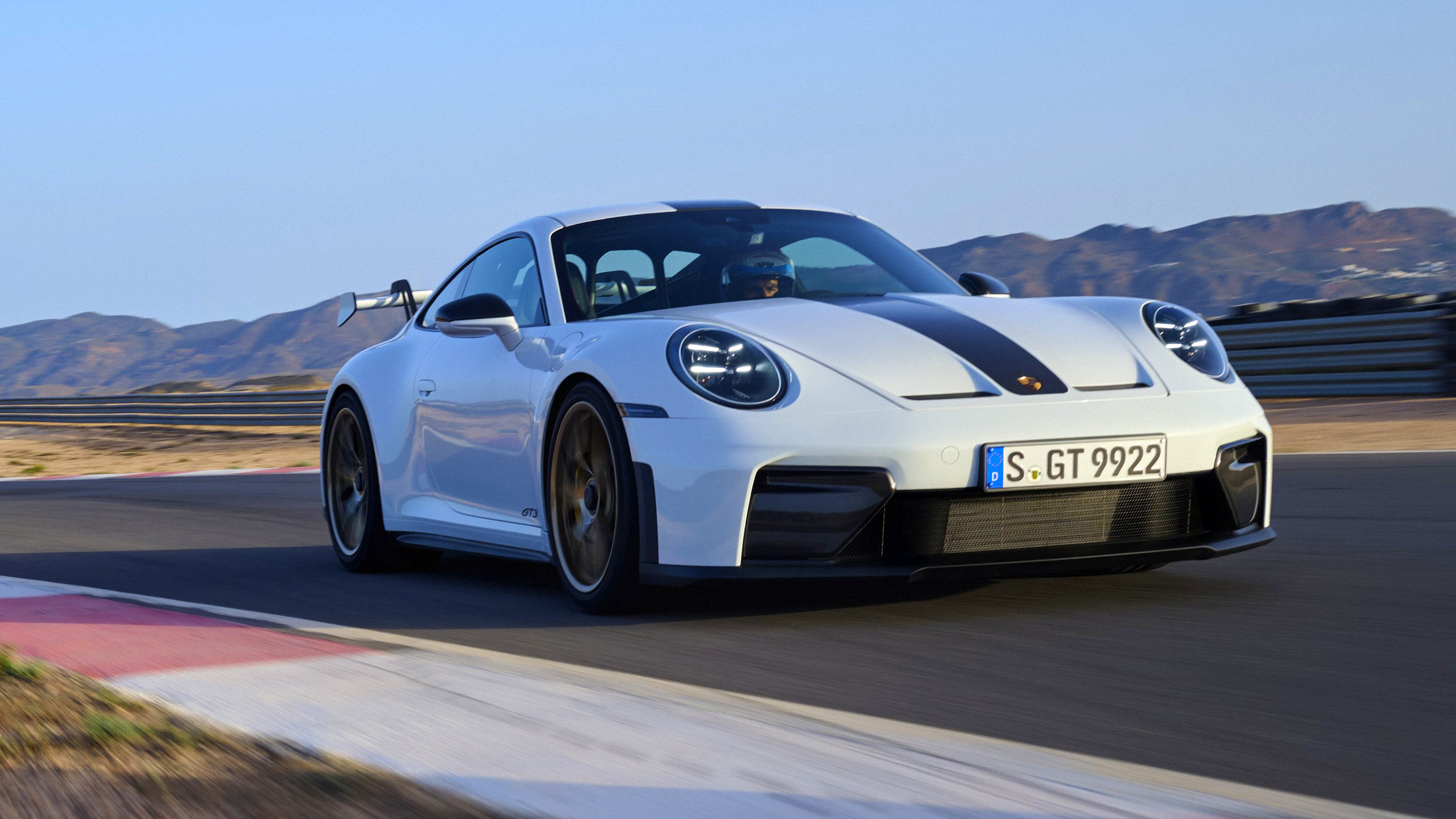
As for what cars people are actually looking to buy, Porsche and Ferrari were the most popular brands across all age groups surveyed. Millennial and Gen Z respondents were more willing to look at other brands, but the Rimacs of the world must still deal with a general disinterest in high-end EVs. Only about 10% of respondents said they owned a luxury or exotic EV, although around half of Millennial and Gen Z respondents expressed an interest in purchasing one. That trailed off significantly for the older generations.
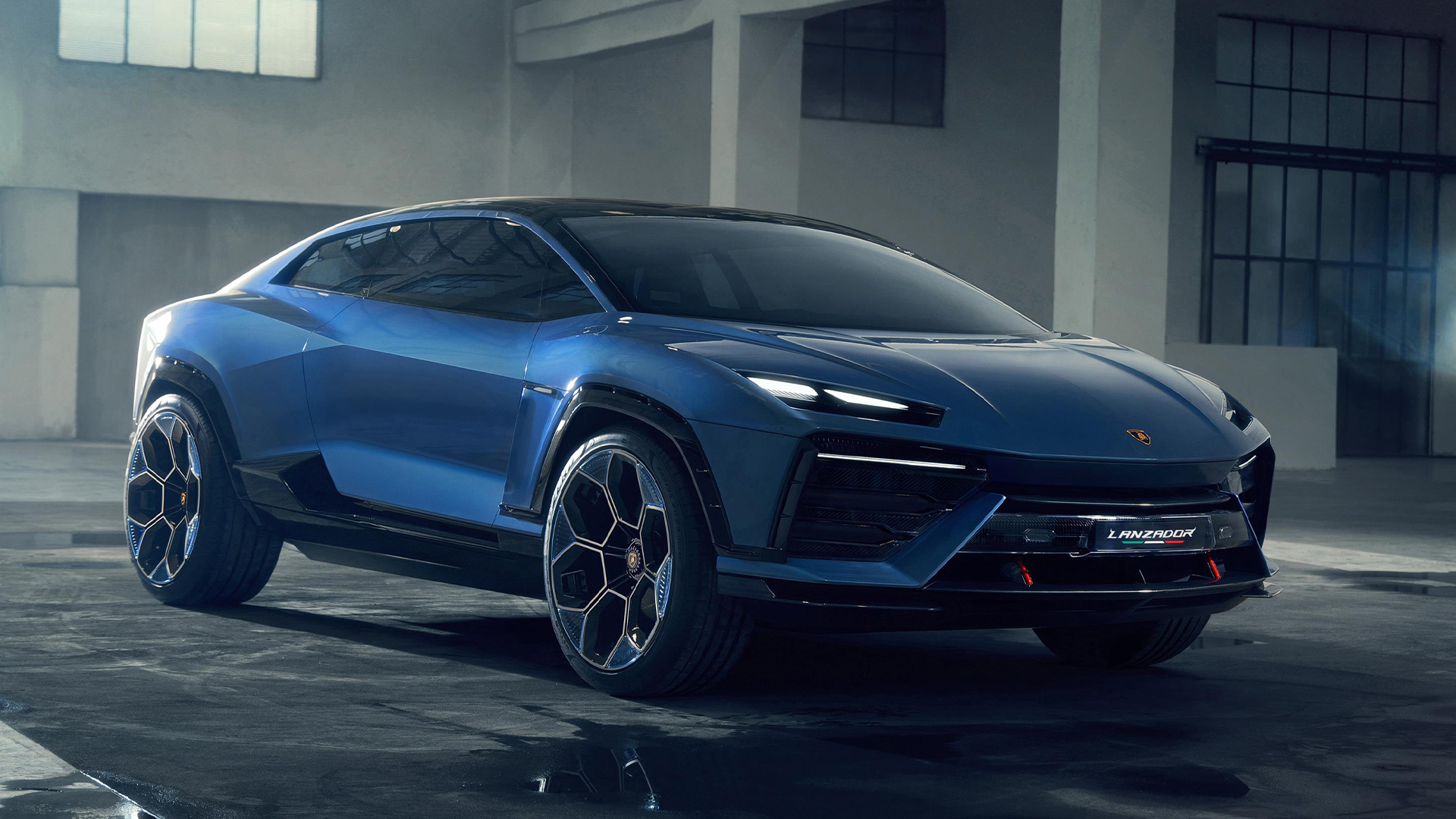
This isn’t the first indication that ultra-wealthy buyers aren’t interested in EVs. Ferrari has reportedly delayed its first volume-production EV (another lower-volume model is still a go) to 2028 due to low demand. Lamborghini is mulling a switch from an all-electric powertrain to a plug-in hybrid setup for the production version of its Lanzador concept. If this study is accurate, it’s really regulations, not customer demand, that’s behind the push to electrify the world’s elite car brands.
Loading comments…
Comments couldn’t be loaded. Please refresh the page.