
Imagine waking up one morning to find an empty spot in your driveway where you normally park your dream car. You call the police, of course, but their brief investigation concludes when the bank reveals that the car wasn’t stolen, but instead repossessed. Your payments are current and your insurance is good. What gives? Turns out, the car was never really yours in the first place.
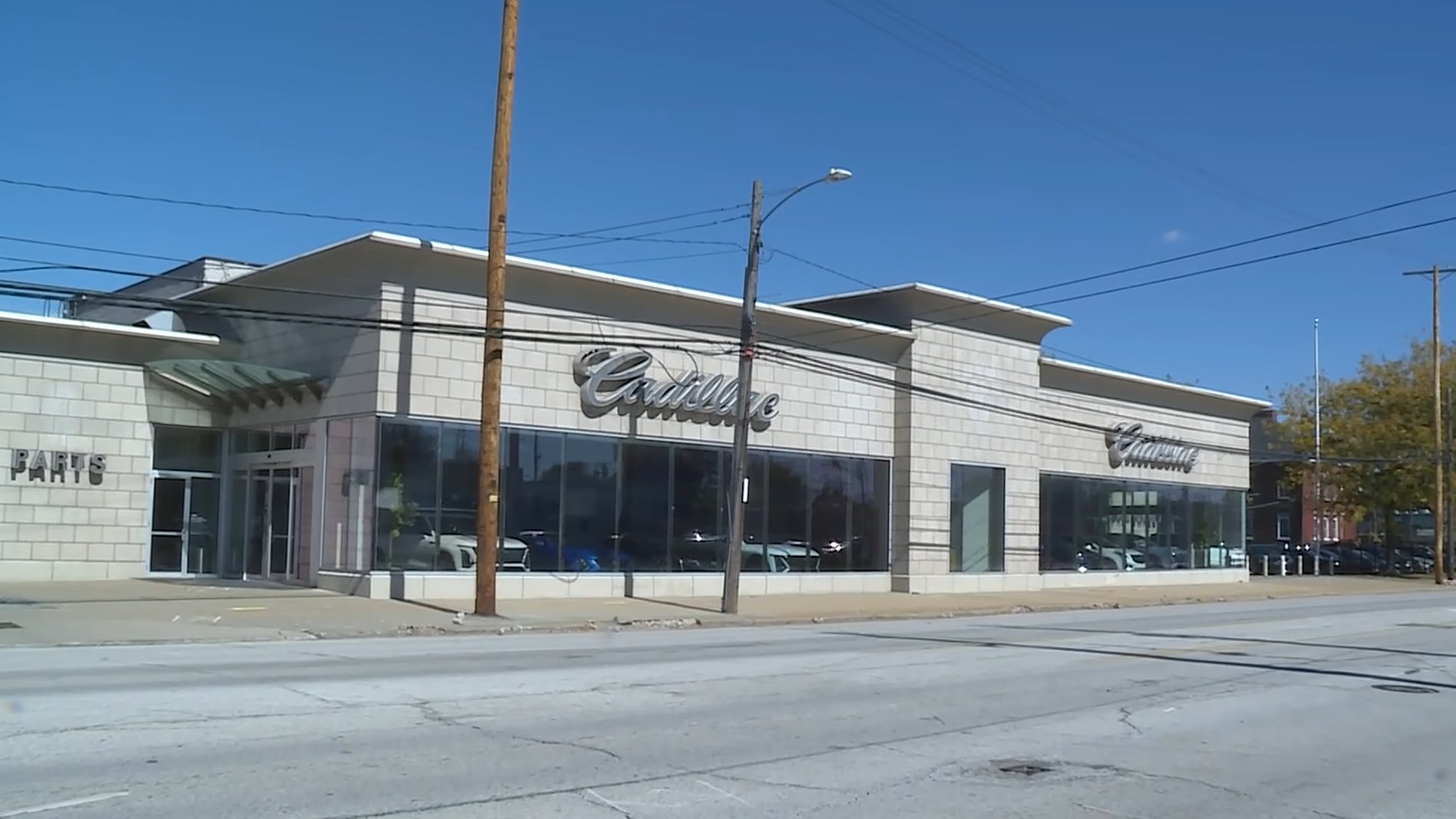
That’s what happened to Mark Moore two years after he purchased a used Mercedes-Benz from Central Cadillac in Cleveland, Ohio. According to Mercedes-Benz’s captive finance company, Moore doesn’t legally own the car. Instead, it’s still titled to its previous owner, who is delinquent on its six-figure loan.
When Central Cadillac sold Moore the car, the title was free and clear. How is that possible? It’s a form of title washing. In short, fraudsters will take advantage of lax titling procedures in certain states in order to obtain what appears to be an unbranded title, then sell the car for cash and skip out on the loan (likely taken out with a stolen identity in the first place). Once the paper trail catches up, the buyer is generally left empty-handed. In this case, three buyers were scammed—Moore, the dealership who sold him the car, and the dealer who initially purchased it from the fraudster.
“I learned that the car I purchased from Central Cadillac had been repossessed by Mercedes-Benz Financial Services because, according to the information provided to me, it remained in the previous owner’s name, with an outstanding debt of $106,000,” Moore said in a previous Facebook update.
“I had done nothing wrong. I had cut no corners. I had missed no payments,” Moore continued. ” Yet I was sold a vehicle by a reputable dealership with a fraudulent title, resulting in its repossession over the previous owner’s debt while I was left holding the bag… and carrying the burden.”
Moore feels that burden should fall on the dealership, given its far more abundant resources and its ability to fight the case locally. Moore flew from Atlanta to Cleveland to purchase the car; he’s not in a position to fight a protracted legal battle in Ohio.
“I am not seeking punitive damages. I am not asking them to name the dealership after me or provide a new vehicle every six months,” Moore said in his post.
“I am simply seeking a refund,” Moore went on. “I paid $30,000 up front, and I am still carrying a loan that I have continued paying for the six months I have been without the vehicle. I want that loan cleared and my money returned. That is it.”

Man claims Cleveland dealership sold him car with bad title, causing it to be repossessed
Seems reasonable, right? The dealership told Cleveland’s WKYC that it fully intends to reimburse Moore after it receives compensation from its insurance company. Moore argues that he shouldn’t have to wait to be made whole.
“Their position is that they were scammed by the dealership from which they purchased the vehicle? That means they know exactly whom to pursue. They can pursue whoever they need to pursue. But as the customer who purchased from Central Cadillac, I am asking them to refund this $88,931.87 transaction by refunding what I have paid and satisfying the remaining loan balance.”
It’s understandable that the dealer might be skeptical given all that has transpired, but Moore was making payments on his car for two years before this all went down, and he’s still making them today. If he was part of the scheme, he’d have been long gone by now. Cut the man a break—and a check.
Got a story tip? Let us know at tips@thedrive.com!
Loading comments…
Comments couldn’t be loaded. Please refresh the page.