
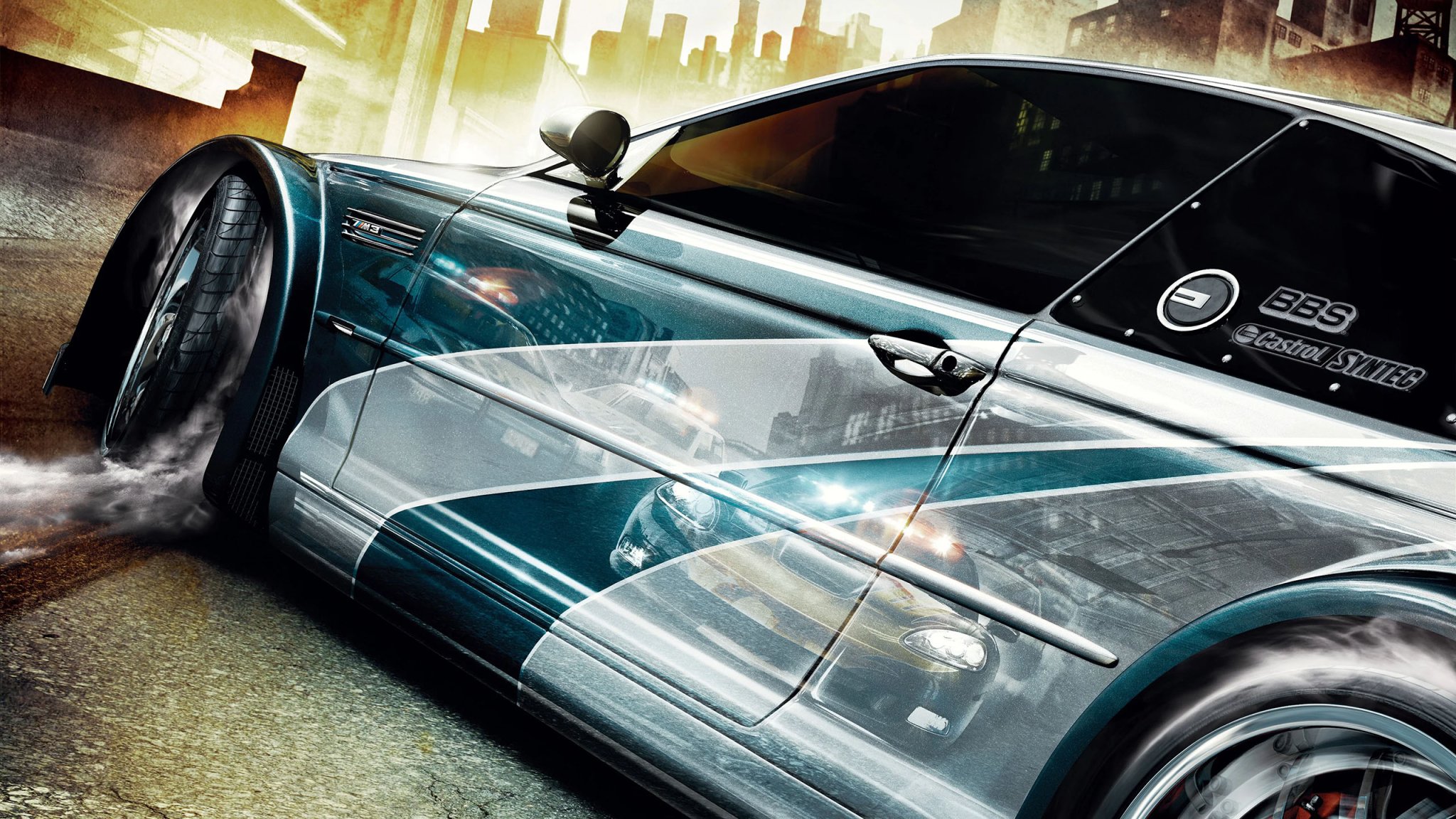
What can be said about Need for Speed: Most Wanted? For many, it’s still the gold standard of open-world, arcade racing games, more than 20 years on since its release. Blazing through the amber-tinted city of Rockport to Lupe Fiasco and Disturbed, toppling giant donut shop signs to crush Crown Vics in hot pursuit is an indelible gaming memory. A recent Reddit AMA with members of the development team has revealed fascinating insights behind its creation, and how one feature in particular apparently riled up some developers so much, they quit.
First off, shoutout to the r/NeedforSpeed subreddit, which put on this live interview with Scott Probin, Brendan Cohoe, and Russell Rice, three former employees at Electronic Arts BlackBox, the studio best known for producing titles that mark the glory days of NFS for so many. The discussion covers a span of games members of this group worked on, from Porsche Unleashed in 2000 to Most Wanted in 2005. The talk lasts more than two hours and, if you love one or all of these games, it’s fascinating and well worth your time.
When a question came up early on involving challenges or conflicts faced during development, Rice, who worked on Most Wanted’s art team, shared that the game’s Speedbreaker mechanic—think “bullet time” for driving, slowing down the action momentarily to give you ample time to slip around a spike strip or avoid a crash—became a massive point of contention for some devs at BlackBox.
“I can tell you it was Most Wanted that was the final linchpin in a handful of us leaving, and the whole ‘Need for Slow’ button was kind of the clincher, right there,” Rice said. “Cause they had that slow-motion button which, to many of us, was kind of counter-intuitive to the entire, white-knuckle speed that Need for Speed had always been known for. And that kind of turned into a sour mark for a bunch of us.”

NFS AMA with Black Box Former Developers (May 24, 2026)
If you ever watched that making-of video included in the PlayStation 2 version of Hot Pursuit 2, you may remember Rice, as he explains some of the game’s environmental design and graphics tech. Bullet time, an effect popularized by The Matrix, became an element in many video games in the years that followed—especially those that involved gunfights, as you’d imagine. But its influence wasn’t merely limited to shooters, and arcade racing games like Need for Speed and Midnight Club used the effect for their purposes as well. As Rice explains, some felt it was antithetical to the fast and frenetic gameplay of the franchise.
“It was a big point of contention, because, what most of us loved about Need for Speed was [that] you almost felt out-of-control, especially once you had a real kickass car, you almost felt out of control at times with how fast you were going and all that stuff, and then to add this button that slows down time was just really offensive to some of us.”
Now, the Speedbreaker feature wasn’t the only item that caused some folks to leave—it was “one of a handful,” in Rice’s words—and it’s clear from the two-hour discussion that BlackBox was not only under pressure to deliver these games within very short time constraints, but also expanding very quickly in terms of headcount. The British Columbia-based studio was effectively the steward of the series until 2011’s Need for Speed: The Run, after which point, EA shut it down.
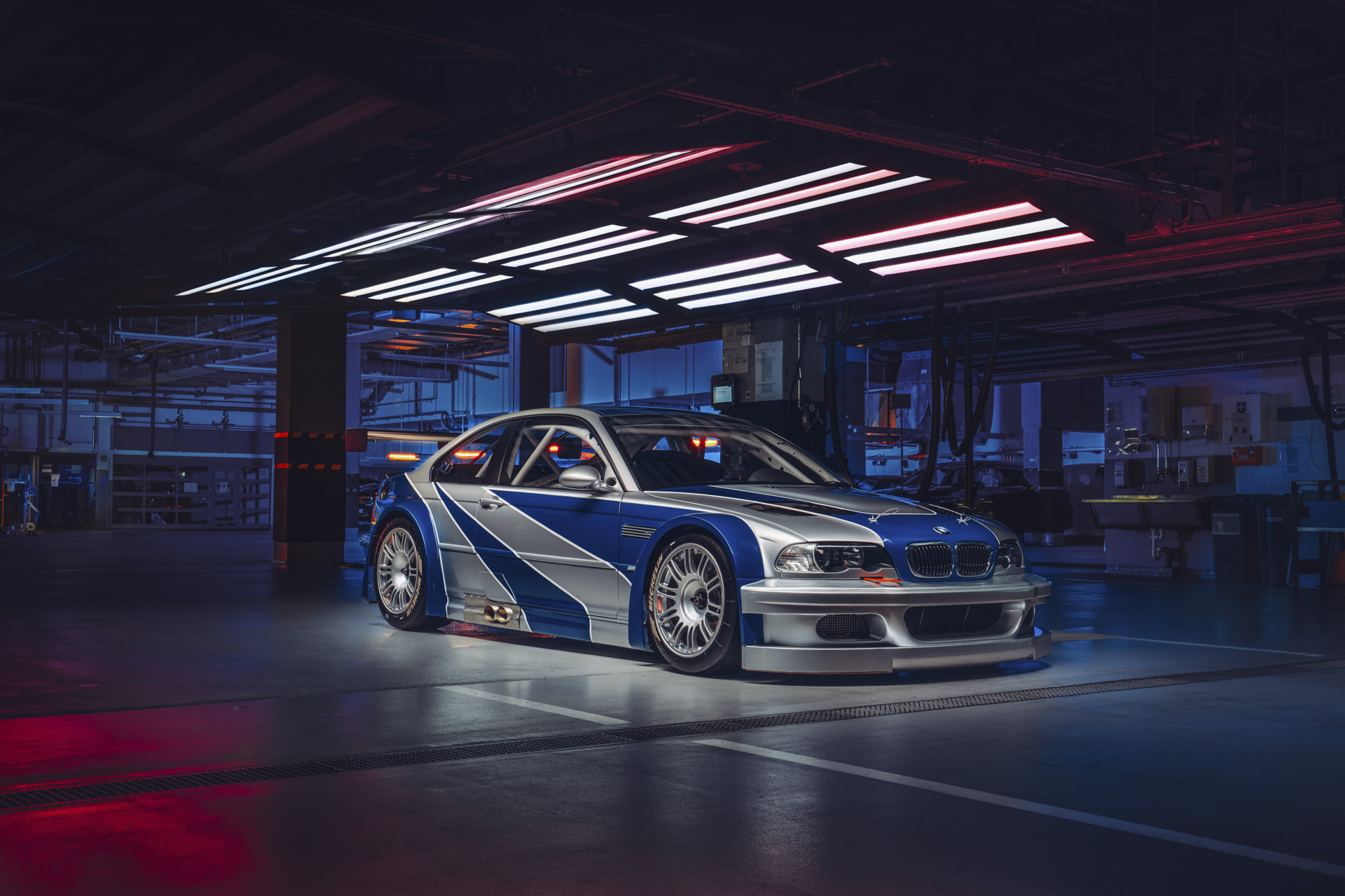

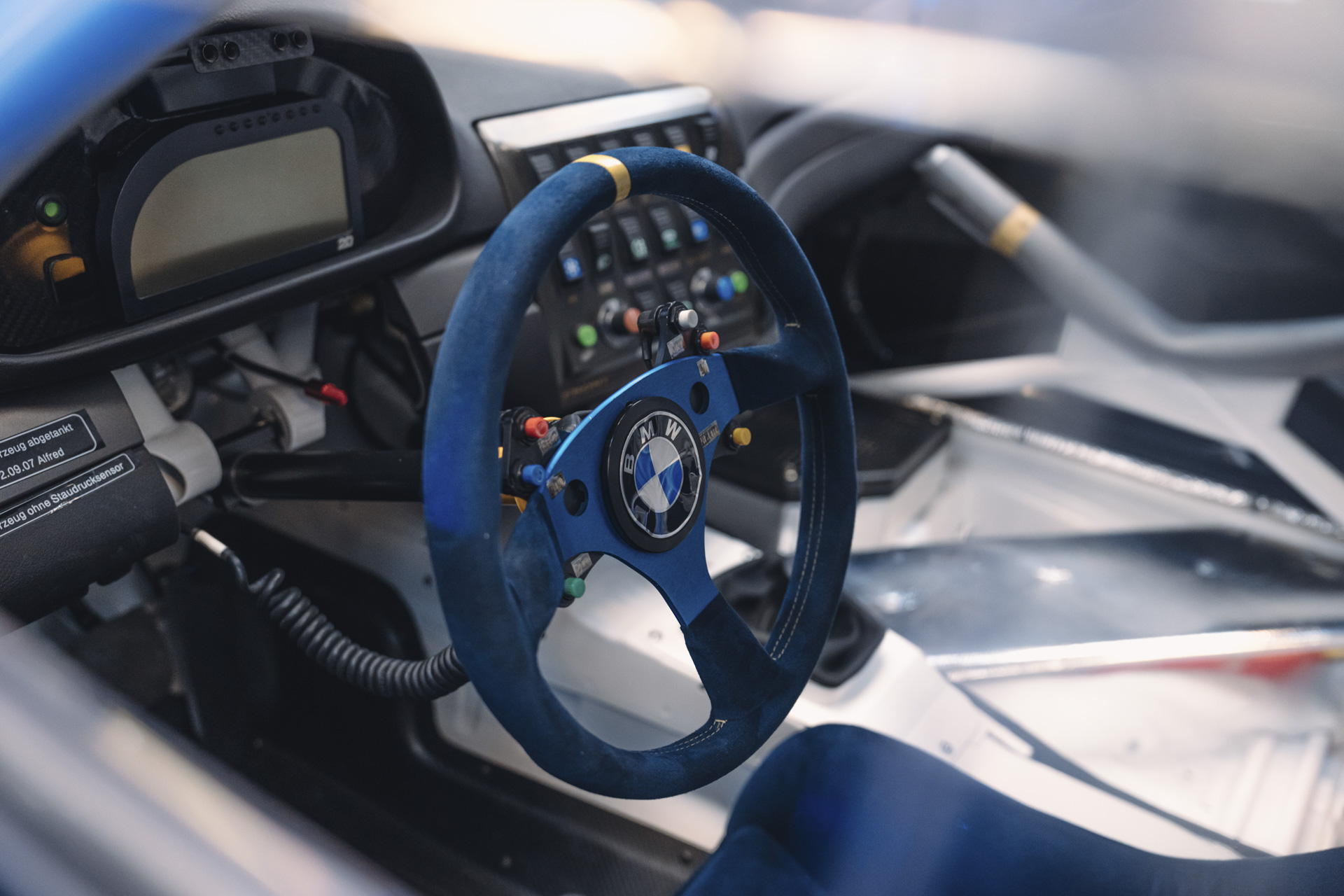

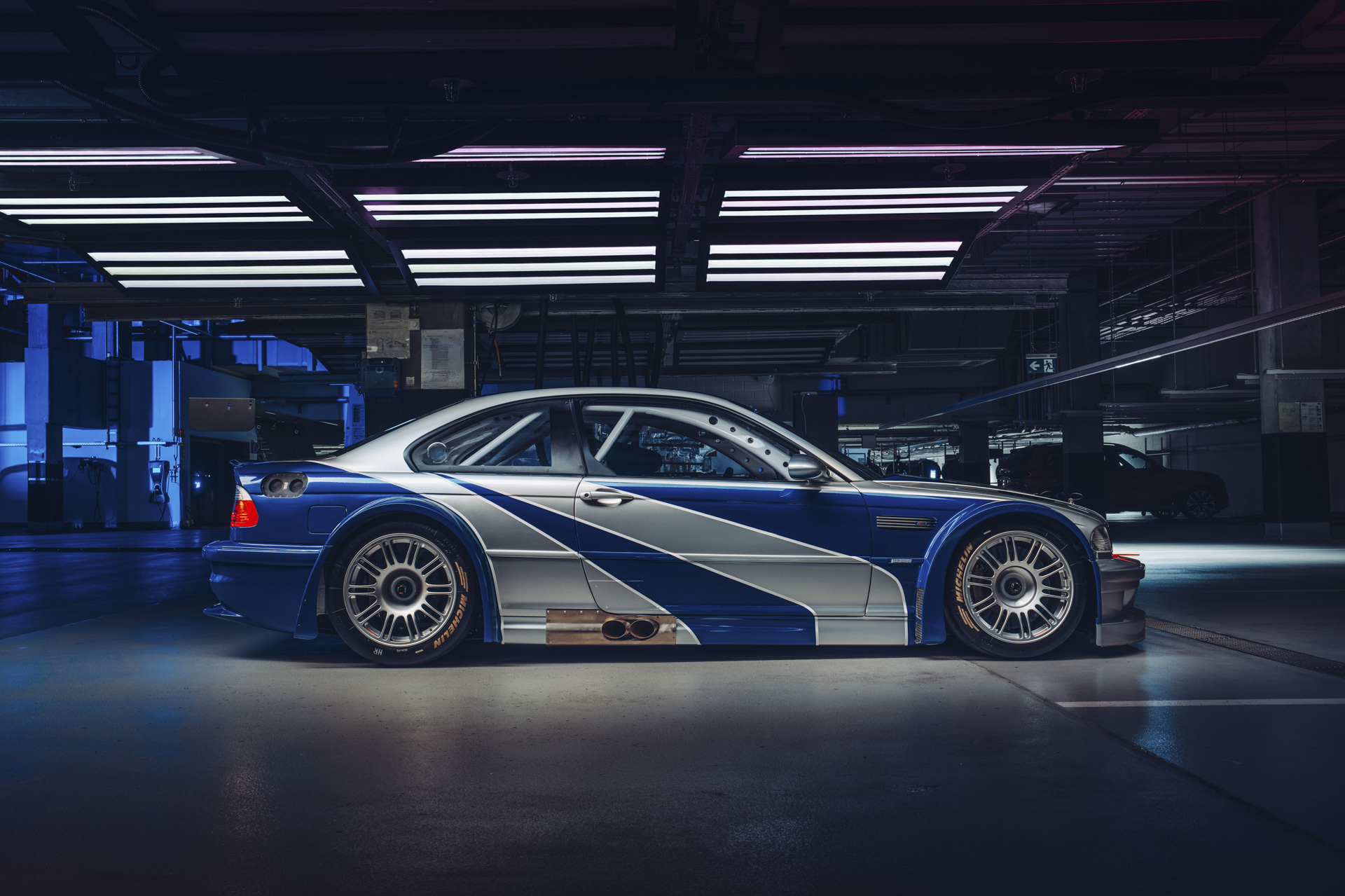
Again, I can’t stress enough that this AMA is required listening for any Need for Speed fan. I particularly enjoyed the chat around Hot Pursuit 2, as it was notably developed by two different teams—BlackBox for the PS2, and EA Seattle across every other platform. The two versions share car rosters and track concepts, but they are otherwise entirely separate products made by different people that feel totally unique to play, even though they share a name. A facet of gaming from decades ago that you really don’t see anymore.
As for the Speedbreaker mechanic, it might’ve been unpopular with some of the individuals who made Most Wanted what it was, but the game’s success and legacy has long since proven that players felt differently.
Got a tip on a racing game, new or old? Reach out to the author: adam.ismail@thedrive.com
Loading comments…
Comments couldn’t be loaded. Please refresh the page.