
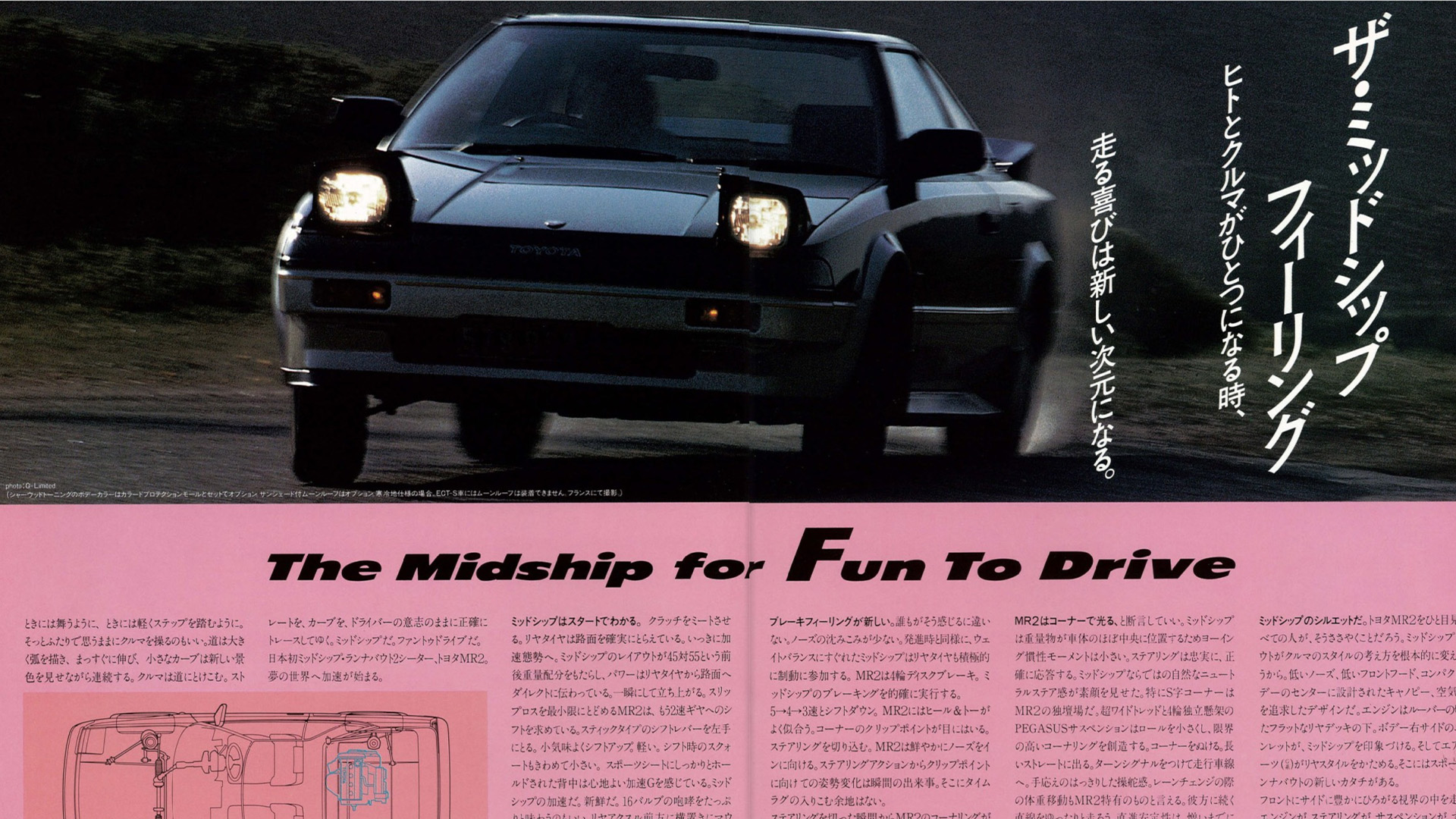
What a country creates shapes its culture, and even its identity. We know this to be the case, or else there wouldn’t be worldwide phenomena like K-Pop or Swiss chocolate. The inverse is also true, as a nation’s culture shapes what it creates. I believe that, in ways you might not expect, a people’s language influences their creative contributions more than anything else.
This isn’t limited to art or cuisine, either. It’s evidenced in all of a country’s cultural exports, and cars are certainly that. You can take German cars, for one example; it’s no surprise that over-engineered Porsches and BMWs are built by people who speak a language with a word for everything. Likewise, Japan has given gearheads a near-infinite number of creations to obsess over, whether you love Supras and GT-Rs, drift culture, or customization trends like Bosozoku. Japanese language also happens to be incredibly emotive, which is easy to pick up on even if you don’t know how to speak it.
Language shapes reality for everyone. It makes sense, then, that Japan’s emotions and affections are formed, in large part, by its words—both written and spoken. And they find their outlet in creative endeavors. Feelings and thoughts about fleeting beauty, minimalism, suffering, the natural world, and way more come through in these thoughtfully designed and assembled cars that some people build their entire personalities around.
It’s my hope to show you how Japanese people express their worldview, shaped by their native tongue, through the cars they create.
Let’s start by heading to the classroom for just a minute.
The Fundamentals of Japanese
Approaching the language as a newcomer is intimidating. It has three different writing systems: hiragana, which is typically used for writing native Japanese words; katakana, which is almost always used for borrowed loanwords that originate elsewhere; and kanji, which are based on Chinese characters. The first two are syllabaries, meaning they contain characters representing the 46 basic spoken sounds of Japanese. Meanwhile, kanji can have several different readings; for example, the kanji “生” makes an “i” sound in 生きる (ikiru, to live) but an “u” sound in 生まれる (umareru, to be born).
What you might be able to tell from looking at the 生 in those two words is that it represents life or birth. (It can also represent rawness, but that’s for another lesson.) In this way, kanji are often used to convey ideas or themes.
Here are a few more examples that should help illustrate what I’m talking about:
- Mountain (山) as three peaks in a range
- River (川) as three flowing lines
- Fire (火) as sticks and flames
- Car (車) as a box situated between two axles
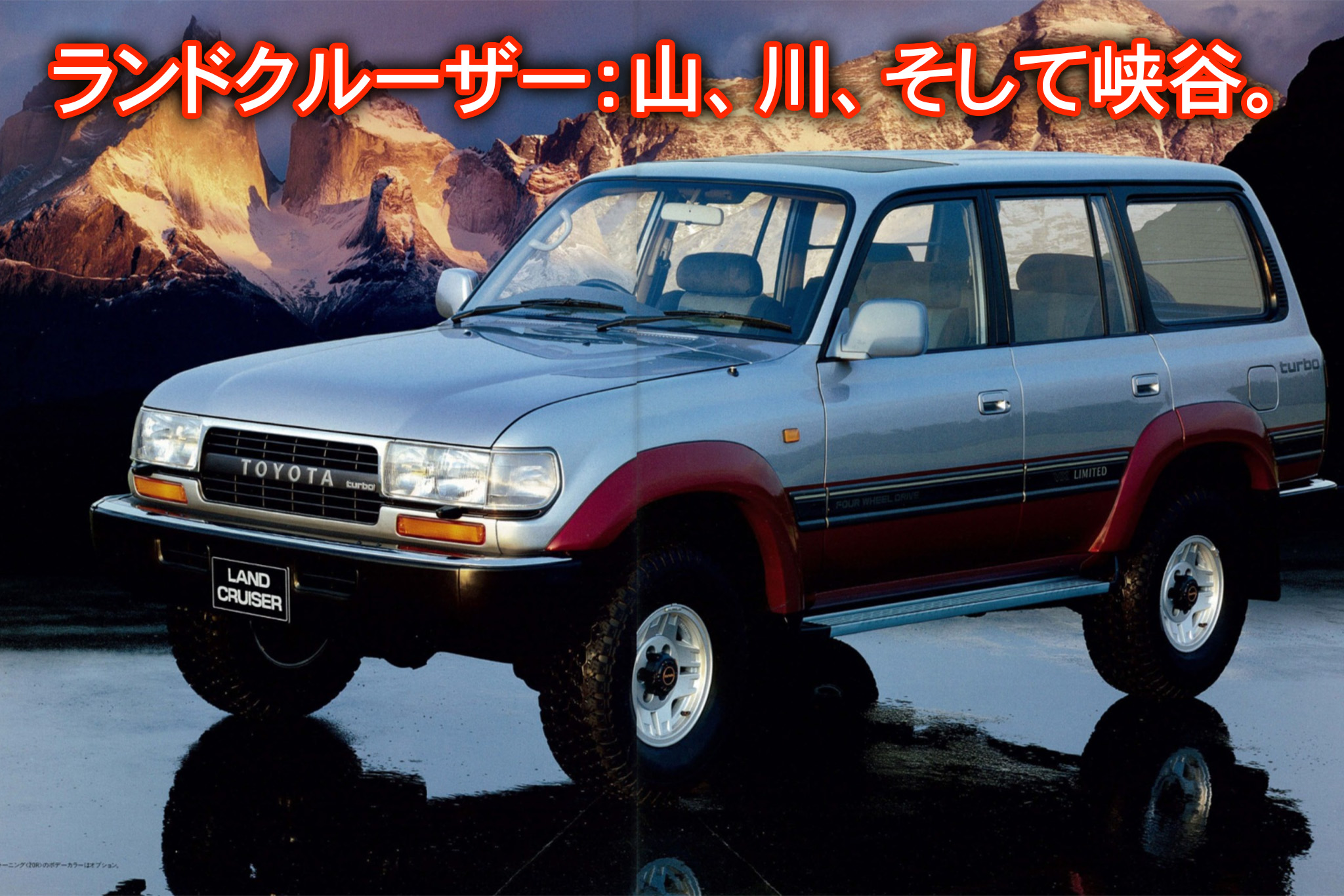
Visualizing these is crucial in understanding how the language influences not only Japan’s creations but also the entire worldview of people who speak it. When you write in Japanese about your surroundings, whether it be with a fountain pen or a mechanical keyboard, you’re picturing it the entire time. The ideas, the themes, and objects you’re describing live clearly in front of you.
What Got Me Thinking
This story is the outworking of my own personal pursuits. Up until November of 2025, I’d never even attempted to learn another language—no high school Spanish classes, no nothin’. That changed after a flurry of events in my life, including the moment I stumbled on a book by Yoko Tawada called Exophony. Referring to this as an “event” doesn’t seem like overselling it to me.
Tawada was born and raised in Japan, though she’s been based in Germany for decades. She primarily writes fiction, though the book I’m highlighting is a collection of essays. These essays focus on her run-ins with exophony, a term defined as “the general experience of existing outside of one’s mother tongue.” I was flabbergasted by Tawada’s storytelling, largely because of how it portrays the new layers of existence you’re exposed to in stepping away from your lingual comfort zone.
Around the same time I encountered Exophony, I ran into my friend Toshi Hayama. We first met in 2023 during a trip to Japan. It was my first trek outside the U.S., but Hayama splits his time between Tokyo and Los Angeles as the president of Stage 10 Productions. That’s his creative agency that works on all kinds of projects, from video production and consulting to interpreting and translation. (Fun fact: Toshi was a key part of the production crew on Fast and Furious: Tokyo Drift.)
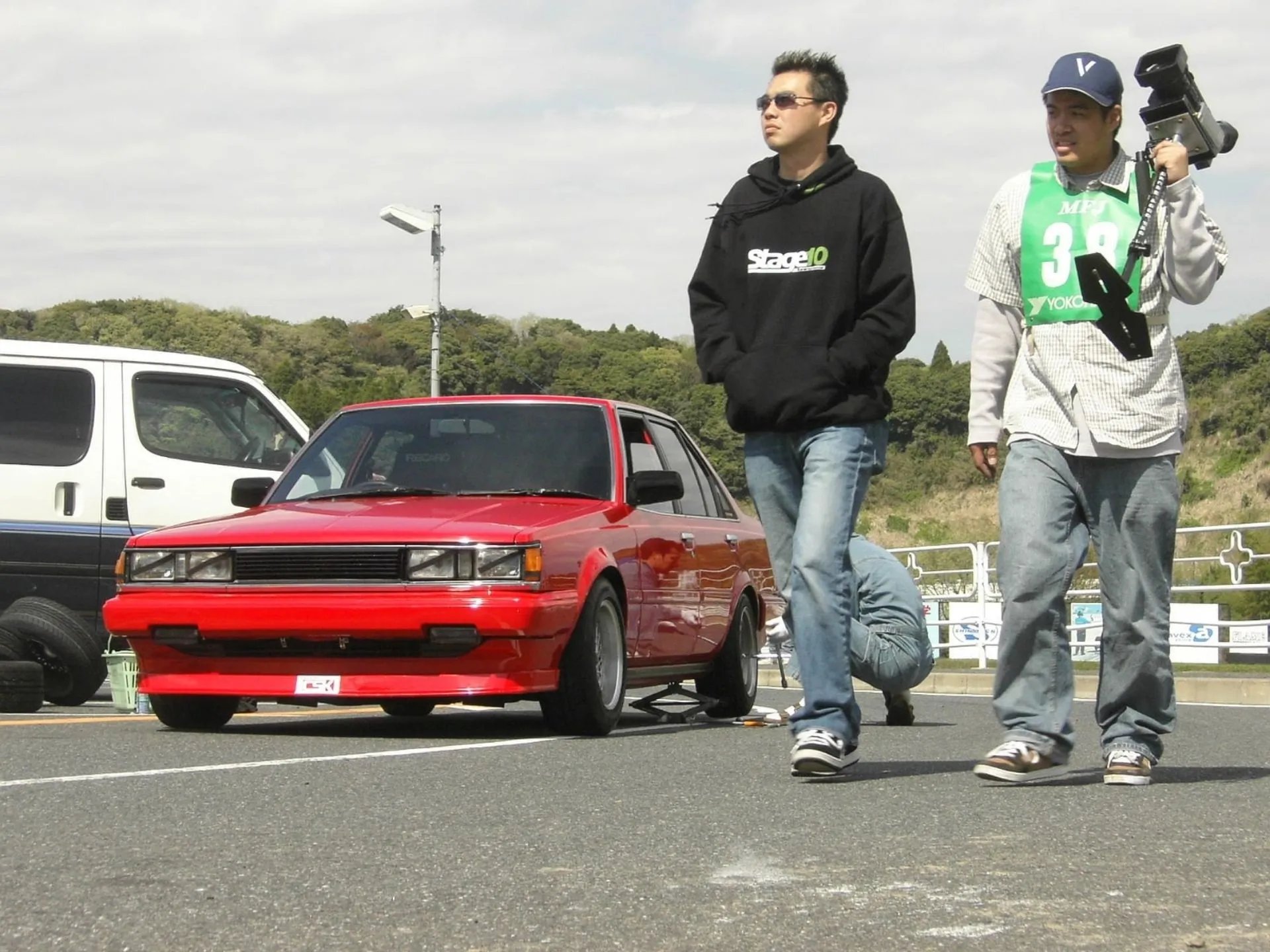

Hayama told me a story about seeing a Nissan S-chassis in Japan as a kid. He was there, visiting family, when he looked at the car’s back glass. It had a sticker that read “1.8-liter turbo,” and out of curiosity, he went to 7-Eleven looking for car magazines. His obsession grew from there.
As an adult, Hayama helped bring one of Japan’s major parts manufacturers—APEXi—to the States. “I had to make all the instruction manuals and convert them to English,” Hayama remembered. “I had to bring all the engineers from Japan and find out what products we want to develop, so I was already translating and interpreting.” Then, he emceed some of the first major drifting events in SoCal during the 2000s.
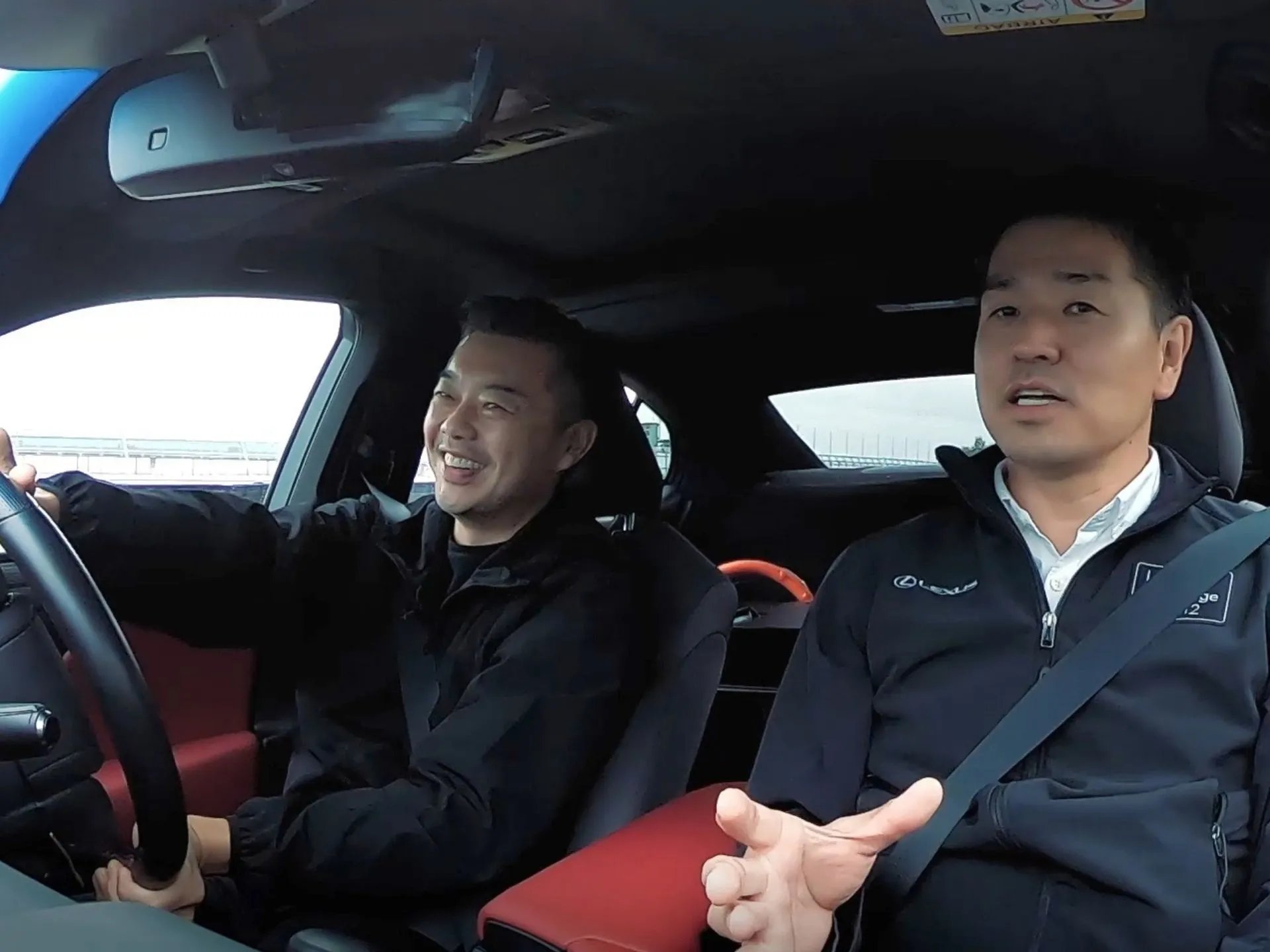
Hayama is full of amazing stories. These days, he often works with manufacturers like Toyota and Lexus, assisting with global media surrounding new car launches. Rather than wearing the traditional label of “interpreter,” he’s more like a Swiss army knife. That’s because his job is to understand the thought processes, emotions, and affections of Japanese and Americans alike. He has to relay nuances across languages, taking what an engineer or executive says in Japanese and explaining it eloquently in English, where terminology and concepts differ greatly.
That’s why I spoke to Hayama before writing this story. His insights helped give it shape, and I owe him big time.
Japan’s Affections: How They Influence Your Favorite Cars
“Japanese people find beauty in minimalism, the smallest things,” Hayama explained. “The last grain of rice is beautiful, the fleeting sakura cherry blossoms, the changing seasons.”
In turn, nature has a major influence on how Japanese carmakers develop their vehicles. You can gather as much from a 30-second TV spot for the green-thinking Prius or convertible Del Sol. It all springs from a place of mindfulness and awareness.
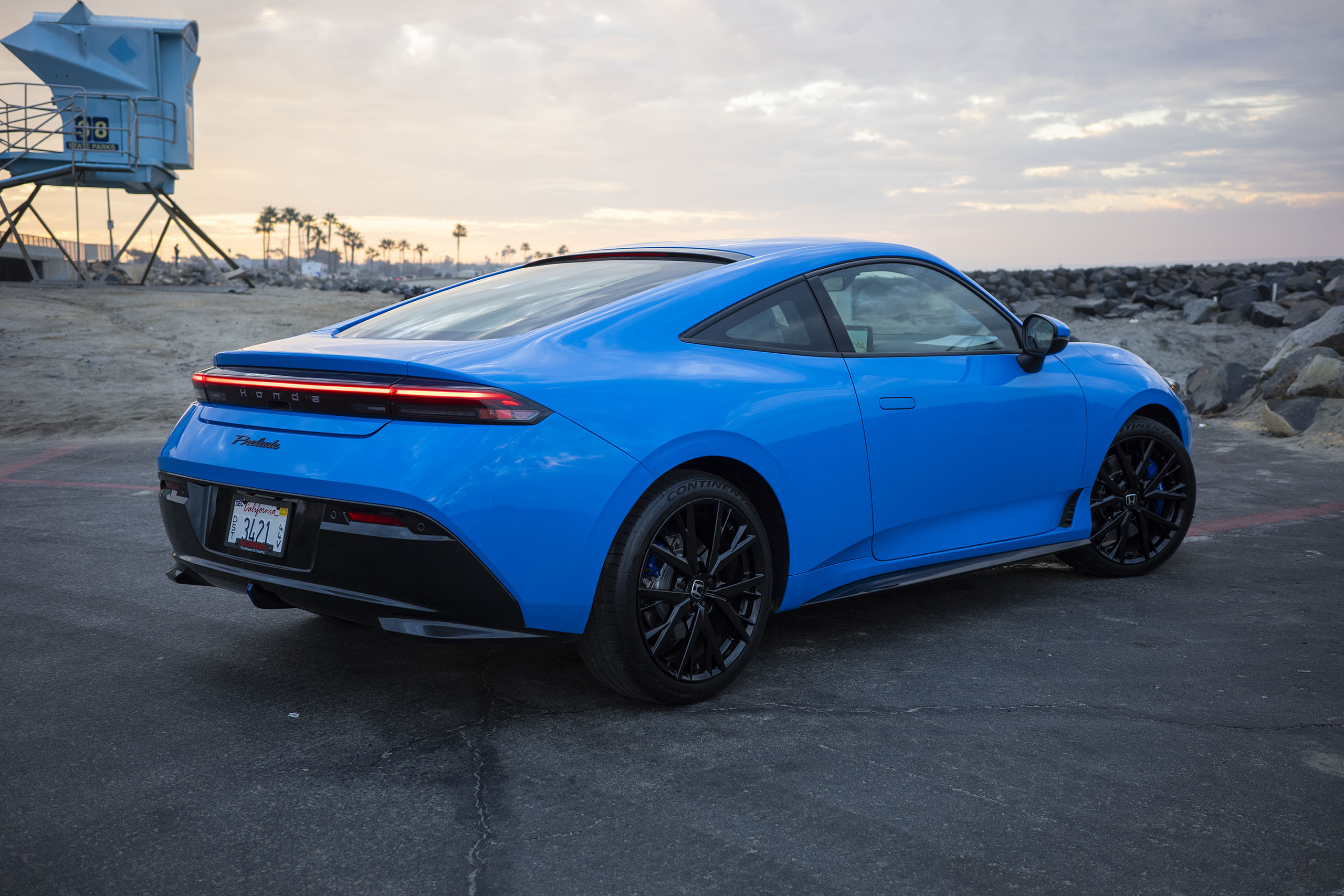
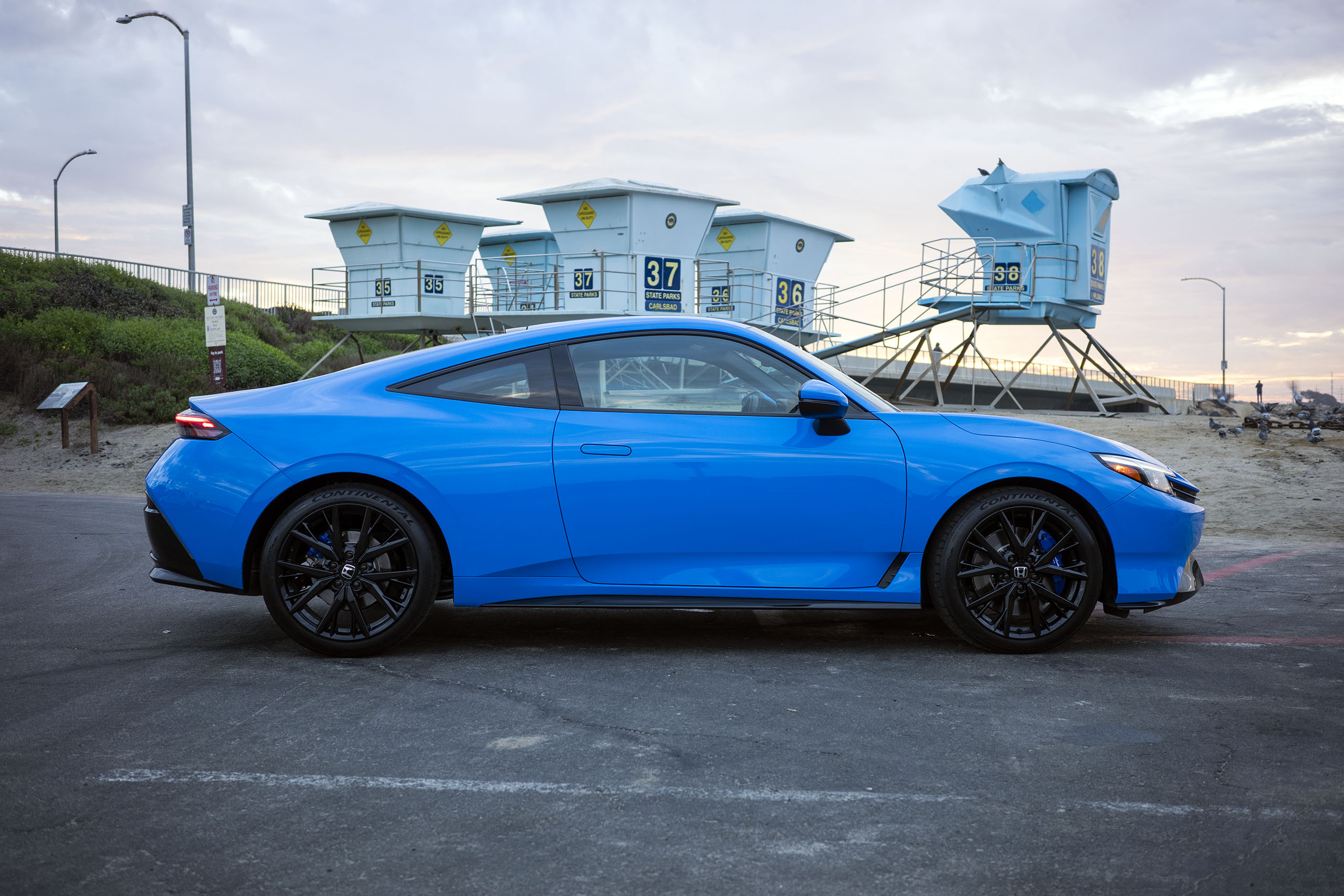
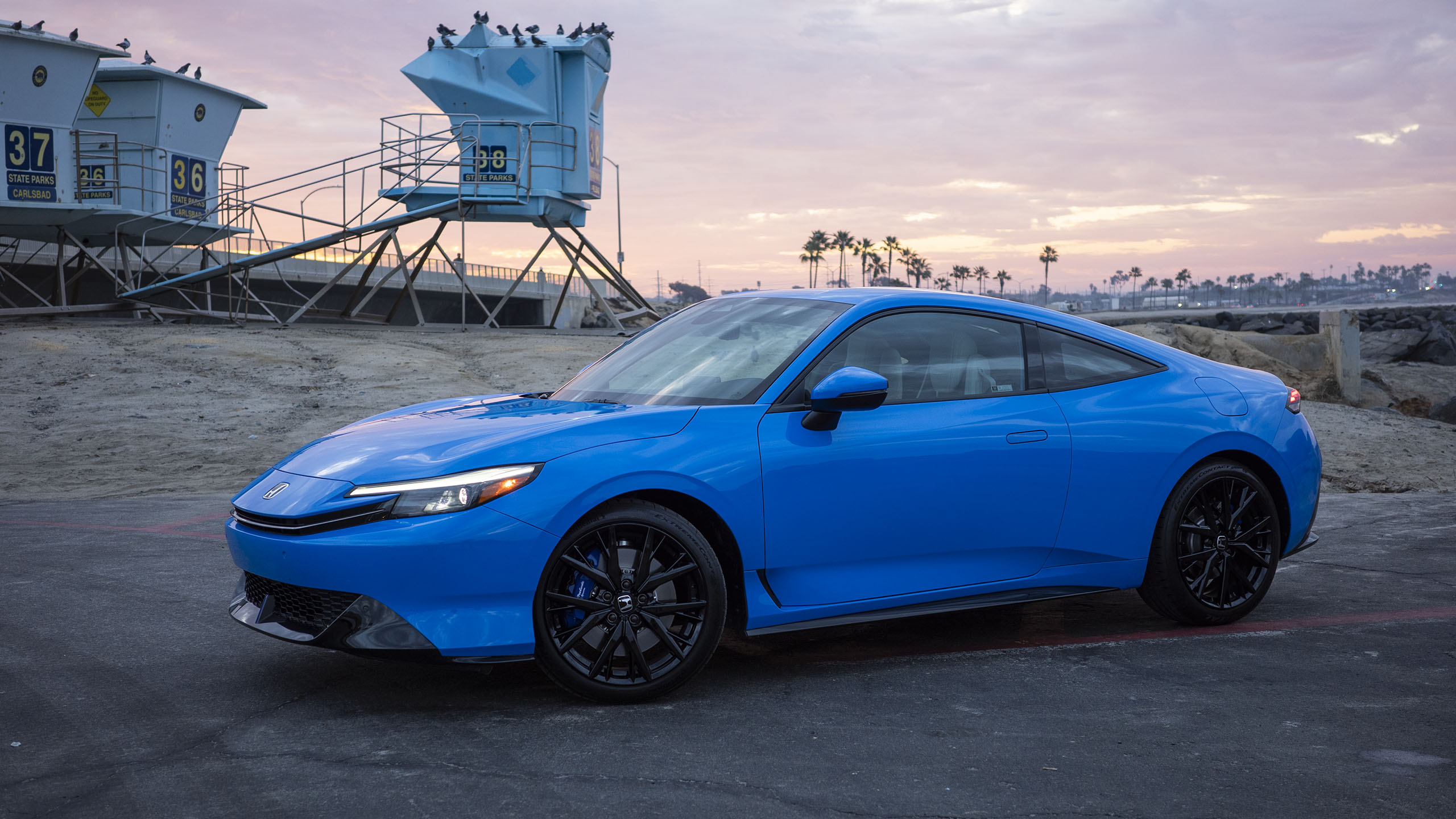
While some lament the new Honda Prelude’s gentle and easy demeanor, the car’s development lead Tomoyuki Yamagami likened it to how an aircraft interacts with its environment:
“While struggling with the conceptual design and direction of the new Prelude, I suddenly recalled in my childhood, my grandfather building a radio-controlled glider, and the blue sky and white clouds I saw when he took me to the riverbank. These images, along with the concepts of sky, blue, and glider, which resonate with carbon neutrality, electrification, and environmental awareness, came to mind.”
To further explore Yamagami’s personal anecdote, one of the kanji used for “sky” is 天. It consists of the character for “person” (大) with a line (一) above it to represent the heavens over the top of someone’s head.
That connection between nature and language is evidenced in Japan’s traditional art forms as well as its industrial contributions. In their book, The Japanese Mind: Understanding Contemporary Japanese Culture, Osamu Ikeno and Roger J. Davies explain it this way:
“In the not-too-distant past, almost all Japanese people were engaged in agriculture; as a result, they were very sensitive to the seasons because the climate was of crucial importance to their livelihood. Today, this is the basis of the Japanese sense of the seasons, which has also had a great influence on literature in Japan, especially with regard to haiku, the 17-syllable Japanese poem that has attained international popularity.
“When poets create haiku, they often use kigo, which are special words for expressing the seasons, such as kachōfūgetsu (a term meaning ‘flowers, birds, winds, and moon’). For example, an uguisu (a nightingale, or bush warbler) sings in spring, asagao (morning glories) bloom in summer, a full moon is most beautiful in autumn, and the wind turns cold in winter. And although the moon and the wind remain fundamentally unchanged, they are perceived differently in each season: a hazy moon in spring vs. a clear moon in autumn, or a spring breeze vs. a chilly winter wind.”

Building on Ikeno and Davies’ mention of Japan’s agrarian past in their cultural study, Hayama explained to me how this instilled a sense of quiet determination amidst struggles. He pointed to the cultural concept of gaman, or bearing incredibly hard times with silence and dignity. Born out of famine and conflict, both civil and global, this attitude still shapes Japanese thought and creativity.
This aligns with an article I found in the Toyota Times titled, “The Pain and Humiliation Behind Ever-Better Car Making.” It recounts two tales of shame that shaped the automaker’s approach to developing the Lexus LFA successor and the GR GT. The feature is worth a read in full, but I’ll sum it up briefly:
In 2011, at the Pebble Beach Concours, a show attendee told Akio Toyoda that “Lexus is boring.” That criticism became a thorn in the executive’s side, leading him to vow, “No more boring cars.” A few years prior to that experience, Toyoda was racing an aged Mk4 Supra at the Nürburgring under his secretive “Morizo” guise. The brand didn’t even have a sports car on sale at the time, and as developmental prototypes with other badges flew by Toyoda, it was almost as if they were thumbing their nose at him.
These two instances of humiliation, which could have caused an American auto exec to lash out, drove Toyoda to rethink his company’s methodology. Instead of these experiences resulting in a flurry of mean tweets, they brought about a pair of poster-worthy supercars. And those supercars not only look cool in a showroom and on the road but also on the racetrack.

These are just a few examples of how Japanese automakers’ cultural influence is the difference-maker in how they build the cars we love. I hope you can see how culture and language are intrinsically woven together, poetically putting those feelings into words. Terms like gaman—spelled with the kanji 我 (ego, I, selfish, our, oneself) and 慢 (ridicule, laziness)—are proof of this, as are the kigo terms that describe the emotions of the changing seasons, like kachōfūgetsu—composed of the kanji 花 (flower), 鳥 (bird), 風 (wind), and月(moon). All of these elements and so many more are ingrained in Japanese living, and it shows through clearly in the country’s cars.
Cars in Japanese Culture
This story would suffer if we stopped at corporate suits and marketing speak. It’s well-established that Japanese language and culture inform the companies manufacturing the cars, but their impact on drivers and customizers is even greater. So much is obvious when you consider how infatuated Japan is with cars from top to bottom.
For a lot of car people, in Japan and elsewhere, the obsession starts with manga (written in kanji as 漫画, with the characters representing “cartoon” and “brush-stroke” or “picture”). Initial D is by far the most popular and accessible, since it’s also an anime that’s been dubbed in English. There are tons of other car-focused manga, too—Wangan Midnight (湾岸ミッドナイト), Shakotan Boogie (シャコタン★ブギ), and Capeta (カペタ) are a few others.
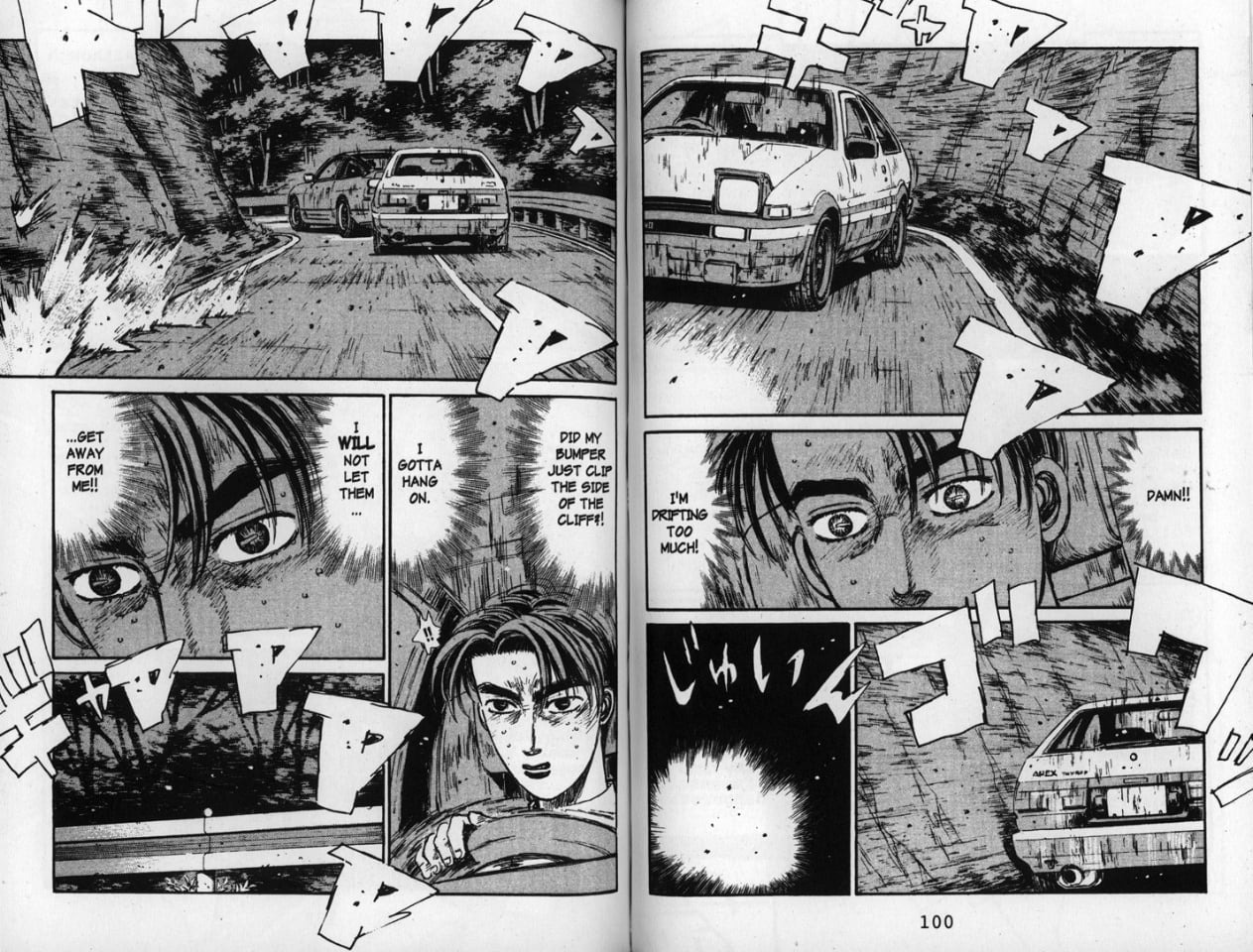
These bingeworthy consumables obviously contain a written language element, but it’s how they maximize the medium’s impact that really draws me in. There are an estimated 4,500 examples of Japanese onomatopoeia, giving manga artists tons of material to work with as they convey emotion and automotive theater on midnight touge runs. Visceral sounds of gyaaaaaaa (ギャアアアアア) convey squealing tires, while turbo blow-off valves let out a sweet doa (ドア).
Domestic print and digital entertainment like this tends to thrust enthusiasts into a niche, like drifting or stance culture. Some prefer kyusha (旧車, or old cars) with 13-inch wheels, while others go full-send on dramatic silhouette-style chibaragi (チバラギ, a variation of kaido racers). Interestingly, these camps represent the opposite ends of the spectrum, ranging from more modest and traditional Japanese characteristics to wild expressionist designs that clash with the country’s collectivist ideals.
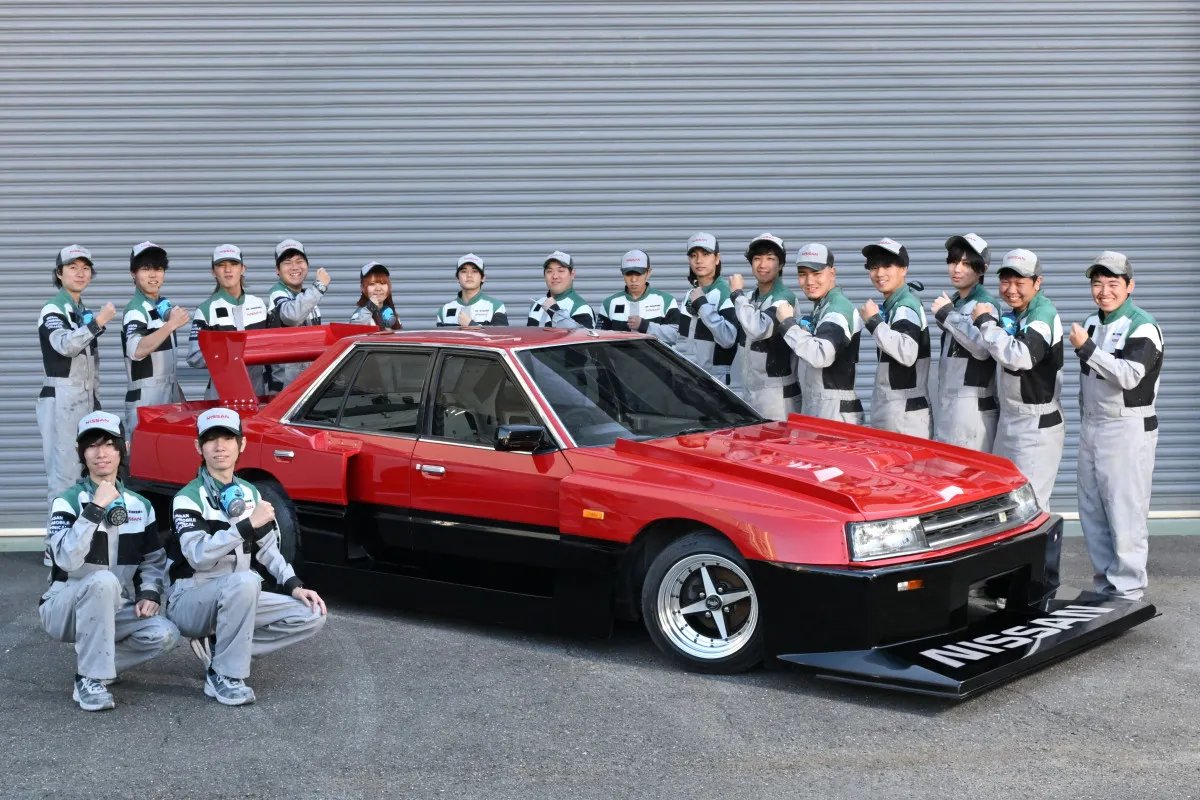
In this way, you could arguably make a comparison between car customization trends and regional dialects, as Japan has many of both. Speakers from the country’s western areas, like Osaka and Kyoto, use different intonation and verb forms than those in the eastern Tokyo metro. Meanwhile, people’s taste in car modifications varies wildly depending on a whole host of factors, with geography being a big one.
No matter which club Japanese drivers consider themselves part of, cars are more than a means of transportation, the same way language is more than a way to convey information. Both are avenues of expression.
Language Learning and the Key to Unlocking New Perspectives
While this story is limited by its brevity and admitted naivety, I hope to impart at least some passion for acquiring a new language (or two, or three). Although, I have a feeling that some like Yoko Tawada would sneer at the idea of acquiring a language, as if it’s something you can take hold of with two hands. Spoken languages are in a constant state of flux, molding the people who speak them while simultaneously being molded by them in return.
I say all of this not as an authority but as a student. Nothing I’ve written here is meant to be the “end-all, be-all” of commentary on Japanese language, culture, or thought. This story is far from exhaustive, and Japanese readers or those familiar with the culture will note that I’ve left much out. I’ve chosen not to expand the scope of this story any further, and I don’t believe it’s the place to call the prevailing issues in Japanese life to attention. Not everything is perfect across the Pacific, no matter how romanticized we Americans make it.
I’m only trying to relay what I’m learning, because I believe it’s worth talking about. There’s a tremendous amount of depth in the world, and a new language might be the best way for you to explore that. As someone who’s experiencing it as I write this, I can’t recommend it enough.
Got a tip or question for the author? Contact them directly: caleb@thedrive.com
Loading comments…
Comments couldn’t be loaded. Please refresh the page.