

It’s said that history doesn’t necessarily repeat, but it often rhymes. I’m thinking about that adage a lot these days for various reasons, but one of them is actually the new Honda Prelude.
It’s a polarizing vehicle. On paper, it fails the value test. In person, depending on who that person is, it might still. But I enjoyed my time with the hybrid coupe last week despite its flaws, and despite the fact it’s targeting a theoretical customer with almost paradoxical priorities: the kind who wants a stylish coupe that is comfortable and handles well but isn’t quick, willing to trade straight line thrill for fuel economy.
The Prelude has always, in some form or another, eschewed the mainstream expectations of a sports coupe. It was always front-wheel drive, for starters. It was always a little heavy, owing to its status as the tech pioneer in Honda’s lineup. It was always agile, despite that heft and despite being rather softly sprung. Sometimes it had decent power, and sometimes it didn’t. But it was never the archetypal sports car. And that became clear to me, getting behind the wheel of (almost) every generation Prelude at Honda’s recent event in Southern California for the new one.
This was, frankly, the most exciting part of the journey for me. And I know it’ll be easy to twist that into some suggestion that the new car sucks, but you could send me around the world to drive a Ferrari 12Cilindri and I’d still be more stoked for a spin in something three or four decades older out of Maranello’s collection. I never get to drive really old stuff, and I’ll certainly never get to drive another Prelude that’s in comparable shape to these museum-quality examples Honda maintains here in the Golden State.
For this event, all five Preludes were parked along a street in Oceanside. And all day long, for two days, people would walk or drive by, stop, and take an interest in them, remarking on how nice they looked and asking what they were doing here.
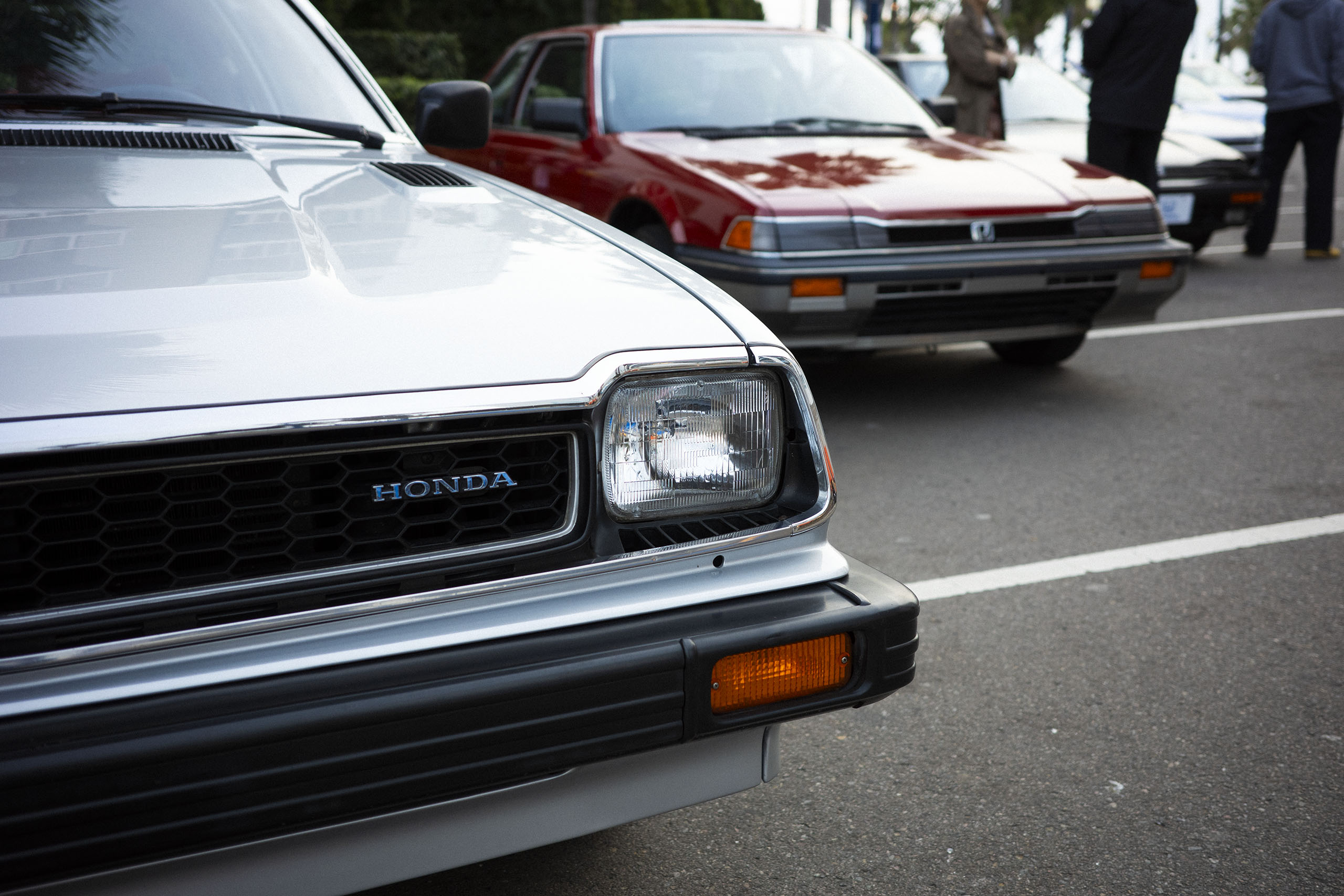
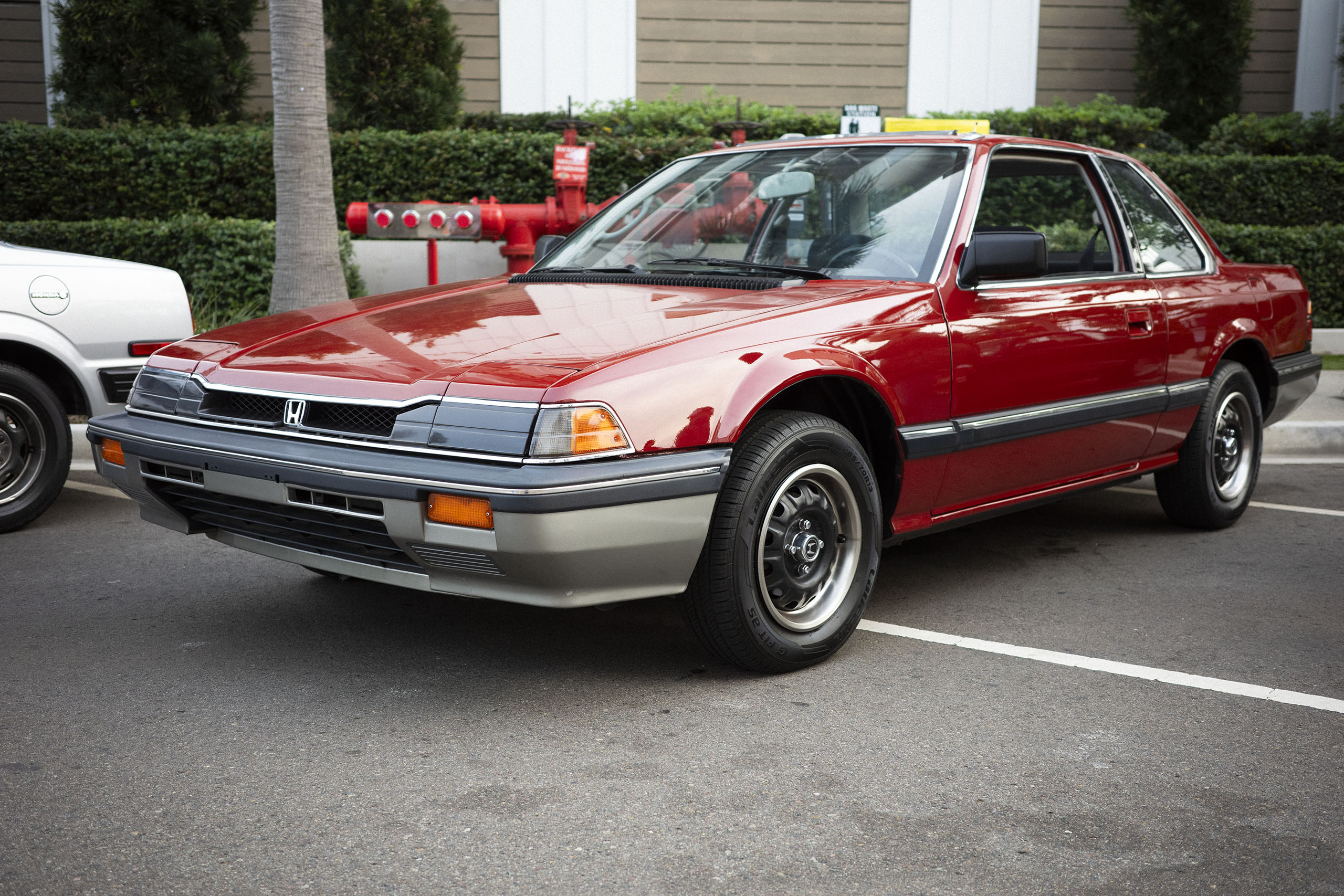
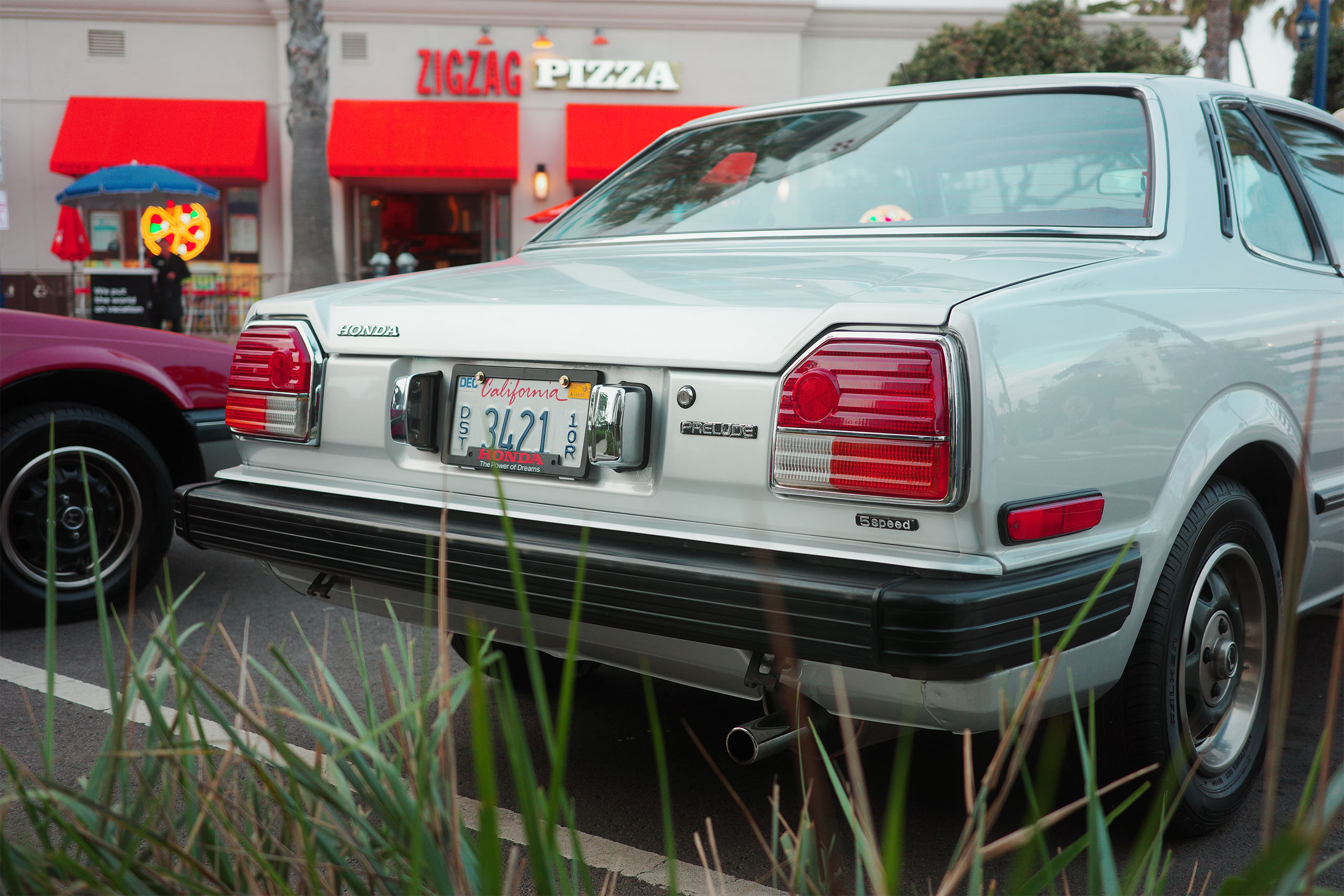
That caused me to realize that I grew up seeing these cars in regular traffic often, and I don’t anymore. It felt like the second- and third-generation coupes in particular, with their flip-up headlights, were everywhere. I’m told that my late aunt had a Prelude with such lights and four-wheel steering, which would’ve made it a third-gen.
It’s funny, because my aunt wasn’t very interested in cars. I wonder what she liked about her Prelude. I wonder if it ever put a smile on her face, when, and how. I wonder if she ever felt cool behind the wheel. The thing about these machines now is that, divorced from the context of their time, they do just look like rare artifacts, and everybody wholly appreciates them for that reason.
It’s hard not to be charmed by the quaint design of that first-gen coupe, which launched in 1979. The one in Honda’s fleet was a manual of that very vintage. It sure felt old, wheezy, and rattly, with its carbureted 1.8-liter four-cylinder generating all of 72 horsepower and 94 lb-ft of torque. It also lacked power steering, which mostly made parking a pain. But what struck me the most—and what would become a theme of all of these old Preludes—was its interior.
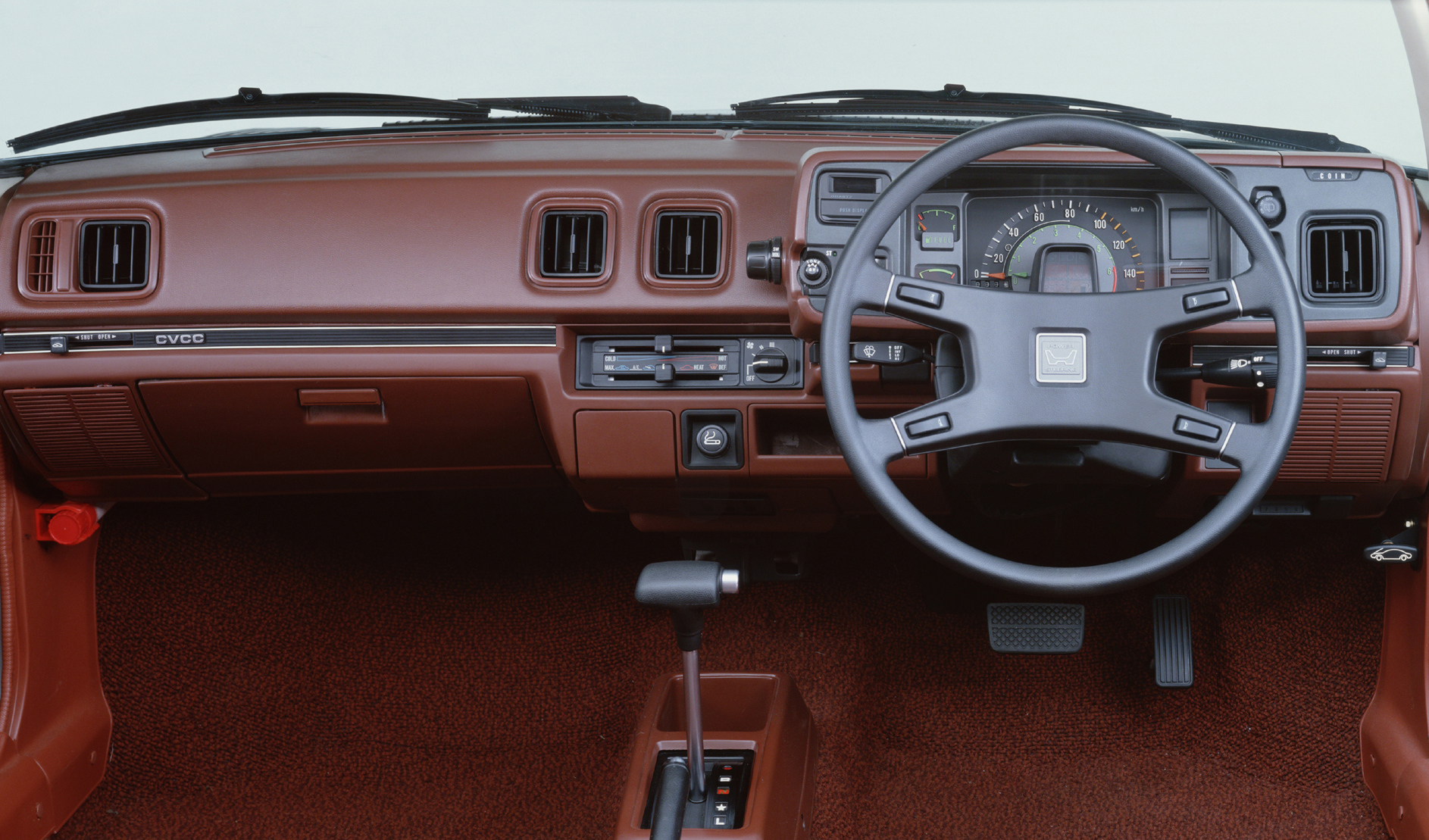
Later first-gens had a more conventional instrument cluster, but this early example had squarish gauges with a digital clock and radio tuner sort of dangling off the side of the binancle, rather than set in the center of the dash. On this model, the tachometer was also set inside the speedometer, with an array of various vehicle warning lights jammed further within that. It was strange and a little overwhelming, but it was, indeed, cool—in my view, cementing the Prelude’s status as a design innovator, even when those innovations didn’t stick.
The second-gen Prelude, which lasted from 1983 to 1987, resembled a huge step forward in terms of exterior styling, but truthfully didn’t feel mechanically worlds apart from its predecessor. That’s not surprising, given that we’re only talking about a four-year gap. But it crystallized the image that I think pops into most people’s heads when they think of the Prelude: A wedge with retractable lights and a squared-off ’80s aesthetic. It was also the best-selling of the entire run, totaling approximately 337,000 units globally over five years, according to Honda.
With the third-gen, however, I think we reached peak Prelude. Launching in 1988, this was the one that introduced four-wheel steering. And although it’s kind of hard to make out the difference against the prior iteration, the hood here is really low, to the point where, sitting in the driver’s seat, you almost wonder how they stuffed the engine in there. Of course I drove around with the headlights on despite the time of day, and I was amused by how big and close together the pods looked from inside the car. It also struck me how they probably made the thing very easy to park, having permanent guides on the corners of the nose.
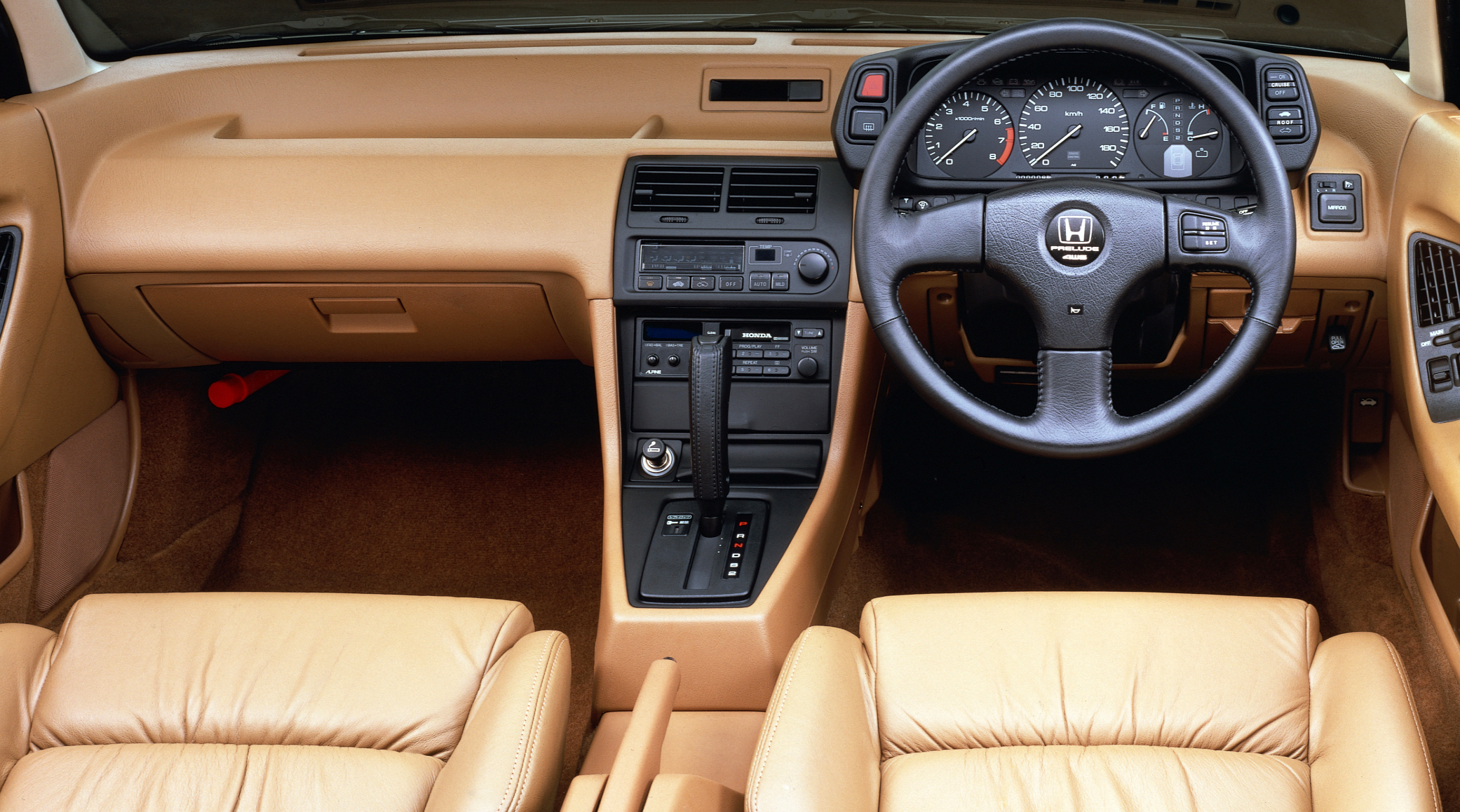
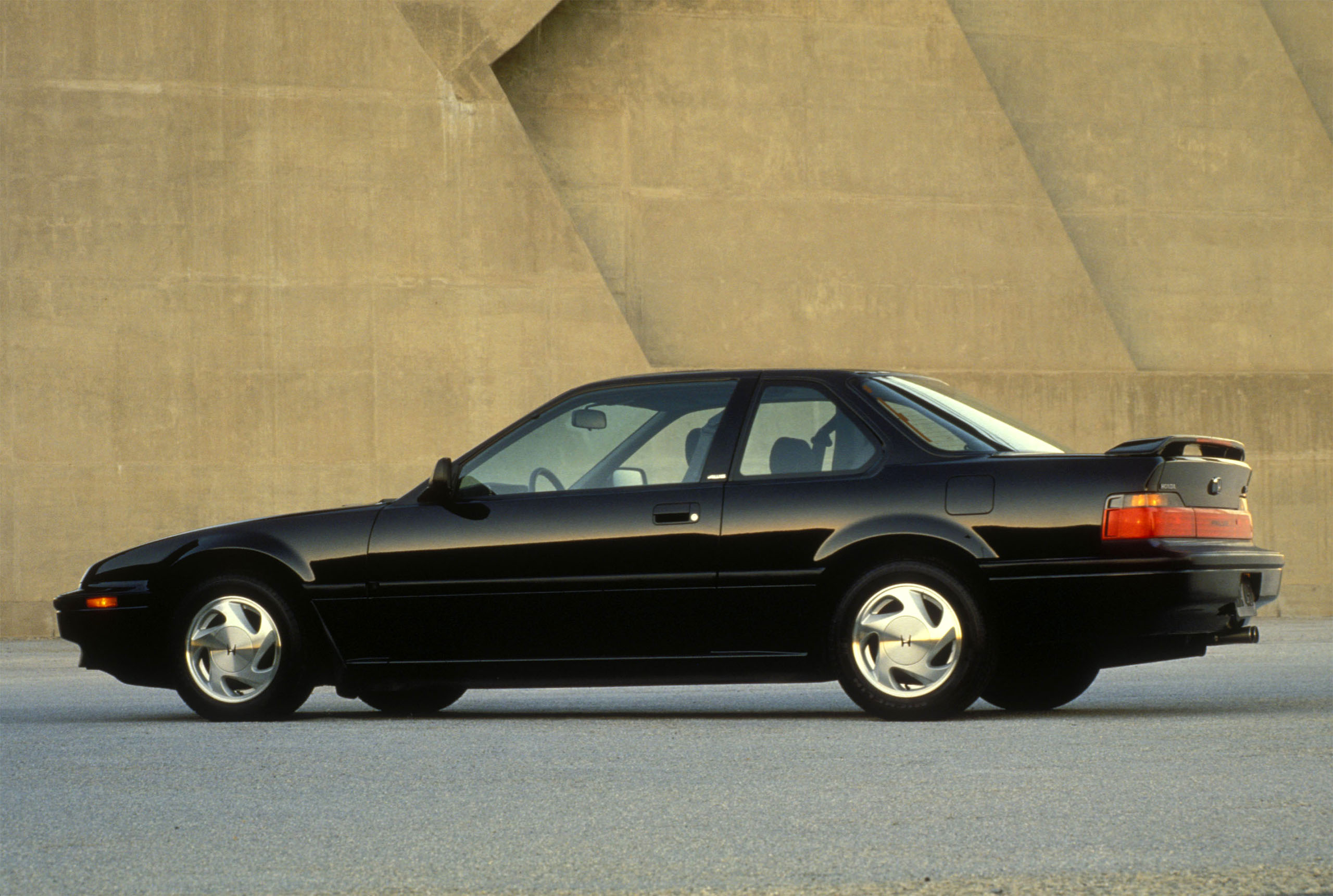
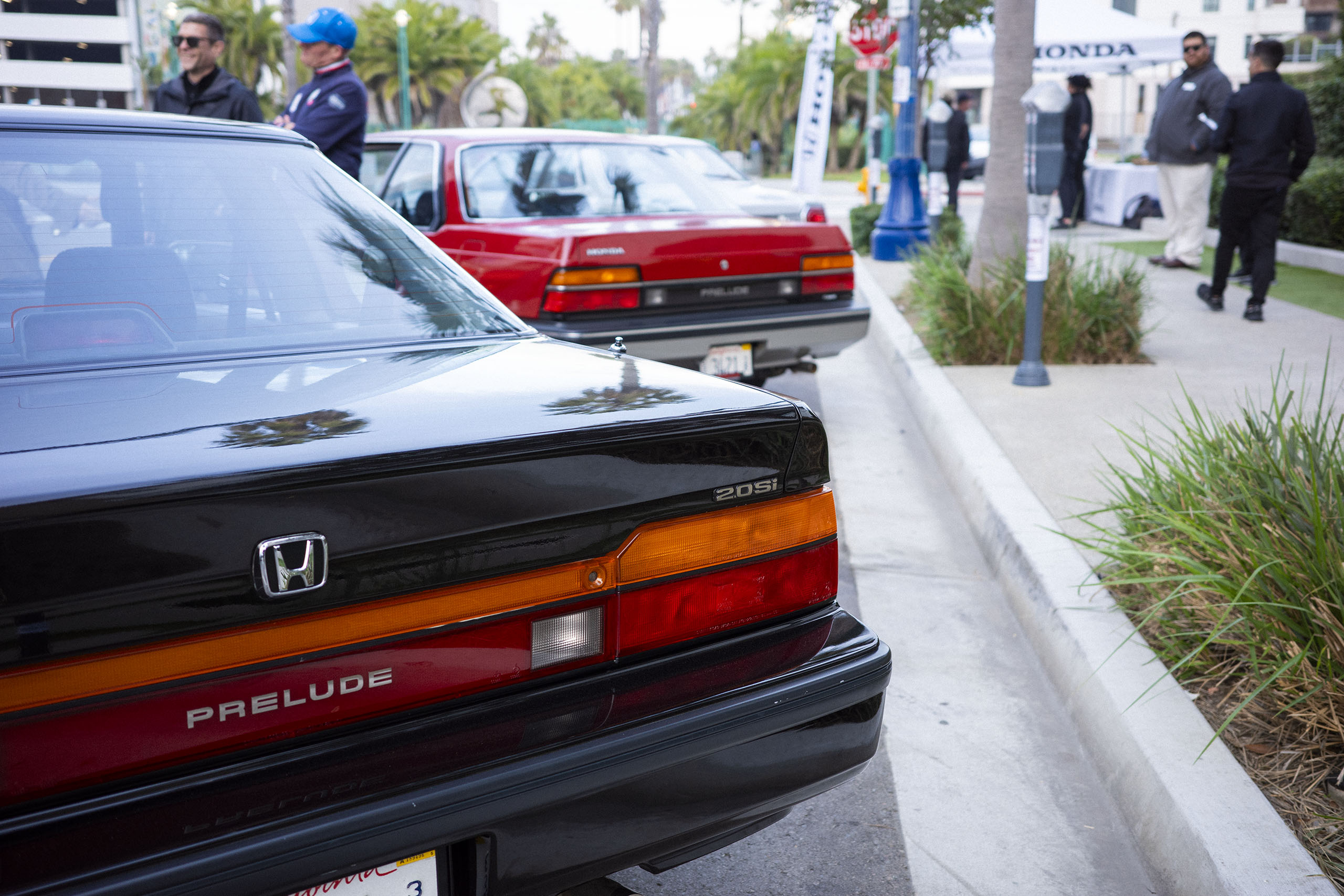
The other thing that hit me with this ’88 example was how modern it felt. The fact that it was the only member of the group with an automatic transmission may have had something to do with that, but generally, this thing drove with the composure and no-nonsense ease of any Honda from the ’90s or 2000s.
Hell, it smelled just like the first-gen CR-V of the neighbor who picked me up from the school bus stop when I was a kid, with the same gray-toned plastics and velour seats. The power steering was definitely over-assisted at low speeds (this particular car lacked four-wheel steering, by the way), but it was engaging and full of texture on the move. Really, the only aspect that truly signified that I was piloting a nearly 40-year-old vehicle was its weak brakes. In fact, you could pretty much apply that to all of ’em.
If I’m ranking these, the fourth-gen gets top honors, and it’s no contest. It was easily the most fun to drive, with perfect steering that dialed out the last gen’s initial vagueness, a great shifter for its age, and a very healthy 190 hp and 158 lb-ft from its VTEC-equipped 2.2-liter four-pot. If there’s one Prelude that bucks the personal luxury coupe theme of the lineage and feels like a proper front-wheel-drive sport compact, this is the one.
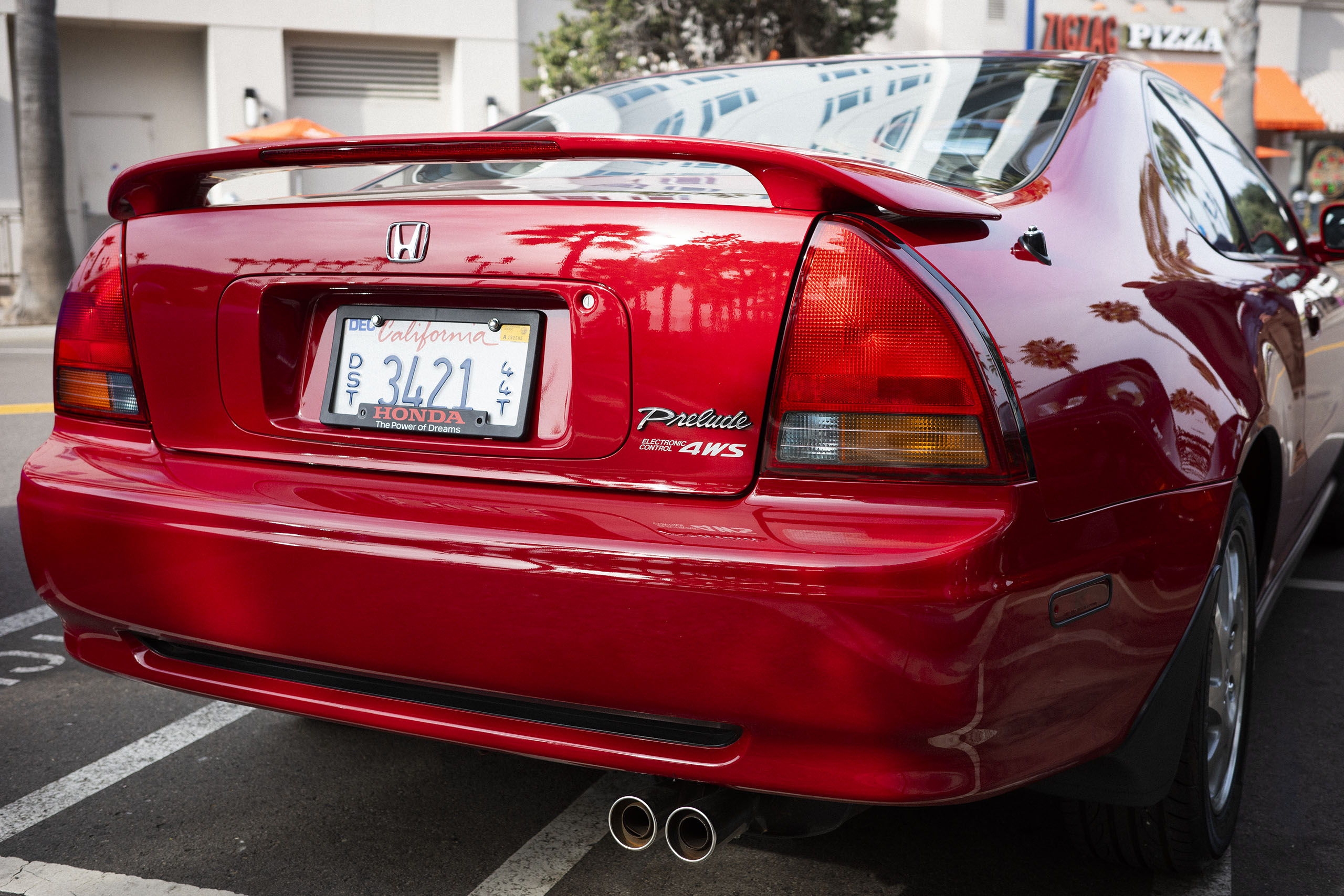
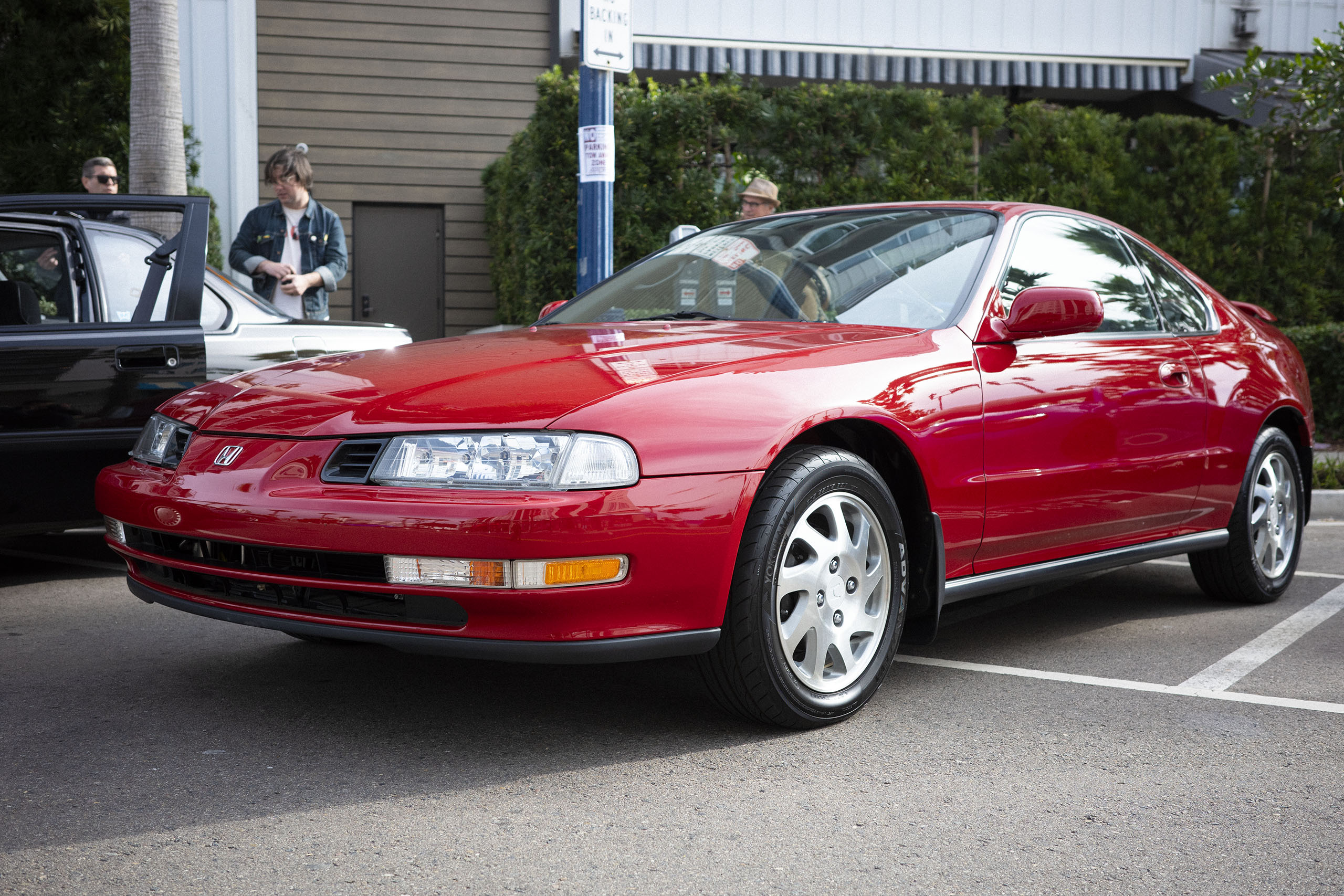
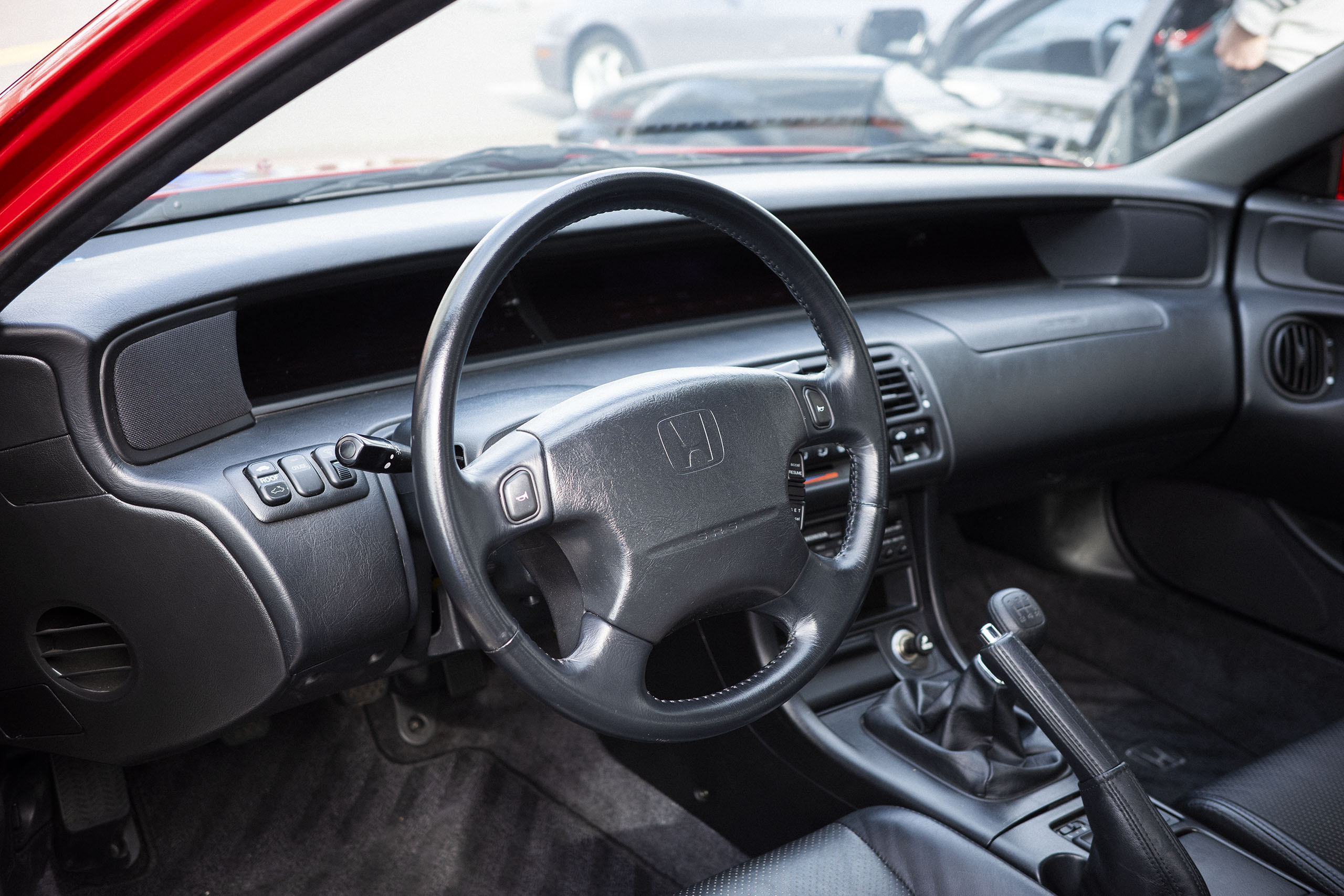
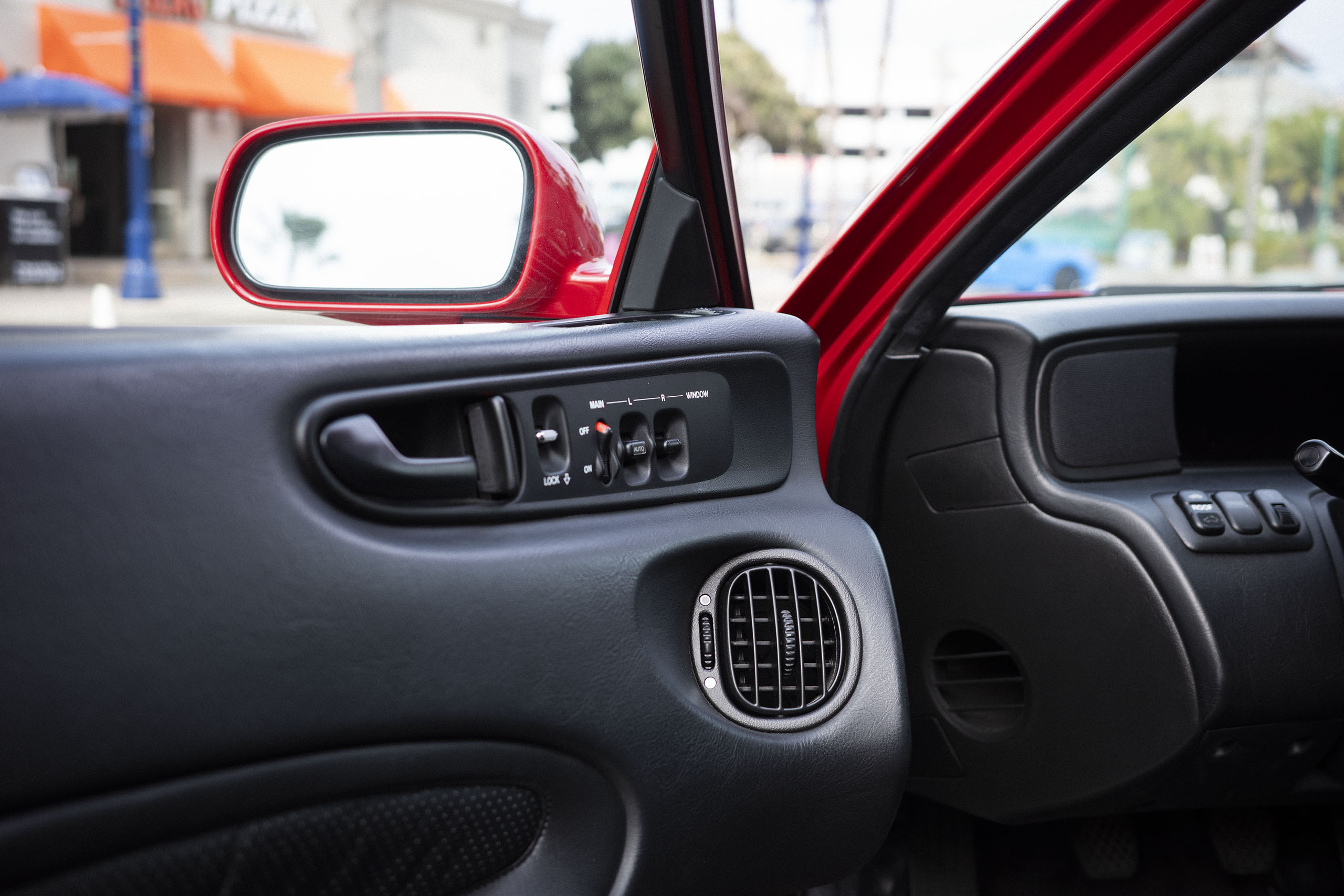
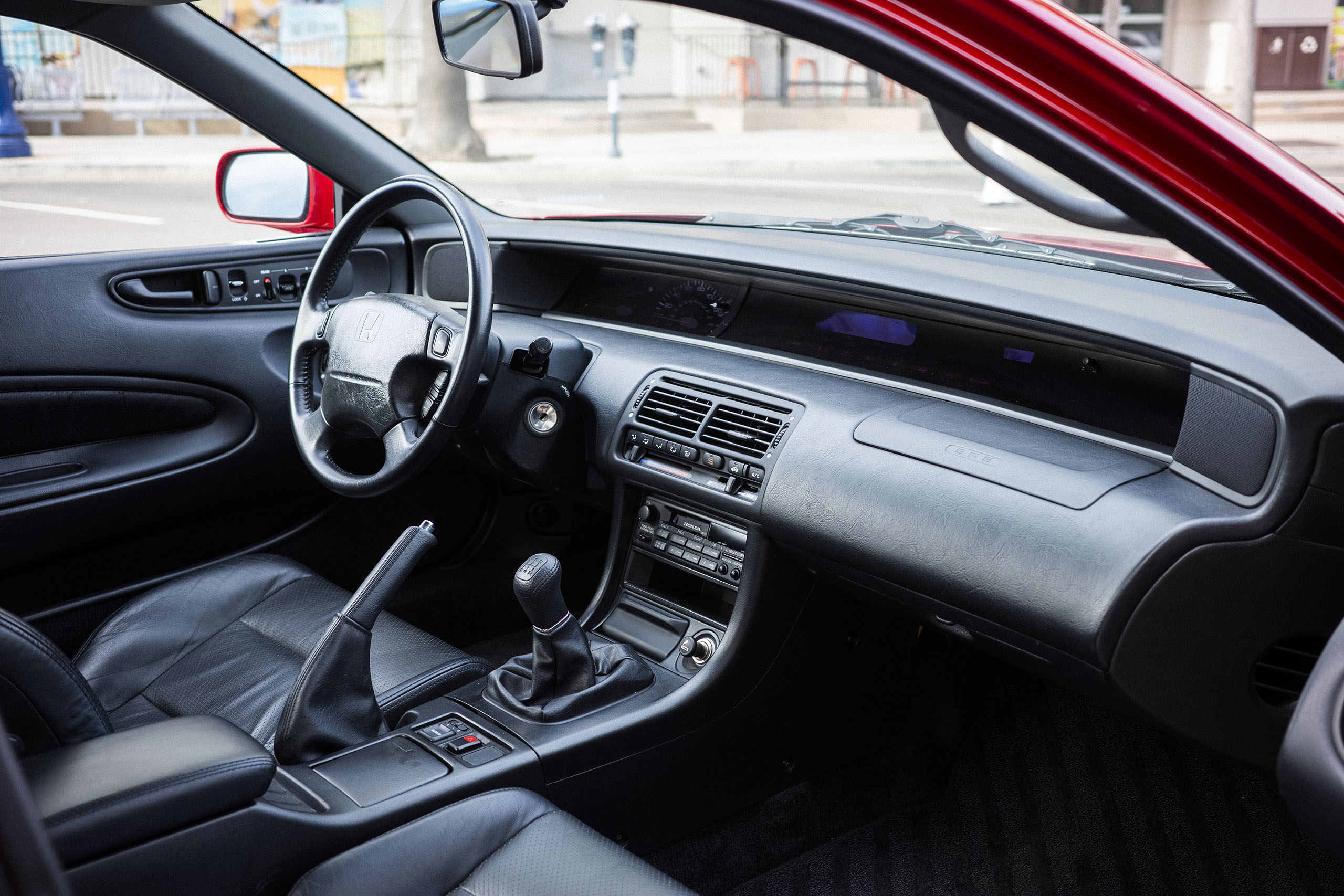
I also love how damn weird it is! To be honest, I fell for this car before I drove it, as soon as I got inside. The wraparound dash, setting the gauges and vehicle alerts behind a concave plastic screen, struck me as so novel and refreshing that I was offended when one of Honda’s curators told me that this model was panned for its interior design. No fun allowed, I guess.
The way the dash’s curve seamlessly blends into the speakers, and then into the door-mounted controls, is a far cry from the very inorganic earlier models, but just as futuristic. I adored that fourth-gen Prelude, even though it seems like the public didn’t; Honda sold just shy of 100,000 of them. And when it came time for what would be the final act for a while, it pivoted back to a more squarish and mature look, devoid of the whimsy that defined the predecessor.
The fifth-gen Prelude lasted five years, from 1997 to 2001. This was the only one I didn’t drive, but I did ride shotgun. For this model, Honda ditched the four-wheel steering system but introduced its Super Handling tech, which routes more torque to the outer wheel when cornering. Horsepower rose to an even 200 here, while torque dipped by all of 2 lb-ft.
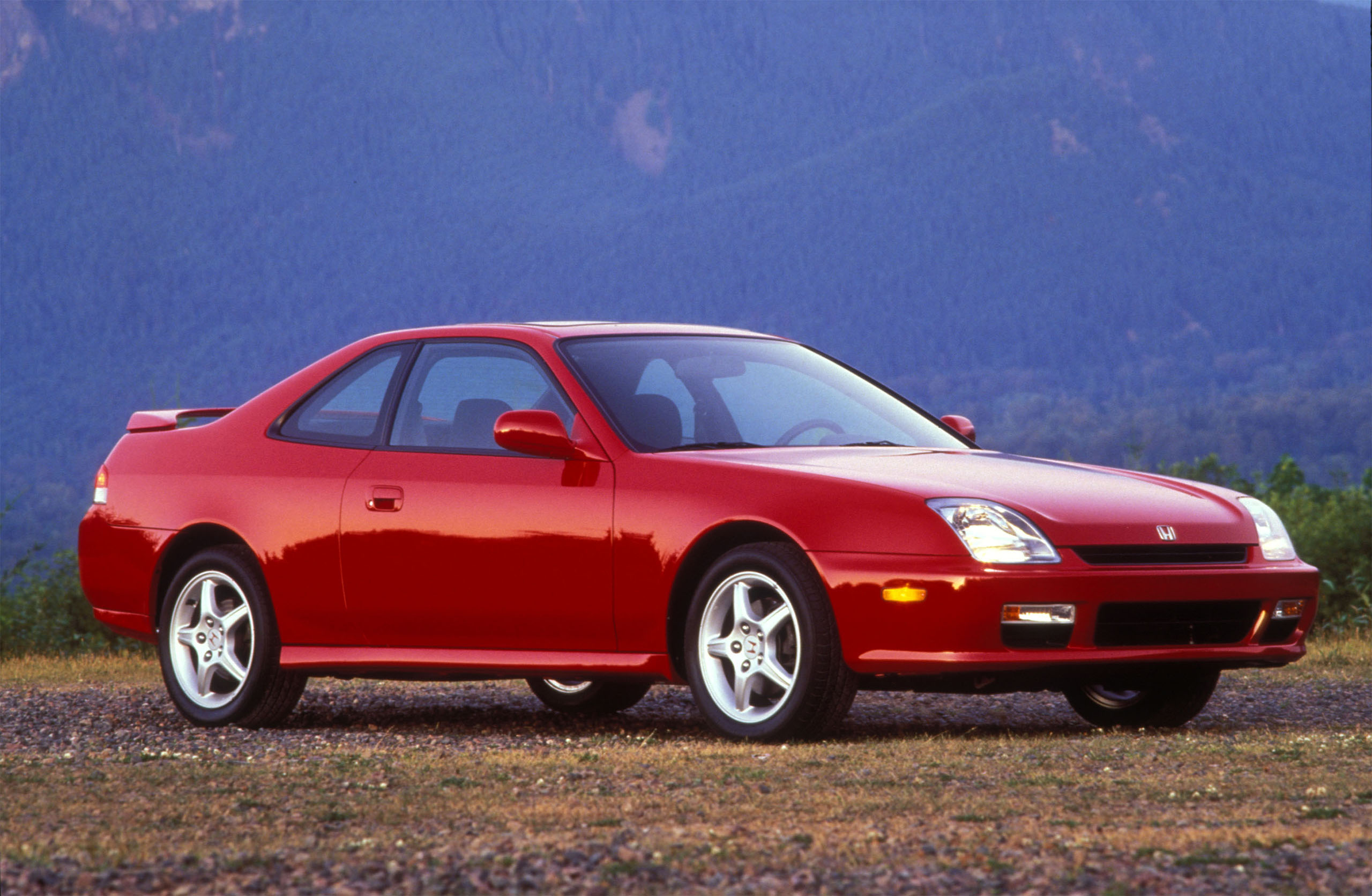
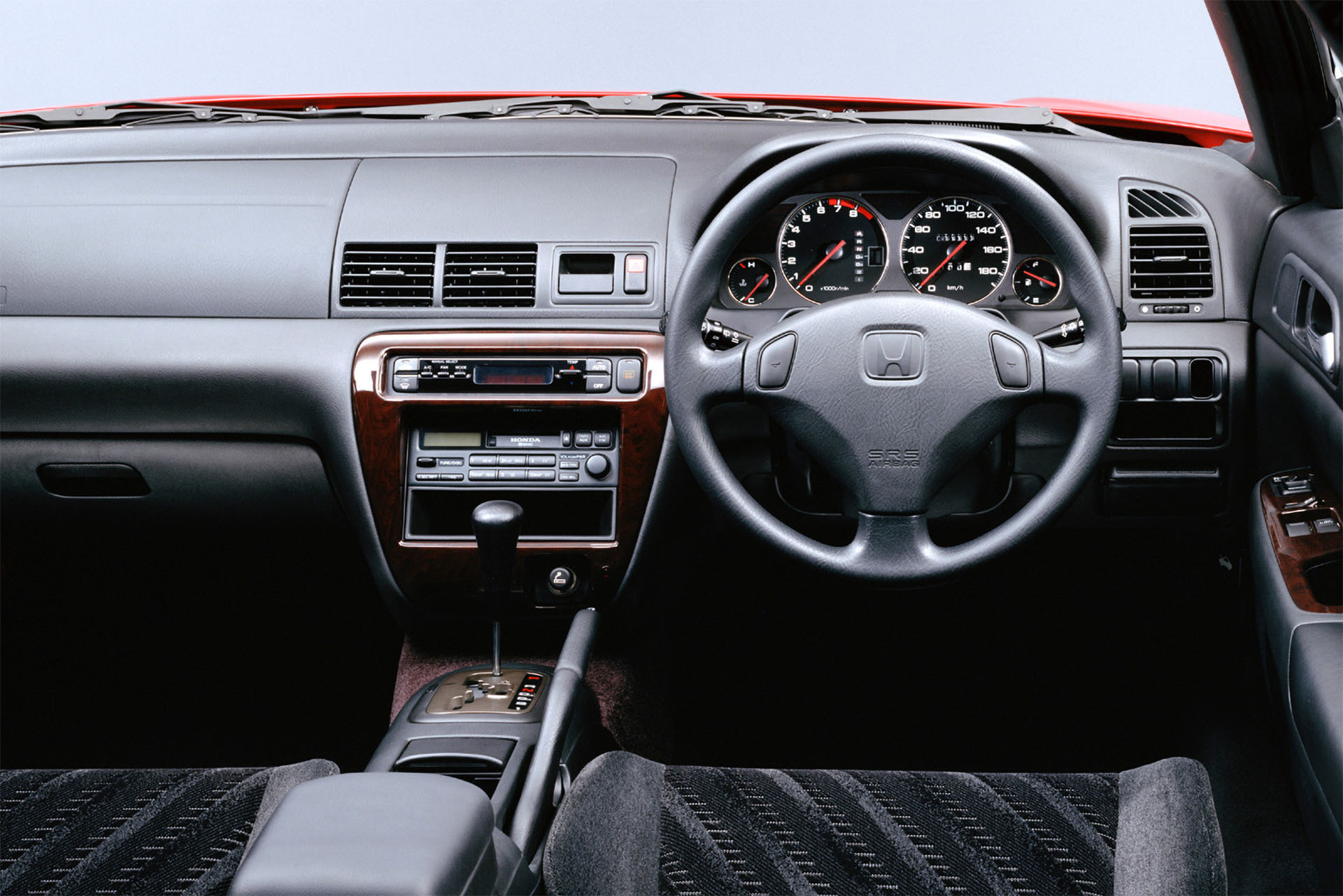
I always admired the design of this Prelude, particularly its vertical headlights and very slim, sleek rear lighting signature. It absolutely nailed the Y2K aesthetic and deserves to go down as one of Honda’s cleanest exteriors ever. I just wish that the interior wasn’t so completely unambitious by comparison. Every single Prelude before this felt like a special place to be, but nothing separates this cabin from that of any Civic or Accord of the era. The only thing it really has going for it is a rear seat fit for adults, and you definitely can’t say that about the comeback.
This Prelude sold approximately 65,000 units worldwide, and learning that didn’t surprise me. That’s not because it’s a bad car, but frankly, I think this was the moment it became clear that Honda’s heart wasn’t really in it anymore. The company had moved onto new frontiers, from the legendary S2000 to an onslaught of SUVs. Having been developed in the early ’90s, it was also the first Prelude generation born in the wake of Japan’s bubble economy collapsing.
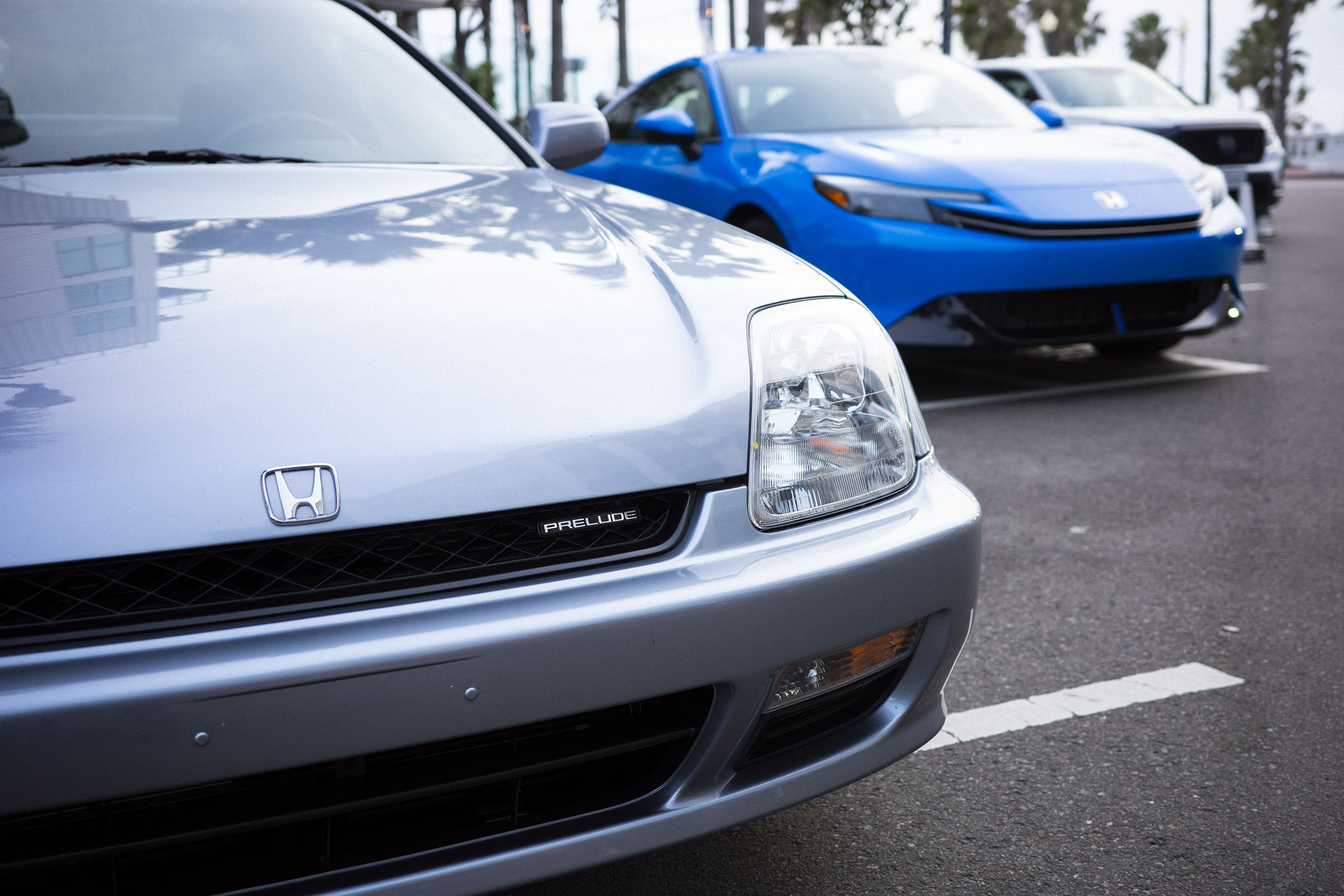
The internal response to the quirky and relatively poor-selling fourth-gen model seemed to be a conservative course correction. It resulted in a product that I’m sure was more widely palatable on paper, attractive to a greater number of potential buyers. But if that was the plan, it still didn’t work in Honda’s favor, so it pulled the plug.
That was the Prelude’s lineage, until very recently. I don’t know if we’ll look back on this new hybrid coupe in 20 years with a different appreciation or fondness. All the YouTube video essayists deifying the CR-Z as flawed but tragically misunderstood—will they say the same about this Prelude in 2040? Maybe, maybe not.
What I do know is that there will eventually come a time when the new Prelude outruns the media buzz, the thinkpieces, and the commenters lamenting why this car isn’t what they wanted it to be. It’ll be free from all that, because eventually, everything is. And then, maybe someday, you’ll see one and remember your aunt who drove one, and wish you could ask her what she thought about it. In that moment, that’ll be the only thing that matters.

Loading comments…
Comments couldn’t be loaded. Please refresh the page.