
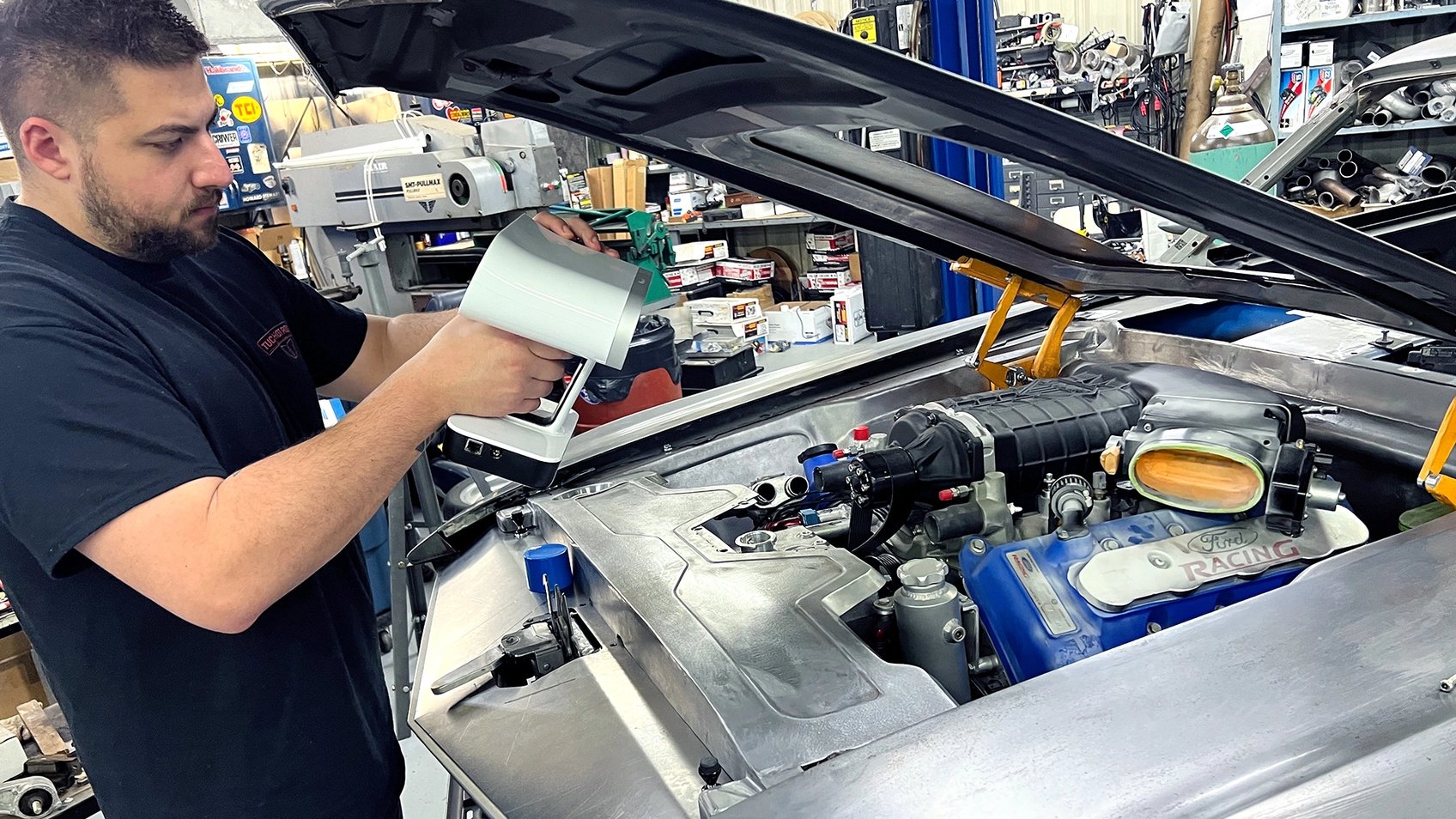
Whether it’s reproducing parts that are no longer available, or creating one-off performance parts, 3D printing has opened up a lot of possibilities. But those parts are only as good as the templates they’re based off, and getting all of the correct measurements can be a time-consuming process. One hot rod shop found the solution by doubling down on tech.
Based in the town of Marcy, in Upstate New York, Tucci Hot Rods is perhaps best known for the slammed Ford Maverick SEMA concept that kickstarted a street truck renaissance and served as the inspiration for the Maverick Lobo. The shop is era-agnostic, working on newer cars and trucks like the Maverick, as well as old school hot rod fare like a 1931 Ford Model A and 1936 Dodge pickup. It’s the opposite of a one-size-fits-all situation.
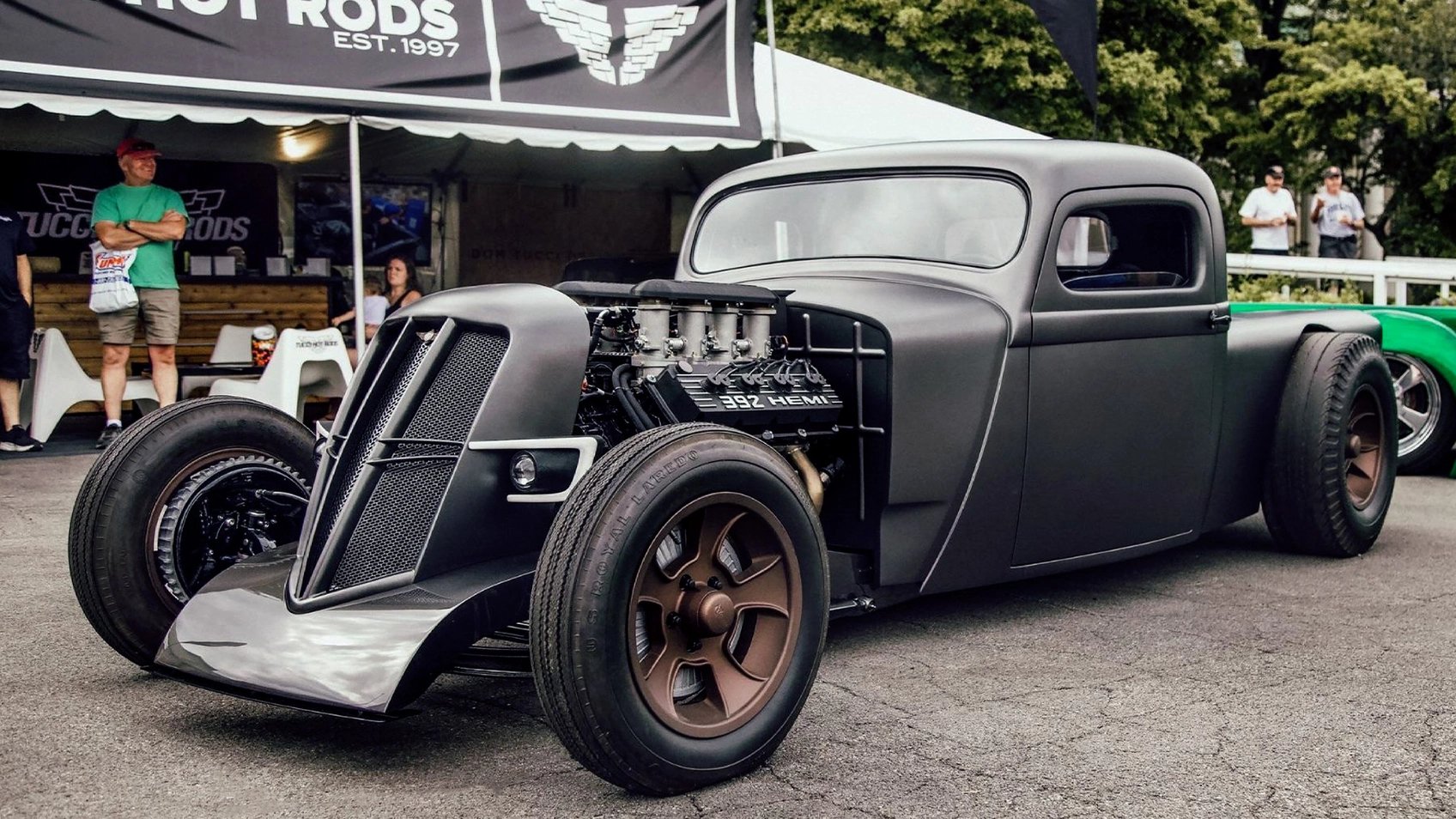
The shop regularly uses 3D printers to make things like headlight and taillight lens, vents, and other trim pieces, according to a press release from Artec 3D, which supplied one of its Leo 3D scanners and accompanying software to help speed up the process of making these parts. Before 3D scanning, that process involved a lot of time-consuming trial and error.
“We used a lot cardboard, and there was a lot of printing prototype pieces, seeing what fit, making changes, printing new ones. Lots of back and forth,” Dominick Tucci, a designer at Tucci Hot Rods and the son of its founders Dave Jr. and Jill Tucci, said in the release. “In the end, we were talking three-four days of back and forth, a process we replaced with just 15 minutes of scanning.”
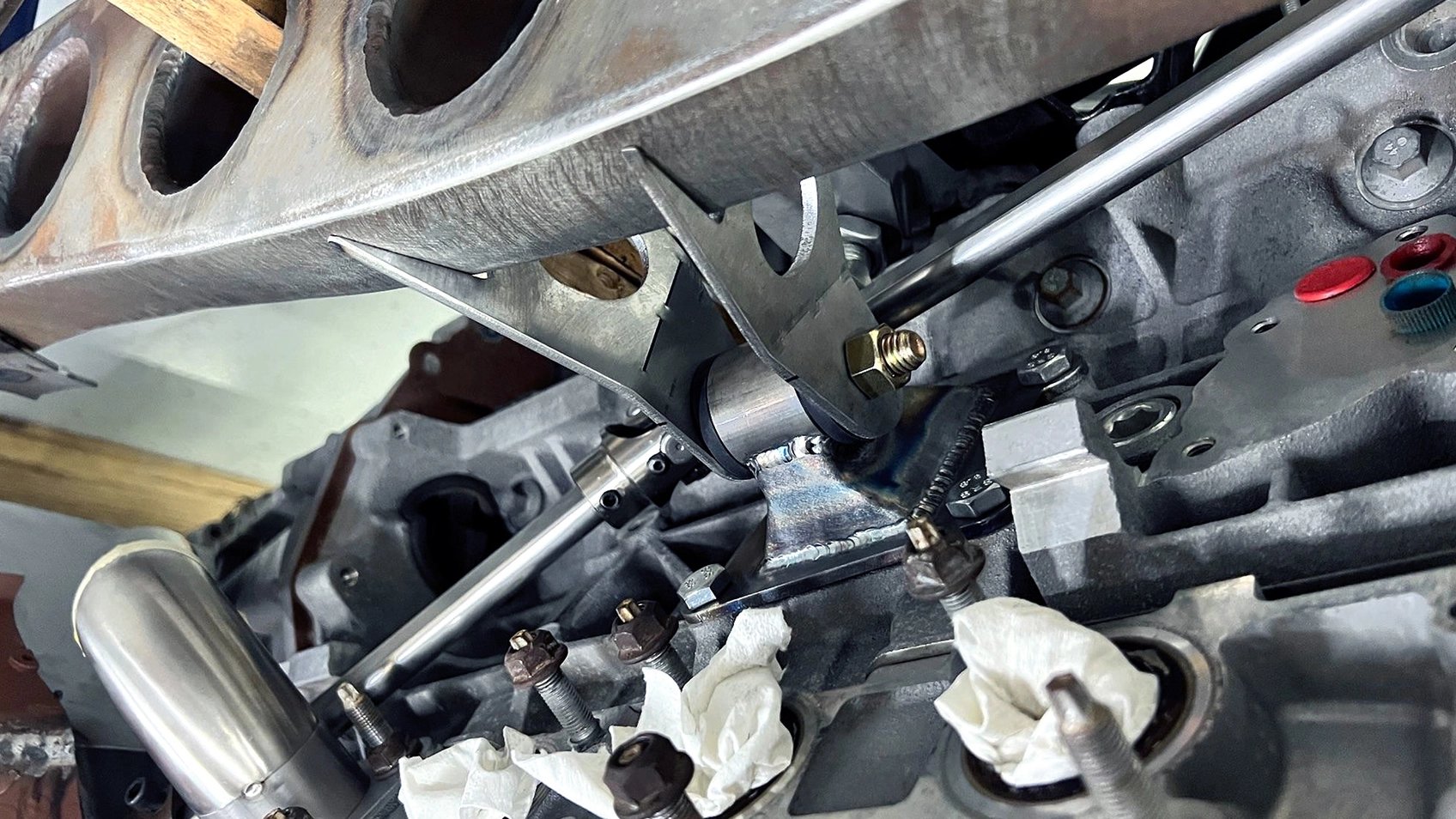
This quicker method has already been applied to a few projects. For a recent 1931 Model A build, Tucci was able to design motor mounts by simply dropping the new engine between the frame rails to scan everything. It’s not just about speed, though. The scanning tool also provided the level of accuracy needed to measure a 1936 Dodge grille in order to make new headlight covers to fit around it. Printed parts made with measurements taken the traditional way were always a quarter inch off front or back.
The current AI boom shows why technology shouldn’t be used for its own sake. But when tech is both new and useful, it’s a beautiful thing.
Got a tip about new tech making life easier? Send us a line at tips@thedrive.com
Loading comments…
Comments couldn’t be loaded. Please refresh the page.