
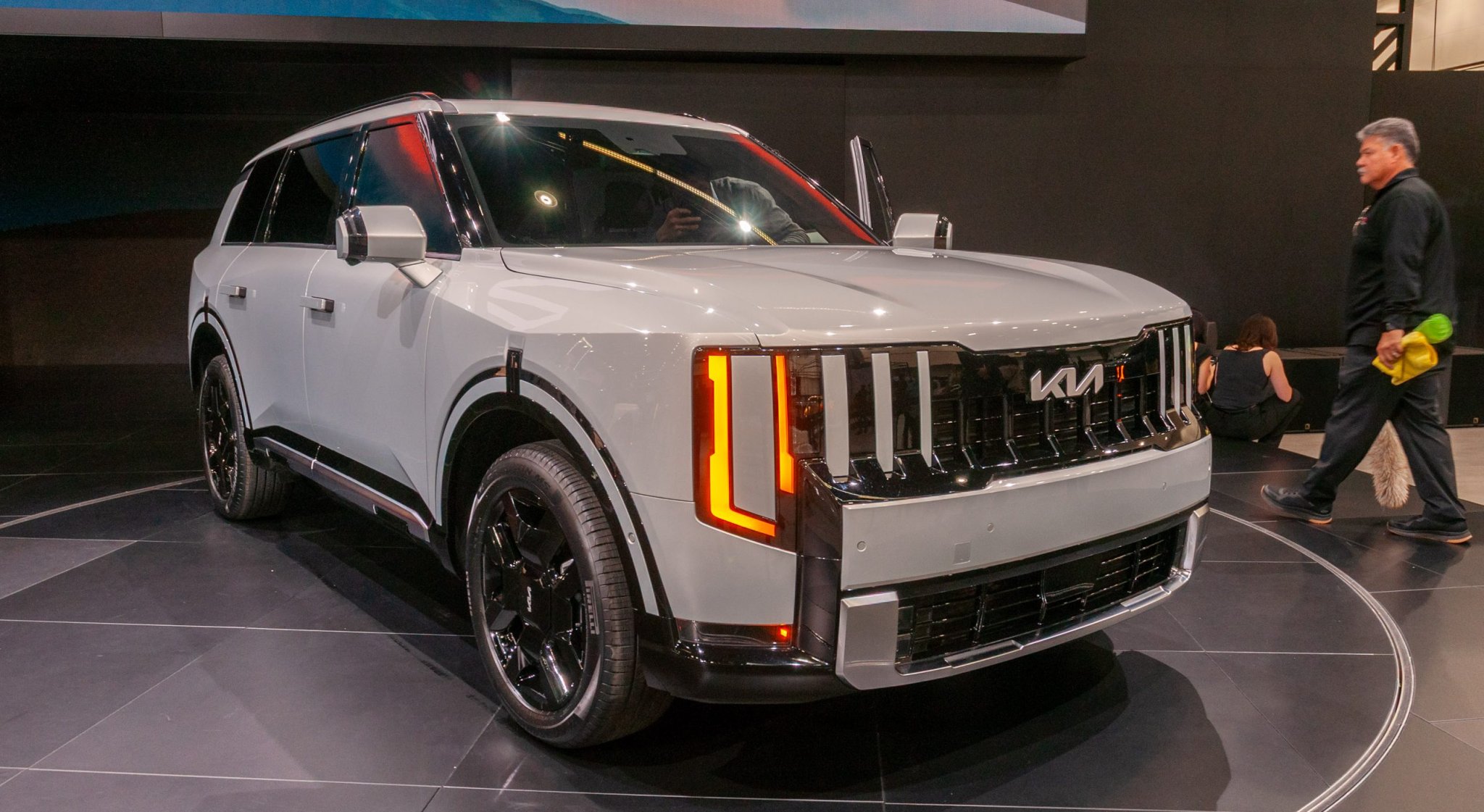
Kia’s three-row Telluride SUV has been an absolute slam-dunk for the Korean brand. Introduced a year before the onset of Covid, the Telluride was an instant hit. Kia sold nearly 60,000 in 2019 alone, and in the four years since, has doubled that annual volume, ending 2025 with more than 123,000 units sold—just 1,000 shy of the Honda Pilot and about 10,000 below the Toyota Grand Highlander. And Kia plans to keep that momentum up in 2026 and beyond.
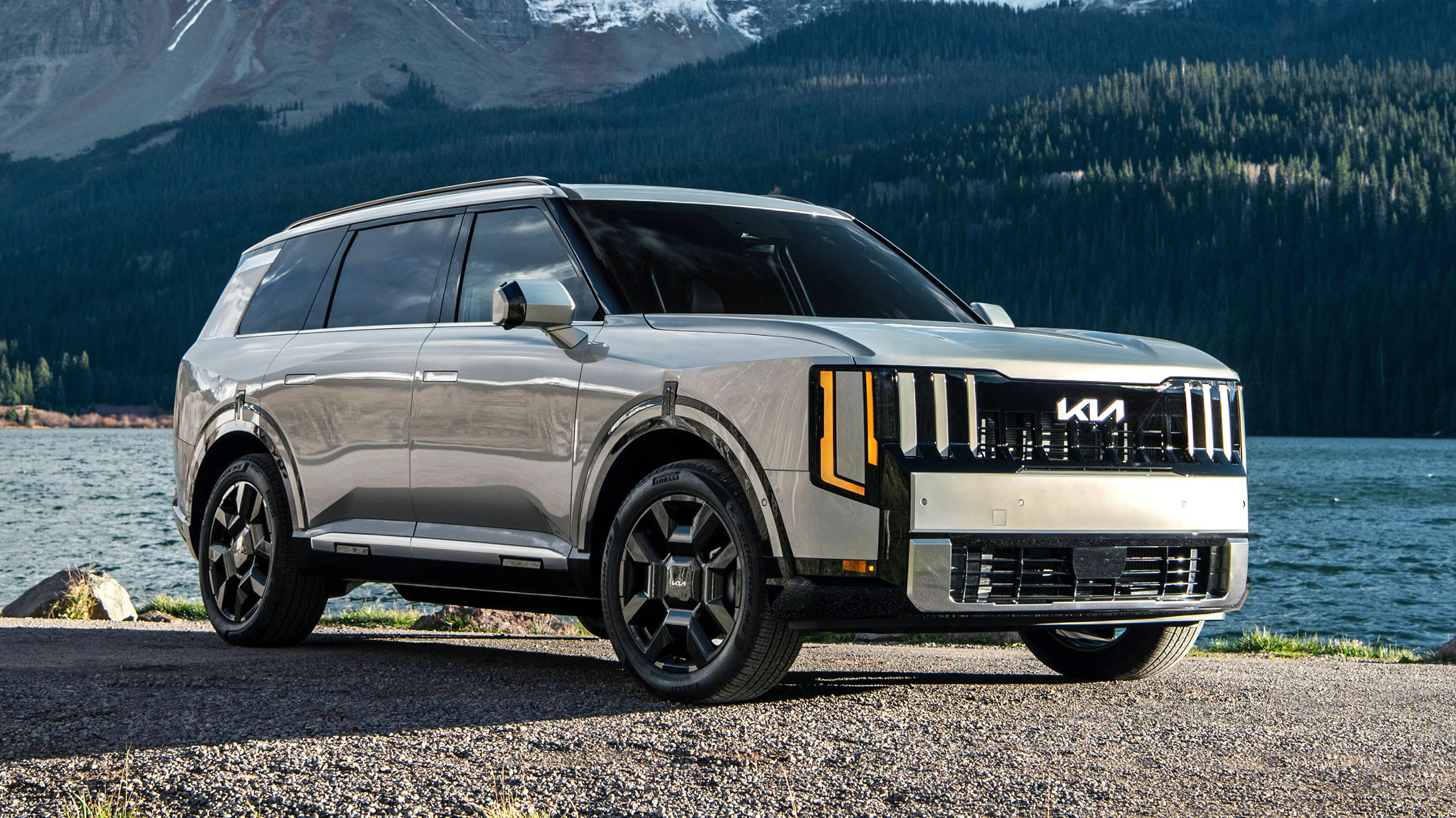
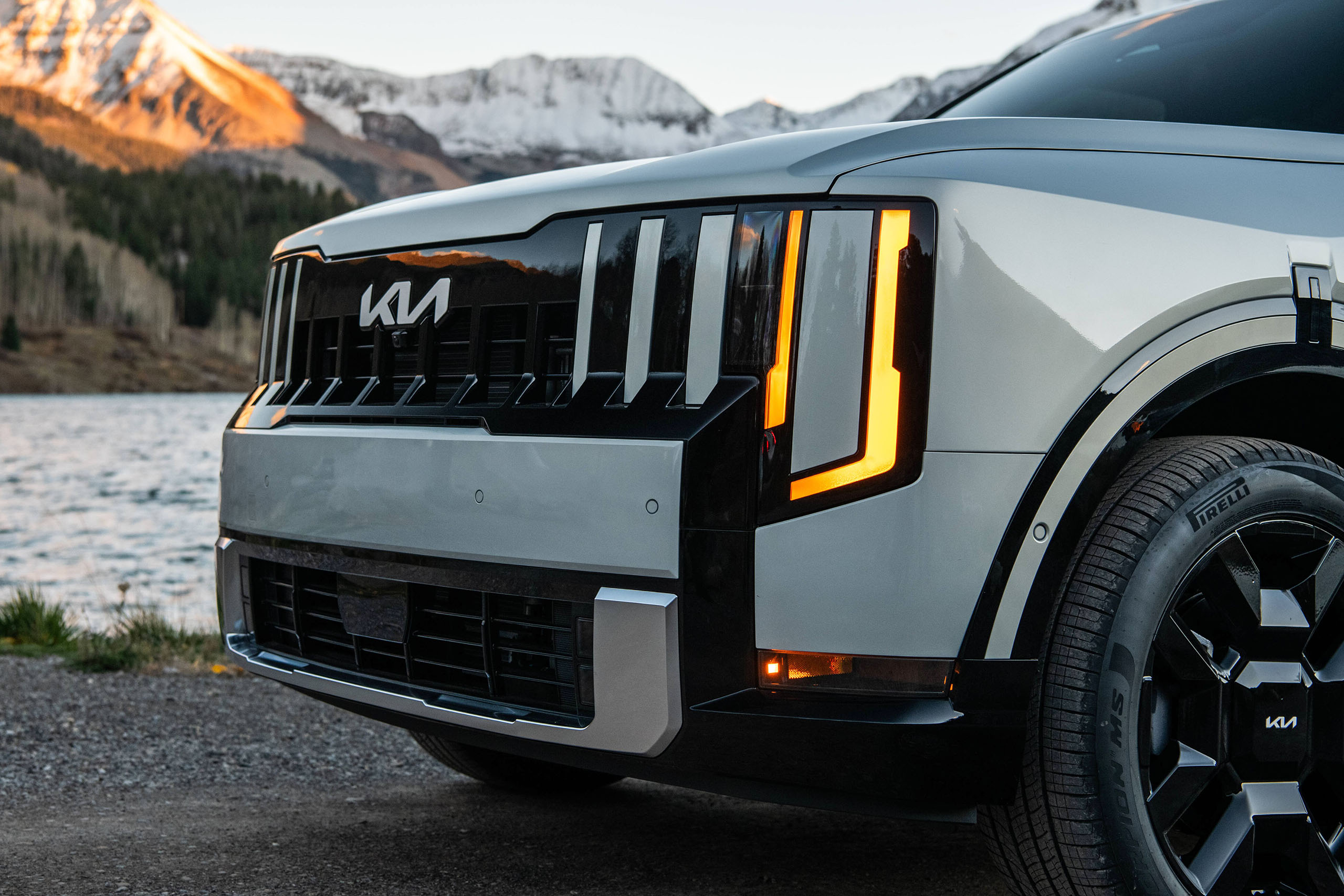
The Telluride has been on an upward trajectory since, and now it’s just about time for a new one. The second-generation Telluride is arriving in dealerships now, and Kia reckons it will only reinforce the runaway success of the current model. Despite the current car’s success, it has been hamstrung from nearly the get-go, and this time around, Kia is better prepared to meet America’s seemingly insatiable demand for SUVs.
But don’t take our word for it. The Drive spoke with Stuart Countess, President and CEO of Kia Georgia (that’s where they build the thing) to get a sense of what Kia has in store for the redesigned Telluride, and in the process we learned how the Telluride’s launch might have unfolded if not for supply issues brought on by both internal miscalculations and external forces (read: Covid).
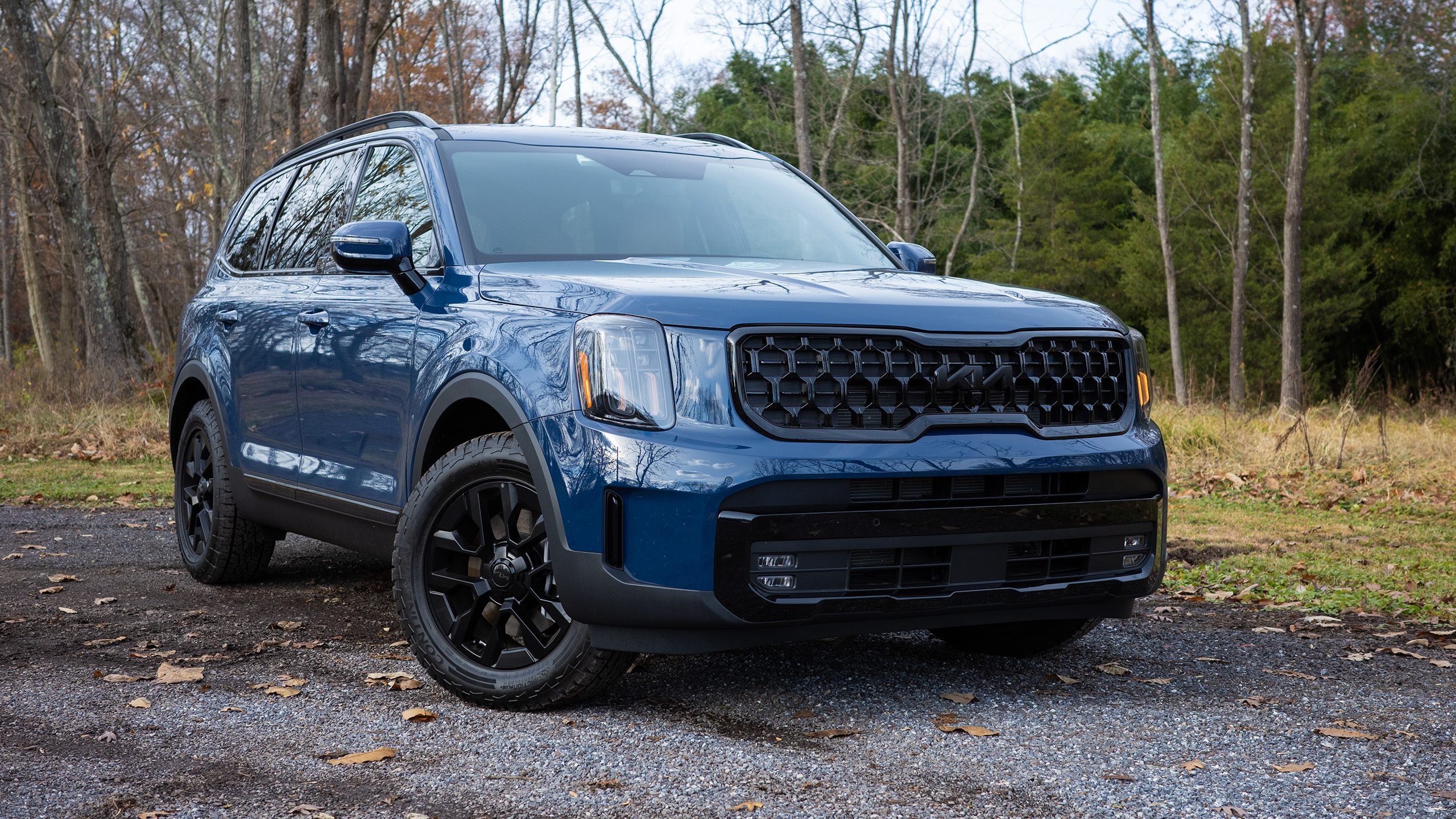
Countess confirmed the many reports we heard of Kia’s early production constraints. The SUV launched with an annual sales target of about 60,000 units—which the company considered ambitious at the time—and hit it pretty much immediately out of the gate in a sales “year” that actually only consisted of ten months because the Telluride hit showrooms in March. Customers couldn’t get enough of it.
“There literally were times where it was an eight- or nine-month waiting list,” Countess said.
It was obvious that Kia needed more volume, but there was a catch. The Georgia plant that builds the Telluride also builds several other models, meaning that an increase in volume for Telluride would have to come at the expense of something (or somethings) else.
“We make Telluride, Sorento, and Sportage [in Georgia],” Countess said. “And then we make two EVs—the EV6 and the EV9—all on the same single-line system.”
“We certainly have to optimize the model mix,” he said, “[Because] the plant capacity is stated at 350,000 a year. So we have to balance out between the other models to facilitate increased volume there.”
That’s only half of the equation. Even if an automaker can free up line capacity, it still needs parts—parts that frequently come from third-party suppliers. And those suppliers weren’t just hamstrung by Covid, they were also held back by the fact that Kia didn’t expect the Telluride to be such a huge hit.
“The more difficult part is, really, how do you manage the supply base? They’re typically only tooled to make X amount, and then you need X plus Alpha,” Countess said.
That particular stumbling block hit Kia hard early after the Telluride’s introduction. Not only were its suppliers caught flat-footed by the unexpected customer response, but the increasing pressure put on those manufacturers to produce parts during Covid meant that excess capacity was already spoken for.
“But with some good timing, coordination, and planning with procurement, we were able to increase it,” Countess told The Drive. “And that was when we were going from [60,000] to [85,000] to [100,000] and then moving up.”
After achieving a 100% increase in output, Countess feels they’ve hit the ceiling (~120,00 units) for the current (the first-generation) Telluride.
“We’ve eased that demand, but depending upon the trim level that you’re building, there still is some waiting list, much shorter, two weeks, three weeks, something like that,” Countess said.
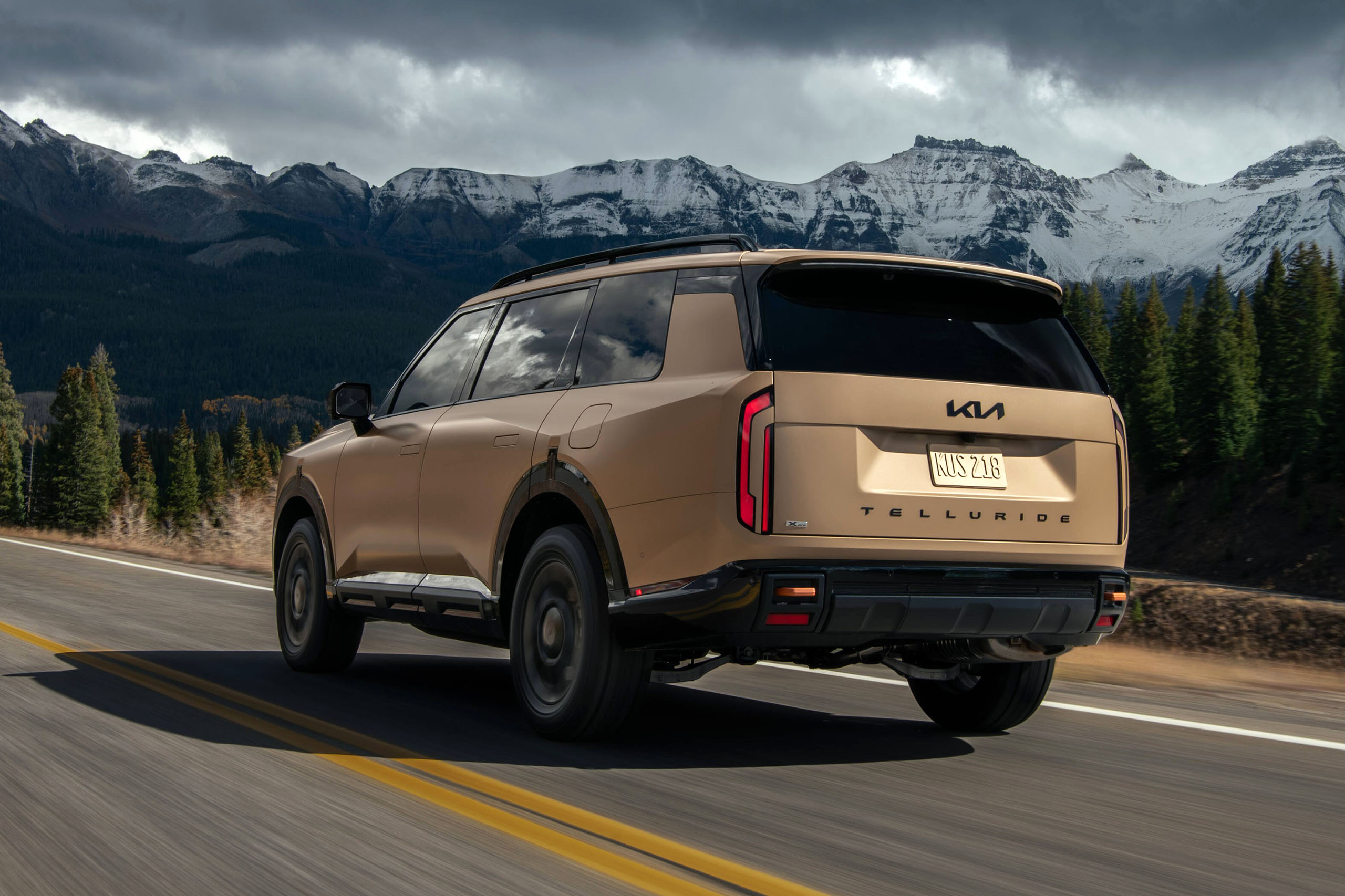
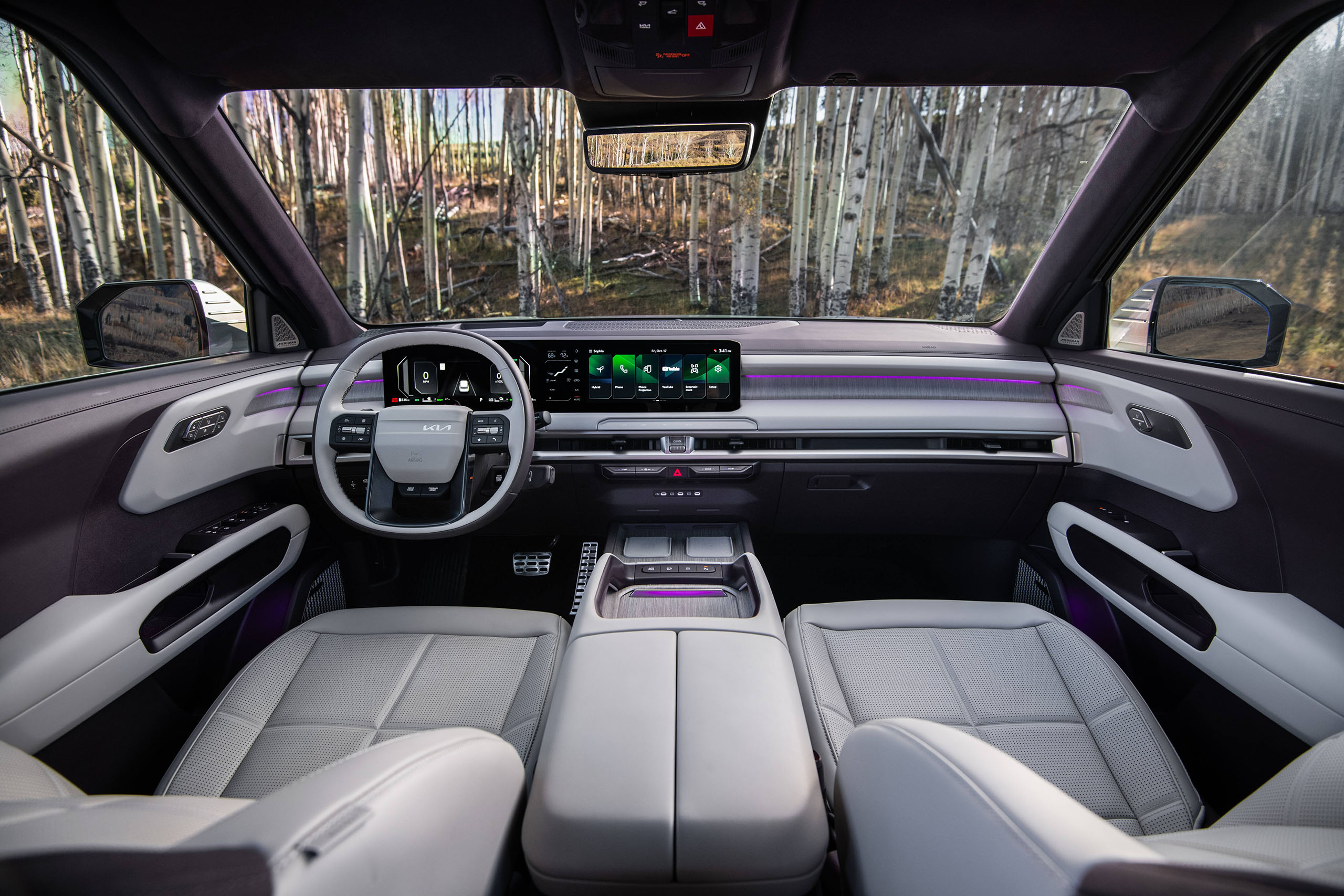
And dealer excitement for the new model is high, which means Telluride buyers could be in for a repeat performance, which Countess finds encouraging. If you ask him, that’s a nice problem to have—and one that Kia is more prepared to address this time around.
“This model is designed at a higher capacity,” Countess said. “And so we plan that into our production systems already.”
Just how much higher? Let’s put it this way: Kia increased capacity by about 60,000 units over the past six years, and Countess says they could accomplish that same feat again—provided demand is there, of course—meaning that Kia has 50% more headroom in the new model than the current one.
“It’s not a difficult process,” he told us. “You can increase tooling, you optimize the processes. I would tend to say it’s more normal business, but, you know, it can be done.”
Kia underestimated the American appetite for bigger SUVs once already; you can rest assured it won’t make that mistake again.
Got a news tip? Let us know at tips@thedrive.com!
Loading comments…
Comments couldn’t be loaded. Please refresh the page.