
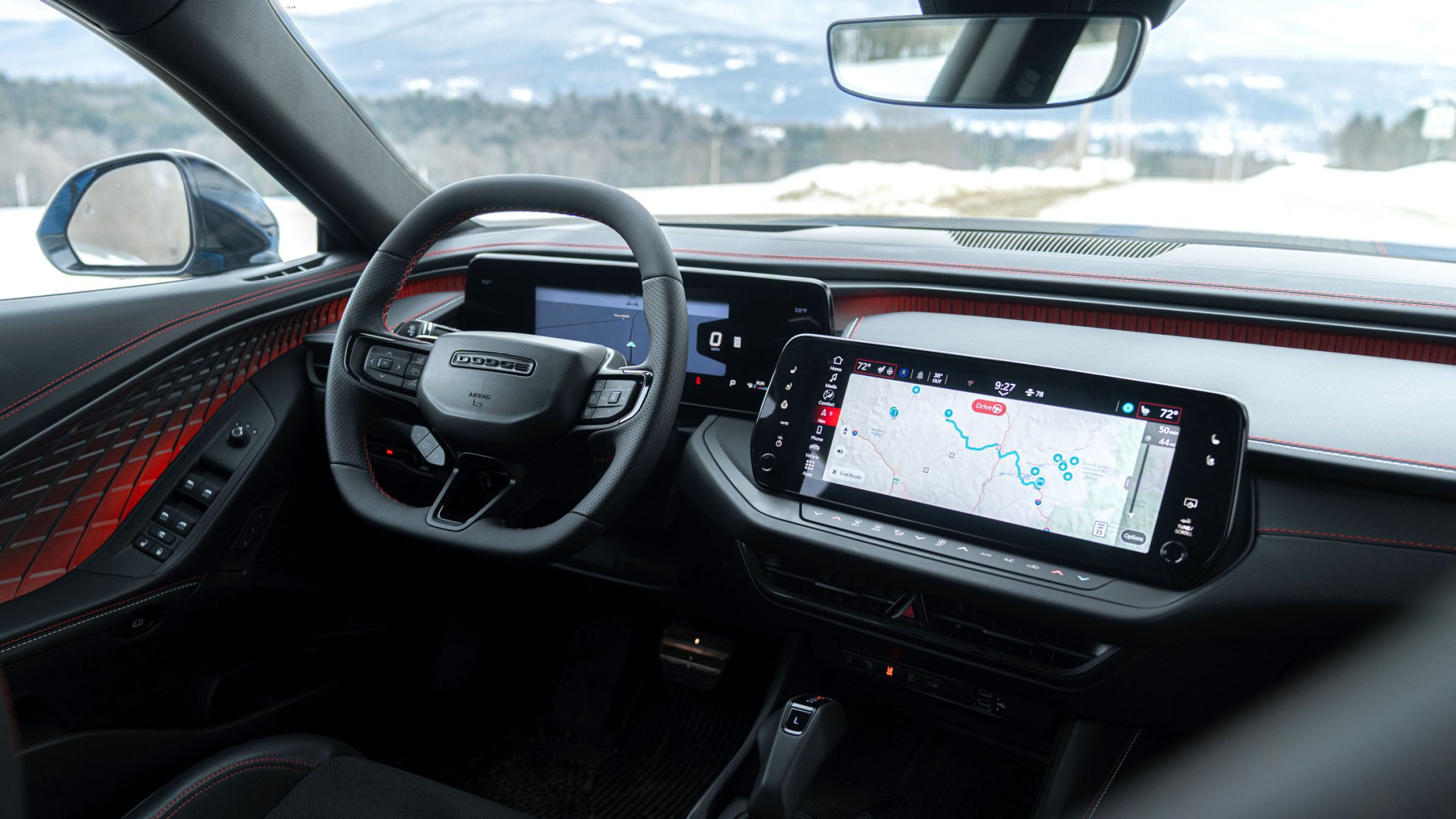
Dodge is trying to figure out its place in the world, as its volume seller vanishes and V8s are suddenly back on the table. The Durango has more than picked up the slack in sales. But accessible, affordable performance that was once the brand’s ticket to glory is fading out of view. CEO Matt McAlear says it could be again, given a “back-to-basics” approach.
“I think the biggest thing that we need to start doing is challenging the industry on what the expectations are from an entry-level base vehicle,” McAlear told The Drive’s Joel Feder on the floor of the 2026 New York Auto Show. “And I don’t mean that from the word cheap or less—I mean that from that of ‘back-to-the-basics.’ Analog gauges. Do you need a radio? Do you just have speakers that you Bluetooth to?”
“We need to push forward and maybe make people uncomfortable, but give them something they don’t realize that they want,” the chief executive continued. “And I think that’s an industry-wide thing, that it’s time to always—you have to be evolutionary in so many of your mainstream segments, but you take brands like Dodge, you take something like that. We’re a brand that can absolutely turn a segment on its head and bring something to market that no one saw coming. We’ve done it before over the years. We did it with the first Viper.”
This theoretical realignment of what’s truly necessary in a modern car is happening, but Dodge’s isn’t spearheading it—at least not yet. The upcoming Slate electric truck expects to challenge customers’ notions of creature comforts, as the cheapest version won’t offer a radio or power windows, though there will be a shelf for owners to place a Bluetooth speaker.
At the same time, there are regulatory requirements automakers have to contend with. Backup cameras are a popular example. And, two years ago, the National Highway Traffic Safety Administration—under a previous Department of Transportation—passed a new rule requiring automatic emergency braking in new vehicles.
Analog gauges, for one, might be considered a low-tech and thus cost-saving measure, but plenty of automakers today use screens instead precisely because they’re so much cheaper than physical parts and buttons. Besides, the law requires at least one in-car screen for compulsory backup cameras.
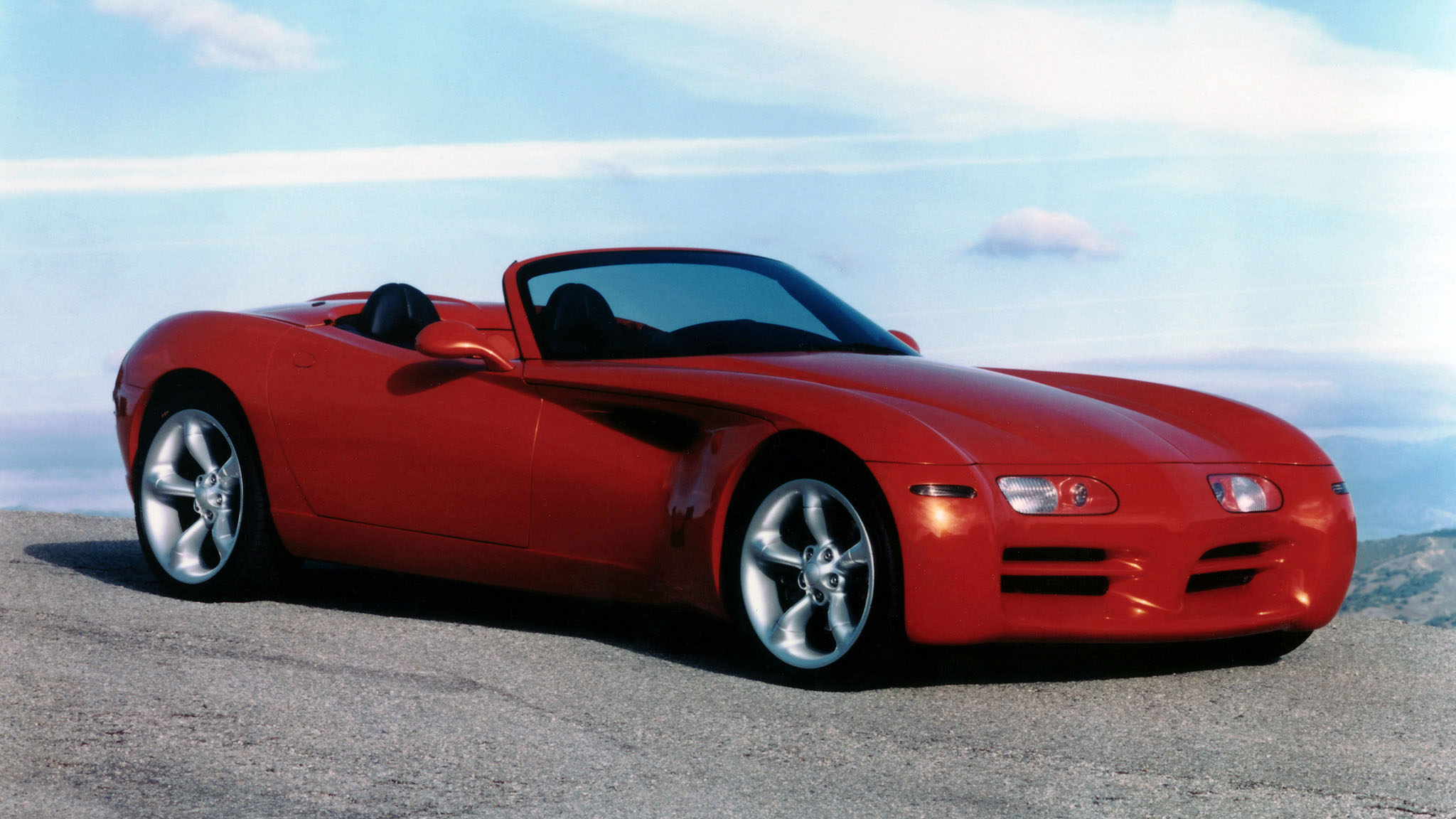
On the topics of affordability, doing the unexpected, and the Viper, it should be said that Dodge has flirted with the concept of an entry-level sports car for decades, but never seized the moment. OK, there was the riotous Neon SRT-4, and for a bit, it seemed like the brand would try to recapture some of that spirit with a GLH-badged Hornet. But even before that, we had ideas like the Copperhead—a lightweight, rear-wheel-drive roadster focused on handling, with a truly distinctive design unlike anything else, before or since.
The Copperhead should’ve made it to market. Some 30 years later, Dodge’s angle is more power than pure fun, but it doesn’t have to be. I’d even be willing to take one without a radio.
Got a tip? Reach out to tips@thedrive.com
Loading comments…
Comments couldn’t be loaded. Please refresh the page.