
Remember 2024? Back when prices had leveled off and it seemed like things were back on the rails? Barely a year later, it seems like an increasingly distant memory. So far this year, much of the automotive price creep has come not from higher sticker prices, but from the elimination of low-margin (or money-losing) models and/or the shuffling of various options and packages, but automakers can only keep that shell game up for so long. To paraphrase one analyst who commented for Automotive News‘s story, automakers are running out of ways to raise prices without raising prices, and higher destination fees are one inevitable result.
If you’ve ever purchased a new car, you know full-well just how many line items can end up on the bill of sale. There’s the MSRP, the destination fee, then dealer fees, any applicable markup, “post-delivery” add-ons, plus taxes and often some sort of registration/tag fee. Increase any one of those and the total price goes up, even if the “sticker price” stays the same. It’s a tactic dealers have used since the beginning of the time to hide additional profit in plain sight.
Automakers, meanwhile, are stuck with only two levers to manipulate: the sticker price itself, and the destination fee. Unlike most bogus dealer “fees,” the manufacturer’s destination charge is non-negotiable. And you can only really nudge one or the other up for so long before people start to notice—like back in 2021, when (spoiler alert) everybody noticed. While cooling inflation slowed the creep in 2023 and 2024, 2025 has seen an about-face in the automotive sector, largely thanks to the cost pressures imposed by tariffs.
So far, automakers have spread the increasing burden several ways. MSRPs have begun ticking up again, and many inexpensive trims have been eliminated outright, shifting the base cost of several models upward. But it appears that hiking destination fees is once again on the table—and not just for imports that are at the mercy of the heftiest tariffs. Industry-wide, destination fees have increased by an average of nearly 27% percent since 2021.
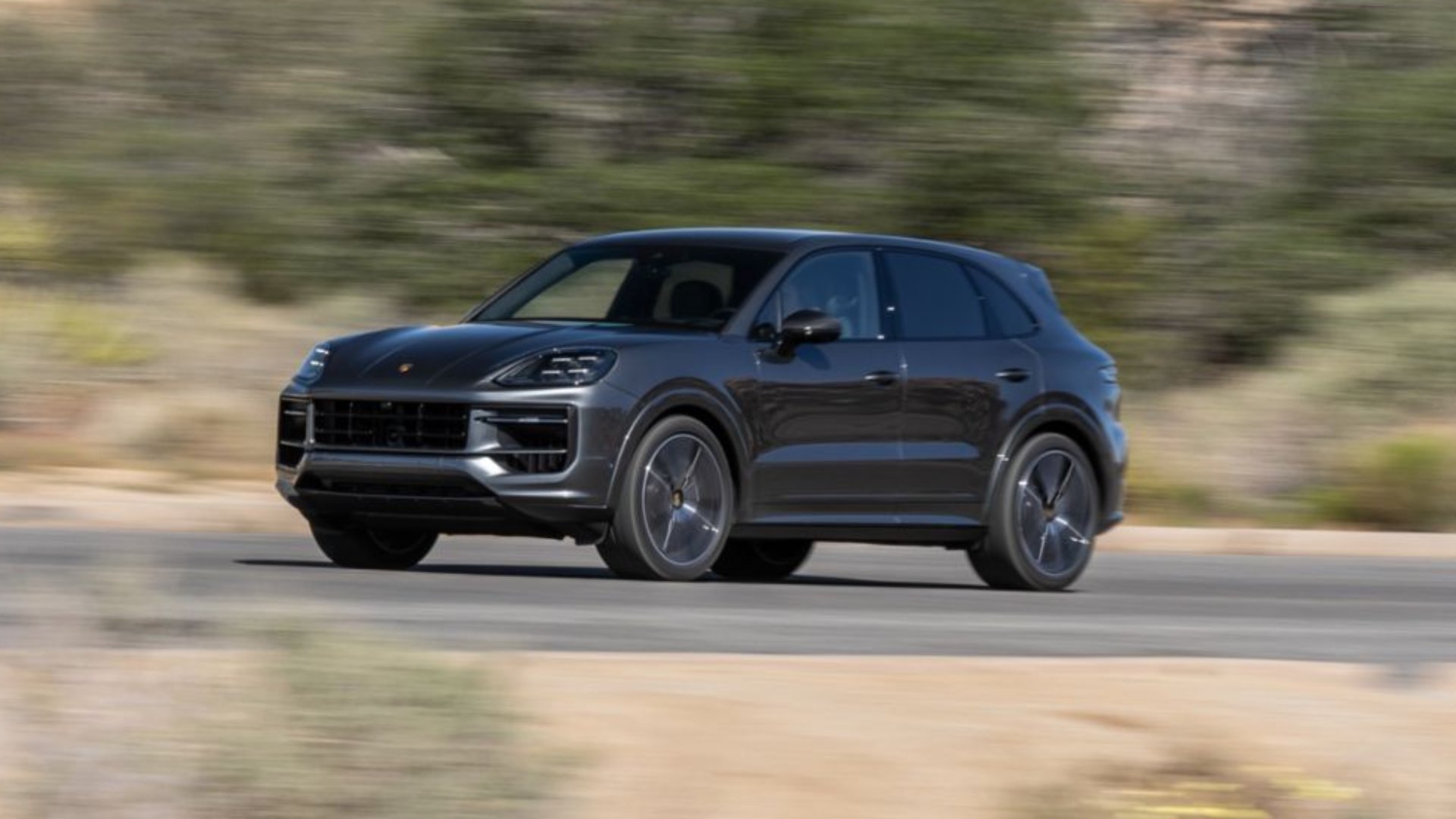
AN‘s breakdown requires a subscription, but the report paints a pretty bleak picture. At the low end, Volkswagen and Honda have managed to keep their destination fee hikes under 10% between 2021 and 2025. At the other end of spectrum, Porsche has raised its destination fees by an average of nearly 50%, while Ford and GM are approaching 40%. Even Tesla, which builds all of its domestic inventory in the U.S., has increased its fees by nearly 26%—more than Nissan (19%), BMW (20%) and Toyota (24%).
If there’s any good news here, it’s that destination fees have ballooned so much that people have taken notice, which itself should curb further inflation somewhat. Long-term, however, automakers will look for other ways to maintain their profit margins. In other words, brace yourselves; things are likely to get worse—again—before they get better.
Got a news tip? Let us know at tips@thedrive.com.
Loading comments…
Comments couldn’t be loaded. Please refresh the page.