
Key Takeaways
- Dealership sues GM for inventory shortage. Sun GMC claims GM is starving it of cars, threatening its business.
- Allocation system pressures dealers. Automakers use allocations to control dealership behavior and performance.
- Sun GMC’s inventory dwindles drastically. From 1,200 vehicles in 2017 to just 501 in 2025.
- Dealers face a challenging feedback loop. Lower inventory leads to fewer sales, worsening their standing with automakers.
Bottom line: Sun GMC is suing GM for $15 million, claiming unfair inventory practices are crippling its business.
AI assisted, editor reviewed
Imagine you run a McDonald’s. Maybe it’s not the most successful one in your area, but you sling enough McWhatevers to make a tidy profit and send your staff home every night with a paycheck. But gradually, you notice that your warehouse has started sending you fewer and fewer burger patties and chicken goo-slabs. And whoever is in charge of making sure your shake machine works? That dude hasn’t been here in years. And then, when you complain to corporate that you don’t have enough food to serve your customers, they recommend you simply order Happy Meals from a store across town and sell those to your customers instead.
And then, when customers complain about the poor quality and spotty service, everybody points the finger at you. You’d probably be pretty mad, right? Maybe even mad enough to sue. Say, for $15 million? That’s exactly what a Long Island, New York, GMC dealership is doing.
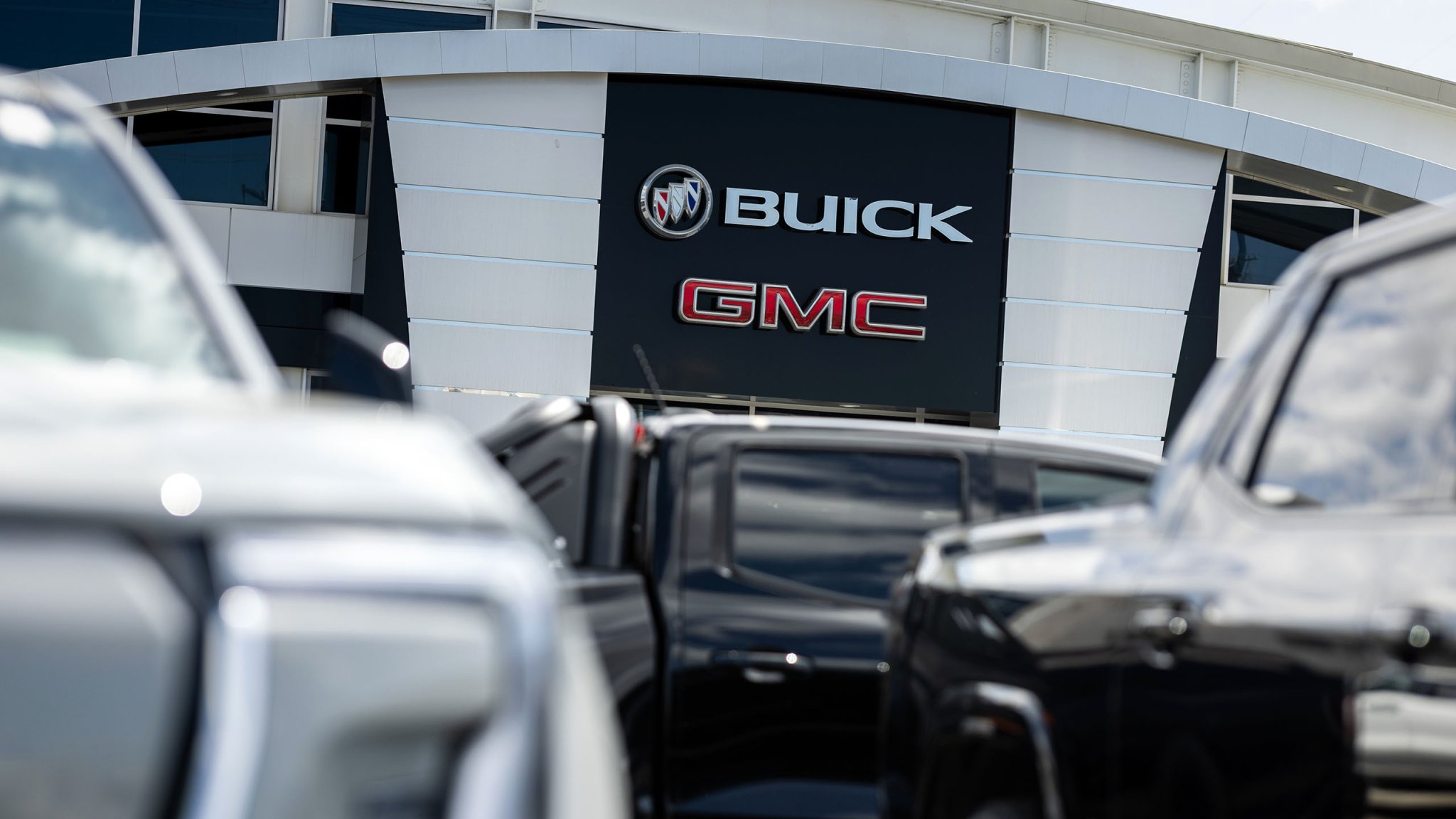
According to Automotive News, Sun GMC in Wantagh, N.Y., claims GM “has been wrongfully starving it of inventory to sell, which is causing irreparable harm and damage to Sun’s business and goodwill,” threatening the dealer’s ability to continue operating.
GMCs aren’t cheeseburgers, granted, and the above is a bit of an oversimplification, but it’s not that far off from reality. Yeah, we complain about dealers a lot—it’s our right as consumers in a capitalist economy. But if you think there’s enmity between shoppers and dealers, you should see how bad things are between dealers and automakers.
See, when customers feel wronged by a dealership, they vote with their wallets by taking their business elsewhere. But dealers, like buyers, are customers in their own way; they have to buy cars in order to sell them, and unlike us, they can’t simply pivot to a new manufacturer if they feel like they’re getting screwed—and like customers, they’re pretty much always getting screwed. How? It’s called the allocation.
In a perfect world, automakers would read our minds, build every new car we might need in a given year, and distribute them perfectly around the country based on when/where we need them. In the real world, dealers receive allocations from an automaker’s annual production total based on that dealer’s individual performance, and once those units have been allocated, the taps shut off, no matter how numerous (or how vocal) your customer base may be.
On paper, it’s a simple, merit-based system: If you sell more cars, you get more cars. The same is true for quality. If you sell better-equipped, more-expensive models, you should (theoretically, anyway) receive more high-value units like them the next time around. And if it were as simple as that in practice, everybody would probably be grudgingly content with the way things work. But of course, it isn’t.
Because a new-car dealership franchise can’t survive without new cars to sell, automakers can use the allocation system as leverage for what they perceive to be misbehaving dealerships. Too many poor experience scores or customer complaints will start to add up. Ever wonder why salesdrones obsess over those surveys they send out? Believe me; they could give a **** about your satisfaction. Five stars simply means more cars.
Or at least, it should. In the real world, automakers can use the allocation to pressure dealers into doing just about anything. Is your signage old? Have you not renovated the building recently? Are your windows not clean enough, your lot not completely clear of debris? You may not be adhering to the standards laid out in your franchise agreement. Rub the automaker the wrong way, and you could suddenly find yourself starved of the very thing you need to stay afloat.
And that’s precisely what GM is doing to Sun GMC, the dealership claims. According to its suit, the company received an allocation of about 1,200 vehicles in 2017; that number has been dwindling since. In 2025, it received just 501. When Sun complained that it didn’t have enough vehicles to sell, GM allegedly told the dealership to simply buy cars from another outlet (and pass along the higher costs to a customer, no doubt).
And somehow, despite selling 99% of its allocated inventory, GM still considers Sun an underperforming dealership.
The dealership claims it has resorted to stocking used cars in the new-vehicle show room just to keep inventory on the floor. To make matters worse, the dealer’s lower inventory volume creates a feedback loop. With fewer cars coming in, fewer sales are going out, further degrading its standing with corporate.
So, the next time you go car shopping, remember, the guys and gals on the other side of that uncomfortable desk are getting screwed just as much as you are. That information may not save you any money, but it might make you feel a little bit better about your impending fleecing.
Got a news tip? Let us know at tips@thedrive.com!
Loading comments…
Comments couldn’t be loaded. Please refresh the page.