
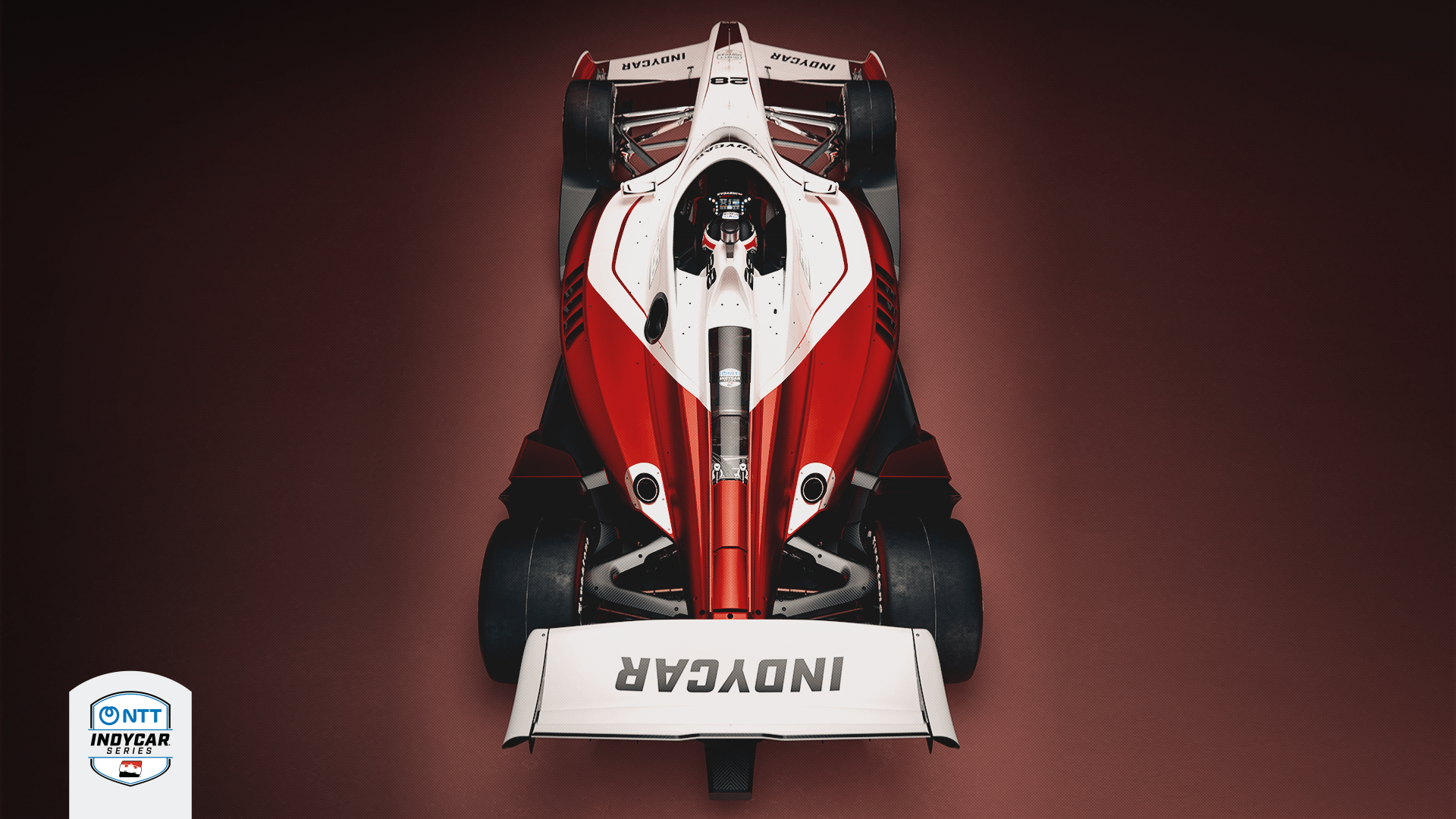
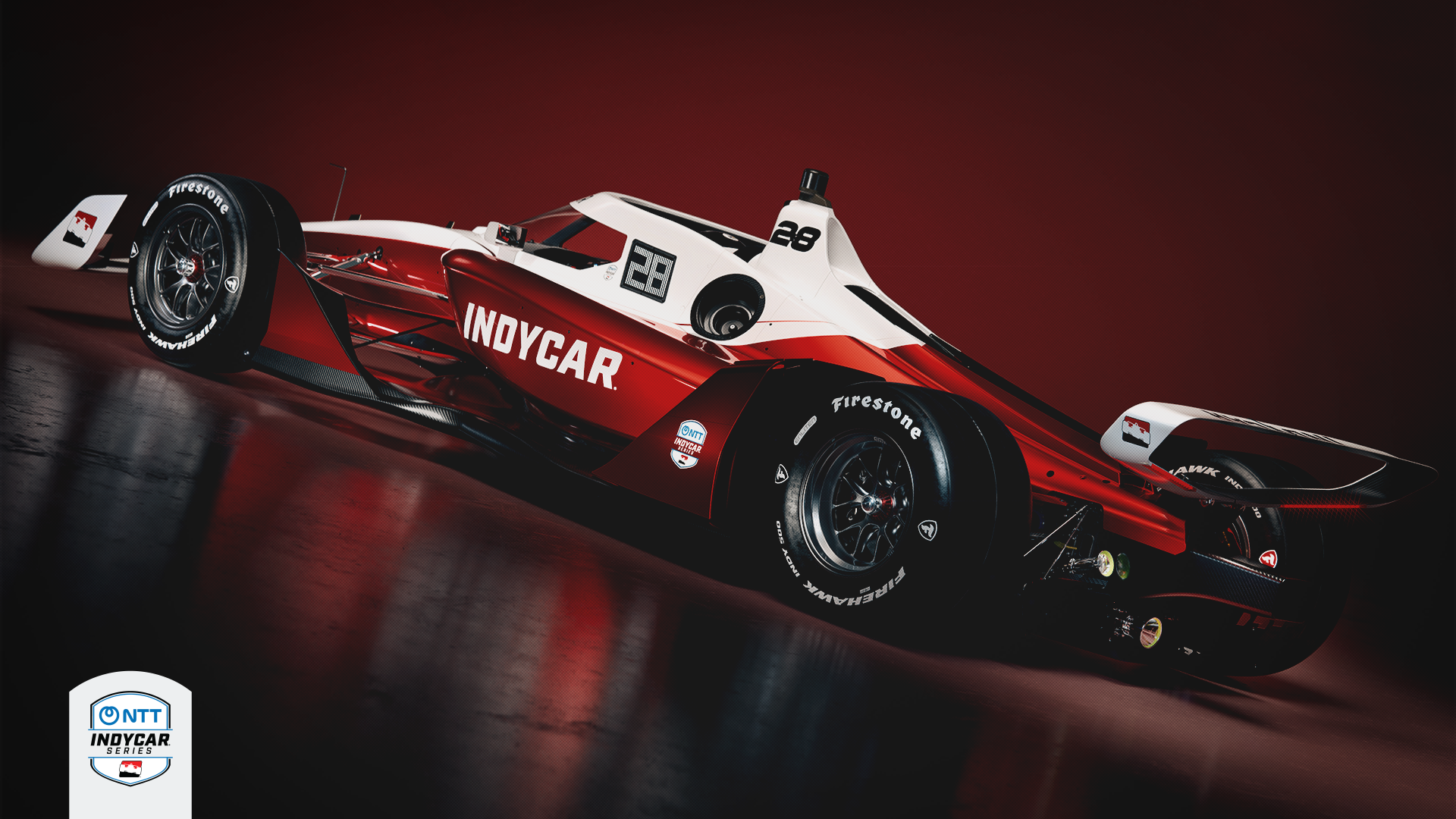
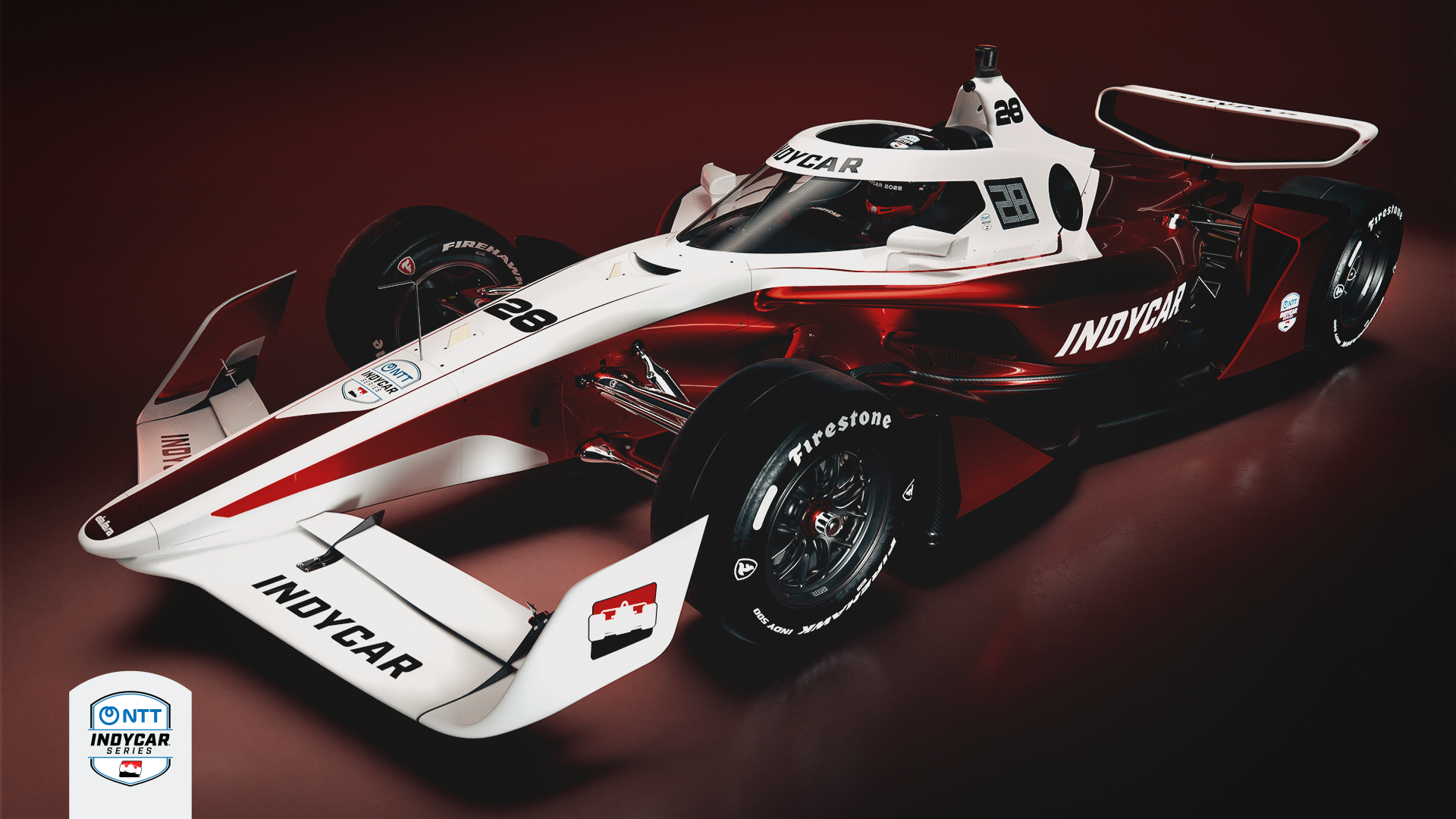
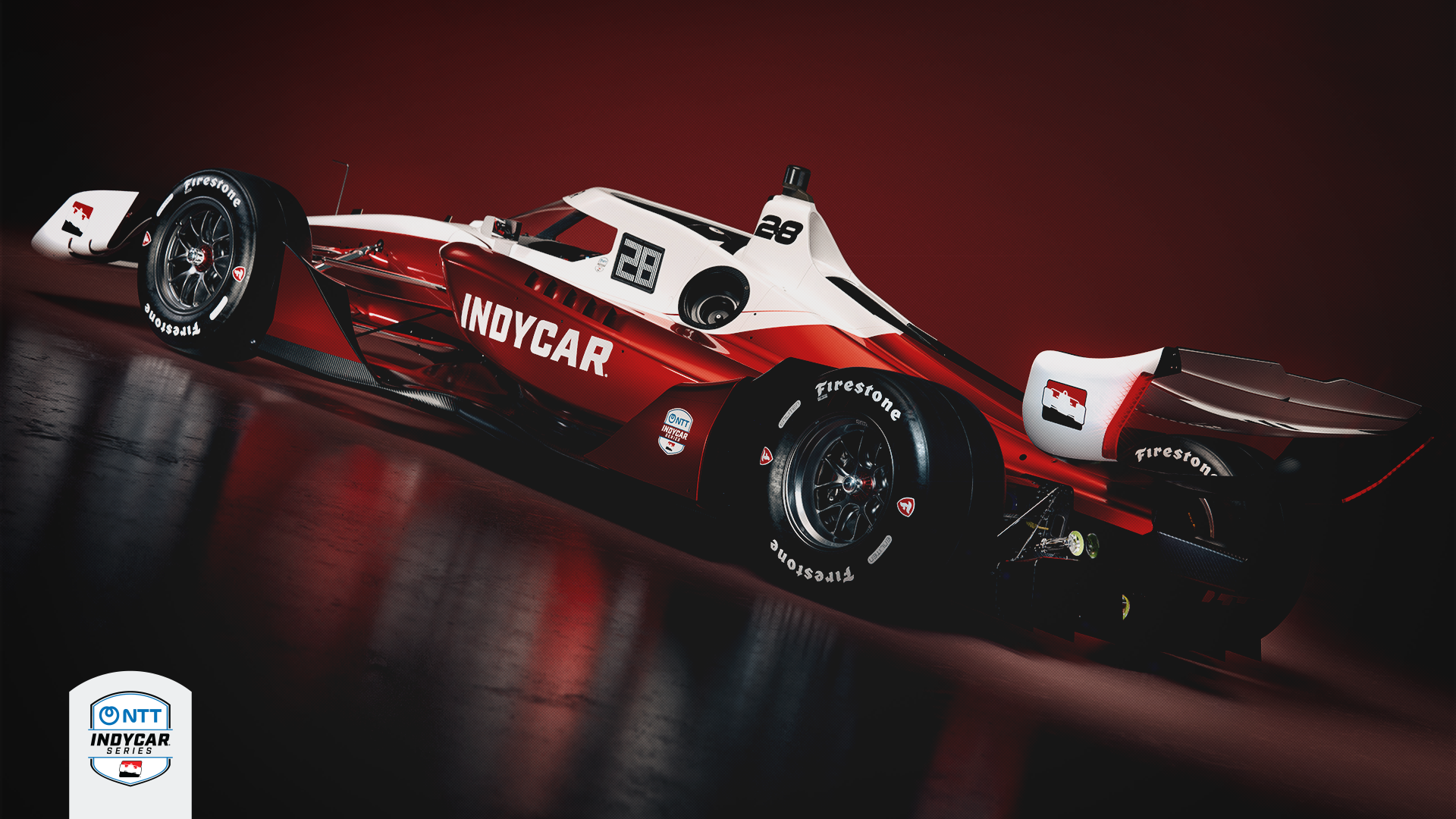
Say hello to the IR28, IndyCar’s first wholly new racer in over a decade and a half. The American open-wheel series showed these renderings you see here on Tuesday, which, unless things change drastically over the next 18 months or so, should be what we see hit the track at the first race of the 2028 season.
The IR28 replaces the original DW12 (named in honor of the late Dan Wheldon), though in its current iteration, the chassis is referred to as the IR18. The platform continues to be built by Italian chassis-maker Dallara, which has a huge engineering and testing facility in Indianapolis (in addition to Italy, of course). It’ll accommodate Honda and Chevrolet’s own version of the 2.4-liter hybrid V6 engines, and hopefully, another one from a third manufacturer that we don’t yet know about.
As we covered back in May, while IndyCar is in charge of the entire engineering project with Dallara, both engine suppliers have been working closely with them to make sure their wants and needs are taken into consideration for both the cars and regulations.
Just like the chassis and engine, the hybrid system in the new Indy cars will also be completely new. A more traditional battery-hybrid system will replace the current supercapacitor system, offering “approximately 14 times” the battery capacity of the current system. The hybrid system alone is shedding 20 pounds of weight compared to the one being used at the moment, while the next-generation Xtrac transmission promises to be 25 pounds lighter than the current one. IndyCar claims the car is 100 pounds lighter, though it’s unclear if that’s just from the chassis side plus the other lighter components mentioned above, or if the weight loss for the entire package is 100 pounds compared to the current package.
The IR28 is the first chassis to be built from the ground up to accommodate IndyCar’s aeroscreen, as the current one was simply fitted with it after it had been in use for years. This allows the overall look of the car to be more streamlined and cohesive, as everything has been proportioned as a package rather than individual components over a certain timeline.
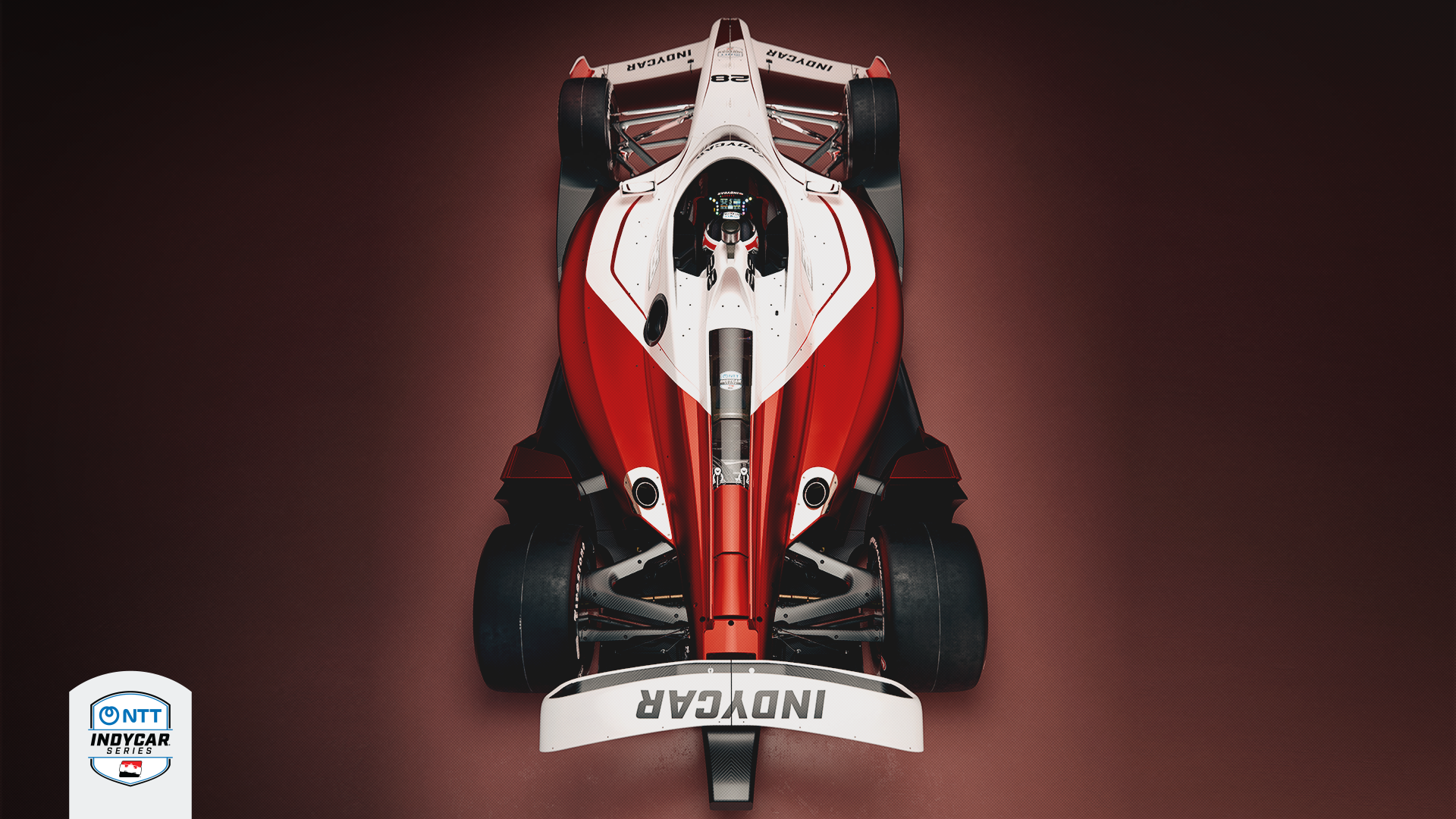
The renderings you see here feature the superspeedway wing, though as a whole, the car’s aero package has been designed to eliminate dirty air to promote passing, whether it’s on road courses, street circuits, or superspeedways. It’s worth mentioning that no figures or statistics were released along with these renderings, though it’s possible that IndyCar may share some performance targets in the coming months. It would be great to know the percentages for downforce improvements or lap time target estimates.
The suspension setup in the IR28 is called the Custom AXIS Inertance Control Suspension System and will offer more freedom and modularity to the teams when it comes to suspension setups. Likewise, a screen will appear on the side of the car, next to the aeroscreen, and will display the car’s position during a given race, similar to how it works in IMSA and other series.
This is merely the first major step in a long journey to bring the newest and most advanced race car the series has ever seen. IndyCar will test the first prototype later this week, so stay tuned for more IR28 coverage. What do you think so far?
Got a tip? Email us at tips@thedrive.com
Loading comments…
Comments couldn’t be loaded. Please refresh the page.