
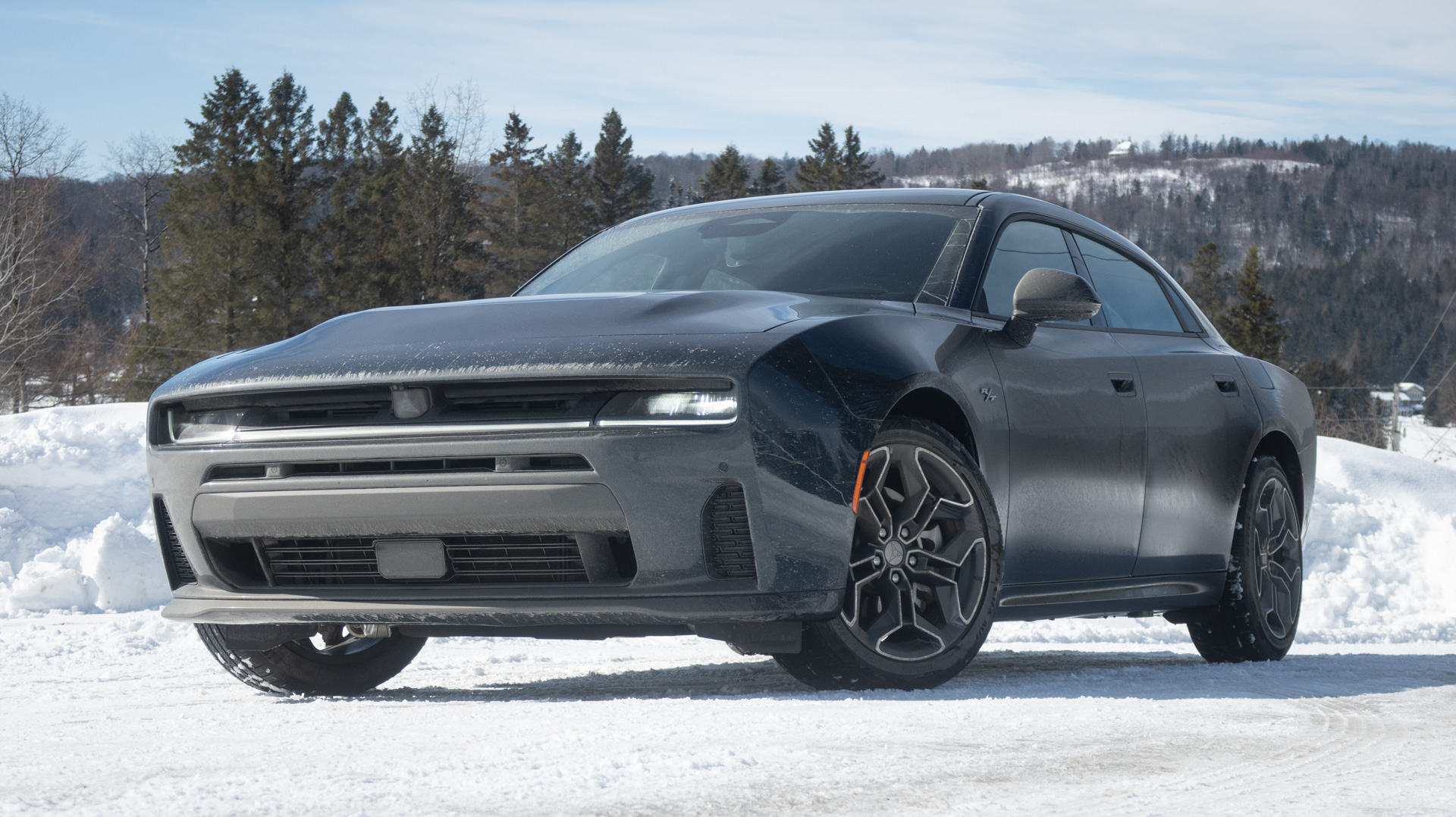
I don’t care if you’re into American cars or not—the 2026 Dodge Charger R/T is a fascinating product of a strange time in automotive history. It was initially introduced as a two-door electric muscle car. Nobody wanted that, but Dodge was ready for that possibility, with a gas-burning powertrain waiting in the wings. However, that was before the company knew it would still be allowed to make V8s, so it had to execute a twin-turbo six-cylinder in a way that might appeal to old-school Mopar guys. And did I mention the new Charger had to double as both coupe and sedan, with the same wheelbase and cabin volume?
From where I’m sitting, it sounds like a product planning assignment from hell.
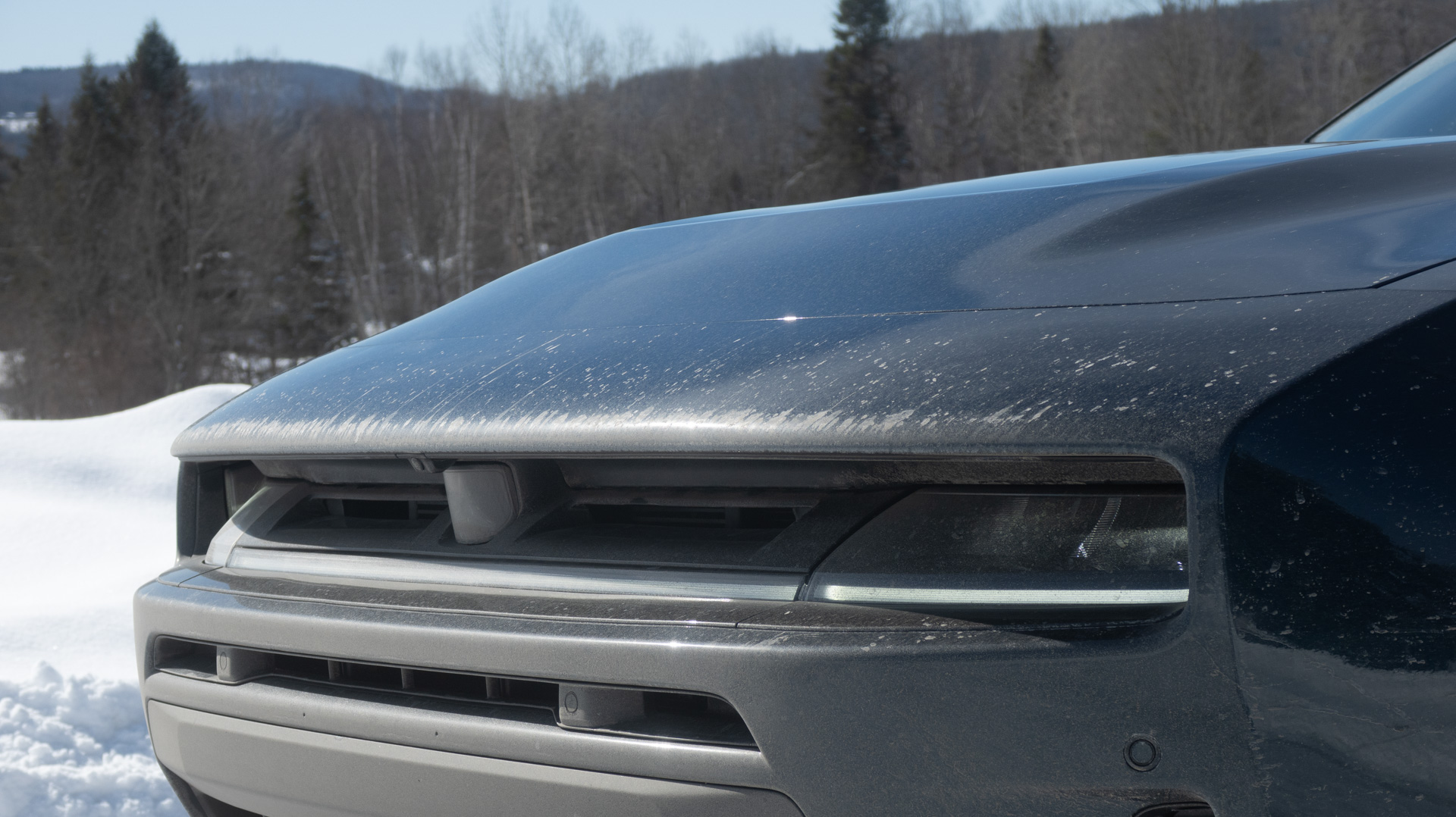
To the great credit of Dodge’s designers and engineers wrestling with this prompt, the new Charger R/T looks and feels pretty good for what it is. Now you’re wondering, “So what the heck is it?” Well, wrestling with that question is where we get to have fun. The new gas Charger is compromised and imperfect. It is a little weird-looking from a few angles. But it’s got personality, performance, and practicality. It feels like the Charger you know, while also being an entirely new beast.
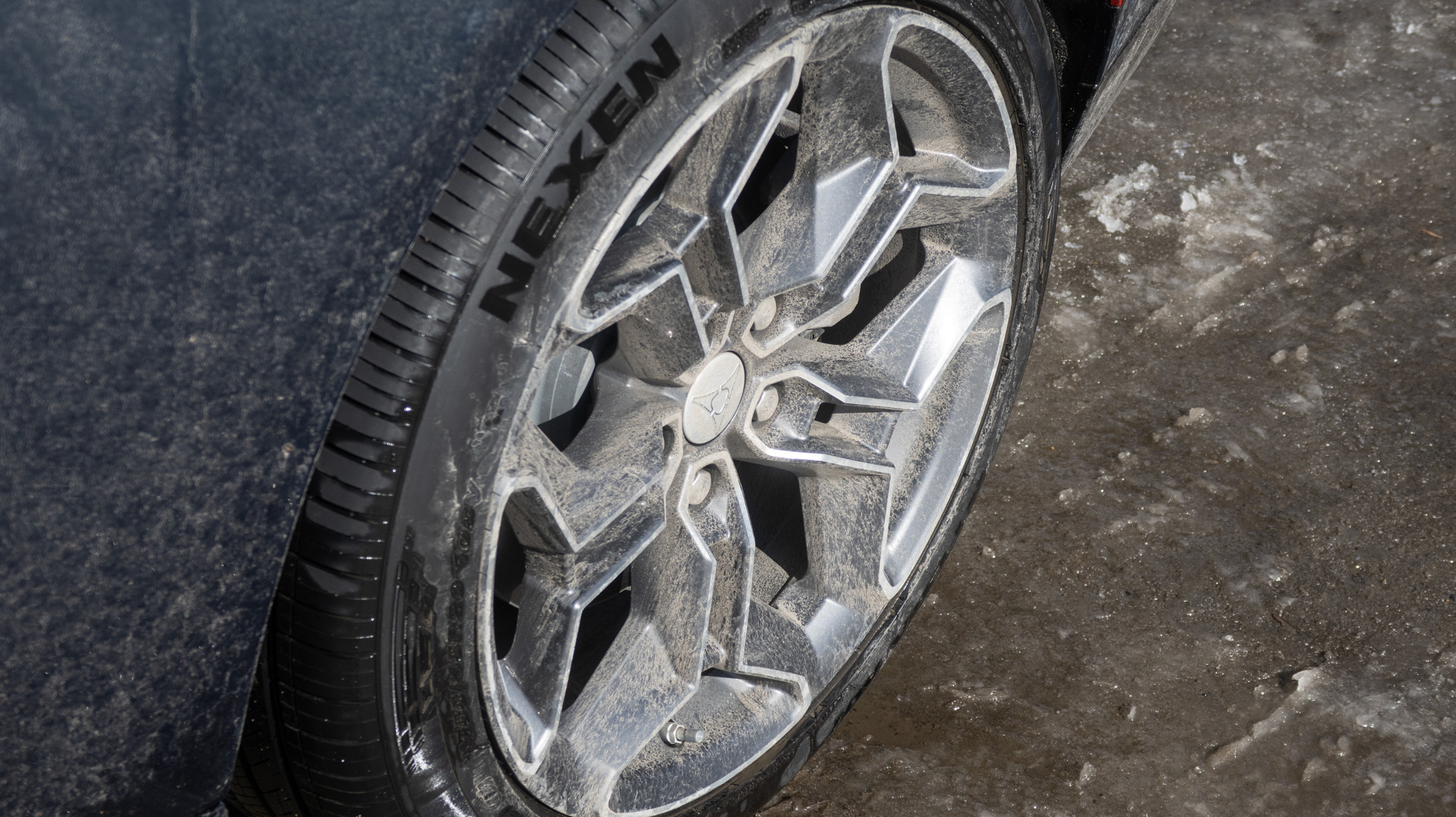
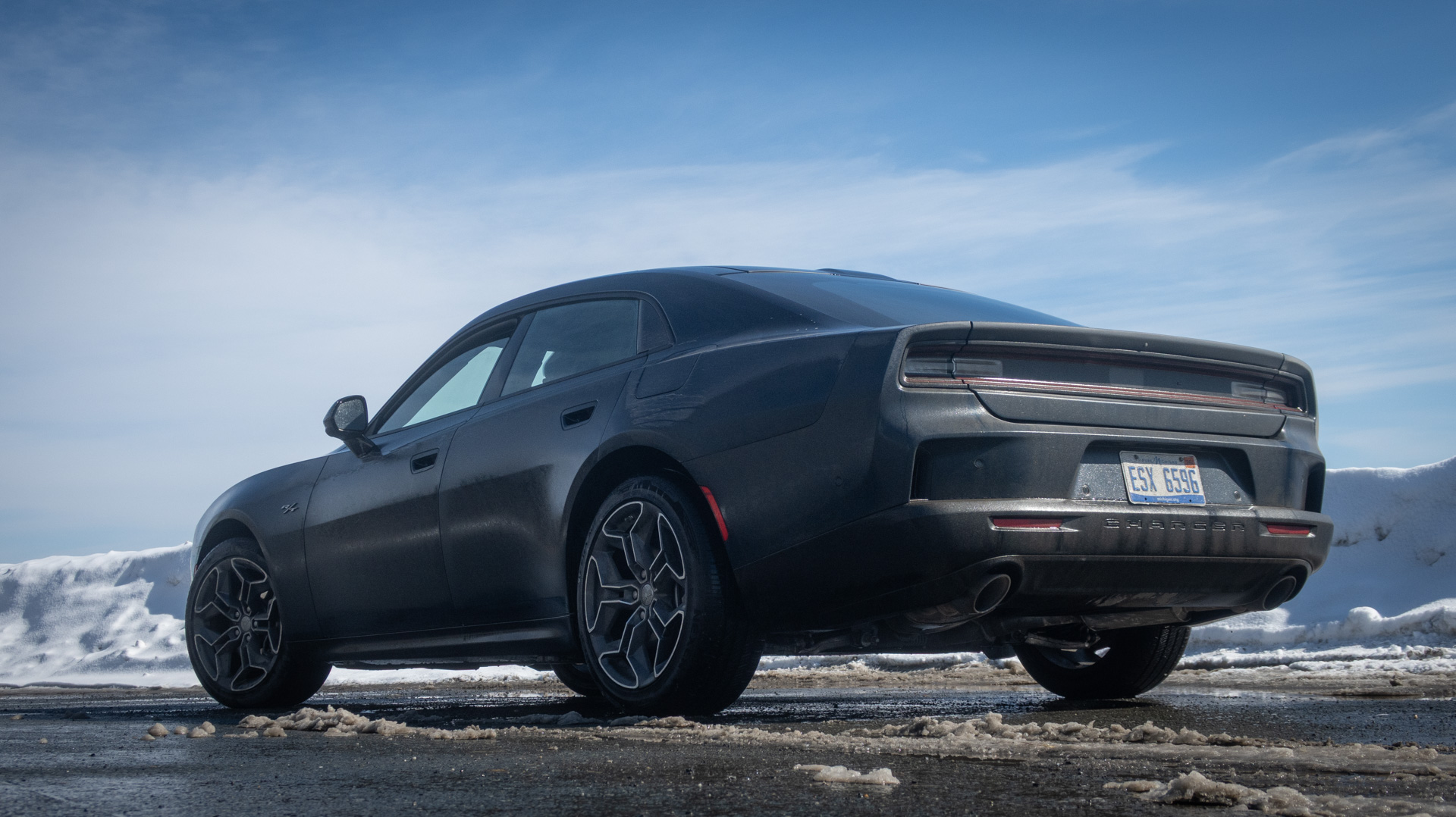
The Dodge Charger R/T Experience
The R/T is now the lowest-priced entry point to the new-gen Charger lineup, but don’t call it a base model. Its twin-turbo “Sixpack” inline-six claims 420 horsepower, 50 more than the old R/T’s Hemi V8. All-wheel drive comes standard, with a true RWD mode.
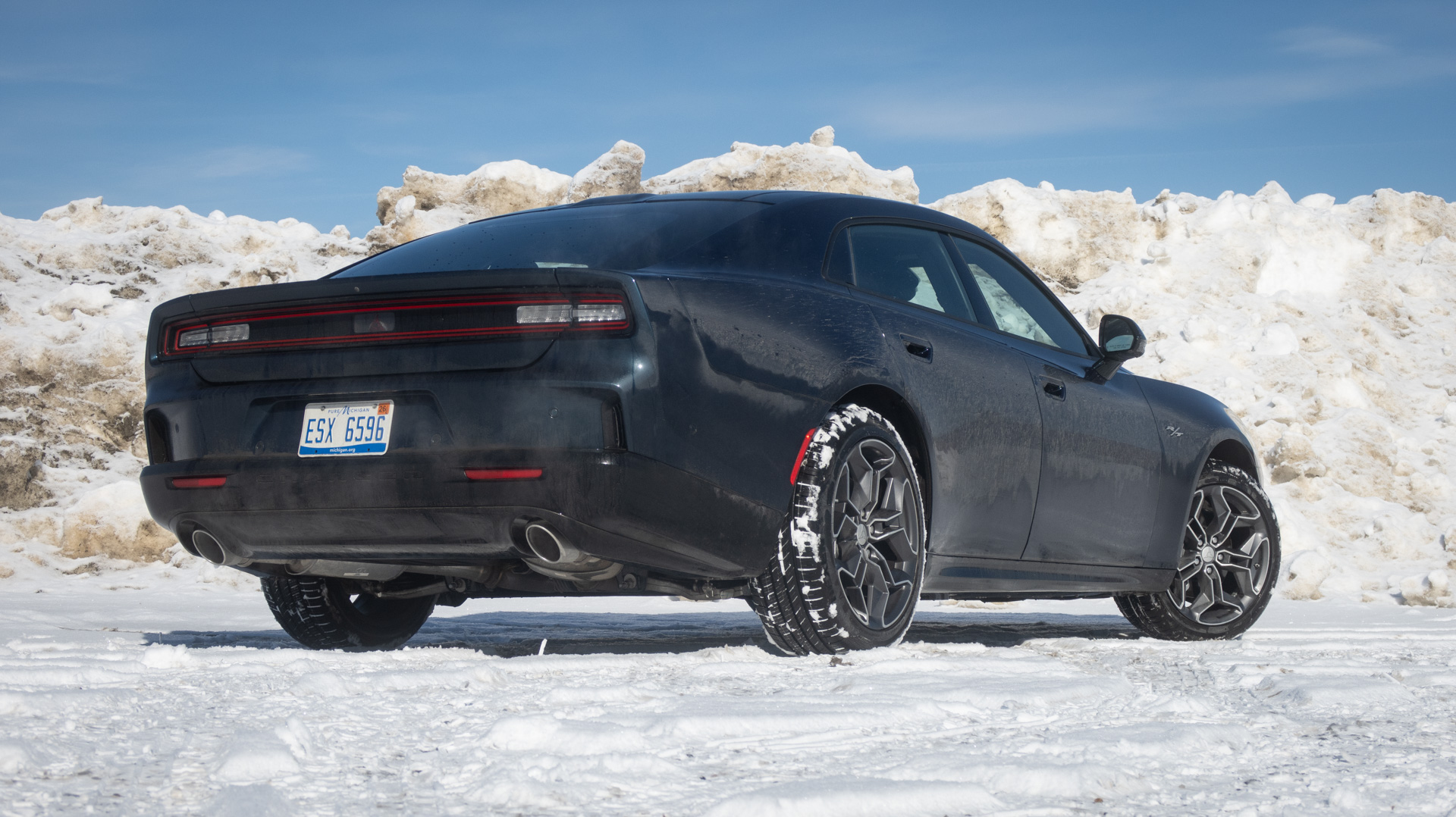
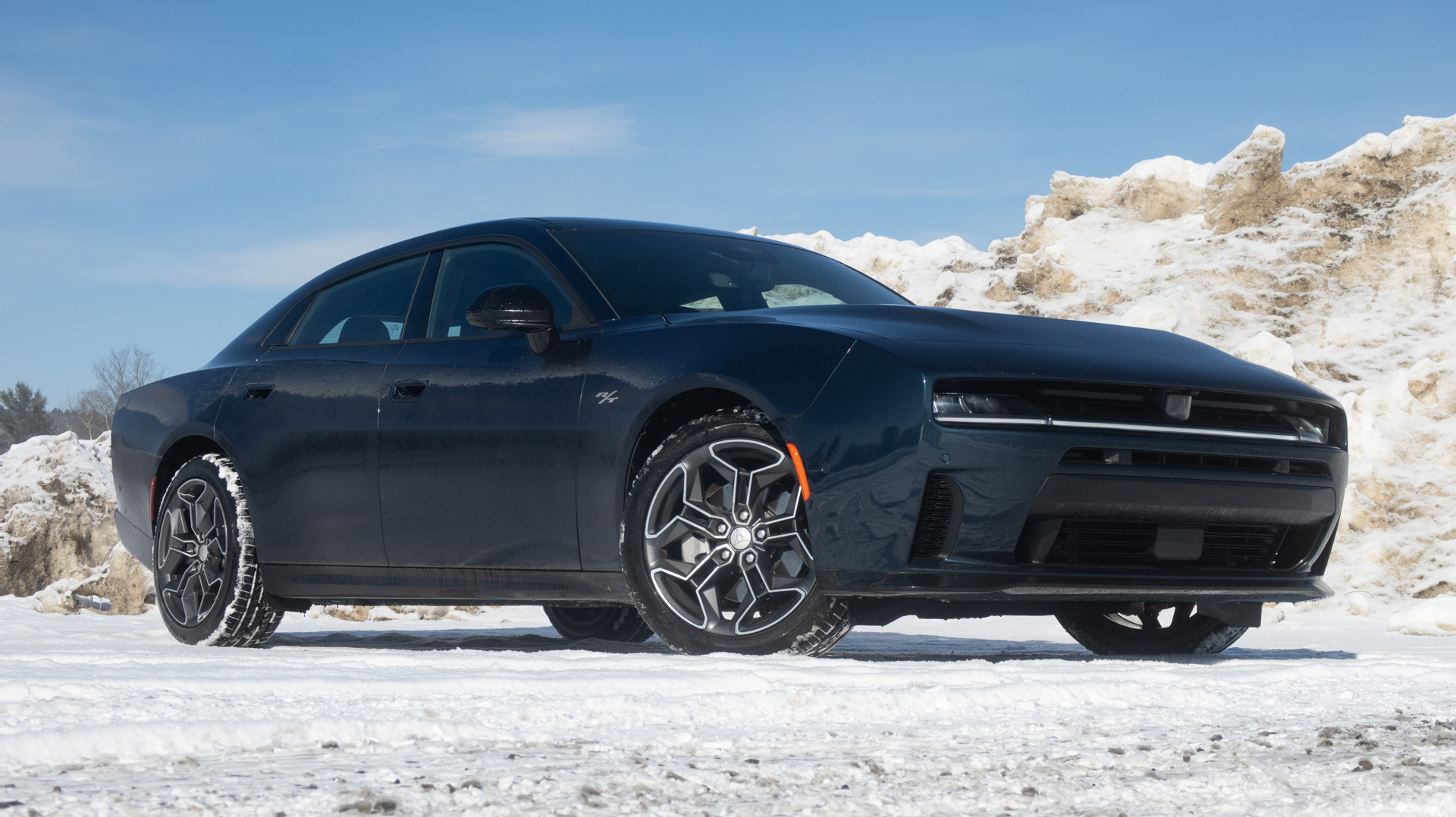
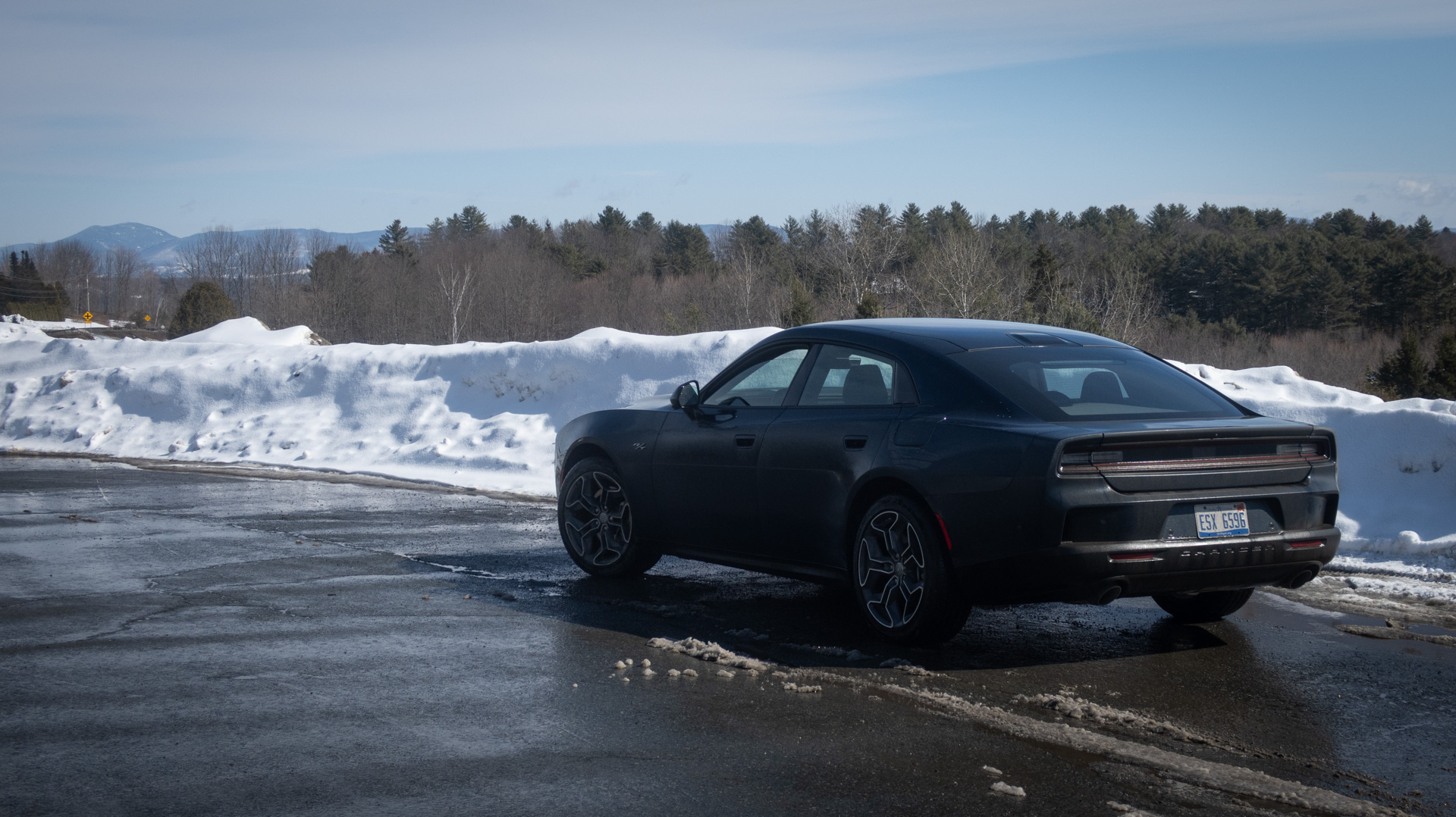
The overall design successfully channels a heritage-inspired vibe without being retro. It doesn’t feel like a 2026 version of a 1968 Charger. Actually, to me, it looks a lot like the outgoing Charger and Challenger melted into each other. (Which, effectively, is what’s happened—there’s now a four- and two-door Charger while the Challenger nameplate is parked indefinitely).
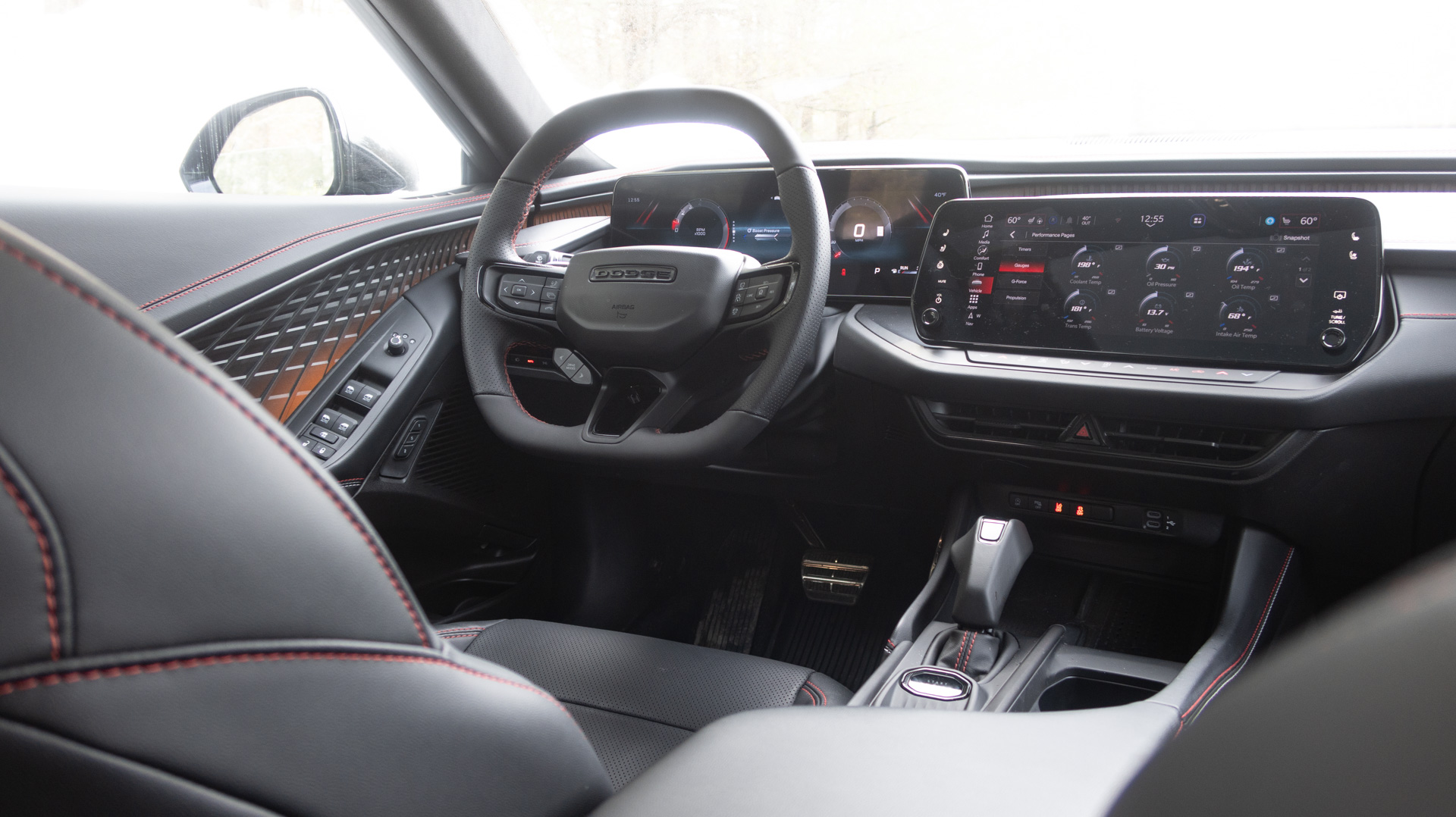
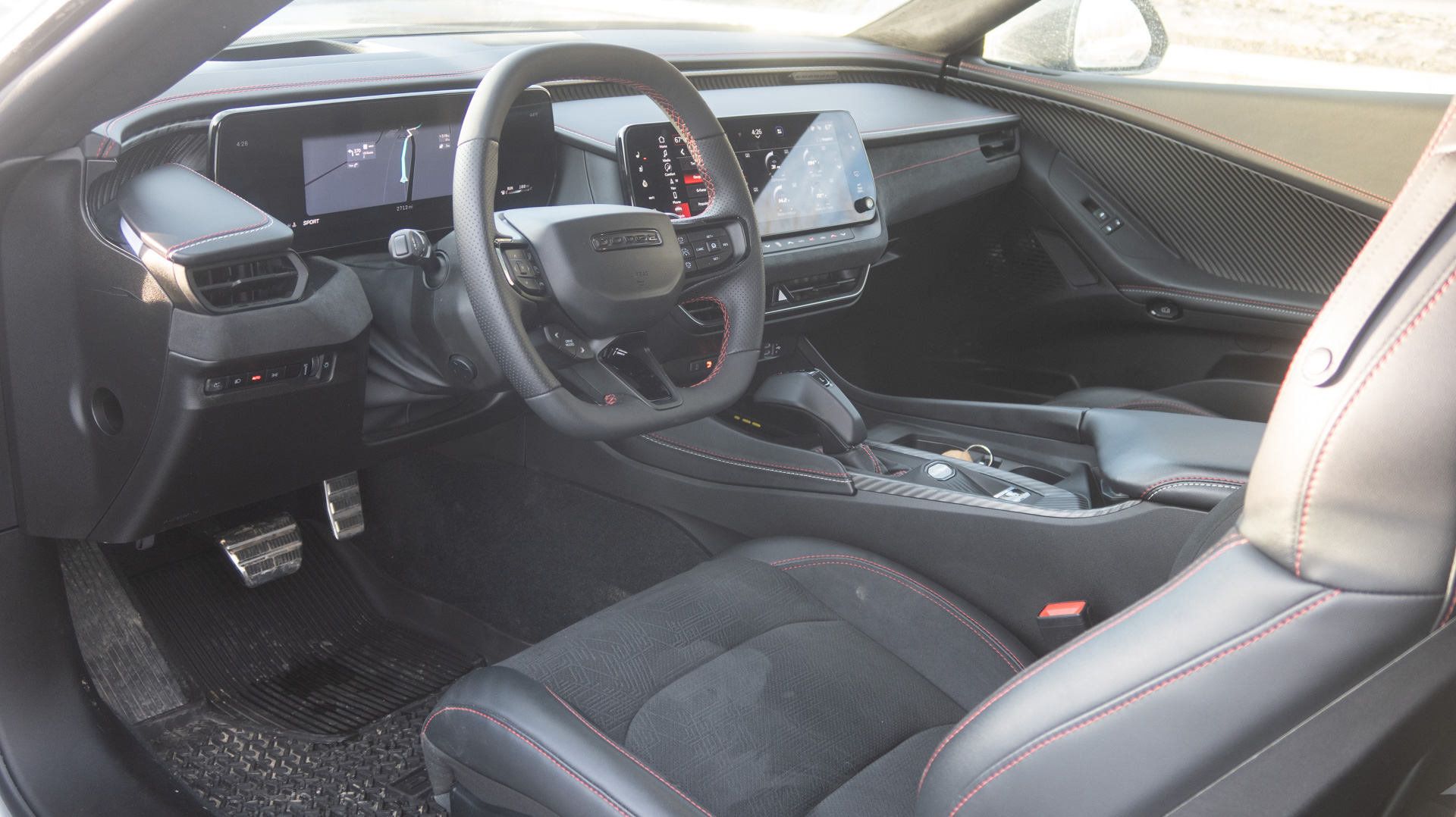
The cockpit features a lot of cool ideas with just-OK execution. I’ve driven more early build, pre-production, and prototype cars than I can count, and the 2026 Charger was the first to hit me with a remarkably intense new-plastic smell as soon as I dropped my ass into the seat. It was like walking into a Toys ‘R Us in the ’90s. Not the worst nostalgic association, but not exactly the first impression I wanted from a $60,000 vehicle.
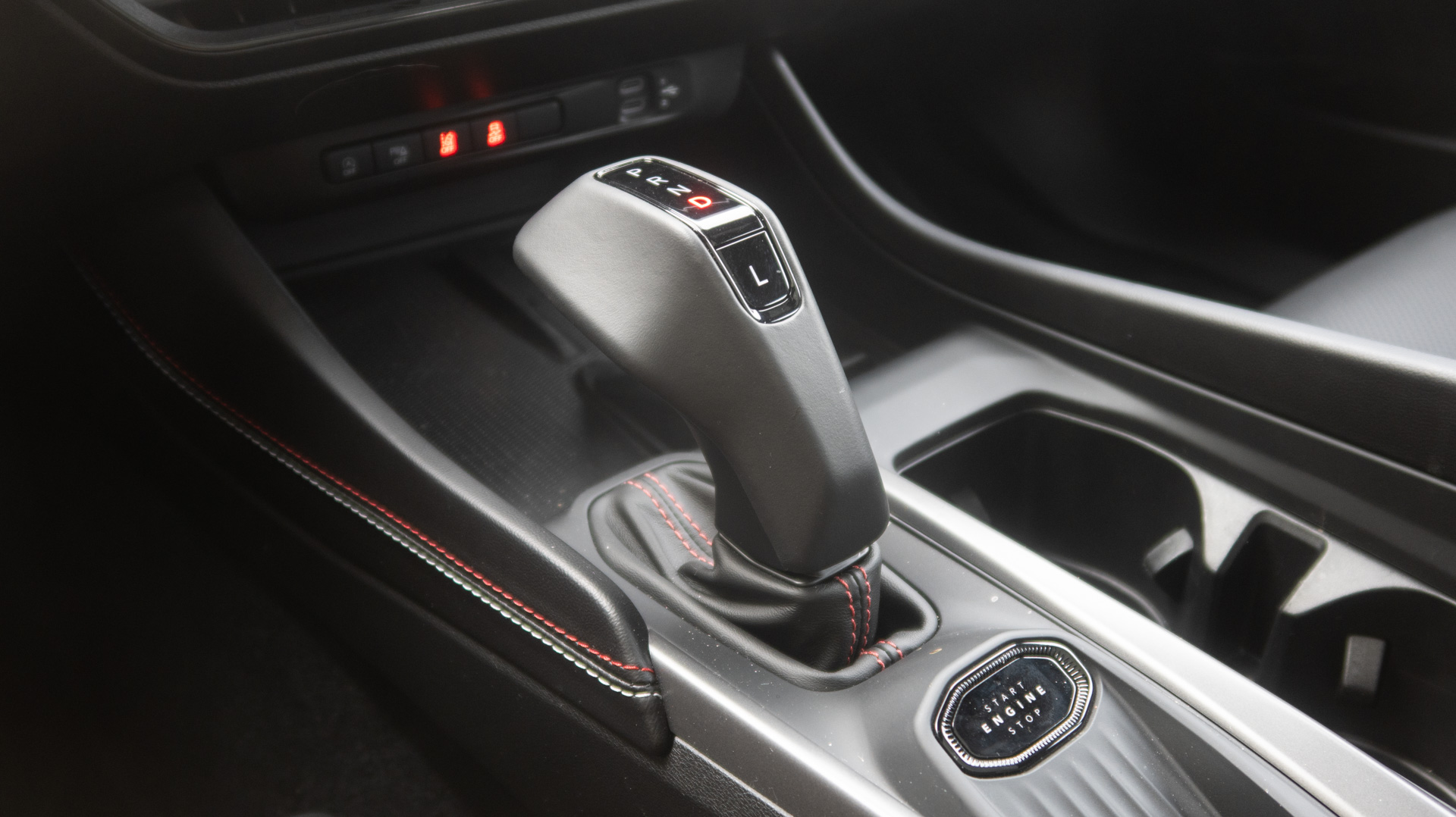
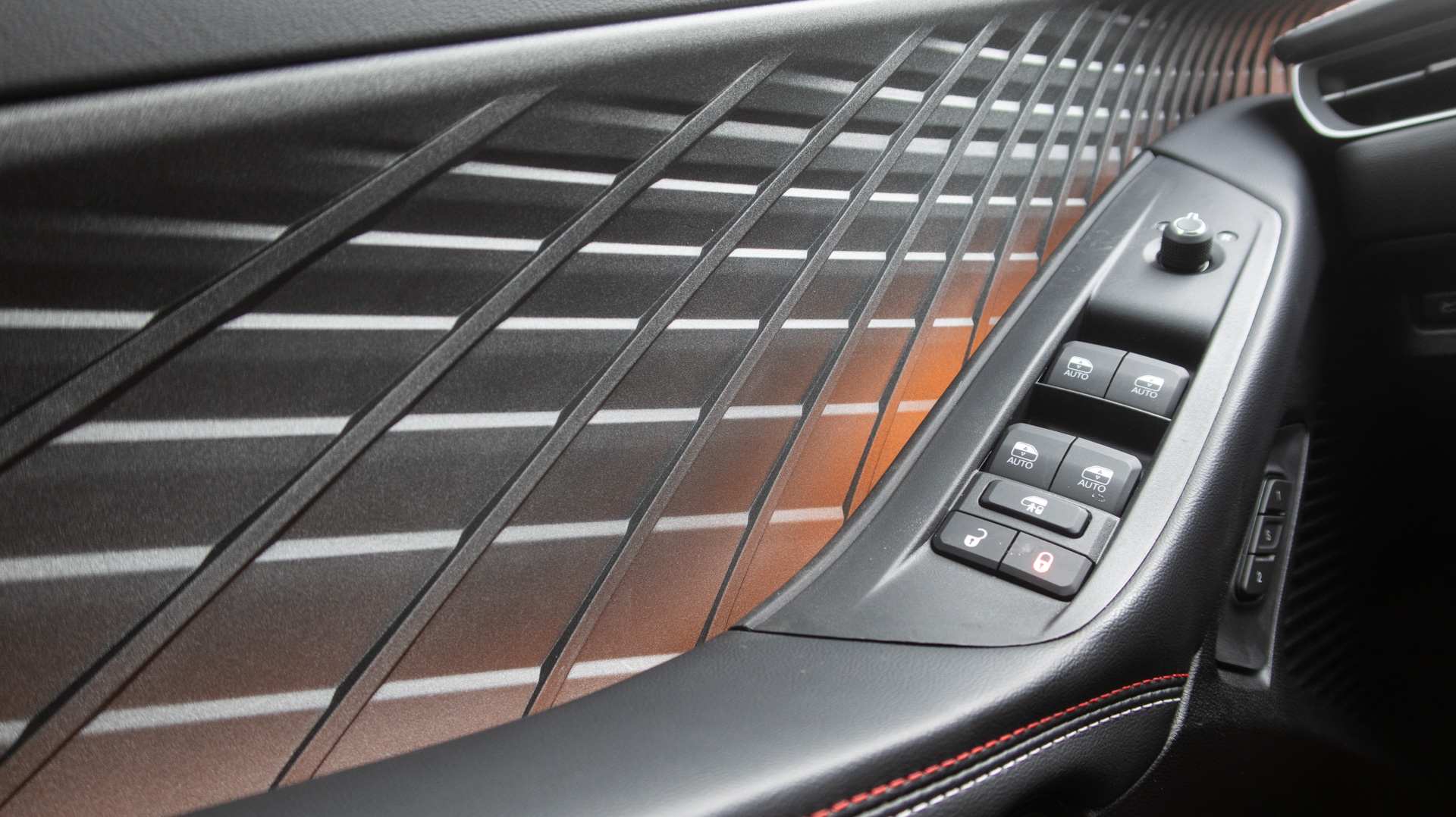
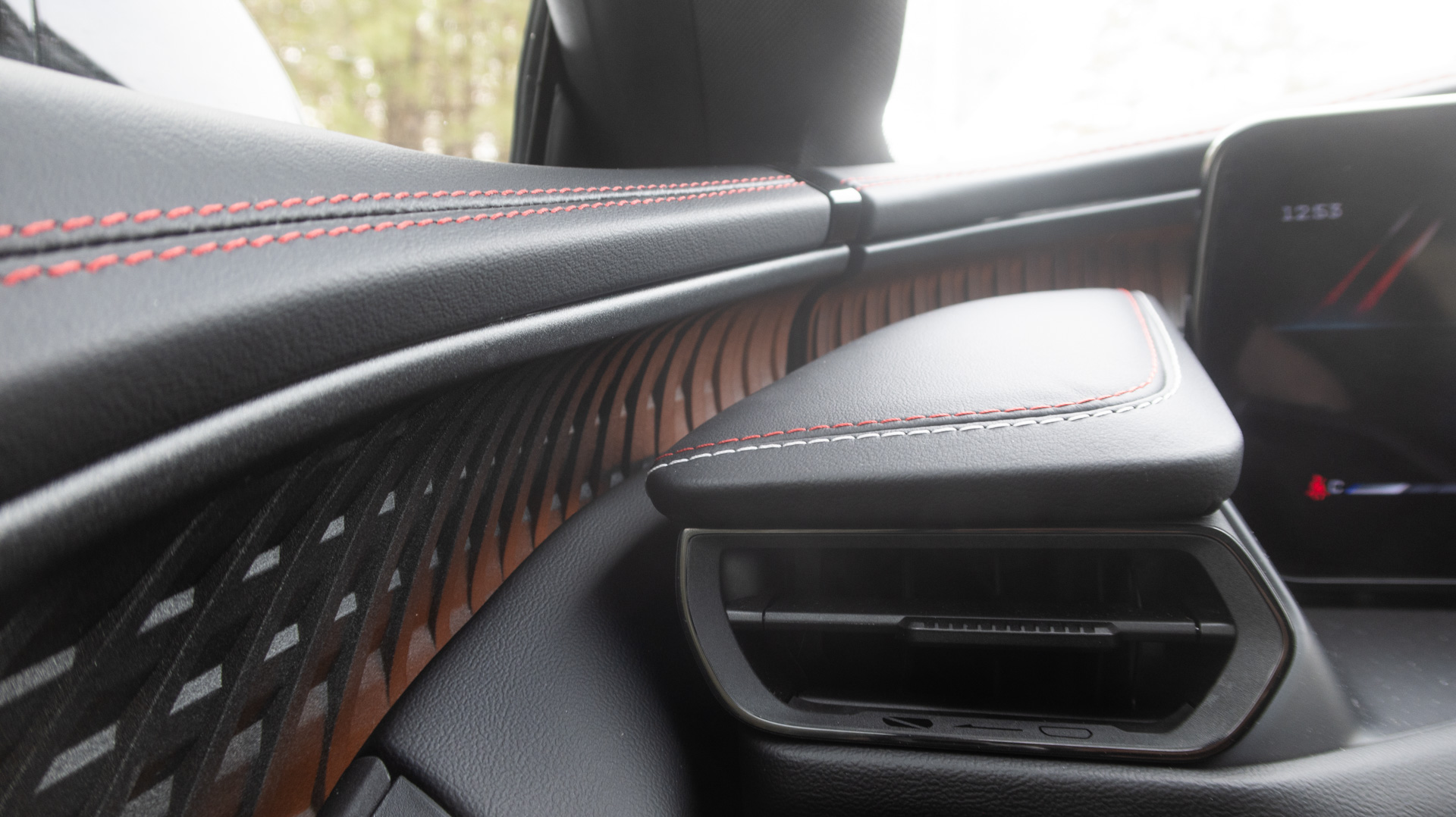
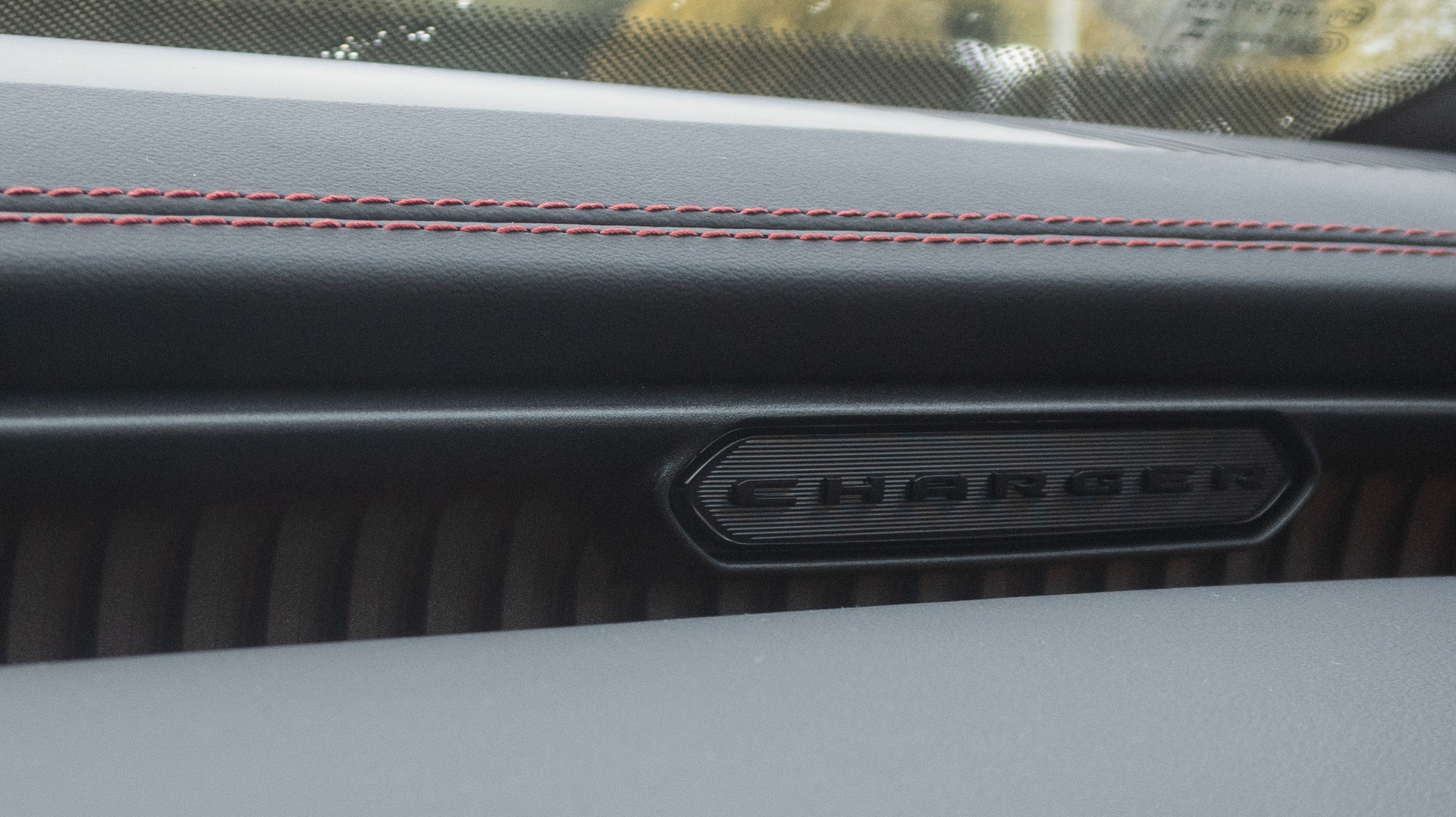
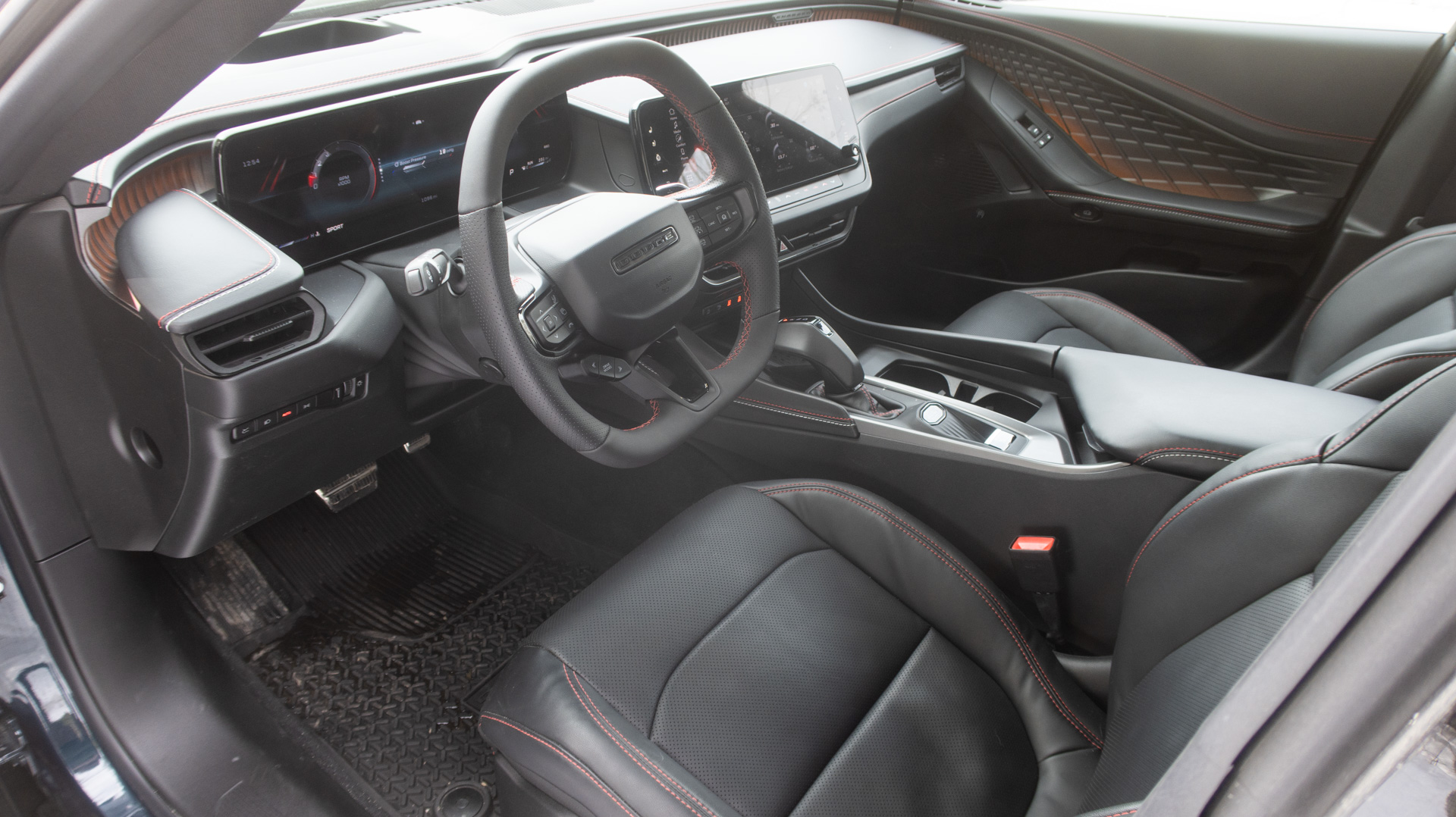
Touchpoints are a mixed bag. The steering wheel feels great, and I actually enjoy its slightly unusual flat-tire shape (in both design and usage). The soft wrapping on the door cards seems like it isn’t quite taut enough. The pistol-grip shifter is ergonomically excellent but just slightly, and disappointingly, flimsy.
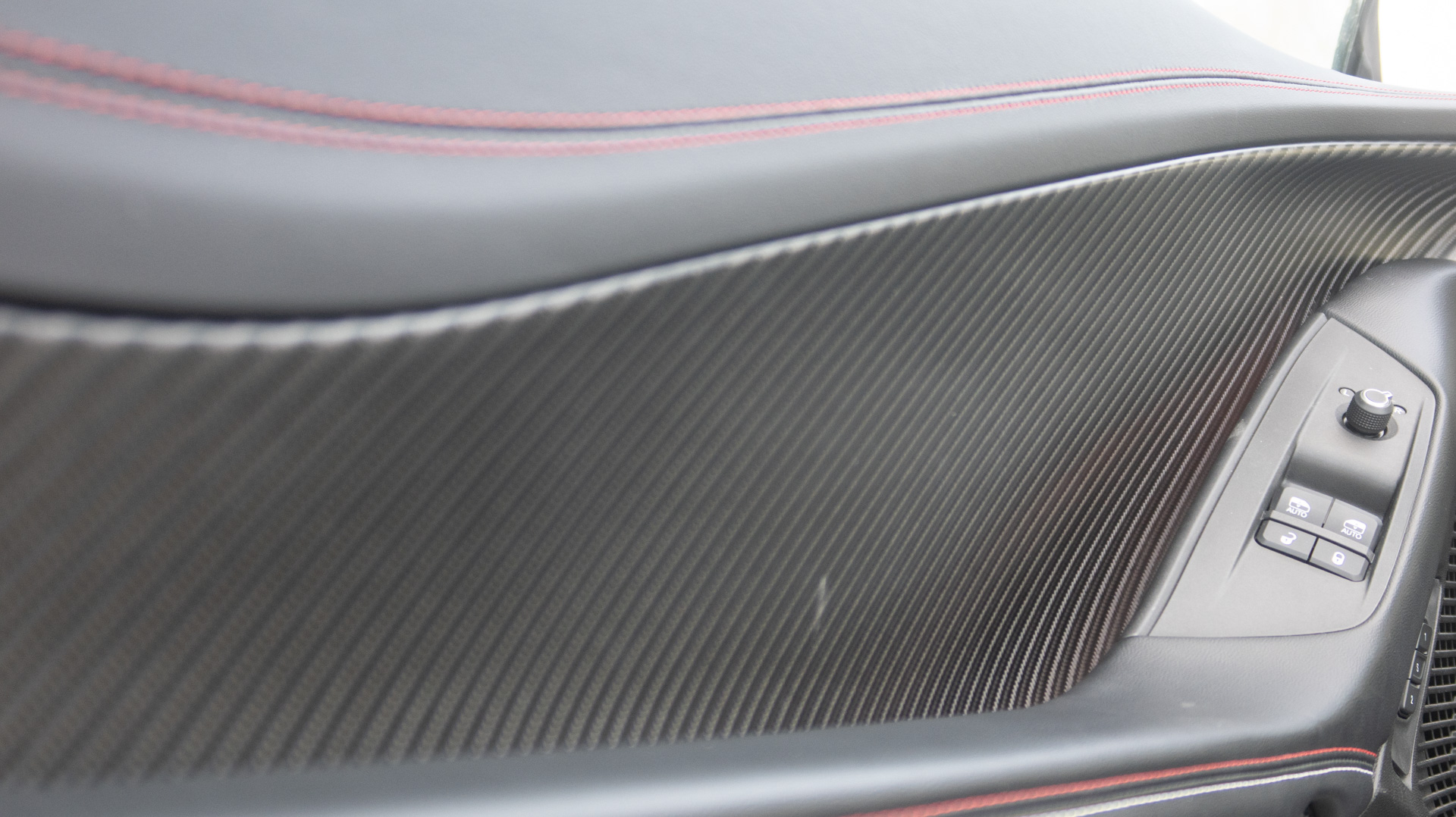
The dashboard design is very pleasing—complex and interesting without being distracting, and it visually connects with the doors really well, whether you spec the carbon-fiber interior package or not.
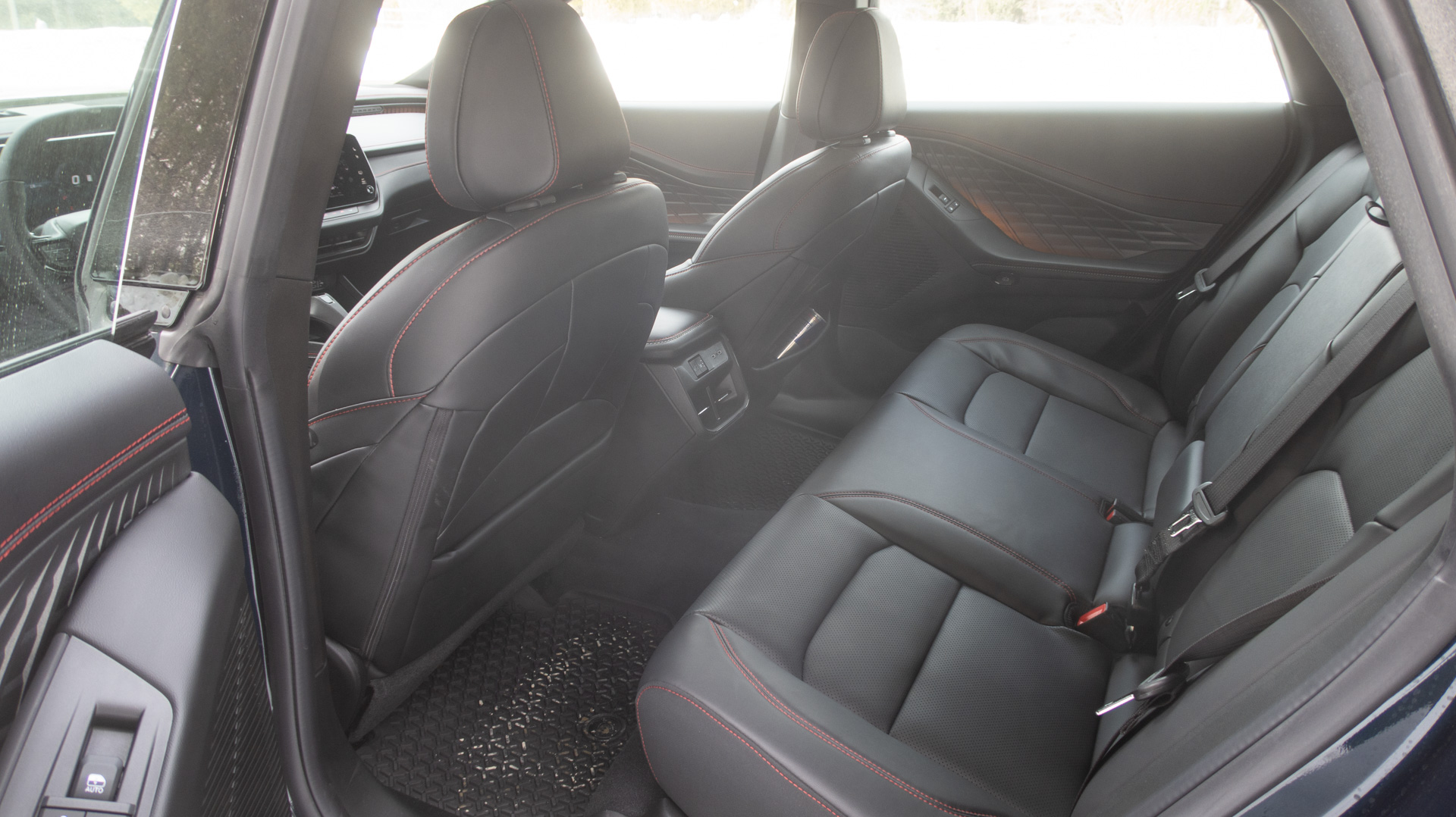

The front seats of my mid-level spec (R/T Plus with Preferred Package 21A pictured here) were quite comfortable, but the back is a lot less so. While Dodge says it added four inches of rear legroom versus the outgoing car, it also had to raise the floor to accommodate the Daytona model’s battery, which this non-EV variant doesn’t even have. As a result, I had to cram myself into the back seat like I was about to make a cannonball splash into the pool, with my knees just a little too high and my head too low. I’m six feet tall exactly, and my skull was hitting the roofline.
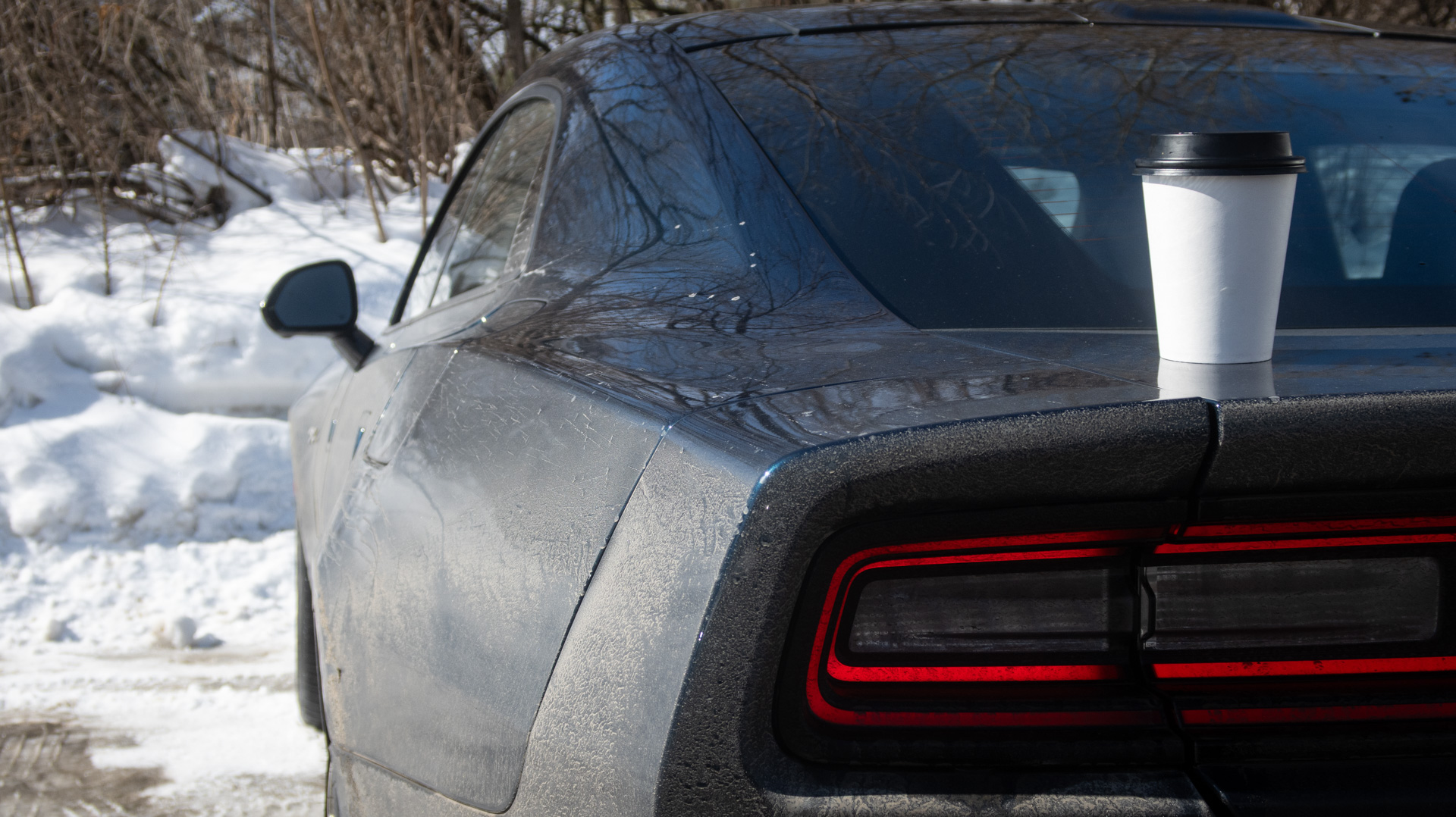
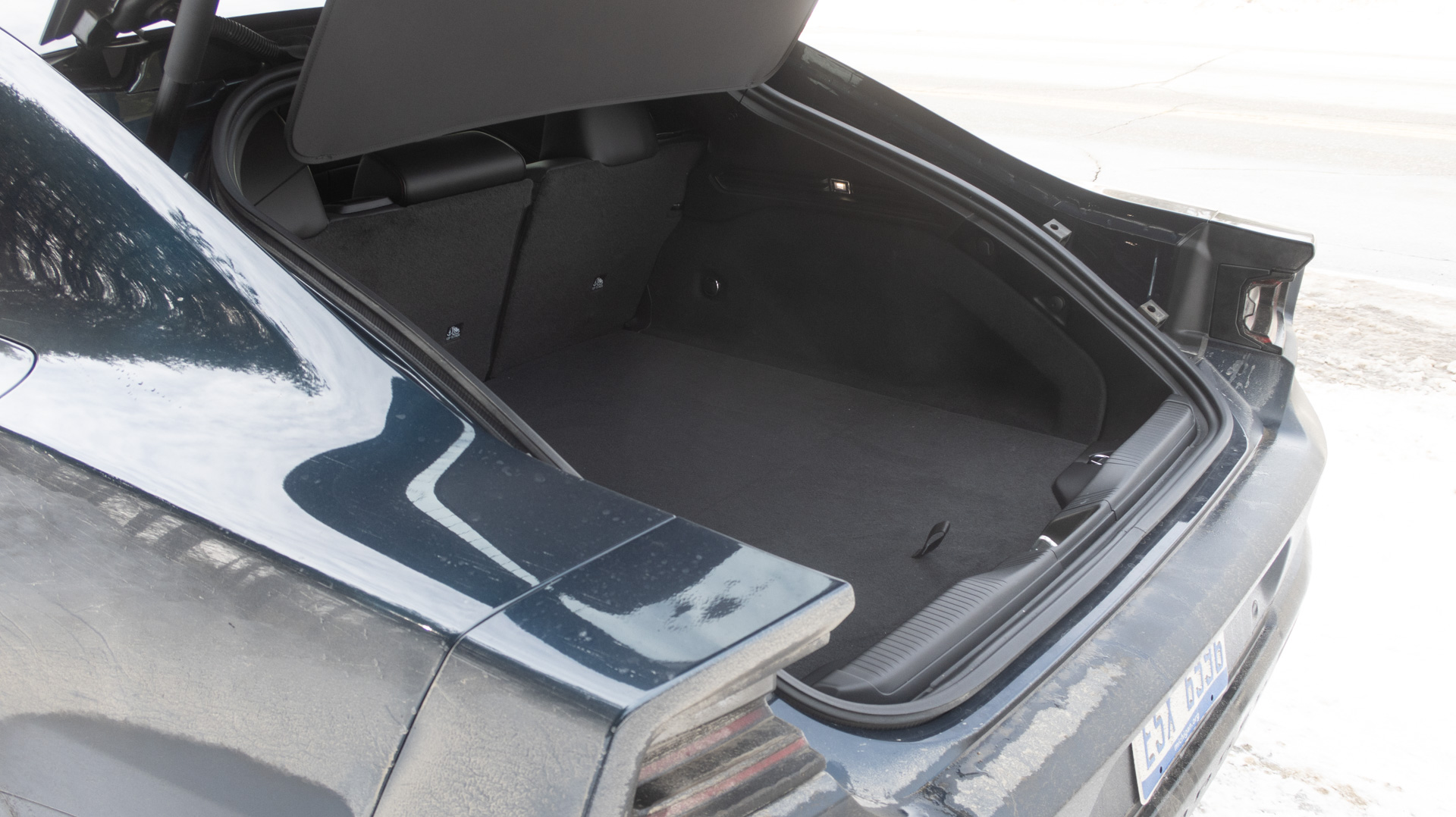
Both the coupe and sedan share virtually the same cabin and cargo dimensions. The cargo hold is long and cavernous with a generous 40-inch-wide opening. It’s plenty big for personal luggage or even light lumber runs, but it could be even deeper if the dang body hadn’t been designed around a giant EV battery that this model lacks.
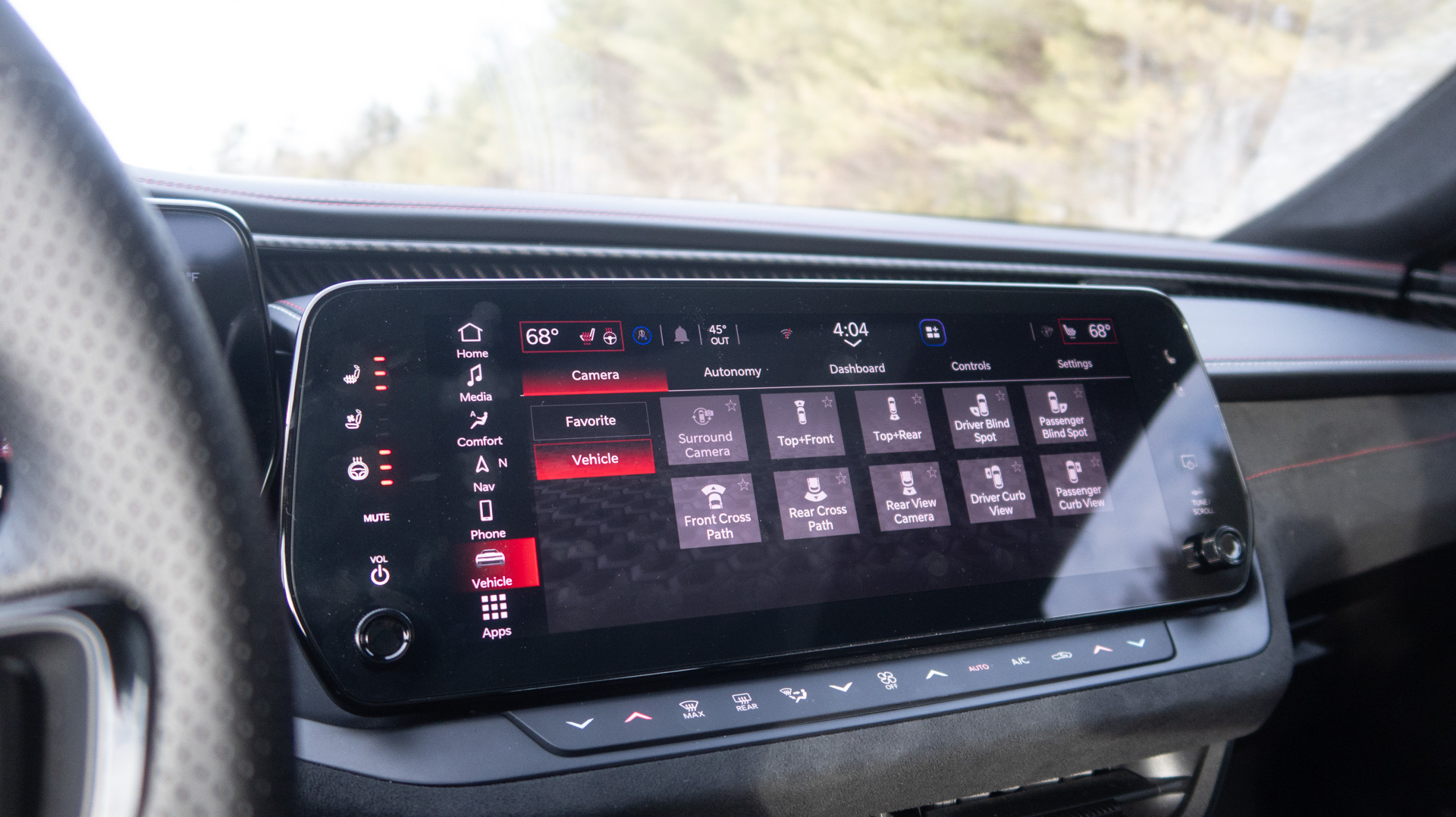
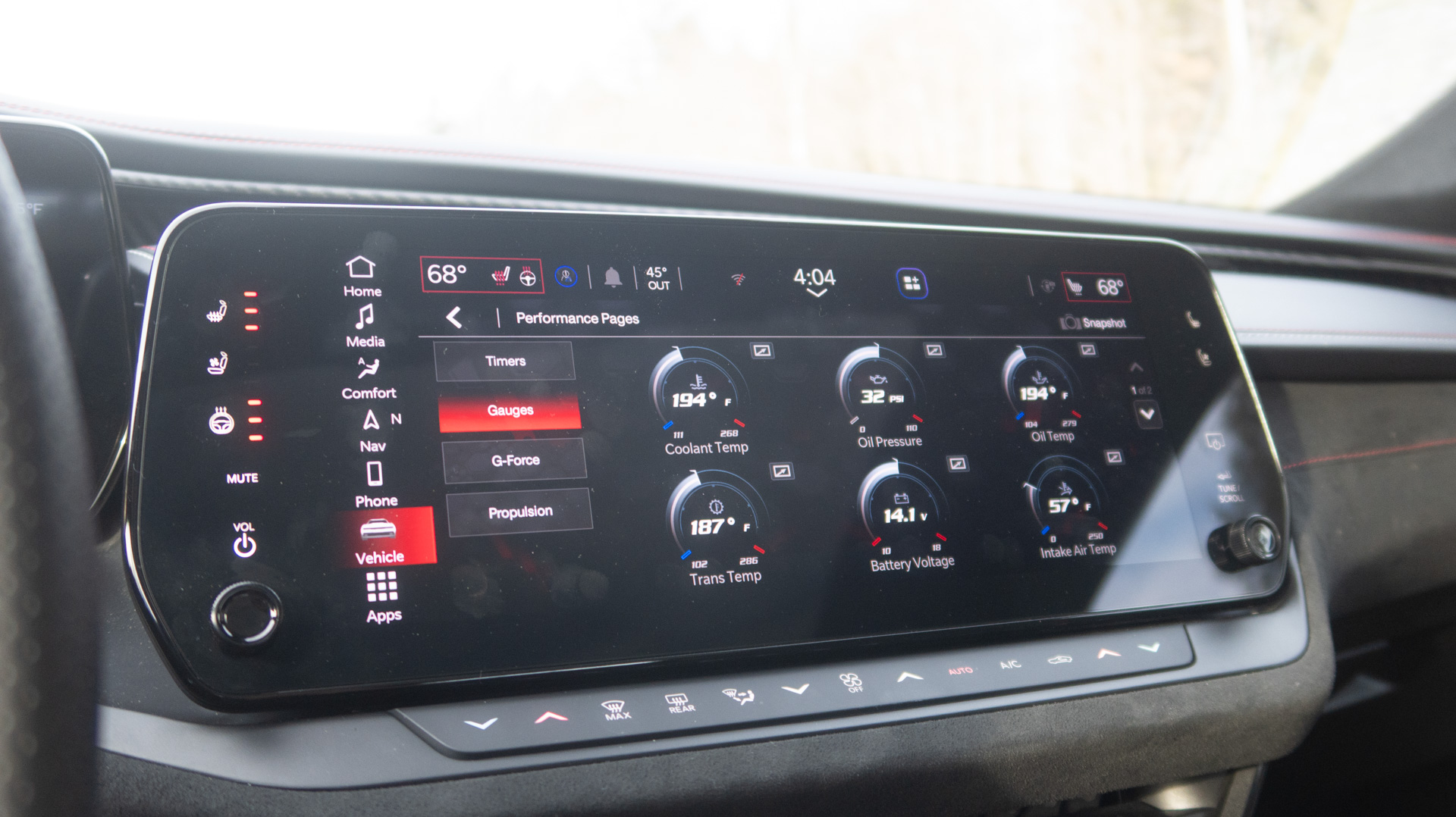
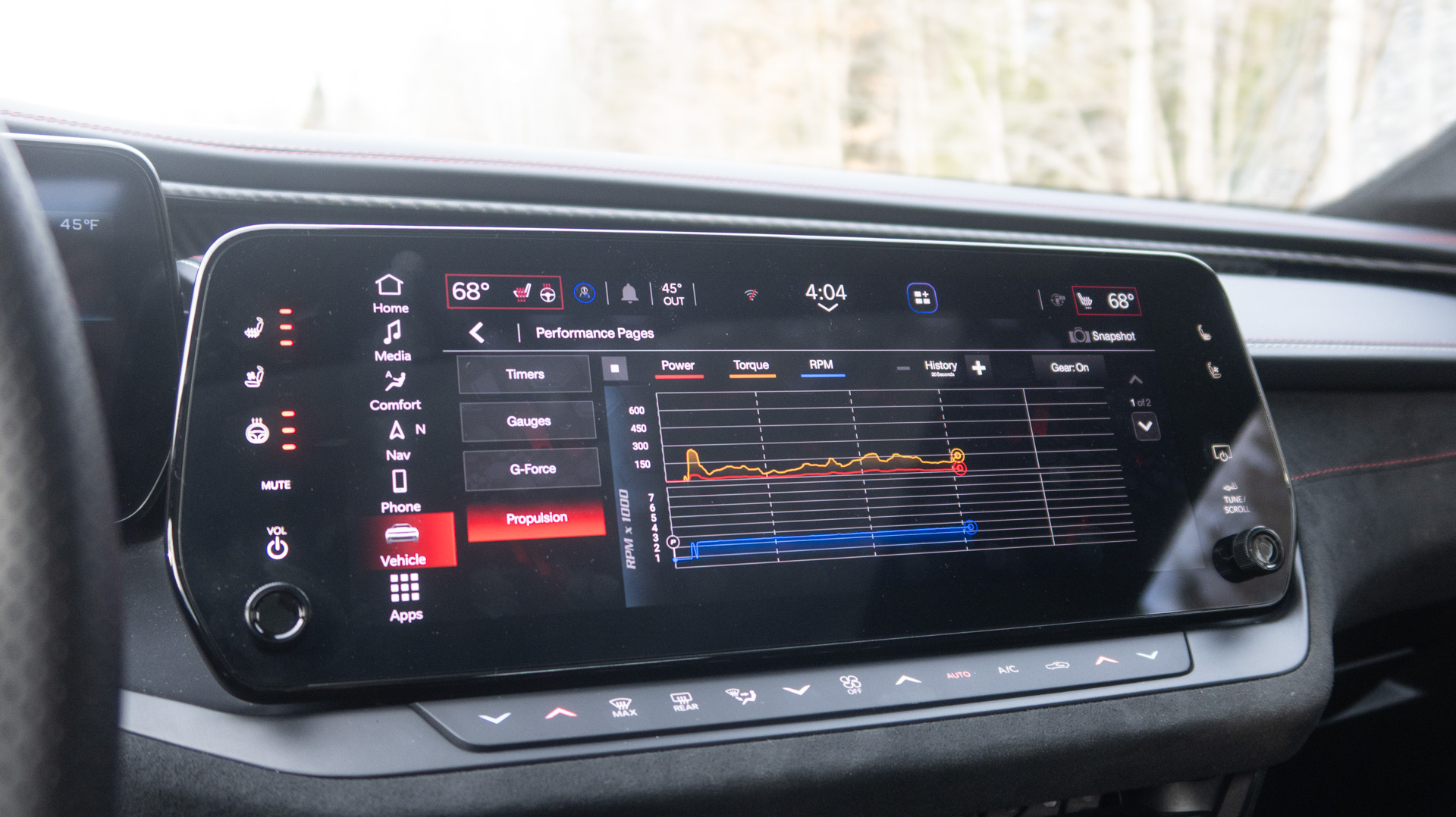
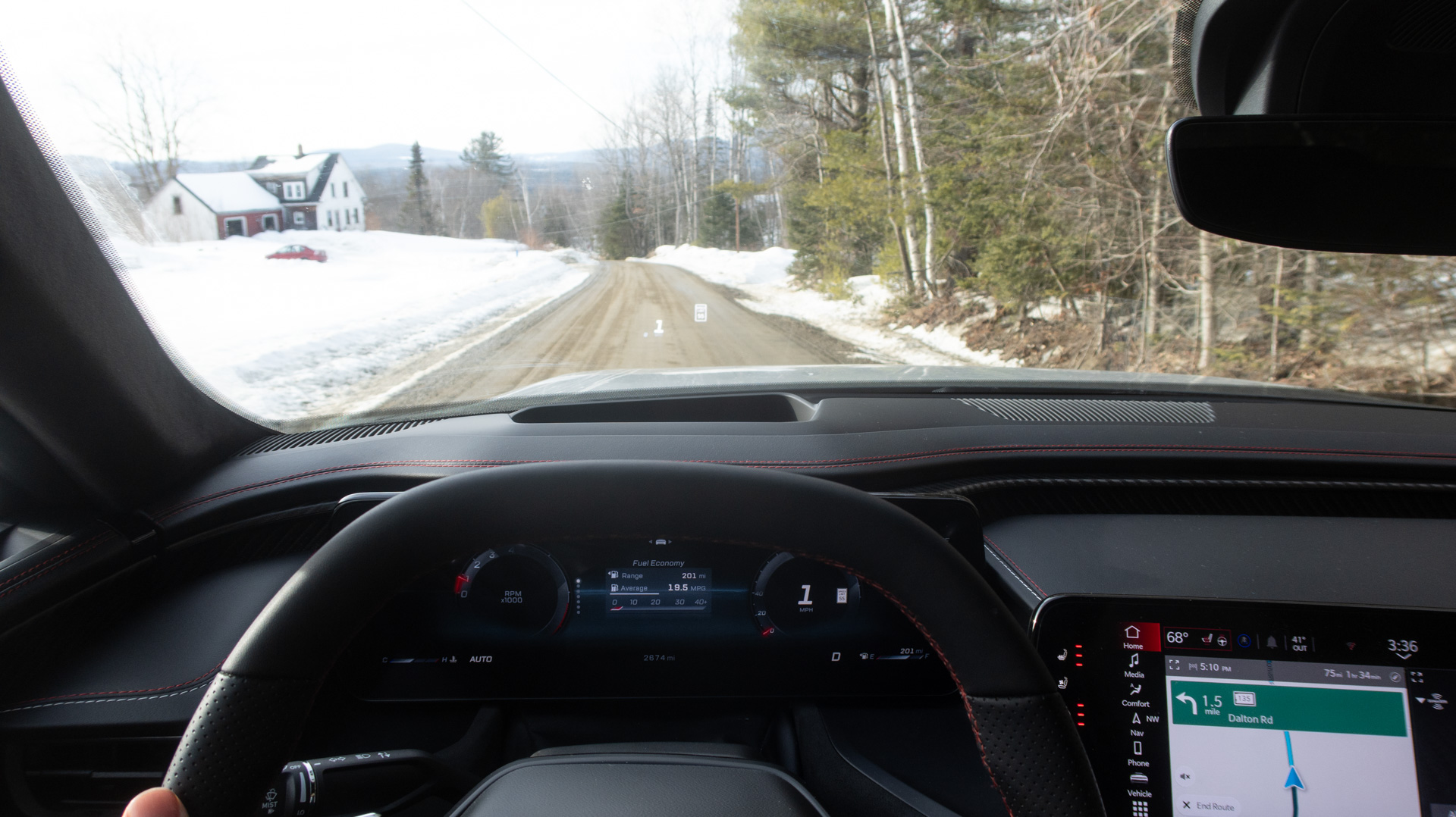
The infotainment and digital interface are both quite excellent. Dodge has always made some of my favorite UXs, and the operating system here is both feature-rich and idiot-proof. Menus and controls are self-evident, offering a huge wealth of information at your fingertips. Screens are large but low enough to be relatively inoffensive and flow pretty well with the cabin design.
Driving Impressions
I’m totally onboard with the Sixpack engine now. This non-Scat Pack version has plenty of thrust and feels fast—short of terrifying, but engaging. Initial throttle response is quite good for a turbo engine this size. In fact, in certain situations, it even feels snappier than the 550-hp Scat Pack, which has bigger turbos that take another beat to spool up. I enjoyed the sound too, windows up or down. Unfortunately, it did not come through on my iPhone’s mic at all, so we’ll have to revisit that.
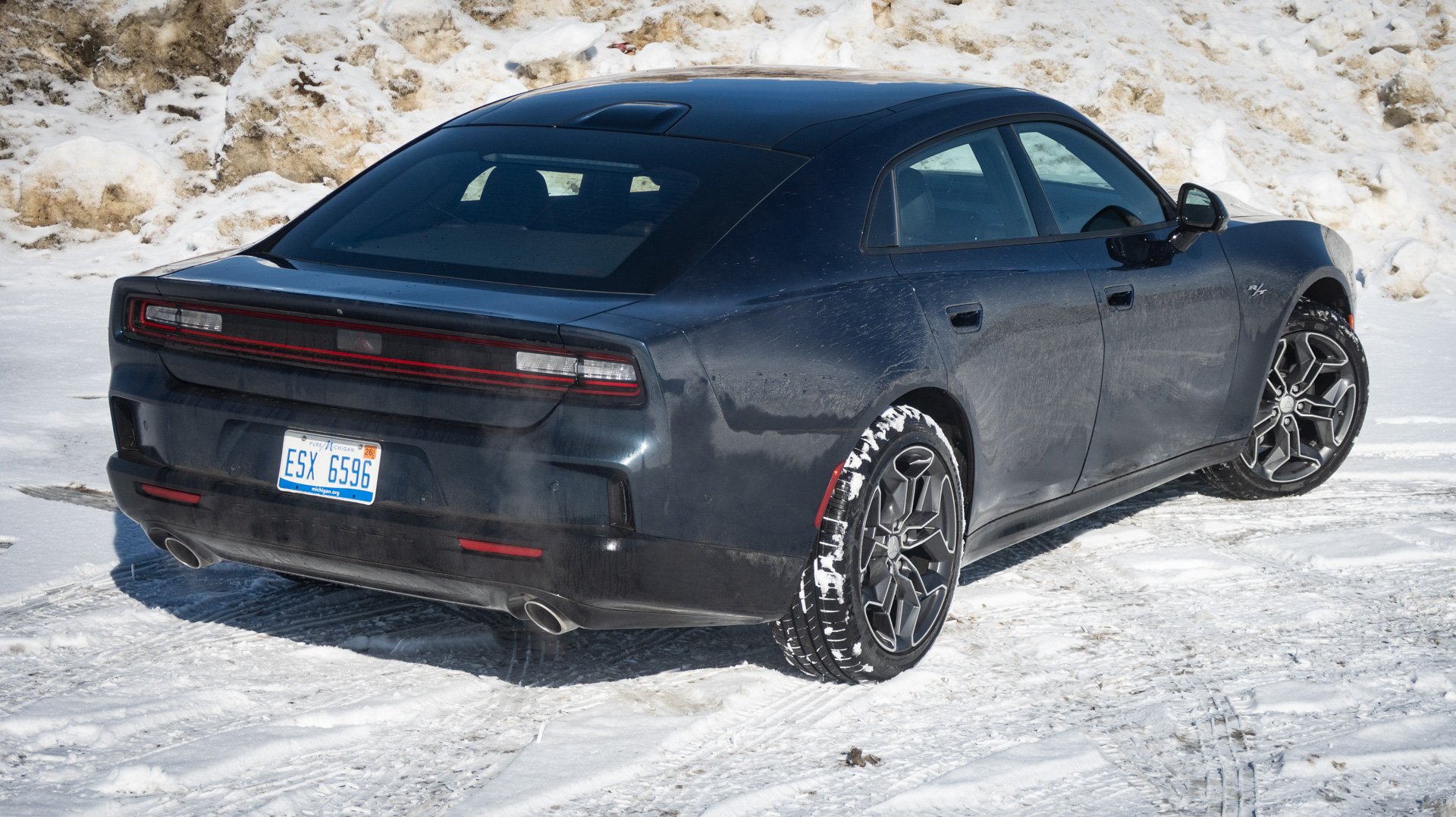

The eight-speed automatic transmission (880RE) is fine when left to its own devices, but the paddle-shifter setup leaves a lot to be desired. Instead of big, decisive paddles to grab gears with, the Charger has dumb little buttons with short clicks like an off-brand PlayStation controller. There’s no plus/minus upshift/downshift gate in the console shifter either, which feels like an oversight, especially since Dodge went with a grip-style gear selector.
There are a few drive modes, all of which create vastly different driving experiences. A Wet/Snow mode mutes throttle response markedly; Auto provides good daily drivability; and Sport adds some steering resistance and gas-pedal punch. From Sport, you can also put the car in rear-wheel-drive mode for sliding around, or even just to change the steering feel.
Speaking of which, steering connection from a true driver’s perspective is not one of the car’s strongest suits. While sport steering makes the wheel seem a little heavier, it does nothing to create a real sensation of connection from fingertips to tires. Not a dealbreaker on this particular car, in my humble opinion, especially since that sort of numbness pays dividends in an arguably more important area: ride quality.
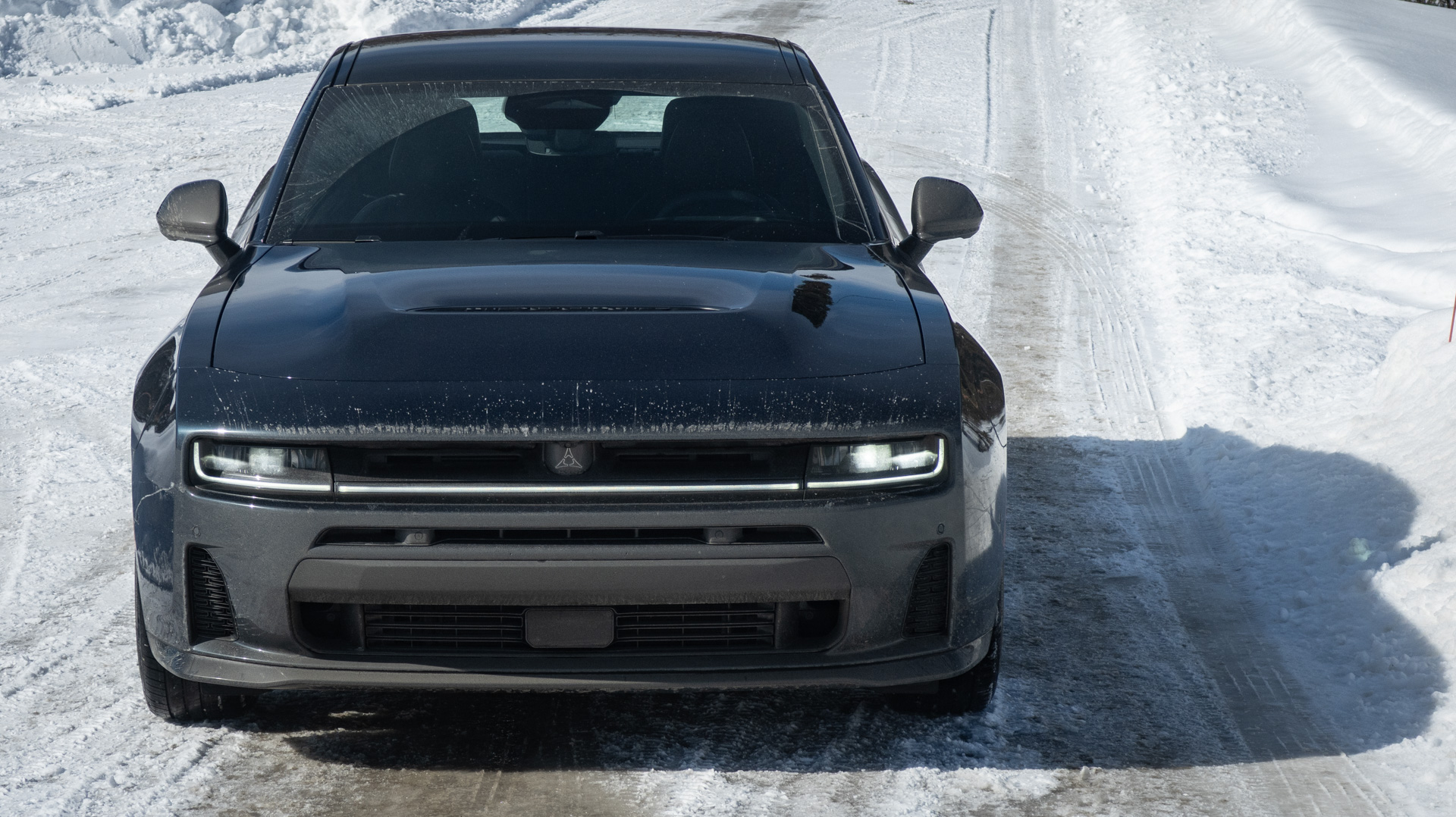
Boy howdy, is this thing comfortable. I was chucking the tires into potholes and carelessly cruising over barely plowed frost heaves in Vermont and New Hampshire, and the car didn’t feel punishing at all.
For daily driving, the Charger R/T offers a nice and easy experience with some excitement when you want it. Performance driving is fun, too, as long as you respect its limitations. The car feels big, heavy, and soft (R/T is 4,741 pounds)—it could be frustrating to try to slice around a tight road course in one of these. But after some skidpad and cone-course testing with a Scat Pack on snow tires at Team O’Neil Rally School, we learned this platform is pretty easy to kick the tail out and reel it back in at manageable speeds. In Sport mode with traction aids off but all-wheel drive still active, you can pretty much ride an indefinite donut, just steering with the throttle. And isn’t that kind of what a Dodge Charger is for?
After all, it’s certainly not for getting good fuel economy, though I had hoped for better numbers than what the trip computer showed me during my test drive. The R/T is supposed to get 20 miles per gallon in combined driving, which seems pretty weak but acceptable at this power level, I suppose. I was looking at 18 mpg in combined driving, and while I wasn’t being gentle, I spent a lot of time at commuter speeds.
R/T Versus Scat Pack
The Charger R/T claims 420 hp and 468 lb-ft of torque (the old 5.7 Hemi V8 had 370 hp and 395 lb-ft). The Scat Pack runs the same block but gets forged internals, bigger turbos, some other cooling and supporting bits, and, of course, a different fuel map to hit 550 hp and 531 lb-ft of torque.
You can spot a Scat Pack car by the flying bee on its fender.
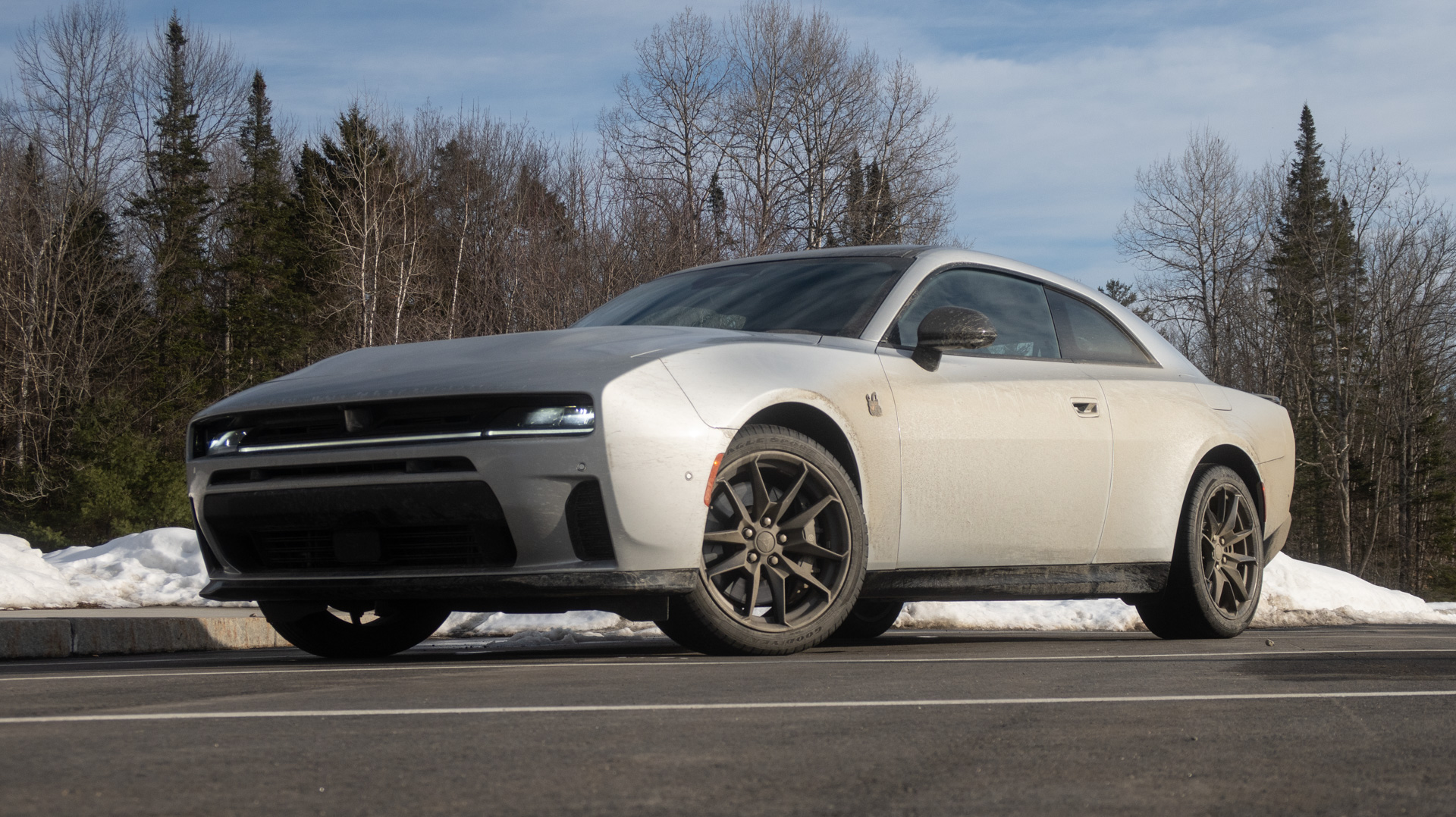
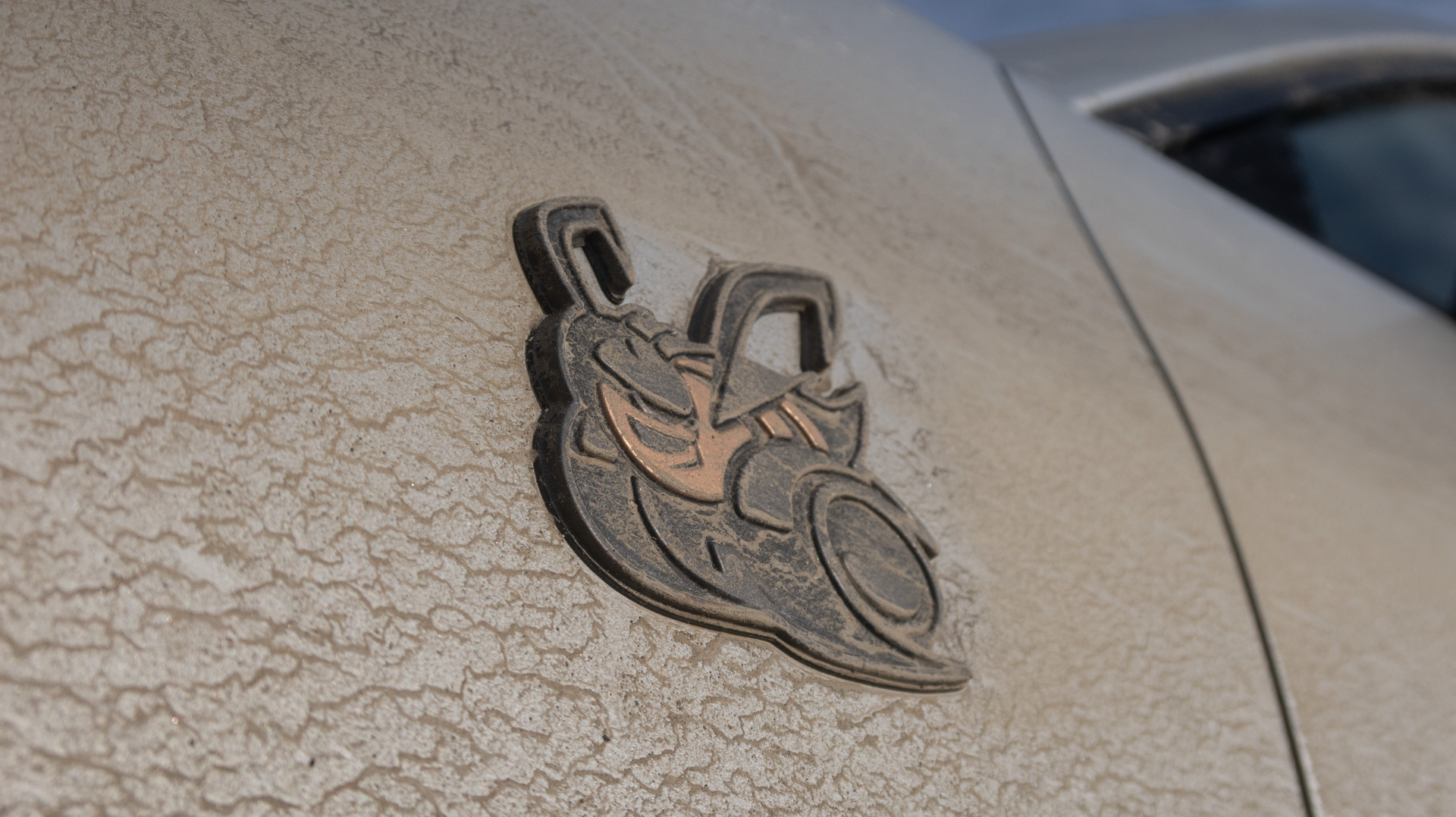
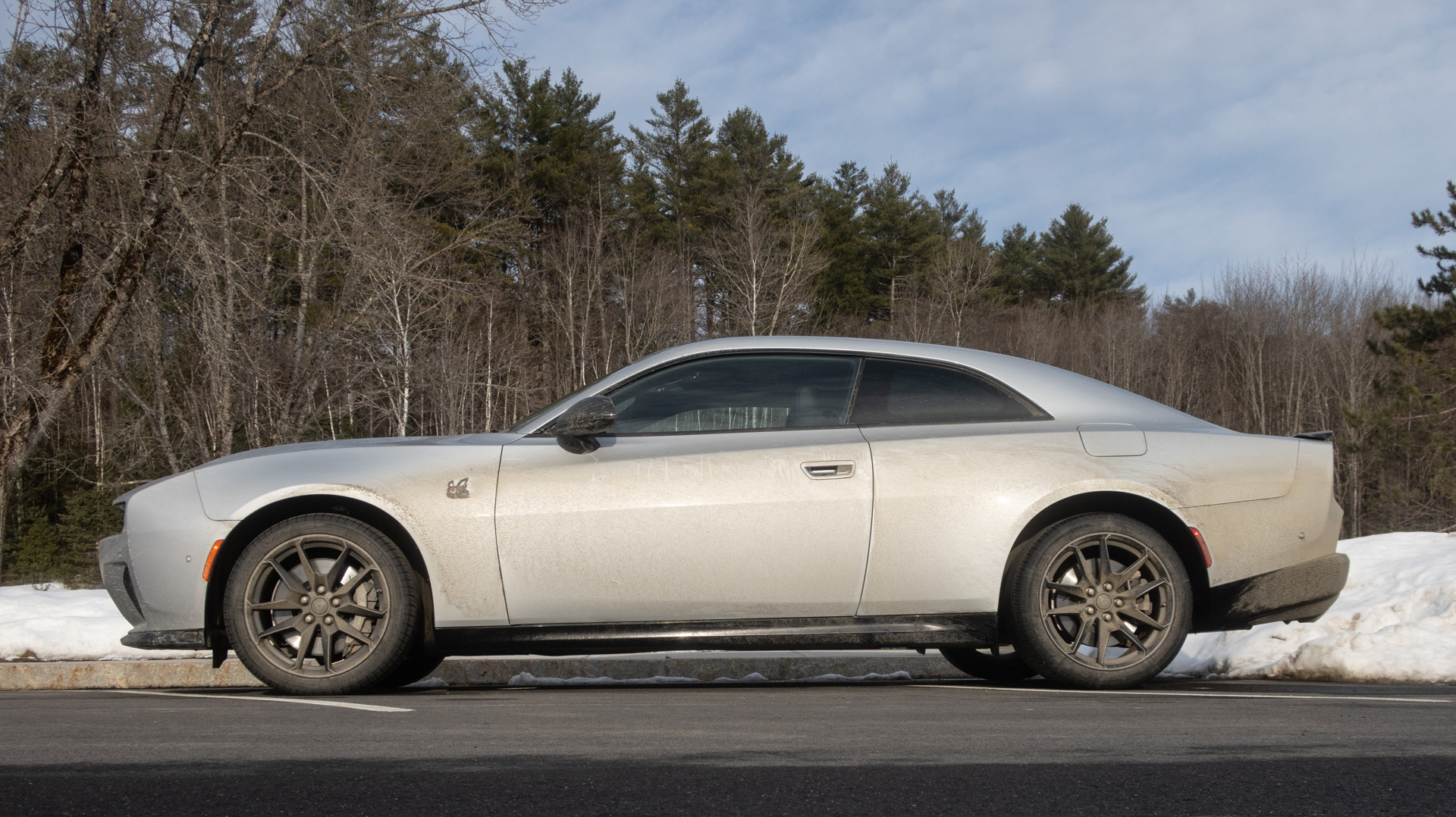
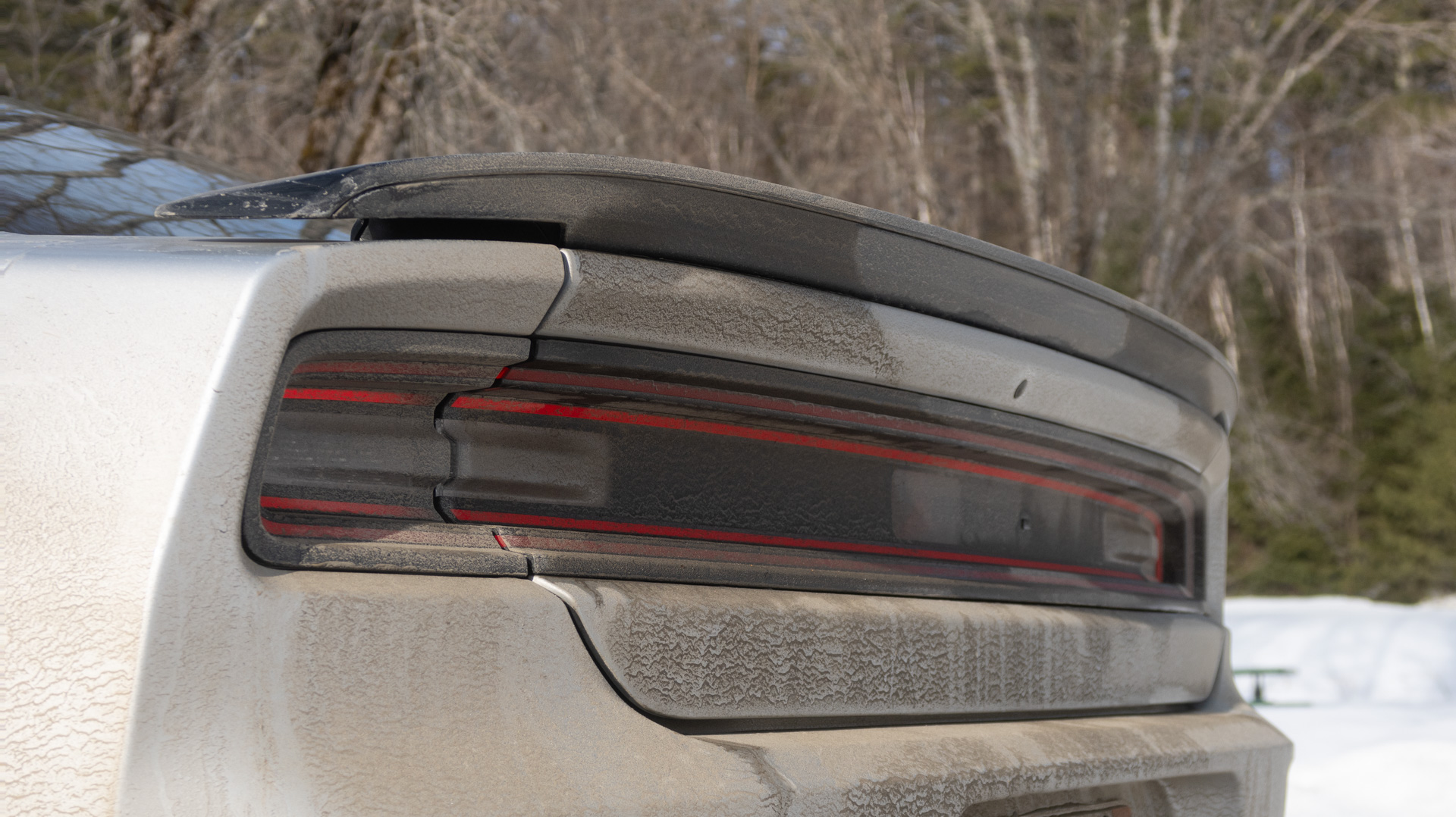
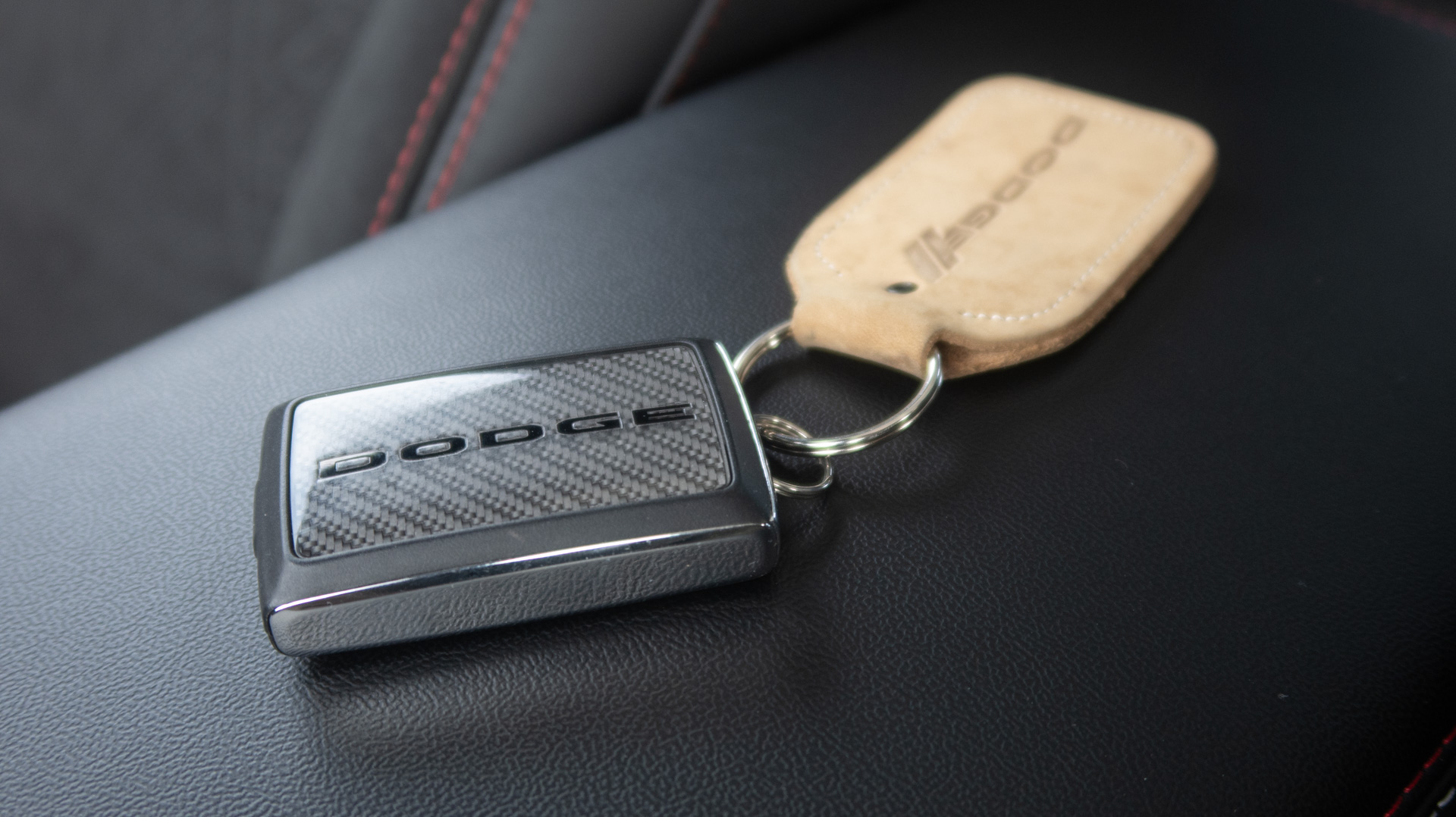
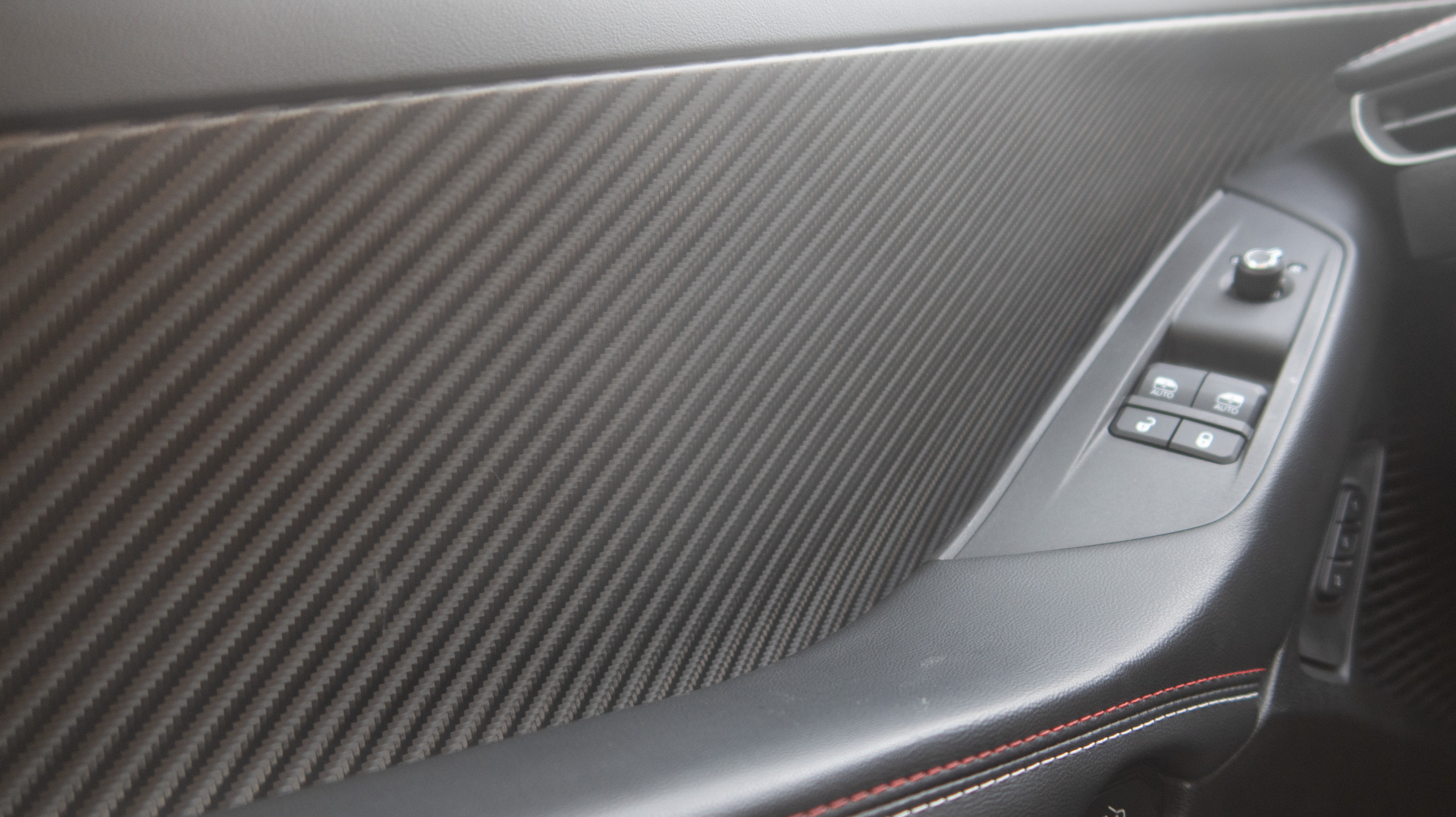
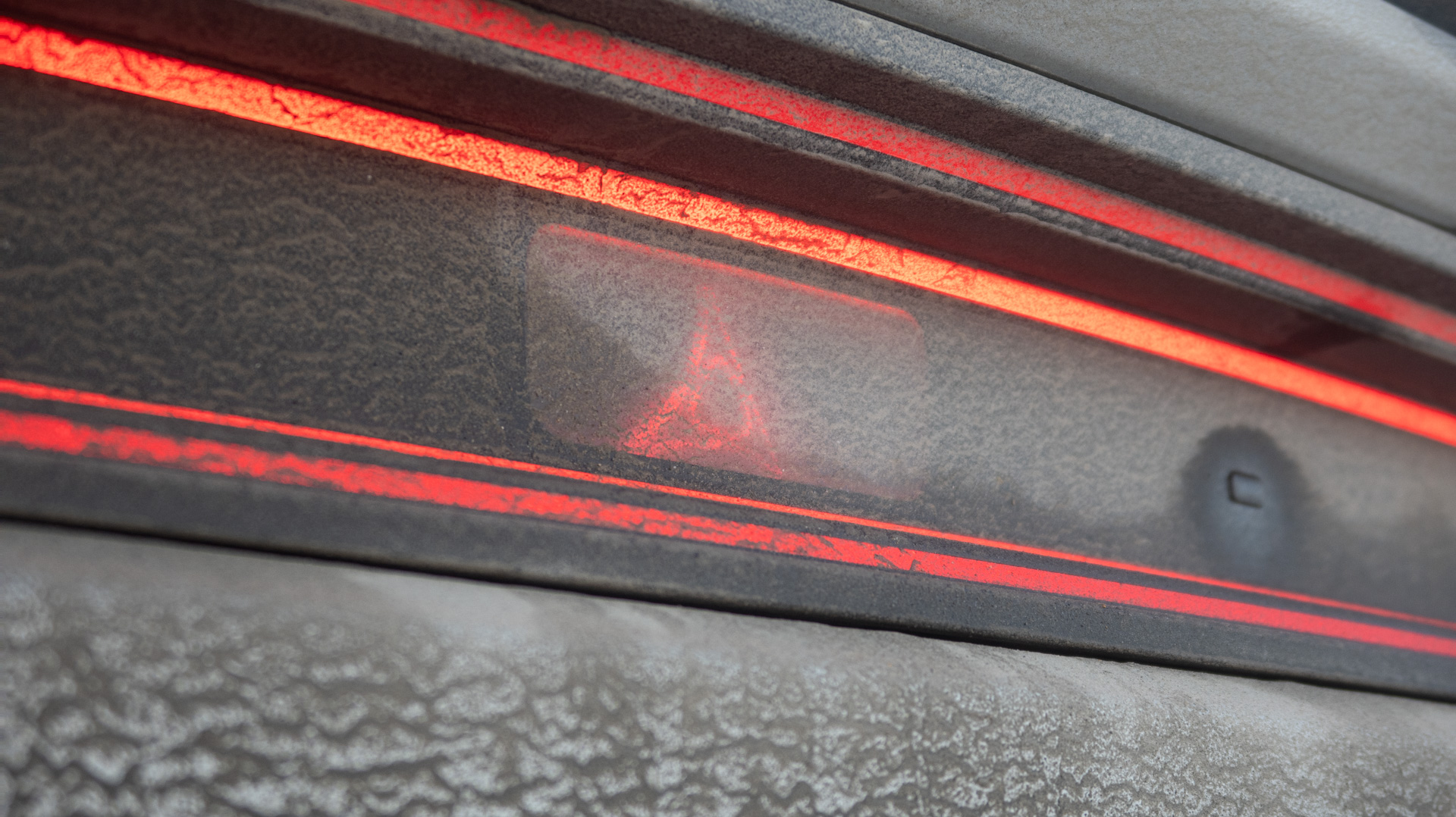
The Scat Pack variant feels faster without a doubt, but I’m not sure it’s actually better to drive. It’s fun to ride a big wave of boost up an on-ramp, but the R/T seemed more than happy to do the same kind of quick-hit braaaps you can get away with on public roads. And I liked the lower-powered car’s exhaust note much more. The Scat Pack droned on me at about 50 and 70 mph—two pretty common cruising speeds—and that alone would keep me in the R/T.
Still, Charger people are all about big power, and if you really want to mod, you’re going to want to start with the more robust Scat Pack. I bet we’re going to see people putting down crazy horsepower numbers in this thing once the aftermarket gets its hands on it.
Options and Value
There are essentially four models, all of which you can have as a two- or four-door: R/T, R/T Plus, Scat Pack, and Scat Pack Plus. My R/T Plus test rig started at $51,995 before fees and options, and was loaded up to $62,980, including a $1,995 destination charge. Now, I know it’s 2026, and everything’s expensive, but man. You really gotta love the Dodge Charger vibe to walk past a BMW M340i, which has less power yet does 0-60 half a second faster, at this price point.
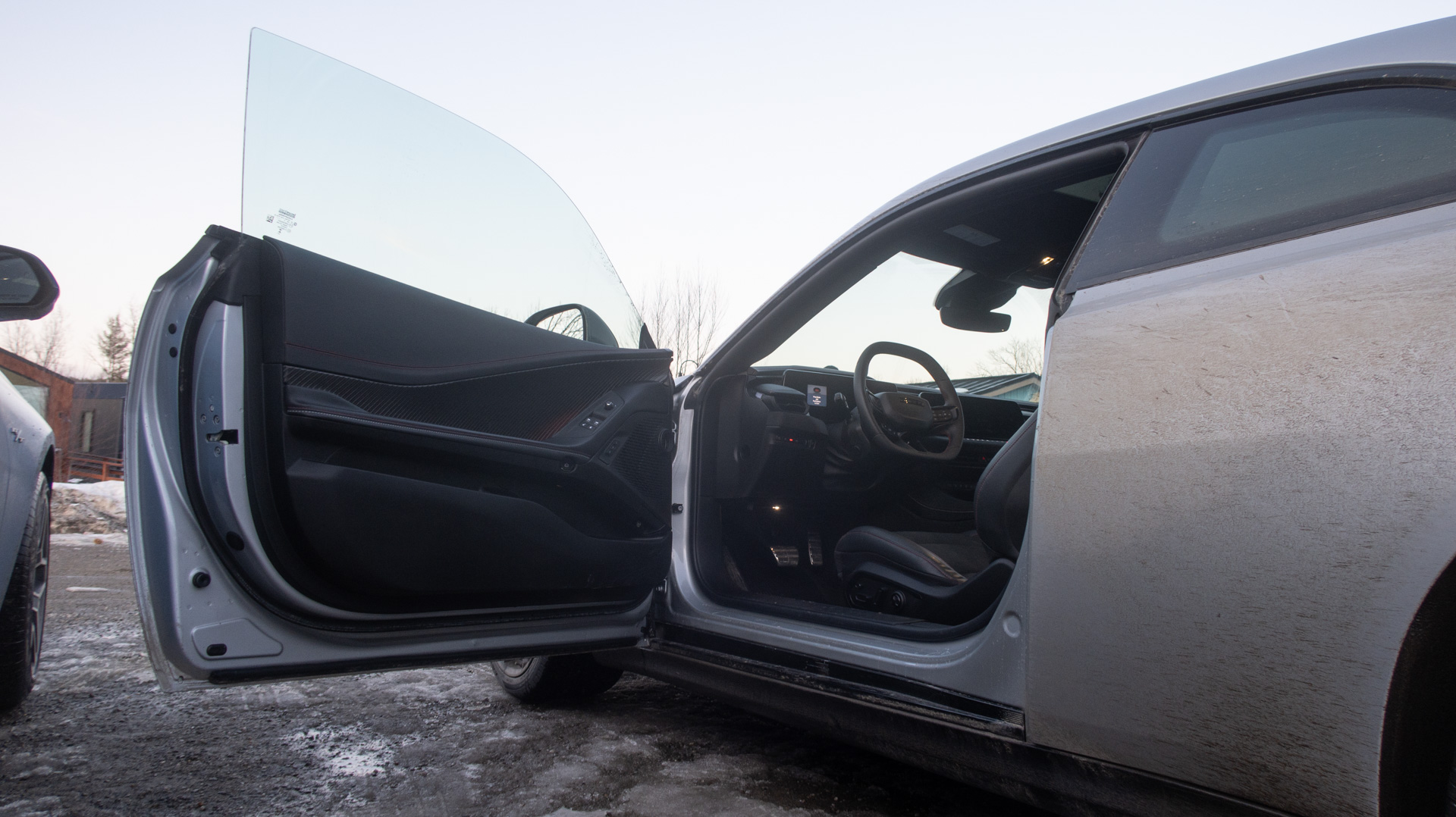
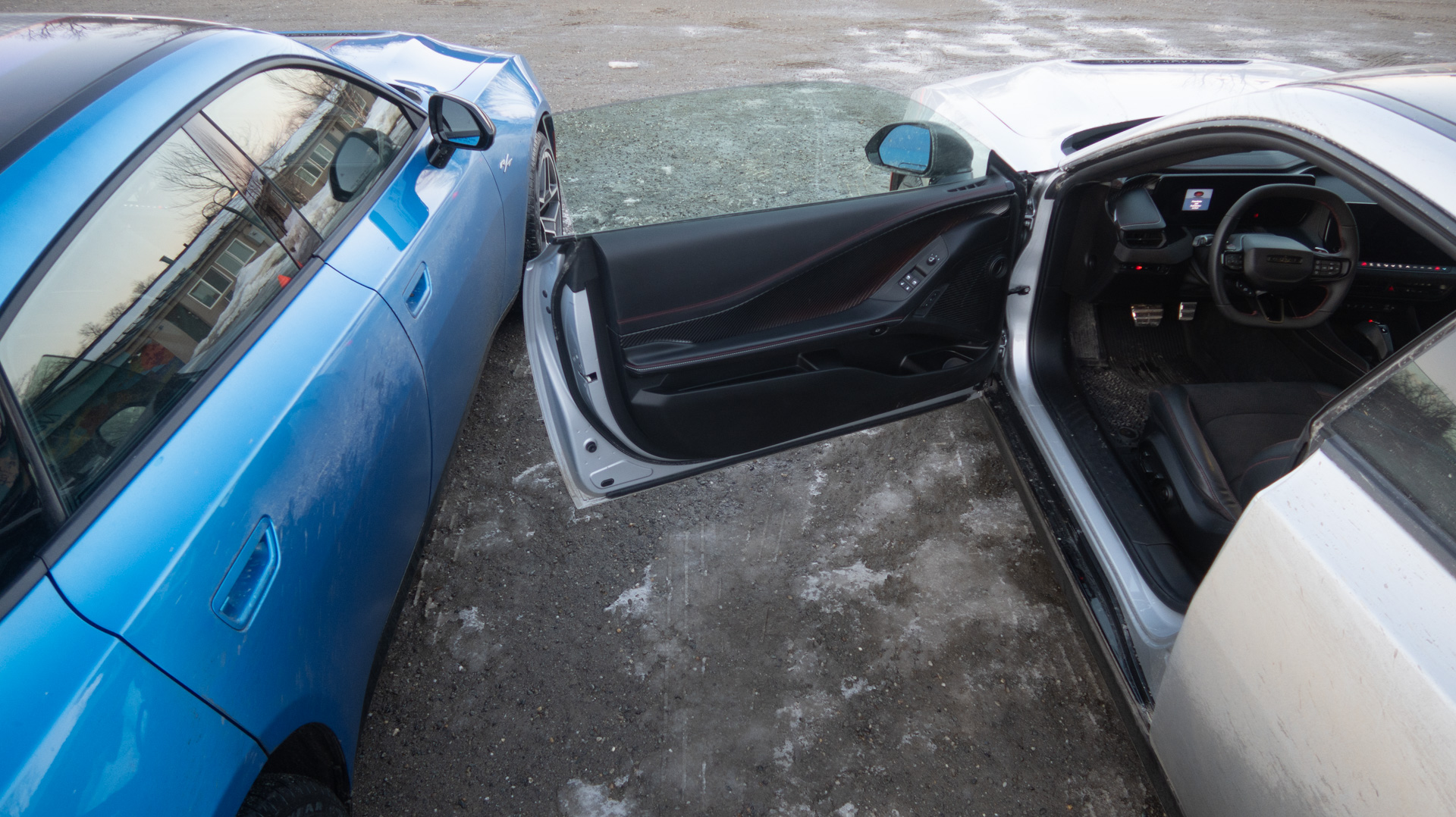
My test car had two options I would normally get excited about: an all-glass roof for $1,395 and an Alpine stereo for $1,795. Still, I might suggest skipping both. The sound system was fine—not bad, not stand-out. The roof looks super cool, but makes things quite … warm. It’s tinted, but there’s no way to fully conceal it, and it sure does let some sun in. We were driving these things in March in Vermont, and I had the air conditioning on to keep cabin temps down.
The Performance Handling Group ($2,995) has a big raft of convenience features and is worth getting for the Brembo brakes and Performance Pages—an extra screen display mode with hyper-specific engine gauges—alone.
Early Verdict
I liked the Charger R/T a lot more than I expected to. It’s not viscerally engaging the way a lightweight sports car is, but it feels fast and fun, and the interior definitely leaves an impression. I could see crossing the country in one of these and loving every minute of it.
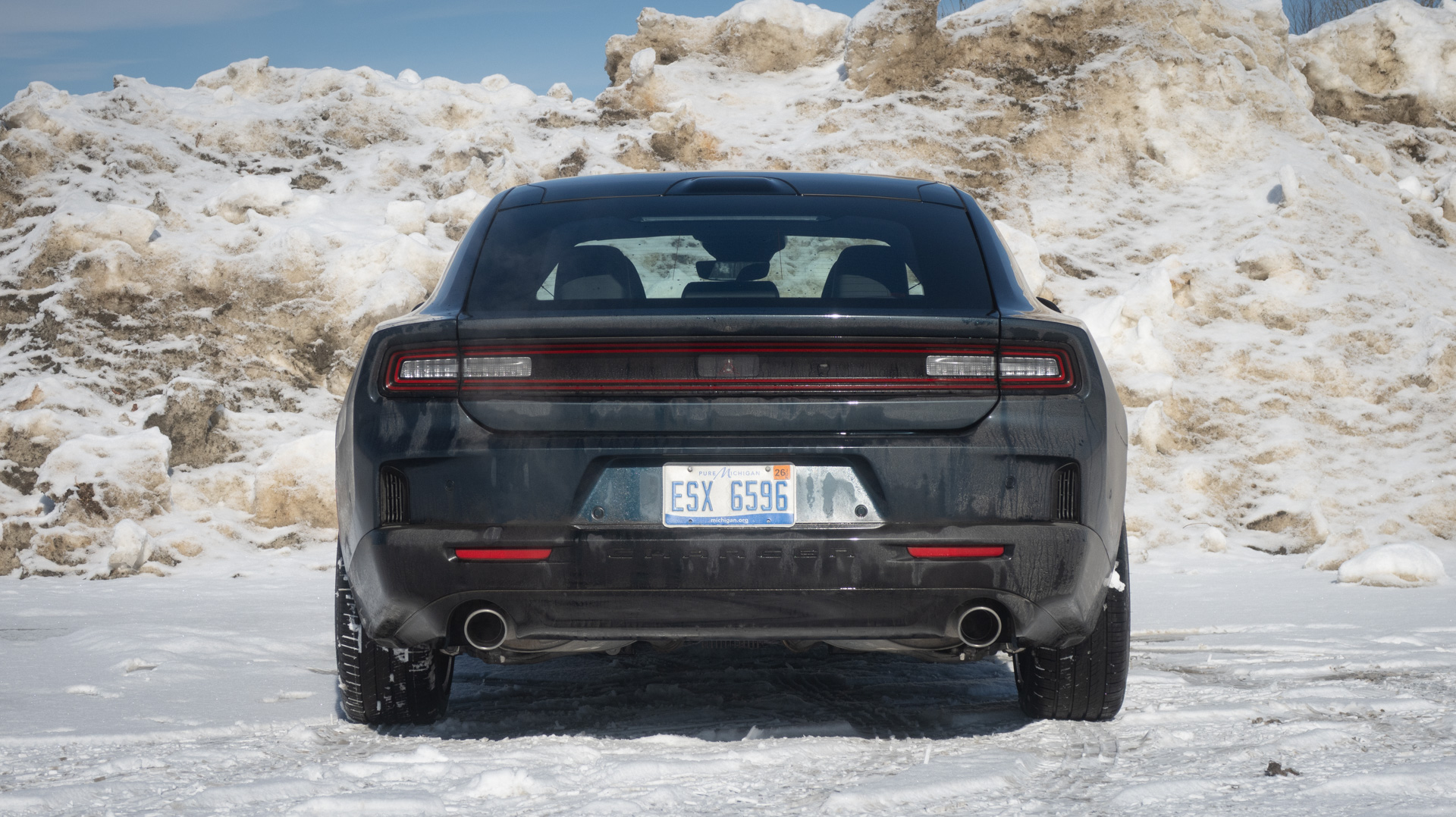
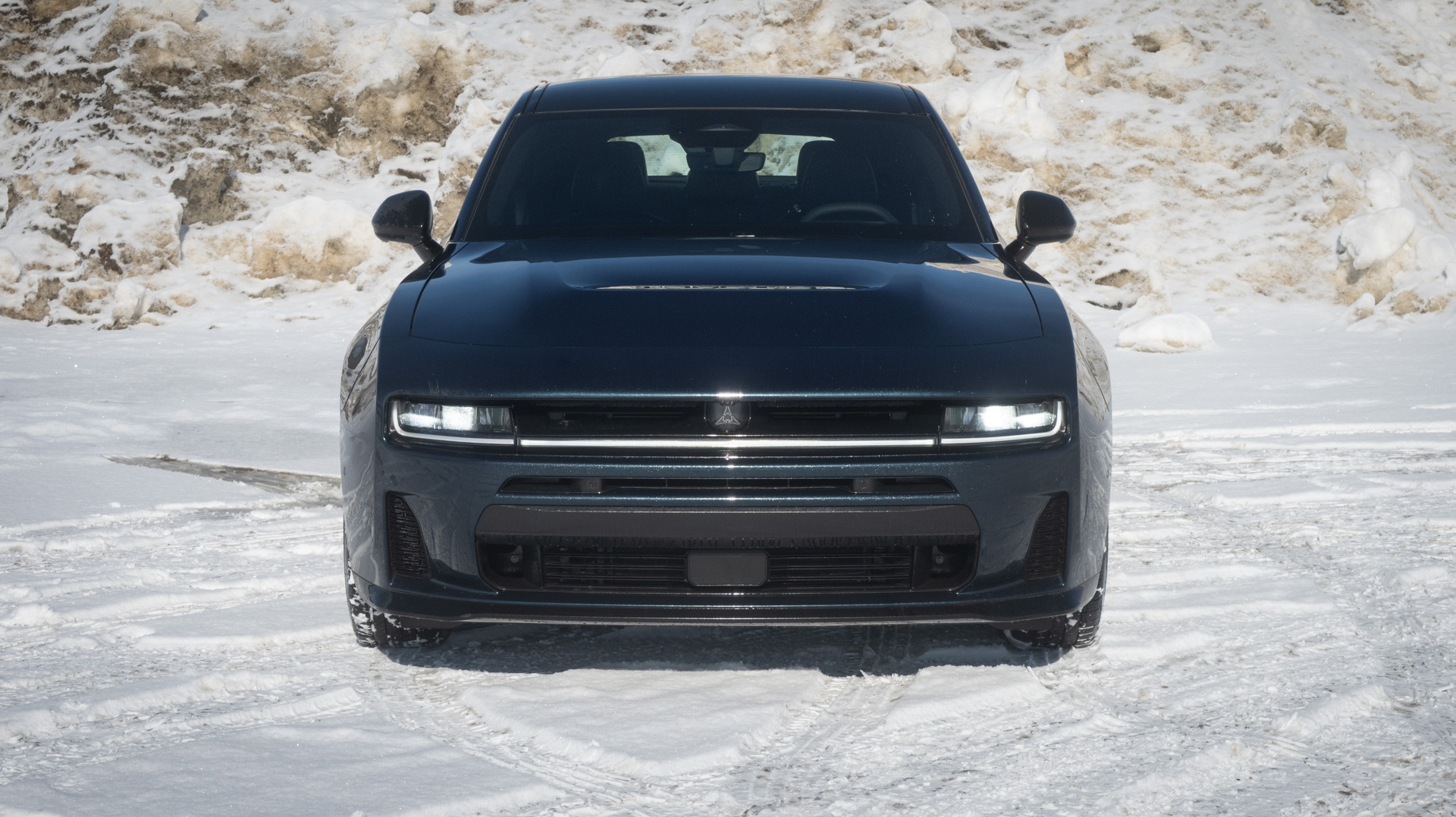
Dodge managed to make a unique and characterful vehicle that feels like a Charger while also being quite different from previous generations. It’s got enough going on that it feels special, and while I think there are objectively better performance sedans at this price point, the Charger makes a reasonable case for itself with personality. If you really dig the design and likely imminent aftermarket support, I could see it making sense.
Everybody who worked on it should be proud of what they were able to accomplish under ridiculous conditions, building a gas-powered, somewhat emissions-conscious muscle car in two body styles, using one chassis meant for a battery EV. Even ChatGPT would’ve sighed at such a prompt. Yet, the result is pretty fun to ride and drive, and it looks downright cool from key angles.
It will be interesting to see how the eighth-gen Charger, both the gas and EV variants, evolve and are modified over time. I’m sure we’ll see at least one lower-level Charger (like the old SXT) in the mix in the near future. Now that Dodge has proved it can make a two- and four-door out of this body, maybe it’ll try a Magnum wagon or Rampage ute!
Dodge provided The Drive with travel and accommodations, along with the use of a vehicle for the purpose of writing this review.
| 2026 Dodge Charger R/T Plus Four-Door | |
|---|---|
| Base Price (As Tested) | $51,995 ($62,870) |
| Powertrain | 3.0-liter TT I6 | 8-Speed Auto | AWD |
| Horsepower | 420 bhp @ 5,200 rpm |
| Torque | 468 lb-ft @ 2,500 rpm |
| Curb Weight | 4,741 lbs. |
| Cargo Volume | 22.8 cu. ft. (seats up) | 38 cu. ft. (seats down) |
| 0-60 | 4.6 seconds |
| Quarter Mile | 12.9 seconds @ 107 mph |
| Top Speed (Computer Governed) | 127 mph |
| Score | 7/10 |

Quick Take
Fun, characterful, a little wacky and unrefined—essentially, true to Charger tradition with some neat computer-controlled party tricks.
2026 Dodge Charger Photo Gallery
I like to use my own photos to provide realistic visuals in reviews, but Dodge’s own media team got some real bangers of this car on location in Vermont and New Hampshire, where we ran this testing. Swipe through for the best ones (mix of R/T and Scat Pack cars).

SIXPACK-powered 2026 Dodge Charger Scat Pack (two-door) 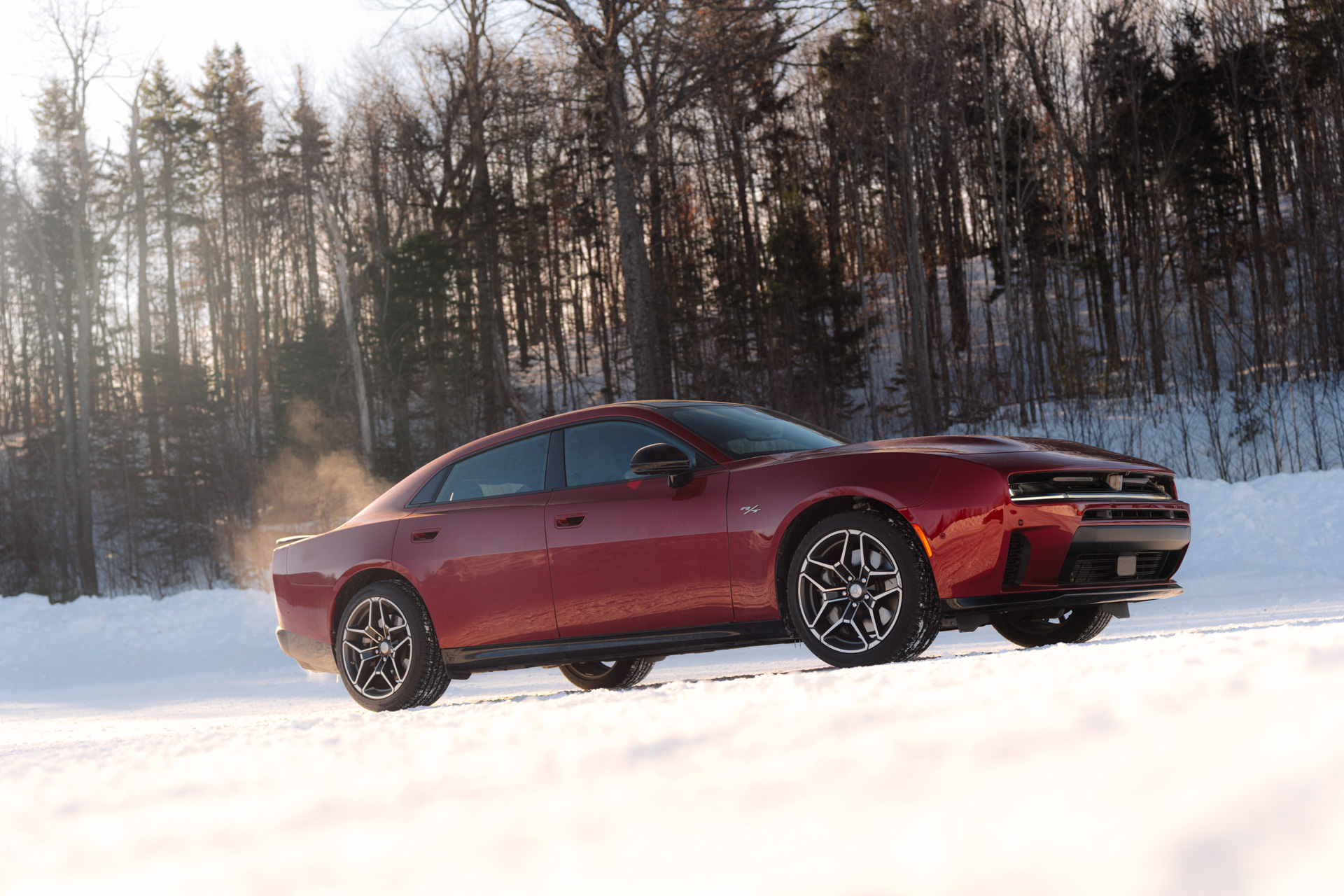
SIXPACK-powered 2026 Dodge Charger R/T 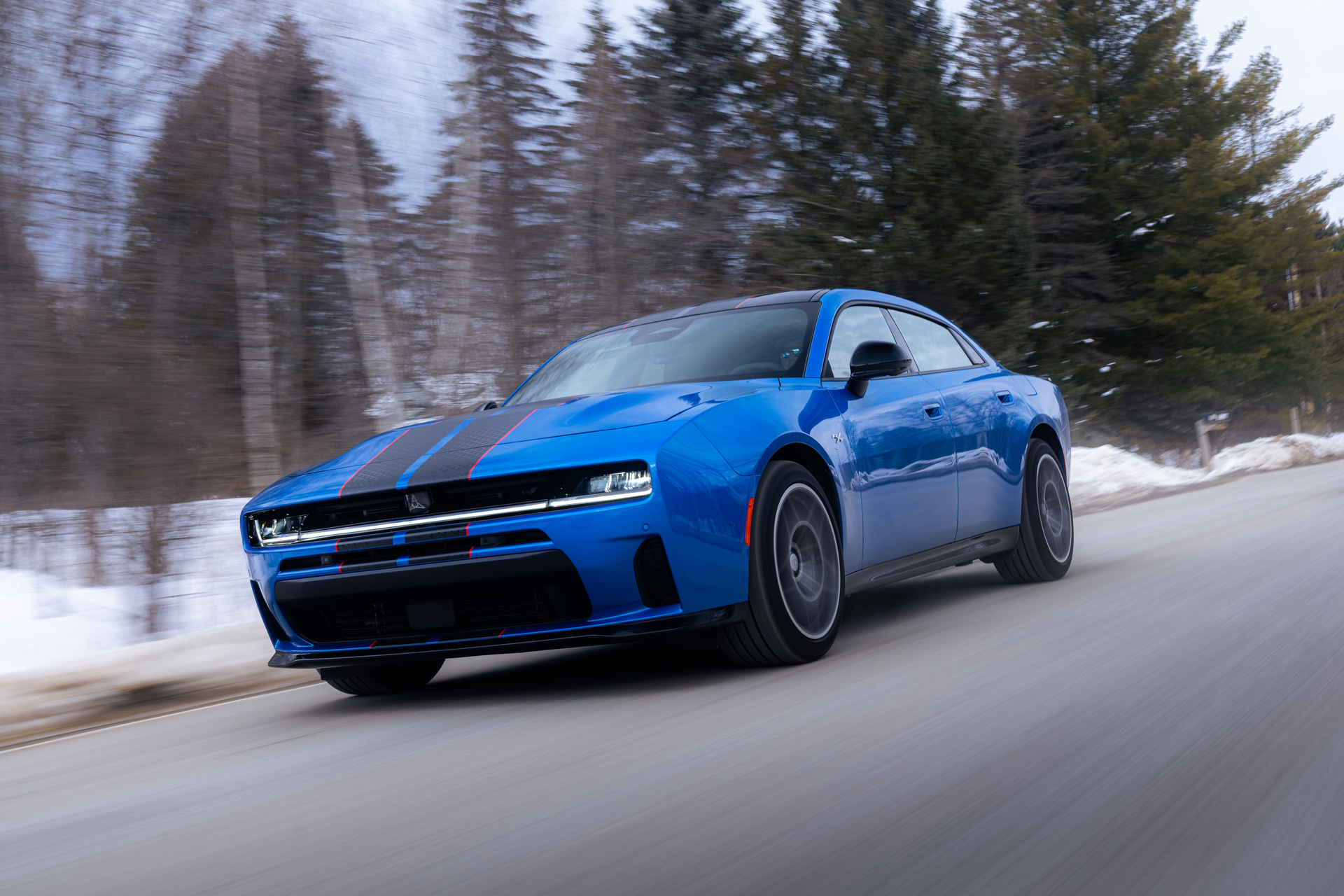
SIXPACK-powered 2026 Dodge Charger R/T 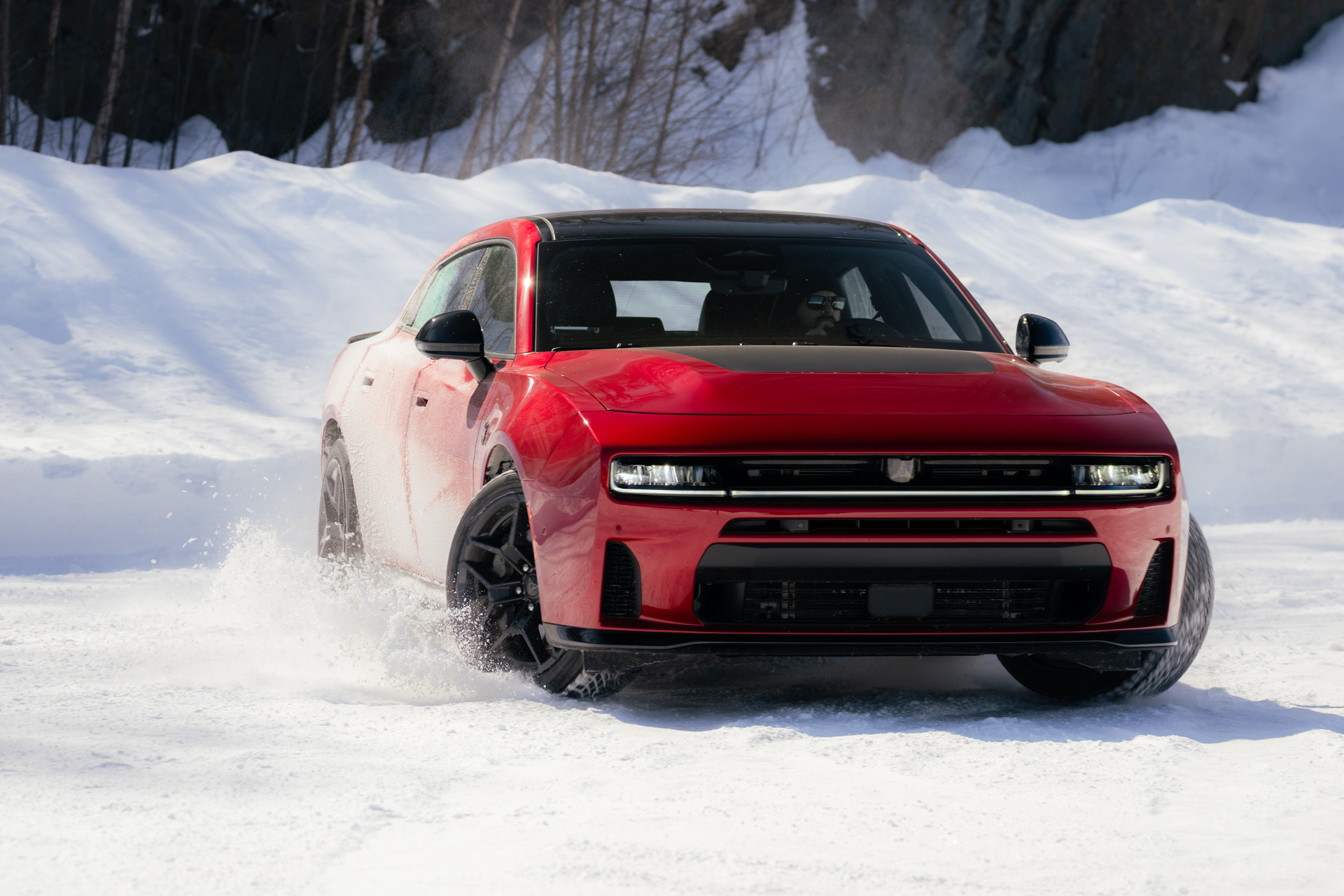
SIXPACK-powered 2026 Dodge Charger Scat Pack (four-door) 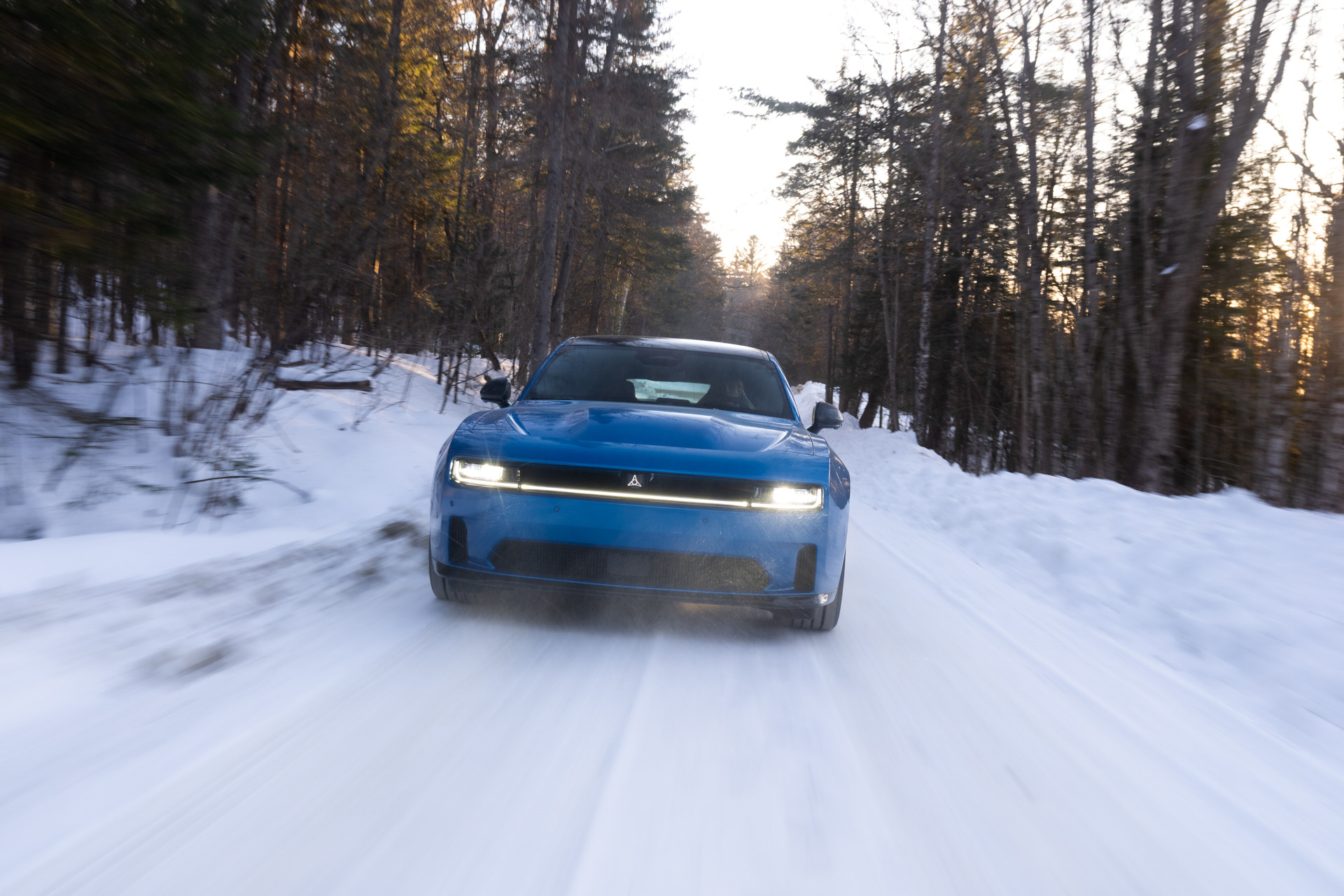
2026 Dodge Charger Daytona Scat Pack 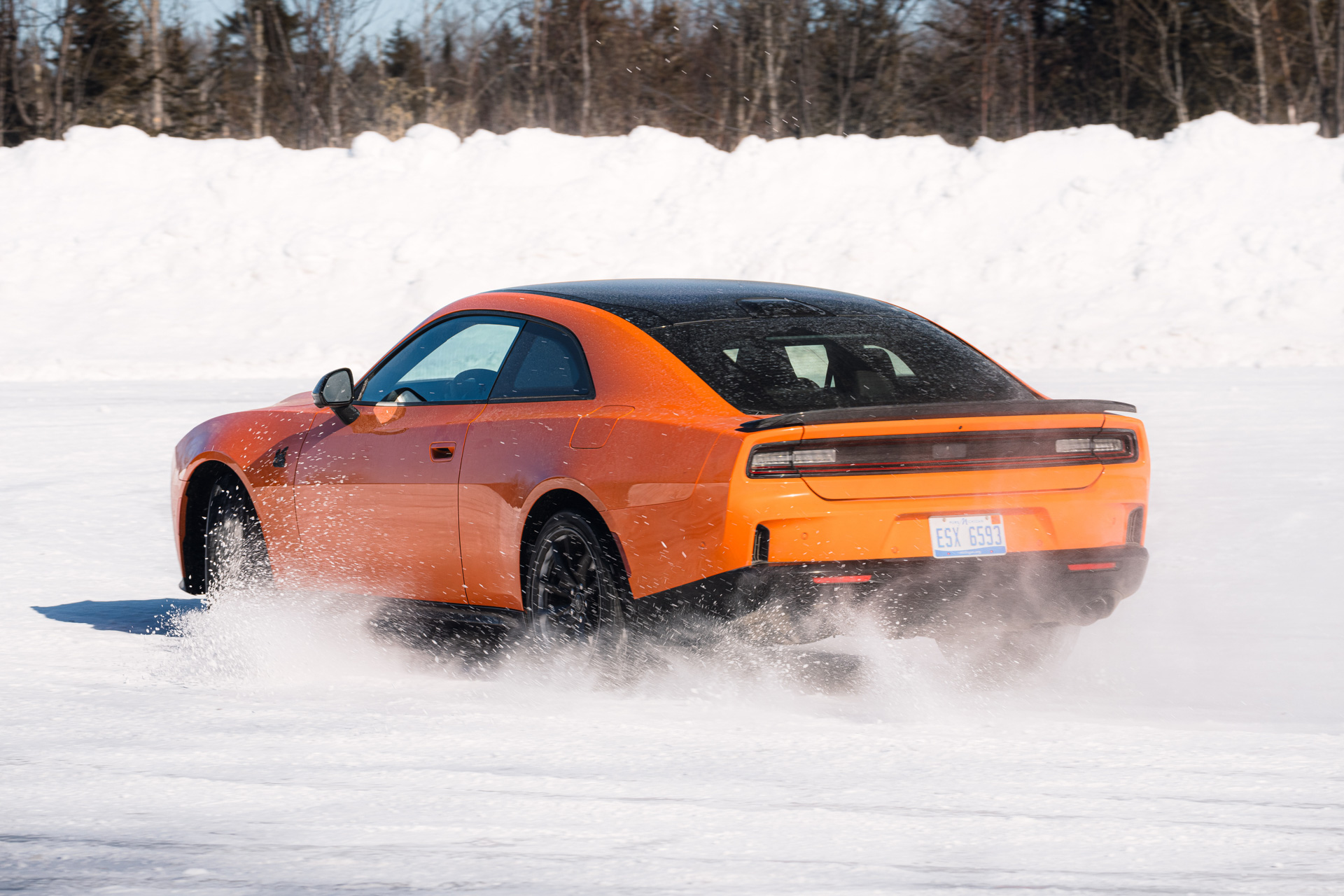
SIXPACK-powered 2026 Dodge Charger Scat Pack (two-door) 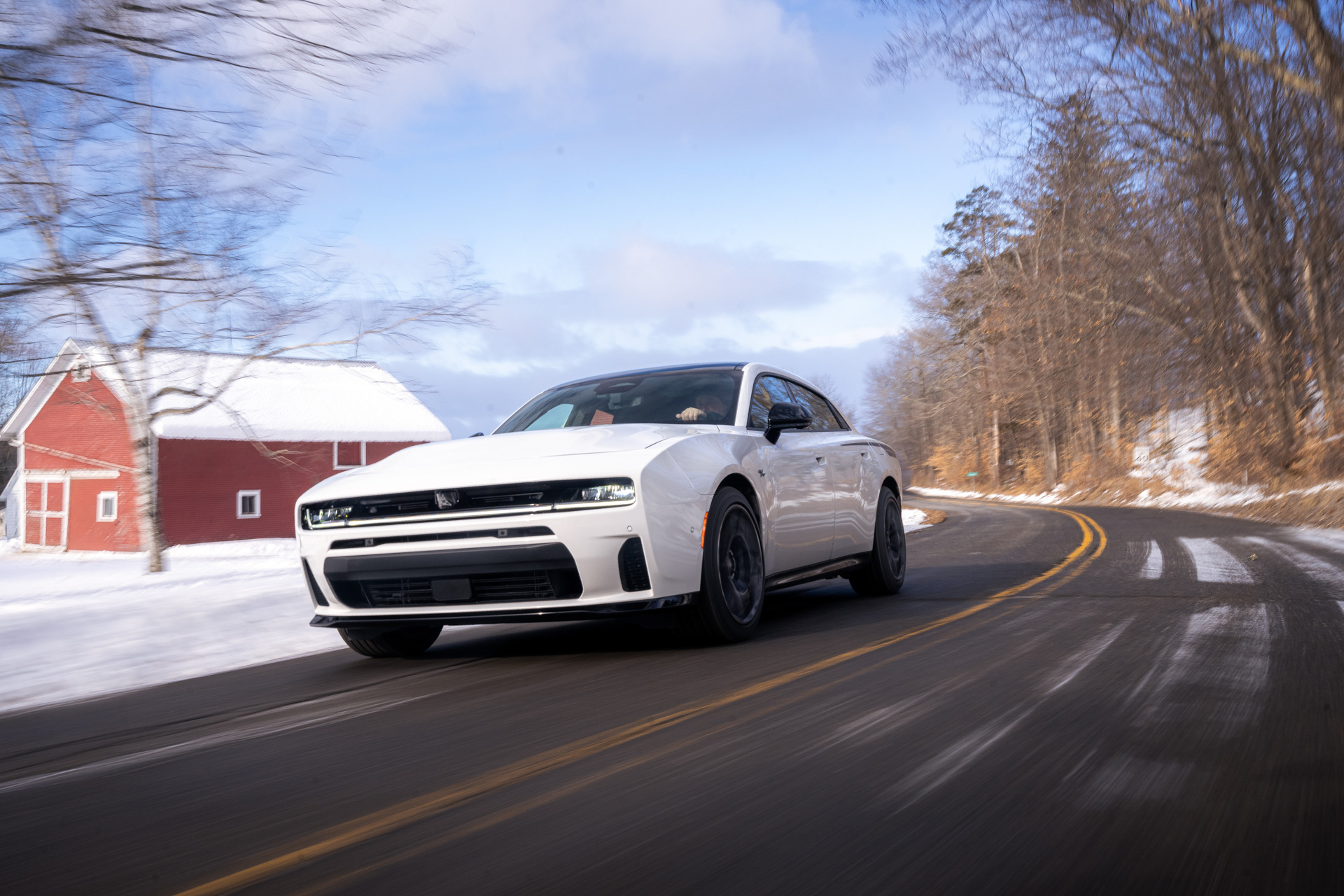
SIXPACK-powered 2026 Dodge Charger R/T 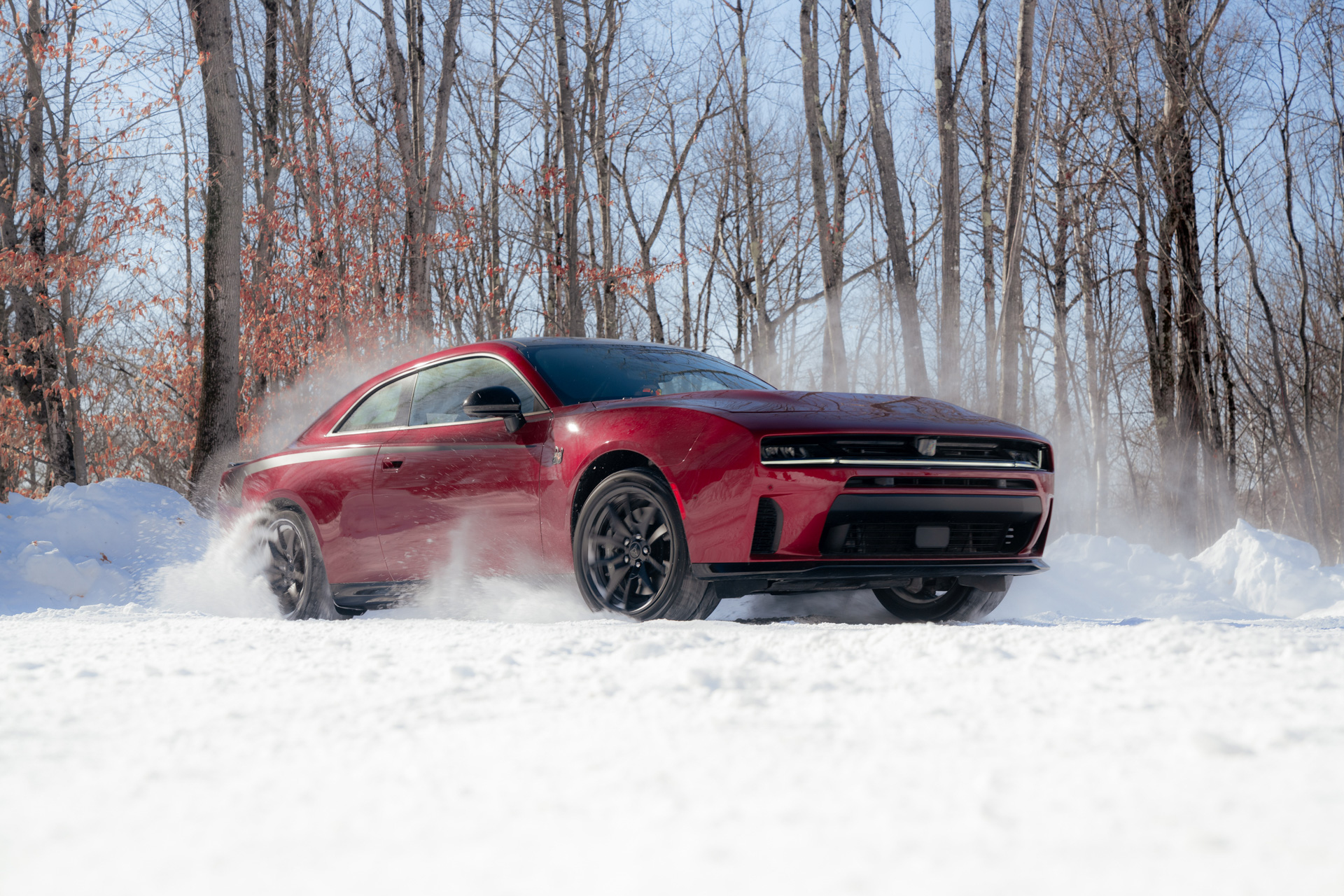
SIXPACK-powered 2026 Dodge Charger Scat Pack (two-door) 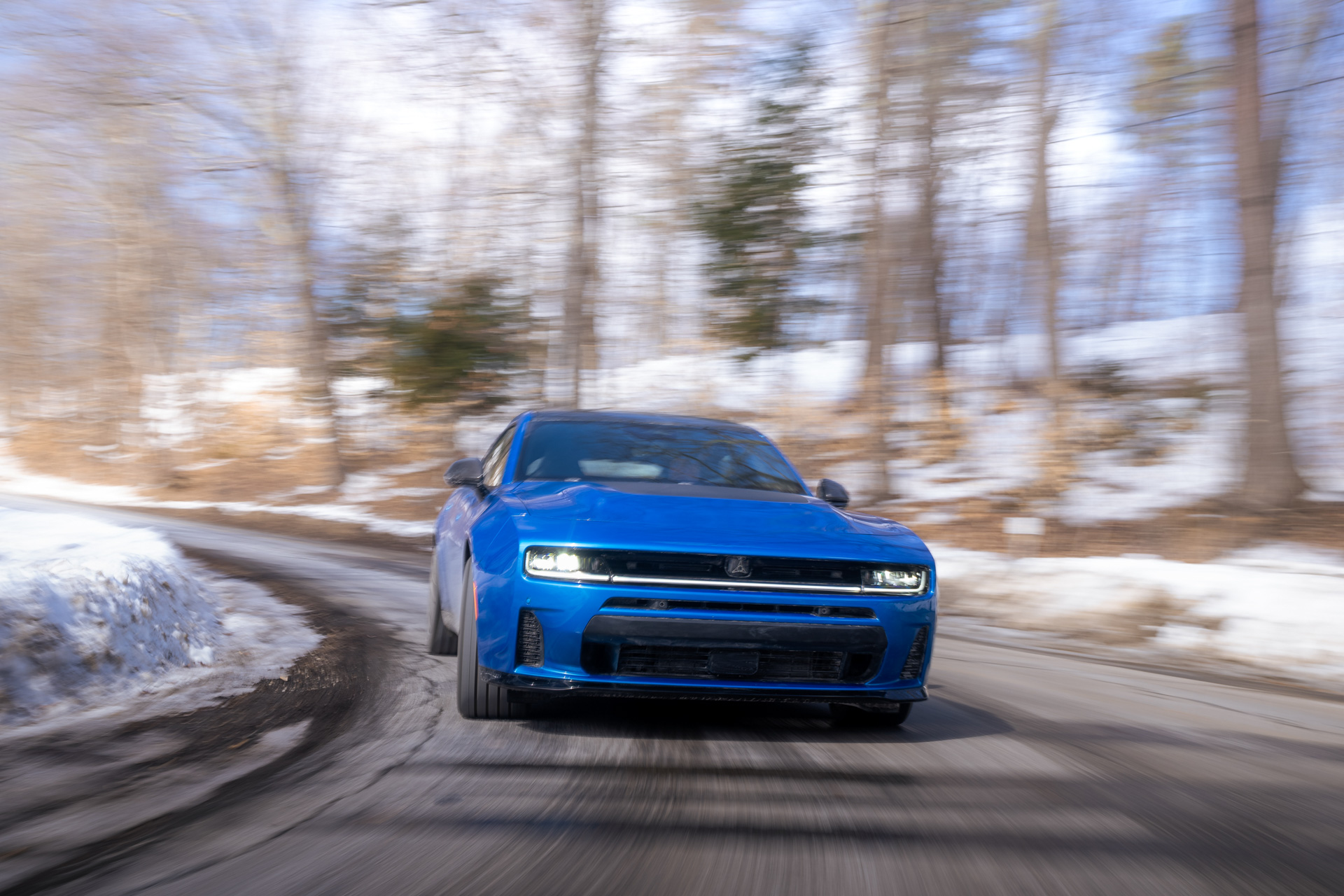
SIXPACK-powered 2026 Dodge Charger Scat Pack (four-door) 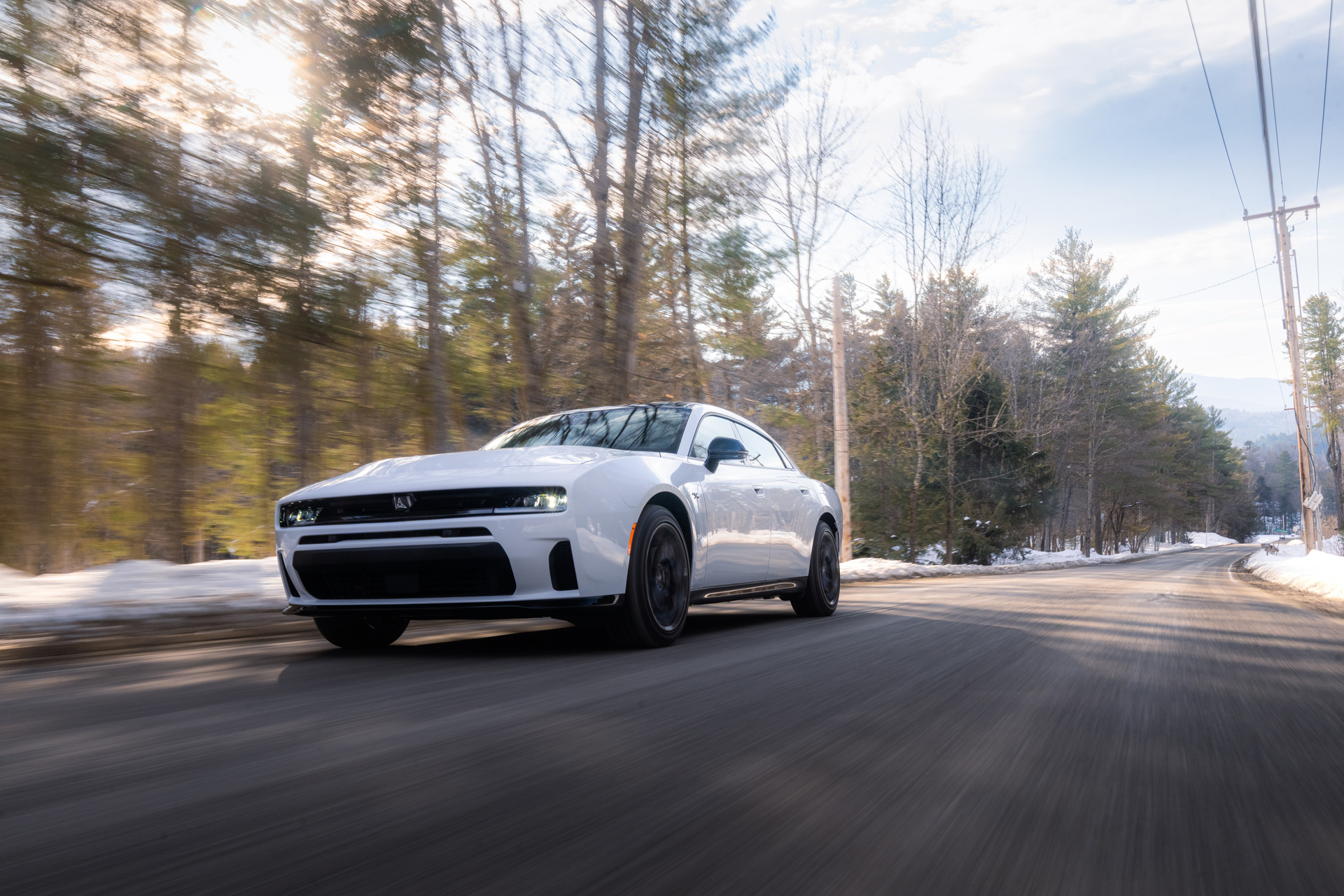
SIXPACK-powered 2026 Dodge Charger R/T 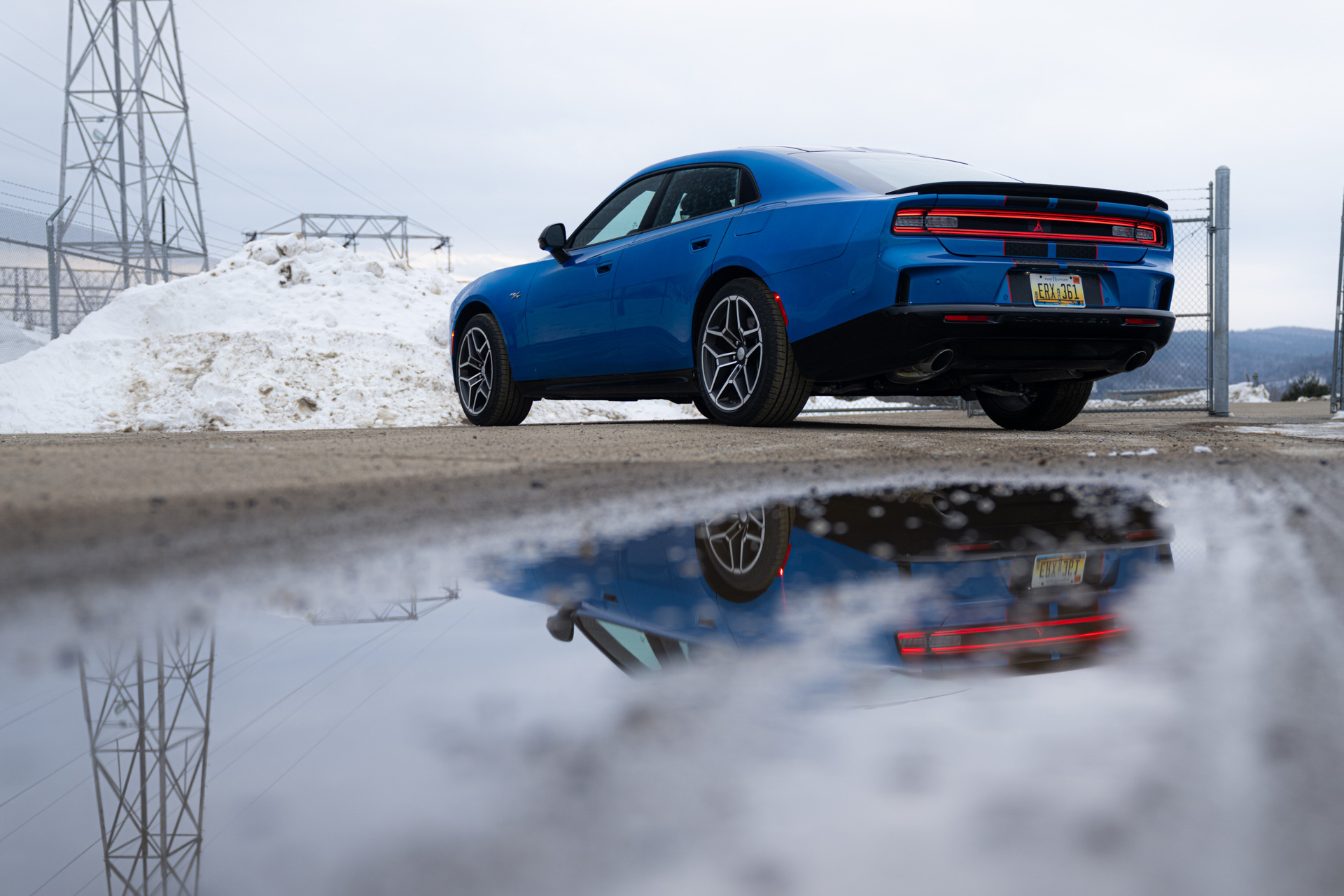
SIXPACK-powered 2026 Dodge Charger R/T 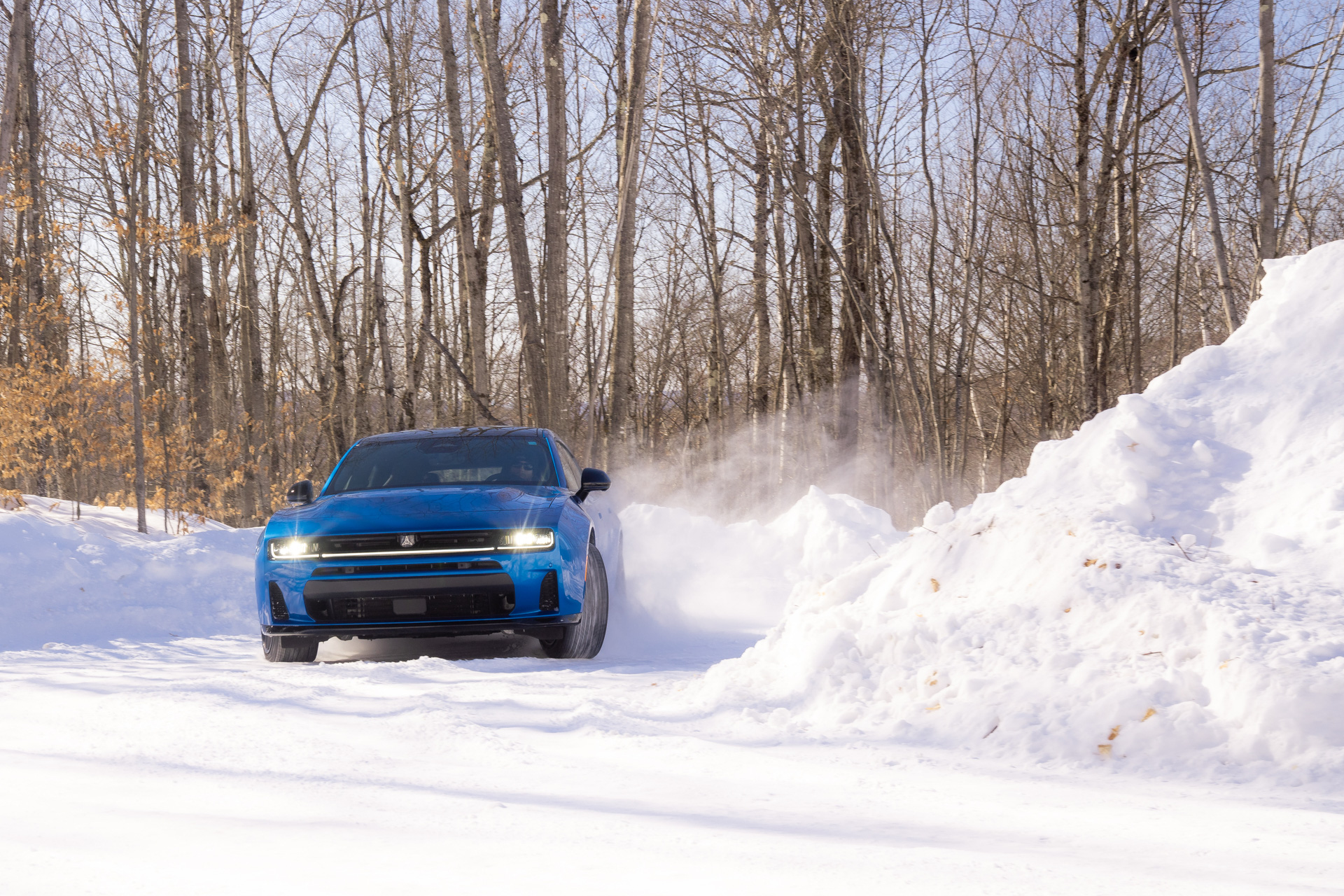
The SIXPACK-powered 2026 Dodge Charger R/T features standard all-wheel drive as well as an on demand rear wheel drive mode that sends 100% of torque to the rear wheels at the push of a button. 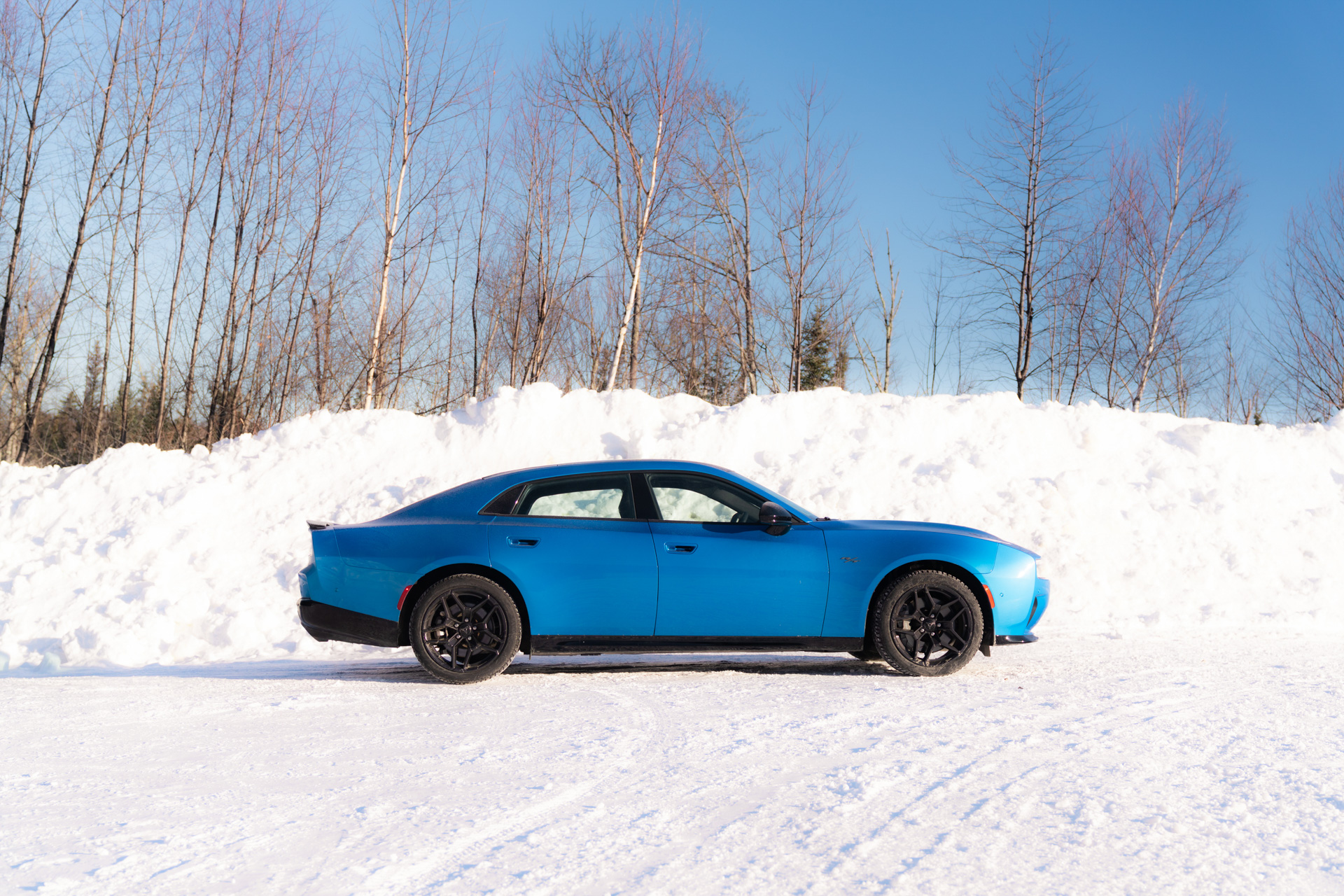
SIXPACK-powered 2026 Dodge Charger R/T 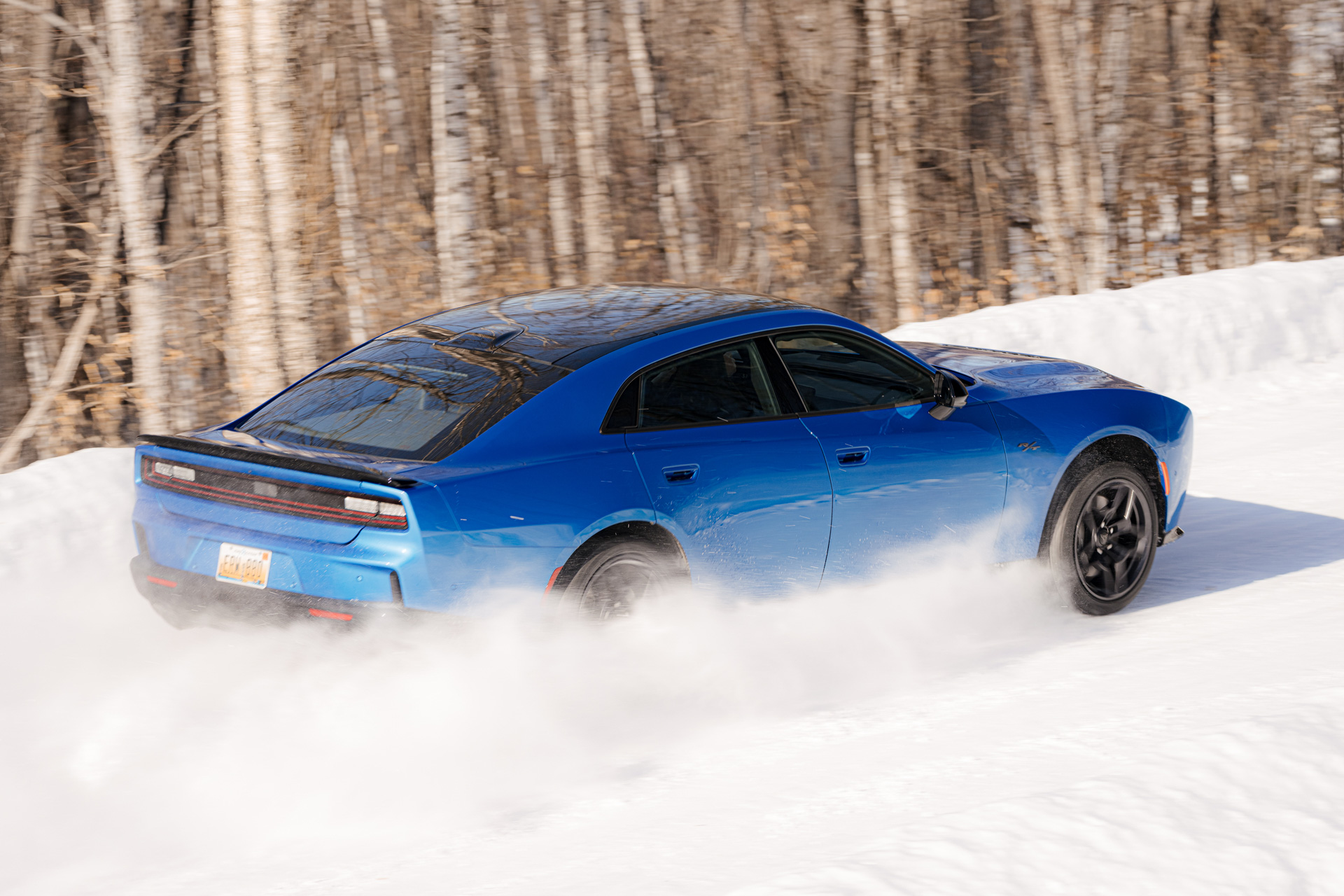
SIXPACK-powered 2026 Dodge Charger R/T 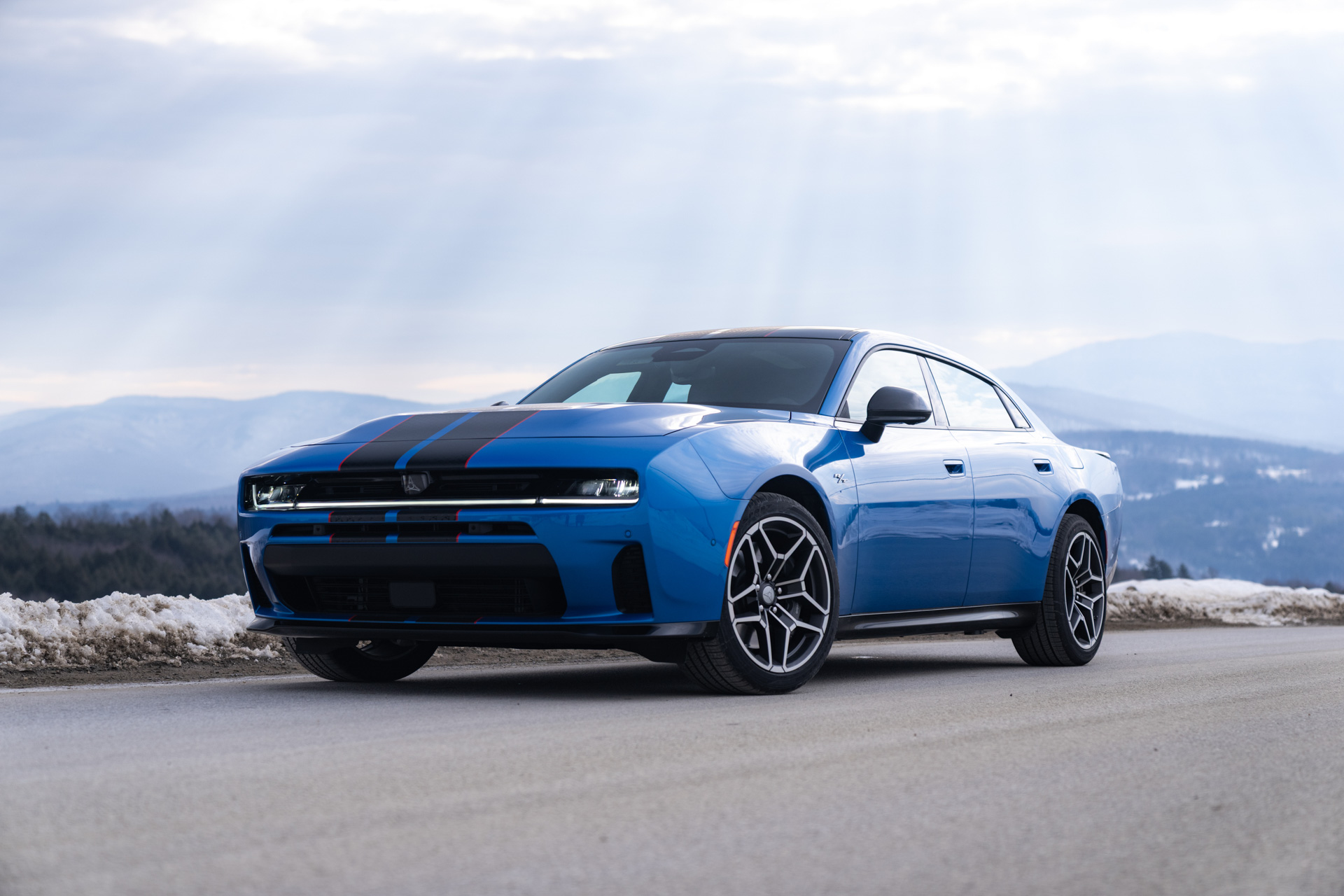
SIXPACK-powered 2026 Dodge Charger R/T, shown in Bludicrous exterior color with Fratzog logo-patterned dual stripes. 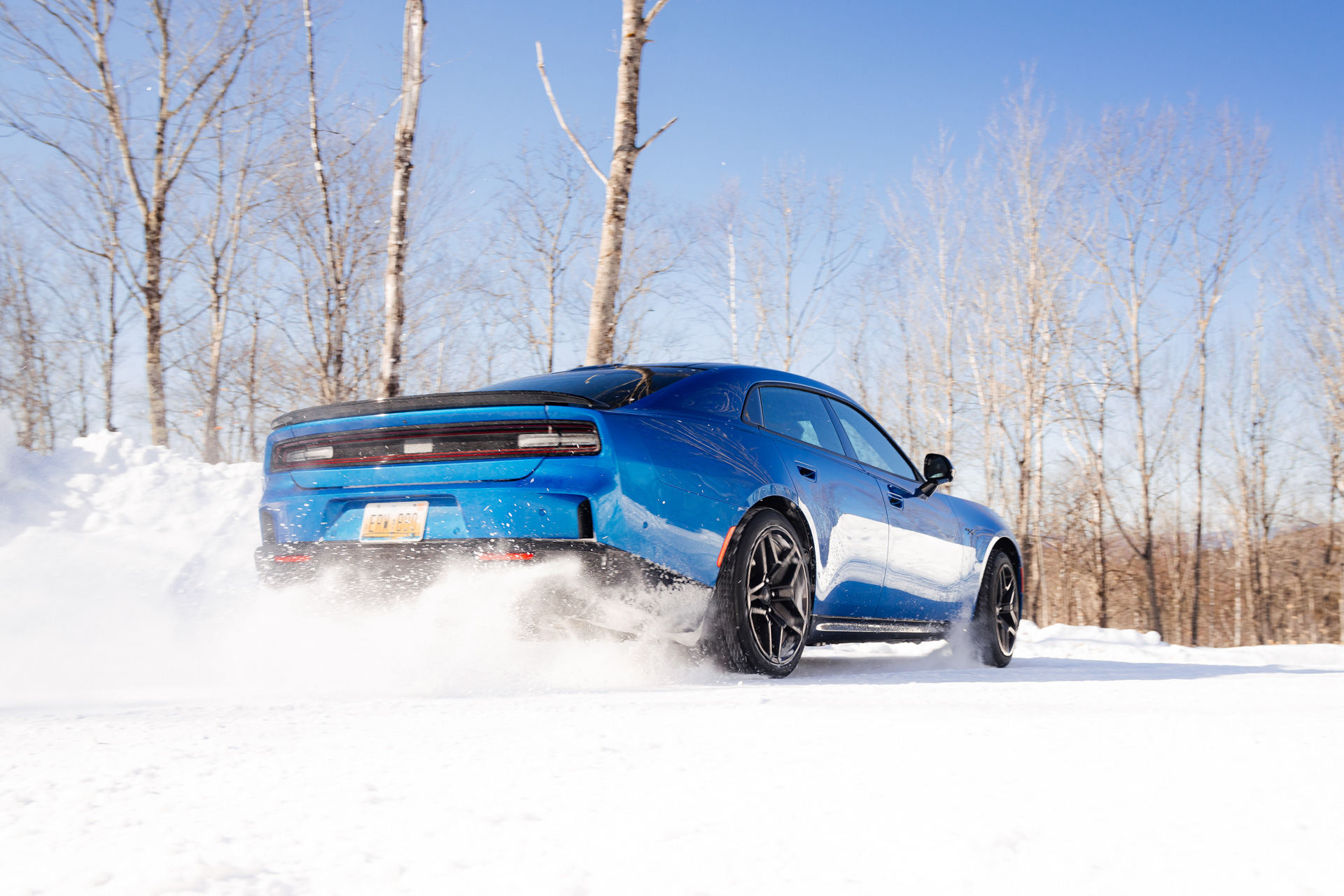
The 2026 Dodge Charger R/T unleashes muscle car performance and maximum capability with Line Lock, Launch Control, a Custom drive mode and much more through the available Performance Handling Group. 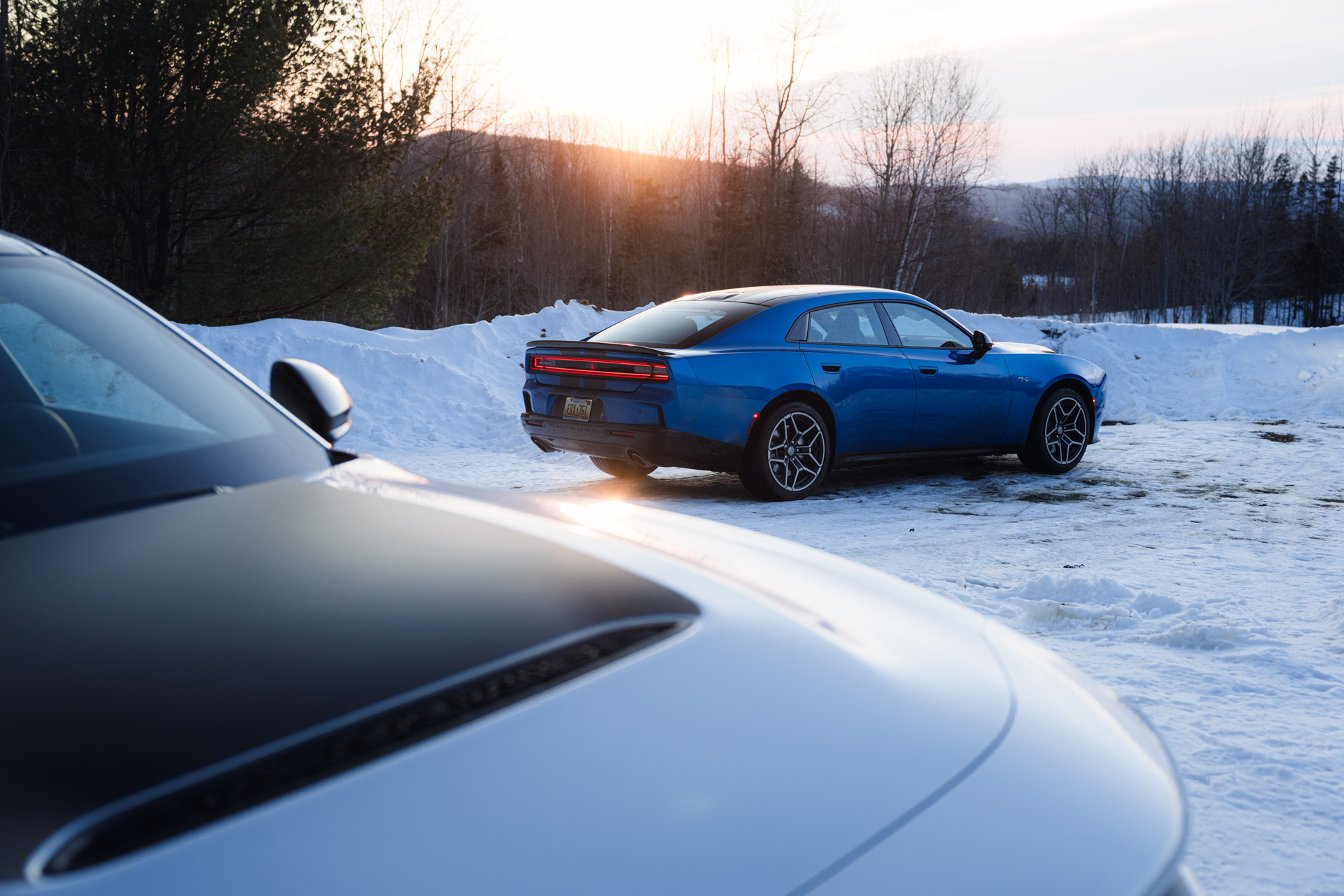
SIXPACK-powered 2026 Dodge Charger R/T 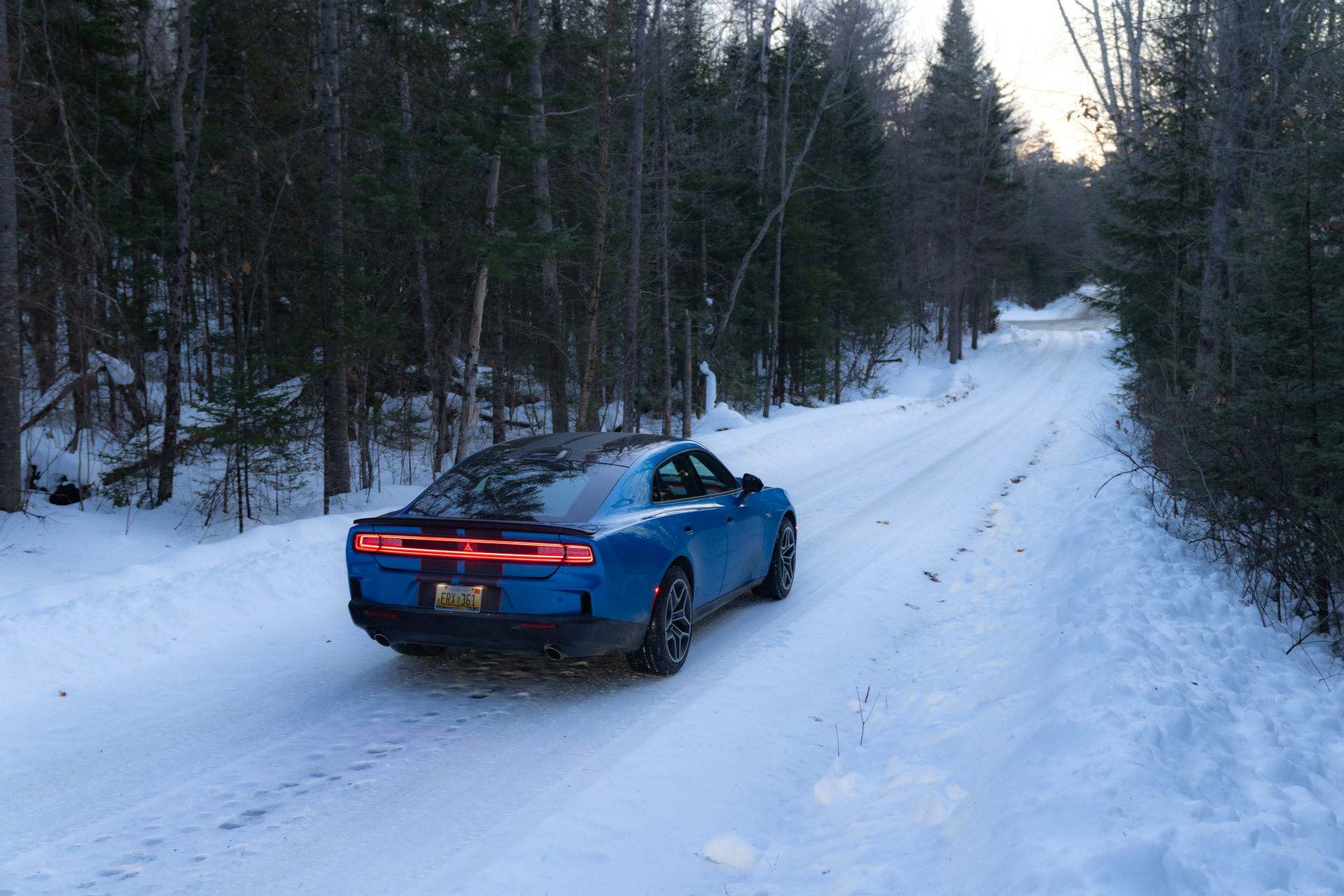
SIXPACK-powered 2026 Dodge Charger R/T 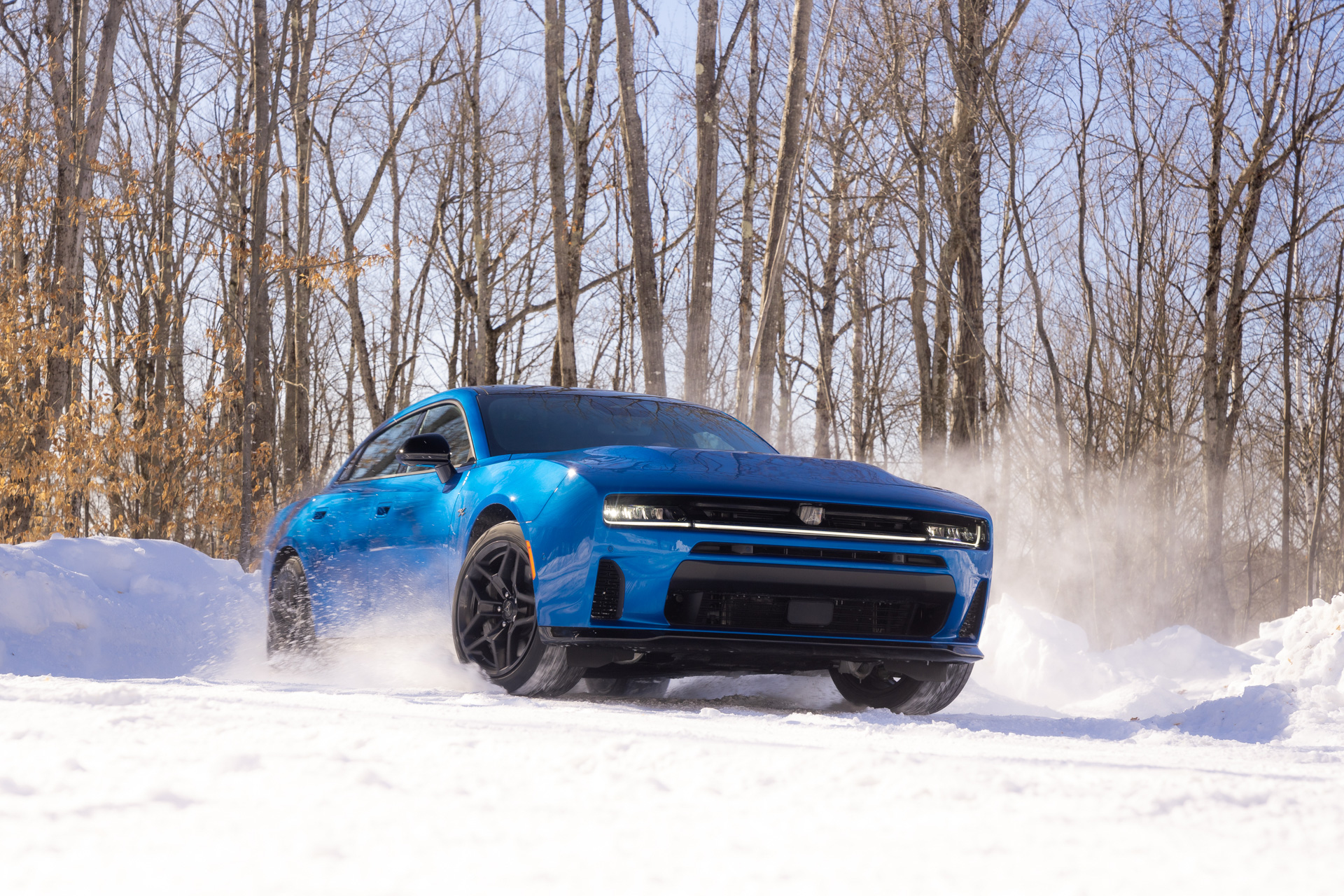
SIXPACK-powered 2026 Dodge Charger R/T 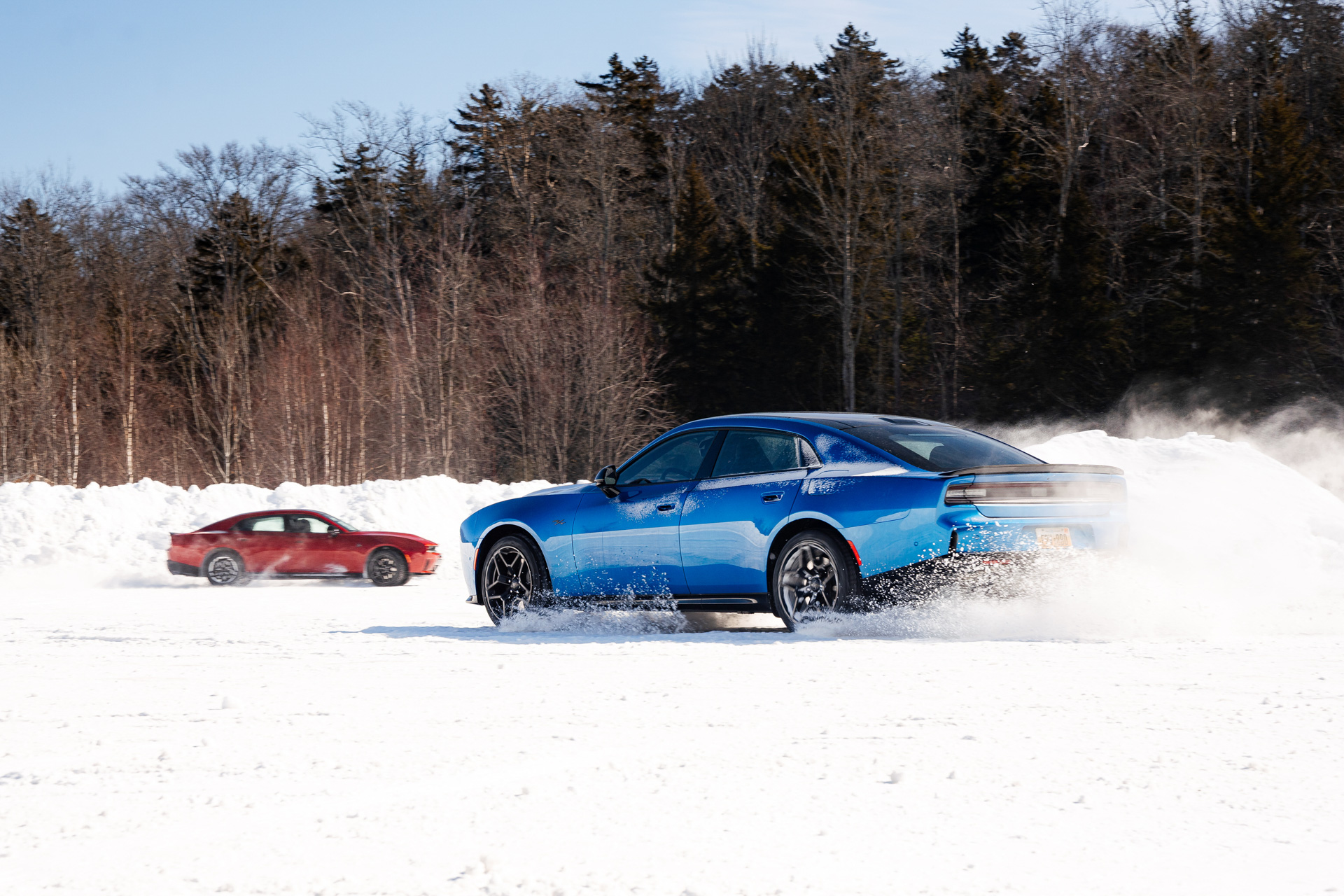
SIXPACK-powered 2026 Dodge Charger R/T (foreground) and 2026 Dodge Charger Scat Pack. 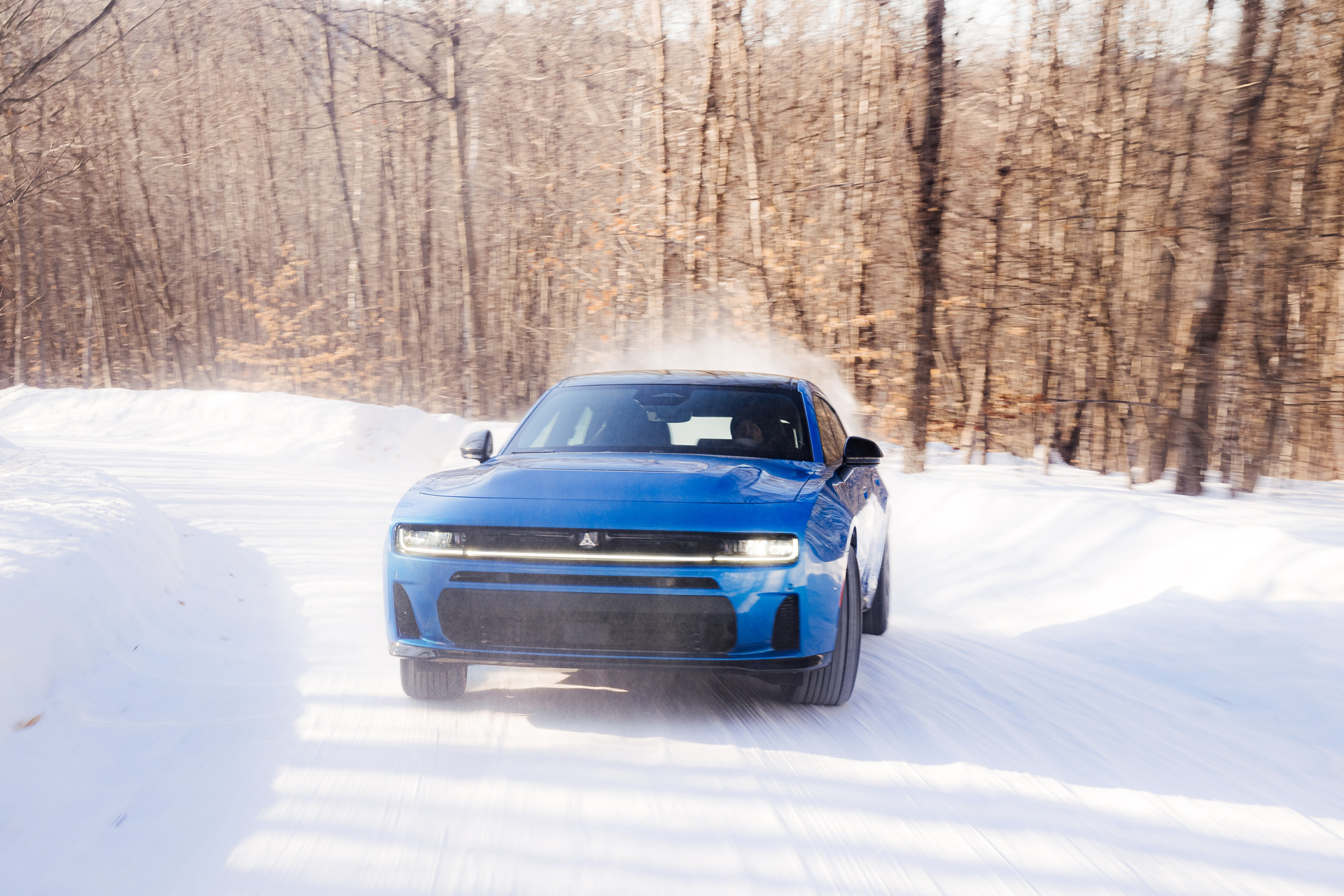
The SIXPACK-powered 2026 Dodge Charger R/T is the newest addition to the award-winning, multi-energy Dodge Charger lineup. 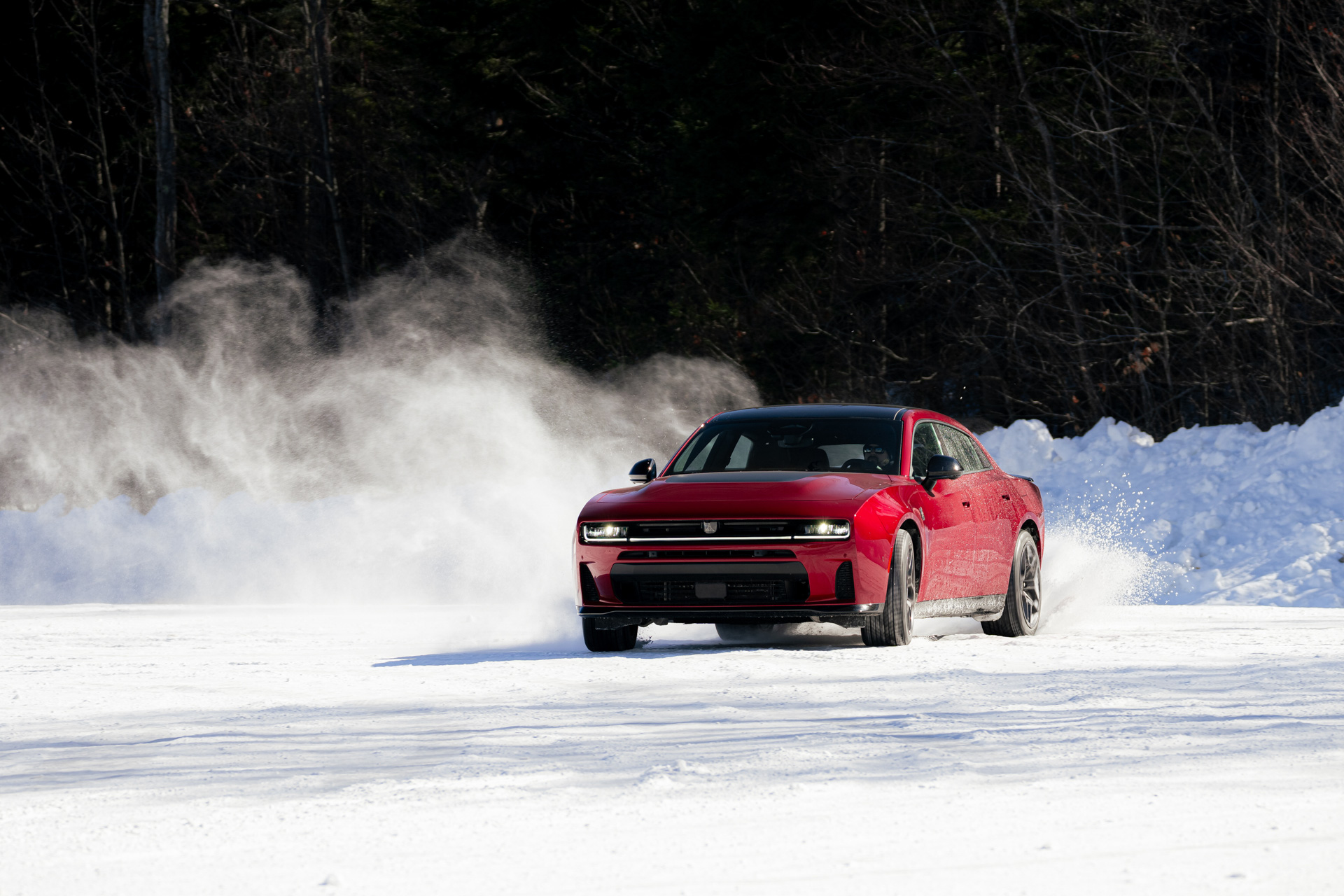
SIXPACK-powered 2026 Dodge Charger Scat Pack (four-door) 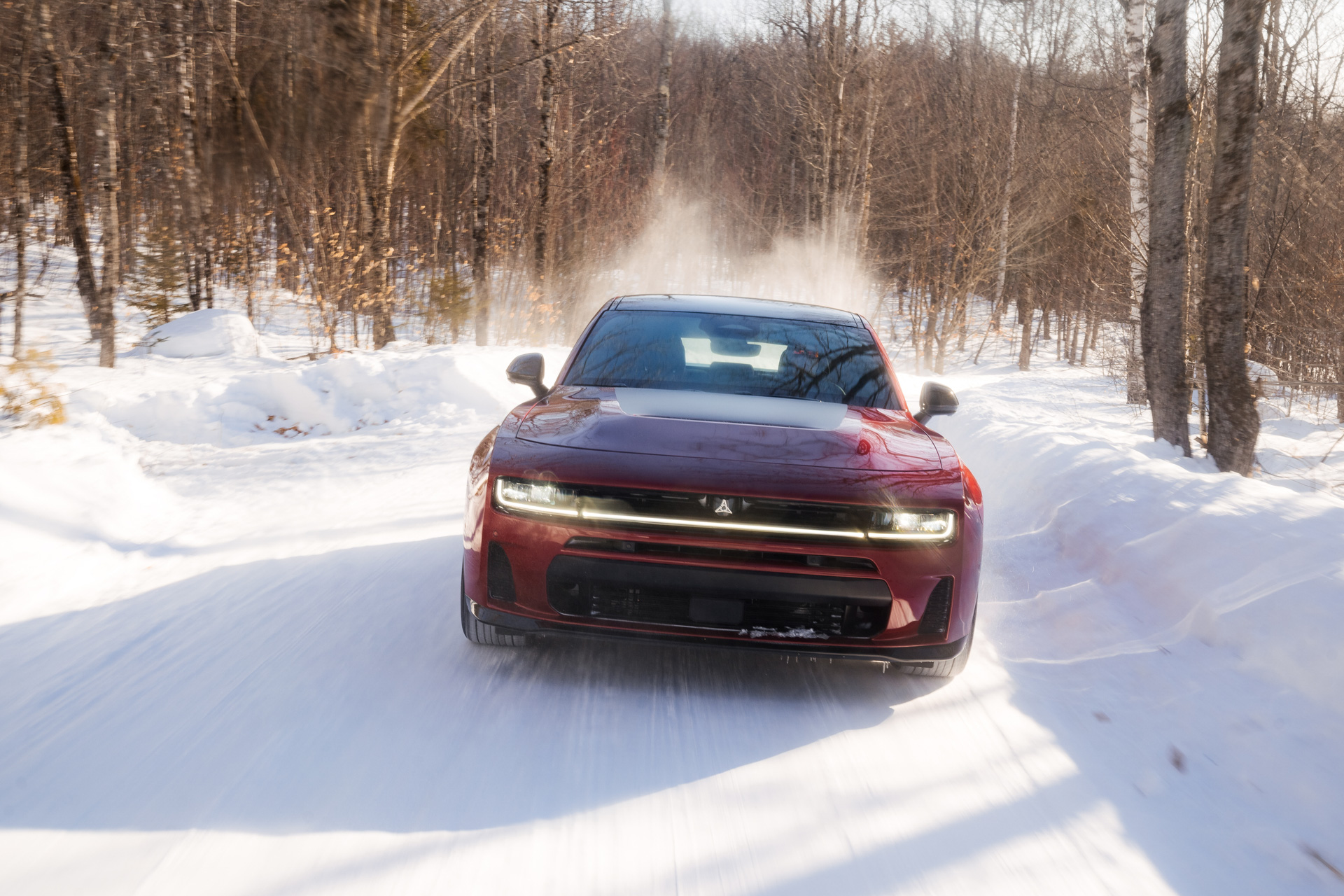
The SIXPACK-powered 2026 Dodge Charger Scat Pack is available in both two- and four-door models, and like the entire Charger lineup features standard all-wheel drive. 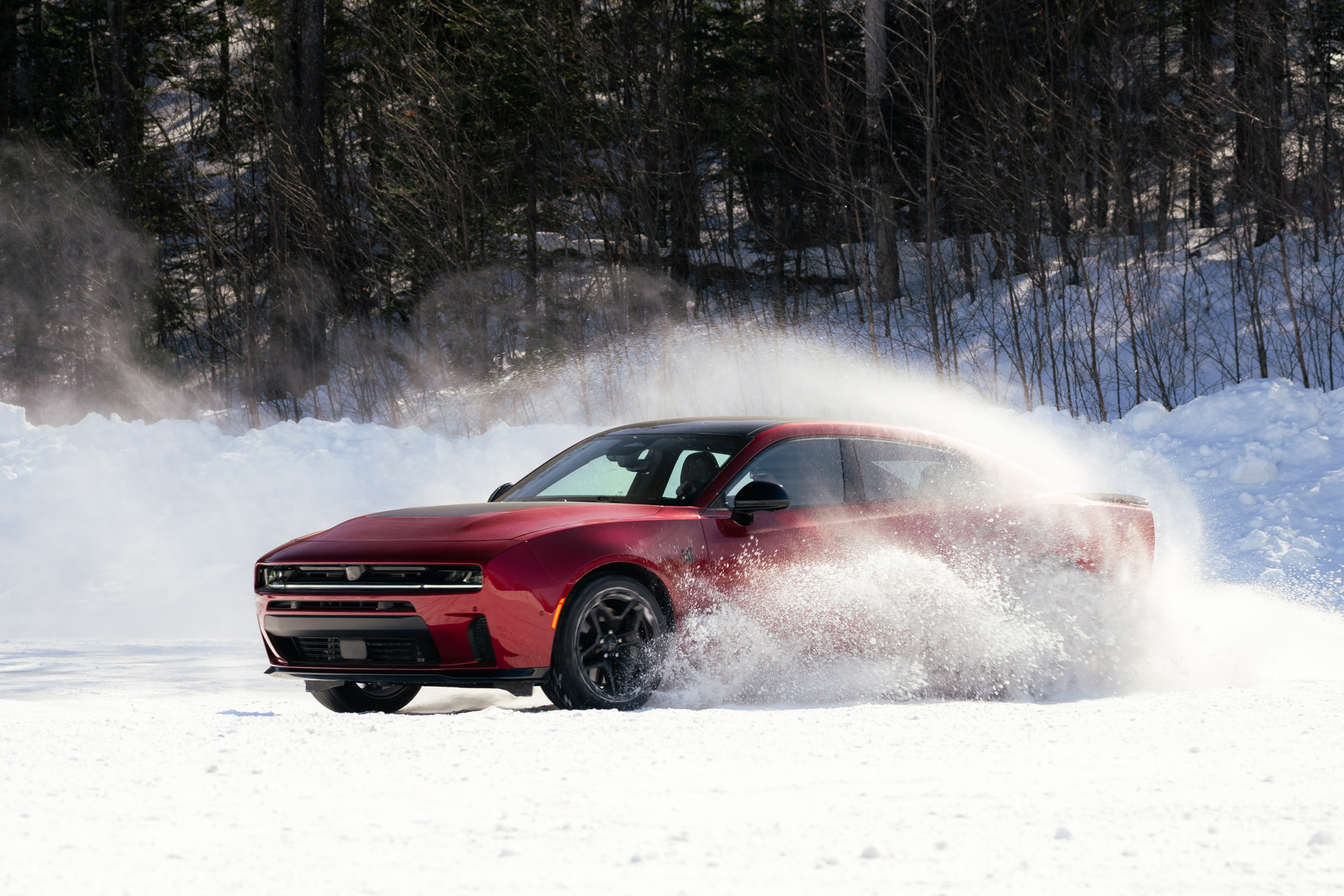
SIXPACK-powered 2026 Dodge Charger Scat Pack (four-door) 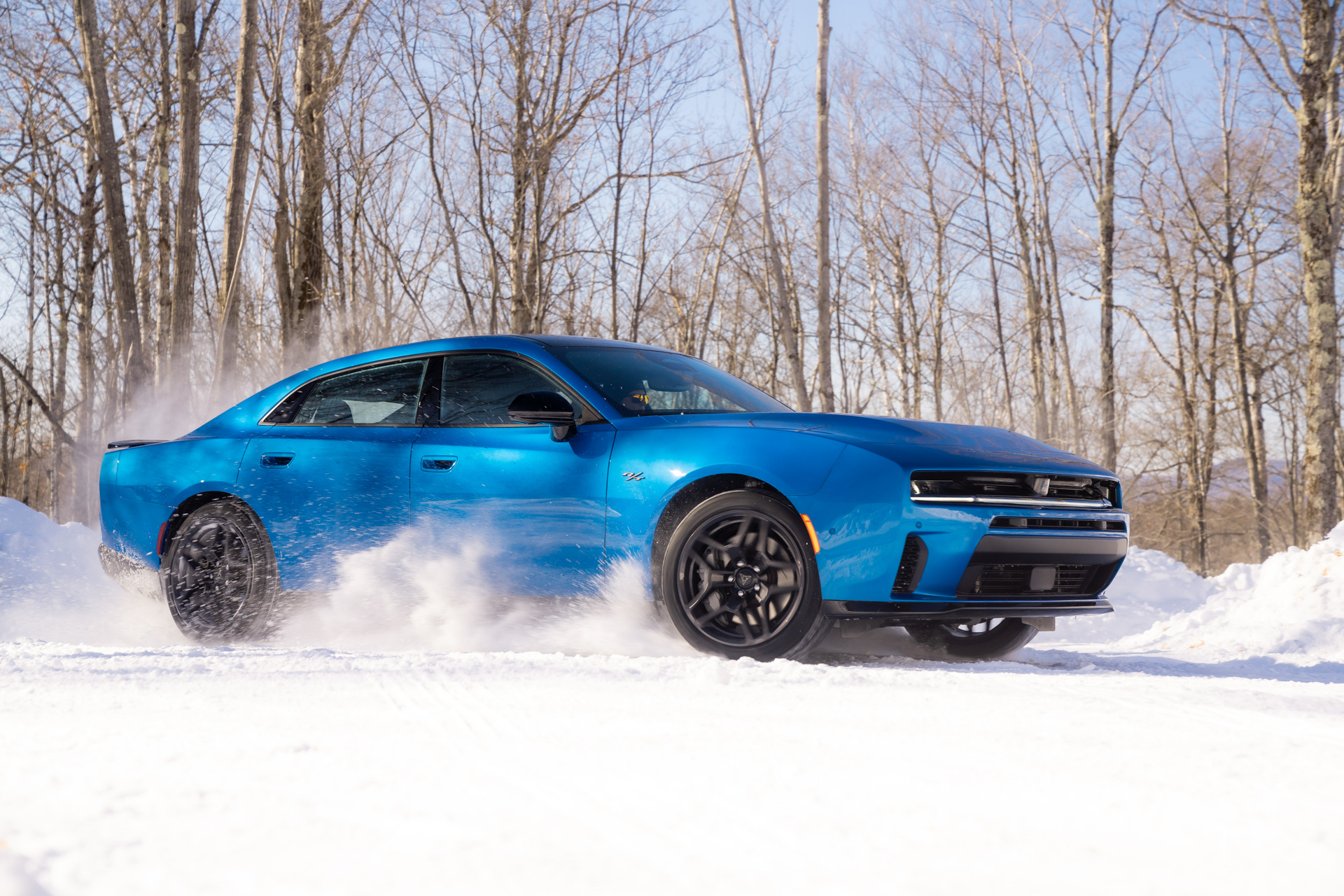
SIXPACK-powered 2026 Dodge Charger R/T 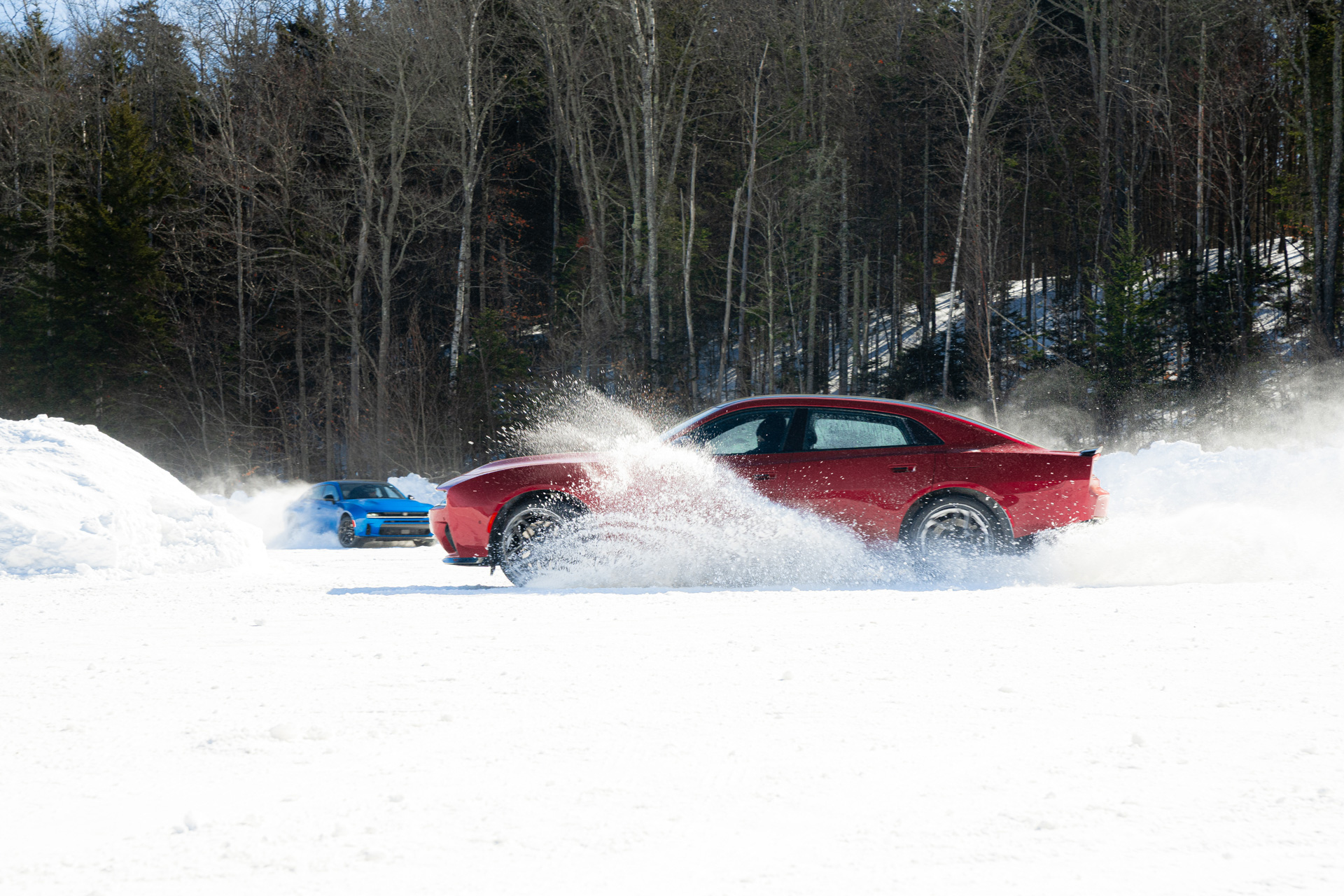
SIXPACK-powered 2026 Dodge Charger Scat Pack (four-door)
Dodge provided a hotel room, access to vehicles, access to executives, and access to a closed rally course in addition to road routes for this review.
Got a tip? Drop us a line at tips@thedrive.com.
Loading comments…
Comments couldn’t be loaded. Please refresh the page.